A Japanese White Pine (in training since 1625) that survived the bombing of Hiroshima. At the National Bonsai and Penjing Museum in Washington, DC.
A Japanese White Pine (in training since 1625) that survived the bombing of Hiroshima. At the National Bonsai and Penjing Museum in Washington, DC.
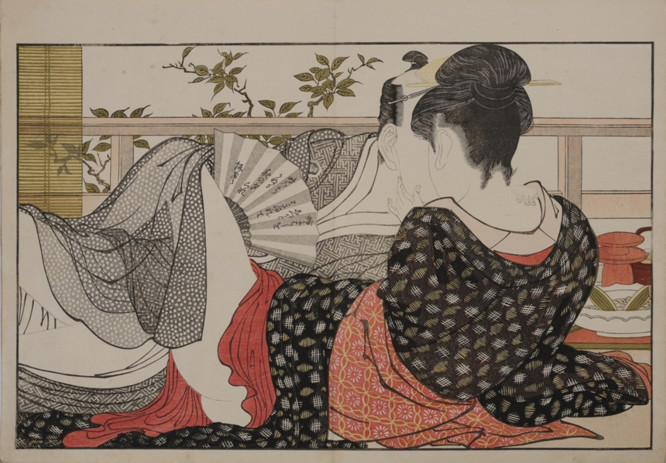
Utamakura (Poem of the Pillow) by Utagawa Kuniyoshi. 1788
It’s hard to talk about ukiyo-e without discussing Shunga, a genre of wildly popular erotic art literally translated as ‘spring pictures.’ Produced between the 1600s and 1800s, they appealed to all classes in Japan and yet, for most of the 20th century, were banned in the country due to censorship. It’s telling that a foreign museum, in 2013, was the first to organize a large-scale Shunga Exhibition. But now Japan is playing catch-up. The Eisei Bunko Museum in Tokyo is organizing an exhibition of 122 pieces of Shunga, making it the largest exhibition of its kind in Japan.
Continue reading
Nesting tables are fairly commonplace. They work because they’re designed like Russian matryoshka dolls with each piece made in a decreasing size and placed inside, or underneath one another – each remaining visible, I might add. But now design firm Nendo has created a seemingly magical nesting bookshelf that appears to emerge outward from another bookshelf. It’s being presented at the 2015 London Design Festival opening this weekend.
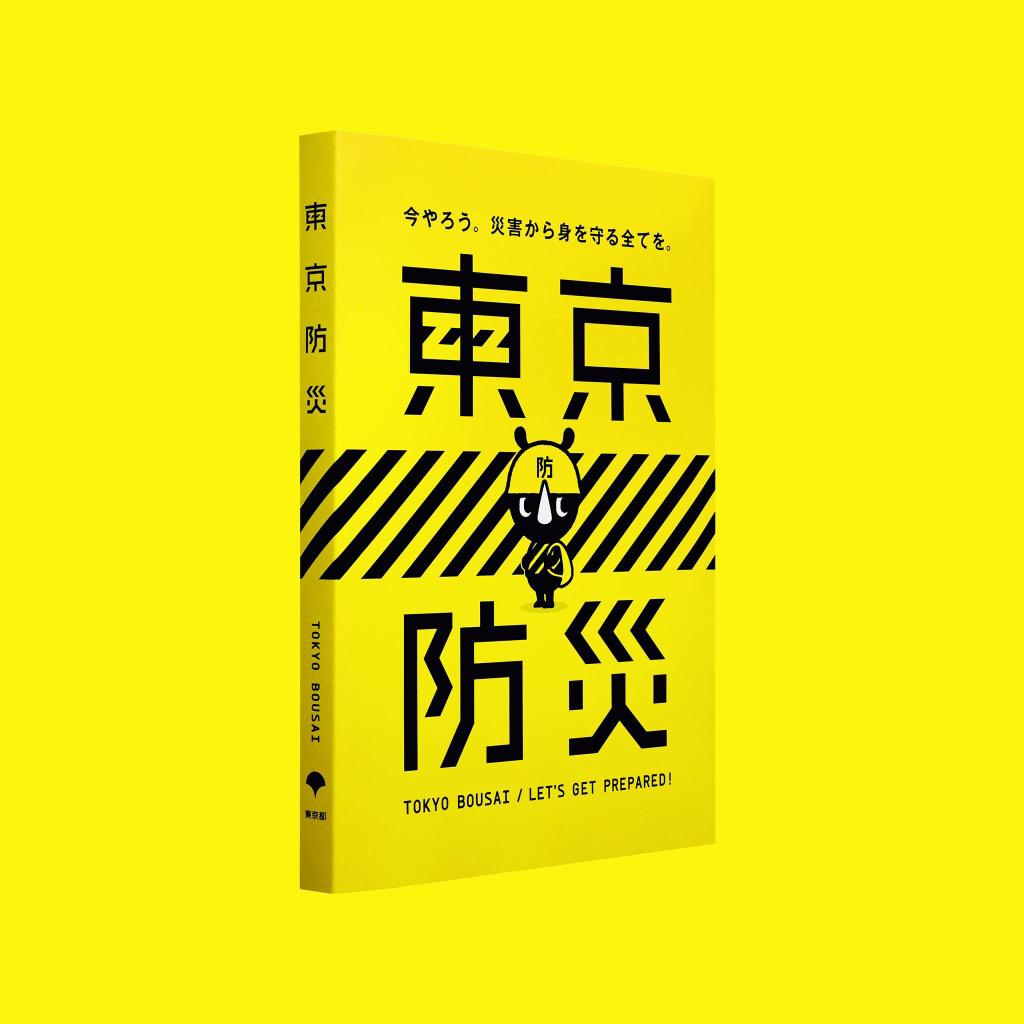
If you live in Tokyo you may have noticed an unusual package in the mail recently. A bright yellow handbook with a cute rhino on the cover. He’s wearing a helmet, carrying a backpack and has a pensive, cautious look on his face. Open the cover and you’ll find the following statement: “It is predicted that there is a 70 percent possibility of an earthquake directly hitting Tokyo within the next 30 years. Are you prepared? This is Tokyo Bousai, the Tokyo Metropolitan Government’s disaster preparedness guide.

The true power of design, says Yoshiaki Irobe, is its wallpaper-like quality of small continuities that line up together to create an uninterrupted wall. The graphic designer and art director, now in his 4th year running his Irobe Design Institute, is at the center of an exhibition that examines his work for a variety of clients both in 2D, 3D and spatial design.

a rendering of Hayao Miyazaki’s new nature park slated to open in 2017 | image courtesy Kume Creation
The filmmaker Hayao Miyazaki is a big proponent of nature. Conservationism and a reverence for the natural world are recurring themes in his movies like Nausicaa, Totoro and Princess Mononoke. Now Miyazaki has announced plans to pass on his love for nature to children in the form of a tangible nature park. The project is being called “The Forest Where the Wind Returns.”

Using a process called suminagashi artist Miki Saito creates layers of abstract tones. Once the ink has dried the artist goes in with acrylic, gouache and mineral pigments to add intricate details that reveal animals hidden or camouflaged by the ink. Some require several minutes to spot while others are more apparent.
After spending the majority of her life growing up between the U.S. and Japan and travelling extensively in-betweens (Saito counts more than 25 countries) the 30-year old artist has recently returned to Japan where she is staging her 2nd solo exhibition since being back.
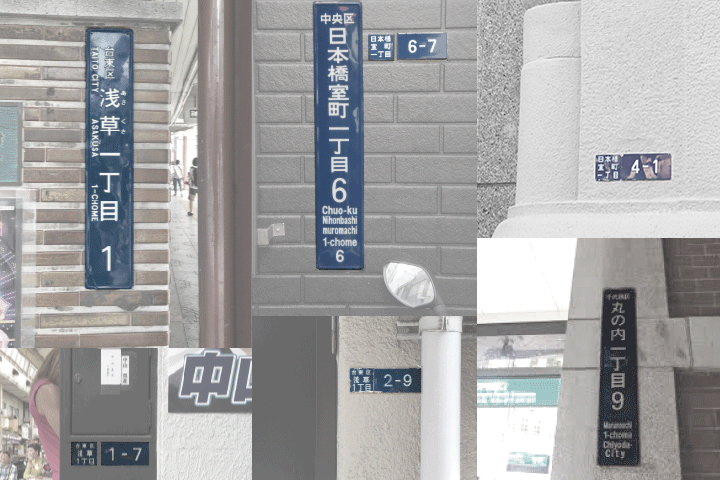
Tokyo’s various town block indicator plates | all images courtesy Type Project
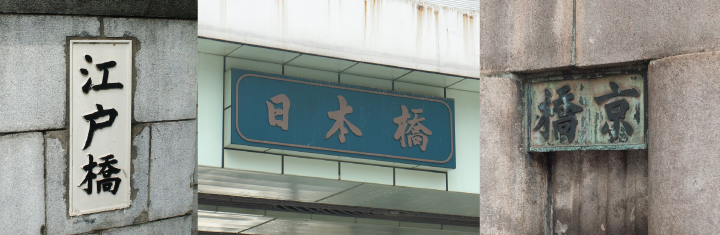
Edo was renamed Tokyo in 1868, when it became the official capital of Japan. Since then the various districts within the city have evolved both culturally and typographically. Navigating the city can be a challange and town block indicator plates (as seen above) were Japan’s answer to street names.
But these primary identifiers of location lacked continuity in visual appearance and format. And while, admittedly, they do add local flavor to various neighborhoods, graphic designer Yoshiaki Irobe felt that Tokyo needed a signage system that would strengthen the city’s identity and also serve as a silent guide for the 20 million tourists the government is targeting by 2020.

photo by Yasunori Takeuchi, courtesy Toilennale
What looks like a giant cake, or possibly an ice cream sunday, stands in the street, connected to a park. This is a piece of art. But it’s also a public toilet. It’s both. As part of the 2015 Oita Toilennale, perhaps the world’s first art festival dedicated to toilets, artist Minako Nishiyama conceived of the project. And with the help of artists Mika Kasahara and Yuma Haruna, the 3 female artists brought “Melting Dream” to life.

Minimalism is about about stripping away the unnecessary and bringing into focus the things that truly add value to our lives. So when the owners of sushi restaurant Yoshii began discussions with the architects at Suppose Design Office to create their new restaurant, one essential component of the sushi dining experience came into focus: the counter.


 OrySnack: The Bar Where Bartenders Work From Home
 Winners of Japan’s 2027 Packaging Design Awards
 Japanese Aquarium Drops 2026 Version of Flowchart Illustrating Their Penguin Relationships. This Year There’s an English Version.
 Tokyo is Gearing Up for an Art-Filled Fall. And the Entire City is Here for It
 Japanese Craftsmanship Meets Pokemon at Kanazawa’s National Crafts Museum