
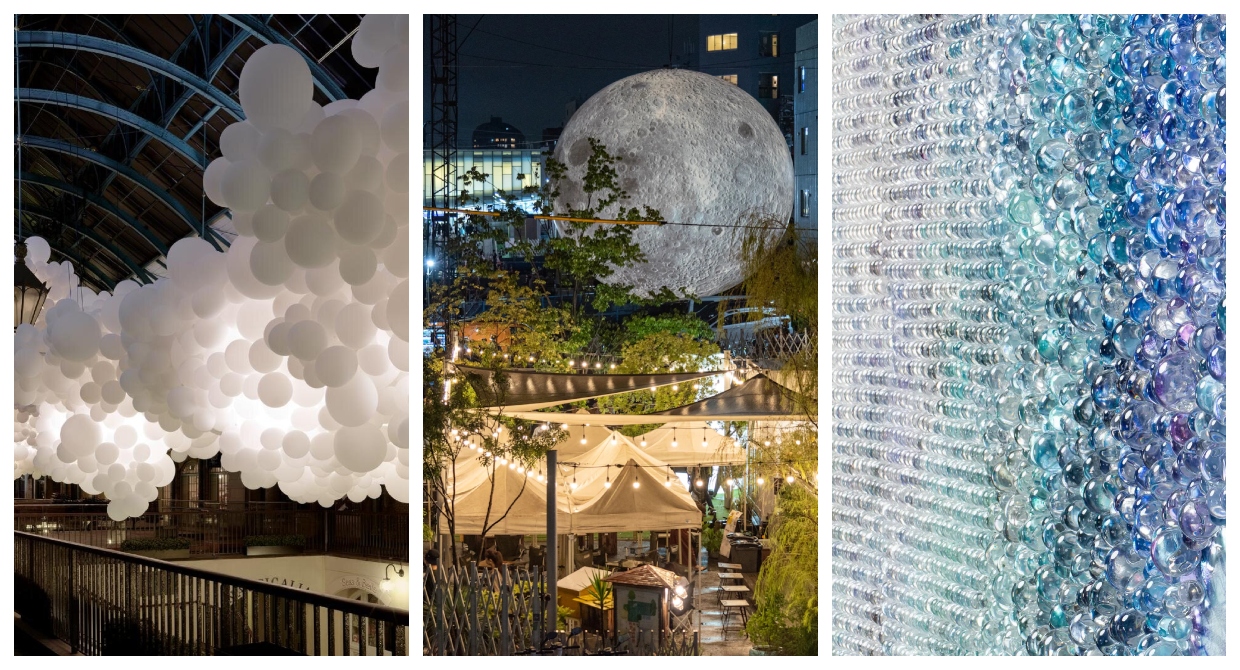
They say autumn is the season for art. In Japan, fall symbolizes freshness and new endeavors. The season’s clearer skies and brighter moons gives renewed enthusiasm to encounter artistic inspiration. And the entire city of Tokyo is not only here for it, but sponsoring it. From museums extending their hours and all-night art exhibitions to outdoor art festivals, Fall of 2026 is going to be one of the best chances to let art take your hand and guide you around Tokyo.
Autumn Night Museum (Nov 5–27, 2026)
This autumn, some of Tokyo’s leading museums are extending their hours into the evening with the inaugural Autumn Night Museum 2026, offering a more relaxed way to experience art and culture after dark. Organized by the Tokyo Metropolitan Foundation for History and Culture, the program brings together six institutions, including the Tokyo Metropolitan Art Museum, Tokyo Metropolitan Teien Art Museum, Tokyo Photographic Art Museum, Museum of Contemporary Art Tokyo, Edo-Tokyo Museum and Tokyo Shibuya Koen-dori Gallery. From November 5 through 27, participating museums will remain open until 8pm on designated Thursday and Friday evenings, allowing visitors to drop in after work or school. The extended hours also come with special perks: students can enter for free after 5pm, while others receive discounted admission Museum shops, cafés and restaurants will also extend their hours.
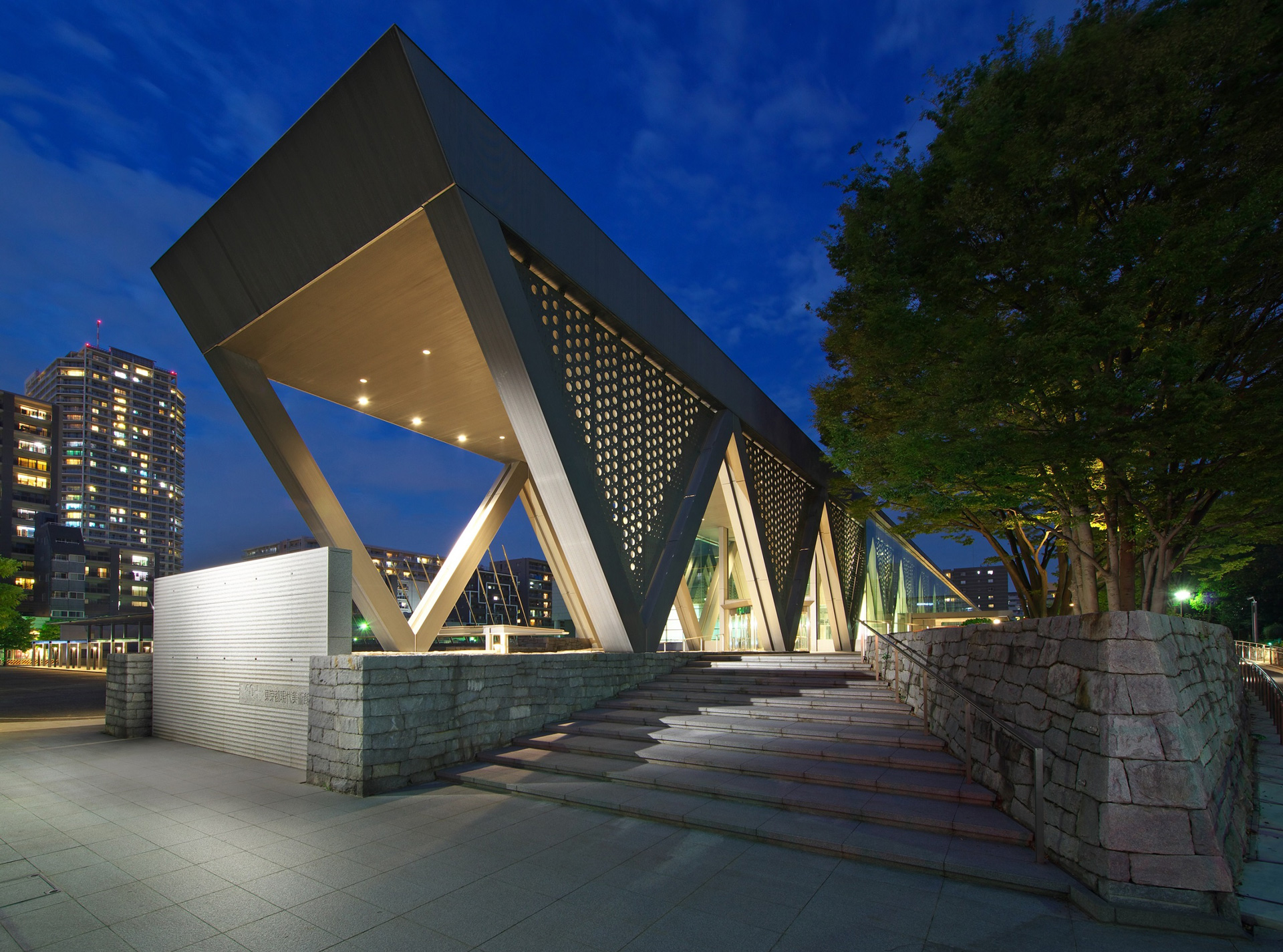
The Museum of Contemporary Art Tokyo in Kiyosumi, one of 6 museums that are participating in the initiative
Roppongi Art Night (Oct 31–Nov 1, 2026)
For one night this fall, Roppongi will once again become a sprawling, open-air art space as Roppongi Art Night 2026 takes over the neighborhood. Returning to an all-night format for the first time in three years, this year’s festival runs from 5pm on Saturday until 6am Sunday, inviting visitors to experience art as the city itself transforms after dark.
Installations, performances and interactive works will unfold across Roppongi Hills, Tokyo Midtown, the National Art Center, Tokyo, 21_21 DESIGN SIGHT, Suntory Museum of Art and the surrounding streets.
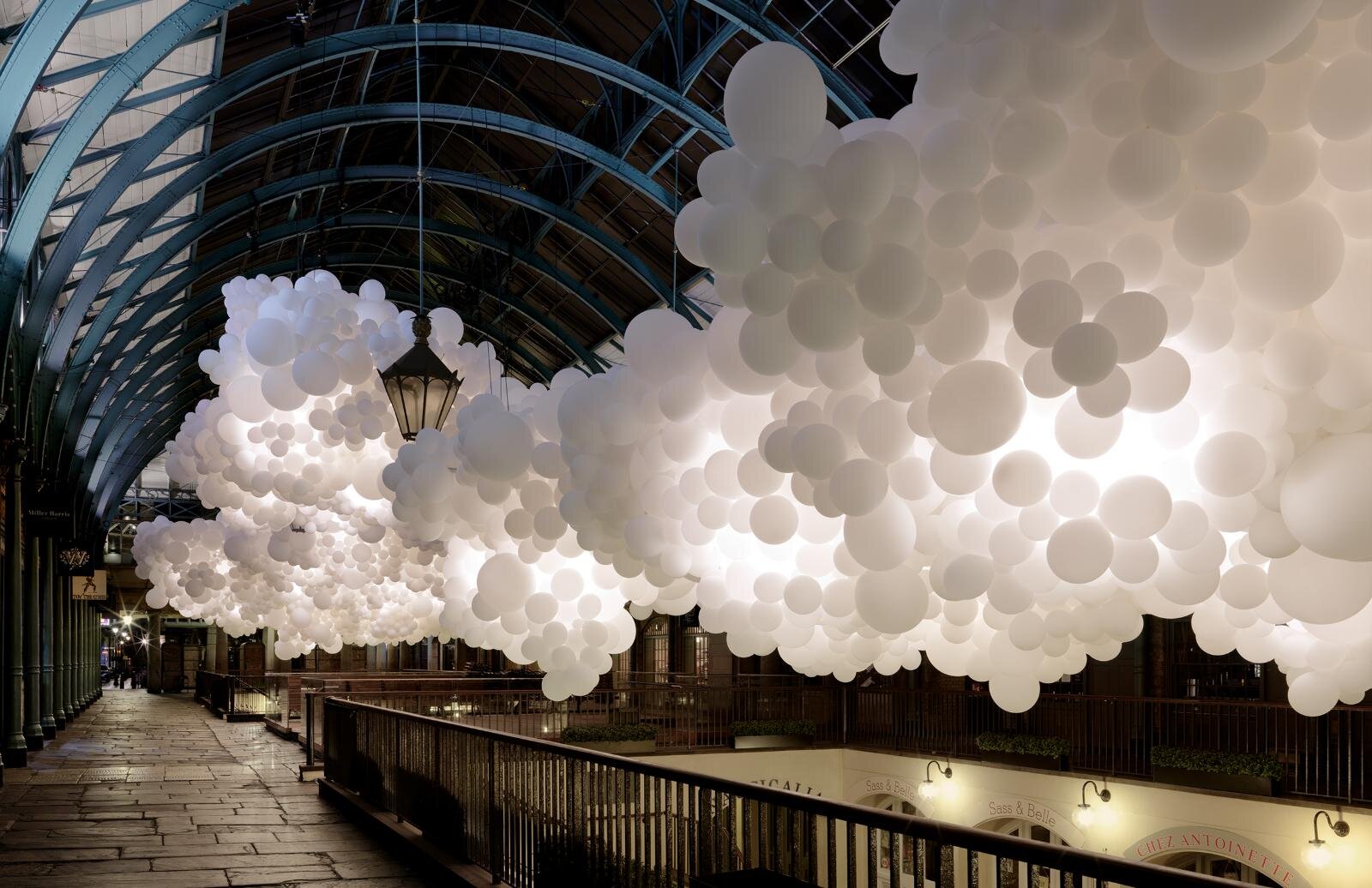
The festival’s focus turns to France this year, with French artists contributing large-scale works and performances. Among the highlights is Charle Pétillon’s WA The Circle, a pair of enormous floating white balloon circles, which will be on display at Roppongi Hills Arena. The night also offers plenty beyond conventional gallery viewing, from participatory cardboard architecture and illuminated installations to guided walks through the city. Meanwhile, museums throughout the district will extend their hours, including the Mori Art Museum, which will present a major retrospective of Mariko Mori alongside other exhibitions.
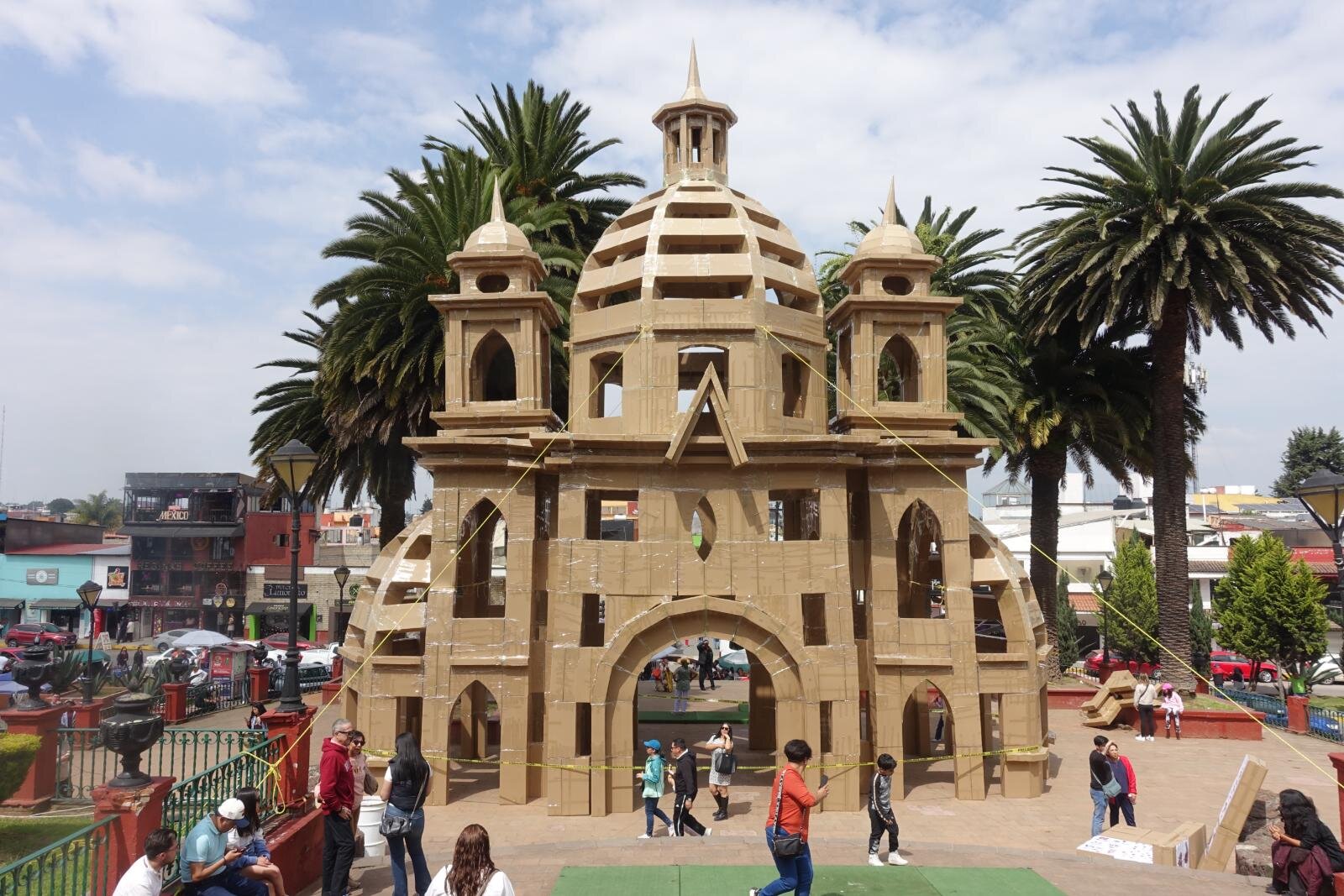
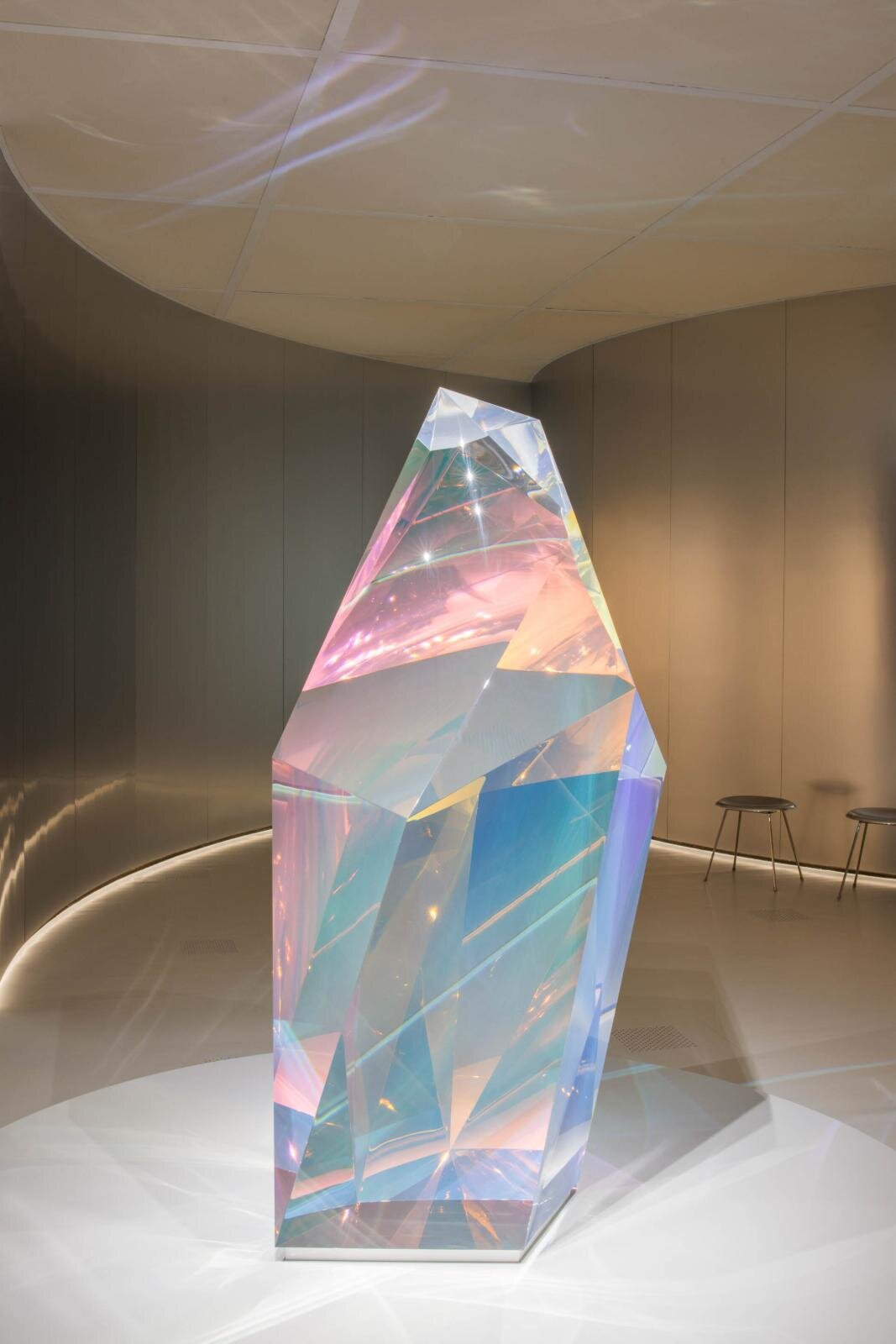
Moon Art Night Shimokita (Sept 18–Oct 4, 2026)
Back for its 5th iteration is the popular Moon Art Night Shimokita, which sees Tokyo’s bohemian neighborhood glow under the moonlight, bringing together around 100 art installations, performances, workshops, food projects and other events.
Among the highlights is Museum of the Moon by British artist Luke Jerram, a gigantic seven-meter illuminated moon featuring detailed NASA imagery of the lunar surface. Other works include A Thousand Faces of the Moon by Teppei Kaneuji, and AFTERGLOW by Midori Kawano.
With much of the programming outdoors and free, it’s a perfect way to experience art in a casual, community-driven setting.
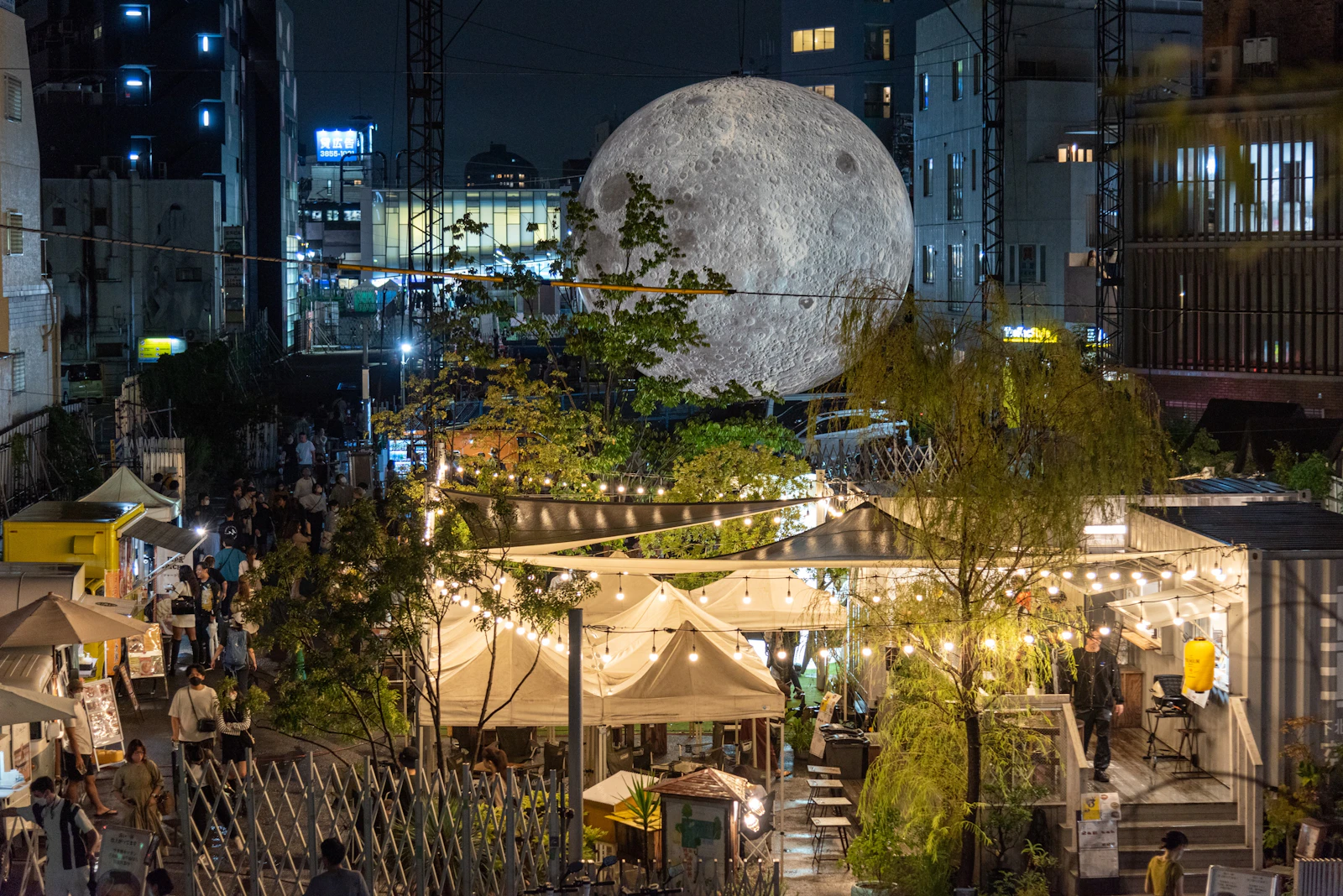
Luke Jerram’s Museum of the Moon. On view at Shimokita Senrogai Akichi
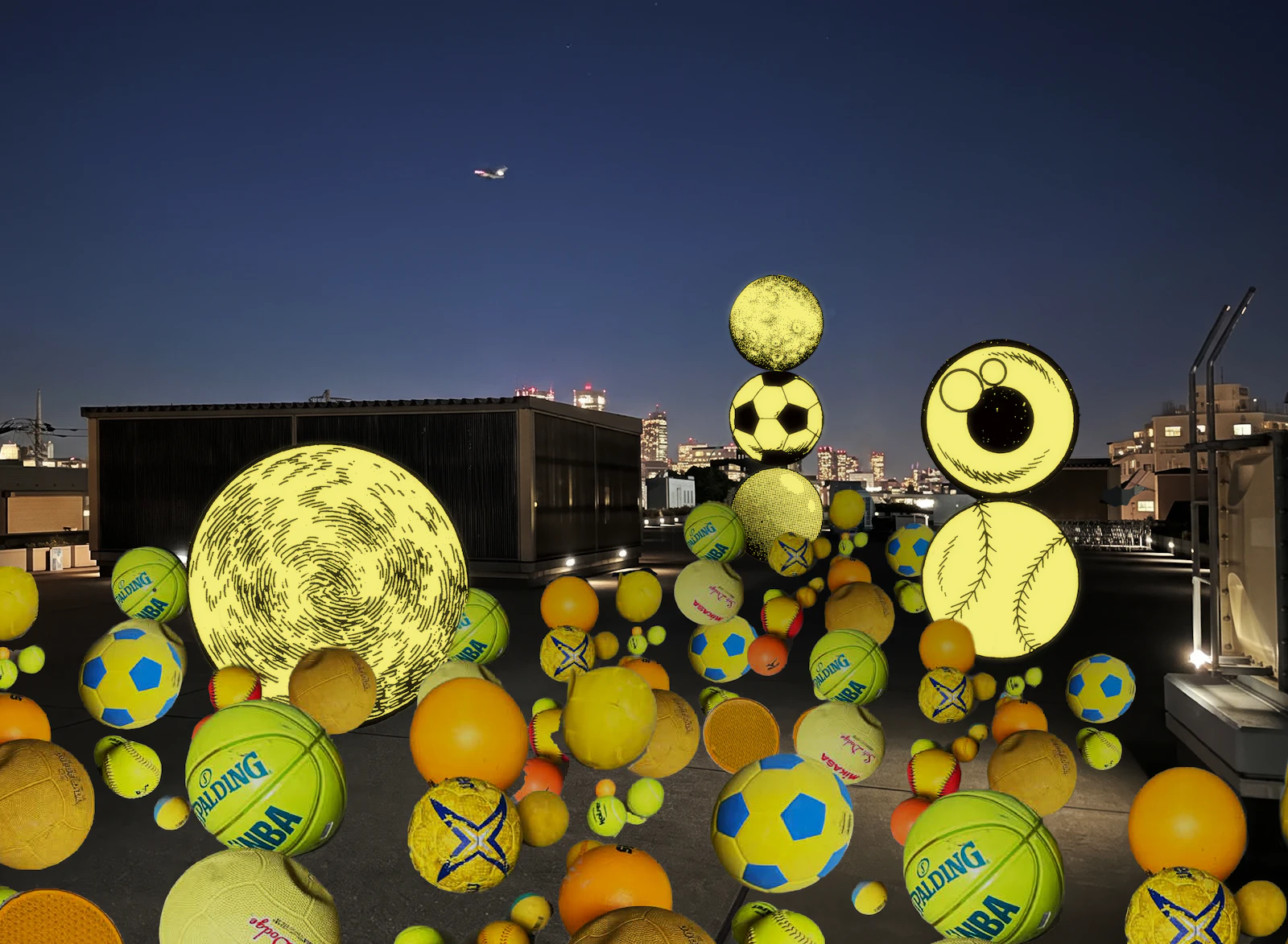
Teppei Kaneuji’s A Thousand Faces of the Moon. On view at the rooftop of Higashikitazawa Station.
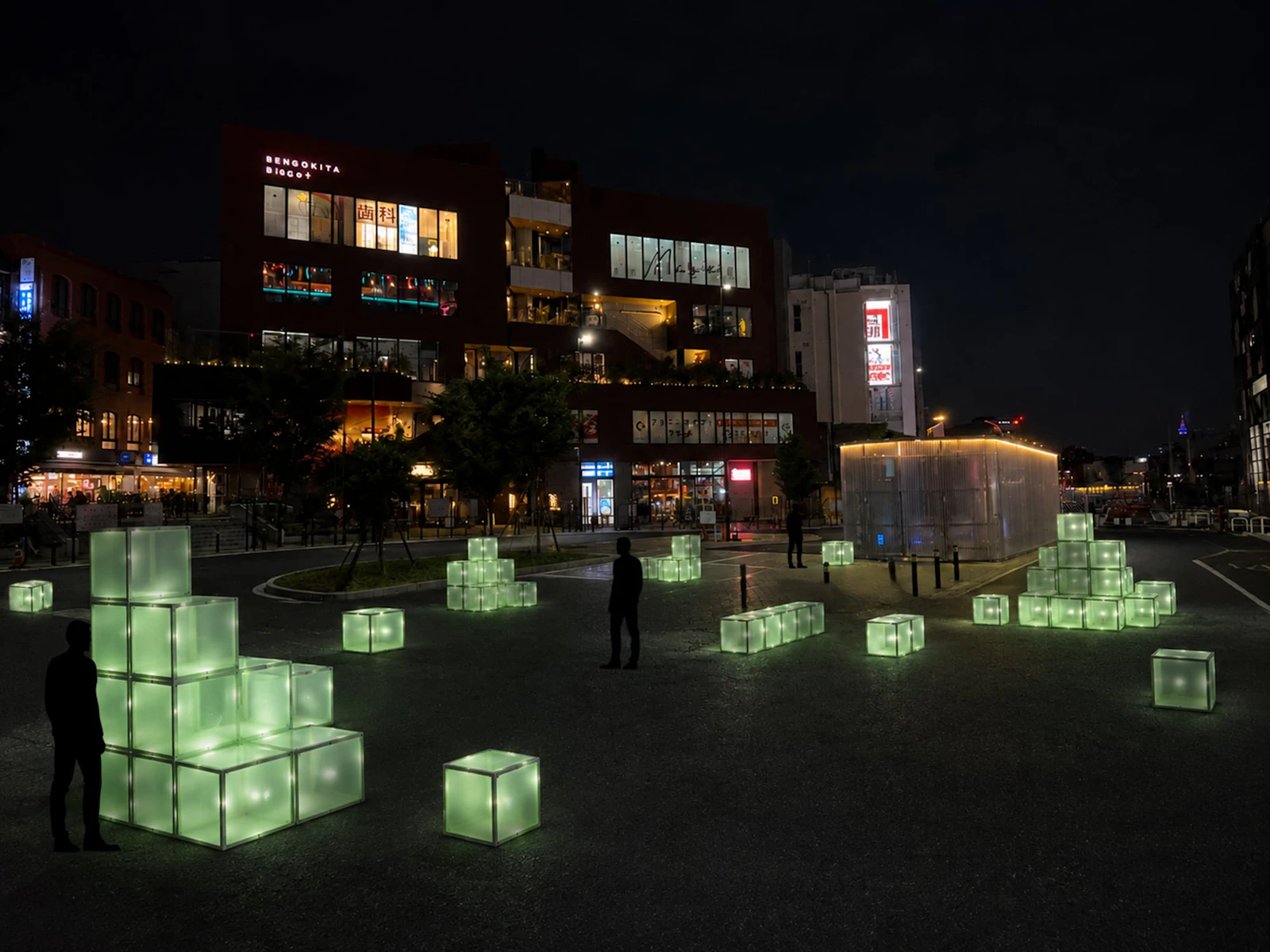
Midori Kawano’ AFTERGLOW. On view at Shimokitazawa Station Square
Invisible Garden (Sept 16–Nov 8, 2026)
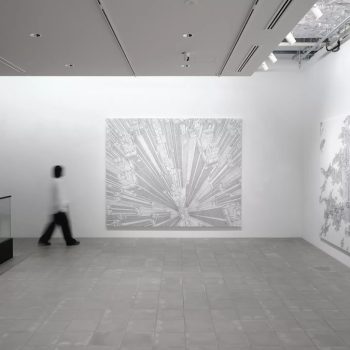
Opening September 16 at POLA Museum Annex in Ginza, the Invisible Garden is a joint-exhibition by artists Asami Kiyokawa and Kohei Nawa. In a white gallery space, Kiyokawa’s intricate embroidered works and Nawa’s sculptures encased in transparent cells come together to suggest a landscape that exists somewhere between the physical and the imagined.
The centerpiece is PixCell–Our New World, a new collaborative work stretching approximately nine meters across the gallery. Kiyokawa assembled its underlying image from fragments of landscape photography and AI-generated imagery, before Nawa transformed it by covering the surface with his signature transparent cells. From a distance the image appears to shimmer and dissolve, continually breaking apart and reforming as viewers move around it.
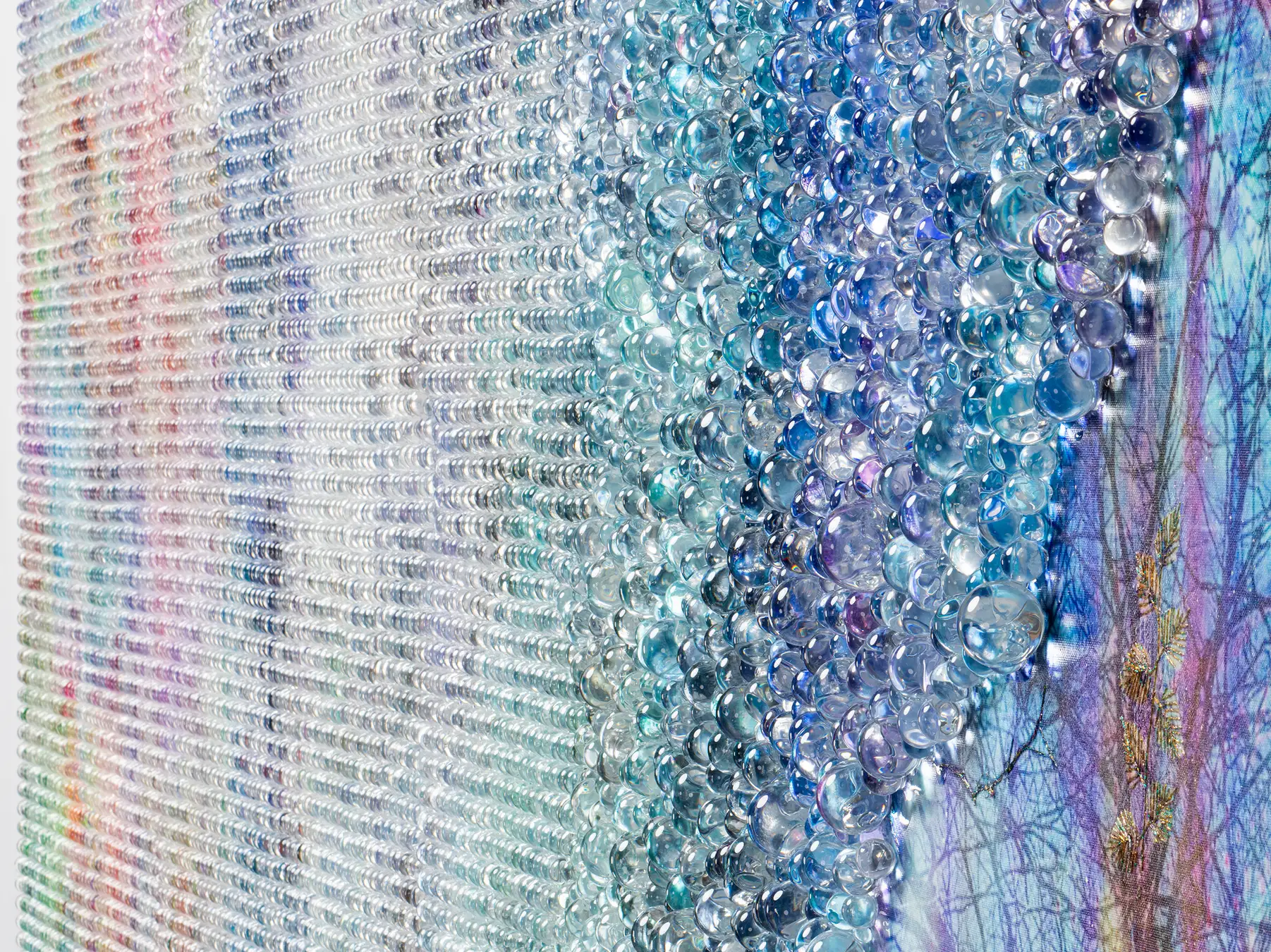
Asami Kiyokawa | Kohei Nawa PixCell-Our New World (Detail) 2026. Photo by Nobutada OMOTE
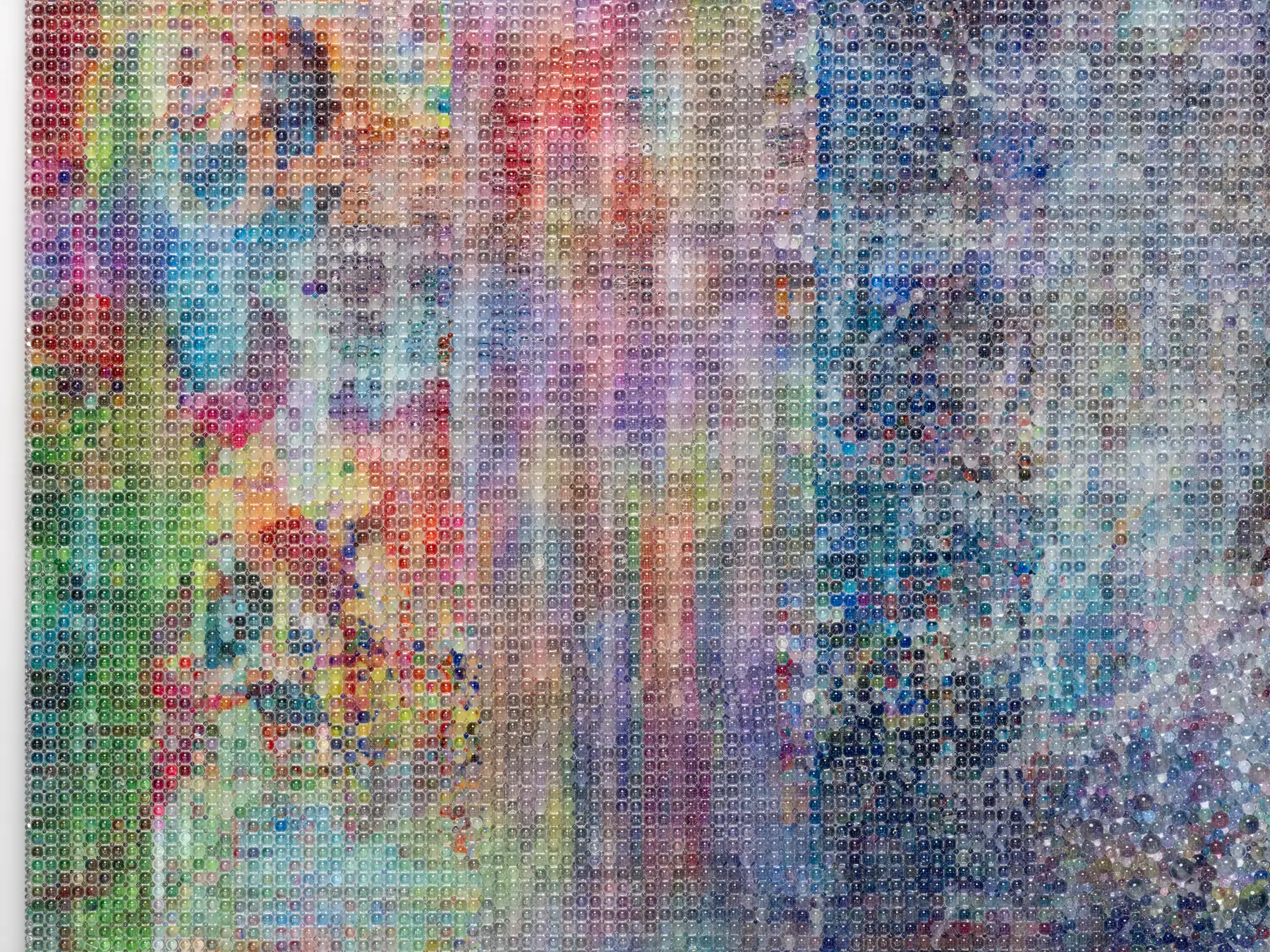
Asami Kiyokawa | Kohei Nawa PixCell-Our New World (Detail) 2026. Photo by Nobutada OMOTE
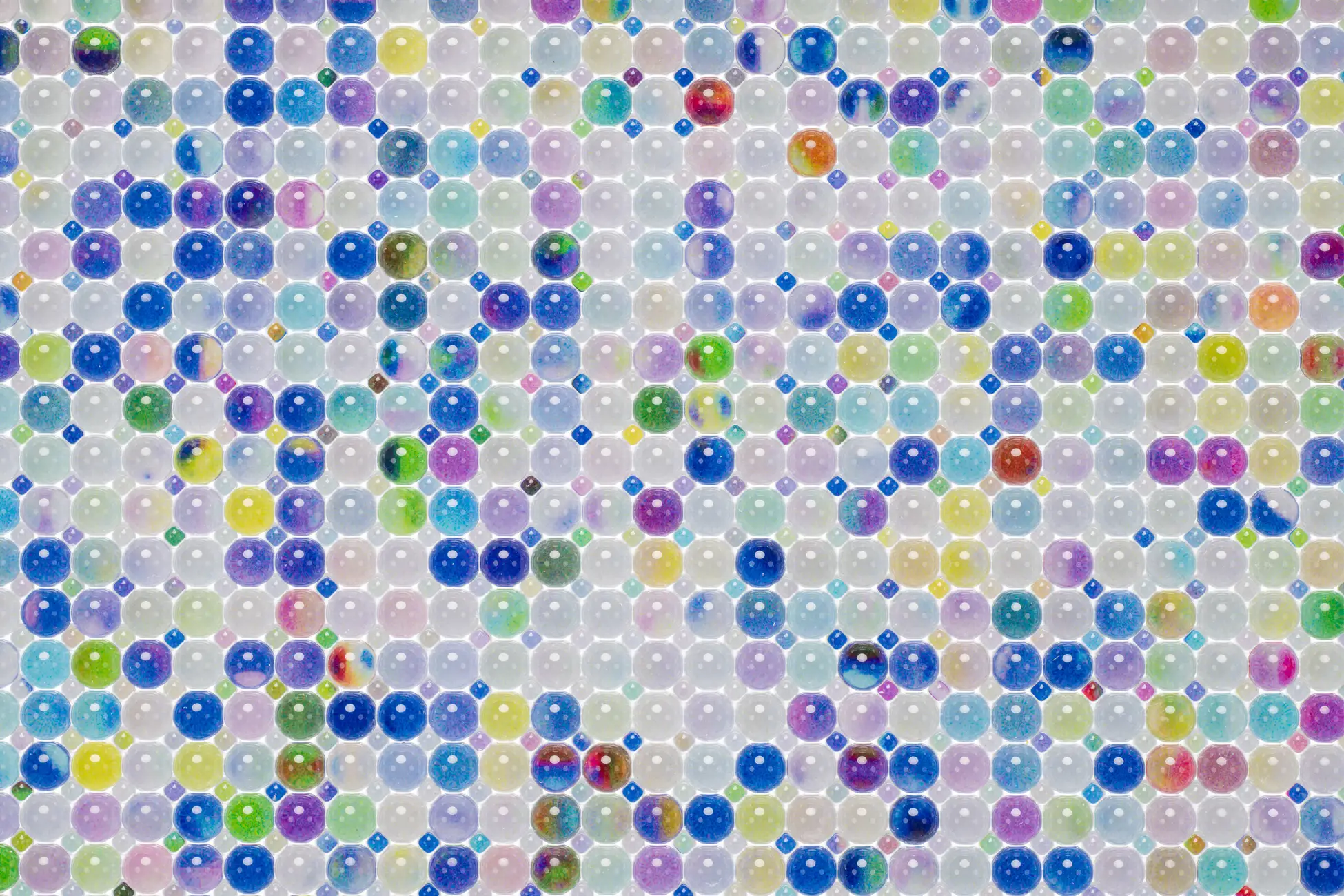
Asami Kiyokawa | Kohei Nawa PixCell-Random (Detail / Series reference) 2026. Photo by Nobutada OMOTE
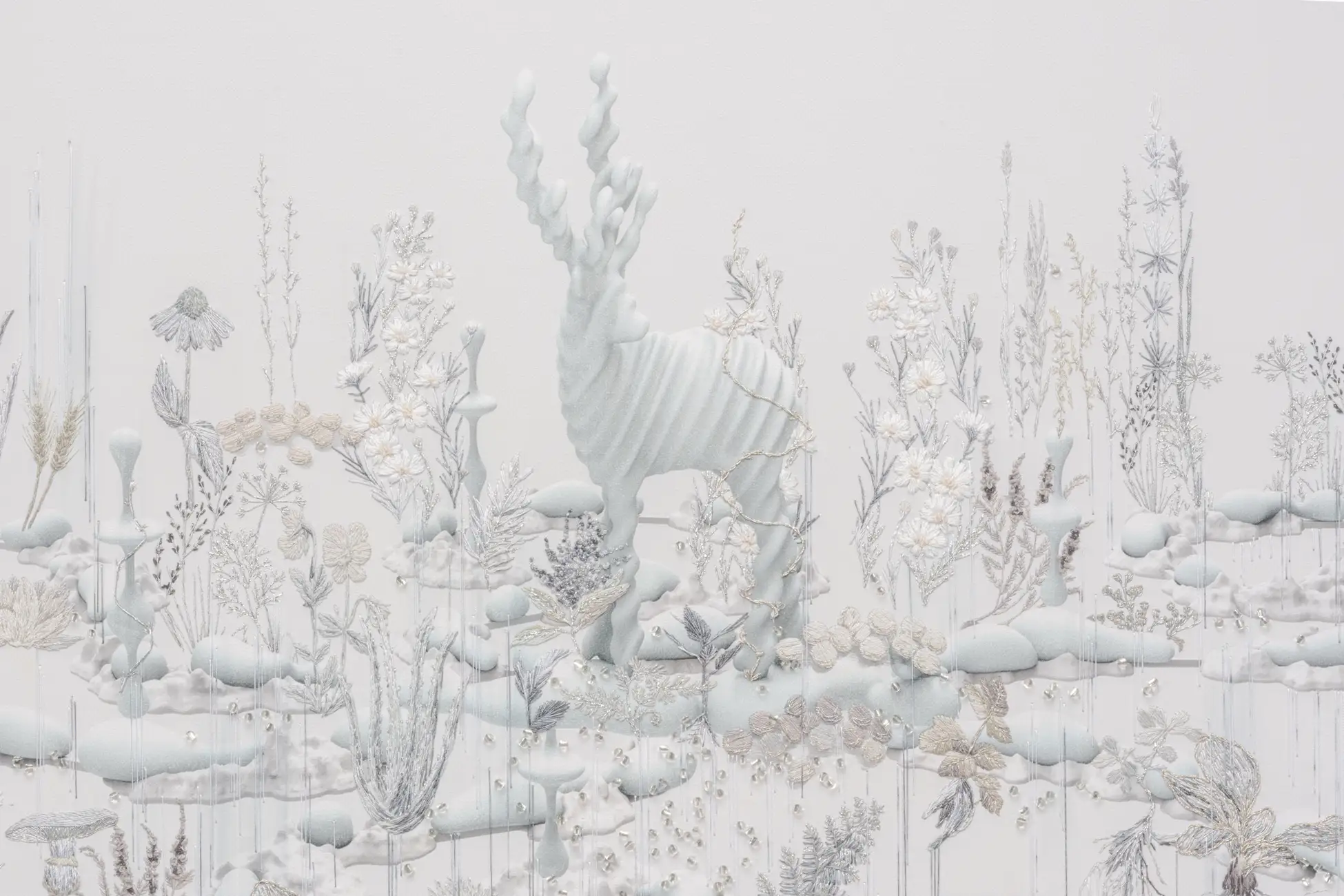
Asami Kiyokawa | Kohei Nawa Metamorphosis Garden (full bloom) (Detail) 2021. Photo by Nobutada OMOTE
Tokyo Atlas (Oct 10–Dec 20, 2026)
Tokyo’s waterfront will become the setting for a new international art exhibition that asks visitors to see the city from a different perspective. Organized by the Tokyo Metropolitan Government and the Tokyo Metropolitan Foundation for History and Culture, TOKYO ATLAS will unfold across Daiba, Aomi and Tennozu, bringing contemporary art into waterfront parks, public spaces, buildings and even an underground parking lot.
Daiba Park, a former Edo-period coastal battery, will be anchored by Zhao Yao’s Something in the Air (2019), monumental artwork which magnifies the motif of a rounded stone one million times into a large balloon-like installation. Fans of the late Yayoi Kusama will also be treated to multiple artworks including A Bouquet of Love I Saw in the Universe, which will be shown in Japan for the first time.
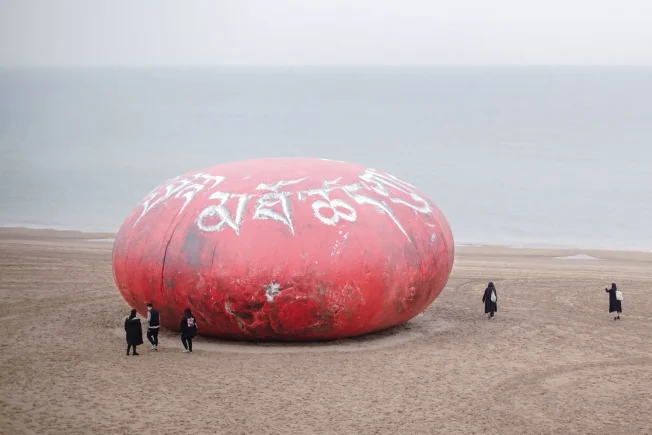
Zhao Yao’s Something in the Air (2019). Photo courtesy the artist
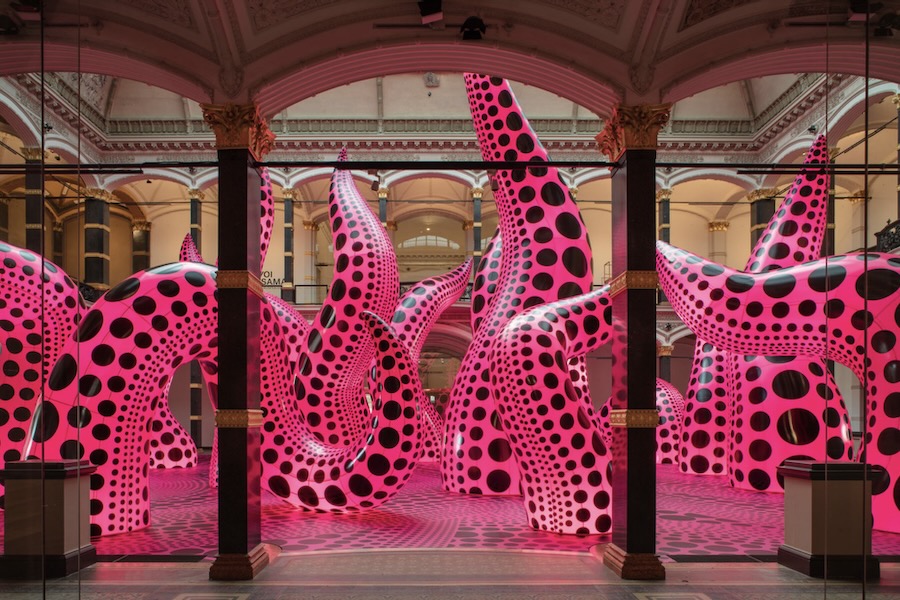
Yayoi Kusama’s A Bouquet of Love I Saw in the Universe, 2021. Photo by Luca Giradini







Leave a Reply