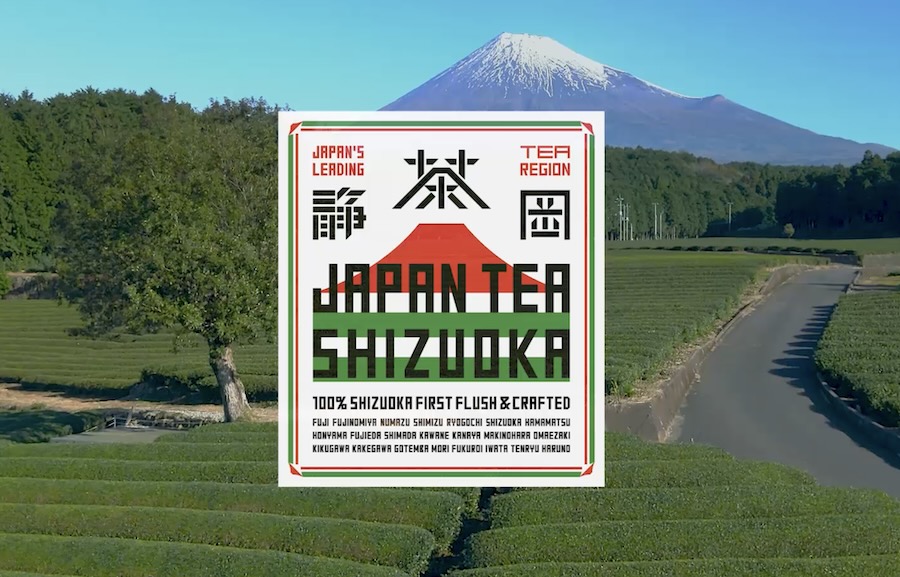
Shizuoka has long been Japan’s most iconic tea-producing region. But in today’s global market, heritage alone doesn’t guarantee recognition. Several years ago, Shizuoka was overtaken for the first time by Kagoshima in terms of the value of tea production. The global boom in matcha-powdered green tea has spurred increased competition not just in Japan, but internationally. The situation has led to impurity and even fraud, with some dubbing our times “The Wild West” of tea. The JAPAN TEA SHIZUOKA branding project is a focused effort to translate Shizuoka’s legacy into a clear, modern identity that resonates worldwide.
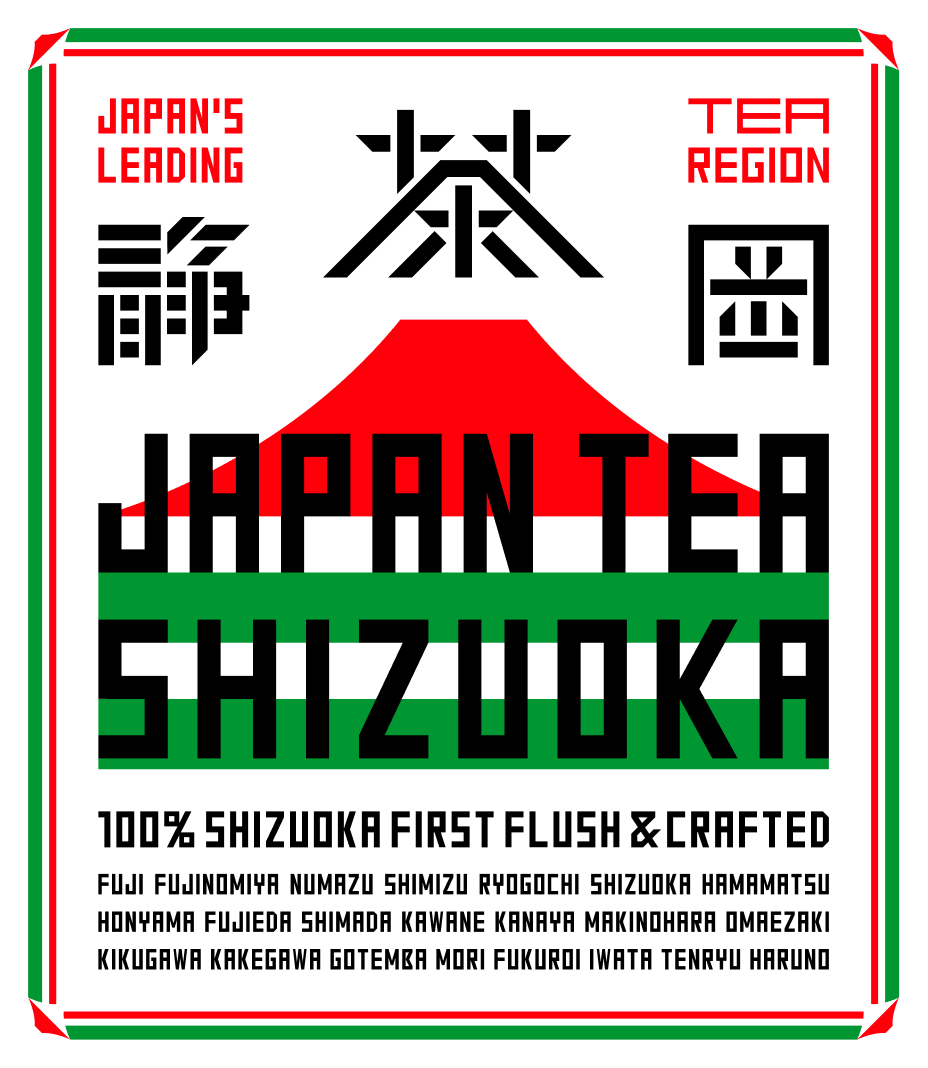
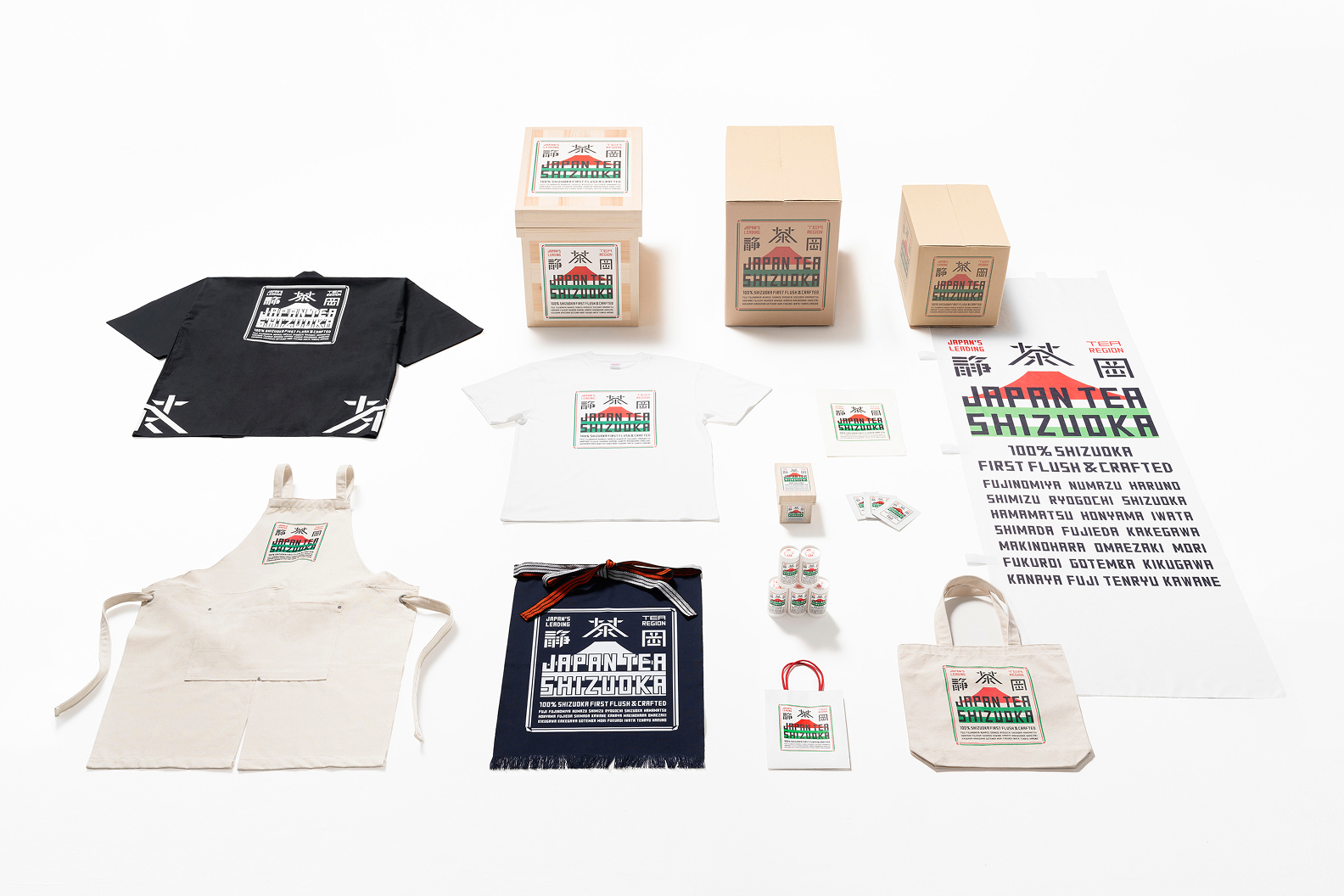
Tasked with the rebranding was renowned creative director Kashiwa Sato, who has helped brands like Uniqlo, Seven-Eleven an Kura Sushi hone their global image. At the core of the initiative is a deceptively simple name: JAPAN TEA SHIZUOKA. It’s a strategy that simultaneously communicates national authenticity, product category, and geographic origin. This layered meaning is critical in global markets, where consumers may recognize “Japanese tea” but not necessarily “Shizuoka.” The logo further incorporates over 20 different tea-producing regions in Shizuoka, inviting consumers to explore and learn.
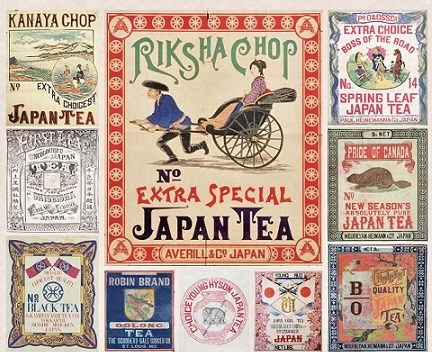
The logo concept draws inspiration from “Ranji”, decorative export labels used during Japan’s late Edo to Meiji periods. These historical motifs are reimagined with contemporary typography, iconography of Mount Fuji and tea fields and a clean, globally legible design systems.
The result is a brand that feels both rooted and current, evoking nostalgia without becoming antiquated.
The branding plan is part of a multi-year initiative in which producers, tea merchants, and all those involved in the Shizuoka tea industry have come together to strengthen production capacity, expand exports and build brand while preserving culture.