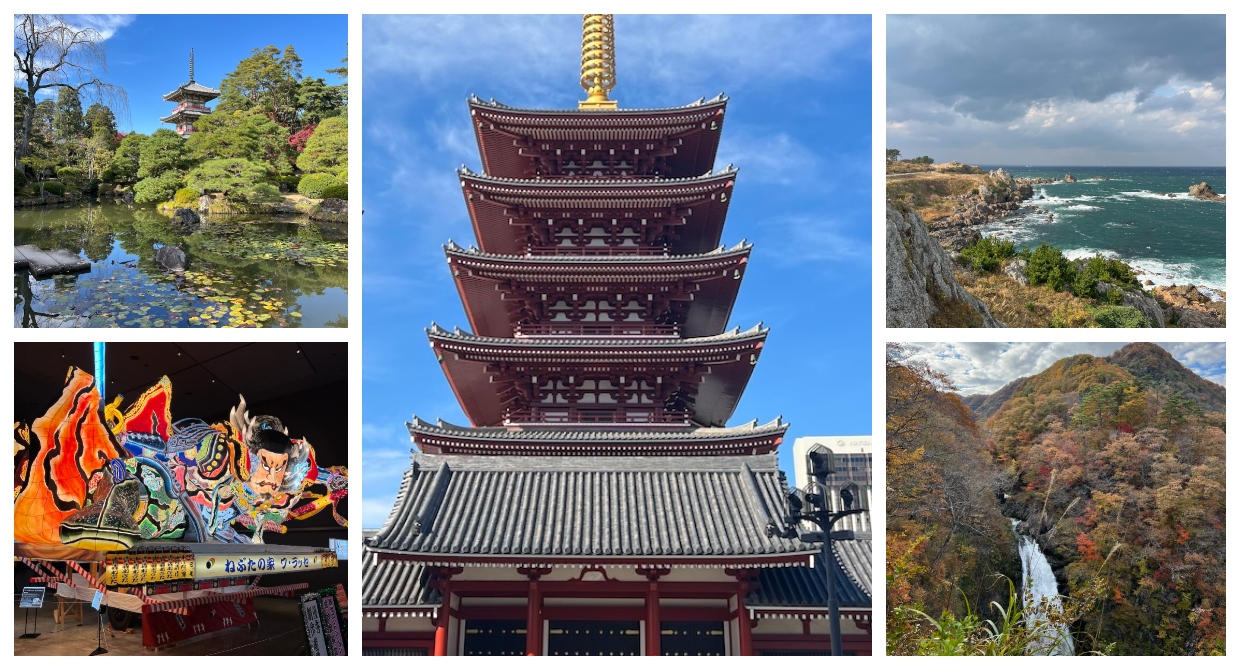
The Tohoku region is Japan’s northern frontier on the island of Honshu—a region shaped by nature. Misty mountains, crystal clear streams, rugged coasts and bountiful seafood not only form what is one of Japan’s most-picturesque regions but it also has inspired artisans, makers and chefs, both old and new, to take root on the land. Often overlooked by casual travelers, Tohoku rewards those who make the journey with landscapes and stories that feel timeless.
This autumn we decided to visit two of the region’s six prefectures, Miyagi and Aomori, along with an initial pit-stop in Tokyo, just as the maple and ginkgo trees turned yellow and red and formed a sumptuous backdrop to our daily explorations.
Day 1 – Tokyo
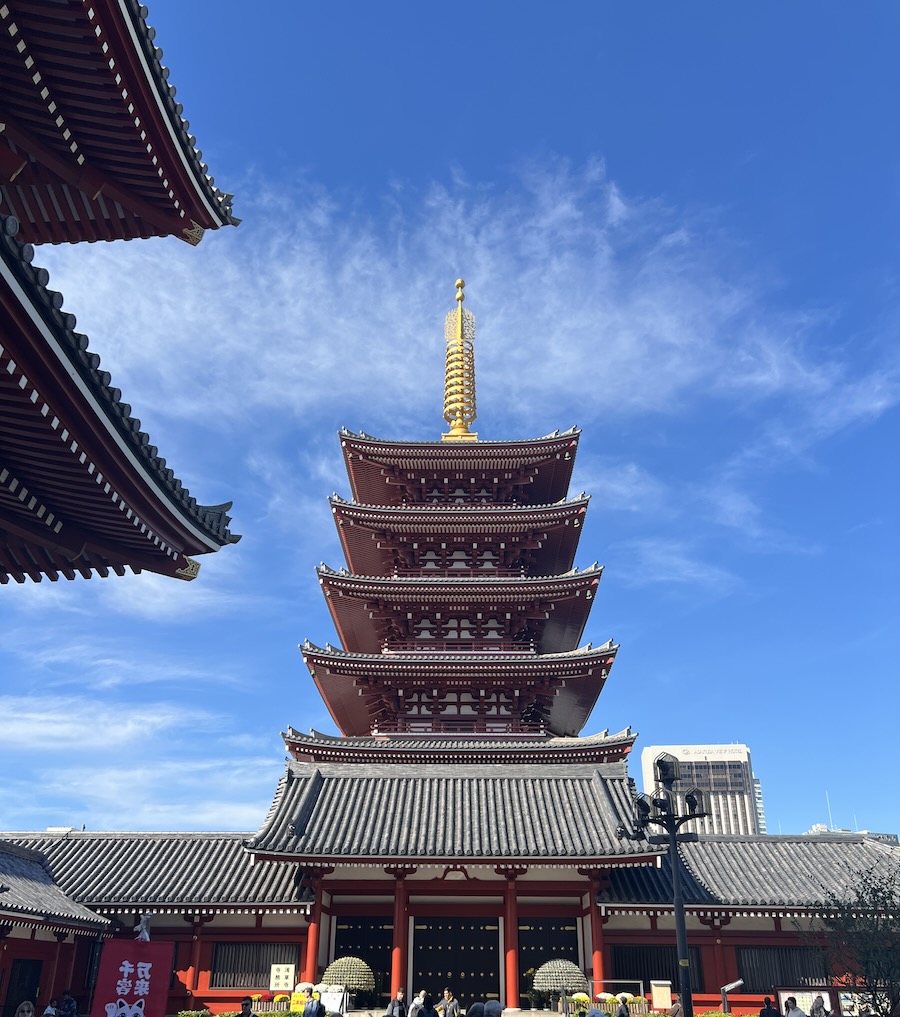
We began our day in Asakusa. Classic? Yes. Crowded? Yes. Worthwhile? Also yes. Tokyo can be touristy but there are still places and activities that offer genuine experiences far from being tourist traps. After wandering the Sensoji area of Asakusa for a bit, we began our day at TAITO STATION Asakusa, a vibrant arcade famous for its extensive collection of games, capsule toys and photo sticker booths.
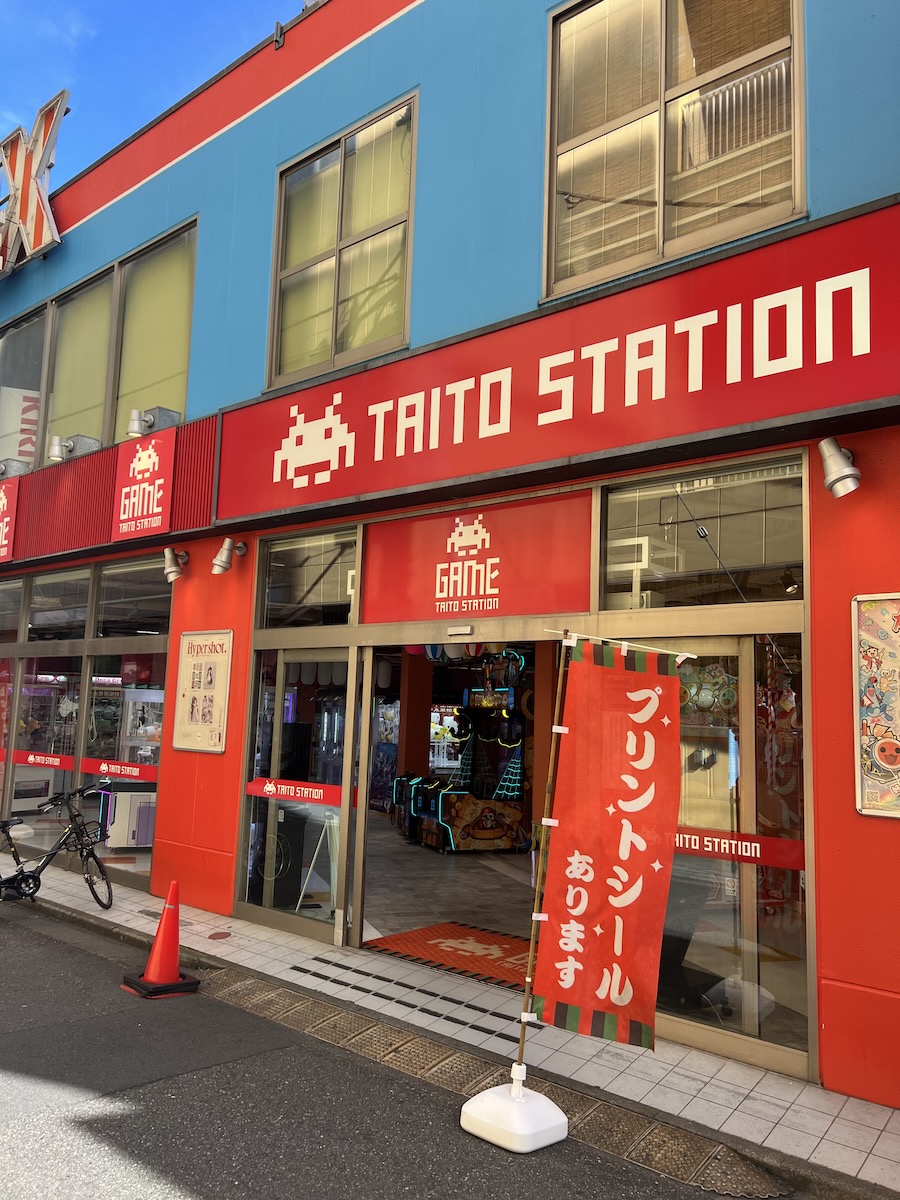
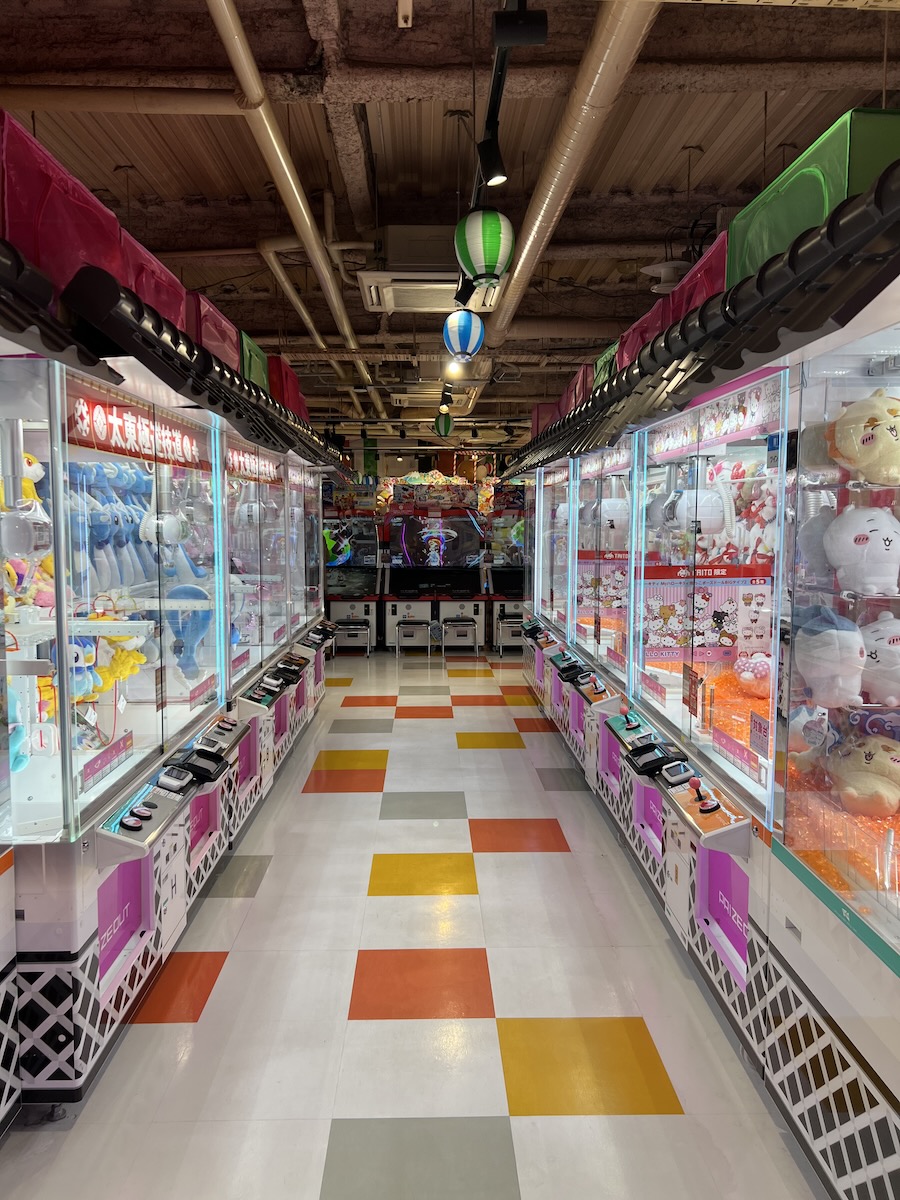
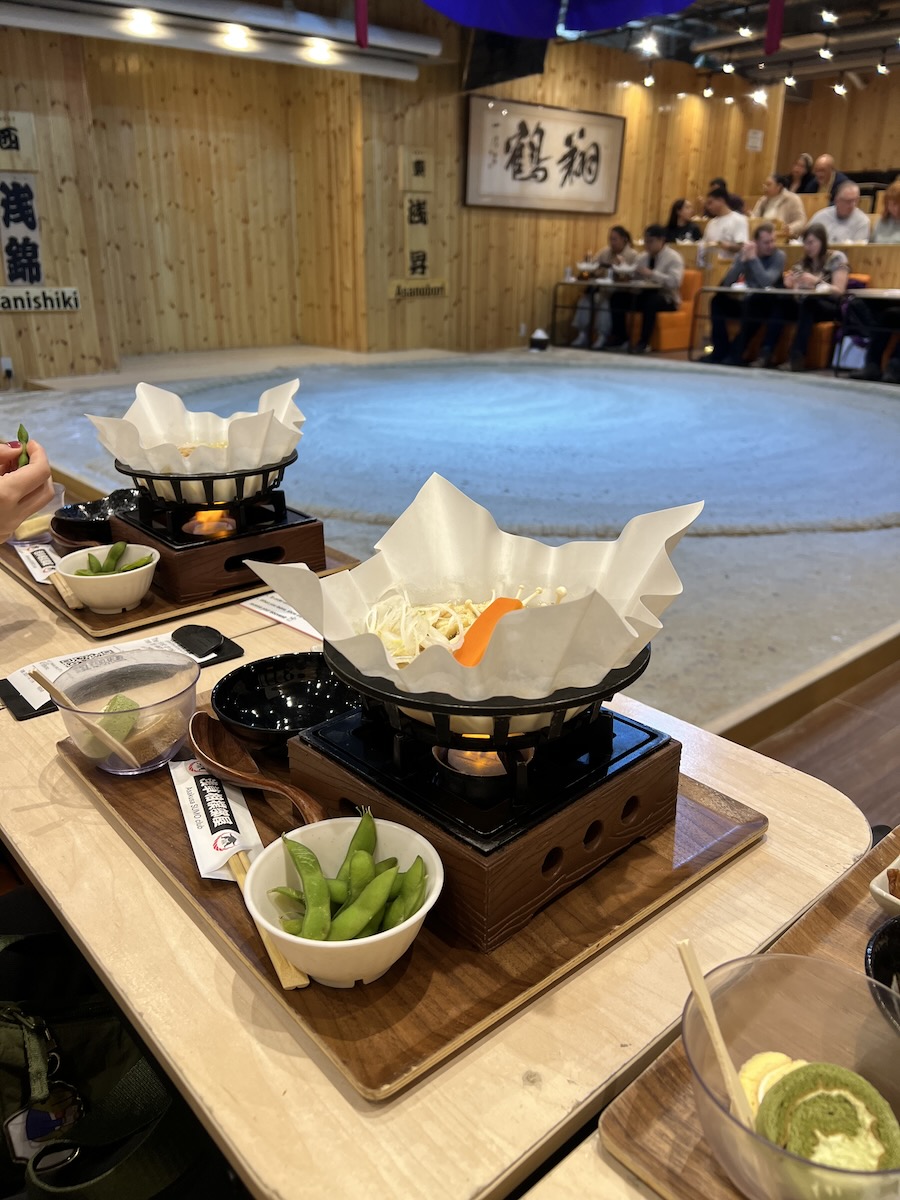
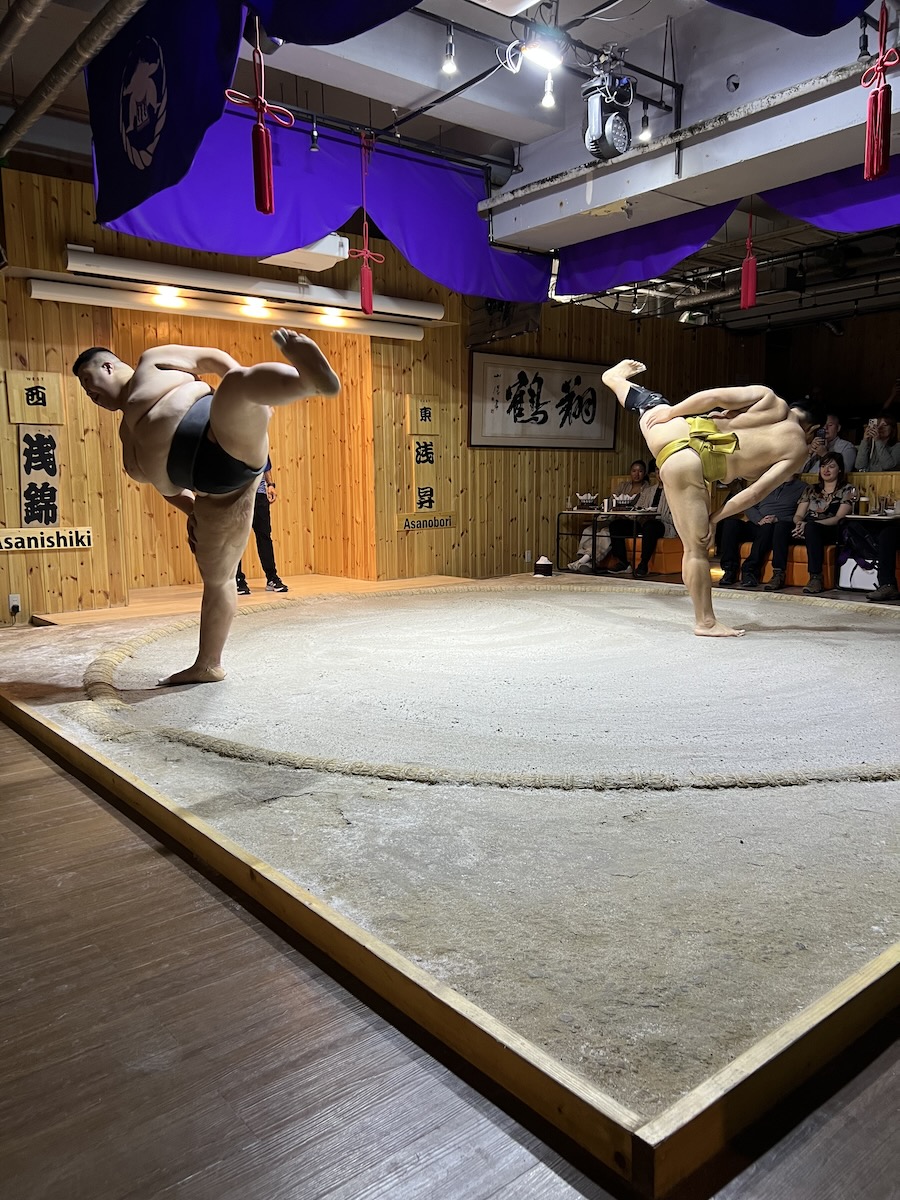
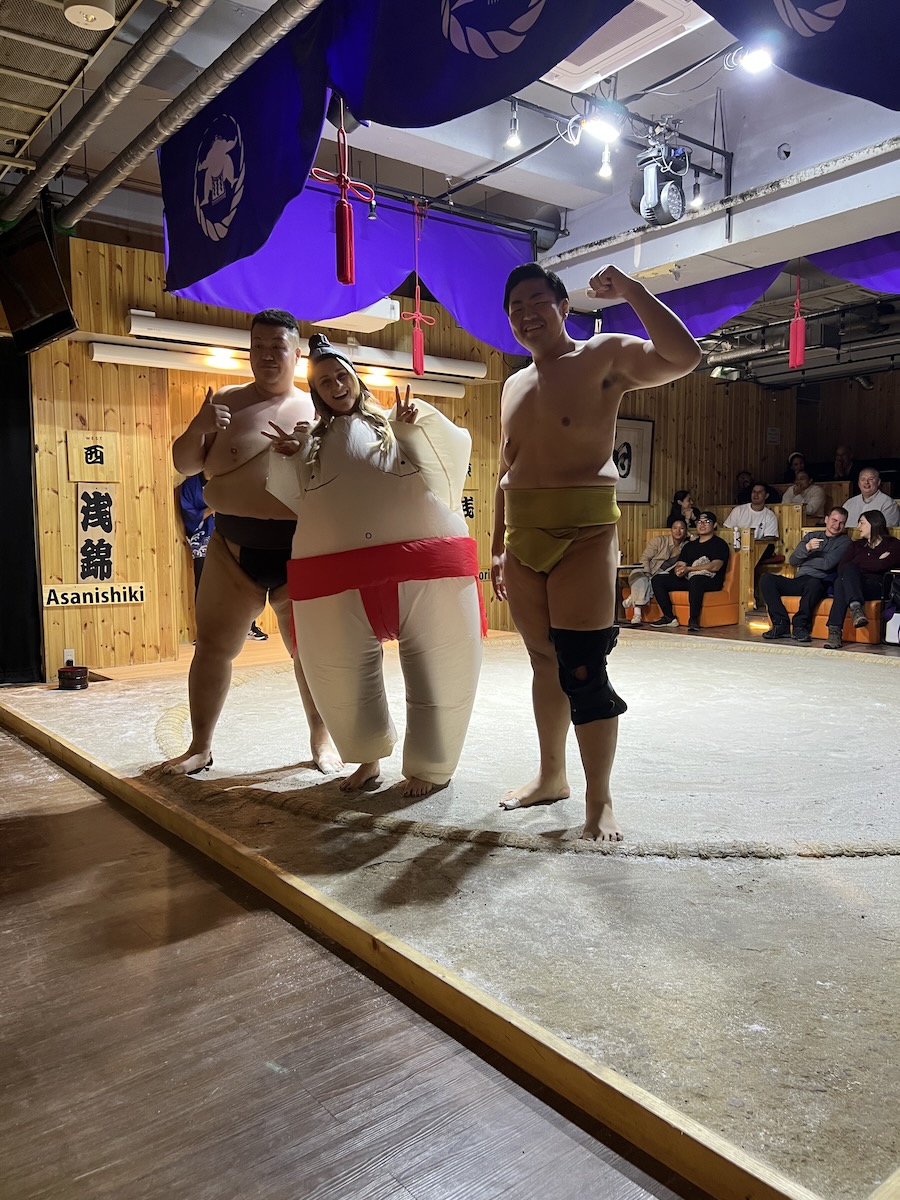
After some fun and games, we worked up an appetite so we headed to the Asakusa Sumo Club, which offers a unique blend of tradition, cuisine and entertainment. Not only are visitors served chankonabe, the preferred meal of the wrestler, but they learn key techniques and traditions from retired wrestlers. And those brave enough even have the opportunity to face off against one of the rikishi.
Pro-tip: book in advance, as seats & slots tend to fill.
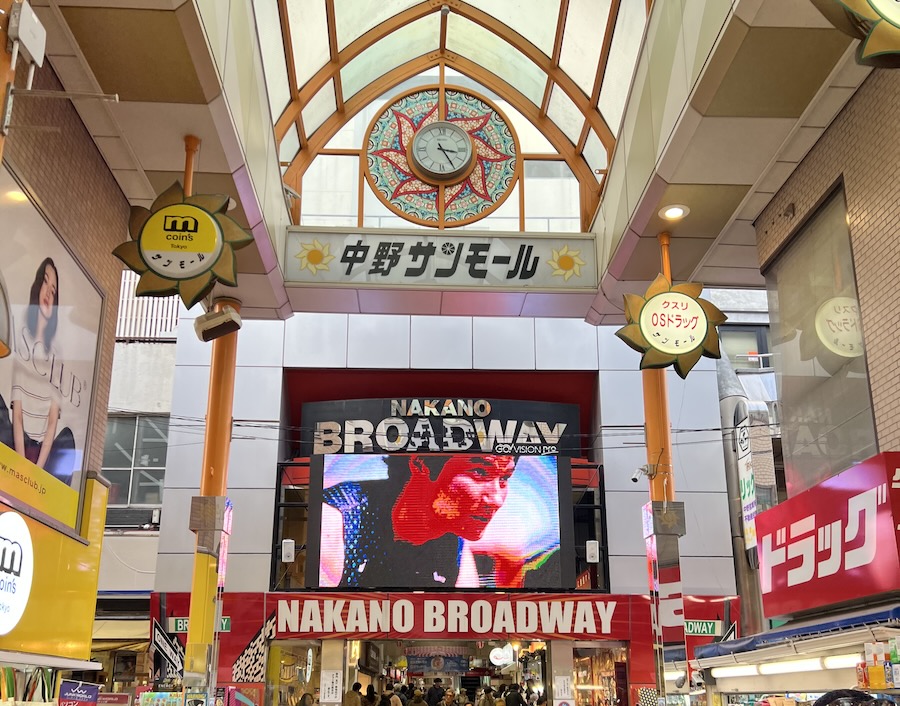
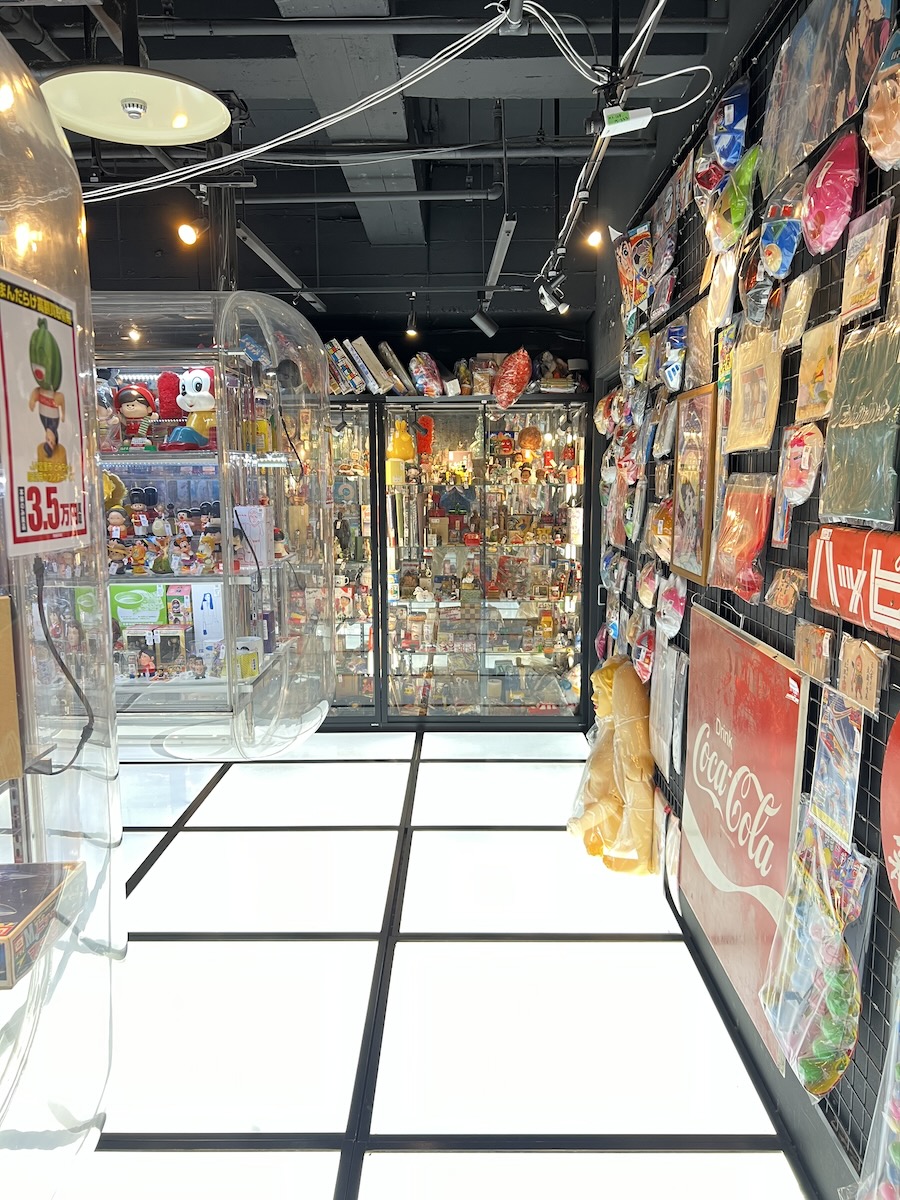
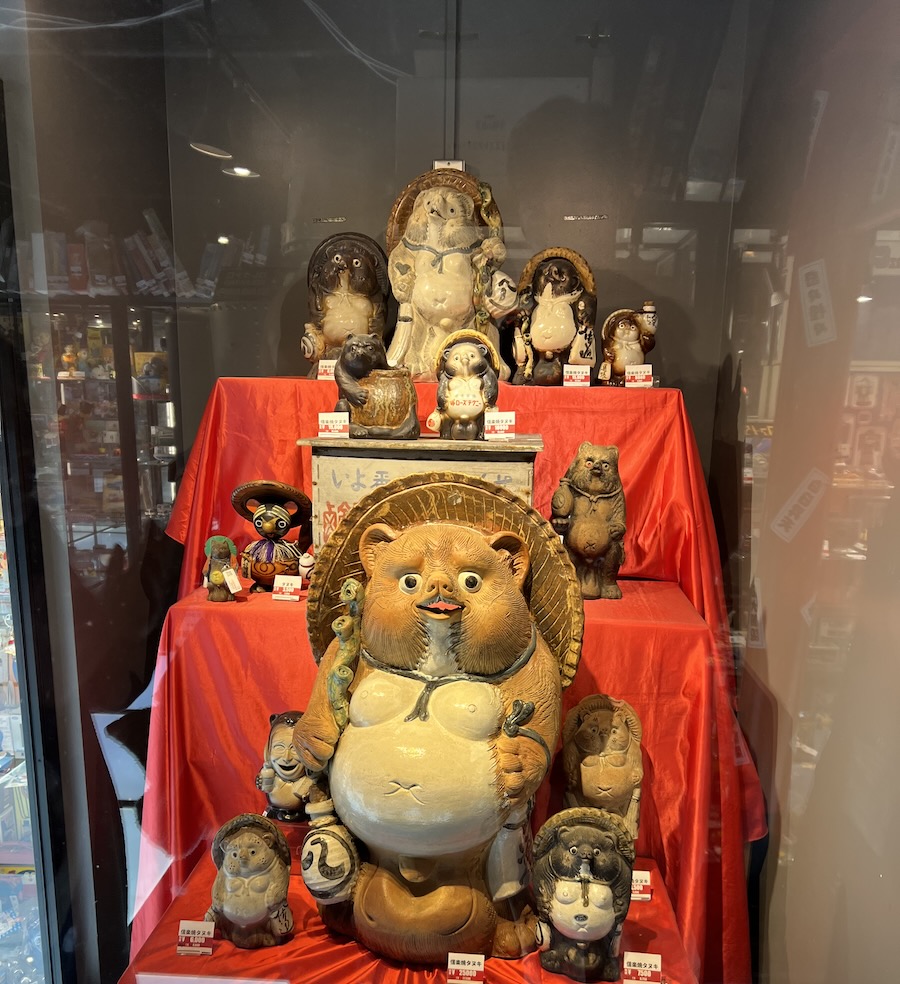
After lunch, we headed across town to Nakano Broadway, an eclectic shopping mall and subculture paradise. The nucleus is Mandarake Nakano Store, a second-hand store that opened in 1980 and has grown to an astounding 33 stores just in Nakano, each with its own theme. But don’t expect too much consistency. Part of the fun is the surprise. You may just wind up discovering your long-lost toy from childhood you had forgotten about.
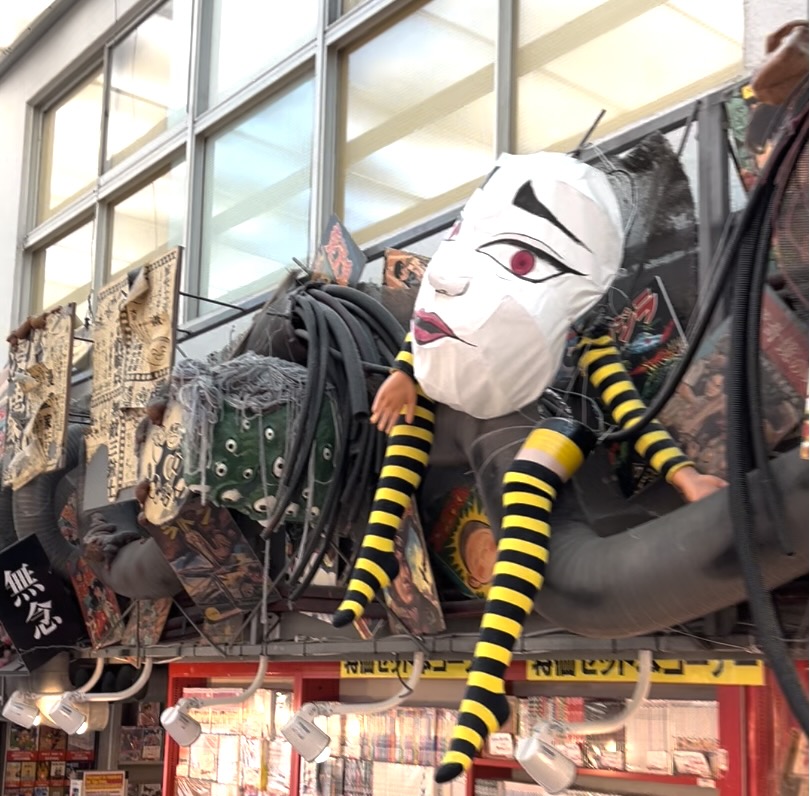
Pro-tip: be sure to check out the impressive awning: an assemblage of staff-made halloween costumes from each year.
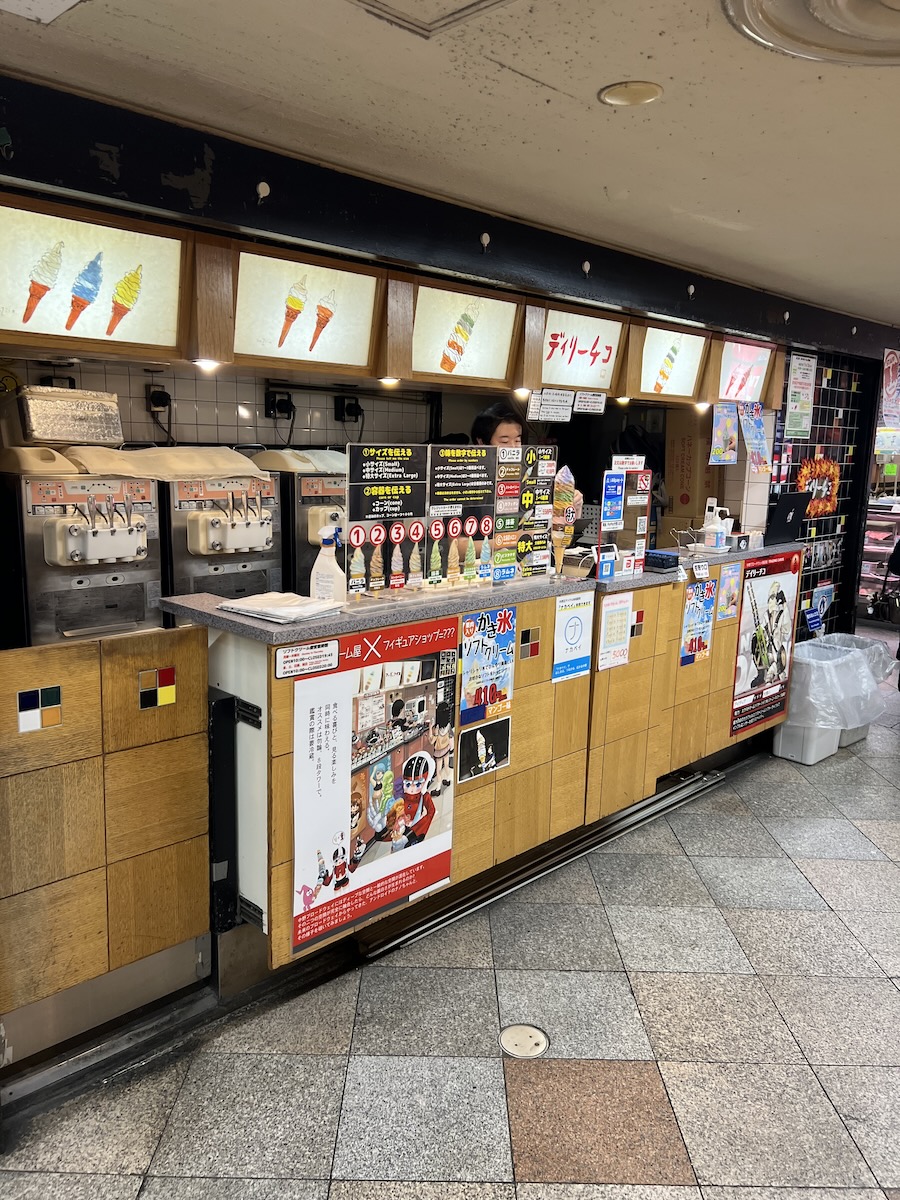
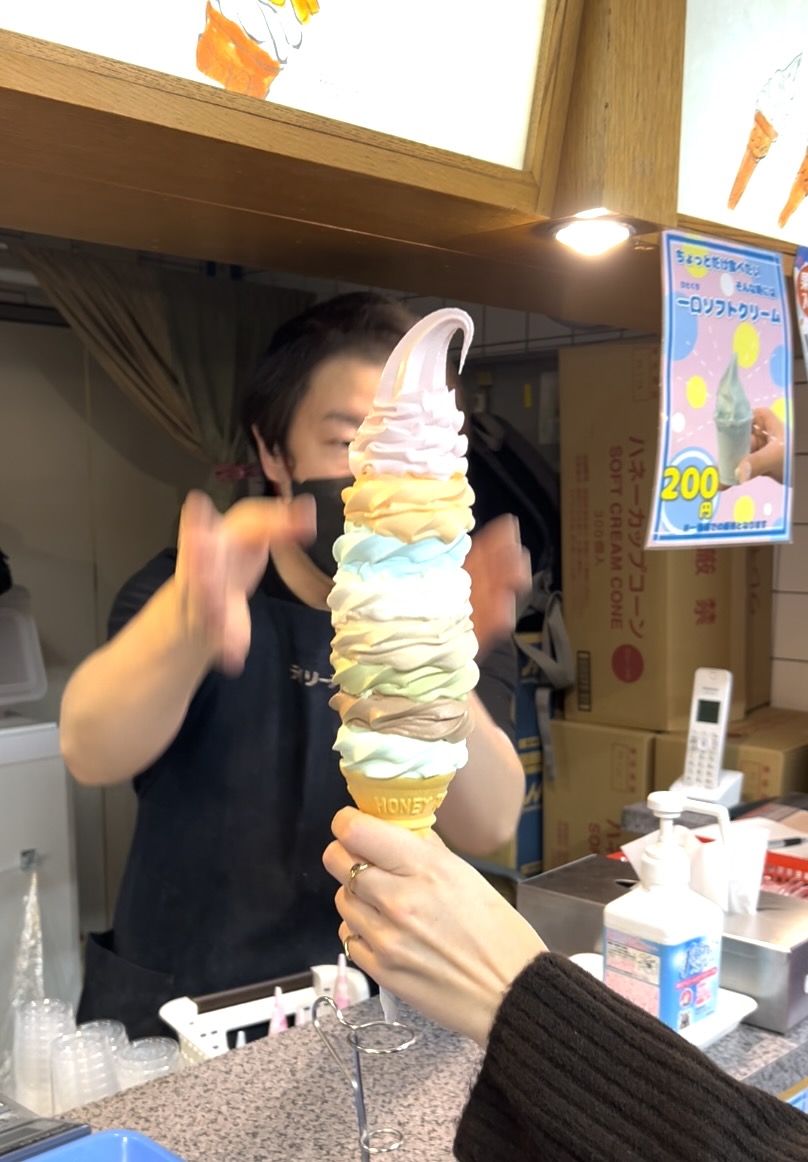
Before leaving, we headed down to the basement to Daily Chico, which has been serving up epic soft-serve since Nakano Broadway opened 59 years ago. Flavors are seasonal, and depend on the whim of the manager. We couldn’t decide on one so we went with the famous 8-layer cone.
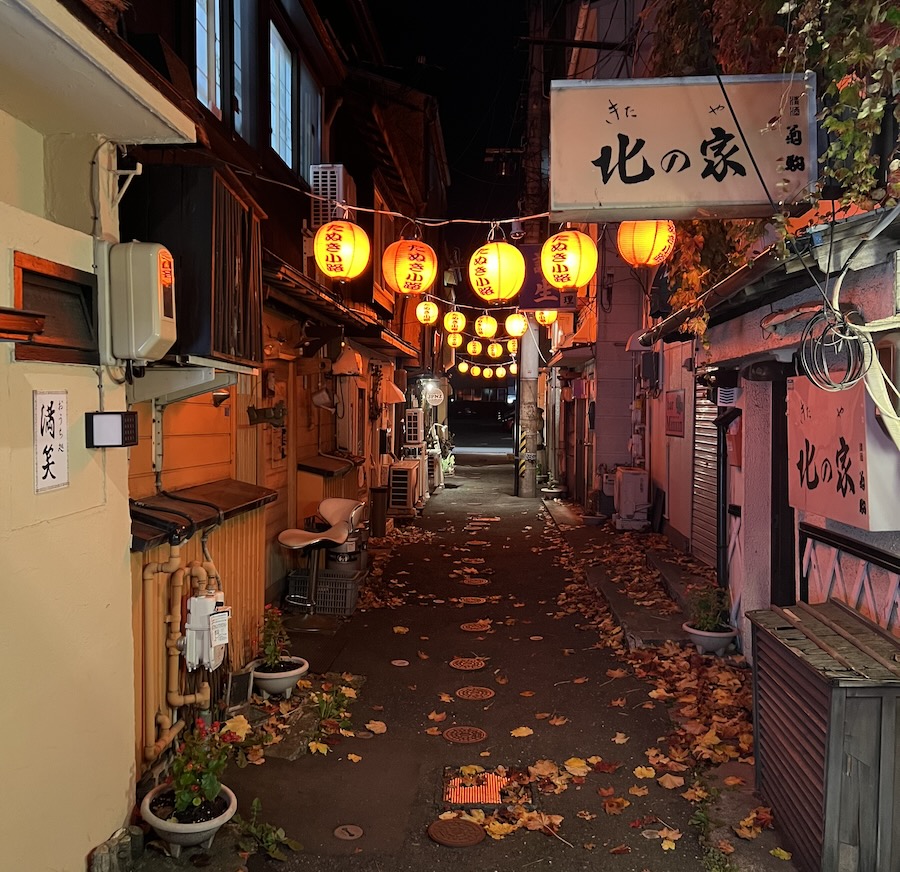
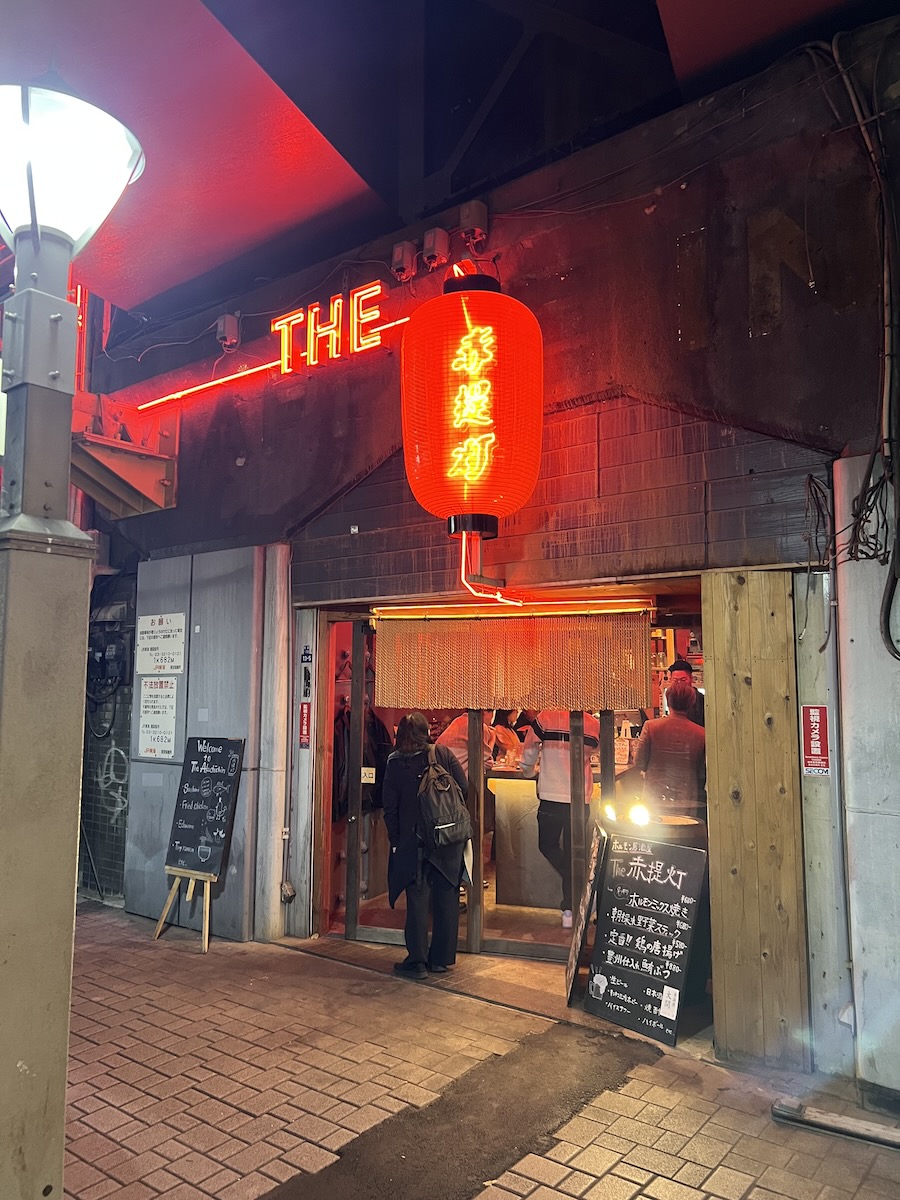
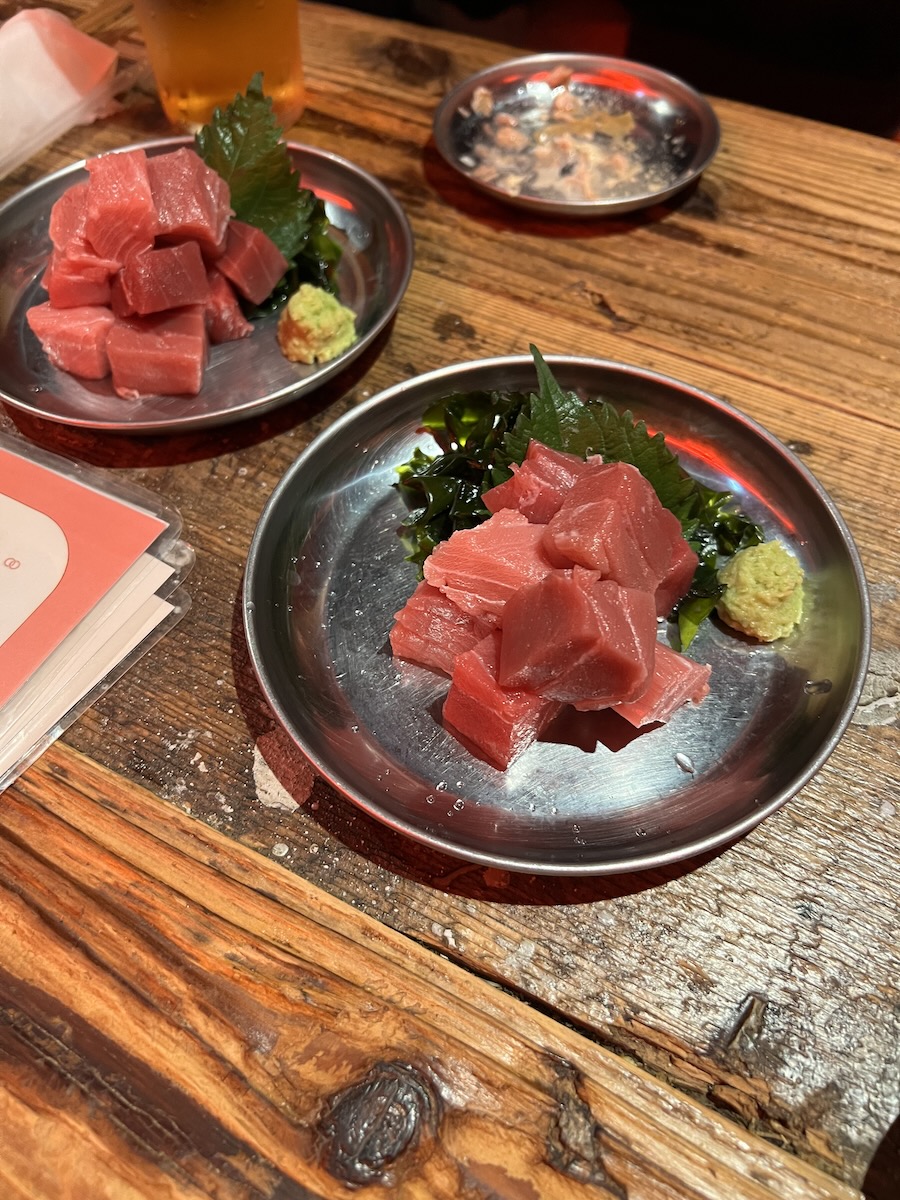
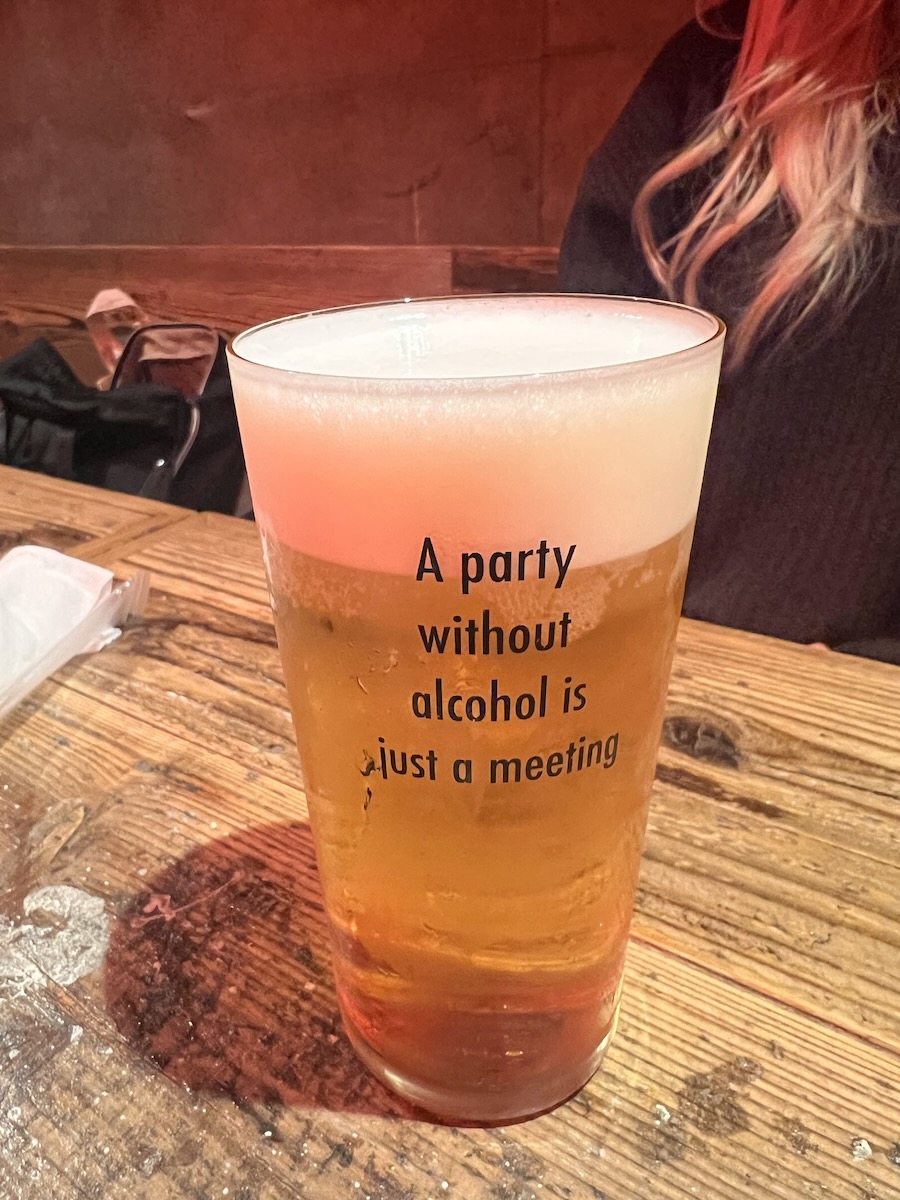
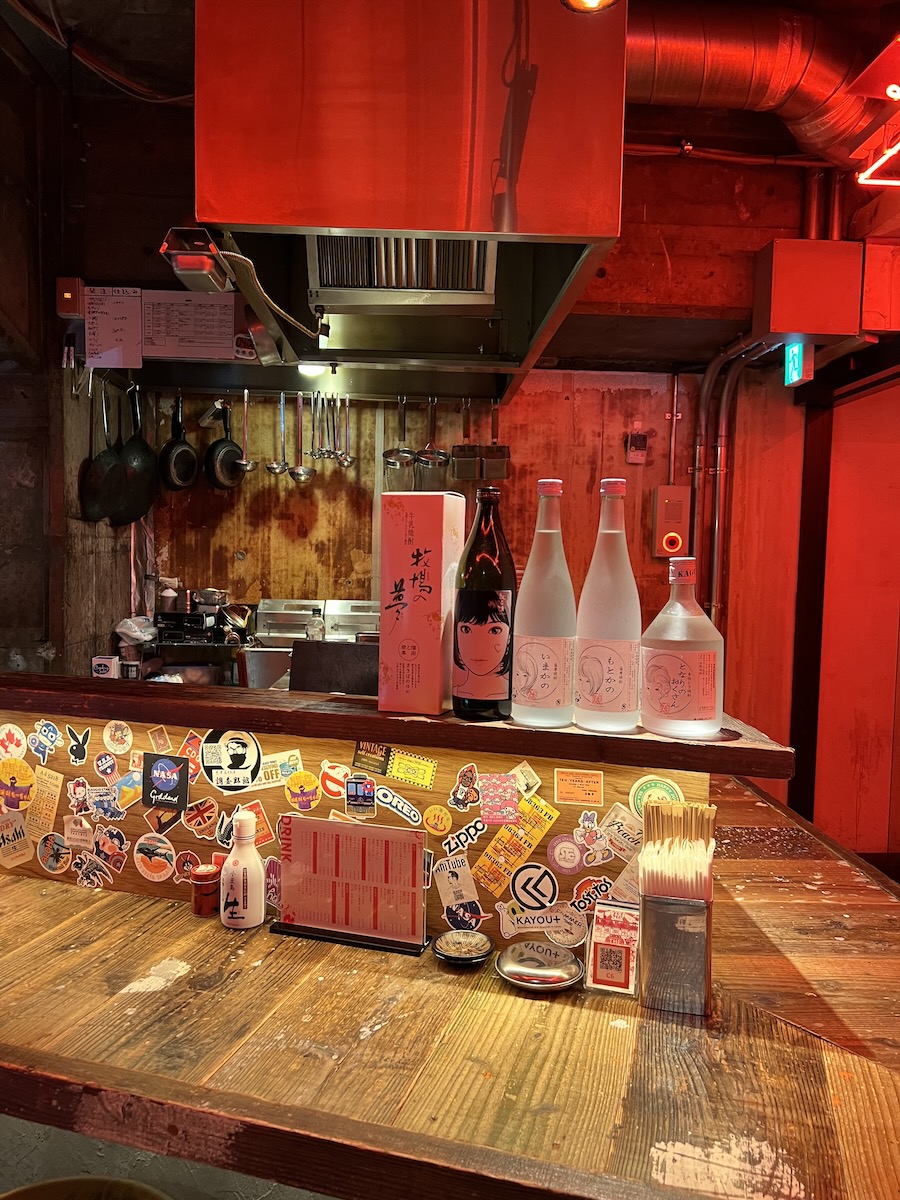
The day was coming to an end so for dinner we headed to Shimbashi, an area of Tokyo known for its nightlife and izakaya culture. We landed at THE Akachouchin (red lantern), a small, 2-story eatery located under the train tracks that feels like something right out of a nea-noir cyberpunk film. The menu was limited, which was a welcome surprise – we just ordered one of everything.
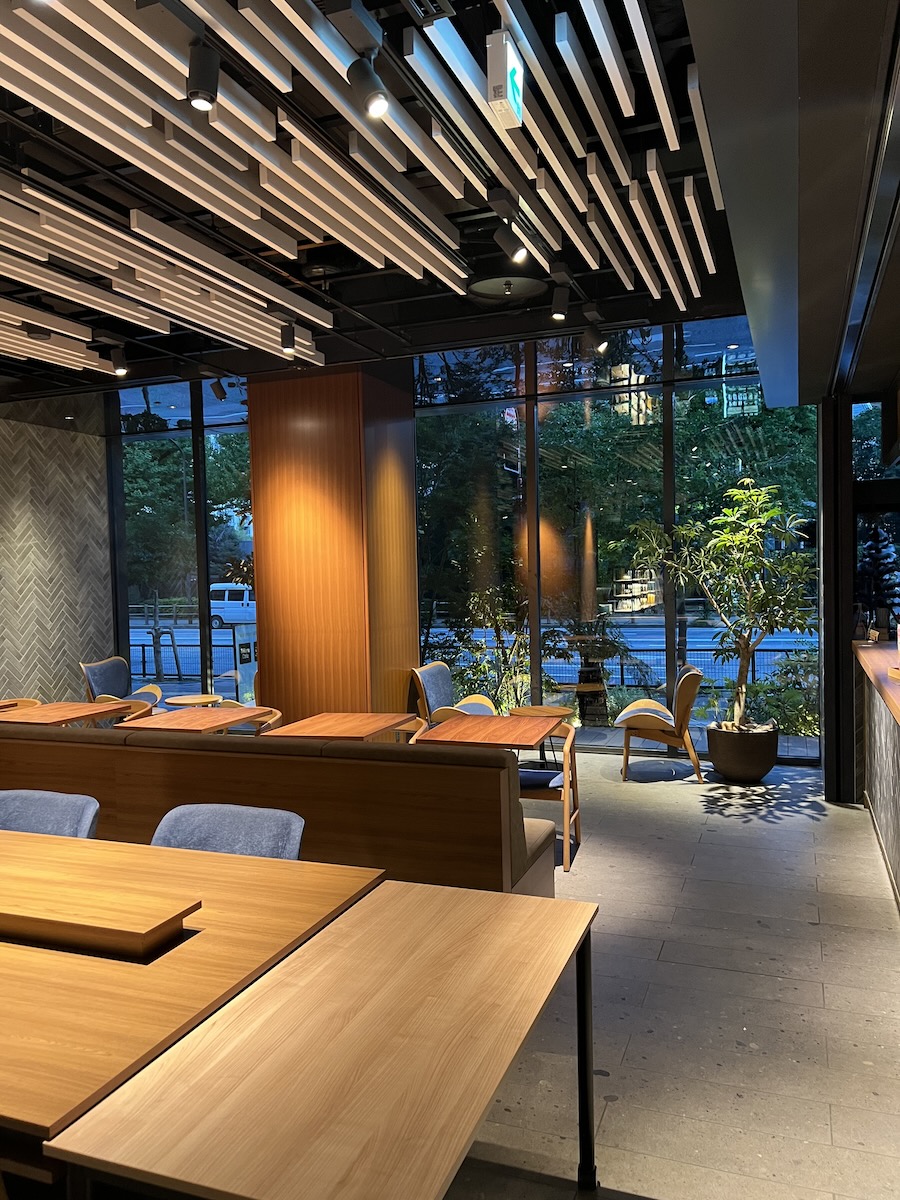
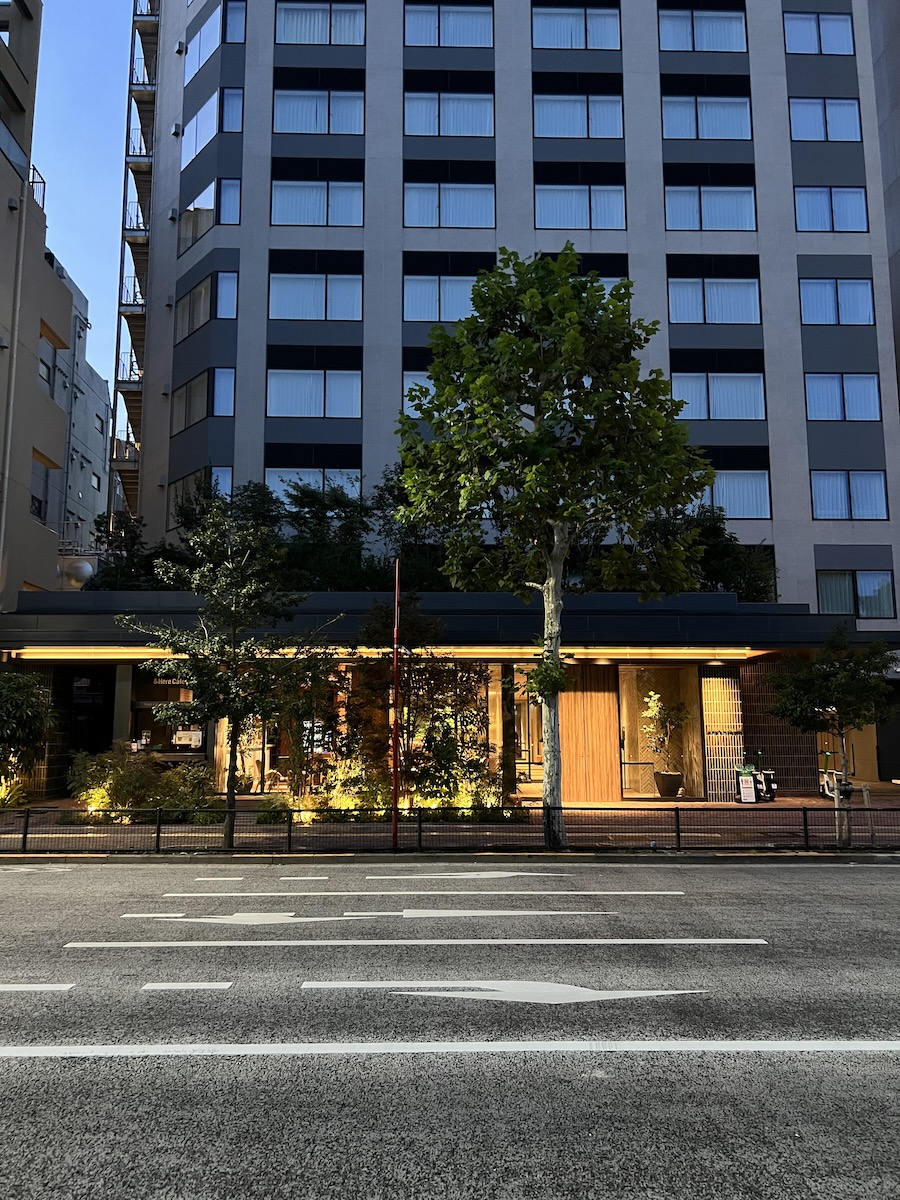
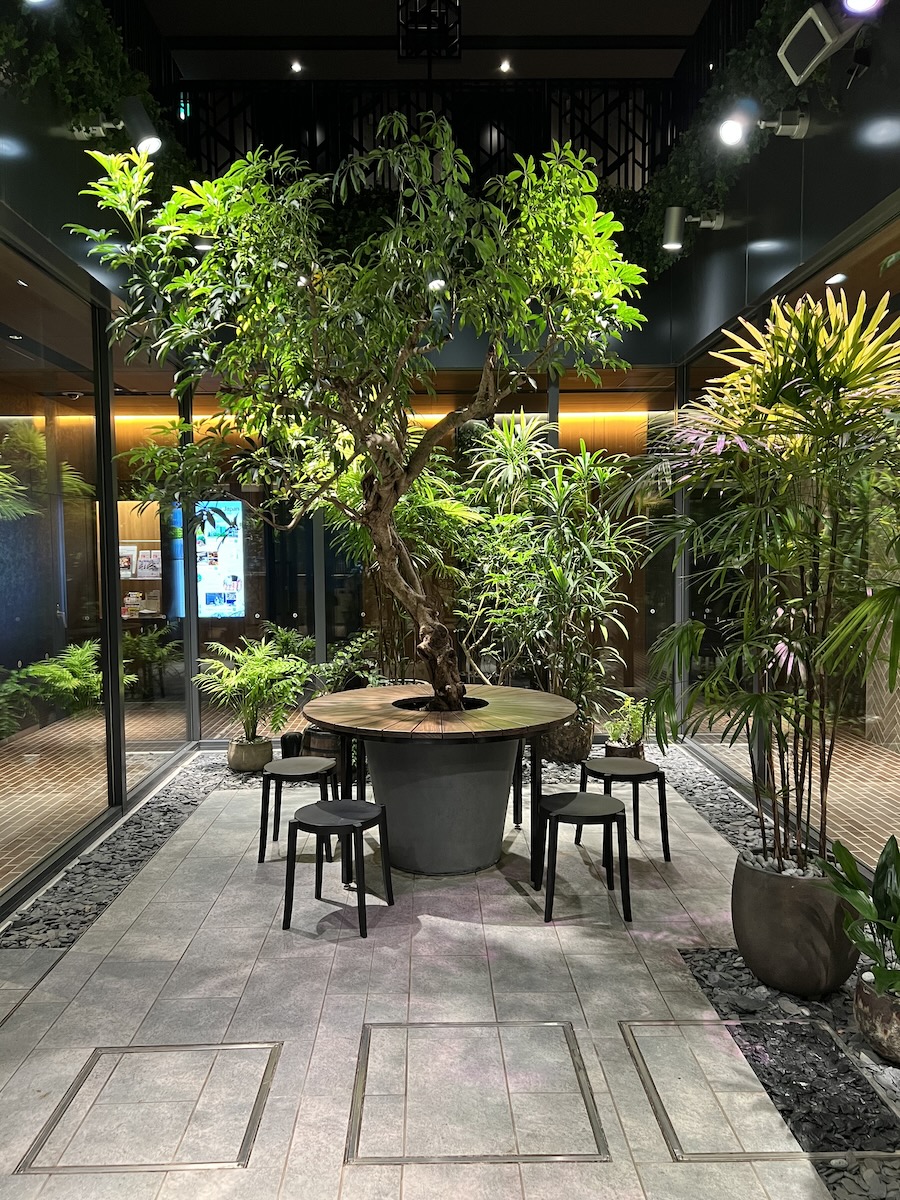
Where to stay? We stayed at the &Here TOKYO UENO. With clean rooms, a beautiful lobby and a spectacular public bath on the roof (both indoor and outdoor), this hotel offers great value. An added bonus was that the hotel was an easy 7 minute walk to Ueno Station, where we were headed the next moring to catch a shinkansen.
For longer-term stays they have rooms with kitchenettes, as well as laundry machines.

Day 2 & 3 – Sendai
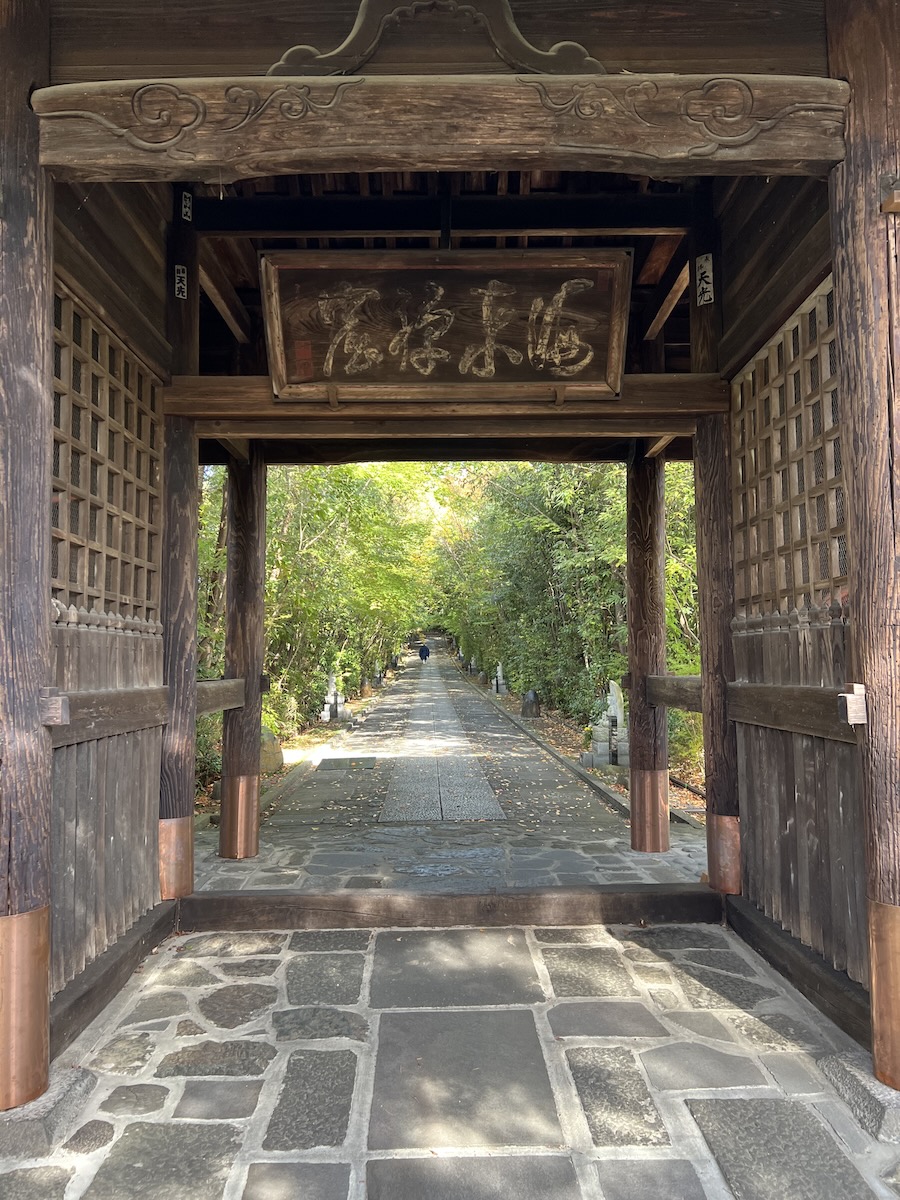
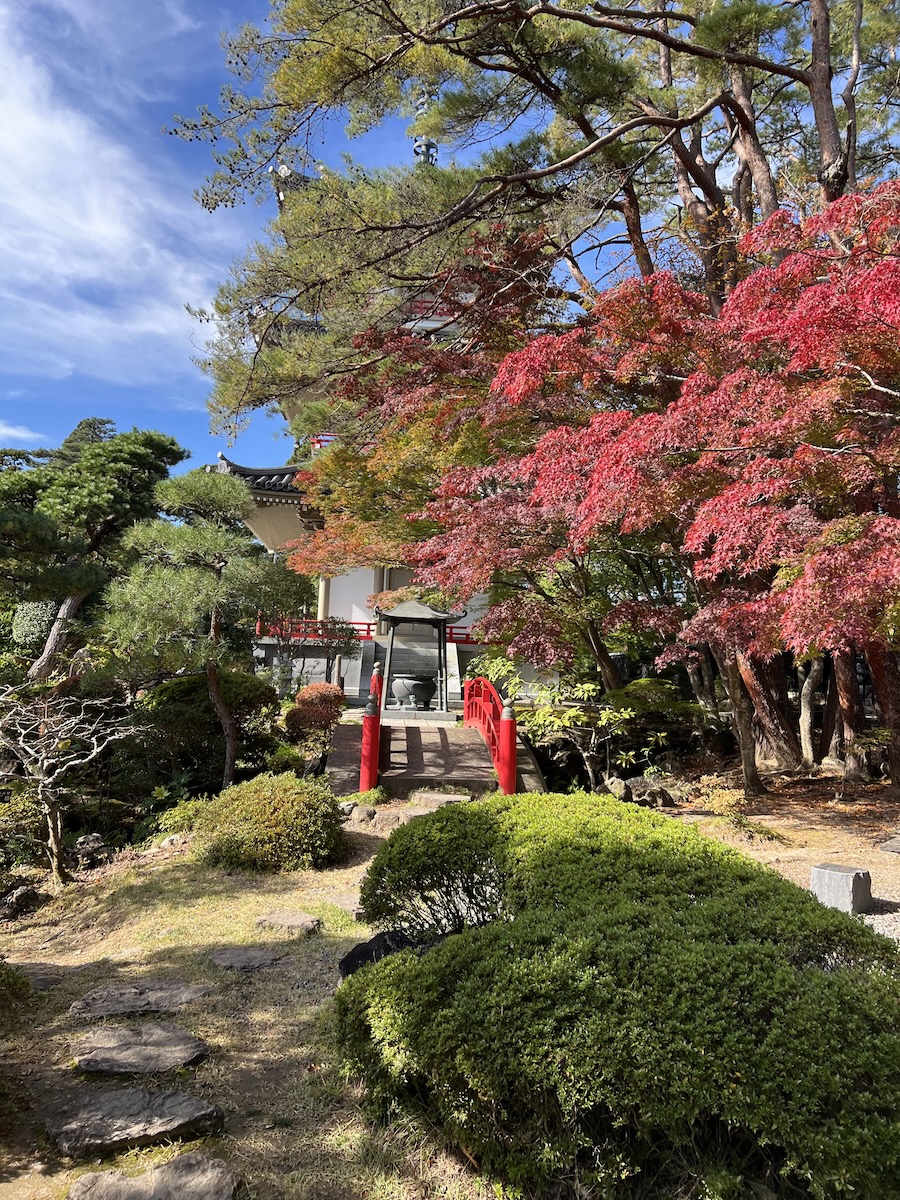
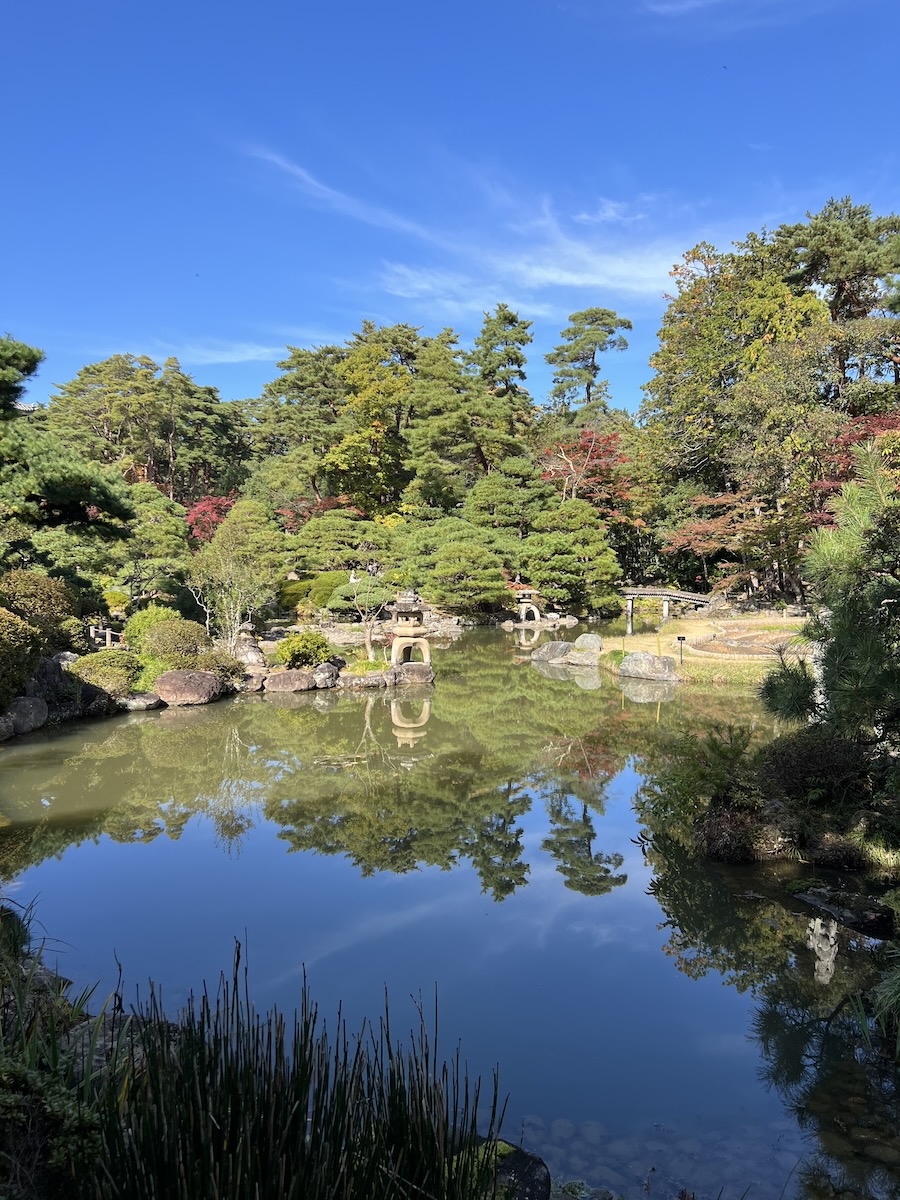
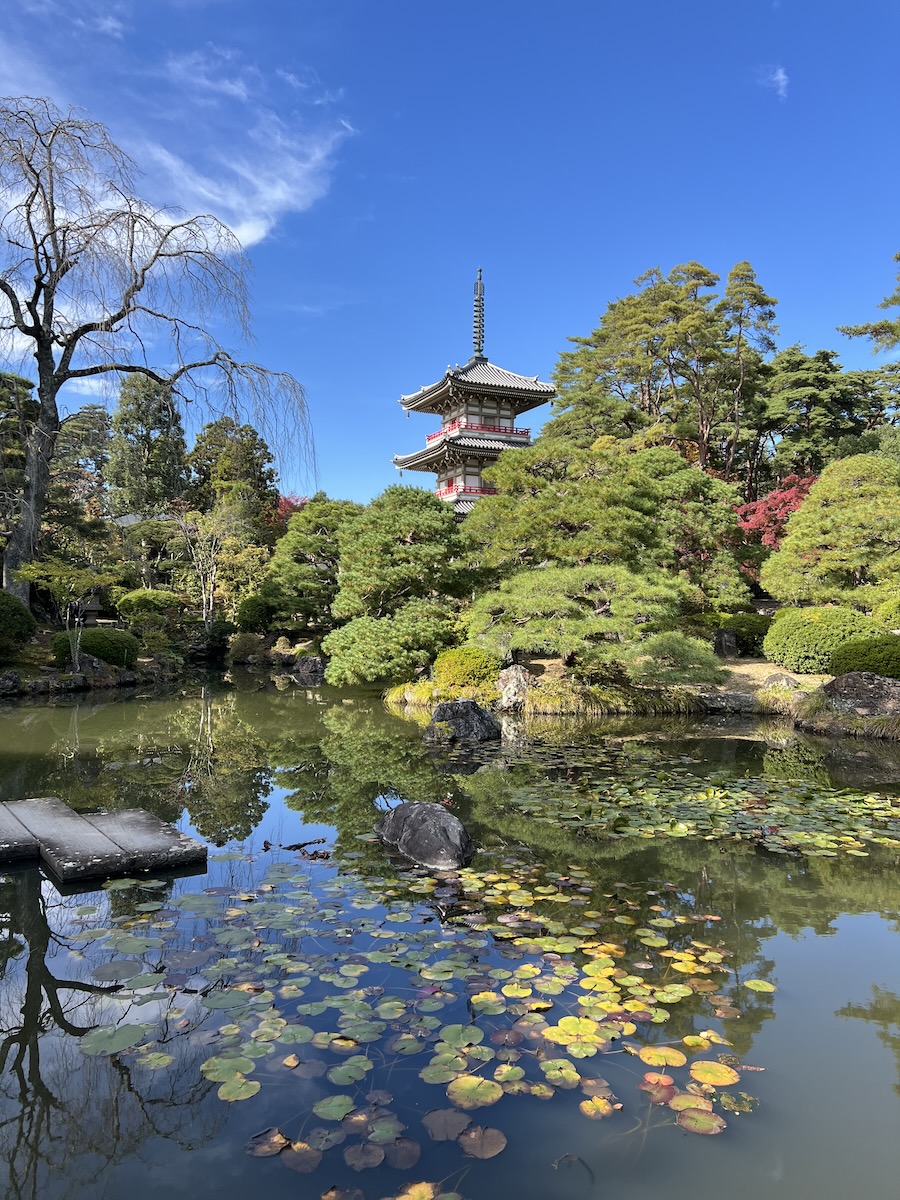
Our trip up north began with a short, 1.5 hour shinkansen ride from Ueno Station to Sendai. Our first stop was Rinnouji, a historic 15th-century Buddhist temple in Sendai, renowned for its breathtaking Zen garden and serene atmosphere. Despite all it has to offer—ponds, an arched bridge, and 3-story pagoda—Rinnouji remains relatively undiscovered, allowing it to be appreciated as it was originally intended: in peace and quiet.
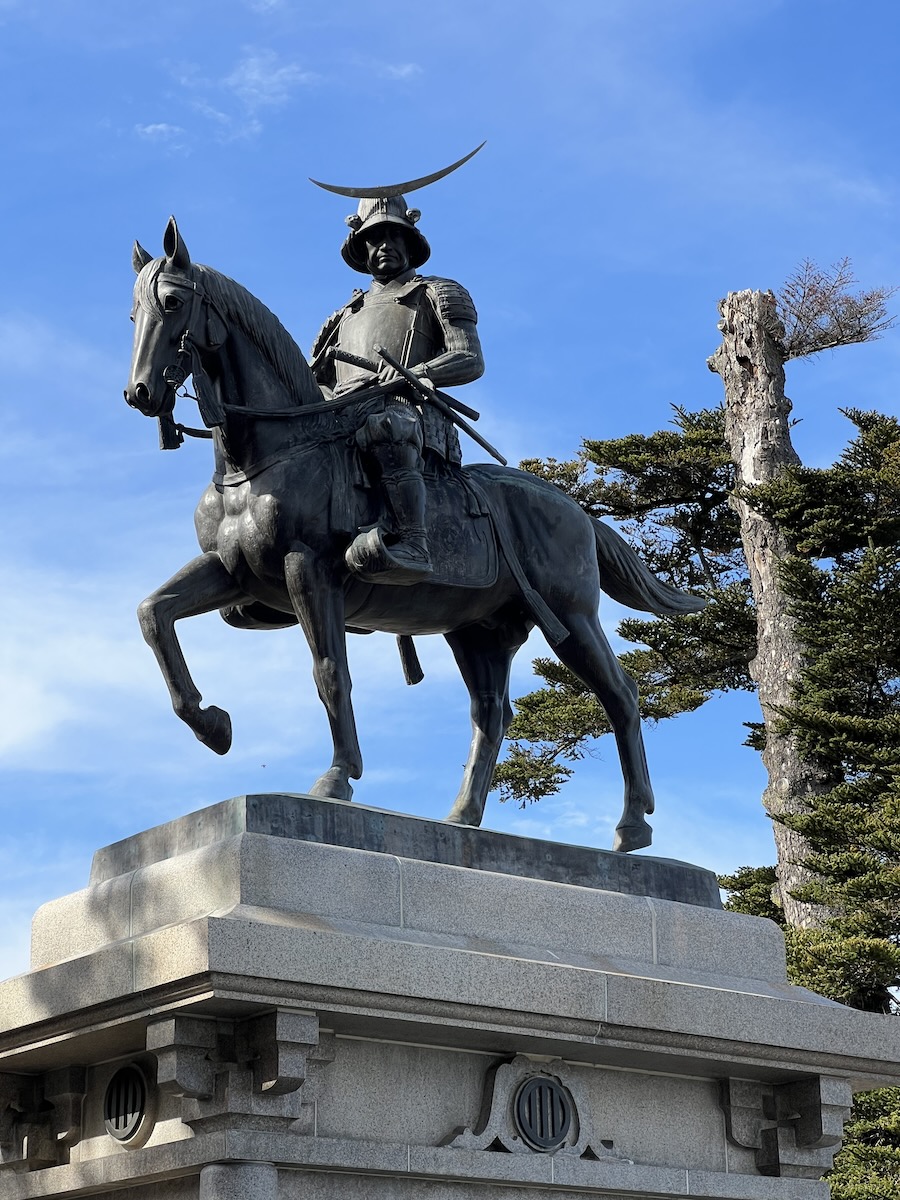
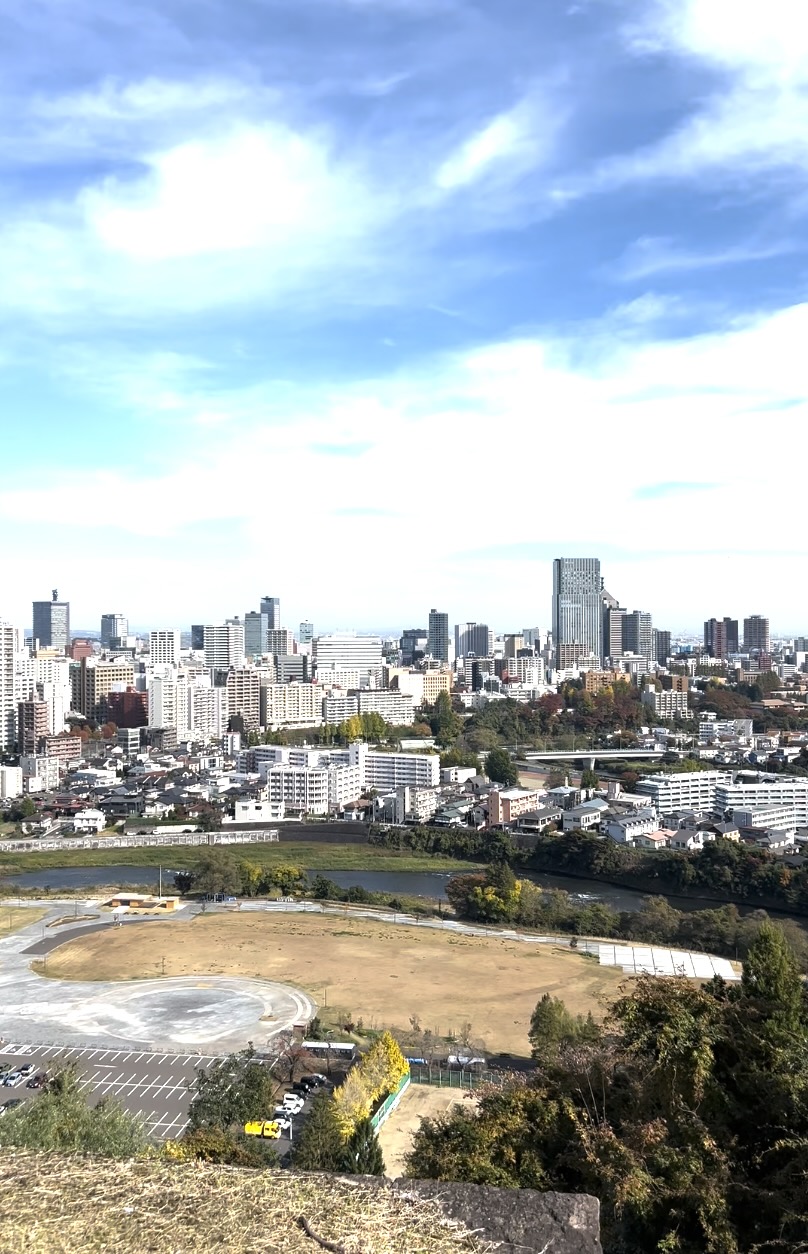
Rinnouji was founded by members of the Date-clan, a powerful samurai family with close ties to the history of Sendai. So to learn more, we headed to two locations linked to the Date-clan: Sendai Castle Ruins and Zuihoden. Also known as Aoba Castle, in 1601 it was built by Masamune Date, one of the most powerful lords of Edo-era Japan. The ruins sit atop Mount Aoba. After admiring the equestrian statue of Date Masamune, we walked to the edge of the ruins and immediately understood why this location was chosen: unobstructed panoramic views of Sendai made this the perfect place to look over his beloved city.
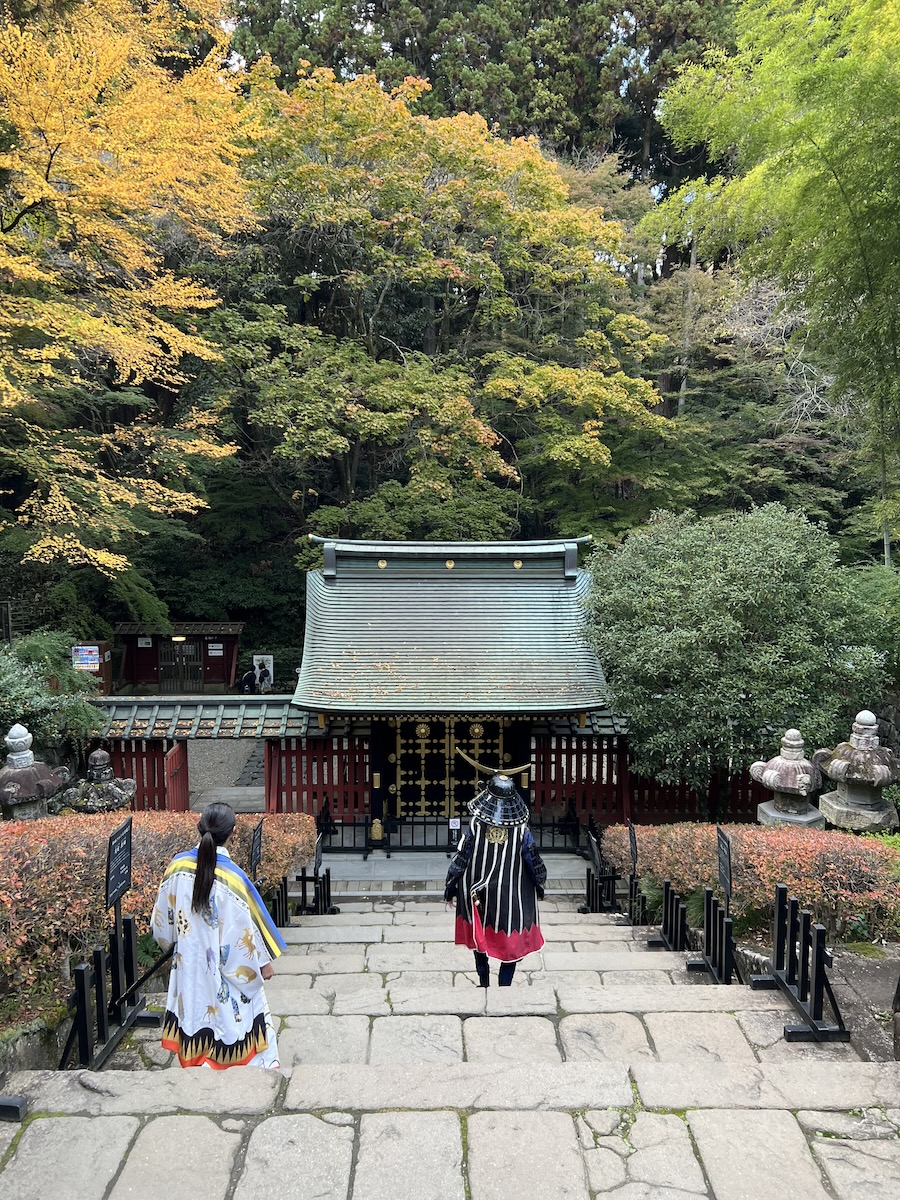
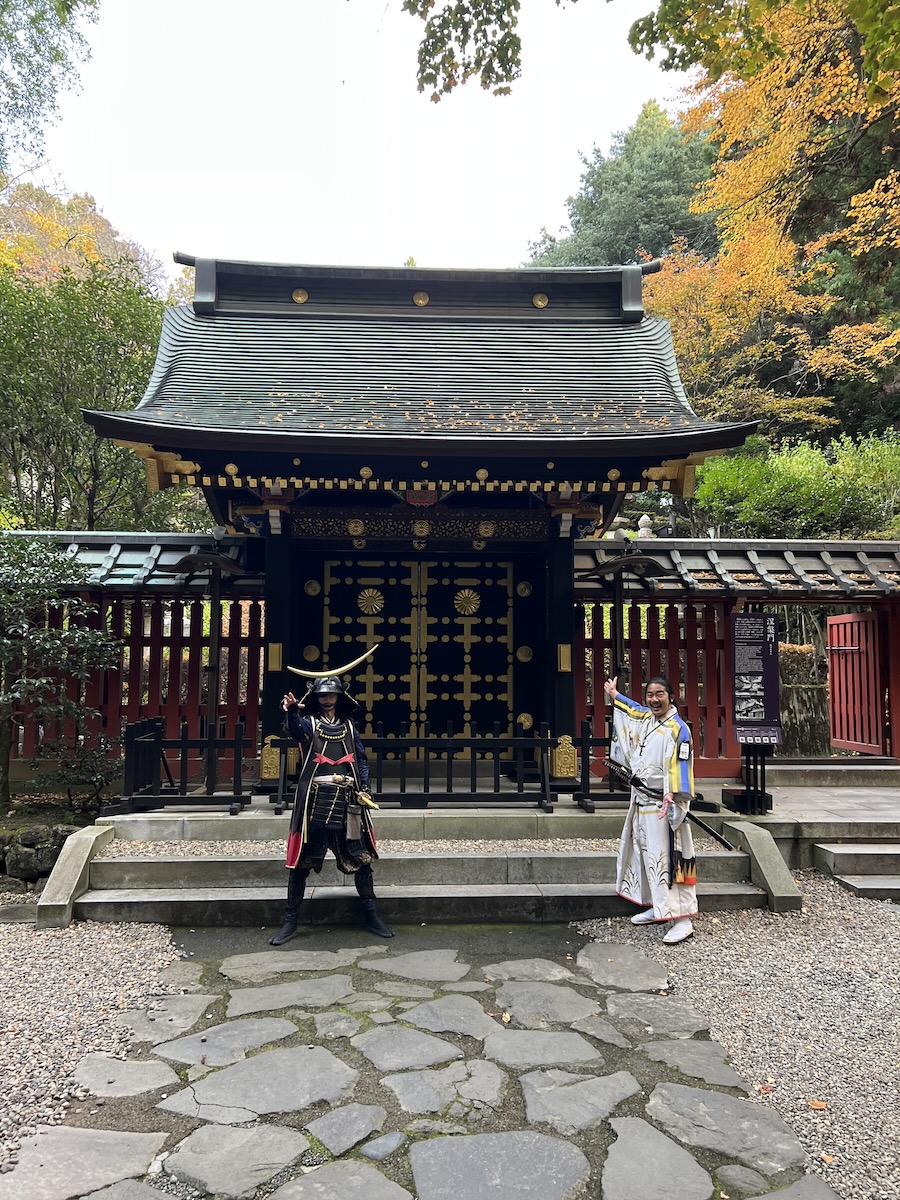
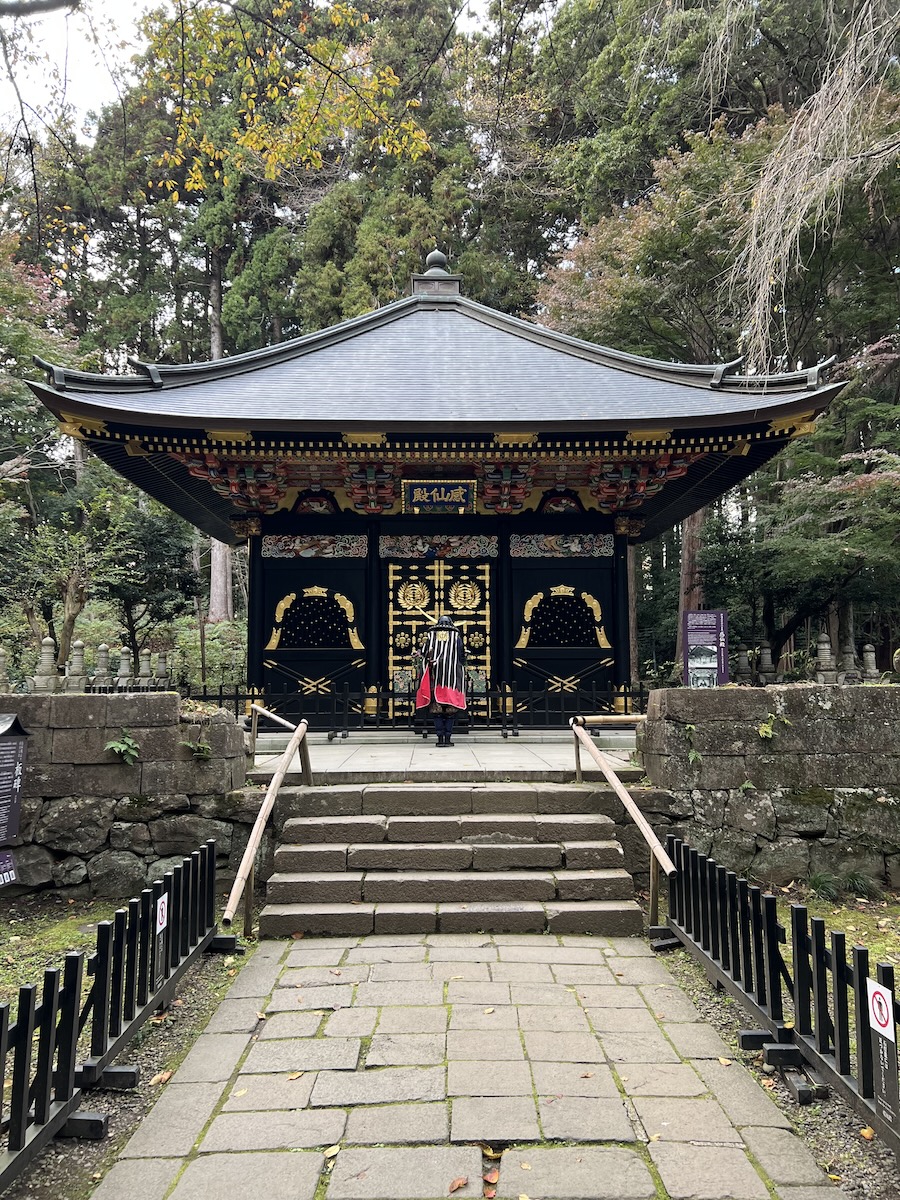
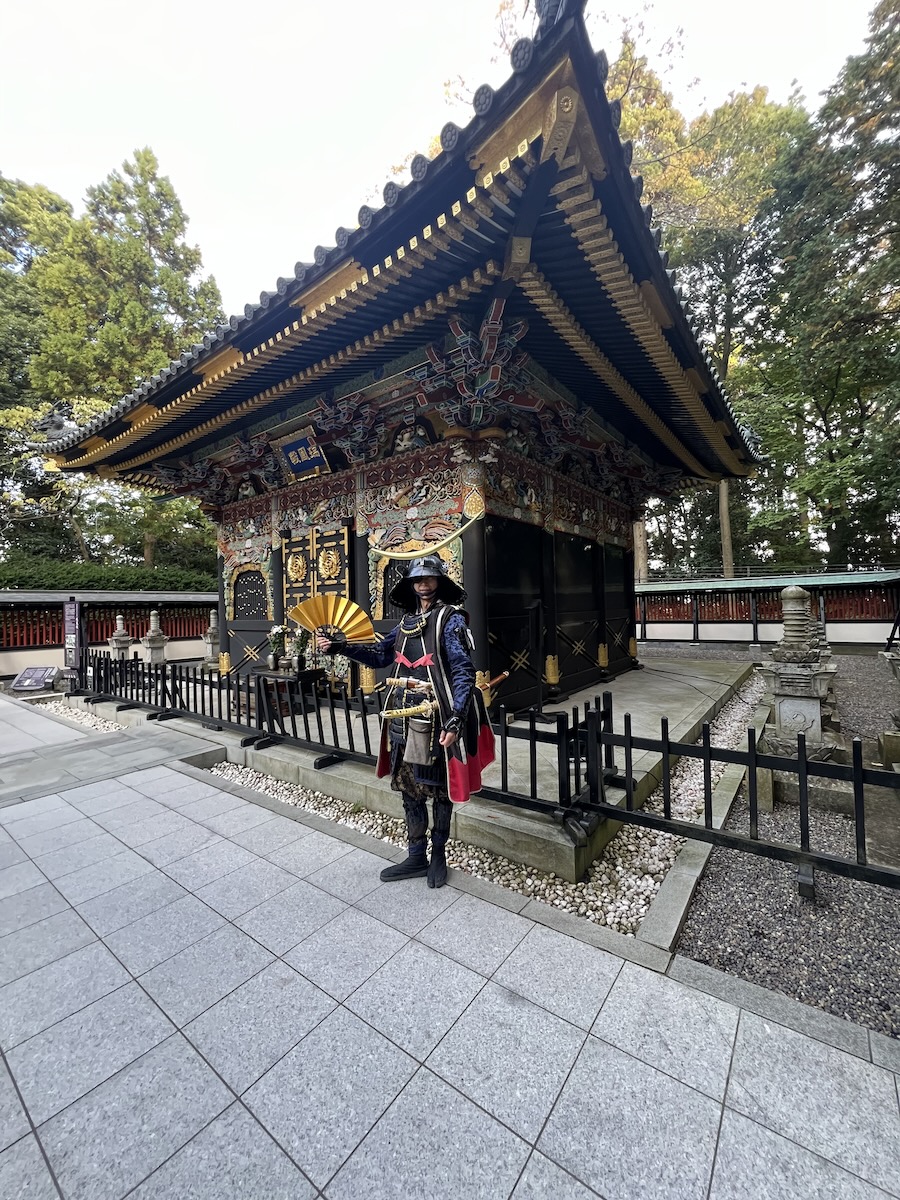
Towards the foot of Mount Aoba is Zuihoden, the mausoleum of Masamune Date. We arranged for a Date Busyoutai Guided Tour, which was led by two experts in actual period attire. But they weren’t just doing it for fun. Specific garments were a crucial tool in acknowledging status, lineage and allegiance. We left the tour with a deep understanding of how much this land meant to the Date clan and why it’s so revered to this day.
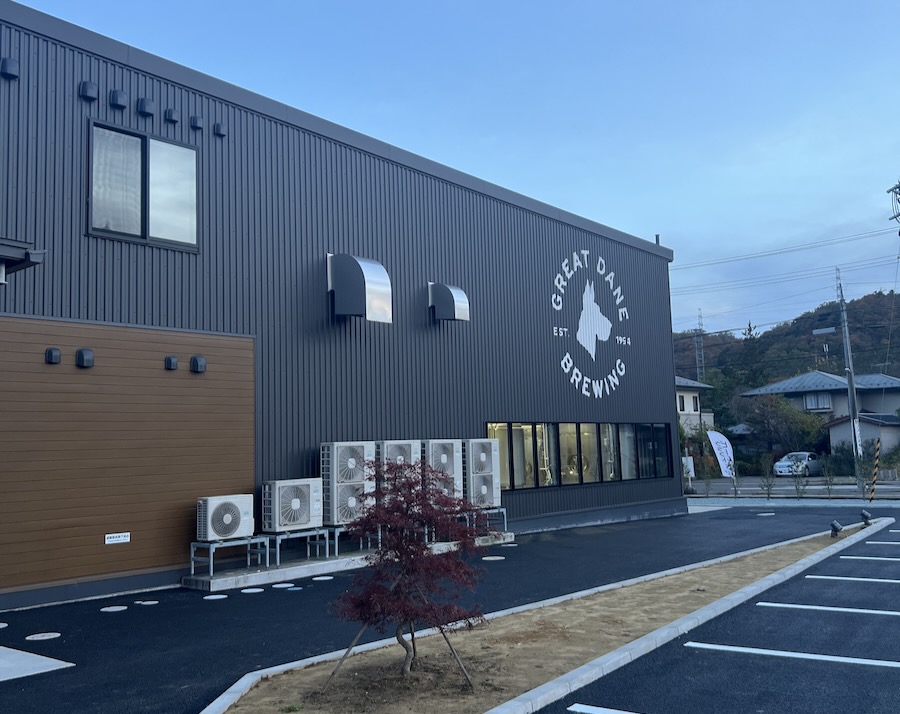
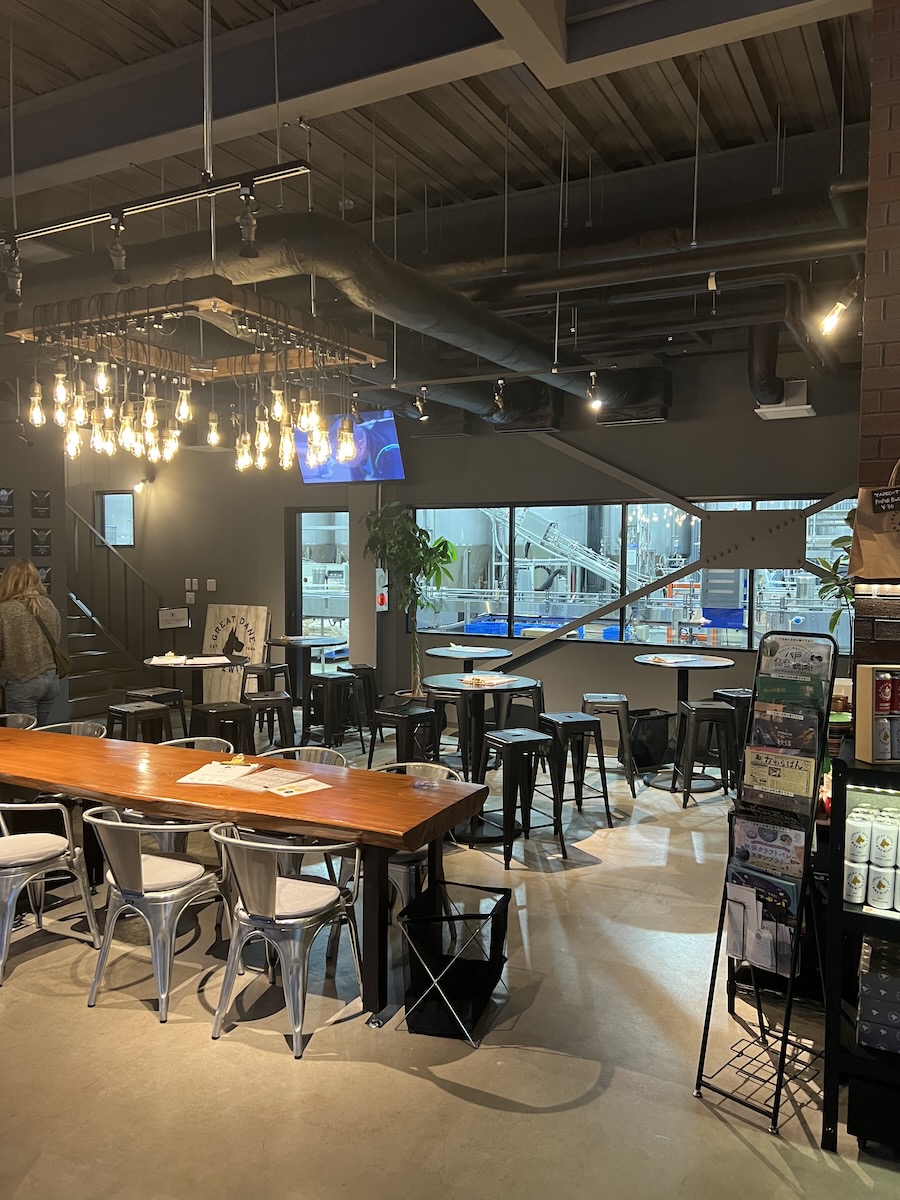
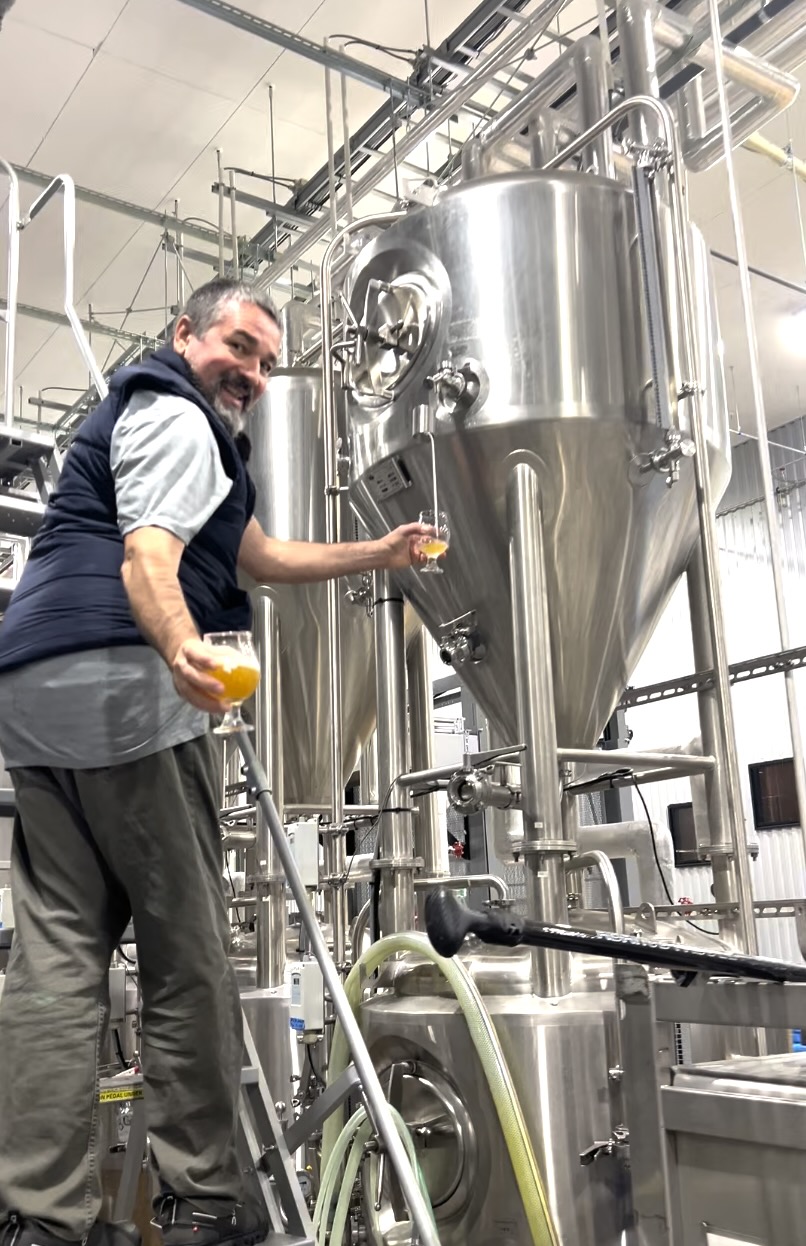
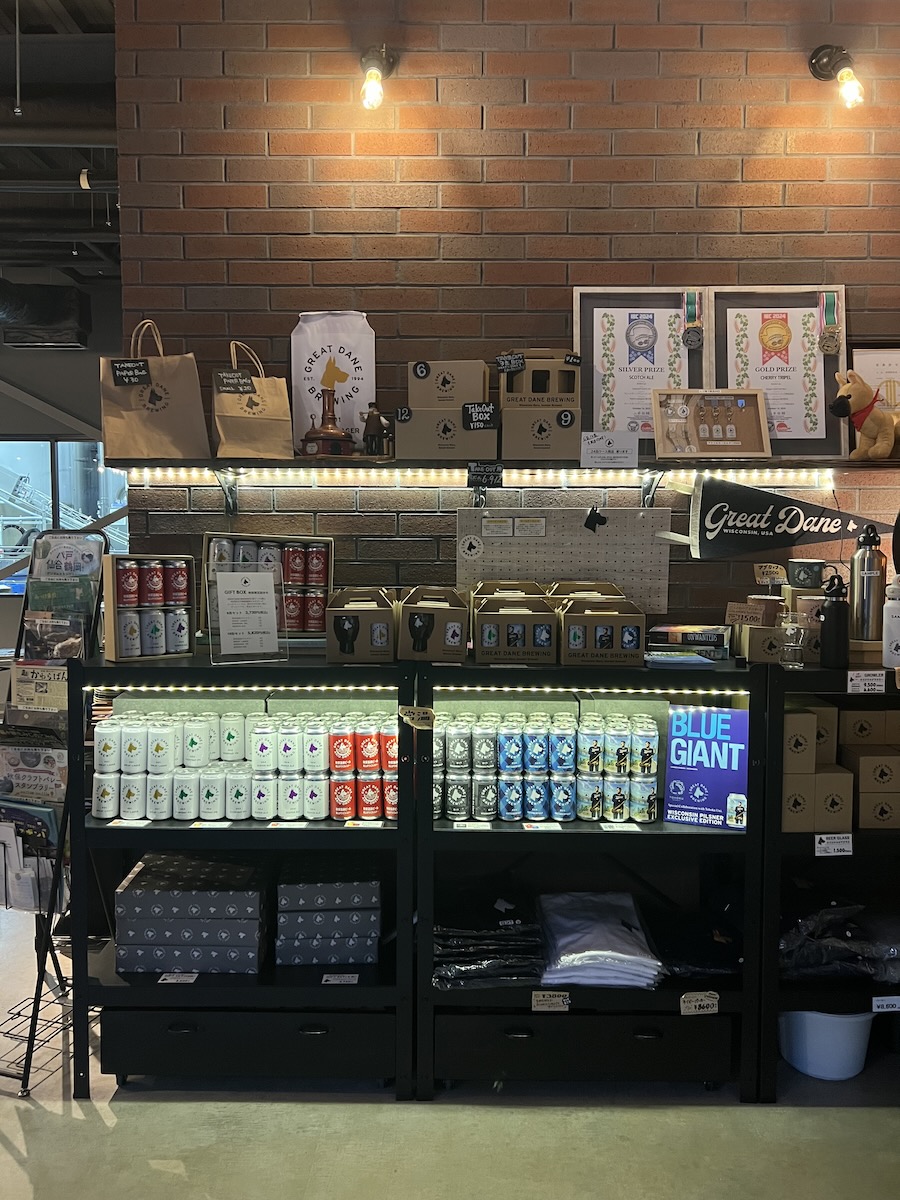
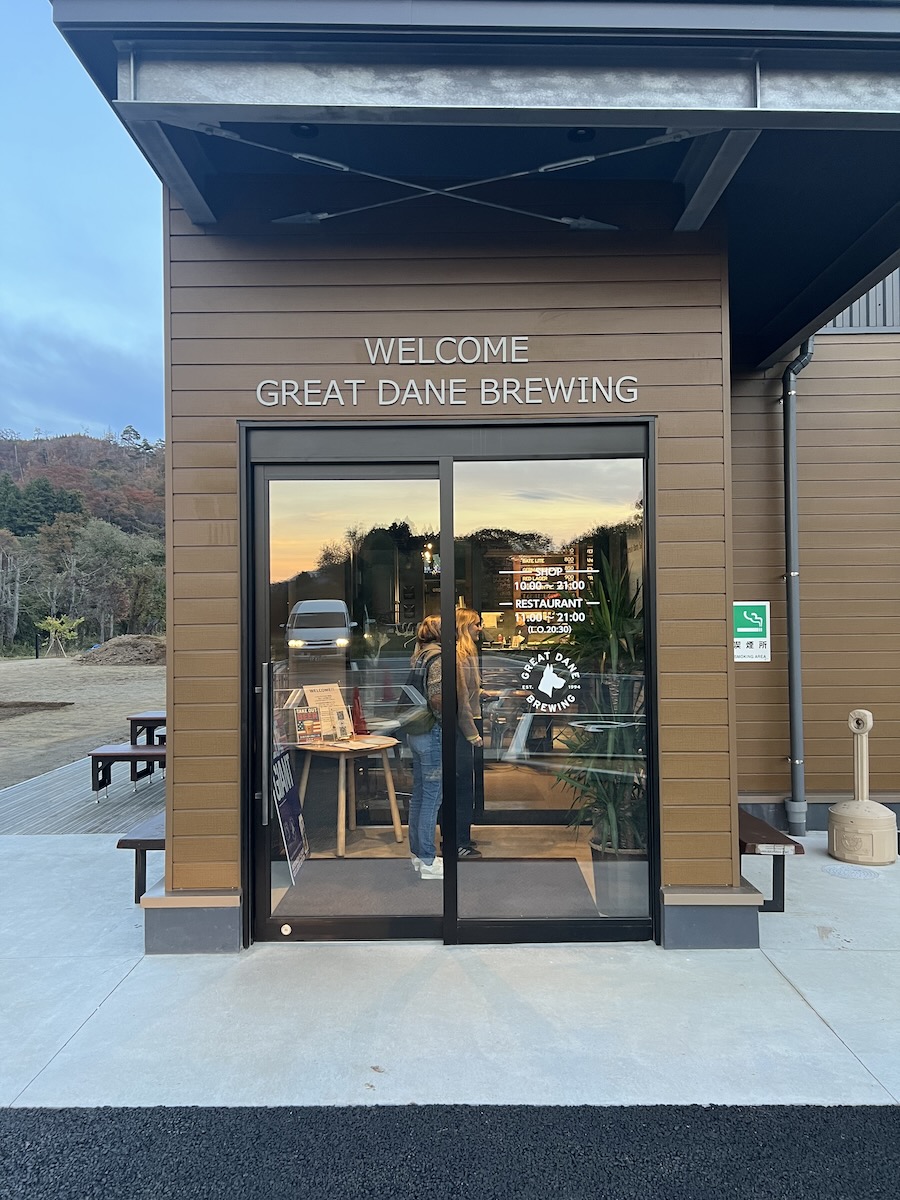
After a long day of absorbing culture and history, it was time for a drink. As we headed to the western suburbs of Sendai to our hotel, what could only be a mirage appeared alongside Rt. 62: a craft beer brewery from Wisconsin. But GREAT DANE BREWING was very much real, and we were sure of it after we took our first sip. Co-founder Rob LoBreglio was kind enough to give as a tour of his sparkling facility, which had just opened last year. As to how they ended up in the Akiu Onsen region of Sendai is a longer story, suffice to say it was a combination of coincidence, connections and the magnetic power that Sendai seems to possess.
That evening we stayed at the Hotel Sakan, but there are any number of hot spring inns around this region. If you prefer something more Western, The Westin Sendai was also fantastic.
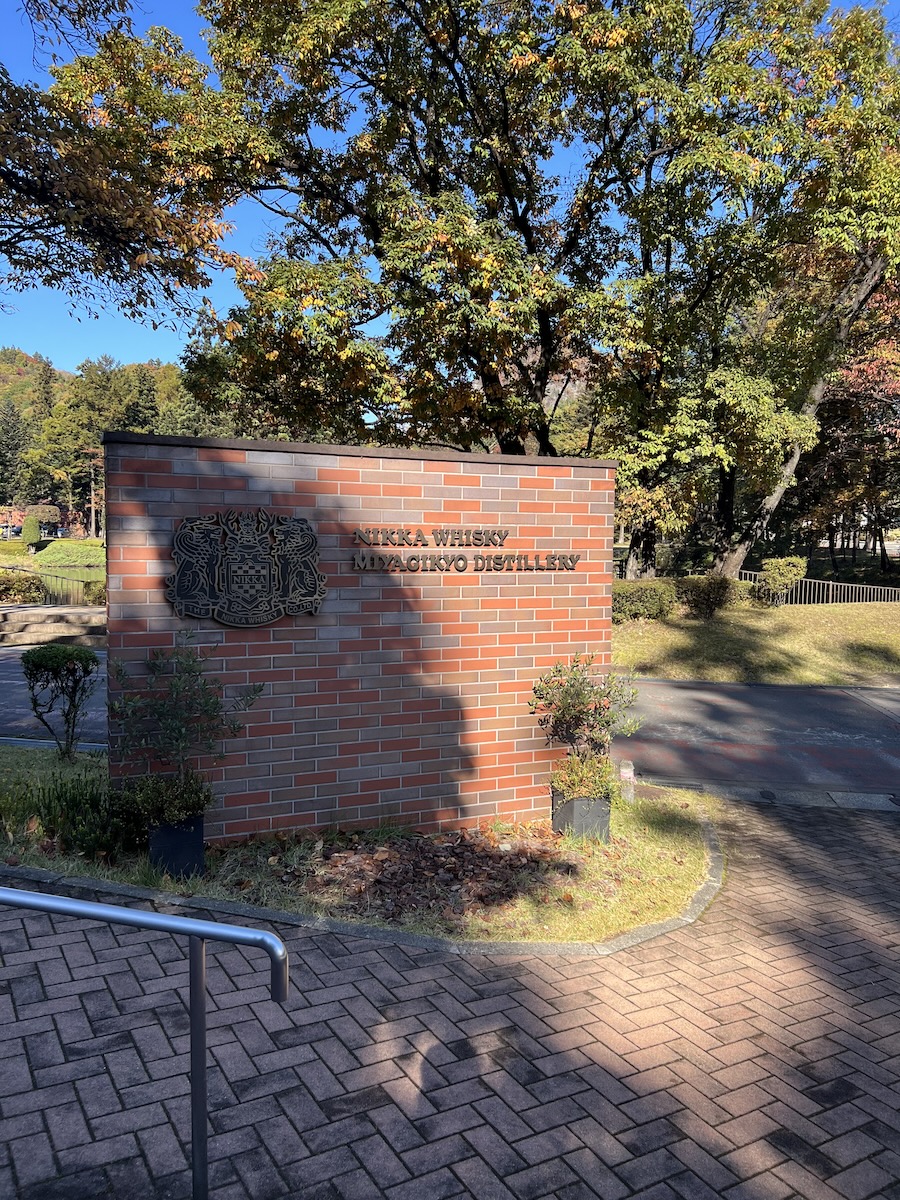
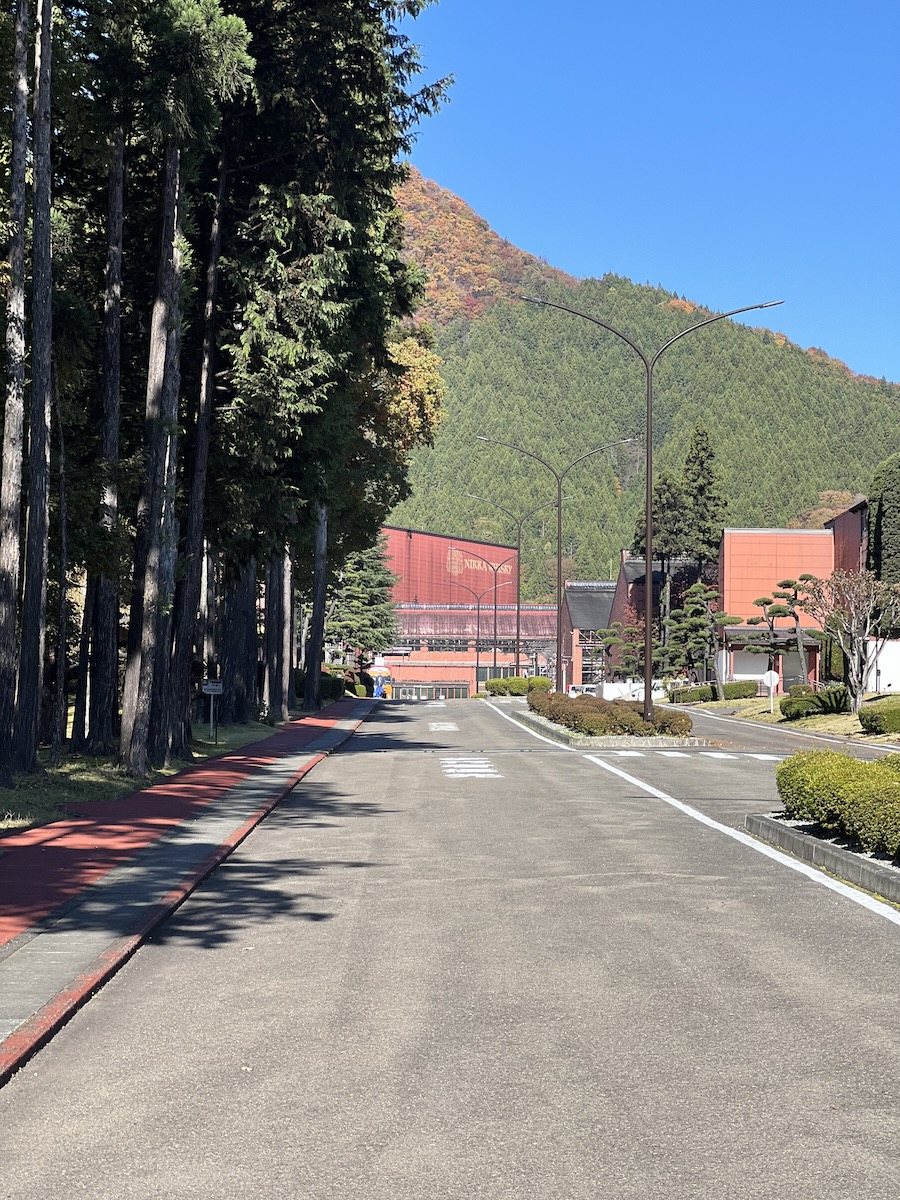
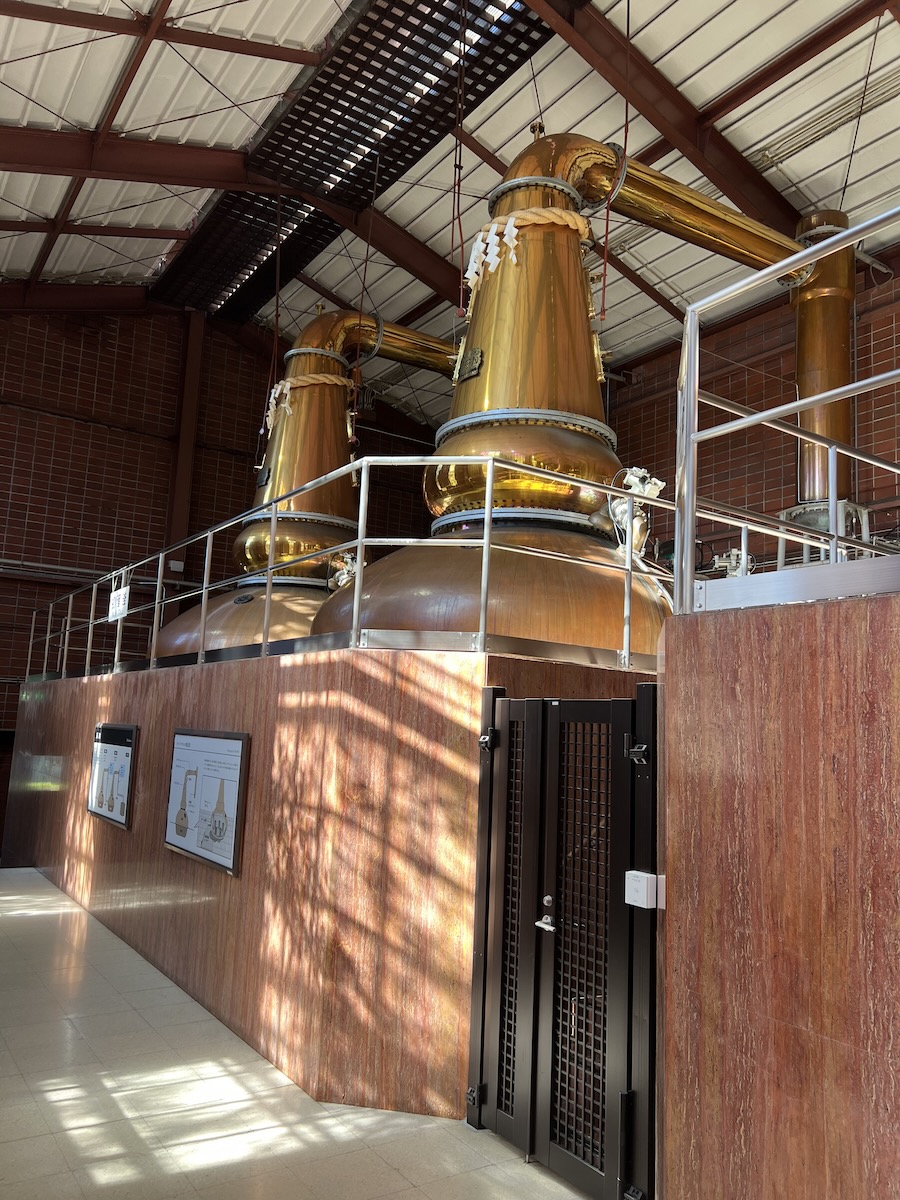
The next morning we headed to Nikka Whisky Sendai Factory Miyagikyo Distillery. After our adventures in beer brewing the night before, it seemed only fitting that we also visit beer’s step-brother: whiskey.
Standing on the idyllic campus of one of Japan’s most well-known whiskey makers, it was easy to understand why Masataka Taketsuru decided on this location in 1969. It’s surrounded by trees, mountains and, importantly, two rivers which would supply the distillery with an endless supply of crystal clear water. But one could also sense a deep respect for nature. Roads were left sloped, instead of flattened. Trees grew wild, but maintained pristinely. Red bricks were specifically selected to complement the surrounding greenery. It was the same thoughtfulness and dedication that went into the whiskey, which we of course tried at the end of our tour.
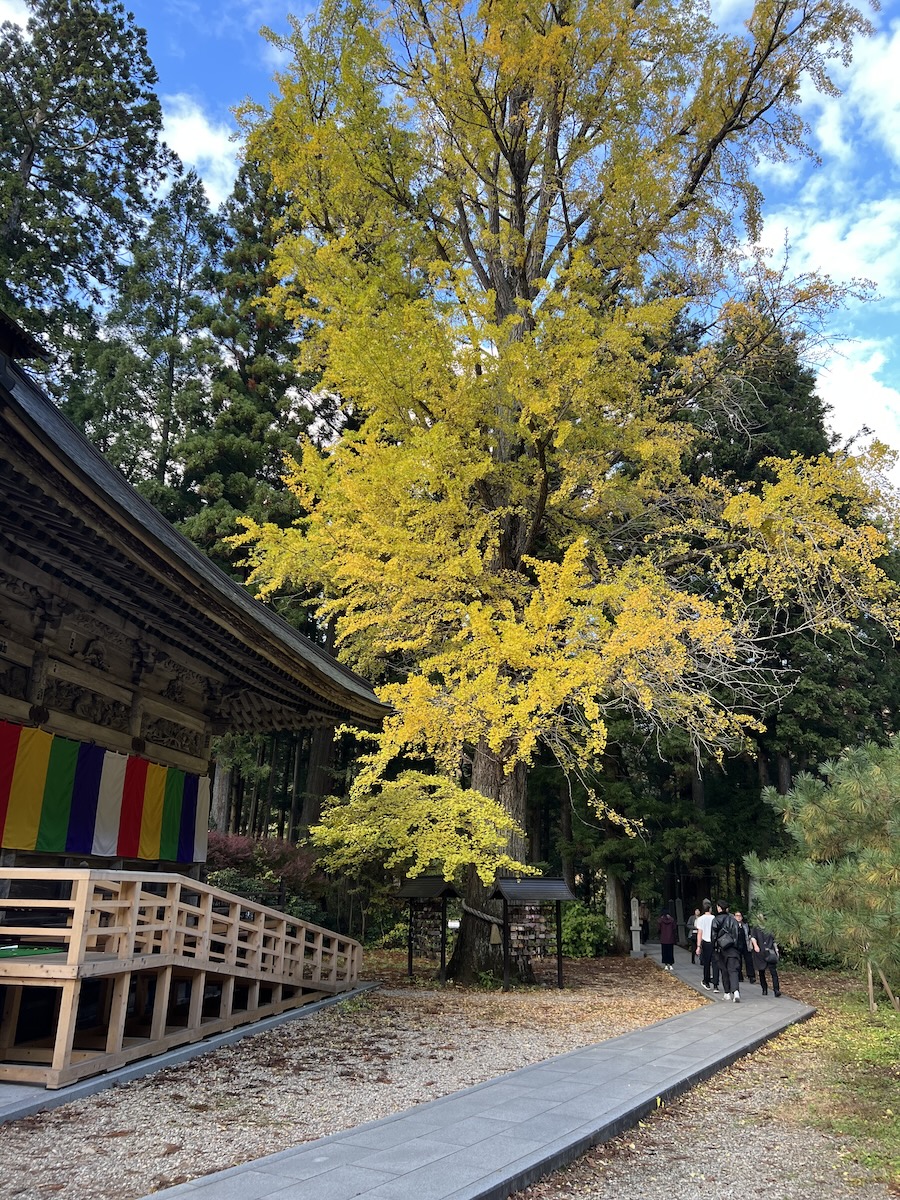
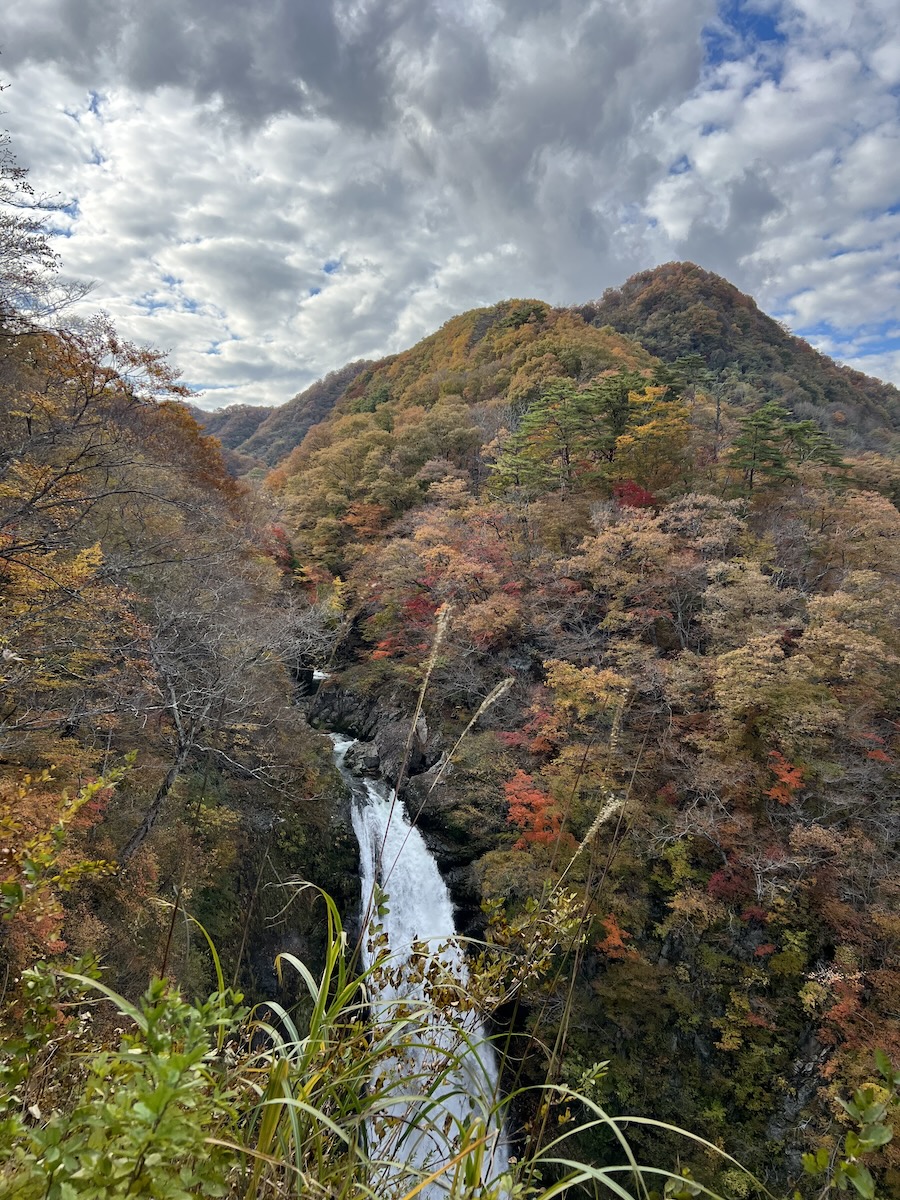
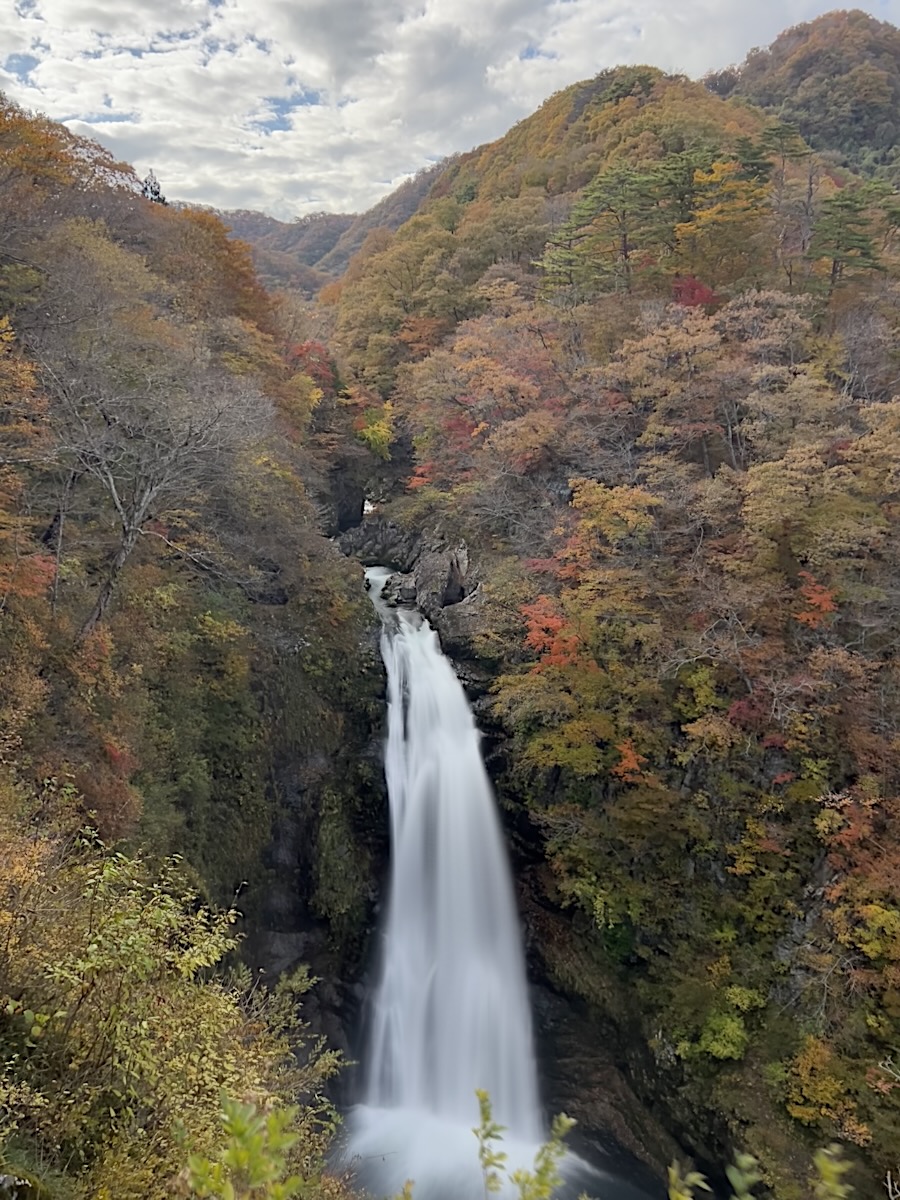
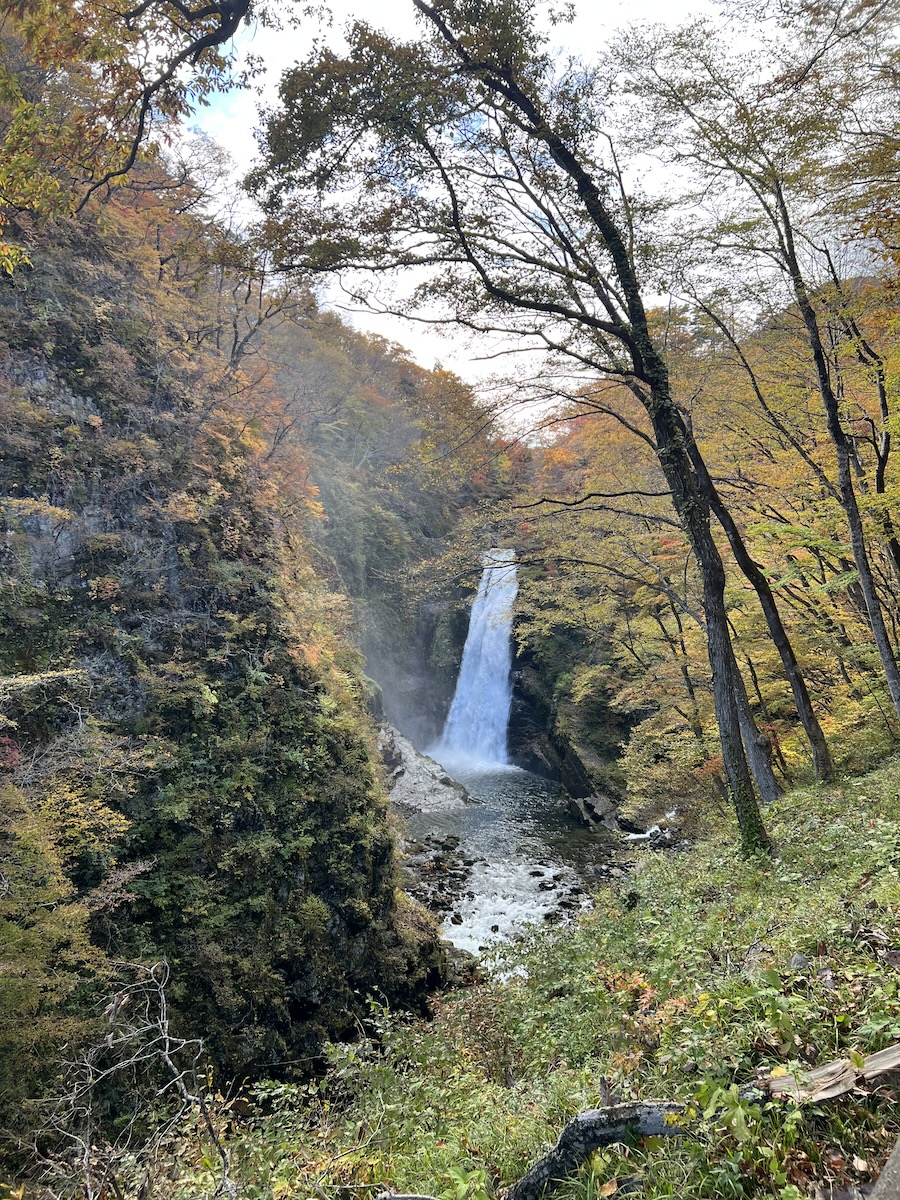
A short 20-min drive from the distillery was Akiu Otaki Falls, one of the Sendai’s most-memorable natural landmarks. After arriving, we walked down a stone path and past a temple, passing a golden ginko tree, which would prove to be merely an hors d’oeuvres to the feast we would soon lay eyes on.
Akiu Otaki Falls stands a majestic 55-meters (180 ft) high and the lookout point offers splendid views of what is called one of the three most famous waterfalls in Japan. For those who are adventurous, a short hiking path allows you to descend to the base for an even closer view.
Day 4 & 5 – Hachinohe, Aomori
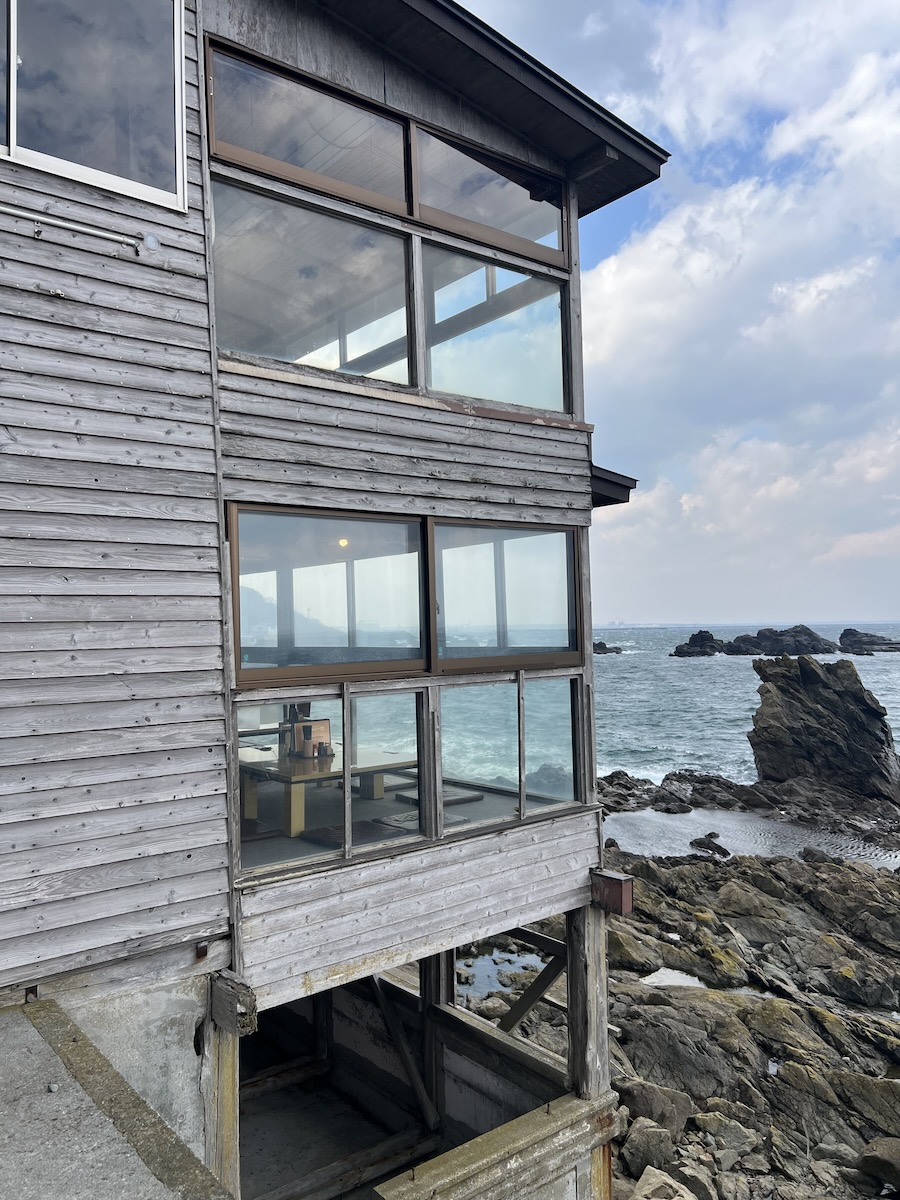
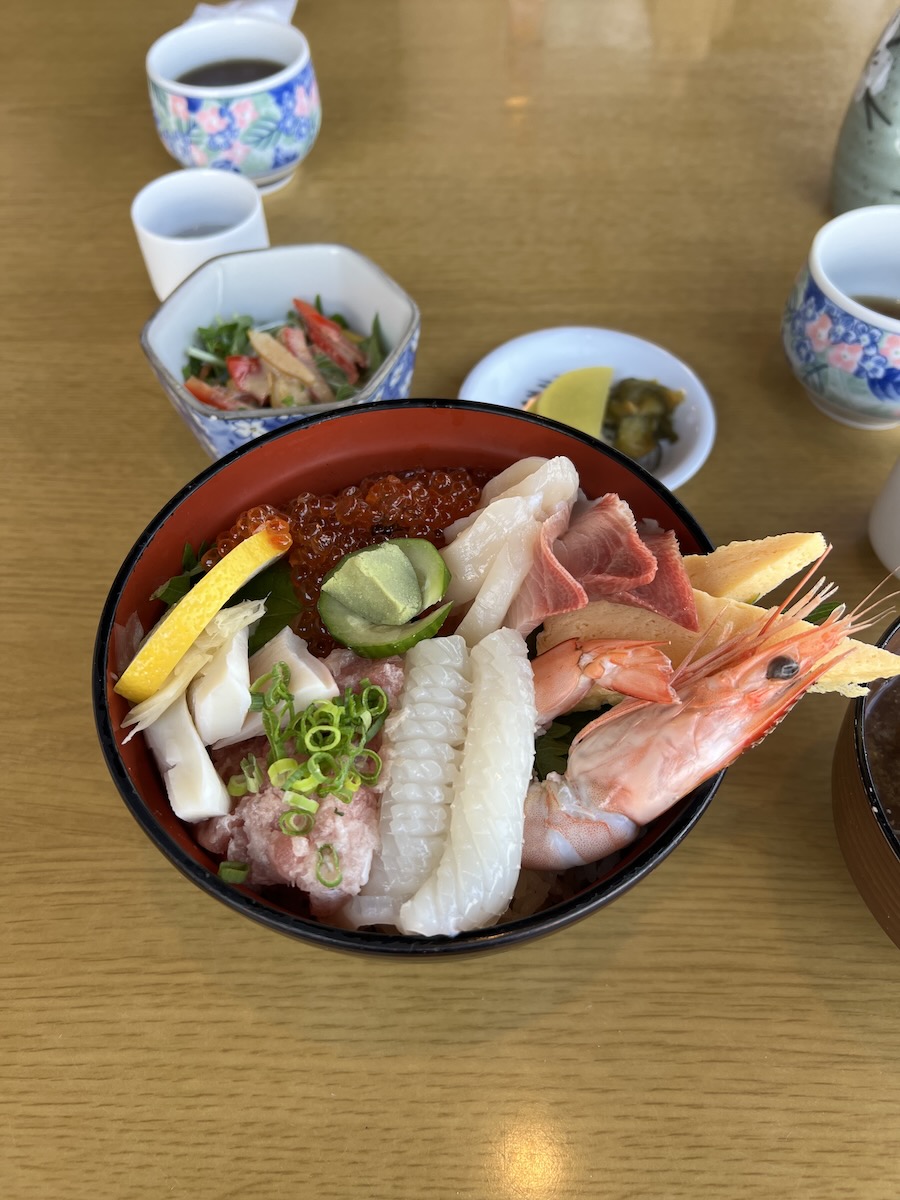
We continued to venture north the next day. An easy 1.5 hr shinkansen ride from Sendai Station and we found ourselves in the city of Hachinohe, a coastal city in Aomori prefecture known for its fresh seafood and rugged coastlines. Our first stop was Kofunato, Hachinohe’s version of a seafood shack. This rustic wooden structure sticks out over the ocean with stunning views of rocks and sea, while the old-fashioned dining room serves an extensive menu of seafood both raw and grilled.
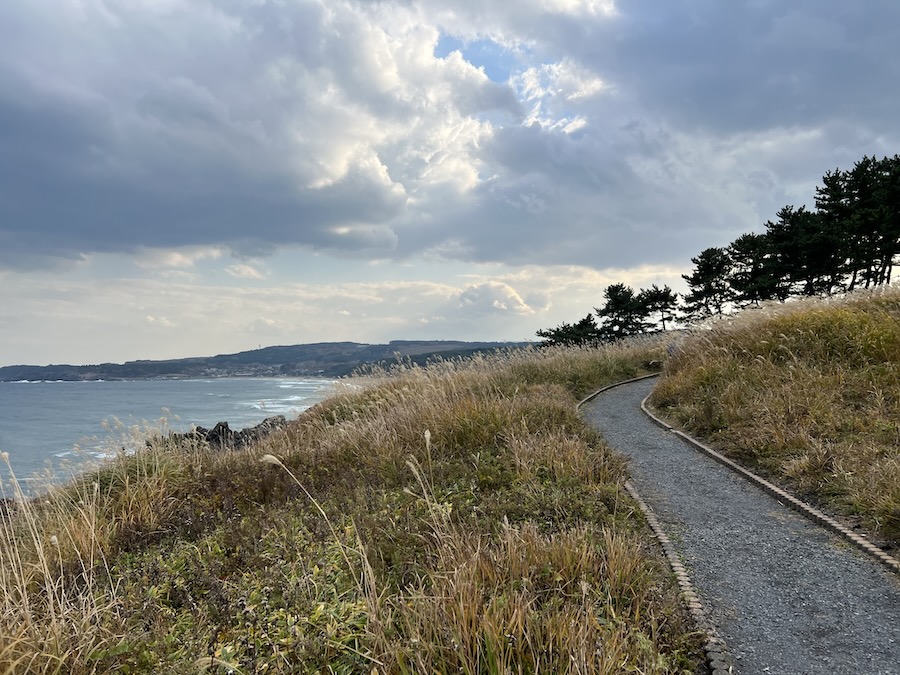
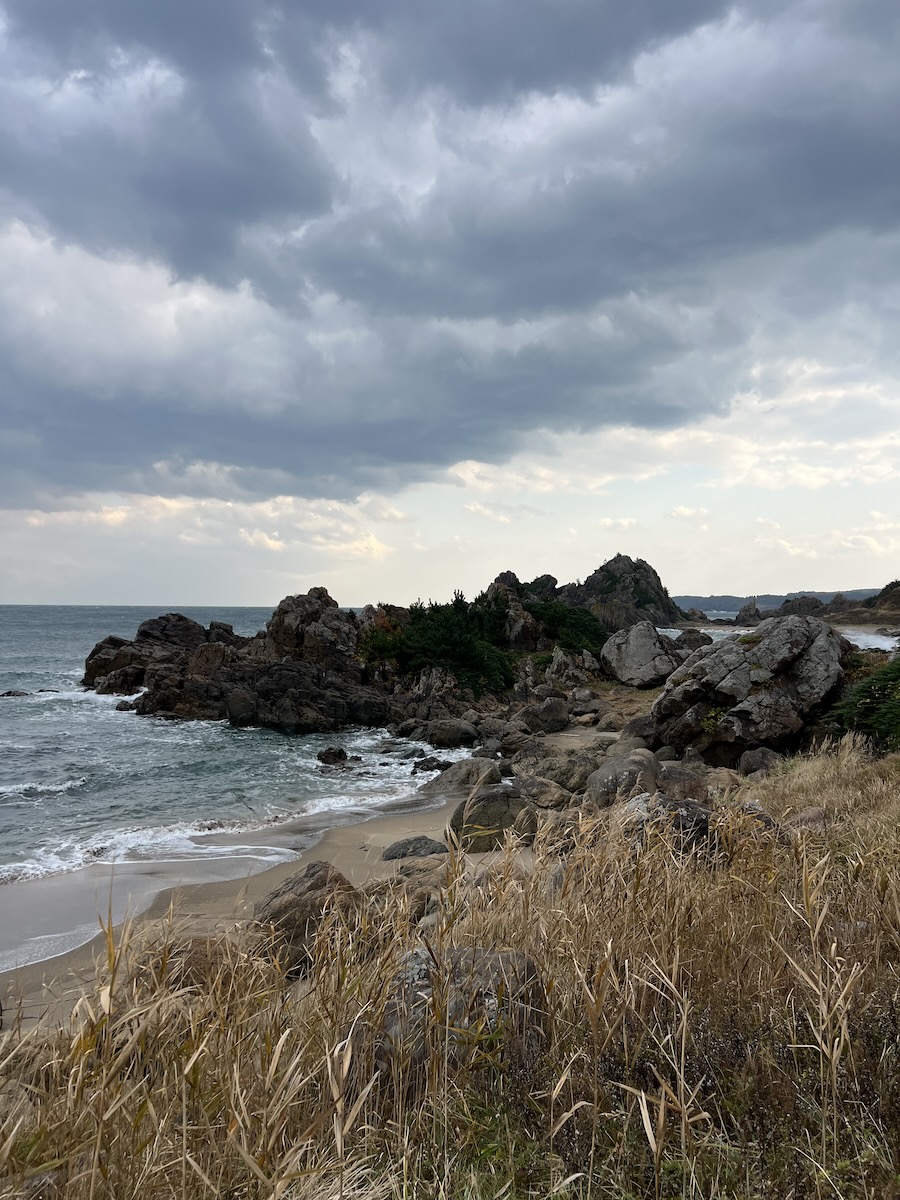
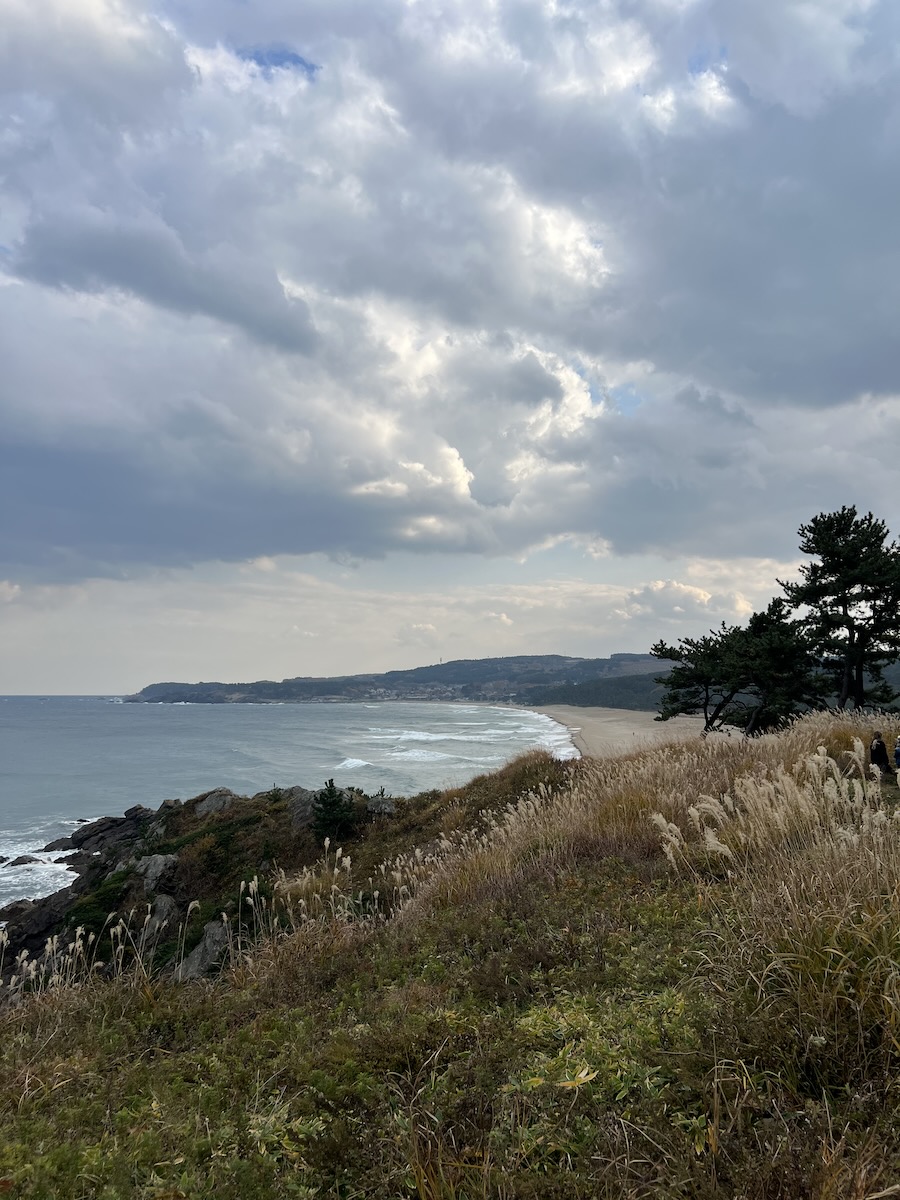
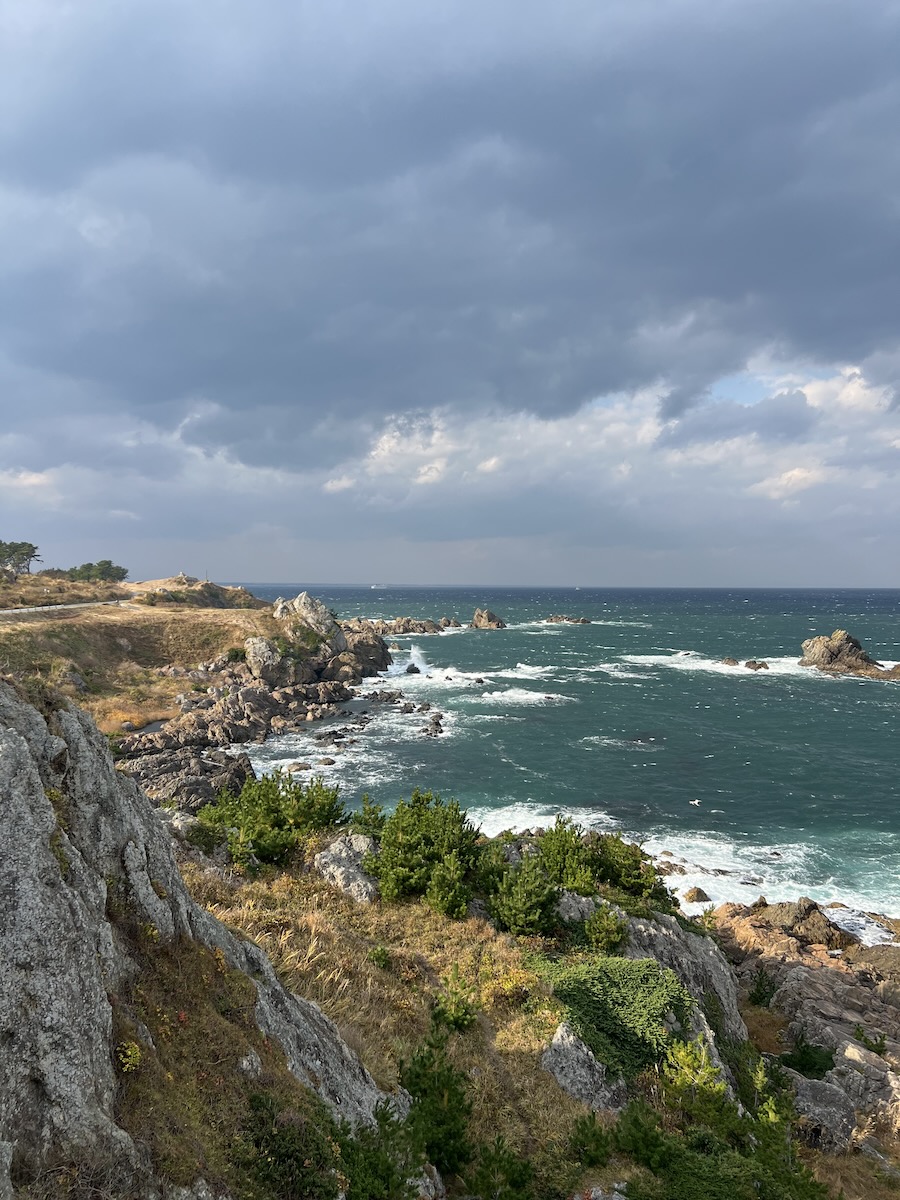
The rest of the day was spent hiking along the Michinoku Coastal Trail. In ancient times, Japan’s north-eastern Tohoku region was known as michinoku – meaning ‘the end of the road’. Ironically, the Michinoku Coastal Trail feels like it has no end: it stretches over 1,000 km along the country’s northeast Pacific coast, passing through four prefectures and connecting Hachinohe City (Aomori Prefecture) in the north, and Soma City (Fukushima Prefecture) in the south.
The trail is new—it opened in 2019, right before the pandemic—and so remains relatively undiscovered: a rarity these days. With endless, dynamic views of beautiful cliffs, sea, sky and trees, the otherworldly trail truly felt like being on another planet.
After a long day of hiking, we were ready for dinner so we headed to Miroku Yokocho in central Hachinohe: a cluster of 26 different tiny eateries that sat no more than six to ten customers at a time. This was, of course, by design.
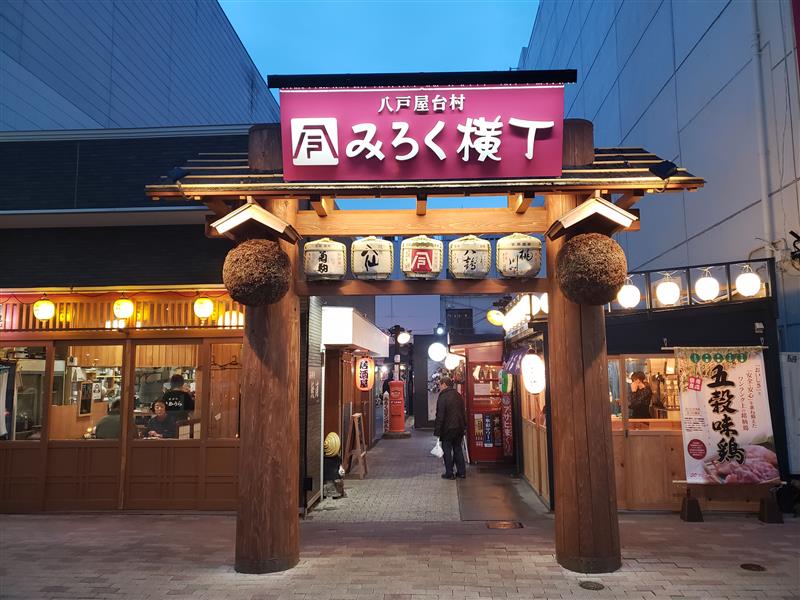
Yatai, as each of these individual eateries are called, are one of Japan’s earliest forms of commerce and community. And they are the antithesis of mass production, mass consumption and mass waste. Operable with minimal capital and minimal cost, yatai provide a modern-day substitute for that tribal fire where people from different households can come together to share meals, socialise and meet new people.
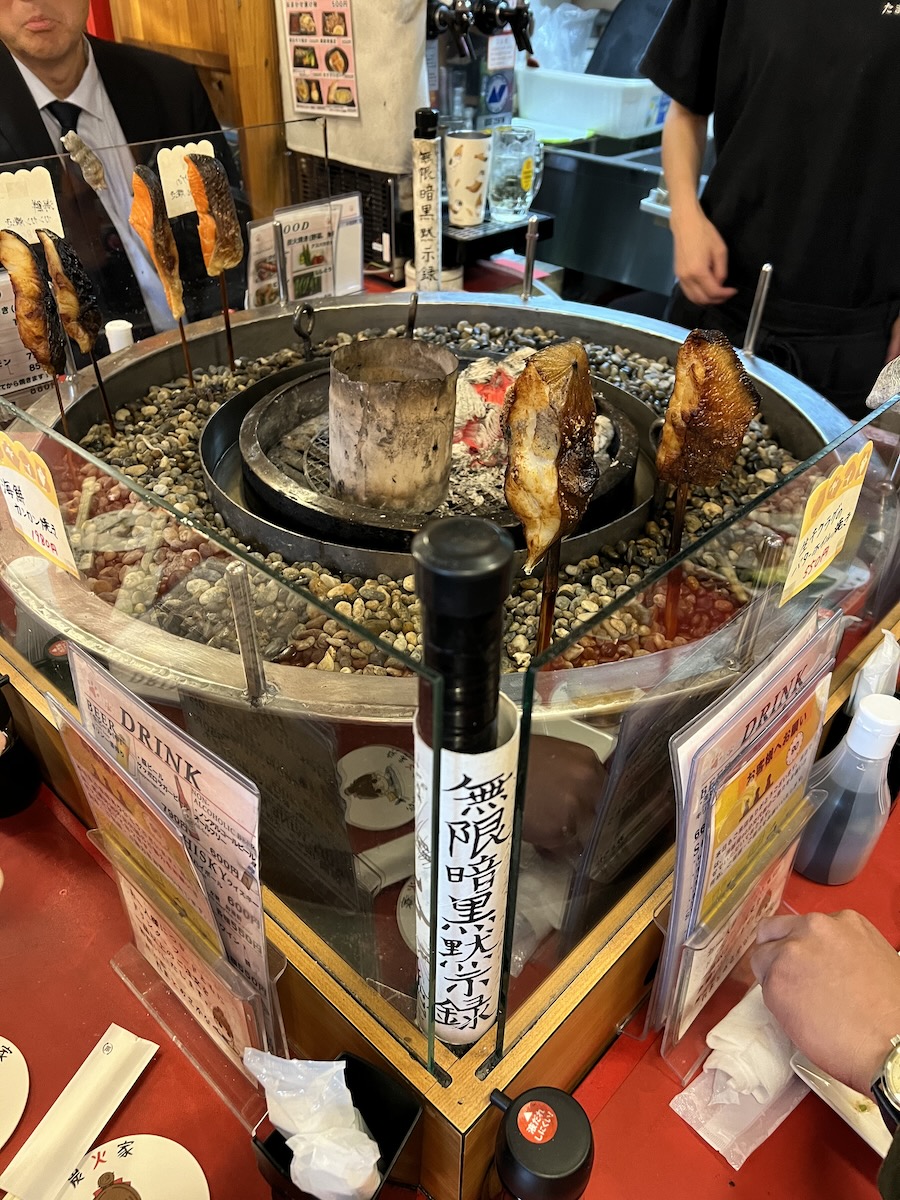
The yatai we chose was on the smaller side: seven seats forming a half-circle around a charcoal grill where skewered fish slowly cooked. Admittedly, we were initially hesitant to enter for fear of disturbing the group vibe but quickly found out that the other patrons had also come here alone. We sat there sipping whiskey with the locals as if catching up with old friends, hearing about burgeoning romances and learning that our host had a special talent for drawing manga.
山は富士 湖水は十和田 ひろい世界にひとつずつ
yama wa fuji, kosui wa towadako, hiroi sekai ni hitotsu zutsu
In the summer of 1908, the poet Keigetsu Omachi visited Towada Lake for the first time and, so moved by its grandeur and natural beauty, put pen to paper to write: “Fuji for mountains, Towada for lakes, one-of-kind in this vast world.”
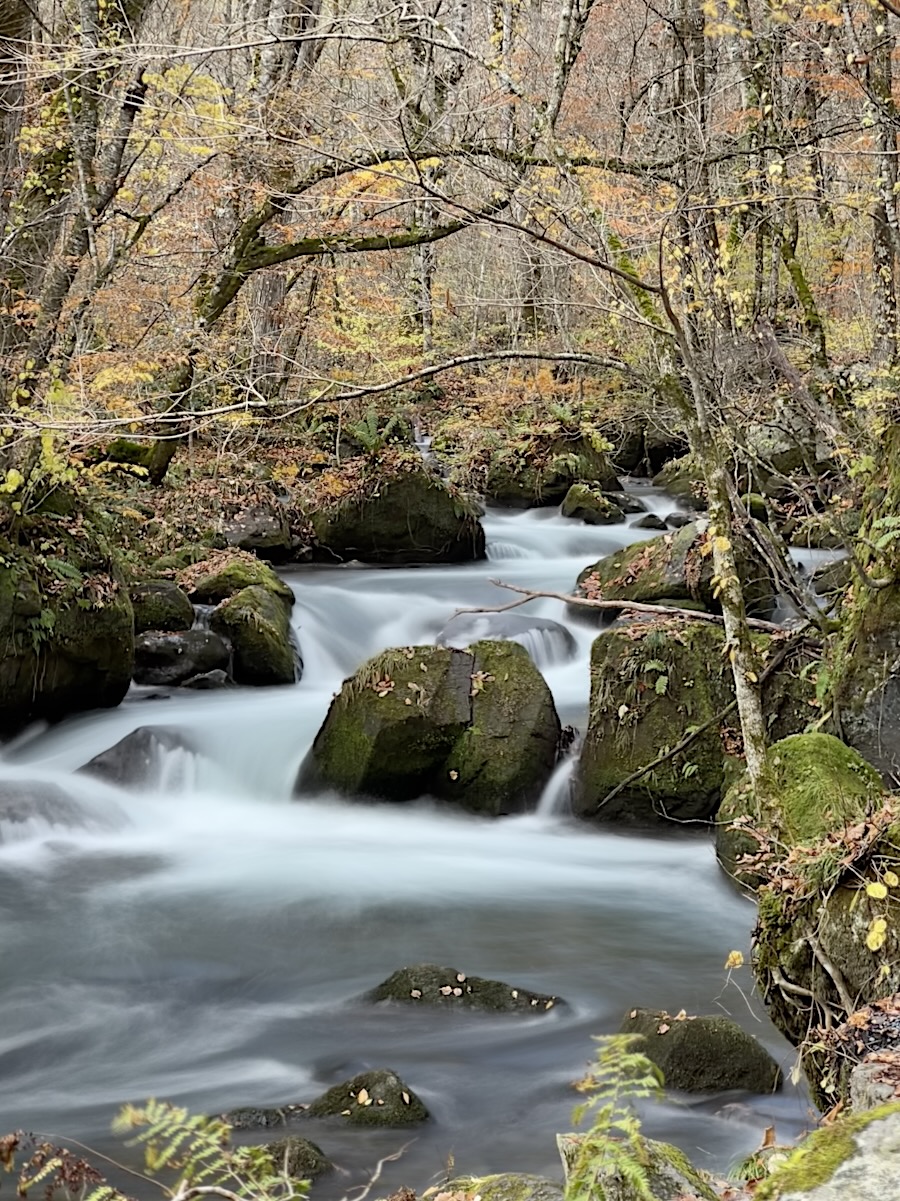
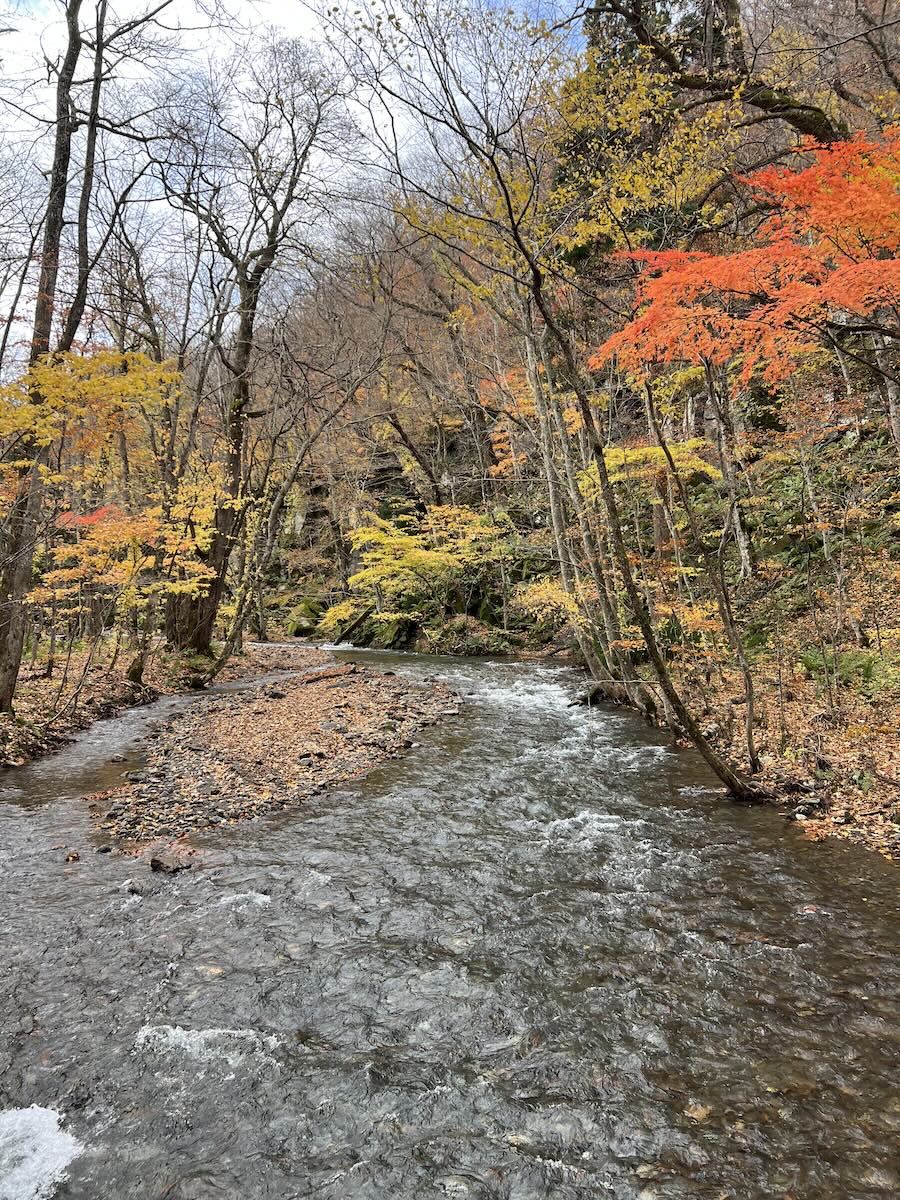
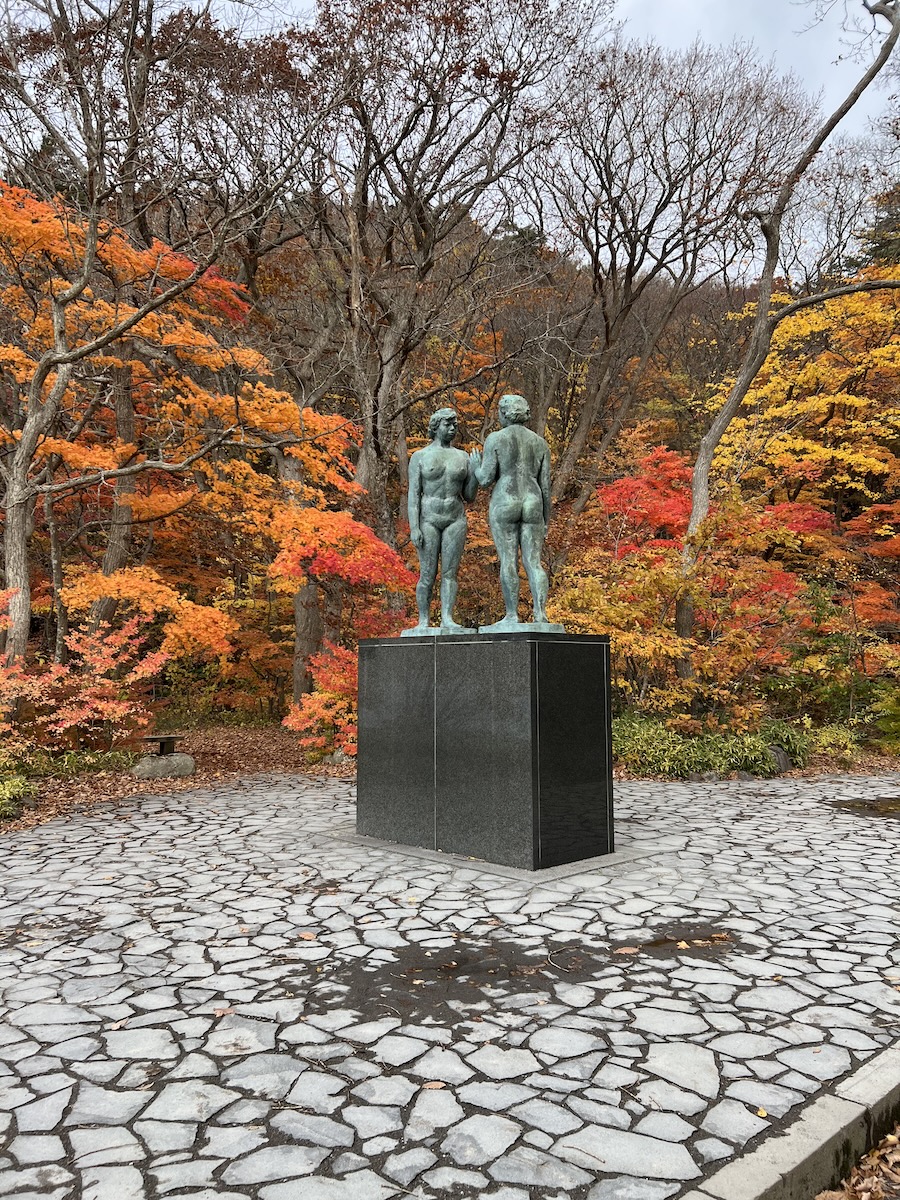
The next morning we continued our adventures exploring the natural wonders of Aomori. The plan was to follow the Oirase Gorge upstream until we reached Lake Towada, both of which whose beauty have inspired poets, painters and sculptors.
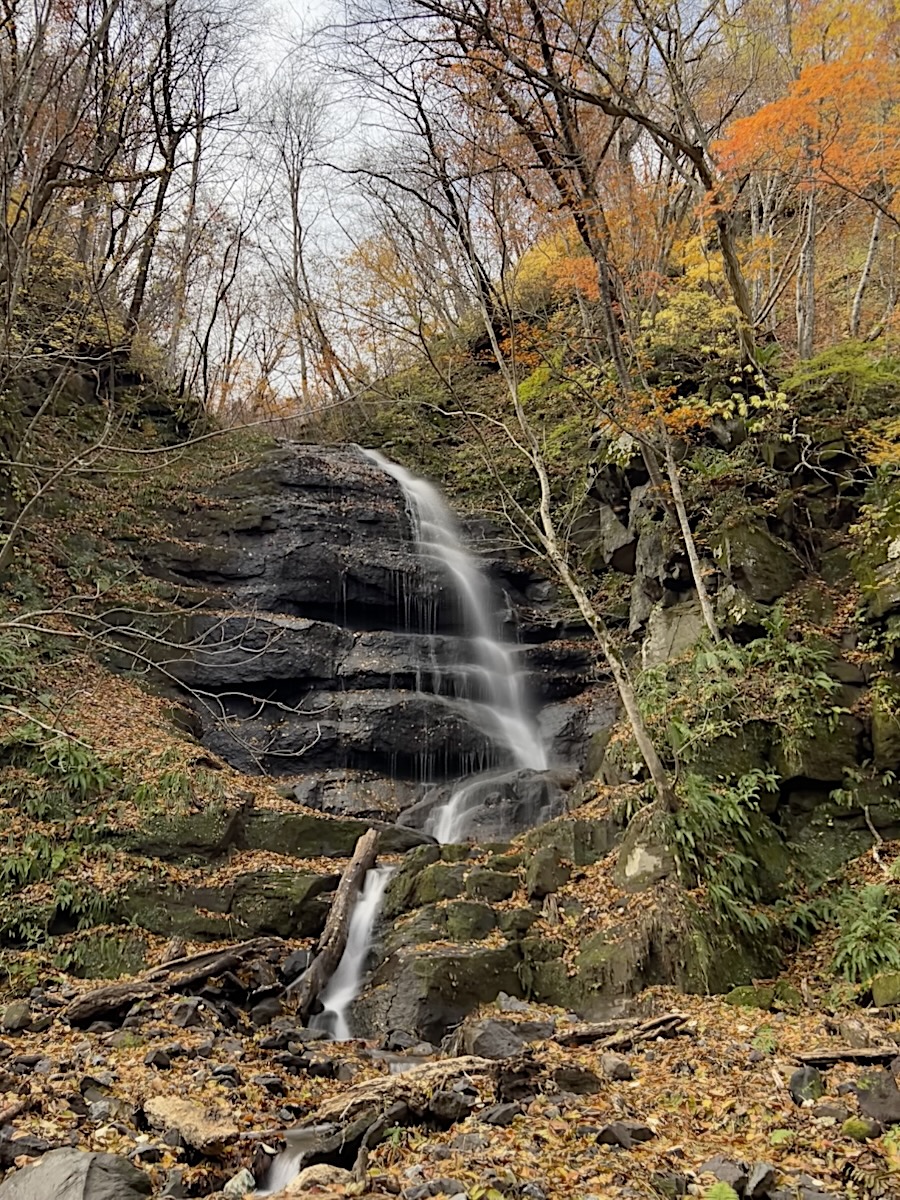
Oirase Gorge extends 14 km (9 miles) and is one of the most-stunning river valleys in Japan, with thick woods, numerous waterfalls and over 200 varieties of moss that cover the outcroppings of rocks. Walking it felt like a form of meditation or even therapy, one akin perhaps to the concept of shinrinyoku (forest bathing).
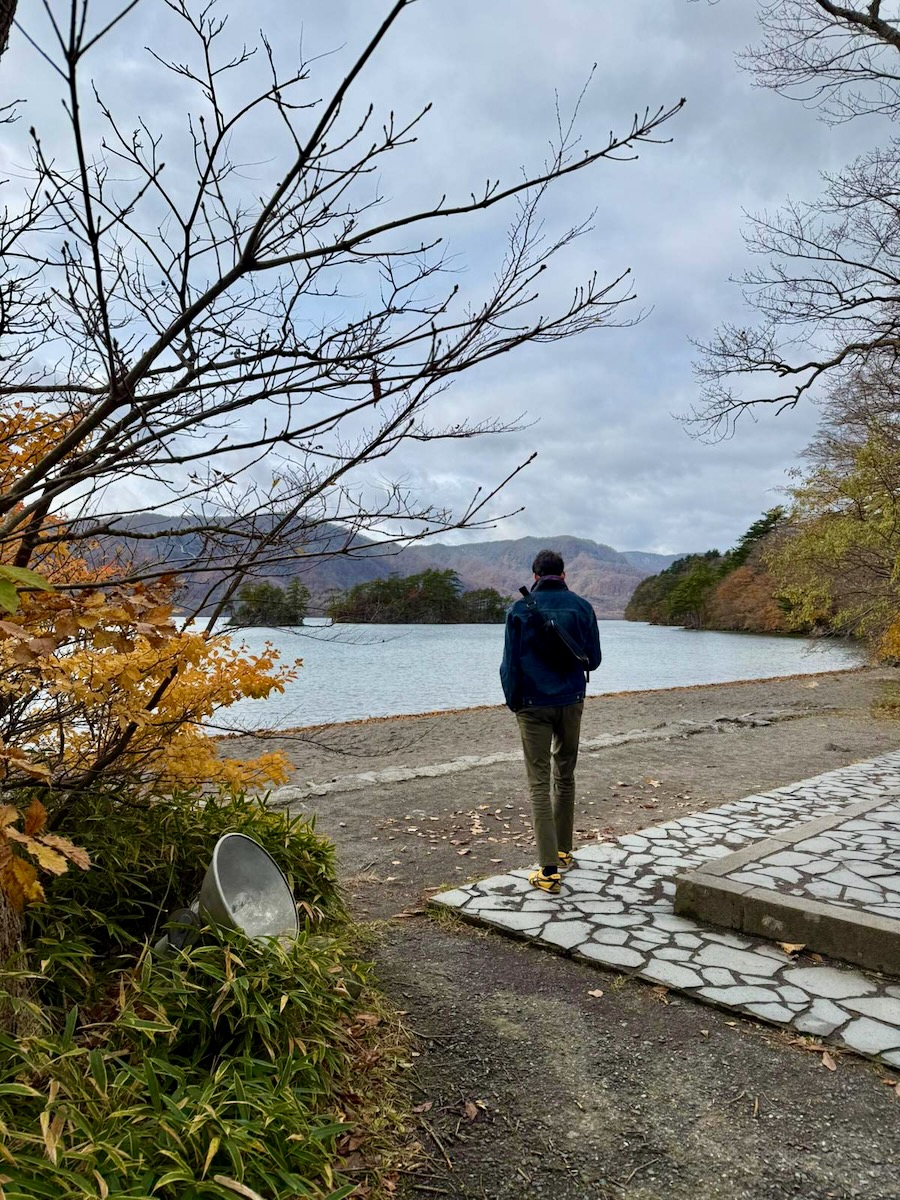
By mid-day we had reached Lake Towada, a caldera lake formed by the caving in of a volcano roughly 200,000 years ago. You can take a ferry, which offers multiple views of the lake’s largely undeveloped peninsulas, but we opted to just stand by the shore and bask in the stunning reflection of the translucent water.

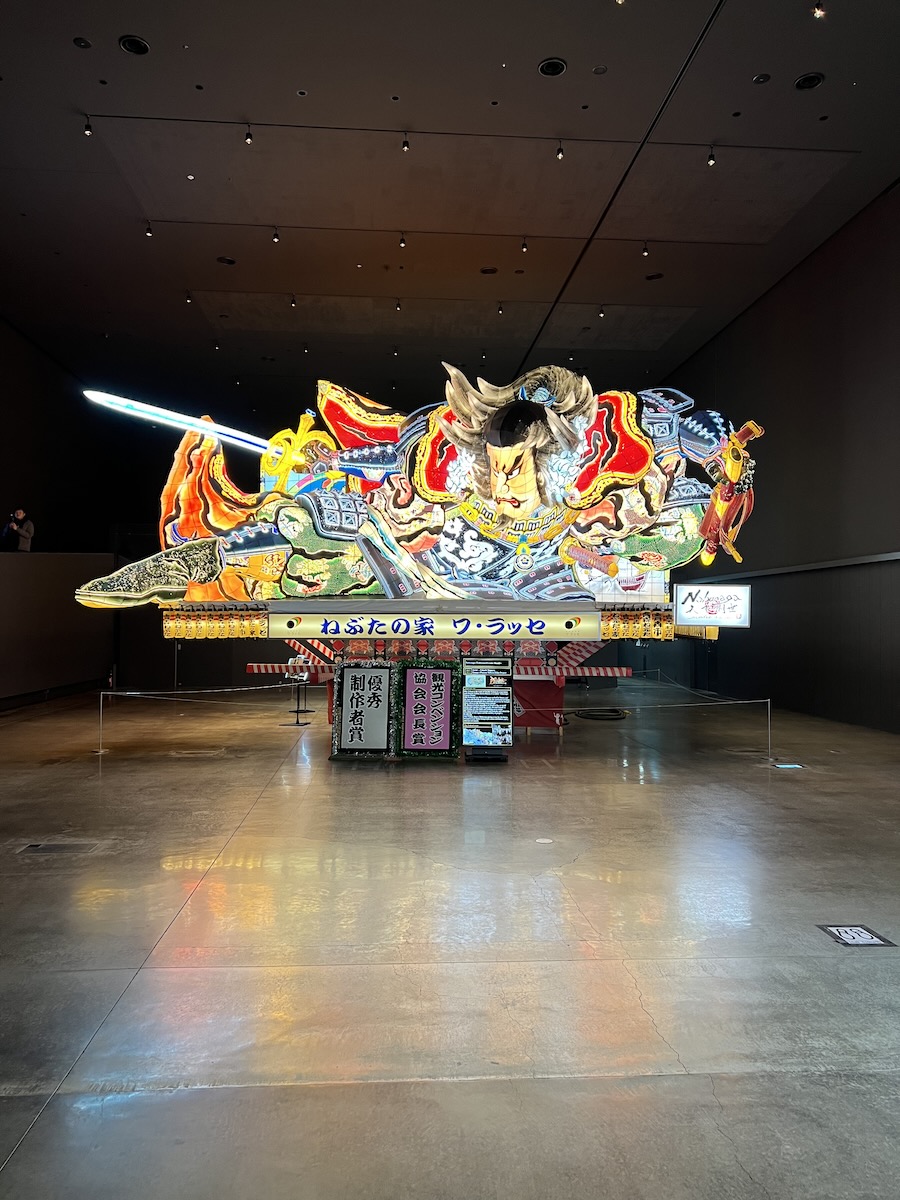
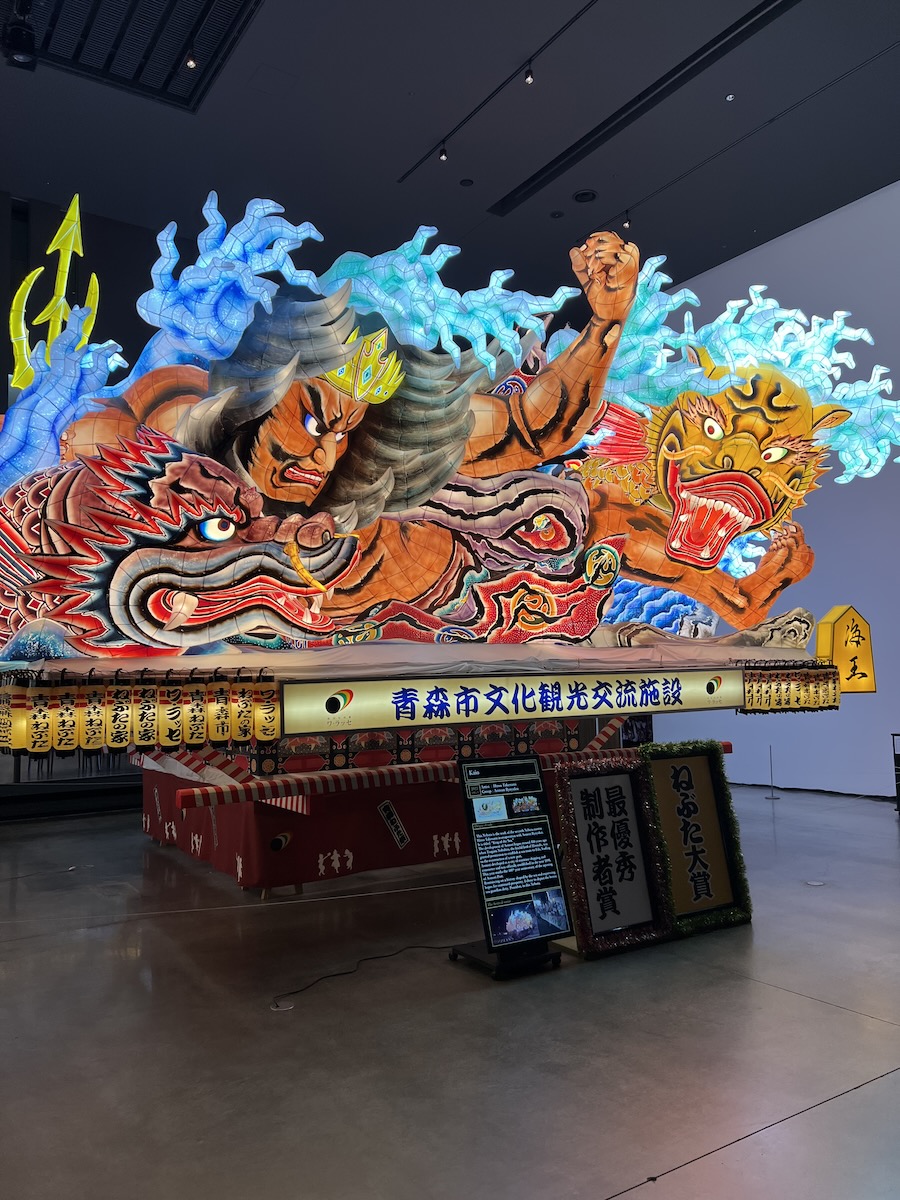
From Lake Towada we drove about 1 hour to our final destination: Aomori City, which sits at the northern tip of Honshu. Before calling it a day, we visited the Nebuta Museum WA RASSE, a museum dedicated to what is perhaps the Tohoku region’s most-famous festival: Aomori Nebuta Matsuri.
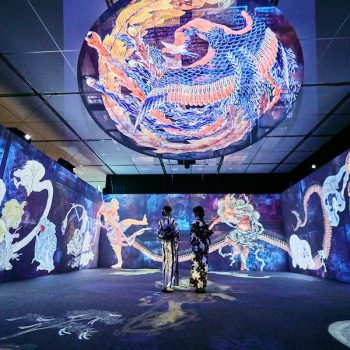
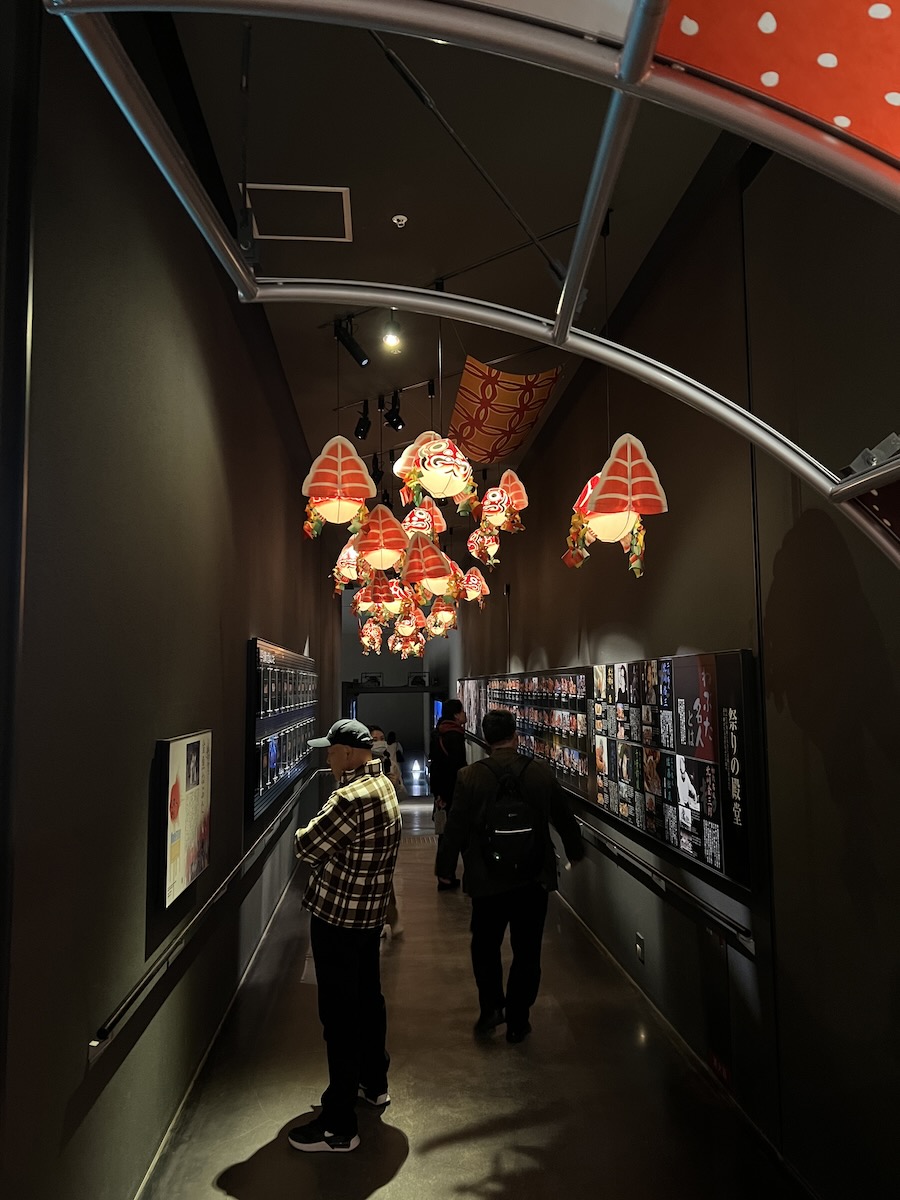
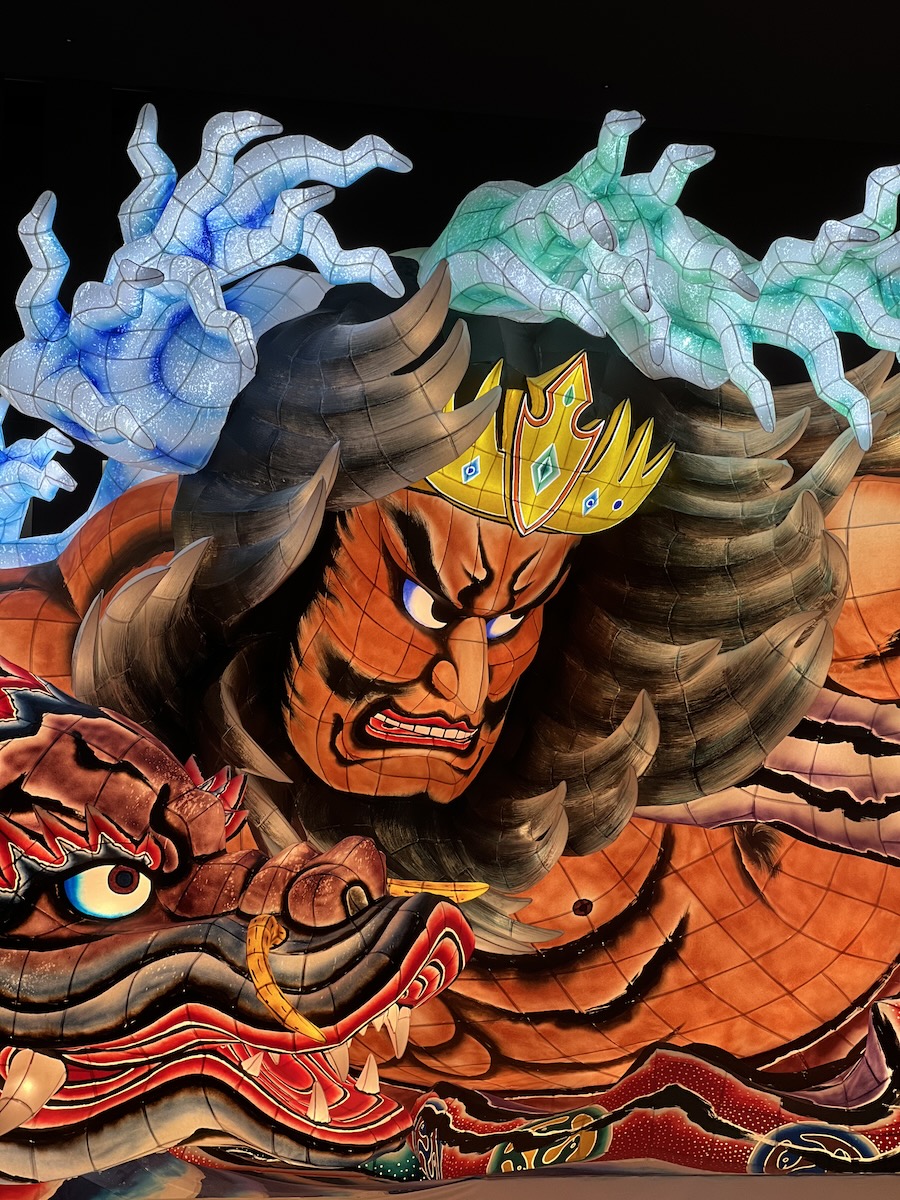
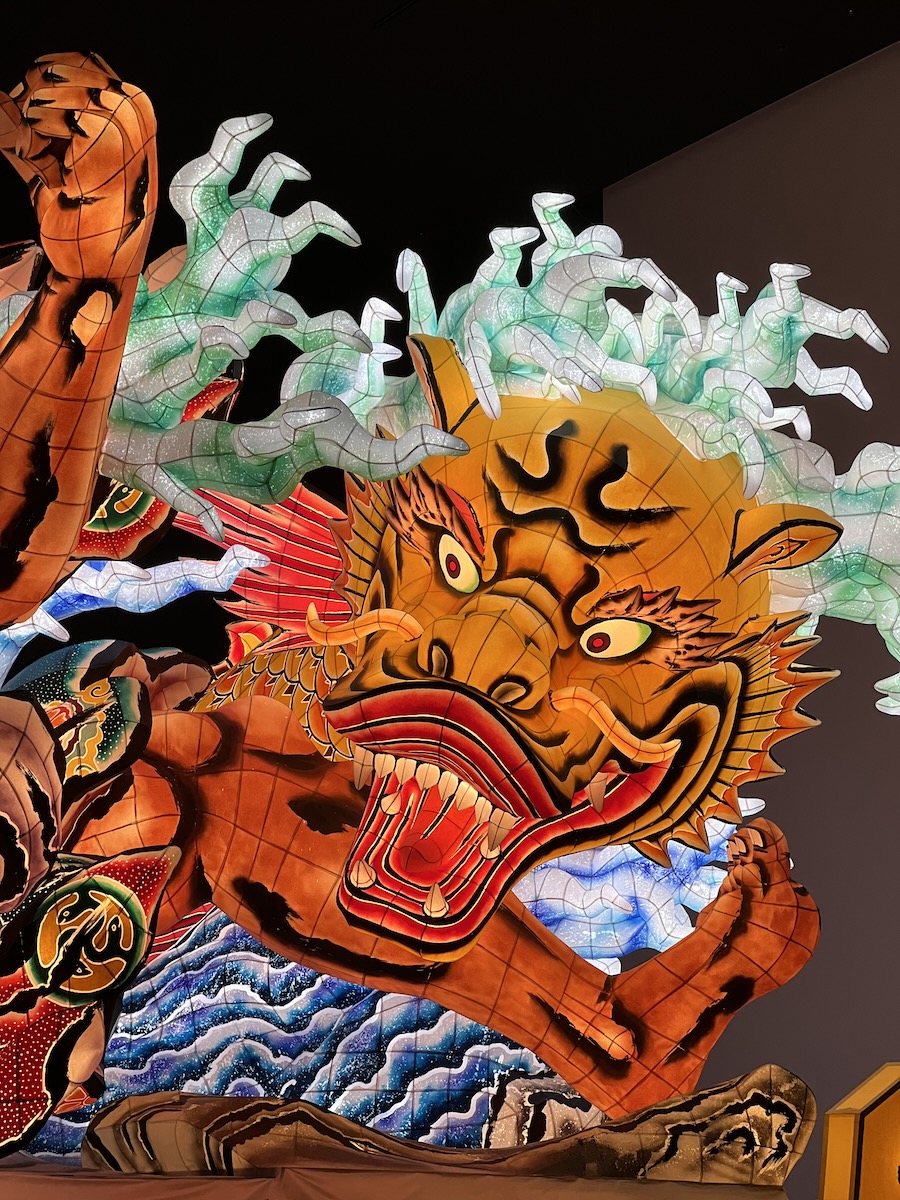
The dark, spacious halls of the museum are illuminated by the massive floats, each made by nebuta artisans. And these aren’t just samples. On display are the actual floats that were used during the festival the previous summer and had won an award for its artistry and design.
Originating over a thousand years ago, the Aomori Nebuta Matsuri began as a lantern festival and slowly morphed into what it is today: an elaborate parade involving huge papier-mâché floats that portray real and mythological figures. Festival music echoes throughout the dark chamber periodically, as a team of demonstrators teach visitors the sounds and dance of the festival. One element that differentiates the Aomori Nebuta Matsuri from other festivals is that anyone can participate as long as you have the correct attire, which can be easily rented.
Located in the Aomori Waterfront area, the museum is only a short walk from the city’s central station and our hotel, the ReLabo.
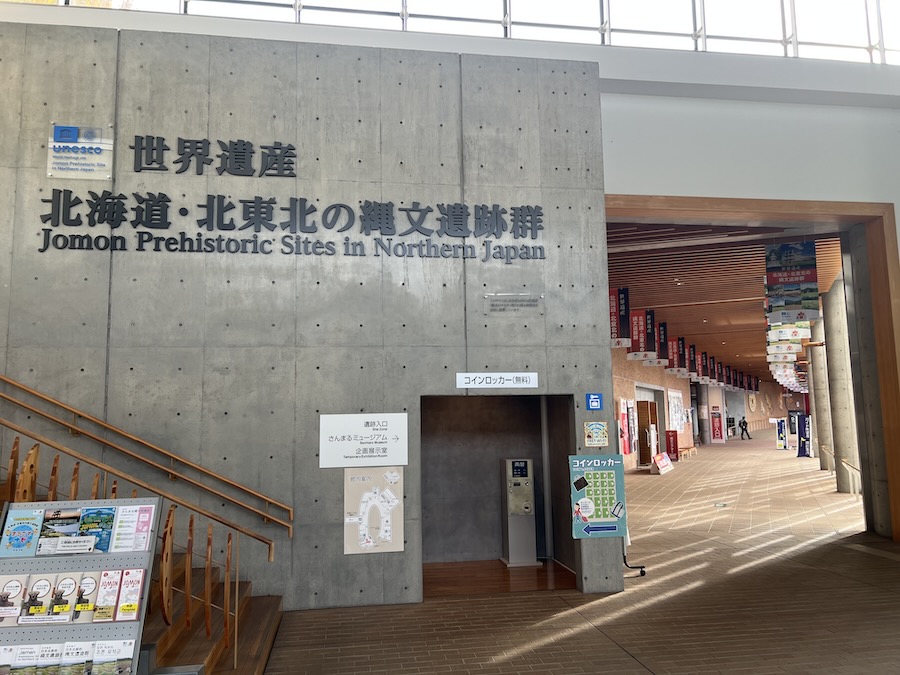
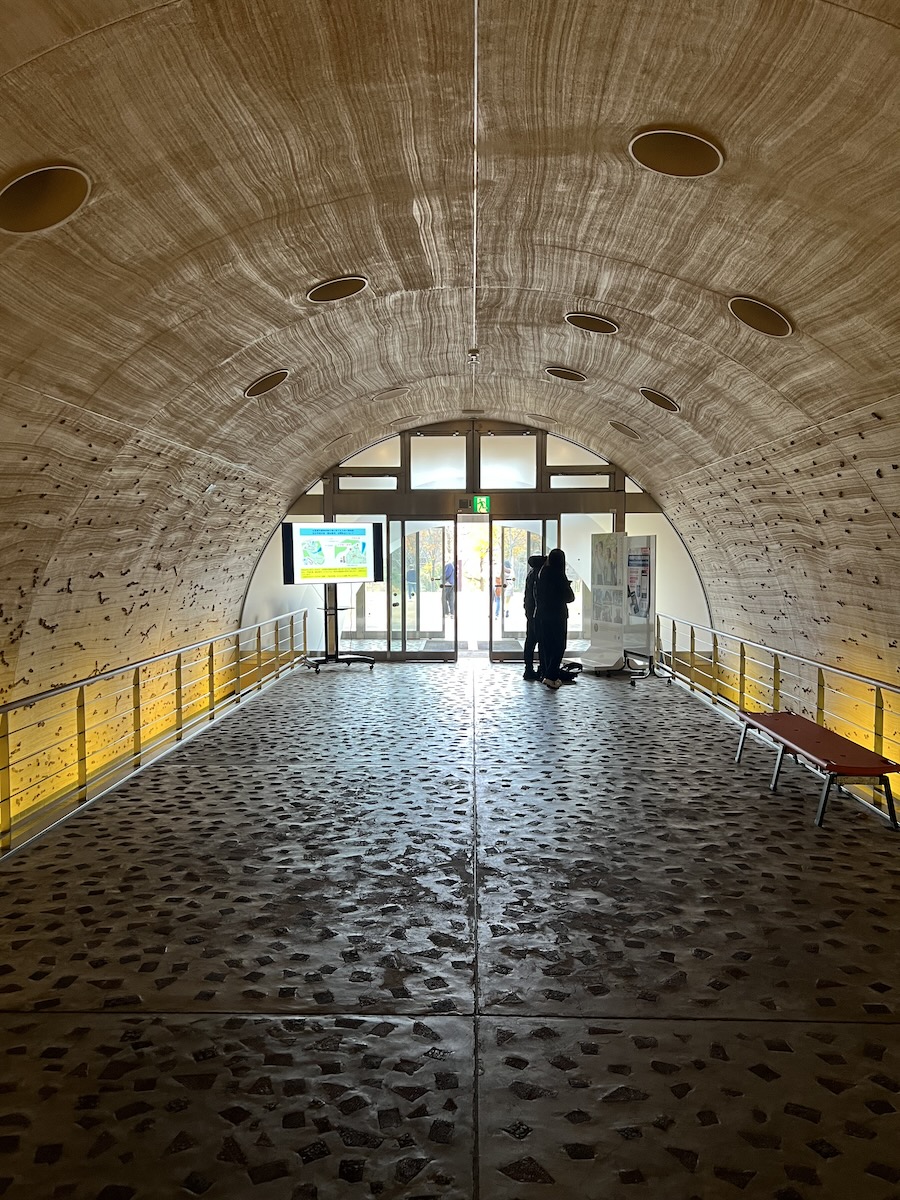
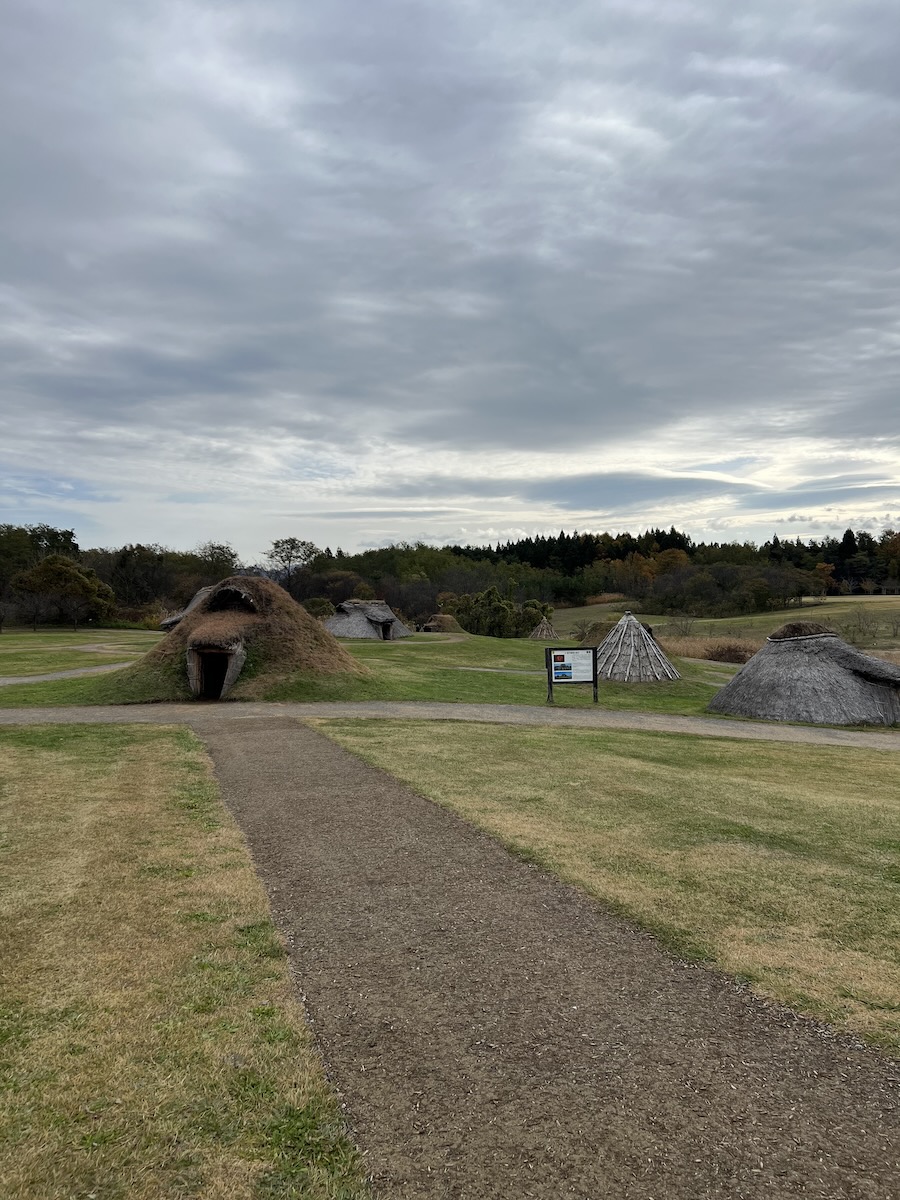
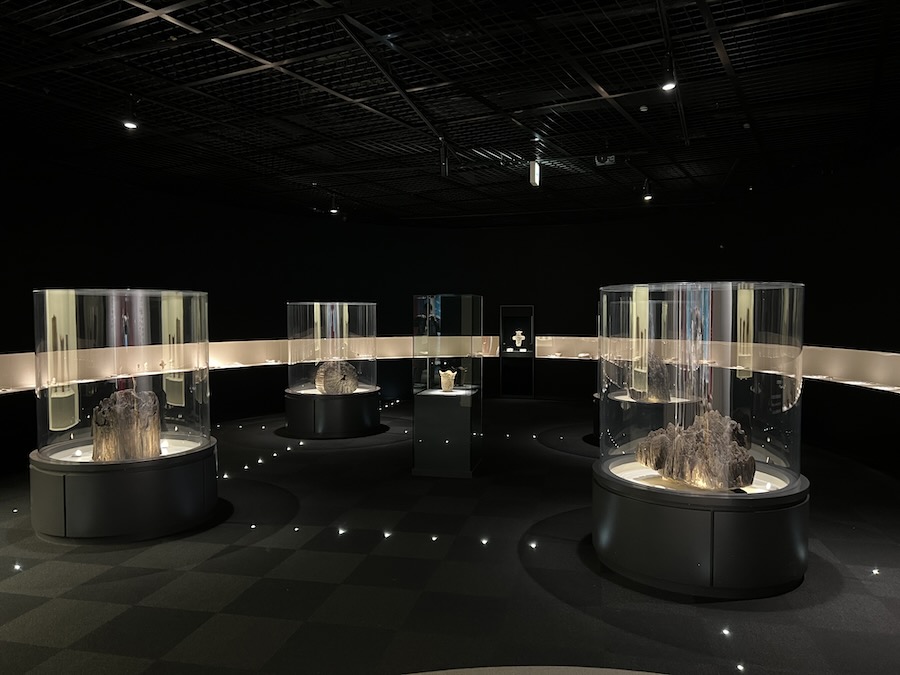
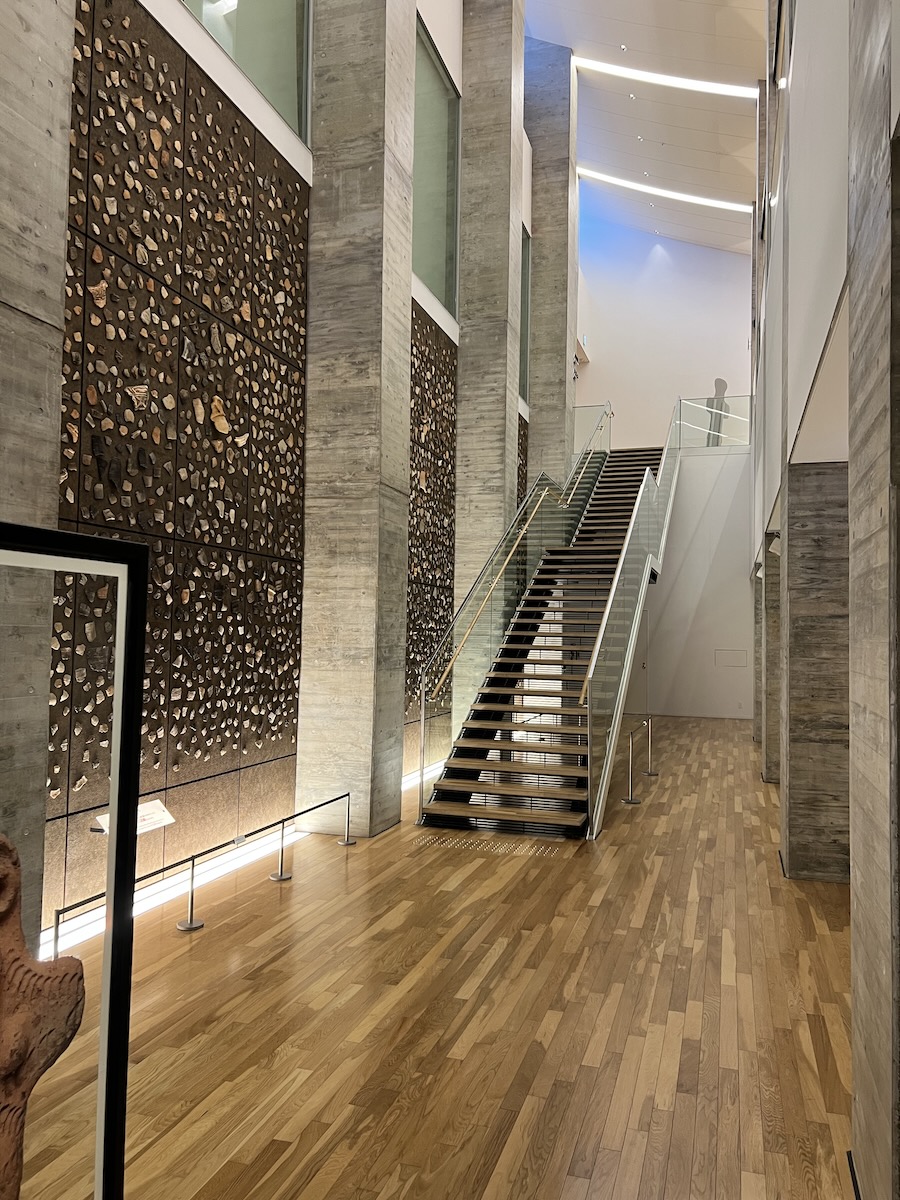
Our final morning was spent at the Sannai Maruyama Site. After entering the museum, and following the path through a long tunnel, we found ourselves standing on the grounds of an archaeological site of one of the largest Jomon settlements.
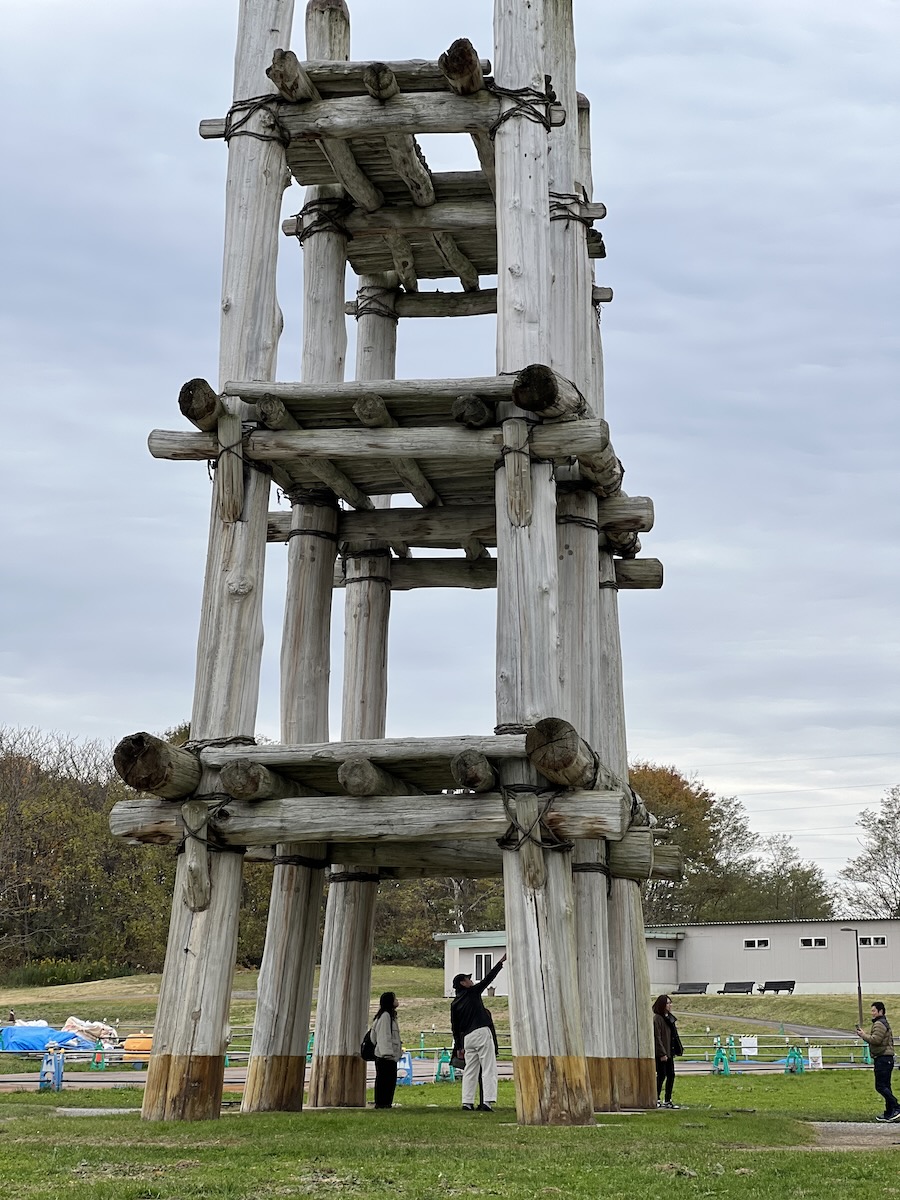
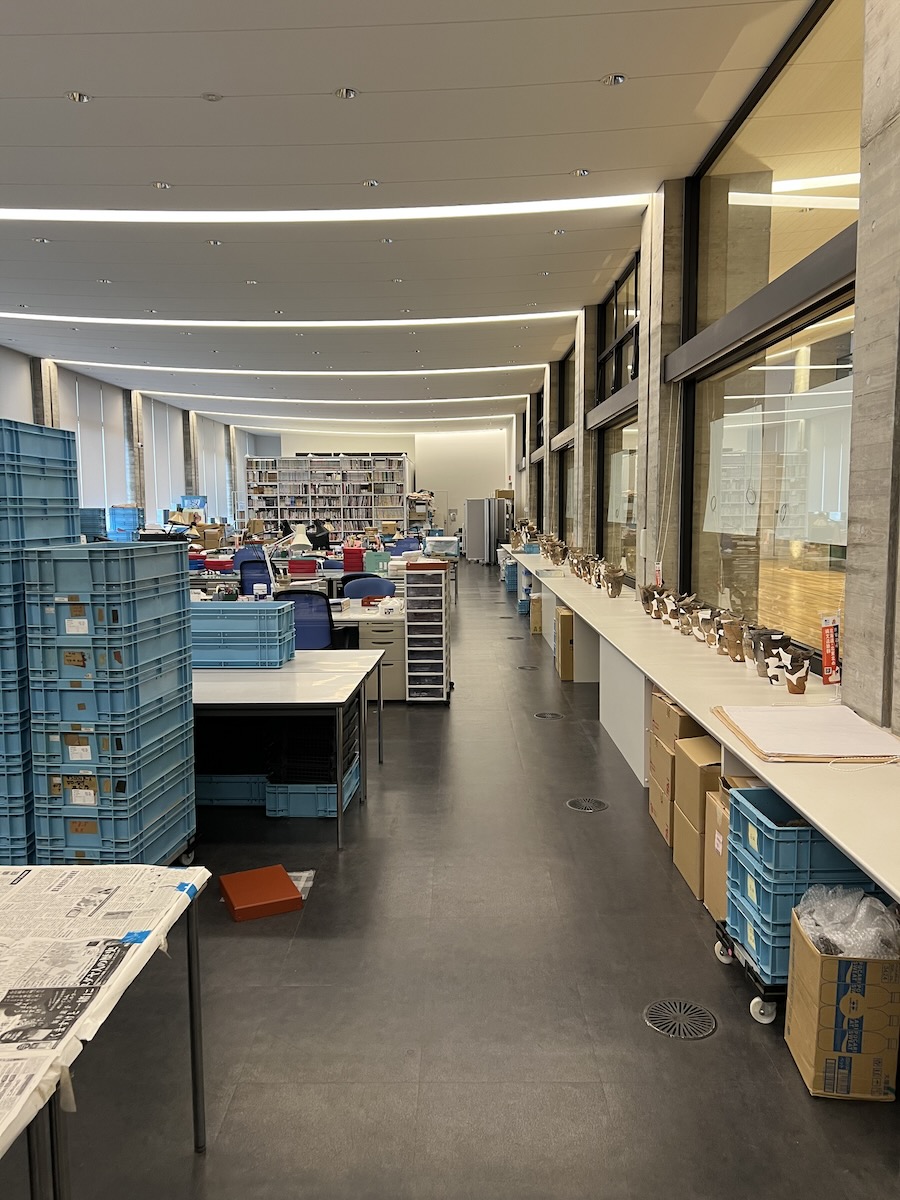
Incredibly, the grounds were originally slated to become a baseball stadium but between a 1992 – 1994 excavation, archaeologists discovered what would soon become a treasure trove of artefacts dating back roughly 5000 years. The site is still active but the artefacts have revealed an advanced society with social and spiritual practices, a tradition of pottery-making and the engineering capability to create a six-pillared building estimated to have stood 20 m (65 ft) tall. Its exact usage continues to be debated.
As we flew back in to Tokyo, we reflected on our travels and why Tohoku has long captivated those who venture beyond Japan’s well-trod routes. Its rugged coasts, ancient forests and quietly ambitious cities offer a rare blend of authenticity and surprise. Whether in a tiny eatery sharing grilled fish with neighbors, hiking along cliffs shaped by milenia, drinking Wisconsin-born beer, or basking in the glow of festival floats, Tohoku reveals itself in moments that linger long after the journey ends. Its a region that doesn’t merely welcome visitors; it invites them to listen, and return again.