
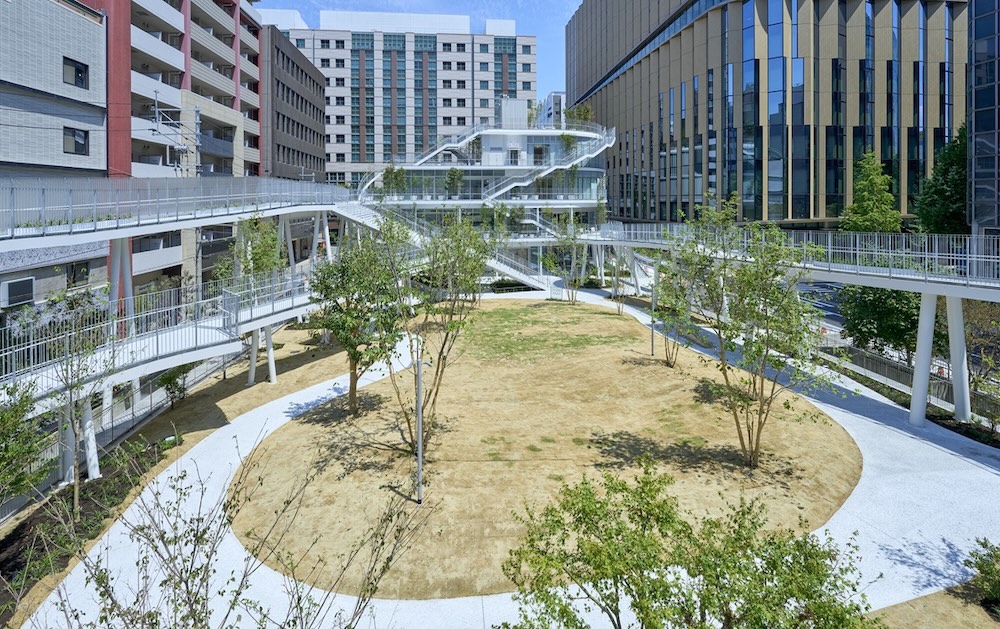
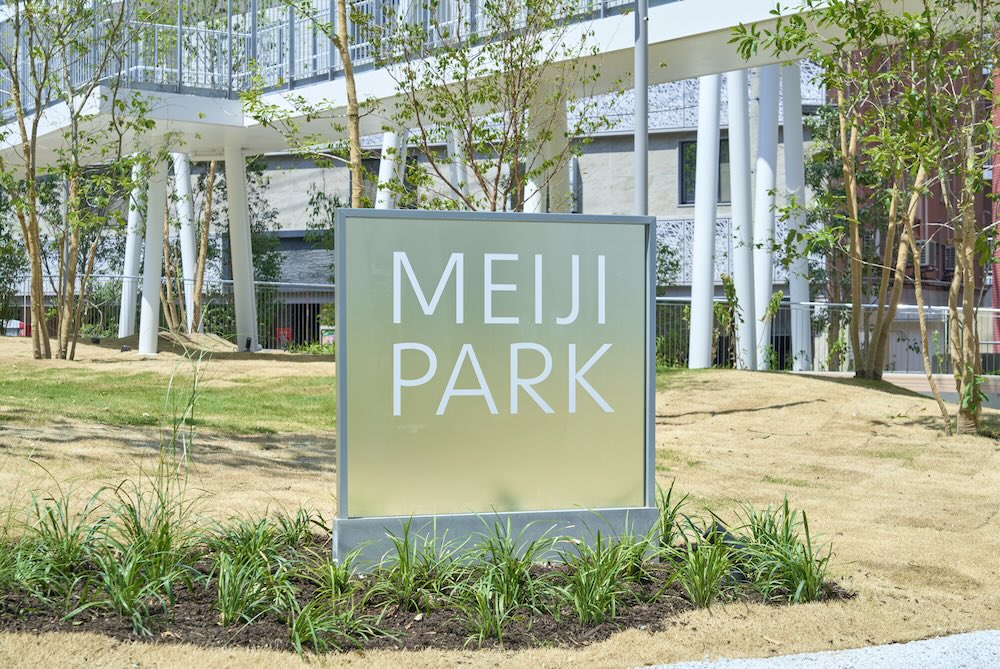
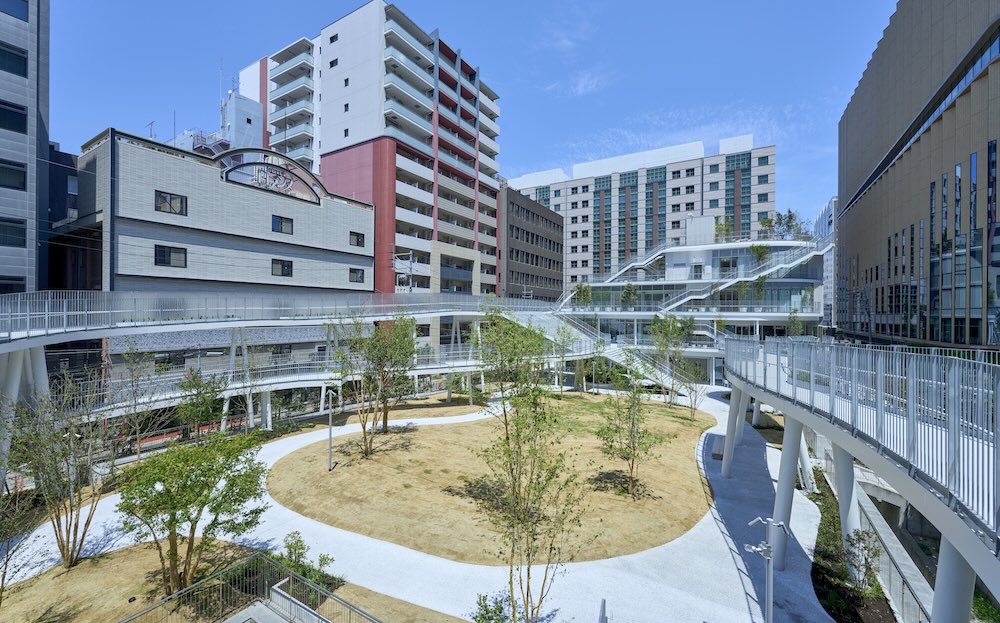
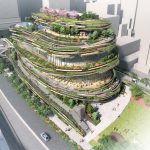
Is it a park? A building? A pathway? A Landscape? It’s one of our most-anticipated architecture project of 2026, and it just opened yesterday (August 7) in Fukuoka, just steps away from Hakata Station. Meiji Park is a new 3,572-square-meter urban park designed by Sou Fujimoto. Architecture and landscape are woven together vertically, creating a continuous environment of terraces, elevated paths, plazas, and greenery.
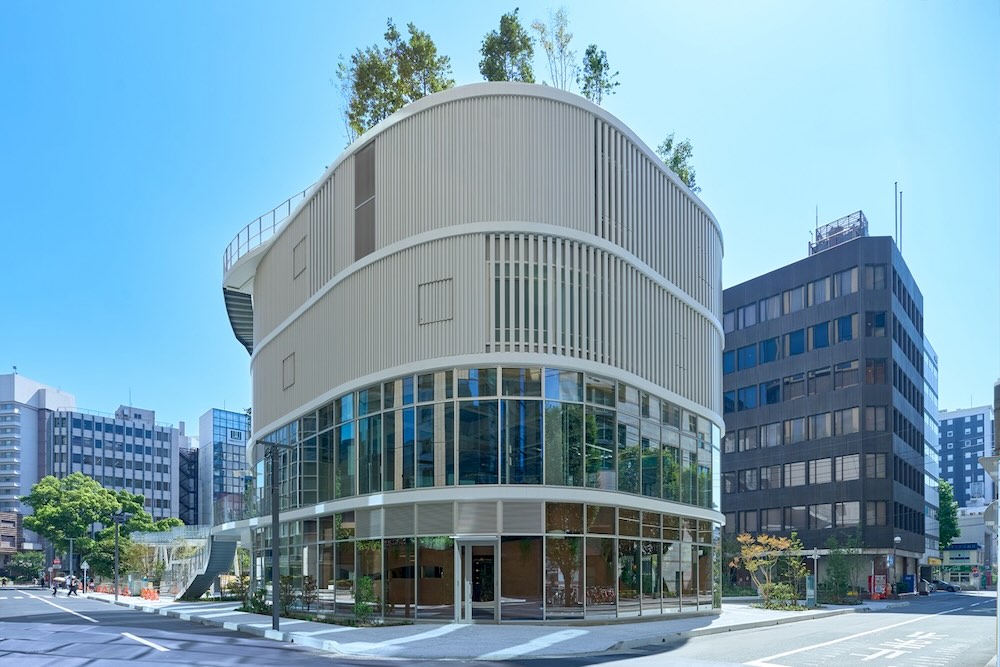
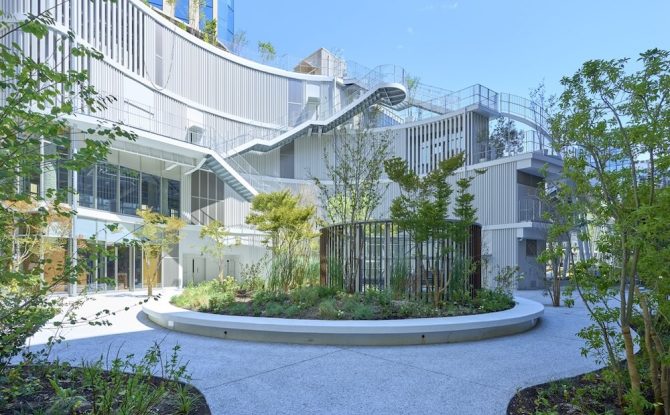
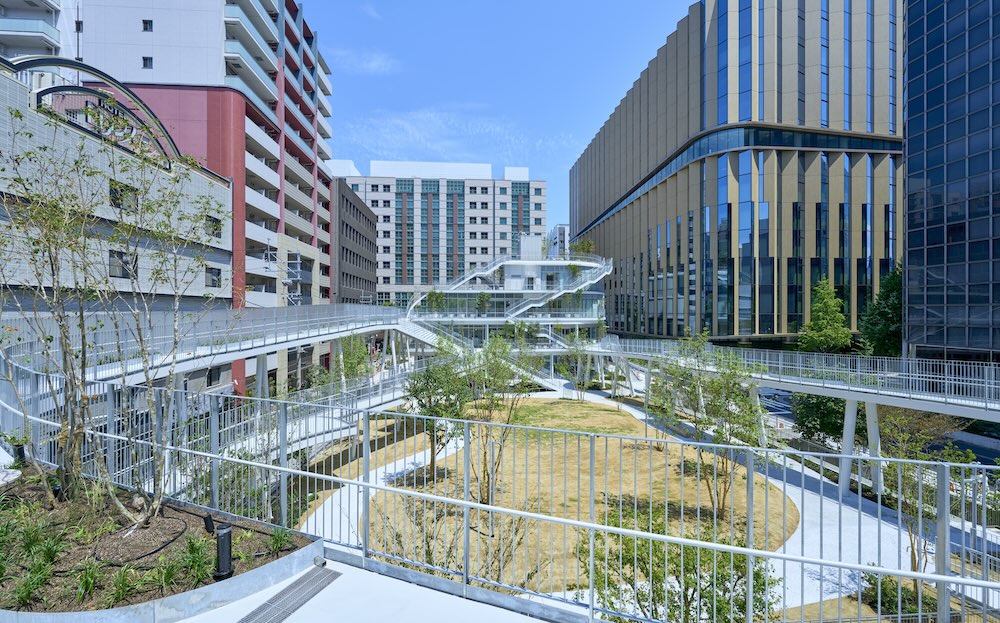
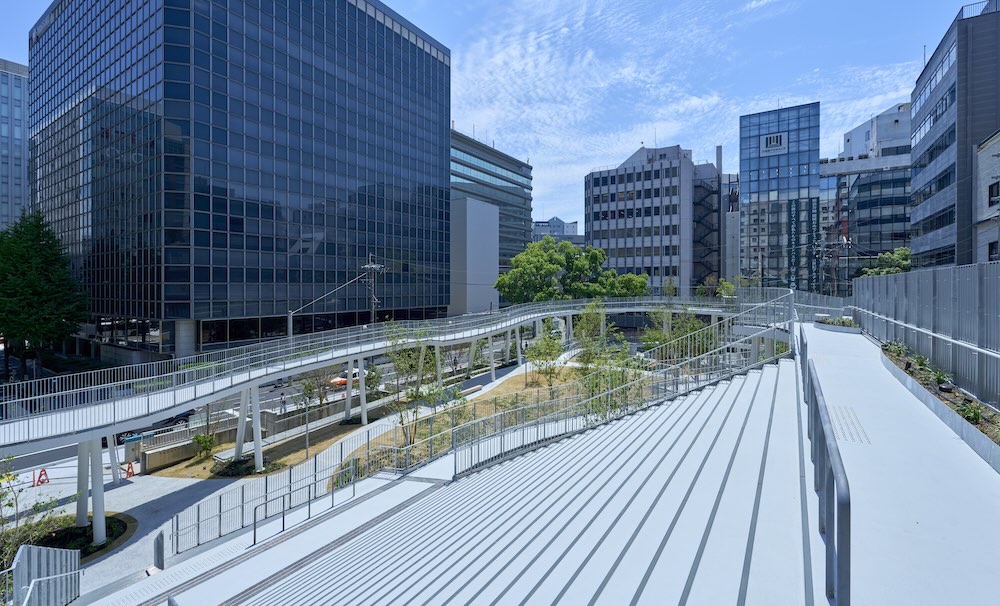
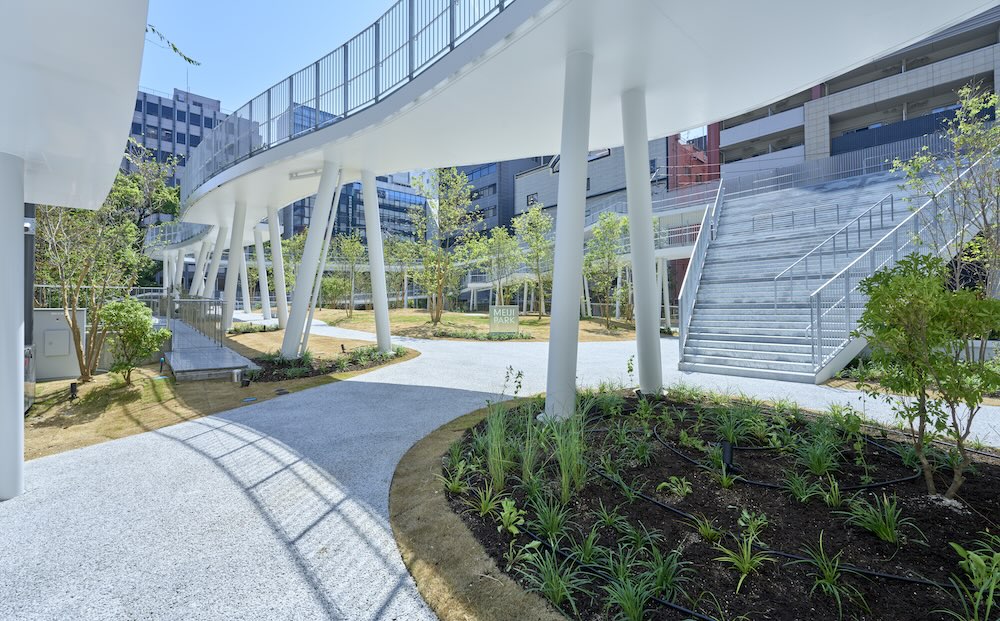
At the center of the project is a four-story commercial building whose stepped terraces connect directly to a 226-meter-long elevated park path. The path wraps around the site, allowing visitors to circulate through the park at different levels while offering constantly changing perspectives of the architecture and landscape. Beneath it, shaded spaces provide respite from Fukuoka’s summer heat.
The building will house several establishments including the bakery Land Bageri, Poss Coffee cafe, 400℃ PIZZA Piu Hakata, and the craft beer bar Continue.
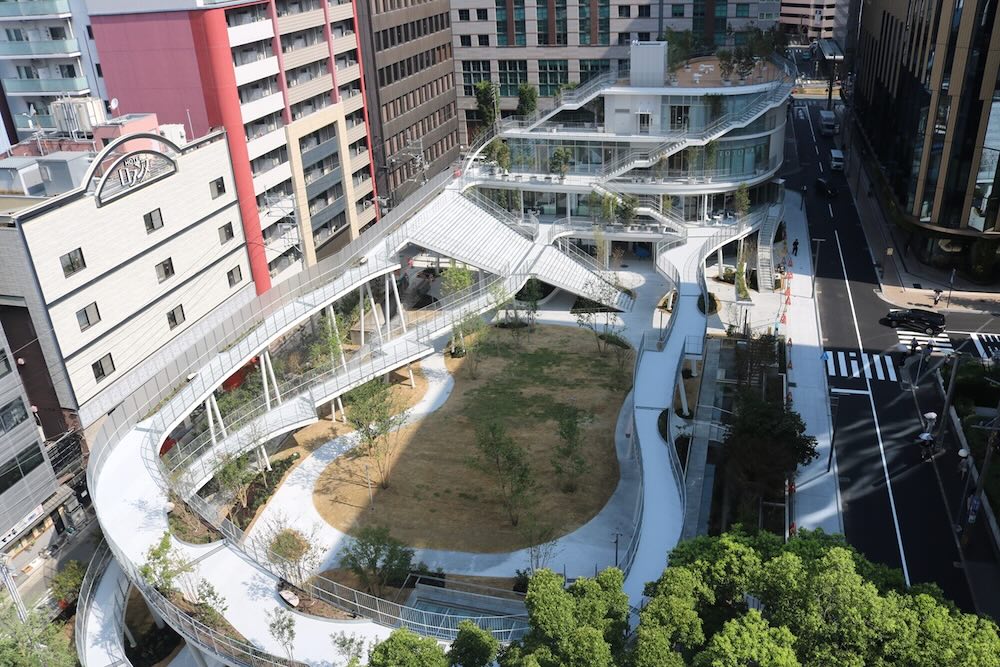
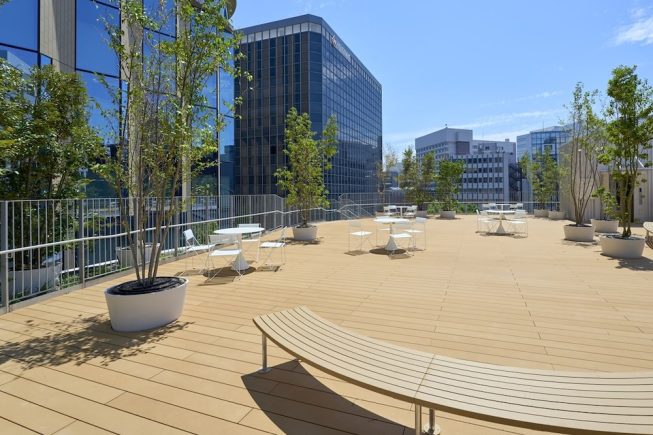
The park contains five distinct plazas, each with its own character. Sora no Niwa (“Sky Garden”) occupies the rooftop, while Nono Niwa (“Field Garden”) is a central lawn enclosed by the elevated path. Other spaces—including a stepped terrace and a street-facing forecourt—create a sequence of intimate and open spaces throughout the site.
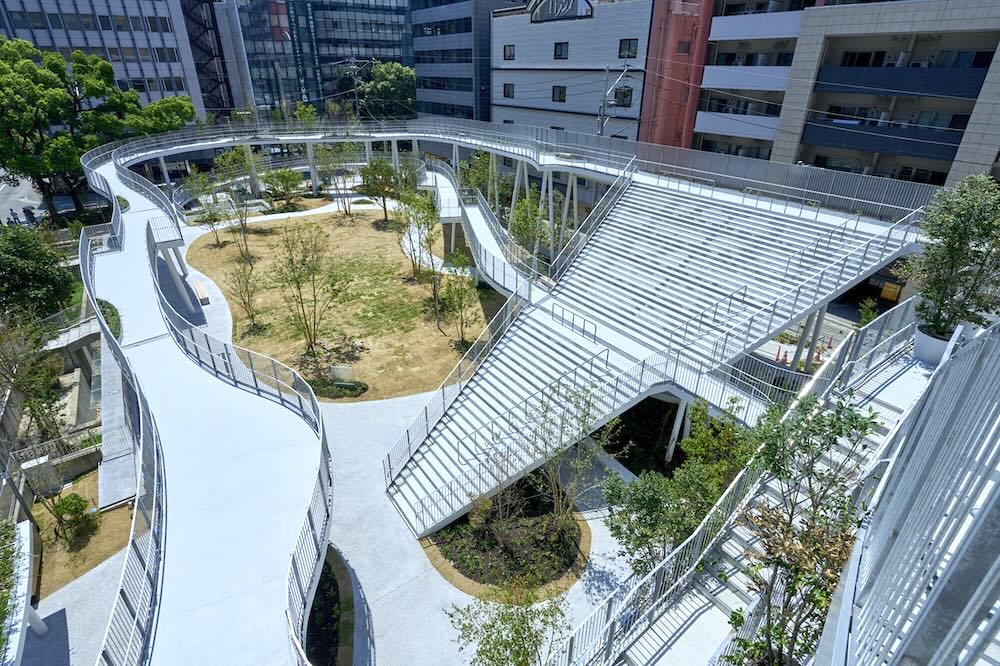
Despite its urban setting, greenery is a central component of the design. Approximately 1,400 square meters of the site is dedicated to planted areas, with around 160 trees and other plants, primarily native species, intended to create a landscape that evolves with the seasons.
Architect Sou Fujimoto, speaking about the project at the opening ceremony:
We designed the park with the aim of bringing architecture and park together, creating a place where human activity can unfold three-dimensionally. By connecting a building with stepped terraces to an elevated park path winding through the greenery, the result becomes an urban park with multiple identities—it is architecture, landscape, a park, and a pathway all at once.
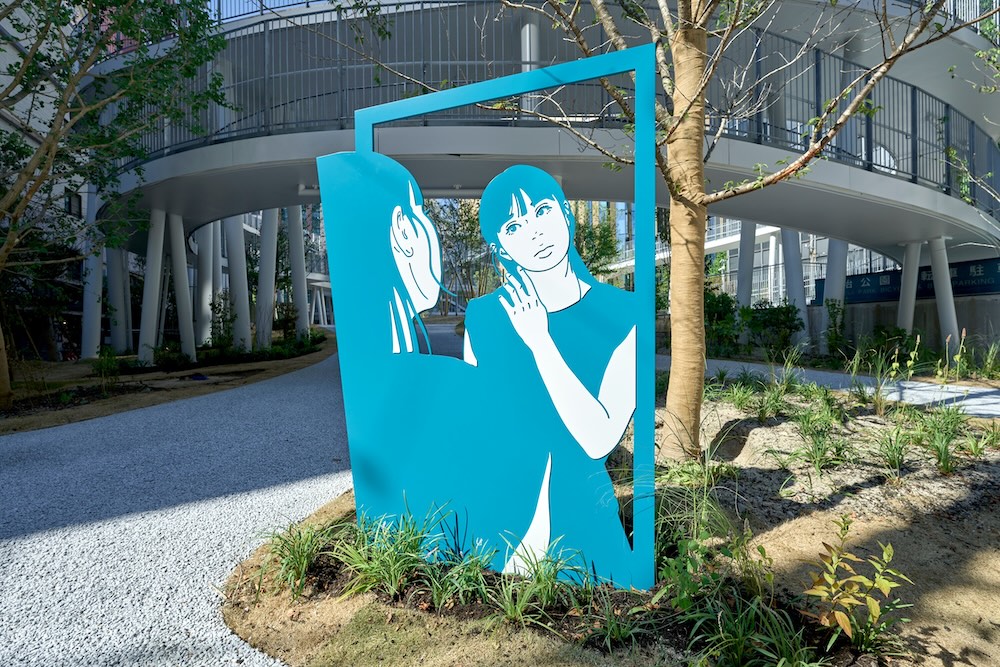
Public art by local artist KYNE offers an alternative framing of the park: a motif of a woman looking at herself in the mirror, except the mirror is cut out, revealing the park behind it.







Leave a Reply