
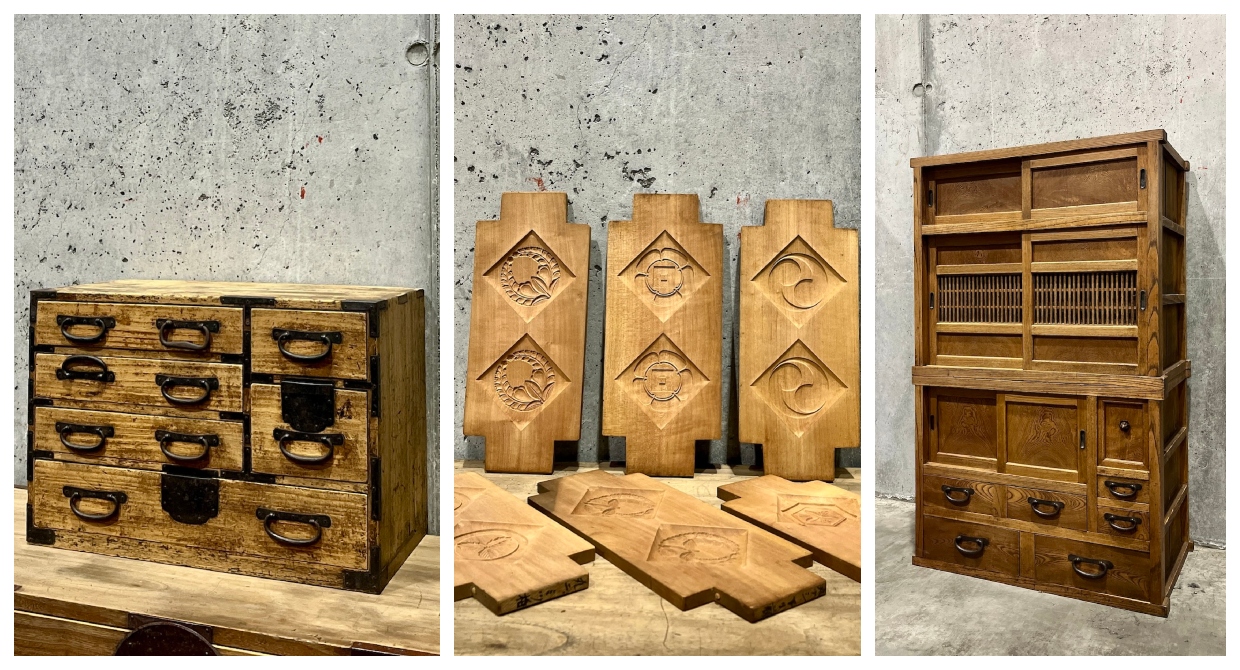
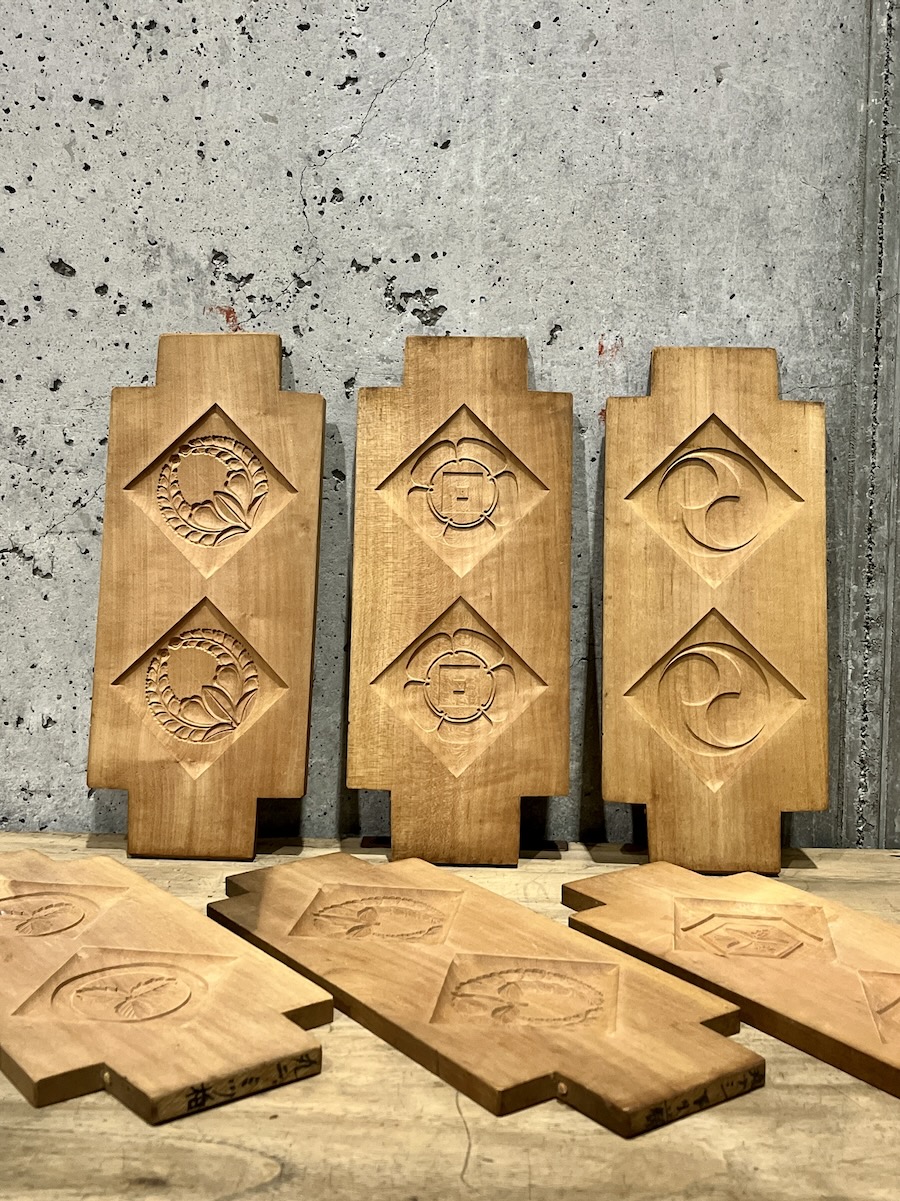
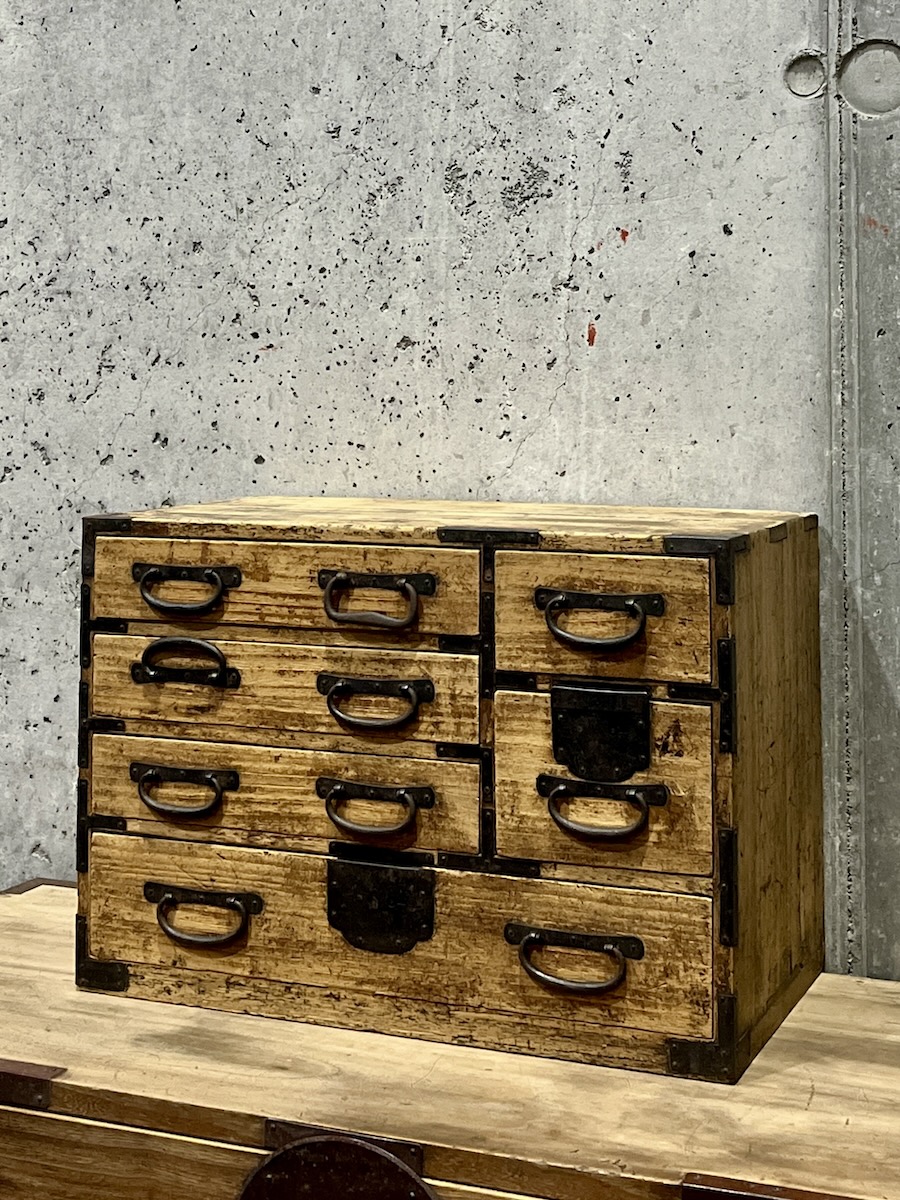
Minimal lifestyle brand MUJI has been in the homebuilding business for over a decade. And in recent year they have expanded their focus to not just building new homes but renovating old kominka folk homes. The latest offshoot of that business is nihon no kokagu, an initiative launching this month that breathes new life into tables, cabinets, chests and other household furnishings that have been collected from traditional homes across Japan.
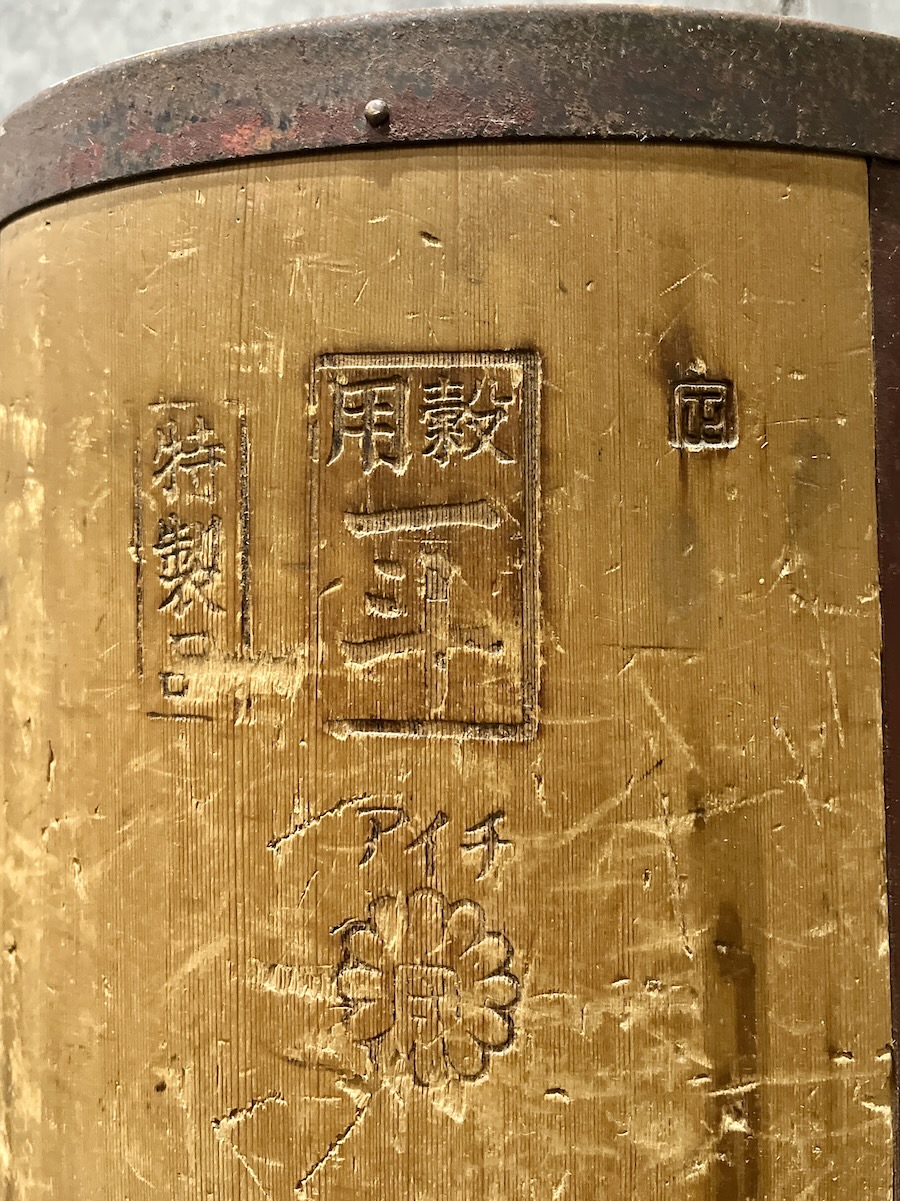
Rather than sanding away decades of wear, MUJI embraces the scratches, faded finishes and repair marks that tell the story of each piece. Every item is inspected, cleaned and repaired at MUJI’s restoration workshop to ensure it can withstand everyday use. But unlike conventional restoration, the company intentionally preserves each piece’s patina, treating signs of age not as imperfections but as evidence of a life well lived.
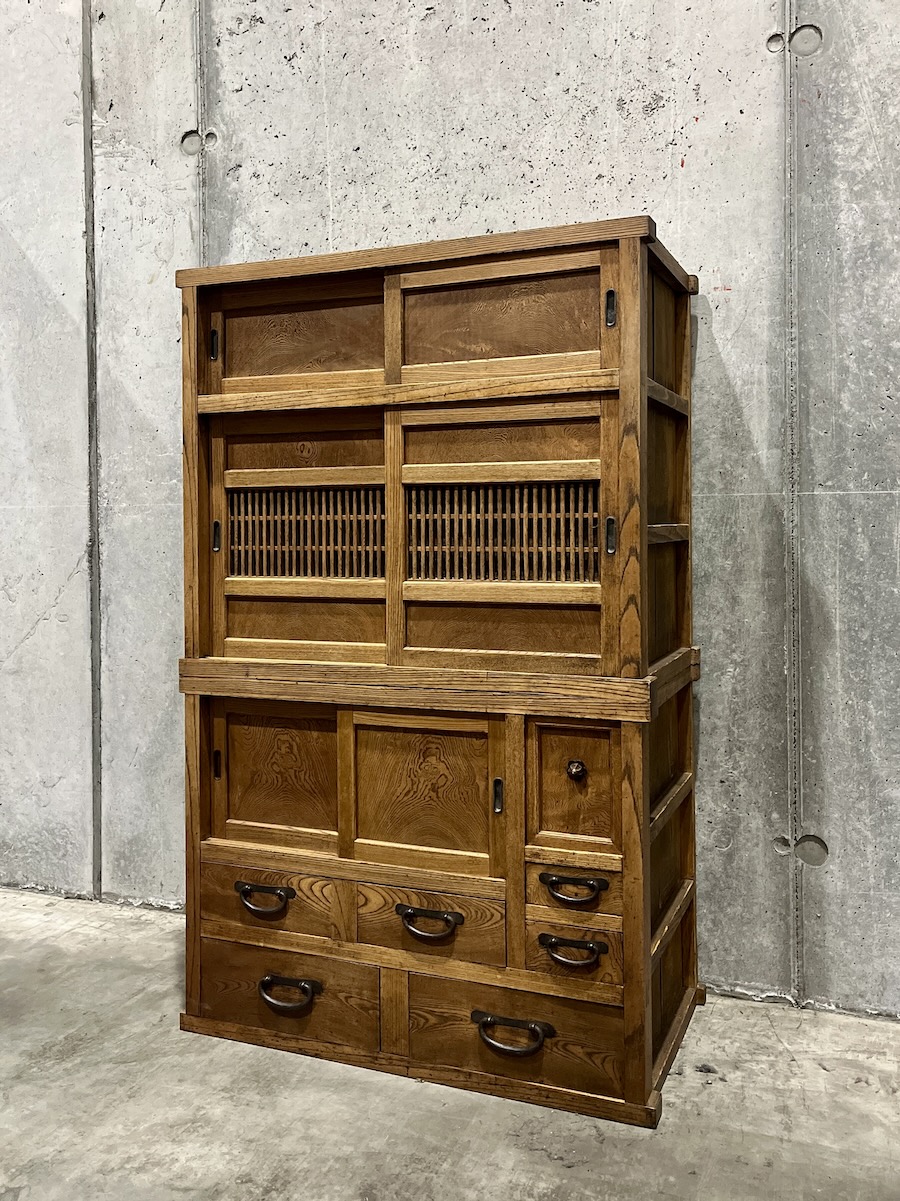
The project also addresses a growing problem in Japan: countless pieces of perfectly usable furniture remain forgotten in storage or are discarded despite their continued usefulness. By restoring and reselling these one-of-a-kind pieces, MUJI hopes to keep valuable materials in circulation while reducing the need to manufacture new furniture.
The collection debuts at eight MUJI stores across Japan: Toyama Favore, Ginza, Naoetsu, Aeon Mall Kashihara, Shizuoka PARCO, Hankyu Nishinomiya Gardens, Grand Front Osaka, and Found MUJI Aoyama. Prices will range from 2,990 yen for smaller wagashi molds to 129,000 yen for larger chests.











Leave a Reply