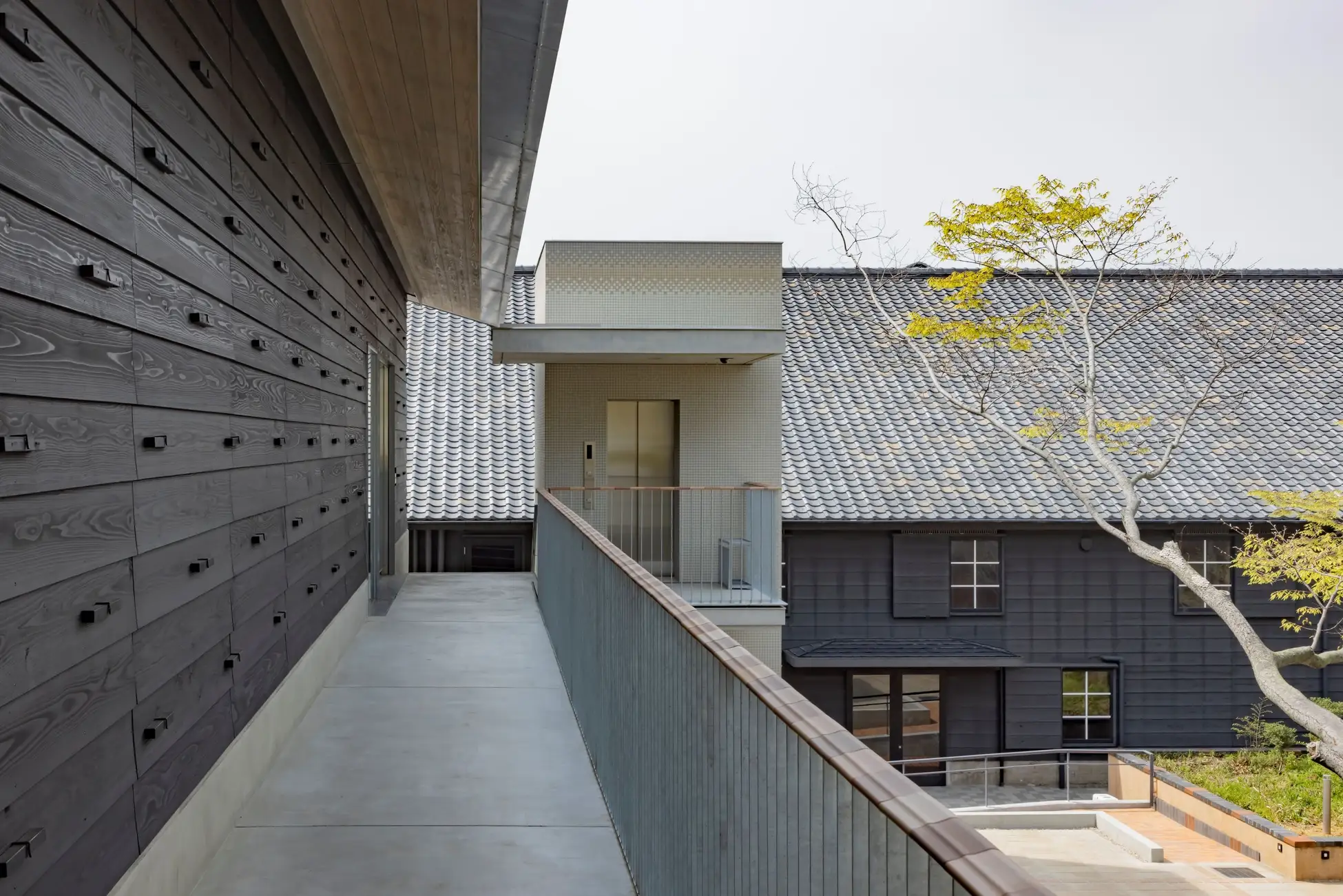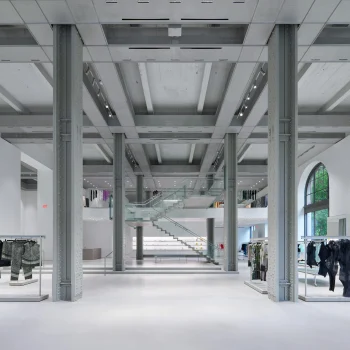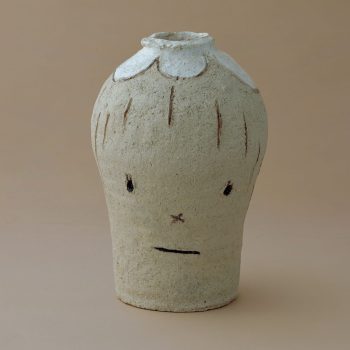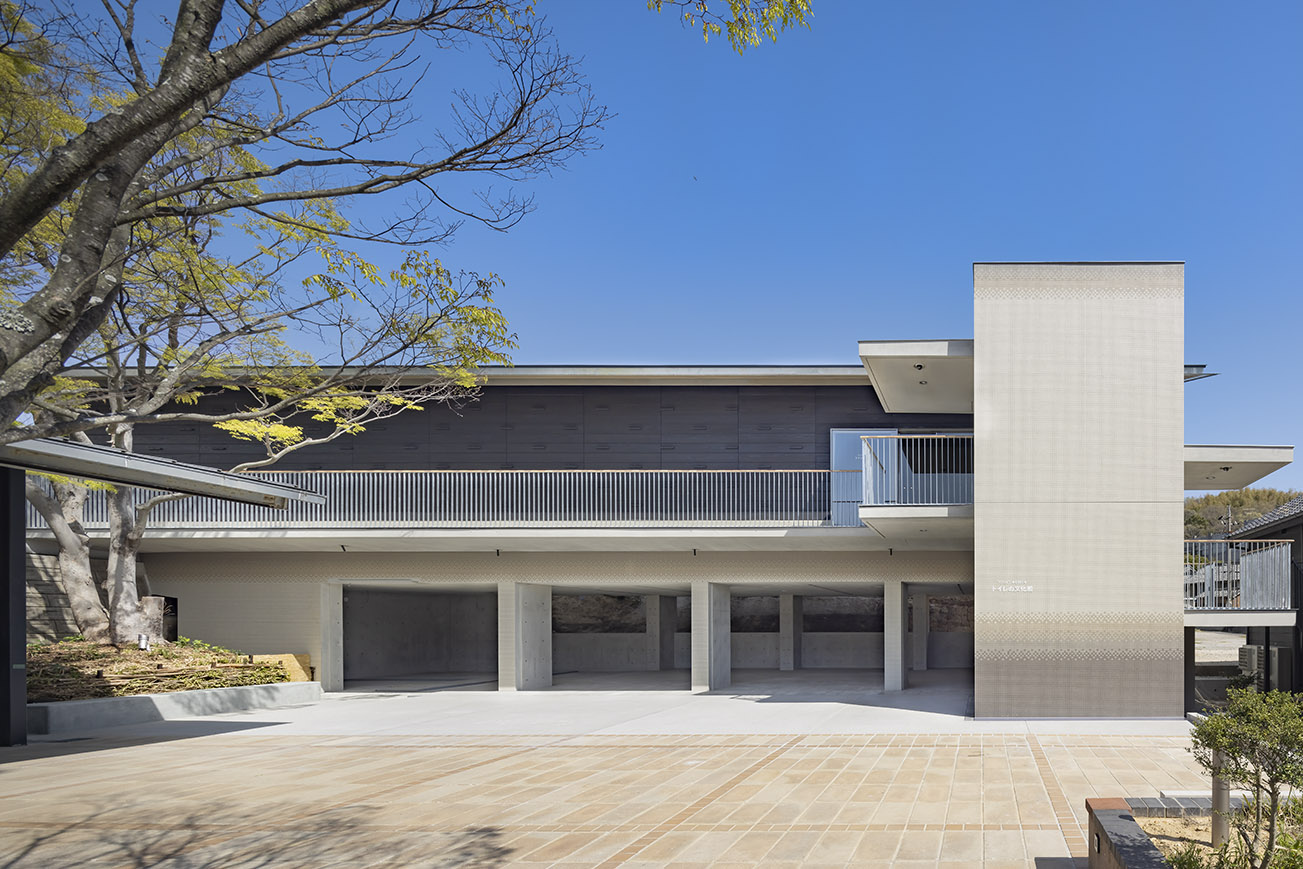
the new Toilet Culture Museum that opened in April 2025
Let’s be honest – for most of us, Japanese toilets are a marvel of modern life. They’re not just toilets; they’re an experience. With heated seats that save us from Japan’s bone-chilling winters, lids that open and close like magic, and dual-flush systems that make water conservation effortless, these porcelain masterpieces elevate the art of comfort in ways few could have imagined. And let’s not forget those discreet sound effects that save us from social embarrassment – a feature that speaks volumes about the philosophy of thoughtful design.
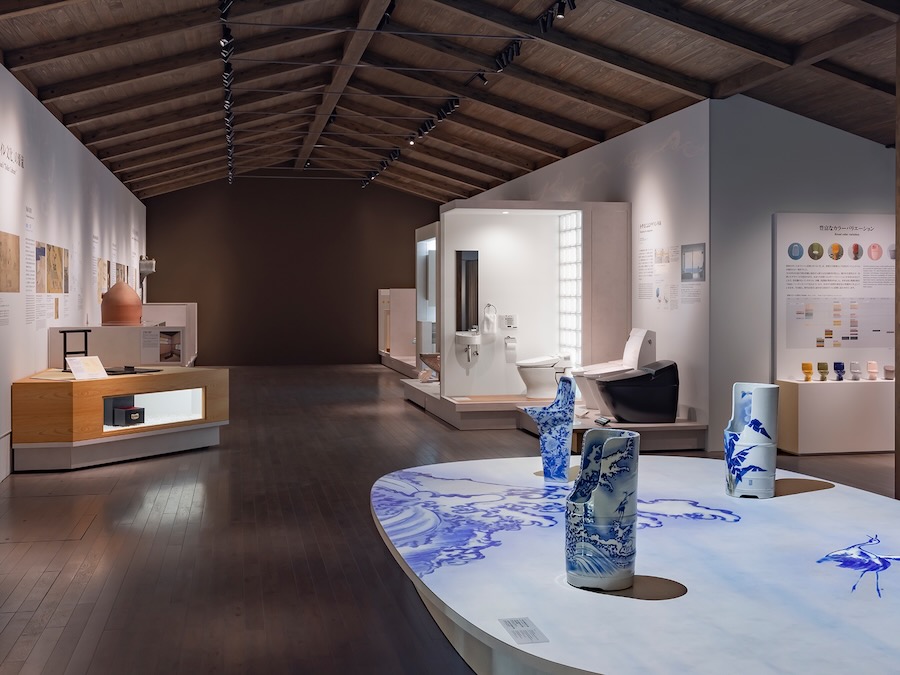
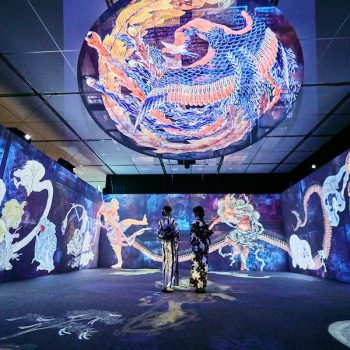
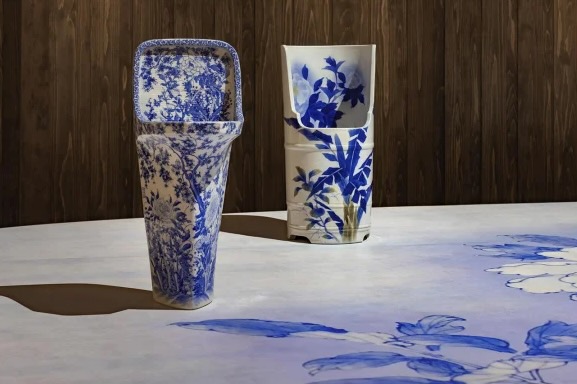
Installation view of the Toilet Culture Museum
What truly sets these thrones apart isn’t just their features but how seamlessly they integrate cutting-edge technology into our most personal rituals. The automated bidet and drying options aren’t mere luxuries; they represent a shift in how we think about hygiene, blending practicality with innovation. For those who’ve experienced them, there’s a quiet satisfaction in knowing that while the rest of the world catches up, Japan has already perfected the future of personal care – one flush at a time.
Earlier this year in April, a fitting tribute to this legacy opened its doors in Tokoname: LIXIL’s Toilet Culture Museum. Located within the INAX Live Museum complex, this new addition isn’t just a quirky side exhibit. It’s a celebration of craftsmanship, innovation, and the universal human experience. Marking LIXIL’s 100th anniversary, the museum chronicles the evolution of hygiene and design, showcasing humanity’s relationship with one of life’s most essential rituals.
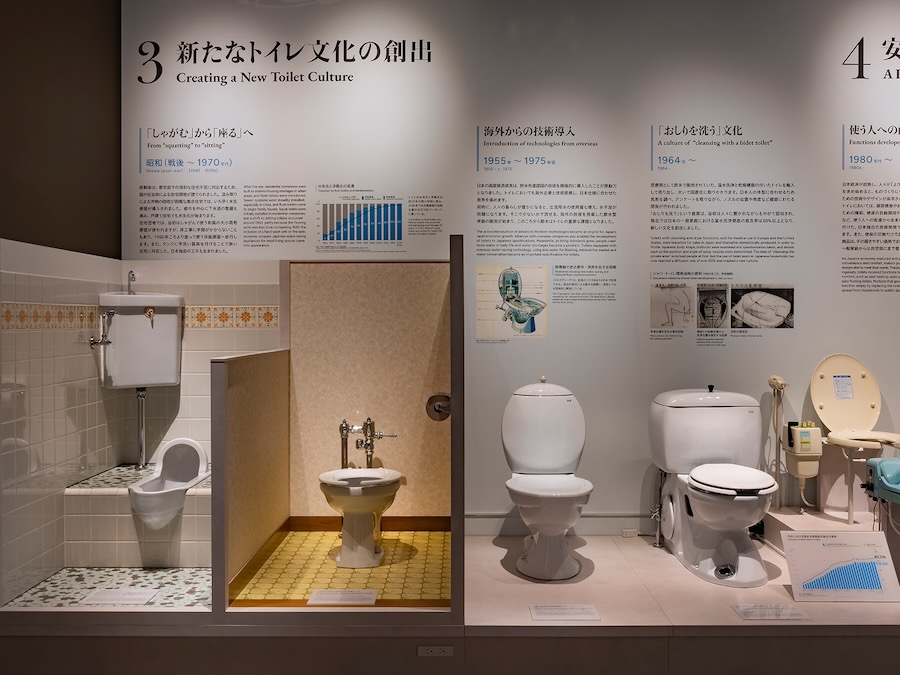
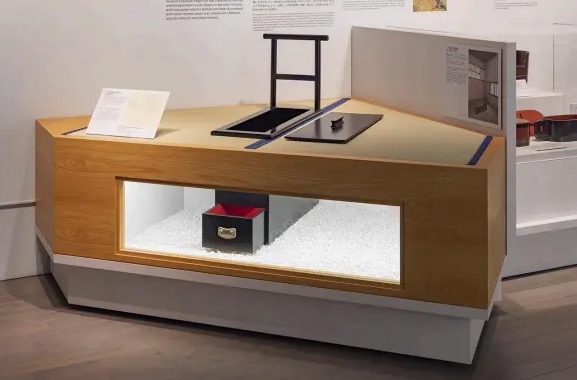
Visitors will embark on a captivating journey through the history of toilets, from rudimentary wooden bowls to elaborately adorned porcelain fixtures and the modern marvels of bidets and eco-friendly systems. Artifacts and interactive exhibits reveal the artistry and ingenuity of toilet design across centuries, highlighting Japan’s ability to blend tradition with cutting-edge technology.
The museum is set to offer more than a passive viewing experience. Through curated workshops and hands-on activities, guests can explore the meticulous craftsmanship behind these ceramic masterpieces. For those passionate about design and culture, the exhibits explain the philosophy of cleanliness, exploring its deep roots in Japanese culture and its continuing relevance today.
Bridging Tradition and Modernity
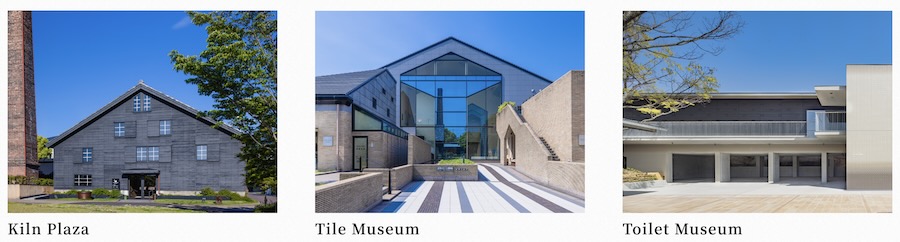
The Toilet Culture Museum joins a vibrant lineup of exhibitions within the INAX Live Museum complex, nestled in the heart of Tokoname – a city renowned for its kilns and ceramic artistry. Guests can also explore the INAX Tile Museum, with over 1,000 global tile designs on display, or the Architectural Terracotta Museum, which celebrates the raw beauty of clay. Together, these exhibits demonstrate how traditional craftsmanship continues to shape modern life.
If you’re planning a trip to Japan’s Chubu region, consider pairing a visit to the Toilet Culture Museum with the Aichi Triennale 2025, an internationally acclaimed art festival held from September 13 to November 30. Split your time between avant-garde art installations and the ceramic wonders of Tokoname for a cultural itinerary that’s anything but ordinary. Reaching Tokoname is easy – just a 40-minute train ride from Nagoya Station to Tokoname Station on the Airport Express, or a 20 minutes taxi ride from Chubu Airport. Admission to the Toilet Culture Museum is 1,000 yen for adults, with discounts for students and children. Whether you’re a design aficionado, history buff, or someone curious about the intersection of culture and daily life, the Toilet Culture Museum promises an unforgettable experience. Where else can you explore humanity’s history – one flush at a time?