World War II ended in 1945. That same year, at the age of 40 and with a husband and 3 children, Ayako Miyawaki would begin an artistic career so full of vitality and creative freedom that she would go on to produce hundreds of works made from rags and other textiles stitched together.
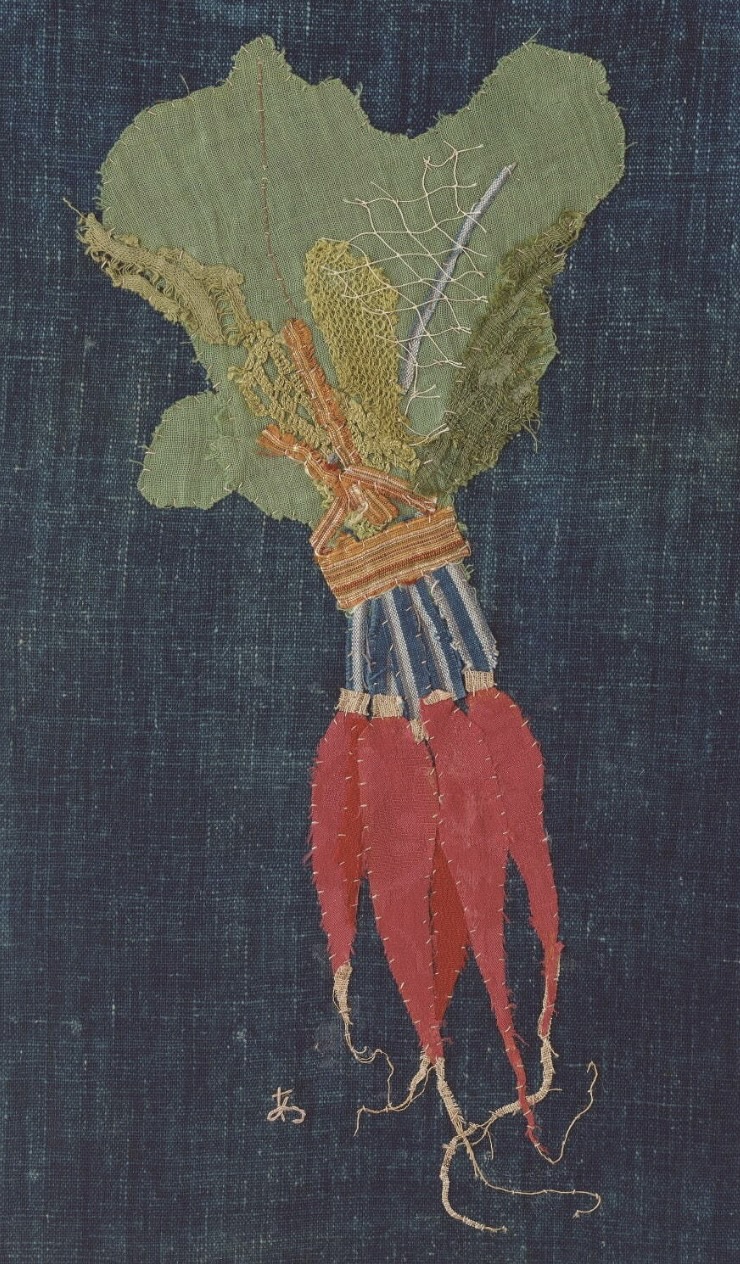
“Hinona” Turnips, 1970
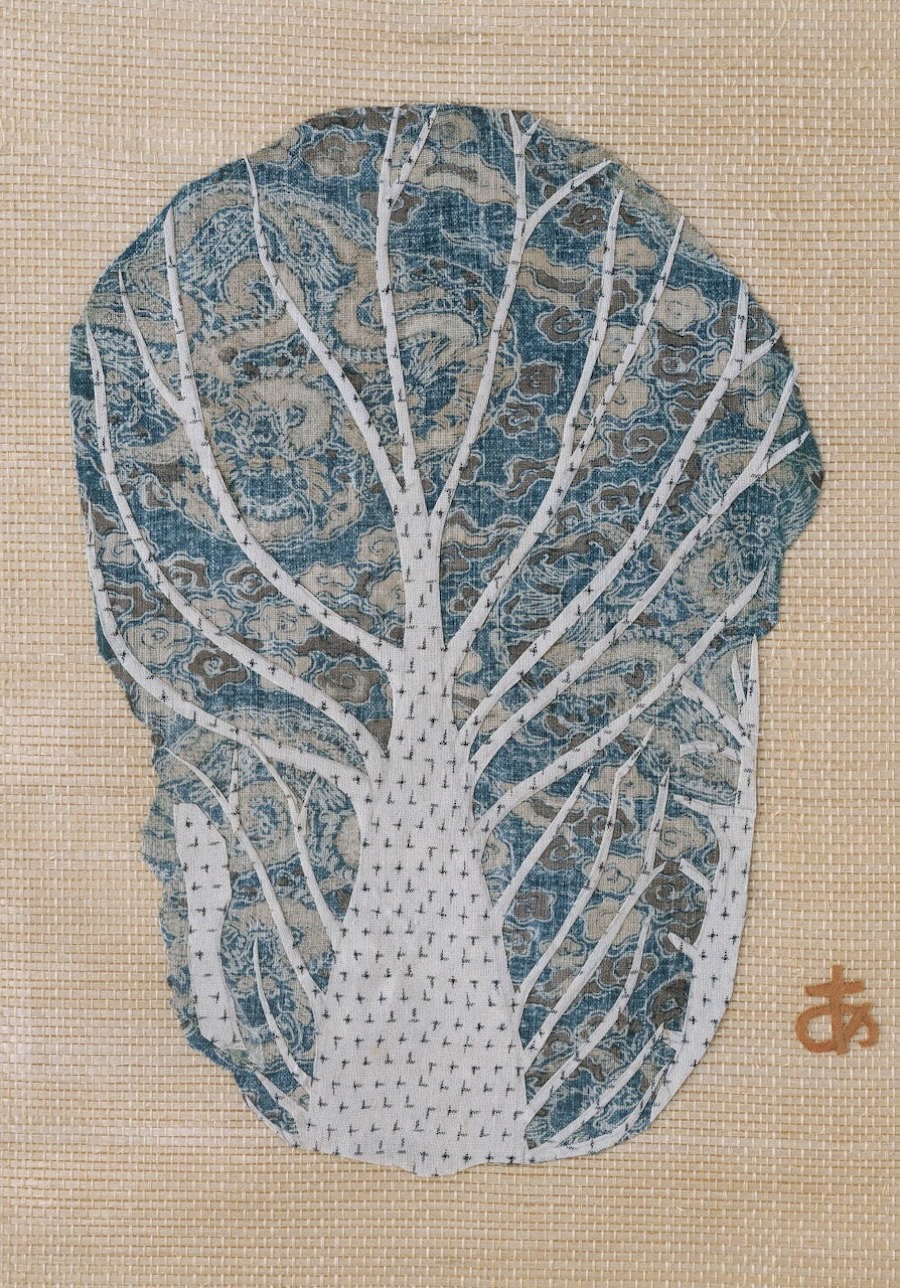
Chinese Cabbage, 1975
“World War II ended on August 15, 1945. On that day, when tears streamed ceaselessly down my cheek, I realized that from now on I would be able to freely use the time which I had spent in vain going in and out of the bomb shelter on many hard and unbearable days during wartime.“
Ayako Miyawaki
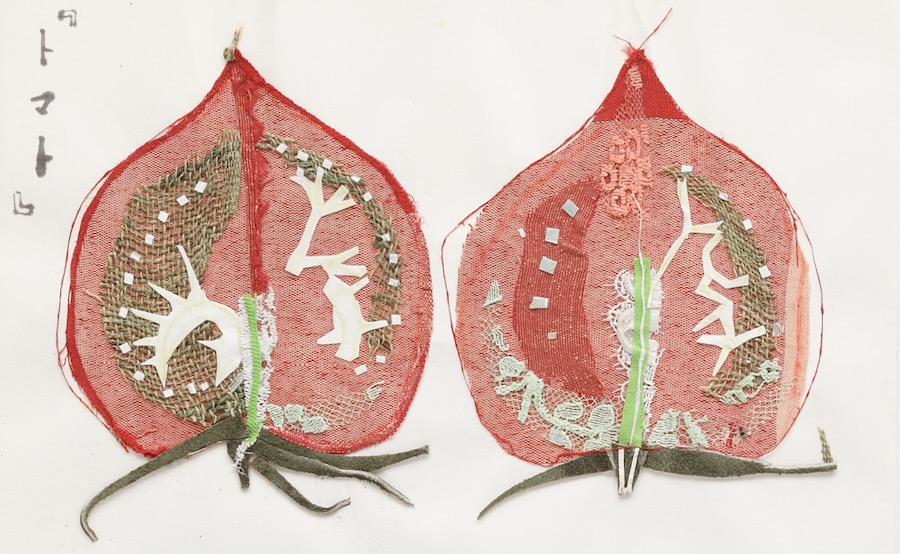
Miyawaki’s artistic creativity came from her curiosity and keen observations of everyday objects foods around her. Despite sewing fabric being a far more cumbersome process than drawing, her creations are remarkable for their realism. Her method relied on relentless observation. She would sometimes go to the trouble of separating the leaves from a plant or the calyx from a flower to study how they were attached. If her family received a parcel of prawns or crabs to eat, they often had to wait until after she completed her examination before cooking them.
In a rare retrospective, the Tokyo Station Gallery sheds new light on this rare talent by collecting over 150 of her artworks and arranging them across 8 different themes. The exhibition, which also celebrates 120 years since the birth of the artist, runs through March 16, 2025. General admission is 1,300 yen.
Toyota Municipal Museum of Art in Aichi also has a large, permanent collection with a dedicated viewing room if you are nearby.
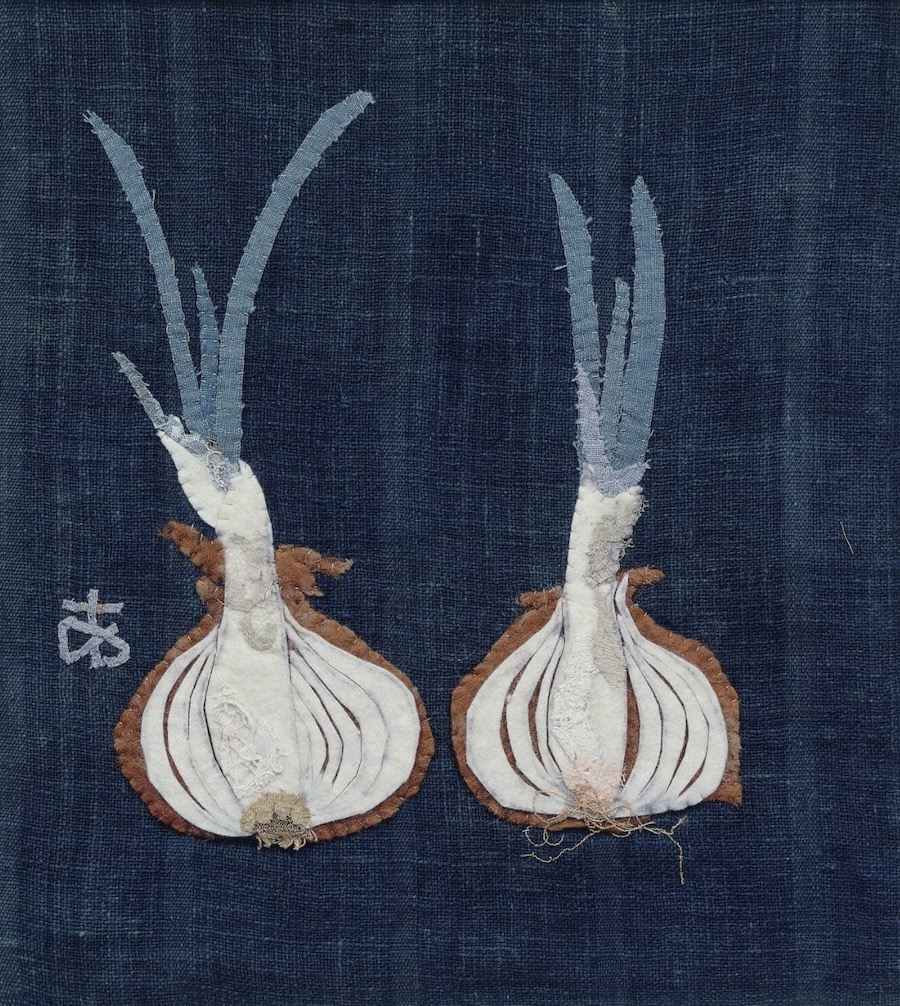
Onion Halved, 1965
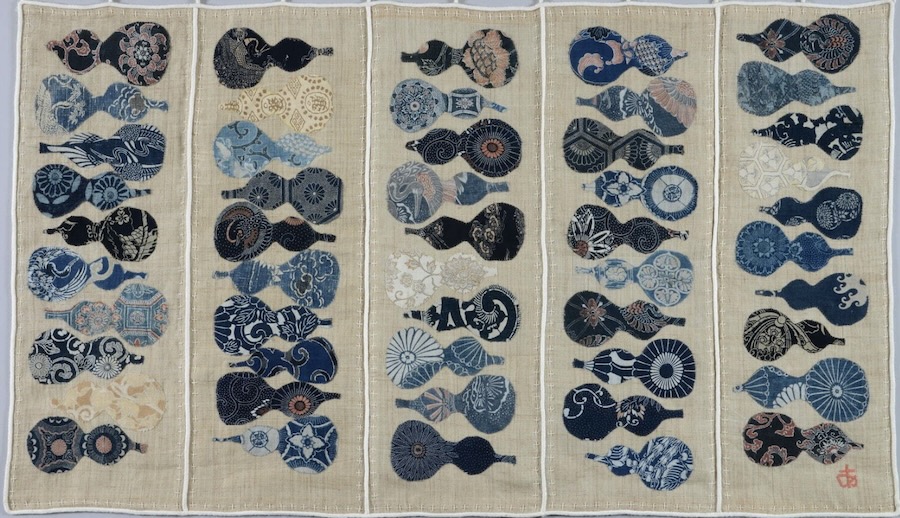
Good Forms, Fine Textiles 1986
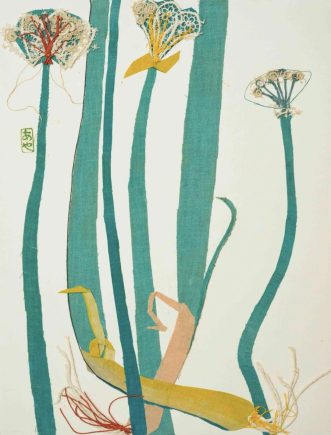
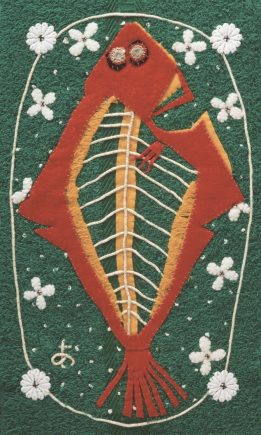
left: Negi, 1964 | right: Flatfish after flesh removed for sashimi, 1970
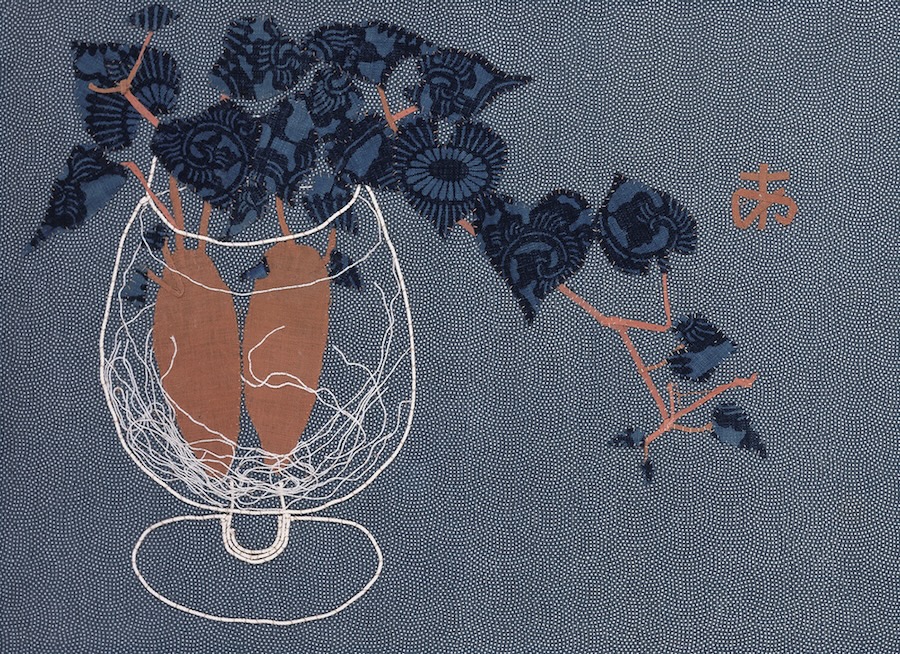
Sprouted sweet potatoes, 1987
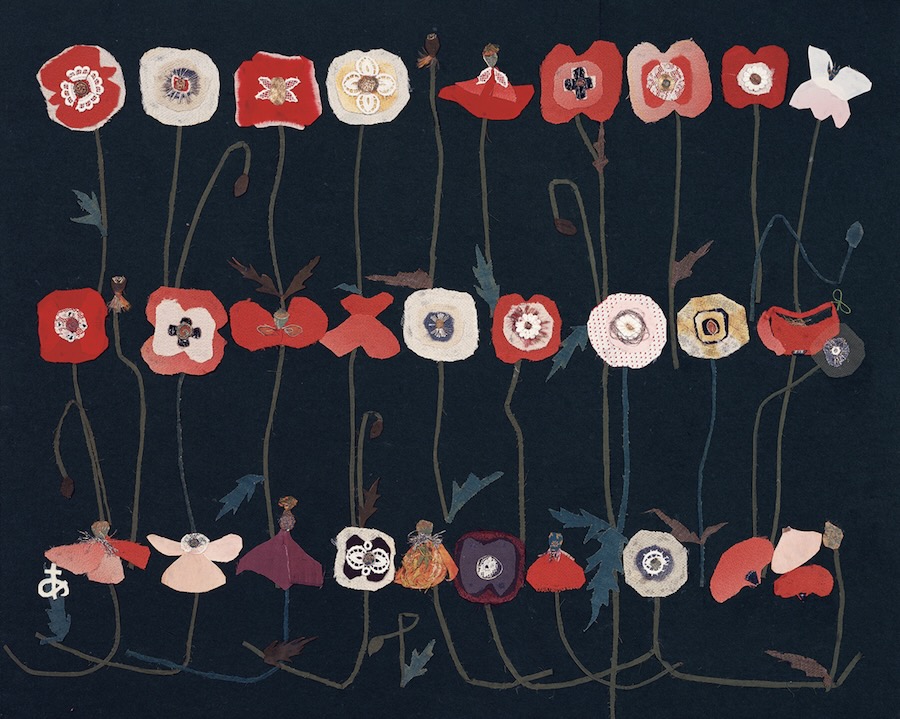
Poppies, 1969
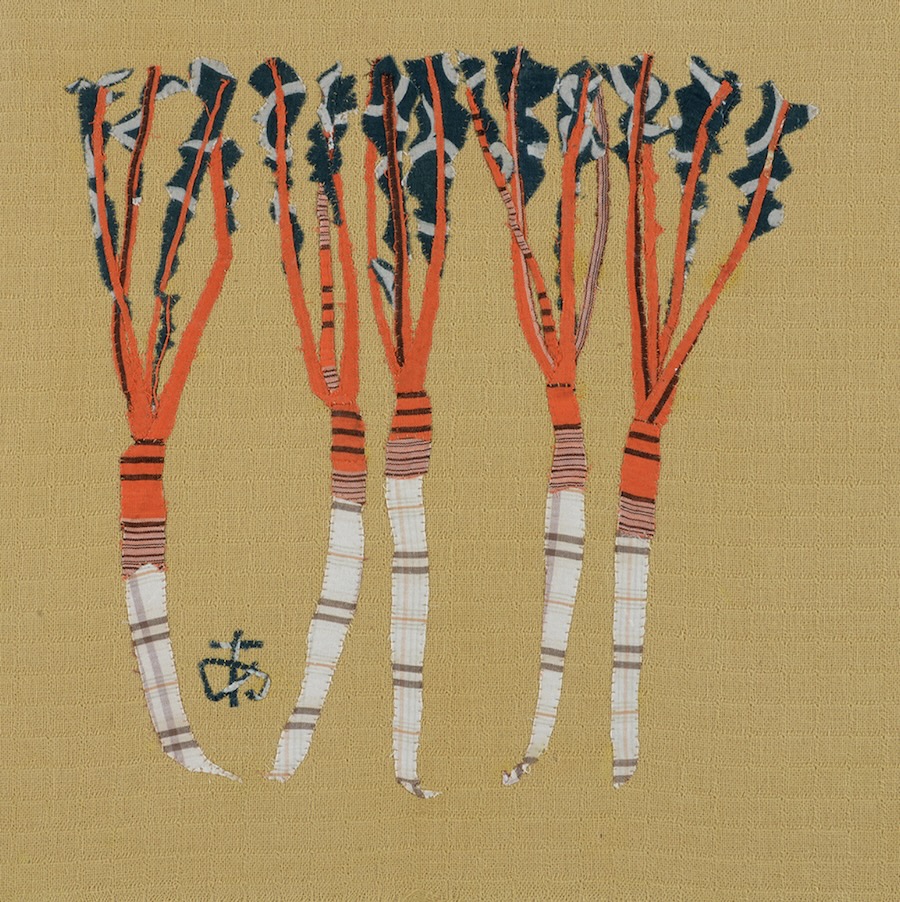
Hinona Turnips, 1978