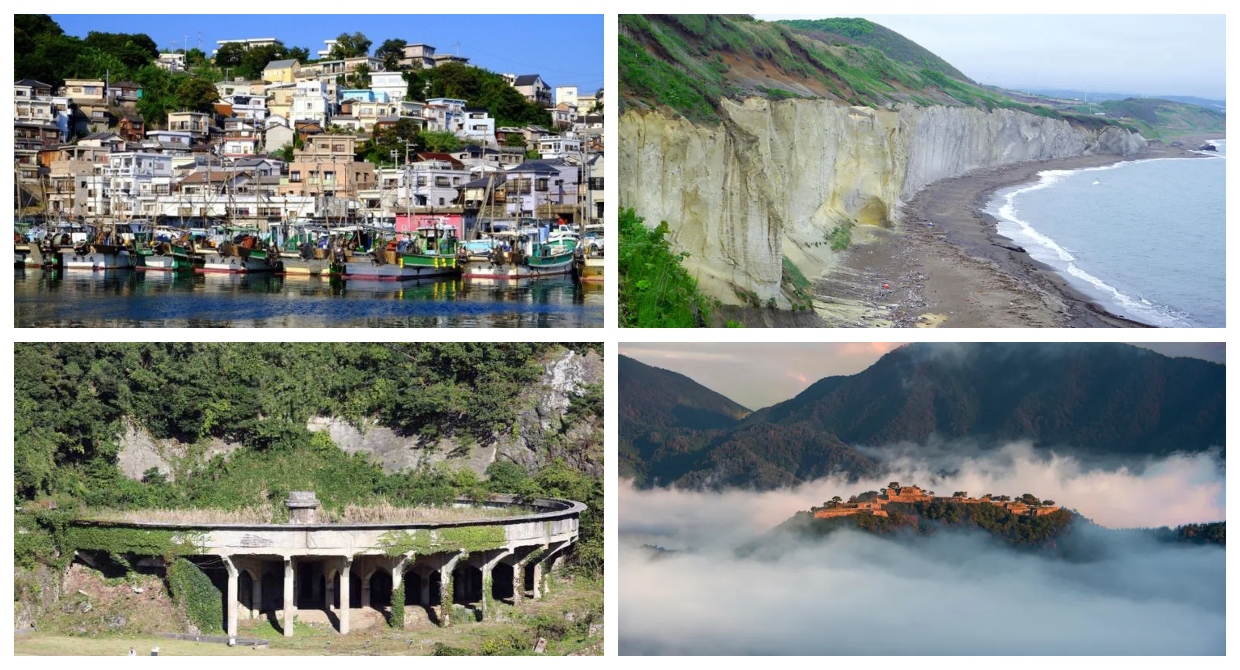
See the World Without Ever Leaving Japan
There are several remote corners of Japan that have been comparing themselves to world-famous tourist destinations. Whether it’s out of pride, a bid to attract tourists, or just a good sense of humor, their reasons vary. But that’s not to say their intentions are misguided. Each site has various similarities and resemblances, along with their own character that you won’t find elsewhere. From the Amalfi Coast of Japan to the Machu Picchu of Japan, here are all the places to see the world, without ever leaving Japan.
Saikazaki: the Amalfi Coast of Japan
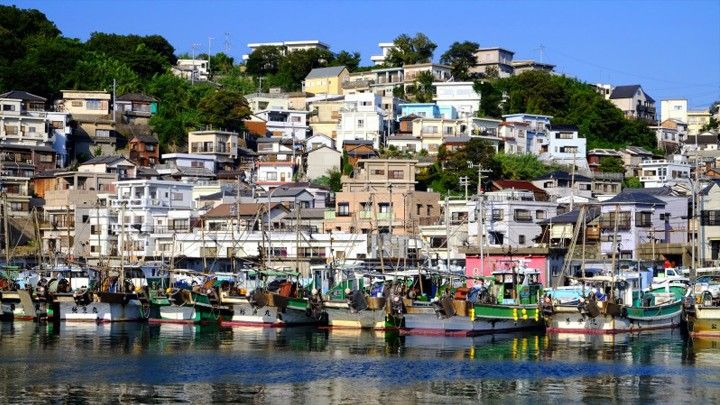
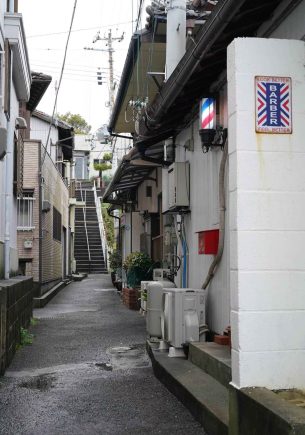
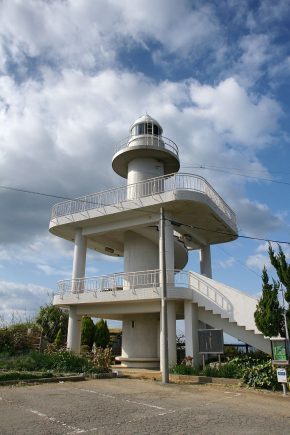
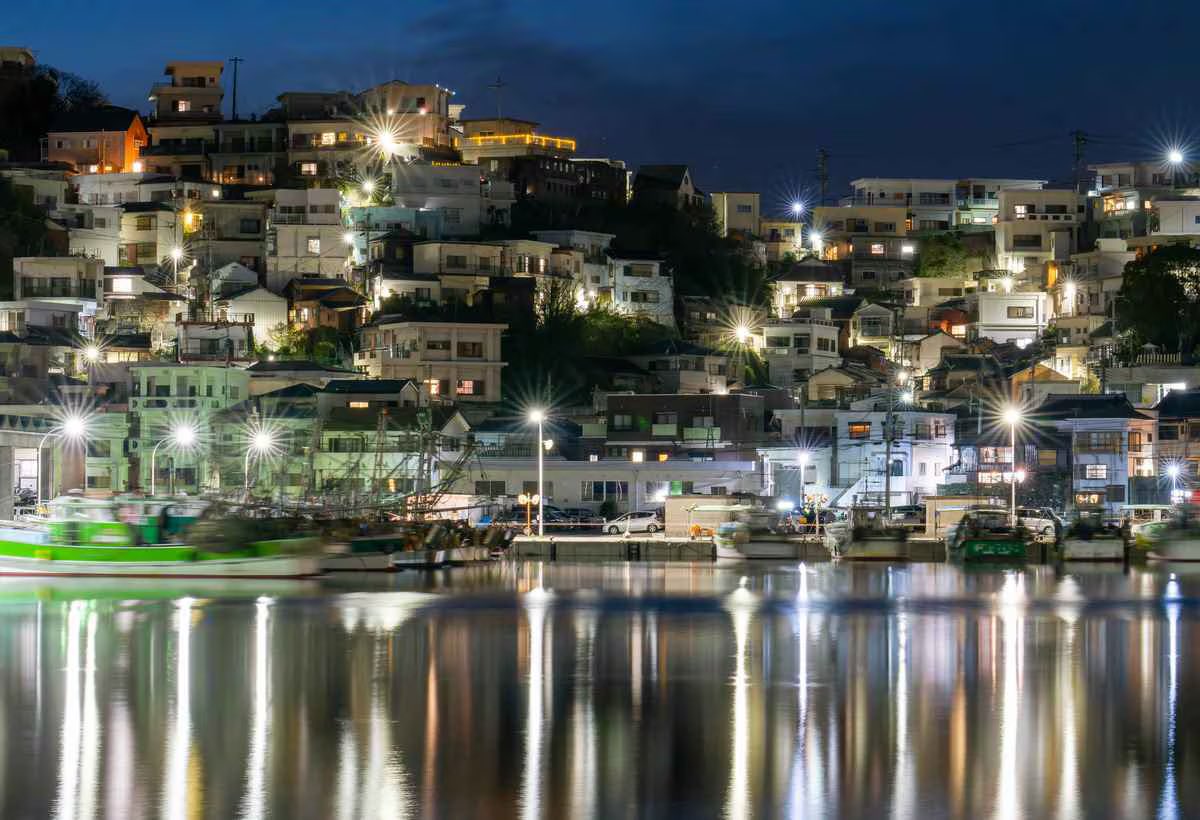
Saikazaki (雑賀崎) is a small fishing village in Wakayama, known locally as the Amalfi Coast of Japan. Its gorgeous cape with houses lined up the hill earned it the comparison to the Southern Italian coastline. Explore the numerous stalls and small eateries offering fresh catches of the day. Then get lost in the maze-like alleyways and eventually make your way to the famous lighthouse offering stunning views of Seto Inland Sea.
Takeda Castle: the Machu Picchu of Japan
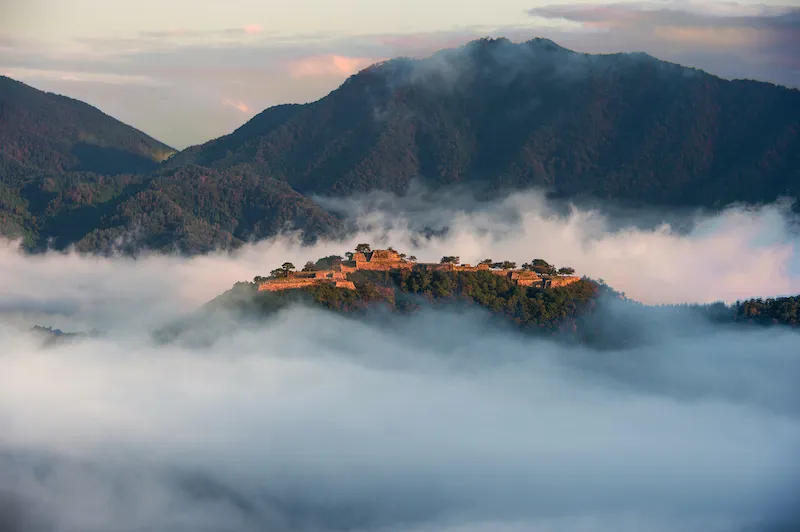
Peru’s Machu Picchu has made most intrepid travelers’ bucket lists. But Japan’s Takeda Castle ruins (竹田城跡) in Hyogo remain relatively unknown, and is a comparable other-worldly experience. The fortress was built in the 1400s, around the same time as the real Machu Picchu, and abandoned shortly after the pivotal Battle of Sekigahara in 1600. To see it in its most-epic form, head there in October or November when you’ll have a chance at encountering it the morning “sea of clouds.”
Minamikushiyama: the Machu Picchu of Kyushu
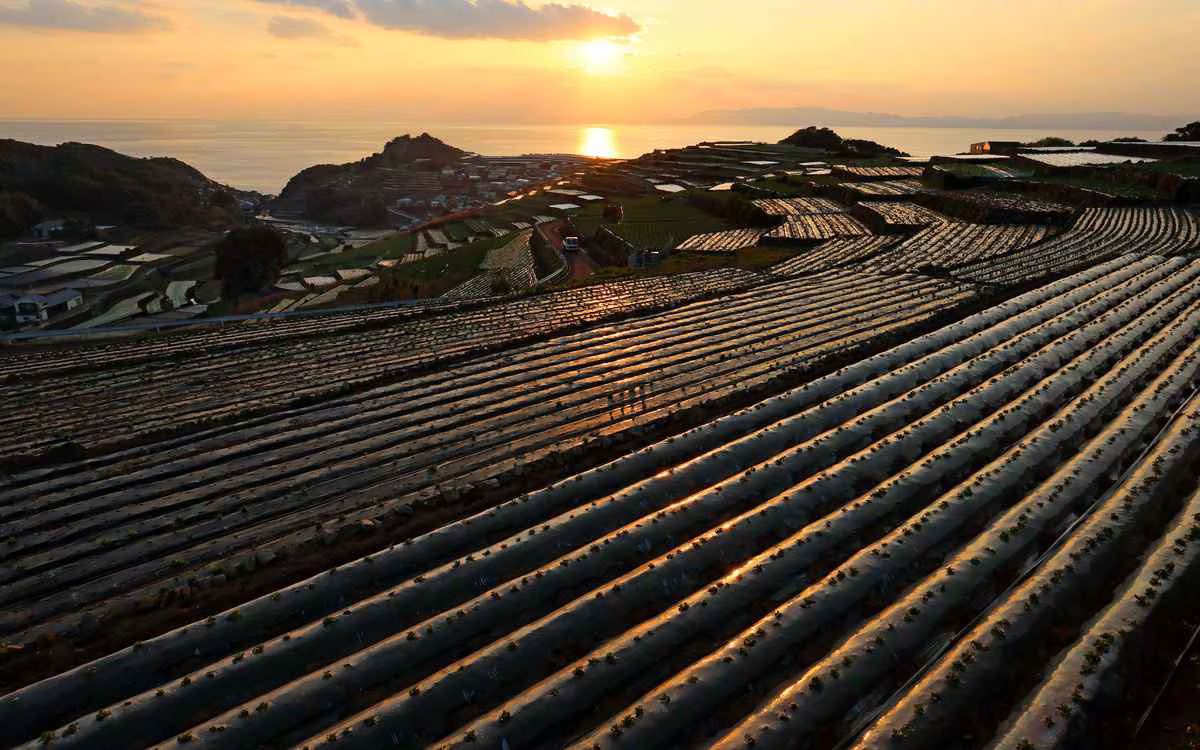
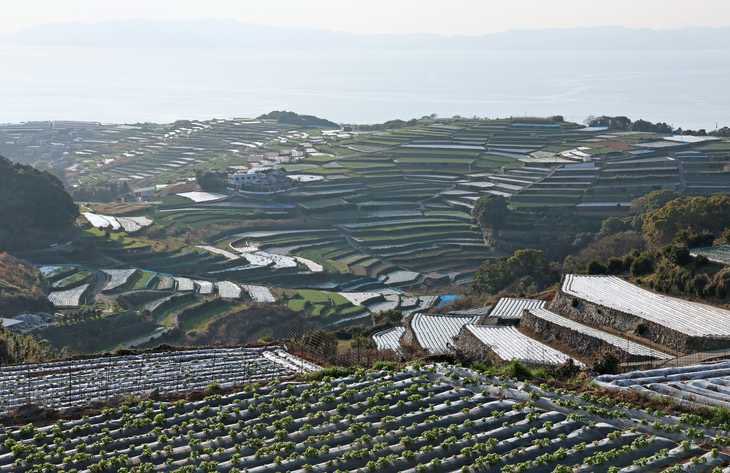
While the uncontested title of “Machu Picchu of Japan” goes to Takeda Castle, that didn’t keep the southern Island of Kyushu from trying to claim a bit of Peruvian glory. The town of Minamikushiyama (南串山) in the city of Unzen, due to its hilly terrain and scarcity of lowlands, has one of the most-beautiful terraced fields that line the hillsides. The Tanabatake Observation Deck offers views overlooking about 800 neatly arranged terraced fields which have been locally deemed as the Machu Picchu of Kyushu.
Tatenomisaki: the Grand Canyon of Japan
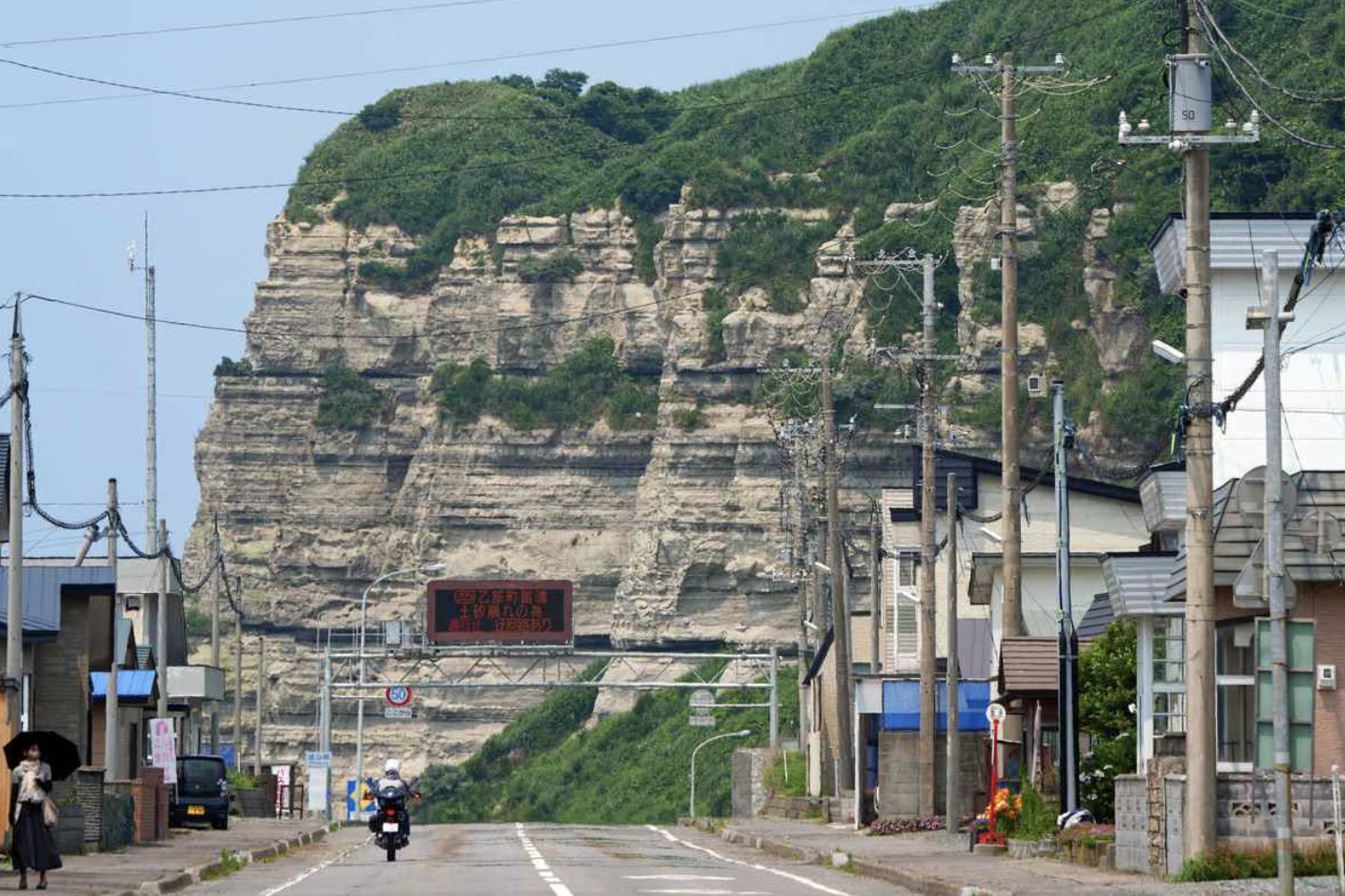
The town of Otobe is located on the Sea of Japan side of southern Hokkaido. Driving along route 229, you’ll encounter the towering cliffs of Tatenomisaki (館の岬), the Grand Canyon of Japan. Said to have formed roughly 5 million years ago from alternating deposits of ash and black sandstone from an undersea volcano, the beautiful striped strata offer other-worldly views.
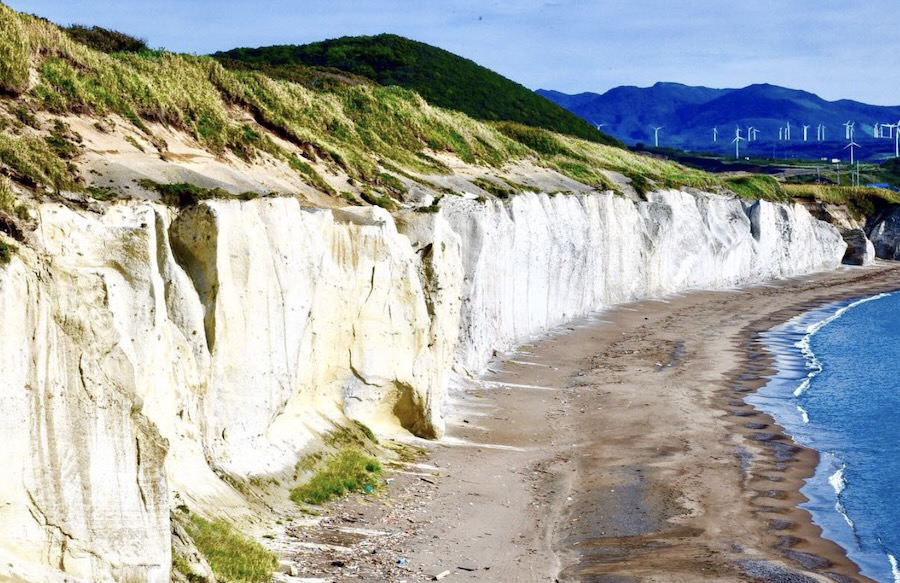
At Takise Coast in the southern part of the town, a white cliff known as “shirafura” stands about 50 ft high and extends out for almost half a mile. Said to have been formed by the accumulation of volcanic white pumice, it’s known as Japan’s Strait of Dover.
Shimoguri: the Tyrol of Japan
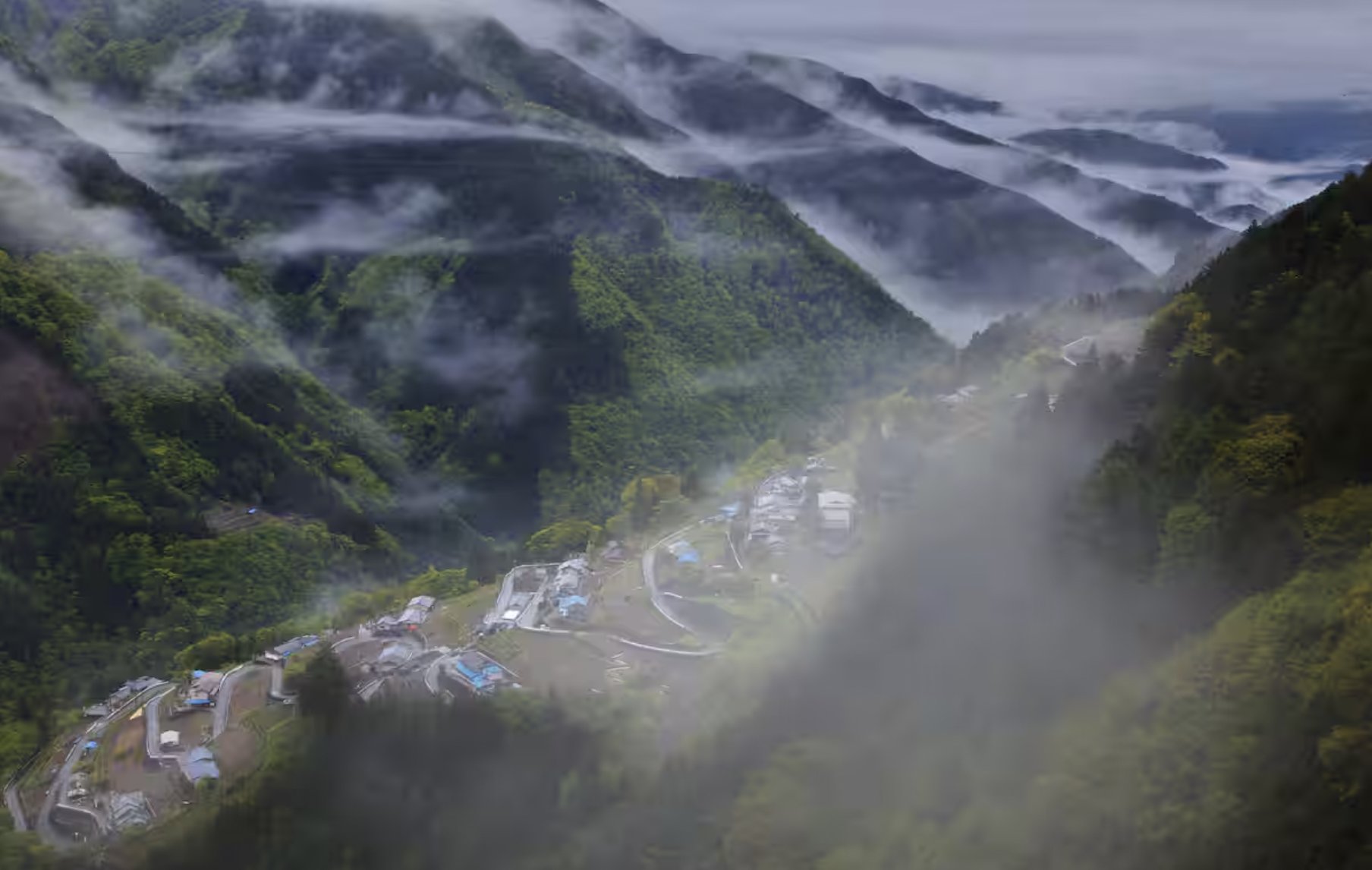
While not a global destination, Tyrol is a western Austrian state in the Alps that’s known for stunning mountain scenery, charming villages, and unique cultural heritage. Similarly, Shimoguri-no-sato (下栗の里) in Nagano is an isolated hamlet with steep slopes, winding roads and an abundance of history, all located half a mile above sea level. With just 73 homes and a barely-three-digit population, the hamlet is known for its abundance of nature and ancient harvest rite known as the Shimotsuki Festival that served as inspiration for Hayao Miyazaki’s Spirited Away.
Kitazawa Flotation Plant: the Laputa of Sado Island
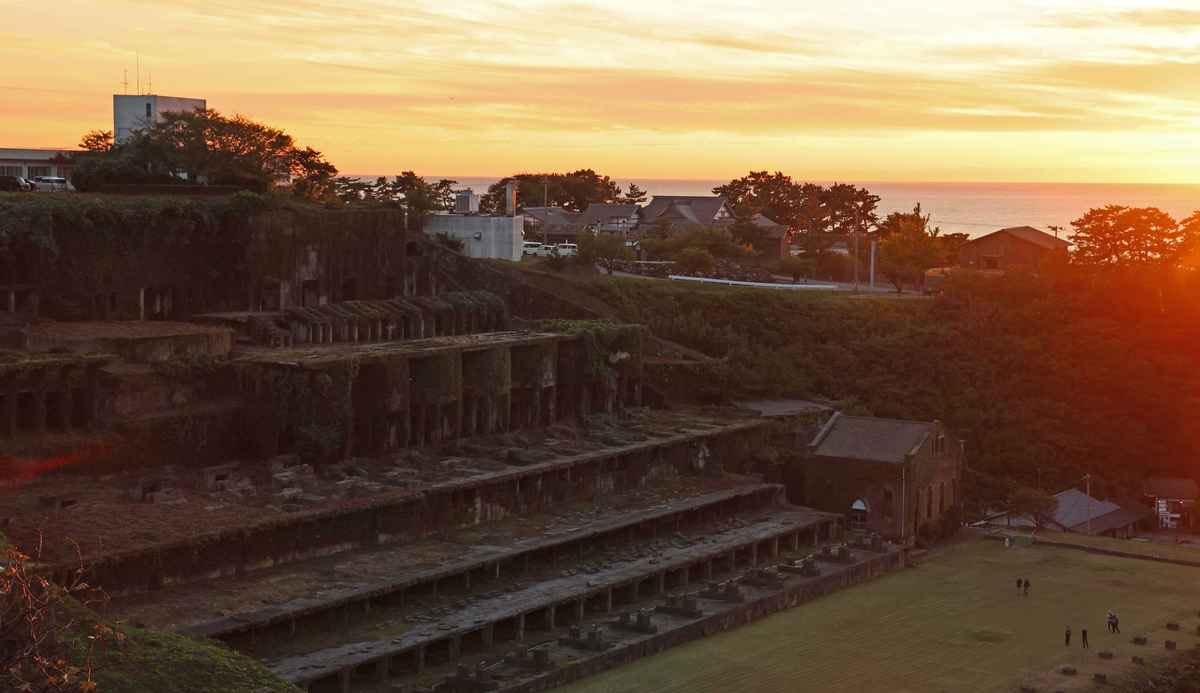
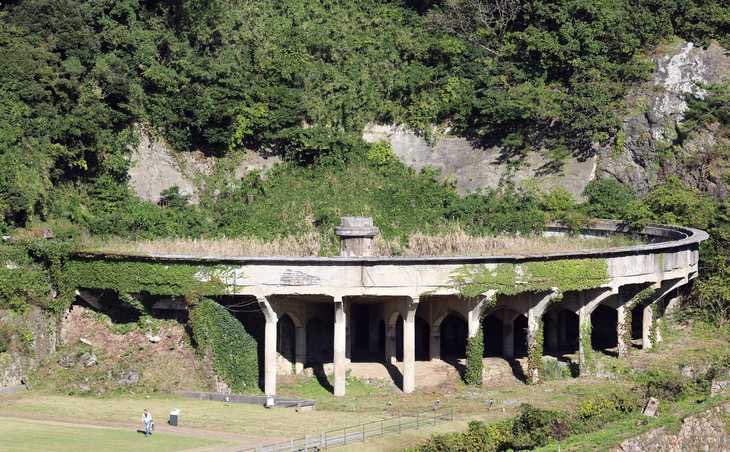
Ok, fine – not a real place. But the Kitazawa Flotation Plant (北沢浮遊選鉱場) on Sado Island, Niigata, is known as the Laputa of Sado Island. Built in the early 1900s, at its peak it was one of the biggest producers of ore in the east. But its life was short-lived. The plant was abandoned in the 1950s and was quickly enveloped by moss and grass, giving it a stark resemblance to Laputa: the castle in the sky.