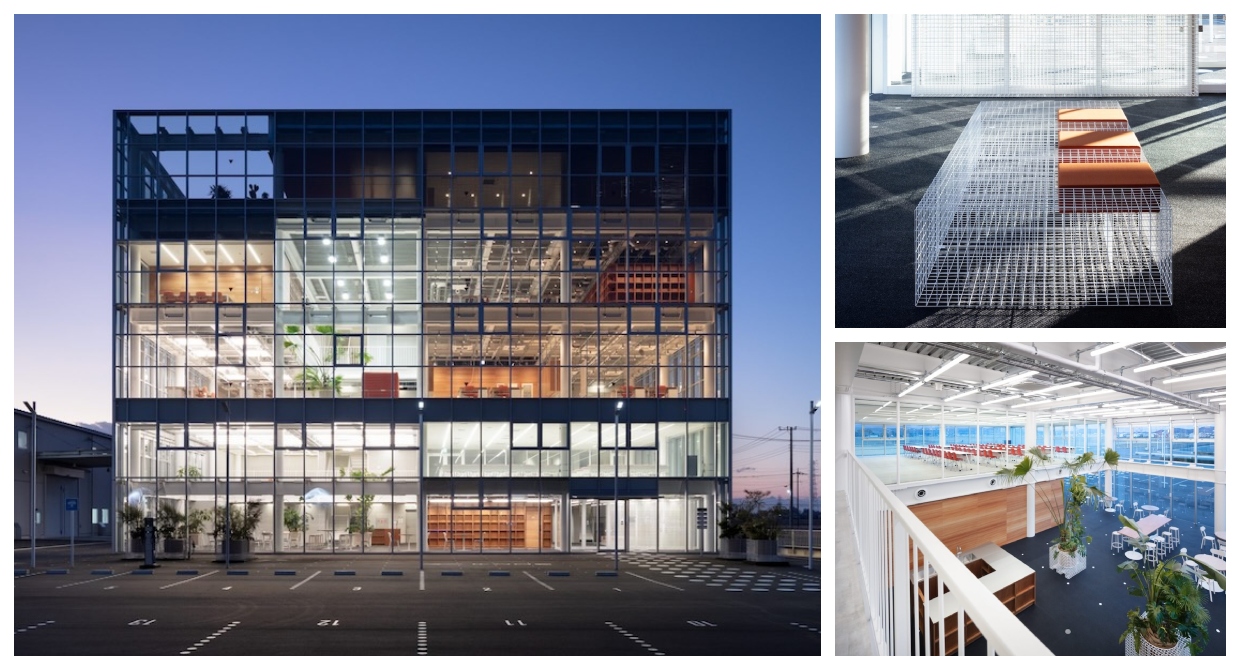
all photos by Takumi Ota courtesy Schemata Architects
For decades, Japanese manufacturers have worked in obscurity, churning out parts for the world’s biggest automakers and smartphone brands. And for the most part—largely owing to the confidential nature of their work—they have remained behind the curtain, neither seeking credit nor publicity for their work. One of those companies is Furukawa Manufacturing, which has been creating tailor-made production systems for automobile companies since 1940.
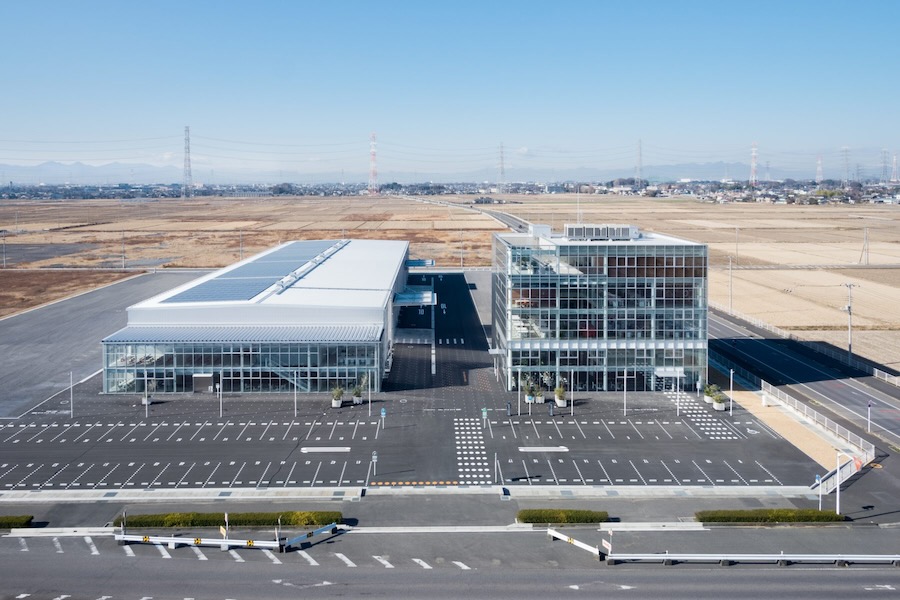
Attracting young talent is one of the biggest challenges facing these manufacturers, explains Jo Nagasaka. “Although the company has a long history and strong technological capabilities, it was not widely recognized, and few people knew what it did,” referring to Furukawa. “As a result, it was unable to attract desirable human resources.” His firm, Schemata Architects, rose to the cause when approached by Furukawa, who was looking to step out from behind the curtains and create a new factory and headquarters that was more outward-facing.
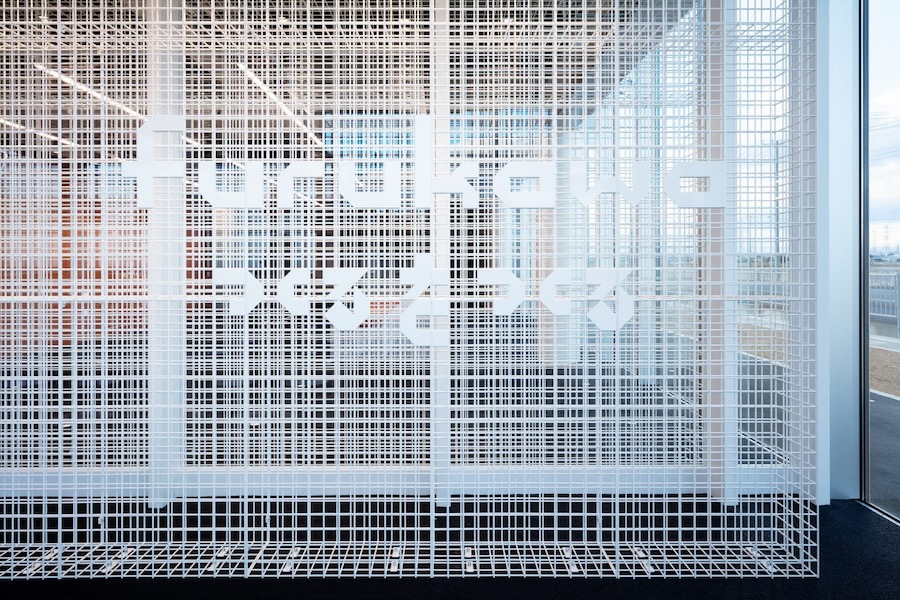
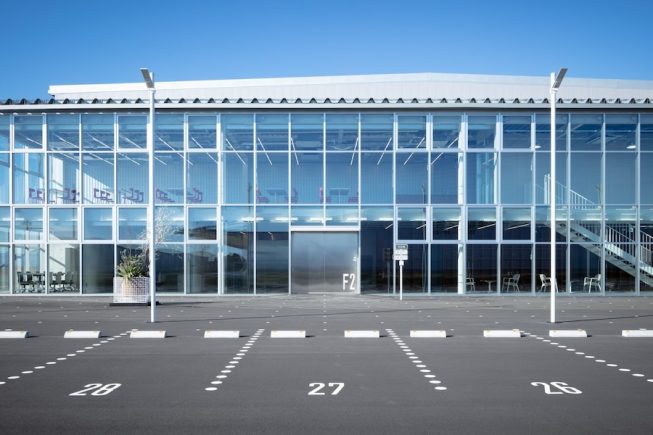
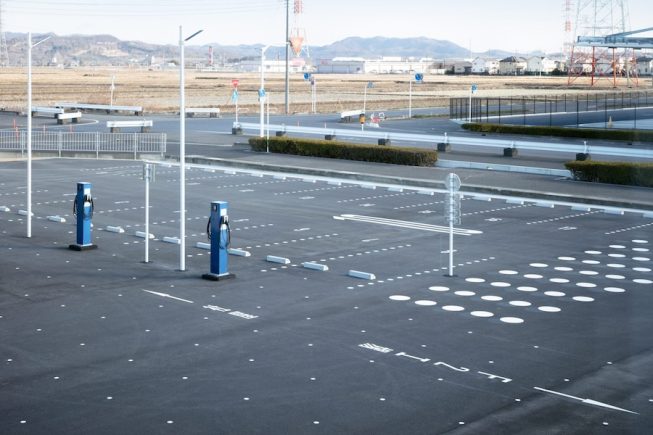
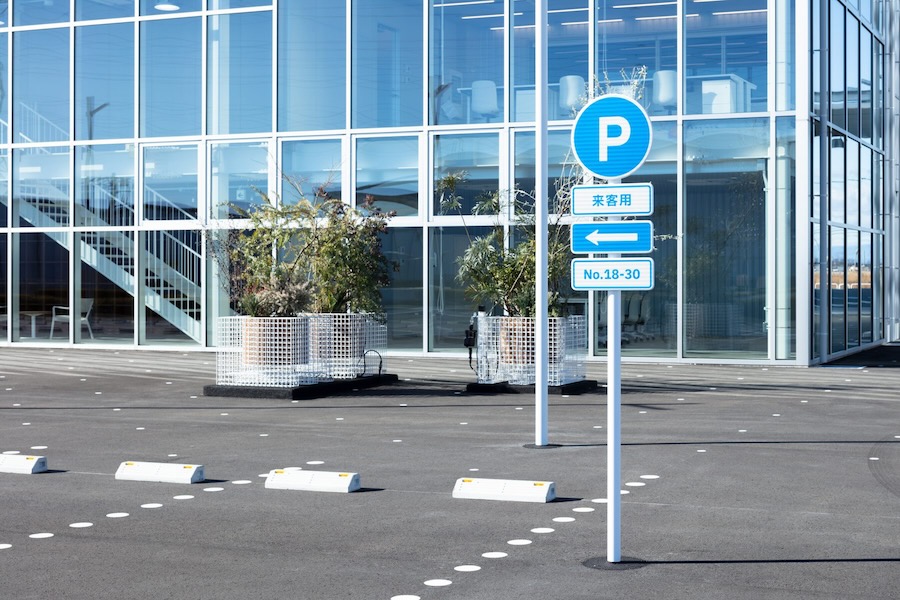
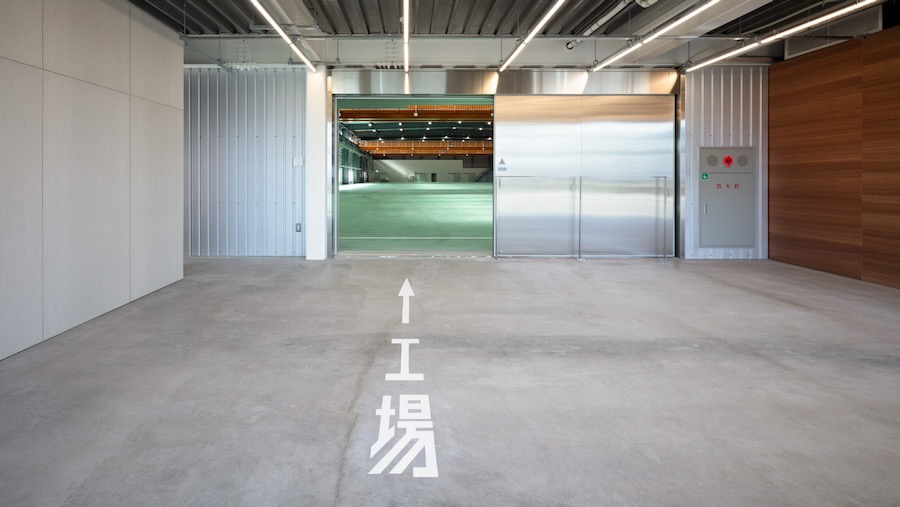
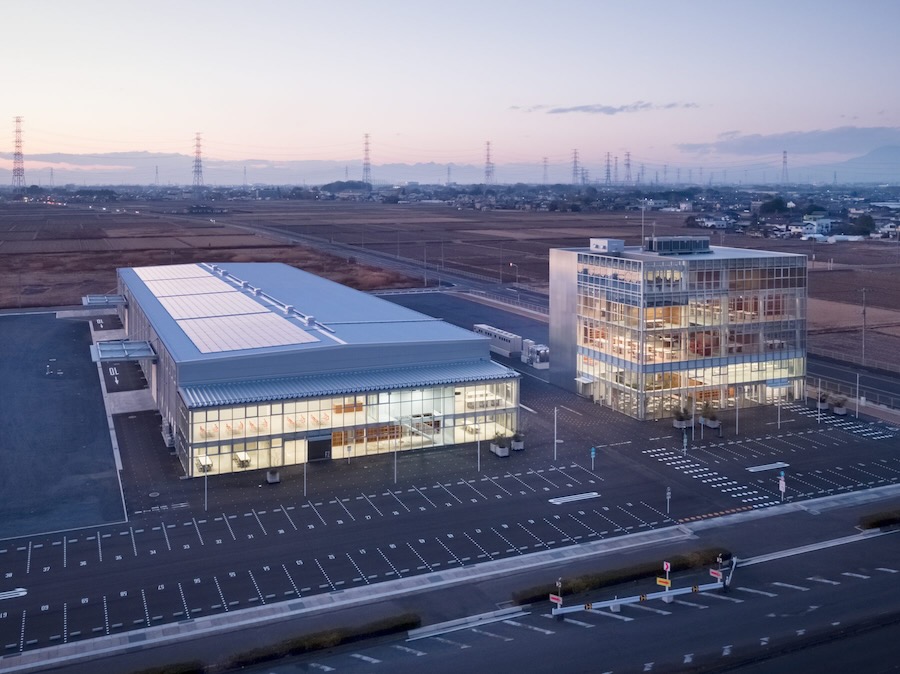
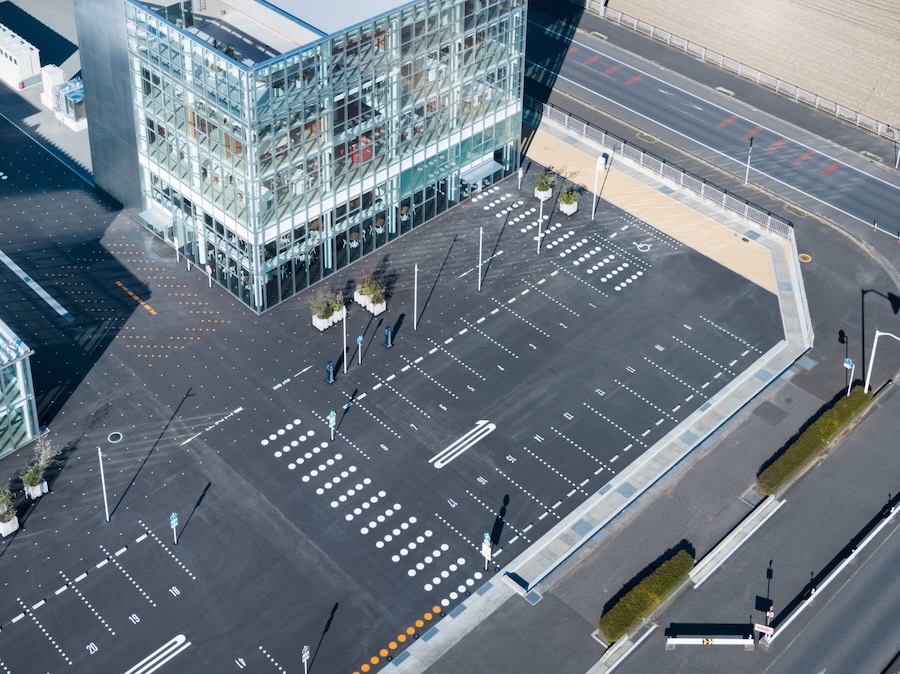
The new factory, which opened in January of this year in the company’s birth town of Ota City, Gunma, consolidates various functions that had been spread out around Japan. But doing so required a balancing act of various specs and requirements that differed throughout the space from parking lot, factory and wet areas to cafeteria, conference and training rooms, with each requiring its own lighting, furniture and signage.
Schemata Architects (previously) teamed up with the Irobe Design Institute, who created a signage plan that echoes the grid-like architectural elements of the space through dots that begin in the parking lot and extend throughout the building. And rather than build a fence or wall around the site, the parking lot features elements and signage that matched ordinary roads, creating a sense of homogeneity and connectedness.
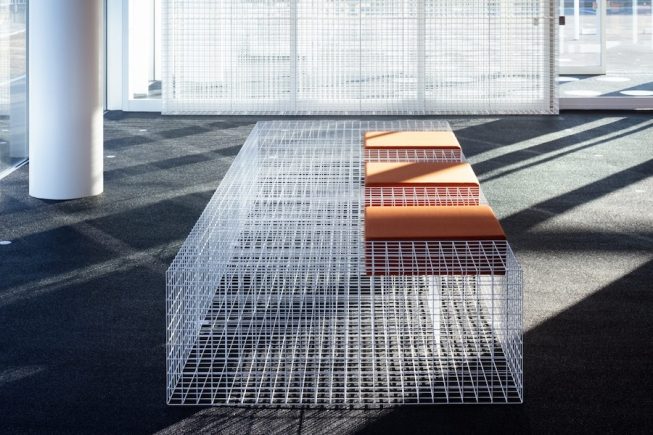
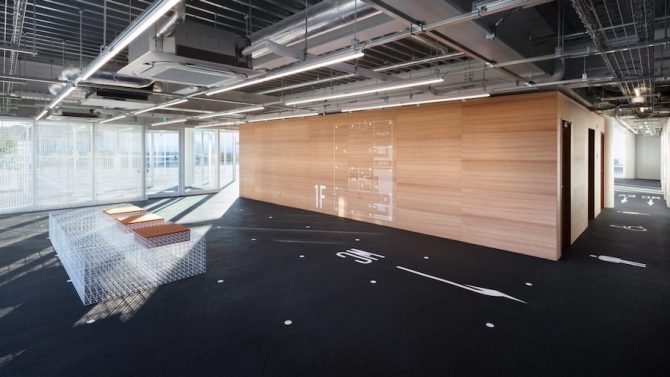
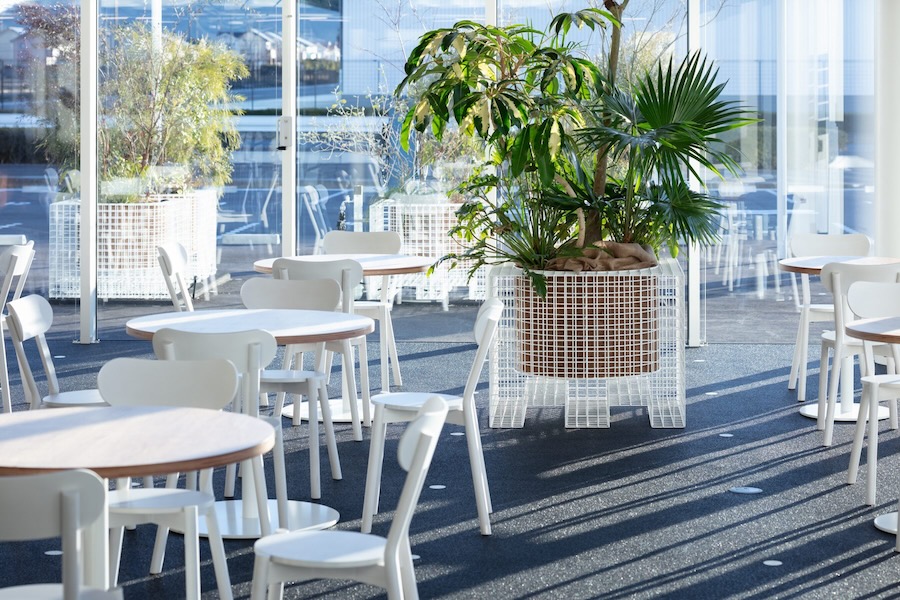
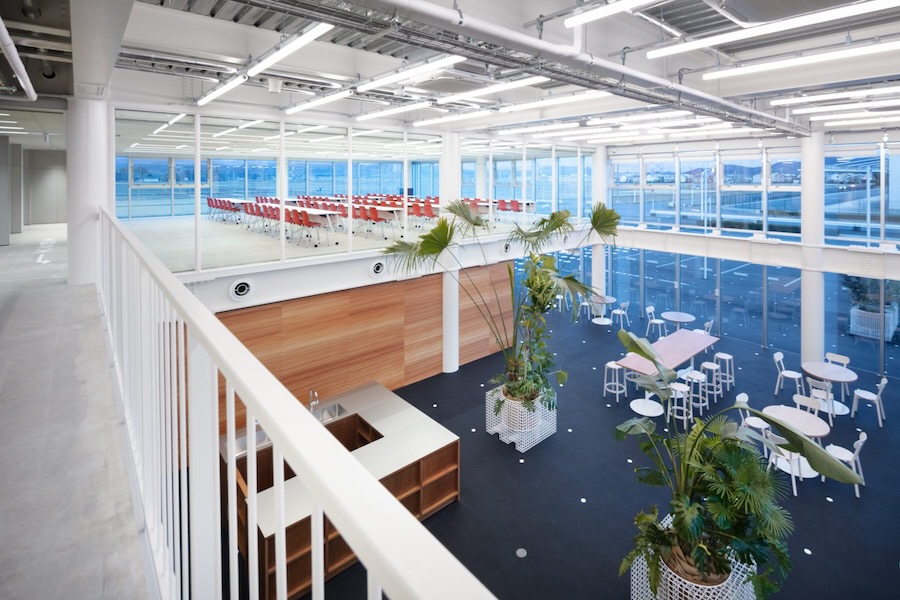
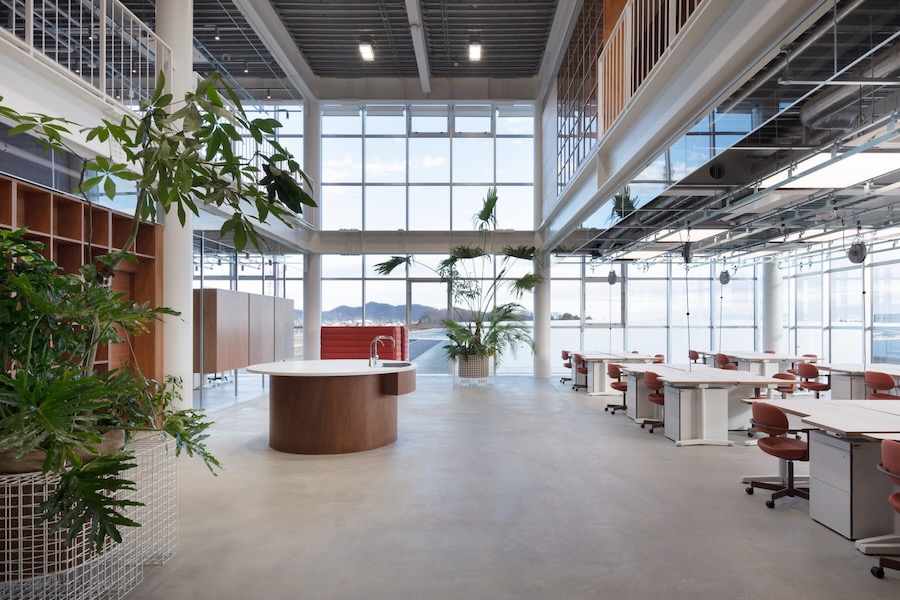
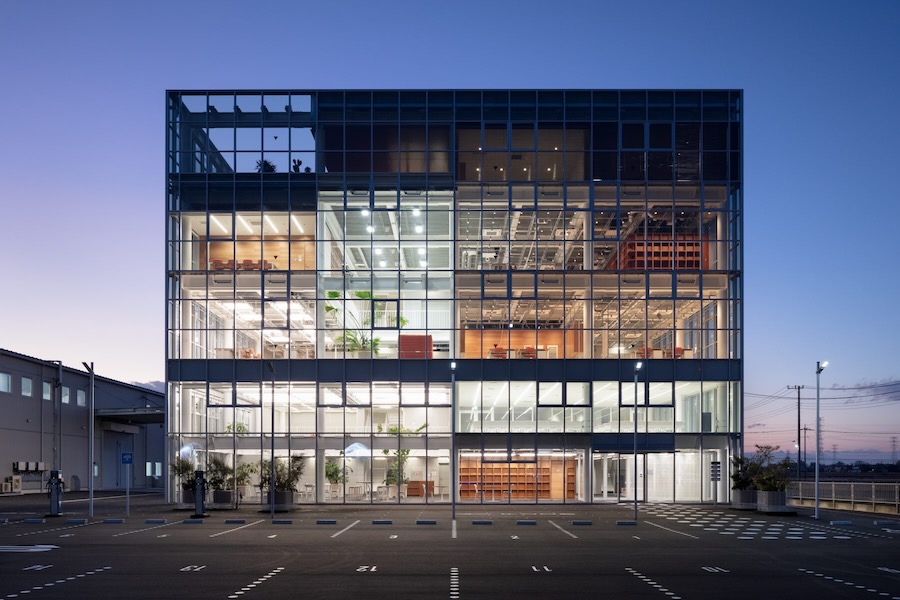
The first floor has a cafeteria for all 80 employees, with the second floor dedicated to conference rooms and a large training room connected to the cafeteria atrium. The third and fourth floors are office floors with desk spaces and conference rooms.
“This project became the core of the company’s rebranding initiative,” explains the architect. By creating a bright, cohesive and integrated space, Furukawa Manufacturing hopes to not only appeal to new workers but hopes to boost morale and productivity within as well.