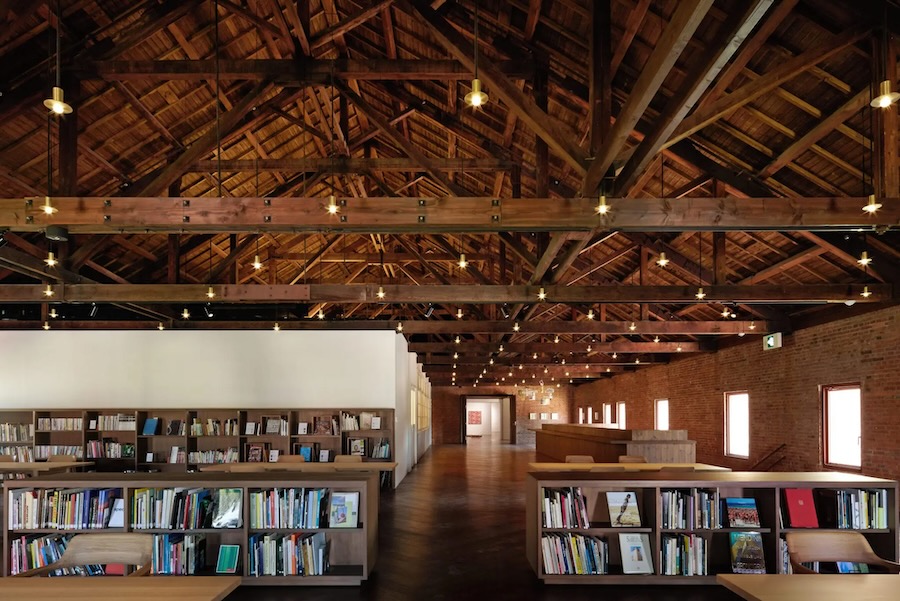
Tucked away in the castle town of Hirosaki, in Japan’s northernmost region of Tohoku, the Hirosaki Museum of Contemporary Art is one of the country’s most compelling examples of how contemporary art can breathe new life into historic architecture.
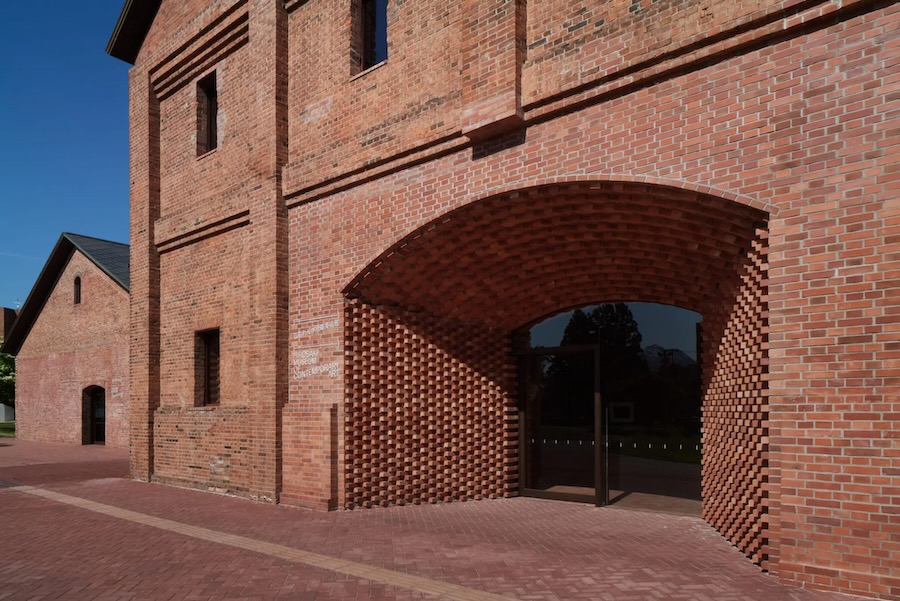
Opened in 2020, the museum occupies a century-old brick warehouse that once served as a sake brewery and later a cider factory. Rather than erase the building’s industrial past, architect Tsuyoshi Tane embraced it, preserving much of the original structure under the concept of “passing on memories.” The result is a museum where history is not hidden behind white walls but woven directly into the visitor experience.
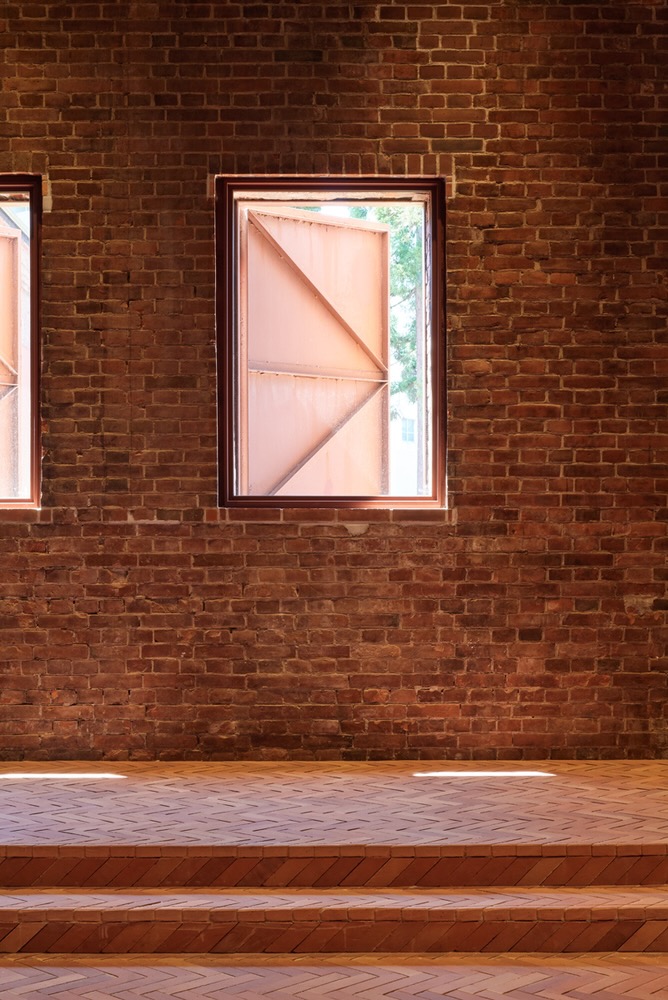
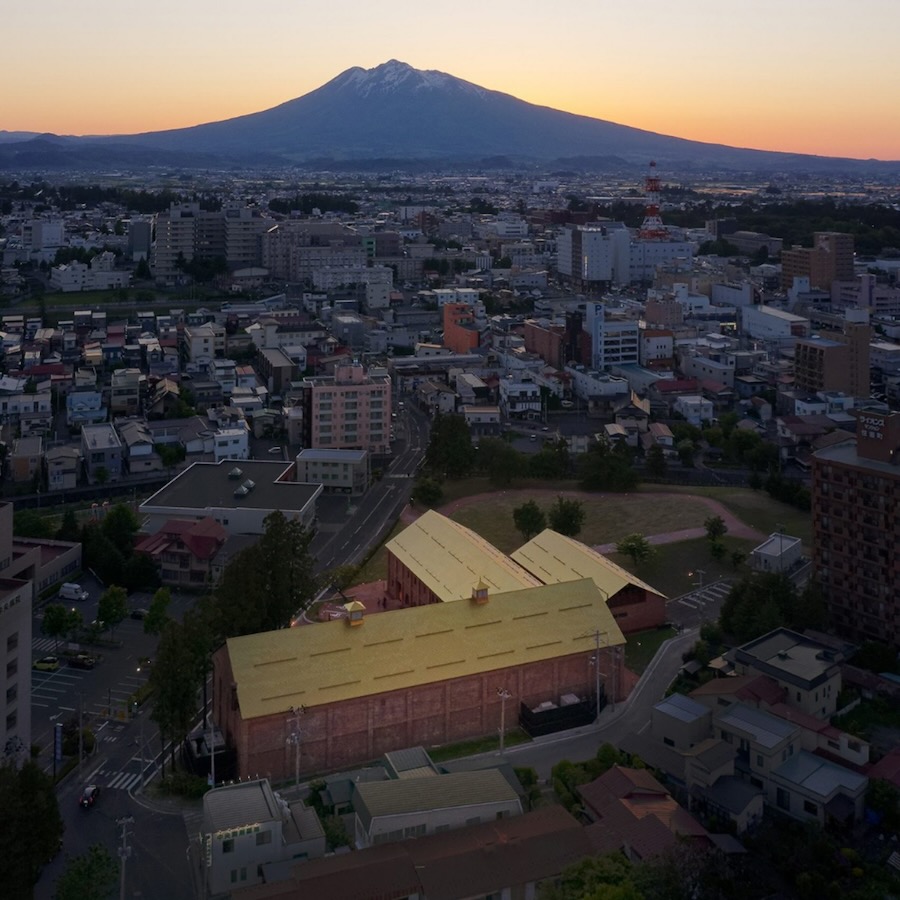
The building itself is reason enough to visit. Original brickwork, soaring ceilings, and traces of the former factory create exhibition spaces unlike those found in conventional museums. The renovation preserves the warehouse’s industrial character while introducing contemporary interventions, including a distinctive titanium roof whose golden hue recalls the cider once produced on the site.
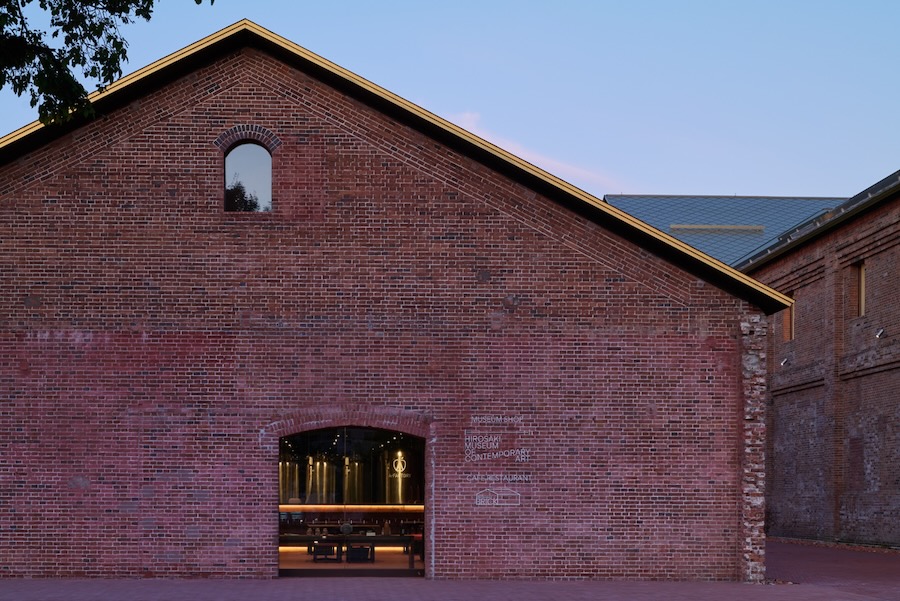
But Hirosaki MOCA is more than an architectural landmark. The museum was conceived as a creative hub connecting contemporary art with the history, culture, and landscape of Hirosaki and the wider Tohoku region. Its exhibitions often commission artists to respond directly to the building and local community, creating site-specific works that could exist nowhere else.
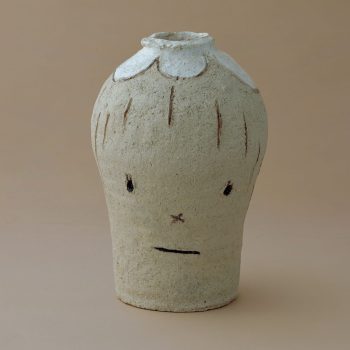
The museum’s collection reflects this regional focus while maintaining an international outlook. Works by artists such as Yoshitomo Nara, who was born in nearby Hirosaki, sit alongside installations and commissions by artists from Japan and abroad. Rather than chasing blockbuster exhibitions, the institution has cultivated a distinctive identity rooted in place.