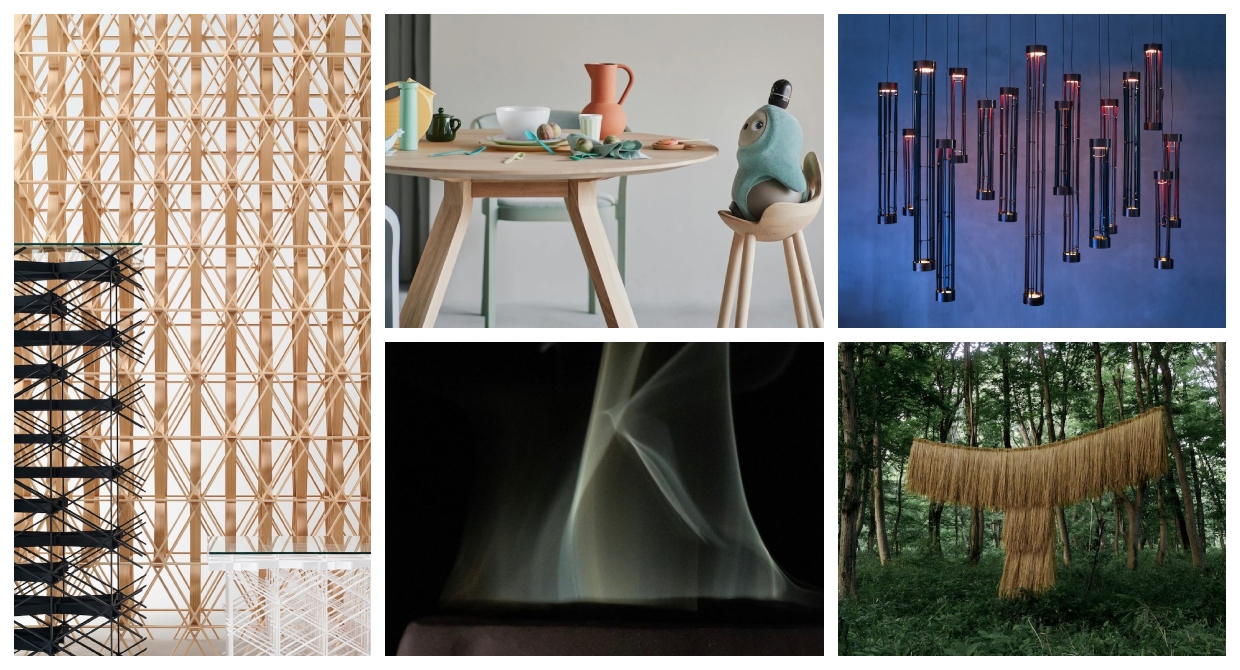
DesignArt Tokyo was back again this year from Oct. 18 to 27. The sprawling annual celebration sees Tokyo transform into a living, breathing museum with venues all across the city opening their doors to artists and craftspeople. This year’s theme, “Reframing,” challenged designers to address the commoditization of ideas that has resulted from our instant access to vast amounts of information.
From kumiko furniture and smoke sculptures to furniture for robots, below are five of our favorite things from the event.
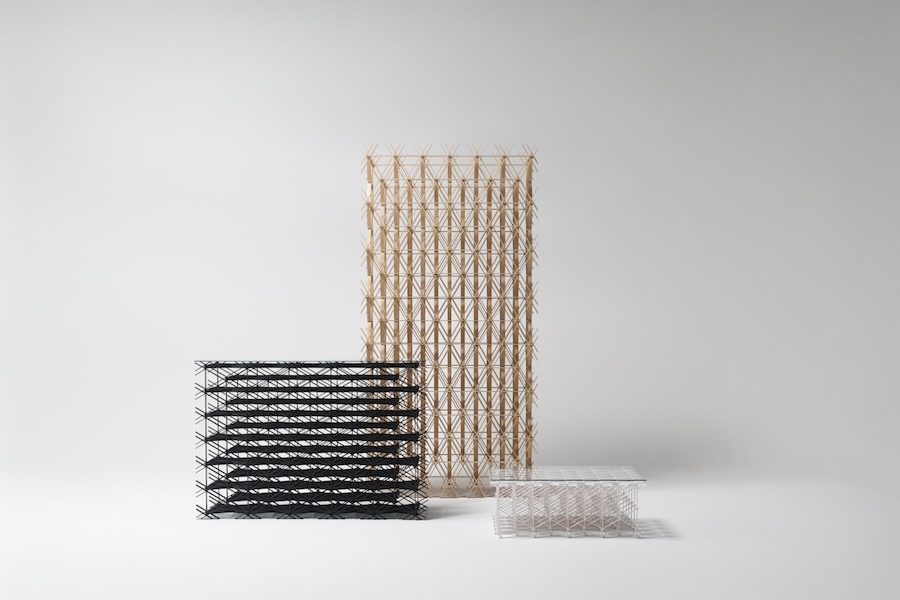
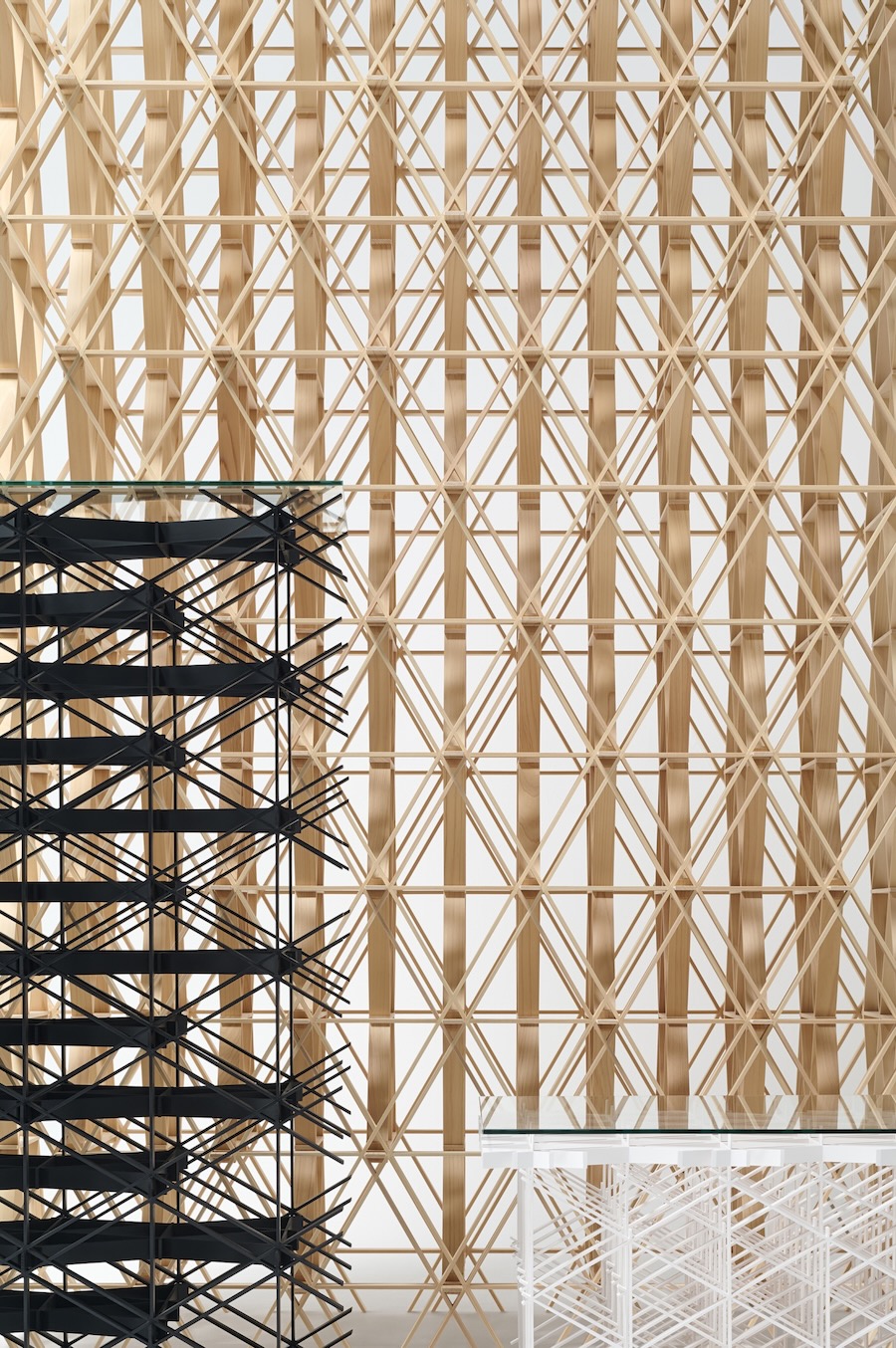
Forêt furniture series by Koichiro Oniki
Architect Koichiro Oniki presented Forêt, a series of furniture made exclusively from kumiko. French for forest, Forêt is made using the traditional Japanese technique for assembling pieces of wood into geometric patterns without using nails. The lattice-like structured tables and space divider were equally beautiful and stable, offering a new perspective on the potential for the equilateral triangle: a basic pattern in kumiko that gives it its stability. The beautifully textured cypress wood, arranged in succession, evokes the sense of depth of a “forest.”

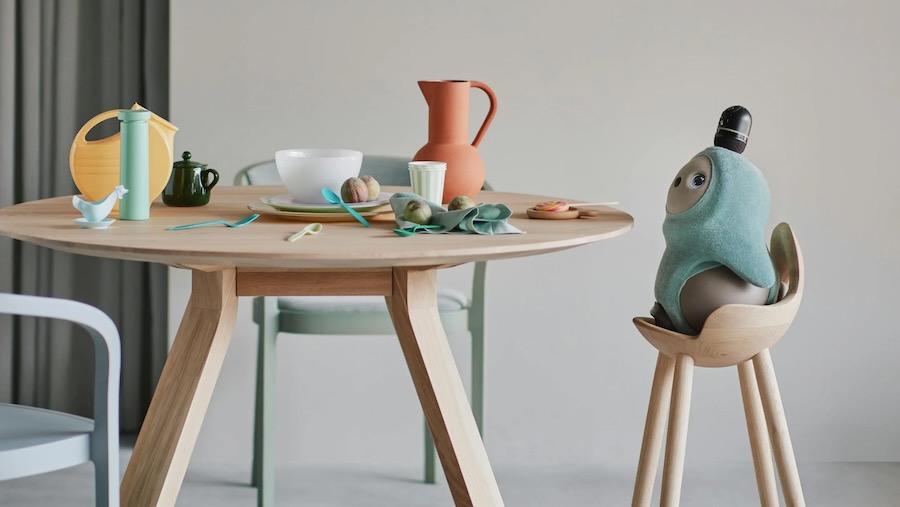
Takram’s Wooden Chair for a Robot
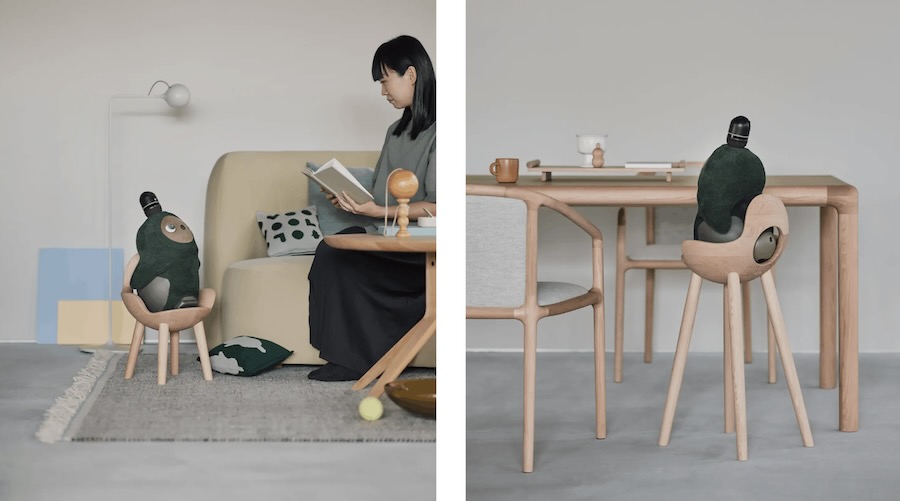
Coming from Japanese company Groove X, Lovot is a pint-sized rolling robot that’s designed to bring cheer into people’s lives, acting as a kind of mechanical pet. Design studio Takram collaborated with the leading Japanese wooden furniture manufacturer Karimoku to design a chair dedicated to Lovot.
We’ve never seen furniture designed specifically for robots. But as AI and robotics increasingly becomes a part of our lives, the project manifests the potential of design as a medium for unique and lively relationships between humans and artificial beings.
Yu Watanabe’s Forest of Urushi Lights
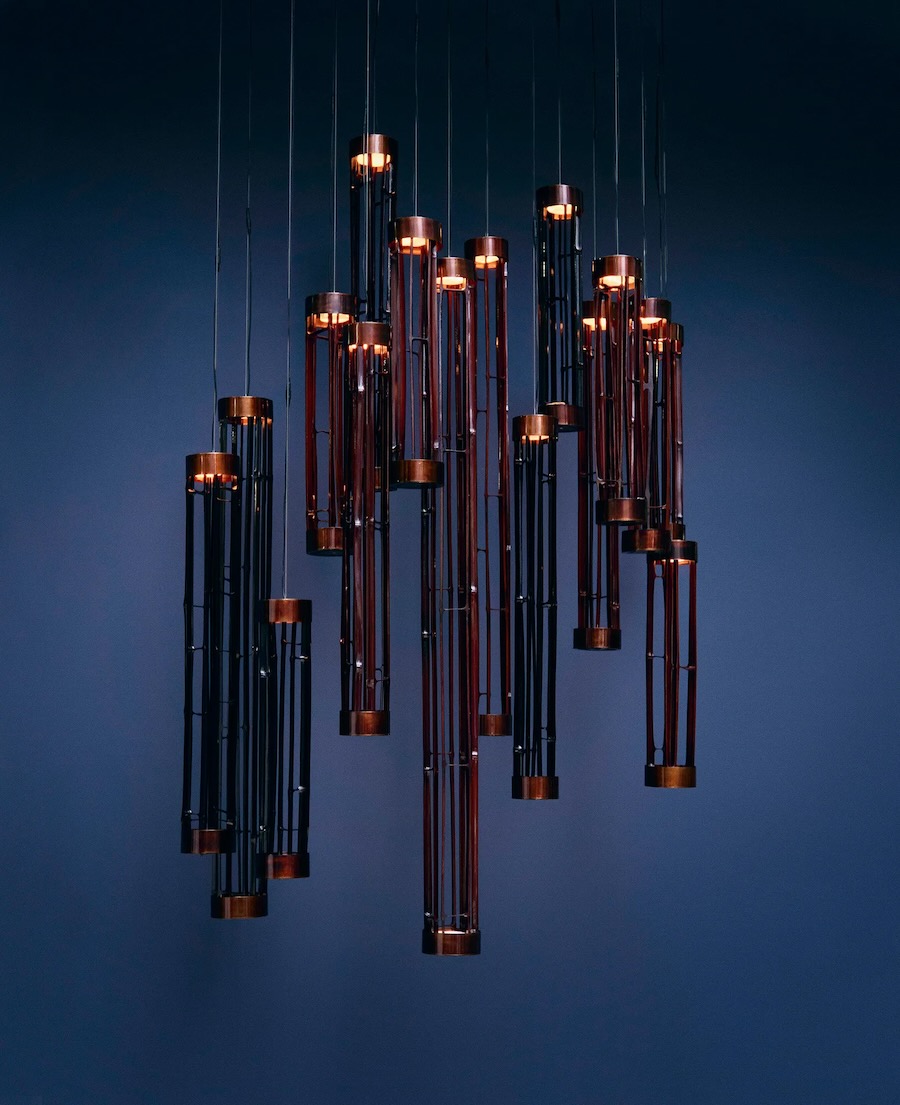
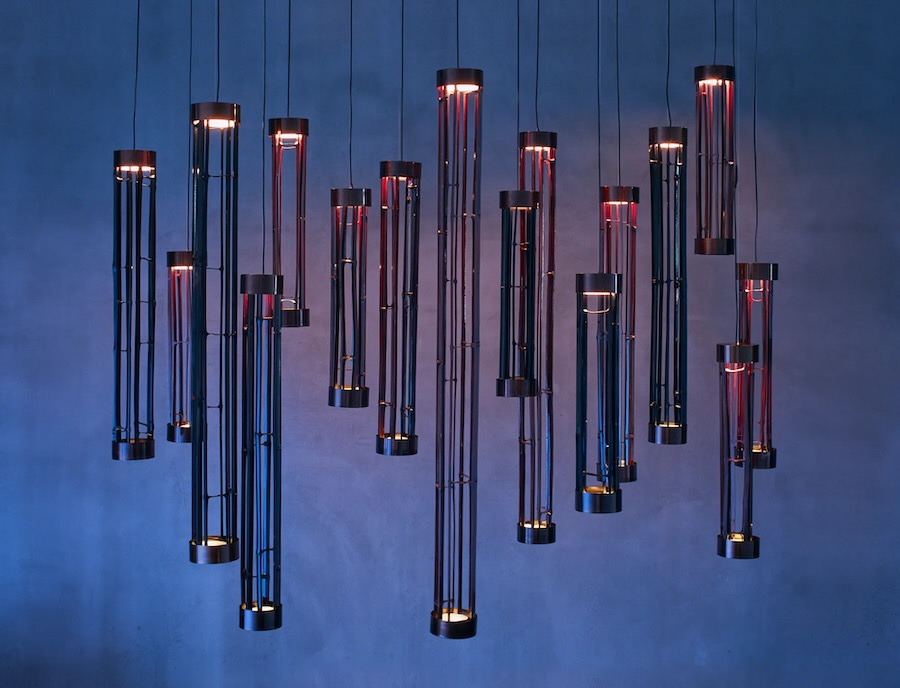
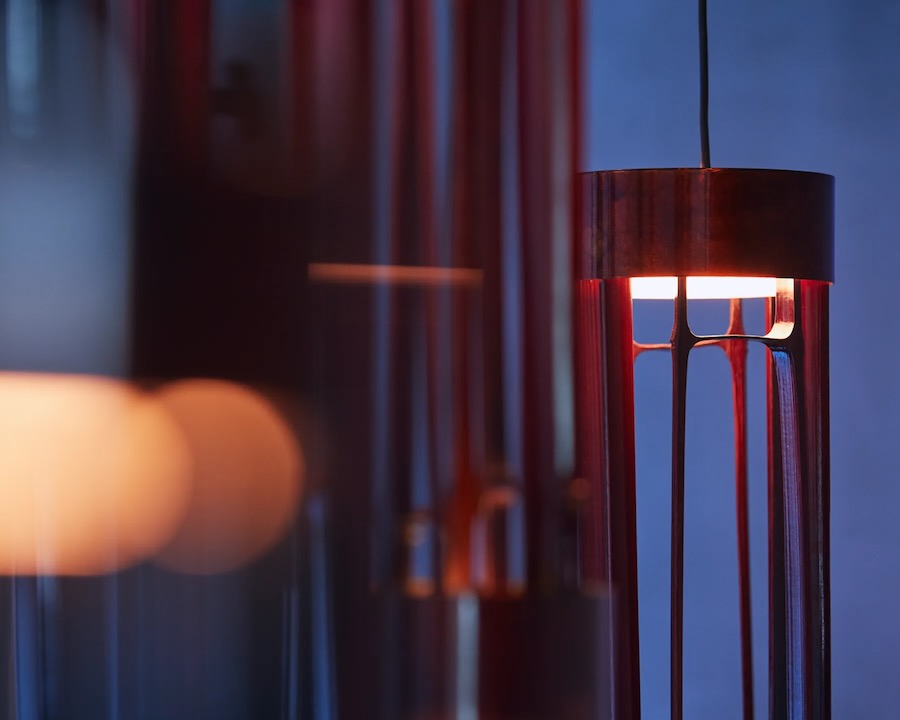
In an exhibition titled “Radiance of Nature with Urushi,” up-and-coming designer Yu Watanabe presented a forest of hanging pendant lamps made from urushi lacquer. Despite being sustainable and biodegradable, the use of urushi has been in chronic decline due to the emergence of cheaper materials. The project aims to revitalise the craft while exploring qualities of urushi that reflects glimmering light reminiscent of light shining through tree branches in nature.
Crafts made from Straw
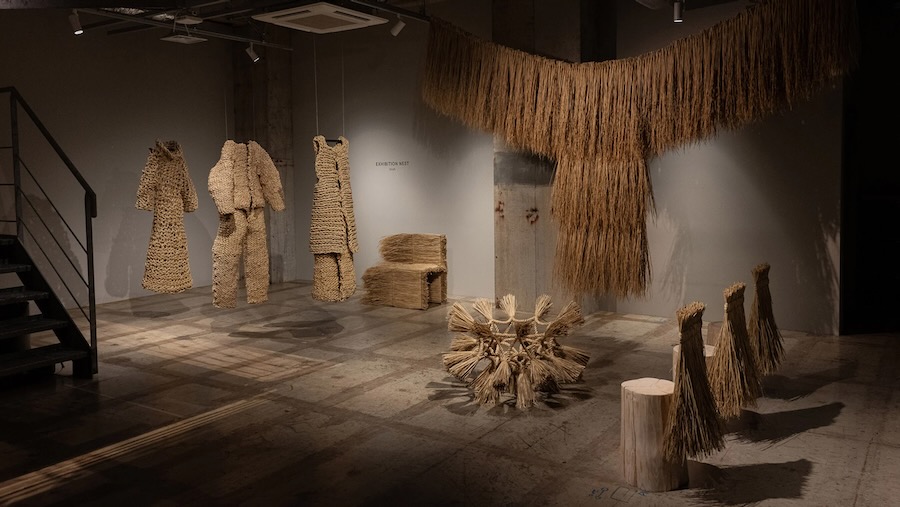
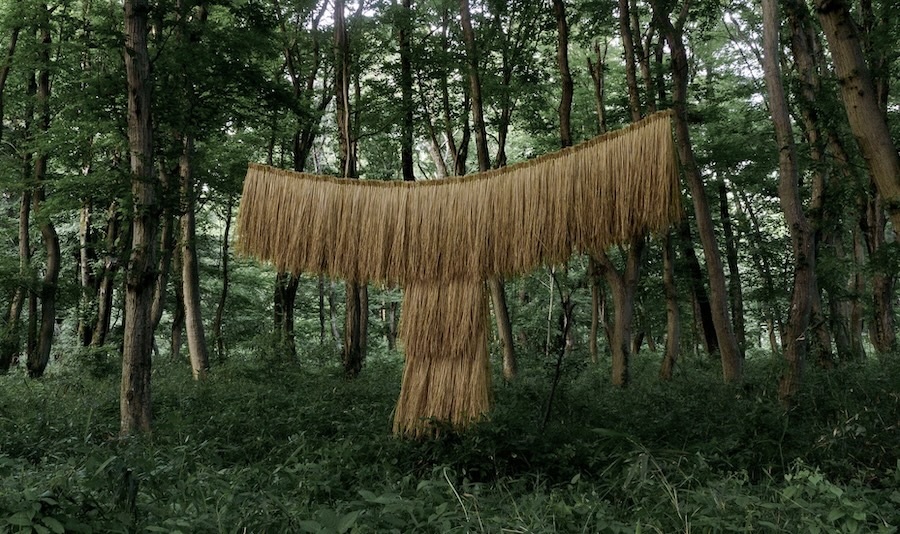
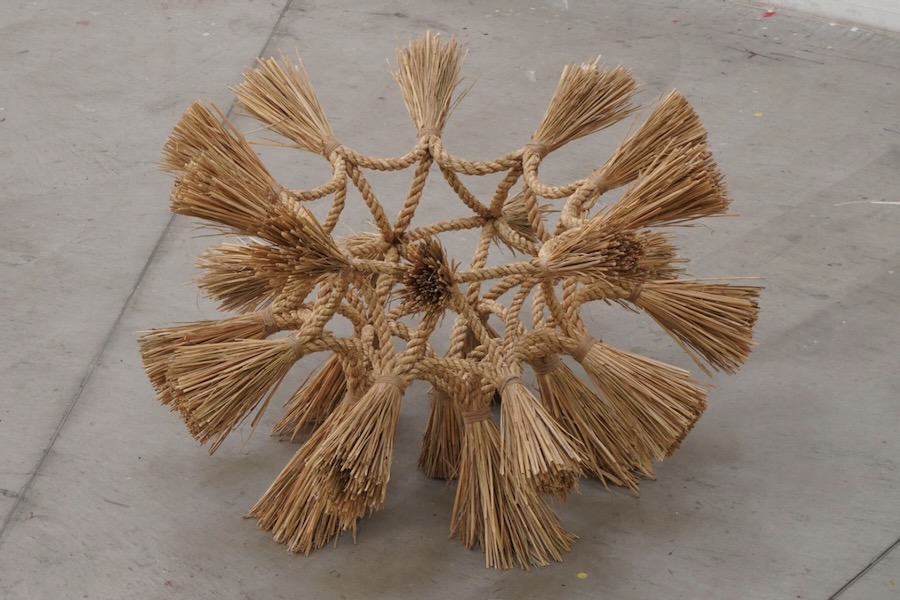
Design duo Straft (a combination of the words straw and craft) presented tori, a birdlike structure made from rice straw, along with chairs, clothing and other objects. Rice straw, a byproduct of rice production, is often used in traditional Japanese religious rituals. Straft’s objects express a spiritual relationship with nature developed through farming.
Smoke Sculptures by Baku Ochi
Artist Baku Ochi presented “Endo” (煙道; literally ‘path of smoke’) an art form that invited visitors to gaze dreamily at incense smoke drifting in the darkness of night. The infinitely simple installation consisted of just smoke, a vessel, and a dark space. As the incense burns, the graceful, unpredictable movement of the smoke captivates, allowing time and daily distractions to fade.