Last month at an exhibition staged at the 21st Century Museum of Contemporary Art in Kanazawa, artists installed a tea house handmade from geometric, concentric-layered shoji screens.
Last month at an exhibition staged at the 21st Century Museum of Contemporary Art in Kanazawa, artists installed a tea house handmade from geometric, concentric-layered shoji screens.

all photos © gottingham
Does anyone else find Christmas absolutely exhausting? What should be a time for calming reflection somehow always manages to turn into hectic chaos. This year though, Roppongi Hills in Tokyo has installed a Christmas Tree that is my absolute dream-tree. Made entirely from soft and stretchy knitted fabric, it’s a nap-able Christmas Tree perfect for those who have just about had it with the holidays season and just want to pass out.

All photos by Keiko Kioku, courtesy Contemporary Art Foundation
Last week in Tokyo the Contemporary Art Foundation (CAF) held its 2018 art awards. Currently in its 5th year, the CAF Awards recognizes exceptional contemporary art made by students in Japan – both national and foreign – as well Japanese students studying abroad. This year 15 finalist students had the opportunity to display their work at an exhibition in Tokyo.

Japanese artist Atsuko Mochida has renovated a vacant Japanese home, making a significant yet, at first, barely noticeable alteration. Collaborating with local carpenters and builders, Mochida has placed a circular section of the interior on its own axis so that it seamlessly rotates within the home.

In Japan, a country whose music scene is dominated by boy and girl groups whose producers churn out hit after hit like a factory, Kenshi Yonezu is somewhat of a rare breed. Born out of the Internet, Yonezu got his start uploading tracks to Japanese online video-sharing site Nico Nico Douga using his pseudonym Hachi (ハチ).

Kayabuki no Sato, a small hamlet in Kyoto, is known for their traditional farmhouses with thatched roofing. Not quite as well known is the unique and innovative method they use to protect their important cultural property from fire.
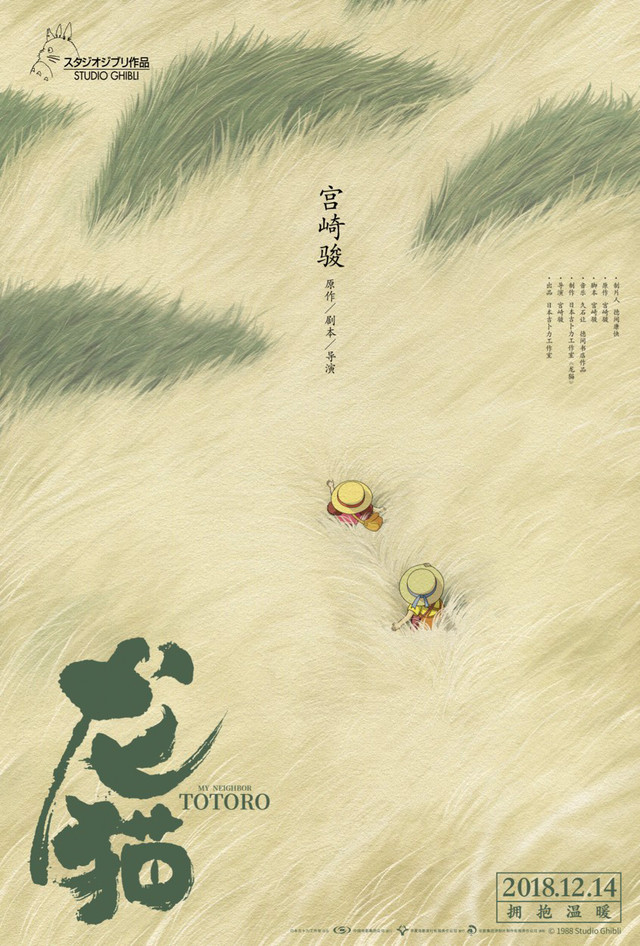
We gasped when we came across this poster for the classic Studio Ghibli film My Neighbor Totoro. Admittedly, it’s a bit hard for kids to grasp at first but the poster depicts a birds-eye view of the sisters, Satsuki and Mei, pushing their way through tall grass. But the markings ahead indicate that they’re actually walking through the fur of Totoro’s large belly.

Almost one year ago we introduced you to Hana: flower-colored pencils that are shaped and colored like 5 of Japan’s traditional flowers and leaves. When sharpened, the shavings mimic the flower petals. Now, we’re happy to add 2 new additions to our collection to help you ring in the holiday cheer.

all photos by Mizuho Miyazaki courtesy Sankei
This year’s top photojournalism award, presented by the Tokyo Press Photographers Association, went to 28-year old Mizuho Miyazaki, a staff photographer at the Sankei Newspaper. Miyazaki traveled to Fukushima earlier this year and captured a series of photographs she titled “Colors of Recovery” (復興の色) that depicts how far the region has come since the devastating earthquake and tsunami 7 years ago.

all photos by Masami Yamada
Although the Michelin Guide was started by a tire company over a century ago as a guide to fine dining, it’s practically unheard of for the organization to recognize the auto industry. But that is what happened last month when Hot Air, a used auto shop in Tottori that also happens to serve ramen, was the unlikely recipient of Michelin recognition.


 Japanese Aquarium Drops 2026 Version of Flowchart Illustrating Their Penguin Relationships. This Year There’s an English Version.
 Tadao Ando Designed & Donated a Floating Library that Delivers Books to Children
 Hand in Hand by Terada Mokei
 Shiro Kuramata and Ettore Sottsass
 How Mass Transit Has Combated Manspreading