Page 281 of 406

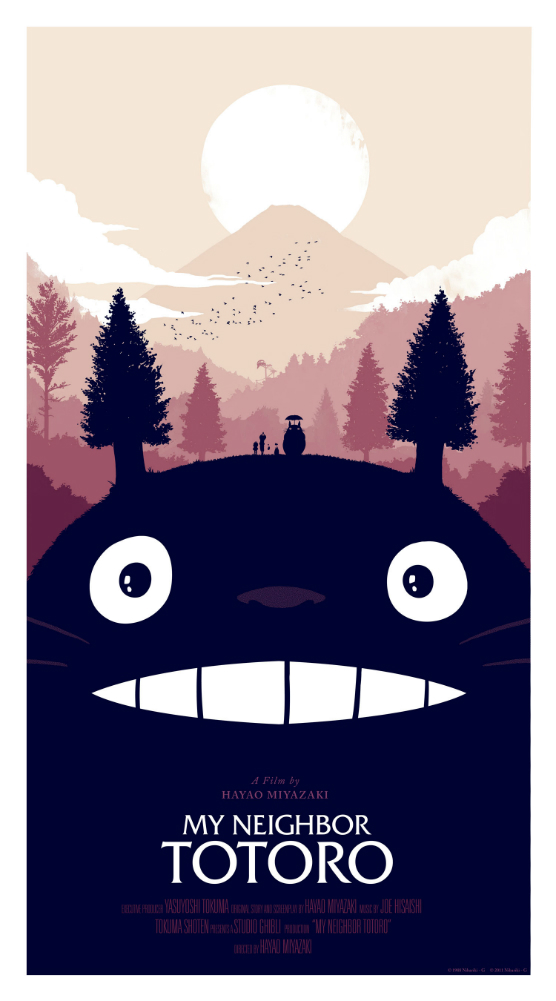
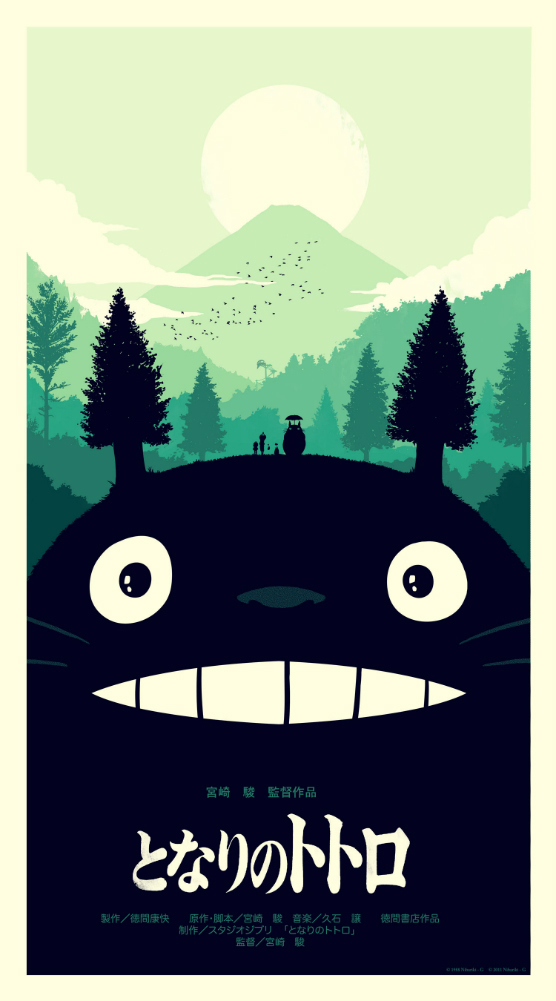
My Neighbor Totoro Poster by Olly Moss

totoro_main_bad__span

What a fantastic My Neighbor Totoro poster designed by illustrator Olly Moss. The print is a special collaboration between Mondo — the limited-edition art print arm of the Alamo Drafthouse theater chain in Austin, Tex. — and the iconic Studio Ghibli, who gave birth to some of my (and my kids!) absolute favorite films. The tie-up is part of a Studio Ghibli retrospective that being held at IFC Center in New York through Jan 12, 2012. And the print goes on sale Friday. ($50 – $90) Follow @MondoNews for exact sale time.

They’re promising the next print in the series will be Porco Rosso! Can’t wait.

totoro totorovariant-1

source: Mondo | @jeansnow

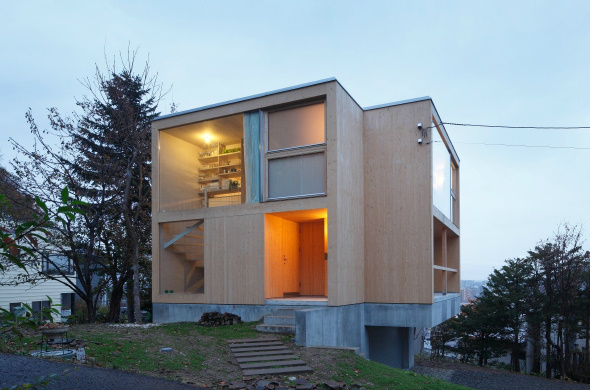
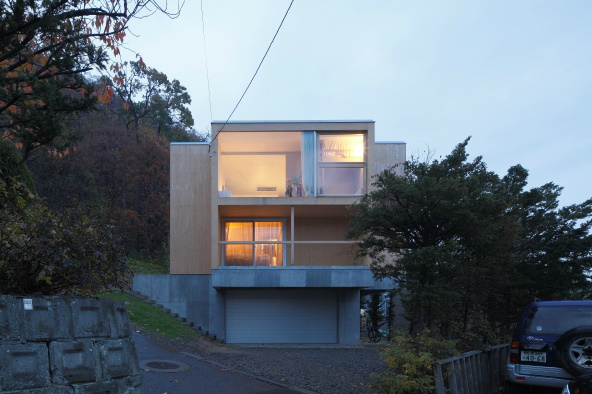
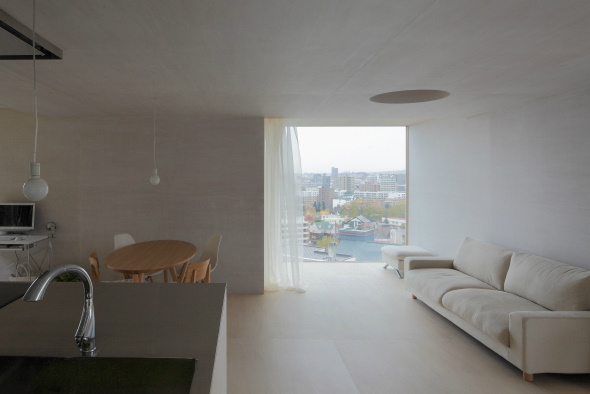
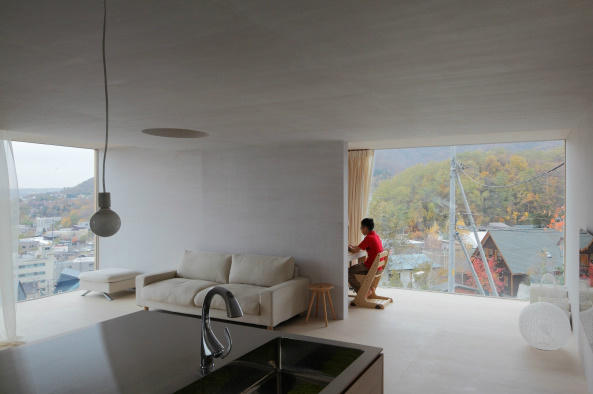
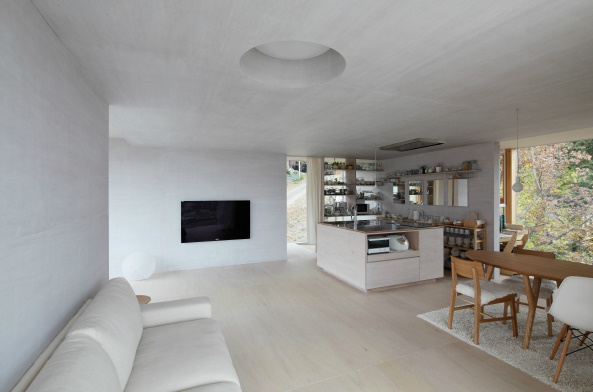
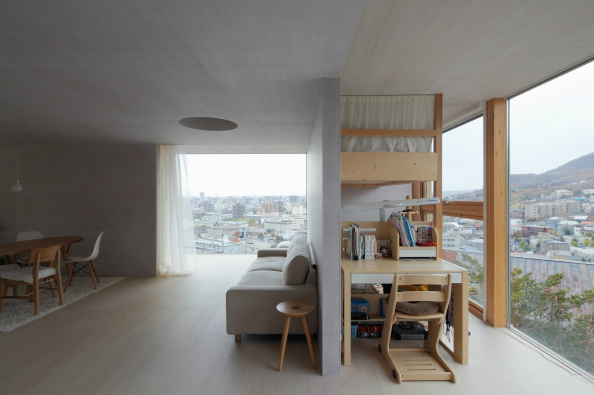
Maruyama House by Atelier Sano


images courtesy atelier sano | click to enlarge 

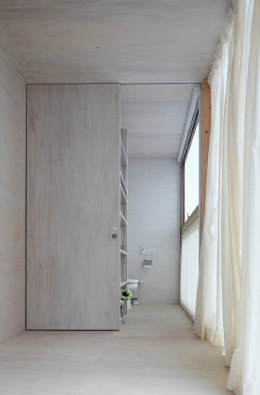
I’m kind of in love with this house by Takahiko Sano of Atelier Sano. I love the cubic structure, the large windows and how it takes in both the cityscape and the mountainous greenery of its surroundings. As it turns out, the location – the foot of a mountain – was just perfect for creating an ambiguous buffer between the outdoors and indoors.

Completed back in May, Enyama House is the architect’s latest work. Photos were just recently released.

I’ve been seeing a lot of awesome architecture coming out of Hokkaido recently and it’s making me want to move there!


Source: Atelier Sano’s blog


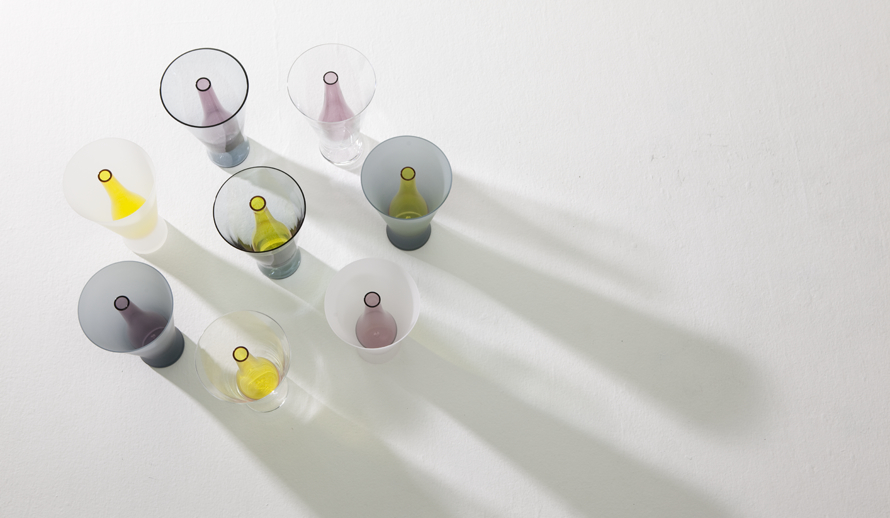
Unite | Gorgeous vase within a vase designed by Palabola


images courtesy palabola

Japanese design collective Palabola created this lovely vase within a vase. Titled “UNITE,” the pieces were intended to be given away as presents at a wedding. The 2 vases of varying colors were represent the bride and groom, who create their own unique color when united.


click images to enlarge


Check out the great making-of video as well:

source: Palabola’s website

En-gi green furniture by mono goen


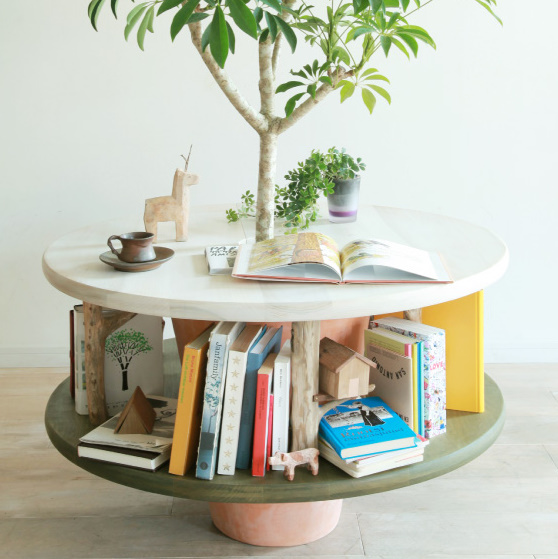
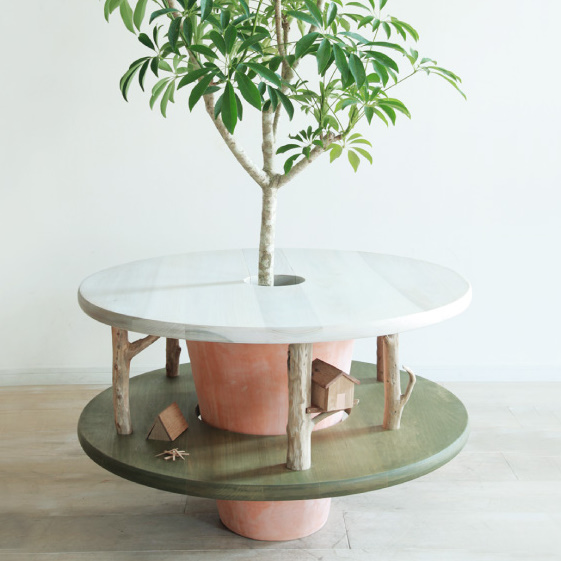
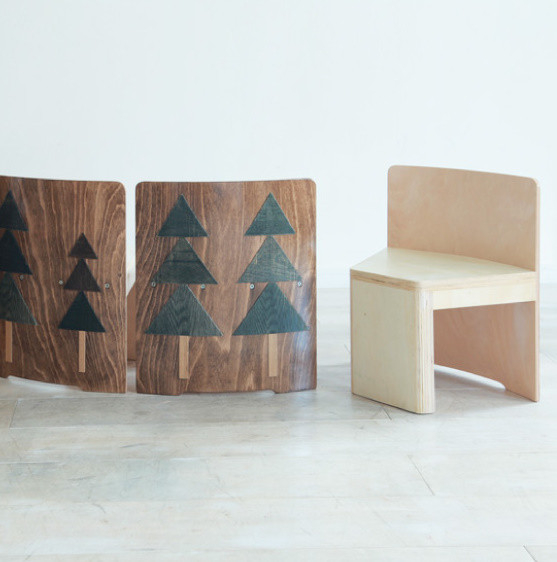
“The earth and tree” | inspired by the song Under the spreading chestnut tree. Beneath the tree, within it’s roots, lies a town of oddities and fun items.

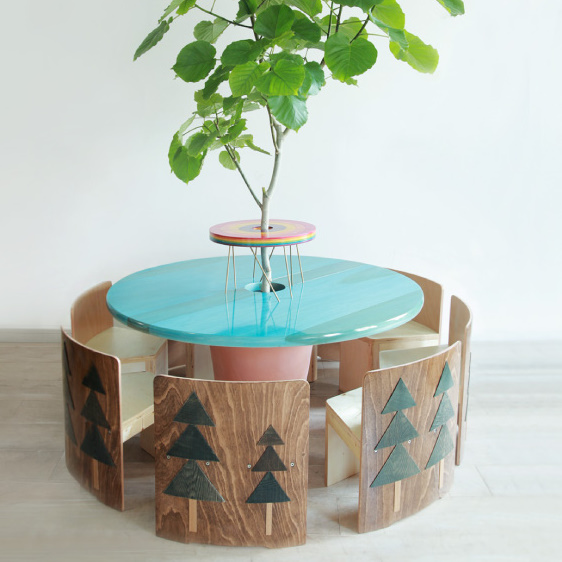
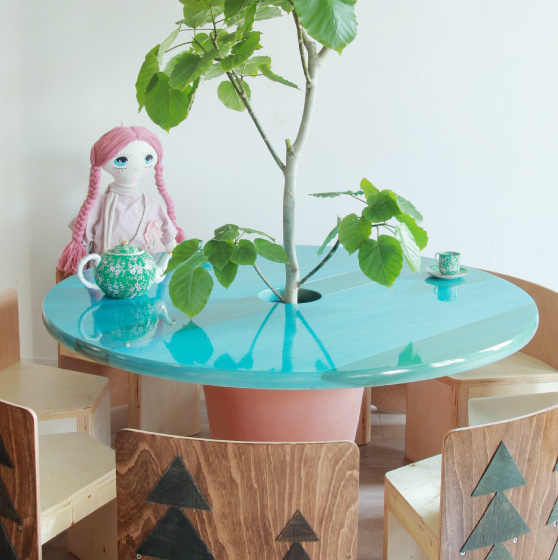
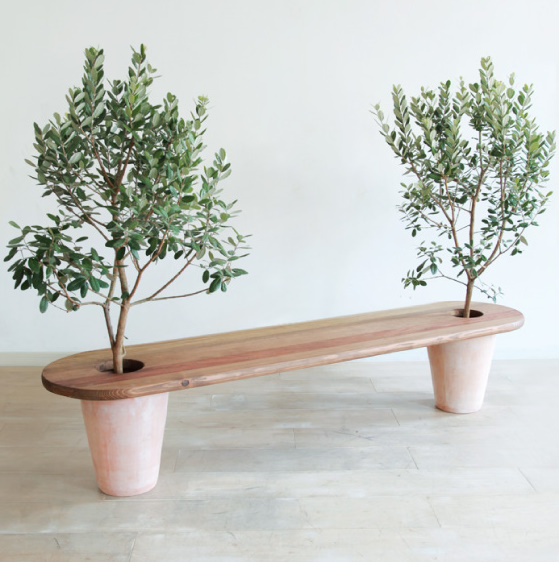
Wow – mono°goen° just released their latest line of products en-gi (en°木), a series of hybrid-plant furniture inspired by storytelling. Each piece contains a living plant that grows, perpetually changing the look of the furniture. Each piece is also based on a concept, or a story, if you will, created by art director Chie Morimoto. Really fun and playful work!


“Sky and a tree” | based on a short story about a lake, the sun and trees. The sky is reflected onto the lake, inviting the rare appearance of a rainbow.


“In the woods” | based on a short story about two trees that offer views of both the mountains and the sea.

Formed last year, mono°goen° is a collaboration between art director Chie Morimoto, sculptor Yuji Kamioka and designer Ji-Lin Hsu. All of the furniture (185,000 – 385,000 yen) is made-to-order.

source: Chie Morimoto’s monthly newsletter (PDF)

DIY: Miniature Pinecone Christmas Tree

DIY pinecone christmas tree (23)images courtesy masahiro minami

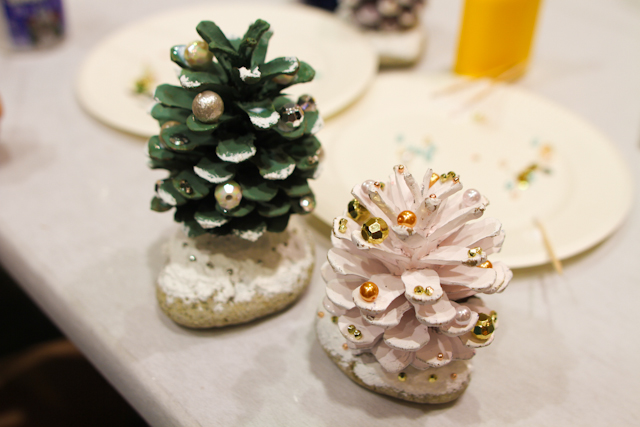
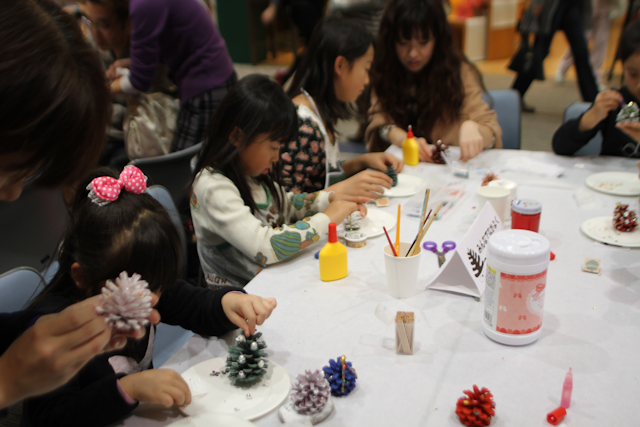
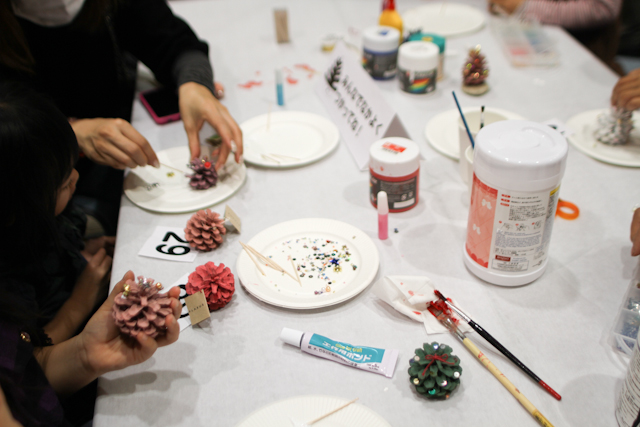
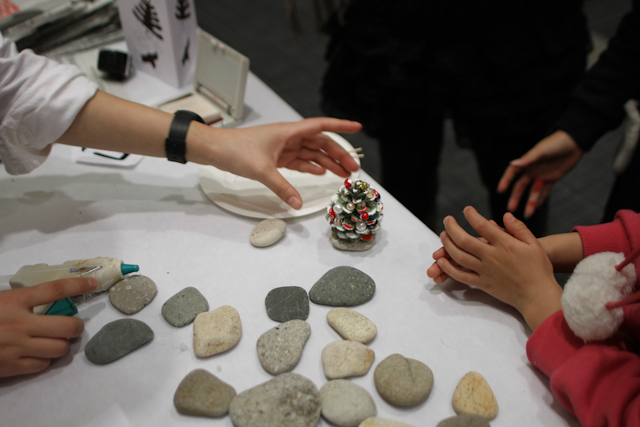
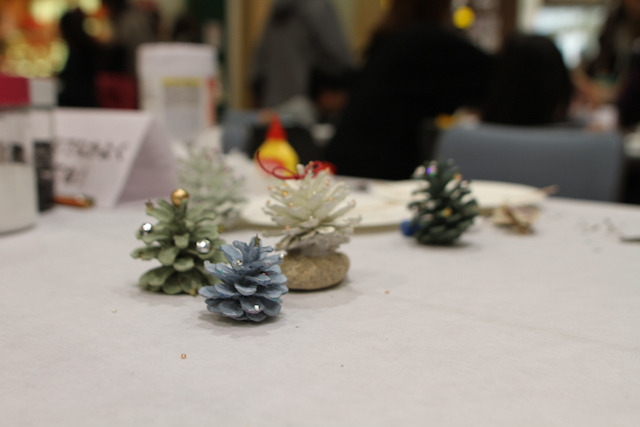
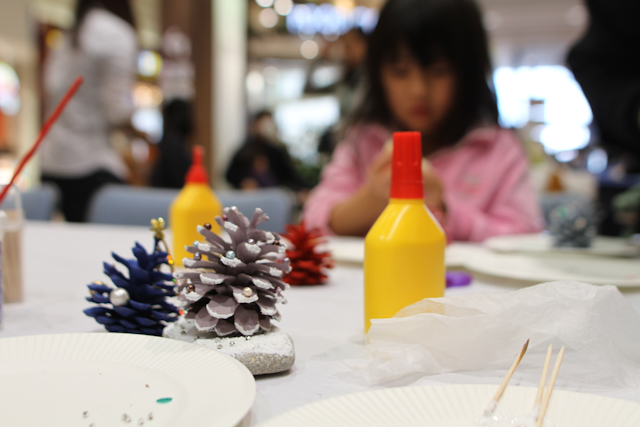
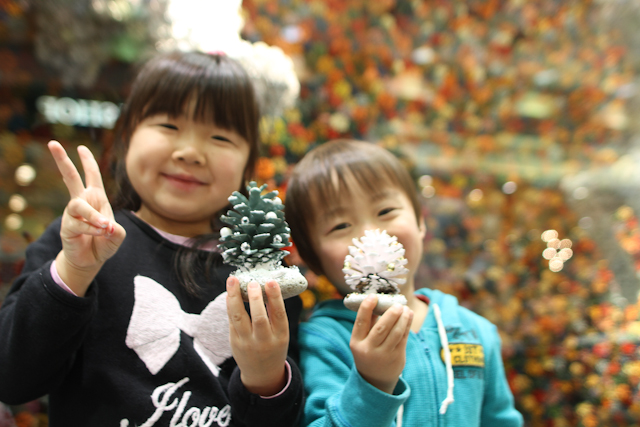
This adorable DIY project for kids comes courtesy of my friend Masahiro Minami, who, along with his students at the University of Shiga Prefecture, came up with the idea and executed it over the weekend at a workshop.

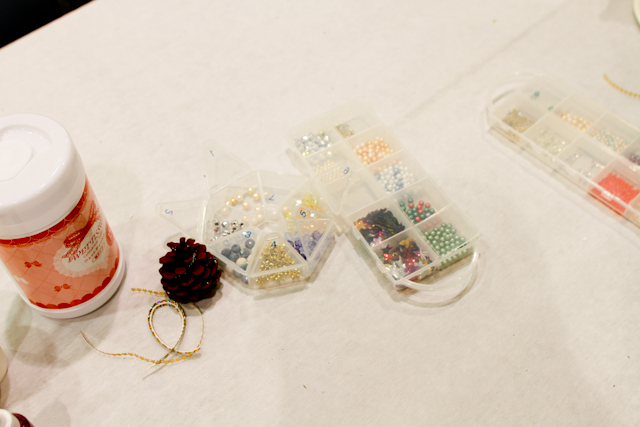
Here’s what you’ll need to get started:

  • Rocks – preferably smooth and flat as they’ll serve as the based for the tree
  • Pinecones
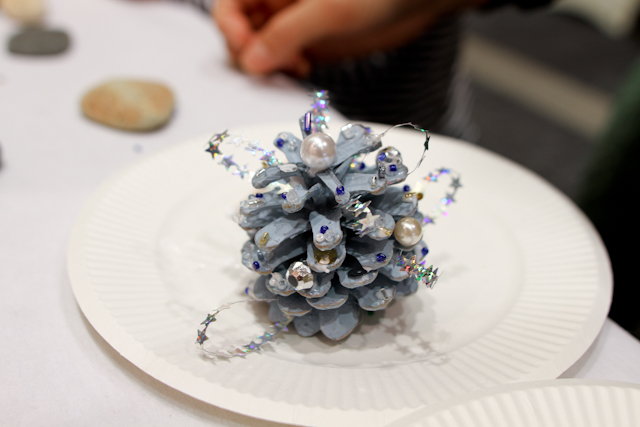
  • Ornaments – necklace beads are perfect but any small things (lego pieces, glitter, rhinestones or buttons) would work.
  • Paint and paintbrushes
  • Glue gun

DIY pinecone christmas tree (18)

First, go out and pick some pinecones and find some rocks. Then come home and decorate them. You can paint the pinecone, use glue to attach ornaments, or both. If you like, go ahead and paint your rock as well!

DIY pinecone christmas tree (12)

DIY pinecone christmas tree (4)

DIY pinecone christmas tree (29)

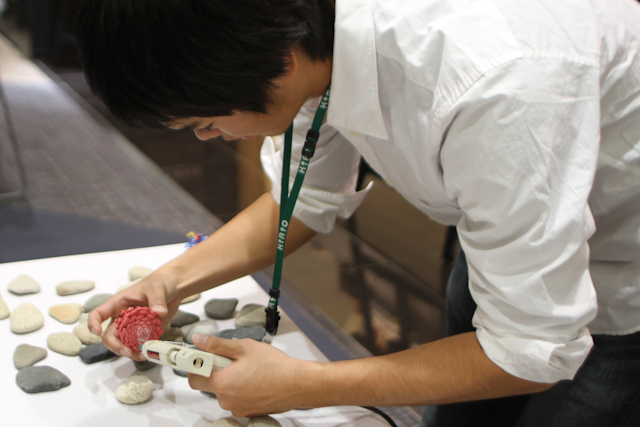
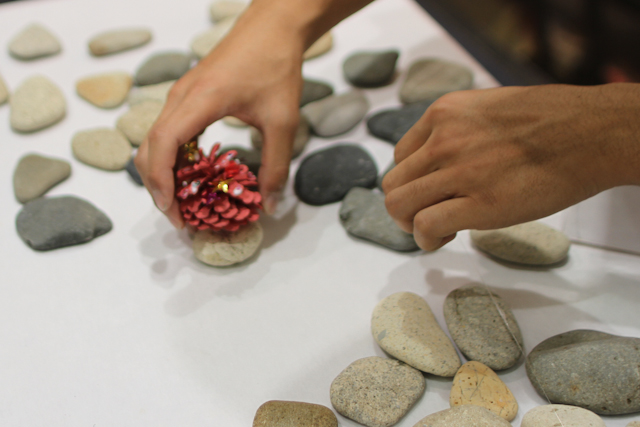
Once it’s decorated, use a glue gun and dab some glue to the bottom of the pinecone. Then place it onto the rock. Hold in place until the glue dries (about 2 min).

DIY pinecone christmas tree (7)

DIY pinecone christmas tree (8)

DIY pinecone christmas tree (16)

And that’s really all there is to it. Now you have your very own miniature Christmas tree!

It’s a simple, fun activity that can help kids realize and appreciate the wonderful small things that are often right under our feet – we just need to look for them.

DIY pinecone christmas tree (19)

DIY pinecone christmas tree (20)

DIY pinecone christmas tree (24)

DIY pinecone christmas tree (25)

Kinoishi wooden rocks by Taku Satoh


images courtesy Taku Satoh | click to enlarge

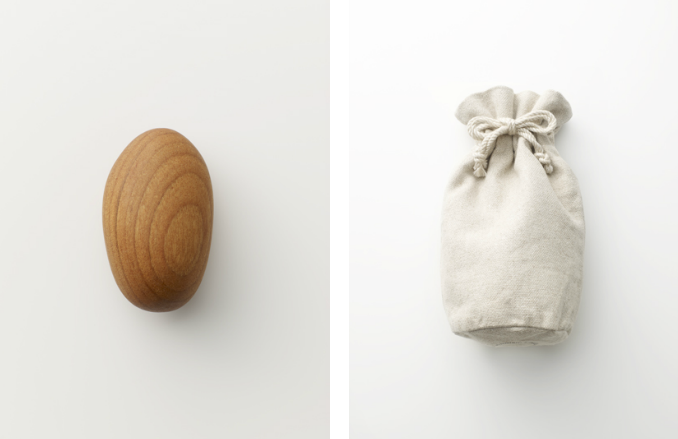
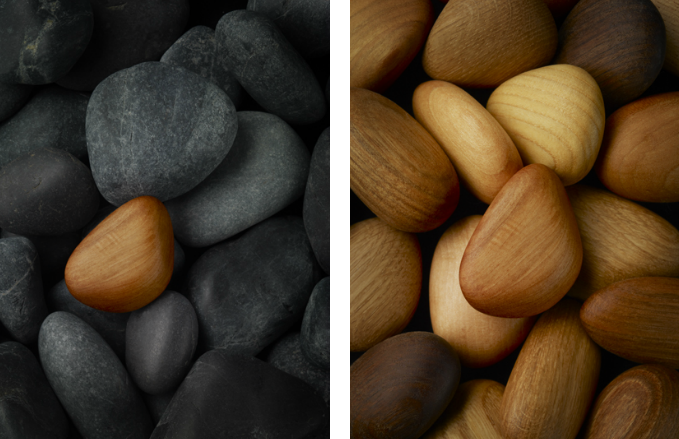
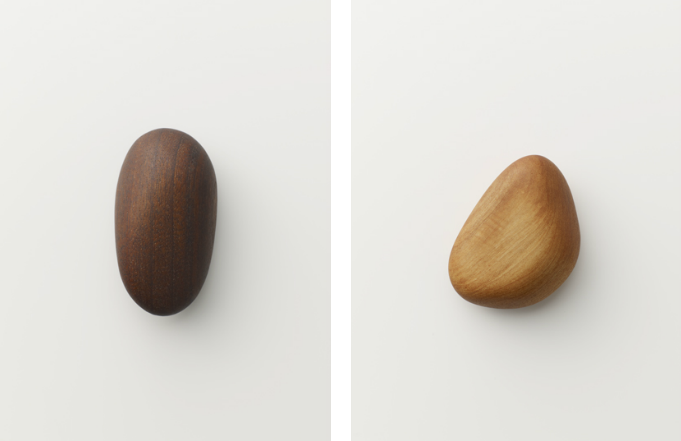
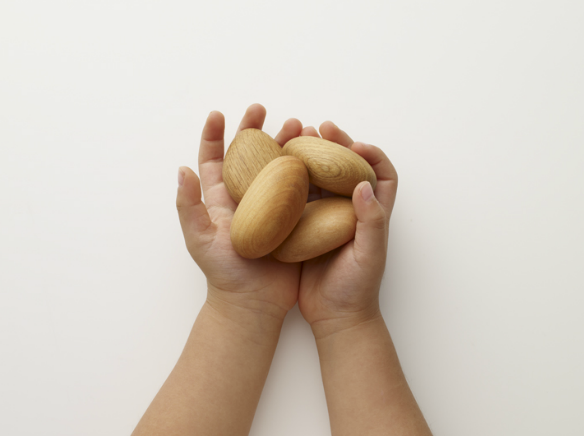
I’m always on the lookout for nice wooden toys for the kids. But who would have thought the most spectacular was also the most simple? Largely self-explanatory (but indulge me anyway), Kinoishi – literally, wooden rocks – are a bag of tactile wood pellets sanded so soft they resemble polished stones one might find washed up on shore.

They were designed by Taku Satoh and sold at a charity market earlier this year to benefit victims of the 3.11 tsunami and earthquake. As far as I can tell, they are currently unavailable.

You can stack them, you can draw with them or you can just cradle them in your hands. There are no rules to this game.

Source: Taku Satoh’s website

Chimney House incense holder by design office A4


images courtesy A4 | click to enlarge

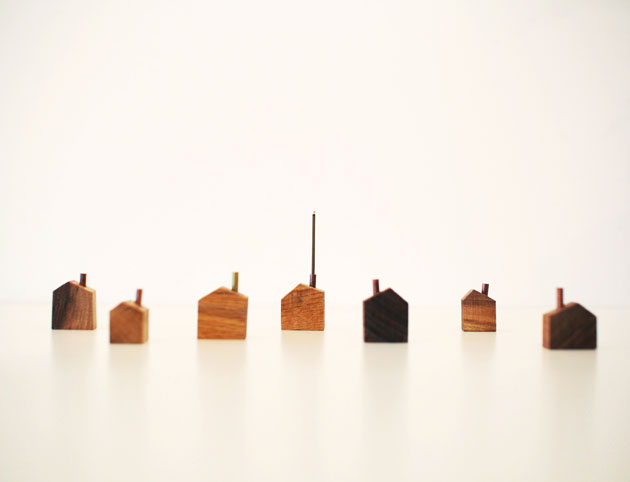
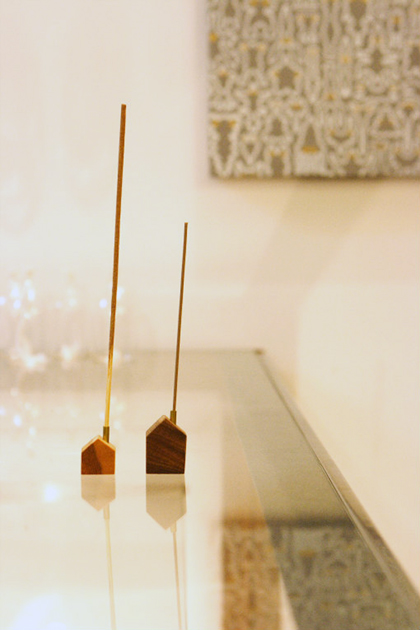
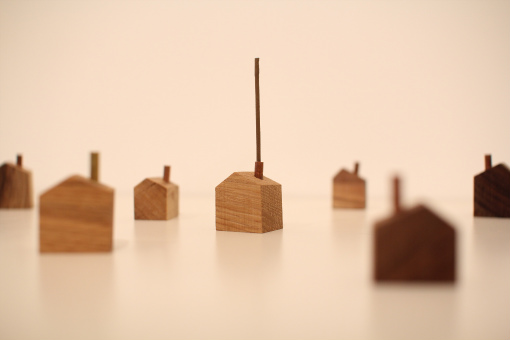
How adorable are these tiny incense holders shaped like homes with a chimney? They’re one of the more recent designs from Mamoru Fukui and Daimon Kanno, the design duo who, together, form product design office A4.

The mini-structures, which are available for 545 yen, are upcycled from scrap wood leftover from the furniture design process, rendering each on unique. They range in size from 10mm (small) to 50mm (large).

I’ve seen designs that are similar, but I’m especially fond of this one! Sometimes I wish I lived in a small town of cute houses with chimneys.

If you’re interested you can read some of our other stories on A4.

source: A4’s blog


An archive of architectural magazines | Yoshioka Library by Akihisa Hirata


images courtesy Akihisa Hirata | click to enlarge

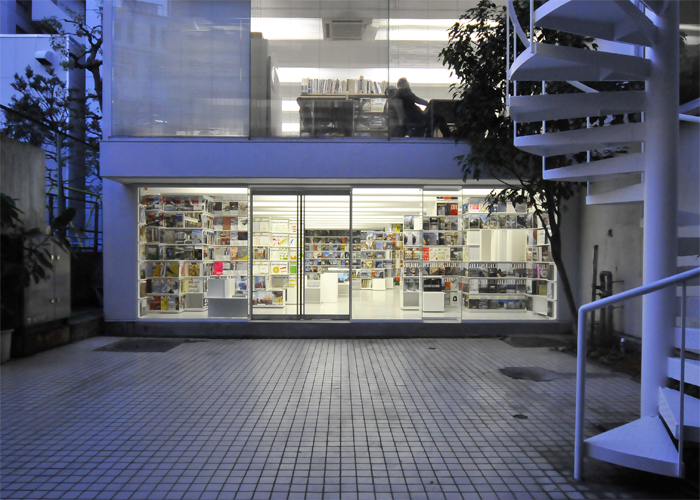
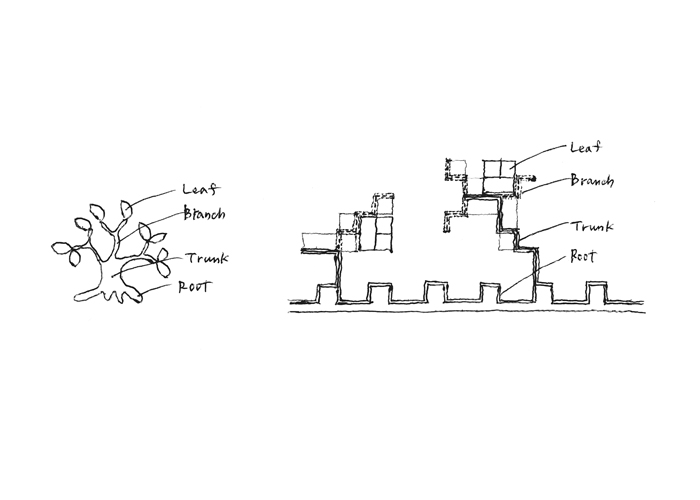
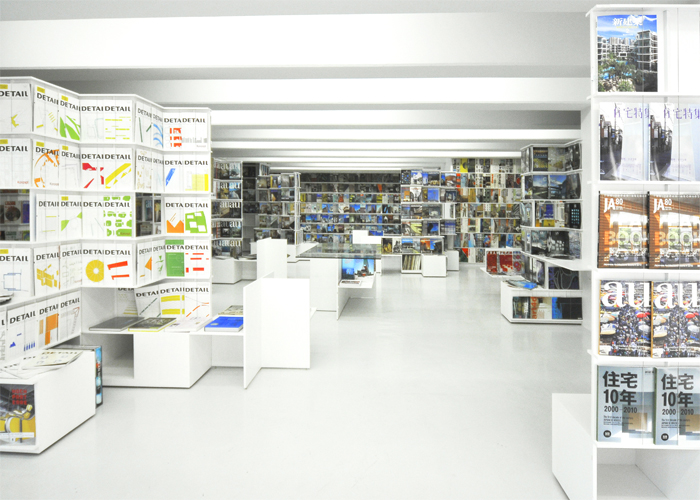
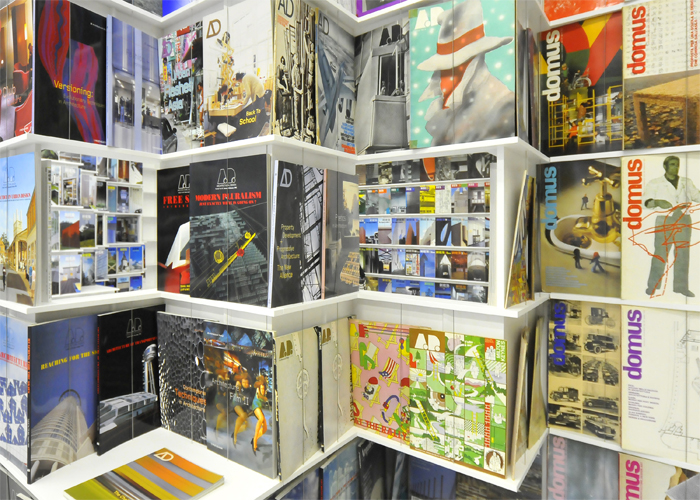
Earlier this year a new library opened up in Tokyo’s Bunkyo-ward. Designed by architect Akihisa Hirata, Yoshioka Library is an architecture nerd’s dream come true – an archive of roughly 5000 titles of architecture magazines ranging from popular to obscure. The collection includes Japanese magazines, foreign magazines and even up-and-coming titles like C3 (Korea) and Art4D (Thailand). If you’ve read our previous posts on Hirata you’ll know that he is often inspired by trees – a form he finds highly symbolic because of their intrinsic abilities to offer shade and create resting places for all living things.

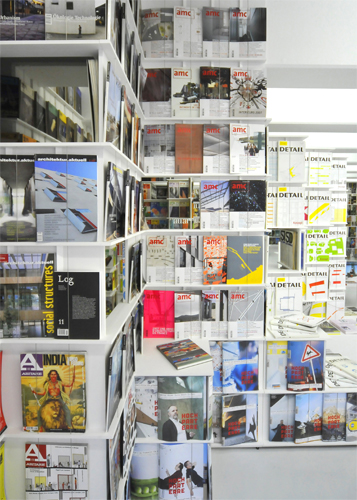
The library is often considered a place of rest, concentration or contemplation. And in Hirata’s library, the tree takes root as shelving, extending up through the trunk and branches where the magazines act as leaves. One of the results of this structure is that every issue’s cover, rather than squeezed together with only the binding exposed, is facing outward, making them easy to spot.


Yoshioka Library is a 5-minute walk from Yushima station. It’s situated on the 1st floor of the Shinkenchiku headquarters and  open to the public Wed, Thur and Fri., from 1:30pm – 6:00pm.

source: Akihisa Hirata | Yoshioka Bunko

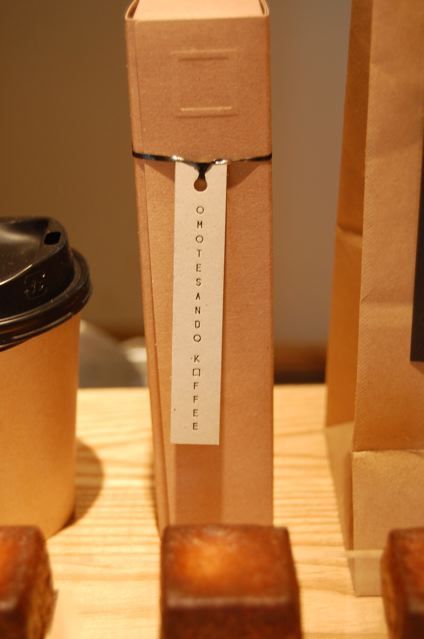
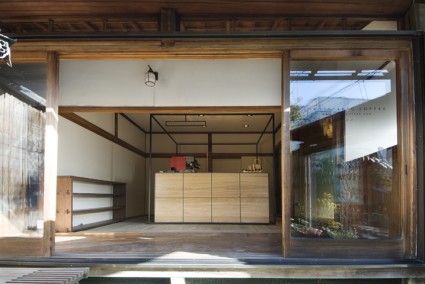
Omotesando Koffee


images courtesy Eding:Post | click to enlarge
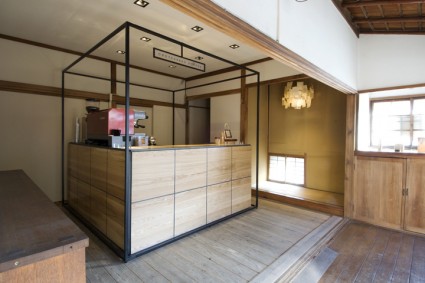
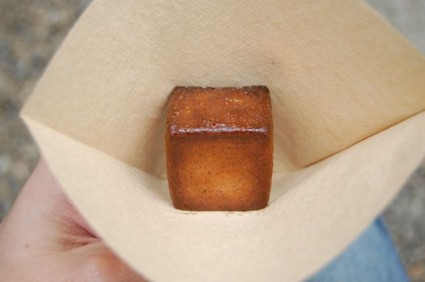
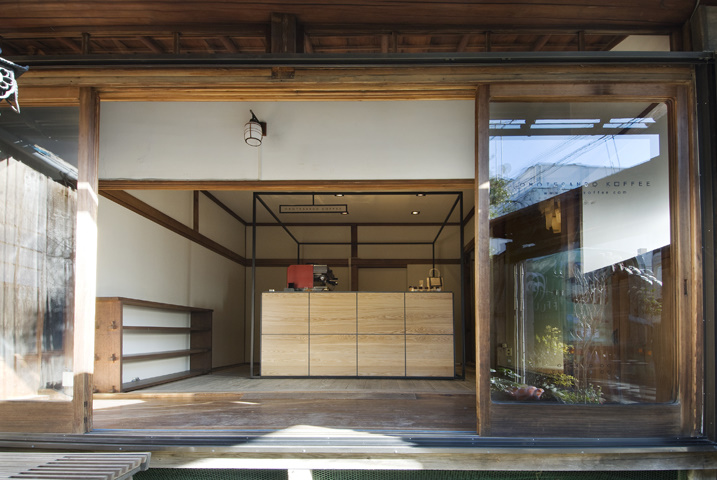
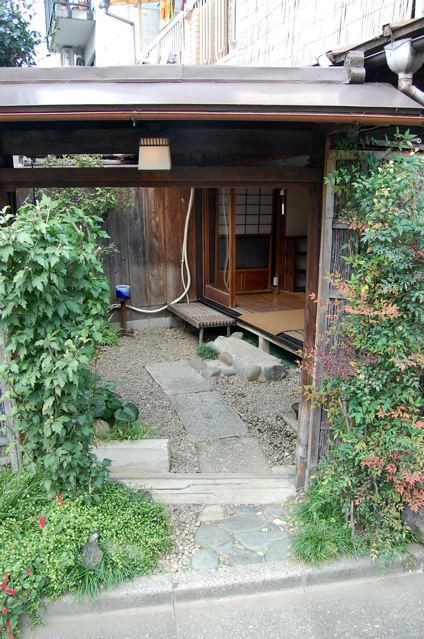
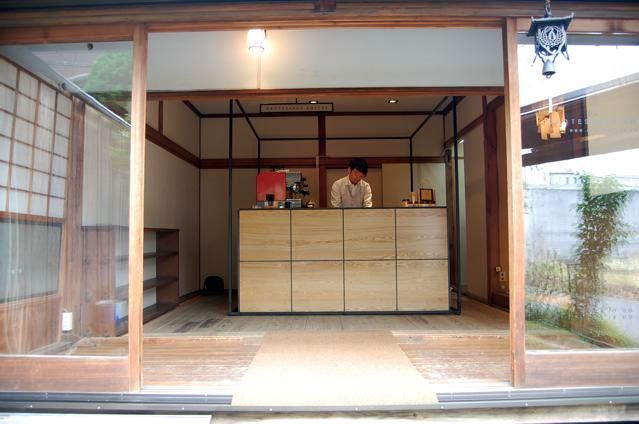
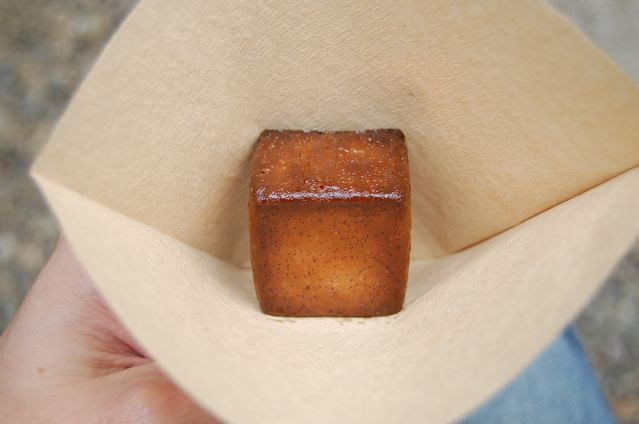
To find one of the best cups of coffee in Tokyo all you really need to do is wander off the beaten path. Nestled within a quaint residential (yet high-end!) neighborhood of Omotesando lies Omotesando Koffee – a shop so unassuming that entering it feels like walking into someone’s private courtyard. In fact, simply stumbling upon it is probably a rare occurrence. If 3 college students hadn’t been sitting on the bench outside I wouldn’t have known they were open for business.
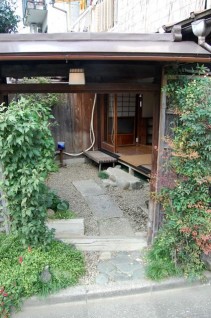
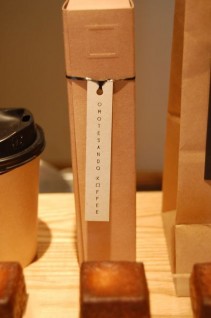
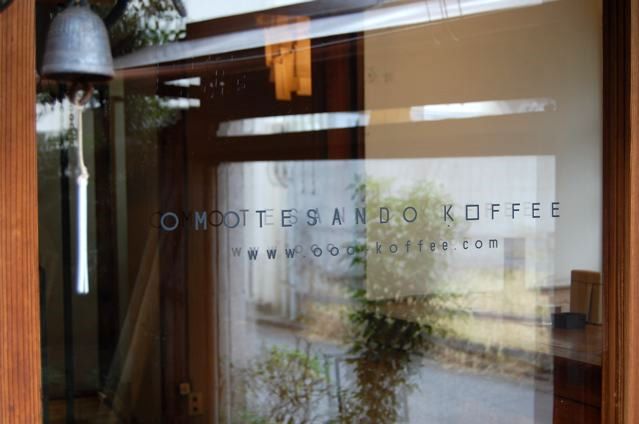
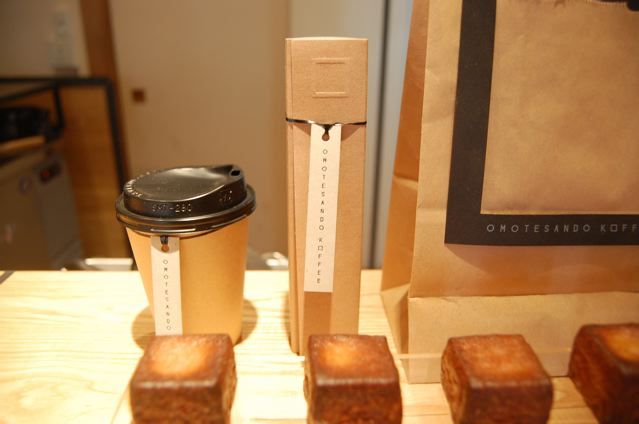
all images below by Spoon & Tamago | click to enlarge

The shop, which was opened and is attended by barista Eiichi Kunitomo, has been in existence less than a year but has already appealed to coffee aficionados (and design-conscious coffee aficionados, but more on that below) around Tokyo. And while the current house it occupies is set to be demolished next year, all hope is not lost. Kunitomo plans to relocate his one-man operation of dripping goodness to another location in Tokyo.
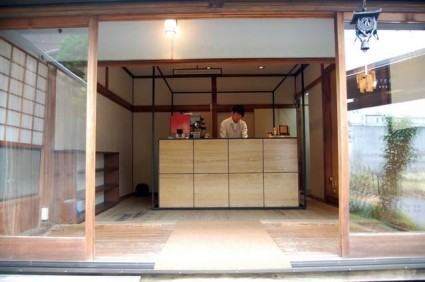
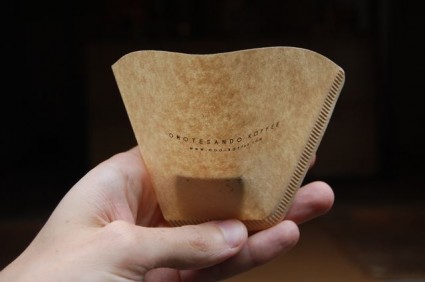
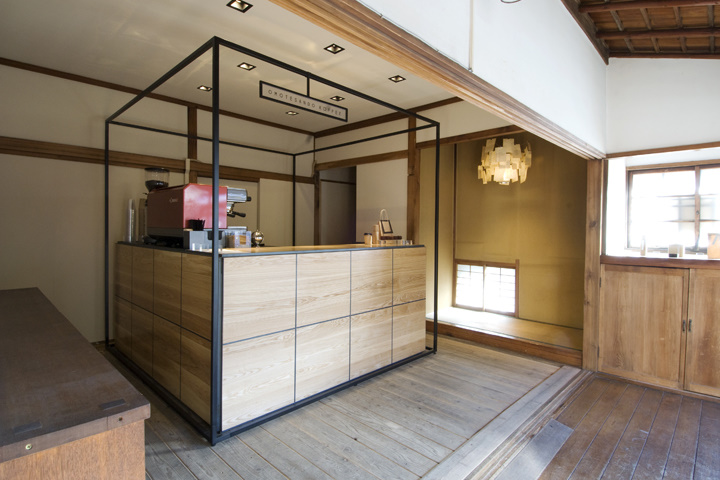
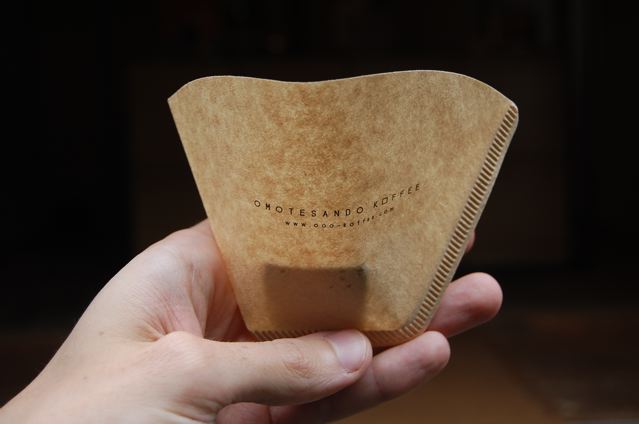
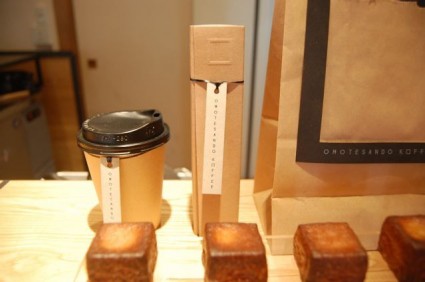
The minimalist logo and identity, as well as the box-like steel frame structure are the work of Eding:Post, who worked together with Kunitomo to communicate his concept of impermanence.

(If you’re interested you can read our other posts on Eding:Post)

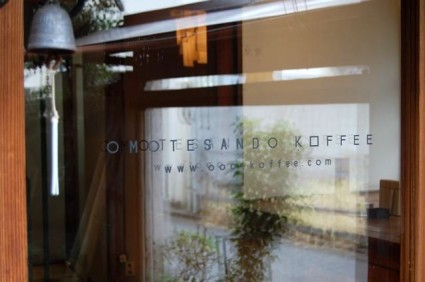
The steel frame structure, and what’s inside it, represents the essence of what the store is all about. Everything else is simply a vessel, serving many needs but essentially replaceable when the time comes to move one. I look forward to seeing how Kunitomo’s steel box structure, coffee shop and all, evolves and adapts to its future home. As indicated by their website (the URL is ooo-koffee.com), “Omotesando” could just as easily be interchanged with “Sapporo,” “Paris,” “Asakusa” or “Osaka.”
 

Tamaki Niime’s Banshu-ori Shawls


image courtesy Tamaki Niime | click to enlarge

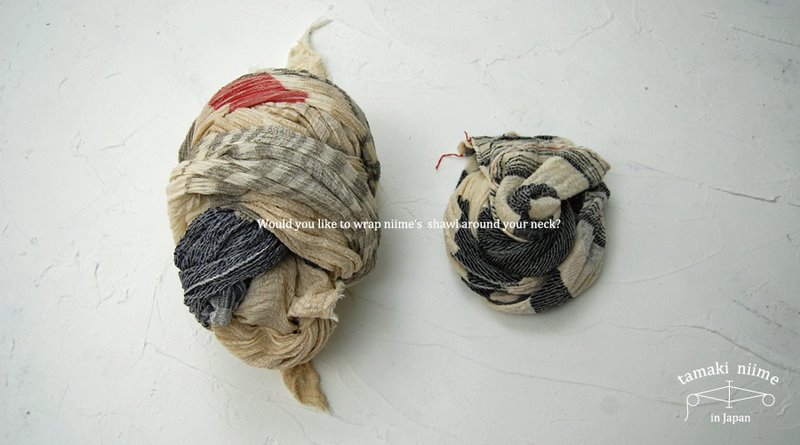
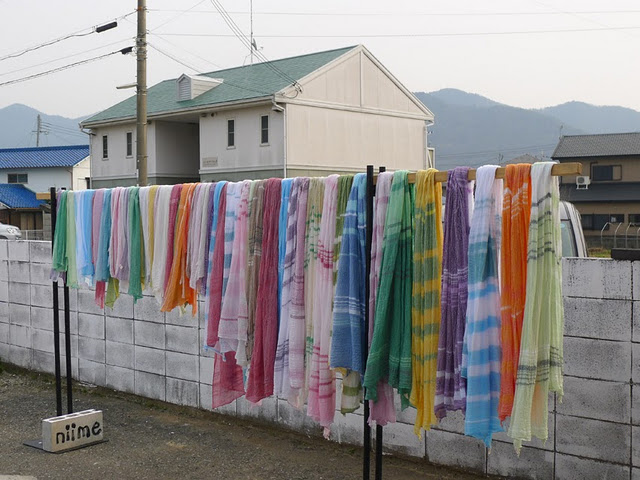
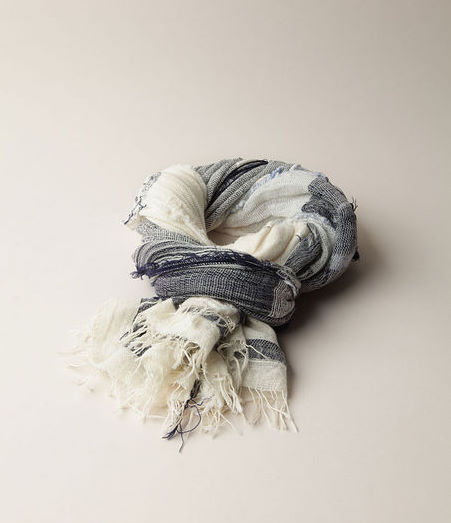
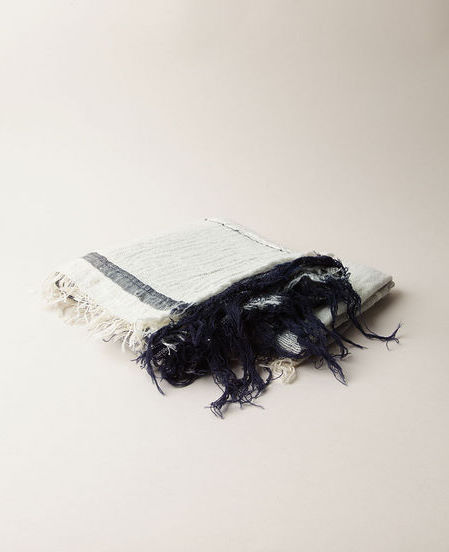
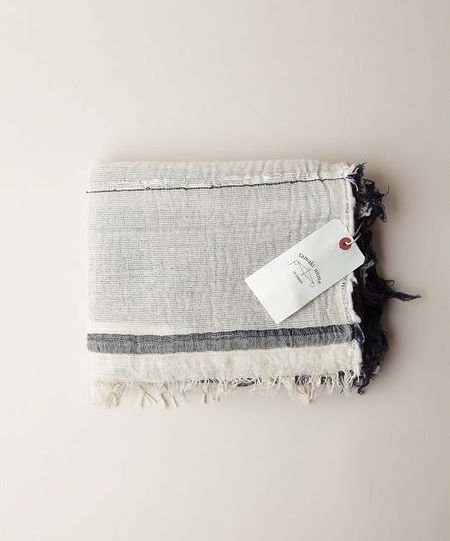
Would I like to wrap niime’s shawl around my neck? Why yes, yes I would. Tamaki Niime is a Hyogo-based artisan who hand-weaves the most delicate shawls in the banshu-ori tradition. Characterized by a technique known as saki-zome (pre-dying the thread before weaving) the tradition dates back to as far as 1792. Niime uses vintage looms to create one-of-a-kind shawls out of cotton and a mix of silk or wool, depending on the season.


Niime in her studio in Nishiwaki CIty, Hyogo

Earlier this year New York-based fashion writer Akiko Ichikawa stumbled upon the luscious shawls. Wanting to learn more, she made a trip to Niime’s studio in Nishiwaki City, a town that once prospered from its fabric industry, supplying to the likes of western fashion houses like Burberry and Brooks Brothers.

The meeting blossomed into a working relationship and resulted in Niime’s luscious shawls becoming available in the U.S. Current stockists include the New York-based online shop La Garconne.


images courtesy La Garconne | click to enlarge

« Older posts Newer posts »

© 2026 Spoon & Tamago

Up ↑

Design by Bento Graphics