Page 282 of 406

Mori Christmas Illuminations

Roppongi Hillsclick to enlarge | Roppongi Hills

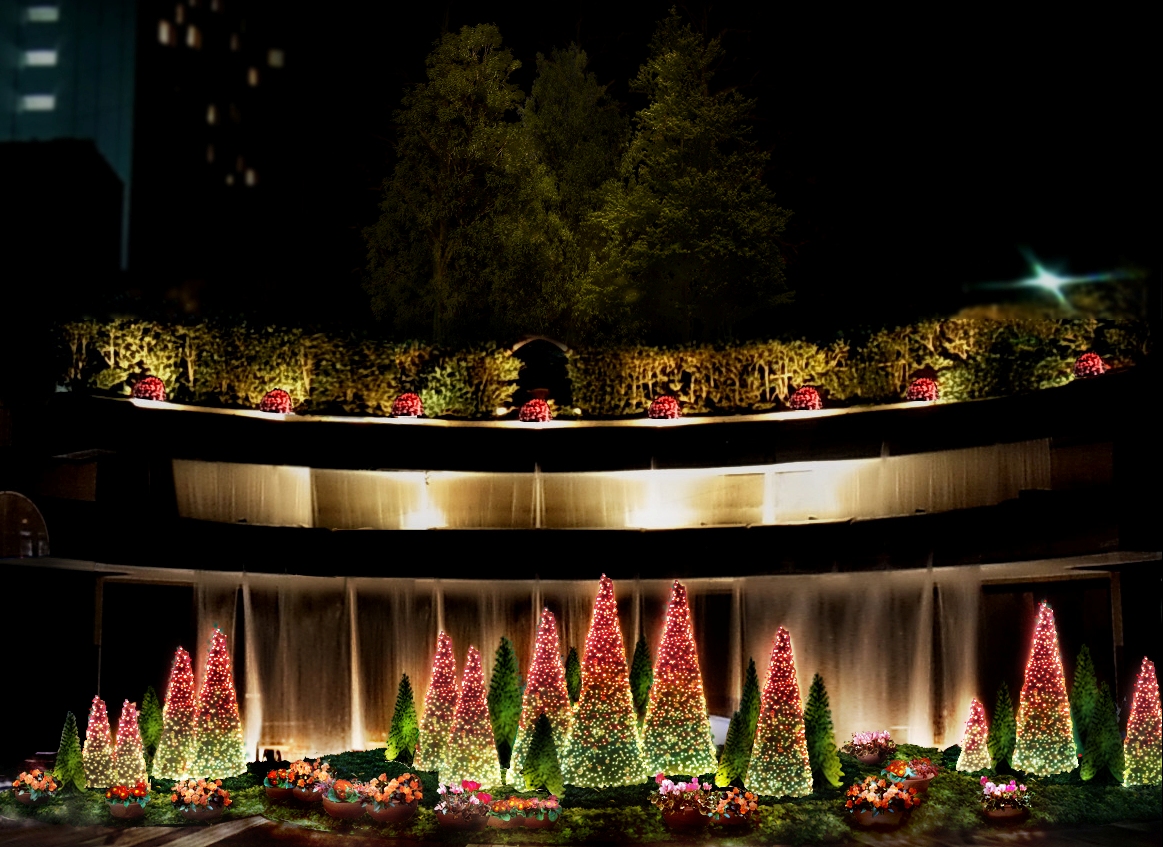
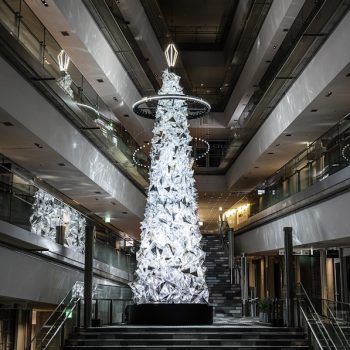
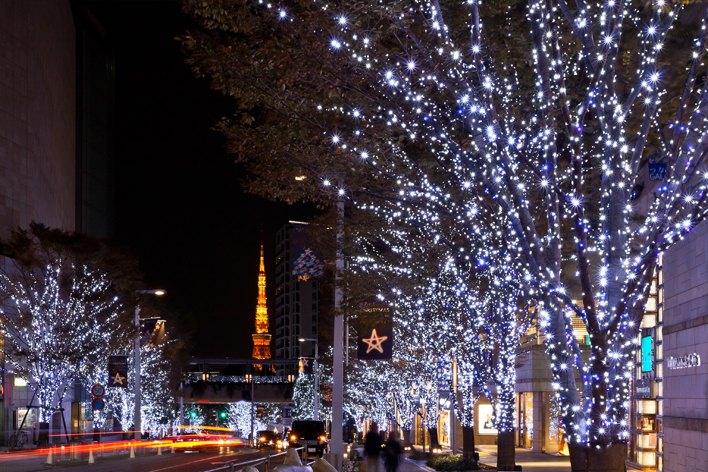
If you couldn’t tell, I’m all into the lights this holiday season. My relatives that are still living in Tokyo told me about “all the pretty lights” that are on during this holiday season and I decided to do a little googleing. In my mind, parts of Tokyo could easily rival Paris as the “City of Lights.” I found the CHRISTMAS ILLUMINATION stage by Mori Building site that showcases all the decorating and light shows that the Roppongi Hills, Omotesando Hills, La Foret Harajuku, have to offer around Tokyo.
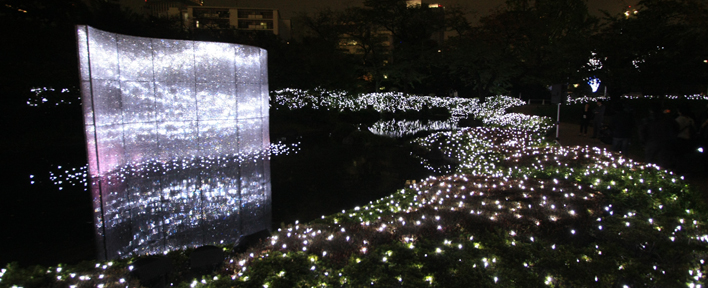
Roppongi Hillsclick to enlarge | Roppongi Hills

La Foret Harajukuclick to enlarge | La Foret

Ark Hillsclick to enlarge | Ark Hills

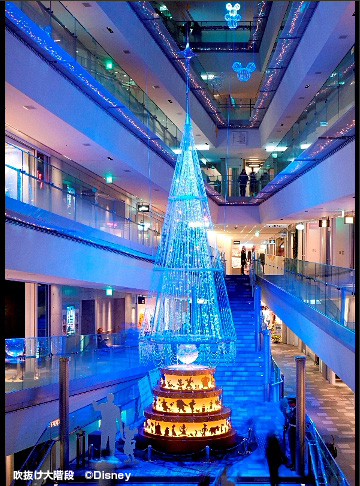
Omotesando Hills

The Omotesando Hills display celebrates Walt Disney’s110 th birthday, along with many limited edition merchandise. The main street of Omotesando is also lined with thousands of lights this holiday season. All these places become hot spots for couples. More information on locations and times can be found at each locations website or by going to the Christmas Illumination site by Mori Building – most of the displays end on Christmas day.

Bonus: Video of the Venus Fort light show that is synchronized to music.
Source: CHRISTMAS ILLUMINATION stage by Mori Building

Tekio by Anthony Dickens

Tekio - Anthony Dickens

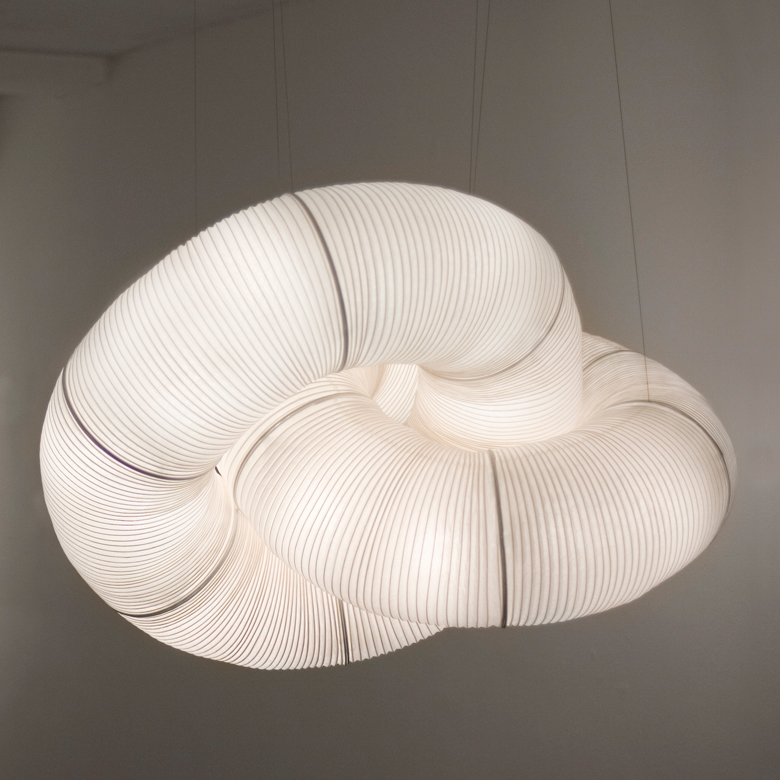
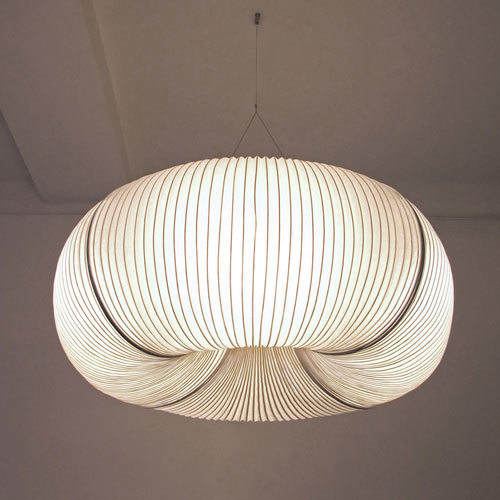
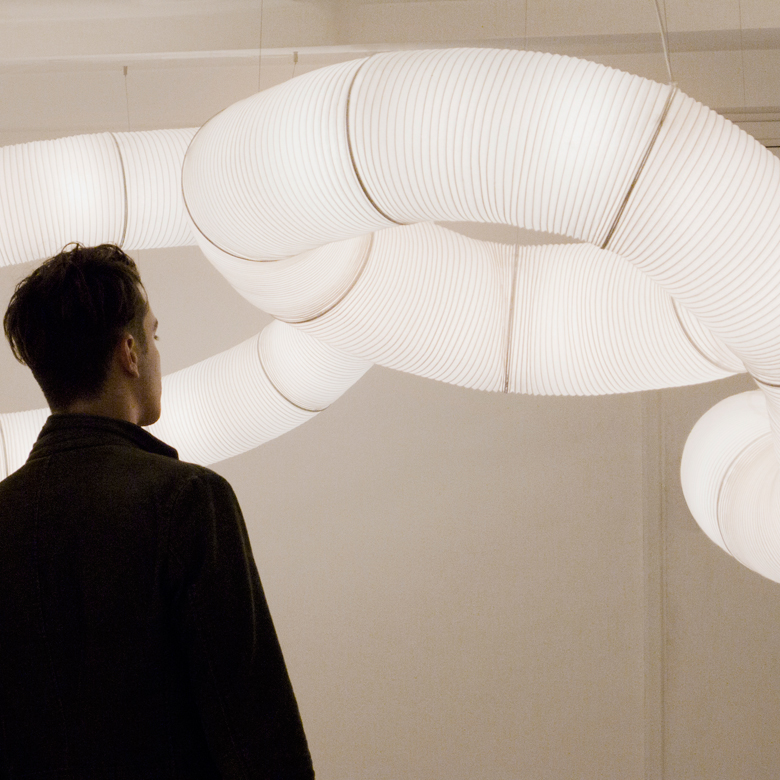
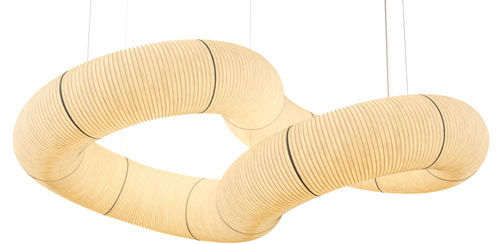
Inspired by Japanese chochin, Anthony Dickens, an industrial designer based in London, has created a modular lighting series – Tekio. Tekio (適応; pronounced te-ki-ou) means adaptation in Japanese, and this light fixture is flexible enough to adapt to any space by transforming to fit or create a new focal point to any area. The segments connect together to make it short as long as you want, and also makes changing bulbs easy.

Twisted in a knot…

Tekio Spiral/Knot by Anthony Dickensclick to enlarge

Or circular…

Tekio Anthony Dickensclick to enlarge

Tekio by Anthony Dickensclick to enlarge

It is currently a prototype, but is rumored to be available sometime next year. I would be changing configurations and playing around with it all the time. It would be my grown up tinkertoy or stylish Lego.

Source: Design Milk | Anthony Dickens

Bloomberg Pavillion Project by Akihisa Hirata


photos by Takumi Ota | click to enlarge

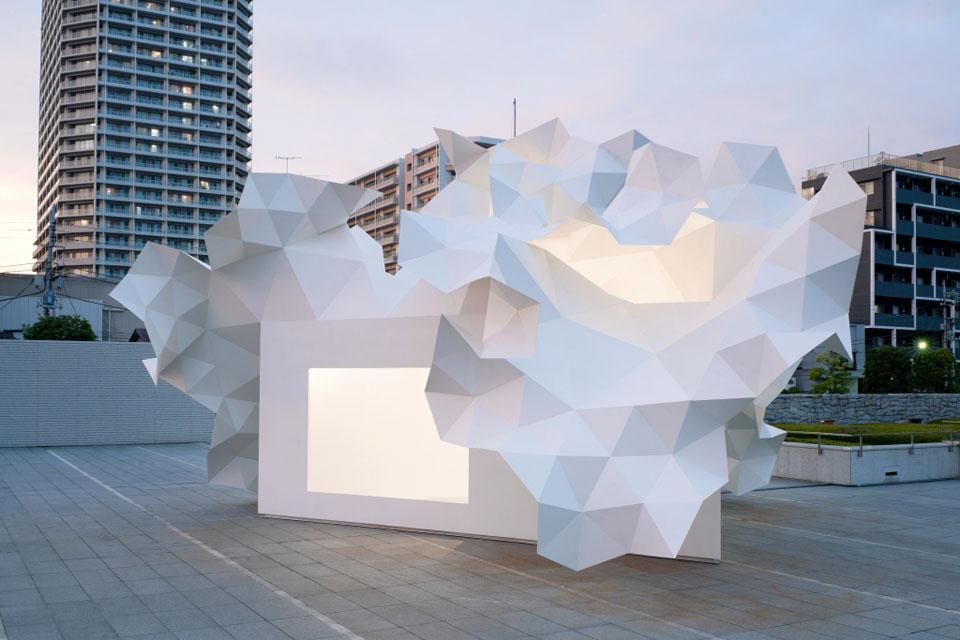
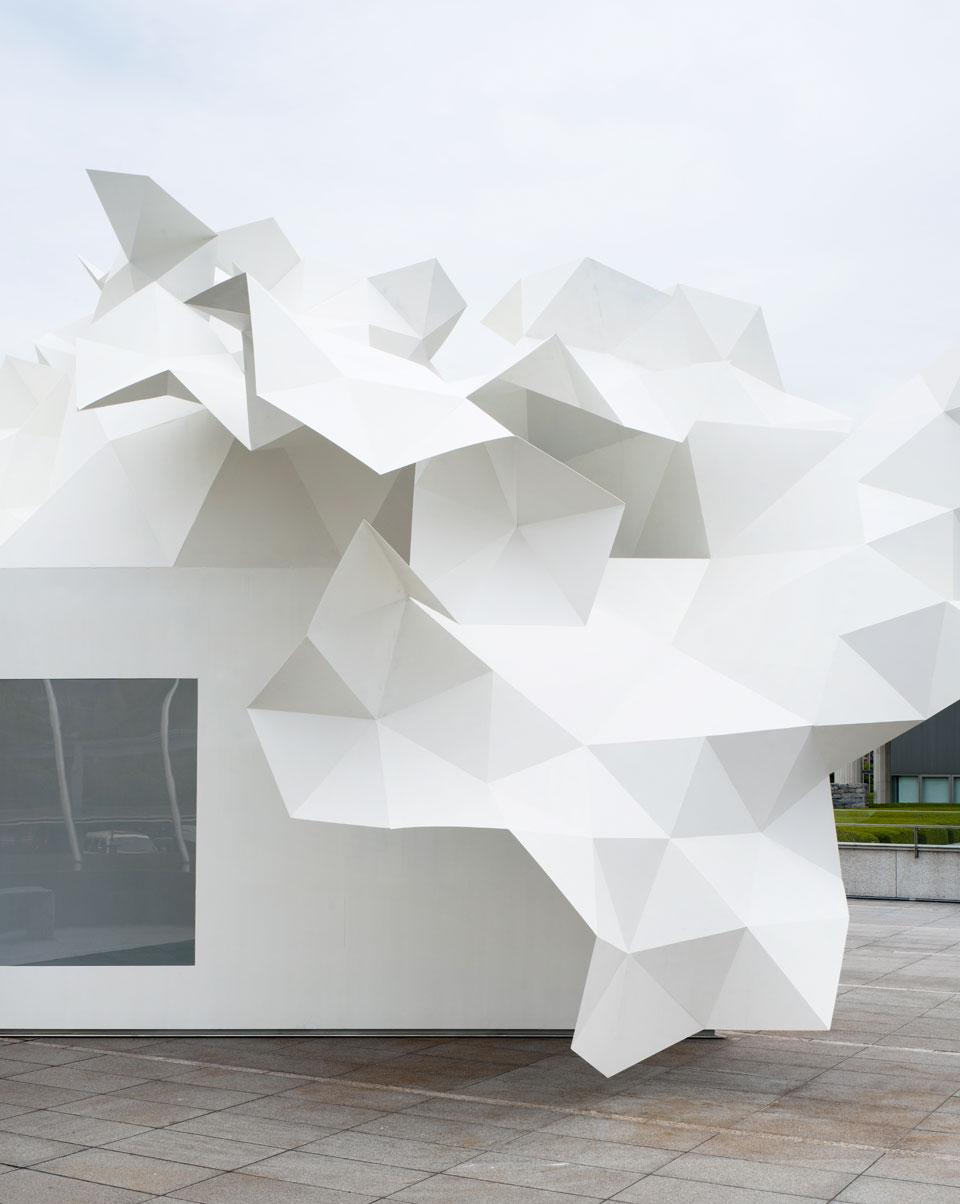
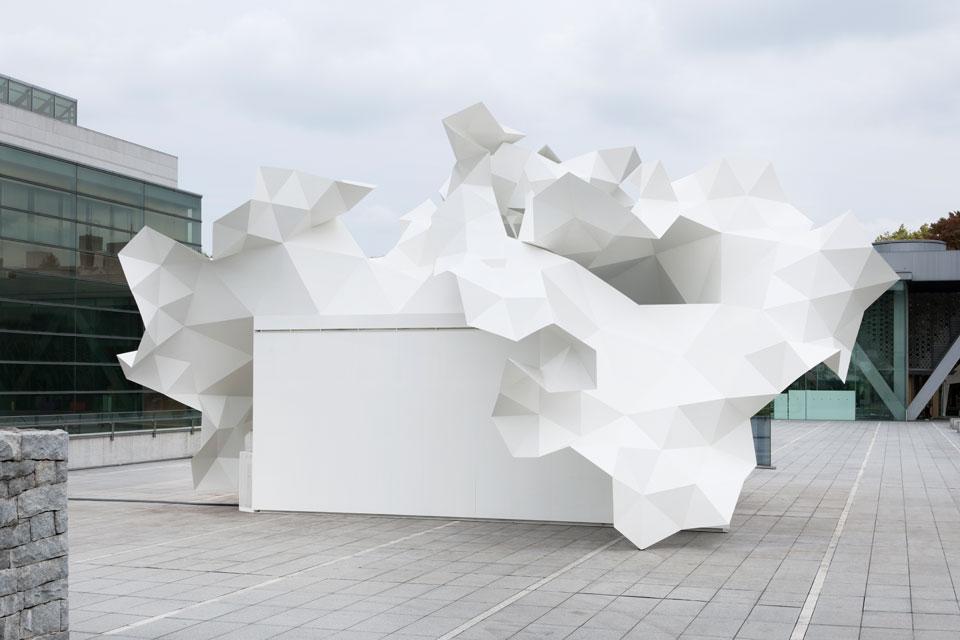
Japanese architect Akihisa Hirata has created the Bloomberg Pavillion, an experimental art space that sits outside the main entrance of the Museum of Contemporary Art Tokyo (MOT). Having just opened its doors about 1 month ago, the geometric structure, which resembles a salt crystal science experiment, is slated to become an exhibition and performance space for young artists.

Taking a page from the book of Toyo Ito, Hirata’s previous employer of 7 years, the architect looked to nature in its organic essence for inspiration. The result is what can be called a unity of mathematics and nature – a structure made entirely  from a combination of isosceles triangles that appear to branch out and grow like a tree (or a salt crystal experiment).

Check out our previous stories on Akihisa Hirata and you will see his obsession with geometric patterns in architecture.

source: domus

Beautiful People Shop in Aoyama by Wonderwall


photos by Kozo Takayama | click to enlarge

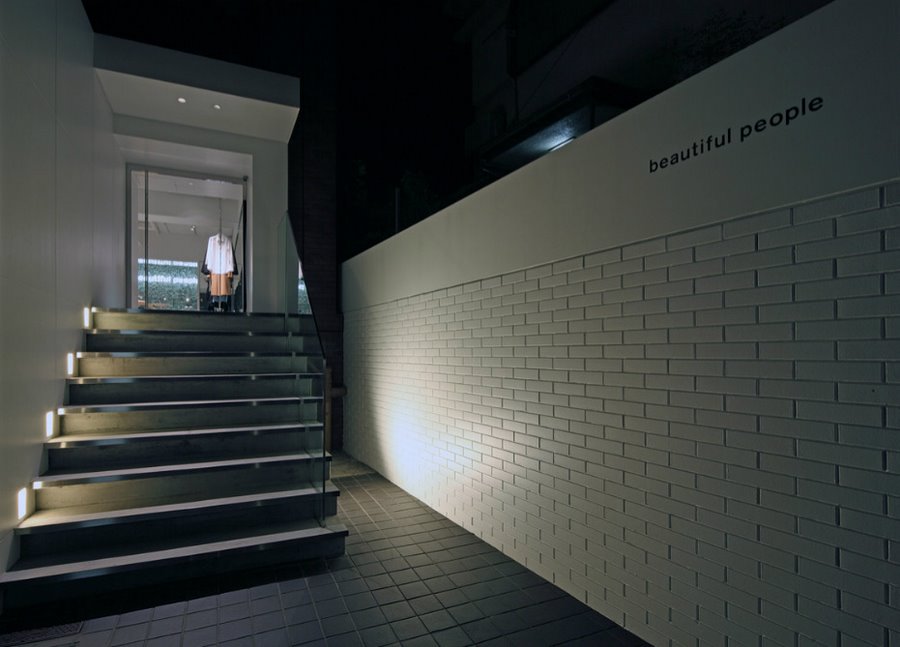
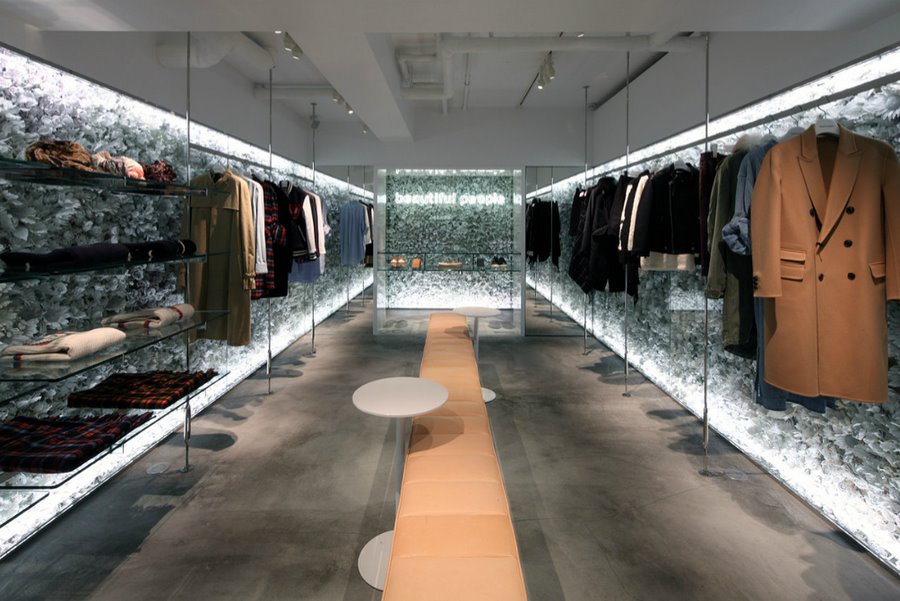
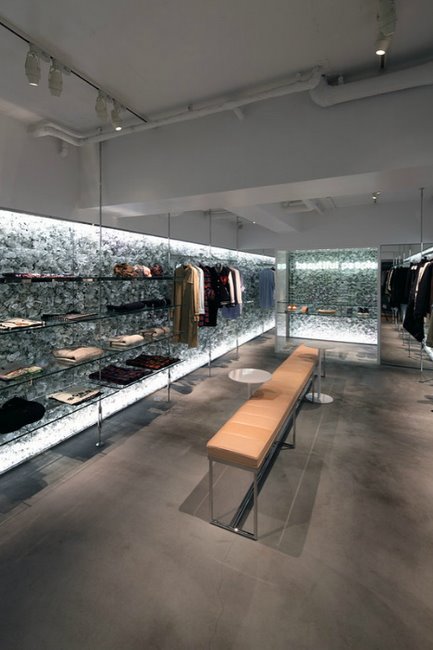
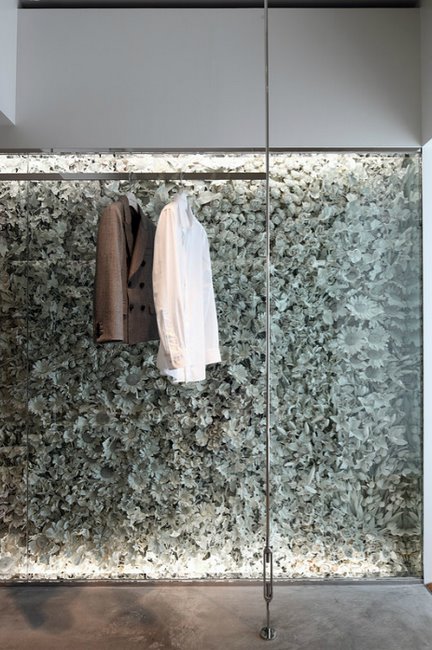
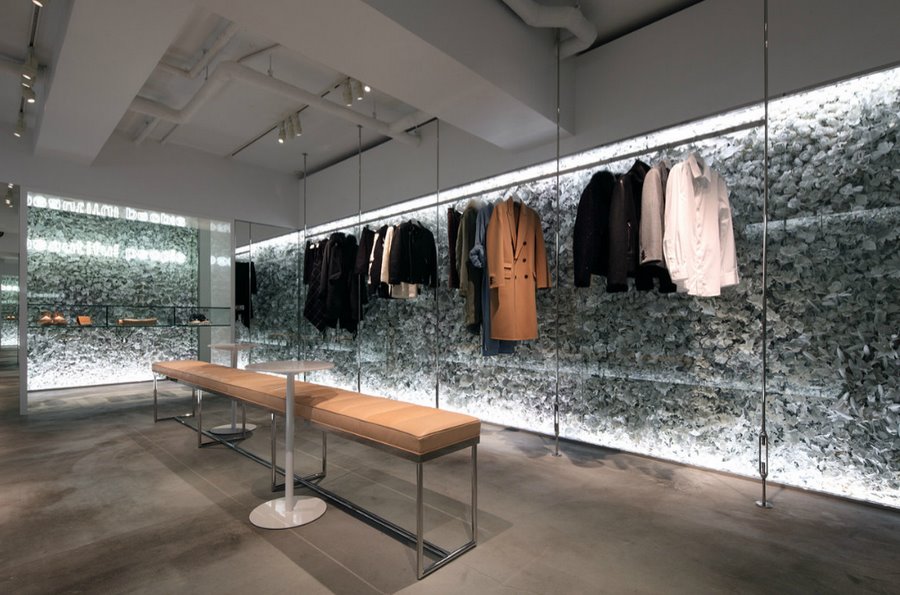
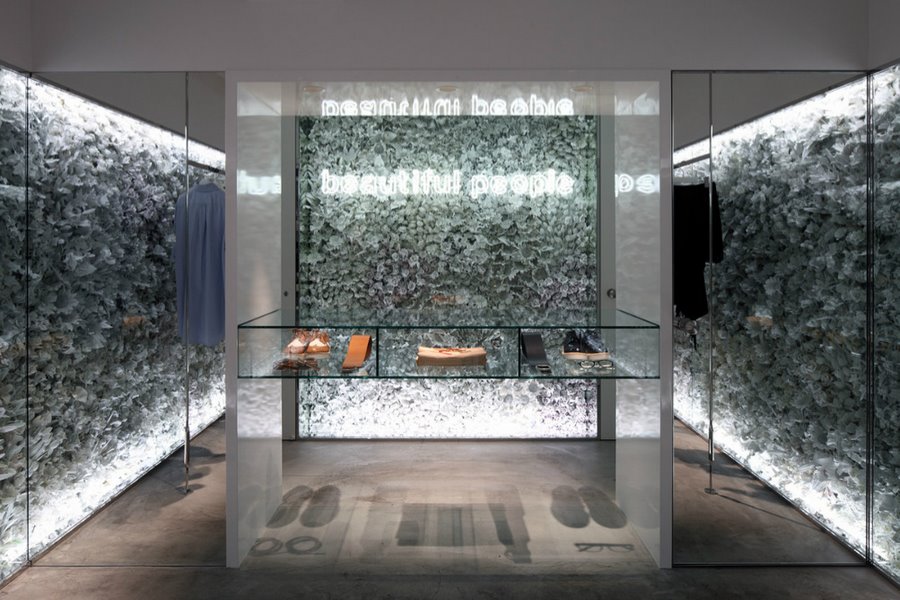
Here’s a recent project by the talented interior design firm Wonderwall, headed up by Masamichi Katayama. After supplying their popular fashion line to select shops around Japan, Beautiful People, the budding line of apparel, finally decided to get their own brick-and-mortar shop. And where better to list themselves than the snazzy center of fashion that is Aoyama?

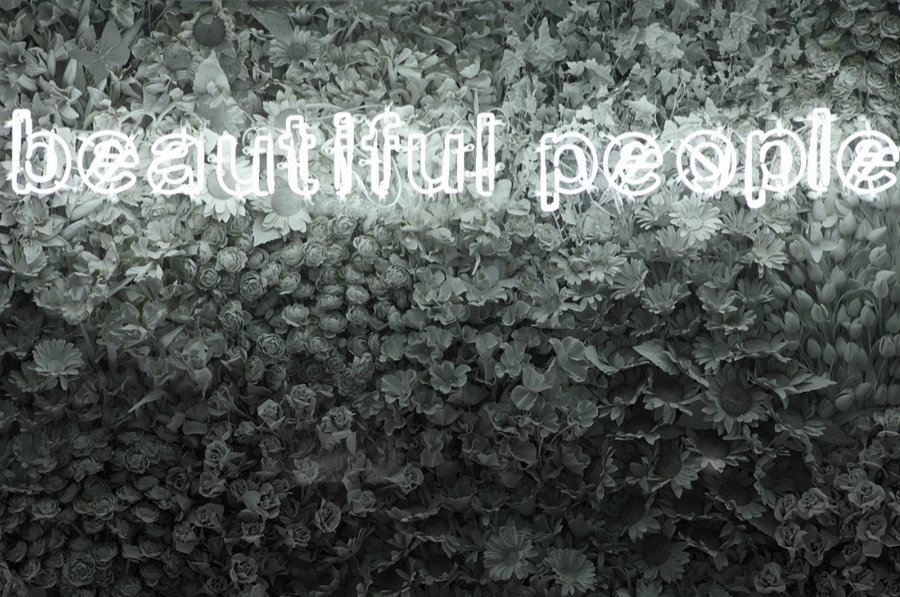
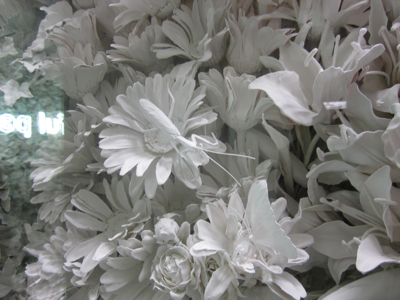
Lead fashion designer Hidenori Kumakiri sat down with Katayama and laid out the essence of his clothing line. Katayama took that and created what you see here – a mesmerizing field of hundreds of white flowers that is at once both beautiful, surreal and slightly off balance. It’s as if you chased Alice through the hole and ended up in a wonderland of fashion. There are even little white bugs camouflaged in the flowers!

Read some of our other stories on Wonderwall.

The shop opened at the end of August. You can check out their lookbook here.

source: Wonderwall and their blog

Mud Paintings by Yusuke Asai (redux)


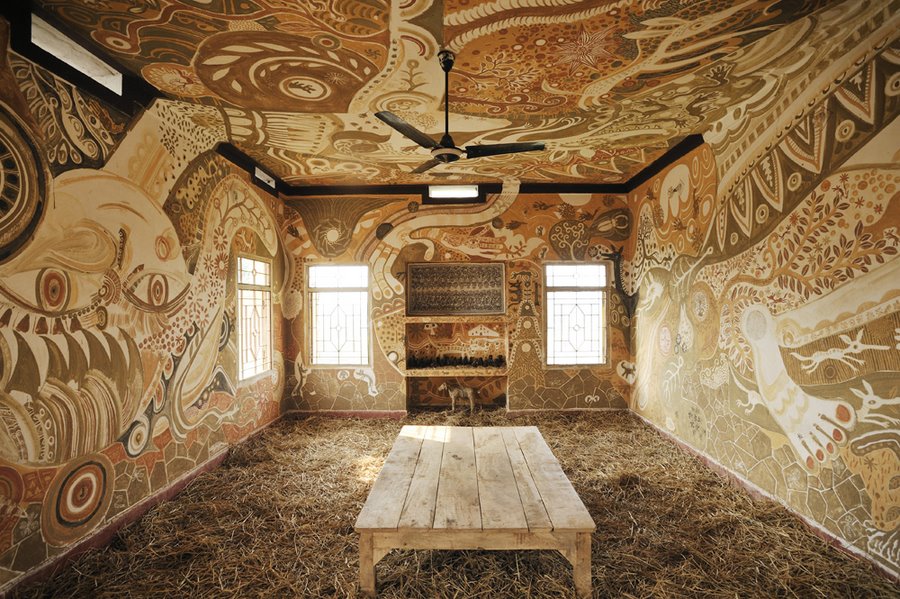
Exhibition view of “Wall Art Festival 2011.” photo: Kenji Mimura
Niranjana School, Sujata Village, Bihar, India

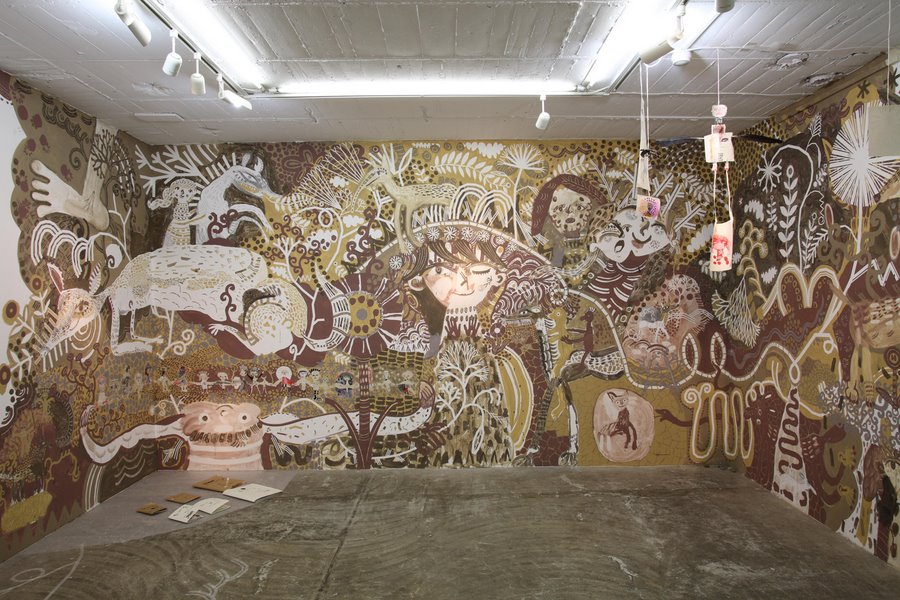
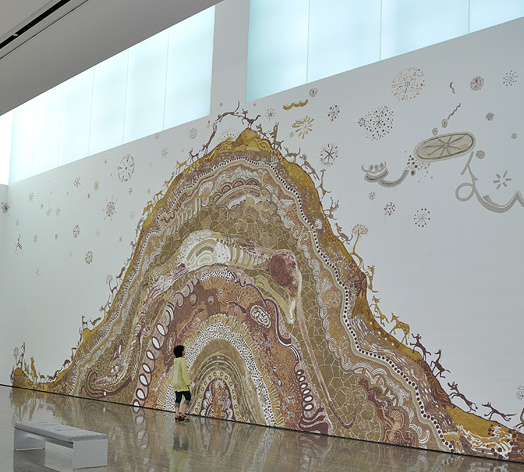
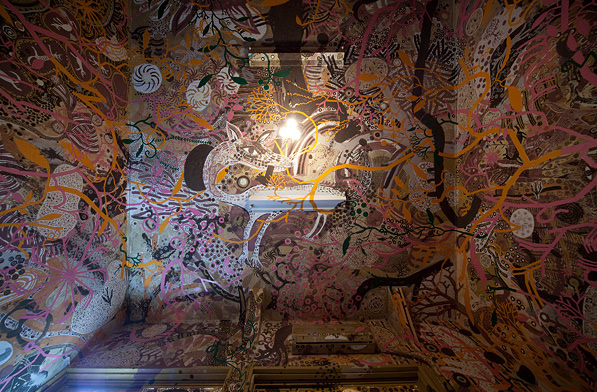
Thanks to Ms. Aratani, curator at ARATANIURANO, and the artist, I was able to get my hands on some more (larger) pictures of Yusuke Asai’s (previously) fantastic mud paintings. I encourage you to click on the images and view in full-size.

The top image was done earlier this year at the Wall Art Festival at Niranjana School in India, a school that was originally funded from donations by Japanese students. The school continues to operate on random overseas donations. So in order to raise awareness, and to inspire kids with some awe-inspiring wall art, the school, last year, launched an annual wall art festival inviting artists to come decorate their white walls. Asai took 7 kinds of soil and water from Sujata village and used them to make different hues which he applied to create the work.


Exhibition view of “Multiple Worlds” (2008). photo: Keizo Kioku
ARATANIURANO, Tokyo.


“Mud painting: large mountain” (2009). Mud and water collected in Gunma. Photo: Masaru Yanagiba


“The indoor forest / The ground story” (2010). Masking tape, pen. Photo: Ko Yamada

Ribbonesia | Baku Maeda’s World of Ribbon

Ribbonesia is the art project of illustrator Baku Maeda who, entranced by the often under-appreciated beauty and simplicity of ribbons, decided to launch a product line completely around the art of the ribbon. Combining his love for animals, Maeda set about creating a zoo of creatures – an offshoot being this twitter bird (below) which I got a kick out of.

In case you’re wondering about the man behind the twist, we featured Maeda and his moustache back in 2009, before the launch of Ribbonesia. Now that his modest project has garnered domestic and international acclaim, he has launched a photobook of past and future endeavors. Here are some shots from the book, The World of Ribbonesia, which went on sale December 1 (1,575 yen).

source: Four | Hitspaper | Ribbonesia

Shadowstand by Nendo


photos by Hiroshi Iwasaki | click to enlarge

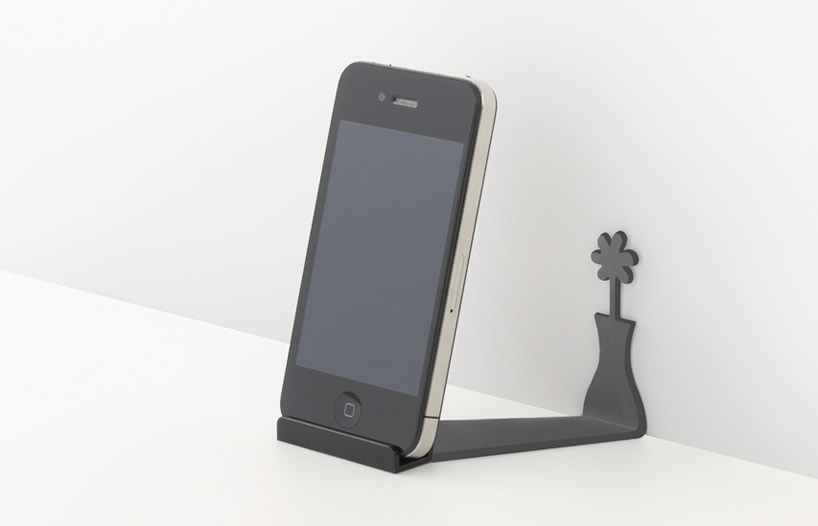
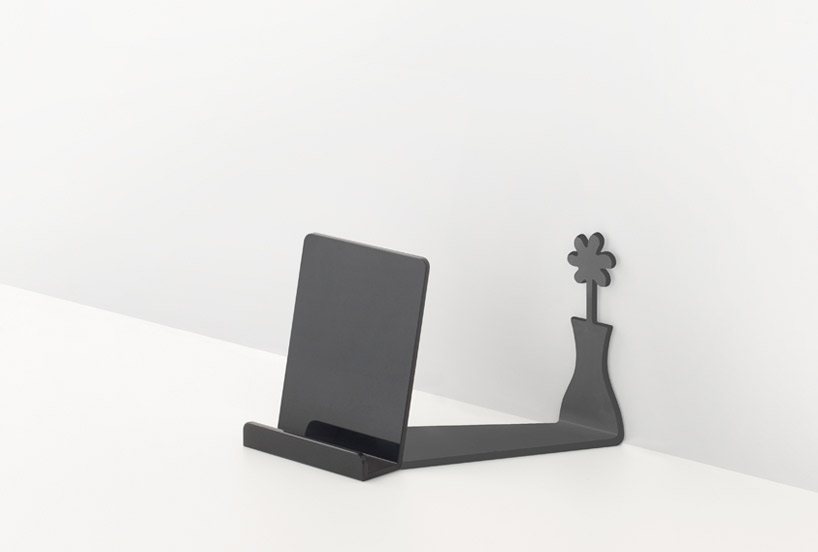
Continuing on with their series of peripheral designs for Japanese electronics retailer Elecom (this is their 9th product!), Nendo has designed a new stand for smartphones and tablets. Appropriatly titled Shadowstand, the piece creates the illusion of a seemingly nonexistent  shadow – one of a surreal single flower and vase.

source: Nendo’s website

Candelier by Takeshi Miyakawa


images courtesy Takeshi Miyakawa | click to enlarge

Last week at Eyebeam Gallery in New York a group exhibition was held. Titled “The Creatomatic,” the show was curated by Nova Jiang, who challenged the artists to create works of art based on a computer program she designed of the same name. As Jiang describes it:

The ‘Creatomatic’ is a piece of software designed to accelerate the imagination and prompt new inventions. It works by randomly juxtaposing diagrams of two everyday objects from a selection of hundreds. Through free association, the two objects can prompt the invention of an entirely new object, which can be practical or nonsensical. Inspired by the accidental nature of creativity, the ‘Creatomatic’ uses the technique of surprise to overcome habitual ways of thinking and short circuit rational control.

In other words – to use an age-old cliche – it prompted artists to think outside the box.

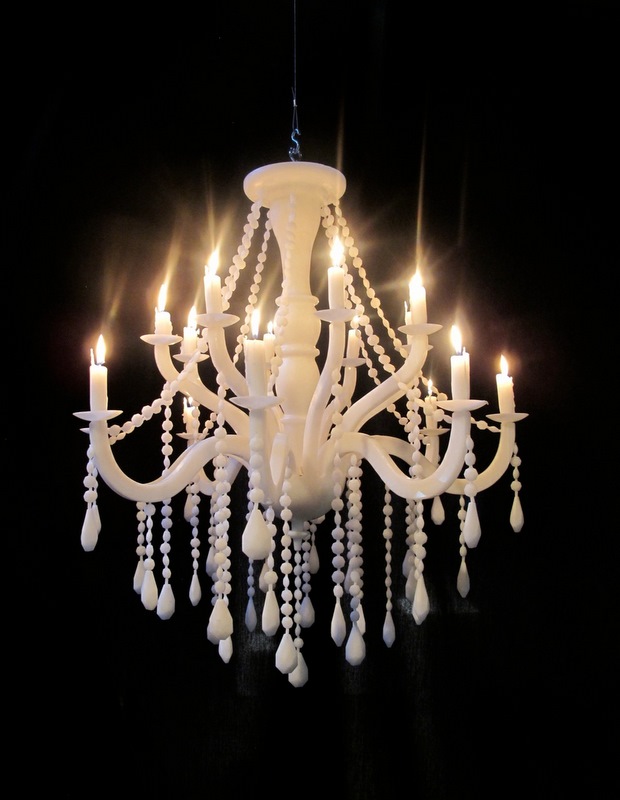
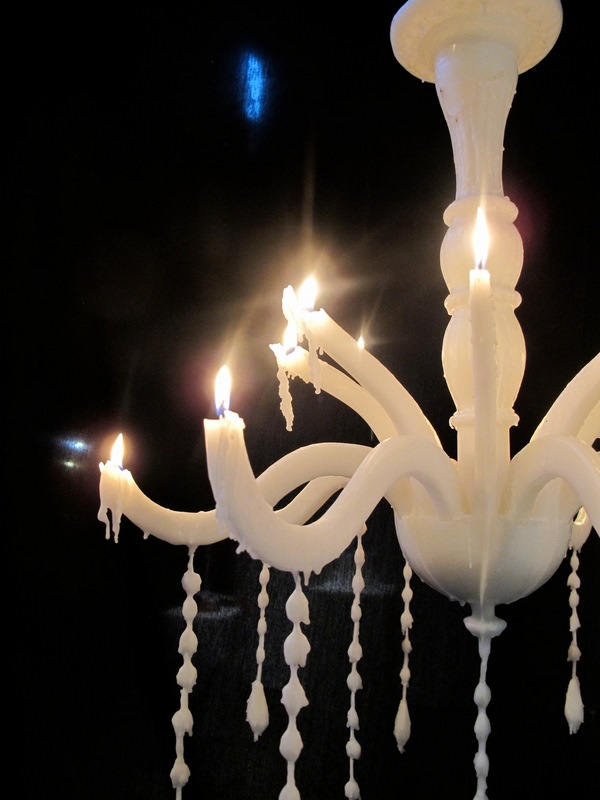
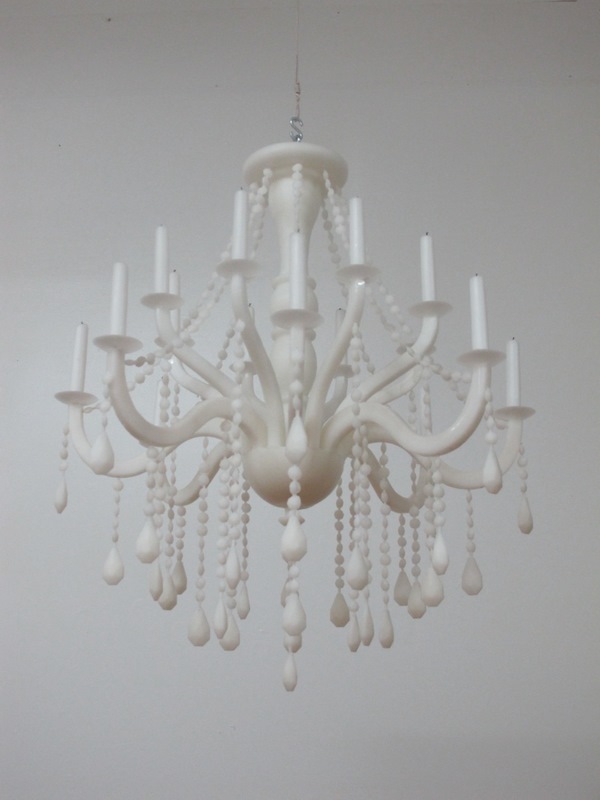
Participating in the show was the Brooklyn-based Japanese designer Takeshi Miyakawa, who combined the concept of a candle and chandelier to create “Candelier.” Carved entirely from wax, the sculpture is as exquisite as it is ephemeral. And to exhibit it’s true beauty using flame is to shorten it’s lifespan, bringing it a step closer to its impending fate that is a pool of wax.

Check out some of our previous stories on Takeshi Miyakawa

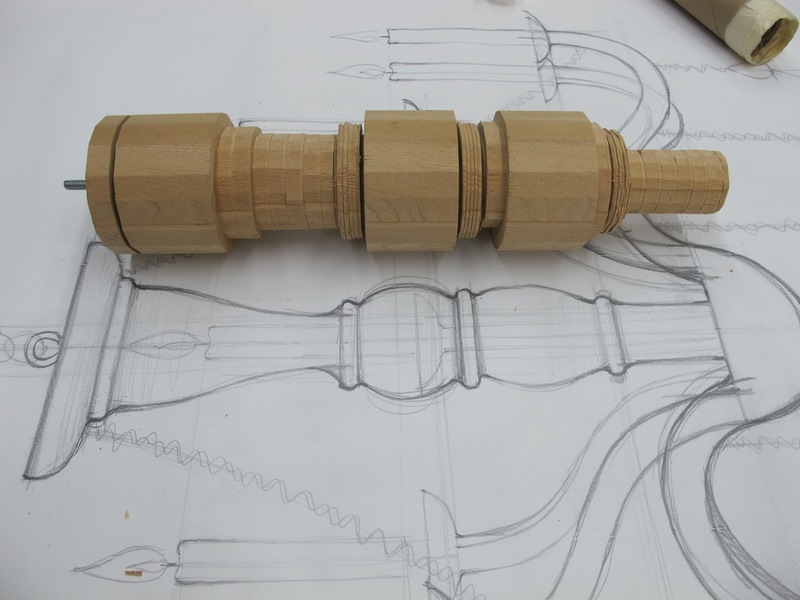
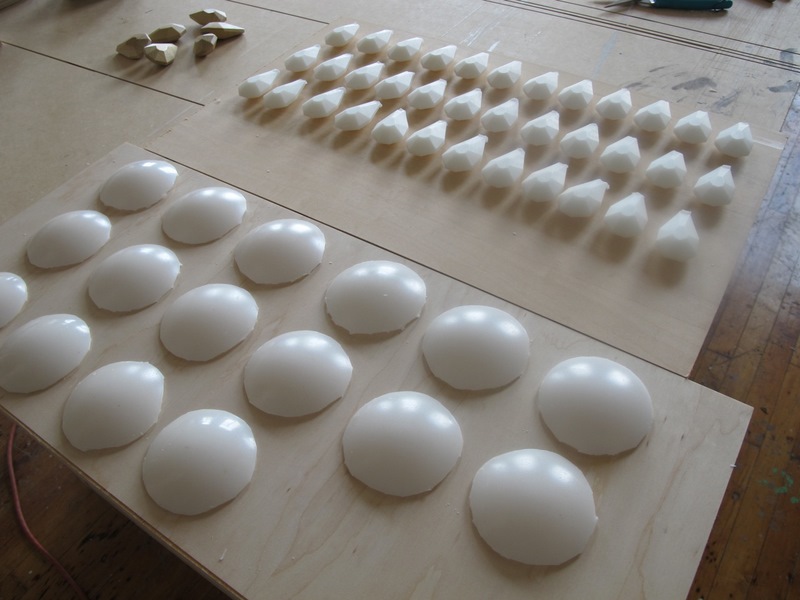
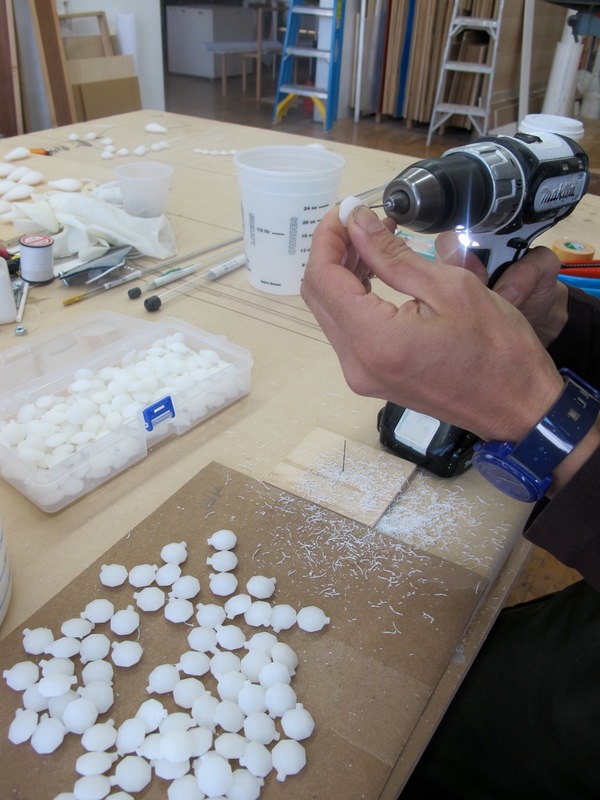
Takeshi-san was also kind enough to give us a peak into his creative process. The Creatomatic proved to be as challenging as it sounds. Beginning with the tenuous preparation work of researching different types of chandeliers, sketching, model making, to experimenting with various wax casting, the finaly Candelier took roughly 10 weeks to complete. What’s amazing is that it functions as an actual candle, which wicks running through the entire piece.

Speaking of Takeshi Miyakawa, his Red Eclipse coffee table (previously) is part of a charity auction to benefit those affected by the Tohoku earthquake and tsunami. As of the writing of this post there’s only 12 hours left. You can bid here!

source: Takeshi Miyakawa (hat tip to Masako)


Eriko Koga Exhibition | Asakusa Zenzai


images courtesy EMON PHOTO GALLERY and artist
click to enlarge

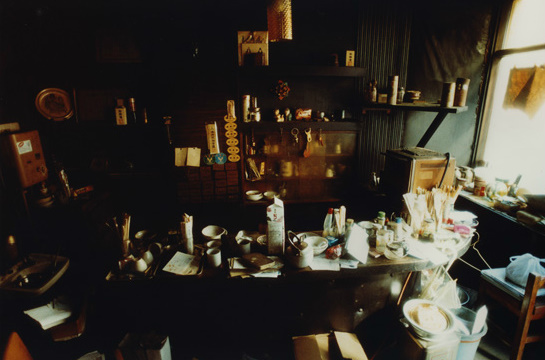
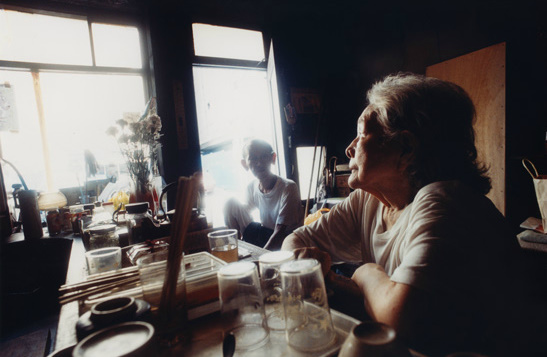
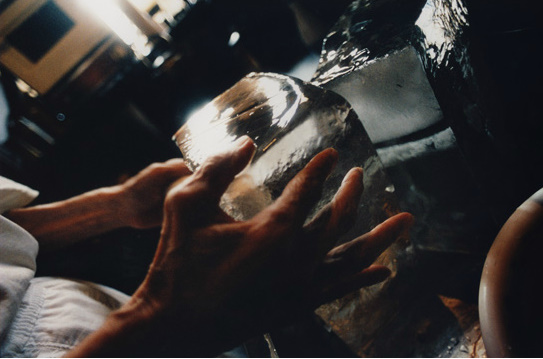
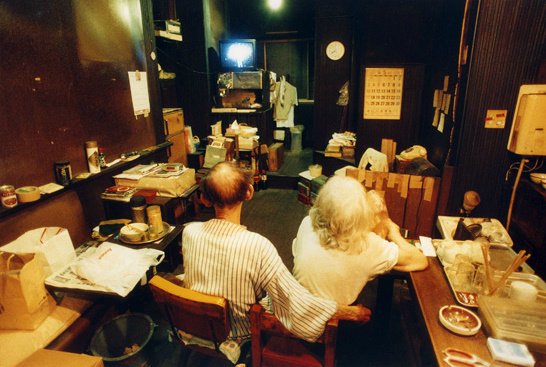
In 2003, when Eriko Koga was 22, she met an old couple at the Asakusa Sanja Festival and spent the following 6 years documenting their lives together, creating a testament to their very existence. The body of work was exhibited in parts, first in 2004, then in 2008. But Koga didn’t end her relationship with the couple. She continued her visits to their old gritty home where the couple spent their last years together, serving as a witness to their relationship and to their end.

The little vicissitudes of life are unflinchingly portrayed, and remind me of something the art critic John Berger once said:

Photographs bear witness to a human choice being exercised in a given situation. A photograph is a result of the photographer’s decision that it is worth recording that this particular event or this particular object has been seen. If everything that existed were continually being photographed, every photograph would become meaningless.

Asakusa Zenzai will be published as a photobook in December and the body of work will be on display at EMON PHOTO GALLERY in Tokyo starting January (see below for details).

source: EMON PHOTO GALLERY

—————————————————————-

Eriko Koga Exhibition | Asakusa Zenzai
EMON PHOTO GALLERY
01.20.2012 – 02.20 (closed Sundays and holidays)

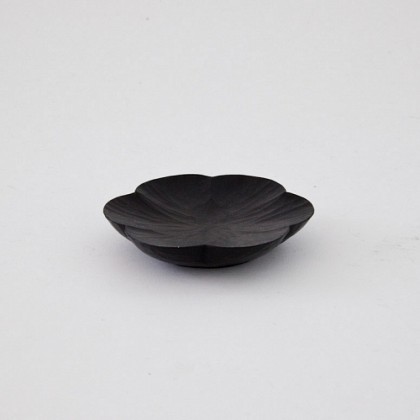
Handmade wooden tableware by Takashi Tomii

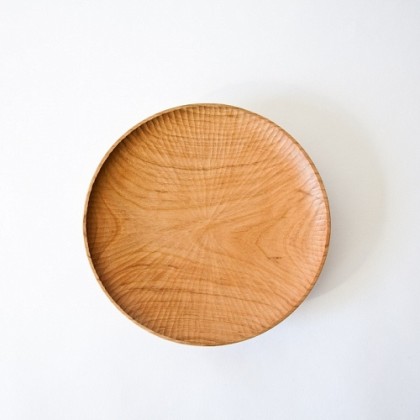
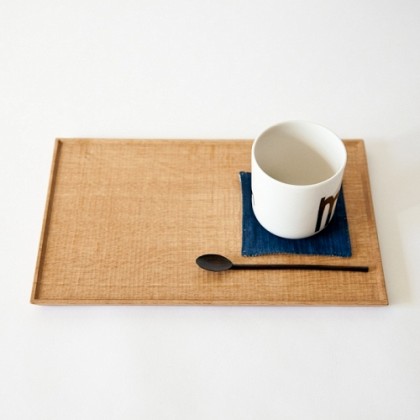
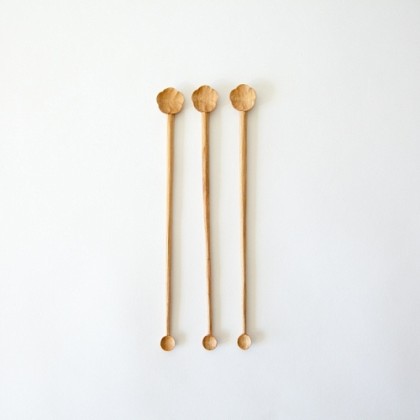
I don’t do gift guides anymore but if I did, these would certainly be on the list! Takashi Tomii is an artisan based in Kyoto and creates stunning wooden tableware out of solid pieces of wood that he hand-picks. I love how the hand of the artist is so apparent in the etchings and carvings of each of his pieces.

You can buy some of his tableware through Mjolk, who just happens to be the first non-Japan retailer to carry his work (each image linked to product page)!


« Older posts Newer posts »

© 2026 Spoon & Tamago

Up ↑

Design by Bento Graphics