Page 280 of 406

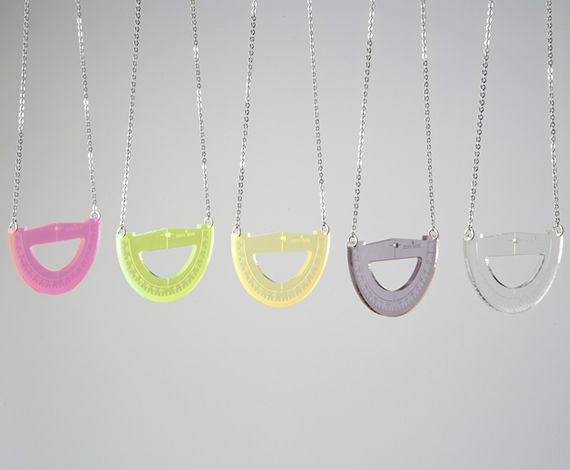
For the nerd within | measuring jewelry by Aquvii


click images to enlarge

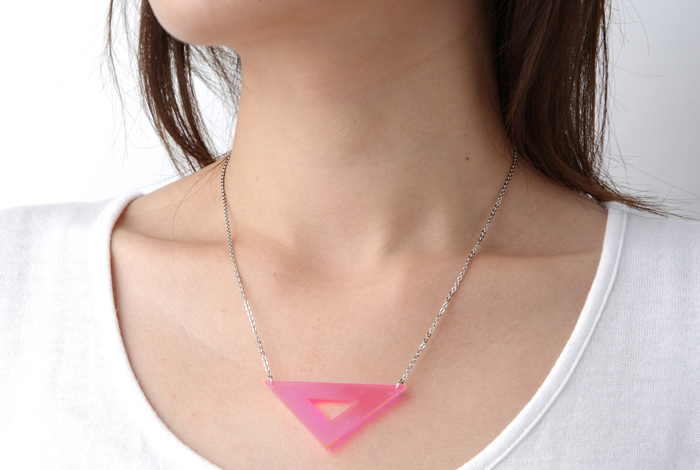
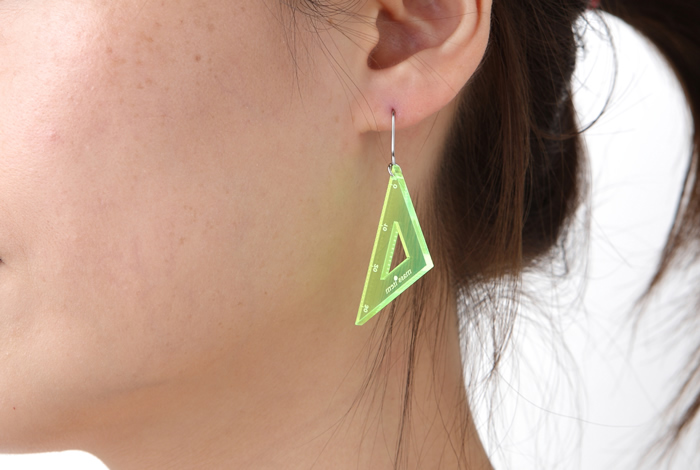
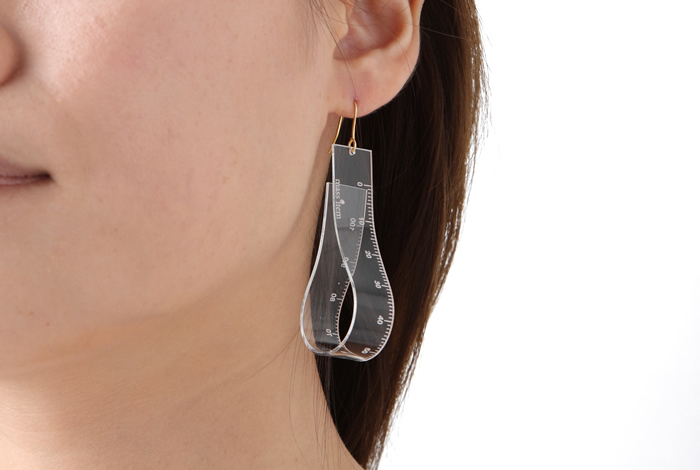
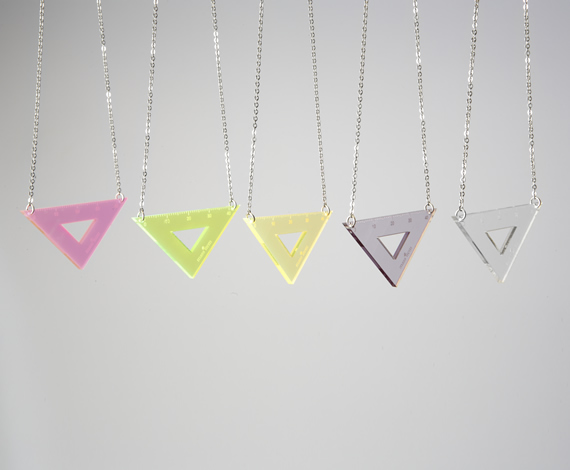
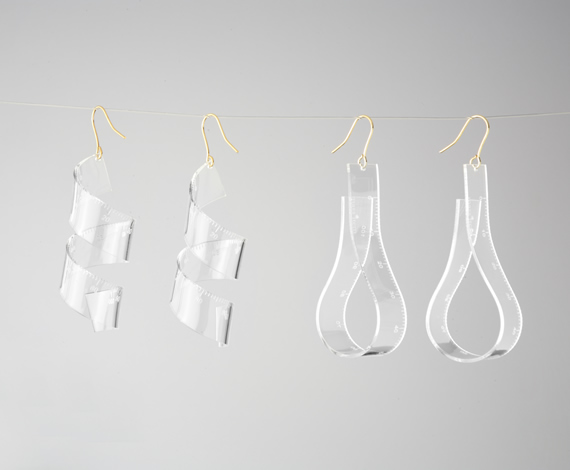
Kyozo Kawabe, the man behind the Daikanyama select shop Aquivii, has recently designed a new line of jewelry for Mass Item (previously). The “Measuring” line includes protractor necklaces and ruler earrings that come in all sorts of different colors. In a pinch many of them can even function as measuring tools!

Prices range between 2,940 – 3,990 yen. You can get WhiteRabbit Express to help you with your Japanese order.

source: mass item

Acrylic Sushi Rings

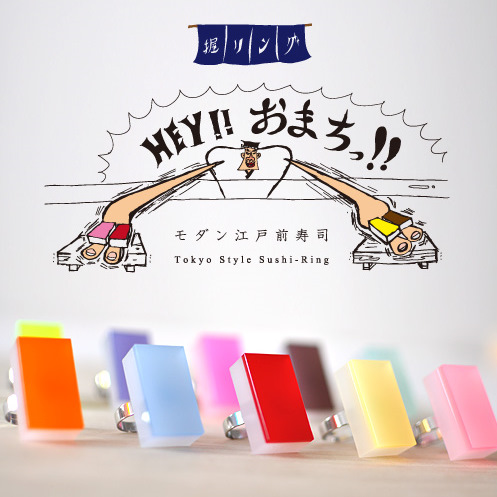
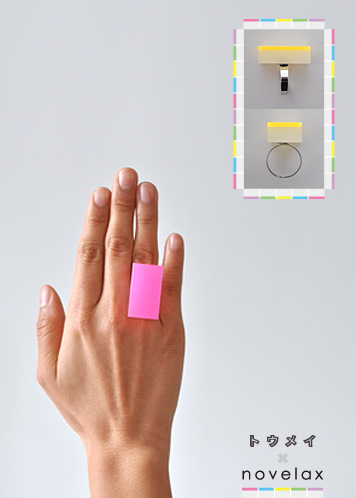
Sushi rings. Cheesy concept? Absolutely. But that doesn’t mean the end-product has to be full of said cheese as well. Unlike those lame sushi USB drives, the recent collaboration between designy retail shop novelax and makers of all things resin Toumei, has resulted in a surprisingly good-looking, slightly abstract sushi ring.

The collaboration was just announced this week but hopefully the rings will be available in their web shop shortly.

source: novelax

Upcycled painted ceramics by Mina Perhonen

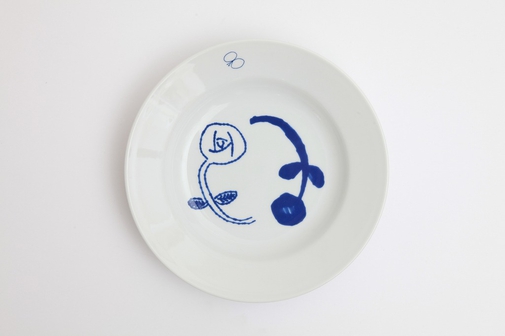
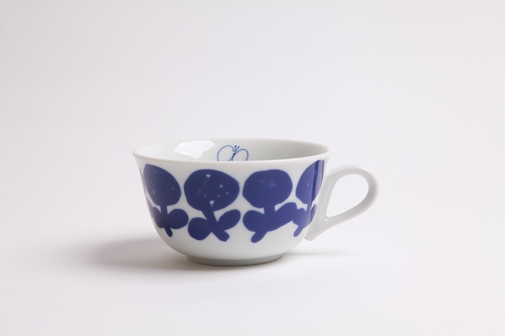
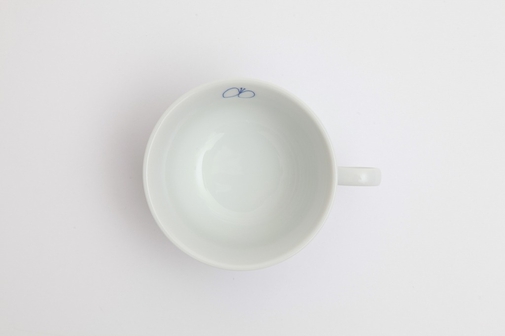
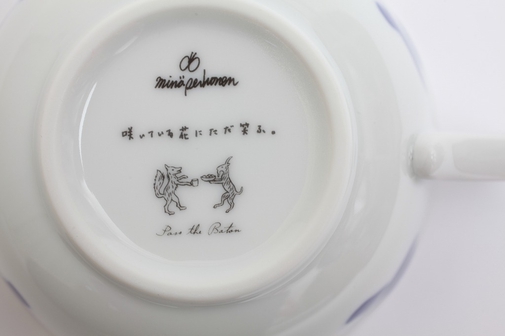
Akira Minagawa’s faux-Finnish design label mina perhonen has collaborated with eco-friendly design shop Pass The Baton to create this lovely series of ceramics.

They’re made from B-grade ceramics. Industrial mass-production of ceramics results in B-grade and C-grade ceramics with slight visual defects like black dots or air bubble holes. They’re perfectly fine but are typically discarded because of their imperfections.

They range between 1,344 – 2,310 yen.

source: pass the baton

Zoo Tote Bag

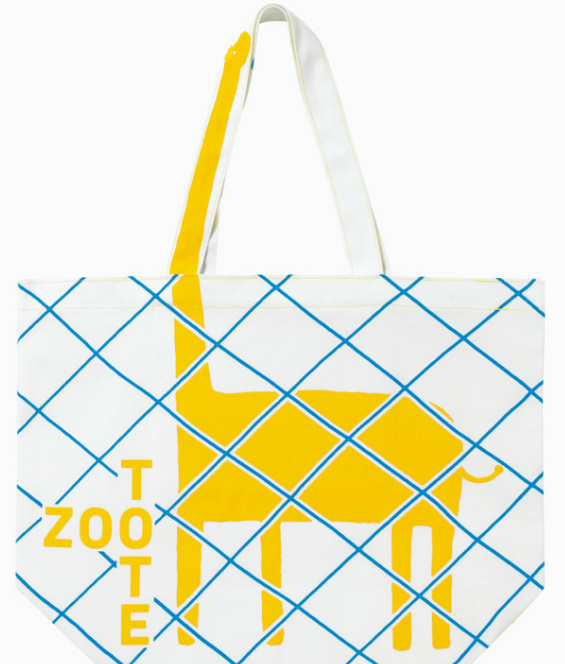
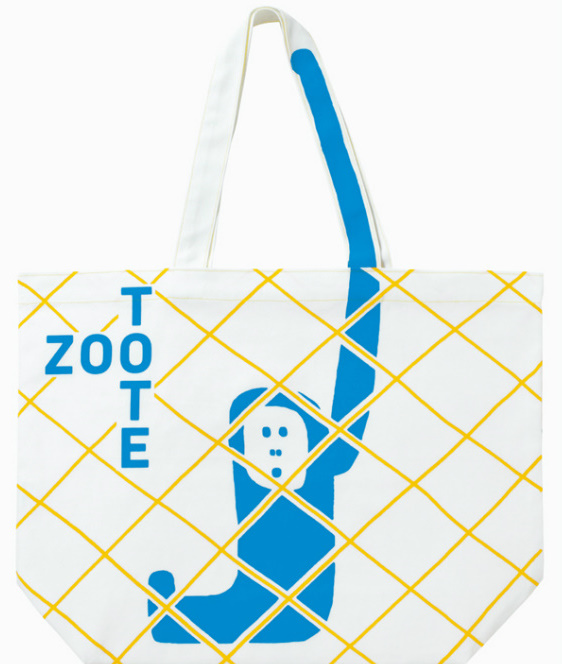
How adorable are these Zoo Tote bags designed by art director Kenjiro Sano (aka Mr Design). They were part of a massive charity tote bag exhibition hosted at Creation Gallery G8 in which 180 designers created original tote bags. Not only were the bags made by artisans in Tohoku, but all proceeds go to earthquake and tsunami relief. You can see all the 180 designs right here.

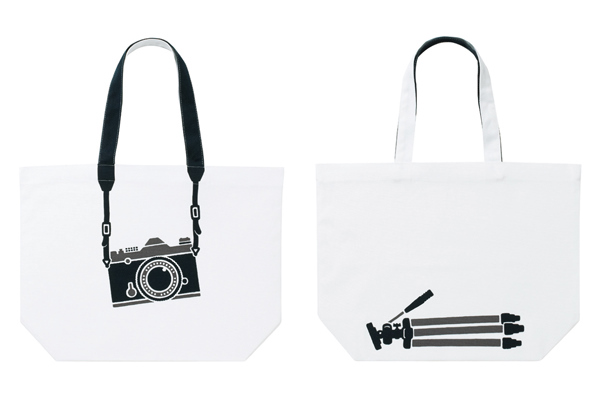
I also adore this camera tote bag by Moe Furuya

311: Lost Homes exhibition at Gallery Ma


photos by Nacasa & Partners Inc.  | click to enlarge

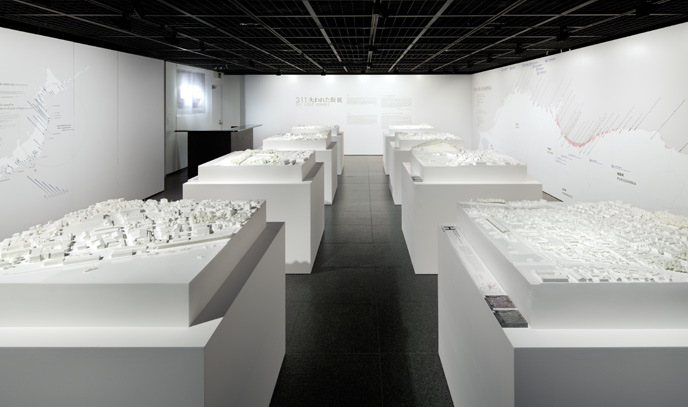
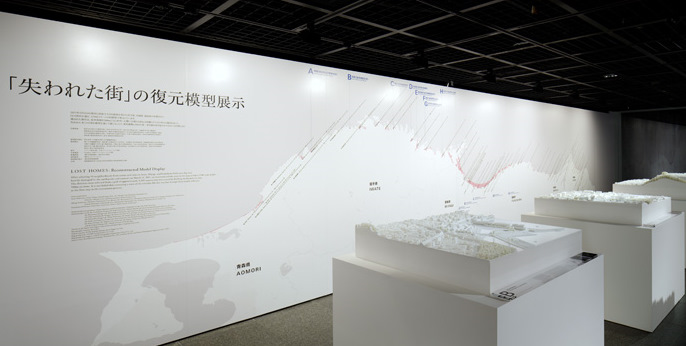
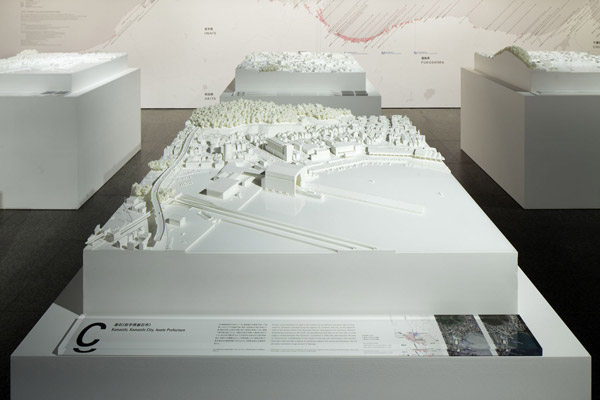
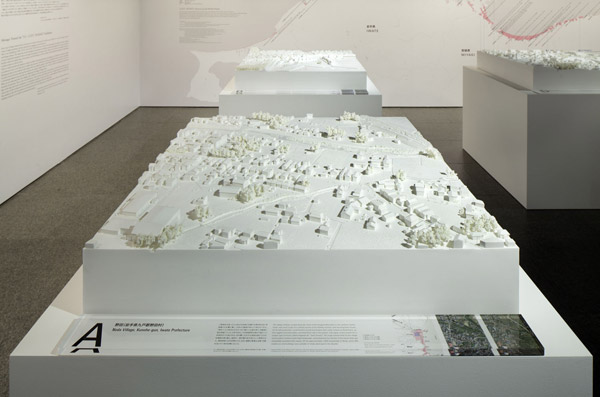
If there’s one last exhibition you go to in Japan before the end of the year, make it 311: Lost Homes. Co-curated by architect Hiroshi Naito and graphic designer Kenya Hara, the exhibition presents architectural models of several towns that sustained heavy damage from the events that defined the year of 2011 for Japan.

While many visitors may take the opportunity to reflect on the events of 311, the true intention of the exhibition is to reignite the discourse around architecture and design, which was plunged into a state of paralysis following the surreal images of flooding and collapse that flashed before our eyes.

Also on display is Kenya Hara’s project, 311 Scale, which we wrote about when it first launched in July.

311: Lost Homes is on display at the ToTo Gallery Ma through December 24.

Source: @haraken_tokyo

You Make the Rule | a giant structure carved from styrofoam by Makoto Tanijiri


images courtesy japan-architects | click to enlarge

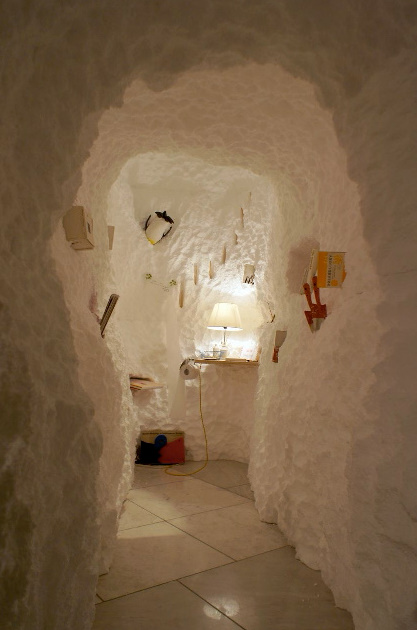
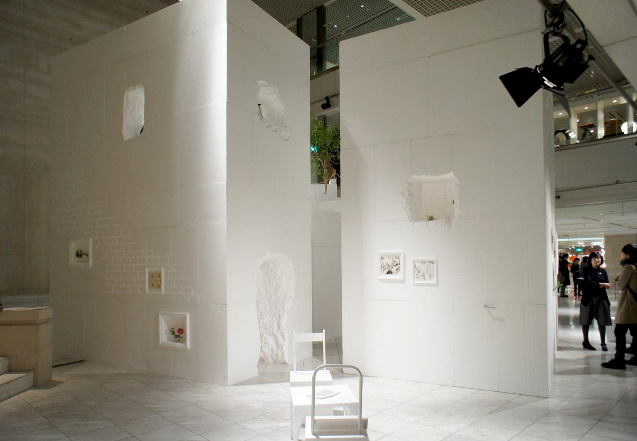
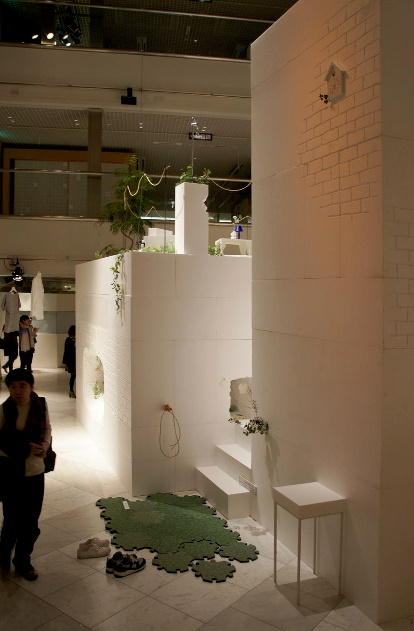
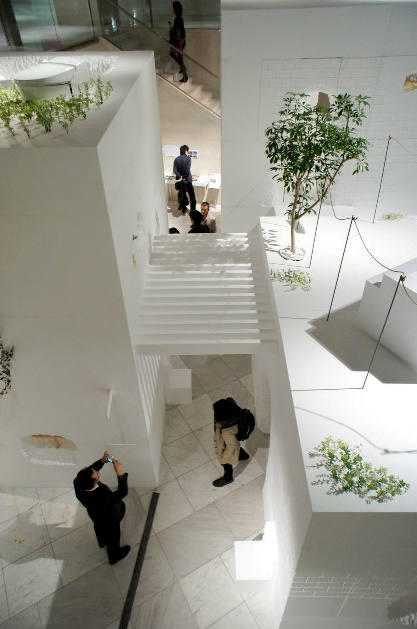
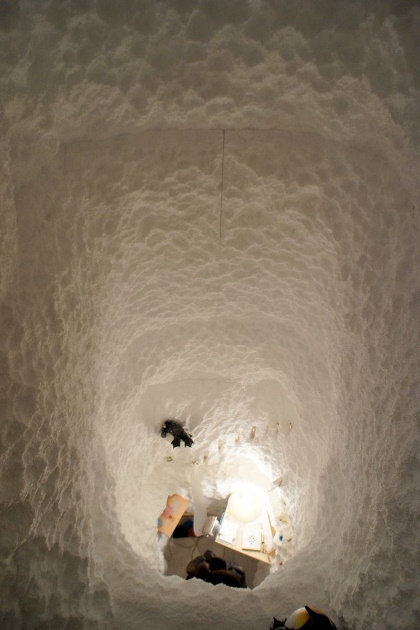
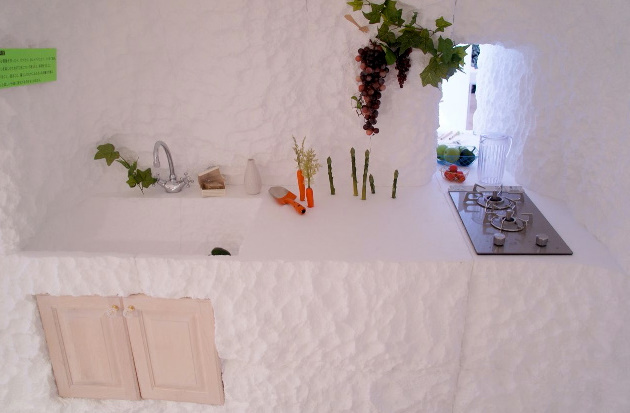
Currently on display at the LivingDesign Center Ozone is a gigantic house-like styrofoam structure designed by architect Makoto Tanijiri of Suppose Design Office. Dubbed “You Make The Rule” [sic], the cavernous structure has seemingly random objects placed throughout its nooks and crannies. Accordingly, it’s intended to question our preconceived notions of household objects, as well as their respective names and intended uses.

But instead of providing any further commentary, Tanijiri encourages the viewerto make their own rules – interacting and interpreting the piece themselves. Therefore, I will happily end this blog post right here.
You Make The Rule is on display through Jan 31, 2012.

source: japan-architects

Ryue Nishizawa’s vertical garden house in Tokyo


architectural model for Ryue Nishizawa’s House & Garden

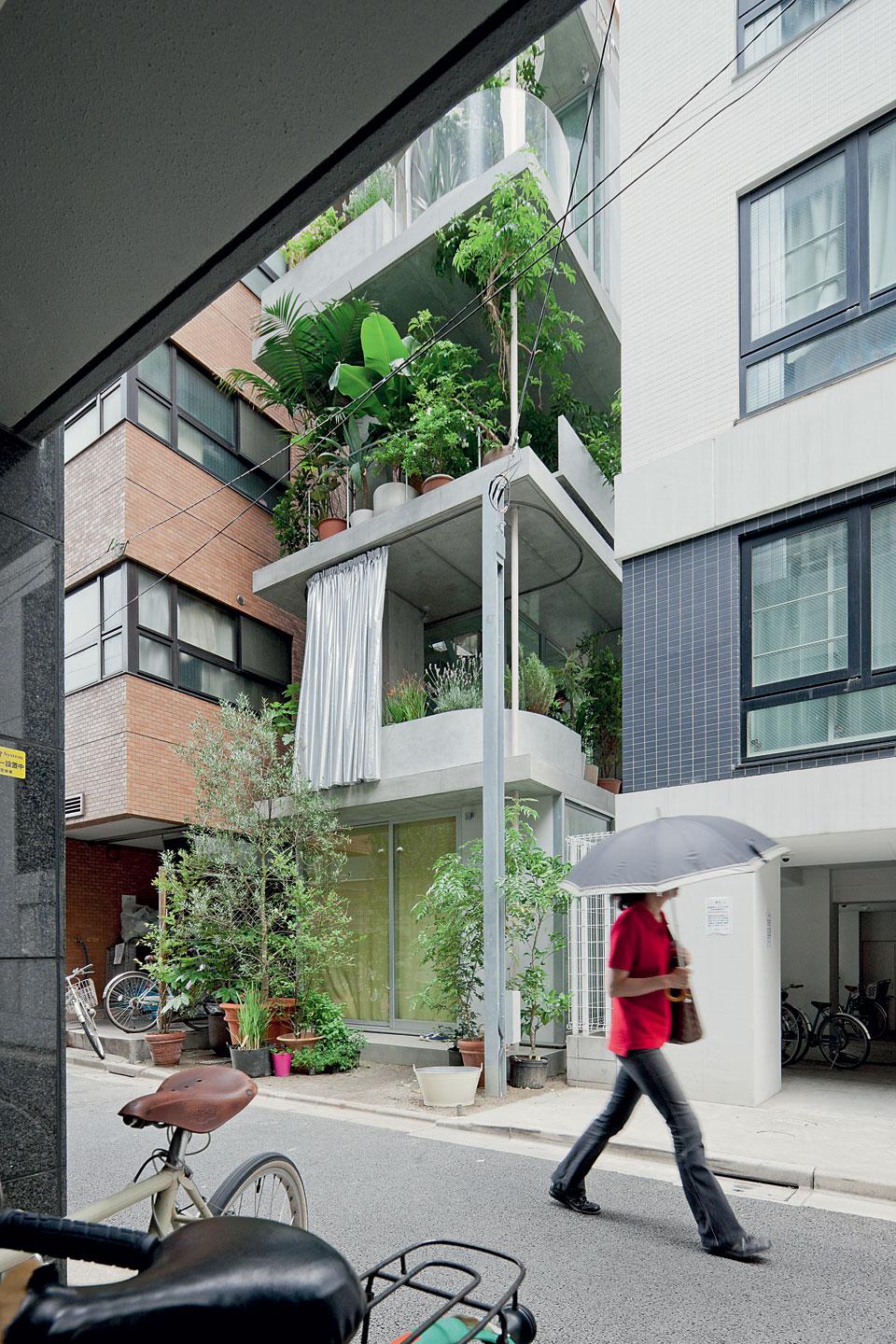
When this architectural model surfaced back in 2006, as beautiful as it was, it was hard to visualize what kind of home would actually take root in Tokyo. And after several years of silence it appeared the model was just another overly-ambitious architectural venture that got shelved away. Well, finally images of iconic architect Ryue Nishizawa’s House & Garden have appeared. And I’m happy to report – it’s real.


Photos by Iwan Bann | click to enlarge

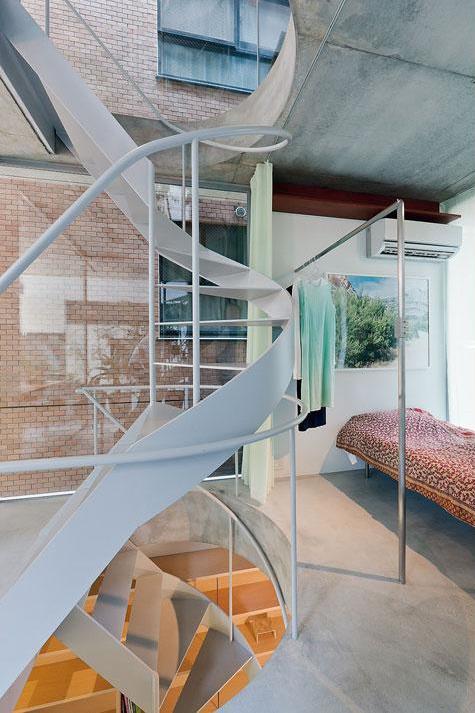
With all its green and glory, the 4-story structure lacks many things that most people require in a home. For one thing, the glaring omission of a façade, which is likely to cause onlookers to mistake it for a vertical garden rather than a private residence. There are no interior walls either. The architect instead opted for floor-to-ceiling windows, curtains and planters to serve is elusive boundaries between spaces.


On one of the floors there is even a layer of thin soil that replaces actual flooring, further blurring the transition between inside and out.

Ryue Nishizawa is one half of the Pritzker-winning architectural duo SANAA. While Nishizawa was working on his solo project Garden & Home, his partner Kazuyo Sejima was working on her own solo project: Shibaura House.

Source: domus


Toda House by Kimihiko Okada


Photos by Toshiyuki Yano | click to enlarge

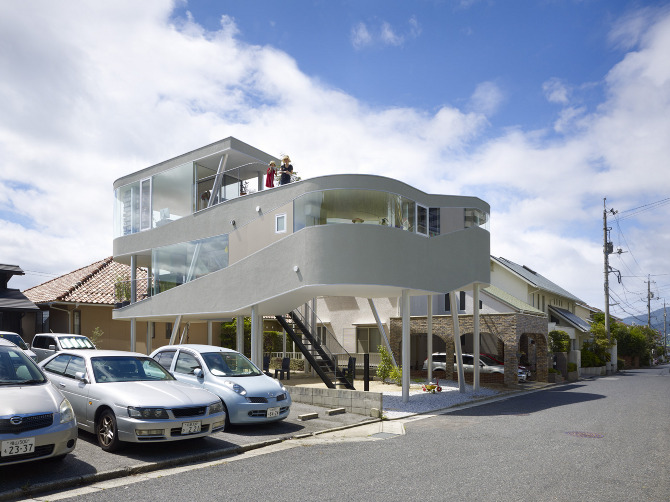
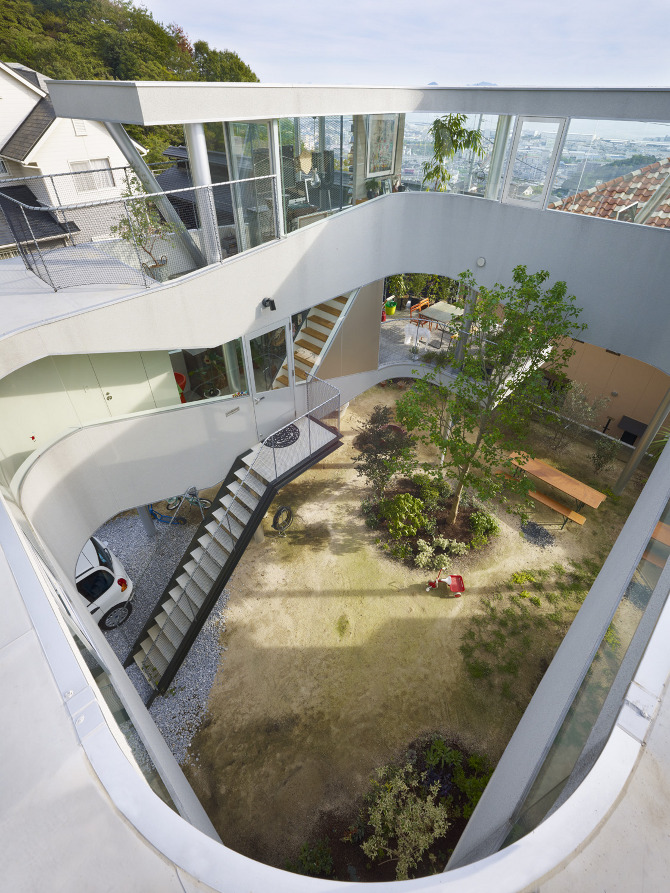
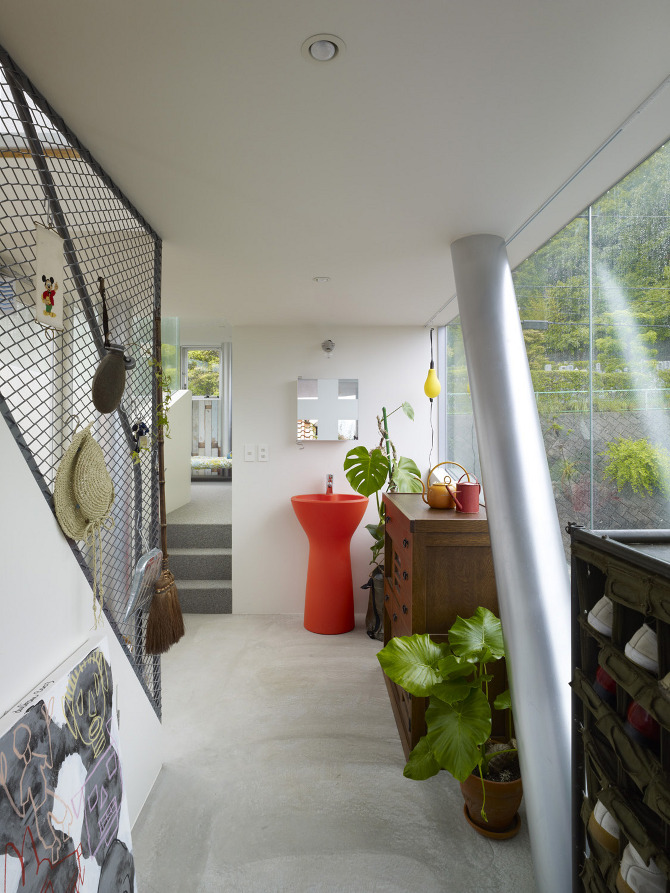
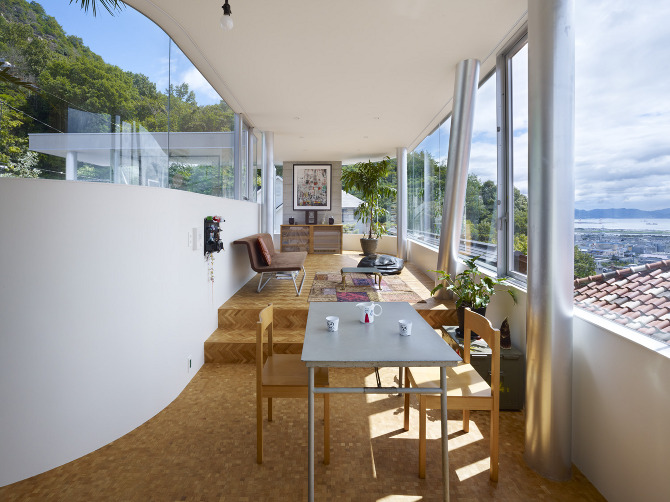
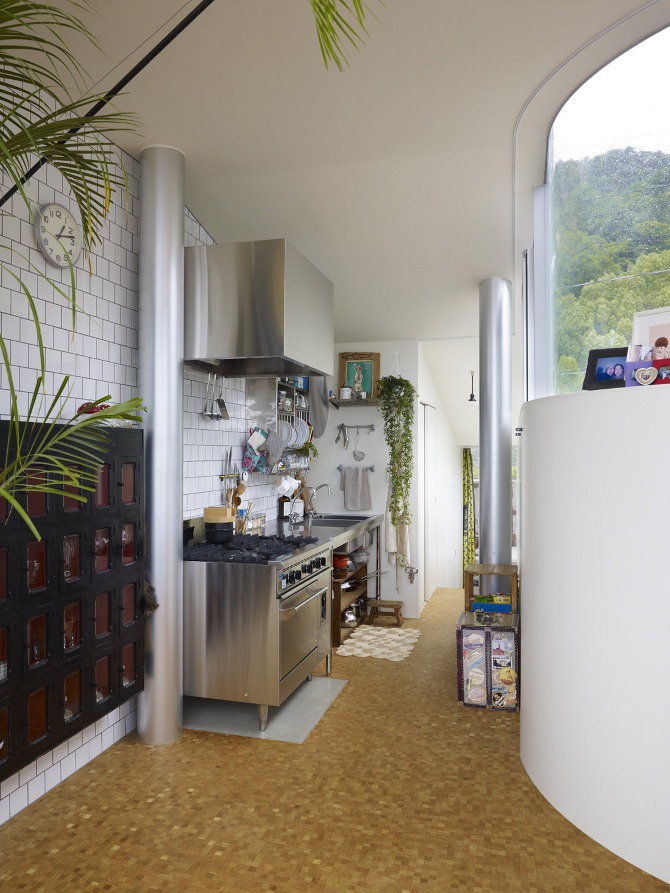
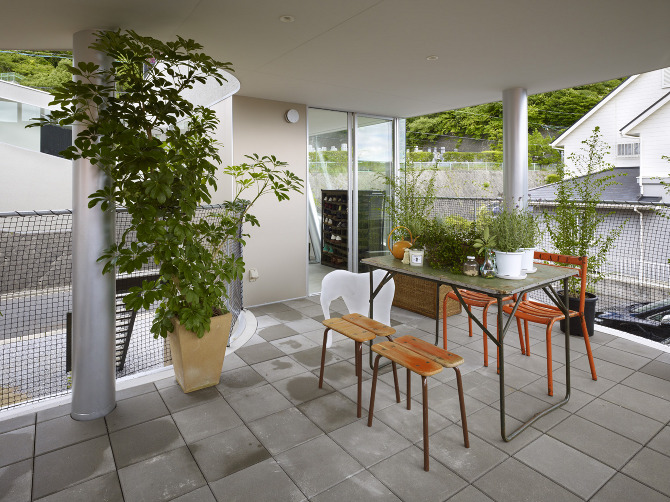
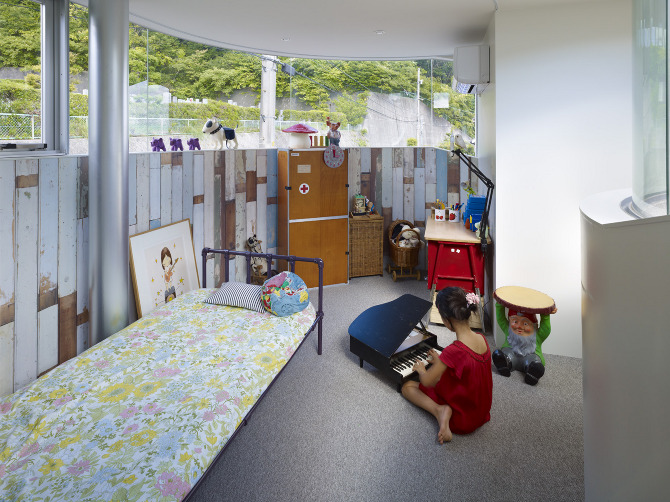
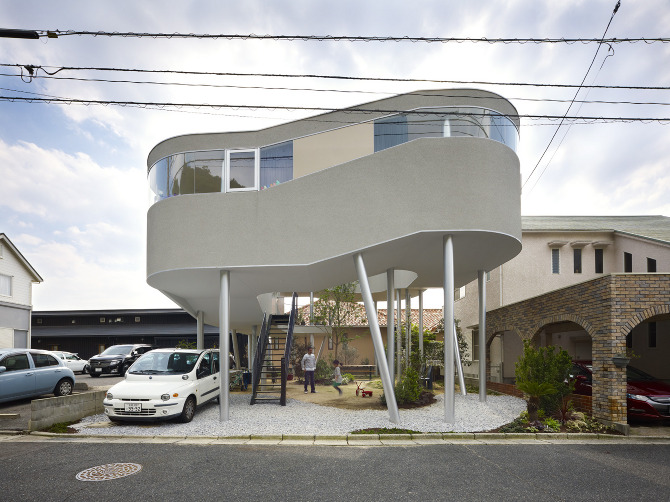
Kimihiko Okada has recently put the finishing touches on Toda House, a private residence in Hiroshima that resembles a continuous swirling coil pot. The structure is perched above ground like a bird’s nest, giving birth to some breathtaking views of the Inland Sea, creating a sense of security and also distancing the home from common ground-level disturbances. The home itself is comprised a a single continuous slab that spirals around once, is penetrated by a staircase, then spirals around again on elevated level, creating one long room. Not only does it create a dynamic space, but it also produces a lawn as well as leaves opportunities for further expanding the slab in the future.

I love the eclectic styling of the interior as well! It’s so rare to see something other than minimal concrete. Nice!

source: architecturephoto

Lettering wizards of House Industries turn the Maison Hermès Tokyo storefront into a carousel


Photos: Satoshi Asakawa courtesy Hermes Japon | click to enlarge

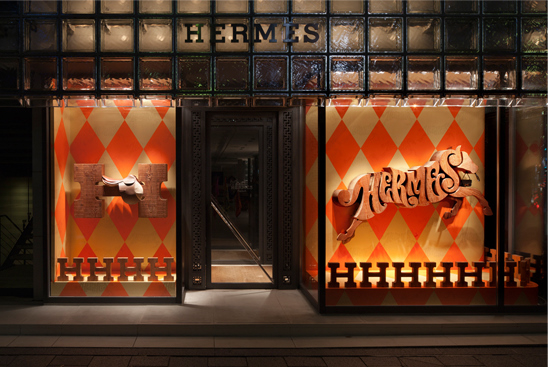
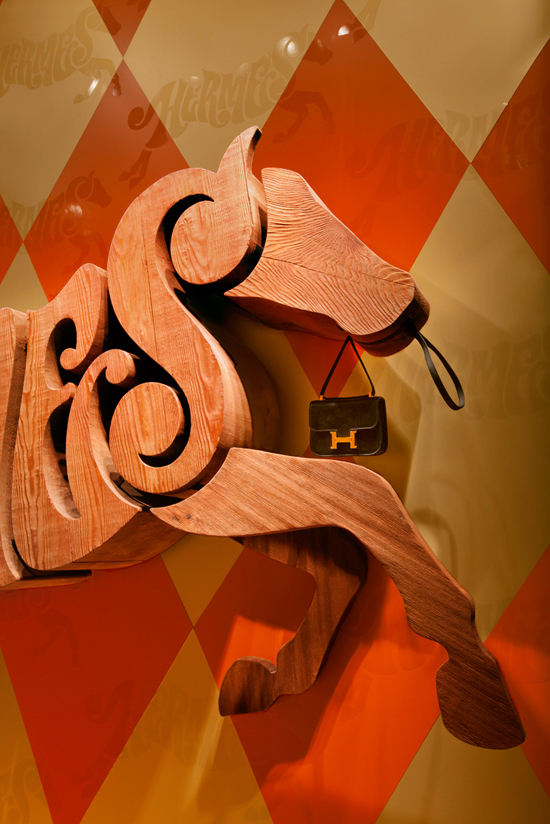
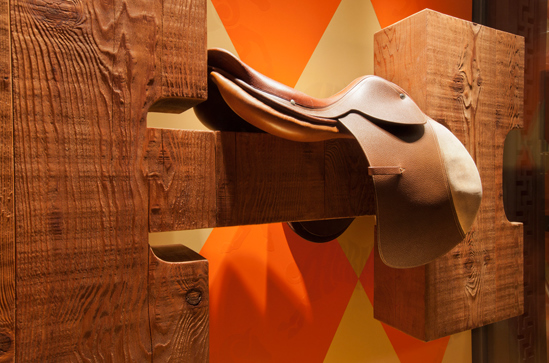
The talented folks at Delaware-based House Industries have worked their magic on the Maison Hermes Tokyo storefront, (type) setting an alphabetic equestrian in the display window.

Sired from custom cut solid Wisconsin cedar and equitationally interlocking House Industries letterforms, our hand-drawn Hermès horse gracefully canters through a harlequin carousel of letter-borne livery with exceptional alphabetic dressage. Stoutly-sculptured cedar characters draped with signature Hermès stablemates carry on our motif throughout twelve animated window installations.

Couldn’t have said it better myself. It’s on display through Jan 17, 2012.

Check out the window display from earlier this year when Paramodel transformed it into a utilitarian workshop.

Source: @aqworks | House Industries
(I shamelessly ripped off the title for this post from them too)

Now Open: Daikanyama T-Site by Klein Dytham Architecture

images courtesy T-Site | click to enlarge

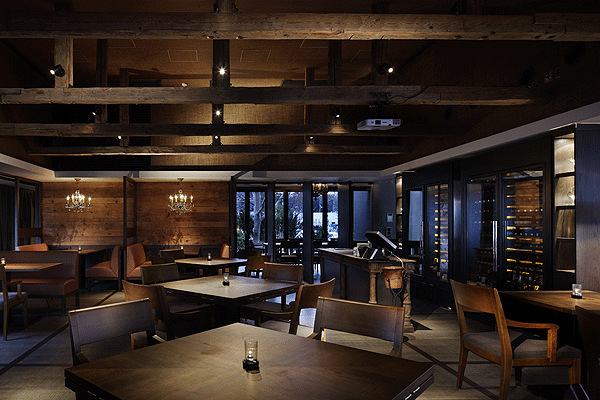
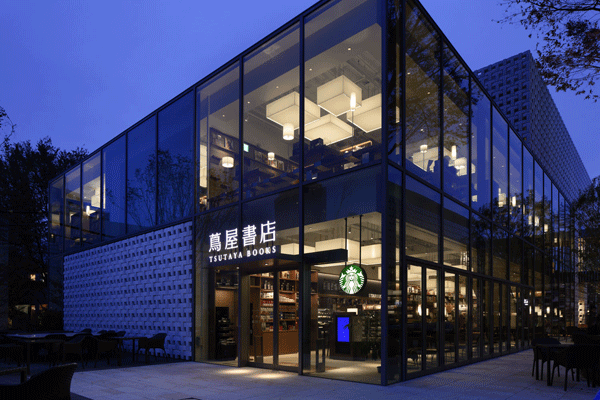
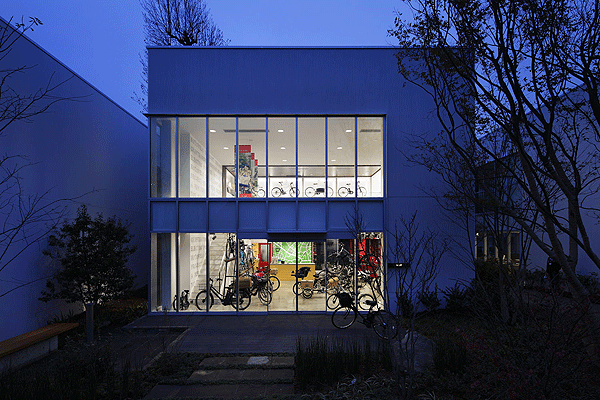
Last week a new retail village quietly opened in the Daikanyama neighborhood of Tokyo. Dubbed Daikanyama T-Site, it’s operated by CCC (Culture, Convenience Club), the parent company of media rental giant Tsutaya. And by “quietly” I’m not referring to physical size – at 12000 sq meters and 3 buildings the place is huge – but rather an odd discreetness that is rare when it comes to such commercial endeavors.

For example, there was no opening ceremony. And I couldn’t find a single press release from the company announcing it. There isn’t even a large sign on site advertising its own presence. The location is also odd. Situated roughly 5 minutes away from Daikanyama station, it can’t compete with the convenience of ekimae (front-of-the-station) retail outlets. And yet it’s regal self assurance is inspiring – so grounded and rounded as if knowing she is held securely in the palm of the neighborhood.
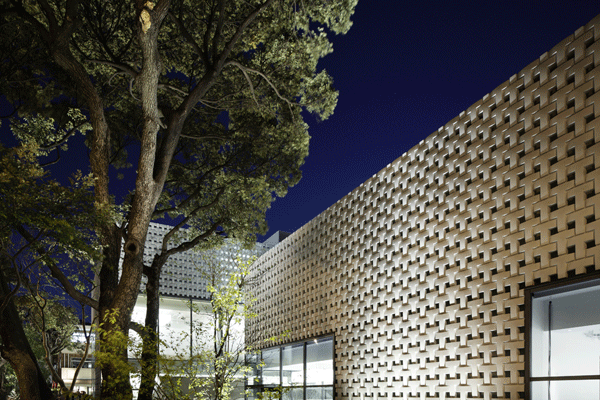
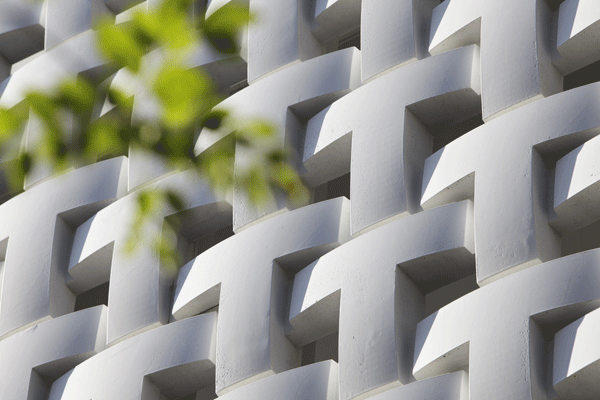
This is perhaps, in part, due to the considered design, which is the work of Tokyo-based architects Klein Dytham. I love the tessellated Ts that adorn the facades of the main buildings. And the interiors are rounded-out by some fantastic signage by Kenya Hara.

signage by Kenya Hara

Although the main space is Tsutaya Books, it’s complemented by a carefully curated ensemble of hobby/lifestyle shops that include a bar and a café as well as a camera and bicycle shop. And upon closer examination, the whole concept reveals some pretty drastic deviations from any preconceived notion of what a bookstore is. For example, the glaring omission of comic books and study guides, the pinnacle of student culture, replaced by now-defunct magazine titles like Heibon Punch and Taiyo.

It’s as if they went out of their way to say, “sorry teenagers and anyone under 35. There’s nothing here for you. Now move along.”
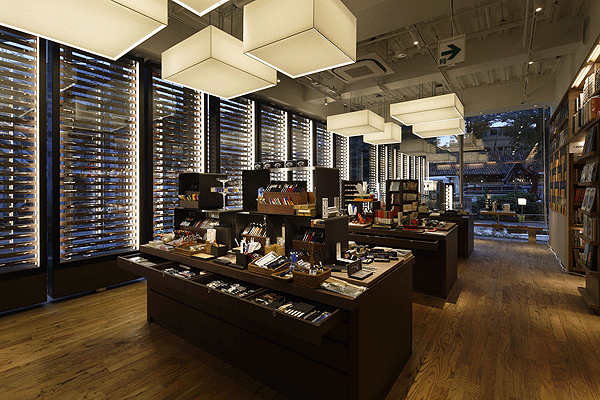
“Pen Wall” stationary store

“Ive Place” bar

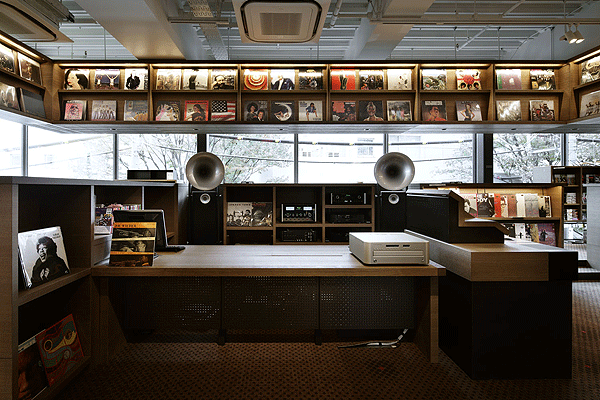
the music floor

art displayed in the space

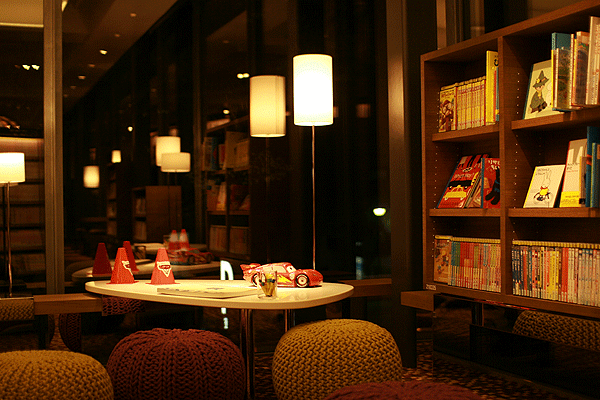
they even have an amazing looking kids room
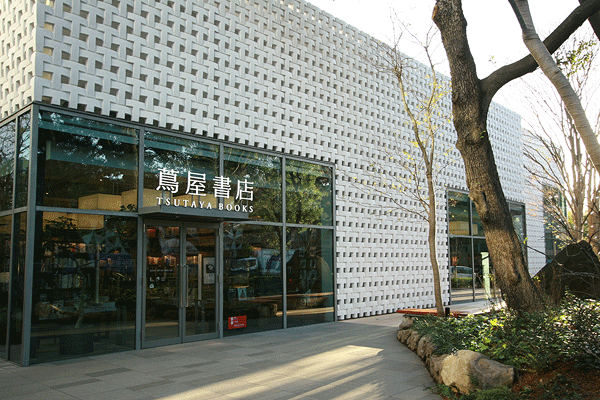
In many ways the new concept is a return to their roots, which date back to 1983. The company opted to shrink their hip western character name “Tsutaya” and replace it with the original Japanese “蔦谷.” Whether their strategy and execution to target the middle-age and senior baby-boomers will play out is yet to be seen. However, it seems to me they’re on the right track. CCC’s main customers are currently between age 20 – 30. And with a shrinking population, the company was only destined to relive the 2 ways Ernest Hemingway describes a man going broke: “gradually then suddenly.”

I love this dedicated dog parking

source: @jeansnow pimping the hell out of it on twitter


« Older posts Newer posts »
© 2026 Spoon & Tamago

Up ↑

Design by Bento Graphics