Page 273 of 406

Starbucks in Fukuoka by Kengo Kuma

images courtesy Kengo Kuma | click to enlarge

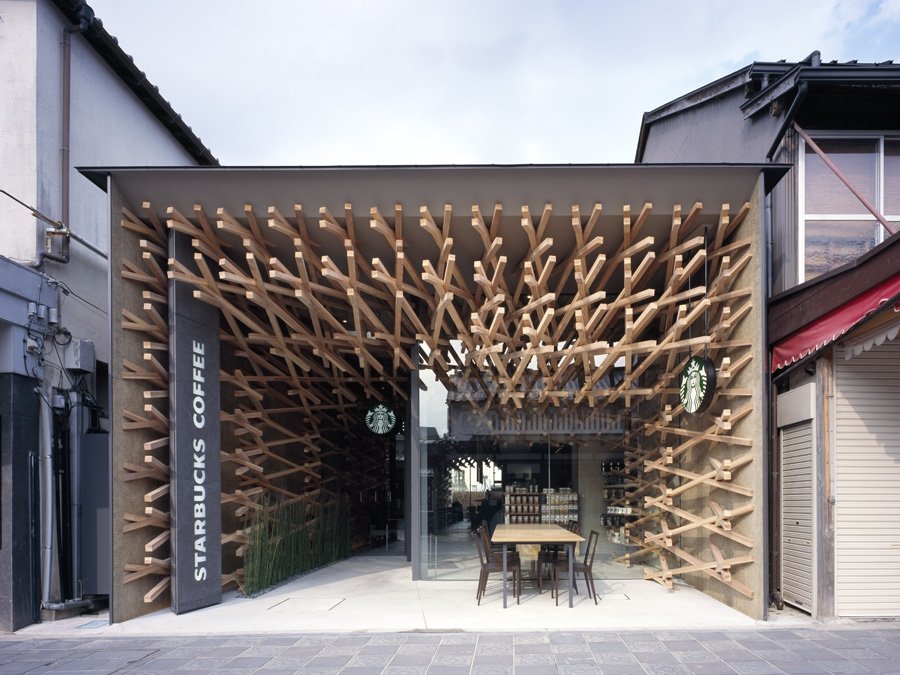
Depending on where you are on the spectrum of coffee politics, you may consider Starbucks a neighborhood boon or blight – a convenient place to get your caffeine fix on every corner, or a symbol of capitalistic mass-production that now has a stronghold on your cup of joe. Either way, you have to admit that this new Starbucks interior in Fukuoka is pretty awe-inspiring.

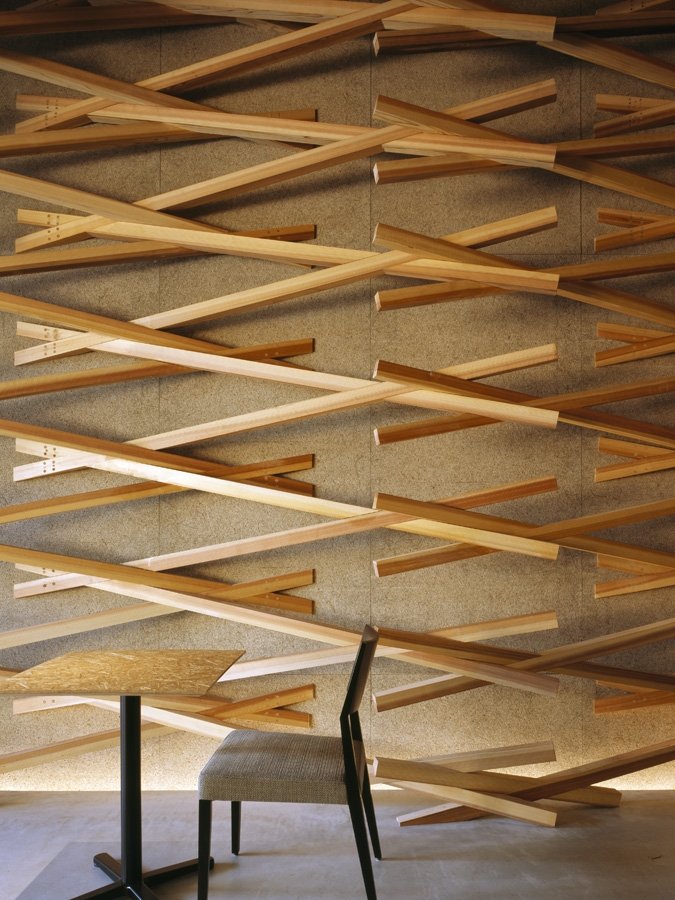
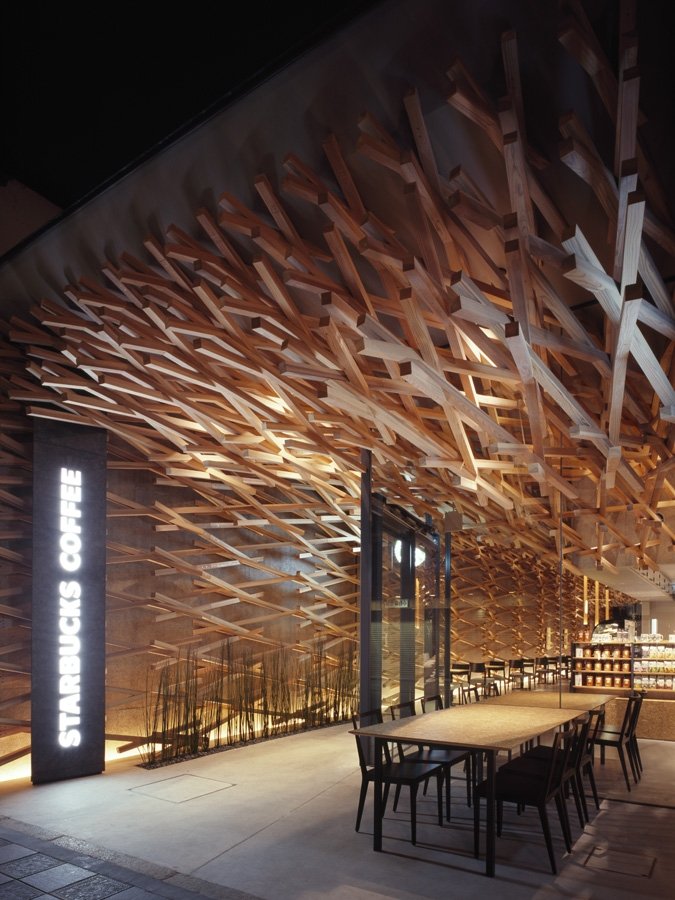
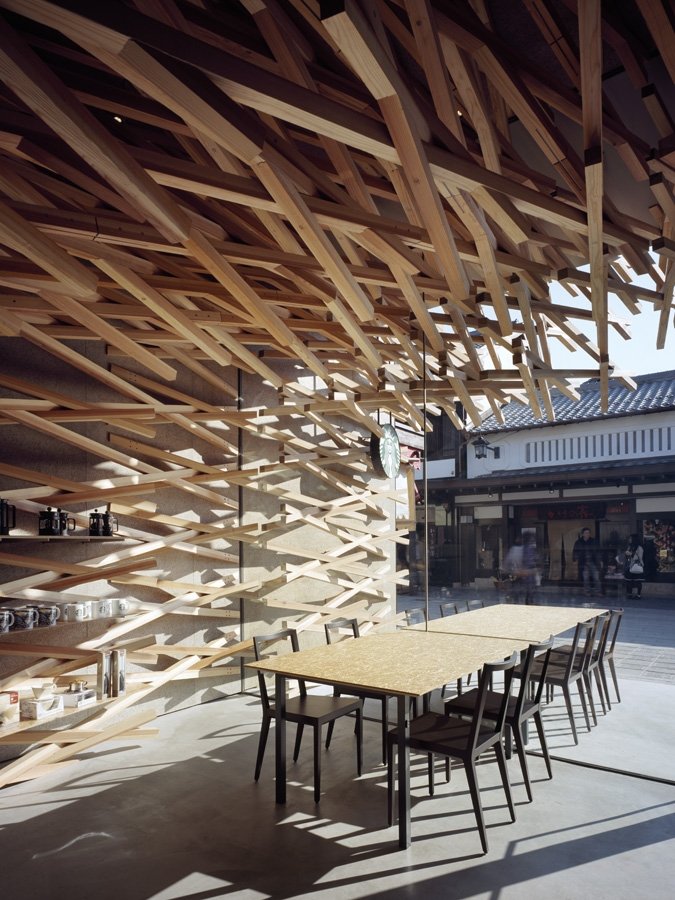
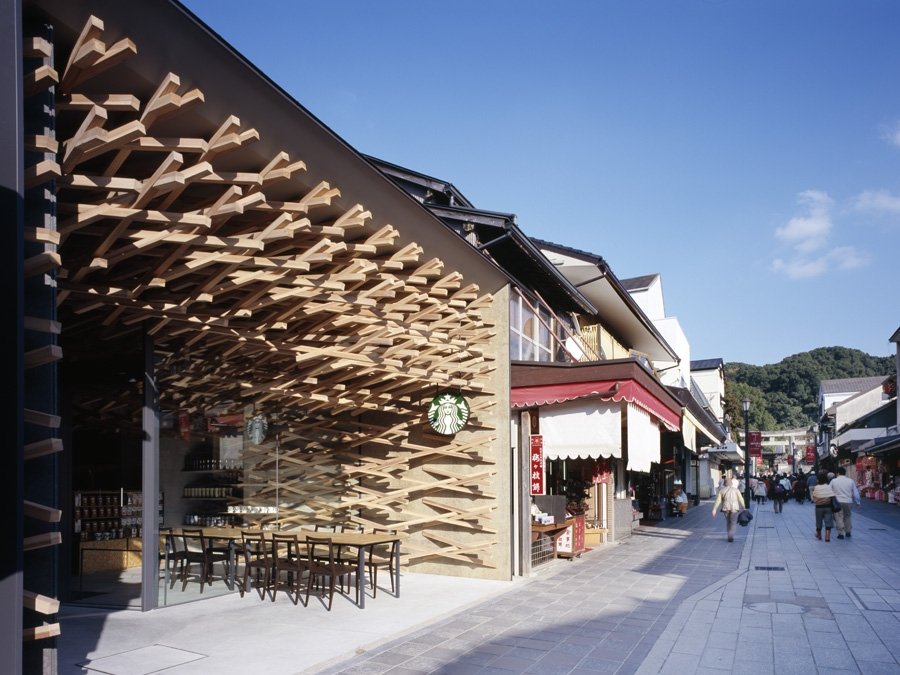
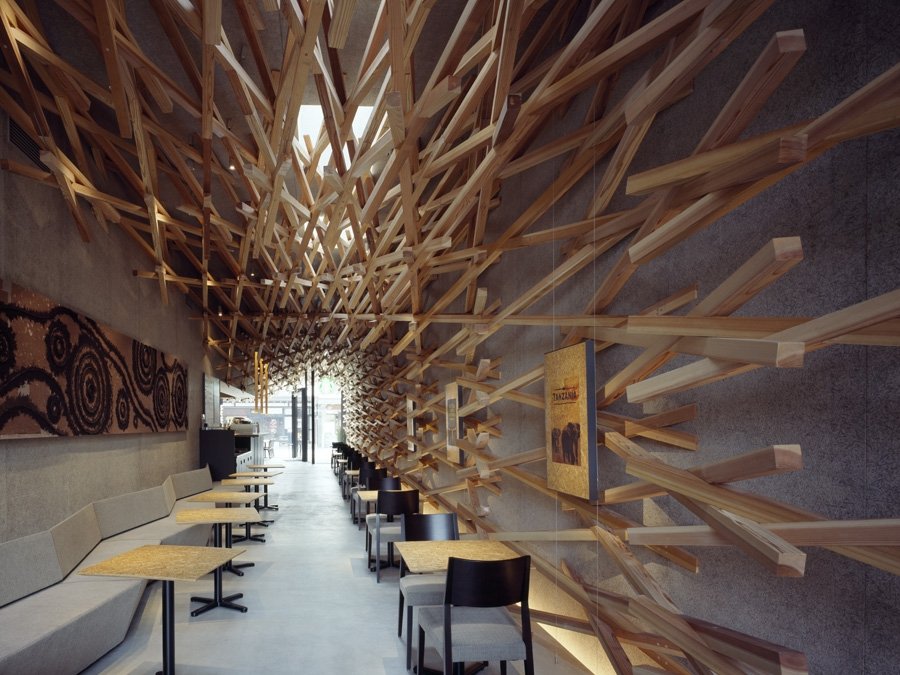
Late last year we reported that architect Kengo Kuma was working on a starbucks in Fukuoka. Well now we finally have images of the completed store. The new location, which opened in late December, is located near Daizaifu Tenmangu, a Shinto shrine first constructed in the year 905. Given the deep history and cultural significance of the site, Kuma opted to go with the traditional technique of interlocking wooden blocks, a stylistic genre he has been experimenting with quite a bit.

The wooden beams partially extend out onto the street, resembling branches in a forest. The pure, natural materials are consistent with the Shinto aesthetic and are a gorgeous fusion of contemporary and traditional.
source: contemporist | Ryutsu
Sagashitemiyo! | Benesse’s new iPhone app for little explorers

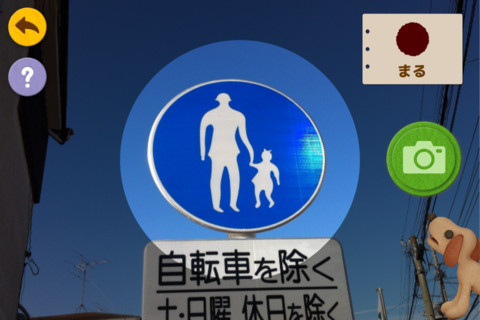
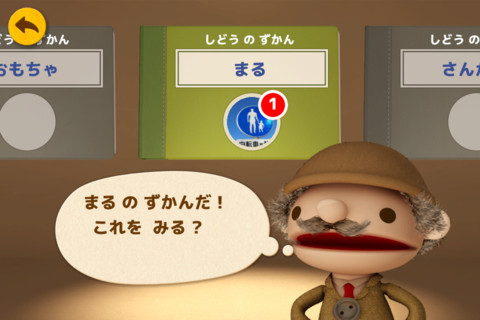
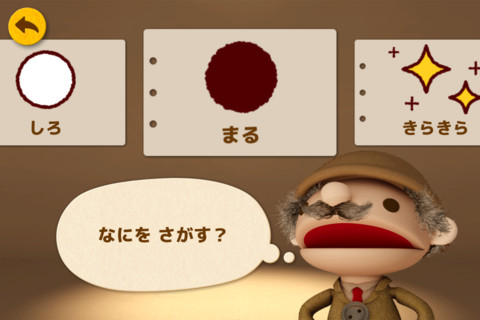
I love the idea behind this new iPhone app for kids called Sagashitemiyo! (さがしてみよ!), or Let’s Search! The simple interface starts off by prompting little explorers to search for objects based on certain criteria like something “round,” “white” or “sparkly.”

The kids then set off on an expedition, capturing objects with the phone’s camera.

The app then allows you to catalog your discoveries into a virtual field guide of things around you. You can even share your discoveries with friends who are also using the app.

The app is available in both English and Japanese. $1.99 in the app store.

What a great way of empowering kids with technology, helping them to make sense of all the objects around them. Hat-tip to the folks at MKFTR who developed the app for Benesse, a correspondence education and publishing company and also patron of the arts.

source: @cpalmieri

Obayashi Corp Plans 36,000 km Space Elevator

In what would quickly be dubbed the longest elevator ride ever, passengers would spend 7.5 days traveling up to the station


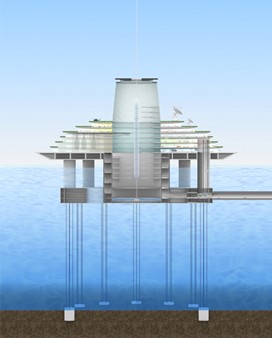
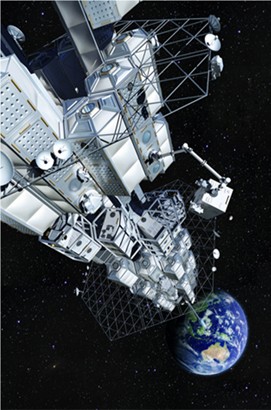
left: anchor planted in the ocean | right: counterweight spaceport

For centuries mankind has aspired towards greater things. And whether those things are climbing mountains, building pyramids, climbing on each others shoulders, constructing skyscrapers or traveling to the moon, our aspirations have continuously manifested themselves in the form of reaching for the sky.

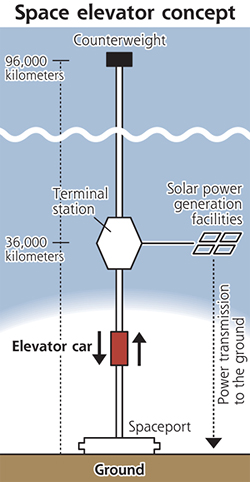
But in it’s latest iteration, Obayashi Corp, the Japanese engineering and construction firm that is building the Tokyo Sky Tree, has announced plans that it will aim to complete a space elevator by the year 2050. The plan calls for 96,000 kilometers of carbon nanotube cables extending from an anchor planted in the sea, into space where it would be secured by a spaceport – also serving as a counterweight. Below the midpoint – at 36,000 km – would be the terminal station, which would house labs and housing. In what would would quickly be dubbed the longest elevator ride ever, passengers would spend 7.5 days traveling up to the station.

Obayashi Corp has declined to put a price tag on their vision: “At this moment, we cannot estimate the cost for the project.” But the JSEA (Japan Space Elevator Association) – what? you didn’t know there was such a thing? – has estimated costs of building a space elevator to be 1 trillion yen.

Whether the space elevator will turn out to be simply a pipe dream or an awesome reality of the future, only time will tell. Either way, I commend Obayashi Corp for dreaming big.

source: Japan Times | Obayashi Corp press release

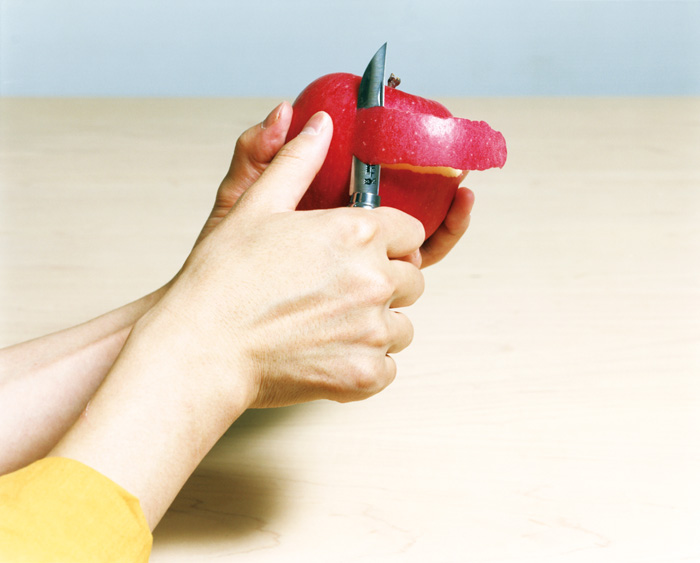
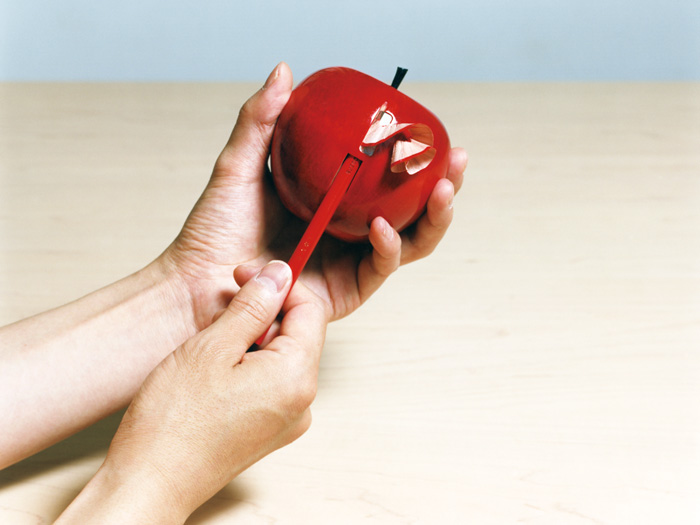
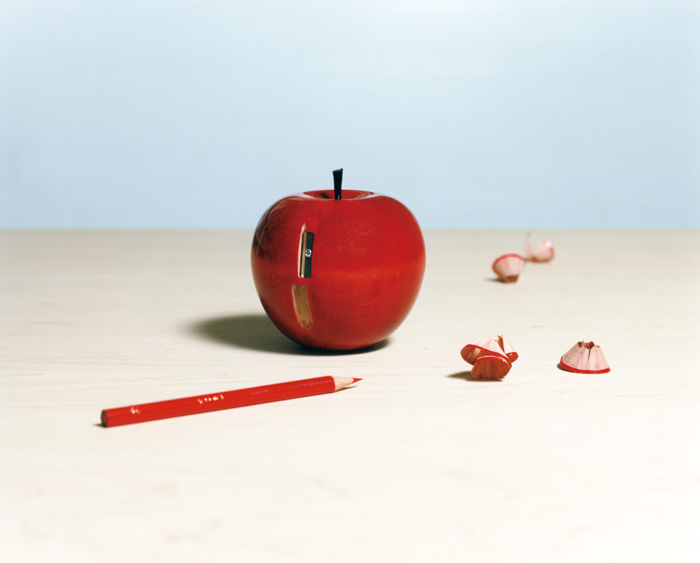
Apple pencil sharpener

Sometimes I think about things. Things like, why is fruit – for the most part – the size of our palm? Is it some weird coincidence that most fruit and vegetables conveniently fit into our hand? After mulling this for several weeks I realized that this is simply another case of evolution-explains-it-all. If fruit was too big animals wouldn’t carry them home. They wouldn’t poop the seeds in different places and the seeds wouldn’t spread across the land.

So while fruit has done a fine job adapting to our bodies, other things, like pencil sharpeners, have always felt a bit awkward to me. Trying to twist my pencil while holding this unnecessarily small sharpener I always thought there must be another way. That’s exactly what product design brand Rabbit Hole must have been thinking about when they came up with this awesome apple-shaped pencil sharpener.

Even if you don’t agree with my theory on how this product came about, you must surely agree that having this bright red apple-looking pencil sharpener on your desk would be way too much fun.

Launched in 2010, Rabbit Hole is a Japanese design trio comprised of designer Atsushi Suzuki, furniture designer Hidenori Takeuchi and photographer Masakazu Ohnishi.

Found through Atsushi Suzuki’s website

mag_net_ic earrings by Akiko Oue

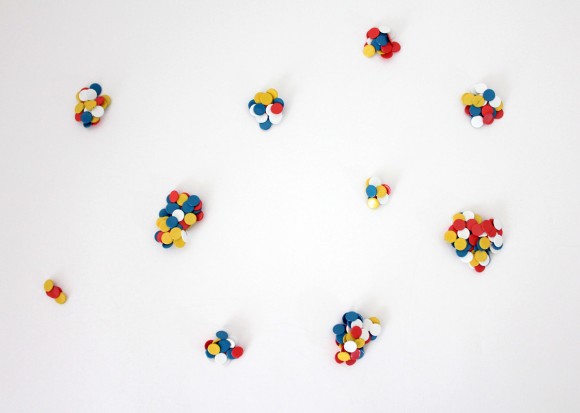
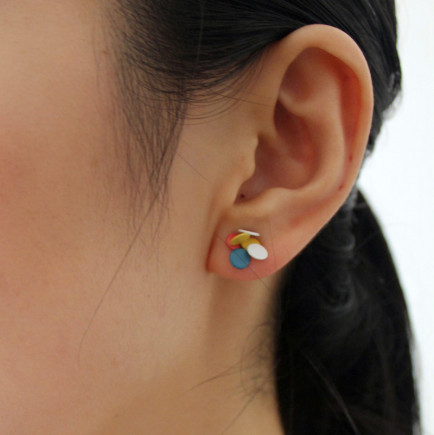
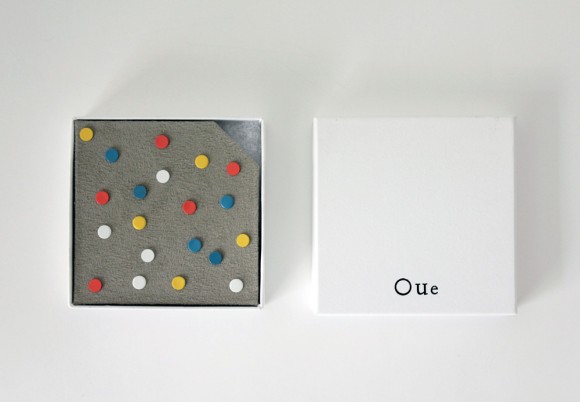
Jewelry designer Akiko Oue has created mag_net_ic – a pair of infinitely customizable magnetic earrings. The 2 silver earring studs have magnets attached to them and come with 12 colorful dots that can be attached. Inspired by the act of picking up pieces of metal after jewelry-making, Oue thought it might be fun if a piece of jewelry could actually emerge from the act of picking up small pieces with a magnet.

The earrings are available (12,600 yen) through the bota boutique in Kobe. You can order through their website but it’s all in Japanese. If you need help ordering you can go with a forwarding service.

The concept of DIY jewelry is in the same vein as pick-a-jewel.

Lovely idea. Lovely logo and packaging too! In case you were curious, both were designed by Atsushi Suzuki. I love how the perfectly round “O” invokes imagery of jewelry.

source: mocoloco

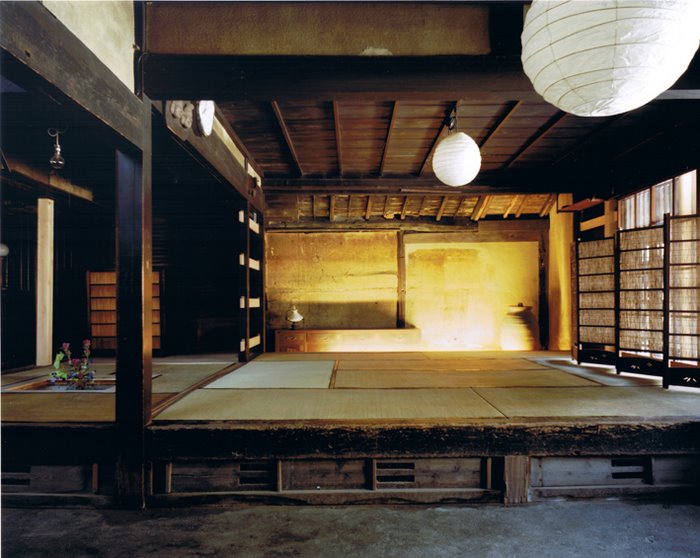
Hanauchi-ya renovation project by Tadashi Yoshimura Architects

In renovating a 200-year old town house, an architect looks to the past

Photos by Hitoshi Kawamoto | click to enlarge

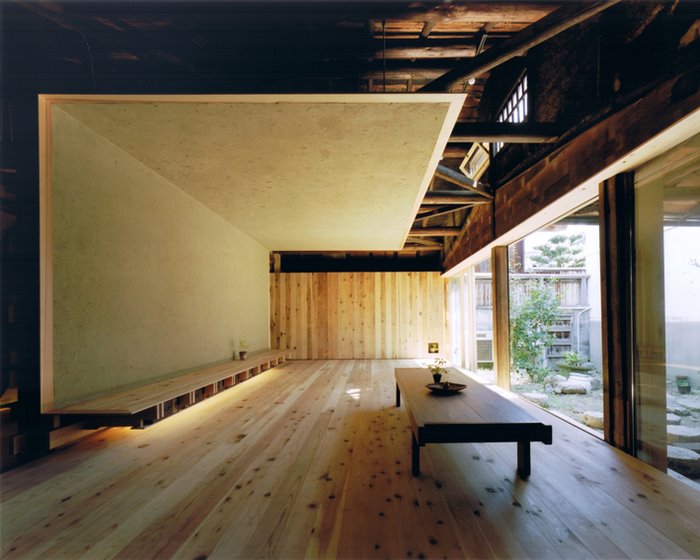
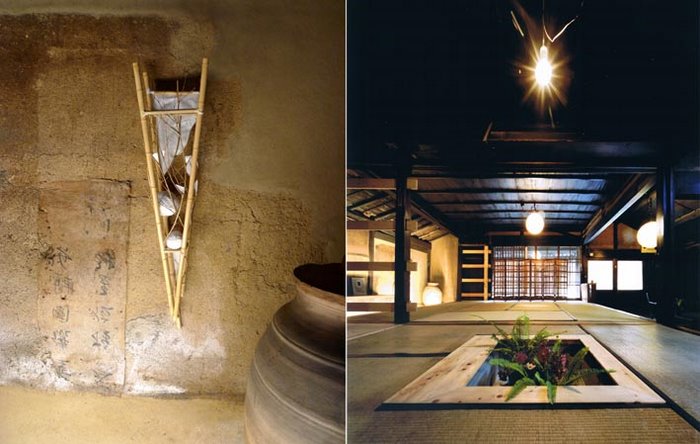
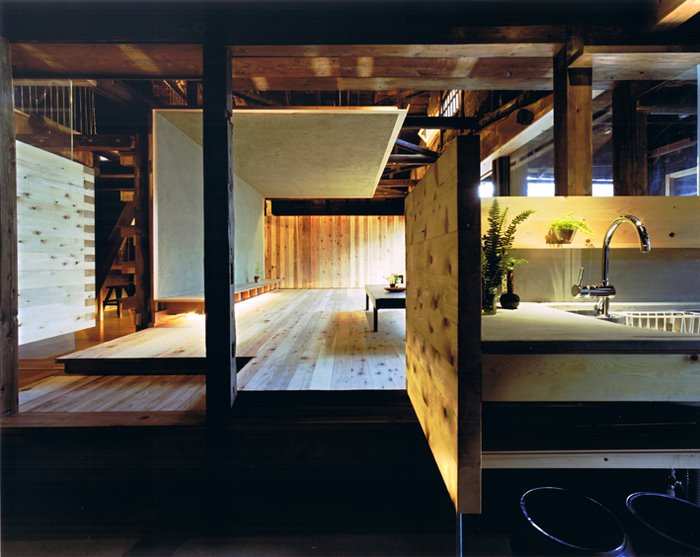
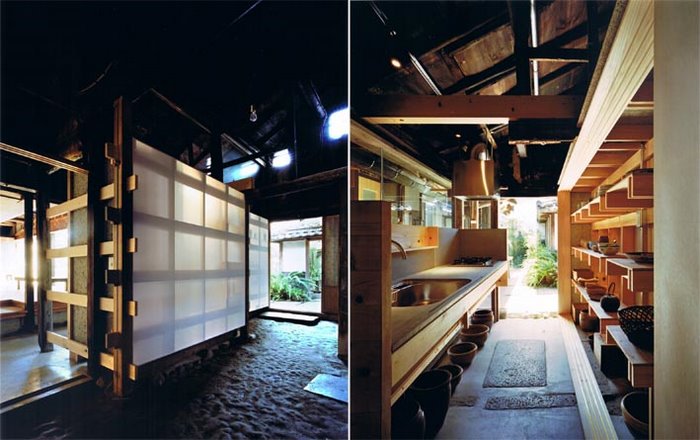
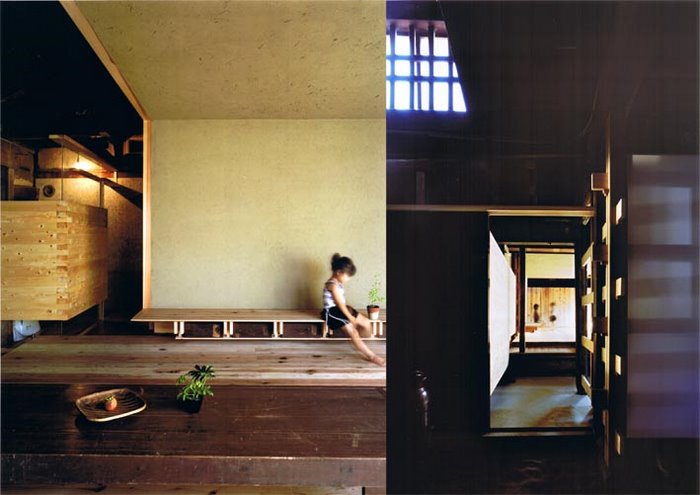
Late last year Tadashi Yoshimura Architects ended a year-long renovation project of Hanauchi-ya, a 200-year old wooden home located in Nara prefecture, about an hour out of central Osaka. Despite undergoing what was thought to be several thoughtless prior renovations and decades of water damage, the plan – all along – was to reuse existing materials as much as possible. As expected, this proved to be a technical nightmare with recurring surprises (“oh look, another wall behind the wall we just tore down”) making it virtually impossible for the architects to ever leave the site.

But look at those results! The seamlessness between old and new materials makes it feel like we’ve been transported back to the 1800s. There are some fascinating pictures of the process up on the architect’s blog. Of note, these pictures of taking reclaimed mud and using it to make walls.

Source: ArchDaily | Tadashi Yoshimura Architects and their blog

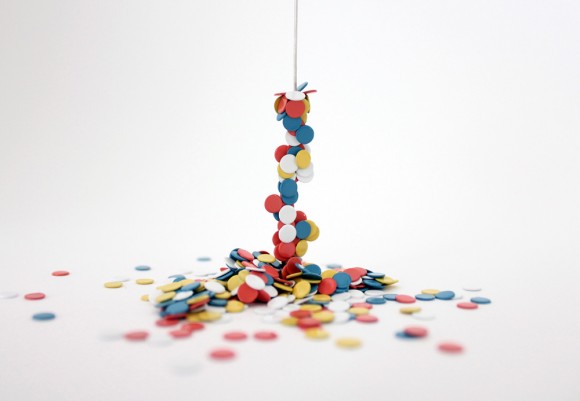
Bloom Skin – a gorgeous wind installation for Issey Miyake

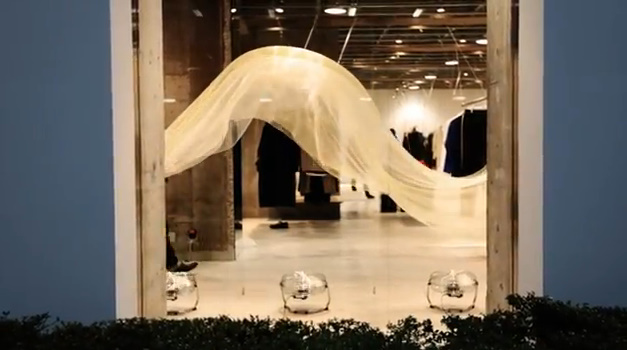
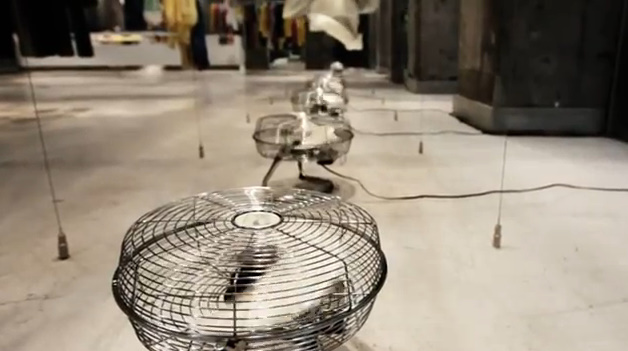
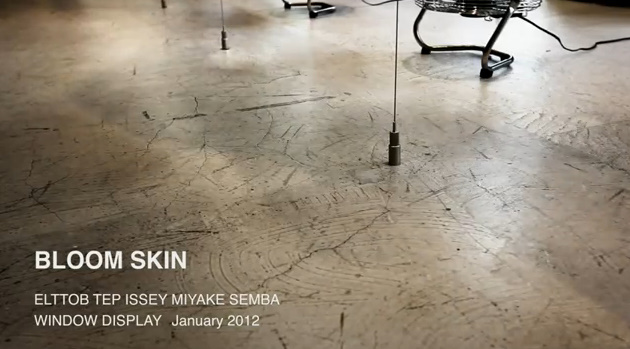
For the Spring/Summer 2012 collection of ELTTOB TEP (previously) – Issey Miyake’s more innovative retail project – visual design studio WOW created an installation of 8 computer controlled fans and a single piece of fabric. Called ‘organdie,’ the ultra-light fabric, which is also used throughout the collection, creates gentle wave-like motions as it dances in the show window. Calming and gorgeous!

giraffe neckties

Giraffe ties is the latest brainchild of Toyama Masamichi, a Japanese entrepreneur and the man behind several niche yet successful ventures like Soup Stock Tokyo and Pass The Baton. Aspiring to become “the world’s cutest necktie brand,” giraffe assigns a certain look to a temperature – 34, 36, 38 and 40 degrees – with the lowest and highest temperatures being, well, “out there.” Their ties are available through online marketplace zozotown.

An added bonus: these pictures of a recent exhibition they held are giving me major tie envy.

images from their spring/summer 2012 collection | click to enlarge

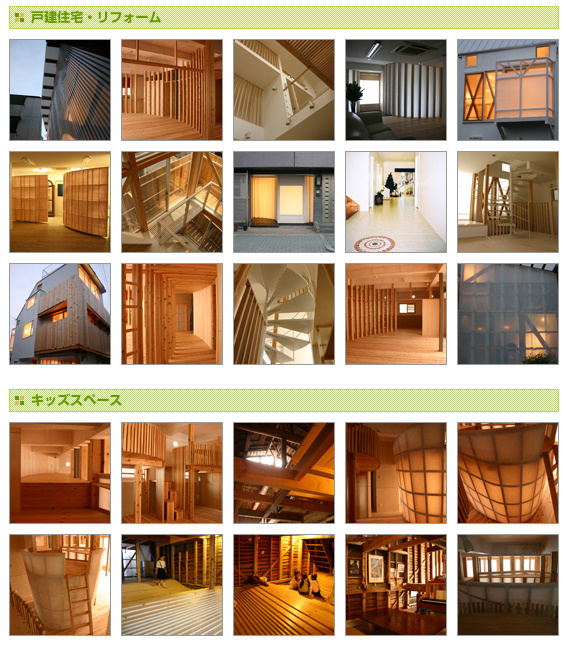
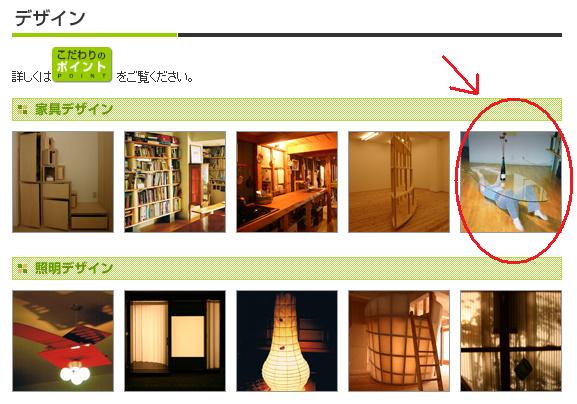
Architect includes unexplained masochistic human coffee table in his portfolio

I’m sorry. I couldn’t help myself. I’ve tweeted about this before but I just find it incredibly weird and unexplainable (and funny) that Osaka-based studio Jima Architects has, in what is a seemingly normal portfolio of work, a human coffee table. It’s like playing a game of “what doesn’t belong?”

You’ve got your single-family housing, your kids spaces, your furniture…and…. Oh my… oh my god!
(well, at least he’s clothed)

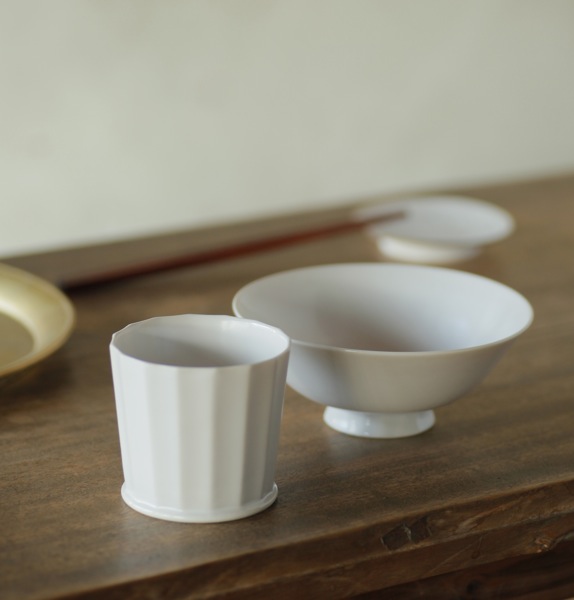
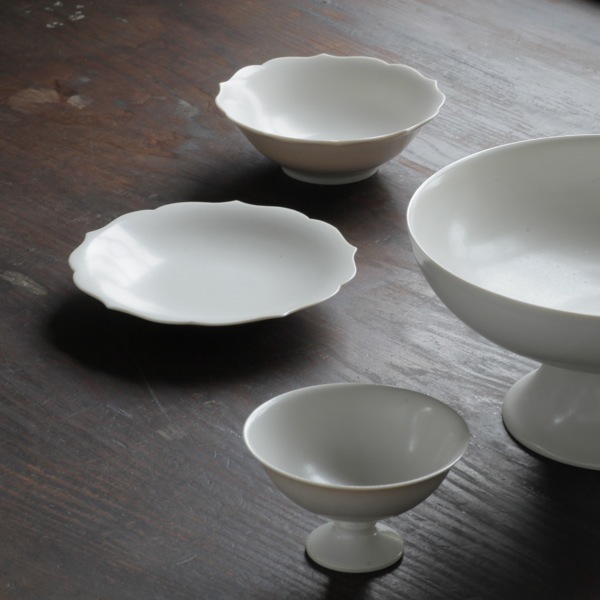
JICON | new brand of porcelain ceramics by Oji Masanori

Oji Masanori has designed a new brand of ceramics called JICON (磁今; a combination of the character for “porcelain” and “now” ). As the name implies, Oji, along with craftsmen of the 350-year old touetsugama kiln, came up with a contemporary series of porcelain table ware that emphasizes the beauty of intrinsic whiteness.

I got a sneak peek when I was in Tokyo last year and they were really gorgeous. I loved the way they fit in your hand. Truly a well-designed product.


« Older posts Newer posts »

© 2026 Spoon & Tamago

Up ↑

Design by Bento Graphics