Page 274 of 406

Architect includes unexplained masochistic human coffee table in his portfolio

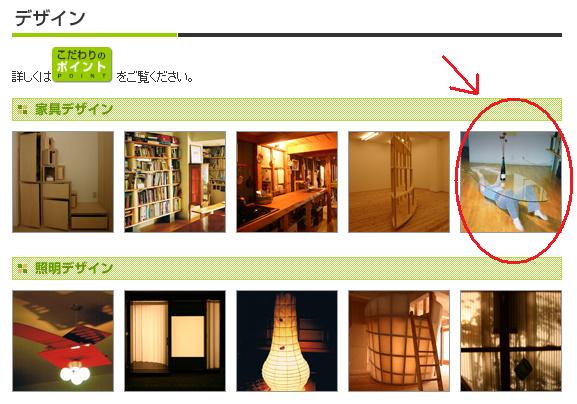
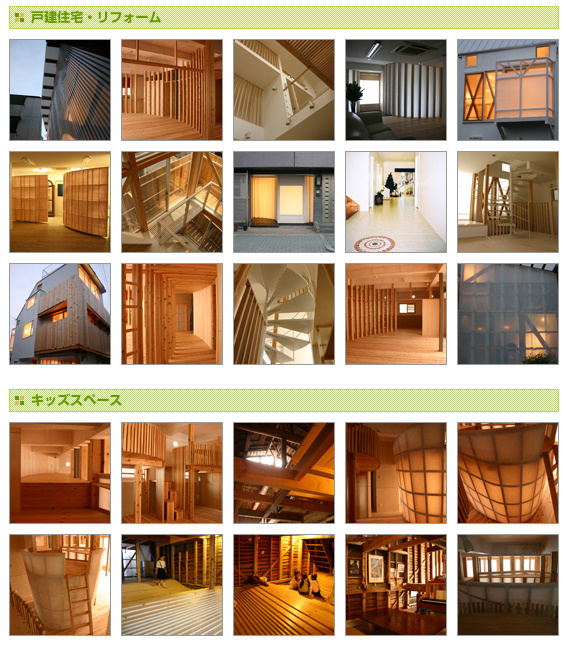
I’m sorry. I couldn’t help myself. I’ve tweeted about this before but I just find it incredibly weird and unexplainable (and funny) that Osaka-based studio Jima Architects has, in what is a seemingly normal portfolio of work, a human coffee table. It’s like playing a game of “what doesn’t belong?”

You’ve got your single-family housing, your kids spaces, your furniture…and…. Oh my… oh my god!
(well, at least he’s clothed)

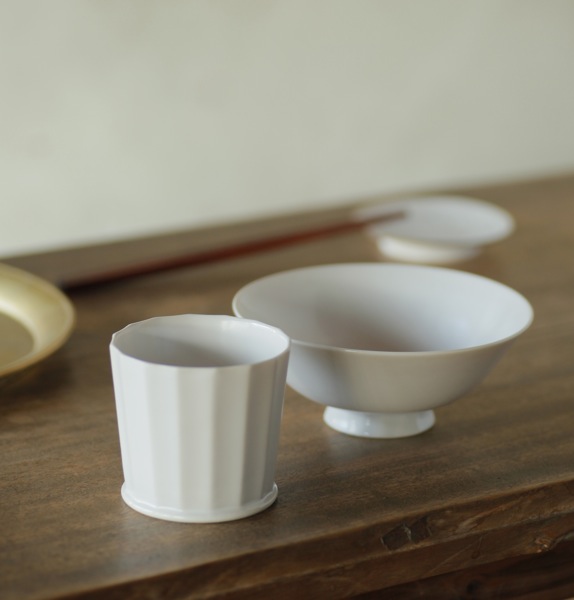
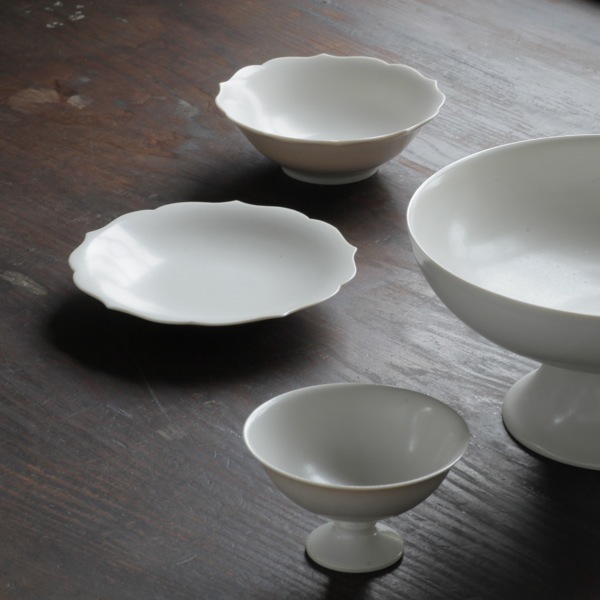
JICON | new brand of porcelain ceramics by Oji Masanori

Oji Masanori has designed a new brand of ceramics called JICON (磁今; a combination of the character for “porcelain” and “now” ). As the name implies, Oji, along with craftsmen of the 350-year old touetsugama kiln, came up with a contemporary series of porcelain table ware that emphasizes the beauty of intrinsic whiteness.

I got a sneak peek when I was in Tokyo last year and they were really gorgeous. I loved the way they fit in your hand. Truly a well-designed product.


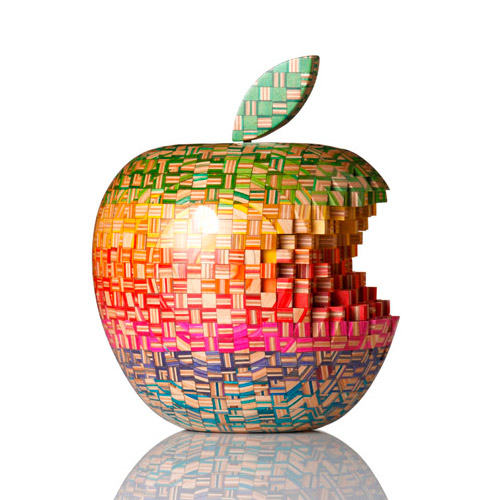
Haroshi creates mosaic sculptures out of recycled skateboard decks

Haroshi - Apple

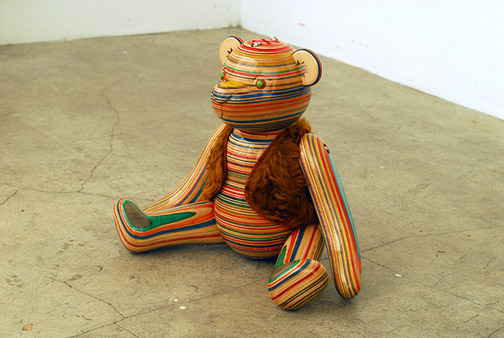
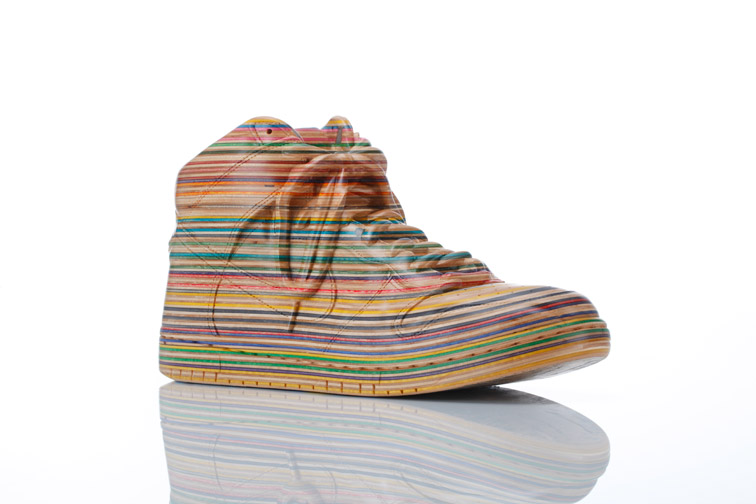
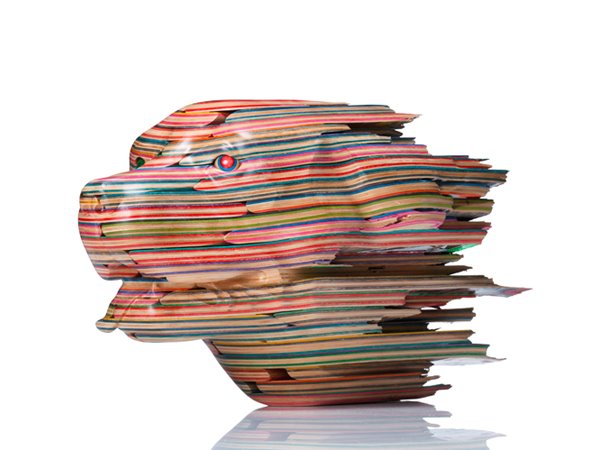
Discovering his love for skateboards as a young teen, Haroshi not only skates but also creates mosaic sculptures out of recycled skateboard decks. “To Haroshi, his art pieces are equal to his skateboards, and that means they are his life itself.”

Haroshi - Bear

Haroshi - Dunk

Haroshi uses a wood mosaic method similar to the method most Buddha statues in Japan are made. This method helps keep the statues light weight, minimizes wasted materials, and in Haroshi’s case making his art very “green.” He also incorporates a tradition by putting a piece of metal from the original skate board into the center hollow of the sculpture; creating its “soul.” The famous Buddha sculptor “Unkei” (12th century) is said to have put a crystal into where the heart of Buddha would be.

In this video below, Haroshi discusses his latest collaboration with pro skater Keith Hufnagel.

Haroshi - Dog

Source: Haroshi | Haroshi (Facebook)

A tale of products, marketing and the circle of life

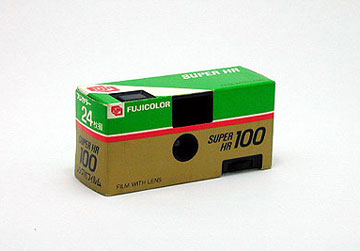
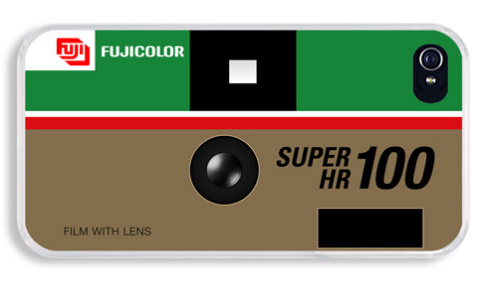
first ever fujicolor disposable camera | image courtesy marophoto

Often times when a marketing campaign is good enough, the campaign will outlive the product itself. Take, for example, Fujifilm’s campaign for their Fujicolor disposable camera. Their catchphrase, oshogatsu wo utsuso, fujicolor de utsuso (let’s capture New Years, let’s capture it with Fujicolor) led to a phenomenal streak of never-ending commercials and celebrity cameos, as well as huge sales in disposable cameras. It was reported that, at their peak around 2003, Fujifilm was shipping about 120 million of their iconic cameras a year. But we all know the next few chapters of the tragic story. First came digital cameras, then came the iPhone and now all those sales numbers feel like a long lost dream.

But one thing wasn’t lost – the catchphrase. If you say to someone, “oshogatsu wo utsuso” (let’s capture New Year), 9 times out of 10 – guaranteed – they will reciprocate with “Fujicolor de utsuso.” Try it. It’s fun.

However, that’s not the end of the story. Sometimes products can be reincarnated. In a poetic twist of fate, Fujicolor’s disposable camera has become  an accessory to murder: a case for very thing that killed it – the iPhone.

The intricate sculptures of Takanori Aiba

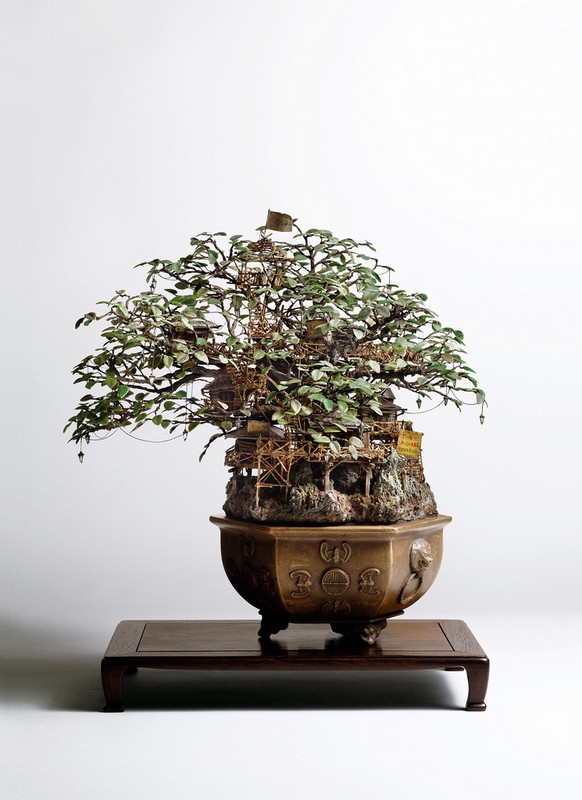
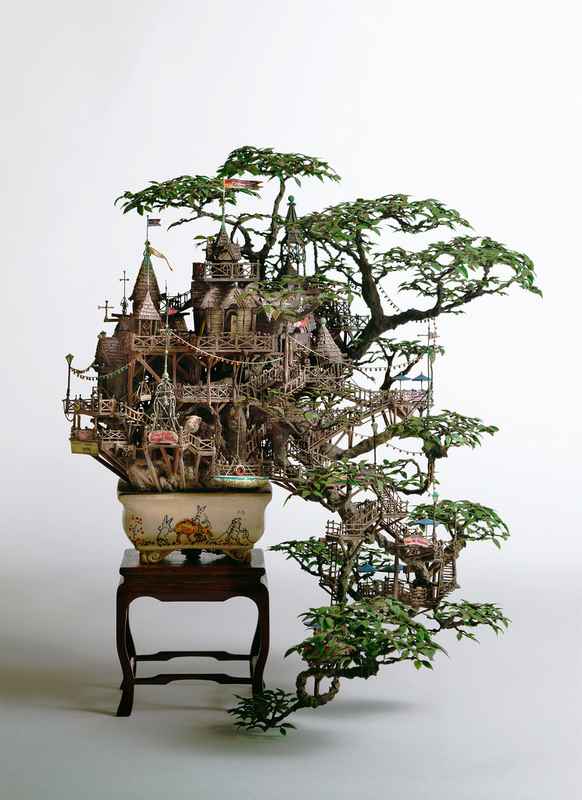
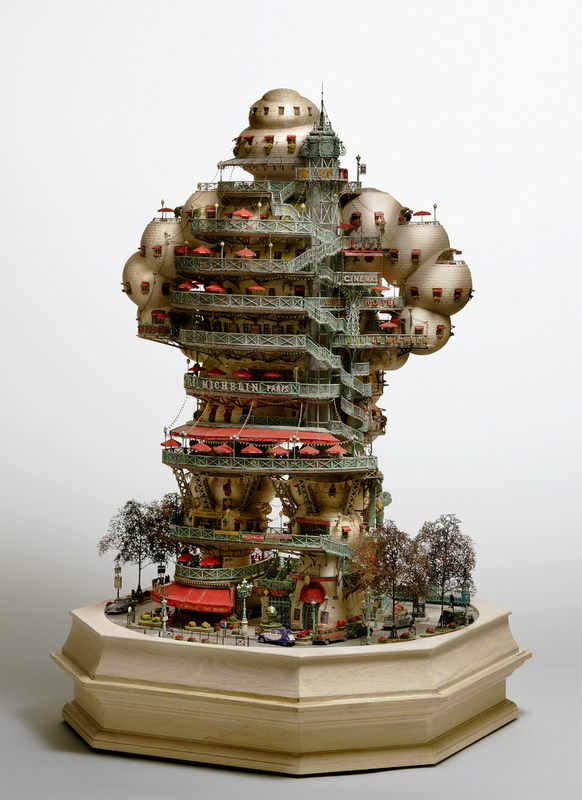
As his title of Producer, Art Director and Maze Illustrator might suggest, Takanori Aiba is a multi-faceted man. Originally getting his start drawing mazes for POPEYE magazine, he later made a name for himself producing a slew of hospitality spaces; everything from the ubiquitous GUSTO to the one-of-a-kind Ramen Museum in Yokohama. He’s even the mastermind behind the gimicky Ninja Restarant in NYC.

But in recent years he’s returned to his roots, taking up his fascination with the intertwining maze and morphing it into a series of amazingly intricate sculptures. Mazes, whether you’re using a pencil to map a piece of paper, or you own 2 feet to navigate the complex systems of a corn maze, appeal to our childhood sense of mystery and adventure. Aiba’s engrossing sculptures stoke the embers of that fire, making us wish that we could get lost in his chimerical creations.

You can see more of his work in his Flickr stream of his facebook page.


source: mymodernmet | G&D | Tokyo Good Idea

Kon Wajiro Retrospective | Shiodome Museum

“I was always fascinated by the now. The importance of studying now, I felt, was that it was necessary to create the future.”
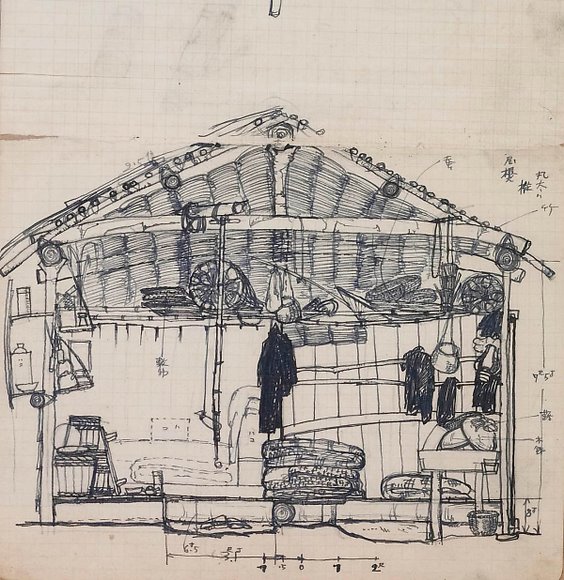
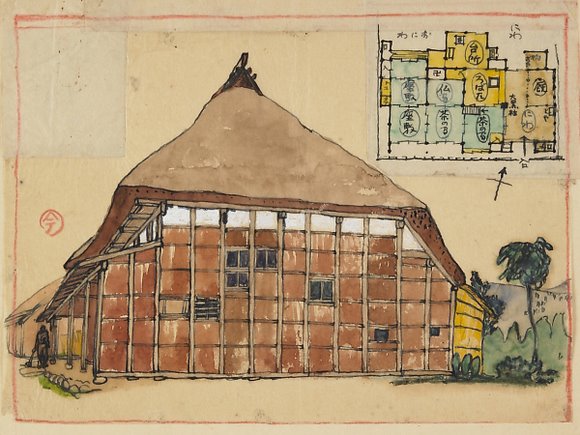
Kon Wajiro is not exactly a household name – even in Japan – unless you are writing a scholarly paper on architecture, phenomenology and modernity. Wajiro, an architect, designer and educator, is often attributed as the founding father of modernology – the study of modern social phenomena or, in other words, the study of everyday life.

“I was always fascinated by the now,” wrote Kon Wajiro, describing himself. “I was intrinsically attracted to people working, having fun and being creative. The importance of studying the now, I felt, was that it was necessary to create the future.” (translated by S&T)

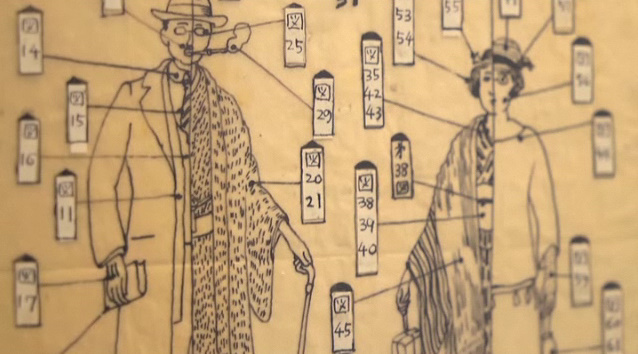
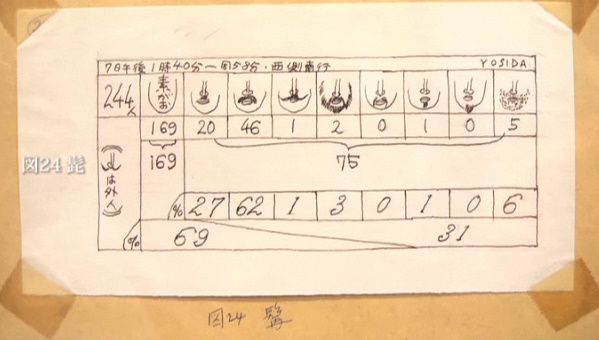
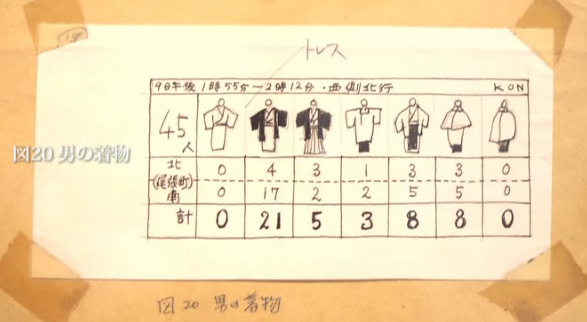
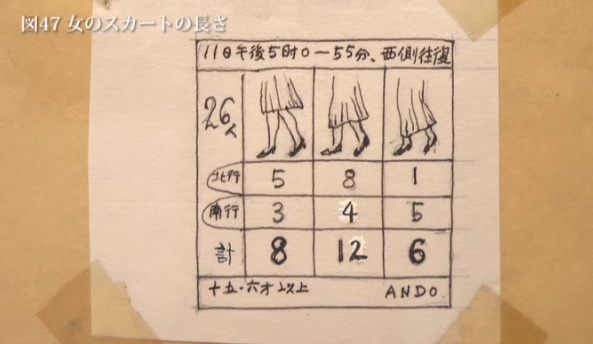
He’s now the subject of a retrospective at the Shiodome Museum in Tokyo that runs through March 25, 2012. The collection includes architectural sketches of Japanese homes and exhaustive surveys of everyday life that he conducted, compiling lists of things in homes, people’s clothing and possessions. I’m most fascinated with a piece called “Tokyo Ginza Fuzoku Kiroku,” which is essentially an infographic – borderline OCD – of his observations, conducted in 1925, of everyday people and what they wore. The main graphic (seen below) breaks down the ratio of men and women dressed in traditional Japanese or western attire.
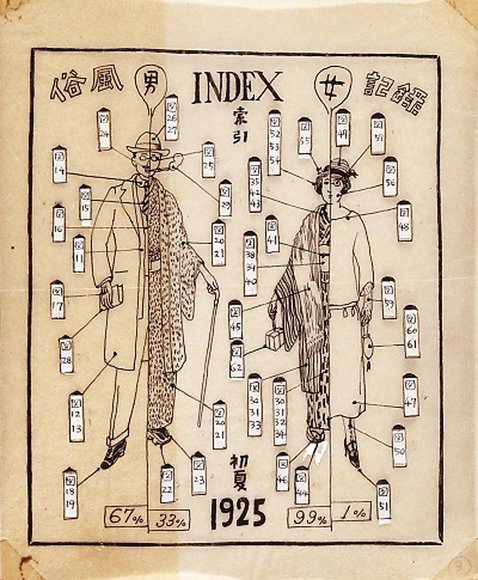
image above and images below are stills from the introductory video

Each article is numbered and points you to an appendix, which provides further granularity into his observations, such as the types of bears men had, the type of overcoat worn or the length of women’s skirts.


source: axis magazine | shiodome museum

——————————————————————

Kon Wajiro Retrospective
Shiodome Museum
2012.01.14 – 03.25
10:00 – 18:00 (enter before 17:00)
500 yen general admission

DIY: Origami Valentine

Origami Heart

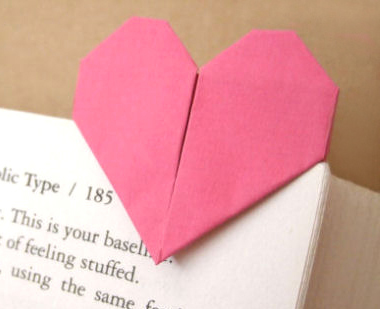
photo via bloomize.com

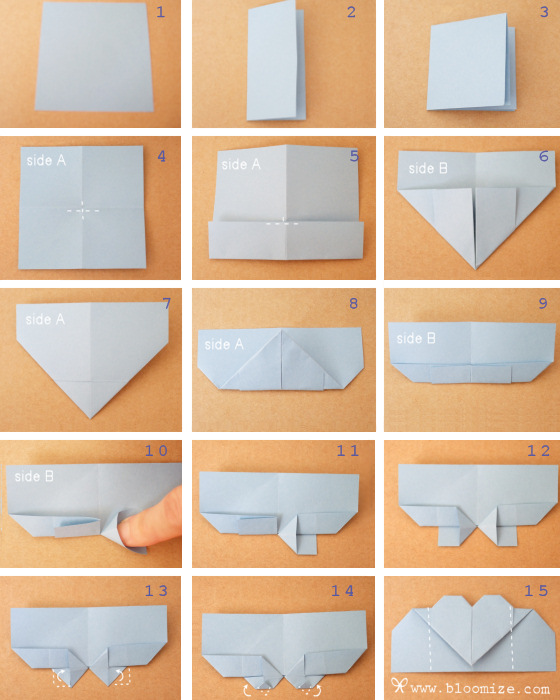
This origami heart is too easy not to make for your Valentines this year! All you need is a square piece of paper. I remember making these through some of the classes I should have paid attention to in school.

Origami Heart steps

1. Use a square piece of paper.
2. Fold in half. Crease.
3. Half again. Crease.
4. Open up.
5. Fold bottom portion to the middle crease line.
6. Turn over. Fold up triangular edges.
7. Turn over.
8. Bring point C to the top.
9. Turn over.
10. Use finger to make an opening.
11. Flatten to form triangle.
12. Repeat step 12 on the left side.
13. Fold a triangle from the edge for both sides.
14. Fold a tiny triangle from each peak.
15. Turn over. Fold the areas behind the dotted lines.

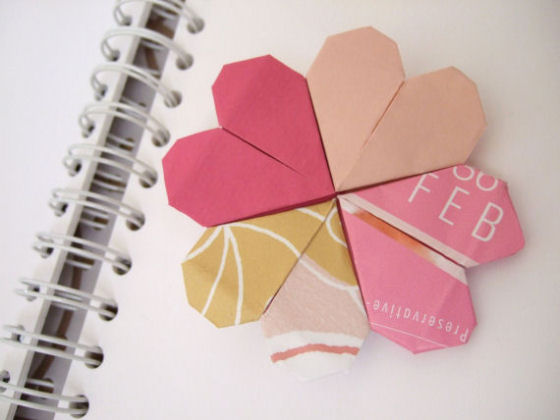
Other than being ‘cute’ and a nice handmade touch to your Valentine’s, it’s also pretty versatile. You can flip up the heart and use it as a little envelope for a small gift or letter. It can be used as a book mark as pictured at the top. And last but not least, when you put 4 of them together, you can create a 4-leaf clover.

Origami Cloverphoto via bloomize.com

Source: bloomize.com

Bonus – Couple other DIY origami hearts: Origami Heart with Wings & Easy Origami Heart

Comicalu | manga-inspired products

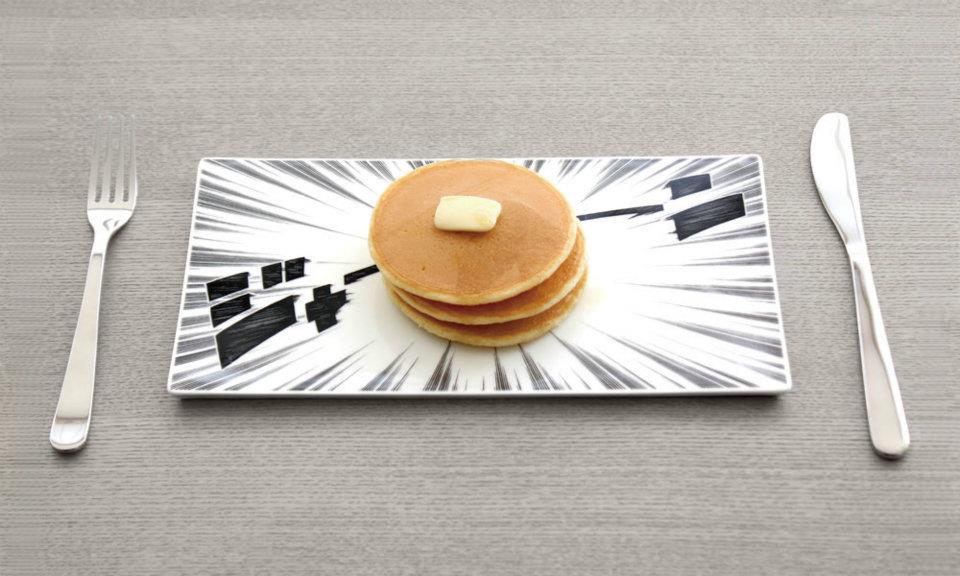
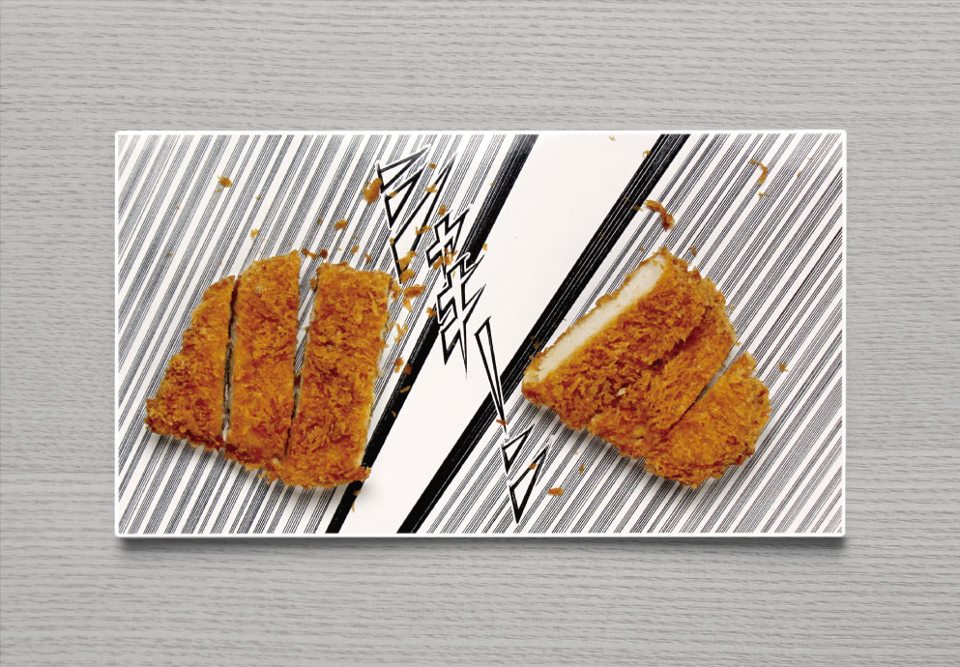
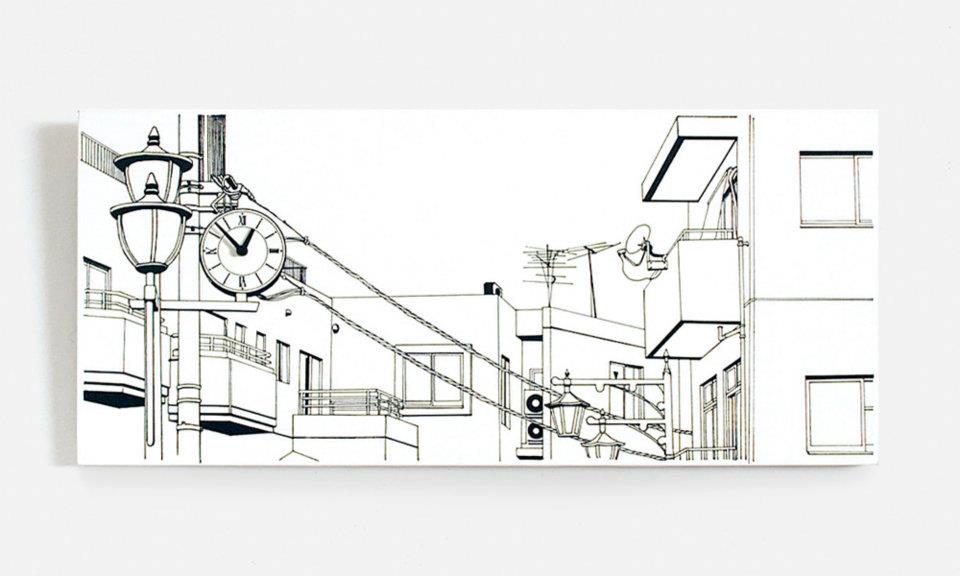
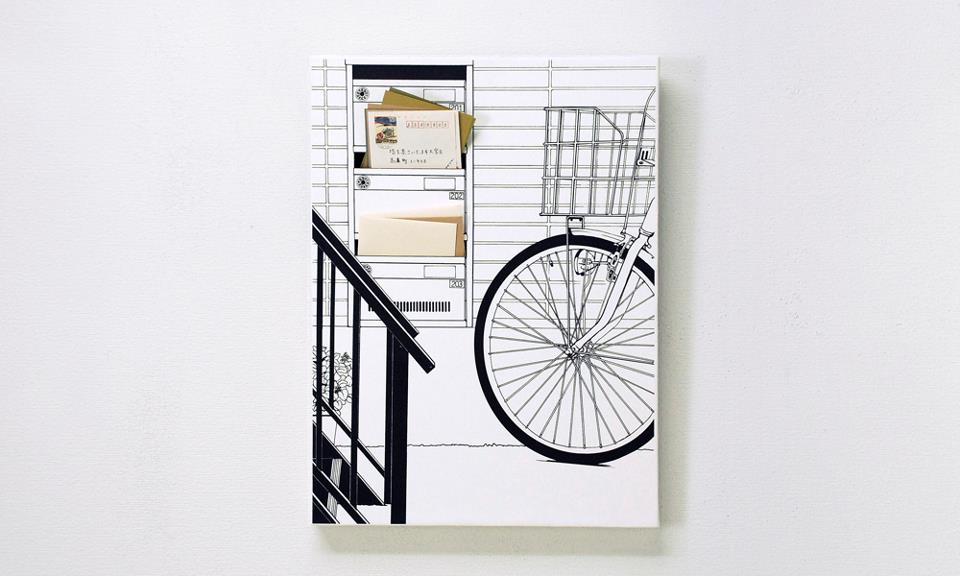
Eisuke Tachikawa, who designs by the name Nosigner, is the mastermind behind several brilliant projects including the moon lamp and OLIVE, a diy handbook for disaster refugees. His latest endeavor is Comicalu, a curated selection of manga-inspired products. Amongst the selection is Mika Tsutai’s manga dishes, Noto Fusai’s Canvas Works and Nami Mizuguchi’s Carne Vale.

The website just launched and isn’t quite functional yet so here is their facebook page.

Manga Dishes by Mika Tsutai

An iconic manga moment for every dish and occasion.

Canvas Works by Noto Fusai

The canvases are, quite literally, art with a purpose, such as a clock or a letter holder.

Carne Vale by Nami Mizuguchi

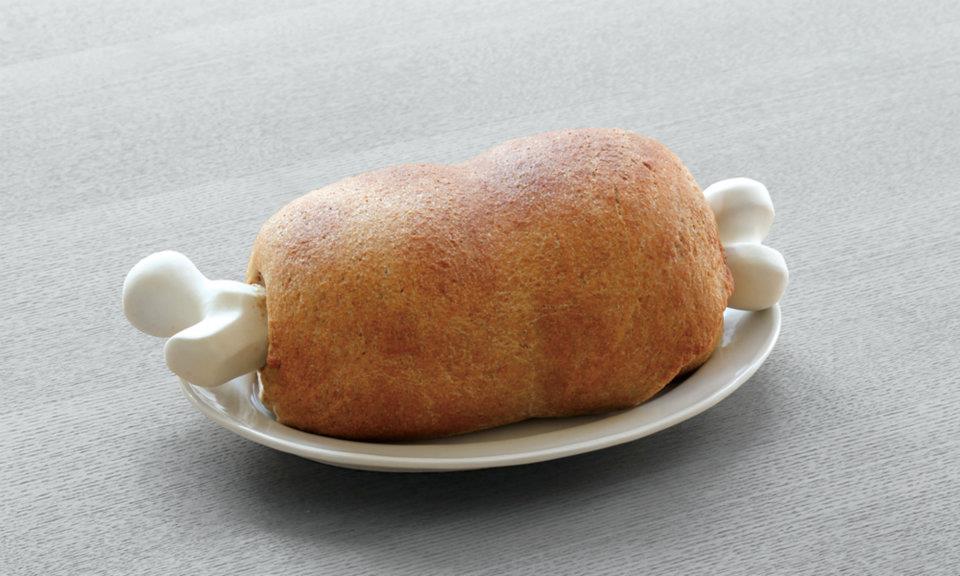
A ceramic oven-safe bone that can be used to recreate that nostalgic hunk of meat on a bone. It can, of course, be used for almost anything, like a hunk of bread.

source: twitter | comicalu


Pick-a-book by Torafu

Photos by Mitsuru Hirota

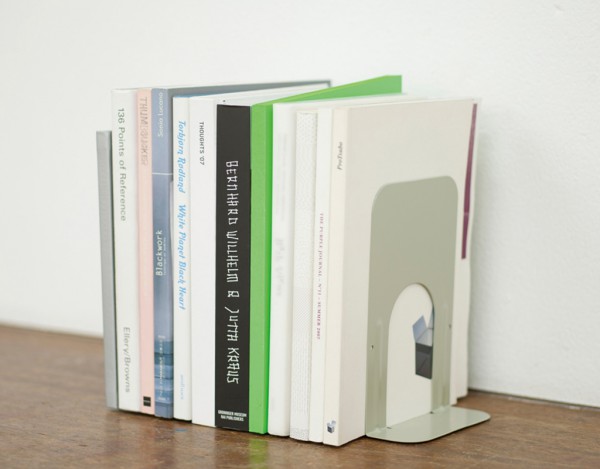
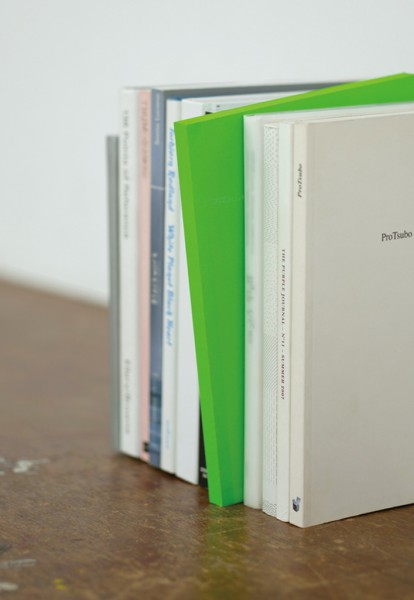
This is kind of brilliant. Torafu has designed a new notebook with a slightly obtuse angle on one side. Why would they do this? So that the notebook sticks out from the rest of the books, reminding you of its exact location. Not planning to revisit the notebook for a while? Then simply flip it over so that it rests on its flat edge and it will become camouflaged between its other neighbors.

Simple idea, brilliant results! It’s available in the Spoon & Tamago shop.

source: Torafu website


First Look: Yayoi Kusama at Tate Modern

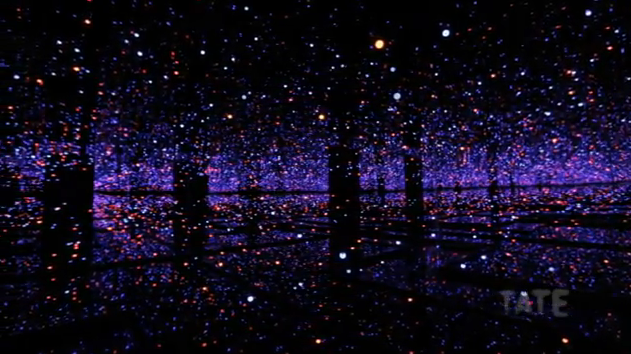
A first look at the new Yayoi Kusama retrospective that just opened today at the Tate  in London. So much great work, all in one place! Wish I was in London to go see this.

Source: @Tate

« Older posts Newer posts »

© 2026 Spoon & Tamago

Up ↑

Design by Bento Graphics