Page 275 of 406

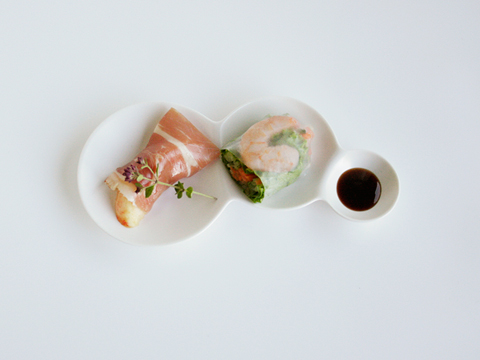
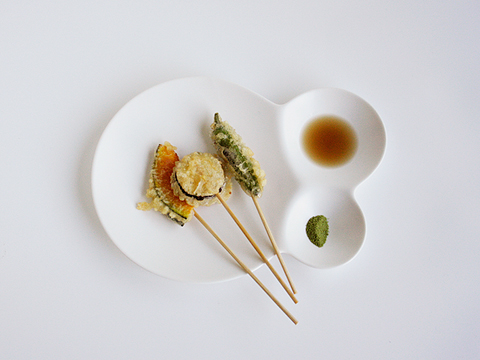
Metaphys savone divided plates

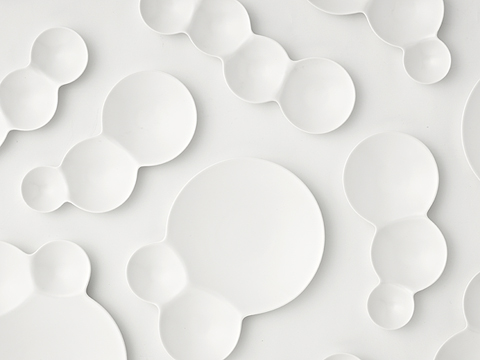
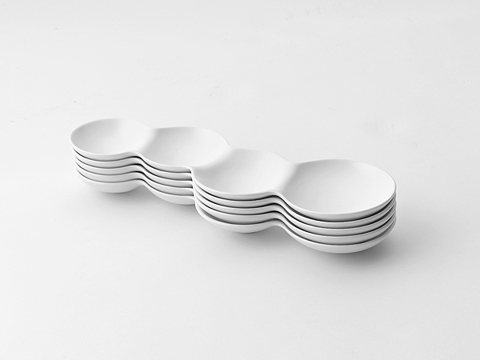
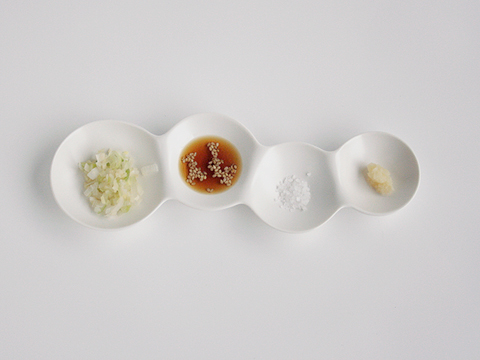
Inspired by the soft yet refined forms of bubbles and how they gently rest upon each other, connecting as if they were always meant to, Metaphys has launched a new set of dining plates called Savone. The divided plates, which come in various configurations of 3, would certainly push me to aspire towards culinary greatness!

The savone divided plates are available in matte white, matte black as well as glossy white. The plates range between 1,365 yen – 1,689 yen. 4,200 yen – 4,515 for a set of 3.

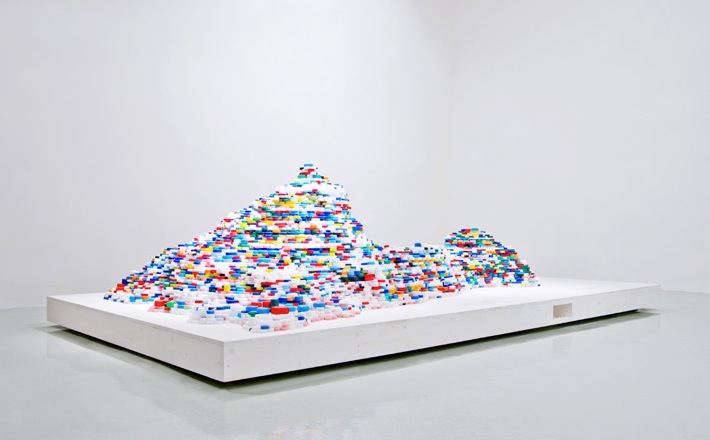
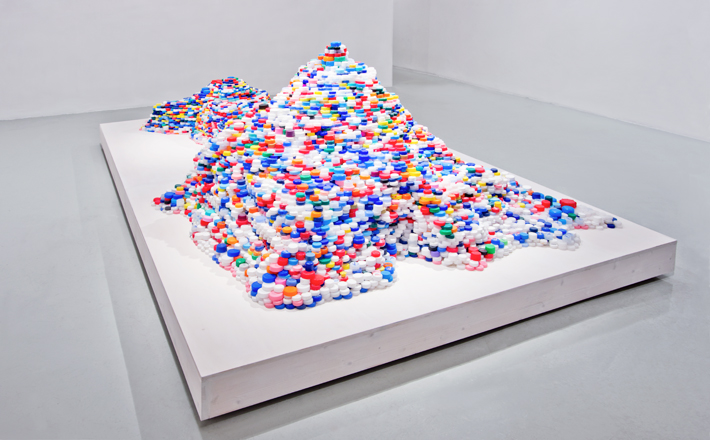
The Island of life by Satoshi Hirose

Photos by Tartaruga | Courtesy Galleria Maria Grazia Del Prete

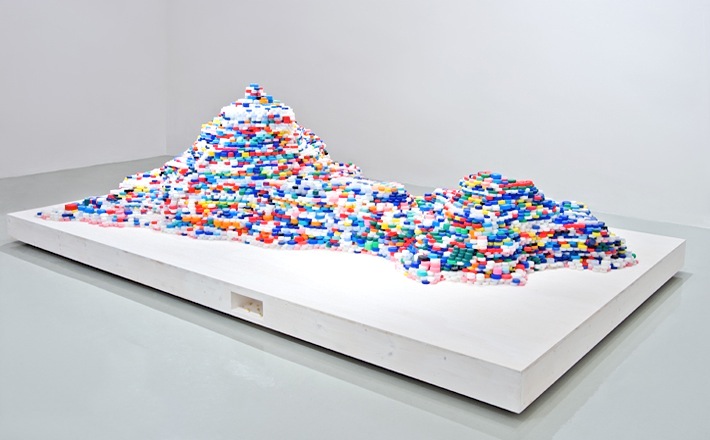
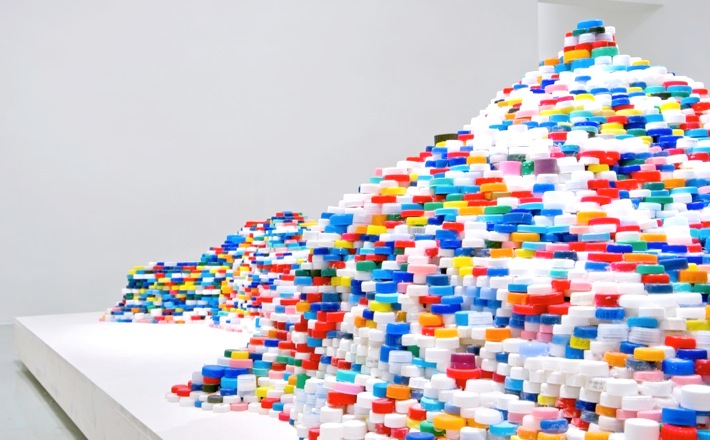
For 9 years the artist Satoshi Hirose collected the plastic bottle caps from the bottles he had consumed. His latest sculpture, currently on view at Galleria Maria Grazia Del Prete in Rome, represents his 9 years of existence through a sculpture of those bottle caps that resembles an island or, in my case, a heaping mound of garbage. The day-to-day accumulation of everyday materials are contrasted with the pictures of everyday activities that hang on the wall, immediately forcing the visitor to reflect on the life cycle.

Hirose’s work is on display at GMDP through March 24, 2012.

source: @azito_art

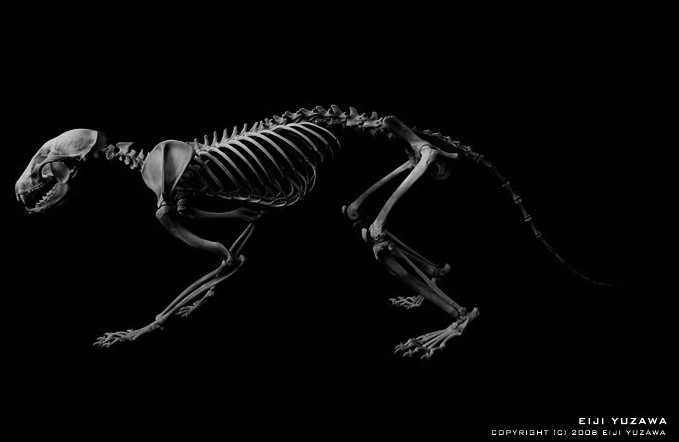
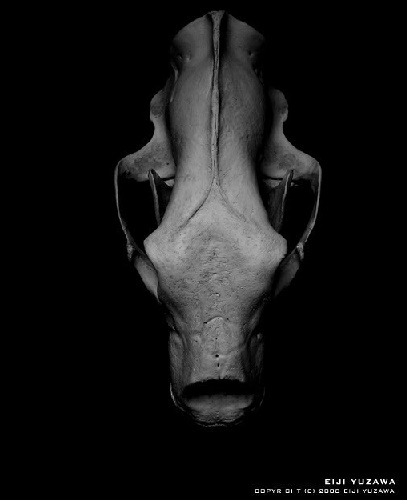
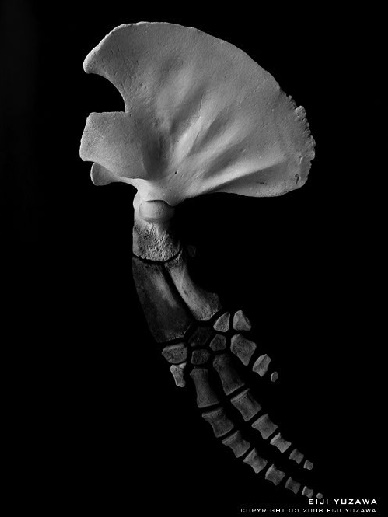
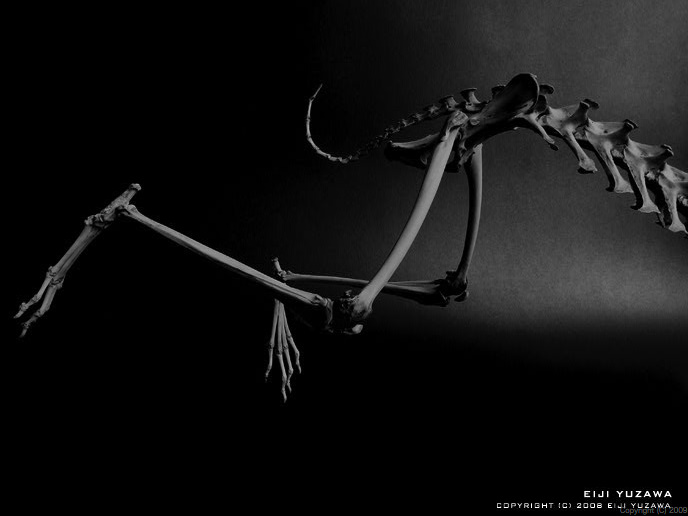
Eiji Yuzawa | Beauty of Bones

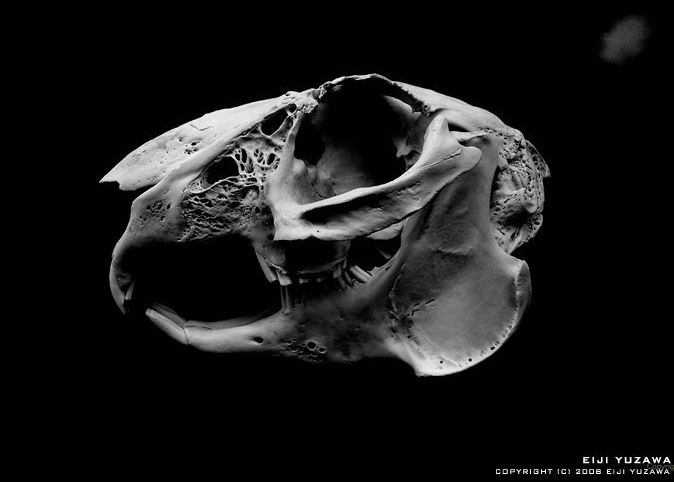
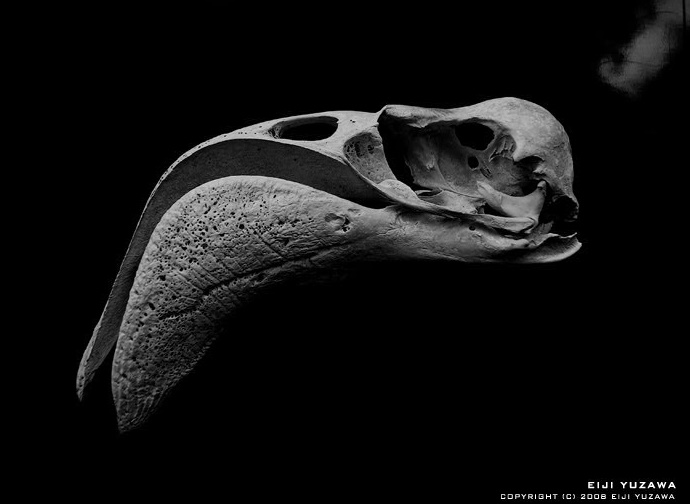
I’m fascinated by these photographs of bones, taken by photographer Eiji Yuzawa. And while wholly involved in the subject matter of death, the photos are hardly morose. Instead, there is a fantastic sculptural quality to the works that is both calming and satisfying. I find myself most attracted to the abstract forms.

Yuzawa began photographing bones in 2006 and compiled a photobook that was released last year. His work has now been released – in what appears to be the next logical step for all fine art these days – as a series of iphone cases.

Symbiosis | a renovation project by Jun Igarashi

photos by Jun Igarashi Architects

Symbiosis: the living together of unlike organism

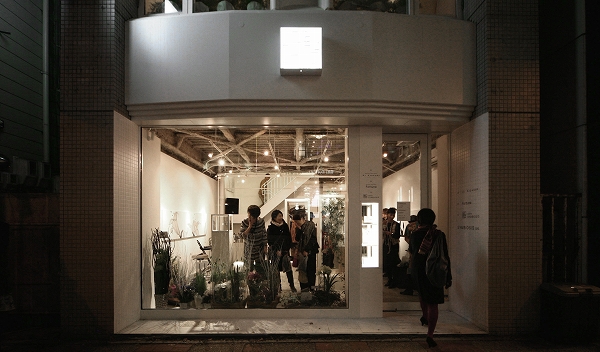
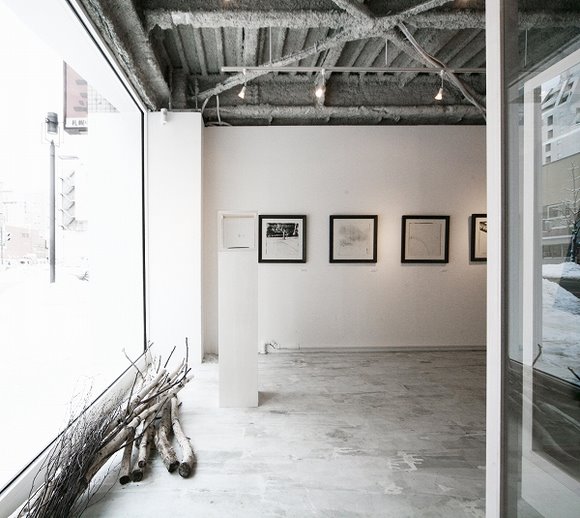
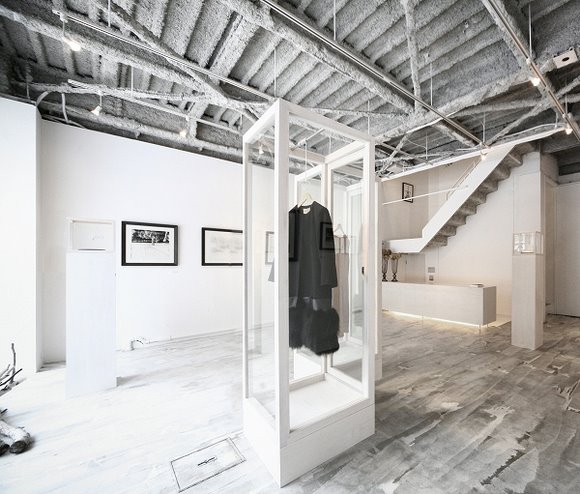
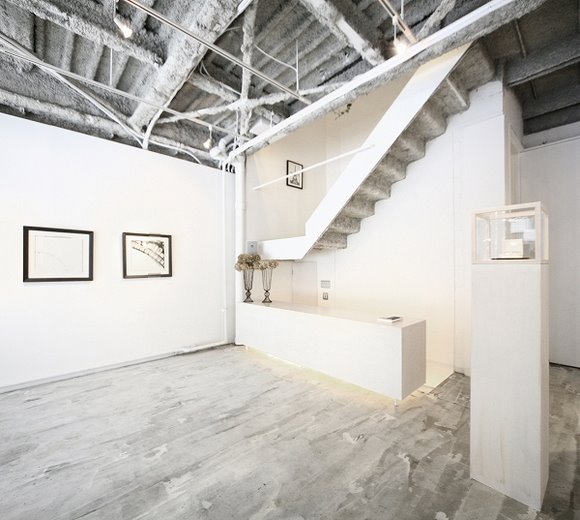
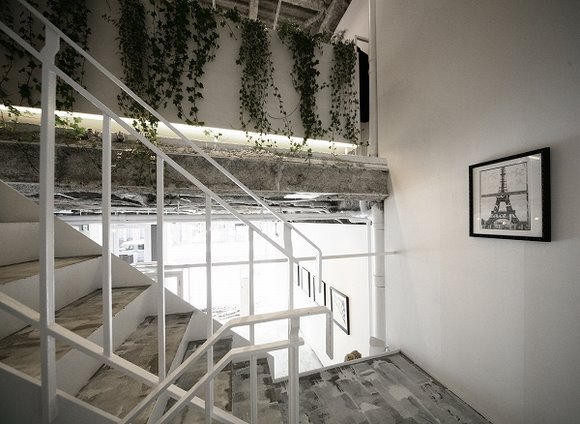
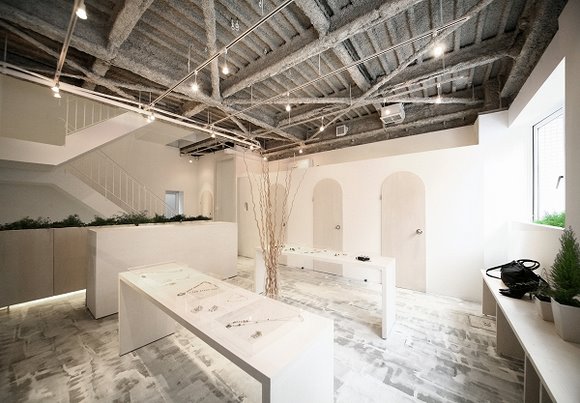
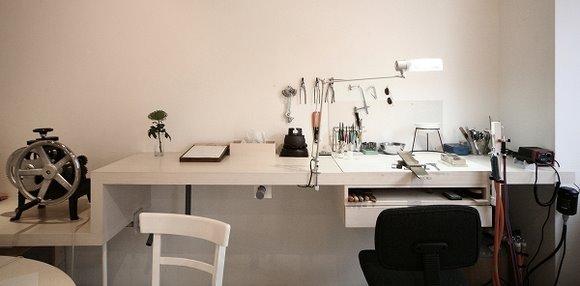
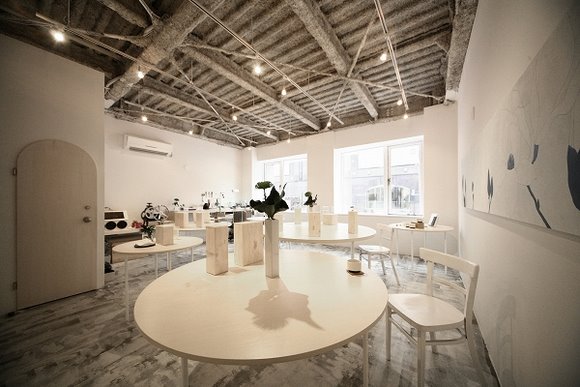
Another great renovation project, this time by Hokkaido-based architect Jun Igarashi. Located in central Sapporo and completed in November of last year, SYMBIOSIS is a multi-purpose space that is intended to provide close interaction between fashion, jewelry, art and architecture. Or as the German mycologist Heinrich Anton de Bary defined it, “the living together of unlike organisms.”

The 1st floor ground level is a gallery space. The 2nd floor is the FORTUNA boutique, a select shop of clothing and jewelry from France and Italy. The 3rd floor is occupied by jeweler AI KOMORI. All the coll signage and art was by Midorium Design, a frequent collaborator of Jun Igarashi’s.


Gorgeous renovation of a building in Megurohoncho by Torafu Architects

Photos by Daici Ano | after the renovation

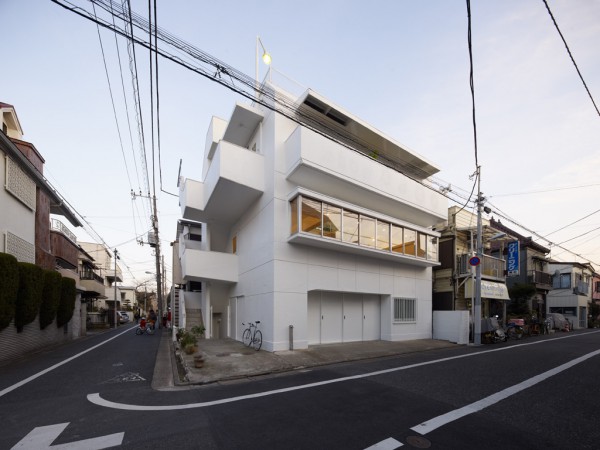
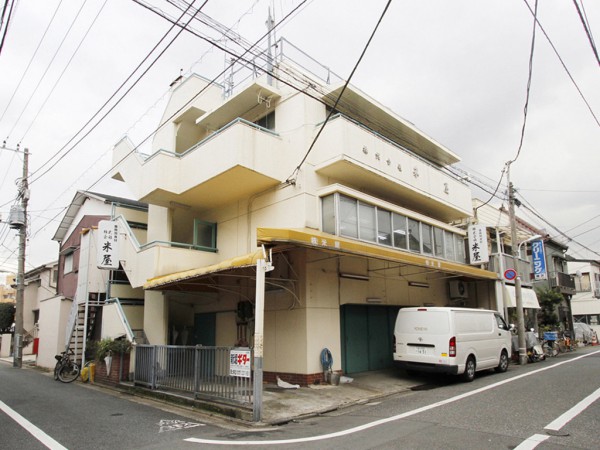
Wow. Talk about restoration. Torafu Architects transformed this 40-year old office and warehouse building into a private residence.

The top picture shows the building after the renovation and the picture to the right is before. What a difference!

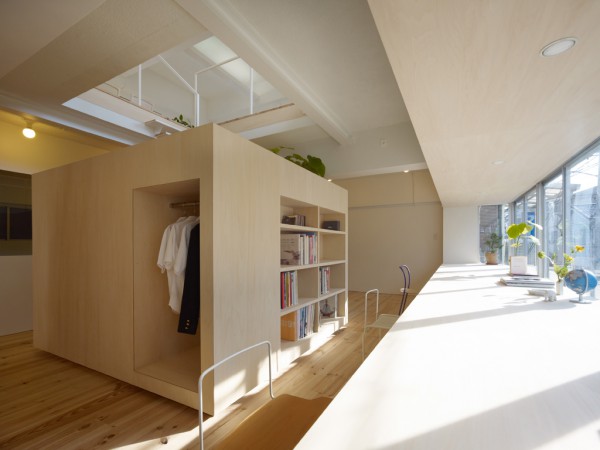
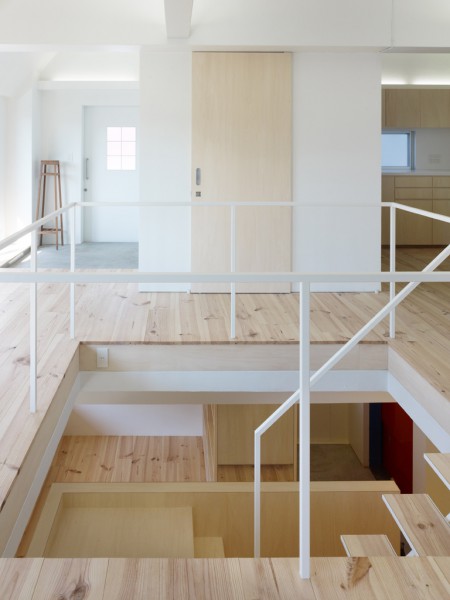
The exterior looks great but the magic really happens inside.

Check out that amazing piece of furniture they placed in the middle of the room. It functions as storage or display shelving but also encompasses a stairway that leads up to the living area. Not only does it function effectively but it also looks great, adding character and personality to the space.

You can check out more pictures on their website of the completed space but also of the construction. Although the work was completed in December 2011, this is only the 1st stage of the project. The 2nd stage will be to convert the basement and 1st floor into a retail space. Can’t wait!

source: Torafu website

Blinking and Flapping | works by Yasuhiro Suzuki

Yasuhiro Suzuki has a penchant for re-envisioning the ordinary as extraordinary


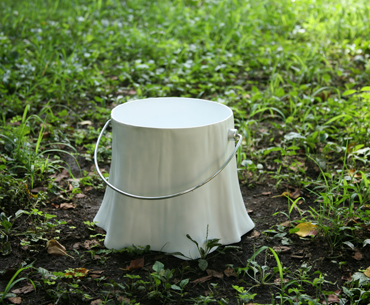
I’ve had a long-time art crush on Yasuhiro Suzuki, a young artist (32) who has a penchant for re-envisioning the ordinary as extraordinary. His subject matter is often banal – a traditional toy, a zipper or a tree stump. In the most literal sense, Yasuhiro Suzuki is devoted to the design of daily life.

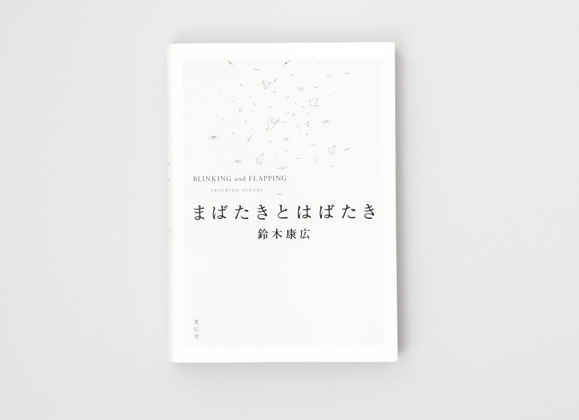
So I was excited to hear he had a new book out covering some of his recent works. Blinking and Flapping encompasses works that were on display at Suzuki’s major retrospective, which took place late last year at the Hamamatsu Museum of Art.

The gorgeous book is now on sale through Amazon Japan (2,625 yen) – they ship overseas!

Here are a few of my favorite projects from the retrospective last year:
(click images to enlarge)
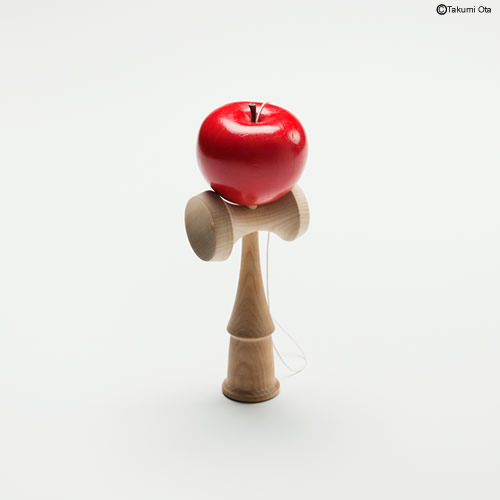
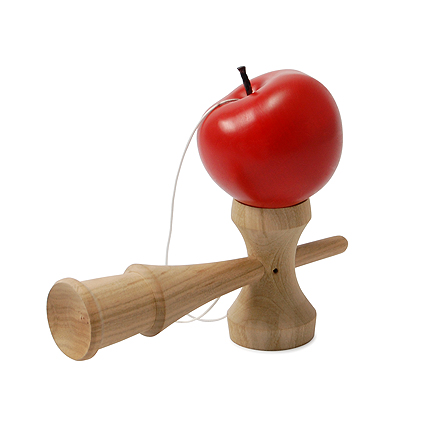
Apple Kendama
In this playful and somewhat nostalgic piece, the traditional kendama toy gets a makeover with a bright red apple.

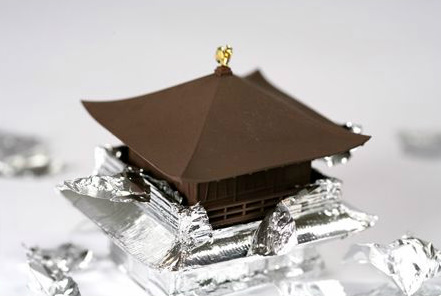
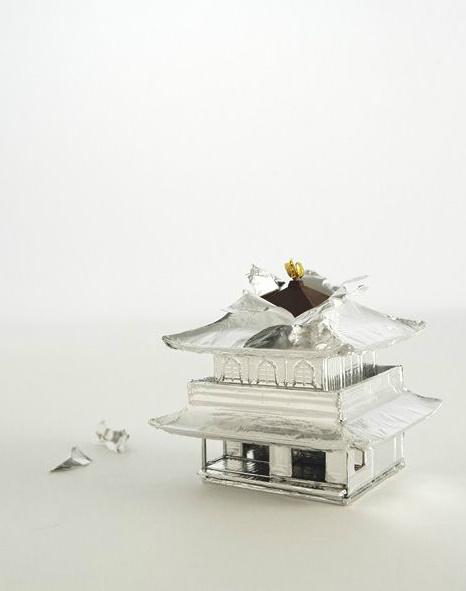
Ginkaku-ji Chocolate
The “Temple of the Silver Pavilion” gets a silver wrapping and a sweet filling.

Talk about good taste!


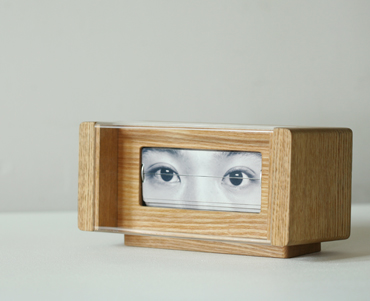
Blinking Clock (left) and Bucket Stump (right)

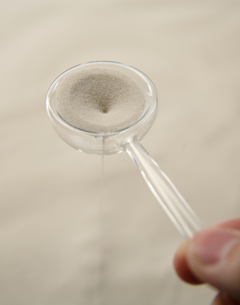
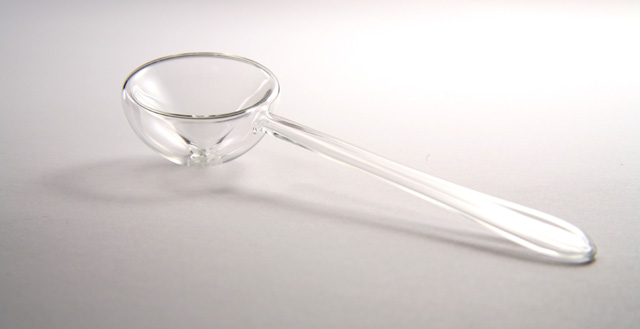
Spoon Sand Watch

A poetic timepiece that replaces the hourglass with a kitchen utensil.


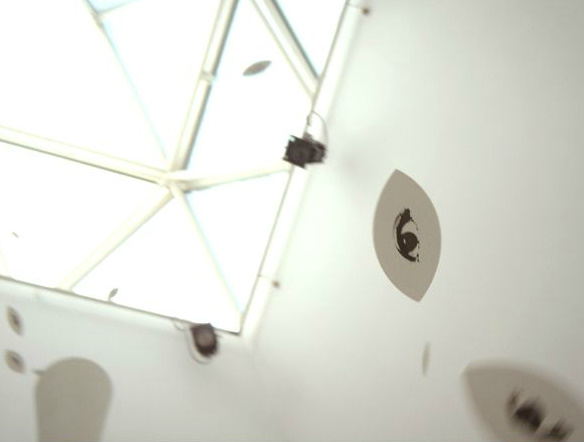
Blinking Leaves
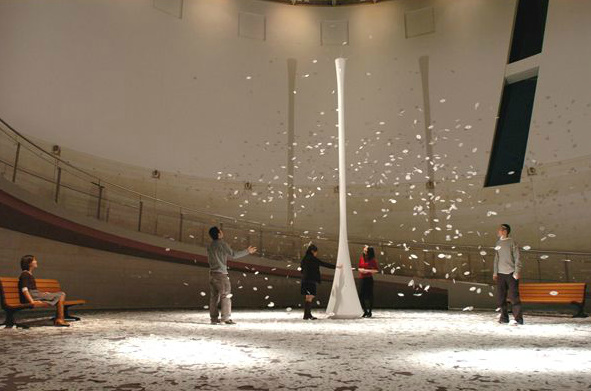
An installation of leaves with open and closed eyes printed on the front and back. They blink as they flutter down. Magical!


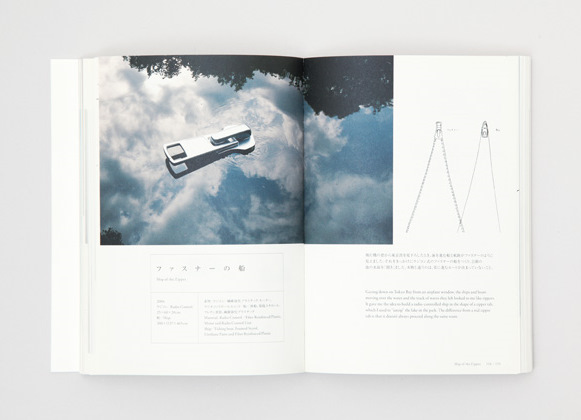
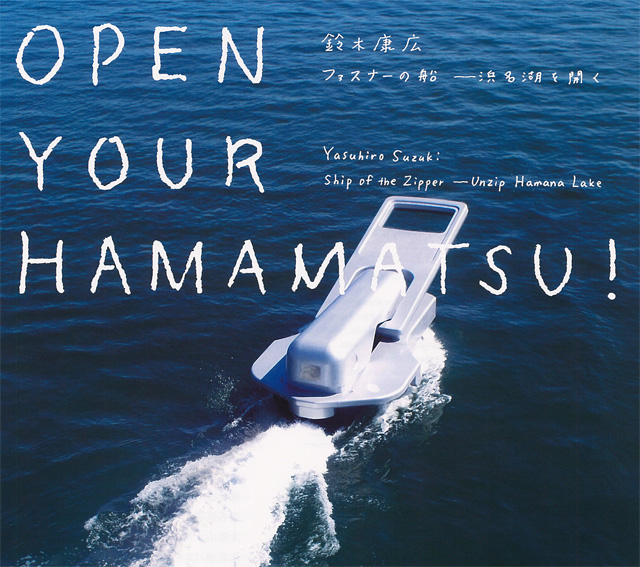
Ship of the zipper
This is my absolute favorite piece. Suzuki created a boat-shaped zipper based on a model he had done back in 2004. The waves it created as it drove across the inland sea created the teeth of the zipper. How cool is that!? I bet Moses never thought of using a zipper to part the sea. (be sure to check out the video below)

Shugo Tokumaro iPhone cases

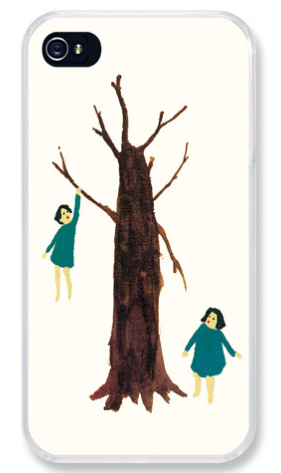
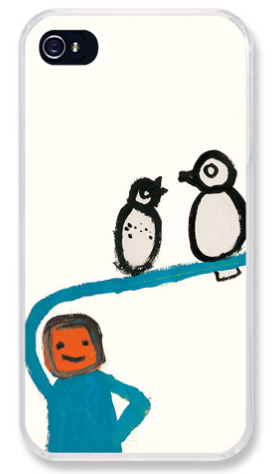
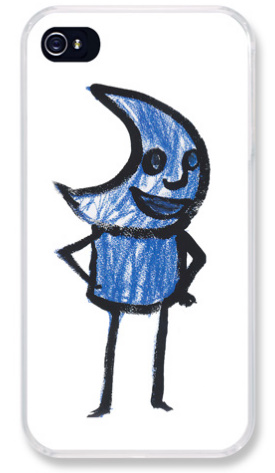
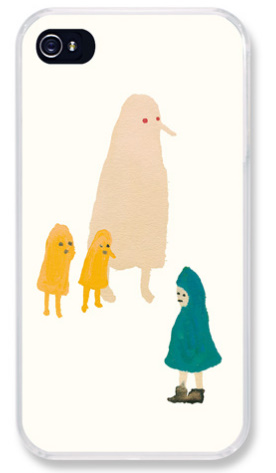
When the freakishly talented multi-instrument-playing Shugo Tokumaru is not making cheery, whimsical music, he finds other things to do. Like creating these great and somewhat nonsensical illustrations, which have been turned into iPhone cases (2,940 yen). WANT!

MATERIO base. and gallery yoluca

photos by Takumi Ota | click to enlarge

In the same way that mortar, Japanese sugi and glass come together, yoluca carries a strong hope that different people will come together in the space
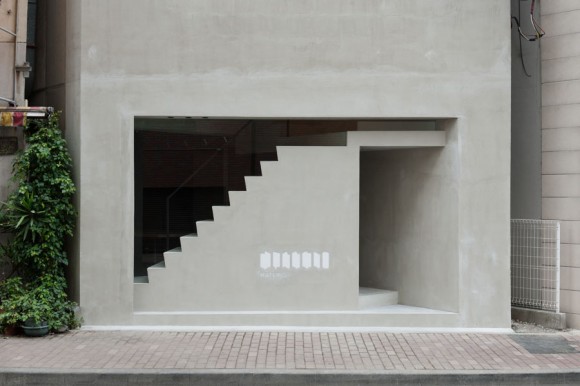
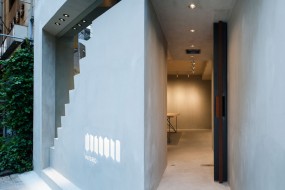
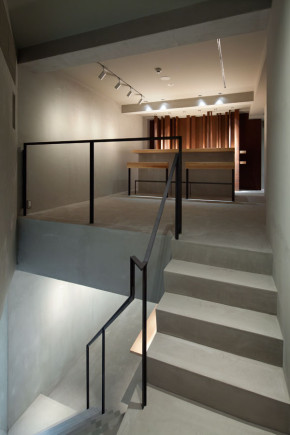
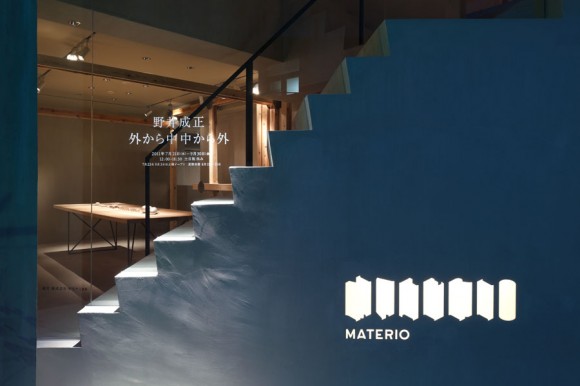
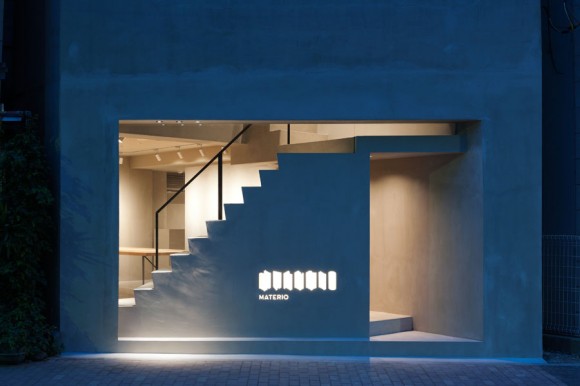
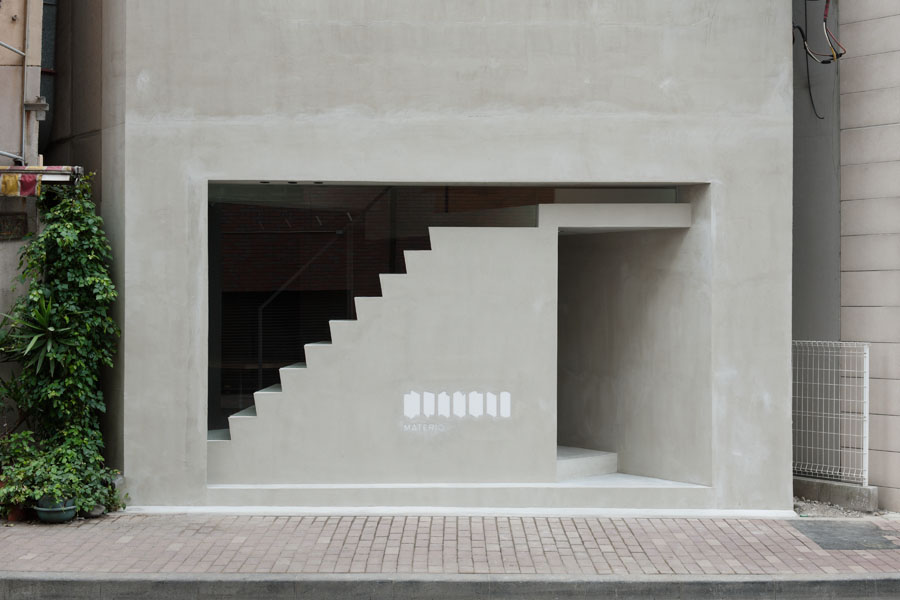
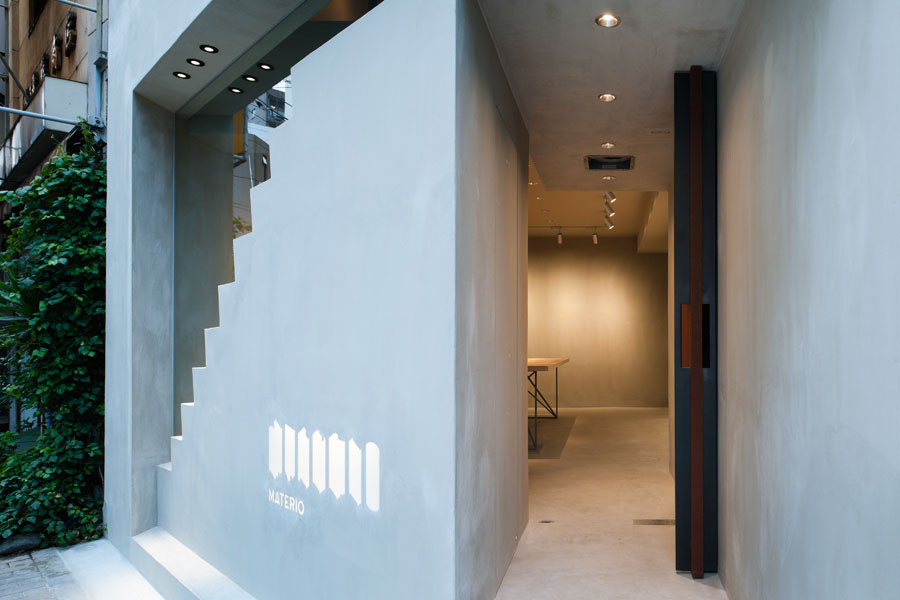
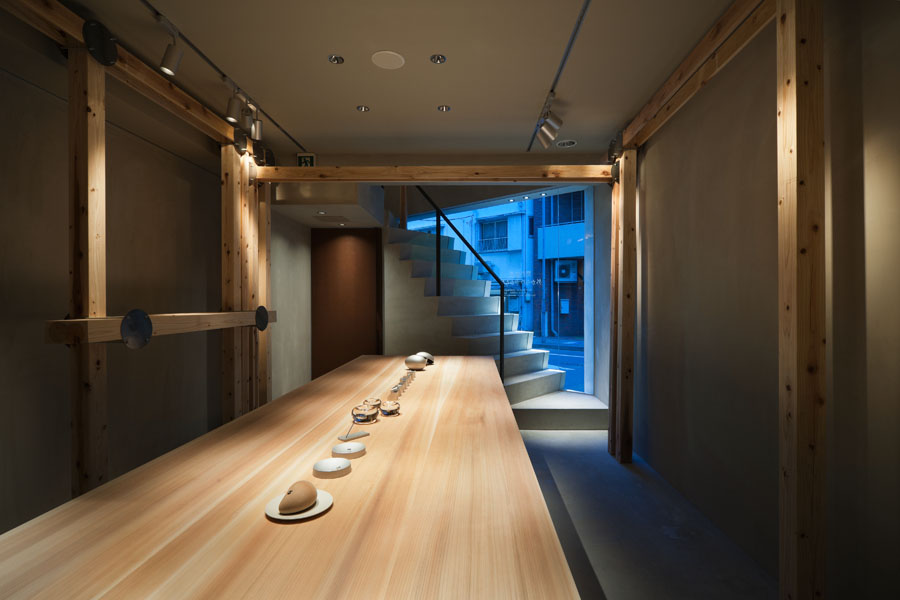
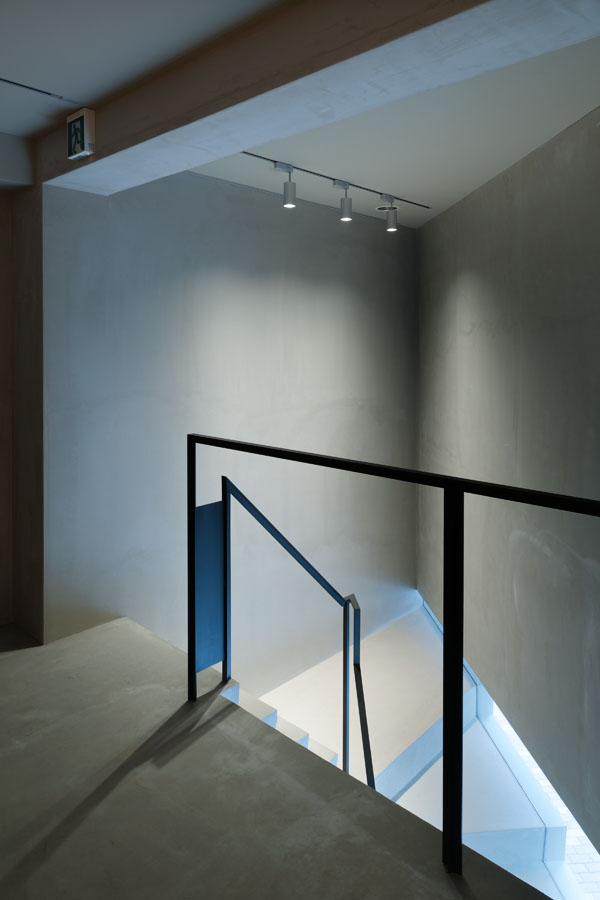
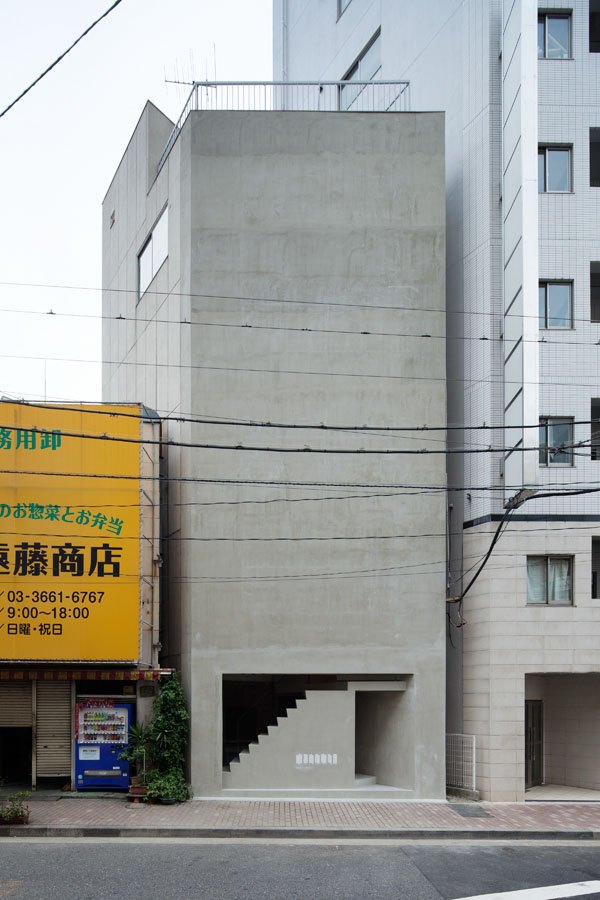
On a trip to Japan late last year I had the privilege of stopping by the newly established MATERIO base.,  a multifunctional space in Nihonbashi that’s run by the CS Design Center (previously). Before opening its doors in July 2011, the 30-year old oddly shaped building was given a brand new renovation by interior designer Noi Shigemasa. The building itself is an elegant piece of exposed concrete that is completely flat, except for the entrance way and a single floor-to-ceiling glass window on the ground level. The window creates a heightened sense of anticipation, setting the stage for what’s to come but not revealing everything.
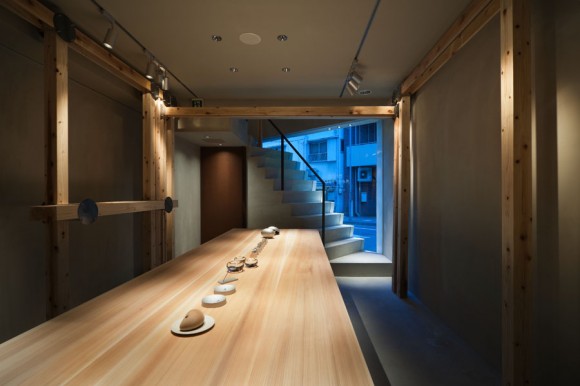
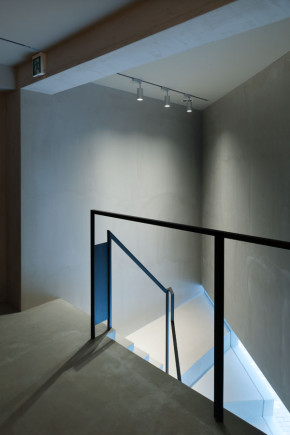
I entered the first floor gallery space, known as gallery yoluca, where staff were busy setting up an exhibition that was opening the next day. Yoluca is a portmanteau of the words sumika (habitat) and yoru (to stop by). Much in the same way that mortar, Japanese sugi wood and glass – all in their most basic forms – come together, the name yoluca carries a strong hope that different people will come together in the space, forming new connections and exchanging new ideas.  It’s a theme that carries through the entire space, and I came to realize this as I continued my visit.
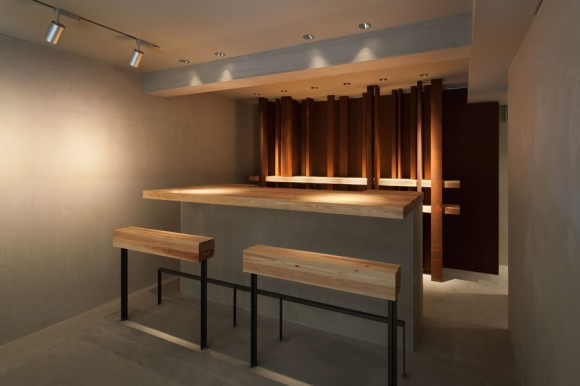
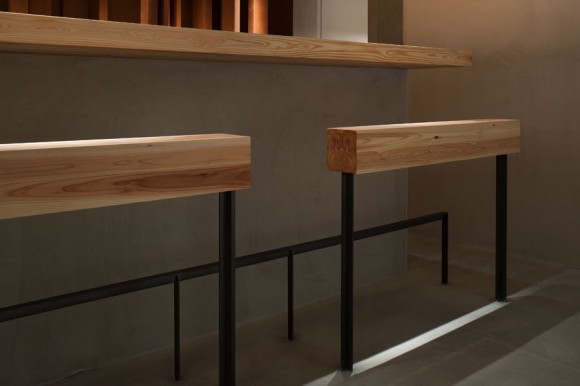
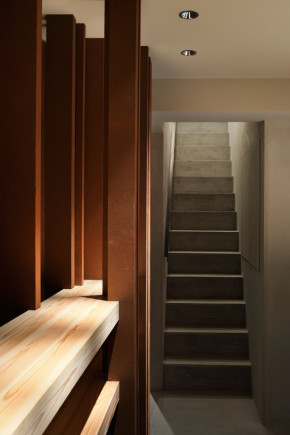
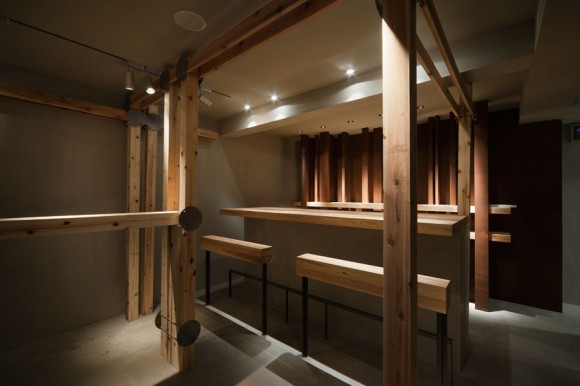
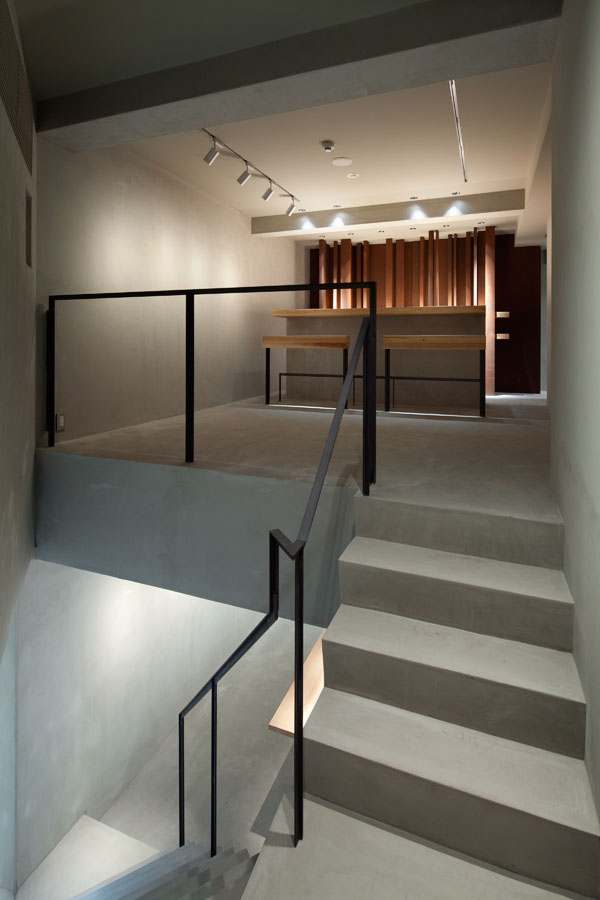
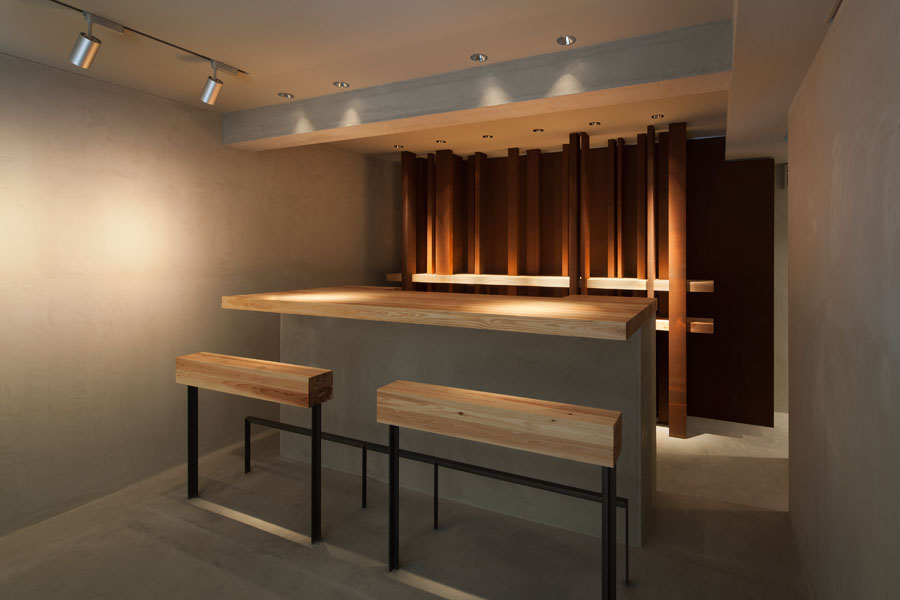
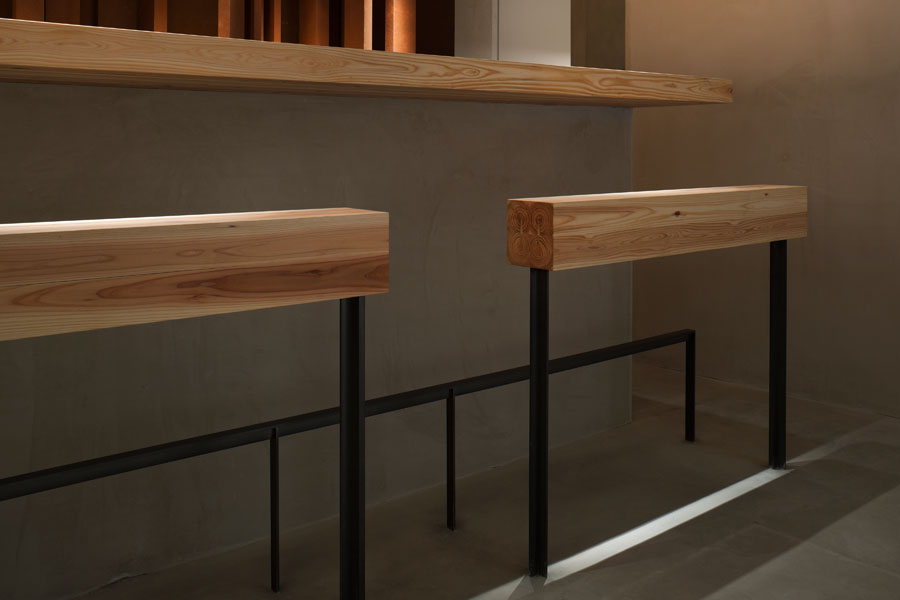
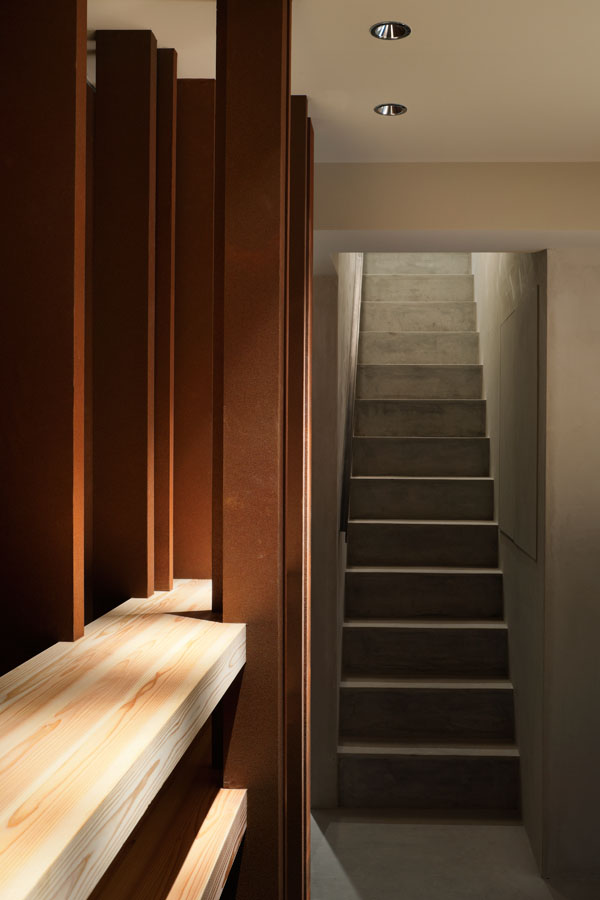
As I walked up the concrete staircase I came to Sabi Bar on the 2nd floor. This is a fascinating space with defined blocks of wood that, in turn, helps to define the purpose of the space. It’s clearly a bar where booze – that facilitator of discussion and connection – is served. But what makes the space unique is the artists and designers showing in the gallery are invited to tend the bar, where they interact with the guests on an entirely different level.

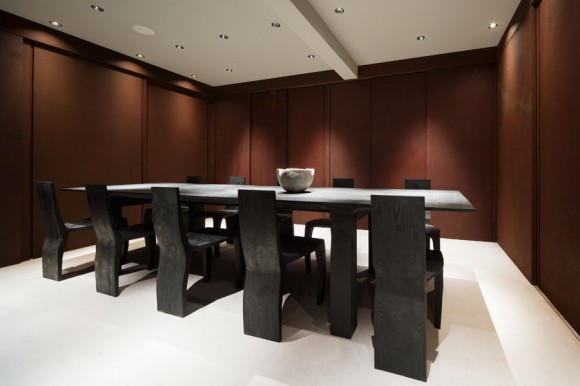
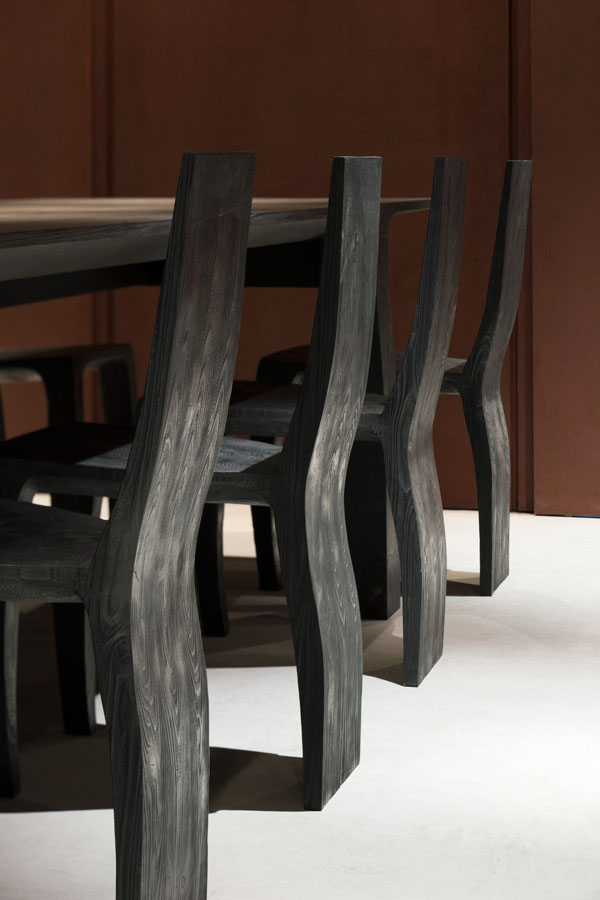
Continuing my ascent I arrived at the 3rd floor meeting room known as Sabi no Ma. This is an intimate space for small group gatherings or dinners but at the time President Nakagawa was conducting a demonstration on hand-made soba noodles. Wiping his hands of flour, he greeted me and showed me his gorgeous table and chairs custom-made by lacquer ware artist Tomoyasu Konuma.

We reflected on the his vision for the space, and the dynamics it supported. Before bidding farewell he asked me to come back sometime for some soba noodles. I told him I would.
Katsuhiro Ootomo Genga Exhibition

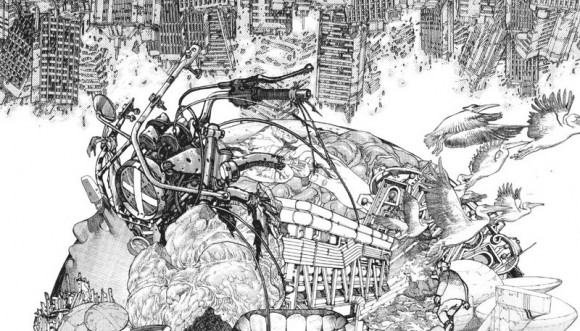
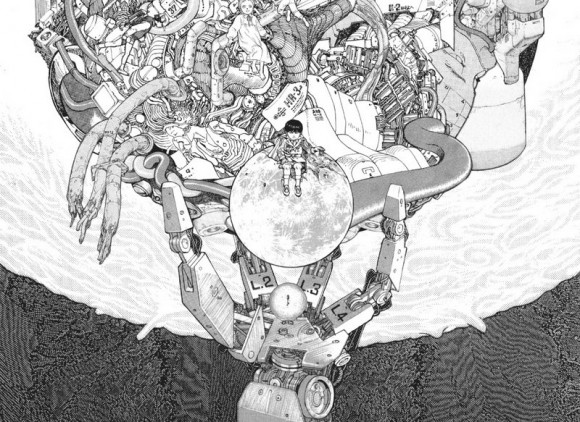
Katsuhiro Ootomo’s renown as an manga creator was sealed when, at the age of 28, he released Akira, a tour de force that would eventually become an 8-year journey, culminating in over 2000 pages of artwork and an animated film adaptation. This legendary illustrator and film director will be having an exhibition at 3331 Arts Chiyoda in April. Mark your calendars now! On display will be genga (literally, original pictures) – Japanese animation terminology for the key frames in animation. I went to a Ghibli genga exhibition in 1996 and it had a huge impact on me. The depth and color of the illustrations were simply breathtaking.

If you’re still not convinced you should go, perhaps this recent quote from Takashi Murakami will change your mind:

Ootomo Katsuhiro…One of the reasons I gave up on trying to become a manga illustrator is because I knew I had no chance against him.

You can download this awesome wallpaper HERE! (thx for the tip @aka_me)

——————————————————
Katsuhiro Ootomo Genga Exhibition
3331 Arts Chiyoda
2012.4.9 – 5.30.
adults 1,500 yen

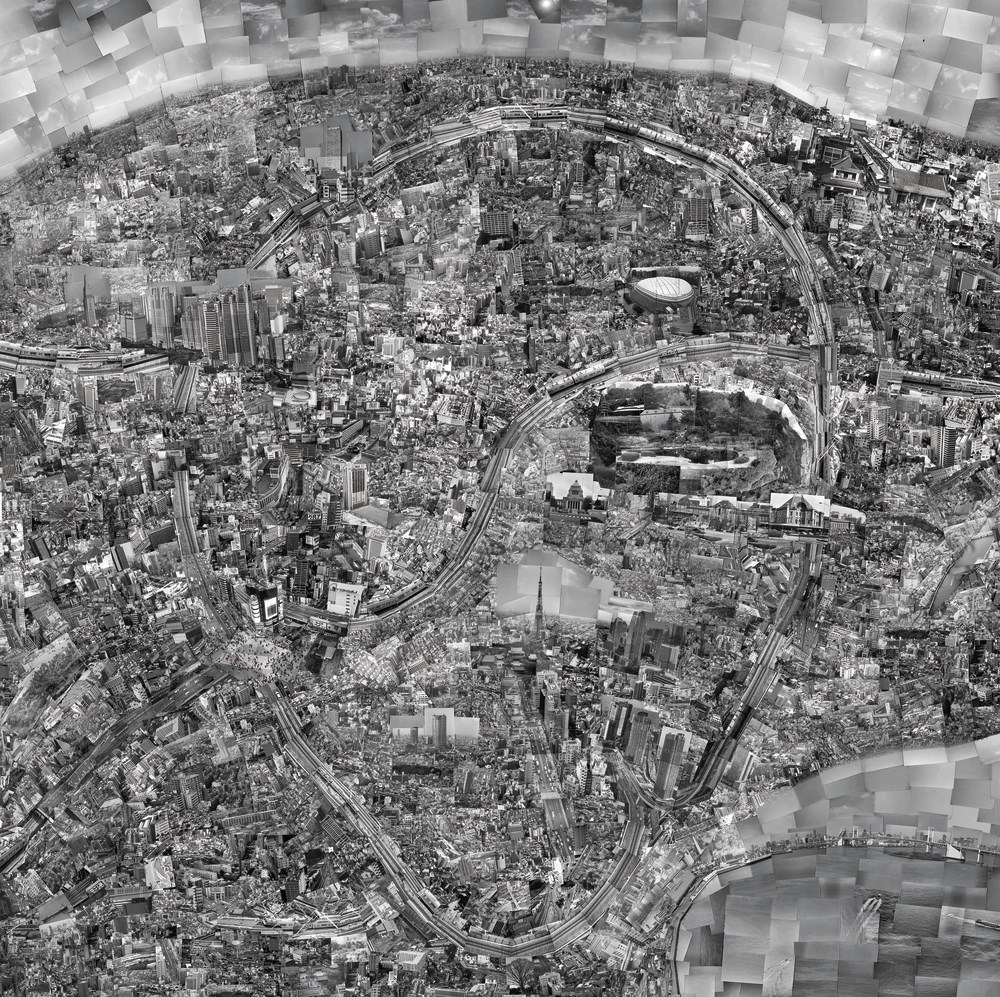
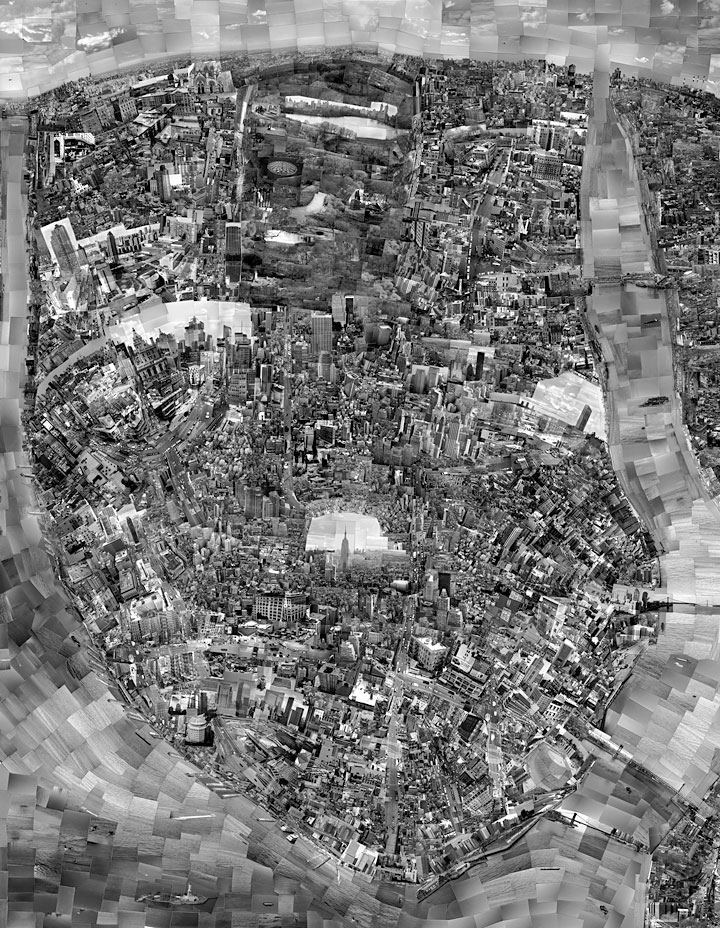
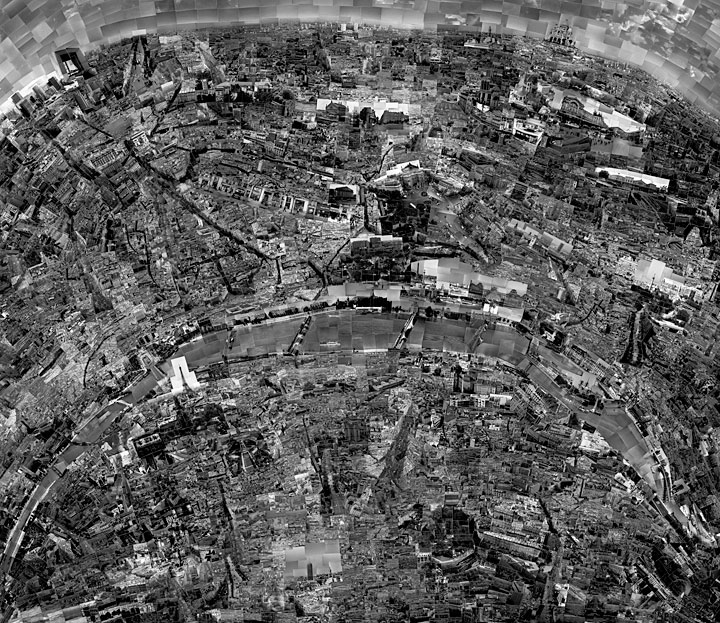
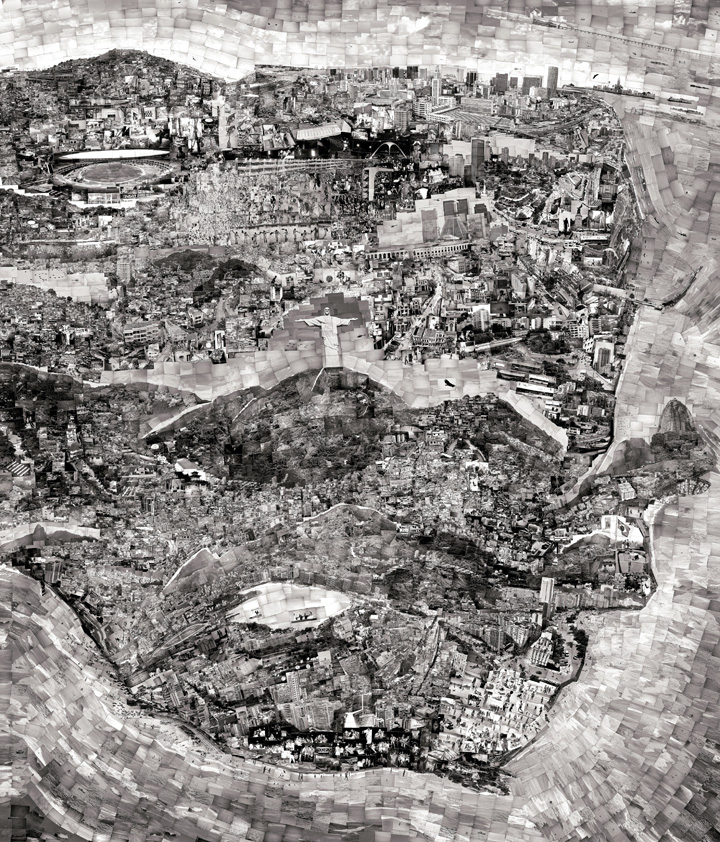
Sohei Nishino’s Diorama Map Cityscapes

“Diorama Map Tokyo” (March – July 2004) | click to enlarge

Big cities can be an isolating, coldhearted sort of place where loneliness engulfs you like dry heat. But not for 29-year old photographer Sohei Nishino, whose work is currently on display at the Tokyo Metropolitan Museum of Photography, along with other up-and-coming photographers. Yoshino’s Diorama Maps, as he calls them, are highly personal recreations of cities that he has visited. Yoshino spends months walking the city streets, taking black-and-white photographs with his 35 mm camera. From his hundreds of contact sheets he cuts out the photos – often as many as 10,000 – to create elaborate 3D collages.
These are my personal memories of a city. The photographs I take and the way I assemble them are influenced by what I personally experienced: what I saw, whom I met and even what I ate

– Nishino in a recent interview

But for Yoshino the process doesn’t end with the collage. Because he wants the viewer to experience his pieces as photographs, he trims them evenly and the reshoots them with a digital camera. Fascinating! I highly encourage you to click the images to enlarge them.

Contemporary Japanese Photography vol.10 elan photographic runs until January 29, 2012.

“Diorama Map New York” (February – July 2006) | click to enlarge

“Diorama Map Paris” (May 2007 – November 2008) | click to enlarge

“Diorama Map Rio de Janeiro” (March – June 2011) | click to enlarge

all images courtesy Sohei Nishino
source: Japan Times

« Older posts Newer posts »

© 2026 Spoon & Tamago

Up ↑

Design by Bento Graphics