Page 276 of 406

Tiered Lodge by Naoi Architecture & Design Office

photos by Hiroshi Ueda | click to enlarge

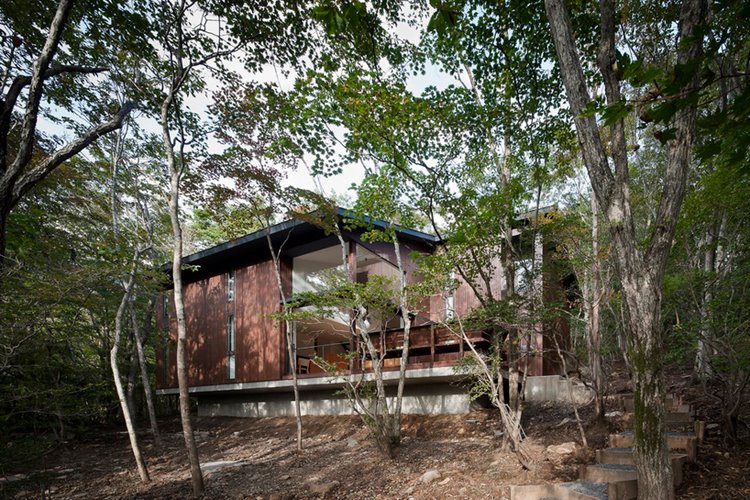
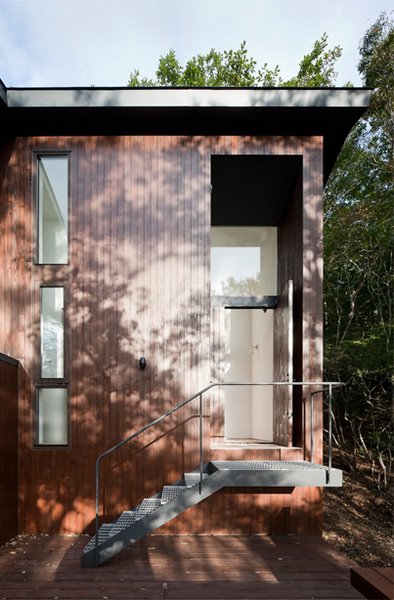
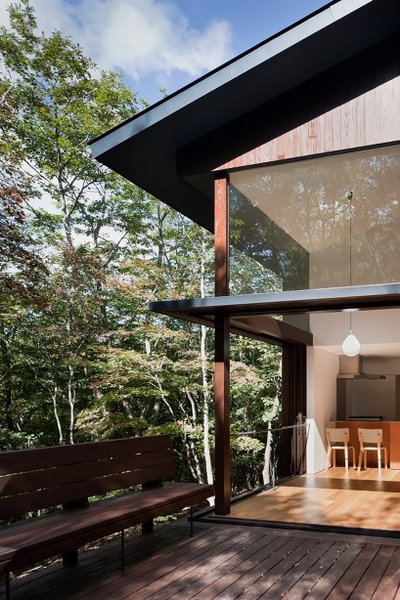
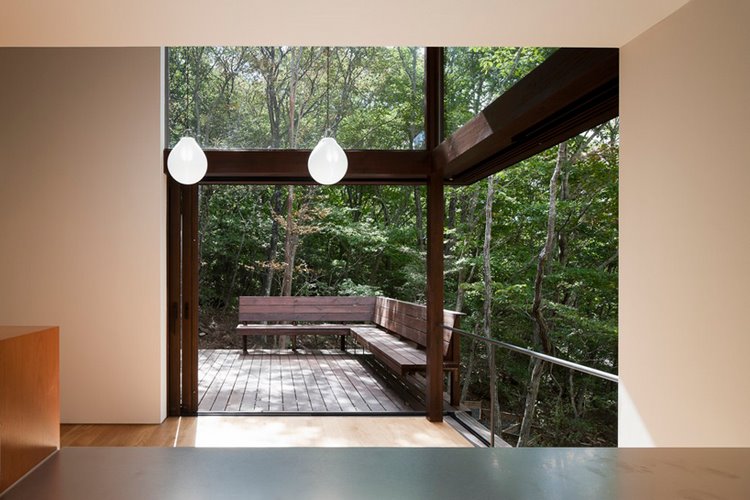
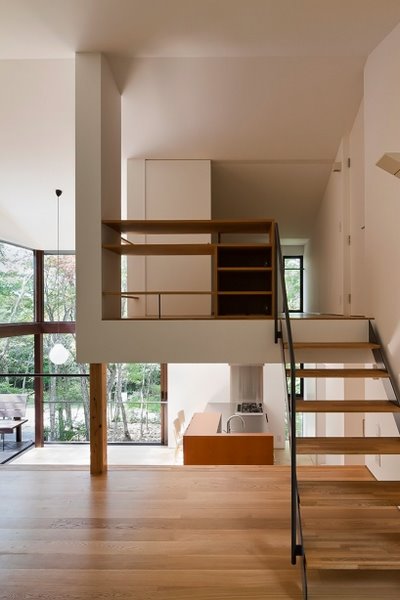
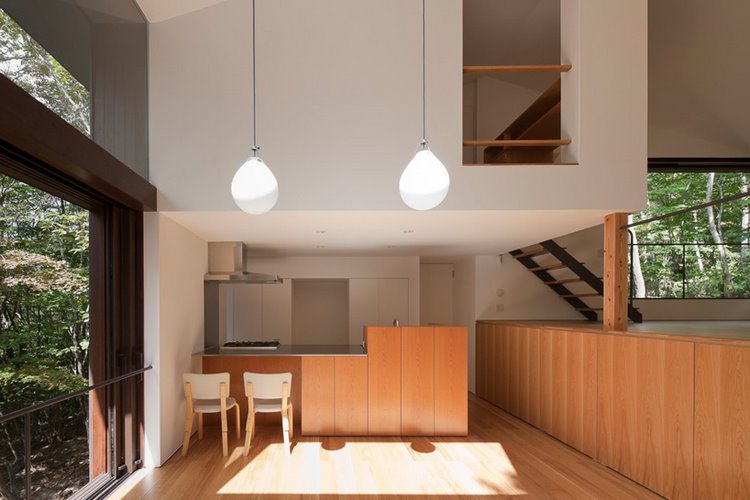
I’m sorry. I can’t help myself. In addition to snowscape architecture I also have a soft spot for architecture in the wilderness. “Tiered Lodge” is the latest work of Katsushi and Noriko Naoi, the husband-wife duo that make up Naoi Architecture & Design Office. Completed in August 2011, the weekend house is located in the Nasu Highlands of Tochigi prefecture, a common getaway for Tokyoites.

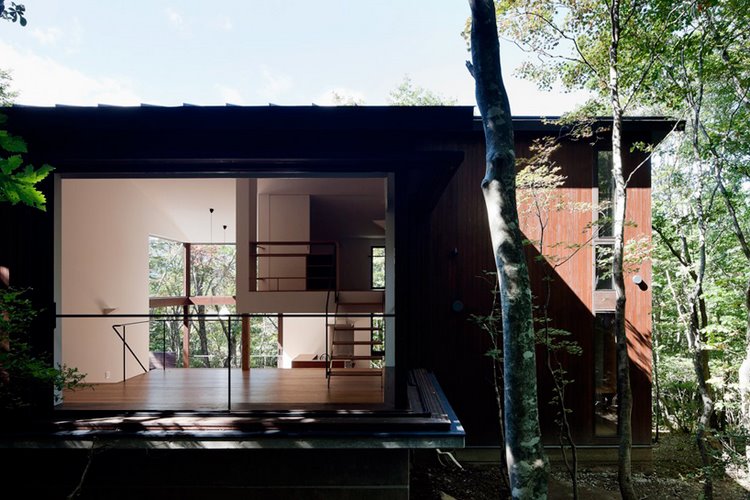
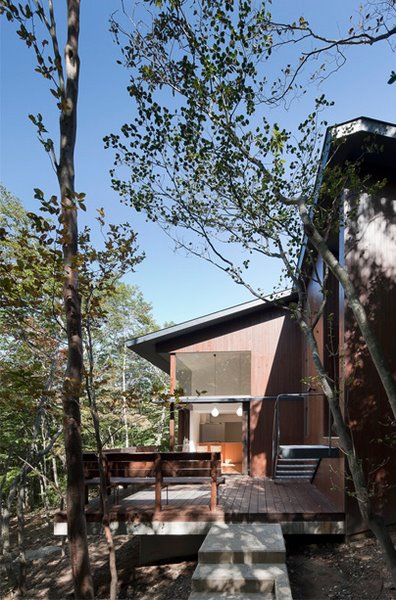
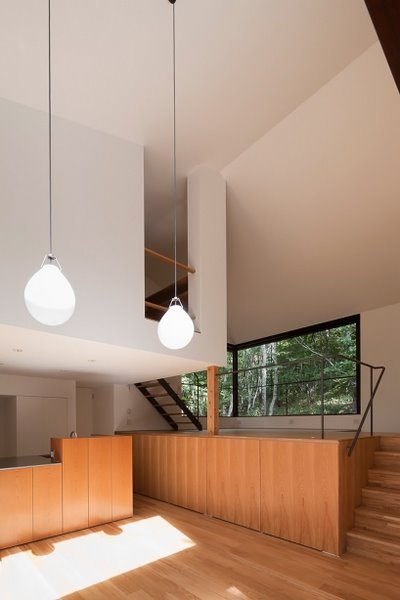
The three-tiered home, hence the name “Tiered Lodge,” is made up of a kitchen and dining room on the lower floor, a living room on the middle level and a mezzanine loft and bedroom on the top. Here is a bit from the architects:

Making use of this sloping gradient, we decided to design a residence that would create a sense of continuity with the forest around it… The space that emerged as a result of this elevation difference and shifts in the surface of the floor showcases subtle variations in the size of each volume, the windows, and the quality of the light in each interior. This structure enabled us to endow what is essentially a single-roomed space with remarkable depth and variation.

source: submission

Tadashi Kawamata | Under the Water


still shots from the video | click to enlarge

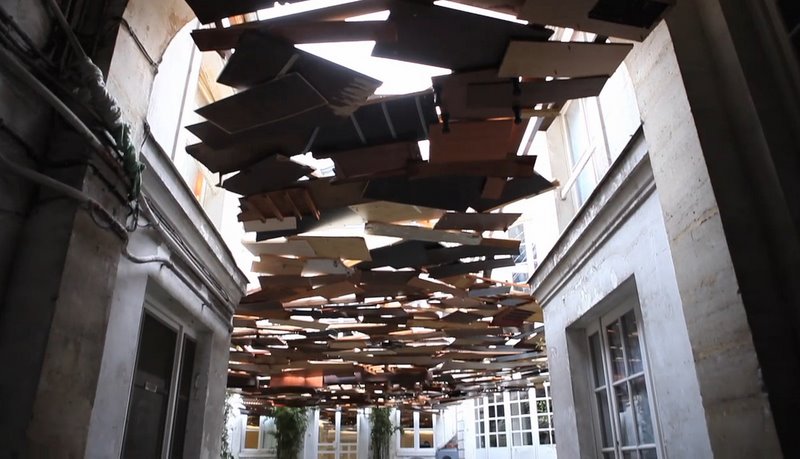
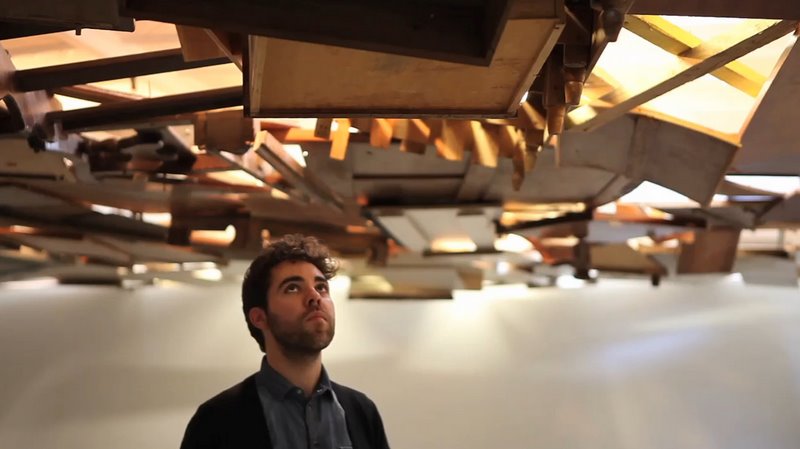
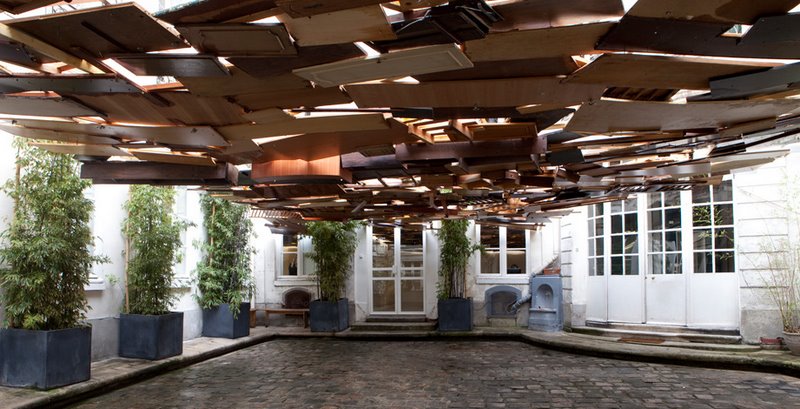
Artist and sculptor Tadashi Kawamata has a brand new installation at kamel mennour gallery in Paris. Chaotic slabs of wood hang above the courtyard creating a  somewhat unsettling ceiling that blots out the sky. The disturbing pagoda continues throughout the gallery’s 3 ground-floor spaces, swelling and swaying, instilling tension and nervousness in the atmosphere. It’s no coincidence that visitors may recall footage of debris floating on the surface of the ocean after being swept away by the 3/11 tsunami, only to realize that their world has now been flipped upside down; they are staring up at the debris from under the water.

Affected by the catastrophes that have wreaked havoc in Japan this year, the artist has conceived of his structure as a motionless and deadly wave, in a reference to all those bits of broken wood carried along by the receding tsunami, which saturated the ocean surface with their sheer quantity.

The installation is on display at kamel mennour through January 29, 2012.

Source:@azito_art

The Design of Nabe

Winter is a wonderland. And never has this phrase rung true to me more than the joyous Japanese delicacies that accompany the season. It’s a time for warmth and cozy dinners that heat you to the core, leaving a certain satisfaction that cannot be attained any other way. And while the quintessential Japanese winter food is one of vigorous debate, my vote would go to nabe, essentially a hodgepodge of various seasonal foods, cooked in a large pot on a table and enjoyed by friends or family surrounding it. A simple search will reveal tons of recipes so we’ve decided to focus on a different – not as discussed, yet utterly important – aspect of nabe: the gorgeous tools that make this customary delight all the more enjoyable.

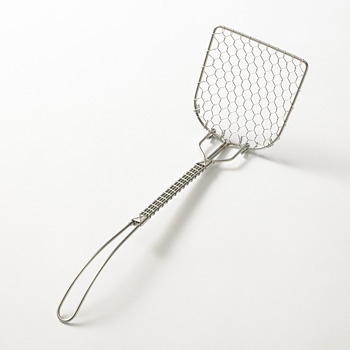
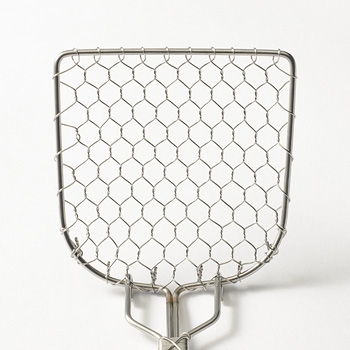
Tofu Server (remover)

Tofu, especially if it’s the silken type, requires special care. And if you’ve worked hard enough to maintain its shape throughout the boiling process you’ll certainly want a tool to remove it and gently place it in your bowl.
 

nabe tools - tofu sukui 2 nabe tools - tofu sukui 1

nabe tools - tofu sukui 3

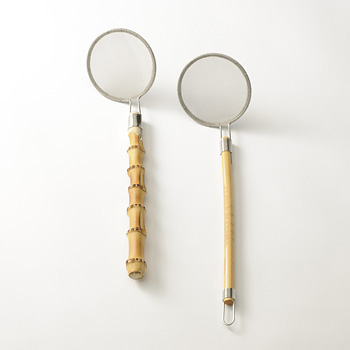
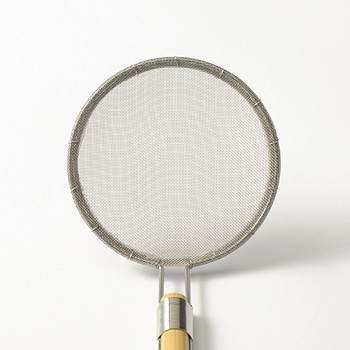
…and it’s cousin the Aku Skimmer

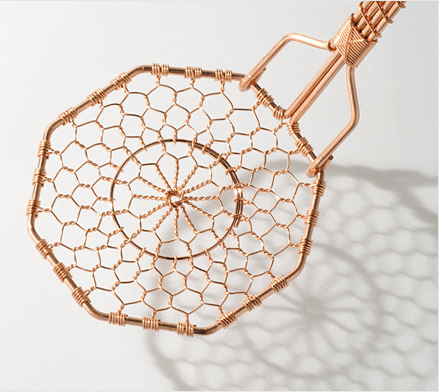
Surely you’ve seen aku before. It’s that brown foam that appears above broth during the boiling and simmering. You’ll want to skim it off for better taste and also a better looking nabe. Sure you could use a ladel for both tasks but these are so much better looking 😉
nabe tools - aku sukui 1 nabe tools - aku sukui 2

Both of these elegant tools are available from kanaami-tsuji

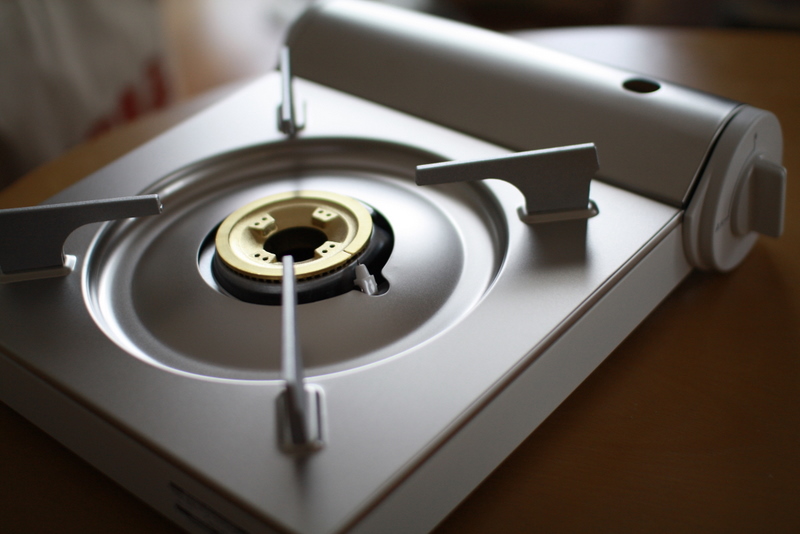
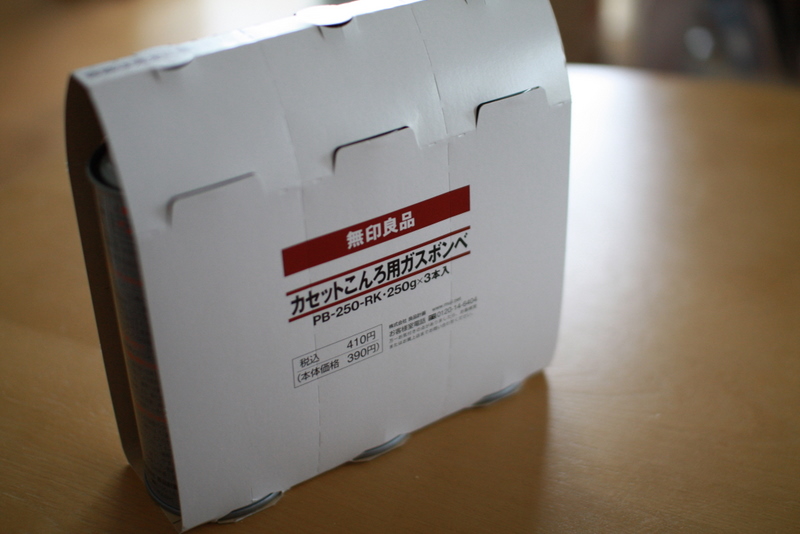
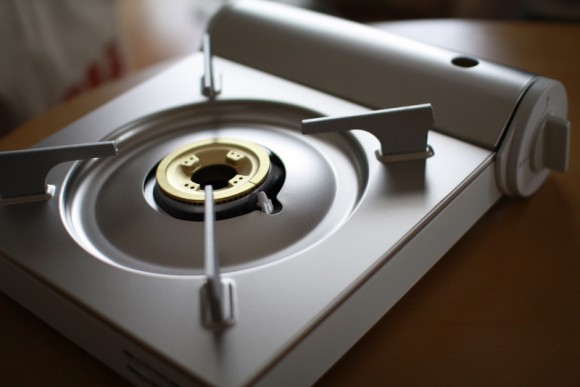
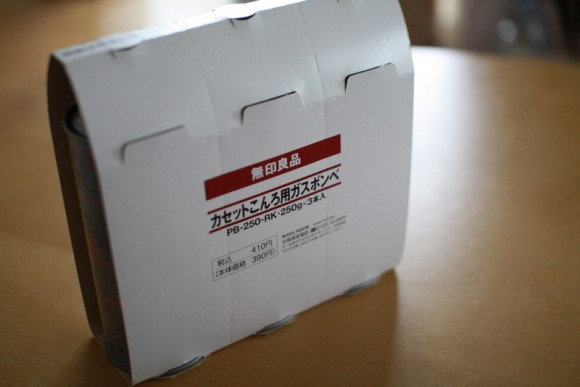
tabletop stove and gas canister

Leave it to MUJI to design even a good-looking table top stove. Sure you can probably find one at your friendly Asian supermarket, but this one is so pretty.

images courtesy mono-memo
Donabe (earthenware pot)

The donabe is the protagonist of the evening; the holy vessel from which you will dine. Of course it would be nice to have an attractive donabe but the most important criteria is that it’s earthenware. If the pot is a regular ceramic pot it will crack under the pressure from the flame and that won’t be pretty. Here are a couple different styles of iga-yaki donabe that are popular in Japan.
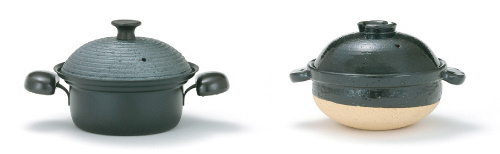
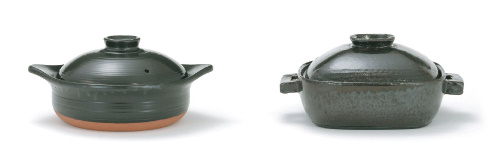
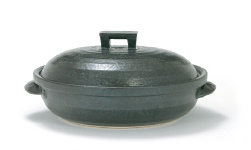
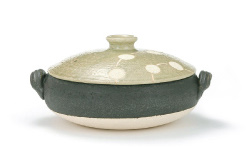
iga-yaki donabe can be purchased through toiro kitchen (images courtesy watashi no heya)

Nabe-shiki (pot trivets)

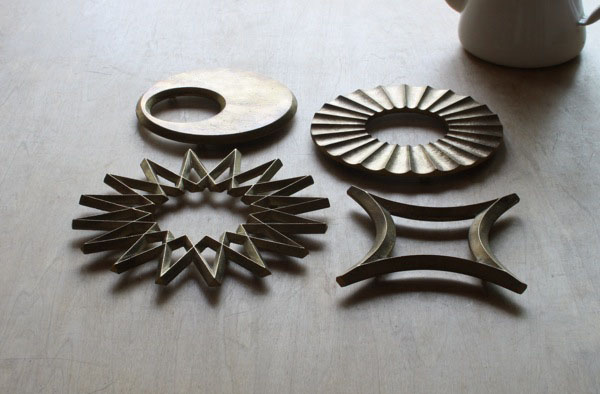
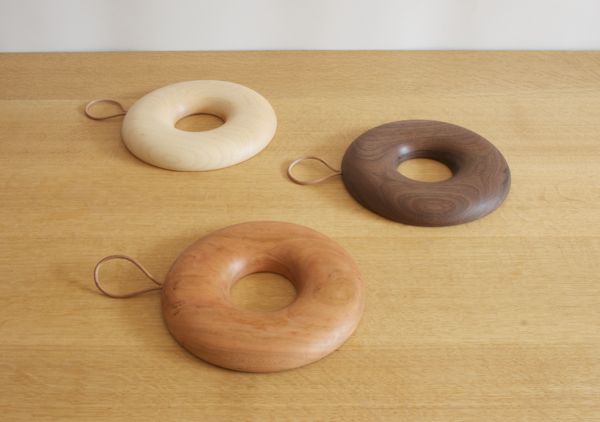
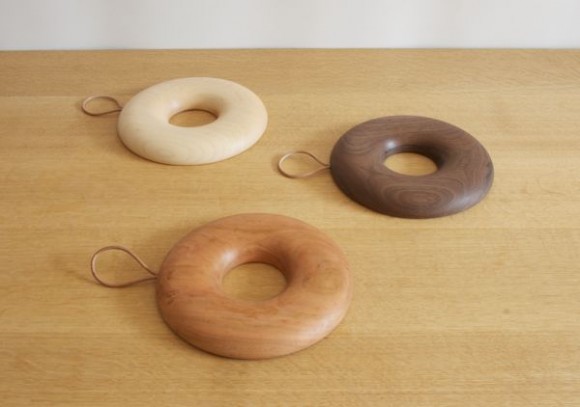
One option many people often opt for to save on gas canisters (or to bypass the tabletop stove altogether) is to heat the nabe on a conventional stove and then transport it to the table. In that case you’ll want a trivet to keep your pot from leaving any burn marks. Here are 2 gorgeous options, both designed by Oji Masanori.
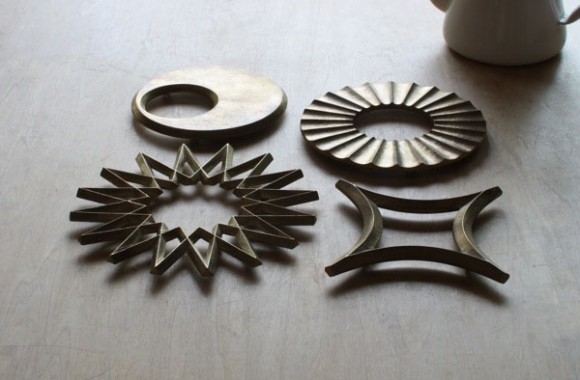

The brass trivets are a nod to the heavenly bodies above – the sun, moon and stars. For smaller pots you can go with these adorable bagel-shaped trivets.

 

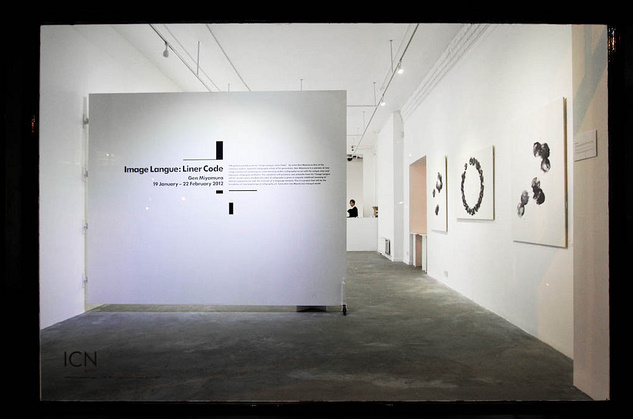
Gen Miyamura at ICN Gallery | Image Langue: Linear Code


All photos from installation view at ICN Gallery | all photos by Joe Keating

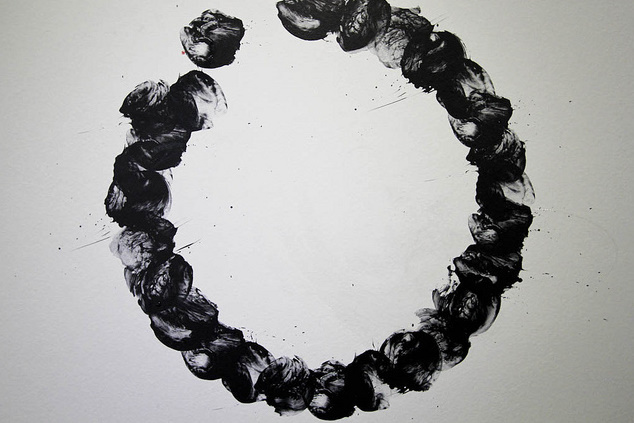
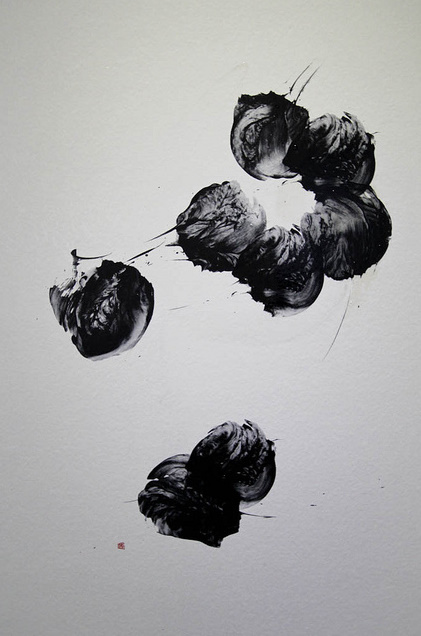
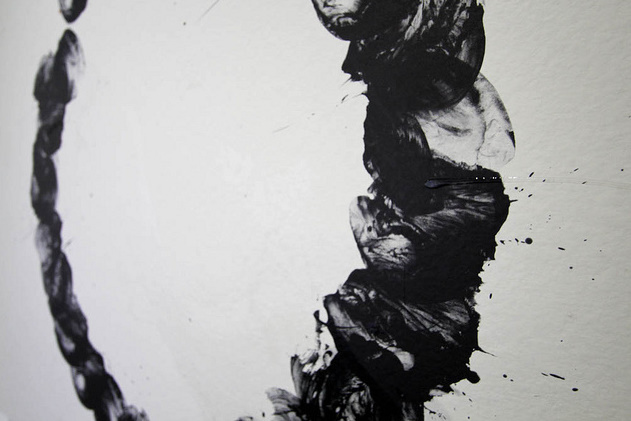
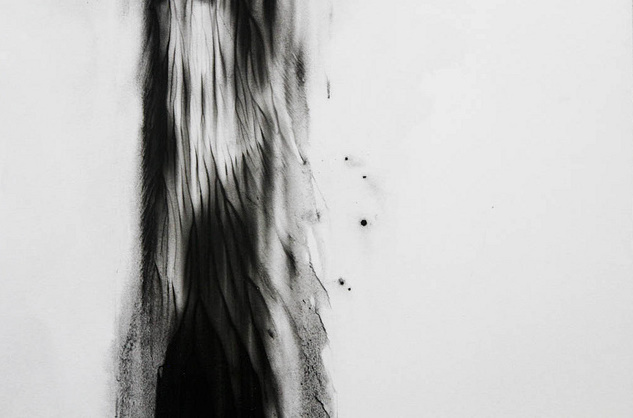
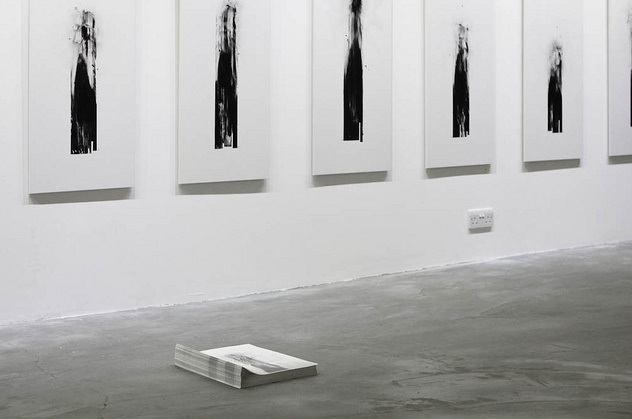
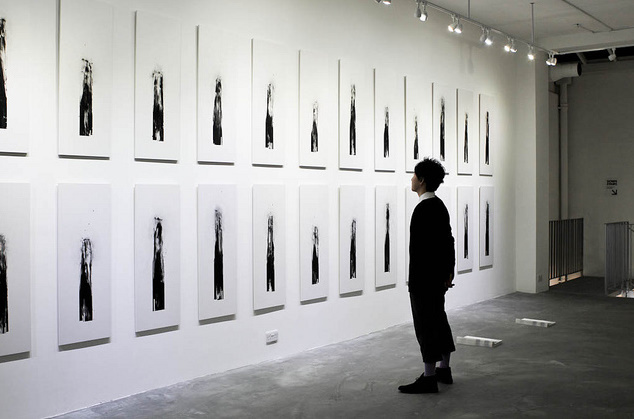
Miyamura establishes himself as a solo artist with a series of tranquil prints that harken back to the glorious days of the abstract expressionists


Calligraphy artist Gen Miyamura has been experimenting with Bokusho (墨象) – an avante-garde form of calligraphy that sprung out of post-war Japan – for quite some time now. The artist is perhaps better known for his collaborations with designers like Shun Kawakami (here and here), rather than for his standalone work. But in an exhibition that just opened at ICN Gallery in London, Miyamura breaks free from that mold, establishing himself as a solo artist with a series of tranquil prints that harken back to the glorious days of the abstract expressionists. I really adore the brush strokes and how they make us aware of the presence of the artist.

The exhibition at ICN Gallery runs through February 22, 2012.


the artist and his work

All photos from installation view at ICN Gallery | all photos by Joe Keating

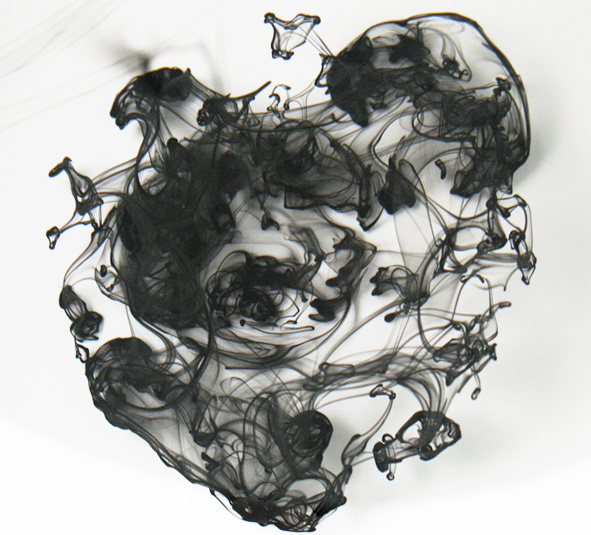
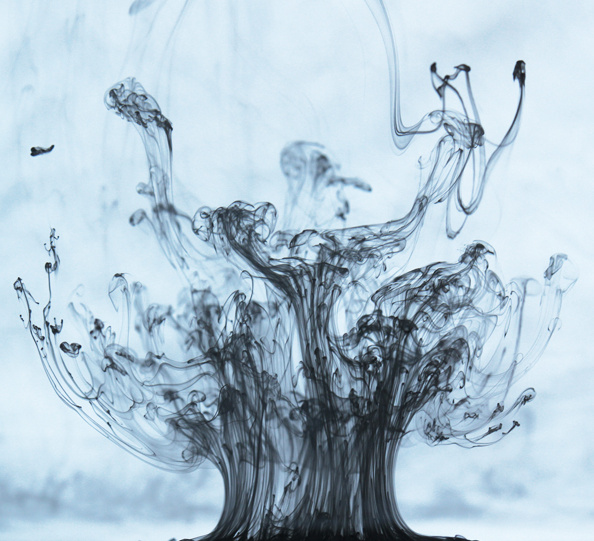
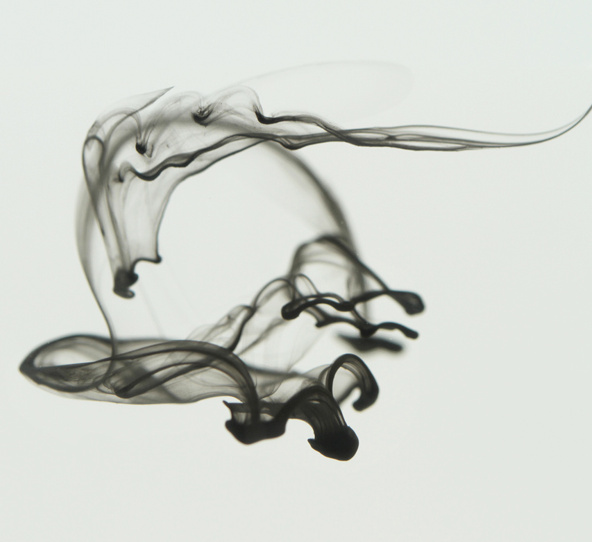
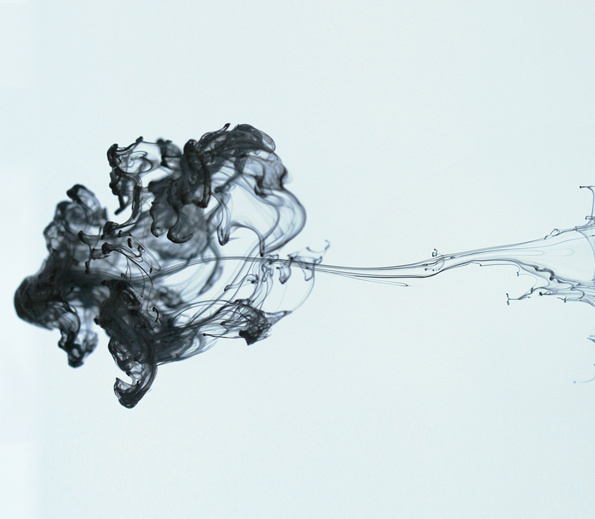
Floating by Ohgushi

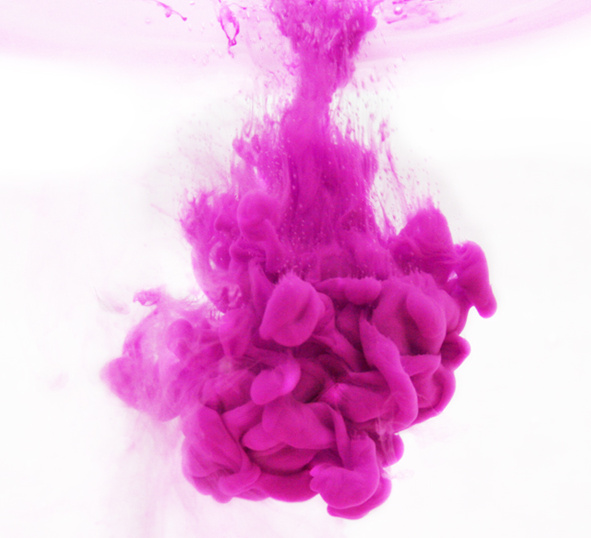
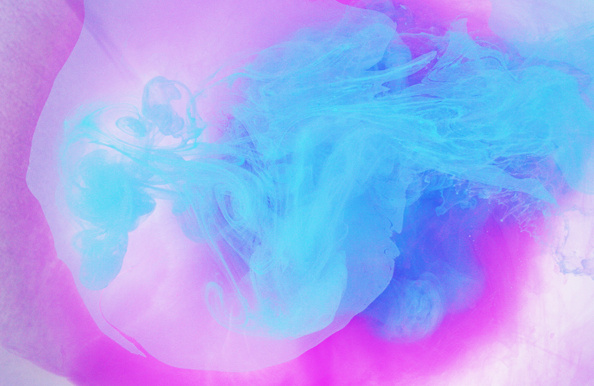
Japanese artist Ohgushi’s “Floating” series is breathtaking. Although borderline kitschy in nature – there is no shortage of photography featuring sensuous ink plumes under water – the execution makes the project work. The soft and gentle lines of the ink creates mesmerizing, abstract shapes.

After winning an ADC award in 2005, Ohgushi and his stylized depictions of women and flowers based on traditional Japanese methods of ink painting (suibokuga) went on to win him an impressive roster of clients. His works have been appropriated by everyone from Emilio Pucci and Lanvin to McDonalds and Takashimaya.

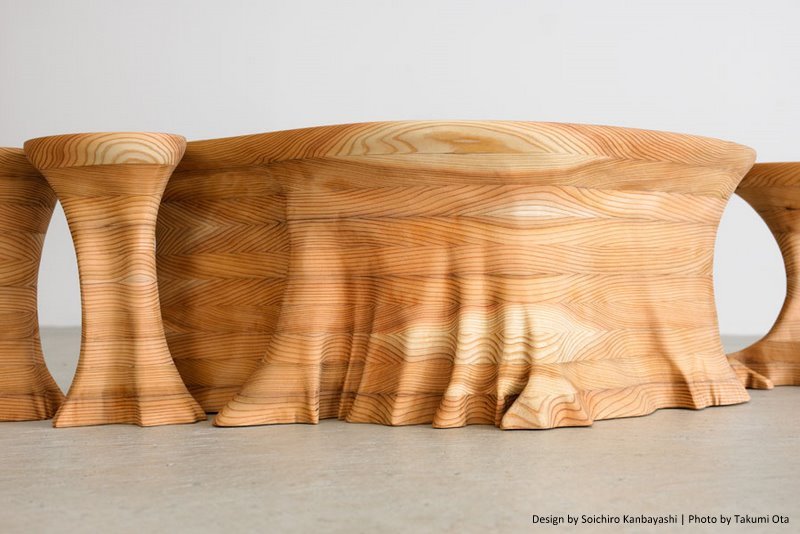
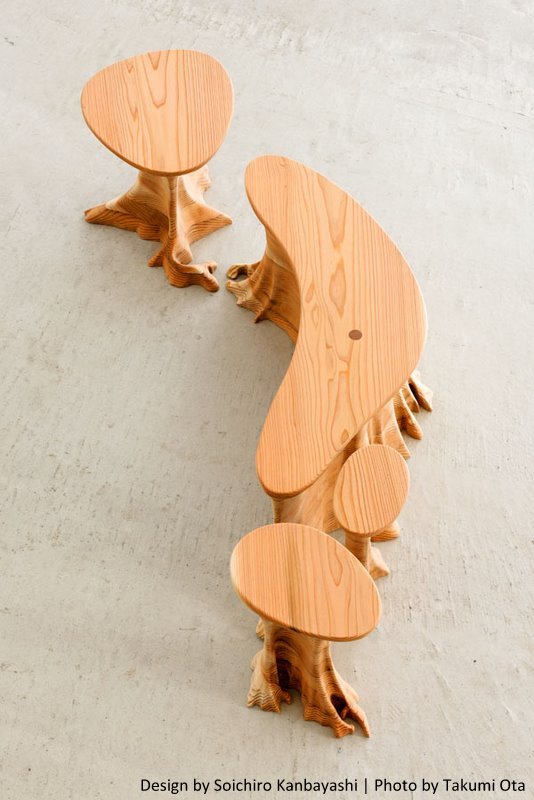
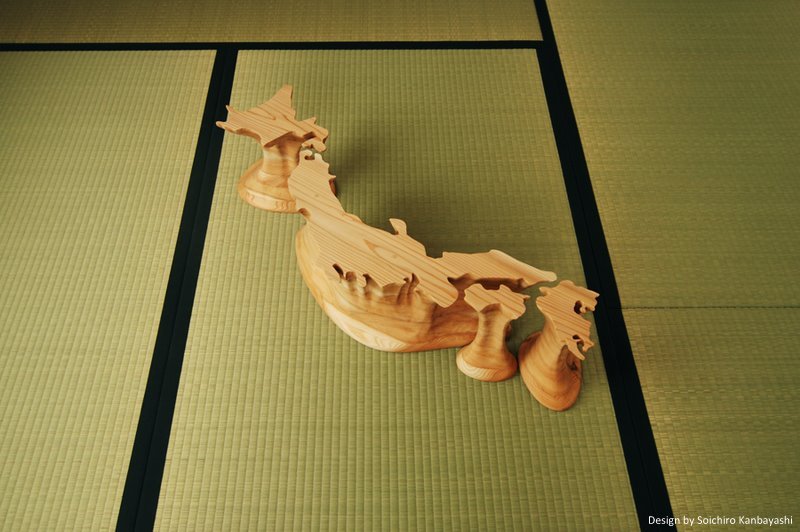
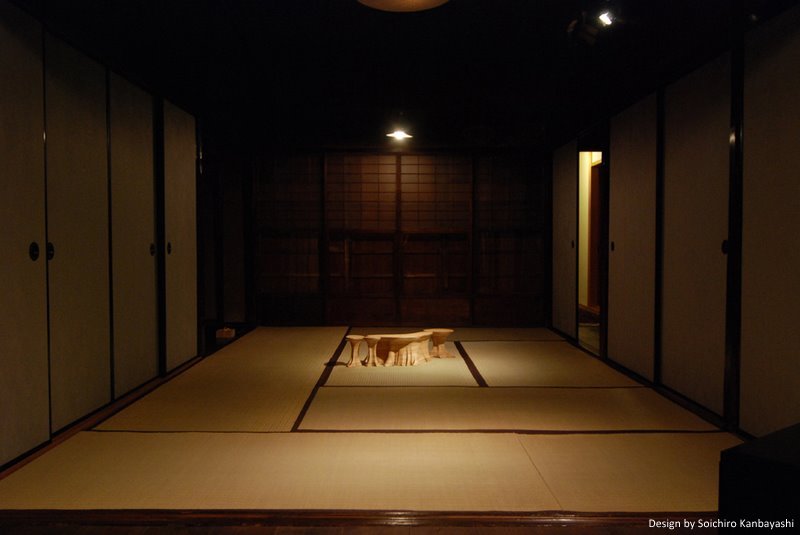
Back Up Japan | gorgeous topographic low table by Soichiro Kanbayashi


When the powerful tsunami waves moved across the Oshika Peninsula, eventually surging into the Northern coast of Japan, it was both an act of violence but also a chain reaction of nature that originated deep below the sea. Inspired by the sheer force of earth’s geological formations, and the immense volume of our atmosphere, industrial designer and head of Studio Archimedes Soichiro Kanbayashi created Back Up Japan. The topographic low tables, at their base, represents the four main islands of Japan, which then rise up and expand in volume like mushrooms.

The piece was carved and stacked using Japanese cedar, Kanbayashi tells me, with a large portion of the curves having to be hand-carved and sanded to obtain their ideal shape. It was originally created for the Monokeiro 11/11 exhibition, which was held on November 11, 2011 in Kyoto on the 8-month anniversary of that fateful day.
Upside down view of the low tables

Many thanks to Mr. Kanbayashi for helping to obtain images

New music video for androp World.Words.Lights is a carnival of dancing toys

PARTY is giving the term “product placement” a whole new meaning

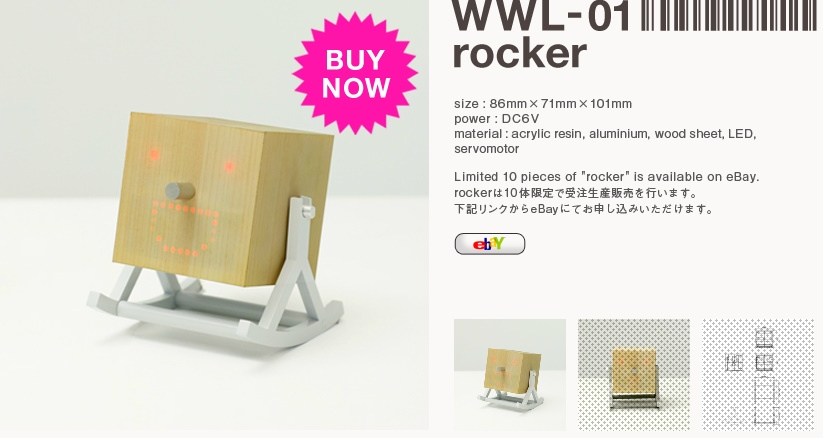
The boys at PARTY have done it again. The creative lab that just formed last year have been doing a number of music videos for the Japanese band androp, including a spectacle of a show that used 250 Canon SLRs. But their latest video is pretty great, and I like the track too. In what is perhaps the first direct tie-up between buyable products and music, PARTY is giving the term “product placement” a whole new meaning.

The video was inspired by the heavily dance-influenced track, but also by the lyrics, which sings about the different languages spoken around the world and how each language casts its own glow of hope upon mankind. The group decided to create a series of high-tech toys that move and dance in response to music – that universal language that every culture can relate to. Each toy is unique, signifying our diversity. All 10 toys will eventually be put up for sale through ebay but for now only the cute little rocker is available. It’s asking $5000, so that should be a clue as to how much the other toys are going to sell for. I would love to get that flying mirror ball!
source: @akiko_saito

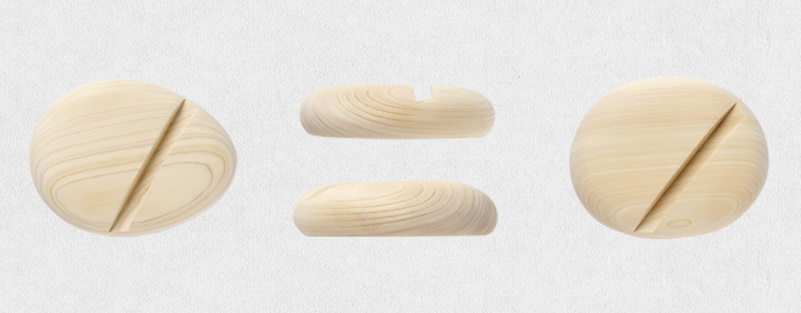
Sample | Hinoki Wooden iPhone and iPad accessories

Before you get too excited, let’s get one thing clear: Sample, despite what the name might have you believe, is not giving anything away for free. They’re very much in business and it’s one of minimal wooden goodness. Tapping into the collective creativity of Japanese designers across Japan, Sample has selected a few of their favorite sample projects and turned them into actual products.

Behind the idea is a concept they call “a little bit of good.” And in the case of their gorgeous hinoki wood peripherals, it refers to the production process of using rounded timber that was leftover from forest thinning. Recycling materials + offering a lifeline to a dying traditional art by providing a constant source of work is certainly a little bit of good in my book.

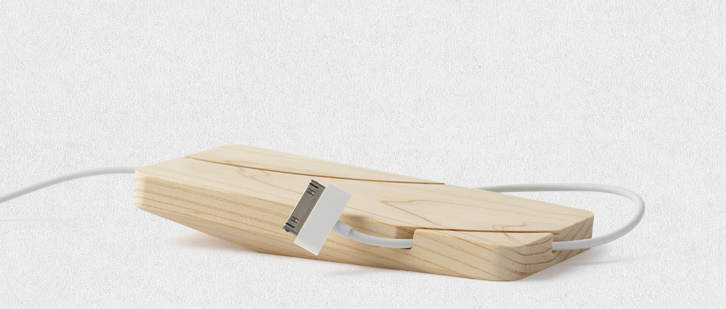
Ripple

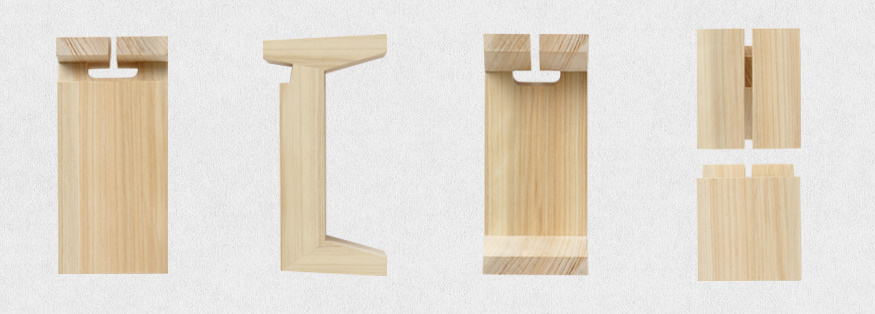
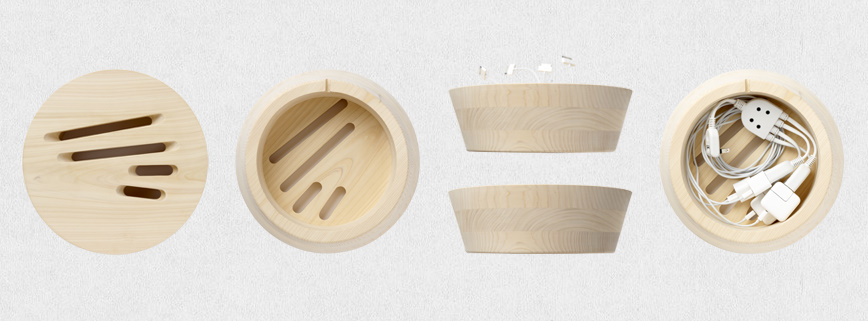
Designed by Taiji Fujimori, Ripple (3,150 yen) not only provides an elegant resting spot for your phone but always keeps you charger in place.

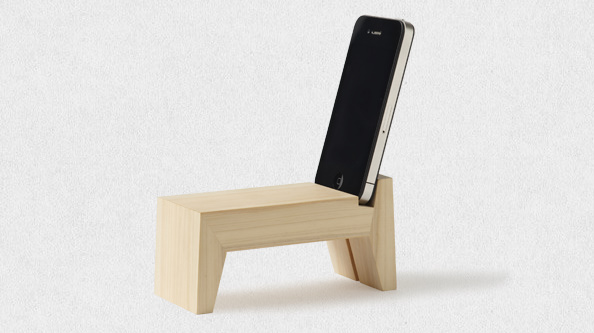
i isu

iDesigned by Katsushi Nagumo, i isu (3,780 yen) gives your iPhone it’s own iChair.

Kinodai

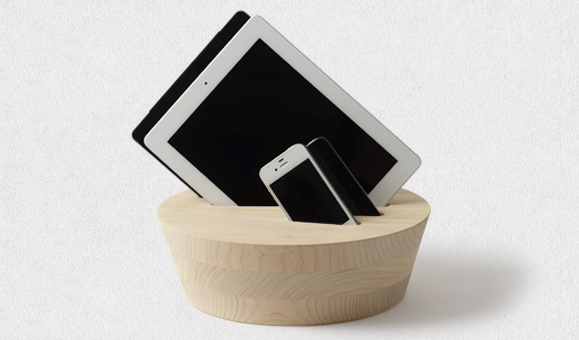
Often times a single family will have multiple devices. Kinodai (39,900 yen) is a holder of 2 pads and 2 phones. It even comes with storage. Designed by Takashi Kirimoto.

Calm Trees

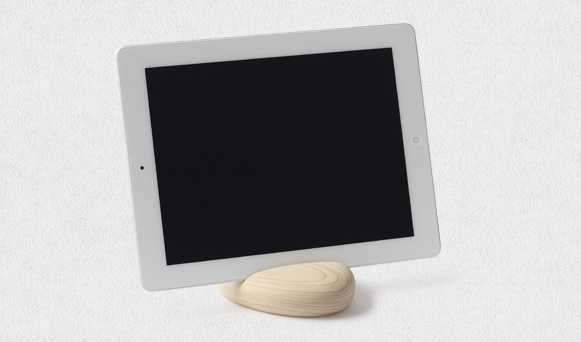
A minimal beauty of an iPad stand. Calm Trees (3,400 yen) works with iPad 1 or 2, as well as your iPhone 4. It was designed by Tonerico.

You can purchase any of these products by navigating the Japanese website, or you can use a forwarding service.

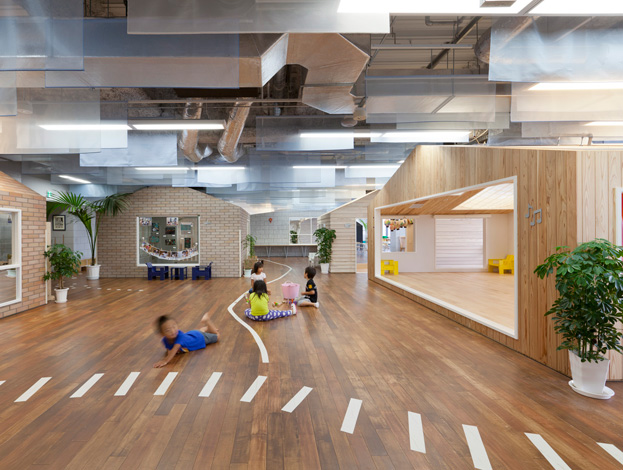
Kiddy Shonan C/X by Makoto Tanijiri

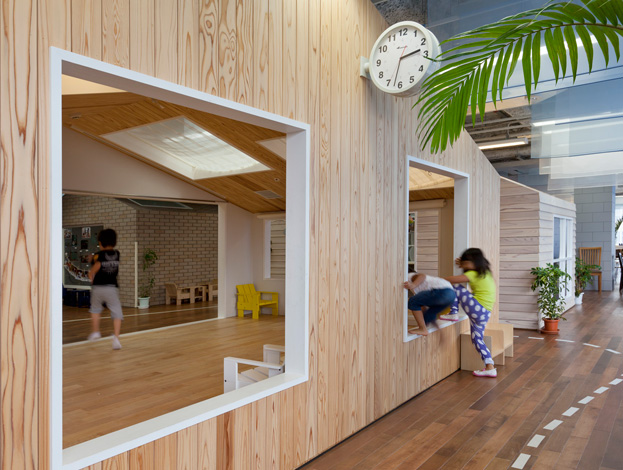
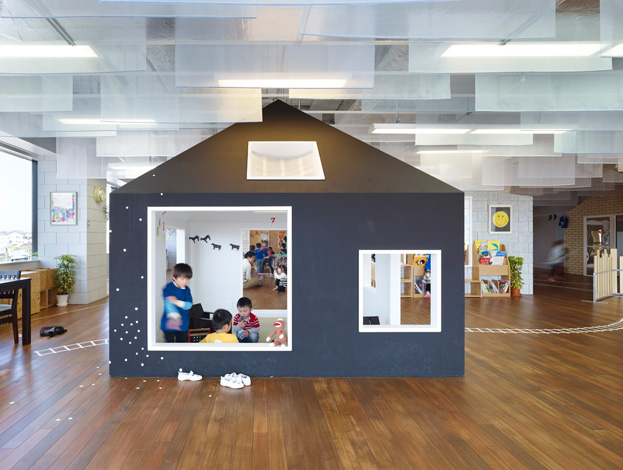
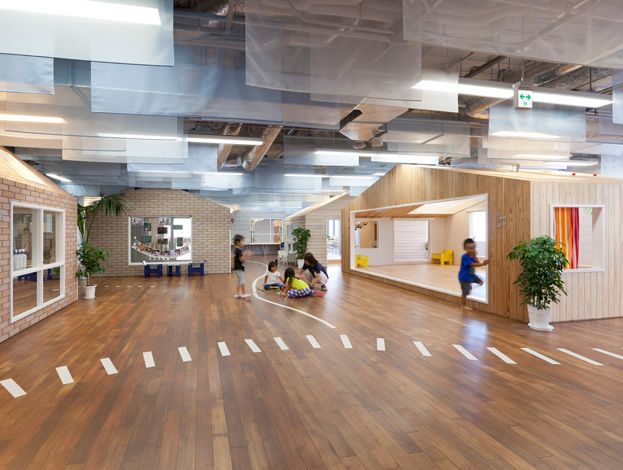
What a cool daycare space. Kiddy Shonan C/X (C-Cross) opened last year in the Shonan bayside area of Kanagawa. Designed by Makoto Tanijiri (Suppose Design Office) the space features numerous houses under a single wide-open space. Each house is designated for a certain activity – art, music and dance. Even the bathrooms are housed within their own house. The individual spaces come together to form a miniature community, helping to foster a sense of citizenship, as well as stimulating curiosity and sensibilities.

Kiddy Shonan is located (Gmap) on the 2nd floor of the Ozawa Takagi building, a short walk from Tsujido Station.

source: Suppose Design Office website

Nest Paperweight by Tomoko Azumi


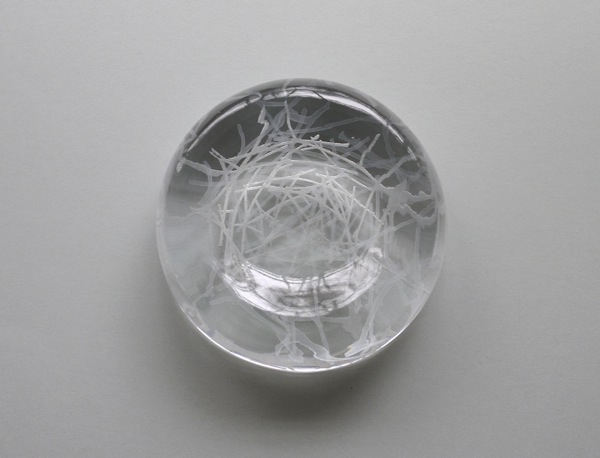
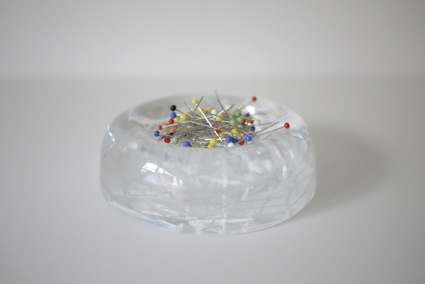
What a lovely little paperweight by UK-based Japanese designer Tomoko Azumi. Laser-engraved twigs are embedded within the crystal glass, creating varying views of a seemingly haphazard bird’s nest that appears to float within the solid glass object. I love how the dimple on top makes it not only a paperweight but a placeholder for small things as well. Nice touch.

Nest will be on display at Maison et Objet starting tomorrow, January 20, along with several candle holders that Azumi designed for Monna Studio (you can see them here, here and here).

Source: Tomoko Azumi’s newsletter

« Older posts Newer posts »

© 2026 Spoon & Tamago

Up ↑

Design by Bento Graphics