Page 277 of 406

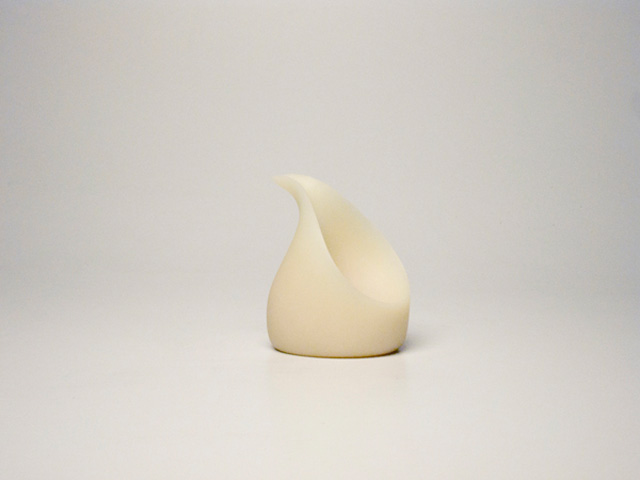
Objects of Empathy by Miya Kondo

“Functioning is not merely the function of things, but also their mystery.”
– Jean Baudrillard
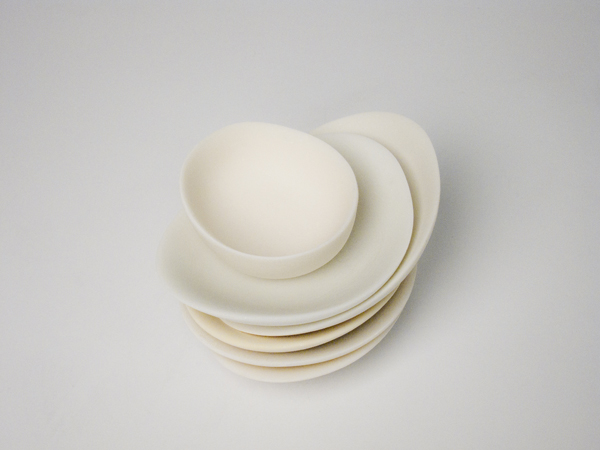
I don’t always understand the cerebral postmodernist commentary that comes out of French social theorist Jean Baudrillard’s mouth. But for some reason the above quote makes complete sense to me. We’re surrounded by tons of objects wherever we go, and we interact with them on a daily basis, forming relationships with many of them. But the significant relationships are created not by the object dictating its function, but rather by us, the user, engaging with the object and defining the function. From ambiguous forms rise curiosity and inquisition, thus inviting personal and subjective interpretation.

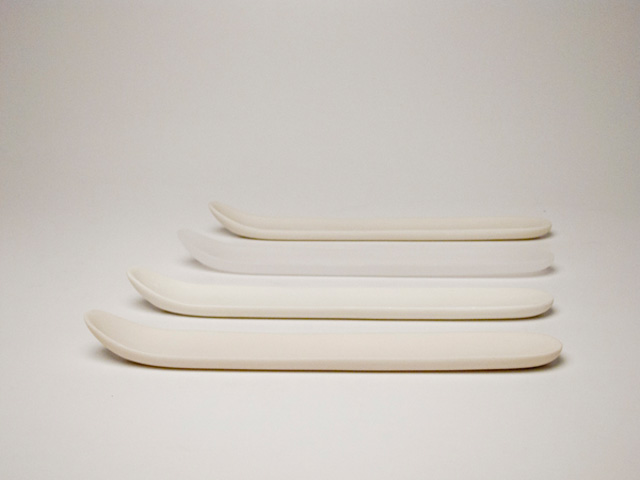
Canada-based designer Miya Kondo created these “Objects of Empathy,” a symbolic representation of an ideal relationship to objects. The sculptural forms are simple, stoic and beautiful, yet they are wholly ambiguous. With no agenda of their own they present themselves as malleable sponges, ready to be defined by the user.

Source: hitspaper | Miya Kondo

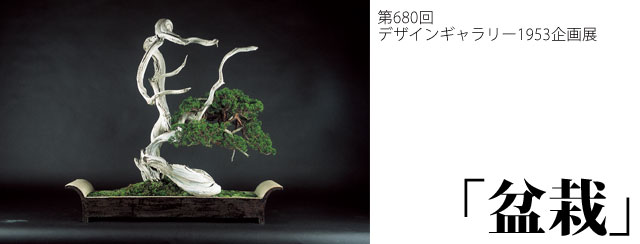
Bonsai Exhibition at Matsuya Ginza

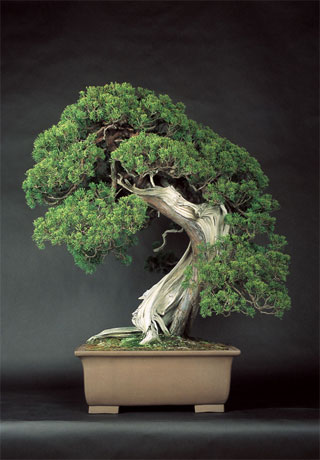
When it comes to the miniaturization of objects, Japan is second to none. But what I often find the most beauty in, and in turn the crystallization of Japanese aesthetics, is not their miniature electronics or their miniature house wares, but their miniature trees, or an art form well known to all as bonsai. In their first exhibition of the new year, Design Gallery 1953 (located within the Matsuya Ginza department store) chooses the Bonsai as their primary lens to explore the many qualities and beauties of Japanese aesthetics.

And artistic direction by Kenya Hara ensures and exquisite experience. If you’re around, go check out the show, which runs until January 23.

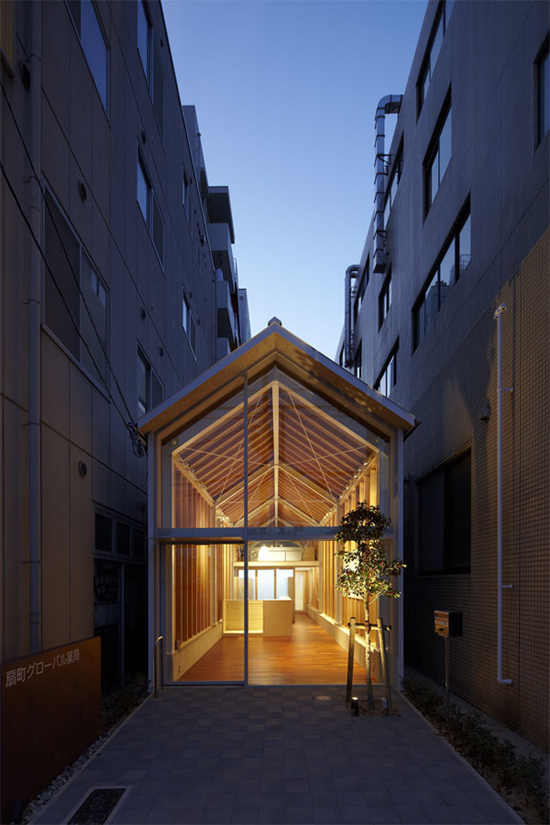
Ougi-machi Global Pharmacy by Ninkipen

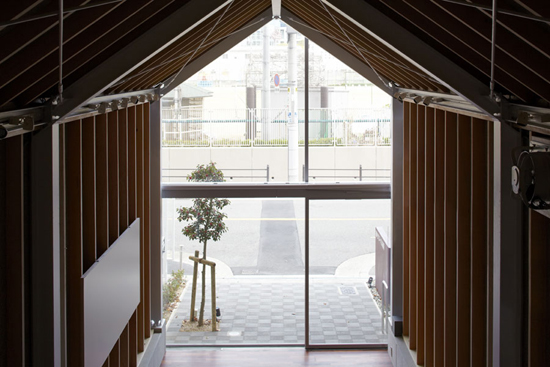
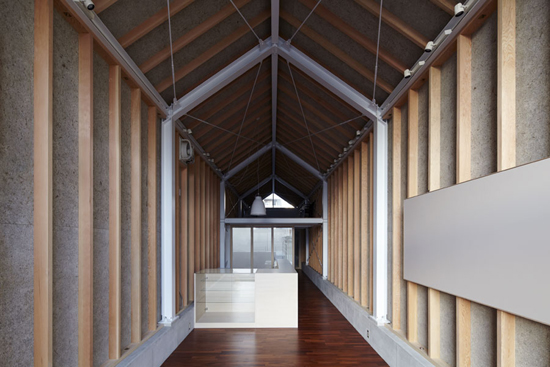
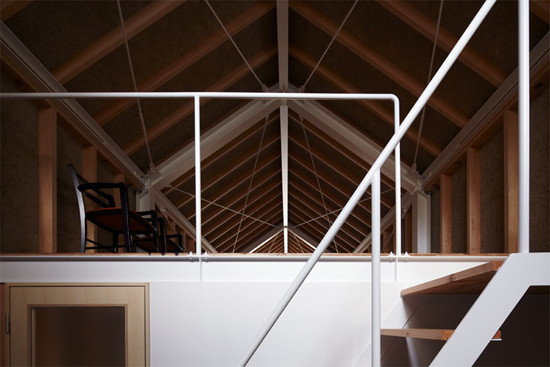
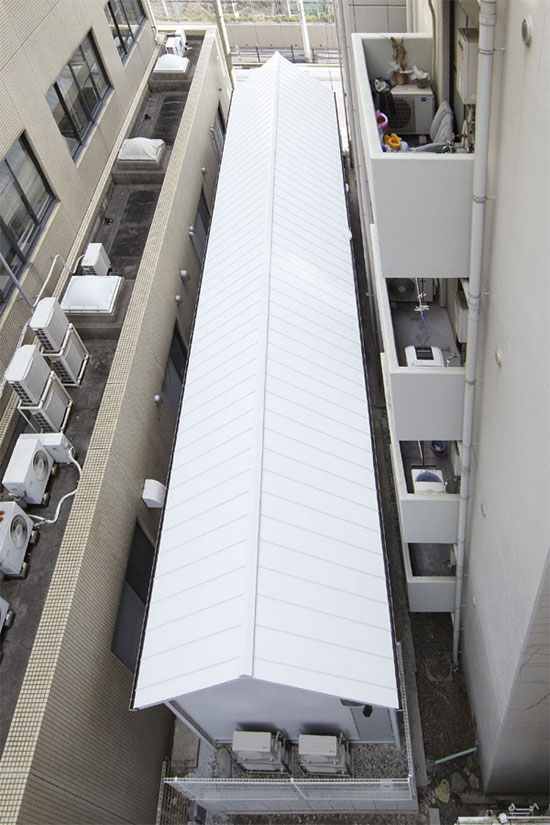
What an amazing pharmacy designed by Osaka-based architecture studio Ninkipen. Completed in November of last year, the store represents the latest addition to the Kansai-based Global Pharmacy chain. What’s enthralling (and what I would like to know more about) is that, according to the architects, the store was built on an old road that had been illegally occupied since the end of WWII, hence it’s narrow width – just 4 meters. The architects attempted to preserve history within their designs by creating an elongated store that mimics the look of a road.

Osaka is well-known – notorious, if you will – for their illegally occupied spaces. They were often utilized by black markets and other dark forces who continued to elude the reach of government and authority, even into modern times. I wonder what this space was previously used as?


Looking out from the store you can still see where the road is rounded off – the remnants of an intersection

source: Ninkipen


Rihga Royal Hotel Planetary Chocolates

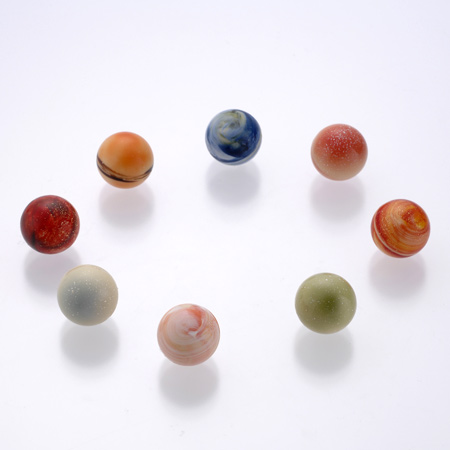
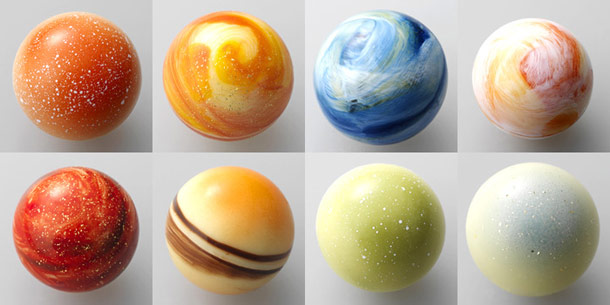
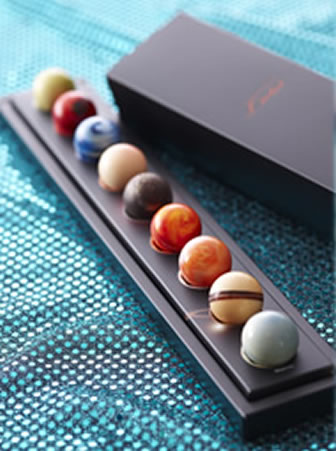
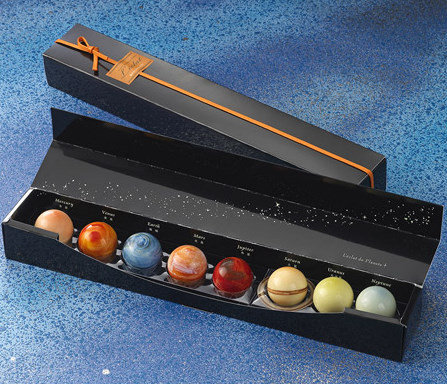
Combining astronomy and good eats sounds too good to be true. But in their celestial collection of planetary chocolates, chocolatier L’éclat of the Righa Royal Hotel Japan have done just that. The chocolaty solar system includes Mercury (coconut mango), Venus (cream lemon), Earth (cacao), Mars (orange praline), Jupiter (vanilla), Saturn (rum raisin), Uranus (milk tea) and Neptune (capuccino) – sorry, pluto is no longer considered a planet.

Each are sold individually (400 yen) but if you order the set (3,800 yen) they’ll throw in the Sun – a flaring delicacy of criollo chocolate and pineapple. You can order online (3,200 yen; Sun not included)or you can use a forwarding service.

But if meteorites are more your thing, they’ve got a collection of those as well, featuring 8 chocolates modeled after major meteorites that have been discovered around the world.

(thanks for the tip masako!)
source: ufunkL’éclat


DIY: IKEA Kotatsu Hack

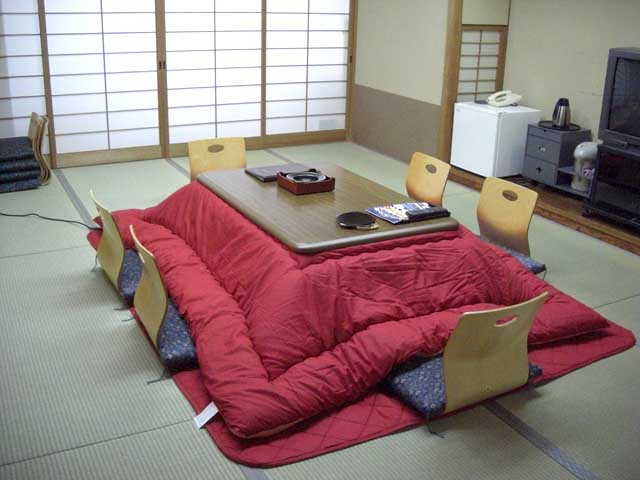
On chilly nights, I would kill to just snuggle up to a kotatsu and never leave. Kotatsu is a heated blanketed coffee table, invented in 14th century Japan, and can be found in most Japanese homes during the winter. While they are the focal point of Japanese homes during the winter, they usually aren’t the prettiest furniture.

Kotatsu

I came across this (economical and totally custom) IKEA kotatsu hack:

IKEA Hack Kotatsu


Materials:
1      Portable fan heater (≈ $20+)
2      Lack coffee table (≈ $30+)
1      Mysa Gras comforter (≈ $10+)
1      Duvet/Comforter cover (optional)
2-4  Snille chair backs (optional)

Construction:

1.  Shorten the legs of one of the Lack tables to 7 and 7/8 inch (20cm).
CAUTION: Make sure you’re cutting the bottom of the legs and not the top.
2.  Attach the legs to one table top
3.  Lay the quilt over top
4.  Place the second tabletop on top of the quilt. The friction/weight of the upper tabletop is sufficient to keep it from sliding around. but add Velcro if necessary.
5.  Place the fan heater under the table and away from the comforter. You can keeping the heater off to one side to allow maximum knee room underneath but be careful of creating fire hazards.

*Materials can be changed for similar items. Just make sure the comforter will leave enough overhang when placed on top of the table to trap heat.

You can create your custom, and much more modern looking, IKEA kotatsu for under $100!

WARNING: Unattended and misuse of kotatsu and kotatsu hardware are a cause of fires and injury. Make sure you consult the fan heater instructions and upkeep of equipment to prevent any accidents.

Source: IKEA Hackers

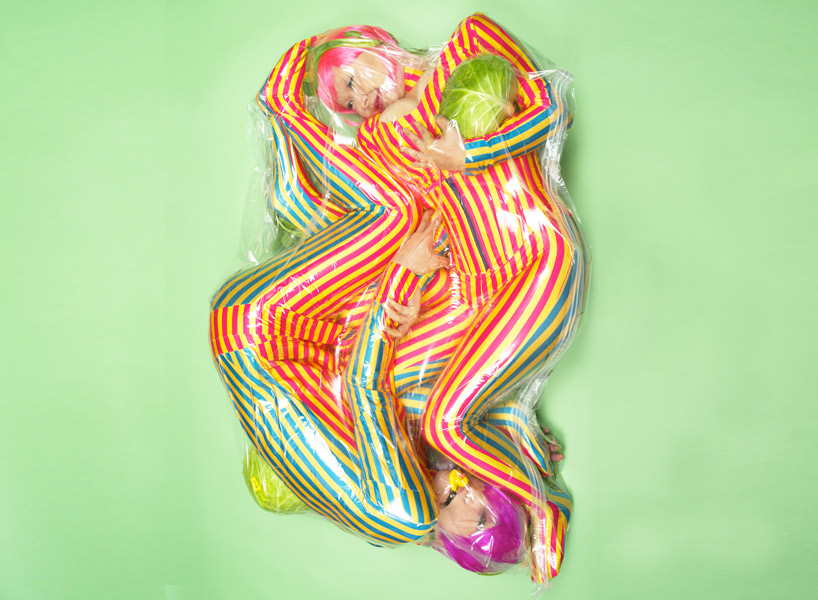
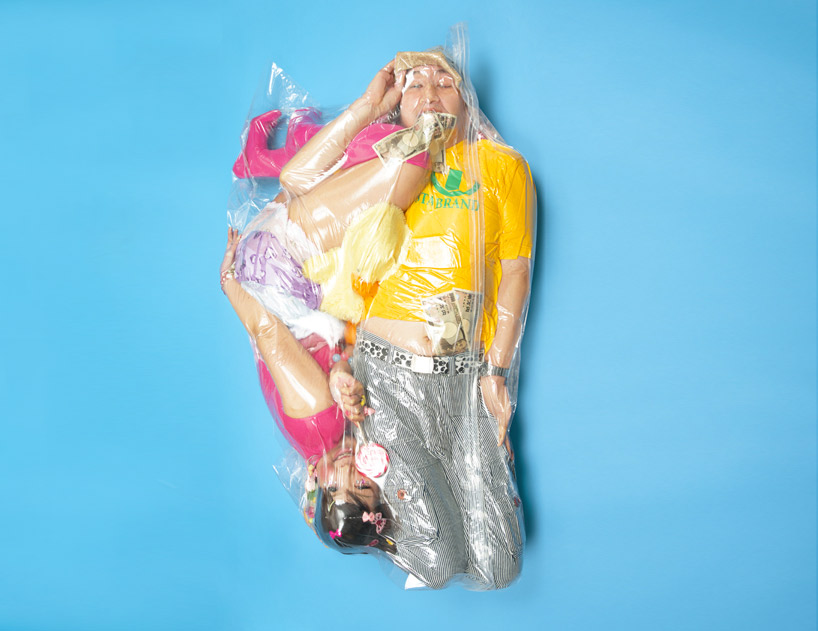
Vacuum-Sealed Couples | Photographer Hal

lim_kyohei by Hal

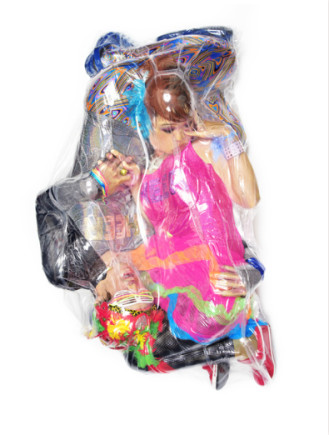
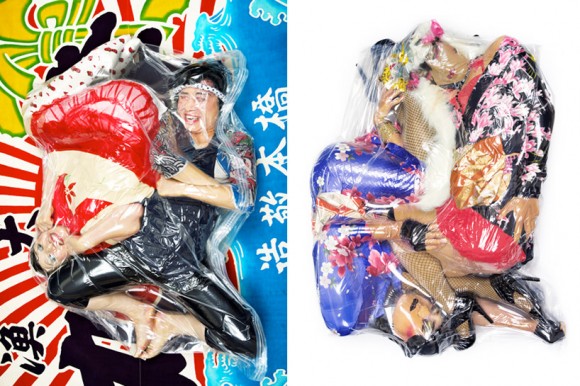
These disturbing and potentially NSFW are both colorful and intriguing. They were taken by artist “photographer Hal” and are actual vacuum-sealed people!!! These pictures are Hal’s latest project called Flesh Love; which quite literary captures couples in vacuum seals. The name is very fitting, as with a small play on words, it can be seen as flesh or fresh (since the Japanese language does not have a “R” or a “L” but rather something in-between). Hal started out photographing couples in bath tubs, as he felt that couples were brought closer to each other, but slowly progressed to photographing them in the large vacuum seal packs.


Hal recruits his models from the streets of Kabukichou in Shinjuku, known for its off-beat and adult entertainment. When Hal comes across an interesting couple, he takes his time to negotiate. But when taking his photos, he has to be quick to snap a few photos of his vacuum sealed subjects before they run out of air.

On one assignment I had to visit a prison later to obtain permission for the final print. Happily though, for the most part I’ve had many joyful moments with many interesting scenes to capture. There was even a couple who married soon after one event, and it all began in a bathtub! – Hal

pinpq_omco__ringo_inga by Hal
pochi_miyake by Hal

Photographer Hal also has a photobook “Flesh Love” available on iPad (¥1,000).

Source: laughing squid | Photographer Hal

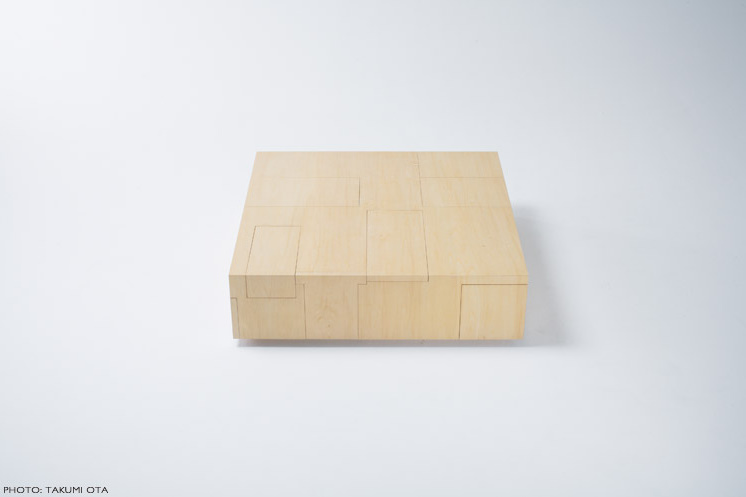
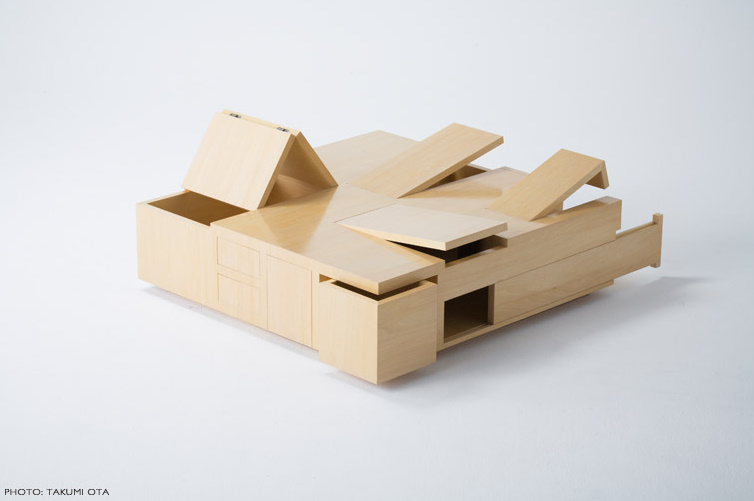
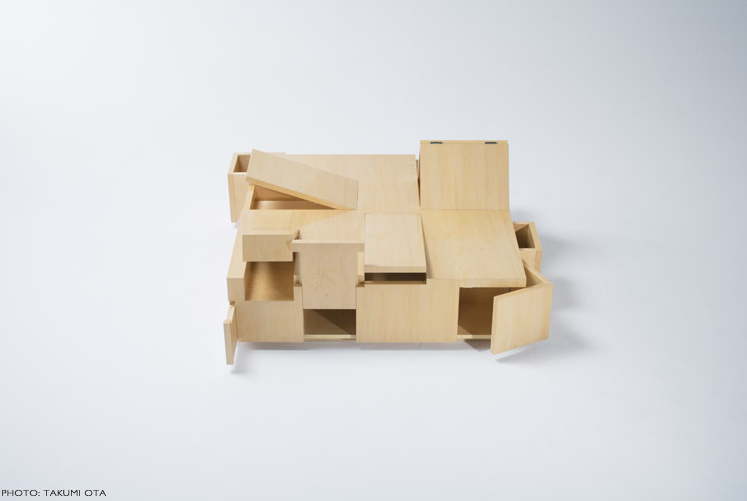
Table of Secret Compartments | Kai Table by Naoki Hirakoso and Takamitsu Hirataka


images courtesy Naoki Hirakoso | click to enlarge

This is one of those times my posts come in twins. Kai Table is an incredible piece of craftsmanship by Naoki Hirakoso and Takamitsu Hirataka . While presenting itself as a seemingly seamless rectangular low table, multiple pieces unfold, slide out and pull out to reveal secret cupboards and drawers. It reminds me a bit of Takeshi Miyakawa’s Fractal chest of drawers.

The custom-designed table is available for purchase (600,000 yen; ≈ $7,800 ) but due to its complexity it has to be custom-made and will require several weeks for completion.

source: notcot | Architizer

Table of Pencils by Motohiro Tomii


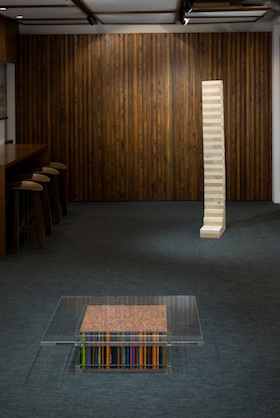
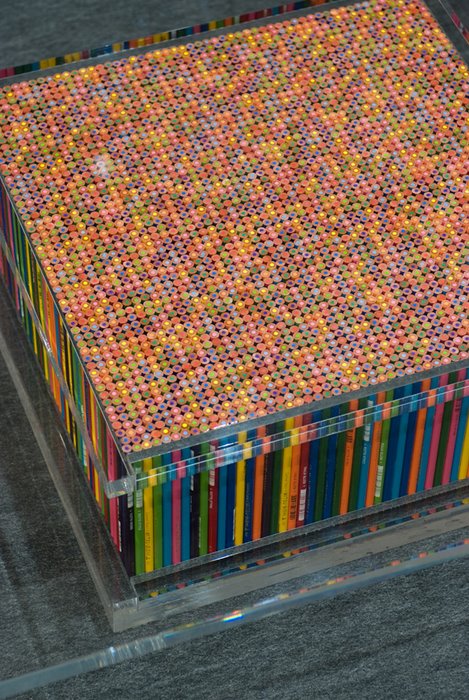
“table of pencils” (2010) | pencil, acrylic board | installation view at Museum of Contemporary Art Tokyo (2011) | photo : Masaru YANAGIBA | design collaboration:HIROYUKI TANAKA ARCHITECTS | cooperation:Masuki Co.,LTD


Does art serve a purpose? Does it have a function? I would like to believe that it does.


Table of Pencils is the work of sculptor Motohiro Tomii. “Does art serve a purpose? Does it have a function?” These are the questions he asked himself as he set about working on this project. In recent years Tomii has been primarily concerned with the reason we make things. But instead of perusing an answer through his art – “Will we ever find the answers if we keep making things? No, definitely not,” he says – Tomii has quite literally turned the tables on himself, accepting that art is something incomprehensible. His objective is to understand, in fact, how much we don’t understand.

The Table of Pencils was created specifically to walk a thin line between conceptualism and utilitarianism. But leaving the “is it art?” debate aside, I thinks it’s a fantastic table. How fun would it be to walk into a super serious meeting around this table?


“table of pencils” (2010) | pencil, acrylic board | photo : Masaru YANAGIBA | design collaboration:HIROYUKI TANAKA ARCHITECTS | cooperation:Masuki Co.,LTD

Many thanks to Mr. Tomii (the artist) and Ms. Chinzei (Museum of Contemporary Art Tokyo) for helping obtain images.

A few high quality and (mostly) free Japanese designer fonts

The inherent problem in designing Japanese fonts is the sheer quantity of characters – 50,000 compared to 26 for their latin counterpart – and the labor involved. This perhaps justifies why many Japanese fonts are so expensive. But there are a few free fonts out there. Below are a mix of Japan-influenced roman fonts and actual Japanese fonts.

If you’re interested in Japanese typography check out this great primer (Part I and Part II) by Chris Palmieri. Although it was published a while ago, the content is still wholly relevant.

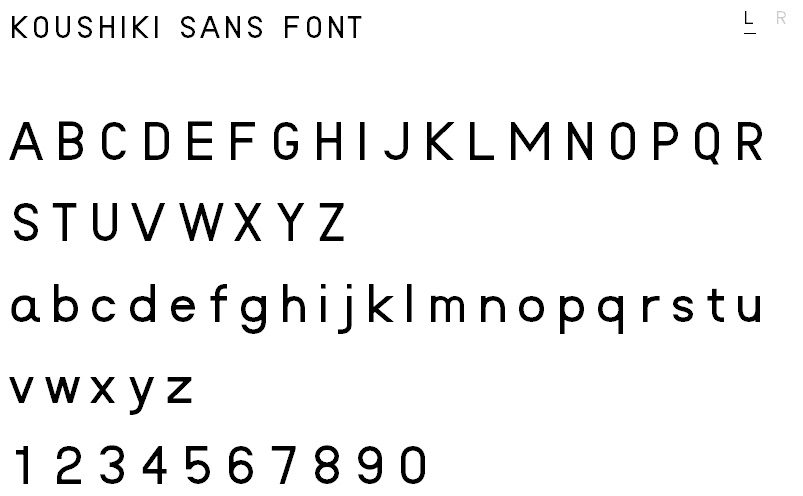
Koushiki Typeface

A solid font that is free and comes with very few restrictions. It was designed by graphic designer Atsushi Kawakami and was just released on Jan 5, 2012. And with an English interface downloading it couldn’t be easier.

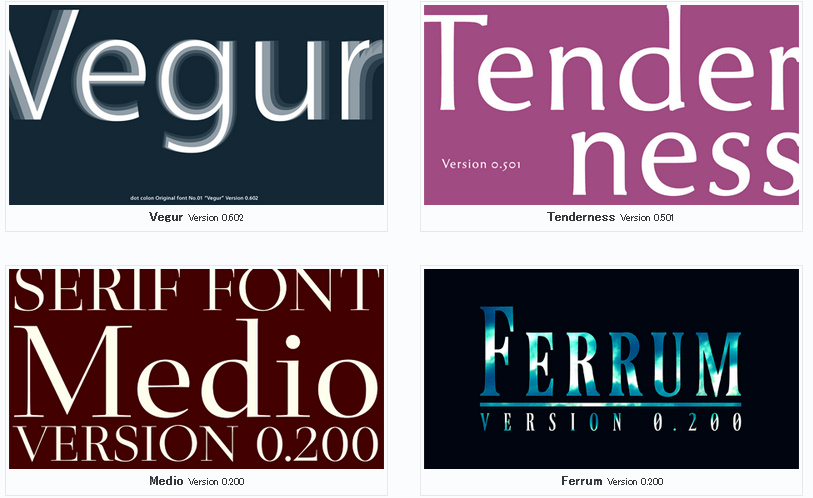
Dot Colon Typefaces

An assortment of fonts by web designer Sora Sagano. Interface is in Japanese but if you click on the font you want and scroll down, the large blue button on the right is the download button.

Miura Liner Jr.

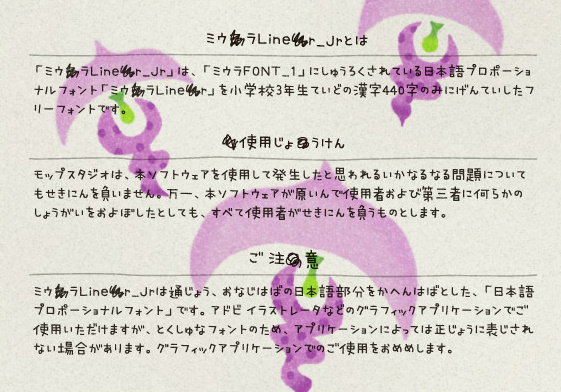
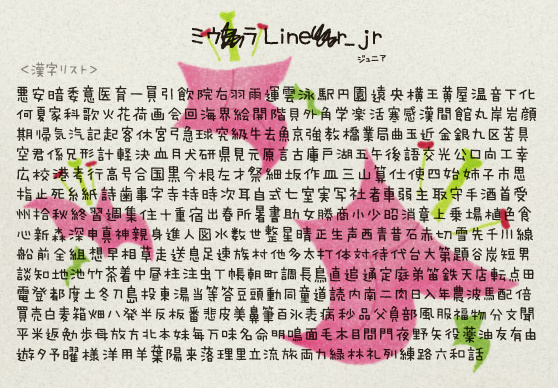
This is a cute handwriting font. Although the Miura font family is not free, Mop Studio has released a free version called Miura Liner Jr. The caveat is that it only contains 450 kanji characters (click for full list), enough for some basic writing but probably not enough for that dissertation you’re working on. The Japanese interface is a bit difficult to navigate so here are the download links for Mac and Windows.

M+ IPA

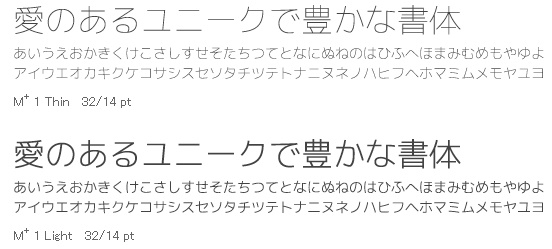
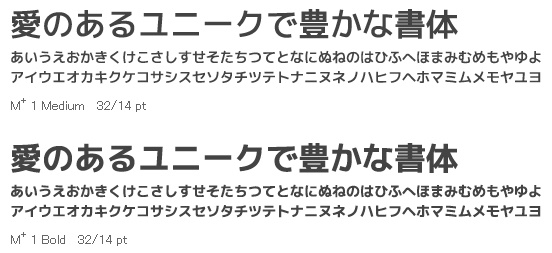
The M+ fonts are quite beautiful. They’re free and feature proportional and fixed-halfwidth Latin, as well as fixed-fullwidth Japanese. Here is the English interface when you can download from.

AXIS font

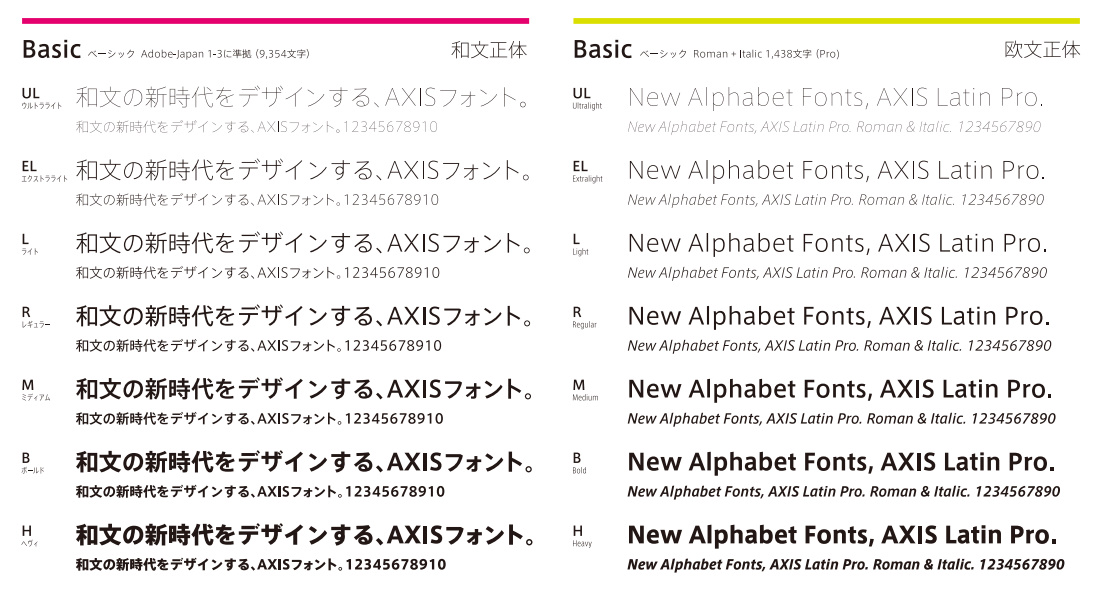
The AXIS font is not free. Actually it’s quite expensive (20,000 yen for a single weight) but it’s worth the investment if you’re going to be doing a lot of work in Japanese.

Source: W3Q

DIY: Beef Bowl (Yoshinoya-style)

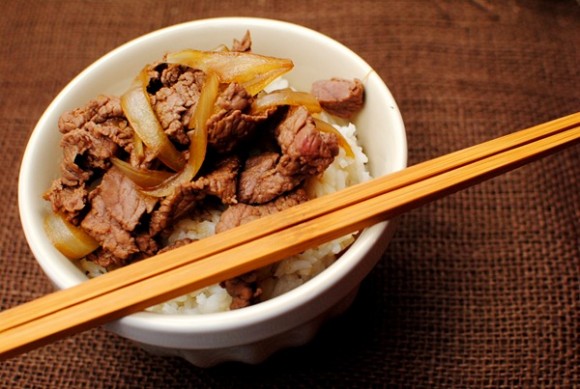
Yoshinoya Gyudon

I have a craving for Yoshino-ya’s Beef Bowl once in a while. Yoshino-ya, for those that are unfamiliar, is a quick-serve Japanese Beef Bowl restaurant that can be found in almost all major train stations and shopping districts in metro areas across Japan. It was established, in 1899, in the fish market of Nihonbashi district. While the restaurant franchise has gone international, sadly, they don’t have a location near me yet. So I make do with this “precisely” Yoshino-ya Beef Bowl recipe:
Yield: 4 portions (Japanese recipe, Japanese portions)

Ingredients:
1 lbs           Thin sliced beef (loin)
1 large       Onion
4/3 cup    White wine or Mirin
1 cup         Dashi or beef broth
5 tsp          Soy sauce
1 tsp          Sugar
TT               Salt and pepper

Preparation:
1.  Cut and slice beef into bite size pieces and add a dash of salt and pepper.
2.  Chop onion into bit size pieces.

Cooking:
1.  Add dashi and wine into a medium saucepan and bring to a boil – enough to let the alcohol dissipate.
2.  Add the onion and beef to the pan. Bring to a boil again and scoop out any foam that forms on top.
3.  Add soy sauce, sugar and stir. Continue to cook, placing a lid and on low heat for 20 minutes.
4.  Place it over white rice and enjoy!
Beef Bowl
images courtesy operatorchan and iowagirleats
Source: Cookpad (Japanese)

« Older posts Newer posts »

© 2026 Spoon & Tamago

Up ↑

Design by Bento Graphics