Page 272 of 406

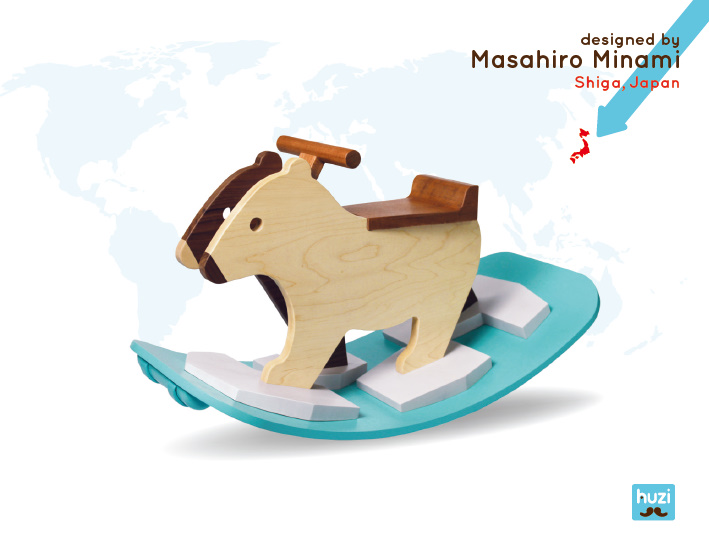
Masahiro Minami’s Pizzly Bear now available from Huzi Design

images courtesy Huzi | click to enlarge

Polar Bears live in the Arctic and Grizzly bears live in Canada and never the twain shall meet… or should they? That’s what scientists were asking when a Pizzly Bear (or if you prefer, a Grolar Bear) turned up in ’06 in the Canadian Arctic. Apparently, the melting snow caps caused these bears’ habitats to overlap, and consequently resulted in their unlikely offspring. Although this incident would typically be perceived as a sad state of environmental affairs, one person saw it differently. Masahiro Minami, a designer working out of Shiga Prefecture in Japan, was inspired by this beautiful love story and decided to create a rocker for his daughter.

We wrote about the story (here and for inhabitots) back in 2009. The story traveled across the sea and, 3 years later, we are thrilled to announce that Hong Kong-based Huzi Design has, today, released Pizzly Bears as an actual product. We’re honored to have been part of that process and wish Minami-san a well-deserved congratulations on an amazing concept-turned-product.

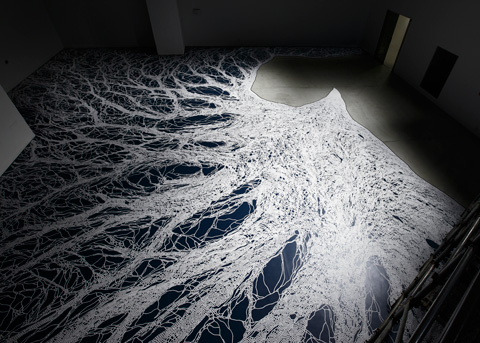
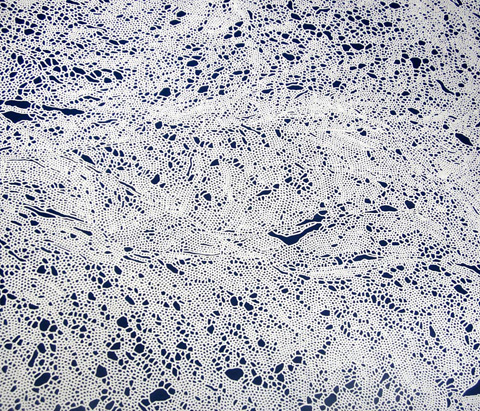
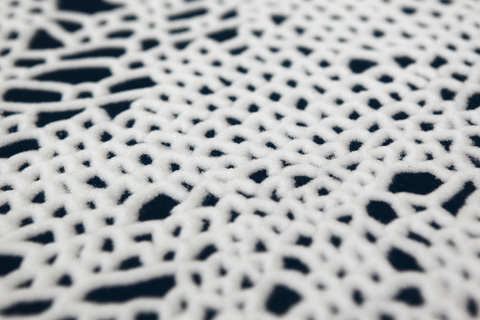
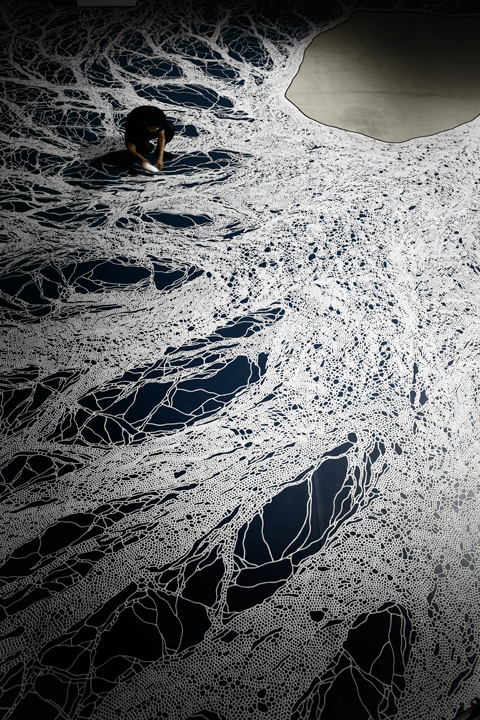
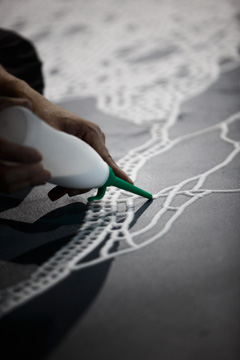
Forest of Beyond by Motoi Yamamoto

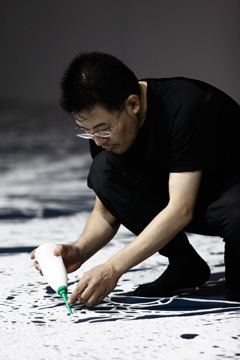
Currently on display through March 11 at the Hakone Open Air Museum is Motoi Yamamoto‘s sculpture, “Forest of Beyond.” The artist, who is well known for creating large-scale sculptures, especially mazes, out of salt, has created a massively intricate installation that resembles the far-reaching roots of a tree.

Yamamoto originally started working with salt after he lost his sister, who died from brain cancer. As a way to honor her and preserve her memory, Yamamoto chose salt – 1 of 5 elements in the Shinto tradition that symbolize purification.

On March 11 – the 1-year anniversary of the Tohoku earthquake and tsunami – Yamamoto has invited visitors to help him disassemble his installation. Proceedings will begin at 3:00pm and attendees will be asked to take the salt with them and return it to the sea, thereby completing the cycle. The artwork itself will disappear but the salt will go on and support many living organisms to come. If you are up to it, the artist has also asked for you to send in pictures of yourselves returning the salt to the sea.

source: mymodernmet | Hakone Open-Air Museum

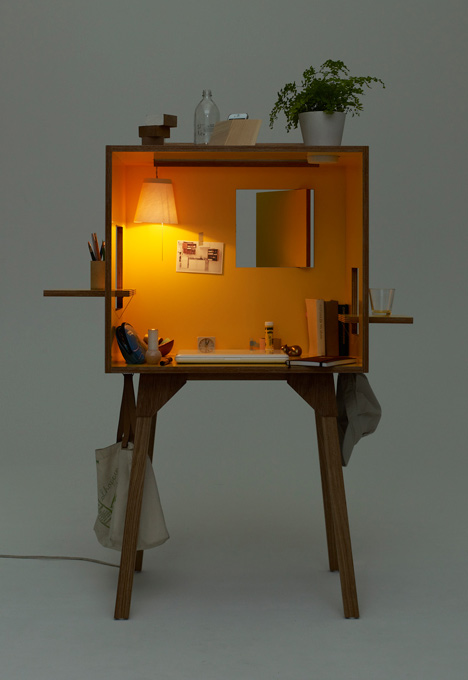
Koloro Desk | a dollhouse workspace by Torafu Architects

images courtesy Torafu | click (the small ones) to enlarge

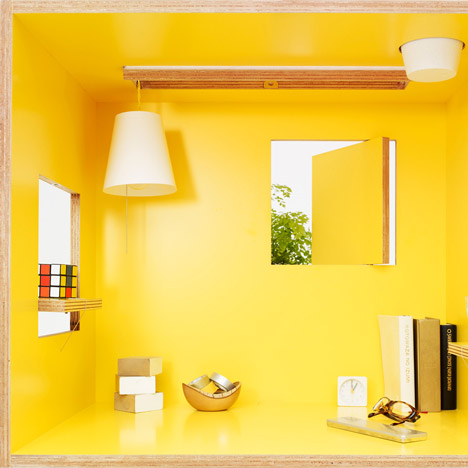
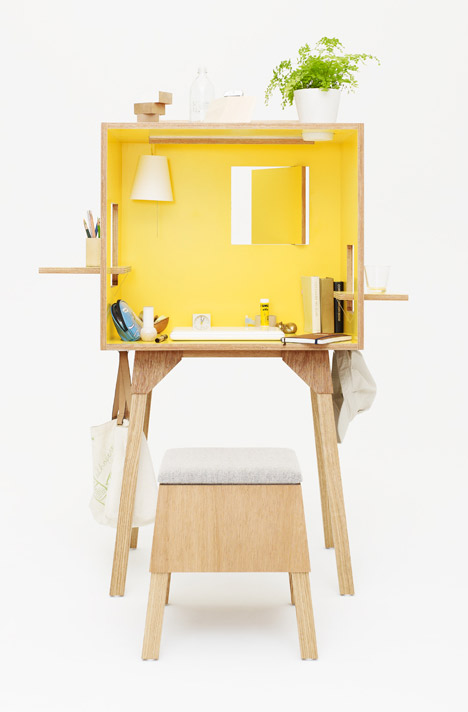
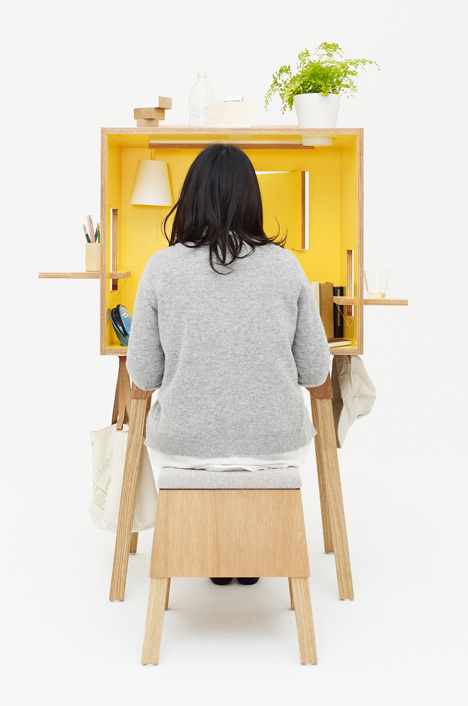
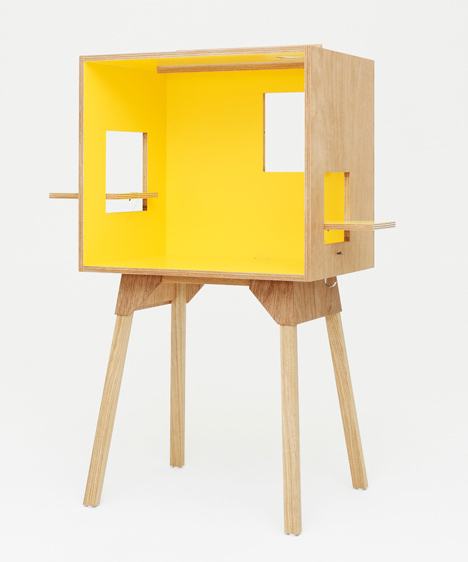
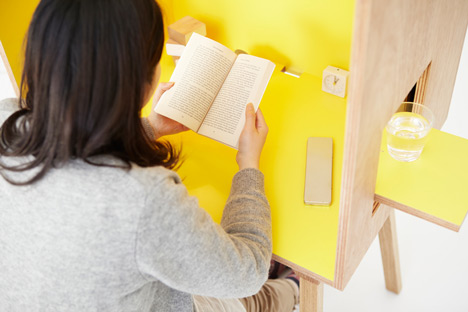
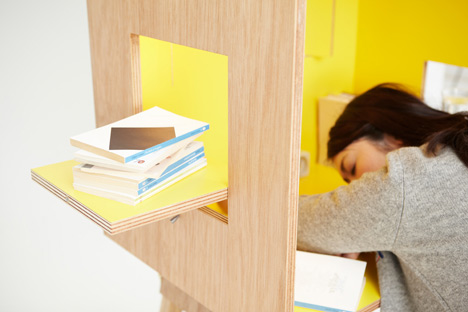
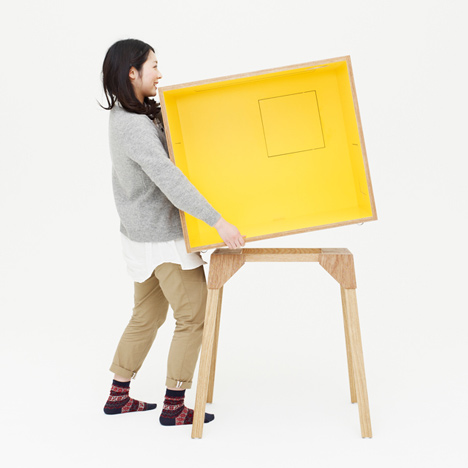
Torafu‘s latest work is the koloro desk and stool, a customizable workspace and, what is to be, the first in a series of products for decorative plywood manufacturer Ichiro. The desk, which resembles a dollhouse, also happens functions like one. It comes with windows in various locations that can be opened and closed to adjust the level of privacy. There are also spaces for lighting, potted plants, and even a windowsill that can be used for display or storage purposes.

It reminds me a bit of the work of Kawamura-Ganjavian, who’ve also come up with various solutions for maintaining privacy in open working environments. See Deskshell or, for maximum privacy, Ostrich.

source: submission


Lessons in Creative Japanese Type Layout

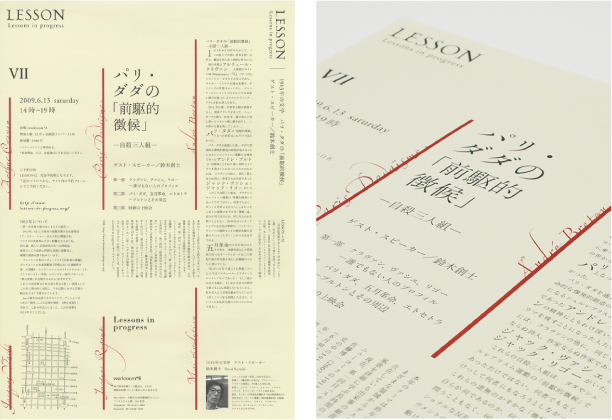
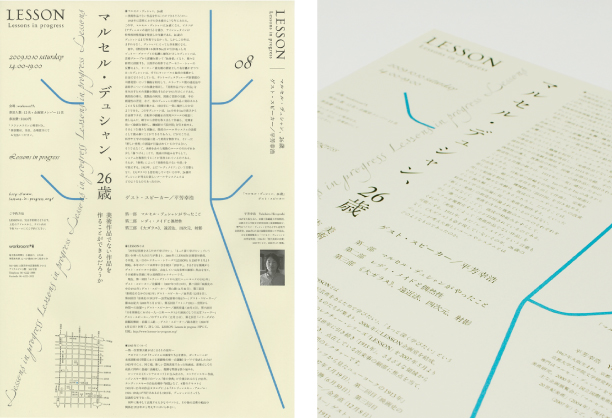
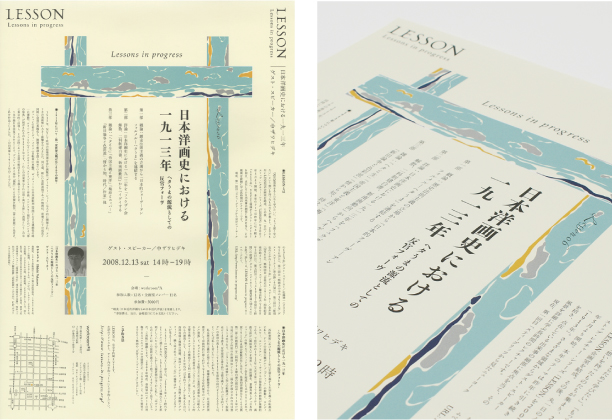
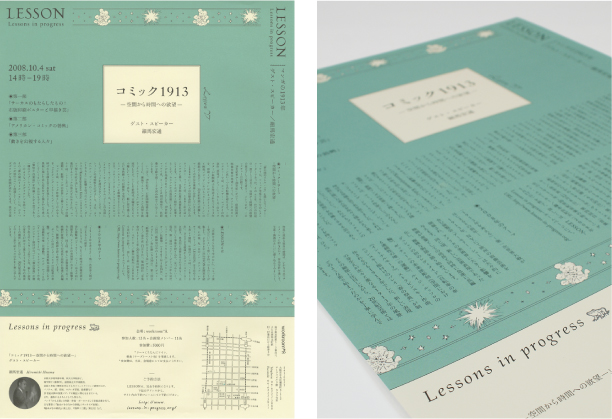
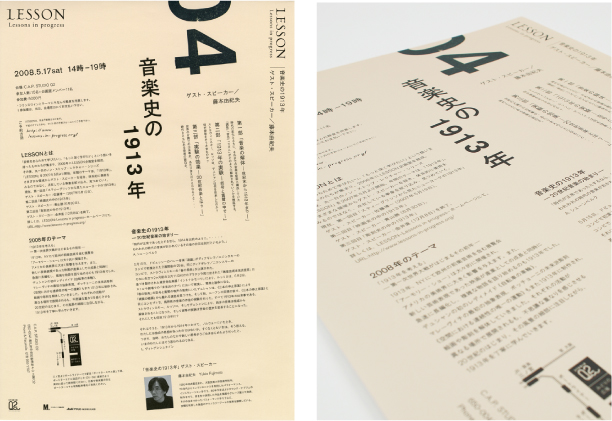
I recently stumbled upon an organization called Lesson (the URL is correct; as of now it just doesn’t seem to be working). Based in Kobe, it’s a small bi-monthly lecture series on art and design. For a fee of 5000 yen you can participate in an intimate discussion on varying topics related to art and design. The last “lesson,” held back in December, was on modern typography. Before that, fashion: Paul Poiret vs Chanel.

Anyway, I can’t speak for the lecture series themselves as I’ve never attended, but the summary reports created by designer Atsushi Suzuki are simply spectacular. If, for nothing else, they are in themselves a lesson on gorgeous Japanese type layout. I want to attend just to receive my very own copy!


suzusan by Hiroyuki Murase

all images courtesy suzusan | click to enlarge

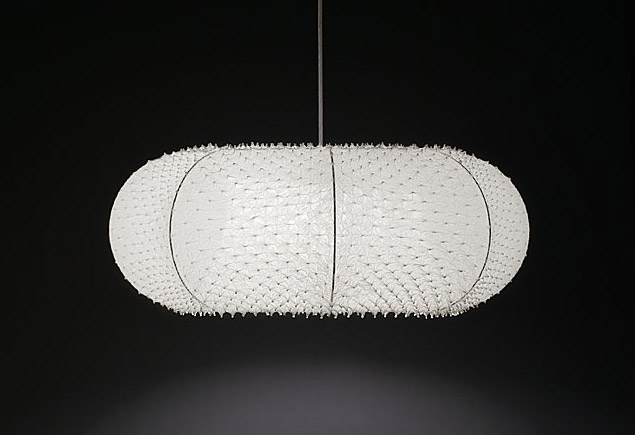
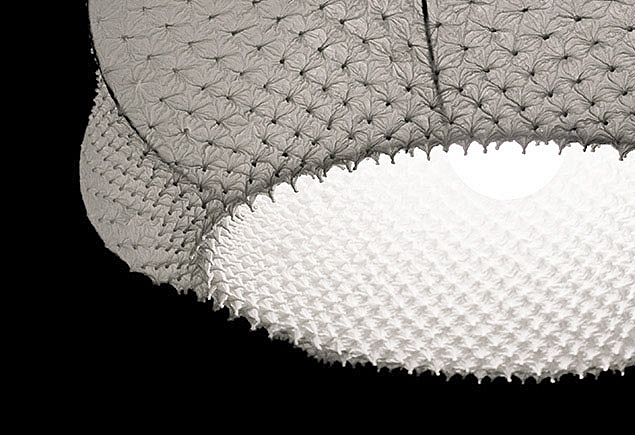
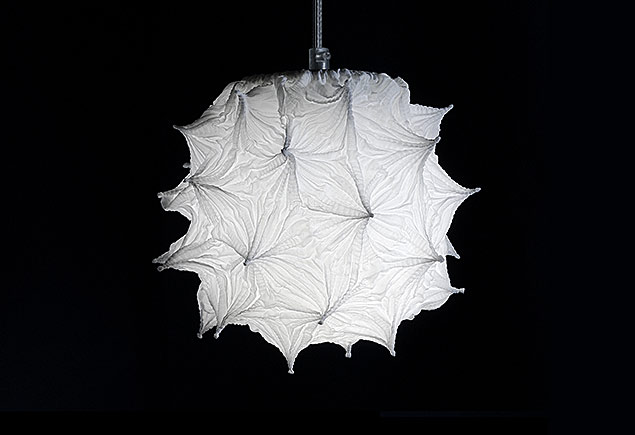
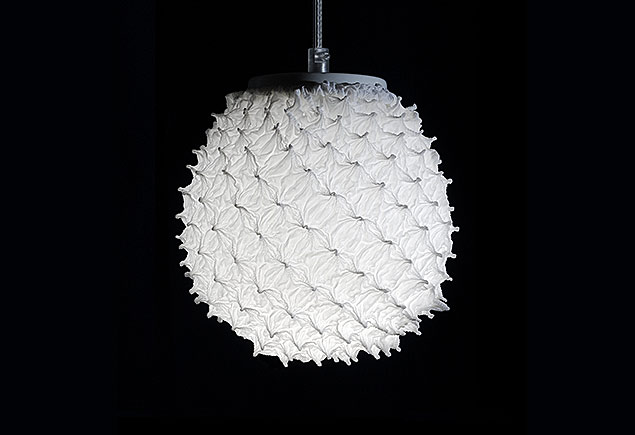
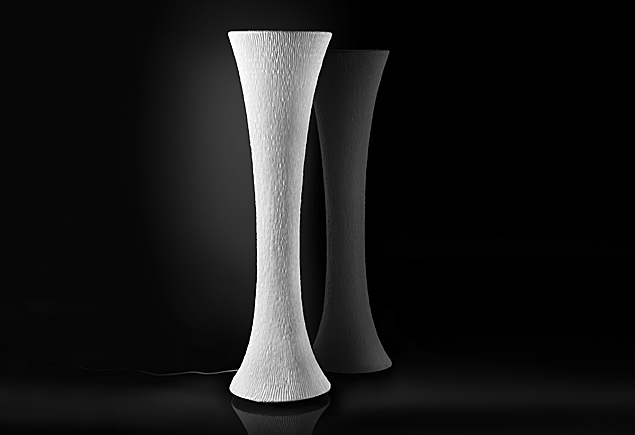
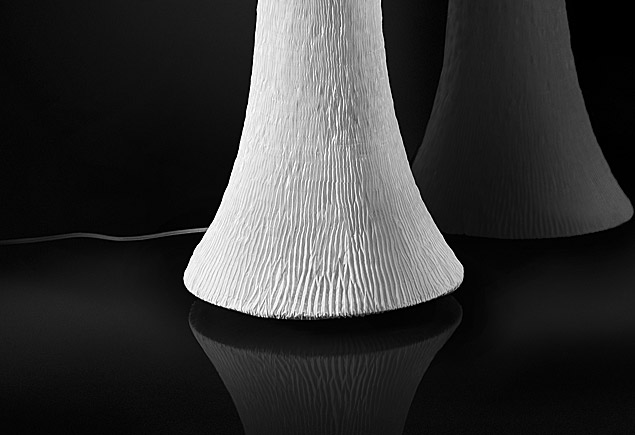
A 100-year old tradition is interwoven with contemporary design to create this exquisite line of lighting called suzusan. It was started by Hiroyuki Murase, a graduate of the prestigious Kunstakademie Duesseldorf who, after refining his design skills in an academic setting, returned home to fuse innovation into a tradition his family has carried with them for over a century.

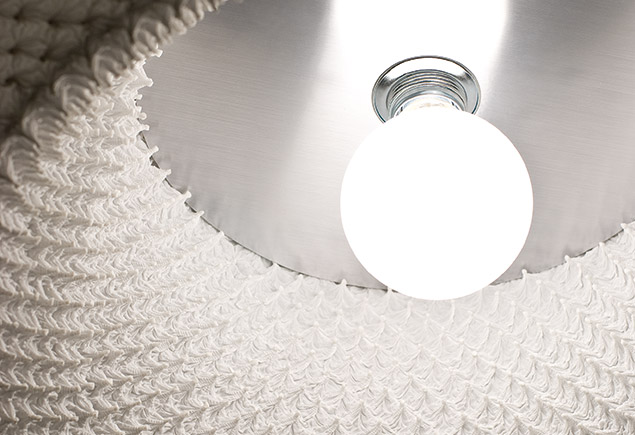
The tradition is known as shibori – literally, to wring, squeeze and press – and is a 400-year old technique in itself to refine fabric through a process that embodies it’s own name; wringing, squeezing and pressing. The results are quite spectacular, giving birth to incredibly tactile and unique textures.

They remind me a lot of this washi paper clothing. I think my favorite are the shizuku (drip) pendant lamps pictured directly below. So gorgeous!

Murase recently exhibited suzusan at maison et objet 2012 earlier this year. You can see the complete line-up on their website.

source: designboom | suzusan

Company seeks to solve Japan’s earthquake woes by levitating homes

The headline sounds like something from TheOnion.com. Or perhaps the plot of a niche-market Harry Potter sequel (Harry Potter and the Half-Blood Antiseismic Architect?) However, the technology is real; and it’s being implemented all across Japan – at 88 sites, to be exact (based on company data as of 06/2011). Air Danshin Systems Inc. (danshin sort of means antisiesmic) was originally established in 2005 to market and sell the technology, which was invented by a man named Youichi Sakamoto. There’s a lengthy interview with him here (PDF, all in Japanese) if you’re interested.

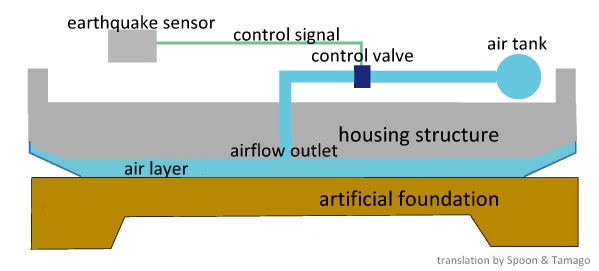
In theory the mechanism is really quite simple:

1. A sensor detects the rumblings of an earthquake.

2. Within .5 to 1 second an air tank pushes air in-between an artificial foundation and the actual structure of the home, lifting it as high as 3cm off the ground.

3. While the earth below violently shakes, the levitating home quietly and patiently waits, returning back to the ground once the tectonic plates have settled.

In addition, the company claims that it’s a low-cost alternative to other earthquake-proofing. On average it’s supposedly 1/3 the cost of other systems and requires very little maintenance. I’m impressed to see that they’re also marketing their technology to larger facilities like laboratories and factories that often house sensitive, delicate and potentially hazardous material. I’m thinking nuclear power plants. If there was a way to implement this technology beneath the country’s 50-some power plants that would really be something.

The company has created a couple video to demonstrate the capability of their product. The first video shows one of their model homes levitating. The 2nd video, which is actually a bit humorous, is a demonstration using actual people. I hope that old man who got shook back and forth is okay.
Hand in Hand by Terada Mokei

photos by Kenji Masunaga | click to enlarge

As the 1-year anniversary of Japan’s earthquake and tsunami approaches, we’ll be doing several posts related to the topic, including ways you can help out. Remember: all of the posts can be found in 1 convenient place.
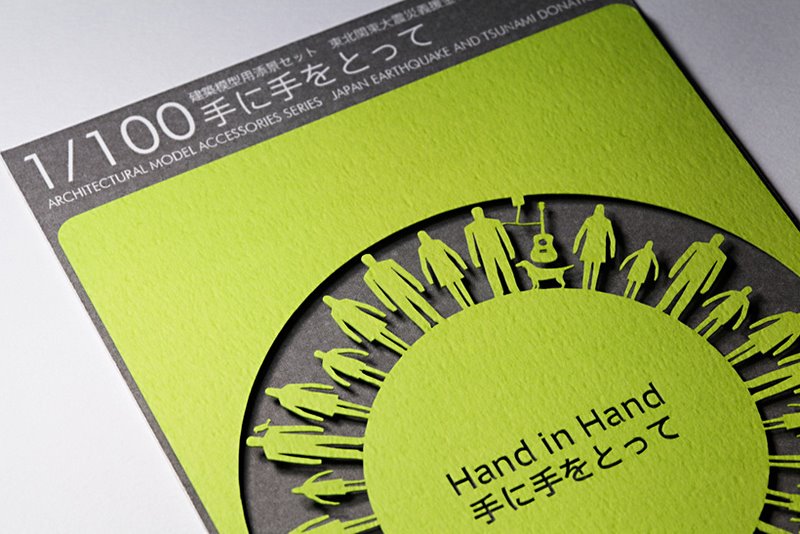
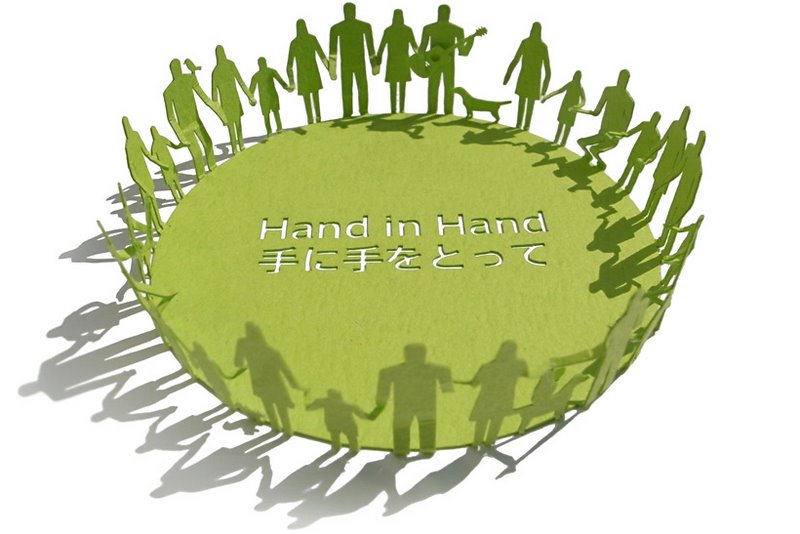
First up is Terada Mokei’s Hand in Hand – an uplifting version of their popular architectural paper model series. The people, both large and small, are all created at a scale of 1/100 and are depicted holding hands in a circle, symbolizing the outpour of support for Japan after the disaster. It comes in multiple colors and retails for 1000 yen with 100% of proceeds going to charity (via Japan Red Cross).

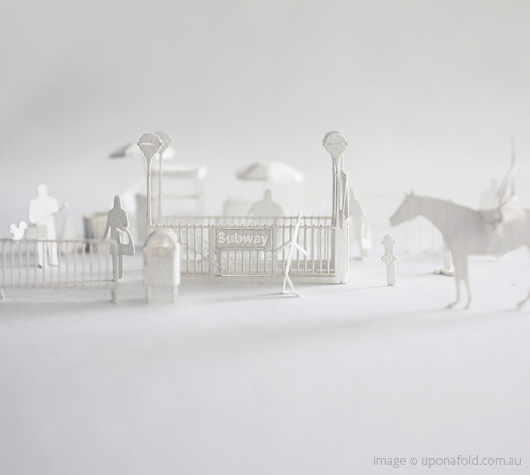
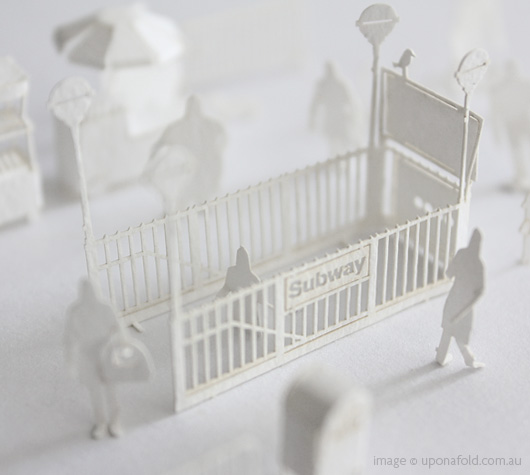
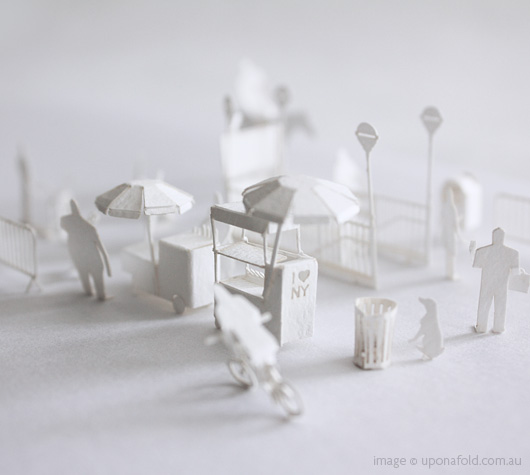
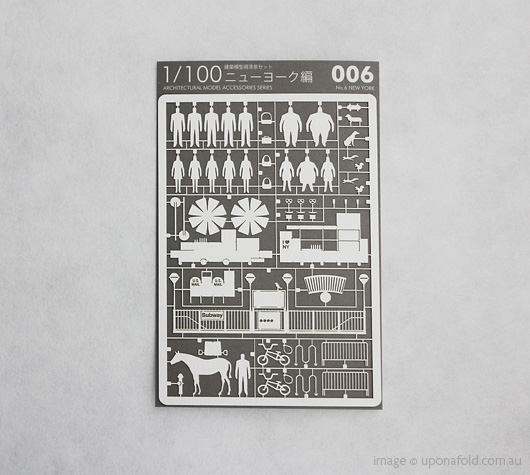
architectural paper model set of New York

I love this paper model set of New York! It comes with some of your standard NYC iconography like pretzel vendors, subway stops, police on horseback and a lot of people walking around – all at a scale of 1/100. For fans of the big apple I suppose the only thing missing is Jeremy Lin.

It was designed by Naoki Terada who runs his own architecture studio but also makes these great paper models. Get them at upon a fold.

Kamijiya Paper Display Table by Hiromitsu Konishi

photos by Yuna Yanagi | click to enlarge

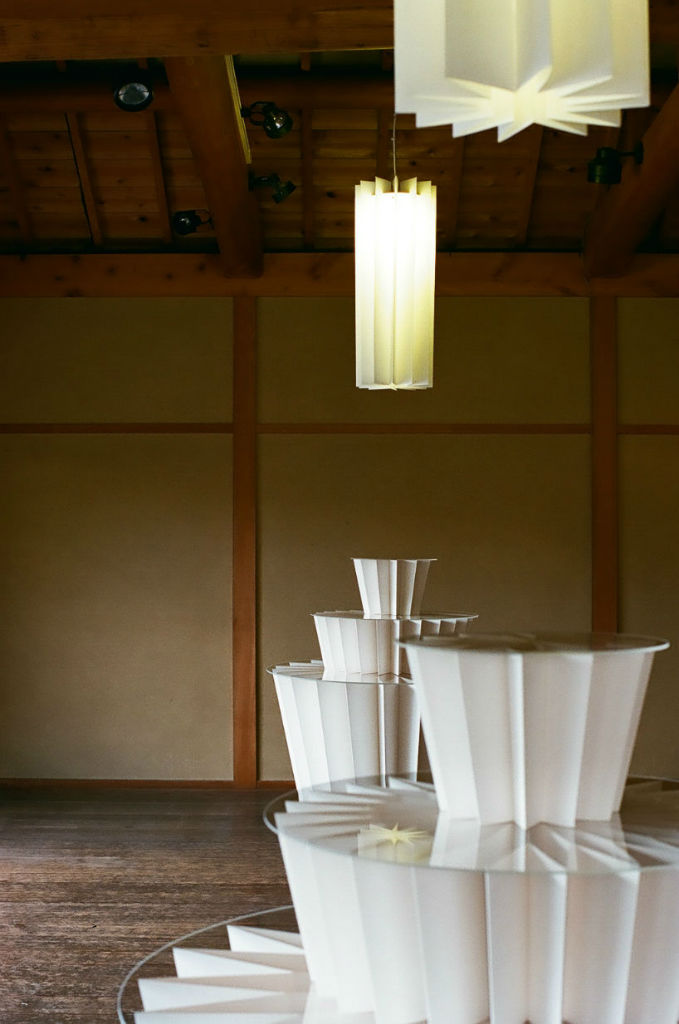
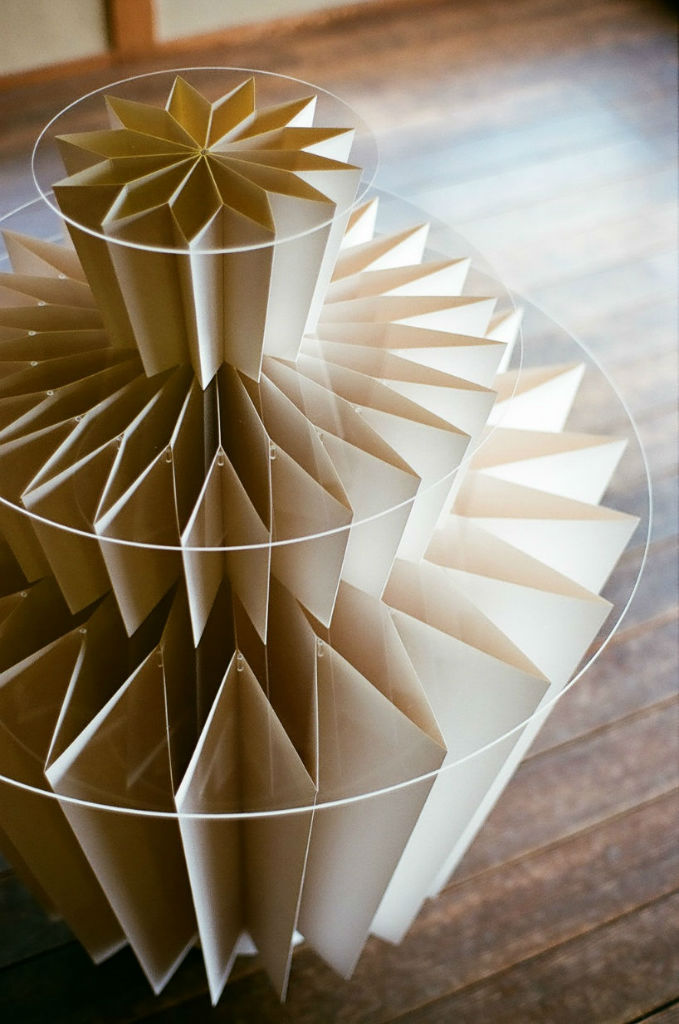
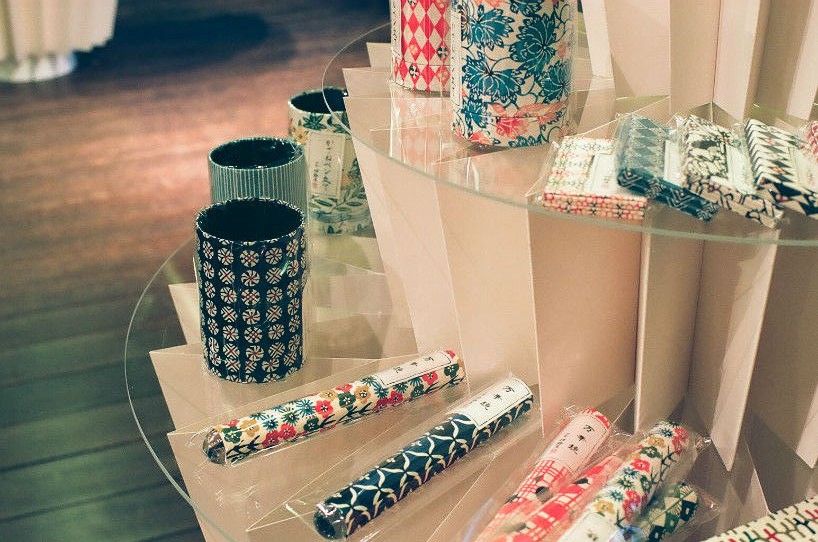
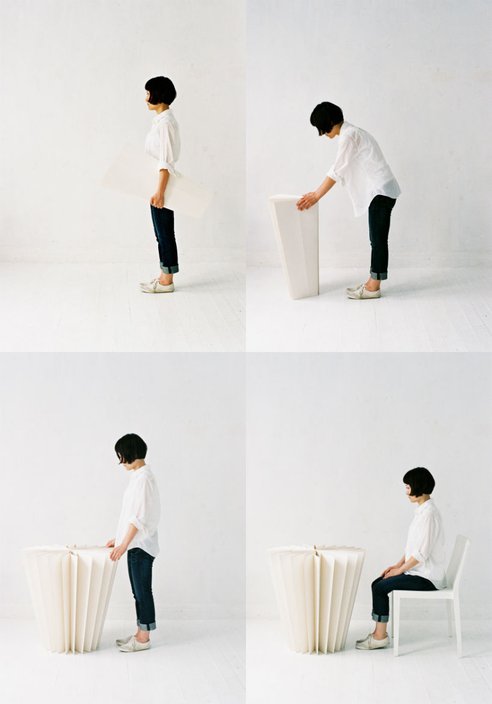
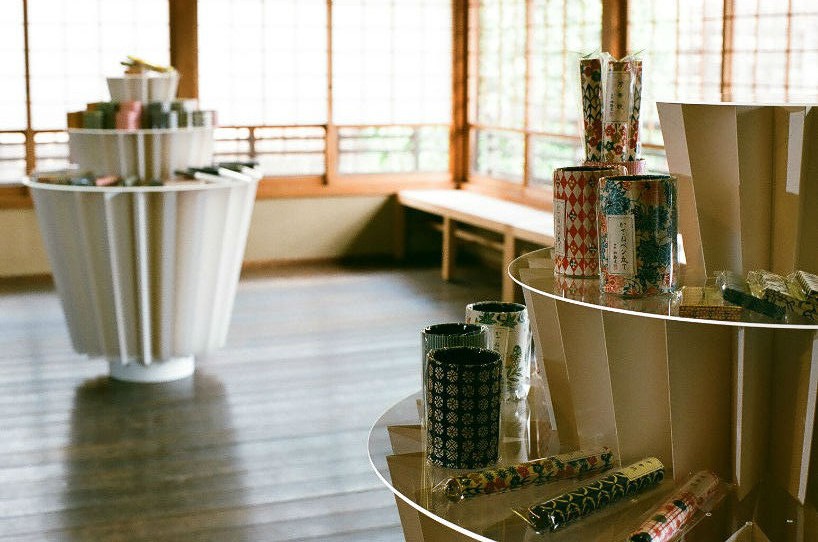
Kyoto-based interior designer Hiromitsu Konishi created this magnificent display system for Suzuki Shofudo, a 140-year old retailer of paper goods. With the help of the client, who was understandably versed in the medium, the designer spent months studying the strengths, weakness, and flexibility of paper.

Eventually finding inspiration in the way Japanese fans open and collapse, Konishi created an entirely collapsible paper display system.

source: submission

1% products by nendo | 2012 edition

photos by Hiroshi Iwasaki | click to enlarge

Despite the negative connotation that the “1%” has taken on recently, nendo has released several new additions to their 1% Products. Originally launched in 2006, the product design label rejects both one-of-a-kind art pieces as well as mass-produced commercialization. Instead, 100 of each product is produced, entitling the owner to 1/100th, or 1%.

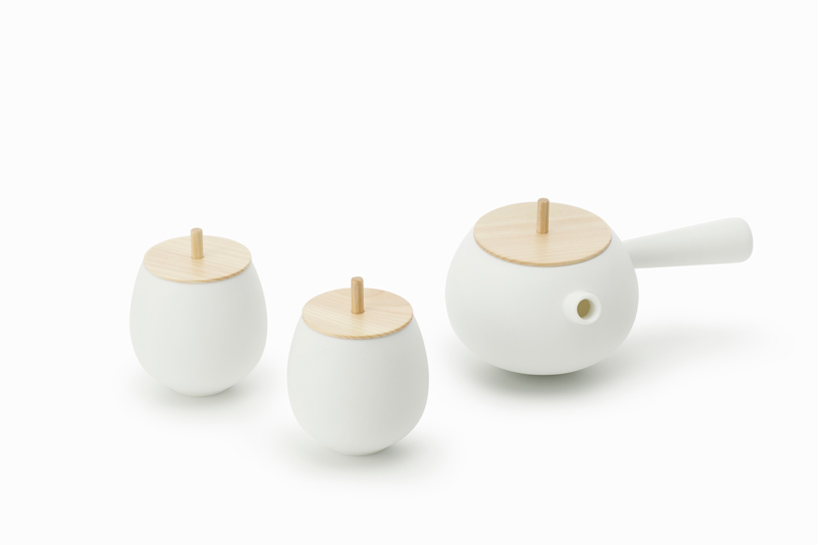
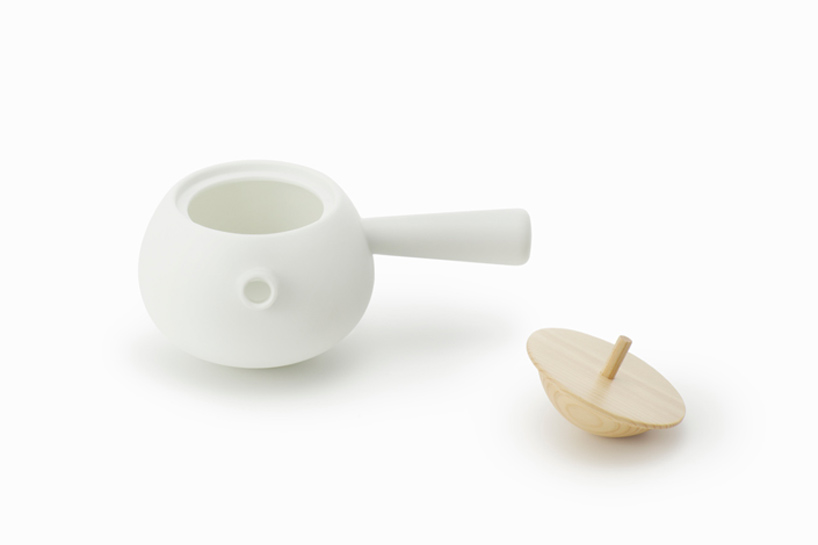
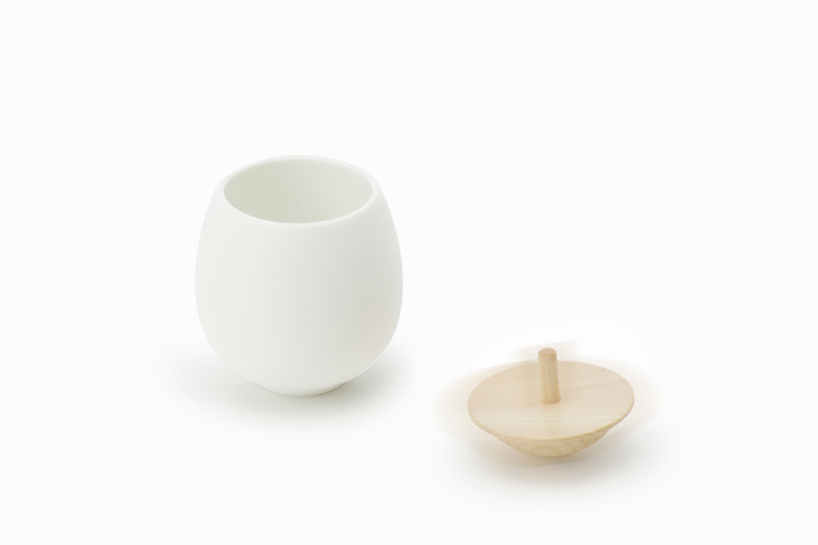
My favorite pieces are these ceramic teapots with wooden lids that double as spinning tops.

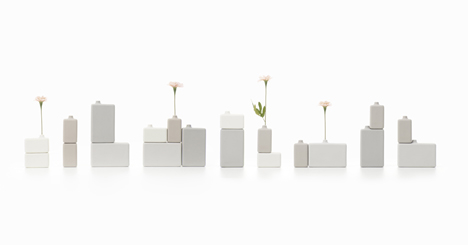
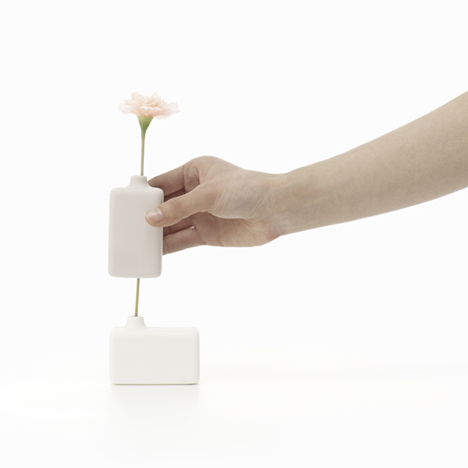
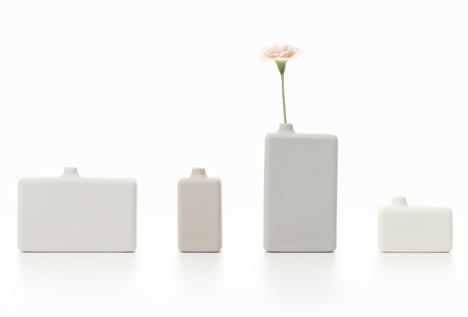
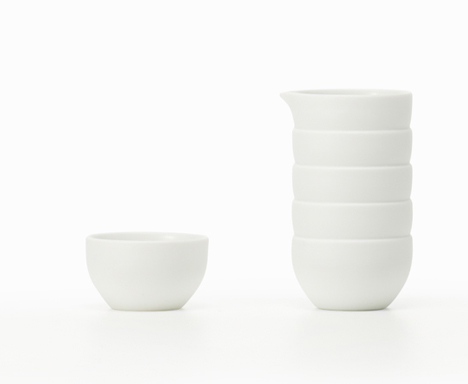
Also included in the new release are a stacking set mini-flower vases and a stacking set of sake cups that can be combined to make a tumbler, large cup or jug.

The new collection of 1% products will be shown during the Milano Salone at nendo’s solo exhibition.

source: press release

« Older posts Newer posts »

© 2026 Spoon & Tamago

Up ↑

Design by Bento Graphics