Page 271 of 406

Kobe Design University Graduation Show 2012

We’re quickly approaching the end of our week-long feature on 2012 senior thesis exhibitions. I wasn’t all that impressed by Kobe Design University. The work, in general, came off feeling a bit rushed and incomplete. But there were some excellent stand-out pieces, which are seen below. Remember, all our coverage on student work can be found right here.

Thanks to Masahiro Minami, who provided the photographs from this show.

Kobe Design University Graduation Show 2012
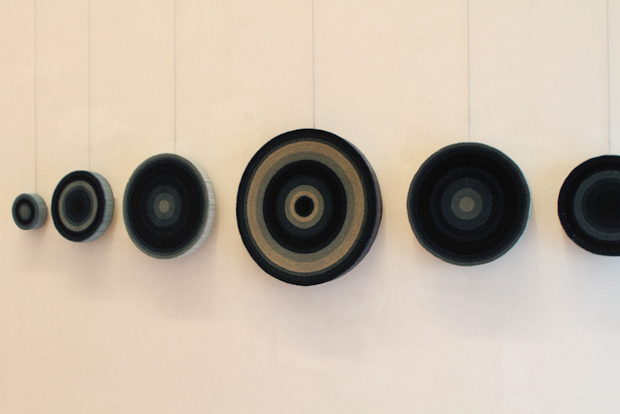
I was mesmerized by these intricate mandalas constructed from hundreds of pencil tips.

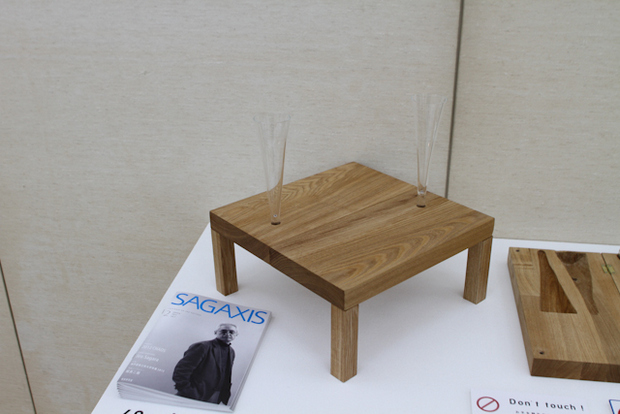
Interesting idea for a table and matching champagne flutes. I like the idea of 2 items like this being mutually inclusive.
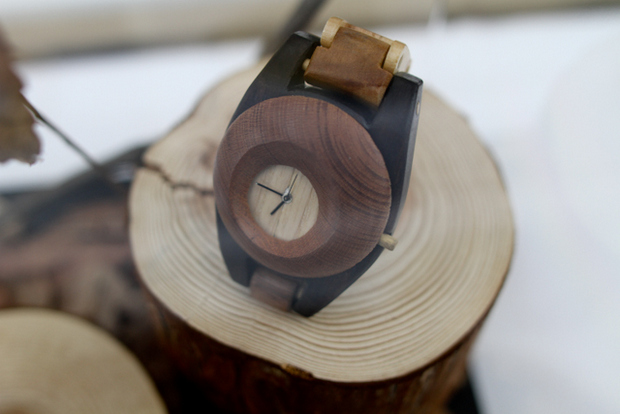
I love these wooden wristwatches. Never seen anything quite like it.

Kyoto Seika University Graduation Show 2012

Next up on our survey of this year’s senior thesis exhibitions is Kyoto Seika University. I was quite amused by the show put on by students of Seika. It was full of imagination and creativity – the way student work should be – and I found myself getting lost in some of the more playful pieces.

Many thanks to Yuki Kajioka who, unless otherwise noted, provided the photos for this show.

Kyoto Seika University Graduation Show 2012

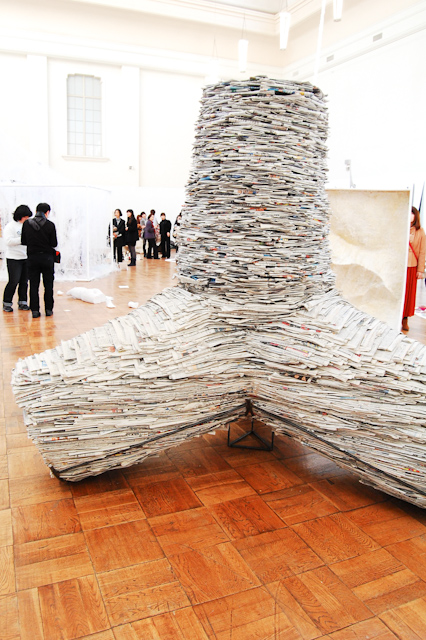
Japan’s iconic tetrapod, made from piled up newspaper.

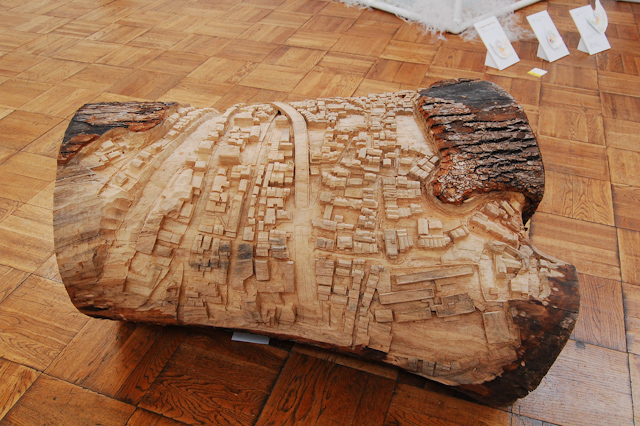
I love this. A miniature town that has been carved into a log (it wraps around 360 degrees).

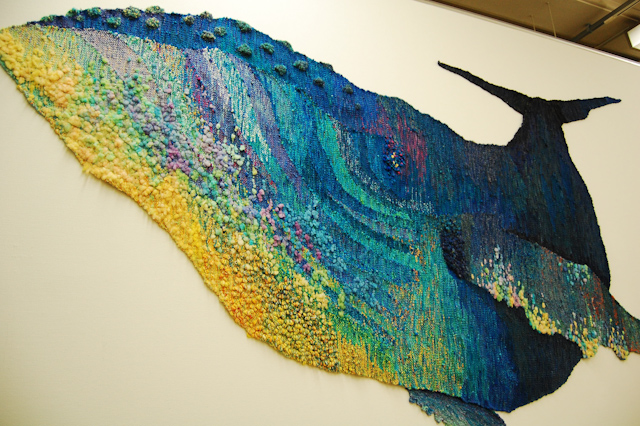
A gigantic whale made from various textiles.

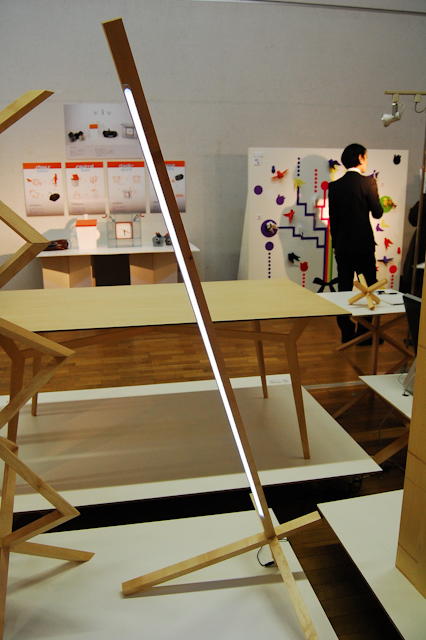
Interesting lighting solution. I like the minimalist form.

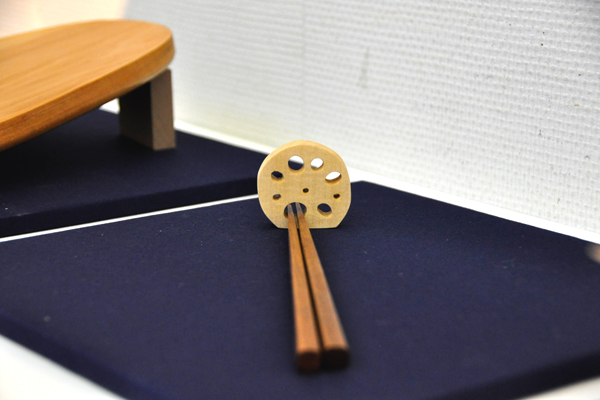
Adorable renkon (lotus roots) chopstick holder. I’m convinced that anything in a renkon motif is cute. (image courtesy Seika University)

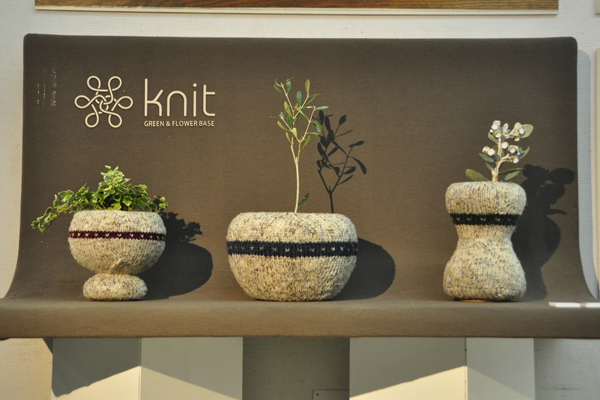
Lovely knitted yarn planters (image courtesy Seika University)

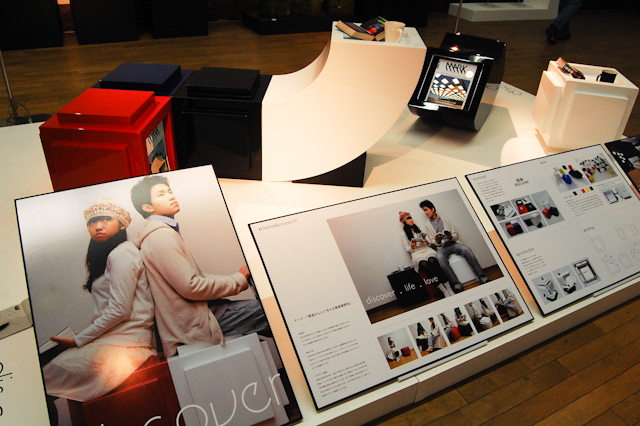
A modular seating system. I’m digging that arc-shaped coffee table that doubles as a rocker.

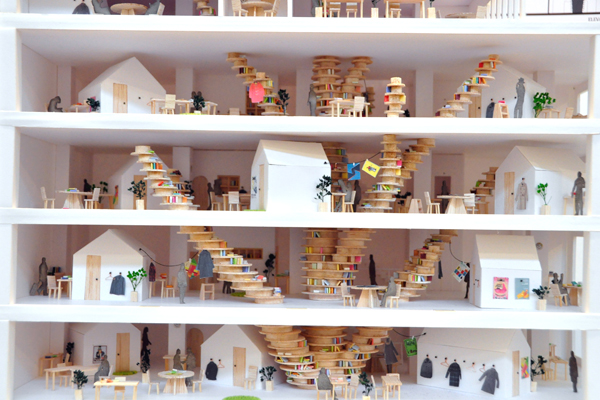
A rad proposal from the architecture department (image courtesy Seika University)

Kanazawa College of Art Industrial Design 2012 Graduation Show

Continuing on with our coverage of this year’s senior thesis exhibitions, we arrive at Kanazawa Art University who, as usual, put on a very strong show. I love how the students all created advertisements to accompany their products, which helped to create a sense of continuity throughout the 20 students’ works. However, if pushed for criticism, the one things I would say is that the work was almost too polished. It lacked that playful, imaginative spirit that one would expect to find in a student exhibition.

Thanks to Masahiro Minami, who provided the photos from this show.

Kanazawa Art University Industrial Design 2012 Graduation Show

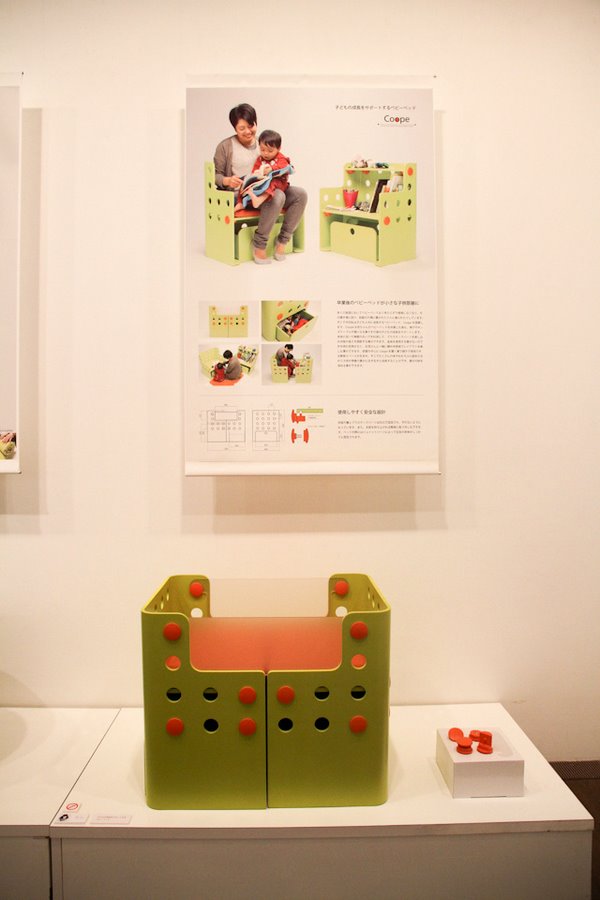
a lovely kids desk that doubles as a reading chair.

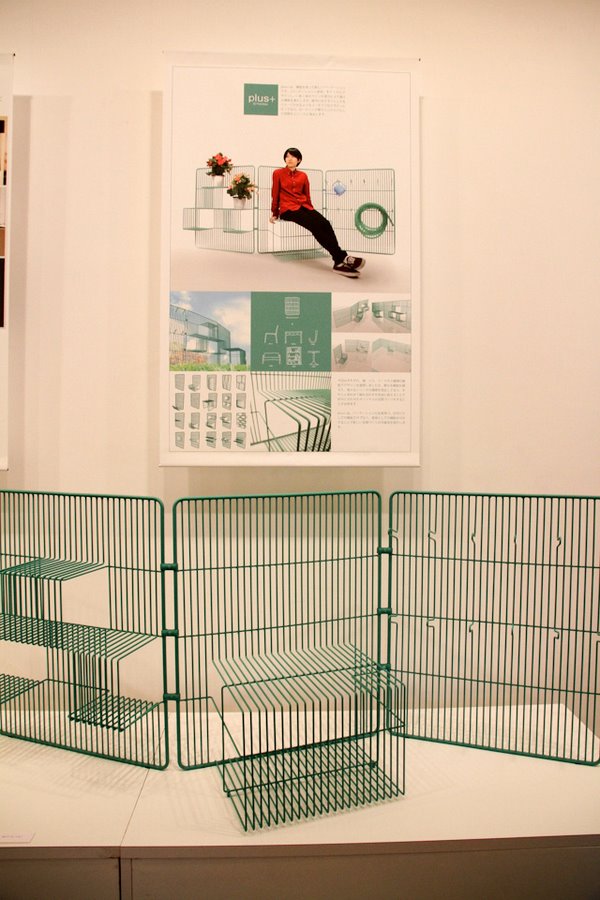
collapsible wire seating that can be configured multiple ways. It also comes with storage hooks and shelving for plants.

a simple seating device that can be attached to your bicycle. It folds away in-between your legs while riding and then opens up behind your bike for pit stops.

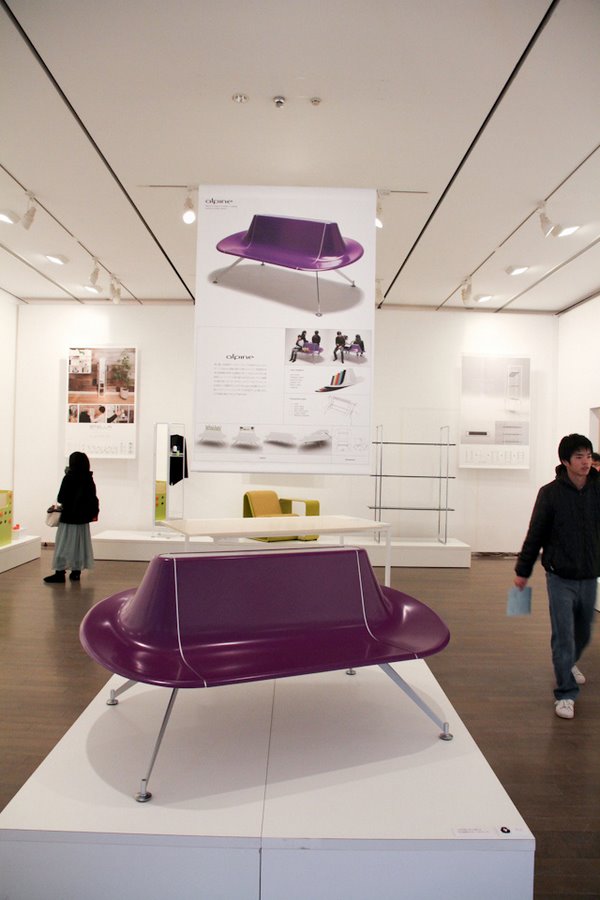
A gorgeous UFO-inspired bench. This was made by a student? I though I had walked in to a high-end furniture store.

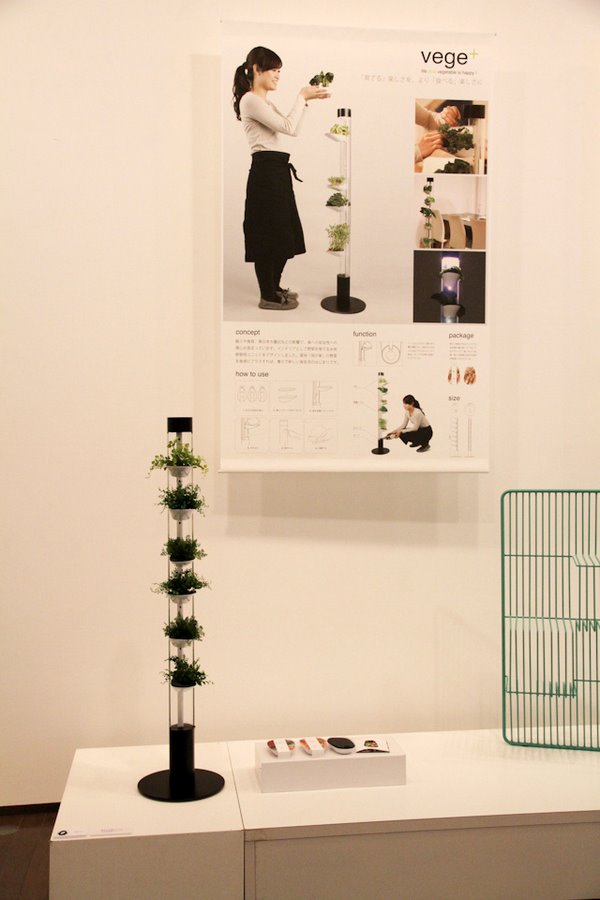
a maintenance-and-mess-free planter for growing herbs in your home. Simply add water at the top and it slowly trickles through all the plants.

LED Dance Commercial for Docomo’s Xperia

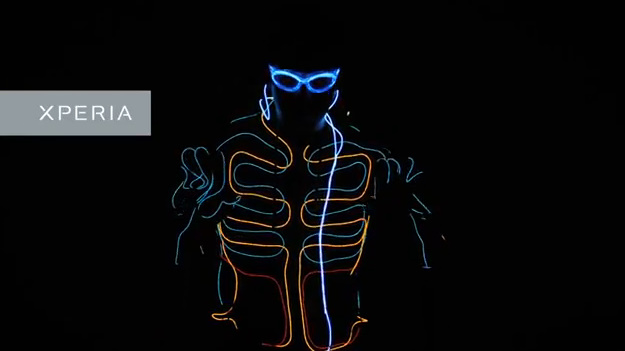
Here’s a snazzy new dance routine that was created for a commercial advertising Docomo’s new Xperia smartphone. The carefully choreographed number features members of Japanese street dance troupe Wrecking Crew Orchestra decked out in LED suits. Have a look. It’s quite a mesmerizing show.

Above is the 60-second commercial and below is the 5-minute full dance routine which, to be honest, is way better.

source: io9 (HT @artspacetokyo)

Tama Art University Product Design Graduation Show

In Japan right now it’s the time of year for congratulations, farewells and best wishes. For reflecting on affectionate memories and on words of wisdom, as the graduating classes prepare to enter the precarious and sometimes dangerous, real world. For students of art and design it is a time to shine: to put on public display the tools and equipment they have acquired during their years in art school. Senior thesis exhibitions are unfolding all across Japan right now and this week we’ll be taking a look at some of our favorites.

And remember, all of our posts on student work can be found in 1 convenient place.

Tama Art University Class of 2012 – Concentration in Product Design

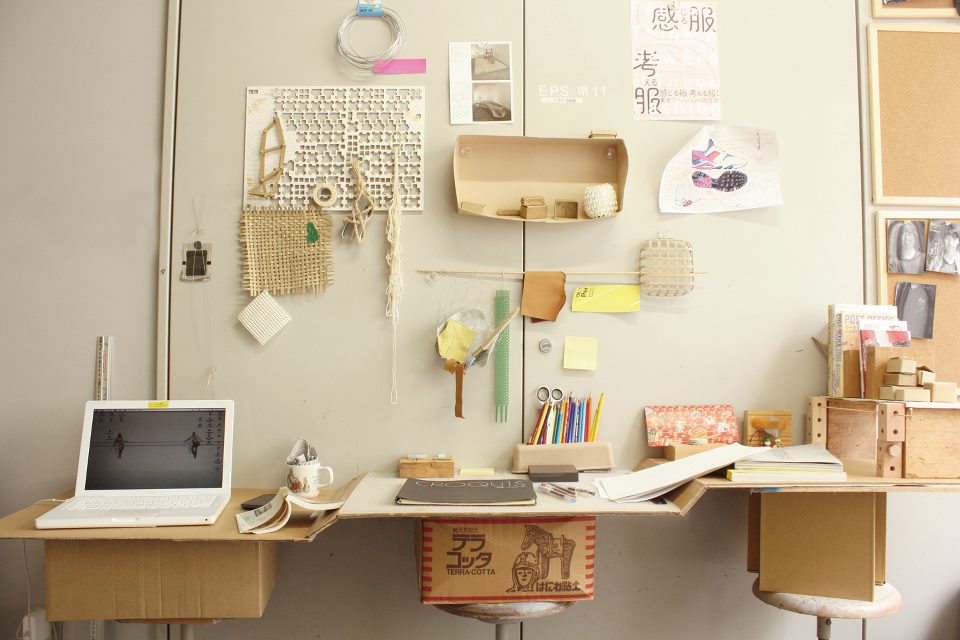
I love this modular workstation, whose bends and turns create different levels for different tasks. I especially like comparing it to the cardboard mock-up.

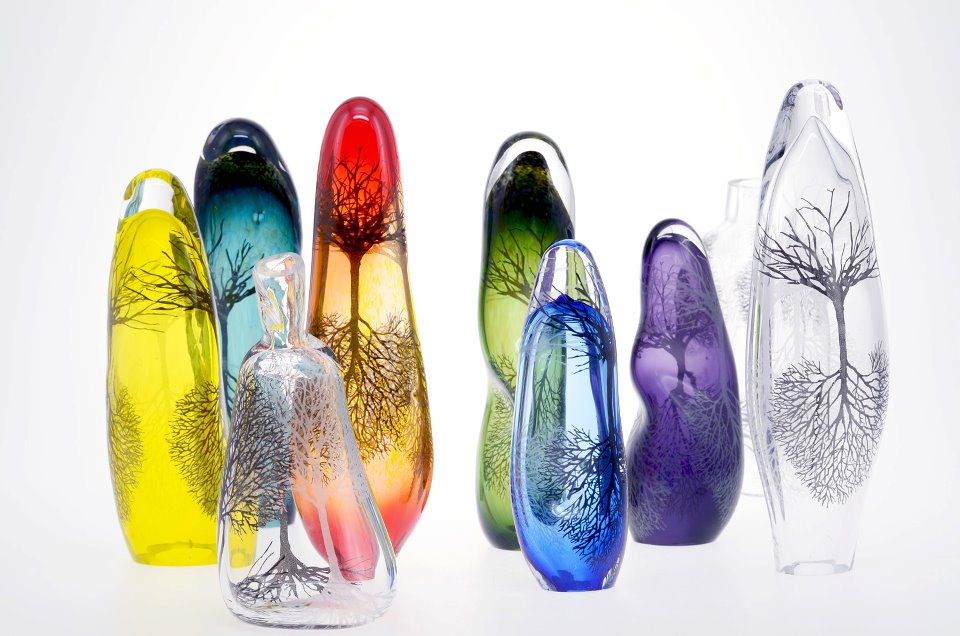
gorgeous decorative glass vessels. They remind me a bit of lava lamps, just less tacky.

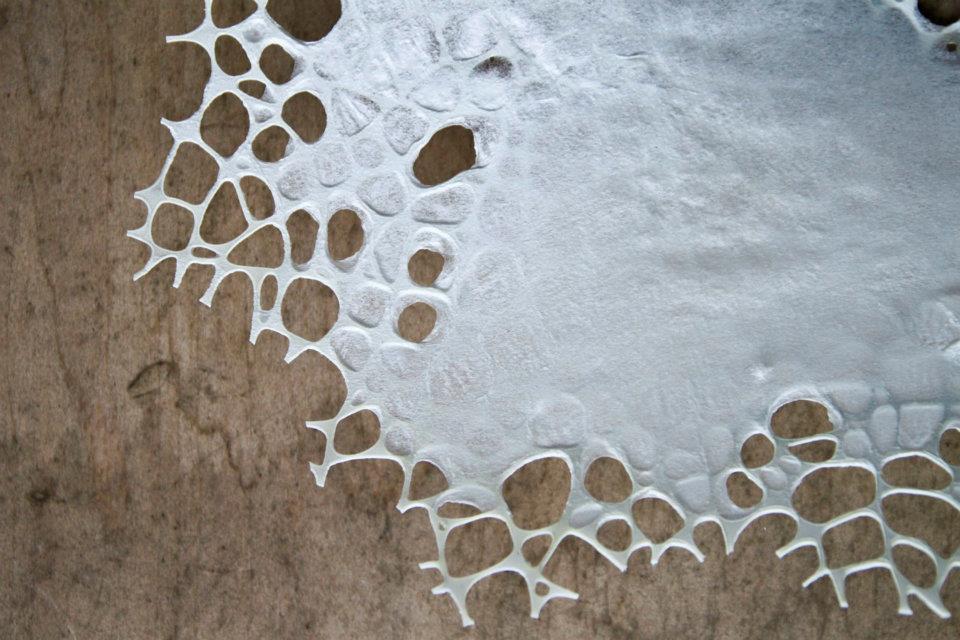
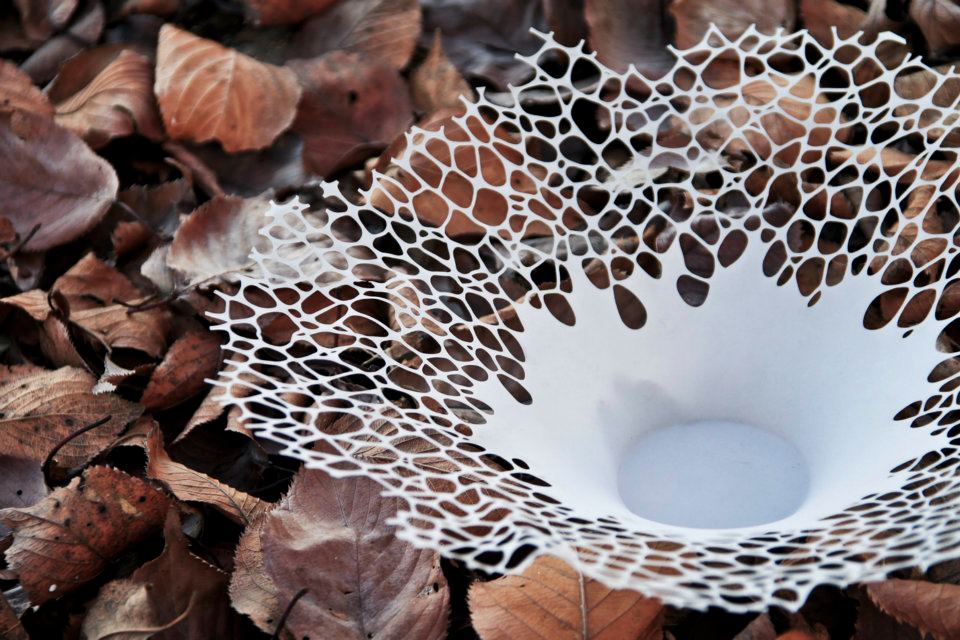
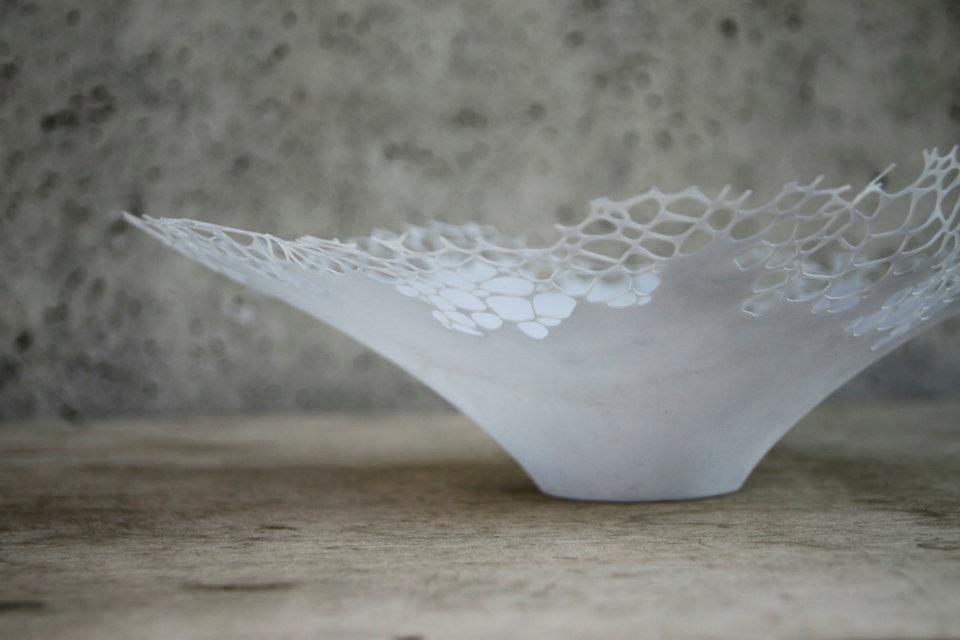
exquisite paper bowl that resembles a leaf decomposing after it has fallen to the ground.

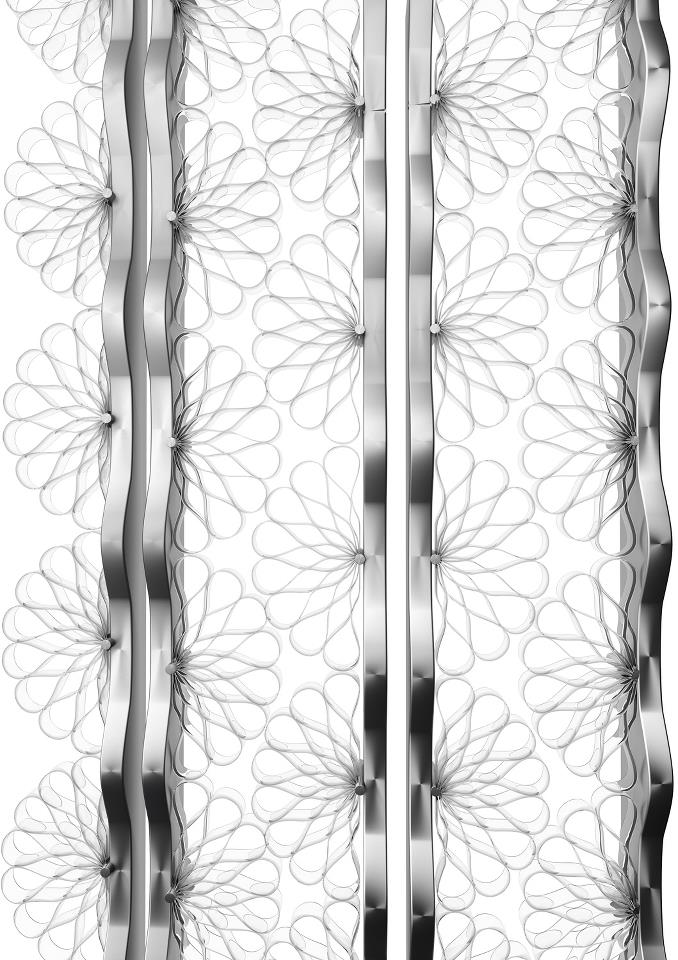
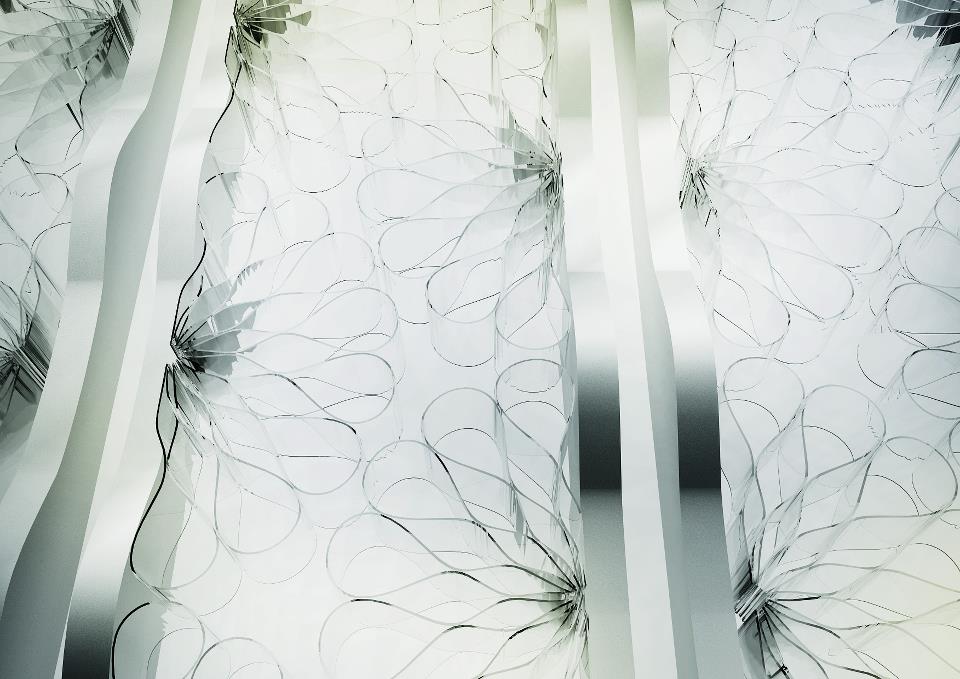
A space divider using a repeating floral motif

source: taupdd2012

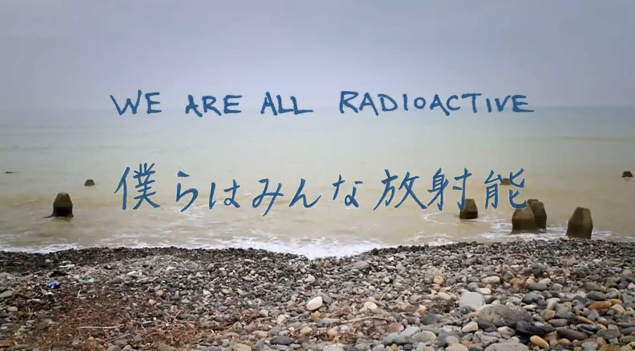
We are all radioactive

ra·di·o·ac·tive/ˌrādēōˈaktiv/
Adjective: Emitting or relating to the emission of ionizing radiation or particles.

We are all radioactive is a documentary film project organized by my friend and ASIJ senpai Lisa Katayama. The story is told – in the most literal sense – through the eyes of a group of surfers who live 100 miles north of Fukushima. After a visit with the surfers, Lisa and filmmaker Jason Wishnow left a bunch of waterproof cameras with them so about half of the footage is actually shot by the subjects themselves.

In a recent interview Lisa told The Atlantic:

We want to remind the world that a magnitude 9.0 earthquake isn’t just “breaking news” with big numbers of casualties. Beyond all that, there are these real human stories, the resilience of people who are living with this every day. That’s the story that we want to continue to tell, and continue to have people engage in.

Above is the trailer and below is episode 1, which was just released yesterday. They’re looking to fund the rest of their episodes so if you want to get involved check out their funding page.

source: @tokyomango | The Atlantic

Fab Café now open in Shibuya

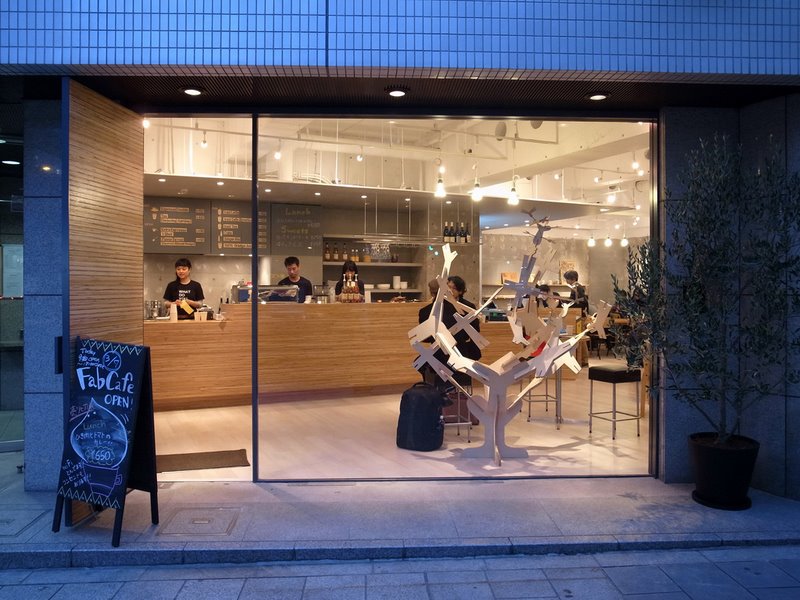
Photos courtesy masaki ishitani | click to enlarge

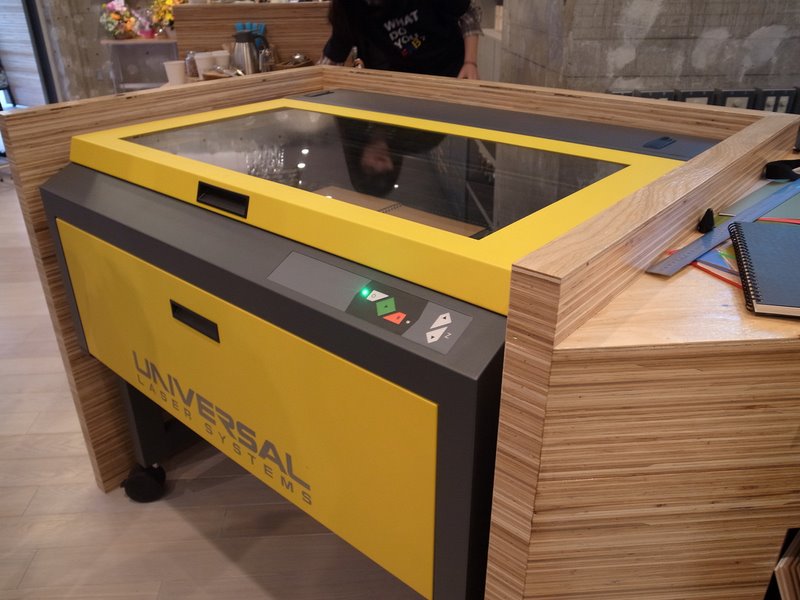
A new café in Shibuya is generating a bit of chatter amongst coffee lovers and designers alike. Their name has a double meaning: the more obvious contraction of the word fabulous, and the less-obvious contraction of the word, fabrication. That’s right. Fab café, which just opened on March 7th, comes with a laser cutter which, for a fee, anyone can use. However, it’s recommended you have your coffee before operating the machine.

All you need to bring is an adobe illustrator vector file, which you plug in to the cutter it does the work – in paper, felt, acrylic, wood and other materials too. Pricing to use the machine is a bit steep, but not outrageous: 2000 yen to share the machine with up to 3 people for 30 minutes. It will cost you 5000 yen if you want the machine to yourself.

FabCafe is operated by Loftwork, a digital media production company that seeks to collaborate with a network of designers. For this project they hired Naruse-Inokuma Architects to design the café.

their signature drink, marshmallow latte!

the famous laser cutter. Here are the specs if you’d like to do your homework before you go.


U.G. Sato and his Anti-Nuclear Power Posters

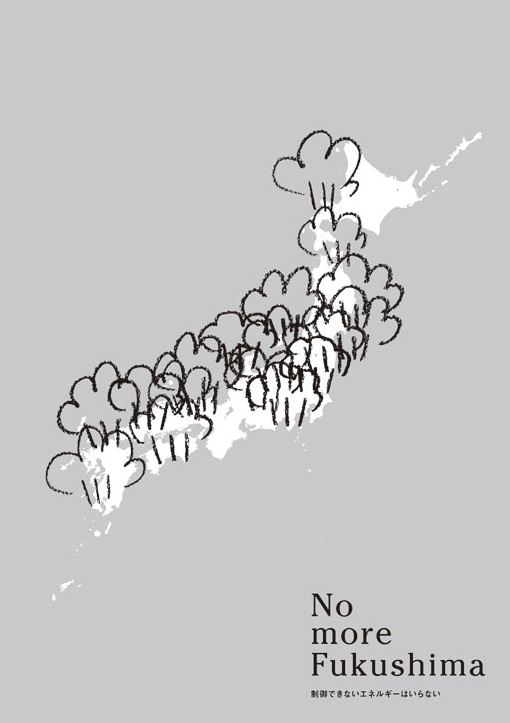
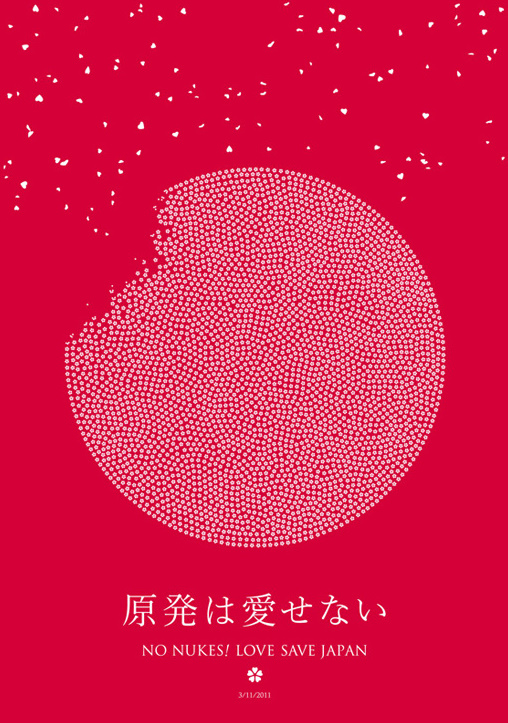
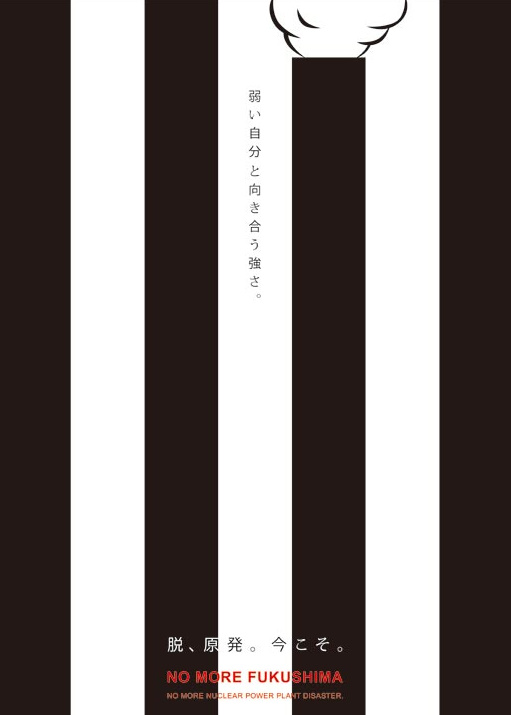
Stopnuclear.net is an online poster gallery of anti-nuclear posters, founded by prominent graphic designer Yuji Sato (aka U.G. Sato). Whether he’s advocating for world peace or against nuclear power, Sato’s work has always been politically motivated. In 1995, Sato invited his graphic designer colleagues to send him posters by fax to protest french nuclear tests that were being conducted uncomfortably close to Japan. The outpour of responses resulted in a street demonstration in Paris.

Following the same playbook, Sato went through his rolodex of graphic designers, inviting everyone who felt like it to submit posters to his website. In October of last year a peaceful street protest was held as demonstrators marched with their posters.

Here are a selection of posters from the website. Click images to enlarge.

(thanks for the tip Kaori!)

Saturday 3/10 | Ippo x 365 – Reflections on the Japanese Front

Please join us this Saturday (March 10th) for “Ippo x 365 – Reflections on the Japanese Front.” I’ll be moderating the event, which will consist of an excellent group of speakers – designers and architects – who have been involved in the first year of recovery effort on the frontlines in Japan.

click image to enlarge

This event will be a response to the “Global PechaKucha Night- Inspire Japan” event that archiPicnic successfully hosted last year.
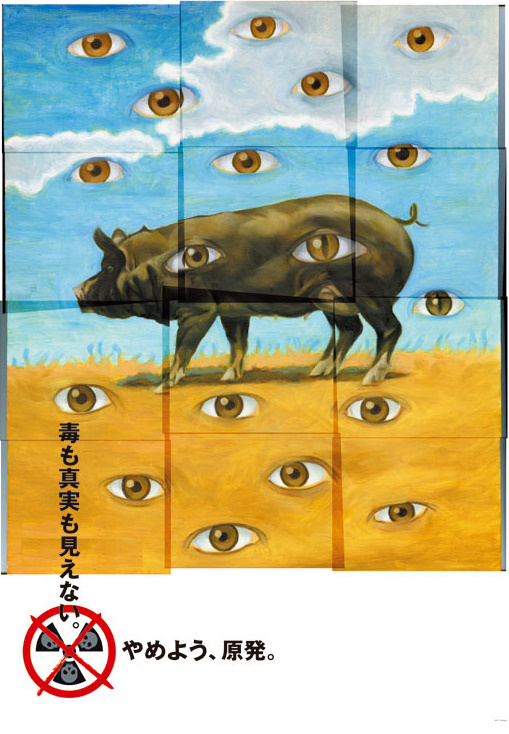
What has happened since then?  Where are we now?  In the first year of Japan’s recovery, how have designers and architects been able to address the massive damage in the cities, villages and buildings?  Each day has been a step towards recovery and rebuilding–what were these 365 steps like in Japan?

Facebook Event Page

Saturday, March 10, 2012
6:30 PM Doors open
7:00 PM-9:00 PM Presentation
9:30 PM Doors closed

SPEAKERS
Lance Jay Brown, FAIA, DPACSA
Joshua Perez, OpenSimSim
Owen Rosa, Sojitz Corporation of America
Yutaka Takiura AIA  Designer, Design Class Instructor, Community Builder
Ailin Todo  Shigeru Ban Architects
Mio Uchida  Hope for Japan
…and me!

Hosted by Bisazza Flagship at 43 Greene Street New York (SOHO)
Organized by archiPicnic

Supported by AIANY  The Design for Risk and Reconstruction Committee and Global Dialogues Committee


the earthquake and tsunami of 3.11, told through the eyes of children

“Children of the tsunami” is an excellent BBC documentary that just aired on March 1. Beginning with the initial rumblings and….well, it doesn’t really end. But the story, for the most part, is told by children. The strength and resilience of those cute kids really shines through but, as a parent, some parts were really hard to watch.

It’s an hour long, but well worth your time.

At around 24:00, and then again later, there’s a scene where a father and daughter are talking about their dosimeter. I had no idea that radiation readings were higher around the grass and trees, which resulted in the father banning his daughter from playing near the wilderness. Instead, she was told to play on the cement, if allowed to go outside at all. That scene gave me goosebumps because I was immediately transported back into Hayao Miyazaki’s 1984 tour de force Nausicaa. The story takes place in a post-apocalyptic world in which wars have destroyed the ecosystem, creating toxic jungles where every plant is lethal to humans. Sounds familiar.

« Older posts Newer posts »

© 2026 Spoon & Tamago

Up ↑

Design by Bento Graphics