Page 270 of 406

Misunderstanding Focus | Nerhol exhibition at limArt

images courtesy nerhol | click to enlarge

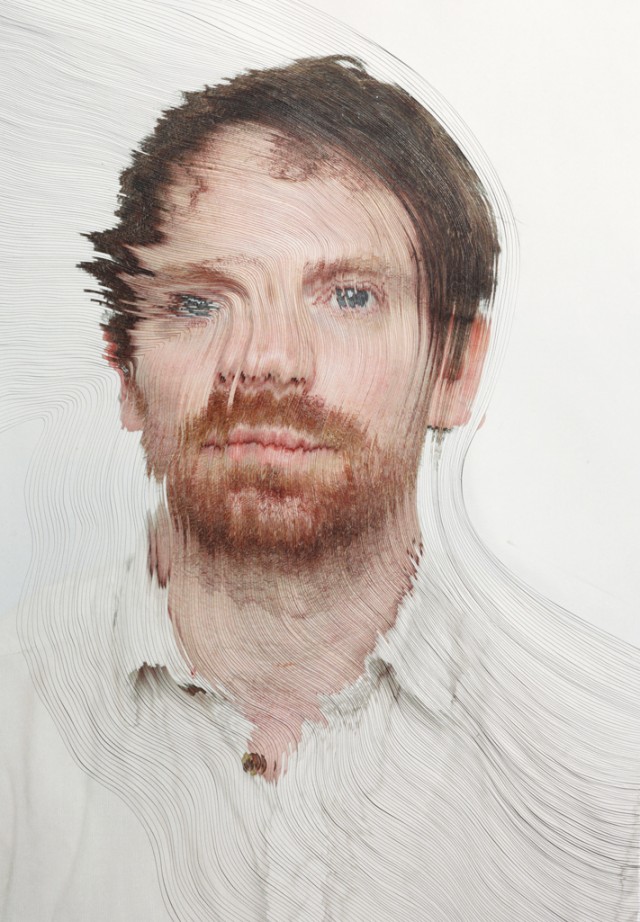
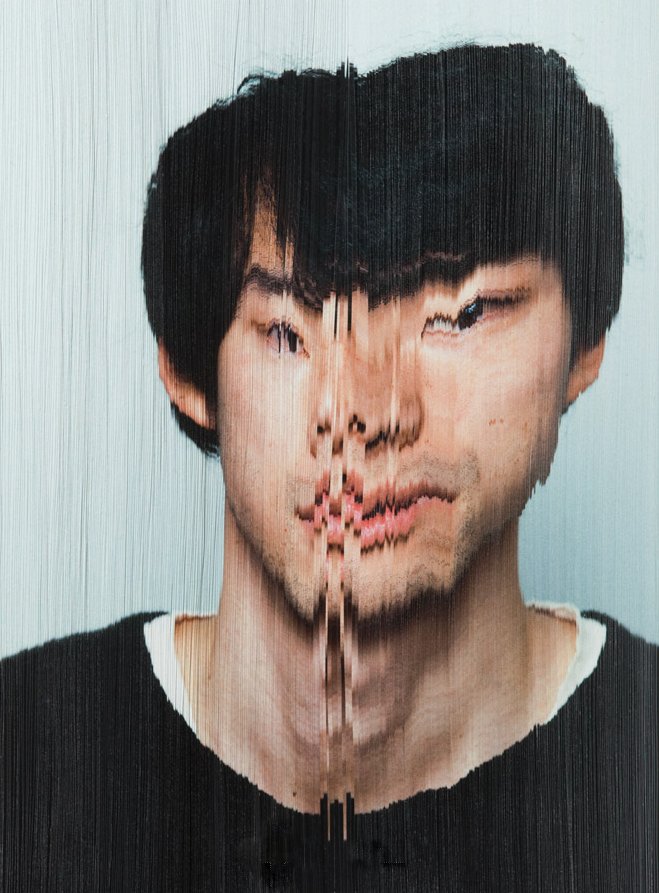
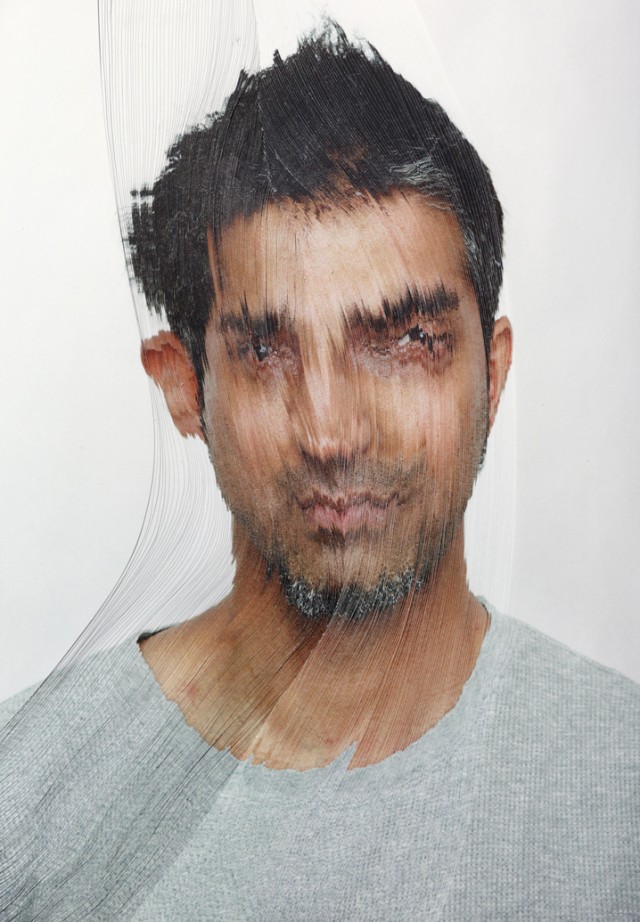
Nerhol, the enigmatic duo that is one part Ryuta Iida and one part Yoshihisa Tanaka, will present a large body of new work at limArt starting April 10th. Staring at their new series of photographs titled “Misunderstanding Focus,” the hand of Ryuta Iida (previously), well-known for his meticulous book carvings, is clearly evident. And yet there seems to be something else going on.

From afar each portrait seems to be out of focus or, in some cases, distorted. But what you’re looking at, in fact, are multiple photographs taken over a 3-minute period. Despite the subject model being asked to remain still, blood continues to run through their veins, muscles tighten and signals are sent back and forth between our sensory organs. It’s physically impossible for us to remain still. And in the same way that our bodies bear witness to the stronghold of time, our consciousness is encapsulated by our bodies. “Misunderstanding Focus” is an expression of the passage of time through our inability to stay still.
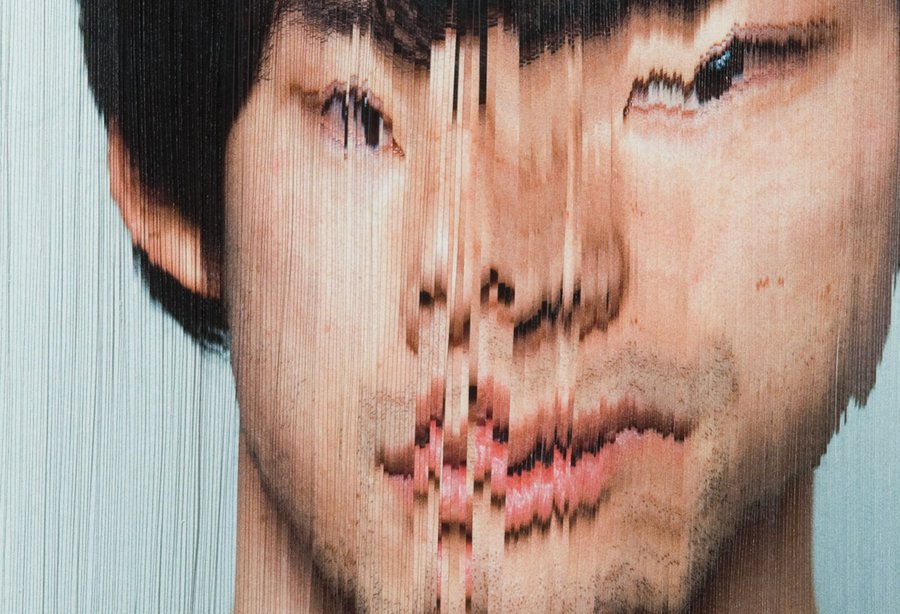
The group’s name, Nerhol, is derived from the duo’s synergistic traits: Yoshihisa Tanaka kneads ideas (Neru) while Ryuta Iida sculpts ideas (horu). The collaborative work between Tanaka and Iida, who come from backgrounds in graphic design and fine art, respectively, is an effort to deepen the concepts behind their art, and an experiment in opening up new possibilities for artistic expression.

Misunderstanding Focus
limArt (Gmap)
4.10.2012 – 5.13
12:00 – 20:00 (closed Mondays)

Source: colossal | cbcnet | Nerhol (facebook) | Nerhol
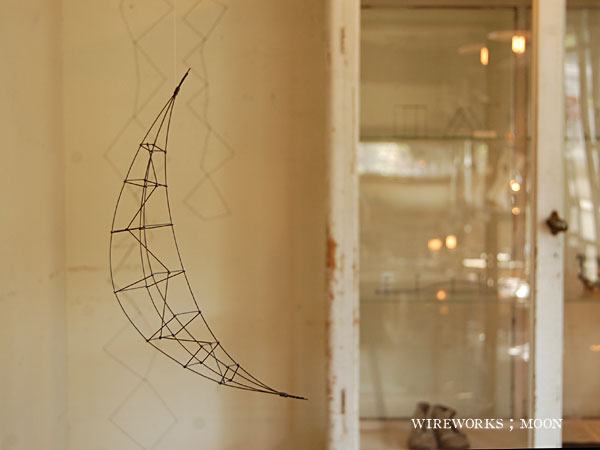
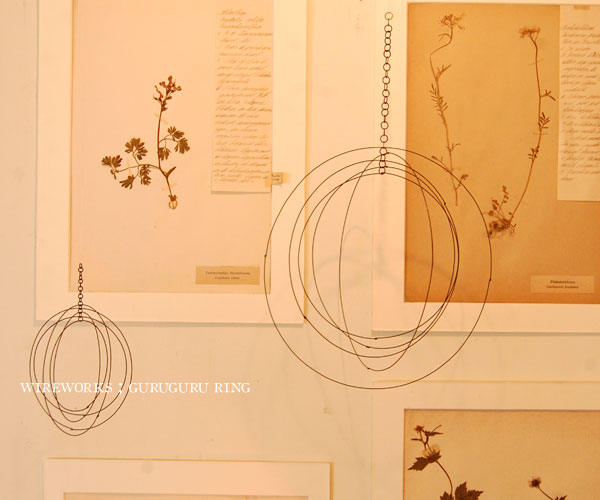
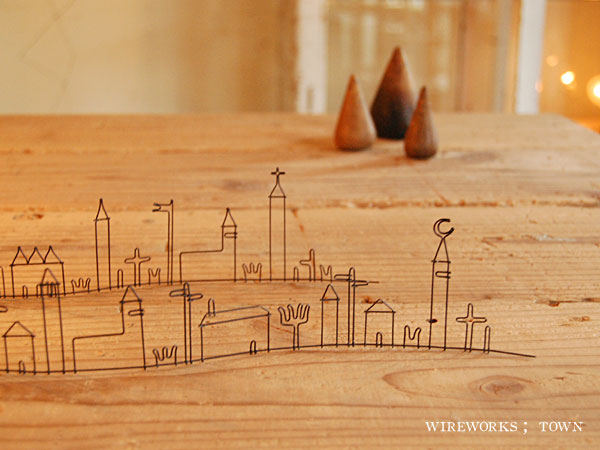
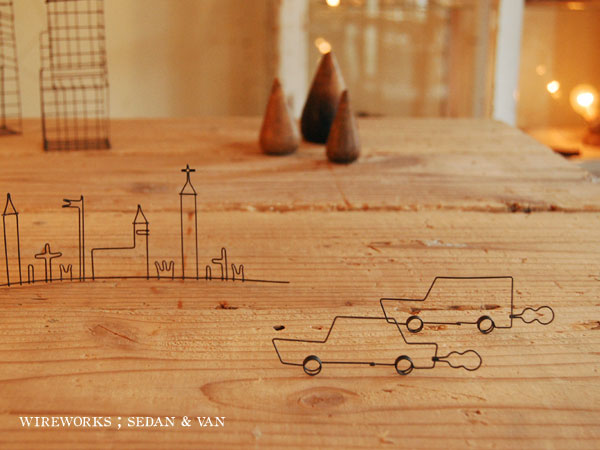
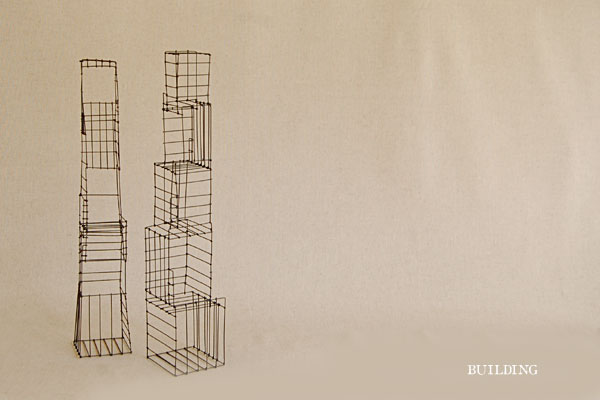
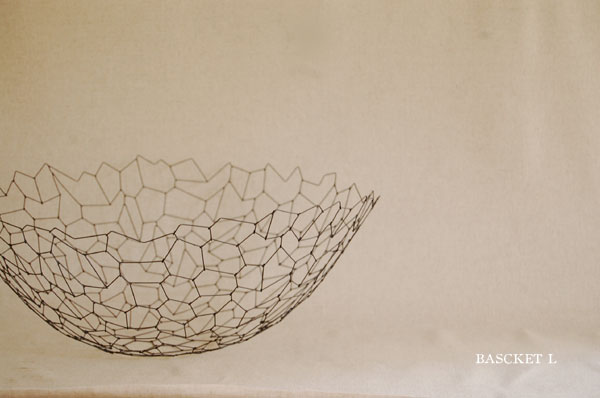
New Wire Works by Masao Seki

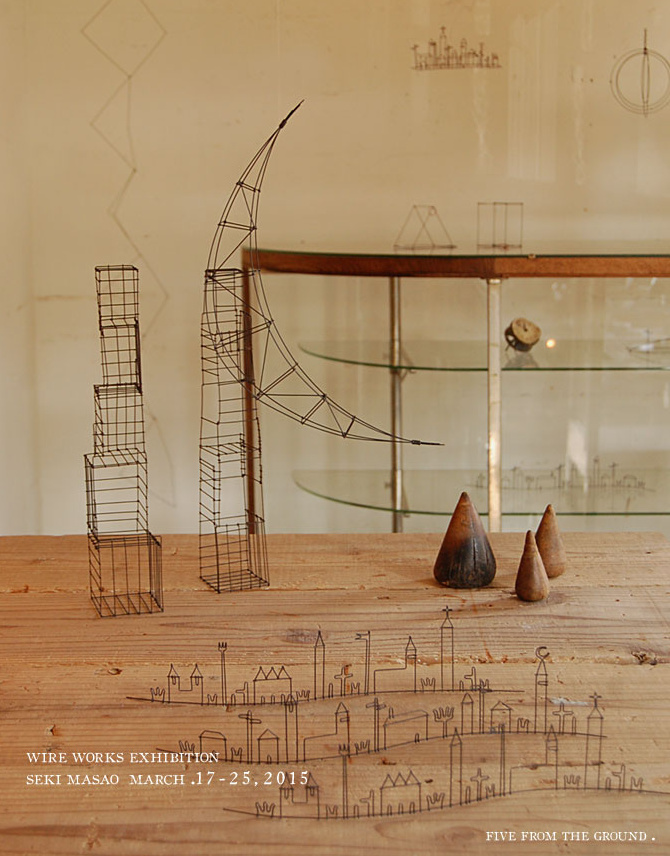
Artist Masao Seki (previously) just wrapped up a solo exhibition at the Kamakura-based antique shop Five From The Ground. The hosts were kind enough to send over some shots of the exhibition, which are gorgeous.

I’m a huge fan of Seki’s minimal wire sculptures that are infused with charm and whimsy. As delicate as they seem, each is full of expressive vitality and spirit, as if they are frozen, waiting – with anticipation – for someone to flip their switch back on. I would love to see these pieces as part of a stop-motion film.

moon (9,000 yen)

The shop owners are accepting international orders. All you have to do is contact them with the product you want.

guruguru (3,800 yen)

yokomachi (4,500 yen)

ladder (1,800 yen)

sedan & van (1,500 yen)

building (12,000 yen)

large basket (25,000 yen)

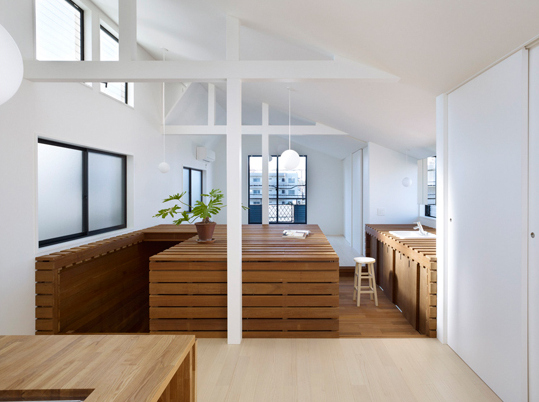
Switch Box in House by naf architect and design

photos by Toshiyuki Yano
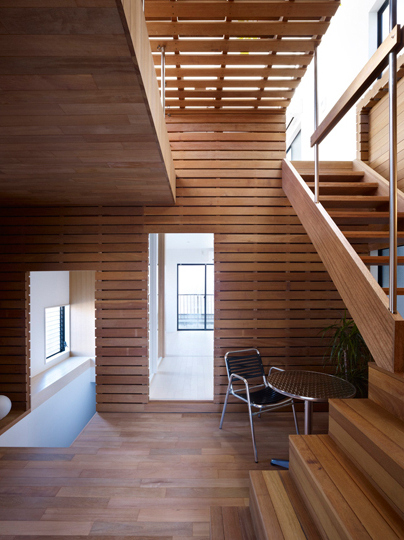
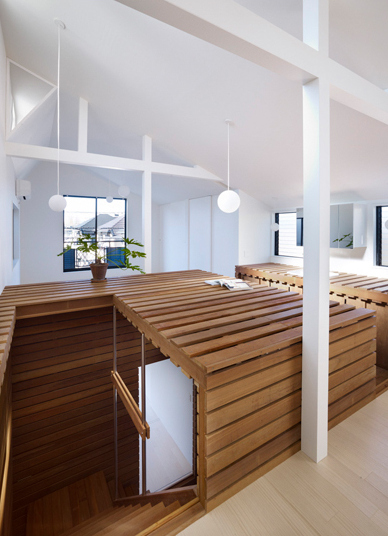
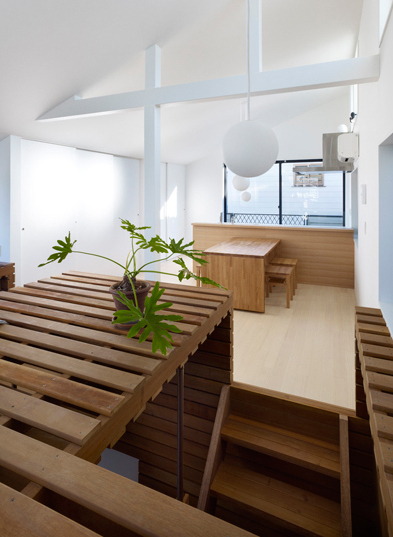
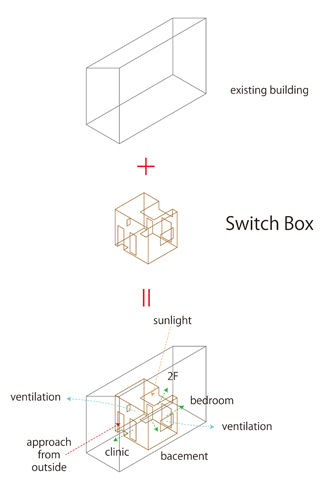
For centuries the box has been an object of choice for magicians who used it to create illusions like dividing things (or people) into more pieces. In what is perhaps the first appropriation of the magic box in the field of architecture, naf architect & design has accomplished a unique renovation by inserting a box into the middle of a home.

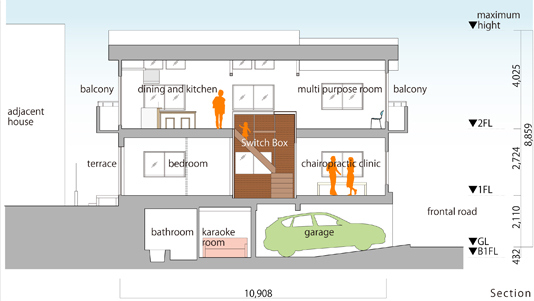
The 17-year old Tokyo home was recently purchased by a family of 3. However, without much character and purpose, many spaces were left undefined, creating awkward living arrangements. The architects decided to insert a box made of deck panels, which acted as a switchbox; an intersection, if you will, that directs the flow of traffic into different spaces. The box was successful in defining a multi-purpose space that included a clinic that the husband and wife run, a bedroom, porch and stairs that lead up to the living room. Oh, and last but not least, an entrance into a karaoke room, which was previously a concrete garage. That in itself is a great reallocation of resources given the soundproofing that had been part of the garage.

The home was completed in December 2011 and the family was able to move in right before new year’s.

source: naf website

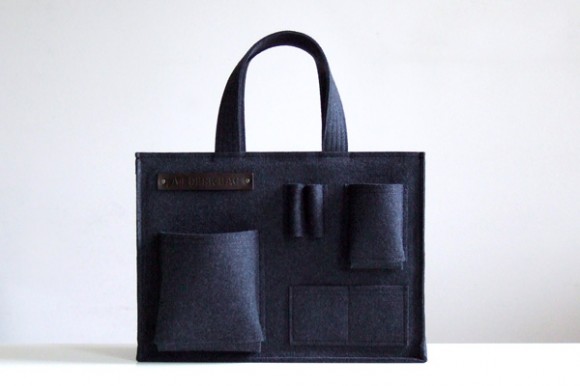
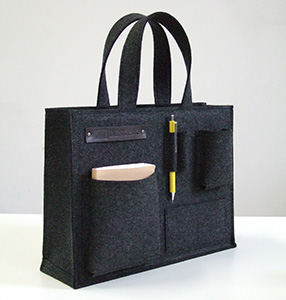
Yuruliku Desk Bag


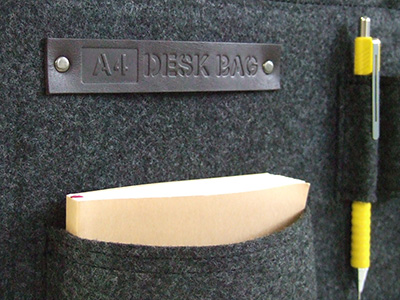
The Desk Bag or, as I like to call it, the pick-pocket bag, is based on the concept of carrying around everything on your desk. Or better yet, your desk becoming your bag. There are designated pockets for a book, pens and cellphone; except they are on the outside of the bag, exposed, just like a desk. Although it’s a thing of beauty, I wouldn’t recommend it for commuting on a crowded train.

Each felt bag is made-to-order for 17,850 yen. Or, whiterabbit express can help you import one.

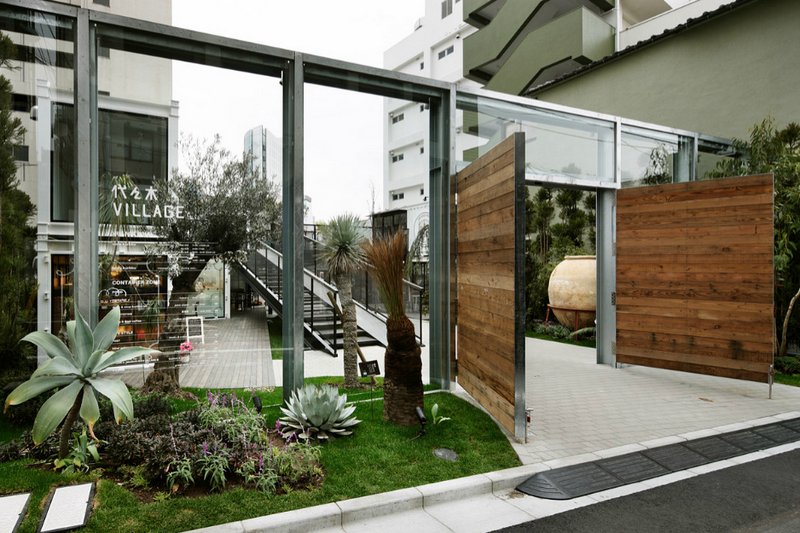
Yoyogi Village / code kurkku

photos by Nacasa & Partners | click to enlarge

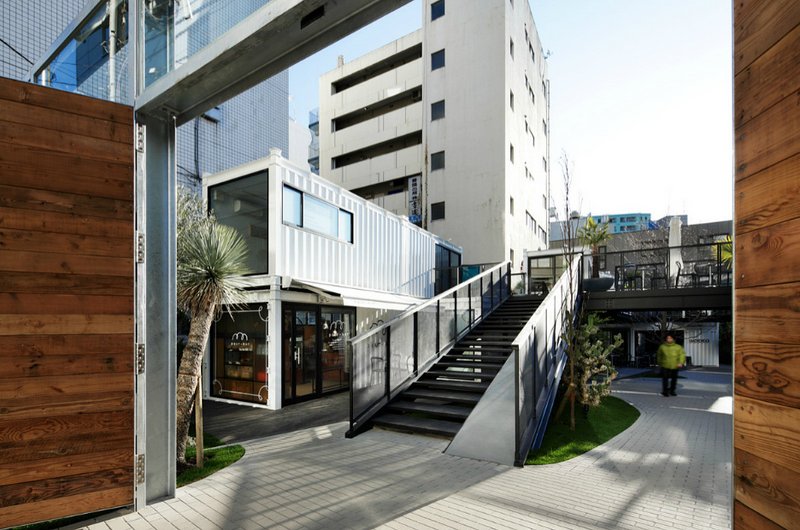
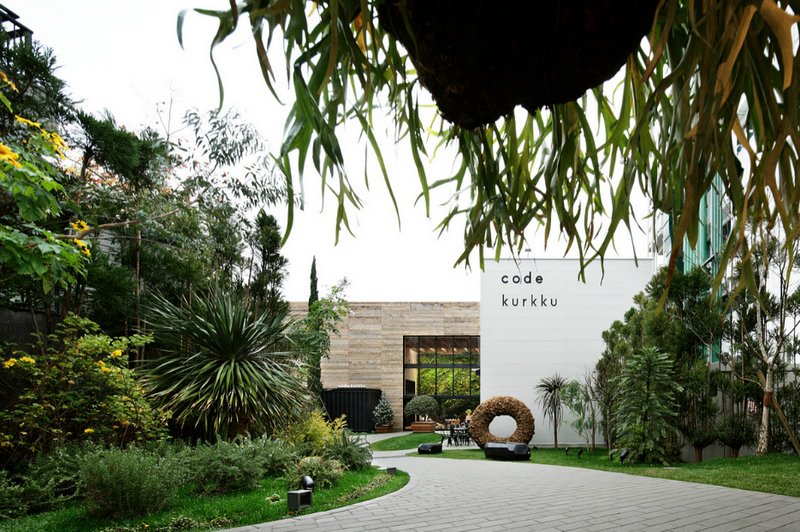
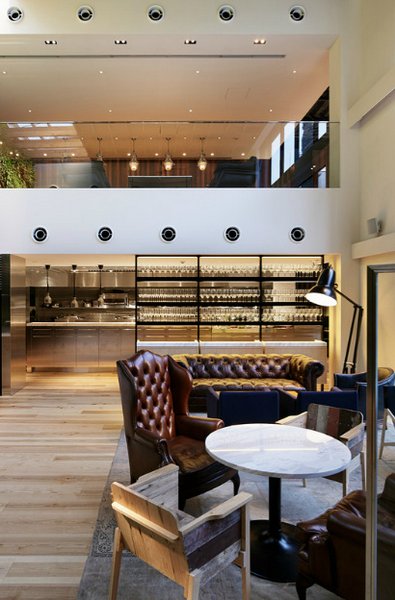
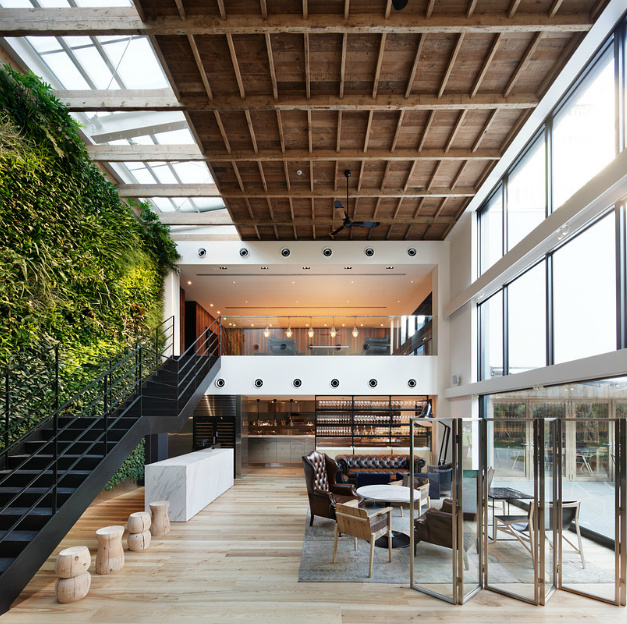
They say once is chance, twice is coincidence, third is a pattern. So I’m not quite ready to chalk this up as a Tokyo trend, but it’s certainly interesting to see the emergence of another “retail village.” I’m speaking, obviously, of Yoyogi Village, the new urban oasis that just opened during November of last year – 1 month earlier than its sisterly Daikanyama T-site. The similarities between the facilities are obvious: both boast a roster of rock-star creatives, they offer their own version of carefully curated retail shops and they target a specific sophisticated audience. Where daikanyama T-site staked out their specialty in the realm of books, Yoyogi Village claims music as their forte.

Heavy wooden gates help create the image of exclusive resort

Yoyogi Village is divided into two zones: container zone and village zone. Akin to the street of souvenir stores that greet you when you enter Disneyland, the former is dedicated to a handful of specialty retail shops nestled away in, as the name hints, shipping containers.

an assortment of exotic plants – the work of Seijun Nishihata – line the pathway

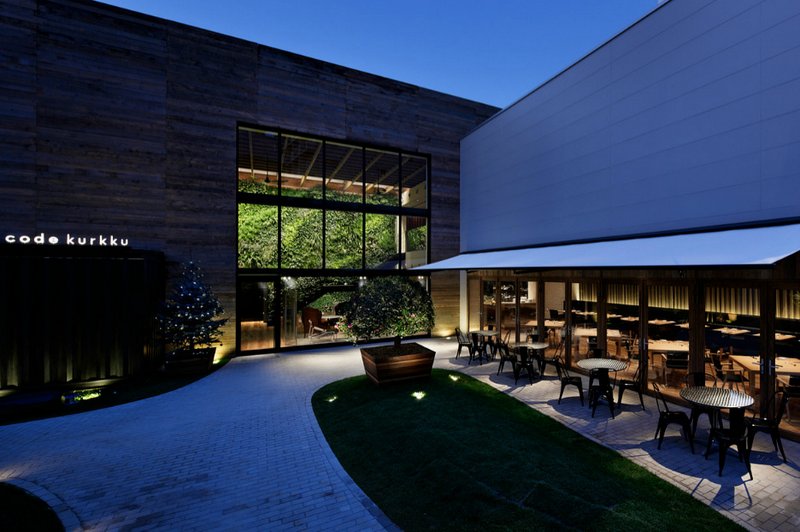
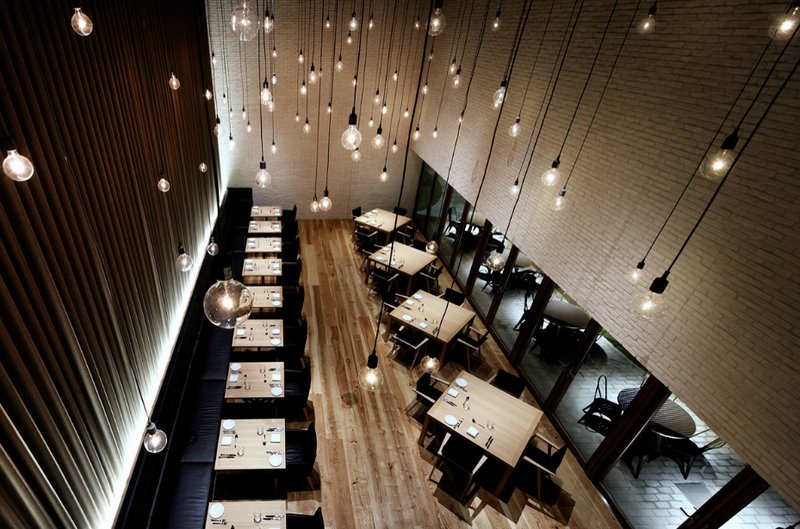
As you progress deeper into the site you come to the village zone, which houses the main attraction: code kurkku; a restaurant serving up Italian organic cuisine. Its executive chef, Yasuhiro Sasajima, hails from Il Ghiottone – a notoriously hard-to-get-a-table restaurant in Kyoto. For more on the restaurant head over to Robbie Swinnerton’s article. Caution: be sure to bring a drool bucket.

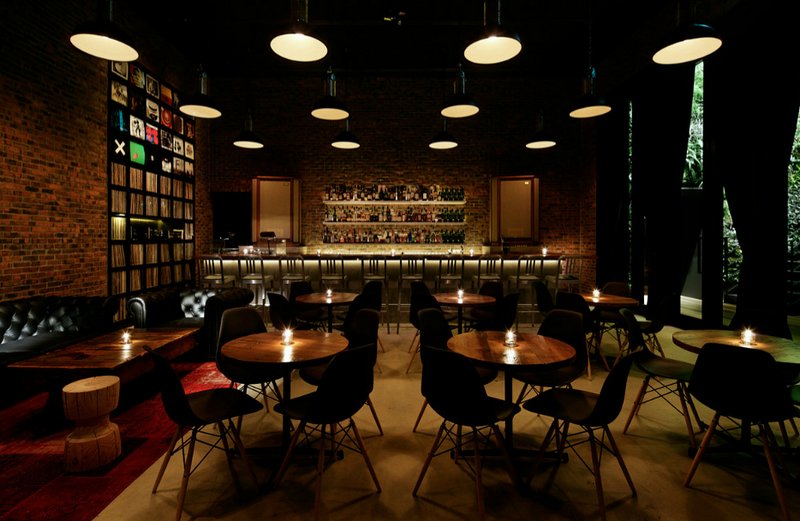
Yoyogi Village is the brainchild of Takeshi Kobayashi, a musician and record producer known for his work with household J-pop names like Mr. Children, Southern All Stars and Remioromen. He’s supported in his venture by recording artist Shinichi Osawa (aka Mondo Grosso). The two collaborated in 2009 to form the duo Bradberry Orchestra, so it’s understandable that these musical heavyweights went out of their way to ensure that the “Music Bar” – one of the pinnacles of their main restaurant – lives up to all their acoustical standards. Helping to achieve the overall look-and-feel of urban oasis is self-proclaimed “plant hunter” Seijun Nishihata, who is in charge of the landscaping. And rounding out the exhaustive list of designer talent is interior designer Masamichi Katayama of Wonderwall, who worked his magic on the space.

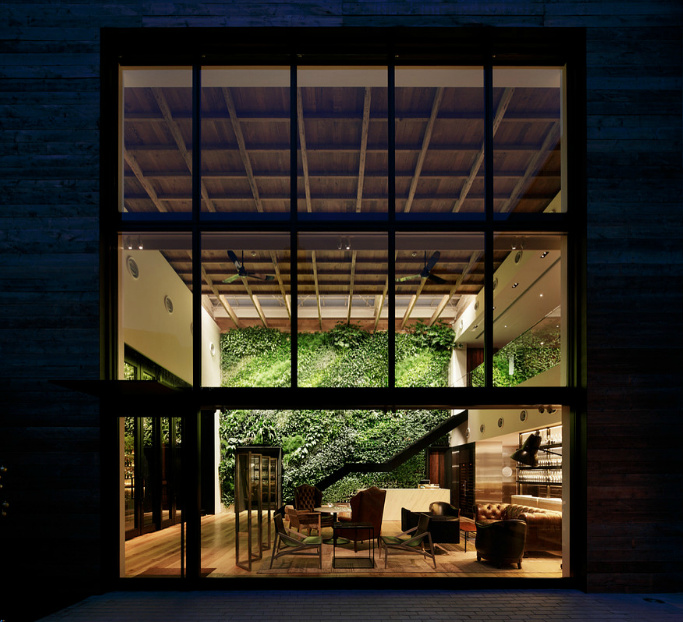
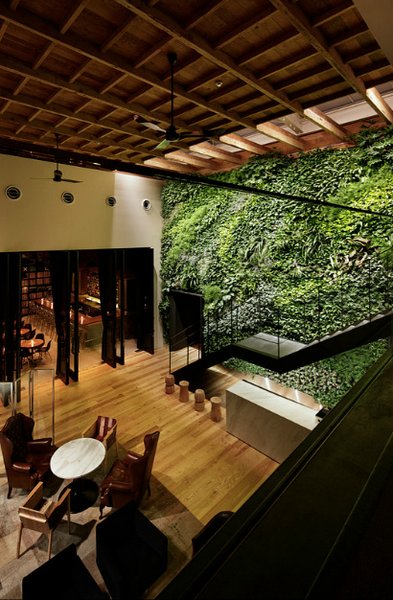
a fantastic green wall serves as the main focal point in the lounge area

the restaurant

the “music bar”

I’ll be on the lookout for the next retail village but in the meantime, Yoyogi Village has been added to our Tokyo Design Guide!

Battleship Sushi by Mayuka Nakamura

photos courtesy Mayuka Nakamura | click to enlarge

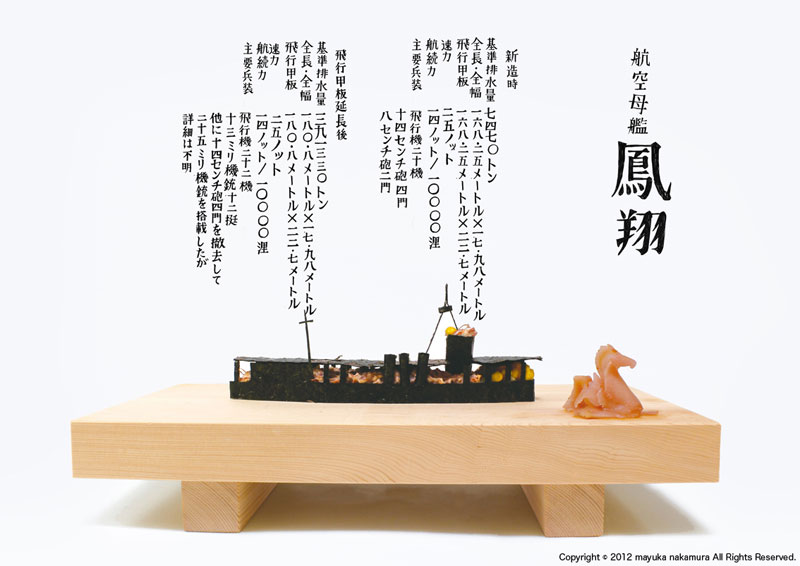
Gunkan-maki – literally, battleship roll, is a type of sushi in which seaweed is wrapped around the perimeter of the rice, creating a vessel to hold loose sushi like uni or ikura. And while quite effectively serving its purpose, it falls short in resemblance. So I was delighted to see that someone was finally challenging this misnomer. Mayuka Nakamura, an art student at Aichi Prefectural University of Fine Arts and Music, created her own version of Gunkan-maki as part of her senior thesis exhibition. Now that’s a battleship!

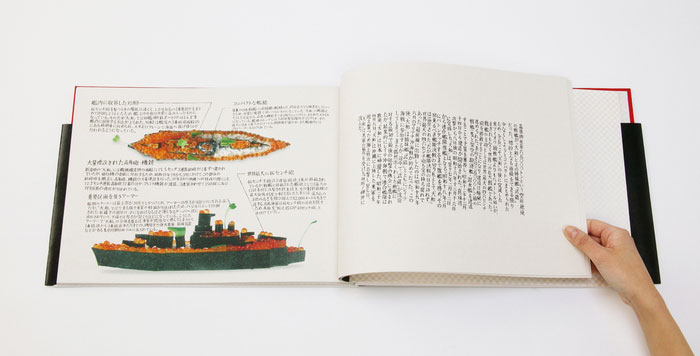
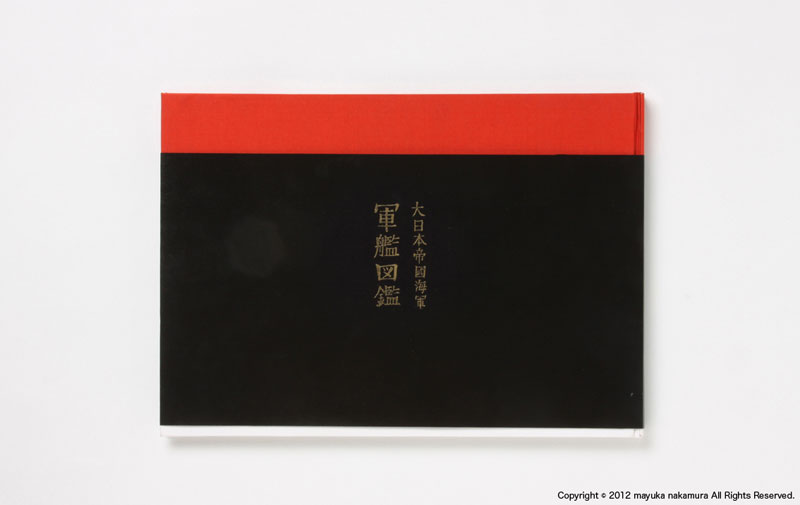
Each sushi roll is modeled after a historic Japanese battleship, from Kongo and Hosho to Yukikaze. And the book she made documenting her work is filled with all sorts of nerdy specs: everything from measurements and active dates to the number of torpedoes it was equipped with.

source: Kotaku | Mayuka Nakamura | IT Media

100 Yen: The Japanese Arcade Experience

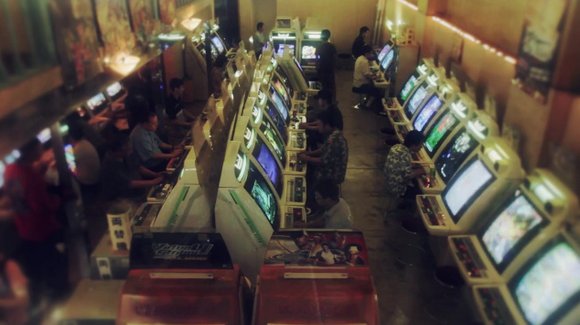
Growing up in Japan, I remember spending a decent amount of allowance and socializing at the brightly lit neon arcades throughout Tokyo. That’s where, the now notorious, “Dance Dance Revolution” was first played and I was introduced to the ‘Purikura’ (short for Print Club) or the photo sticker booths that still remain ever so popular in Japan. Japanese arcades, or “game centers”, are nothing like the ones in the US. I guess if anything I have experienced came close it, it would be Dave & Buster’s Million Dollar Midway. In a culture that is famous for miniaturization of all-things-that-can-be-made-smaller, arcades in Japan seem to go bigger, brighter, louder and have the most diverse genre of games and machines.

100 Yen: The Japanese Arcade Experience is a documentary by Brad Crawford, on the history and evolution of game arcades in Japan. Interviewing and filming hundreds of arcade gamers and diving deep into the arcade culture. They created their website and released their brand-spanking-new trailer (above) in hopes to raise some capital for post-production and promotion of the film. To see more information and help the filmmakers, visit 100yenfilm.com.

Source: 100yenfilm.com | Facebook Page

OCICA | a new brand of jewelry created by mothers of Tohoku

creative art direction is fused with local craft work to support community building and reconstruction

Photos by Lyie Nitta | click to enlarge

After the trembling stopped and the waves receded, survivors of the 3.11 disaster were swept into evacuation centers and temporary homes, leaving them with another new reality; they had no jobs and no means of income. In many cases, women who previously supported their husbands in the fishing industry, were left with nothing to do and no sense of purpose. OCICA is a new brand of jewelry that is attempting to end that cycle and put these women back to work.
The project was initiated by Eisuke Tachikawa (Nosigner) who, if you’ll recall, was one of the first designers to take action after the devastating earthquake and tsunami struck. Just 3 days after 3.11 he launched OLIVE (previously), a wiki that provides DIY tips and tutorials for those living in disaster-stricken areas.

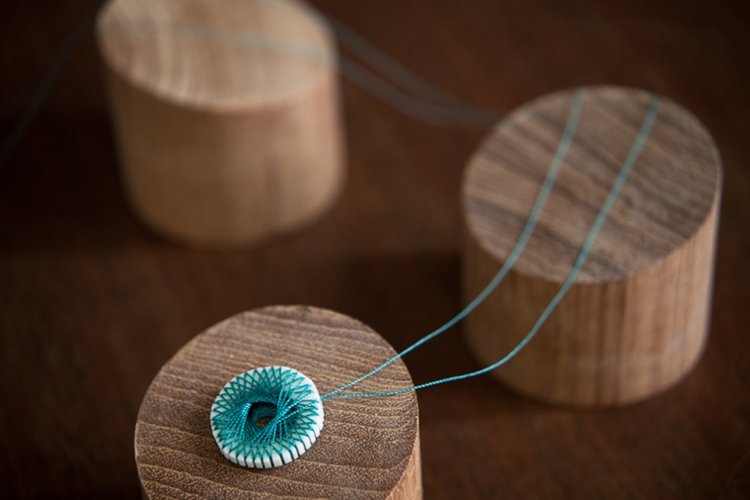
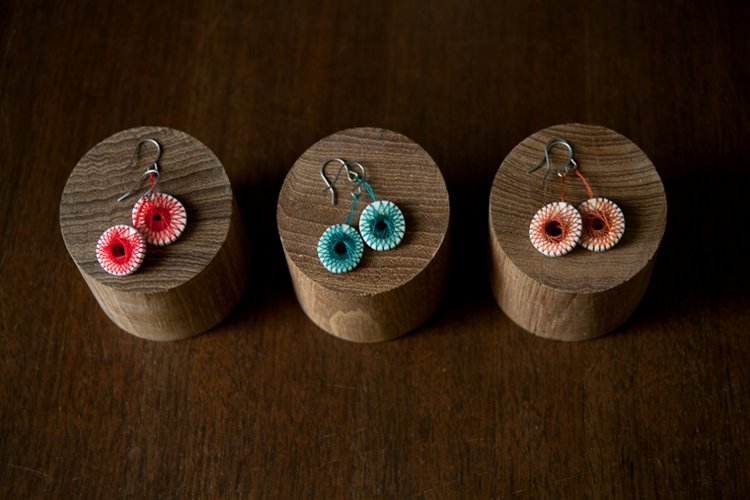
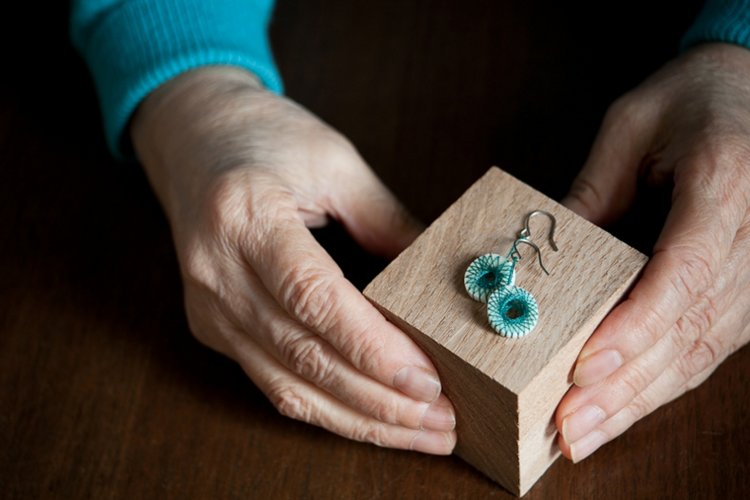
The Deer Horn Dream Catchers, which are available as a necklace (2,800 yen) or a set of earrings (5800 yen), are made from actual deer horn and fish netting: materials that are indigenous to the Oshika Peninsula region of Tohoku. For each sale, 1000 yen goes directly into the hands of the artisans. It’s a great example of how creative art direction, which was provided by Tachikawa, can be fused with local craft work to support community building and reconstruction.

Source: @ _NOSIGNER | OCICA

Green Cast by Kengo Kuma

images courtesy kengo kuma | click to enlarge

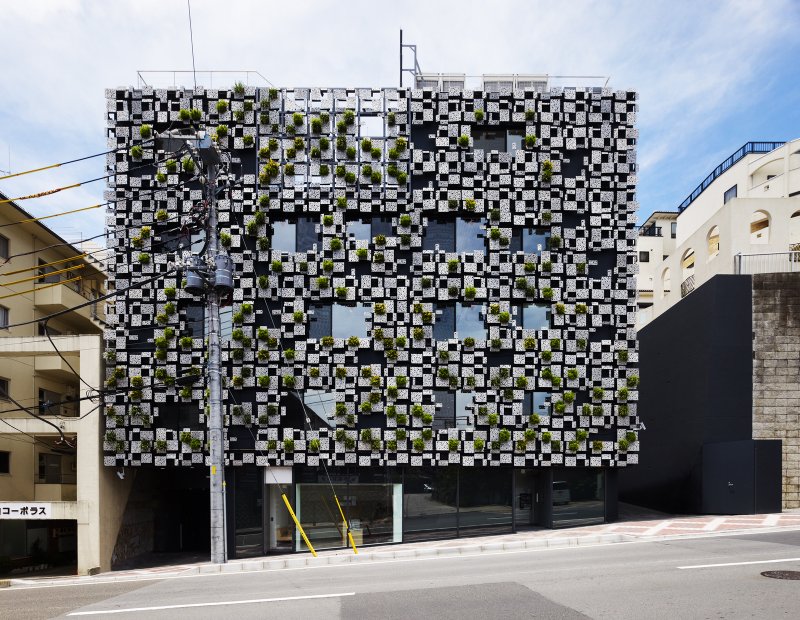
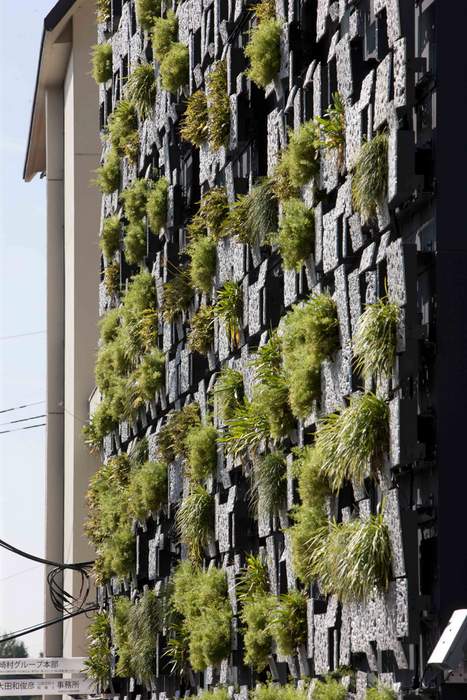
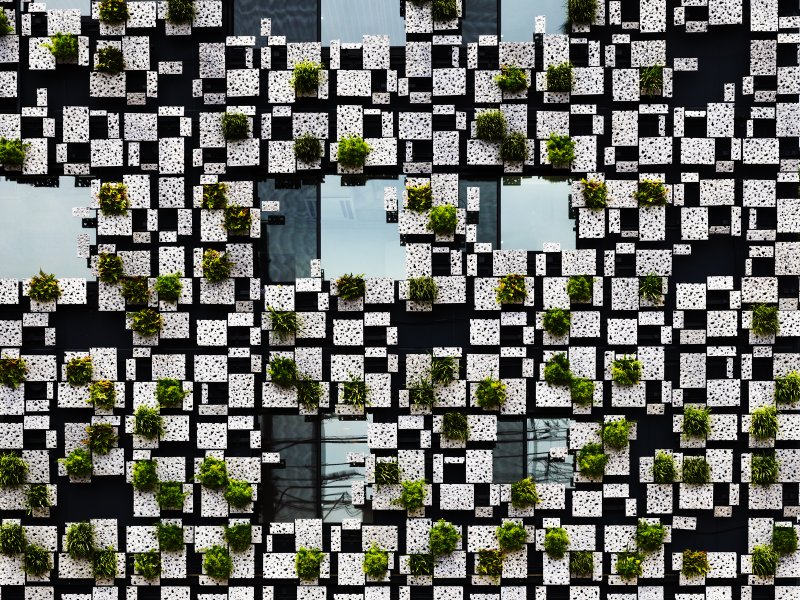
Holy green wall! This visually stunning facade is one of the latest works by renowned architect Kengo Kuma, who also just recently completed this starbucks.

The vegetation wall was installed in a multi-purpose building late last summer and is located just steps from Odawara Station. The first floor encompasses a clinic and pharmacy and the upper floors are used for offices. I love the organic look-and-feel of the façade which, according to the architects, was achieved by using decayed styrene foam. The all-inclusive system includes a watering hose rigged throughout the façade, air ventilation, as well as piping that can deliver rain water to the aluminum die-cast planters.

Source: Kengo Kuma Architects


Kyoto City University of Arts Graduation Show 2012

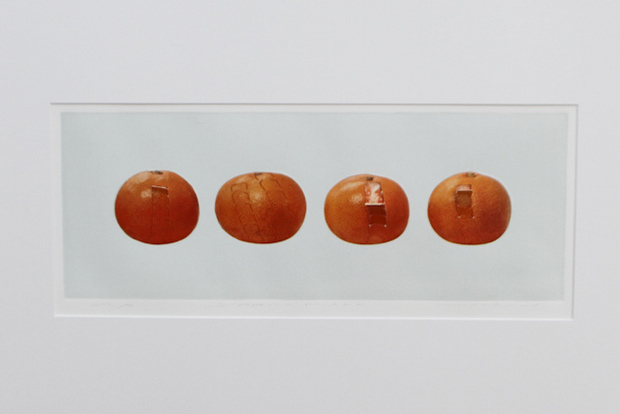
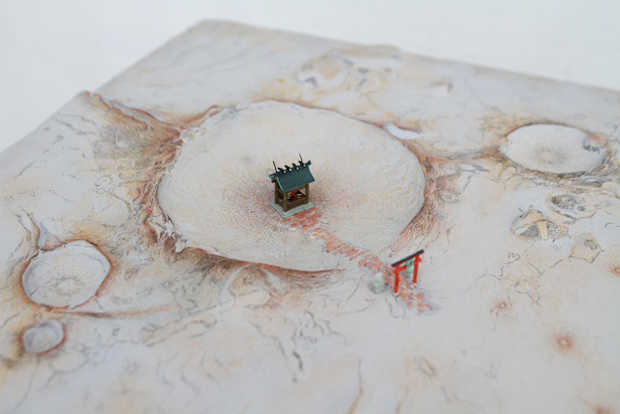
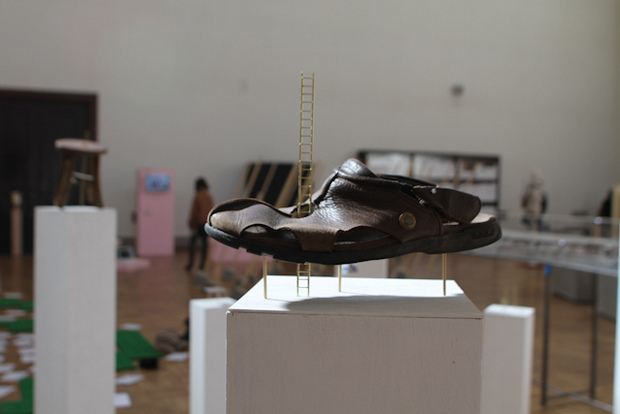
And so we arrive at our final destination covering this year’s senior thesis exhibitions in Japan. Kyoto City University of Arts put on a strong show, I thought. The work ranged from utilitarian to mildly bizarre, and the confusion was as arresting as it was intimate. Congratulations to all the graduating seniors and we wish the good luck (and hope to see them again) in their career paths.

Thanks to Masahiro Minami, who provided the photographs from this show.

Kyoto City University of Arts Graduation Show 2012

An umbrella stand that resembles a wonderfully organic root from outer space.

I’m not exactly sure what to say about this, but I’m intrigued.

See previous comment

See previous, previous comment

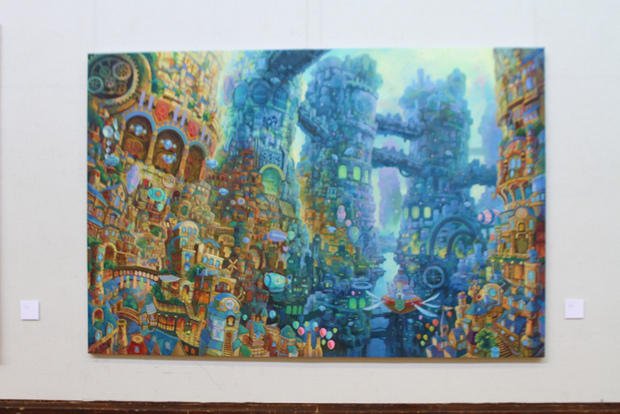
I love this dense imaginary city. Makes me want to see more of this work.

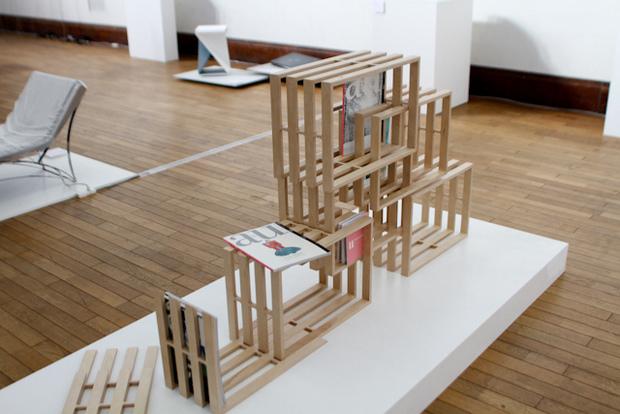
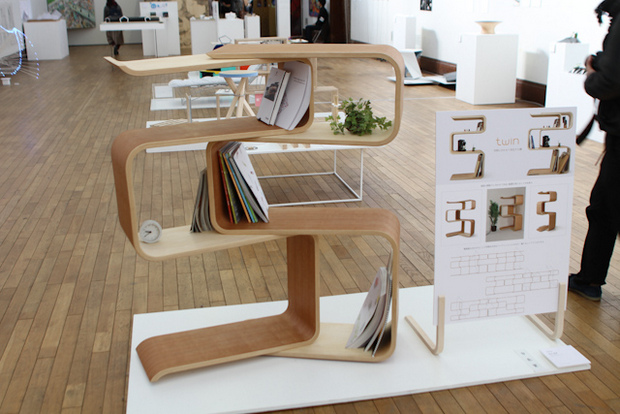
The furniture department was particularly strong

I feel like I’ve seen this before, but it’s still nice.

« Older posts Newer posts »

© 2026 Spoon & Tamago

Up ↑

Design by Bento Graphics