Page 269 of 406

New Honda commercial “We’ll Never Lose” features a fleet of over 20 old models

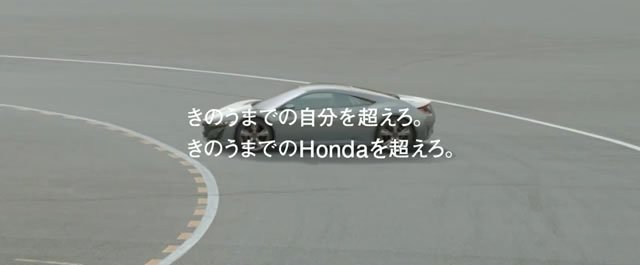
Call me a sucker for the sentimental but this is pretty great. In what is perhaps one of the best Honda commercials I’ve ever seen, a fleet of over 20 old vehicles make a comeback in 1 single camera pan. Titled “We’ll Never Lose,” the 60-second spot first aired on April 2nd.

Narration (translated by Spoon & Tamago):

If you try hard enough, your efforts will be rewarded.
If you wait long enough, your dreams will come true.
That’s an illusion.

Usually your efforts aren’t rewarded.
Usually the hero doesn’t win.
Usually your dreams don’t come true.

These are all everyday-realities of our world.

But, so what?
That’s where you start.

If you try something new, you’ll undoubtedly screw up.
You’ll get annoyed.
But that’s why – instead of sleeping and eating – you do it over and over again.

Now…it’s time to better than who you were yesterday.
It’s time to be better than what Honda was yesterday.

It’s an honest, hopeful message that extends beyond Honda, to all the hardships that have befallen Japan. Check out the making-of video below, which is also pretty great.

Source: Digimaga
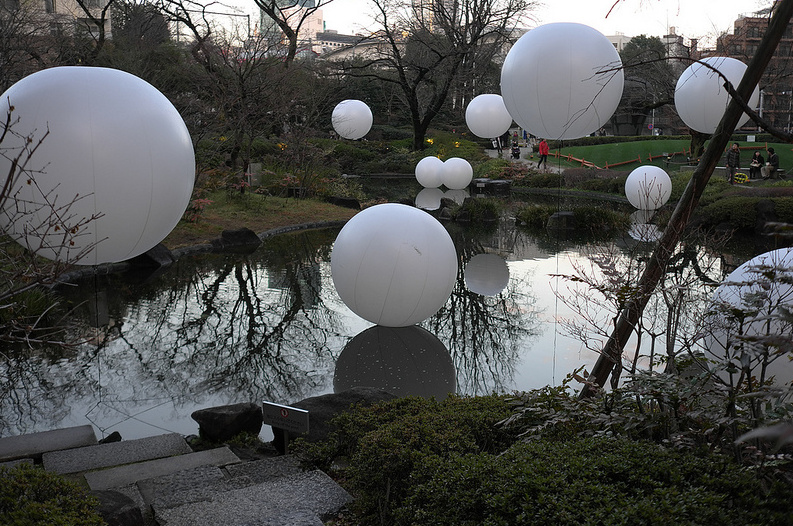
Highlights from Roppongi Art Night | Floating Instrument by teamLab and Hideaki Takahashi

Two weekends ago in Tokyo the massive annual art extravaganza known as Roppongi Art Night took place (it had been cancelled last year because of the events following 3.11). The show was headlined by world-renown artist Yayoi Kusama and, for 24 hours, art lovers descended upon a hodge-podge of galleries, museums and other participating exhibition spaces. In this short series we highlight some of our favorite works.

Image courtesy flickr user kzsktt36. Used with permission | click to enlarge

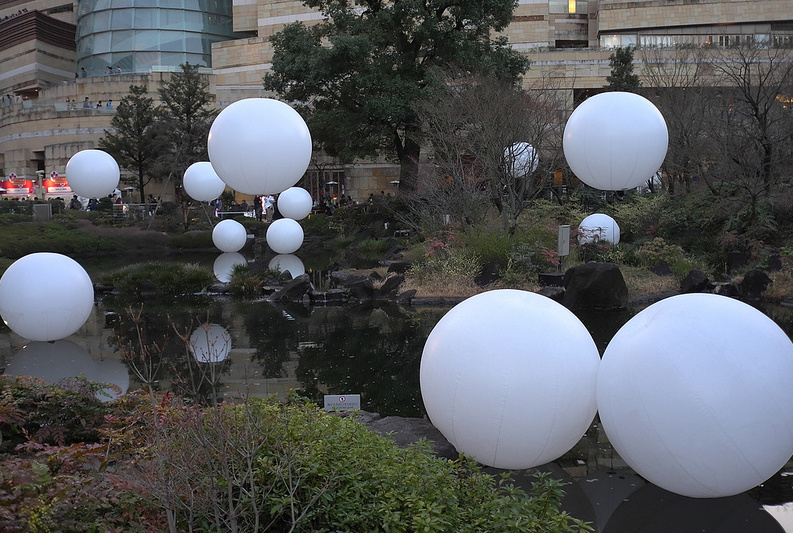
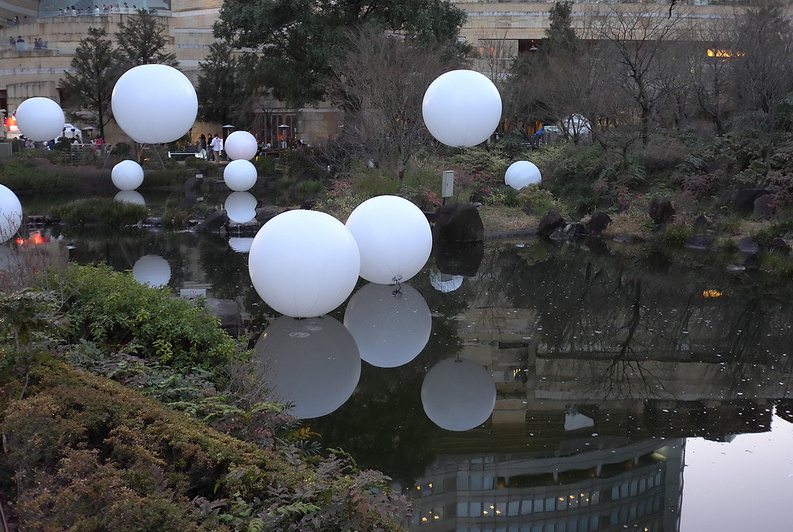
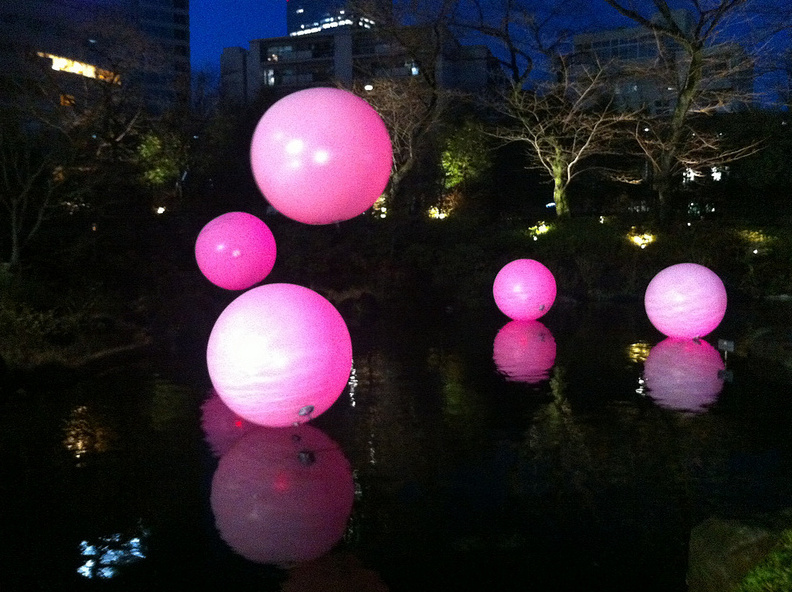
Floating Instrument is a collaboration between visual design studio teamLab and musician/ sound artist Hideaki Takahashi. Their patent-pending interactive balls are interconnected through a wireless network enabling synchronized changing of colors. In daylight, the balls appear frozen in time as they continuously and effortlessly clash with the environment. At night, they delightfully light up, creating mysterious orbs that – if you’re not careful – will lure you right into the lake.

Image courtesy flickr user kzsktt36. Used with permission | click to enlarge

Image courtesy flickr user kzsktt36. Used with permission | click to enlarge

Image courtesy flickr user kzsktt36. Used with permission | click to enlarge

Highlights from Roppongi Art Night | Happo-en by Yoshiaki Kaihatsu

Two weekends ago in Tokyo the massive annual art extravaganza known as Roppongi Art Night took place. (It had been cancelled last year because of the events following 3.11). The show was headlined by world-renown artist Yayoi Kusama and, for 24 hours, art lovers descended upon a hodge-podge of galleries, museums and other participating exhibition spaces. In this short series we highlight some of our favorite works.

Image courtesy flickr user kzsktt36. Used with permission | click to enlarge

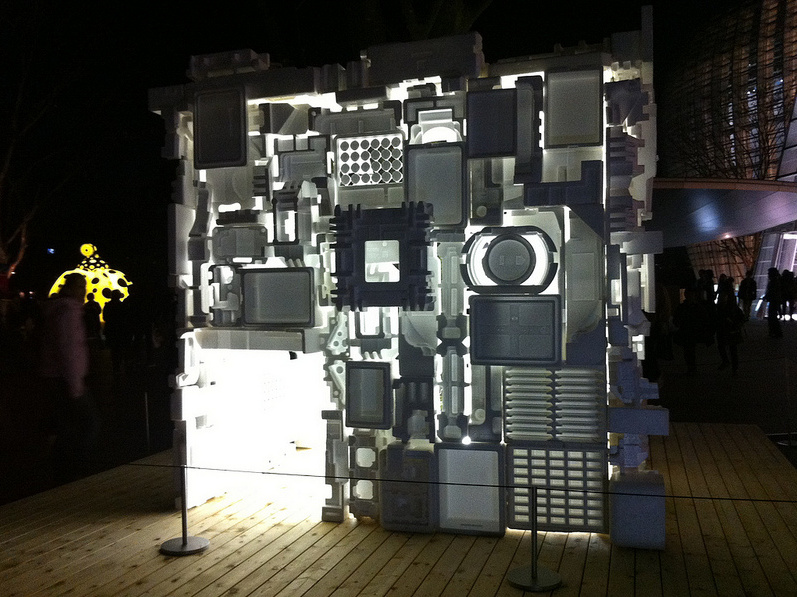
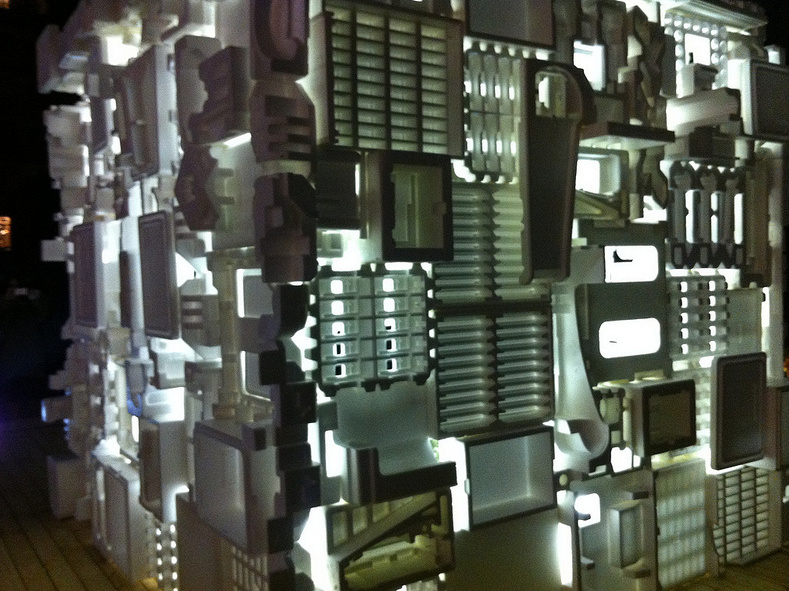
Artist Yoshiaki Kaihatsu, well-known for his large scale polystyrene foam sculptures, created Happo-en, a tea house made from discarded packaging and shipping materials. I saw a similar piece installed at Japan Society in 2007 and it was quite spectacular.

Our globalized environment is often a central theme to Kaihatsu’s work, and is meant to interact with viewers on a level that questions our assumptions about how – as consumers – we are programmed to think. In one of his more politically motivated works, Kaihatsu recently installed a makeshift structure titled “A Politician’s House” and installed it in Minamisoma, 20km from the crippled Fukushima nuclear power plant

Image courtesy flickr user kzsktt36. Used with permission | click to enlarge

Image courtesy flickr user kzsktt36. Used with permission | click to enlarge

Image courtesy flickr user kzsktt36. Used with permission | click to enlarge

Yasuaki Onishi | Reverse of Volume at Rice Gallery

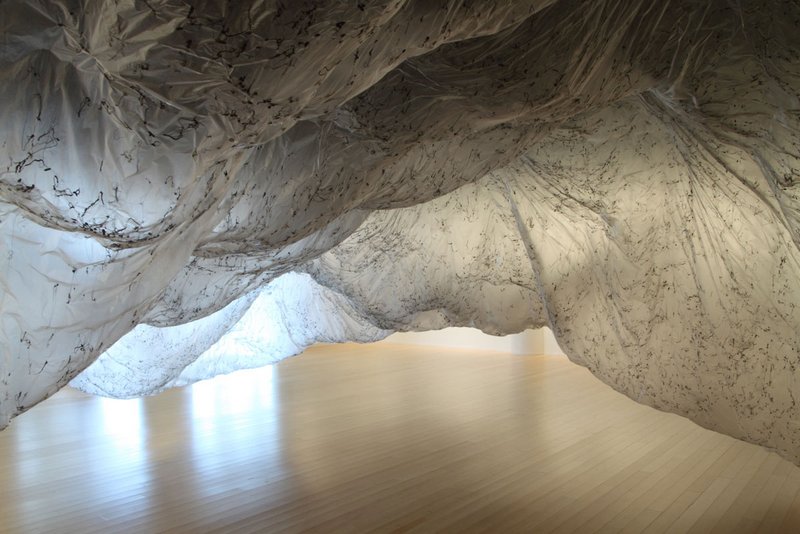
Yasuaki Onishi, reverse of volume (2012). The Marlin and Regina Miller Gallery, Kutztown, Pennsylvania | click to enlarge


The Asia Society has some new digs. Their brand new 39,000 sq ft Texas headquarters was designed by Japanese architect Yoshio Taniguchi, best known for his redesign of the MoMA. And to commemorate the opening,  Texas’ Rice University Art Gallery has invited Yasuaki Onishi to create a site-specific installation that, albeit in a different fashion, also exhibits massive space and volume.

Onishi once said in a statement describing his work:

I am interested in the visible and the invisible thing. Through my art work, I get information from the space and leave clues on the space. Form, color and movement is changed to the simple element, like points, lines and lights.

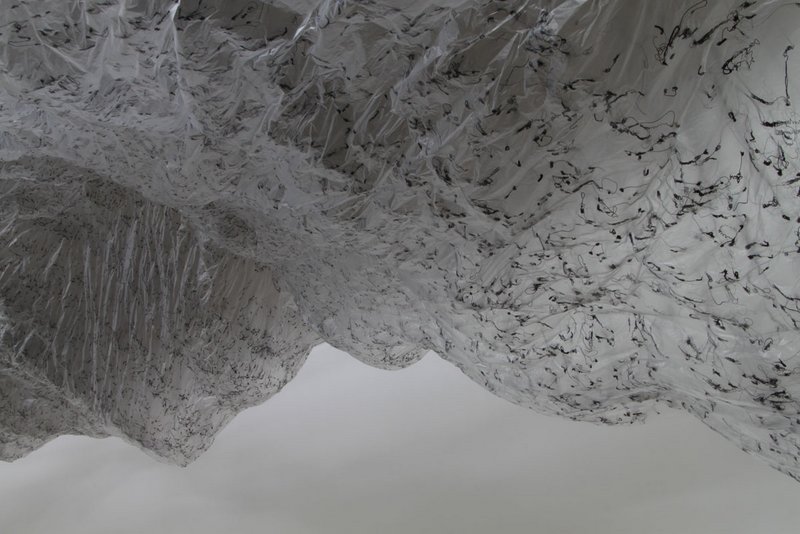
Where Taniguchi’s new building is clearly a development, Onishi’s is an antidevelopment: reversing sculpture, as Onishi would put it. He uses the simplest of materials – translucent plastic sheeting, strings of black glue, fishing line – to create spatial forms that render the illusion of mountainous objects that have been removed, or perhaps are invisible, leaving only an outline. His monumental sculptures are at once imposing, but also are void of any mass of their own, as if acting to define their own negative space. The ephemeral, fleetingness of his work is perhaps the antithesis of all human assemblage.

Reverse of Volume will be on display at Rice Gallery from  April 13 – June 24, 2012.

Yasuaki Onishi, reverse of volume (2012). The Marlin and Regina Miller Gallery, Kutztown, Pennsylvania | click to enlarge
Yasuaki Onishi, reverse of volume (2009), Aomori Contemporary Art Centre, Aomori, Japan | click to enlarge

source: notcot | Rice Gallery

KIKISA Wooden Coffee Cup by Jin Akihiro

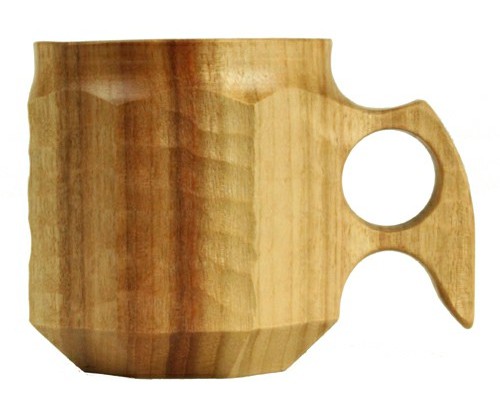
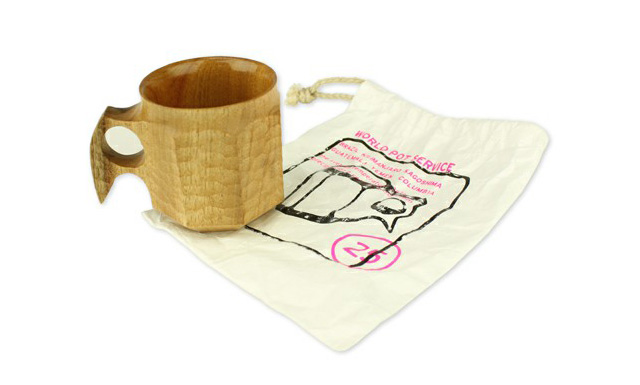
Jin Akihiro is a wood craftsman based out of Kagoshima and is 1 of a 3-person family team that runs a small wood studio. Known for creating everything from custom-made furniture to retail and residential interiors, Jin has recently been focusing his time on what he calls, “hand-made product design.” His latest endeavor is the KIKASA coffee cup – an homage to the Finnish Kuksa Camping Cups. Hand-carved from lightweight birch, the cup requires no cleaning (just a quick rinse of water) and is sure to age beautifully from all those coffee oils. It’s indeed the perfect cup to take on your travels.

The cup (7,350 yen) is currently out of stock but here’s to hopes that they replenish. It also comes with a gorgeous drawstring bag designed by Kimiaki Eto.


source: beams

Bleu Blanc Wedding Hall by Makoto Tanijiri

images courtesy suppose design office | click to enlarge

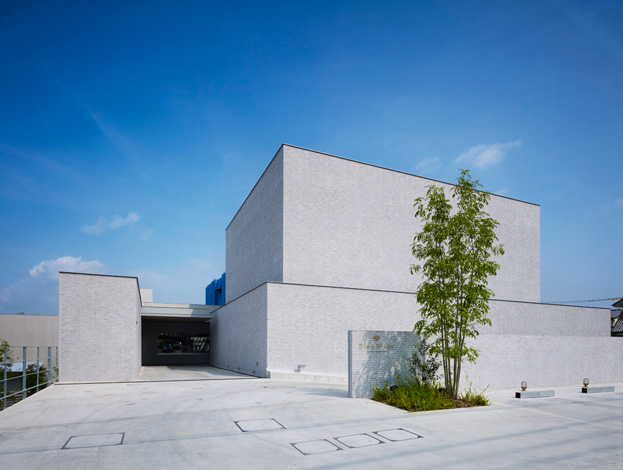
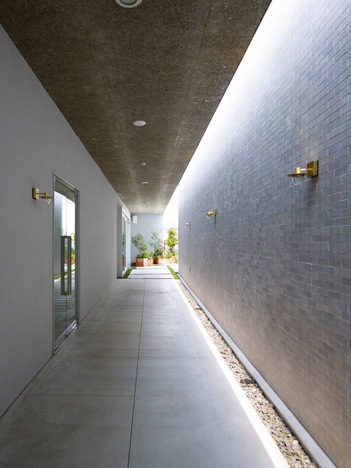
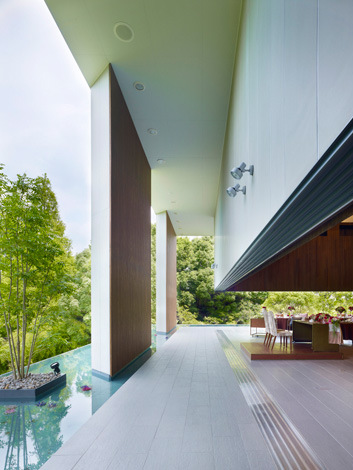
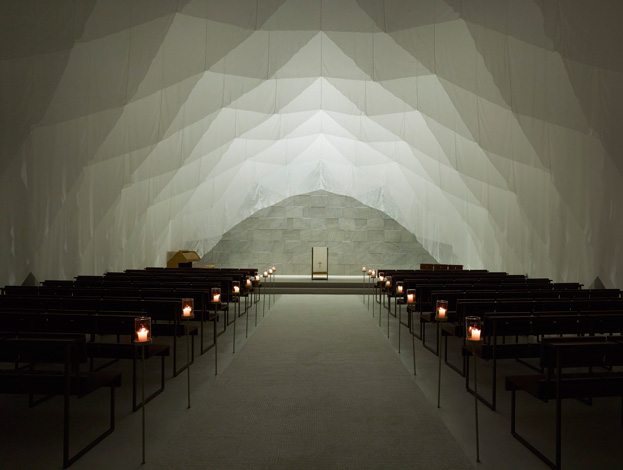
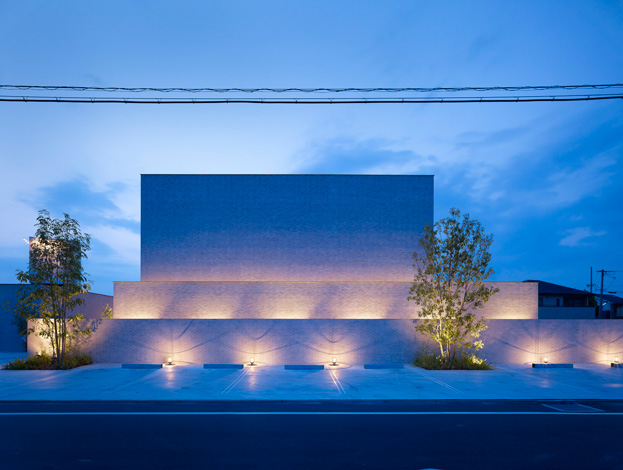
Sitting atop a lush, green hill is Bleu Blanc – the latest work of one of Japan’s most sought-after young architects, Makoto Tanijiri. The wedding hall and guest house was completed last summer and is nestled away in the quant residential neighborhood, but perched high enough to overlook the undulating hills of Okazaki in Aichi prefecture.

It was designed to resemble a wedding village one might stumble upon, walking through the hilly countryside of Fjord, Norway. And the chapel, garden, banquette hall and guest house all feature characteristics – be it large incisions in the wall or synthetic mountaintop gardens – that blend the indoors and outdoors. Looks like a lovely place to tie the knot!

Source: Makoto Tanijiri’s website

Link Roundup of April Fools Internet Pranks in Japan | 2012

Here’s a roundup of links to April Fool’s internet pranks in Japan on April 1, 2012 or, as some refer to it, the day when the internet is very annoying:

  • Forget keyboards. All you need is the space bar! Google Japan announces new language input system using morse code.
  • AU announces latest smartphone: MAKYU – designed by fictional baseball coach Hoshi Ittetsu (of Kyojin no Hoshi).
  • Dragon Quest’s Dragon King announces he has successfully taken over the world. His influence has already reached google maps. More on this development here. In related news, a dragon has established a military fort in offshore Africa.
  • Sky Tree to offer world’s highest bungee jump
  • Eiga.com, now in Chinese.
  • Graphic designers launch new ad campaign


Small House in Shinjuku by Junpei Nousaku Architects

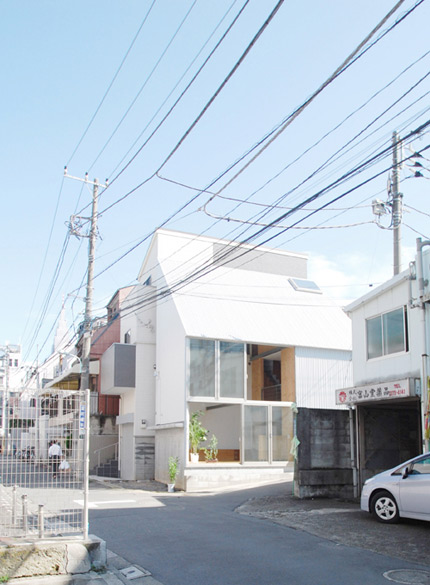
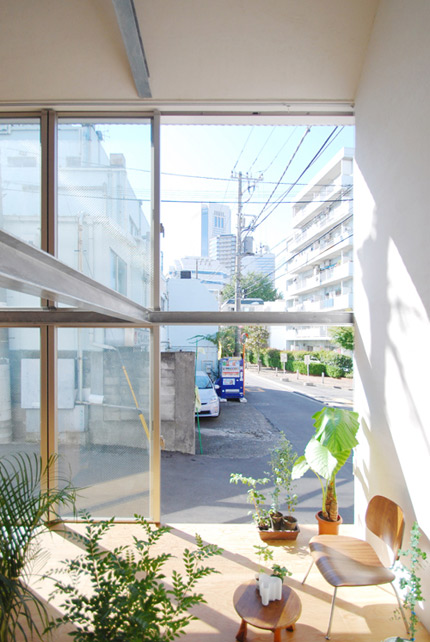
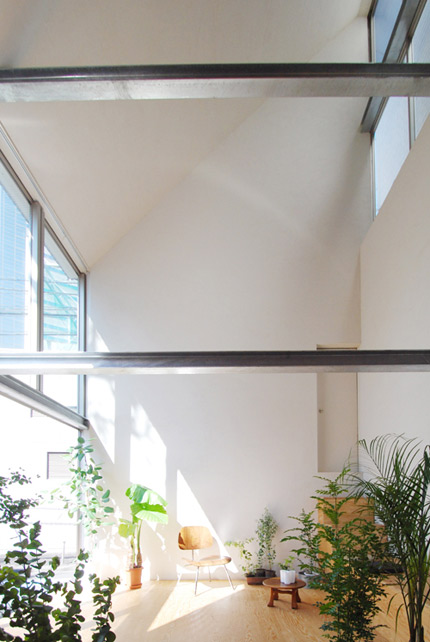
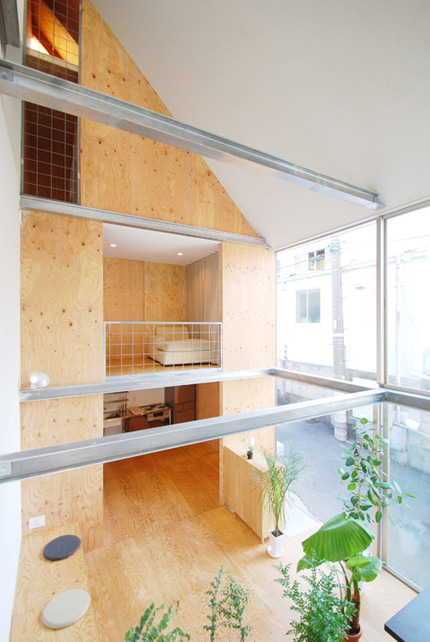
Tokyo is plagued with small houses. Rather, small plots of land. So much so that it prompted the government to issue a manual for controlling land compartmentalization because they were concerned that it could lead to a decline in quality of life. Indeed, in order to maximize living space homes are often constructed around the limits of the perimeter, with floors stacked on each other, creating dark spaces that feel secluded from the community.

Junpei Nousaku Architects’ antidote is displayed in their most recent home, completed in July of 2011. The communal living room is situated on the ground floor. And instead of stacking another floor above it, the ceiling is vaulted a full 3-floors all the way to the roof, achieving the unachievable in terms of scale. The exterior is also impressive and hardly resembles a private residence. The finished home, the architects say, is actually an attempt to create an unfinished space that will engage with or, at times, clash with, the surrounding environment.

So the moral of the story? When it comes to small spaces, less is more.

source: architecturephoto

Yuji Dogane | Radio Active Plantron

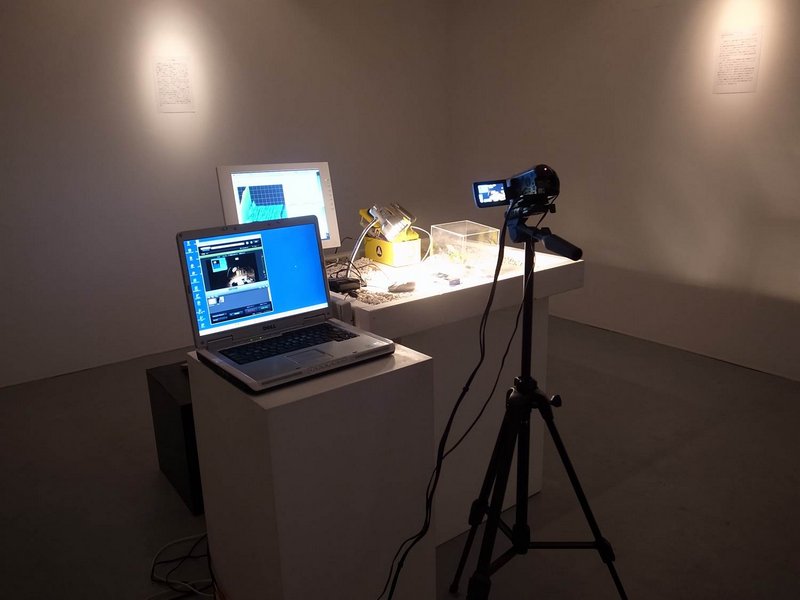
Artist and professor Yuji Dogane has, for several years, been experimenting with what he calls “Plantron” – a system that converts the electrical waves in plants, into audible sound. As we all know, after the tsunami knocked out the cooling systems at Fukushima Daiichi triggering nuclear meltdowns, inhabitants within a 20km radius faced mandatory evacuation. This area, now known as the exclusion zone, will not be habitable for decades. Yet plant life has no choice but to stay.

For his latest project, Radio Active Plantron, Dogane has taken plants continuously exposed to mild radiation (equal to levels in Tokyo, which are said to pose no health risk) and wired them up to his system. He is broadcasting their “voices” over ustream (below). The stream will be accessible through May 14, 2012.

The project is hosted by piece unique, a website that connects artists with micro-patrons. If you like the project you can make a donation – part of which will go to Sakura Line 311, a charity organization that is planting cherry trees along the line where the tsunami reached.

password:  RAP2012

Mankind is not burdened with the ability to hear the voices of plants, but what if that were not the case? How would life have been different? Would we have constructed monstrous nuclear power plants that emit poisonous particles?

(thanks Kosuke)

Colorful Realm | Ito Jakuchu at the National Museum of Art


images courtesy National Museum of Art | click to enlarge

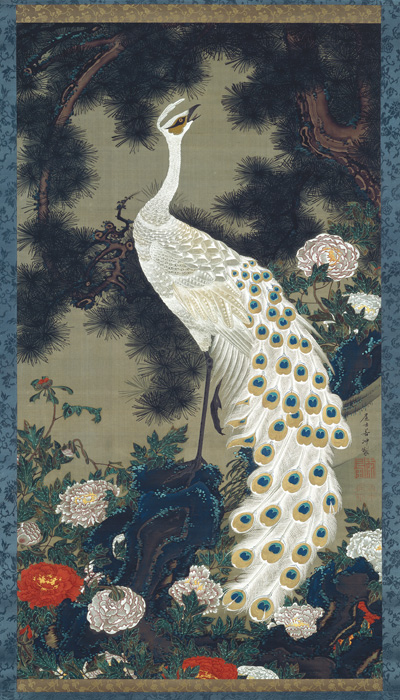
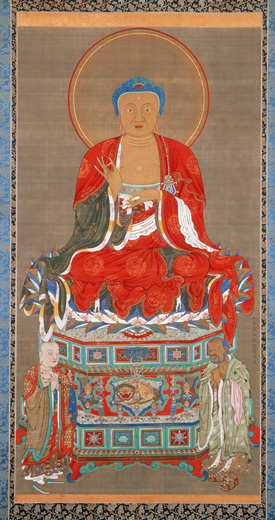
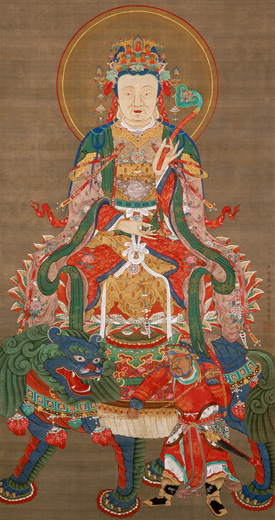
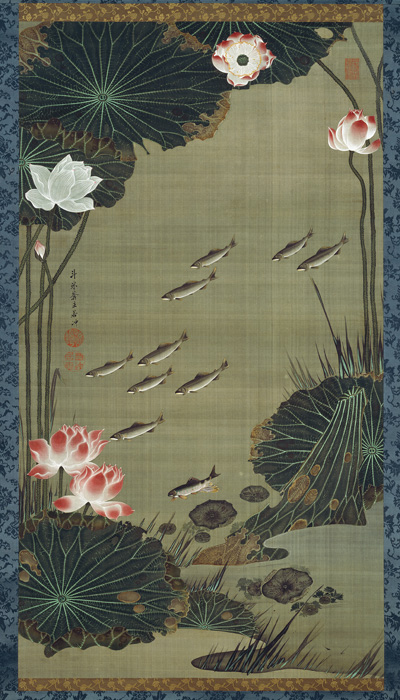
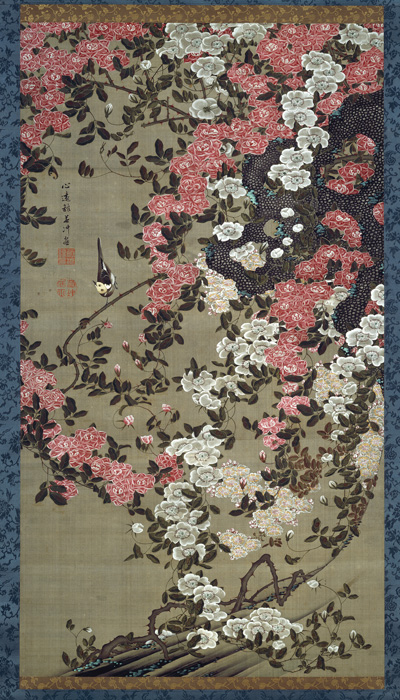
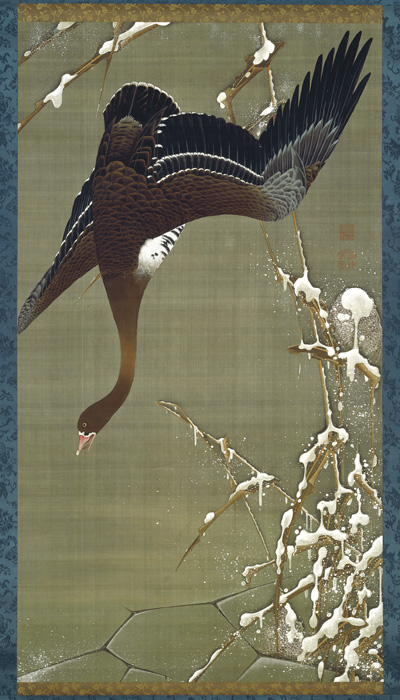
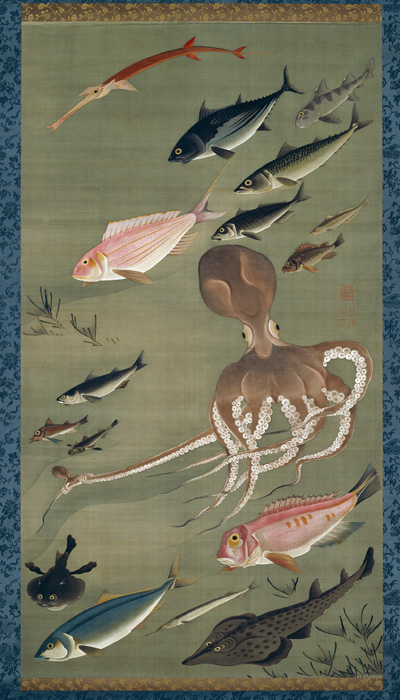
For the first time in history, 250-year old paintings by the Japanese artist Ito Jakuchu (1716 – 1800) have crossed the seas to be displayed at Washington DC’s National Museum of Art. Dōshoku sai-e (Colorful Realm of Living Beings), the 27-scroll set of intricately painted subjects from the natural world, are considered a cultural treasure in Japan and are actually being lent to the Museum by Japan’s imperial family to commemorate the country’s gift of 3,000 cherry trees to the U.S., 100 years ago.

The nature paintings are accompanied by Jakuchu’s “Sakyamuni Triptych” – three Buddhist deities that overlook the bird-and-flower paintings to serve as the exhibit’s centerpiece.

The exhibition runs for 1 month only, from March 30 – April 29, 2012. You can see a preview of the actual exhibition over on Yoshi Suzuki’s blog.

« Older posts Newer posts »

© 2026 Spoon & Tamago

Up ↑

Design by Bento Graphics