Page 268 of 406

Milano Salone 2012: Canon Neoreal – In The Forest

Each year at Milano Salone Canon flexes its digital imaging muscles and puts on an impressive show titled Neoreal. For their 5th year running, they’ve enlisted architect Ryuji Nakamura, fashion design studio Mintdesigns and imaging artist Nobuhiro Shimura to create a deep, magical forest that juxtaposes the static and dynamic elements one might find lurking in the lush greenery that is so instrumental to sustaining life. Milan-based designer Hikaru Mori, who was in charge of the overall exhibition design, helped pull everything together.

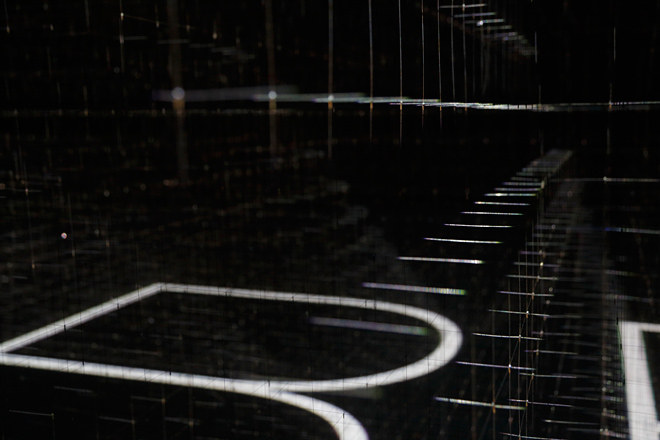
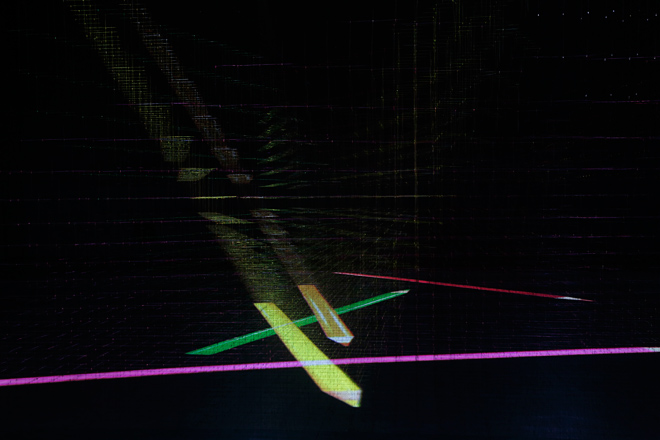
Spring (Ryuji Nakamura, Nobuhiro Shimura)

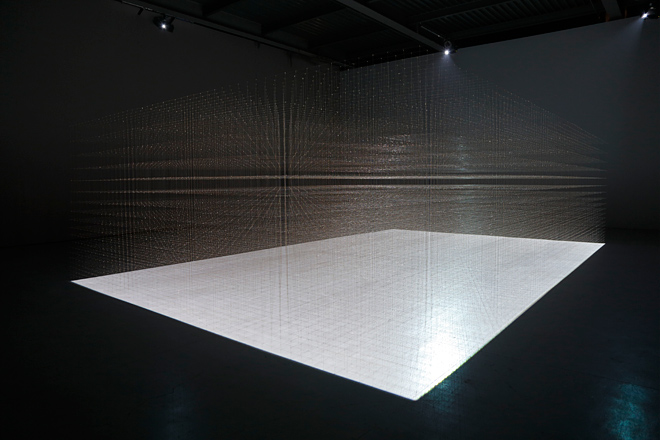
The first work consists of a structure comprising latticed piano wire. Mystical images depicting the life-force that inhabits the forest are projected onto the structure, evoking the morning dew in a forest.
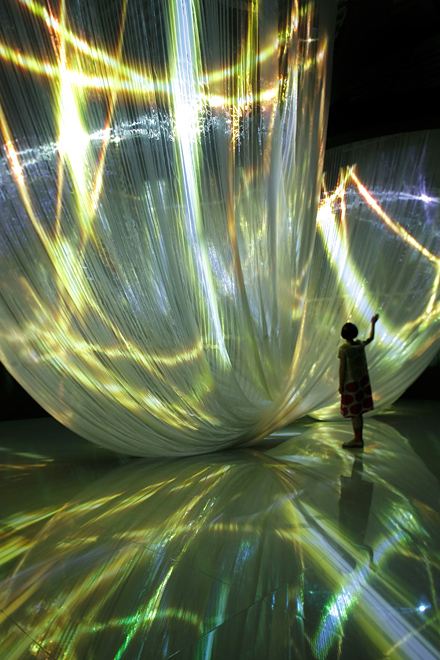
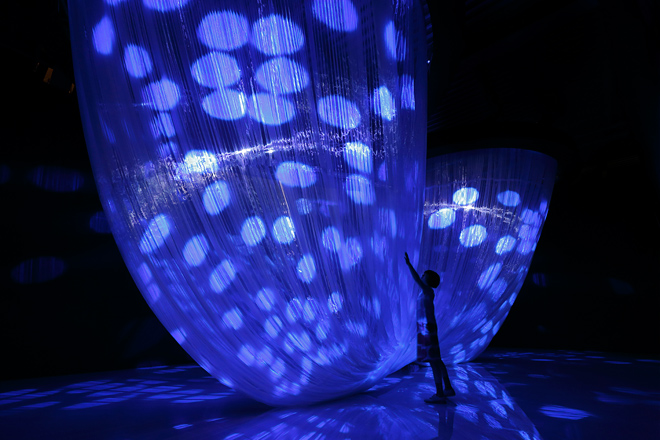
Fall in Pop (mintdesigns, Nobuhiro Shimura)

The second work comprises a screen structure created by pleated cloth folded in multiple overlapping layers, on which a cascade of colors are projected to create a vibrant, colorful atmosphere atmosphere where guests will almost be able to hear the heartbeat of the forest.

This post is part of our review of the 2012 Milano Salone del Mobile. All posts will be archived in 1 convenient place.

Source: @_rnaa | Canon
Milano Salone 2012: Panasonic’s Photosynthesis by Akihisa Hirata

Lovely logo designed by Kenjiro Sano

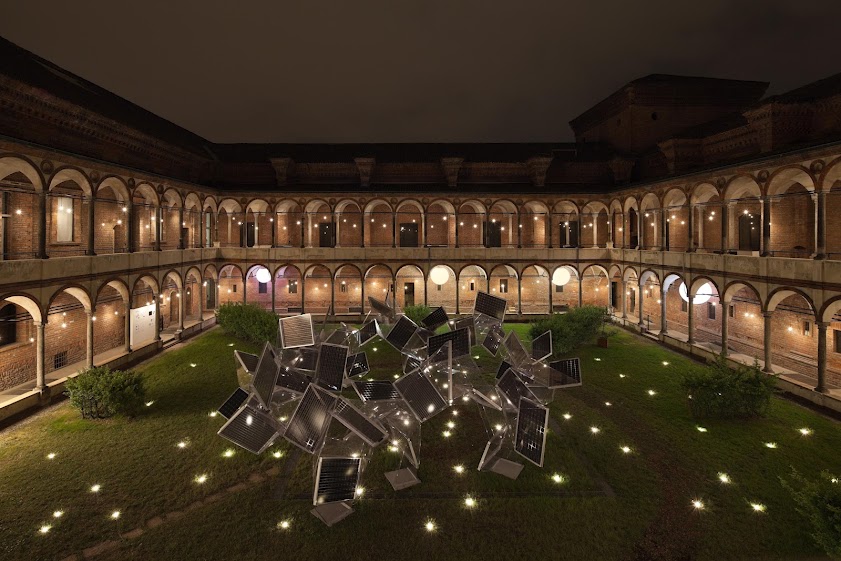
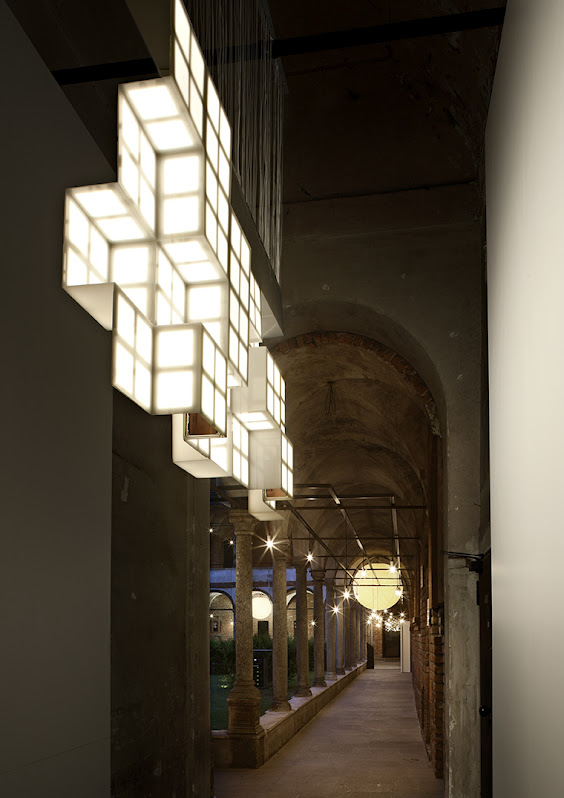
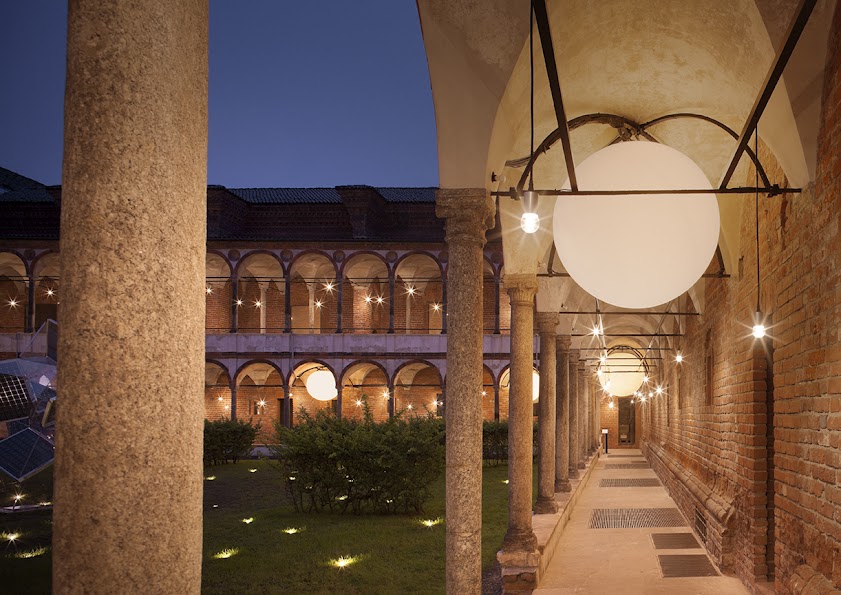
At this year’s Milano Salone del Mobile, which is being held all through this week, Japanese electronics giant Panasonic has installed what they call “total solutions for creating, storing, saving and managing energy.” They appropriately tapped the talents of architect Akihisa Hirata (previously), who is known to derive inspiration from nature in its organic essence. Hirata’s organic vision – and in turn the resulting installation – of living, breathing architecture reflects the open yet interdependent symbiotic cycles in nature.


Images courtesy Nacasa & Partners and Takumi Ota. Click to enlarge

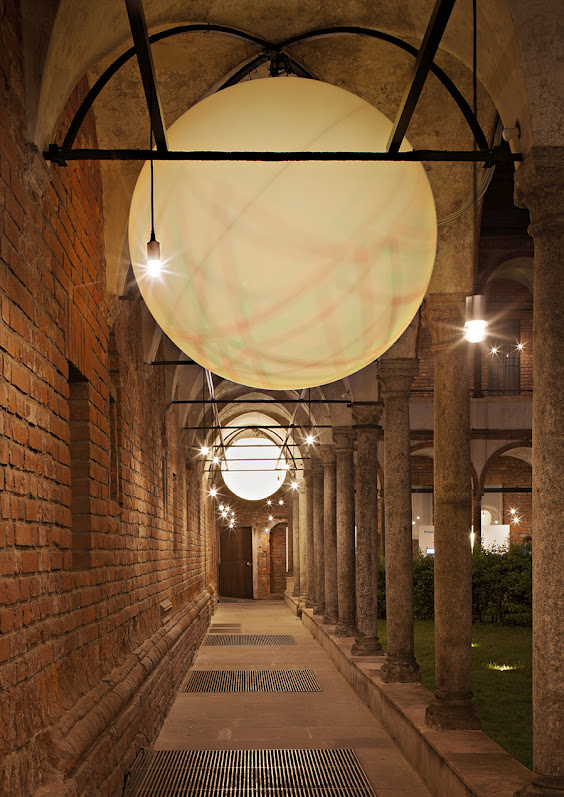
The installation is a microcosm of the energy cycle, starting with energy creation (through tree-like solar panels), and continuing to energy storage (through storage batteries) and energy saving (through LED and organic LED lights). It’s on display at INTERNI LEGACY, University of Milan.

Here is what Hirata had to say about his piece:

Based on the dynamic of photosynthesis, I envisioned the leaves, fruit and flowers of a tree linking the entire corridor space in a cyclical network of creating, storing and saving energy. A new image of human endeavor open to the limitless energy of the sun, to the energy channels we have built and to the cycles of the biosphere. I wanted to shape a new interpretation of nature at this historic juncture.

UPDATE [4.23.2012] Akihisa Hirata’s installation has won a 2012  Elita Design Award in Milan.

This post is part of our review of the 2012 Milano Salone del Mobile. All posts will be archived in 1 convenient place.

Source: @MR_DESIGN_twit | Panasonic

Re:Particles| Ohgushi and Makoto Yabuki

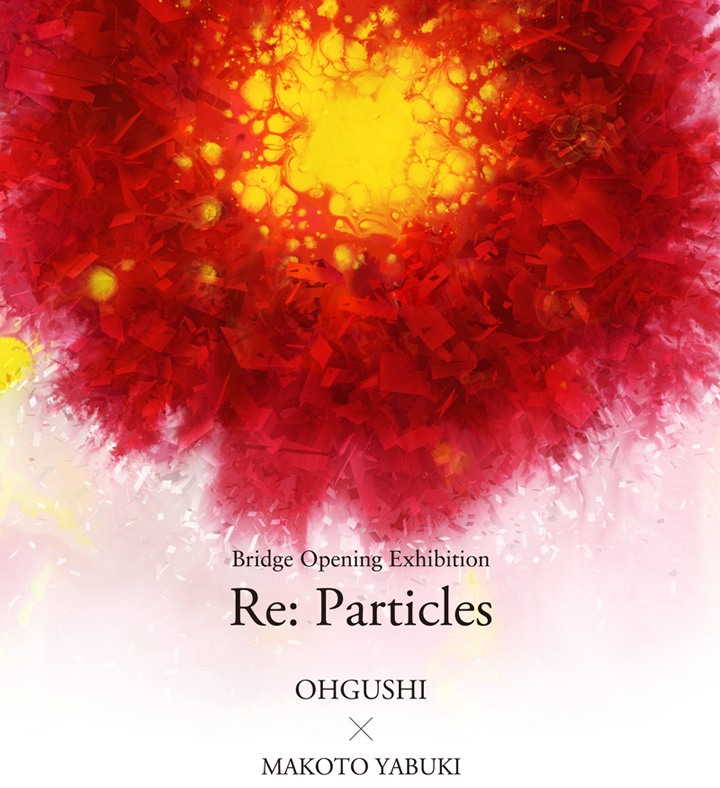
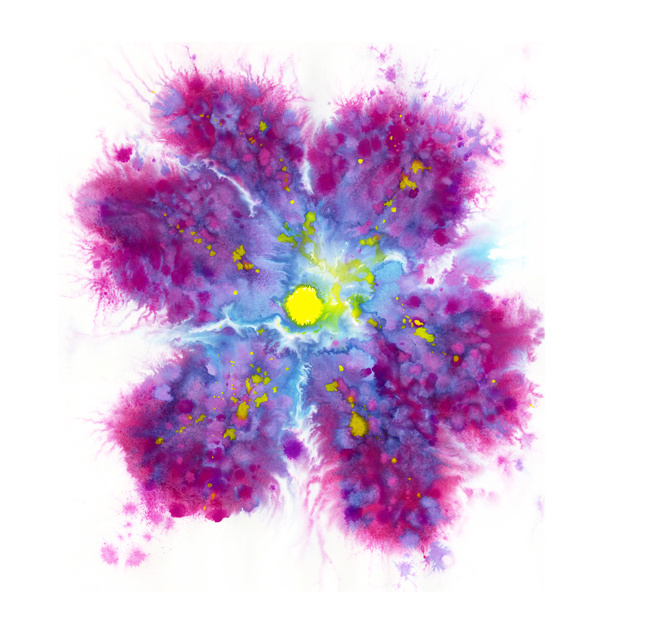
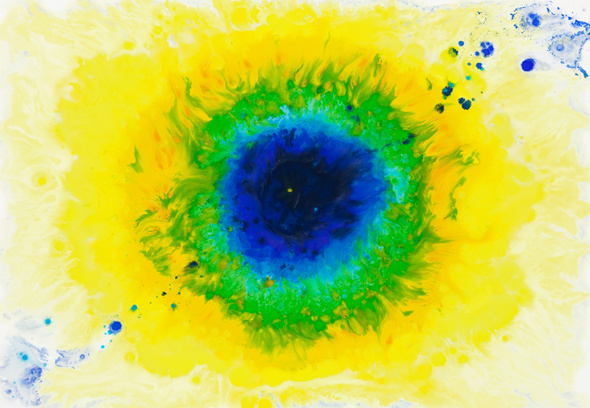
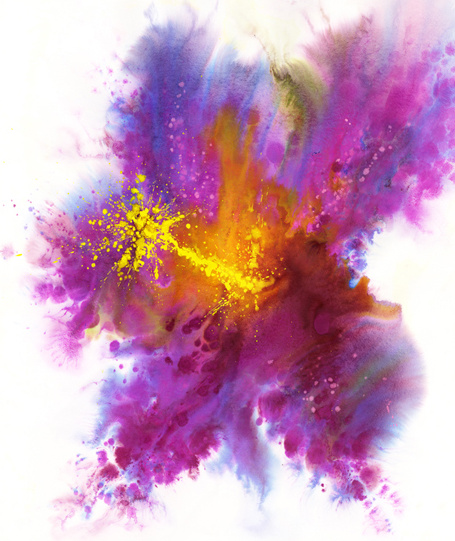
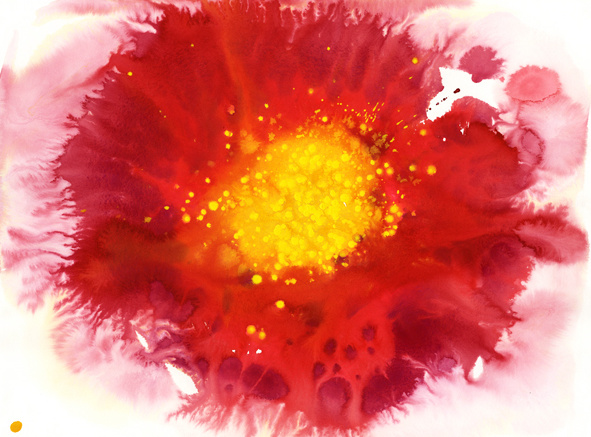
Two distinct styles come together in a new exhibition at the brand new café & art space Bridge near Asakusa, Tokyo.  Visual graphics designer Makoto Yabuki (previously) and painter Ohgushi (previously) will present Re:Particles, a digital interpretation of Ohgushi’s “Particles” series, in which he creates sensuous flowers by dripping ink on to wet canvases. The show will be on display through May 6, 2012.

Below is a video from the opening reception at Bridge. The video is more about the art space then the art being shown, but it still provides a few glimpses of the work that resulted from the collaboration.

If you’re not familiar with Ohgushi’s “Particle” series, which this work is based on, have a look at some of these stunning paintings. And be sure to watch the video at the end, which shows the painting process that Ohgushi uses. It’s really fascinating!

source: CBCNET | Ohgushi | Bridge

Cogoo’s Turntable Rider lets bike riders be DJs

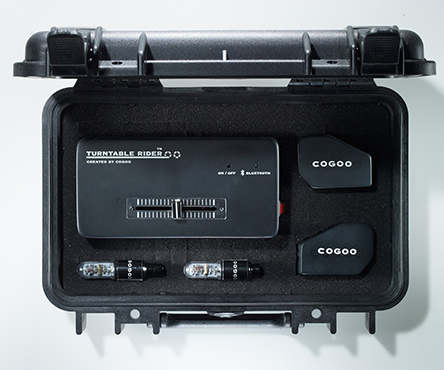
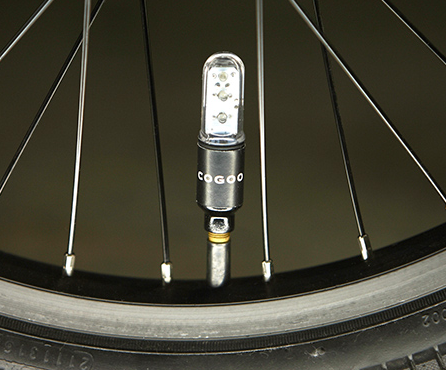
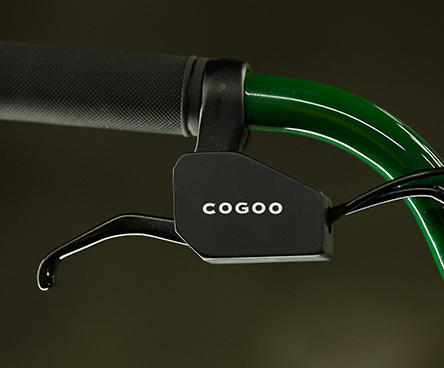
Turntable Rider is an amazing innovation that converts any bicycle into a mobile DJ booth. With a few twists and turns your bike wheels become jog wheels, your brakes become sound pads and this epic accessory has suddenly transformed your two-wheeler into a musical instrument. Check out the demo video below. And for a closer look at the functionality, check out the making-0f video. As glorified as they make it look, I would undoubtedly be scratching as I ride to the supermarket to pick up groceries.

parts included in the turntable rider

center fader box

transforms front & back wheels into jog wheels

transforms brakes into sound pads

 
Turntable Rider was developed by Cogoo, a Japanese company that operates an innovative bicycle sharing service in which the bicycles can be locked/unlocked using an app on your phone. It’s sort of like Zipcar except simpler, and with polar bear mascots.

The device is just a concept model but the company is saying that if they get 5900 facebook likes they would consider commercially developing it.

source: hitspaper | Cogoo

Tokyo Zoo Project | mapping animals on the streets of Tokyo

screenshots | click to enlarge

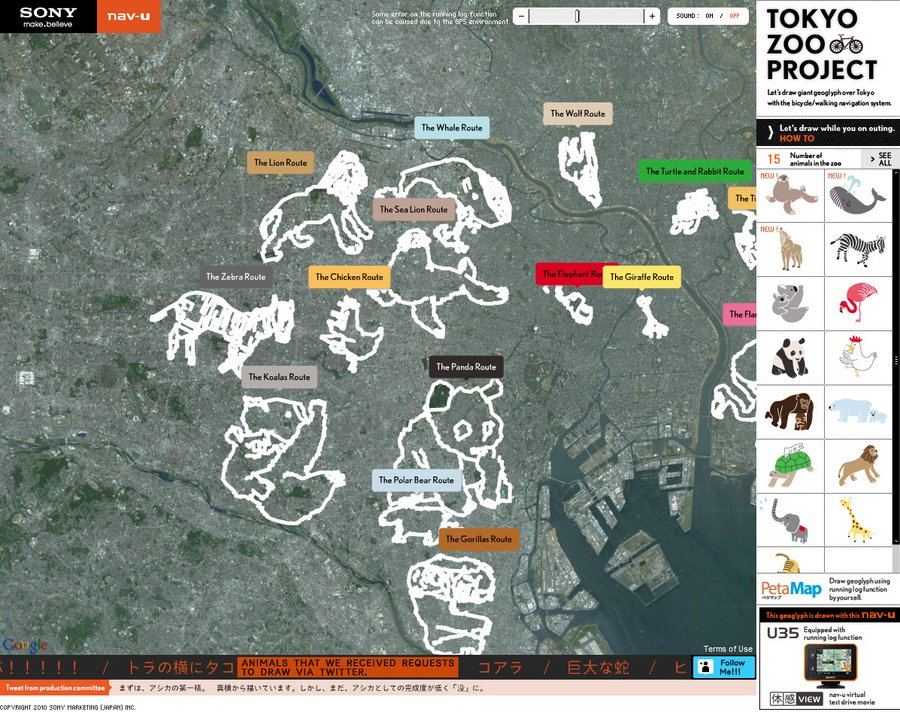
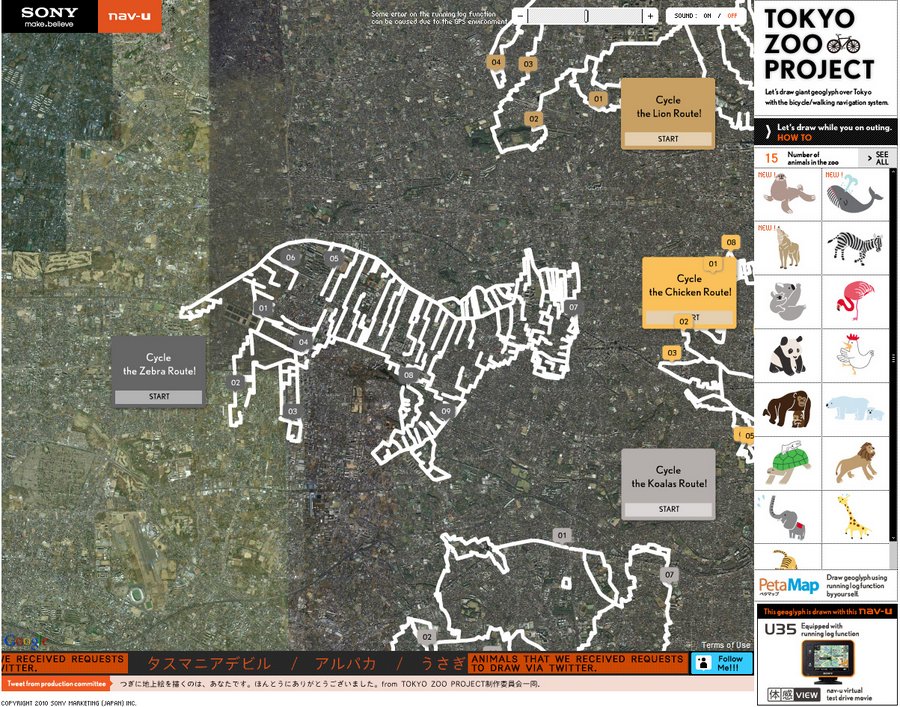
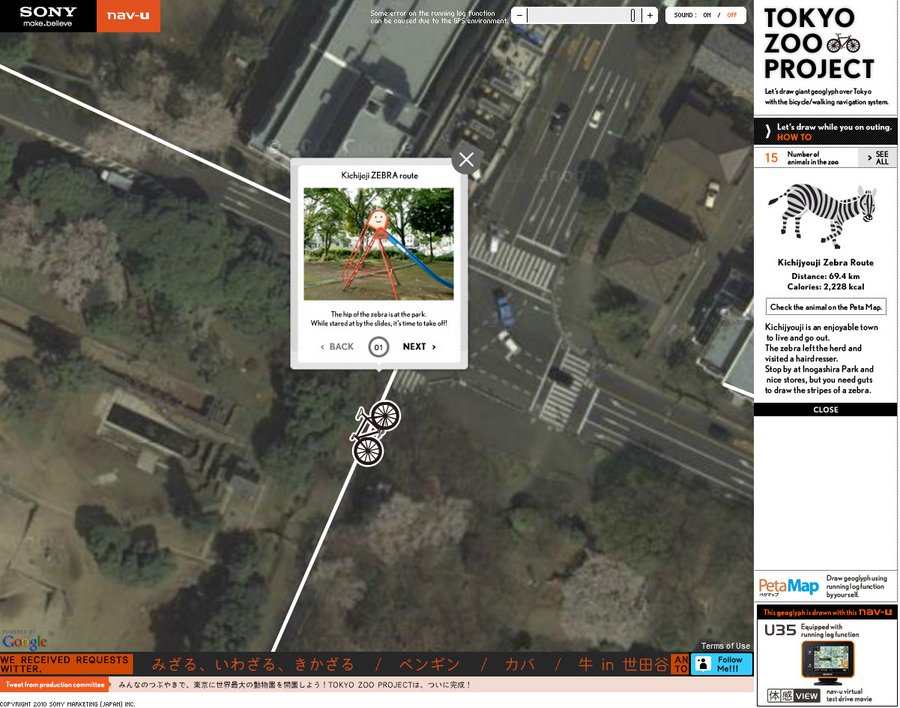
Tokyo Zoo Project is a website that has managed to transform the city of Tokyo into a zoo. How? By unleashing various cycling routes around the city that trace outlines of animals. There’s a panda that peruses Shibuya, a gorilla that goes to Haneda and even a zebra that zooms through my old neighborhood of Kichijoji.

The different animals were chosen based on requests they received on twitter. A team of cartographers then drew out animal-shaped routes on a map. But in all its topographic greatness, the project also has an interactive component, which of course involves a purchase. With Sony’s NAV-U personal navigation system (about 24,000 yen) you can try out all the routes yourself. You can even create new routes. The navigation system even logs cool stats like distance traveled and calories burned. But with a little creativity we can all try out these routes without making the purchase.

Tokyo Zoo Project is a nominee for a Webby Award this year in the “Best Visual Design-Function” category (which is how I discovered the project). It was created by ad agency Frontage – a joint-venture between Sony and Dentsu.

Kenichi Kanazawa visualizes sound using rainbow-colored sand

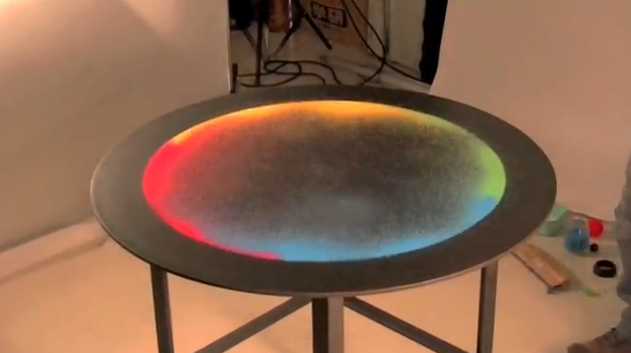
Japanese artist Kenichi Kanazawa visualizes sound by manipulating multicolored sand atop a steel tabletop. The study of visible sound is apparently known as cymatics and, in this case, is demonstrated by a rubber mallet that creates vibrations, moving the grains of sand to create beautiful and colorful patterns.

Originally a sculptor by trade, Kanazawa began working with steel and sound in 1987 after collaborating with the late sound artist Hiroshi Yoshimura. Today, his work primarily involves elements like sound, vibration and heat: making the invisible, visible.

source: thekidshouldseethis

The Waterfront | the metaphysical photographs of Yoi Kawakubo

all images courtesy Yoi Kawakubo | click to enlarge

The waterfront is an intriguing place. It represents the boundary between land, where we live, and the sea, where we cannot.

The waterfront is an intriguing place. It represents the boundary between land, where we live, and the sea, where we cannot. And despite supporting the greatest ecosystem on the planet, in one sweeping swell it can simultaneously wipe out all life in its way.

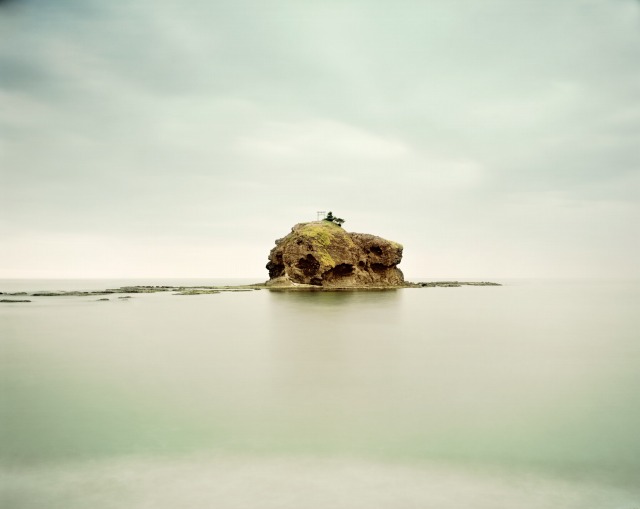
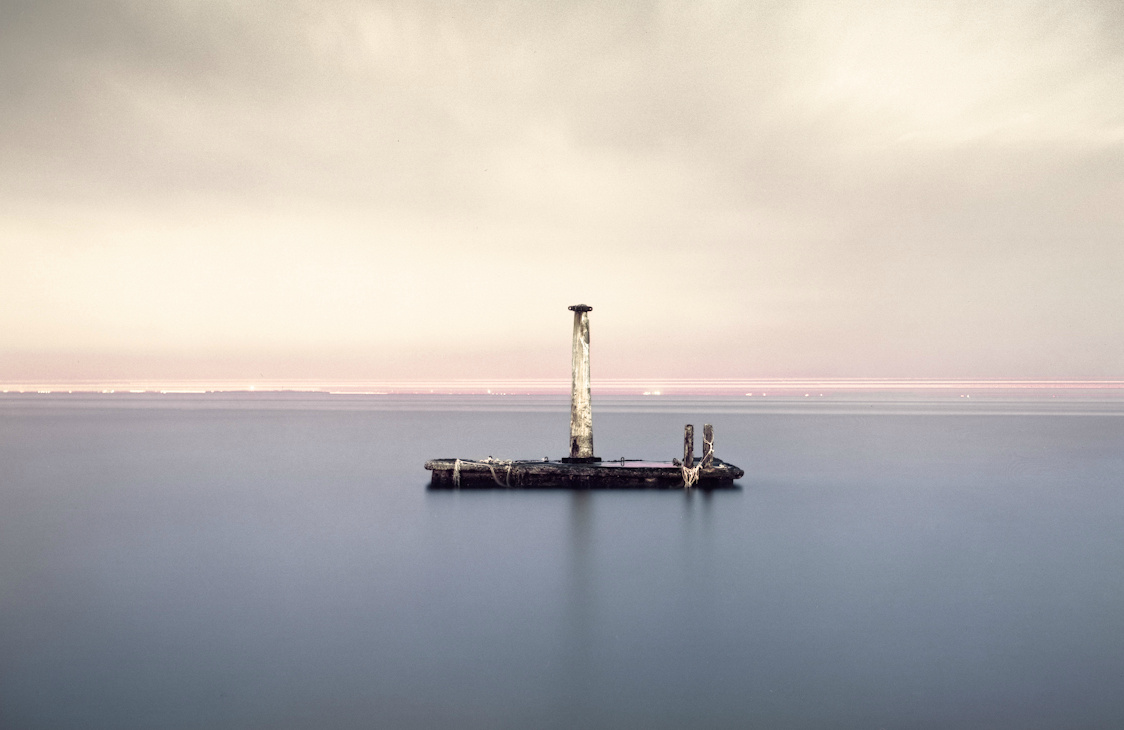
Japanese photographer Yoi Kawakubo’s series “The Waterfront” was shot in 2009, well in advance of the March 11th disasters of 2011 . Today, the crisp, calming images are seen in new light; after a real-life disaster and in a new exhibition at hpgrp’s gallery in Tokyo (through April 12th, 2012).

Kawakubo, who was born in Spain and didn’t return to Japan until he was 18 for college, also sees the waterfront as an important delineator of global boundaries. Dockside areas and industrial zones are subject to rapid change, unlike the sea, which remains constant. And it is at the waterfront where the distortion created between the flow of time comes together. Kawakubo went to many lengths to capture that eerie sense of time. His photos were shot under twilight and are the result of many trial-and-error shutter speeds. As it turns out, Kawakubo says, 151 seconds (coincidentally, a palindromic prime number) was the exact amount of light exposure he needed to capture the metaphysical waterfront.

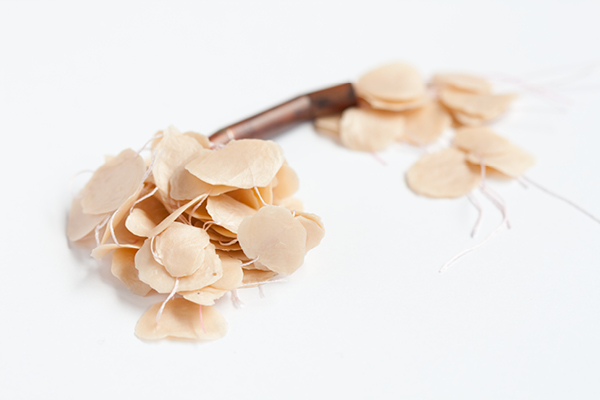
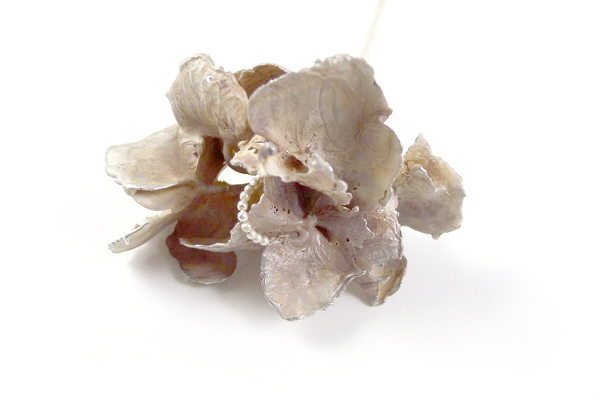
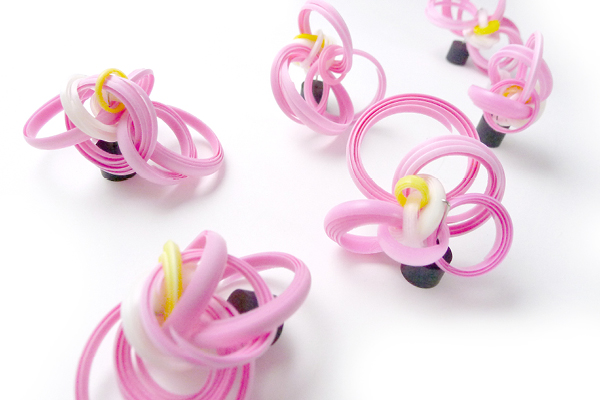
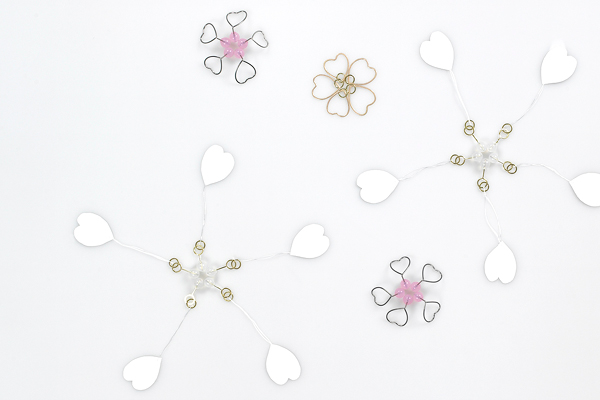
Cherry Blossom Jewelry from O-Jewel

“Tsunami” (2011) by Yasuyoshi Chiba | click to enlarge

On April 18, 2011 – roughly 1 month after the coast of Japan was ravaged by a tsunami that swept inland over an area of some 500 square kilometers – Japanese photographer Yasuyoshi Chiba snapped the above photograph. The harsh winter had come and gone. Spring had arrived. And the cherry blossoms, in all their ephemeral beauty, were blossoming as if to say, “we are still alive.”

The photo not only went on to win an award, but it also inspired a line of Jewelry. Japanese designer Masayuki Kurokawa’s (see here) brand of art jewelry O-Jewel (note the distinction between jewelry and art jewelry) challenged their designers to create an original piece based on that photograph. The results were unveiled last week at Art Fair Tokyo.

Below we present you with a few of our favorite picks, as well as selected commentary from the artists. Unless otherwise noted, all photos courtesy O-Jewel.

Sakura brooch by Yu-Chun Chen; recycled copper, recycled plastic, steel wire

Here’s what the artist had to say about the work:

The brooch is made from recycled copper water pipes and recycled shampoo bottle plastic. The materials represent  the destruction of households under the earthquake. The act of re-using them is symbolic in that it shows that, from a disaster, something hopeful, poetic and beautiful could be re-born.

Sakura pendant by Mari Ishikawa; silver.

Pin by Jun Konishi; plastic

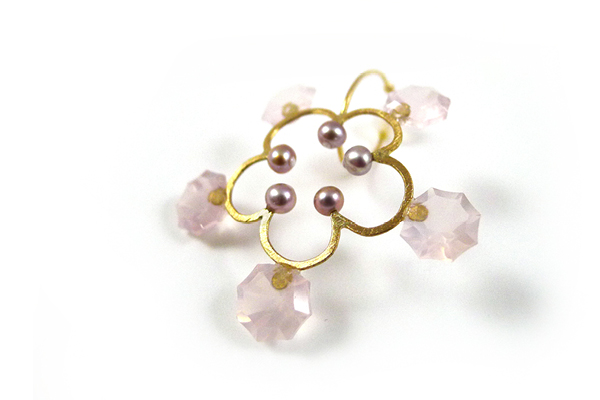
Sakura earings by Annelies Planteydt; gold, titanium and silicone. Photo by Jean Beining

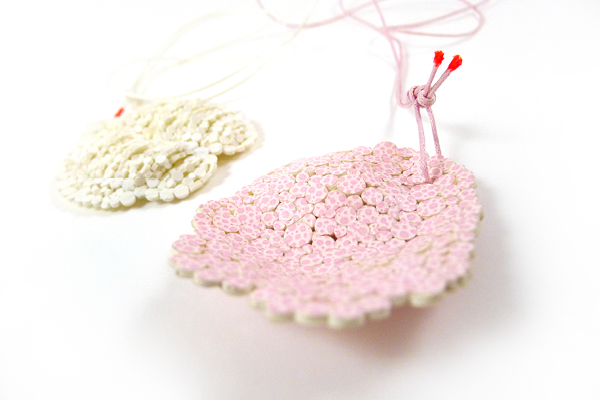
Pendant by Karin Seufert; pvc

Here’s what the artist had to say about the work:

By thinking about Sakura I can see all these beautiful fragile petals in delicate and elegant colors. They are smooth and tiny and you want to carry them with you after they have been fallen from the tree. The two petals I made shall work like a reminiscence of this special and typical time in Japan. The white one is build up by only dots and you can feel the fragility of a petal by touching it while the pink one is like a leave you’ve placed between the pages of a book where it gets hard and dry.

Earcuff by imago/Mariko Yamashita; rose quartz, pink pearls

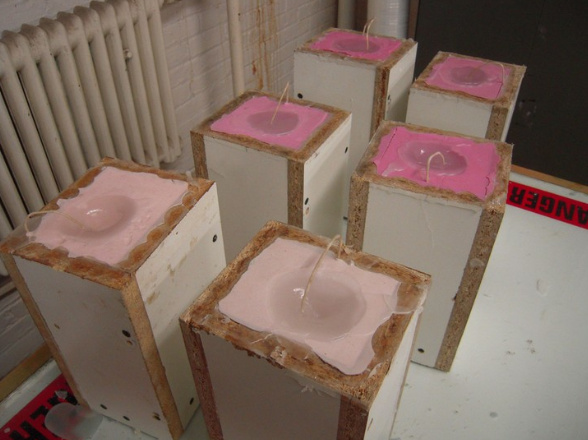
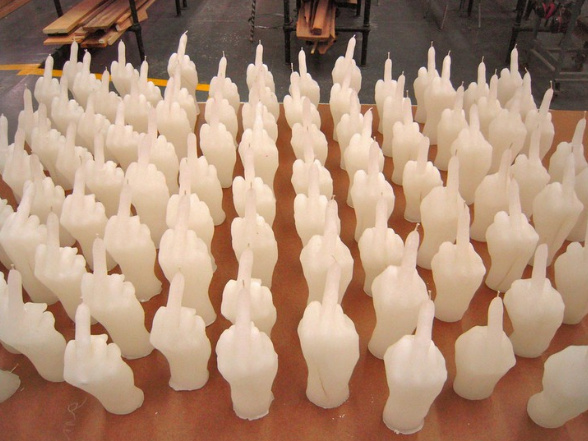
Nao Matsumoto created hundreds of middle finger candles to protest nuclear power in Japan

Sometimes art happens by accident. Never has this been more true for New York-based artist Nao Matsumoto who, in late-2011, nearly sliced off his middle finger while cutting wood in his studio. Living in New York, Matsumoto had found himself relying on the middle finger gesture quite frequently. So the accident made him realize the severity of the potential loss – an accident, he says, that would have been equivalent to losing his voice.

On March 11, 2012, thousands of protesters descended upon the National Diet building in Tokyo. They formed a human chain around it, calling on Japan’s government to abandon atomic energy on the anniversary of the tsunami that sparked the Fukushima atomic disaster. Matsumoto handed out hundreds of his middle finger candles, which the protestors happily accepted.

photo courtesy Mabo Miura

photo courtesy Mabo Miura

photo courtesy Mabo Miura

photo courtesy Mabo Miura

As the candles burn, the middle finger melts away, leaving a sadly deformed stump of a hand. It’s symbolic of the human tendency to only be able to communicate after things are badly damaged.

If you want to learn more about Nao Matsumoto he is currently showing a group of sculptures at hpgrp Gallery in New York through May 12, 2012.

[update] the middle finger candle is now available in our shop!

(thanks for the tip masako!)

Music Monday: N’Shukagawa Boys

He cast a spell, made a wonderful wish
I took a letter, and went looking for the end of a dream

So begins the lyrics of Planet Magic, a fantastically psychedelic journey and a track from the major debut album (of the same title) by N’Shukagawa Boys (N’夙川BOYS). The pronunciation of their name is fairly straightforward except for the “N” – the deeper and more nasal sound you produce, the better. The enigmatic trio hails from Hyogo prefecture, Japan and, contrary to what their name would have you believe, is comprised of 2 boys (Maya Love and Shinosuke Boys) and 1 girl (Linda Dada). With underage girl and boy idol groups dominating the charts in Japan (I have difficulty even calling them “music charts”), these Boys bring a refreshing sound to the stage of J-Pop. Speaking of stage, their performances are quite entertaining too, as the trio rotate instruments depending on the vibe of the show.

The strange power-pop trio formed in 2007, under the Tower of The Sun, as the story goes. Their sound (as well as their antics) is reminiscent of The Blue Hearts. But that’s understandable considering their producer is Masahide Sakuma, who worked with the mid-80s punk rock band. But N’Shukagawa Boys differentiate themselves by blending cuteness into their anarchic sound. Linda Dada, who also works a day-job as a model, proves to be as innocent-looking as she is unpredictable. I’m looking forward to hearing more from this band.

Below is another track for you to check out – Monogatari wa chito fuantei (This Story’s a Bit Unstable) from their 2010 album “Love Song.”

« Older posts Newer posts »

© 2026 Spoon & Tamago

Up ↑

Design by Bento Graphics