Page 245 of 406

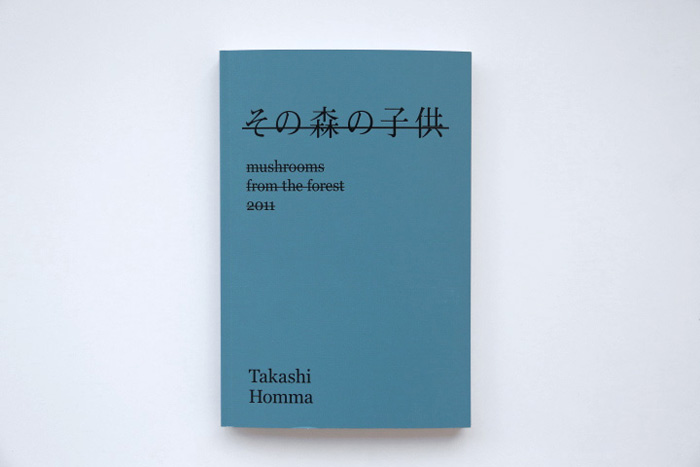
Takashi Homma photographs radioactive mushrooms in forests

takashihommacoverimages courtesy tipitin | click to enlarge

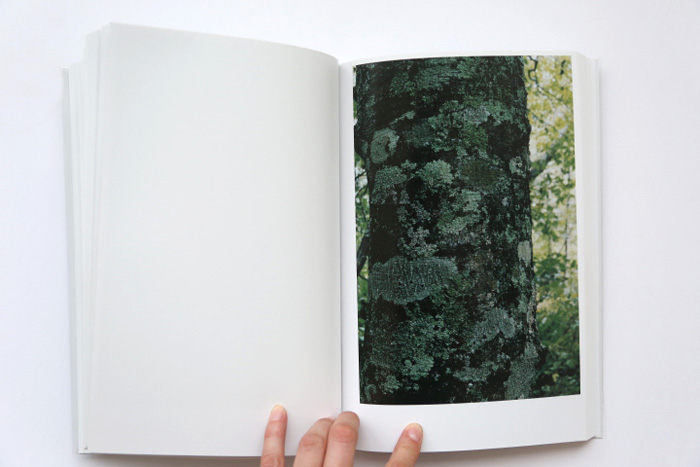
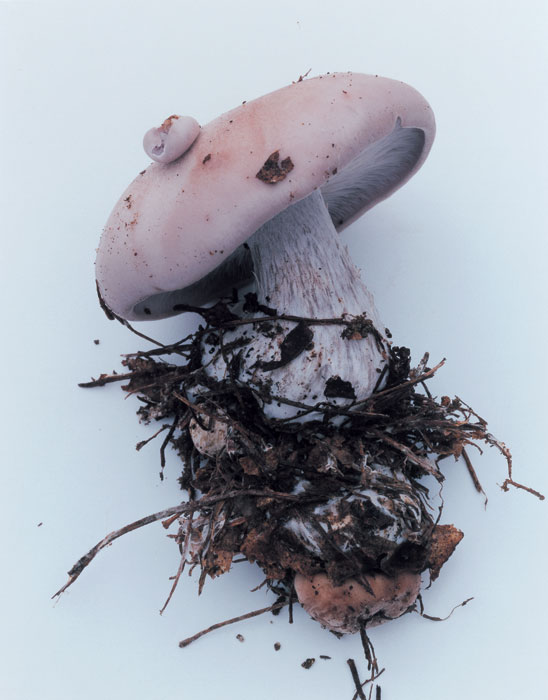
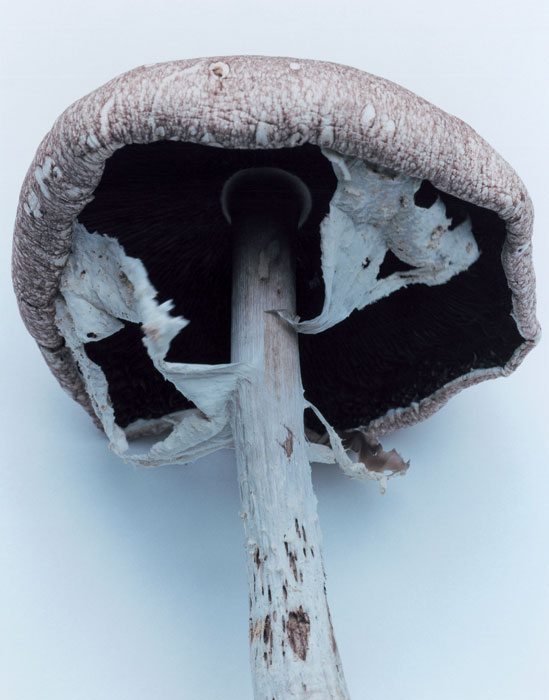
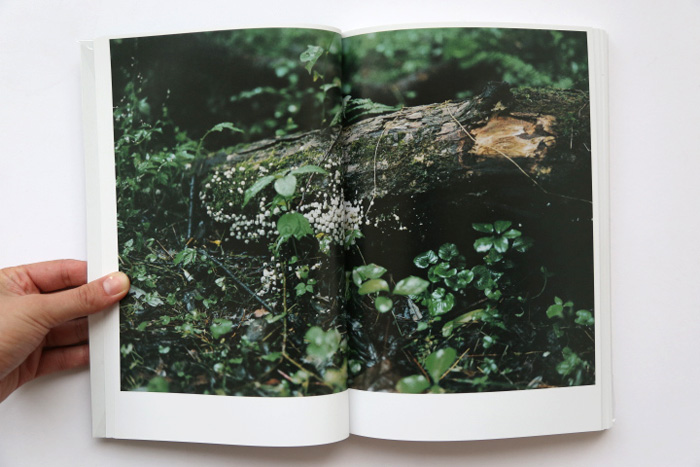
Photographer Takashi Homma’s latest book is called “Mushrooms from the Forest.” But this is no mycological publication. Better known for his urban streetscapes, Homma became interested in photographing mushrooms after he learned that they absorb radiation and thrive in nuclear contaminated areas. Six months after the Fukushima nuclear disaster, Homma ventured into a local forest, Geiger counter in hand, and set up a portable mini-studio. There in the forest he photographed about 100 fresh specimens (they quickly decay after picking). The images were handed off to graphic designer Tanaka Yoshihisa, who compiled them into a gorgeous photobook.

The photos of irradiated mushrooms create a vaguely familiar dialogue recognizable to fans of Hayao Miyazaki’s tour de force Nausicaä. The forest is a source of life – generating the air we breathe and helping to maintain a sustainable supply of clean water. But at the hands of blind greed and misguided technology it can quickly transform into a high-radiation jungle deathtrap.

VT2A0747

VT2A0748

VT2A0755

mushrooms-from-the-forest-2011-14mushrooms-from-the-forest-2011-13

mushrooms-from-the-forest-2011-12


Futurustic Pottery by Takuro Kuwata

takuro kuwata (1)

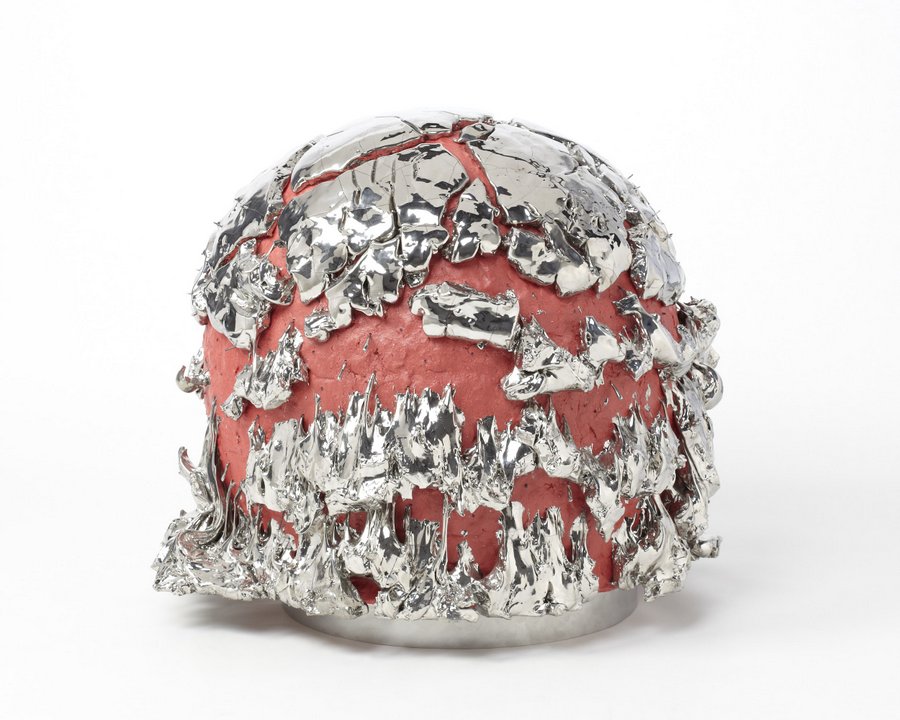
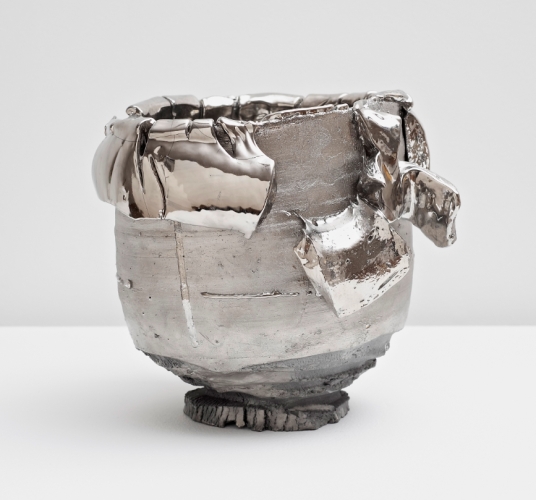
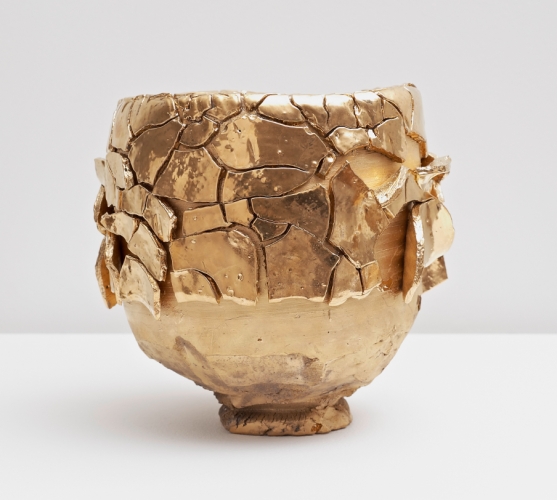
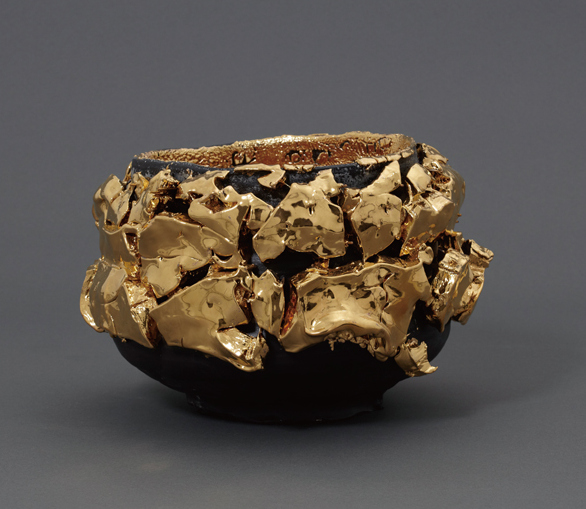
Wild and explosive! Takuro Kuwata is a 32-year old experimental potter who cares as much about tradition as he does for pop. His thick glazes and kairagi (when the glaze cracks to reveal the clay underneath), combined with bold, unconventional colors like blue, red, silver and gold, create bursts of “future-rustic” vessels that challenge our notions of classic tea ware.
Although his presence, up until this point, has largely been in Japan, he’s having his first U.S. solo exhibition this month at Salon94 in NY, followed up in February by a group exhibition in Chicago and another solo exhibition in Japan.

takuro kuwata (3) takuro kuwata (2)

Check out more Japanese ceramics here!

takuro kuwata (4)

takuro kuwata (5) Mika

Pleats Please 20th Anniversary Campaign by Taku Sato

plpl_anniversary_03

all images: Art Direction: Taku Satoh, Design: Shingo Noma

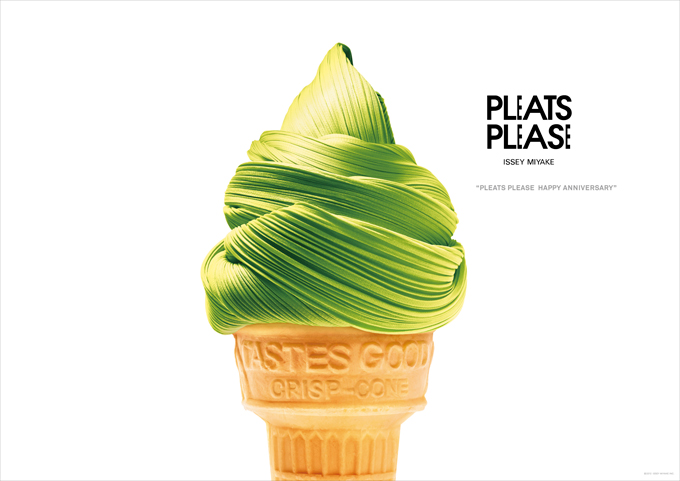
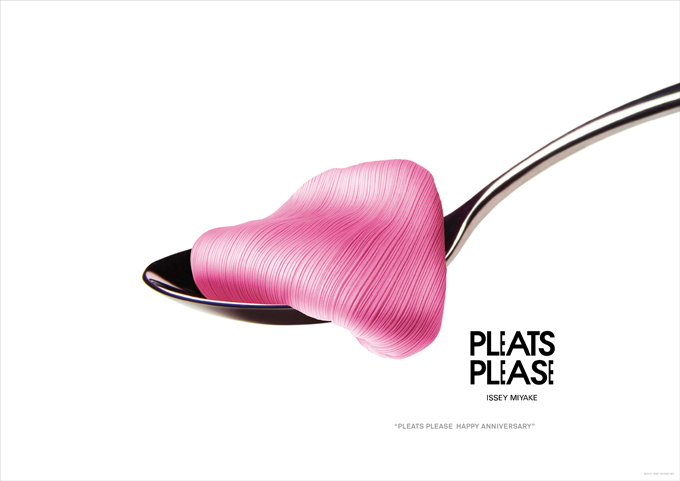
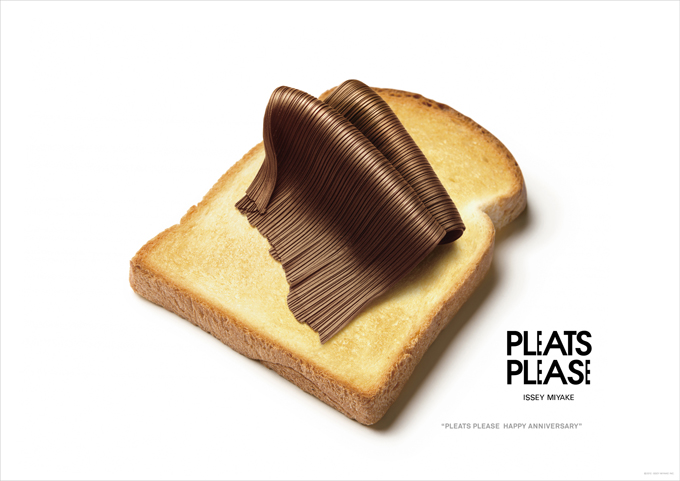
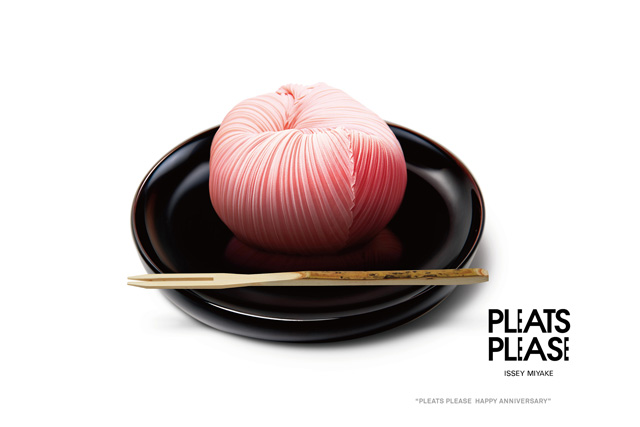
2012 marked the 20th anniversary of Issey Miyake’s futuristic Pleats Please line: his collection of tightly pleated polyester dresses, tank tops, pants and scarves. Oh, and did I mention they were pleated?

To commemorate the success of the line, creative mastermind Taku Satoh (previously) created monthly ad campaigns that likened the fabric to scrumptious-looking food like whipped cream, wine and nutella. “I wanted to create a visceral reaction; something akin to ‘that looks delicious’ and ‘I want to wear that,’ said Sato, comparing our desire for food to that of fashion.

And the campaign has now won a 2013 JAGDA award for best poster and will be on display, along with other entries, at Midtown Designhub later this year in June.

plpl_anniversary_04 plpl_anniversary_06 PL-PL-HAPPY-ANNIVERSARY-1 PL-PL-HAPPY-ANNIVERSARY-2

Japanese Designer New Years Cards 2013

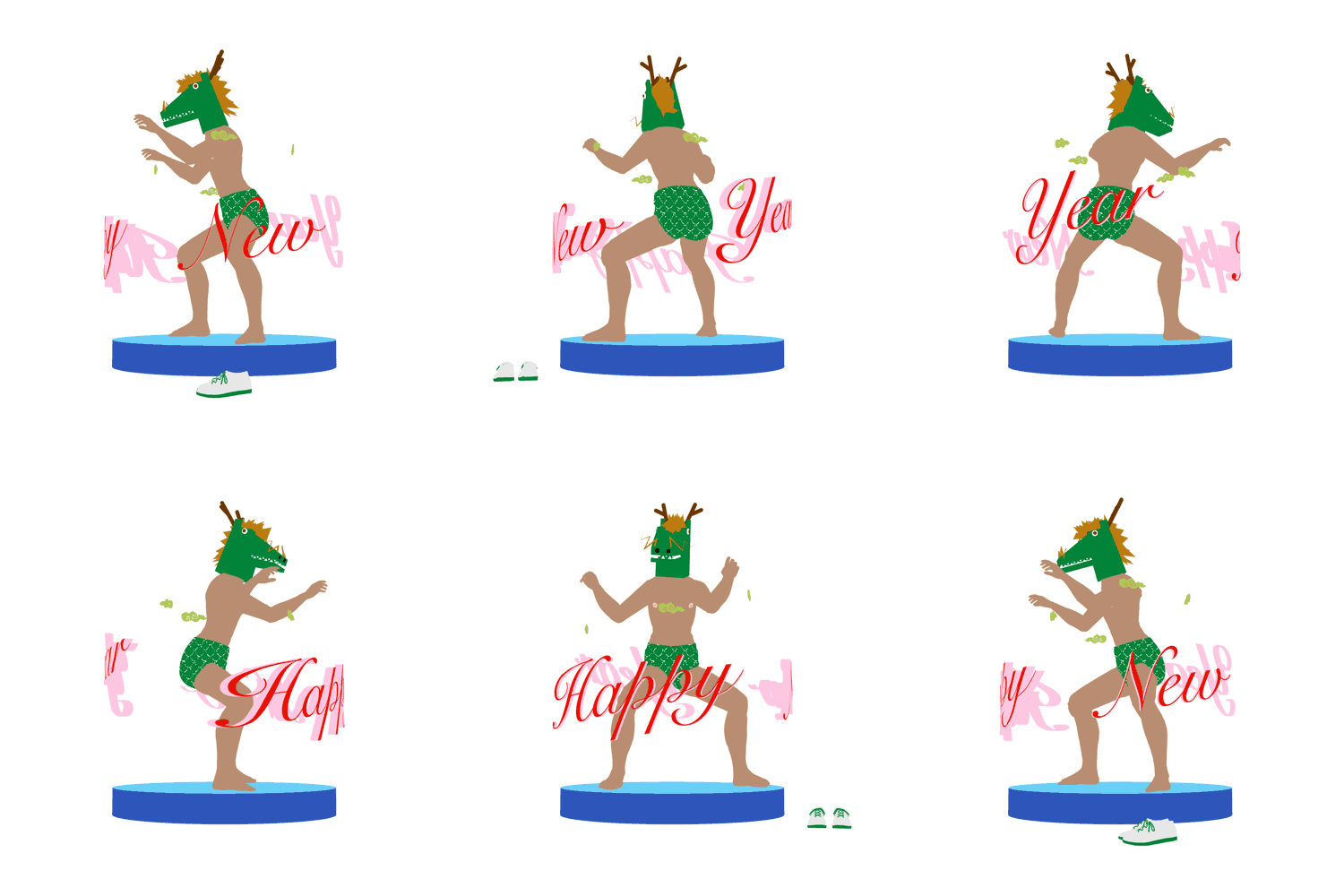
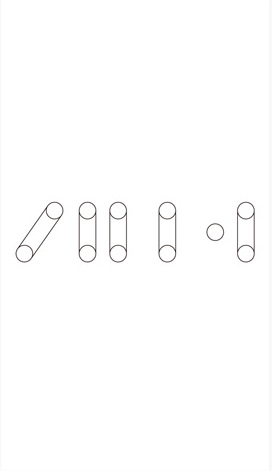
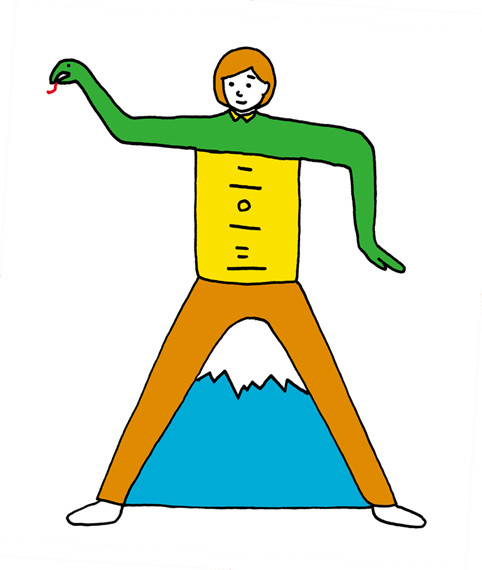
It’s become a tradition of some sort. Each year we share with you a selection of Japanese designer Holiday/New Year’s cards. Here is the 2013 edition. (keep in mind, 2013 is the year of the snake!)

Archives: 2012 New Year’s Cards | 2011 New Year’s Cards | 2010 New Year’s Cards


2013 New Years cards Sano Kenjiro

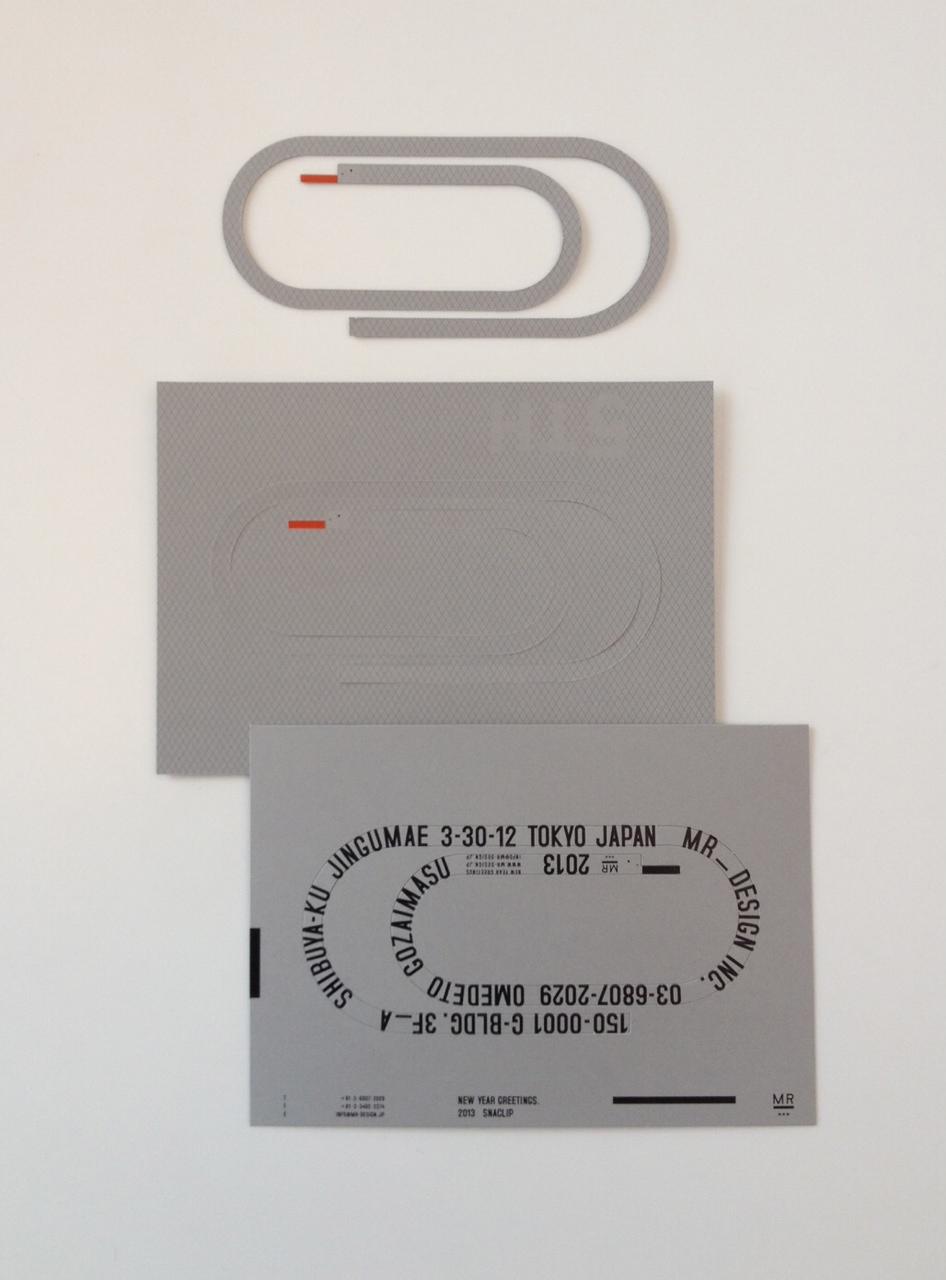
An awesome snake-like paper clip card from graphic designer Kenjiro Sano.

tumblr_lx69ekS2uM1r0cv6do1_500

A New Year GIF by Kota Iguchi.


2013 holiday cards - TNSK chroma of wall

A slightly risque card from illustrator TNSK.

2013 holiday cards - akihiro kumagaya 2 2013 holiday cards - akihiro kumagaya

Once again product designer Akihiro Kumagaya has created a minimal wallpaper for iPhone or iPad that works with your icons to spell out 2013. You can download it here.

2013 holiday cards - BCXSY

BCXSY sent us this New Year’s sunrise from Tonoaki Island in Okinawa. Yes, we are jealous.

2013 holiday cards - NAM

Another creative “2013” from design collective NAM.

2013 holiday cards - shunji yamanakal

A clever and humorous card from industrial designer Shunji Yamanaka.

2013 holiday cards - KDA

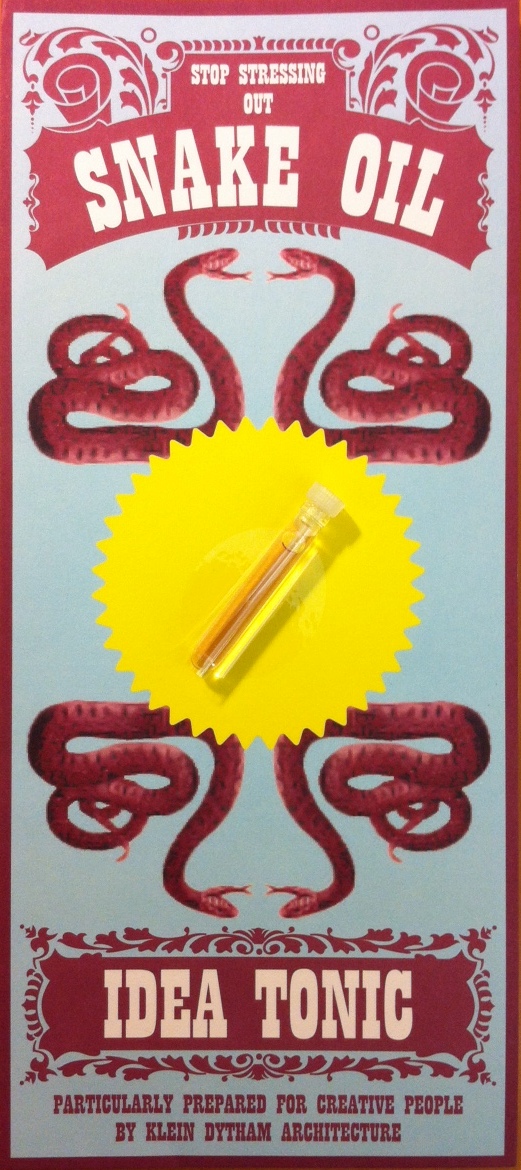
Snake Oil, from Klein Dytham Architecture. How that suspicious liquid made it through border patrol? I’m not entirely certain.

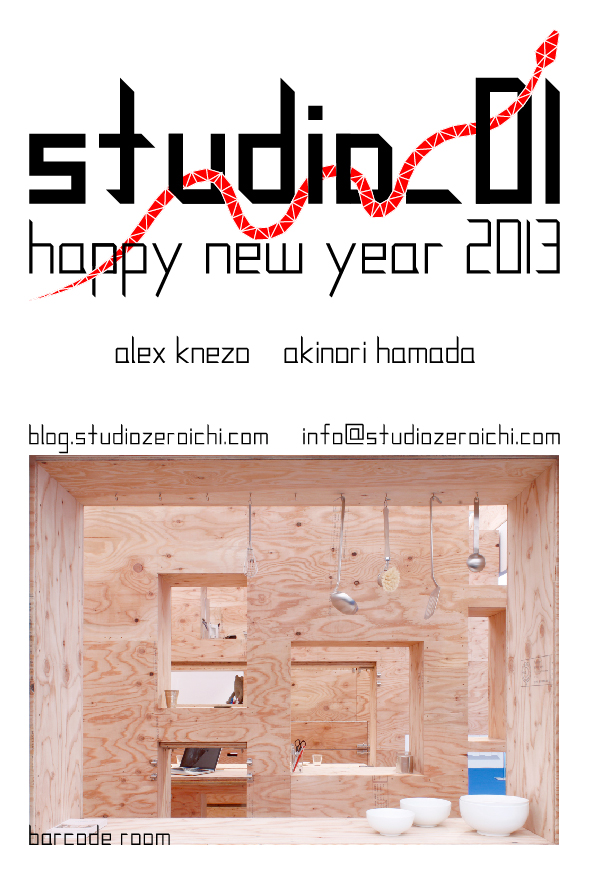
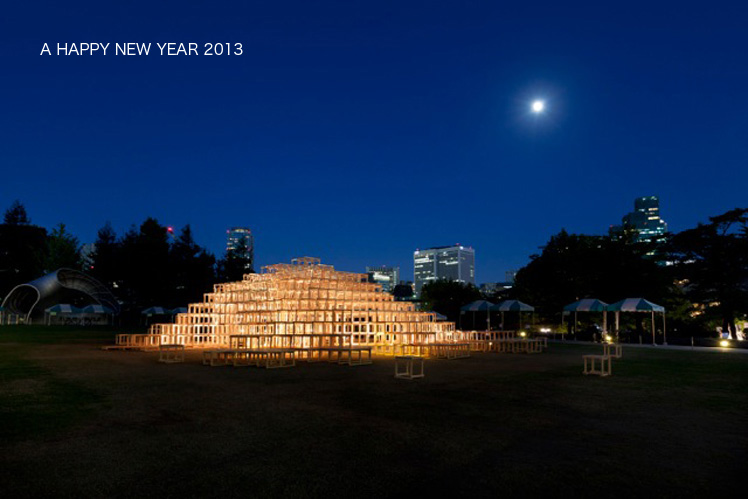
2013 holiday cards - Studio_01

A card from architect duo Studio_01.

2013 holiday cards - suppose design office

From Makoto Tanijiri of Suppose Design Office.

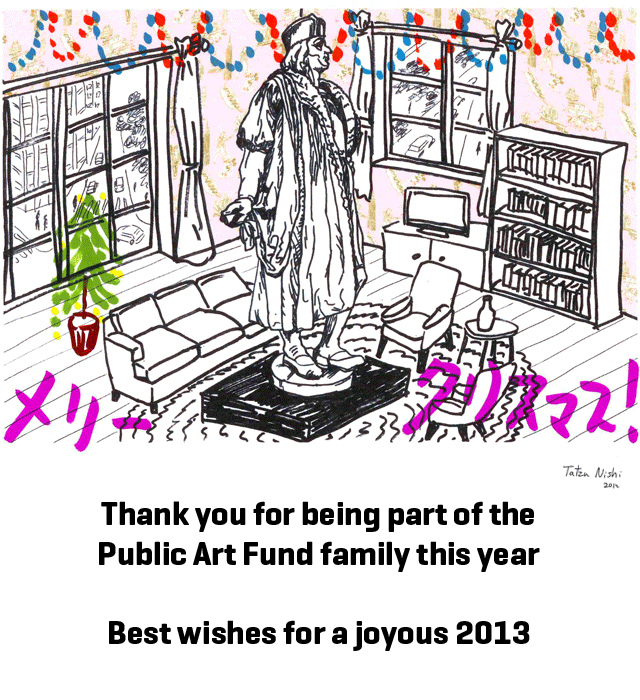
2013 holiday cards - Tatzu Nishi

A christmas card from Tatzu Nishi.

2013FamilyCard

And as a bonus: this card from my friend and illustrator Aaron Stewart.

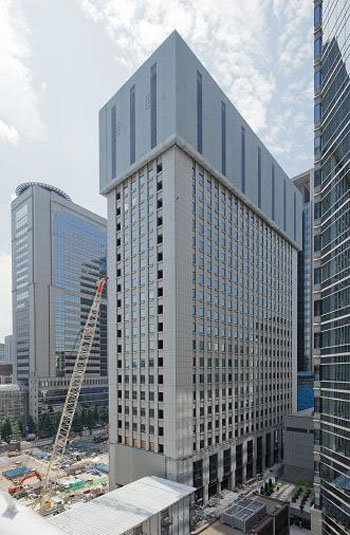
Watch a skyscraper slowly vanish as it gets demolished from the top down

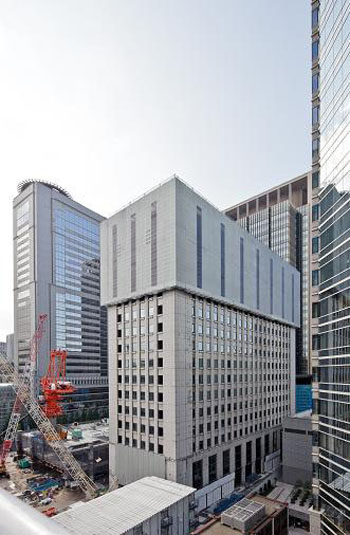
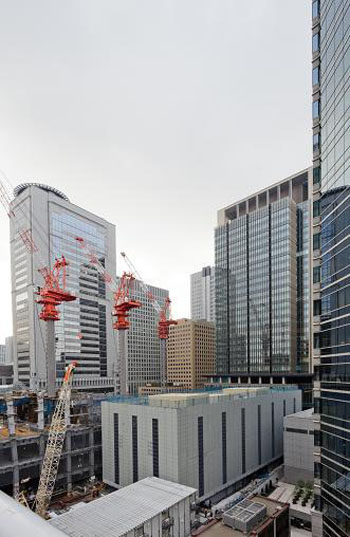
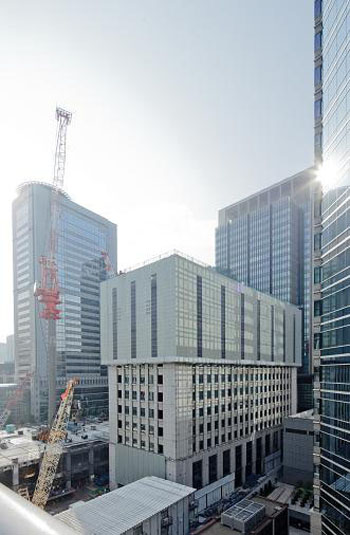
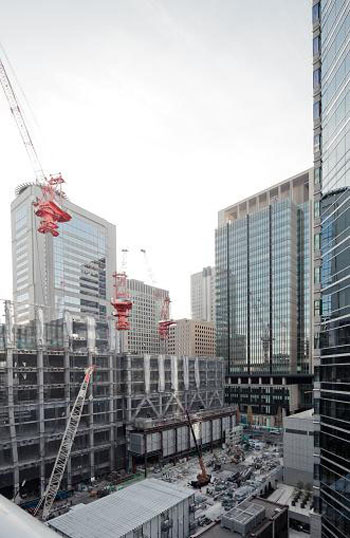
According to this article, there are almost 100 skyscrapers in Japan that are going to have to come down in the next 10 years. But how do you safely and ecologically accomplish such a feat in a densely populated country like Japan?

Well, a fascinating new technology is revolutionizing the way skyscrapers get demolished. Taisei Corp. spent a year and a half developing the new method, which they dubbed the Taisei Ecological Reproduction System (Tecorep, for short). The basic gist is that the roof of the building is used as a hat to create an enclosed space to work. Temporary columns hold up the roof, which are lowered by jacks as the higher floors get removed.

“It’s kind of like having a disassembly factory on top of the building and putting a big hat there, and then the building shrinks from the top,” said a representative of the company. Not only is it safer for workers but it reduces noise by over 25%, cuts dust by as much as 90%, and is more energy efficient.

nn20130108f1bnn20130108f1c

A sequence of images showing a 105-meter building being systematically razed in Tokyo last year using Taisei’s Tecorep method. Images courtesy Taisei Corp.

nn20130108f1e nn20130108f1d

nn20130108f1f

Below is a more in-depth video that recently aired on Japanese TV, albeit in Japanese.

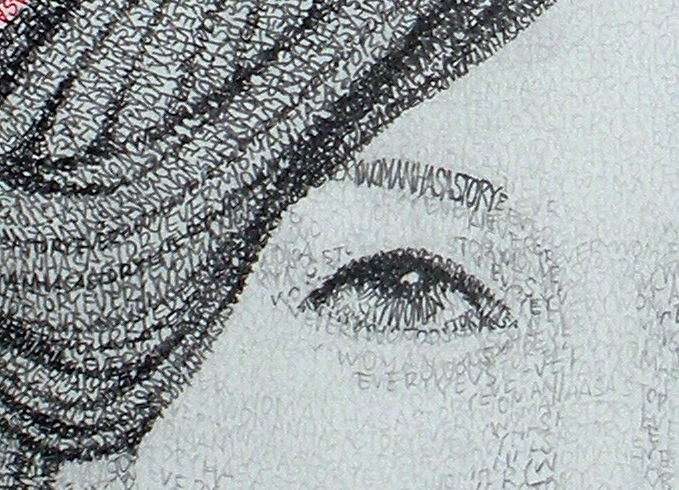
Who Was Not Created By A Woman? The vaginal text drawings of Ayakoh Furukawa

Ayakoh Furukawa

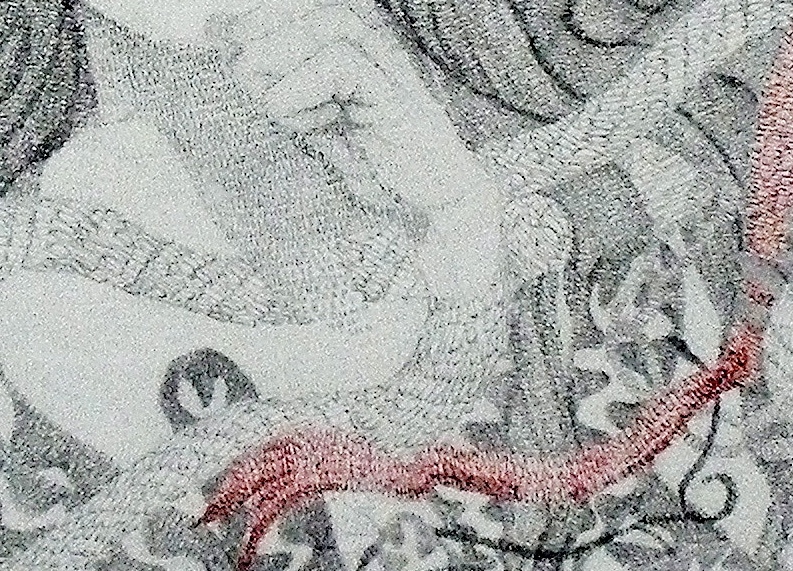
Ayakoh Furukawa (detail)

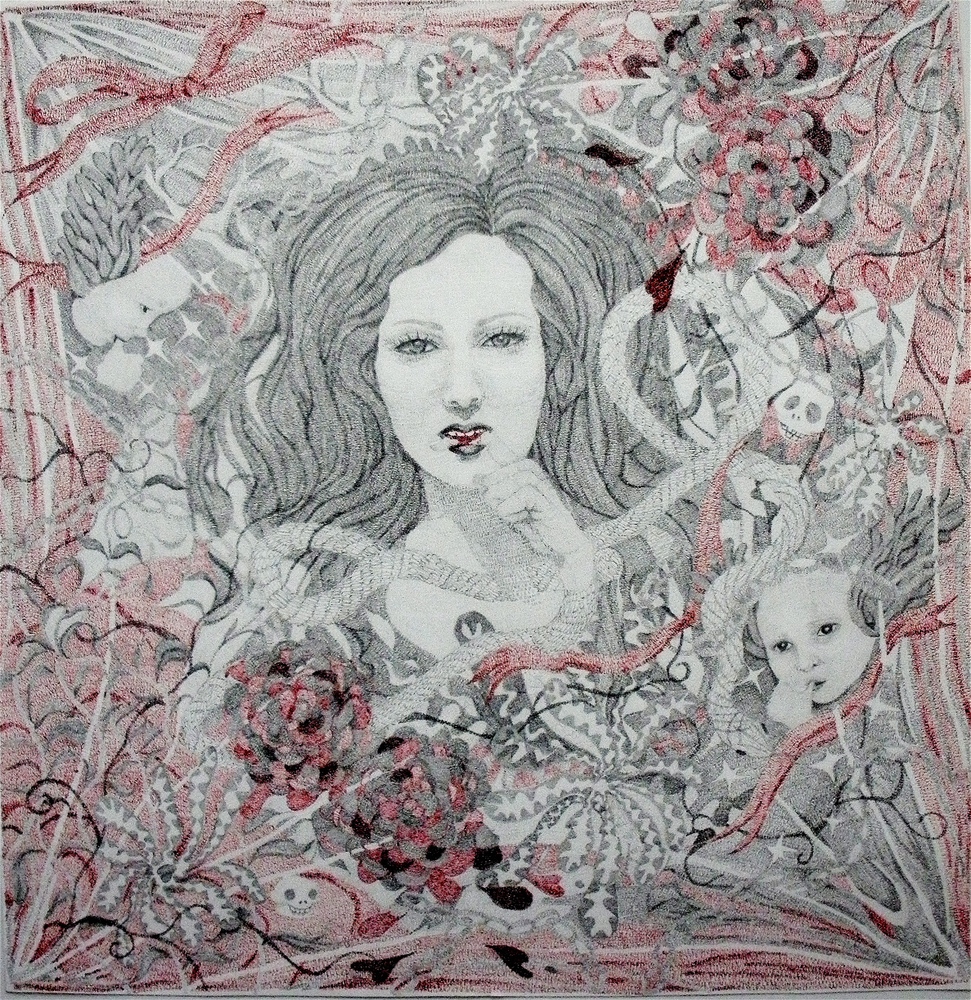
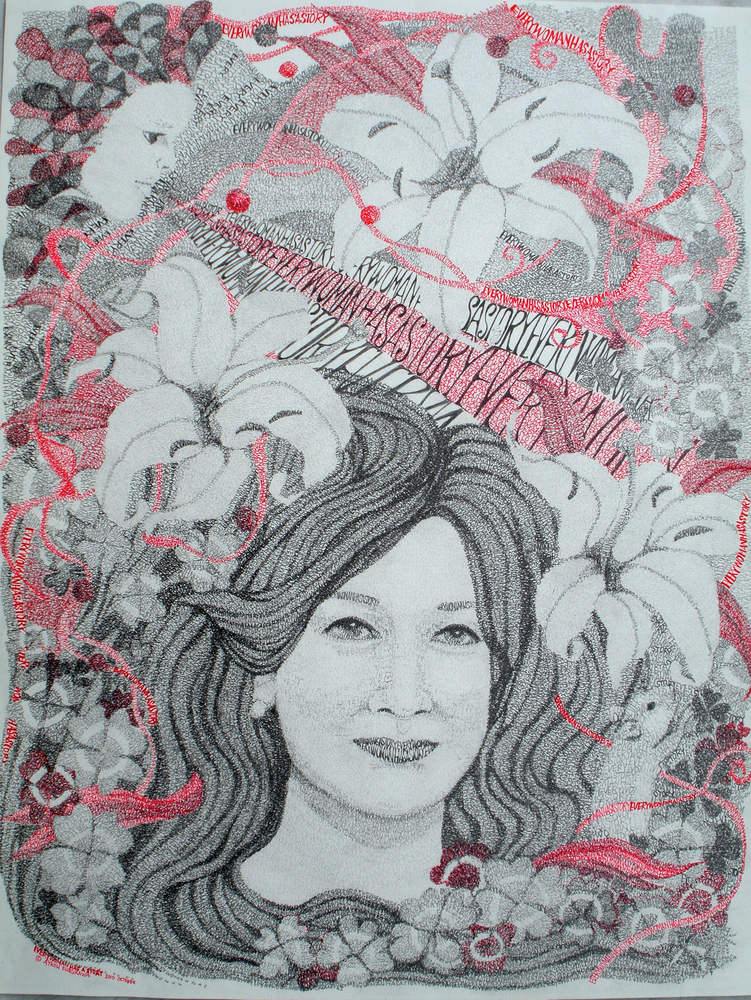
Art blogger and journalist Carolina Miranda once posed the rhetorical question, “If my vagina could appreciate art, what would it want to see?” Perhaps it was the art of Ayakoh Furukawa, who will be showing her work in an exhibition beginning January 11 at Resobox in Long Island City.

In 2005, Furukawa, who was classically trained in calligraphy, stopped painting in lines and began using words or sentences. “The sentence comes first, Furukawa told us. “Then I develop the images based on the sentence.”

Deeply inspired by the universality of motherhood, but also by the sense of loss for not becoming a mother, Furukawa began looking at the vagina as a portal to the world.

Inside our mothers’ womb, we are protected as a singular newborn life. However, once we enter into the world, we are inevitably faced with the irrationalities of the world, and thus forget the original connection with our mothers. In other words, within the realm of the mother’s womb, we cannot be separated from our mothers.

But men – don’t feel left out. “My work is actually for men and for everybody,” Furukawa explained. “I want people to remember we all became a full human in our mother’s body.”

Ayakoh Furukawa 2

Ayakoh Furukawa 2 (detail)

Hi-Tech 3D Origami by Jun Mitani

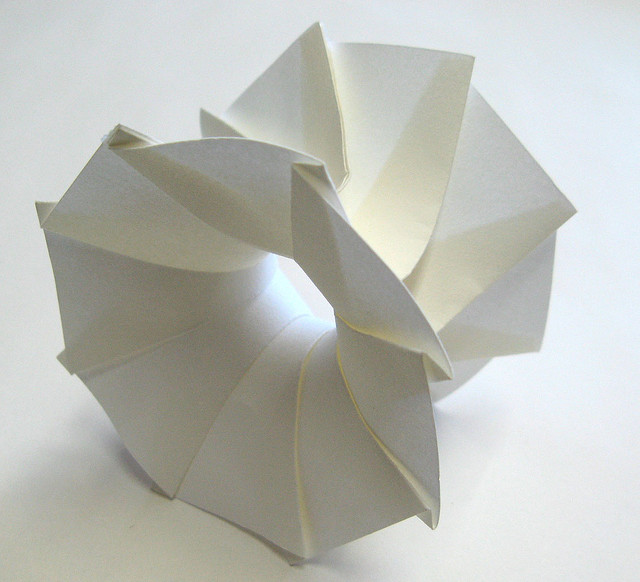
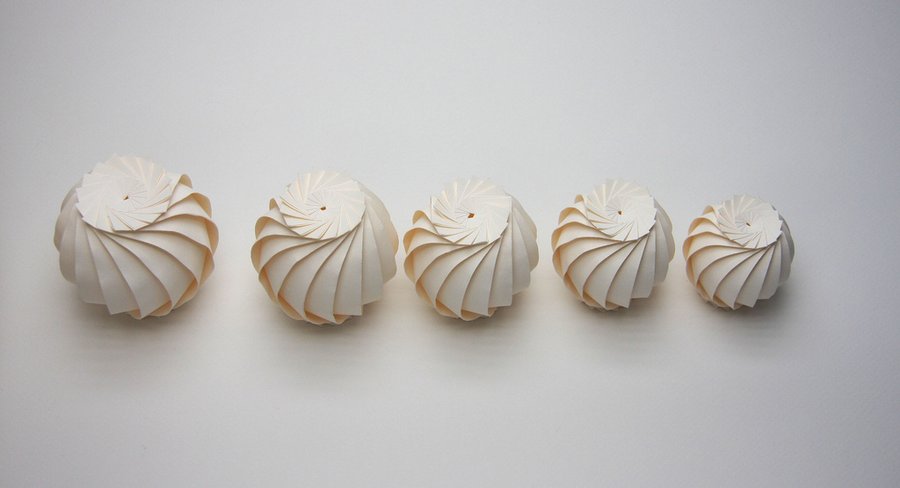
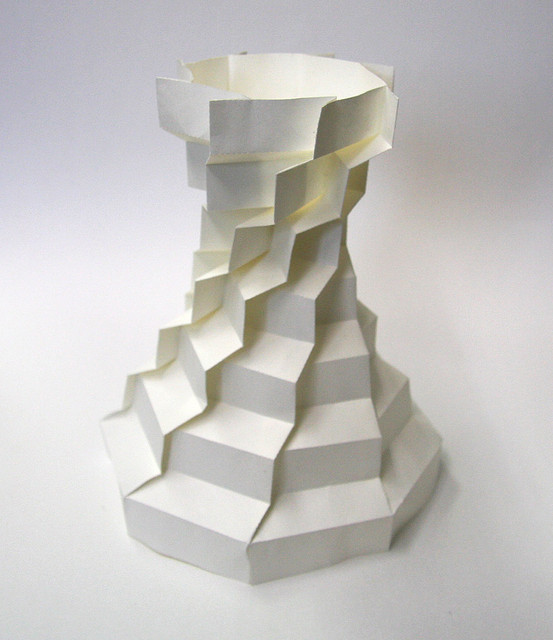
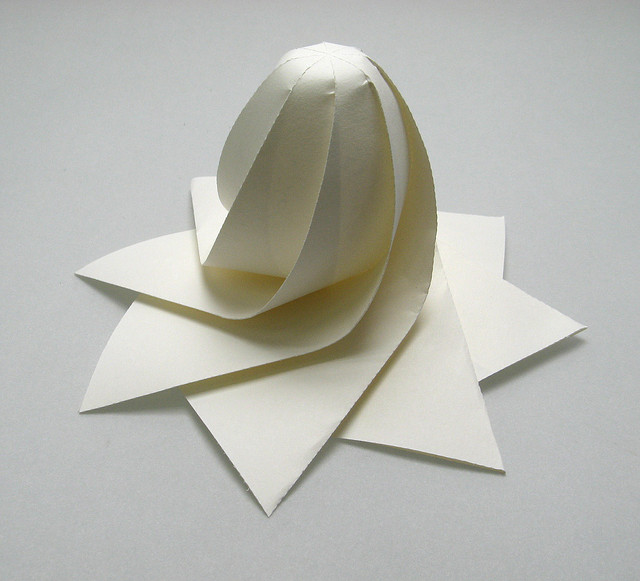
jun mitani origami 1-2images courtesy Jun Mitani | click to enlarge

jun mitani origami 1

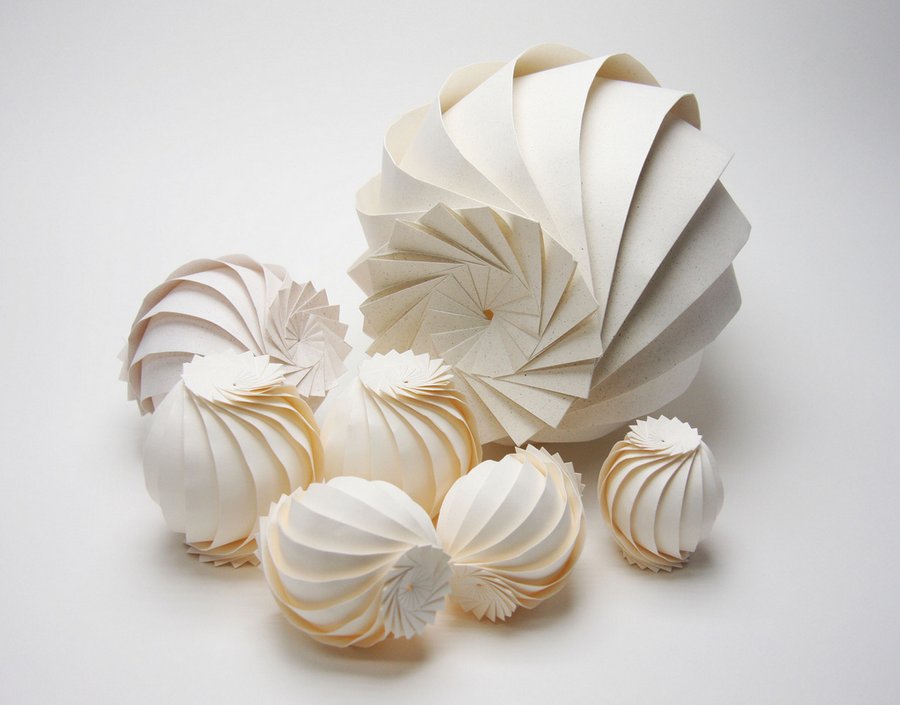
Sure, origami might be the traditional Japanese art of paper folding that dates back to the 17th century. But in the hands of computer scientist and engineer Jun Mitani, the ancient art form has never been more modern.

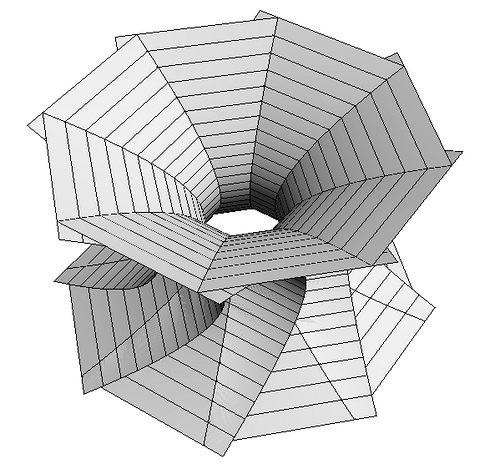
When he’s not giving lectures on non-numerical processing algorithms and other subject I won’t even pretend to grasp, the PhD professor at Tsukuba University is using his background in precision machine engineering to create computer models and algorithms that generate complex, geometric origami patterns. And although his process is steeped in technology, the folding is done just as it was back in the 1600s – all by hand. I can’t even begin to imagine what that was like.


jun mitani origami 8 jun mitani origami 8-1

You might remember Mitani from 2 years ago when he collaborated with fashion designer Issey Miyake on a line of foldable, origami-like clothing.

jun mitani origami 2  jun mitani origami 6

jun mitani origami 7

source: origami blog | Jun Mitani’s flickr stream


Japanese History According to Akira Yamaguchi

yamaguchi Show the Flag“Show the Flag” by Akira Yamaguchi | image courtesy muddy colors | click to enlarge

yamaguchi Show the Flag (detail)“Show the Flag” (detail) by Akira Yamaguchi | image courtesy muddy colors | click to enlarge

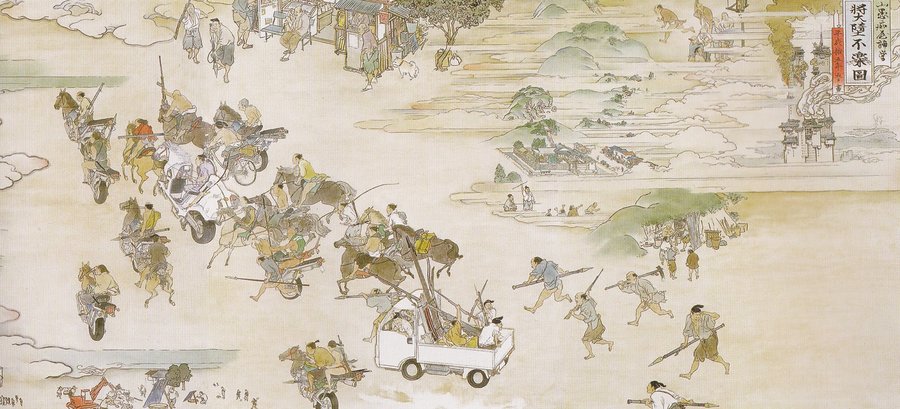
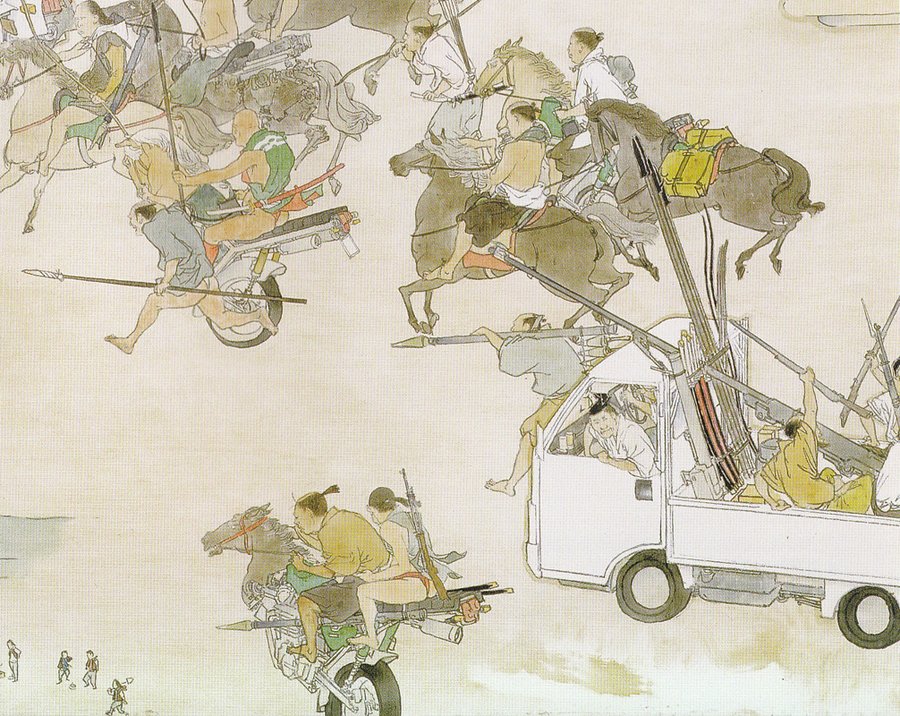
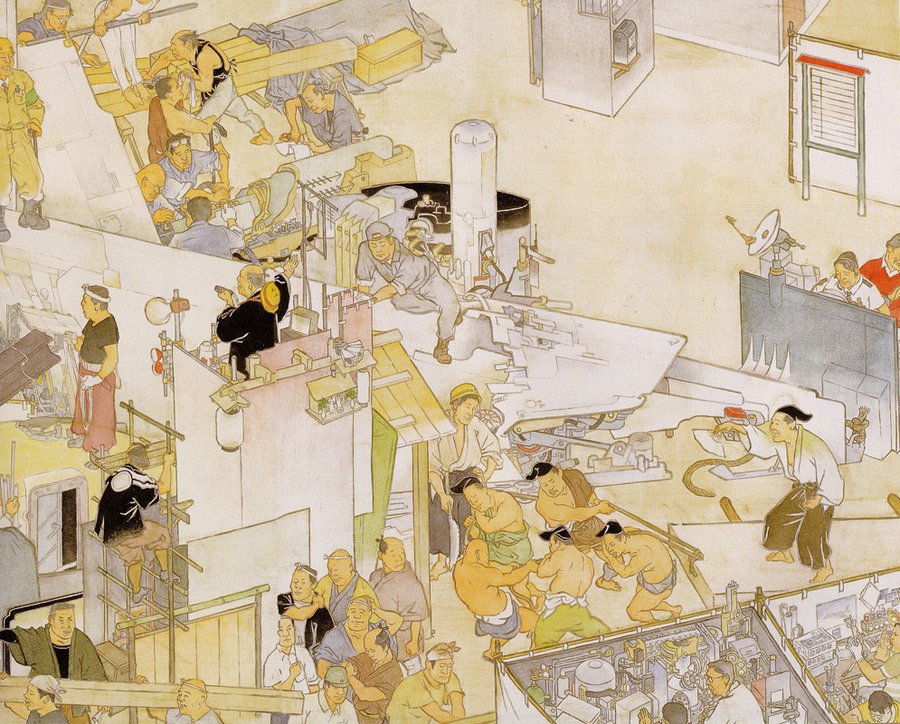
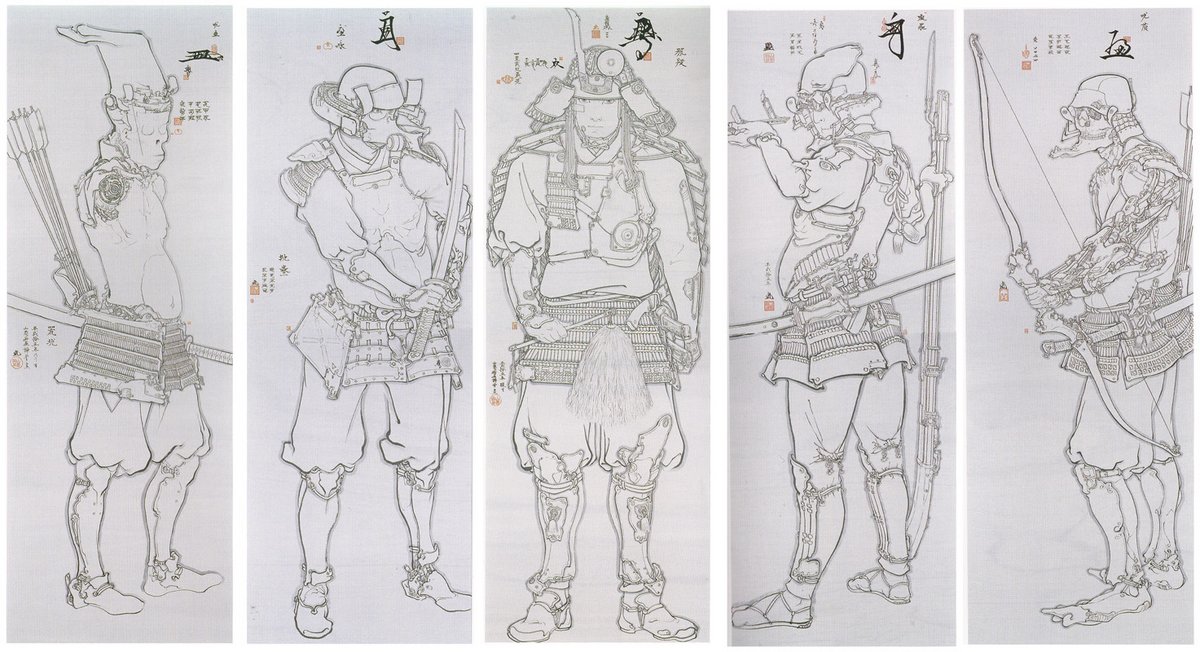
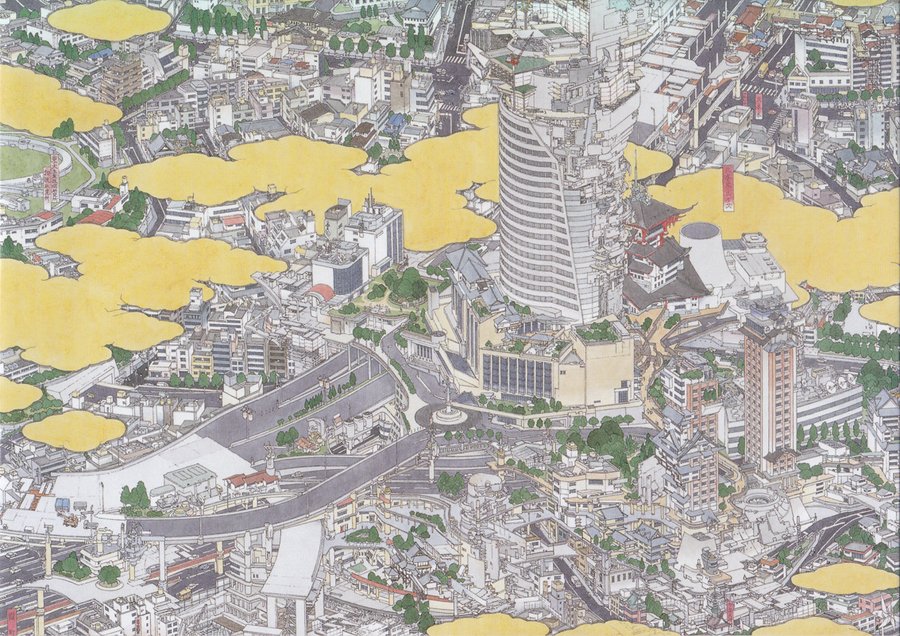
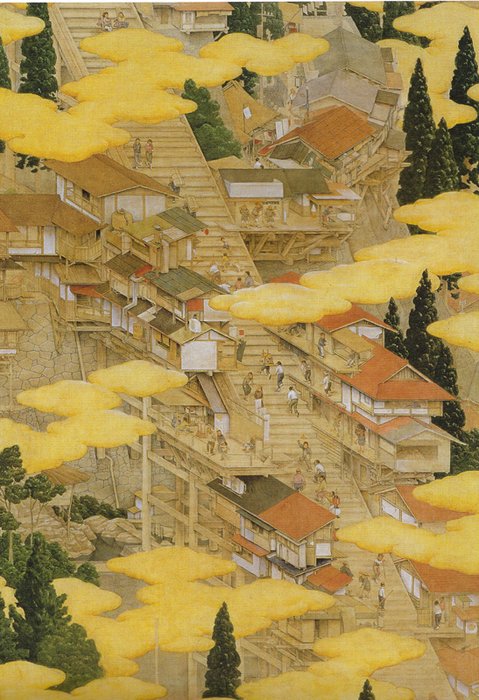
Akira Yamaguchi is a Japanese artist classically trained in traditional Japanese painting (Yamato-e). He has mastered an incredibly refined style of the old Japanese masters, creating large-scale, detailed oil and watercolor paintings.

However, his works require 2nd and even 3rd looks as you will most certainly see something you didn’t expect. Yamaguchi’s paintings are filled with humorous symbols and cynical jokes that create a complex narrative critiquing history. He appropriates a 17th century style but embeds the works with his own modern, fantastical elements. “Show the Flag” (above) depicts men going off to battle with archaic weapons but also with motorbikes, rifles and missile launchers.

yamaguchi People Working (detail)“People Working” (detail) by Akira Yamaguchi | image courtesy muddy colors | click to enlarge

yamaguchi In Flames (Horyuji)“In Flames” by Akira Yamaguchi | image courtesy muddy colors | click to enlarge

yamaguchi Five Warriors“Five Warriors” by Akira Yamaguchi | image courtesy muddy colors | click to enlarge

yamaguchi Tokei- Hiroo and Roppongi( detail)“Hiroo and Roppongi” (detail) by Akira Yamaguchi | image courtesy muddy colors | click to enlarge

yamaguchi Approach To The Shrine“Approach to the Shrine” by Akira Yamaguchi | image courtesy muddy colors

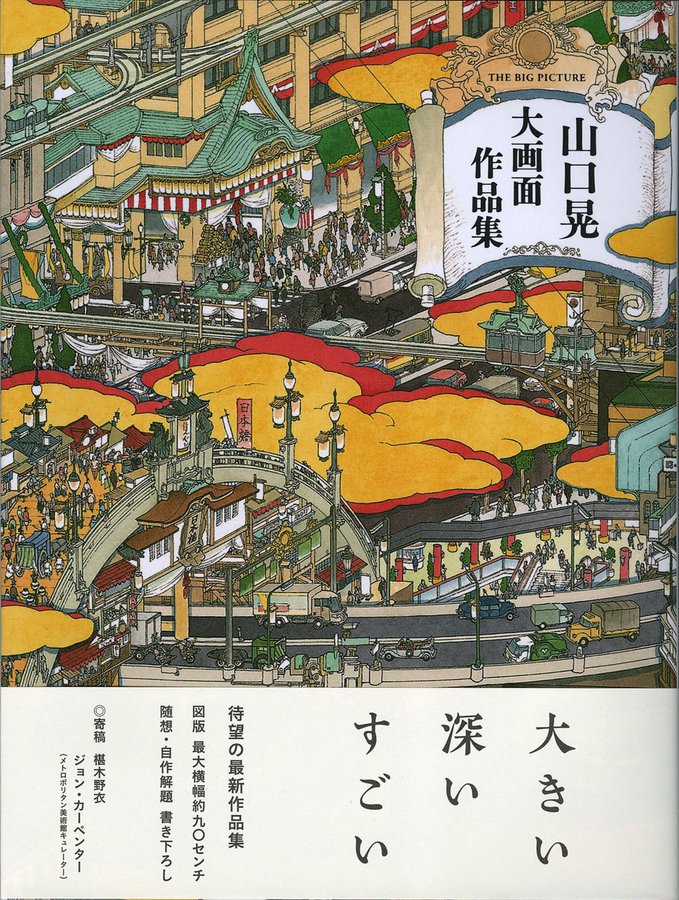
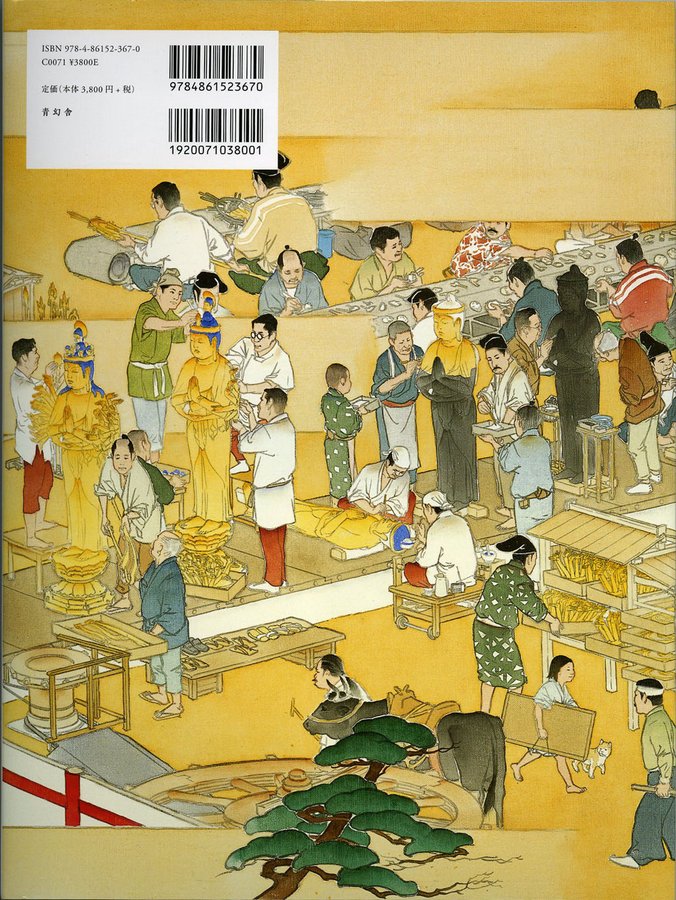
Yamaguchi had a pretty great 2012. He staged a solo exhibition in Tokyo and participated in a group show on contemporary Japanese art in Moscow. And just last month a book of his recent work was published – the first of its kind in 8 years. I’m hoping to see more of him in 2013.

130101yamaguchi1 130101yamaguchi2

Top: front and back cover of Yamaguchi’s new book. Below: 2 spreads from his new book.
images courtesy Yoshio Suzuki | click to enlarge

130101yamaguchi3

130101yamaguchi4

What if Hiragana was 3-dimensional?

a three dimensional character あ (ah) | click images to enlarge

My son has begun studying hiragana, 1-of-3 writing systems of the Japanese language. And it’s proving to be quite difficult as you not only have to remember the characters but the different stroke orders as well. But imagine what it would be like if we lived in a world of 3D hiragana characters. How much more complicated would our lives be? And more importantly, what would those characters look like from the side, or from the top?

Product designer Hideo Kanbara, most well-known for his kadokeshi – perhaps the only eraser to be acquired by the MoMA – has taken on the thought experiment, creating 2 examples. I would love to see all 48 characters rendered this way.

a three dimensional character ゆ (yu) | click images to enlarge

For more experimental hiragana, check out Taku Satoh’s Two Experiments Exhibition.

source: Hideo Kanbara

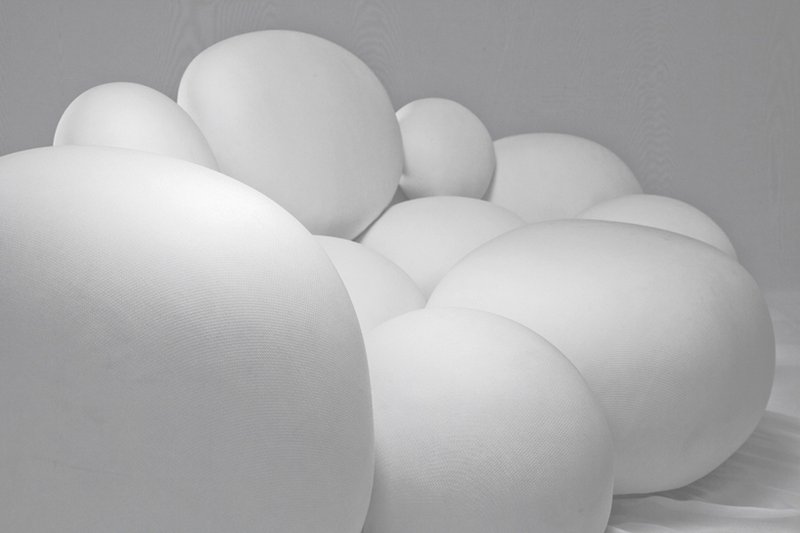
O’keeffe Sofa by Kei Harada

o'keeffe sofa by kei haradaimages courtesy kei harada | click to enlarge

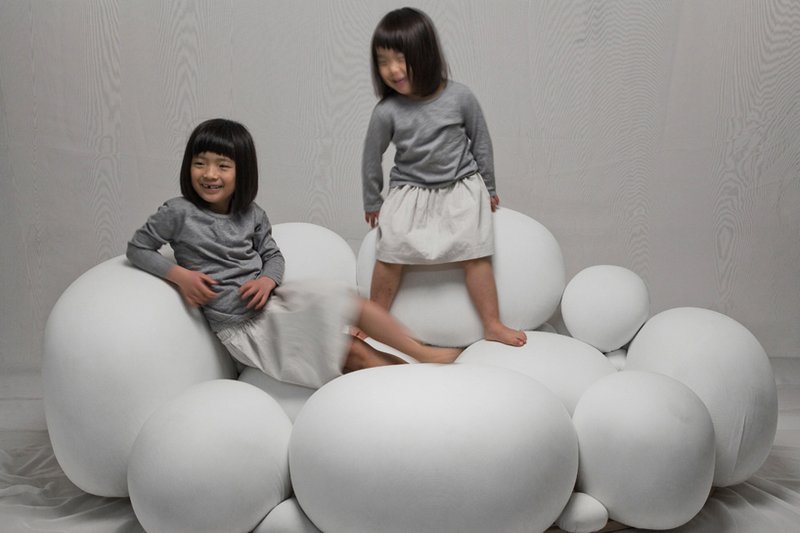
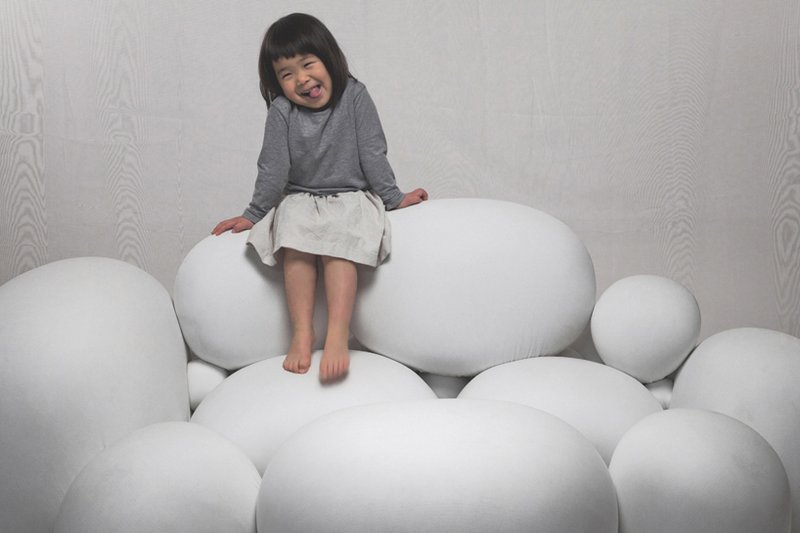
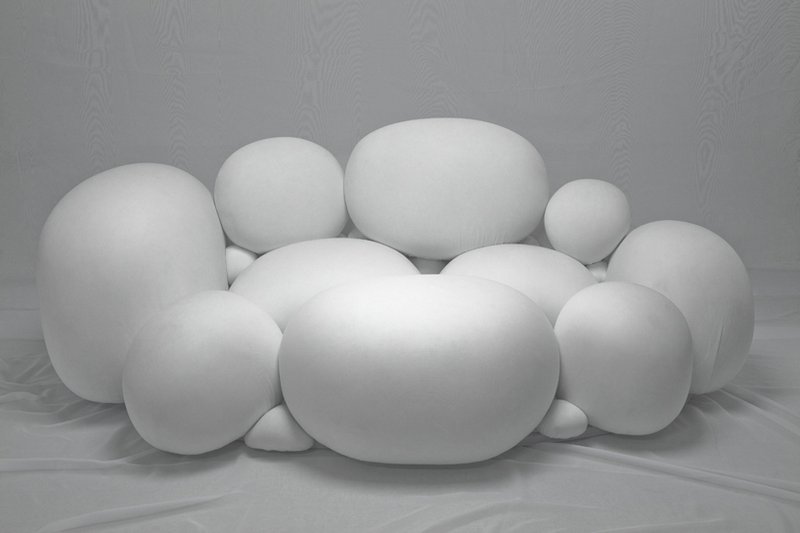
Is it a cloud? Or is it a marshmallow? I’ve always wanted to sit on both so either way it’s certainly an inviting piece of furniture. In fact, that inquisition is exactly how Japanese designer Kei Harada derived at his O’keeffe Sofa, which seems to mimic the large and soft flower petals of a Georgia O’Keeffe painting.

The bulbous forms, which are made from urethane foam and flexible fabric, appeal to that inner child in all of us, prompting a deep desire to climb and explore different sitting positions. And although the piece wasn’t specifically designed with children in mind, Harada points out that “it was my impression that the children intuitively understood my intentions of inducing motion through the sofa.”

The O’keeffe Sofa was originally on display at Designers Week 2012 in Tokyo late last year.

o'keeffe sofa by kei harada (5)

o'keeffe sofa by kei harada (4)

o'keeffe sofa by kei harada (3)

o'keeffe sofa by kei harada (2)

Source: submission

« Older posts Newer posts »

© 2026 Spoon & Tamago

Up ↑

Design by Bento Graphics