Page 244 of 406

New Stop-Motion Music Video for Shugo Tokumaru’s Katachi

tokumaro katachi (1)

I’m a huge fan of the freakishly gifted, multi-instrument-playing Shugo Tokumaru and his gentle, whimsical tones. And of course I’m not alone. Neojaponisme once wrote, “When it comes to artistic contribution and innovation, Shugo Tokumaru remains the most important member of Japan’s indie music scene. Yet Tokumaru also deserves credit for keeping himself in the business of making music within these incredibly turbulent times. Besides moving a good number of albums, he provides tunes for NHK and Mujirushi Ryohin, tours Europe, and sells-out his shows across Japan.”

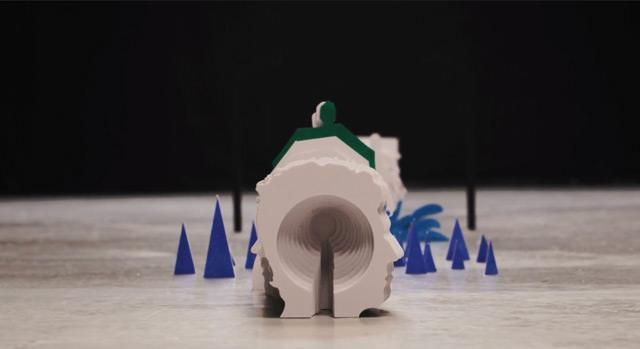
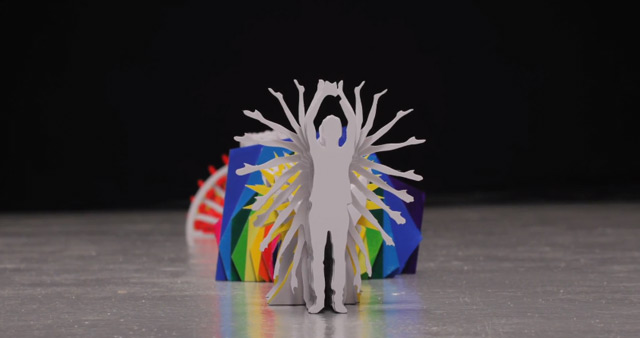
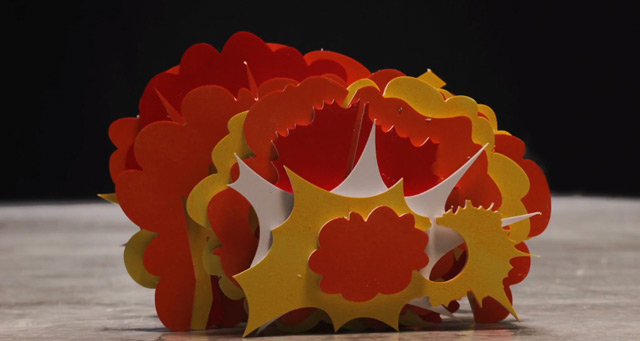
Late last year fans in Japan got an early Christmas present when Tokumaru released In Focus, his first full-length album in over 2 years. Now we’re getting a late Christmas present in the form of brand new music video for his track “Katachi” (shape, in Japanese). It was created by the Poland-based stop-motion masters Kijek / Adamski and features roughly 2000 “shapes” in a continuous stop-motion parade. “All these many ‘shapes’ are a representation of our memories – the good, the bad and the ugly,” says Tokumaru about the video. “In the same way that memories create incomplete pictures of the past, seemingly abstract, incongruous ‘shapes’ flow through the scene.”
tokumaro katachi (3)

tokumaro katachi (4)tokumaro katachi (2)

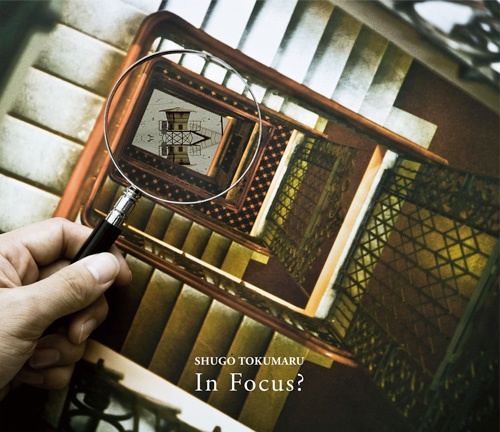
I’m also a huge fan of the cover art for his album. It’s a photograph shot by Hideki Otsuka, and represents a pretty drastic change for Tokumaru, who has always used illustrations (usually his own) for the art.
infocus_cover

source: colossal
House H | Hiroyuki Shinozaki’s New Home Points to a Bright Future

House H Hiroyuki Shinozaki (1)all photos by Fumihiko Ikemoto | click to enlarge

House H Hiroyuki Shinozaki (2)House H Hiroyuki Shinozaki (5)

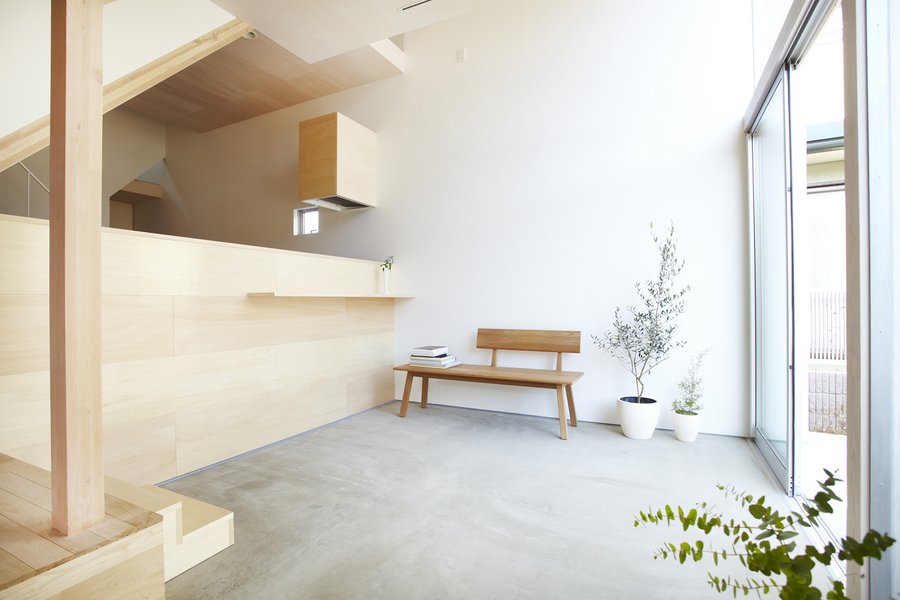
Matsudo City in Chiba, favored for its proximity to Tokyo, enjoyed a population influx in the 1960s of people looking for more space and lower rents. 50 years after a massive development boom, Matsudo is still a popular exodus destination for families, albeit without the stylish, modern homes being built in some of the less developed areas.

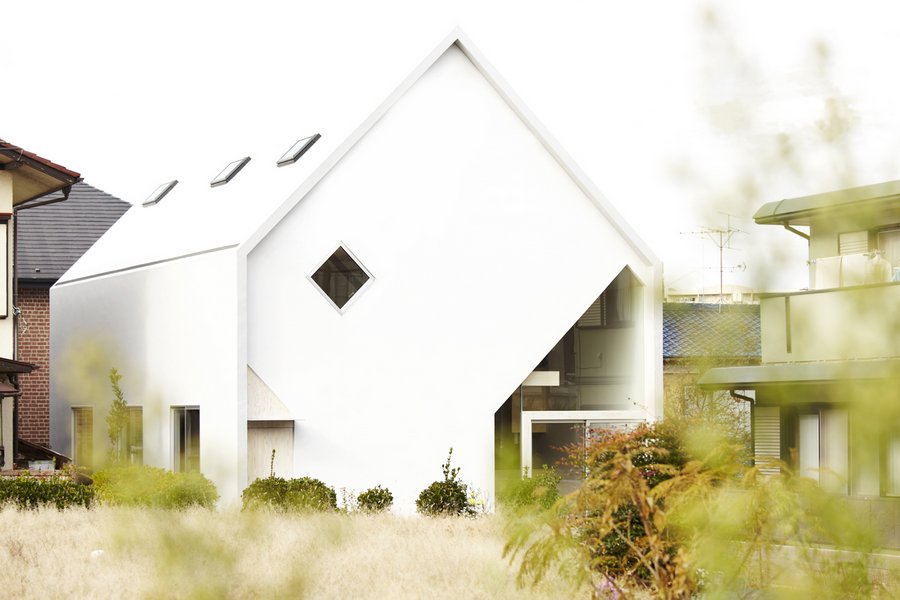
Enter Hiroyuki Shinozaki, a young 34-year old architect who spent 7 years under the wings of the luminous Toyo Ito before establishing his own office in 2009. He took on a young couple and their child, interpreting their desire to create a new symbol of hope and contemporary living in Matsudo.

House H Hiroyuki Shinozaki (6)

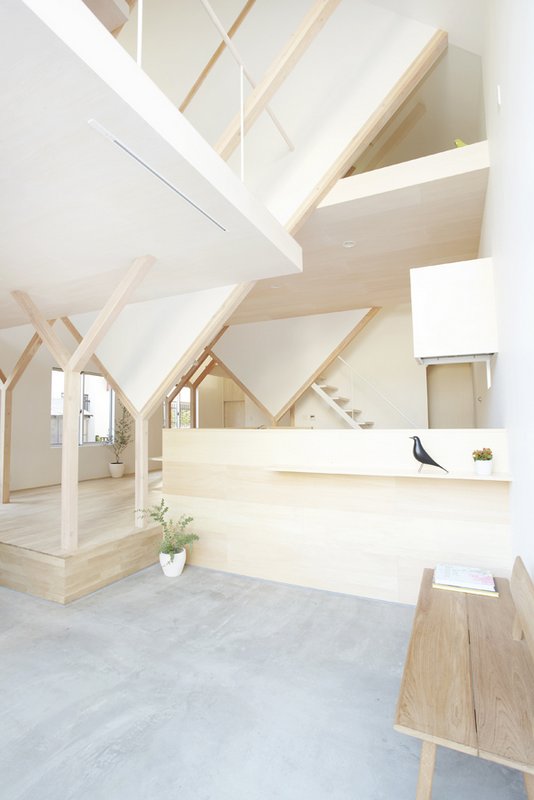
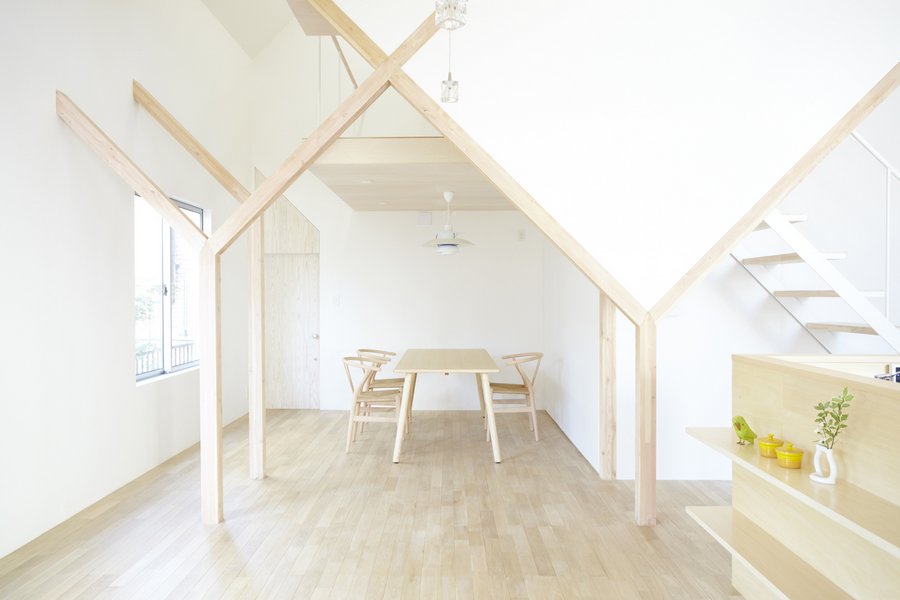
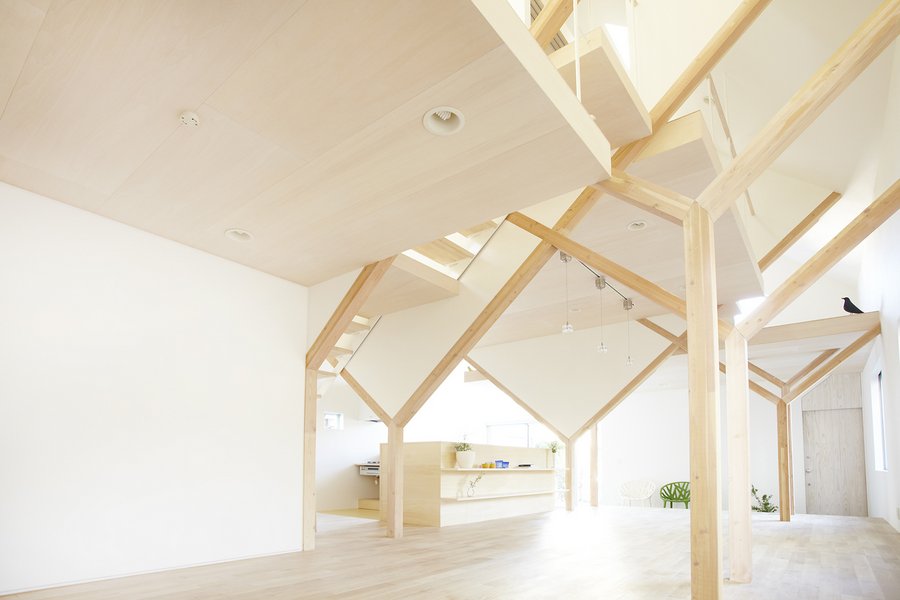
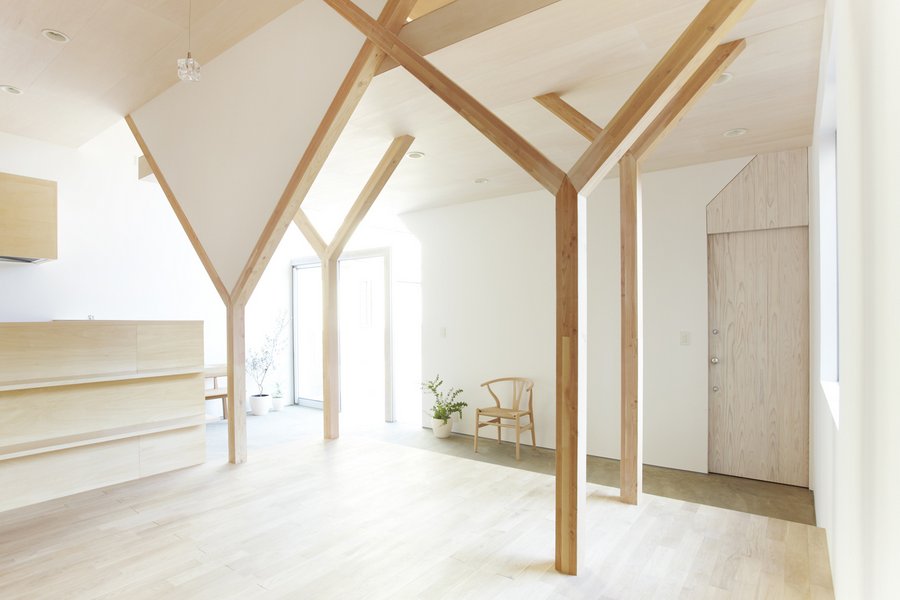
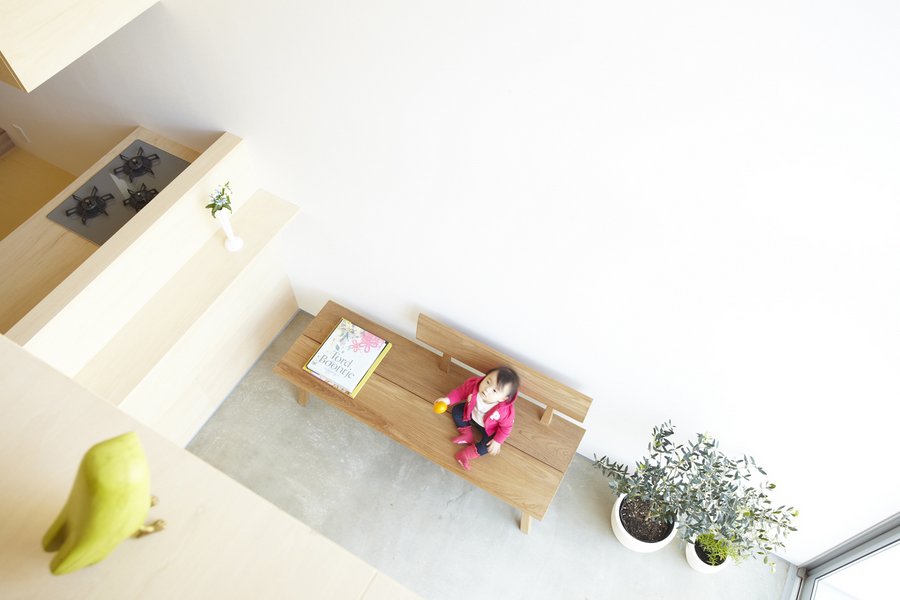
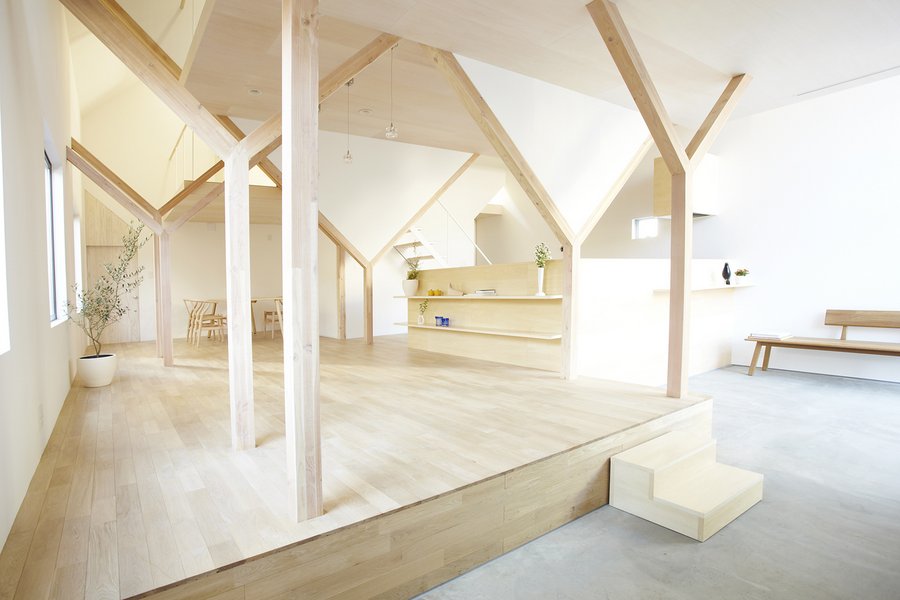
“House H for a family” was completed just last month, and represents a lovely use of light and space. It’s characterized by a large roof that sits upon eight Y-shaped wooden frames that make no attempt to conceal themselves within the house. Six floorboards hang at different heights, creating a dynamic space that opens and closes as inhabitants shift farther and closer to the roof. At its core, the home is an open floor-plan that manages to maintain a sense of intimacy through compartmentalized space. The wooden frames will hopefully become “a well-thumbed book,” the architect says, speaking of his hope for them to become integrated into the family’s lifestyle as shelving, clothes hangers or a growth chart for the child.
House H Hiroyuki Shinozaki (7)

House H Hiroyuki Shinozaki (8)

House H Hiroyuki Shinozaki (9)

House H Hiroyuki Shinozaki (10)

House H Hiroyuki Shinozaki (3)

House H Hiroyuki Shinozaki (4)

source: submission

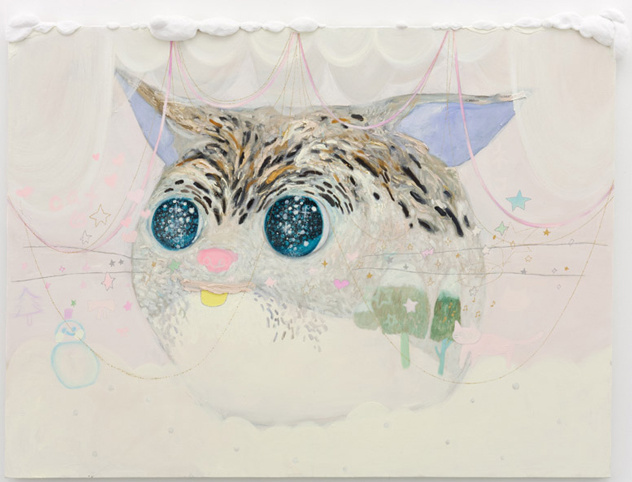
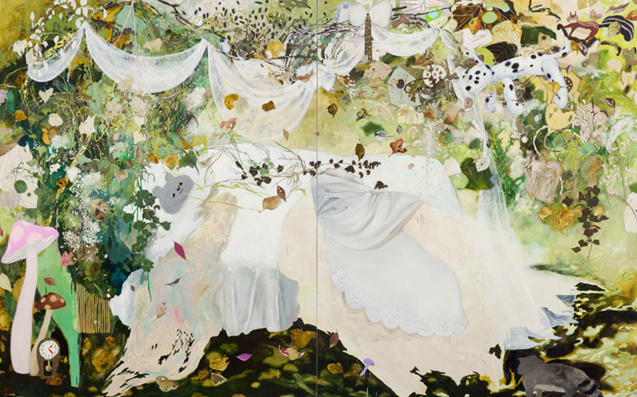
Dramatic Moments | the dreamy scenes of Tomoko Nagai

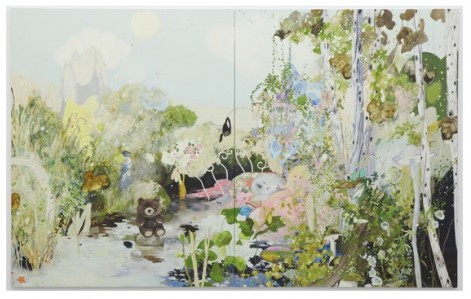
tomoko nagai - dramatic (1)Dramatic, 2012 ©Tomoko Nagai

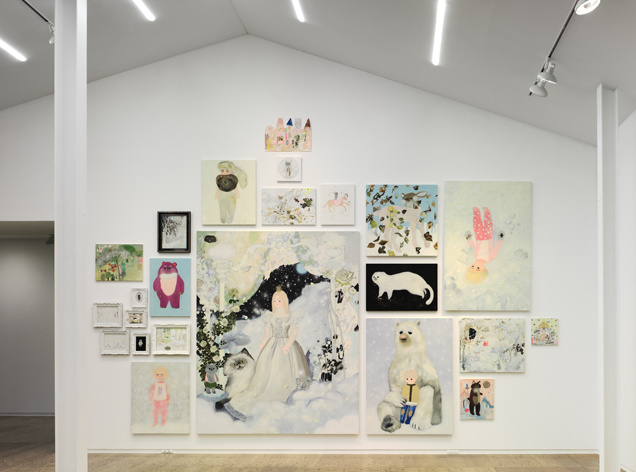
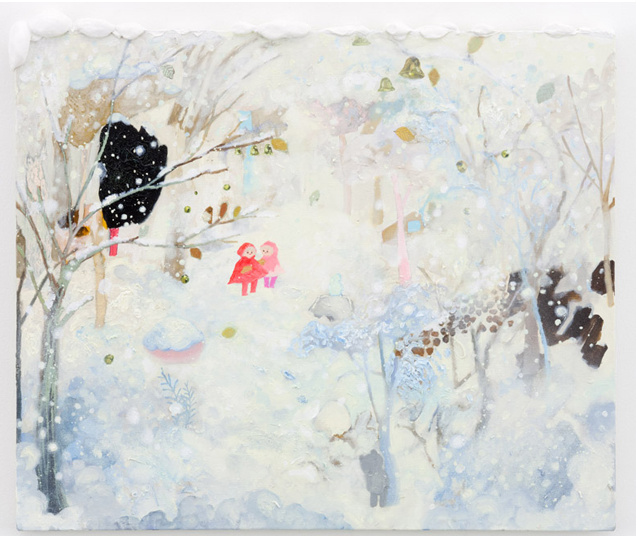
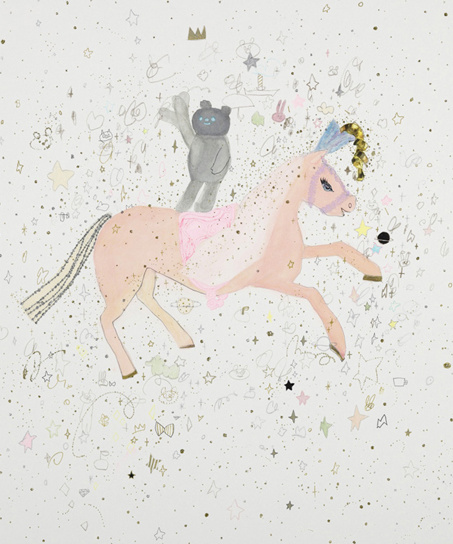
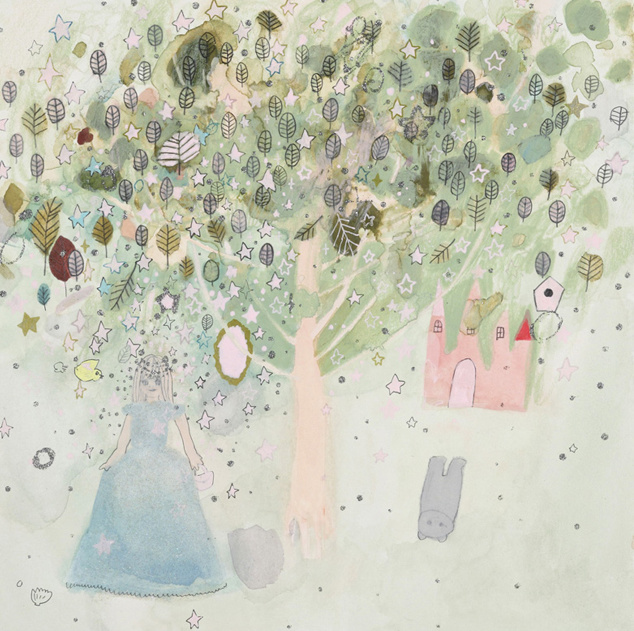
If I could choose what dreams I had, I think I would re-up with the imagery of Tomoko Nagai every time. Filled with fun things like friendly bears, bunnies, forests and princesses, Nagai creates stage-like sequences that almost seem like scenes from fairytales, frozen in time. And yet, contrary to any kind of formal storyline, Nagai says that the elements in front of her just come together randomly. There are never any advance sketches.

Speaking about her latest show at Tomio Koyama Gallery in Singapore (Jan. 18 – Feb. 24), Nagai says that “within our every-day lives we occasionally encounter split-second dramatic moments. These happen when element like time, weather, seasons and mood all perfectly align…. What I’ve tried to do for this exhibition is capture those precious moments, embed them with my own hopes and ideals, and vacuum-seal them.”

Below is a selection of older work from 2010…

tomoko nagai - dramatic (8)  tomoko nagai - dramatic (6) tomoko nagai - dramatic (2) tomoko nagai - dramatic (3) tomoko nagai - dramatic (7) tomoko nagai - dramatic (5) tomoko nagai - dramatic (4)

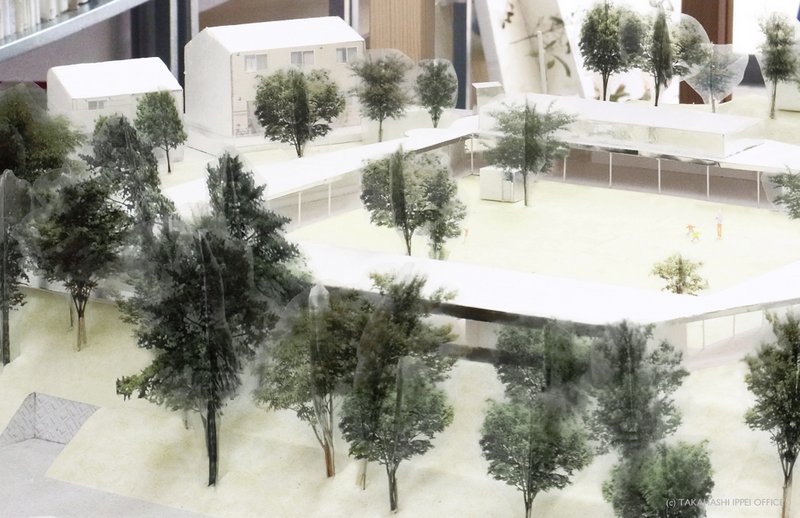
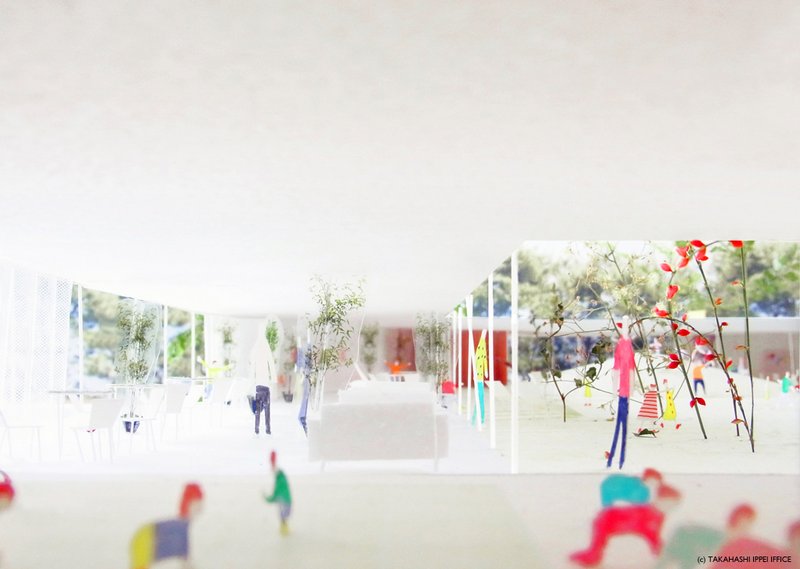
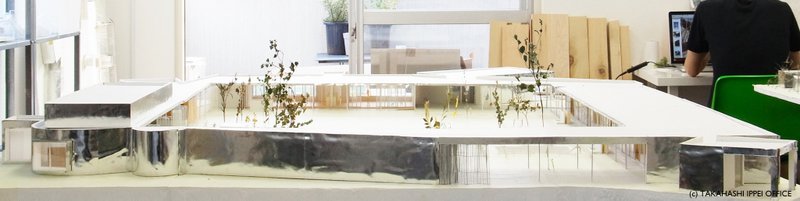
Also on display will be plans for a new nursery school in Shichigahama (Miyagi prefecture), which was damaged by the Tohoku earthquake and tsunami. The school is being fully funded by the Singapore red cross and Nagai has agreed to create a large-scale mural at the bottom of their new swimming pool. The school, which was designed by architect Takashi Ippei, is on track to be completed in March 2013.

TOH-singapore2

Exif_JPEG_PICTUREExif_JPEG_PICTURE

Exif_JPEG_PICTURE

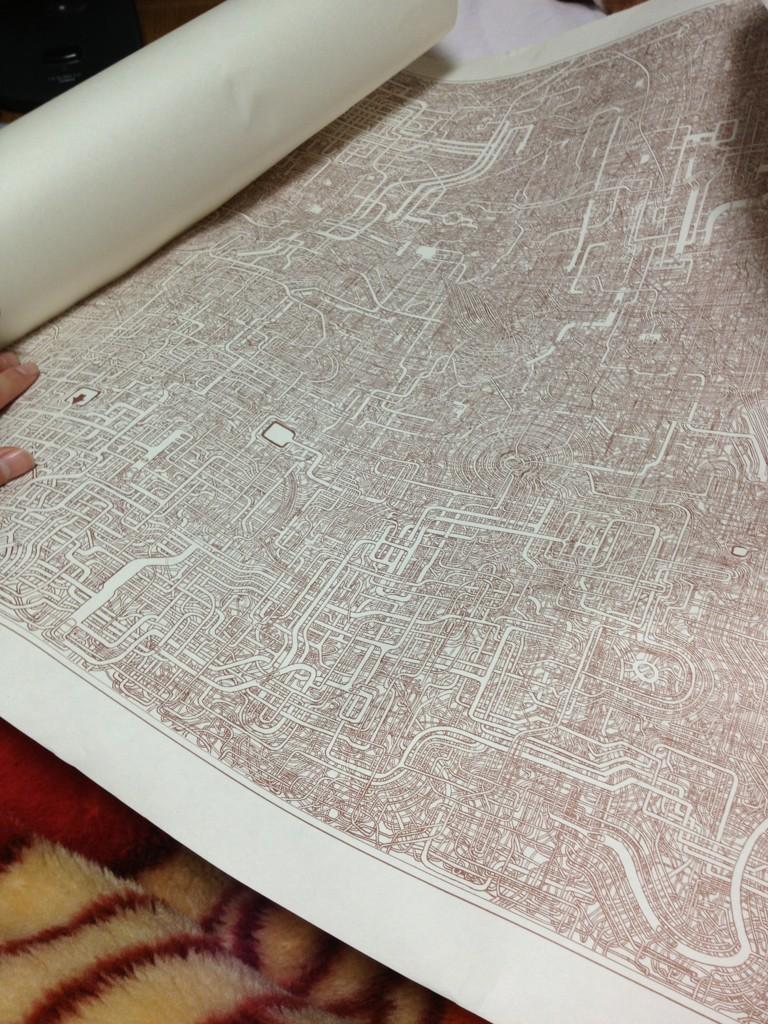
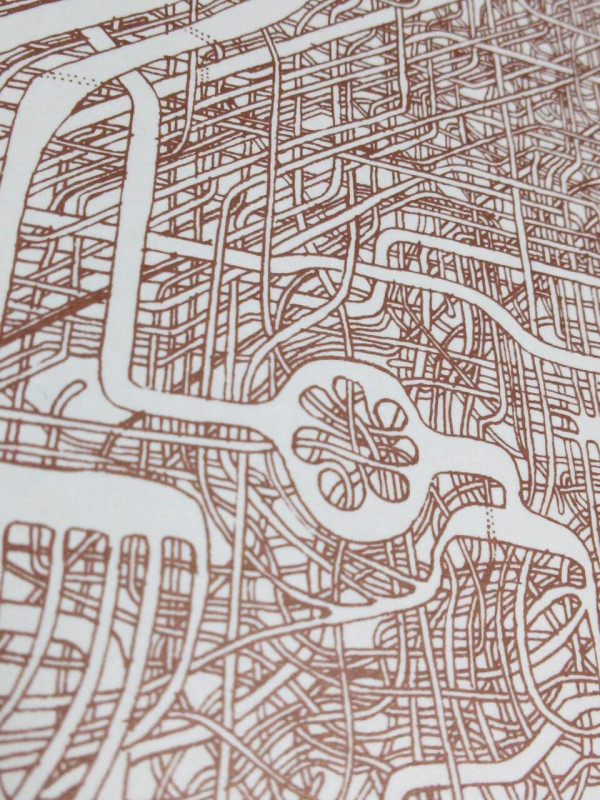
Dad spends 7 years on incredibly detailed maze

BAjvOvjCEAElMvX unless otherwise noted, all images courtesy @Kya7y | click to enlarge

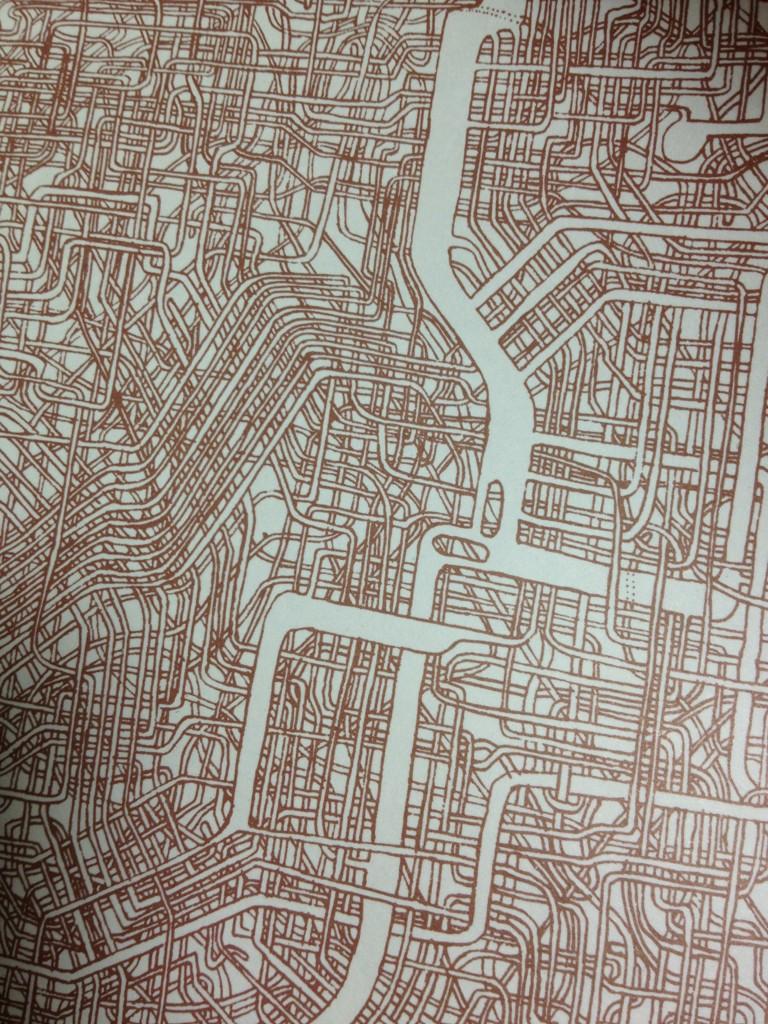
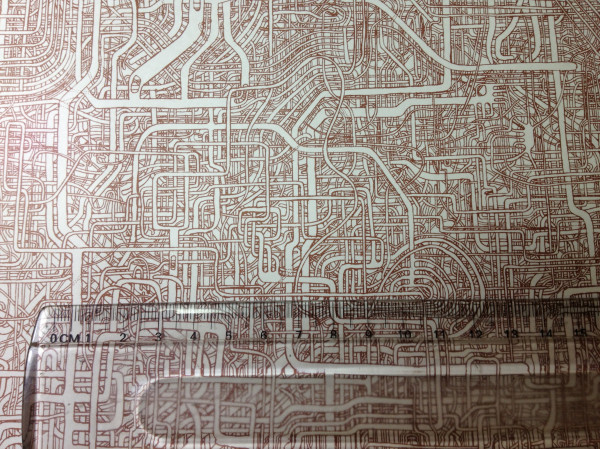
Some people have hobbies. Other people are obsessive. But when the two cross paths, this is what you get. Japanese twitter user @Kya7y recently unearthed an incredibly detailed maze that her father created almost 30 years ago. When pressed for details, the father explained that he spent 7 years creating the map on A1 size paper, which is about 33 x 23 inches.

Unsure what to do with the discovery, @Kya7y reached out on twitter but was quickly inundated with requests to receive copies. I wonder how long it would take to finish the maze?

[Update] People have been asking @Kya7y about her father. Everyone seems to want to know more about the man behind this amazing maze. This morning she wrote, “Where does my father work? At a public university!! In the athletic department!!! As a janitor.”

[Update 2] The maze is currently available in our shop ($43). We also began carrying version 2.0 ($35).

BAjwuB2CEAIlaGS

720286312photo by @Phantom_ss

717755386

source: matome | @Kya74


Weekend Links from Around the Web

This new B movie about killer sushi looks like all kinds of awesome.

Akira Kurosawa’s favorite actor Toshiro Mifune was tapped to play Darth Vader (but he turned it down)

A sad week for Japan. Film legend Nagisa Oshima passed away. So did industrial design giant Riki Watanabe.

And the New Yorker remembers Japanese photographer Shomei Tomatsu, who died last December at the age of 82

Interesting new site kokomae.jp – basically a record of what used to be here. Good for fast-changing cities like Tokyo.

We were interviewed in the Japan Times! Yay!  You can read the full article here.

Stablemates: Rei Kawakubo collaborates with Hermès

Pictures from Tadashi Kawamata’s exhibition at BankArt

MoMA talks about the work of Noriko Ambe.

Exactly how hard is it to buy a gun in Japan? Very hard.

Japan had a big snowstorm this week so the local community helped clean up.

Riki Watanabe, the Charles Eames of Japan, has passed away at age 101

riki watanabe profileRiki Watanabe (1911 – 2013)

Riki Watanabe, an industrial designer often likened to Charles Eames in America, passed away last week. He was 101 years old.

Born in Shirogane, Tokyo in 1911, Watanabe obtained a degree in woodworking in 1936. After graduation he moved to Gunnma prefecture where he met, and consequently studied under, Bruno Taut, a German architect who had fled to Japan to escape the Nazi regime. Throughout the 1930s Watanabe absorbed the many principles of the modernist movements like Bauhaus and, in particular, Le Corbusier. However, Watanabe was interested in purely importing western modernist ideals into Japan. Rather, concerned himself in how to weave them into a Japanese lifestyle. He succesfully managed to incorporate the concept of chairs into a predominantly floor-based lifestyle. The chairs he produced in the 1950s like the Himo Isu and Torii Isu became iconic images of Japanese modernism.

Major works (click to enlarge):

Himo Isu (1950) Torii Stool (1956) Uni Tray (1976)


Watanabe was involved in the establishment of many of Japan’s groundbreaking organizations, from the Japan Design Committee to the Japan Industrial Design Association. He was also responsible for the interiors of many famous buildings including the Tokyo Hilton (currently Capital Tokyo), Keio Plaza Hotel and Prince Hotel. One of his greatest skills was creating beautiful furniture using cheap, affordable materials as resources were scarce after World War II.

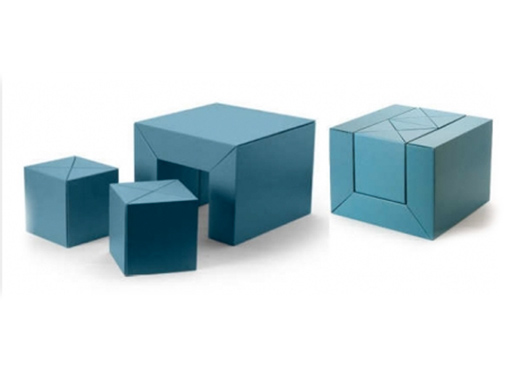
Riki Watanabe CFS-kids-set-blue

C.F.S. Kids Set (1965)

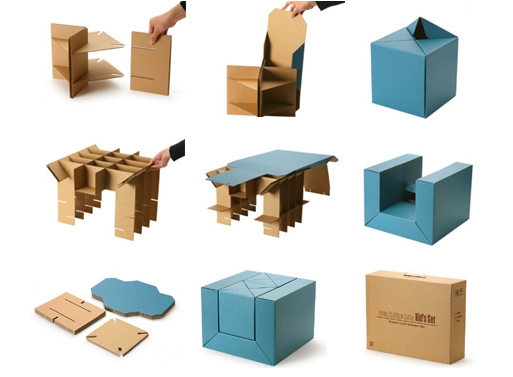
Riki Watanabe CFS-kids-set-assembly

C.F.S. Kids Set assembly

The Most Amazing A Cappella Cover of Michael Jackson’s Thriller

thriller

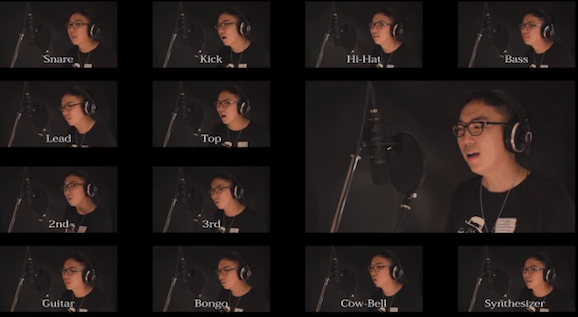
If you’re going to listen to 1 a cappella cover of Michael Jackson’s Thriller, let it be this one.  It was recorded by Kyoto University student Yeo Inhyeok, who uploaded his one-man show to youtube earlier this week.

Using only his voice, Inhyeok, who is also a member of a Japanese a cappella group, recorded each component of Thriller individually, and then layered them on top of each other. The result is a spectacular one-man vocal show.

source: gori.me

primitive | watch enra’s new live action and projected graphics dance video

Japanese performance troupe enra has not only paved the way but perfected their signature style of combining live action with projected graphics. Founder and performance artist Nobuyuki Hanabusa has had a far-reaching influence and his techniques have been reworked (with and without his consent) both domestically and abroad. His latest piece, titled “primitive,” is anything but. Watch as the synchronized dance moves sync perfectly with the digital projection.

He performs alongside his other members – a diverse group of artists specializing in “Kung-fu, acrobatics, ballet, juggling, rhythmic gymnastics and animation dance.”
enra primitive

source: designboom | enra

Kokomae | a website for recording what was once there

kokomae (1)

kokomae (2)
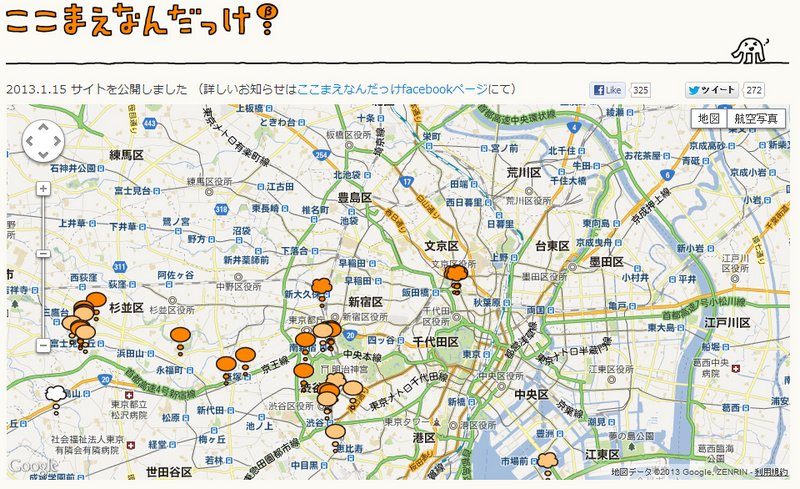
Tokyo is a constantly evolving city, changing shape and form faster than any other city I know. An adorable café could be a barber shop next month. That affordable beef bowl restaurant? Now a bike shop. Wait, I blinked. Now it’s a drug store. I look back at at my old stomping grounds and kick myself for not have taken pictures of what is now hardly recognizable.

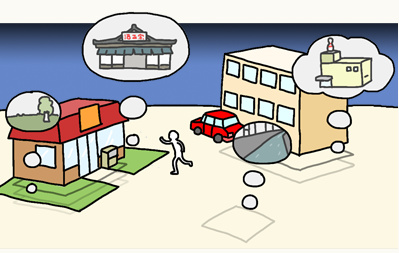
Kokomaenadakke? (what was here before?) is a new website that is attempting to crowd-source records and plot them on a map of Tokyo. The site lets users login via facebook or twitter and post memories of what was once there. The only rules (which largely go unmonitored) are that the information is 1st or 2nd hand, and that you write random memories about the location as well because it provides richer substance. The site is very new (launched Jan 15, 2013) so we’ll see how it evolves.

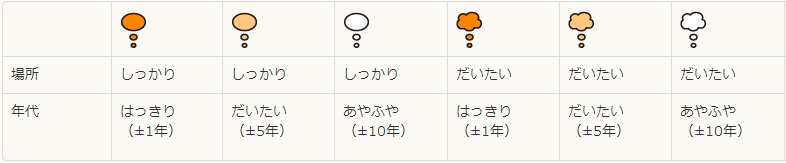
kokomae (3)the legend used to indicate date (lighter the older) and accuracy (circles are accurate, clouds are not)

It’s the brainchild of Yuji Hayashi, webmaster for DailyPortalZ and father of several web projects like Tokyo Toilet Map (which George Costanza would have appreciated) and shinukatomotta (I thought I was going to die) – personal accounts of often humorous near-death experiences.

And yes, I’m aware of sites similar to this.

source: @yaginome


A Tree Bark Vase and Other New Works from Nosigner

Nosigner (previously) has designed a series of new products for the lifestyle brand “COLORS.” They’ll be on display at Maison&Objet in Paris from Jan. 18 – 23.

Nosigner MSY-colors (1)

Nosigner MSY-colors (17) Nosigner MSY-colors (16)

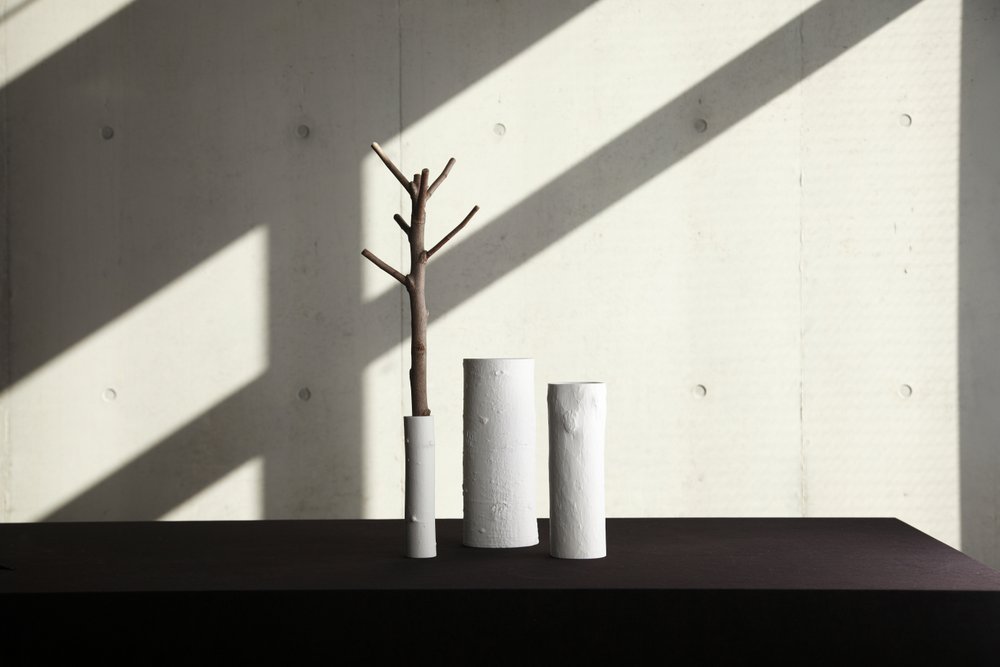
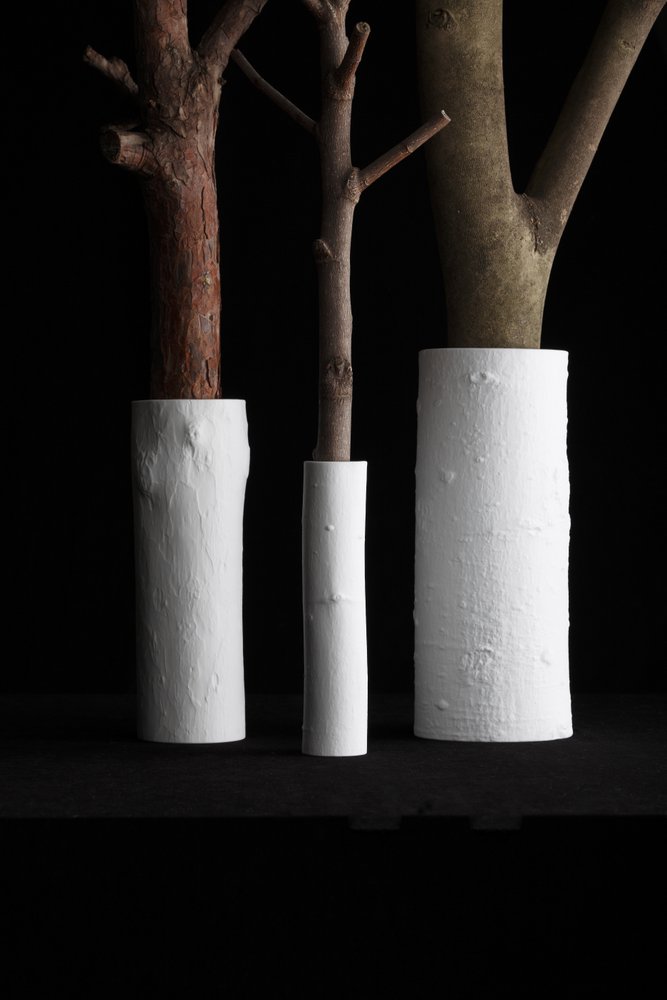
TRUNK: A ceramic vase molded from actual tree bark. It blends together with its inhabitant, creating almost a single life form.

Nosigner MSY-colors (12)

Nosigner MSY-colors (3) Nosigner MSY-colors (2)

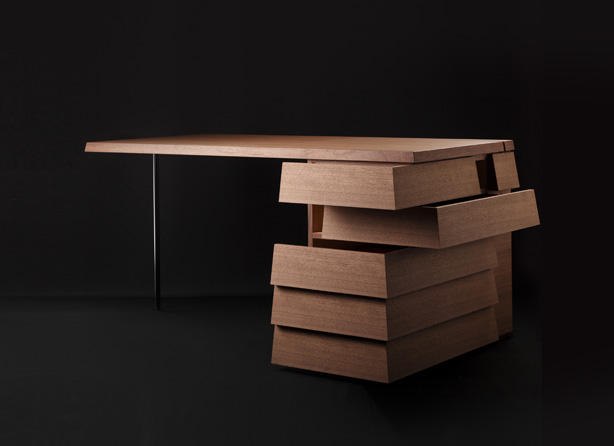
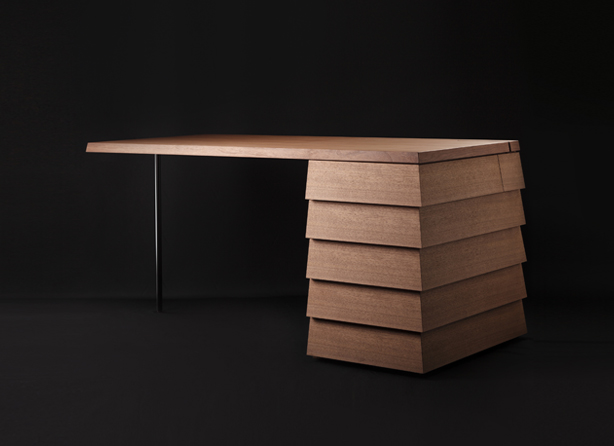
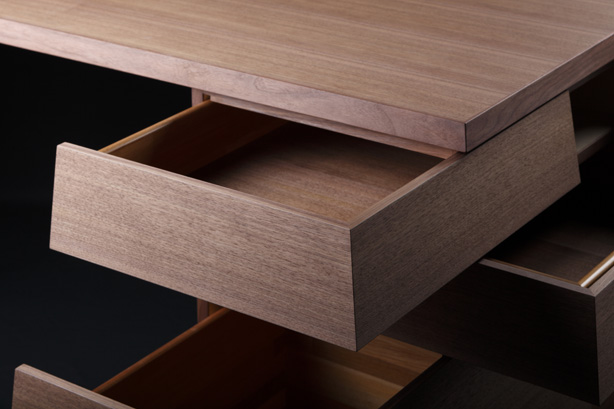
CARTESIA #2 DESK: A business desk with a bidirectional drawer system that enables multiple drawer levels to be utilized at the same time.

Nosigner MSY-colors (7)

Nosigner MSY-colors (8) Nosigner MSY-colors (11)

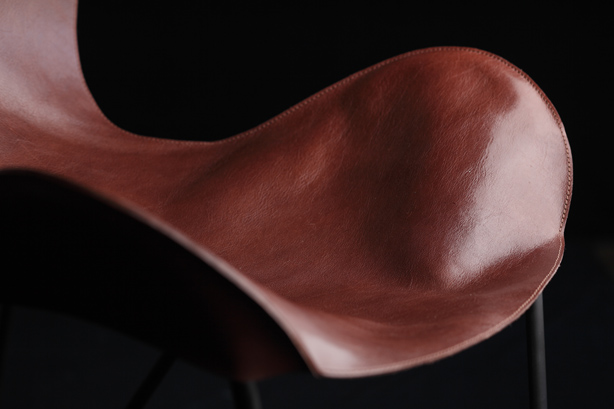
MINIM CHAIR: Lines and surfaces come together to form this minimal chair. Its contour is defined by a steel elasticity, while the fabric and leather conform to a classic, stackable, ergonomic chair.

Nosigner MSY-colors (5)

Nosigner MSY-colors (4) Nosigner MSY-colors (9)
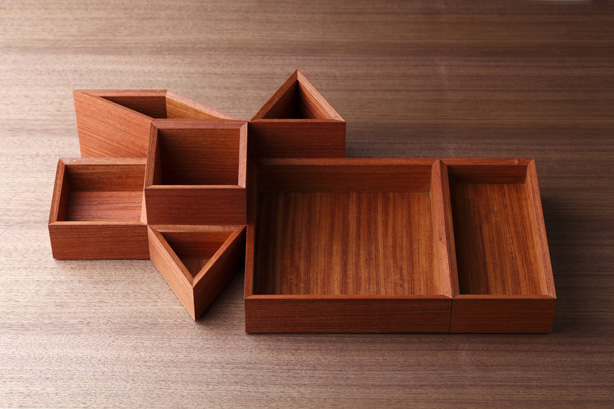
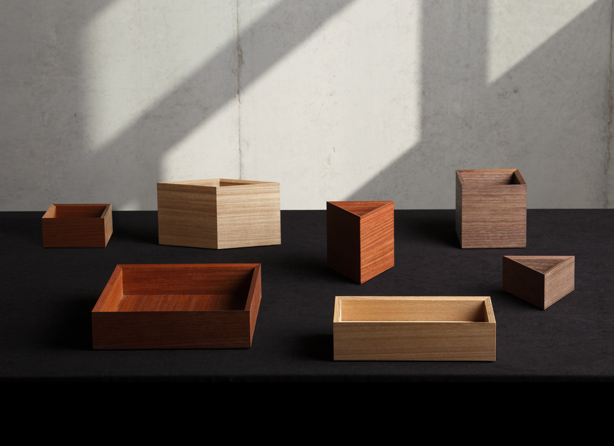
MAG CONTAINER: Beautifully crafted by artisans from Tokushima, these wooden stationary boxes magnetically connect. Designed in shapes of 30-degree increments – an equilateral triangle, a square and rhombus – the boxes freely come together to create geometric forms that act as pen stands, trays, or anything you need them to be.

Nosigner MSY-colors (14) Nosigner MSY-colors (13)

Nosigner MSY-colors (6)
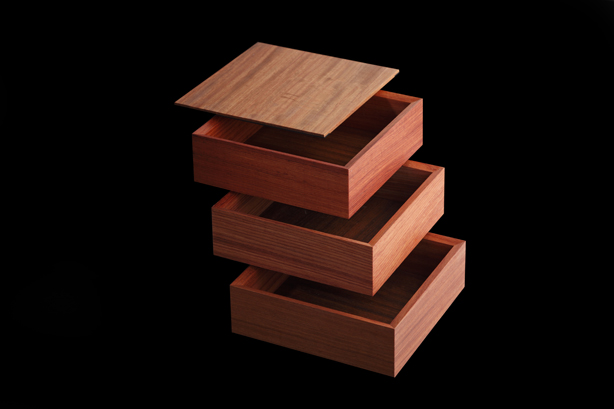
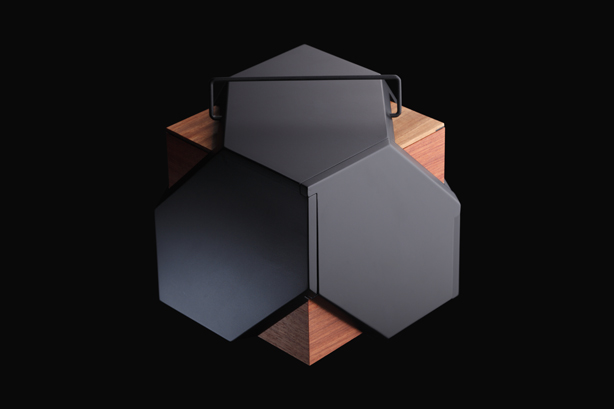
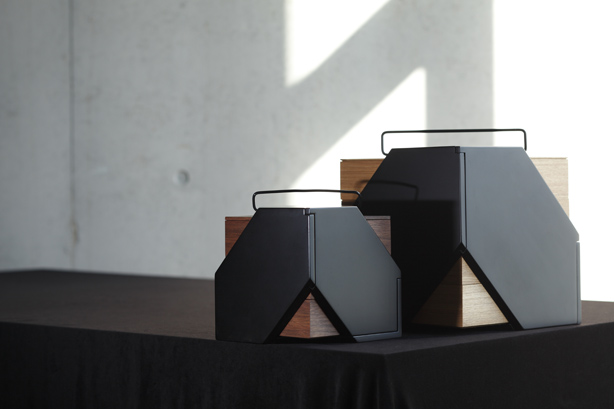
SUMI: A redesigned traditional bento box that functions as a chest for small treasures as well.

source: press release

« Older posts Newer posts »

© 2026 Spoon & Tamago

Up ↑

Design by Bento Graphics