December 27, 2012 / Johnny / Comments Off on Nude | Composite photos of the dancing human body by Shinichi Maruyama
all images courtesy the artist | click to enlarge
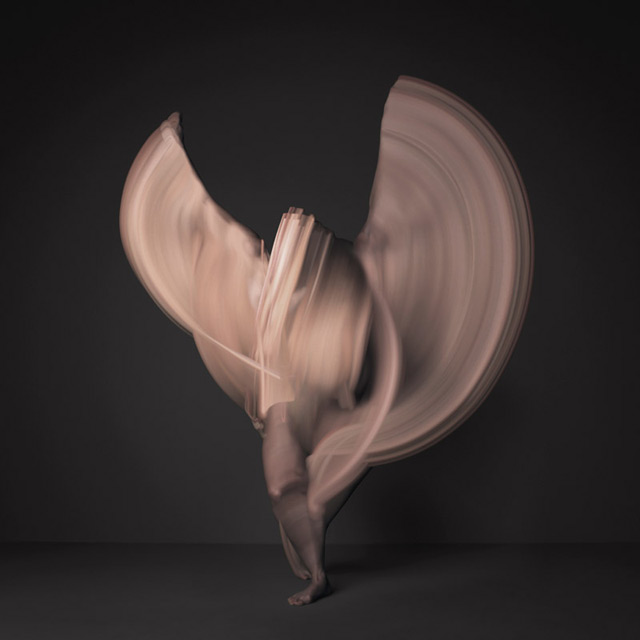
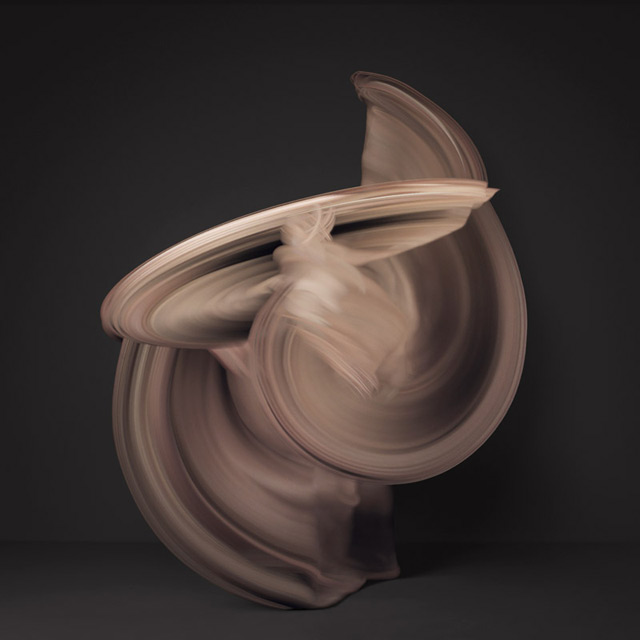
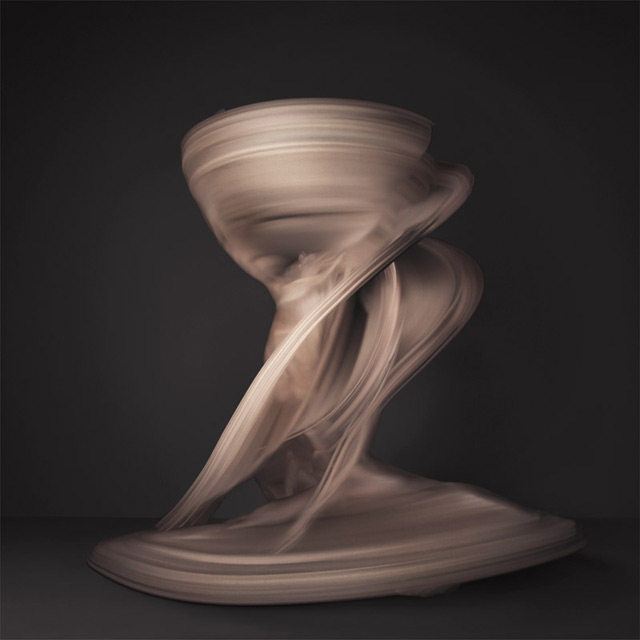
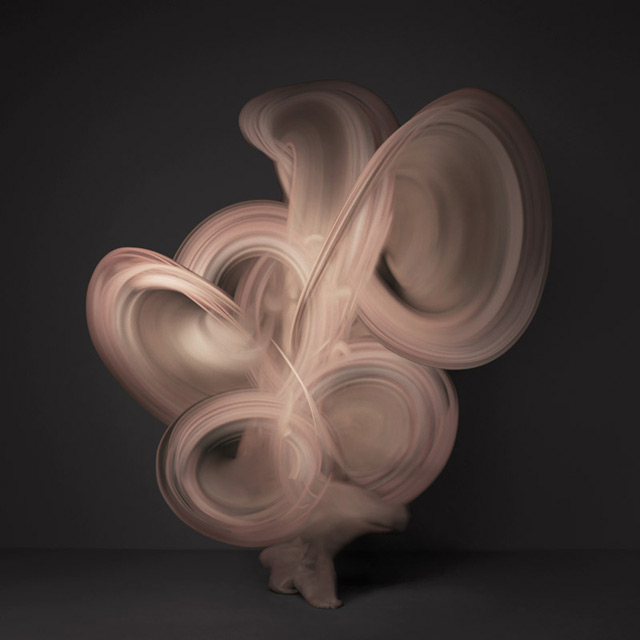
Japanese artist Shinichi Maruyama has a new body of work out. While continuing with his manipulation of time and motion, Maruyama shifts his focus from water and paint to the human body – the naked human body, that is. But the series is rendered completely SFW in that each image is a composite of 10,000 individual photographs, creating a time-lapse effect.
I tried to capture the beauty of both the human body’s figure and its motion.
The figure in the image, which is formed into something similar to a sculpture, is created by combining 10,000 individual photographs of a dancer.
By putting together uninterrupted individual moments, the resulting image as a whole will appear to be something different from what actually exists.
The series was created in collaboration with the choreographer Jessica Lang, who assisted in testing various routines to create picture-perfect dance movements. The two have been working together a lot recently. Last year Maruyama joined in on the production of White, a dance piece that was created on film.
We want to take a moment to thank you for stopping by and reading our posts. We know there are a lot of great blogs out there so it means a lot to us to when you decided to come to Spoon & Tamago. We’re excited about what 2013 holds: we’ll continue to improve functionality on the site, as well as hopefully relaunch our flash sales (which have been on hiatus). But most importantly we look forward to bringing you new and exciting stories on Japanese art, design and culture.
Here are our 10 most popular stories of 2012, which – we’re proud to say – are all original stories that we reported on before any other foreign media outlet!
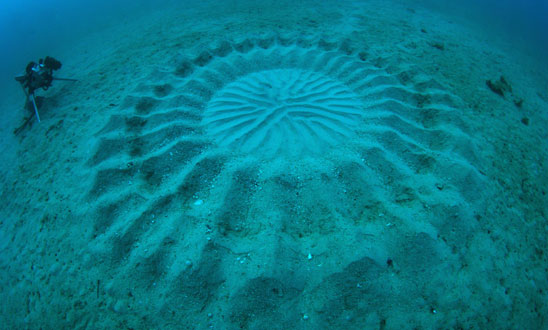
A tiny fish that creates intricate sculptures to lure mates captured the hearts of our readers and was the most popular post of 2012. And now a major television network is looking to cast this little fish as the star of a documentary!
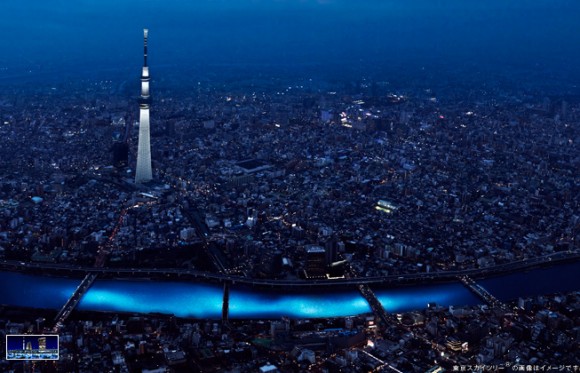
Earlier this year the inaugural Tokyo Hotaru festival was held in which an impressive display of 100,000 LED lights – made to resemble fireflies – floated down the Sumida River through central Tokyo.
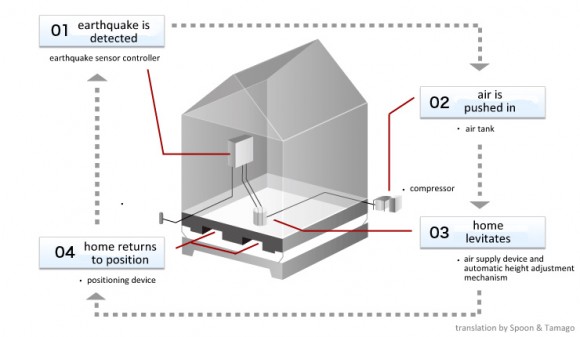
A company in Japan has invented a mechanism that levitates homes moments before an earthquake strikes, making them immune to tectonic rumblings. Sounds like science fiction, right? Well it’s not.
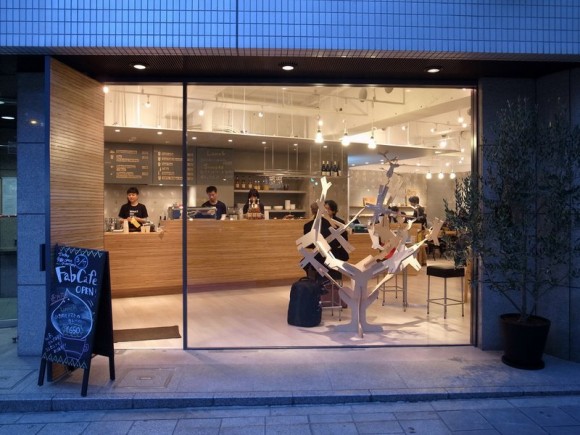
A new cafe in Shibuya merges craft and caffeine. Fab café comes with a laser cutter that anyone can use. However, it’s recommended you have your coffee before operating the machine.
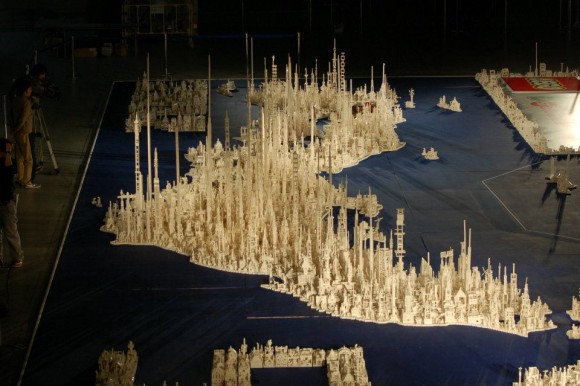
In celebrating the 50th anniversary of the iconic building blocks being introduced into Japan, 1.8 million LEGOs were used to create a gigantic replica of Japan.
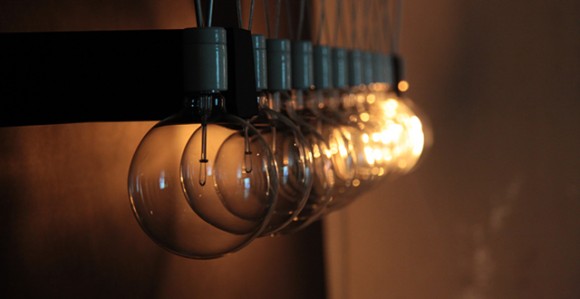
An installation of 11 computer-programmed incandescent light bulbs hung from strings. They playfully re-enact Newton’s Cradle – or more aptly, Edison’s Cradle – visualizing the transfer of kinetic energy. Mesmerizing.
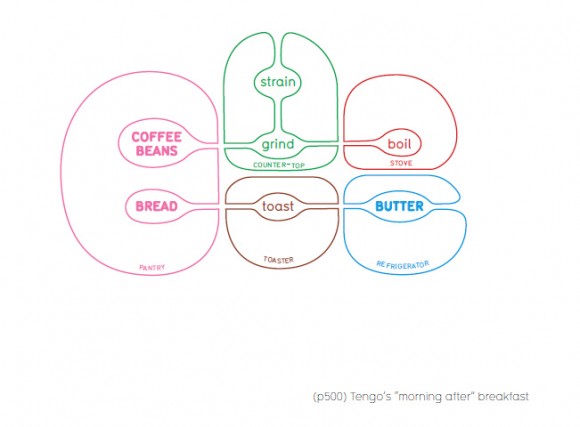
Haruki Murakami’s 1Q84 is epic in every sense. An art student at Cooper Union created an equally epic infographic that charts and visualizes all the meals that occur throughout 1Q84.
December 19, 2012 / Johnny / Comments Off on The Zero Yen House and other unimaginable habitats of Kyohei Sakaguchi
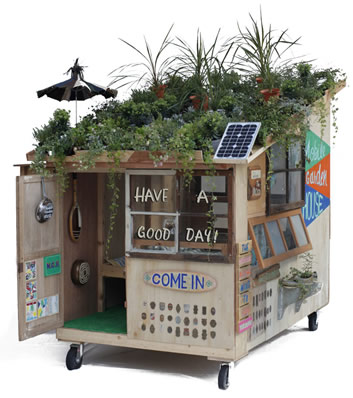
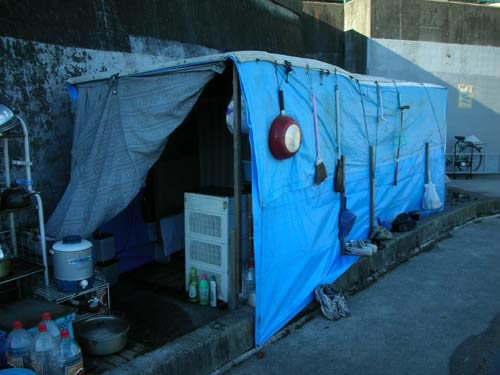
As an architecture student at Waseda University in the late 90s Kyohei Sakaguchi encountered a structure that would forever shape his future career. It wasn’t Oscar Niemeyer’s Brazilian National Museum, nor was it Le Corbusier’s Unité d’Habitation. Not even Kisho Kurokawa’s Nakagin Capsule Tower. It was a home built on a budget of zero yen on the bed of Tokyo’s Sumida River.
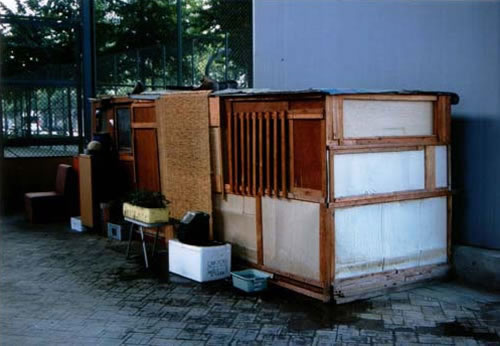
“Zero Yen House” (Sumida River, Tokyo)
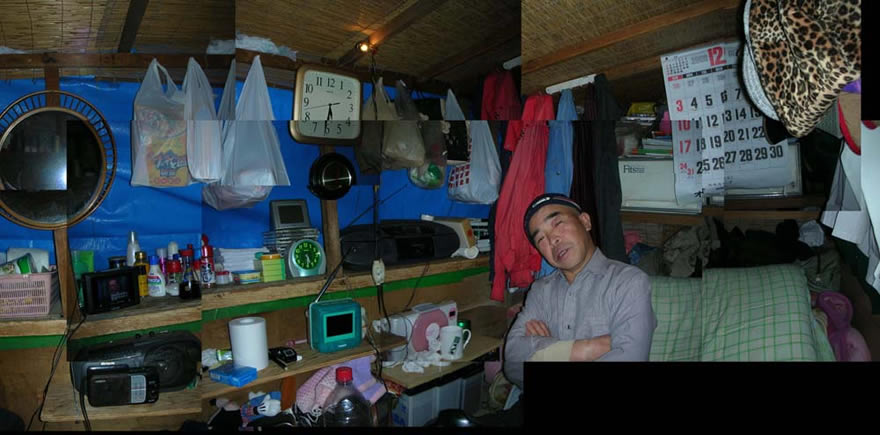
Suzuki-san inside his Zero Yen House
The owners at the time, 59-year old Suzuki-san and 52-year old Mi-chan, moved to Tokyo from Fukushima and built their palace with found materials. They live off money they got for recycling aluminum cans, and from spare electricity leftover from discarded car batteries. (Did you know that “dead” car batteries can power a small TV for 10 days at 5 hours of usage a day!?). “But I don’t call them ‘homeless,’” says Sakaguchi, of his revelation. “They have a house. I rent a house.”
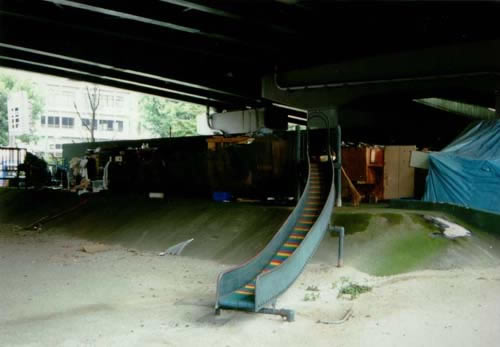
“A House with a Slide” (Nagoya) built around an abandoned children’s playground
“A Japanese restaurant” (Nagoya)
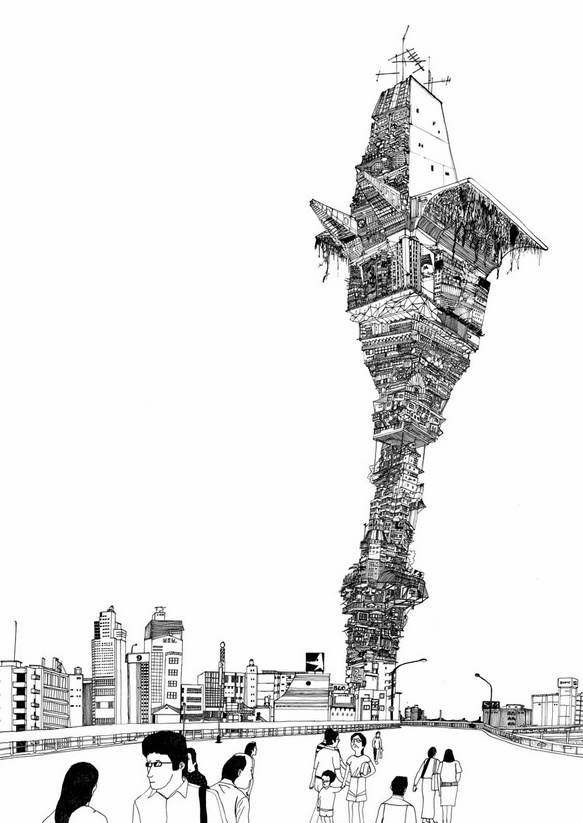
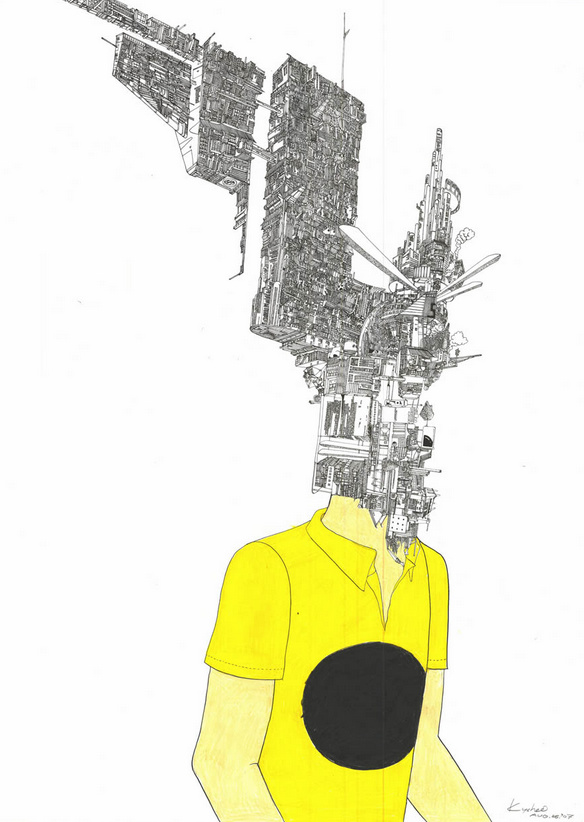
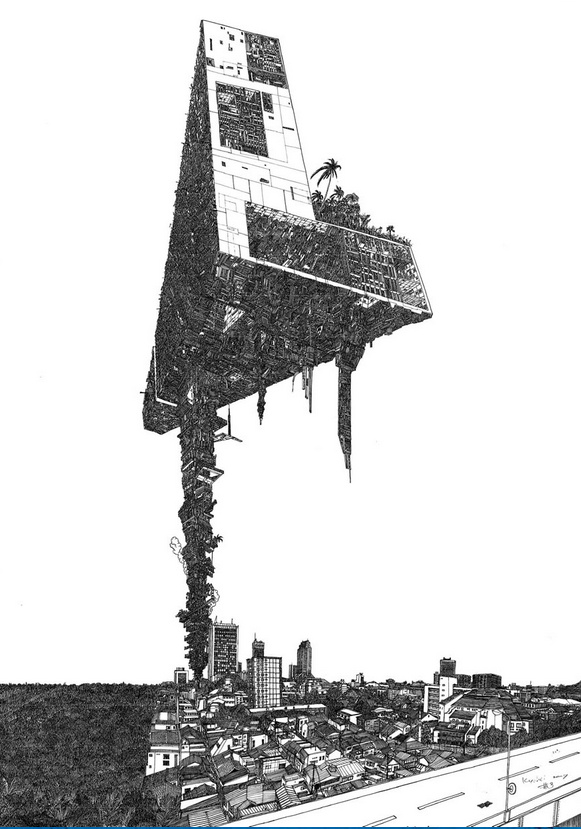
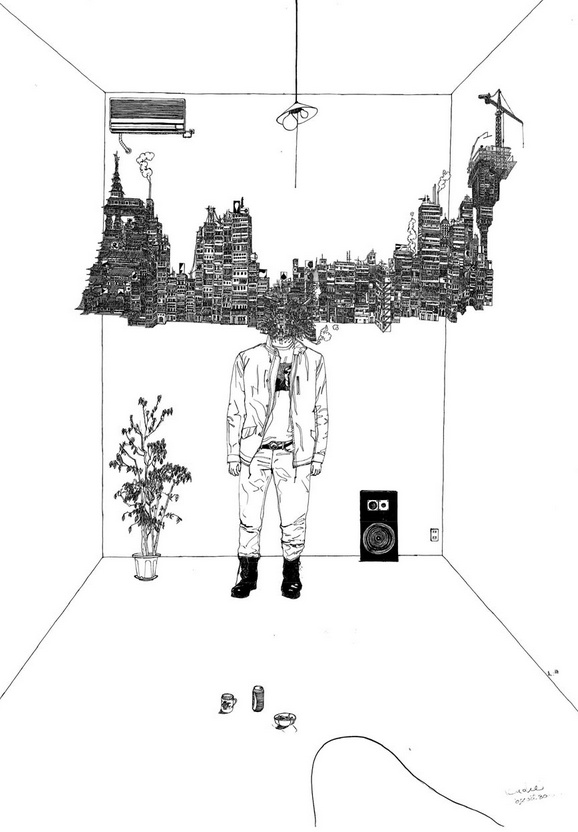
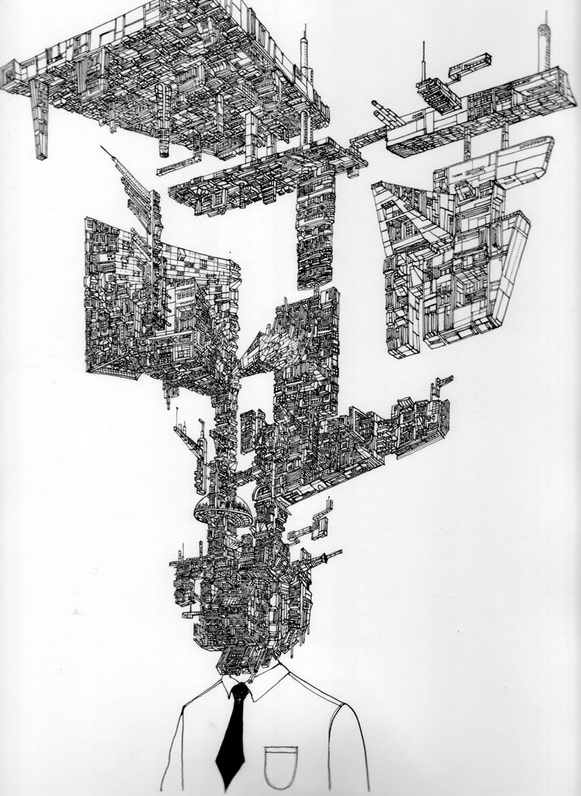
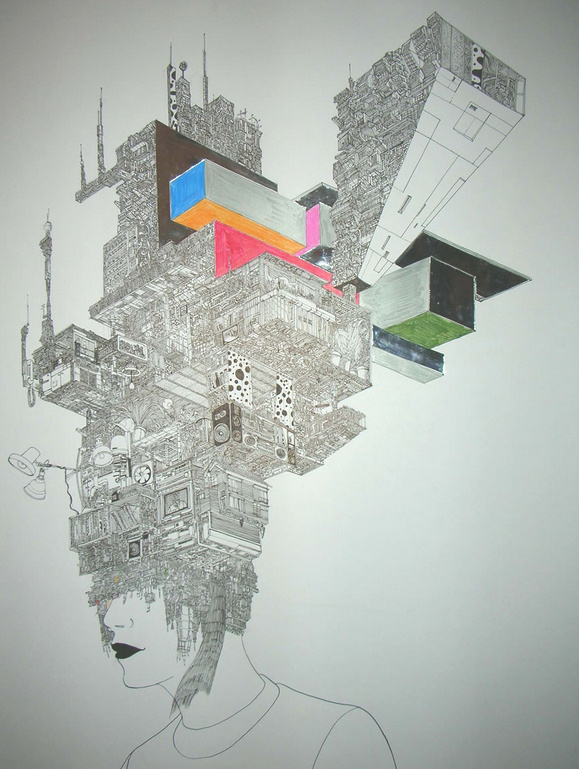
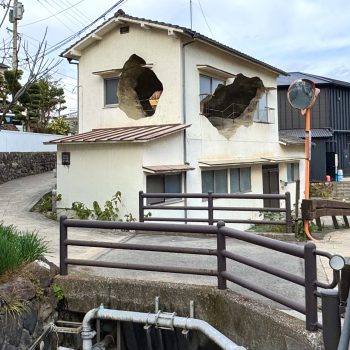
Sakaguchi began documenting the many Zero Yen Houses he found. He would interview inhabitants in order to gain a deeper understanding to their way of life. He grappled with the idea of land and property and the fallacy, he believed, of how we are told we have to own land before we can build a house on it. He struggled with notions of urbanity, and how cities clash with their natural surroundings, swallowing up the residents. This eventually led to a series of dream-like prints called “Dig-ital” that portrayed a dystopian cityscape of unbalanced buildings that expand out like a jungle.
“Dig-ital” (2006 ~ ) by Kyohei Sakaguchi | click to enlarge
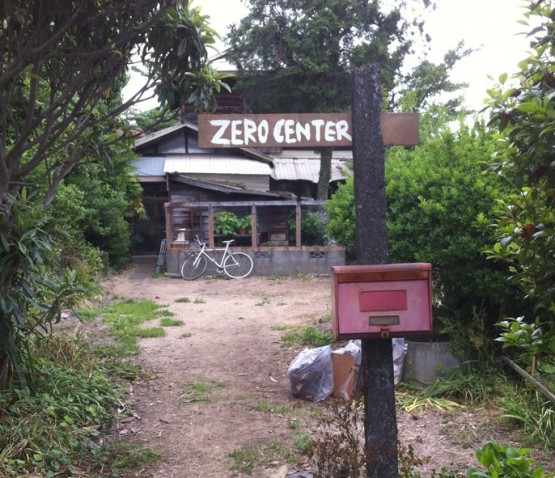
As fate would have it, Fukushima – where Suzuki-san was originally from – delivers to Sakaguchi another jolt, this time in a less amiable form. The Tohoku earthquake and tsunami on March 11, 2011 cripples the Fukushima Dai-ichi Nuclear Reactor, which begins spewing radiation into the atmosphere. Concerned about health-impacts on his 2-year old daughter, Sakaguchi relocates to Kumamoto, his hometown in Southern Japan. It is here that he comes across an abandoned 80-year old home and decides to build his very own Zero Yen House. On May 16, 2011 he opened “Zero Center,” a refugee camp for those affected by the nuclear fallout. Twitter became a powerful tool for Sakaguchi, who used the social networking service to spread the word about his new camp.
The response was overwhelming. About 30 or 40 people brought their families and relocated to the Zero Center, which continues to function as a self-sustaining bohemian society. Sakaguchi eventually wants to transform Kuamoto into and “arts capital” – a place where people can live off of art. Architecture is governed by building codes and regulations, he says, but art and all its blank space is autonomous. That is where I sense the greatest potential.
The work of Kyohei Sakaguchi is currently the subject of an exhibition at Watari-Um, which runs through February 3, 2013.
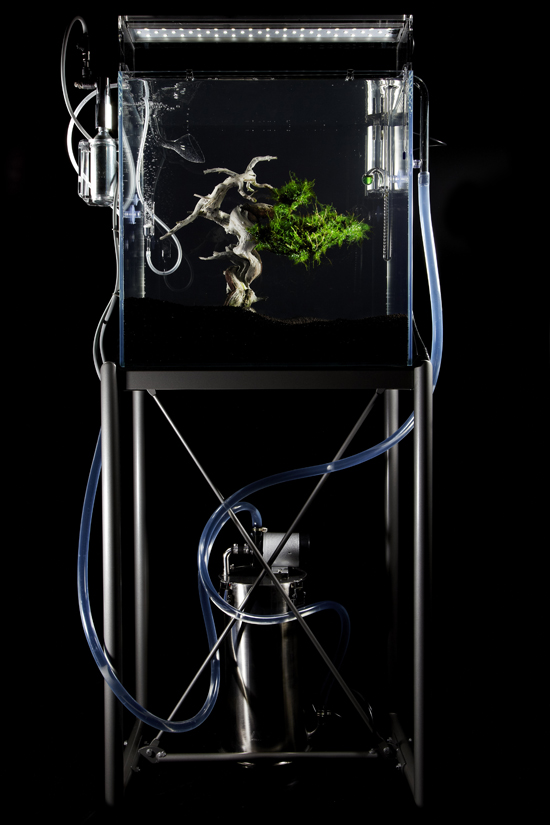
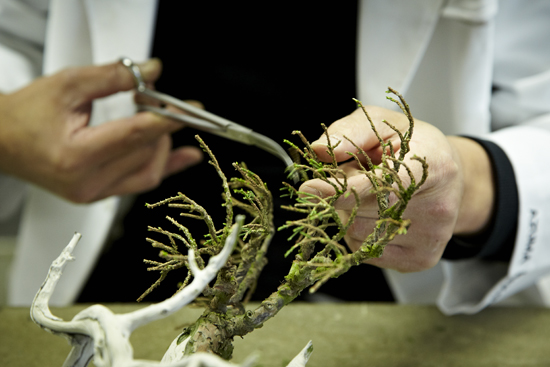
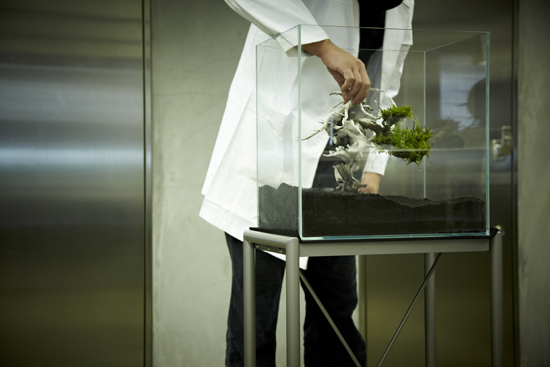
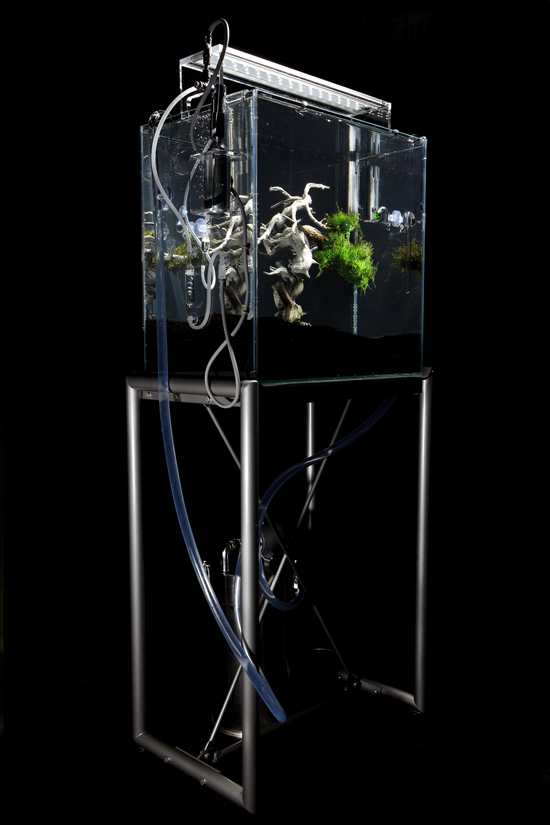
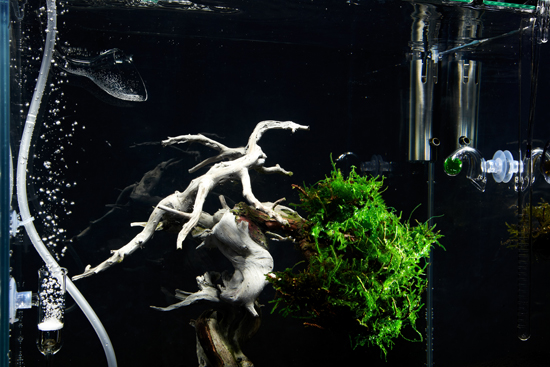
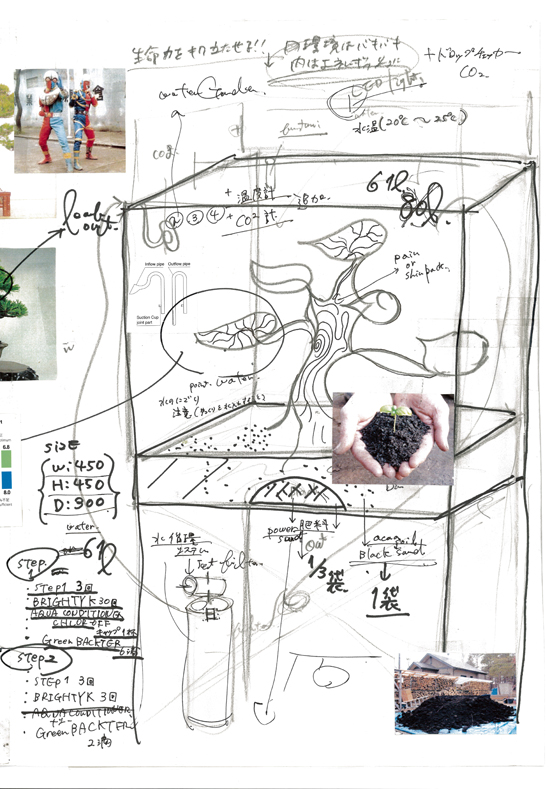
Botanical artist Makoto Azuma has been perennially experimenting with bonsai in search of new ways of viewing one of Japan’s oldest art forms. His latest endeavor is to recreate a sustainable bonsai within an underwater environment.
Deadwood is garnished with java moss to resemble leaves, and then secured within a clear, minimal aquarium. And to recreate the natural cycles that exist within nature, LED lights and CO2 emissions within the tank help stimulate photosynthesis. Finally, a filtration system keeps the water free of bacteria and other organisms.
There’s something incredibly calming about watching this plant gracefully and ever-so-quietly breathing, floating in the most abundant compound on Earth’s surface; an essential element for all life on our planet.
This is an ad that appeared in the publication “koukoku hihyou” (previously) in June 1982. It reads something to the effect of, “after you, Prime Minister,” and was created in response to heightened nationalism and a move, which was thwarted, to reintroduce conscription into the constitution.
Although rooted in a historical context of a different time, the ad has appealed to a young generation of frustrated voters, upset about the outcome of the recent election and fearing a constitutional revision that would emphasize citizens’ obligations to the state and potentially open the door one day to universal conscription.
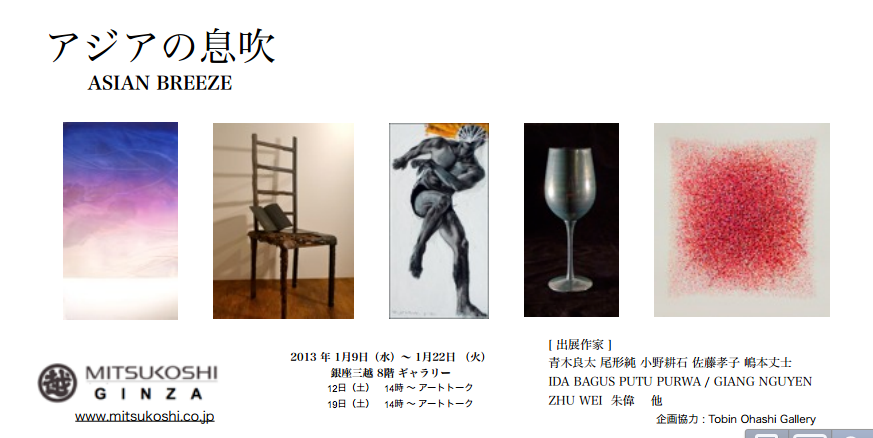
images courtesy Tobin Ohashi Gallery | click to enlarge
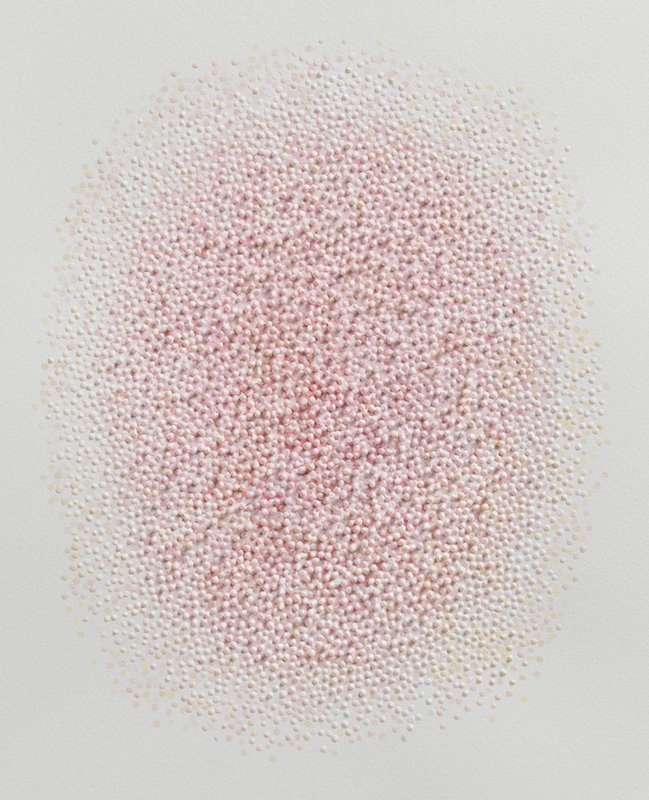
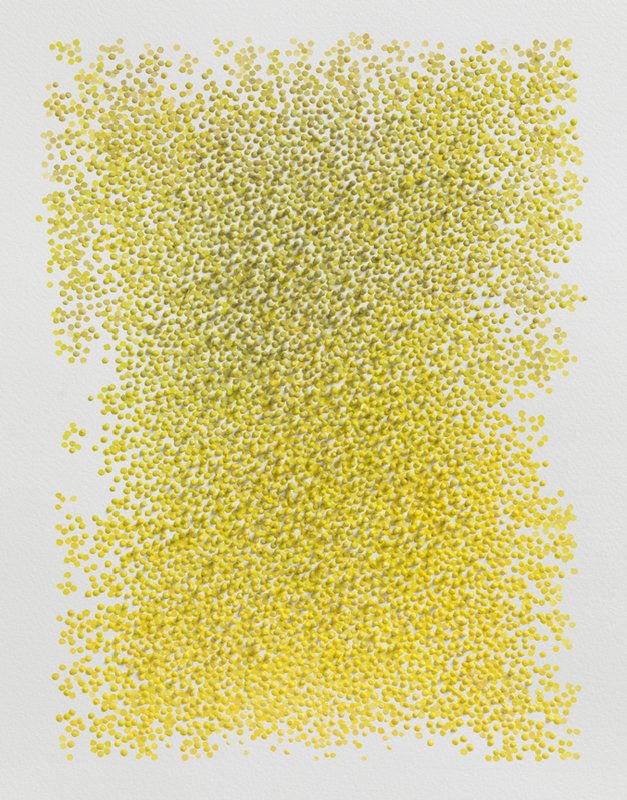
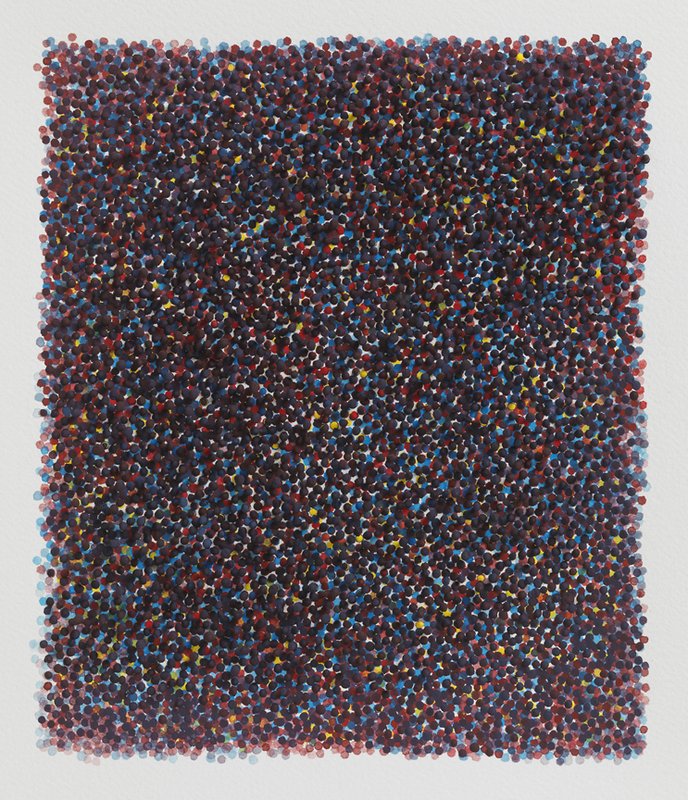
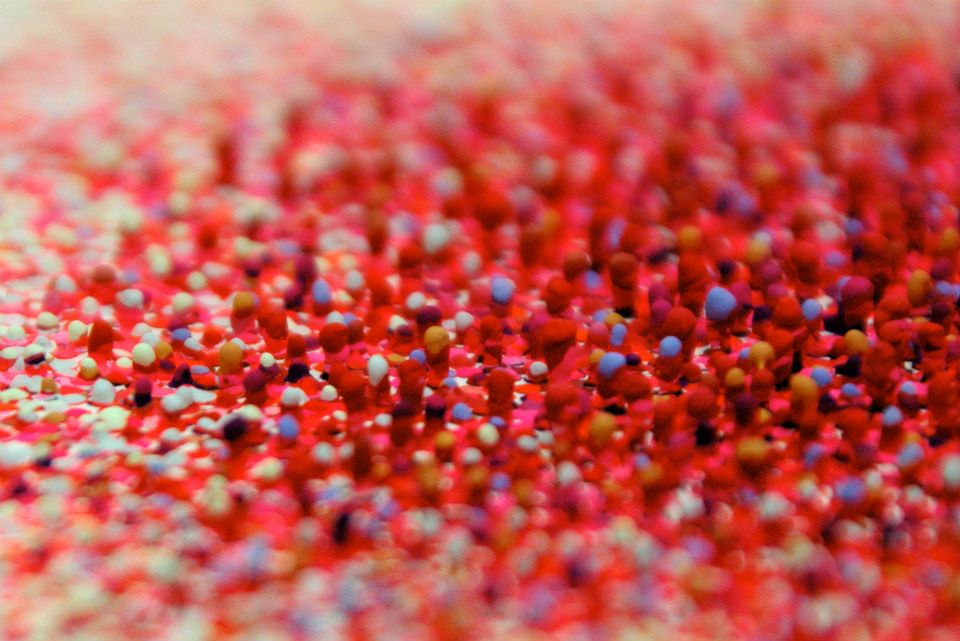
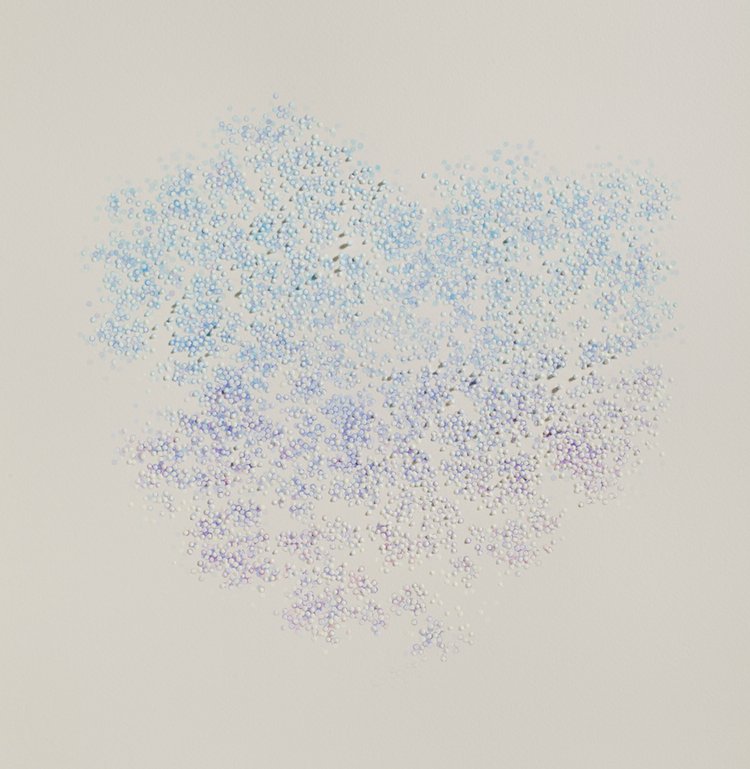
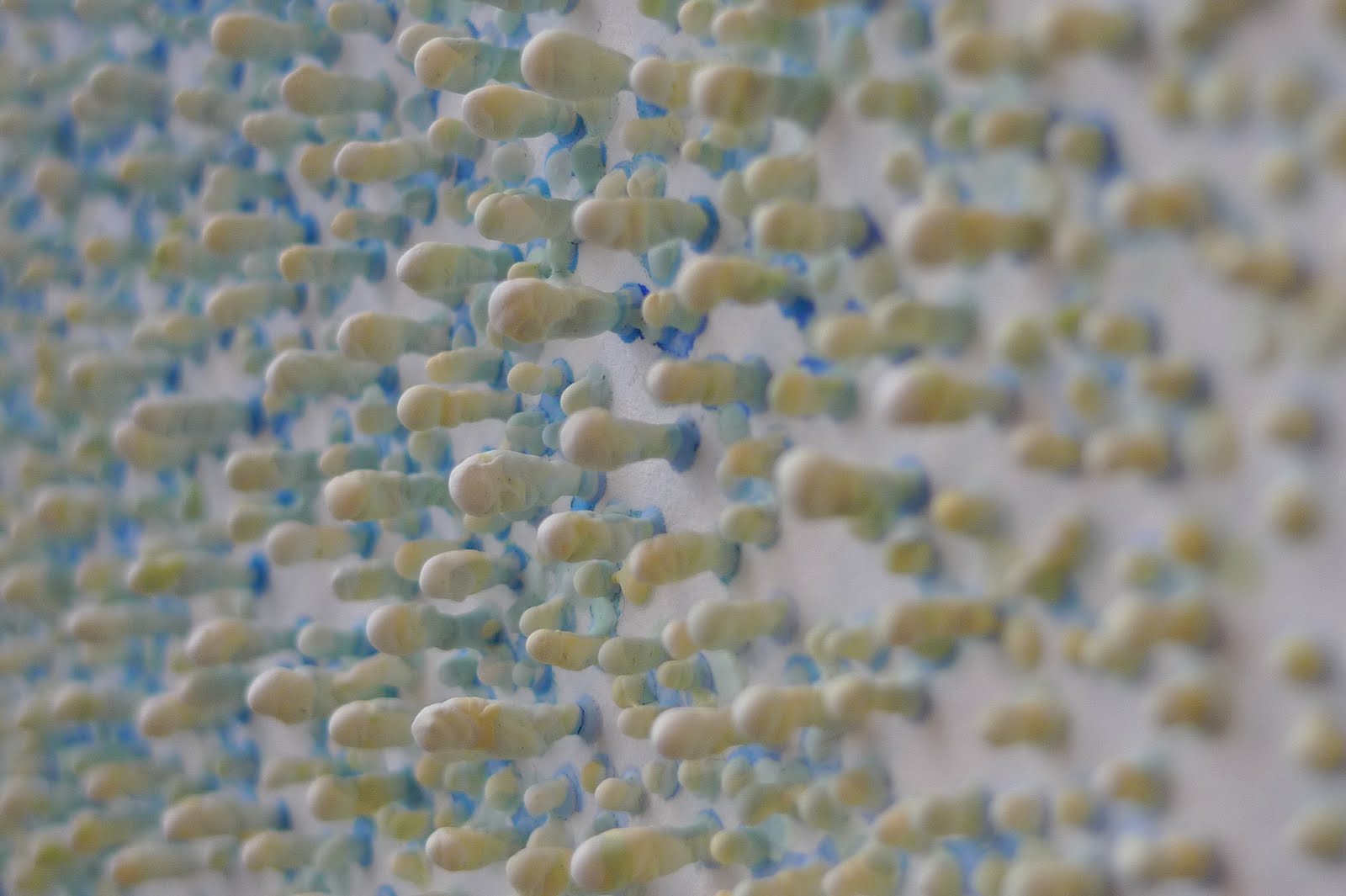
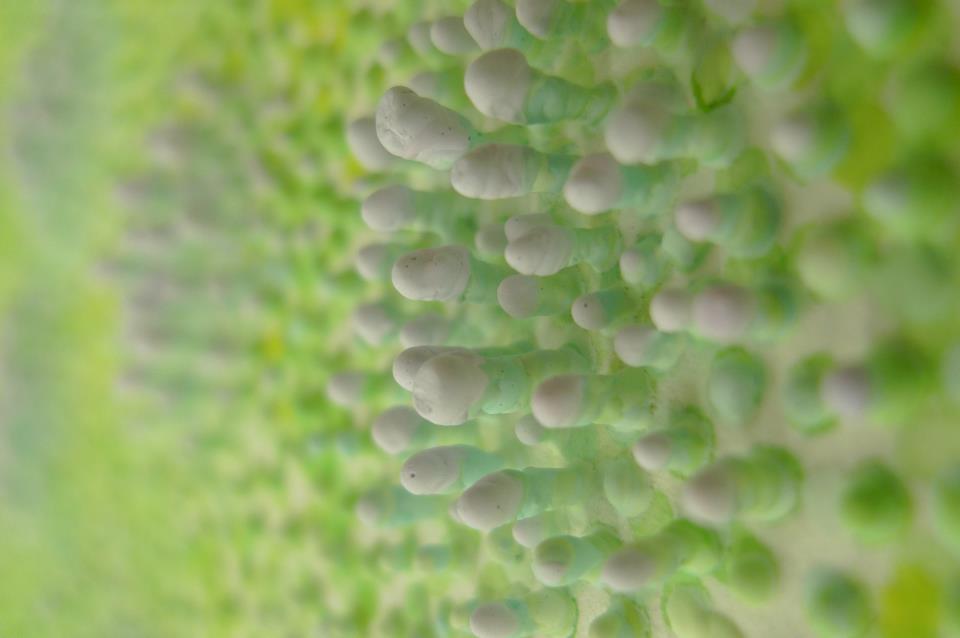
Boston-based Japanese artist Masako Kamiya creates colorful paintings that are rich in texture by building up dots of color into half-inch, stalactite-like columns. She primarily works with gouache, which is a type of paint consisting of pigment and a binding agent. She then meticulously applies this to a wood panel, a process of mark-making that she likens to “a conversation” with the paint.
But don’t call it pointillism. “A point is very different from a dot,” she observes. “And my paintings start with dots.” She goes on to say that “from a distance the painting is a series of dots, which create larger patterns toward a uniformed center. When observed more closely the third dimension is revealed, a forest of multicolored columns.”
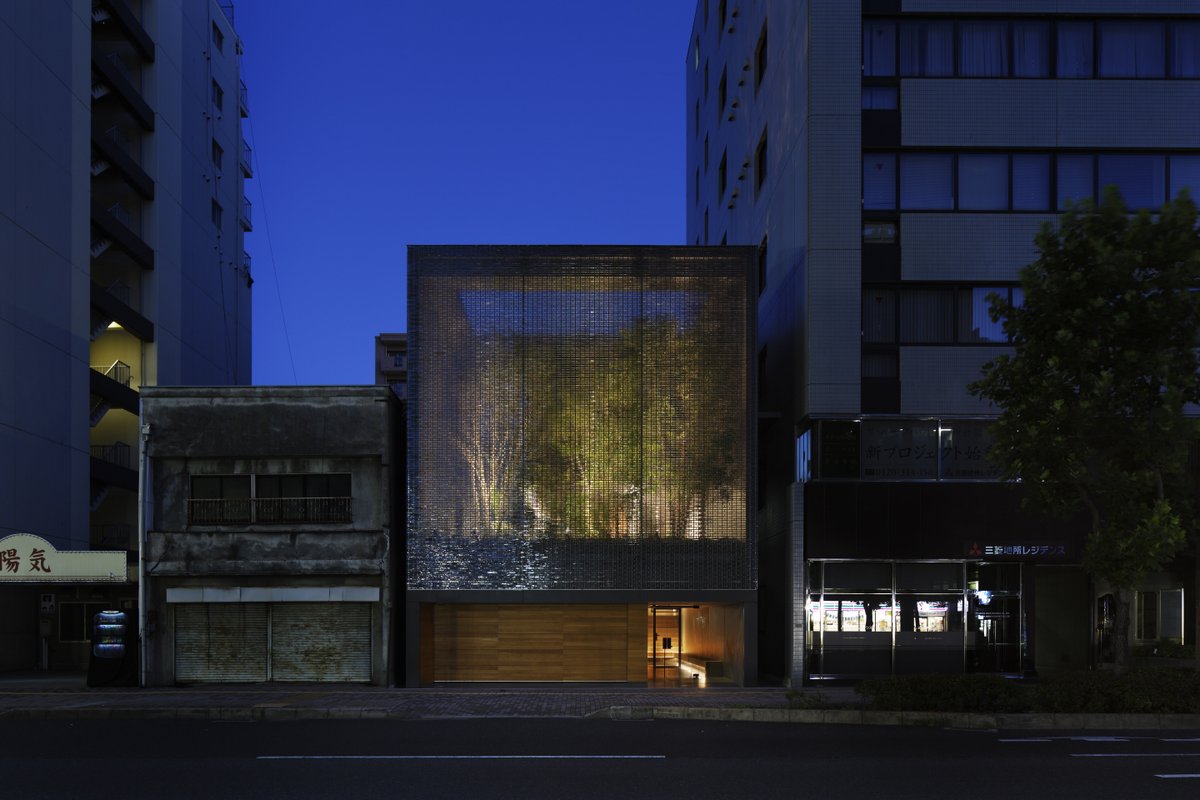
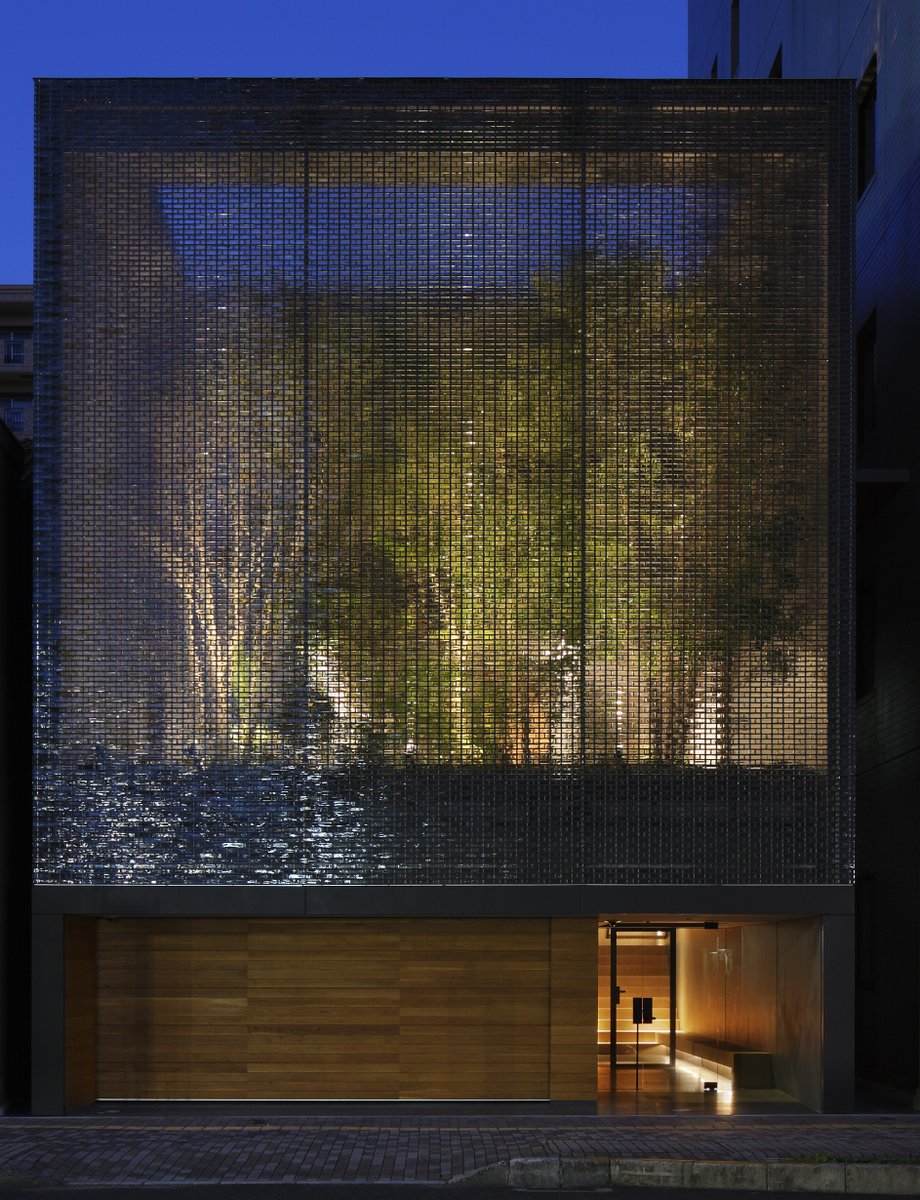
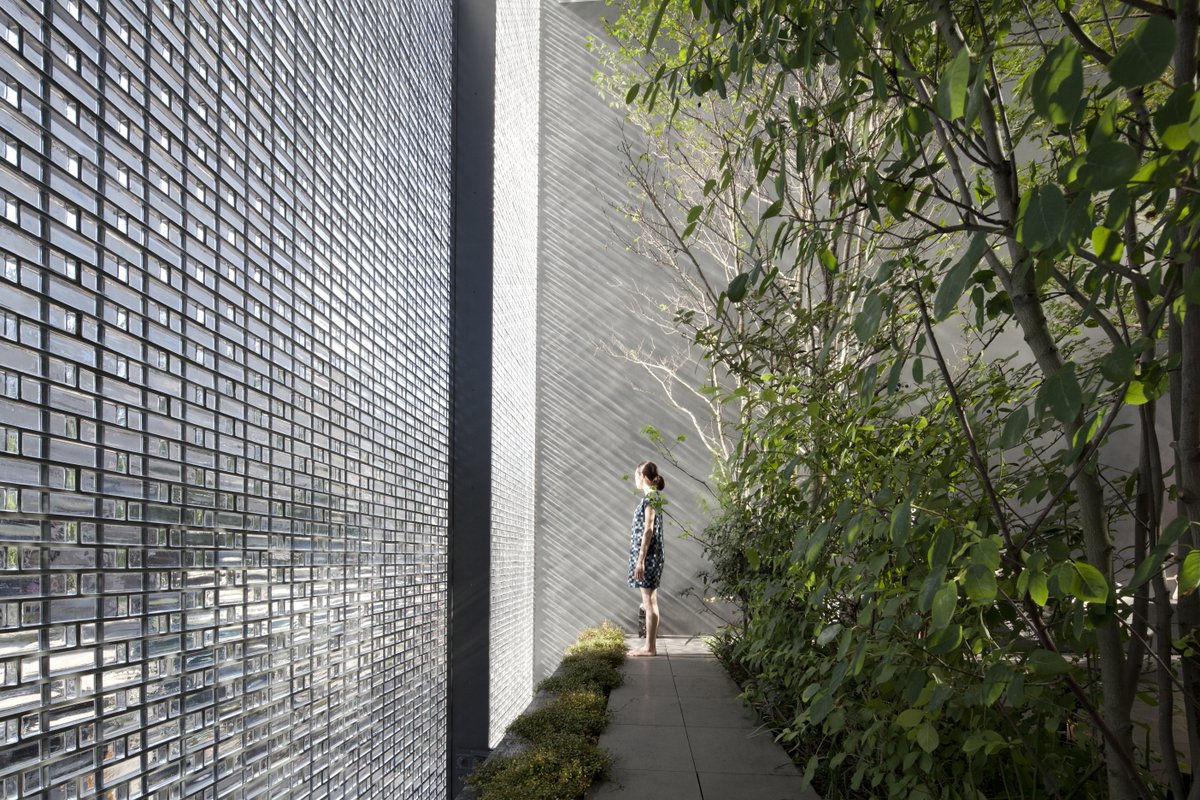
photos by Koji Fujii/Nacasa & Partners Inc. | click to enlarge
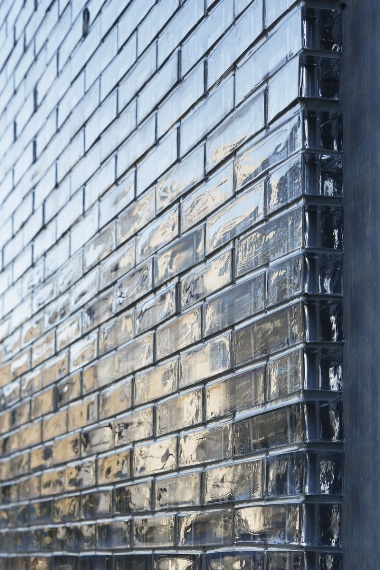
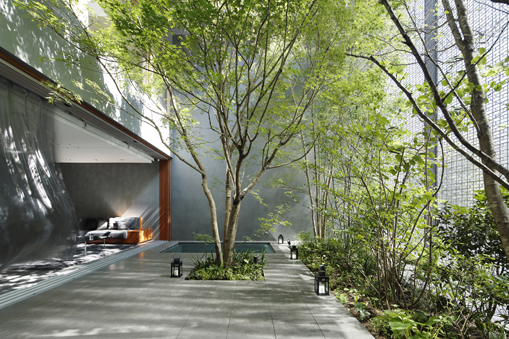
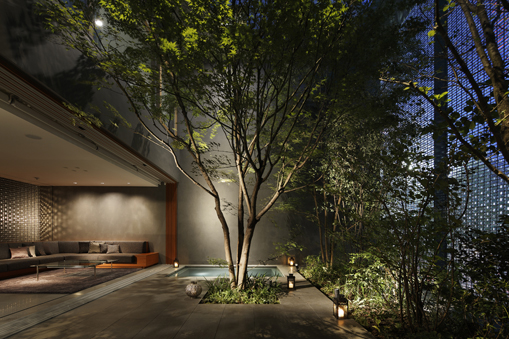
6000 glass blocks function much like an urban noren – allowing light and air to pass through while revealing only a mosaic of the lush garden inside.
The allure of the transparent has forever tickled the architect’s imagination. Especially in Japan, where space is of a premium and density is copious, the eternal dilemma of openness vs privacy is a primary theme throughout most portfolios. It’s only poetic that 17 years after renowned architect Kengo Kuma attempted his Water / Glass House, and 10 years after Hiroshi Nakamura left from under his wings, did this disciple reinvent the notion of the glass house.
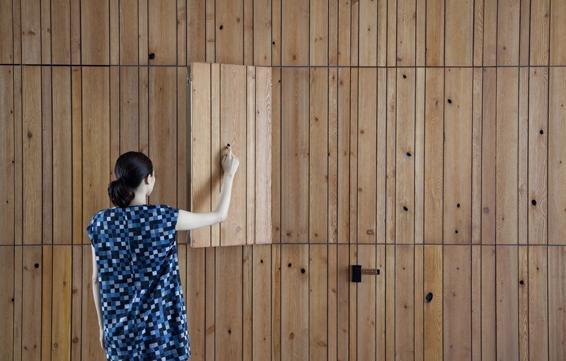
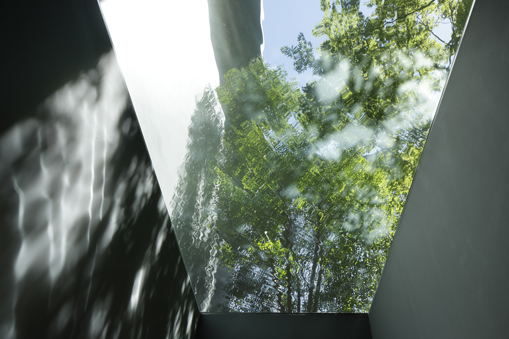
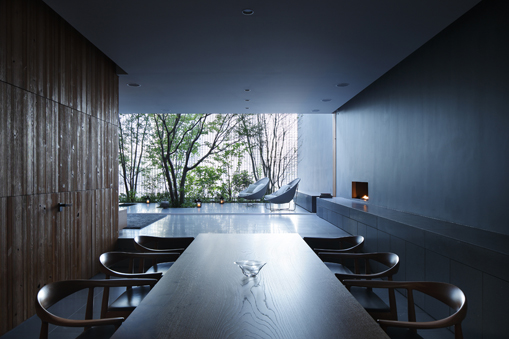
Completed earlier this year and situated on a wide, busy street in Hiroshima, Nakamura’s Optical Glass House is composed of roughly 6000 glass blocks strung together by stainless steel. The soundproof blocks not only cancel out the bustling cars and trams but they also create a façade that functions much like an urban noren -allowing light and air to pass through while revealing only a mosaic of the lush garden inside.
Hiroshi Nakamura most recently completed his largest project ever: Tokyu Plaza in Omotesando. You can read all our stories on him here.
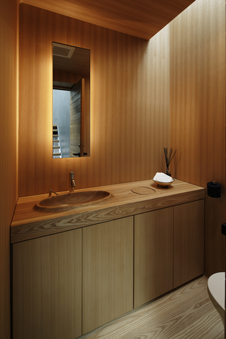
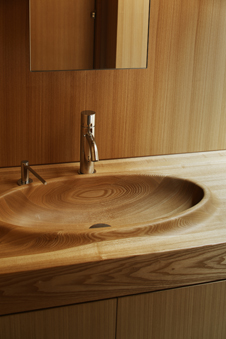
*gasp* … is this not the most exquisite sink you’ve ever seen?
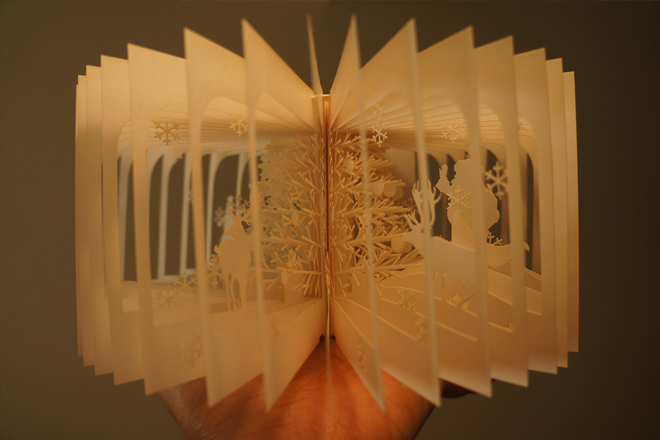
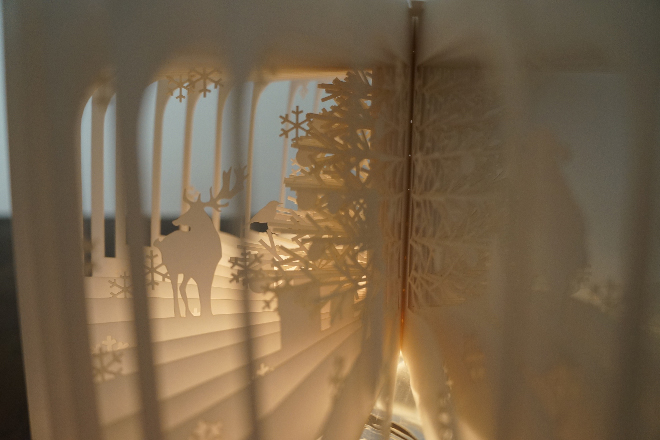
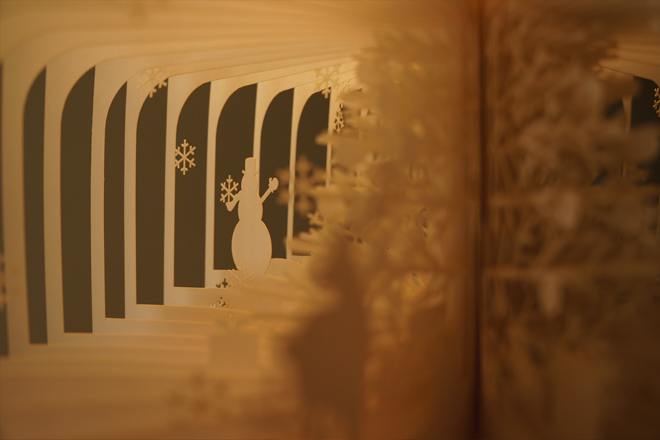
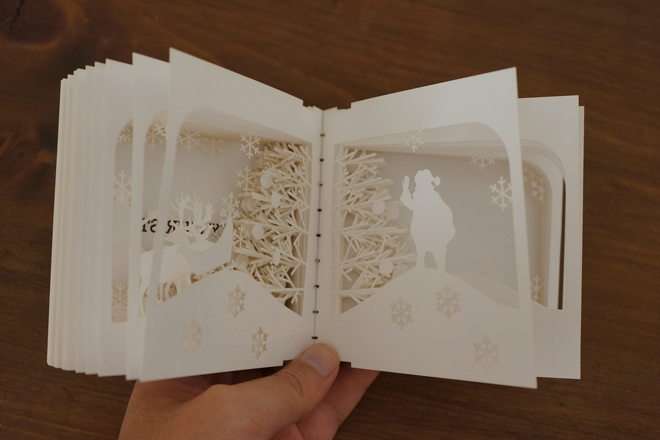
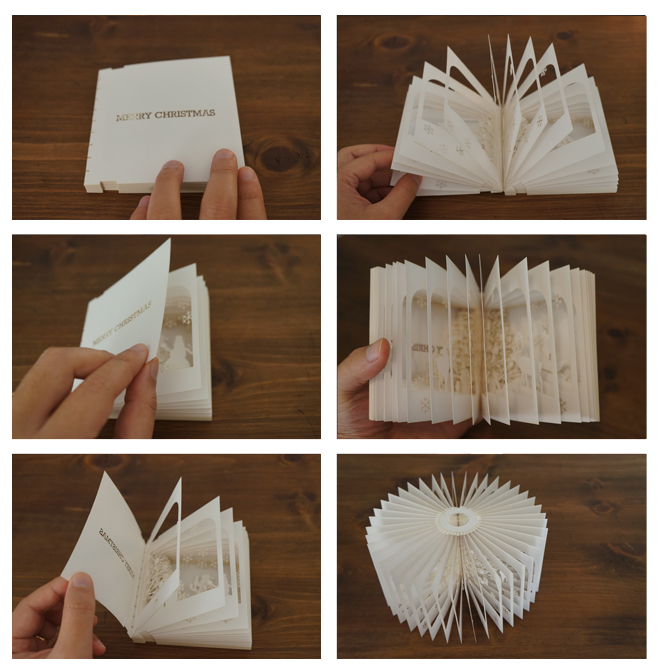
Back in October, Yusuke Oono won a contest by designing a palm-sized book that opens up 360 degrees, creating an entirely 3-dimensional storytelling world. He’s now come out with an equally stunning Christmas version, created in the same fashion as before – each page precisely etched using a laser cutter. It’s a shame it’s not available as a Christmas gift.
It’s that time of year again – another year another trend. Time to look back on Japan’s best products of 2012, according to (PDF) ad agency Dentsu.
Take it with a grain of salt but I always find it fun to remember what the collective psyche of Japan was thinking about these last 12 months. Curious about what was big last year or the year before? Check out the previous lists.
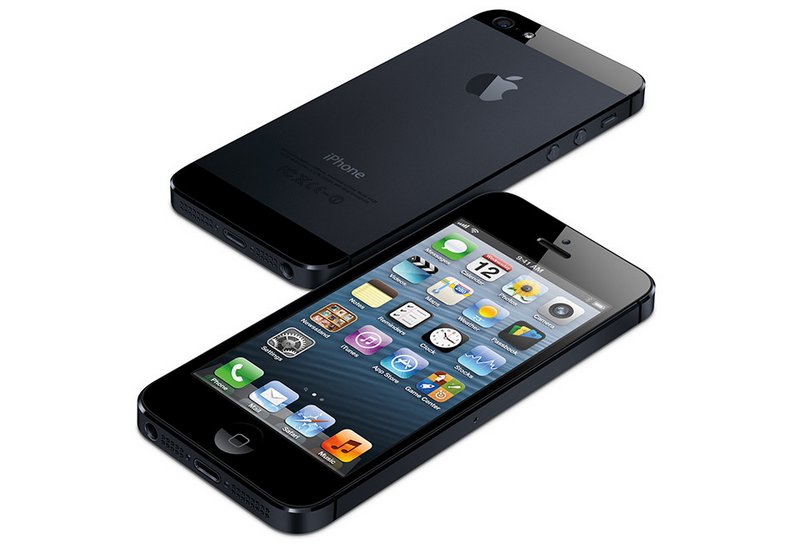
1. Smartphones
image source: Apple
I’m beginning to sound like a broken record because, for the 3rd year in a row, smartphones are number 1 on the list. The Japanese just really love their technology. Earlier in the year ComScore reported that “Smartphones surpassed feature phones as the most acquired device type” in Japan. Google’s Android accounts for about 65%, followed by Apple with about 32%. Ok, I’m putting myself to sleep. Let’s move on.
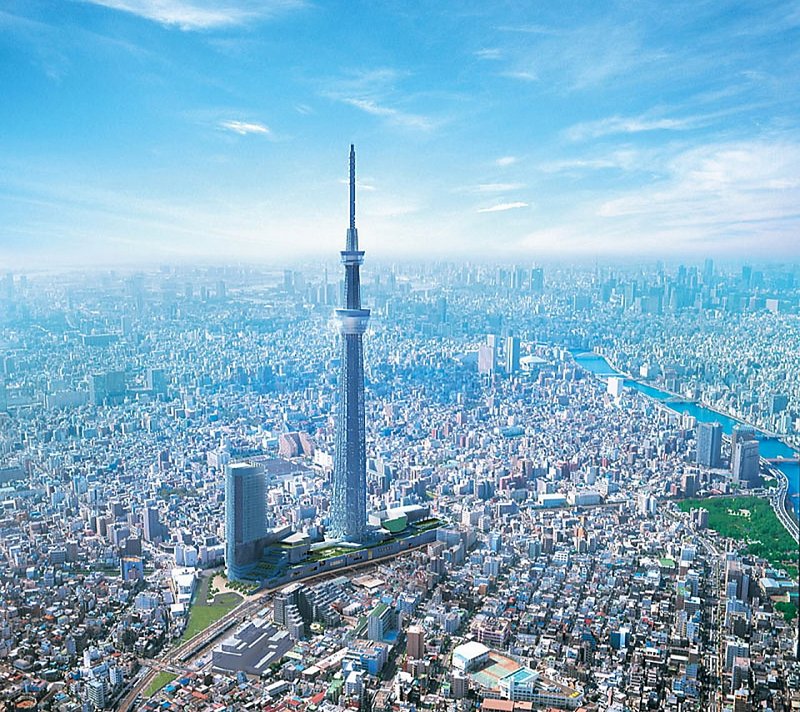
2. Tokyo Sky Tree
image source: TOBU TOWER SKYTREE CO., LTD.
The highly anticipated opening of Tokyo Sky Tree in May of this year helped push the world’s tallest free standing tower up 1 notch on the list. It’s being reported that “visitors have to wait several hours on weekends and more than an hour on weekdays to buy a same-day entrance ticket. Attendance has been much stronger than anticipated, prompting the operator to make upward revisions to their forecasts, which now call for 6.4 million visitors by its one-year anniversary.
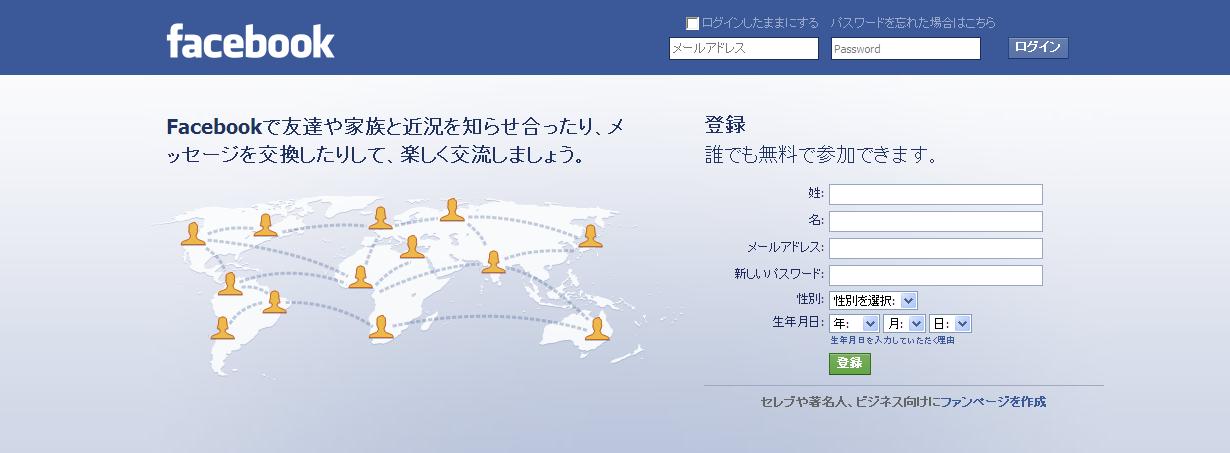
3. Facebook
image source: facebook.com
Zuckerburg and his social network catapulted up to 3rd after being buried in the high-twenties last year. Ever since launching their presence in Japan in 2008 the website has struggled to gain users in the face of Japanese web culture, which has historically discouraged sharing personal information online. But two incidents appear to have shifted the way Facebook is perceived in Japan, and the Japanese now seem to be overcoming their online shyness.
Understandably, the Social Network and Jesse Eisenberg’s award-winning portrayal of Zuckerberg helped make Facebook more approachable. Unexpectedly, last year’s Tohoku earthquake and tsunami helped shift attitudes as the site played an important role in helping spread important information and connecting lost ones.
A survey done earlier this year “put Facebook in the No. 1 position in Japan for the first time, ahead of Twitter and onetime leader Mixi.” But perhaps the most telling indicator of how times have changed is this student survey that showed that 2 years ago the most-used SNS was mixi, at 97%. This year? 2%.
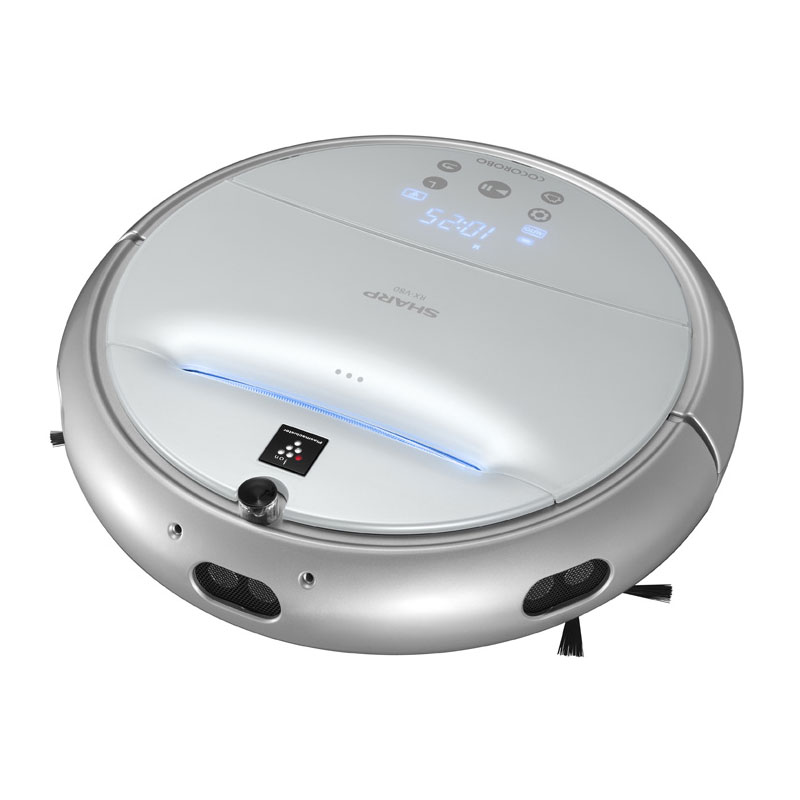
4. Robot Cleaners
image source: SHARP
Benefiting, in part, from number 1, high-tech robot cleaners that can be controlled from your smartphone climbed up on the list. Well-designed models in a variety of colors, coupled with a drastic price reduction, has made them more accessible than ever in the household.
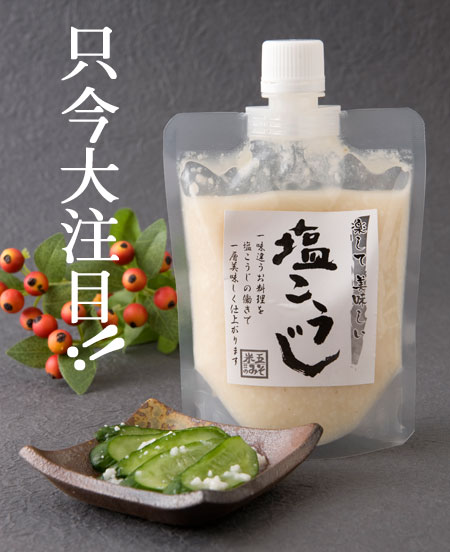
Replacing edible rayu as the year’s most sought-after condiment was salted rice malt. Although the traditional condiment, made from fermented malted rice, salt and water, has been used in Japan for decades, only recently did it come into the spotlight as a trendy way to stay fit and look good. It got picked up by several media outlets as part of an enzyme diet, which has been steadily gaining popularity. It then got boosts from various celebrities who wrote about how they use it to cook. The list includes Takako Uehara, Yuko Ogura, Jun Komori, Aya Ishiguro, … moving on…
6. Sugi-chan
Sugi-chan is a popular comedian whose tough-guy parodies brought him to fame in 2012 and landed his catchphrase, “wairudo daro” (wild, isn’t it), at the top of Japan’s top buzzwords for 2012.
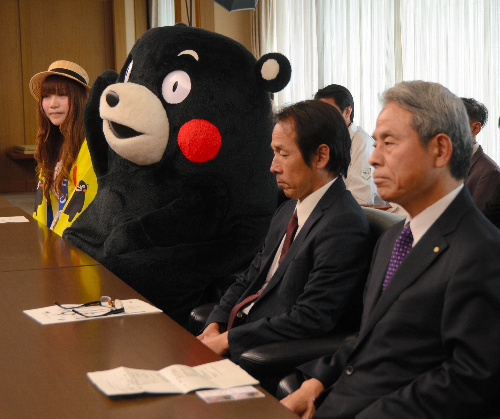
7. Local Mascot Characters
image source: asahi.com
Japan takes their mascots seriously. TV networks have mascots, milk has a mascot, blood has a mascot. There’s even a school where people go to study how to become mascots. But if you were a mascot in 2012 you only wished you were a local municipality mascot – those guys were killing it! Above is Kumamon, the mascot for Kumamoto prefecture and arguably one of the most popular local mascots. It was designed by iconic art director Mizuno Manabu.
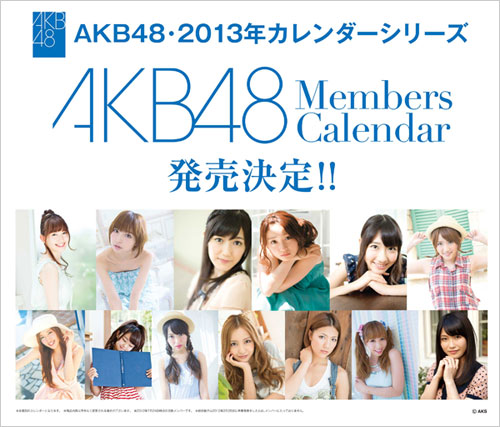
To borrow the words of The Bruce Dickinson, these girls put their mini-skirts on just like the rest of us – one leg at a time. Except once their mini-skirts are on they make gold records! Indeed, a look at the top 10 singles of 2012 confirms that AKB48 (and their spinoffs) dominate spots 1 -4, as well as 7, 8 and 9. Sigh…. Let’s move on.
9. London Olympics
Japan historically performs better in the summer Olympics, rather than the winter Olympics. So it’s understandable that the country was glued to the games, which ran from July 27 – August 12. Although Japan slipped to 11th in medal count (from 5th in 2004 and 8th in 2008), the country was nonetheless proud of its athletes.
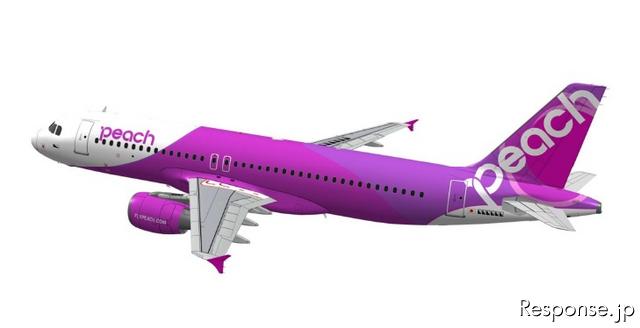
10. Low-cost carriers (LCC)
Japan is “finally discovering the joy of flying cheap, with the arrival this year of three low-cost carriers.” Pictured above is Peach Aviation, Japan’s first low-cost carrier, which was followed by AirAsia Japan and Jetstar. We’ll see if the trend sticks and, if indeed, the airlines convince a notoriously workaholic country to take a vacation.

 all images courtesy the artist | click to enlarge