Page 247 of 406

Japanese Sound Effect Rings

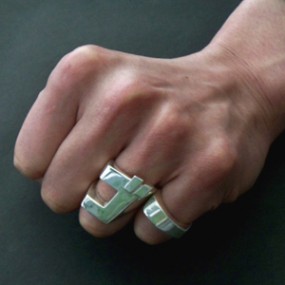
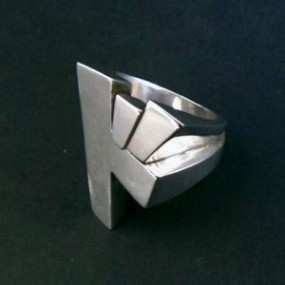
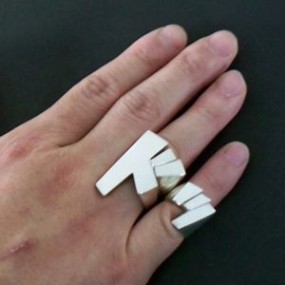
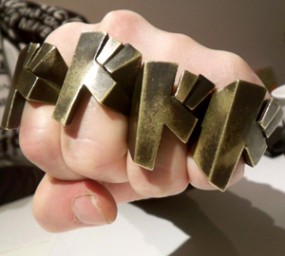
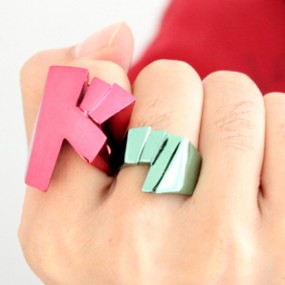
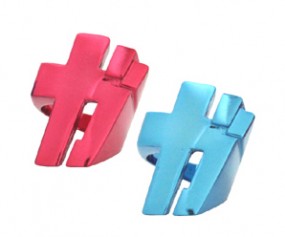
Looking to get your sound effect on? Well look no further than these awesome sound effect rings created by designer duo RGB (Shuji Tomishima and Takushi Okina). Who would have thought that sound effects, when expressed through katakana characters, would look so appealing on your fingers?

Prices range from smaller characters (ッ) going for 7,612 yen to larger characters (ド・ゴ・ハ・ガ) for 23,100 yen. They’re available through Mitsubai Tokyo.

Katakana sound effects have long been a vital part of manga, with authors often using them lavishly throughout sequences to help heighten the visual mood of the story. It’s actually a really interesting topic of thought: designing typography based on the sound effect that each character has. It’s an idea that surfaced before in our interview with Hideo Satoh, who designs subtitles for foreign movies to be shown in Japan.

Here are a few examples of katakana sound effects being used in manga. Many more over on this thread.


MUJI’s interactive installation of 100 gingerbread houses

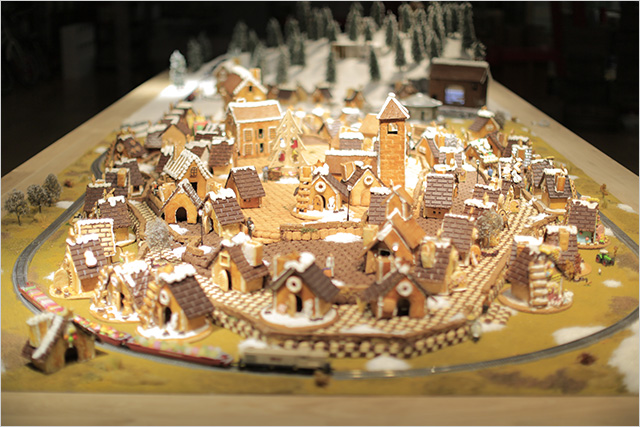
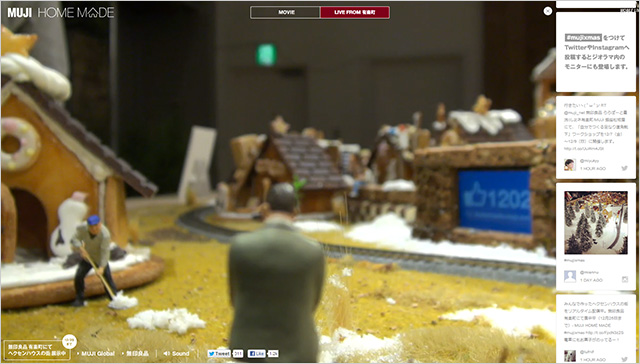
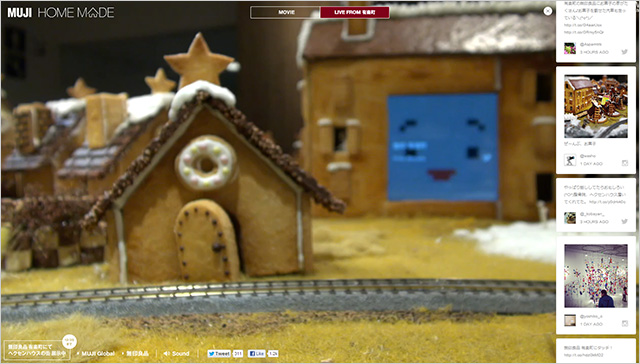
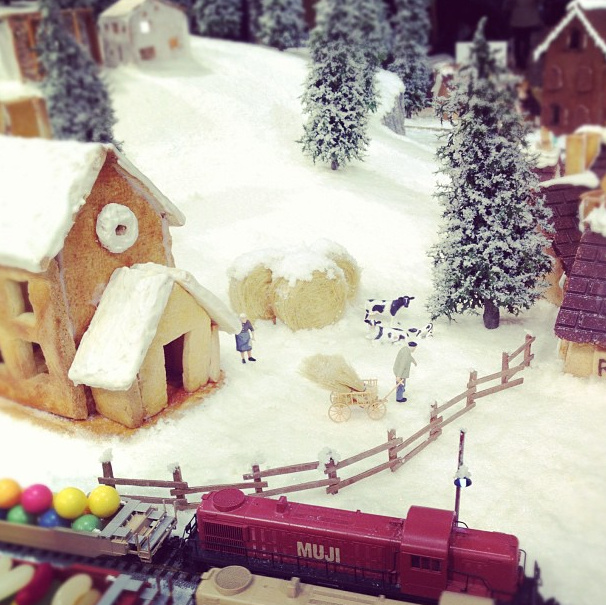
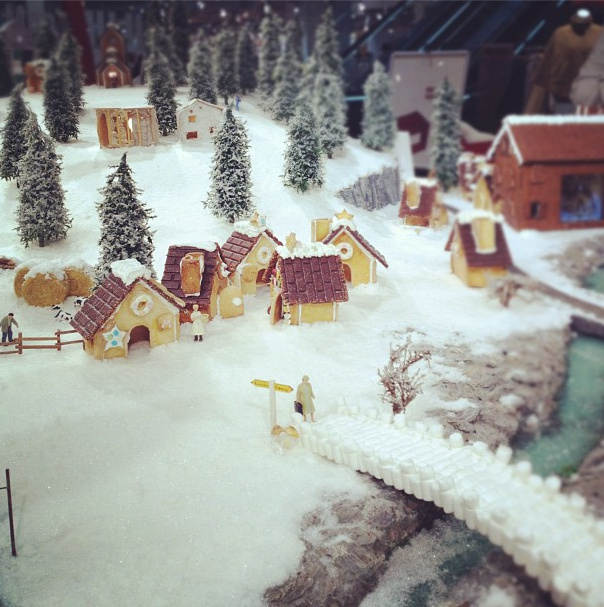
Until December 25, head over to MUJI’s Yurakucho store for a special treat: an installation of a miniature town made up of 100 gingerbread houses and garnished with over 15,000 MUJI snacks. The town is embedded with monitors that display tweets or instagrams with the hashtag “#mujixmas” – try it!

And a movie on their website displays a live feed of the shop! Hat tip to Yugo Nakamura and the folks at tha. (you can see all our posts on their work here.)

Below: user-generated instagram shots by bsidos.

source: tha

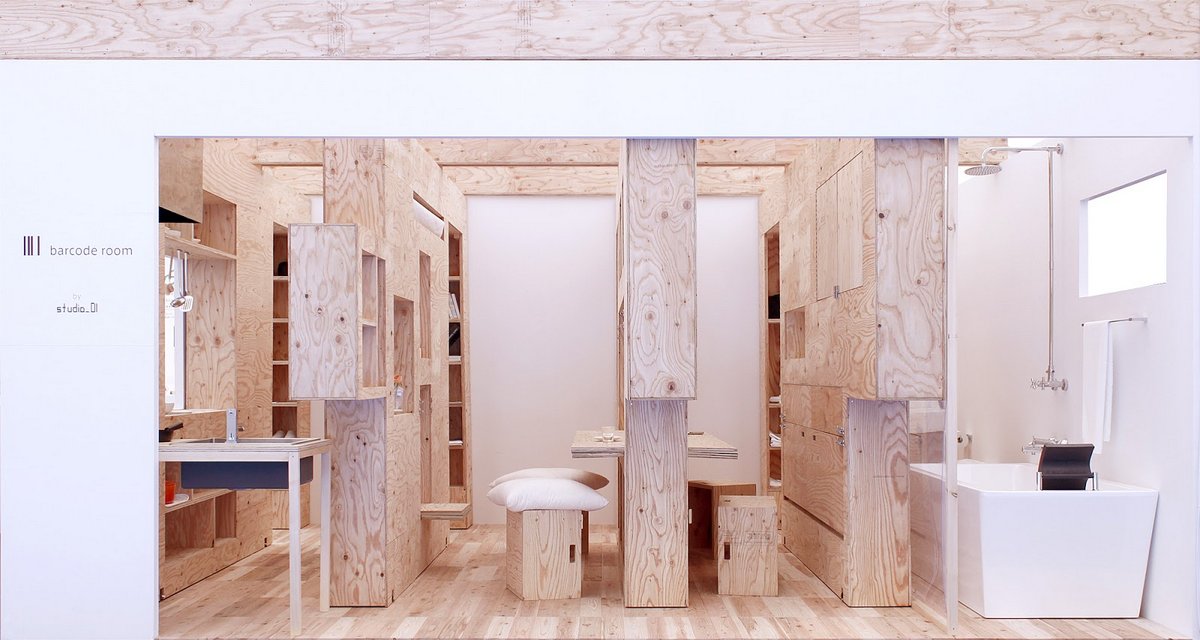
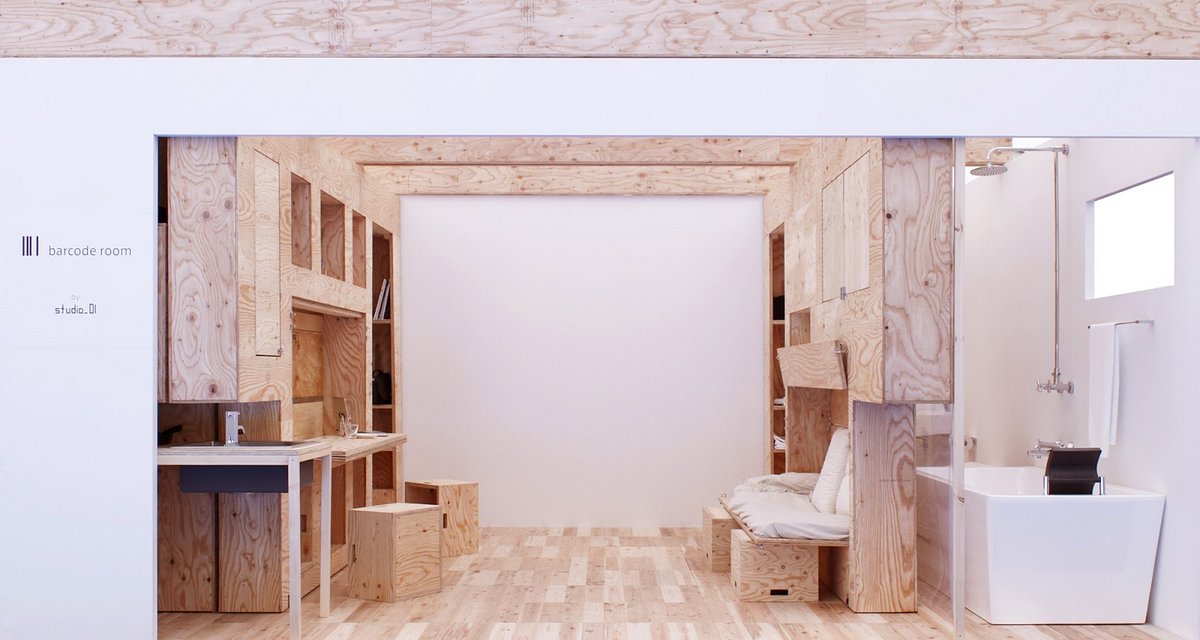
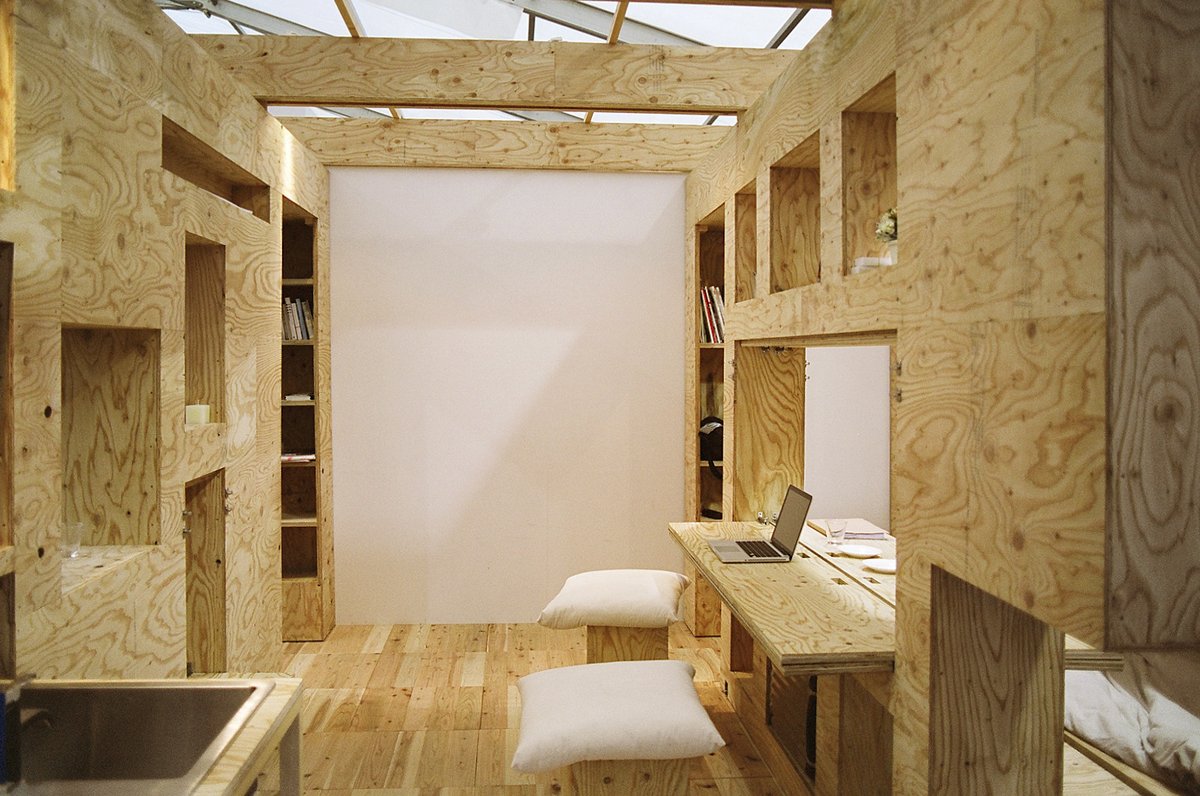
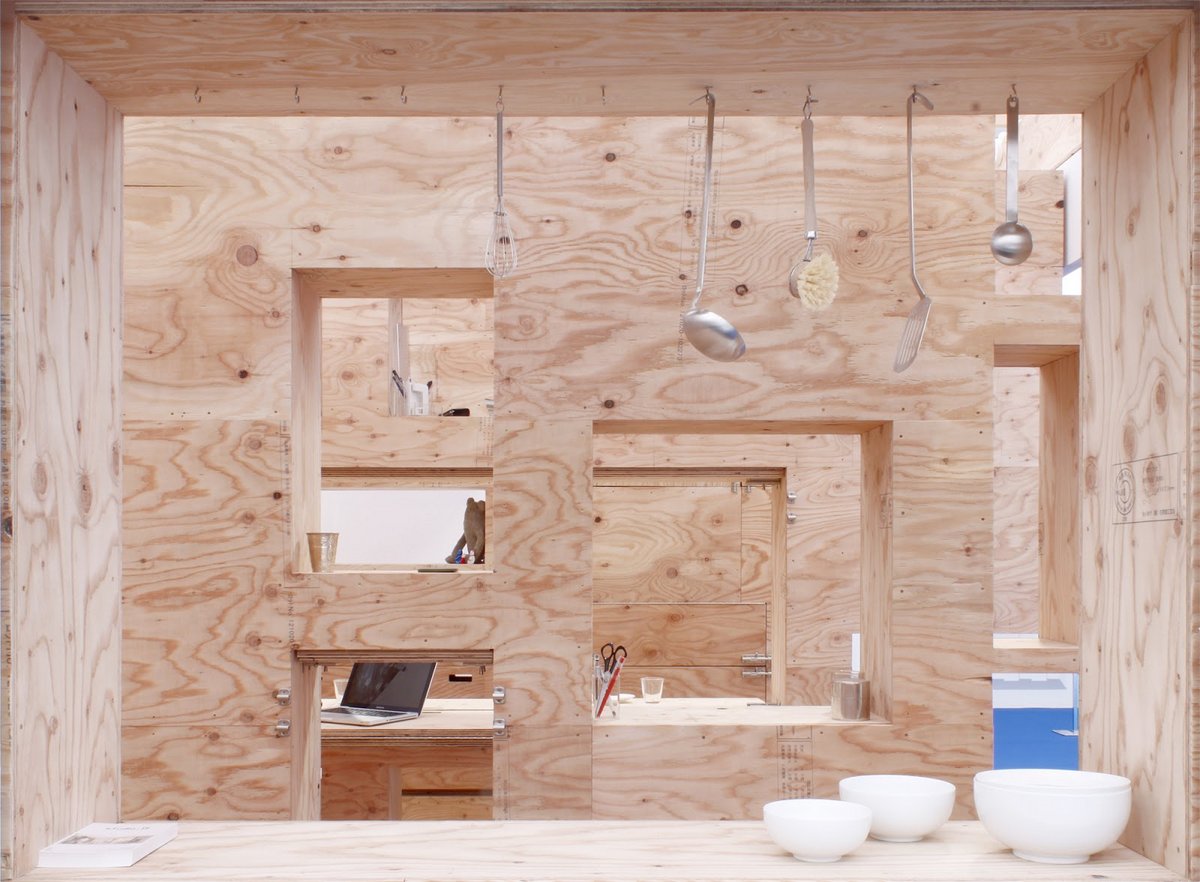
Barcode Room transforms into 6 different rooms

photos courtesy studio_01 | click to enlarge

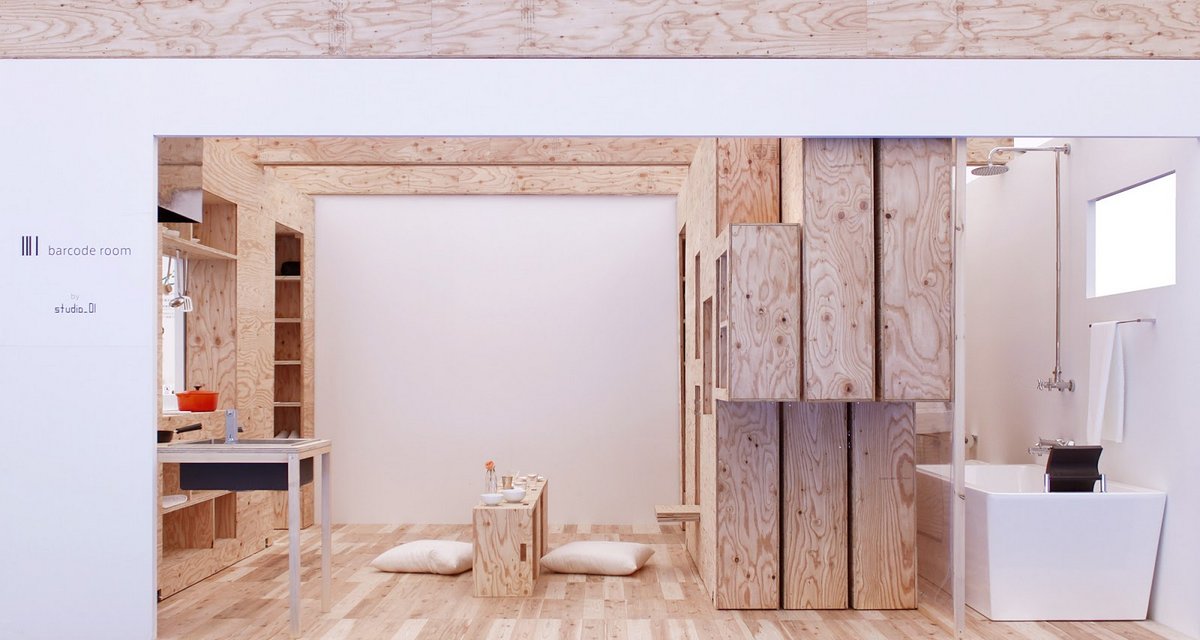
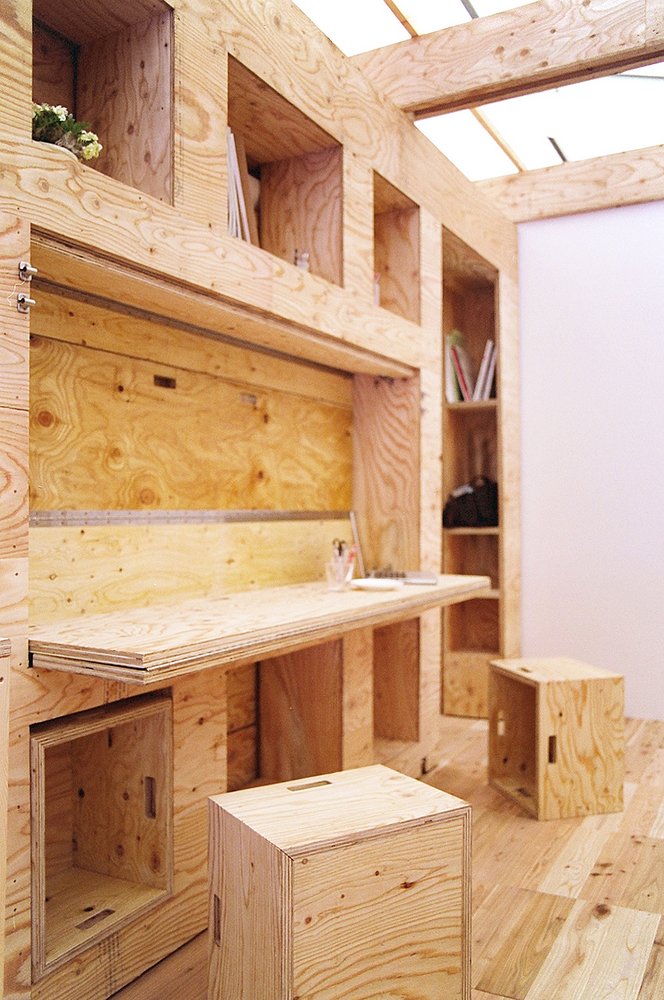
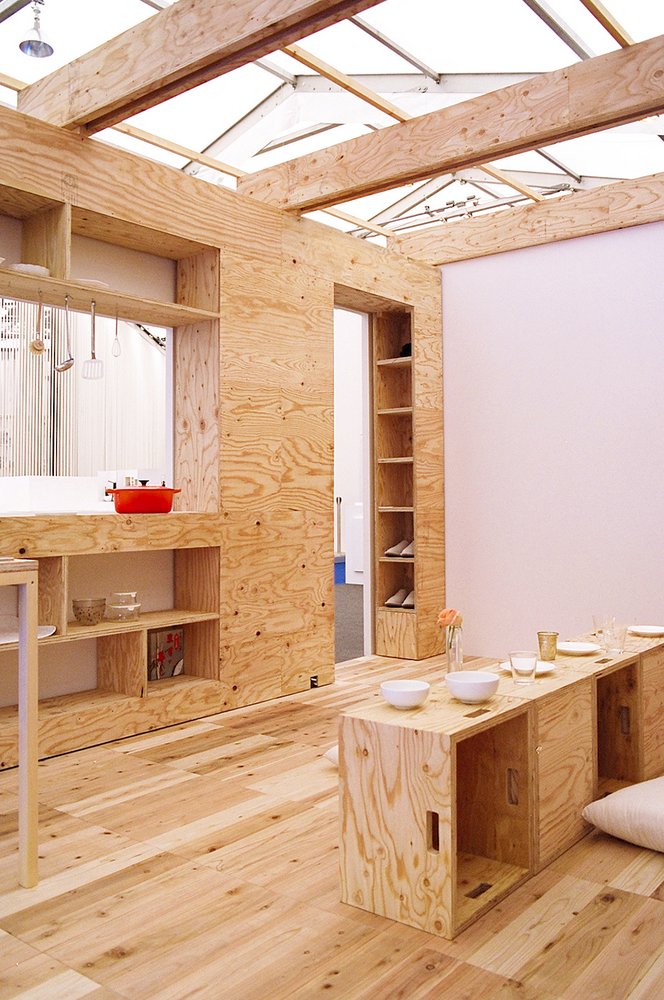
Designers Alex Knezo and Akinori Hamada, of the newly established studio_01, certainly started off their first year on the right foot, or should I say, wall? The Tokyo-based designers recently won a competition to design a studio apartment that can double as gathering space, effectively putting an end to our favorite excuse for not inviting people over.

The room, which was exhibited at Tokyo Designer’s Week, is composed of walls (or bars, hence the name barcode room) that move freely from side to side on a track. Functional elements like storage and furniture are embedded within these bars, permitting the resident to customize the size of space to fit a variety of uses.

Depending on the combination of components, various types of bars can be created, such as a living bar, kitchen bar, or sleeping bar. Just as each object in a store has its own barcode, each usage of the apartment has its own layout, or barcode.

source: submissions

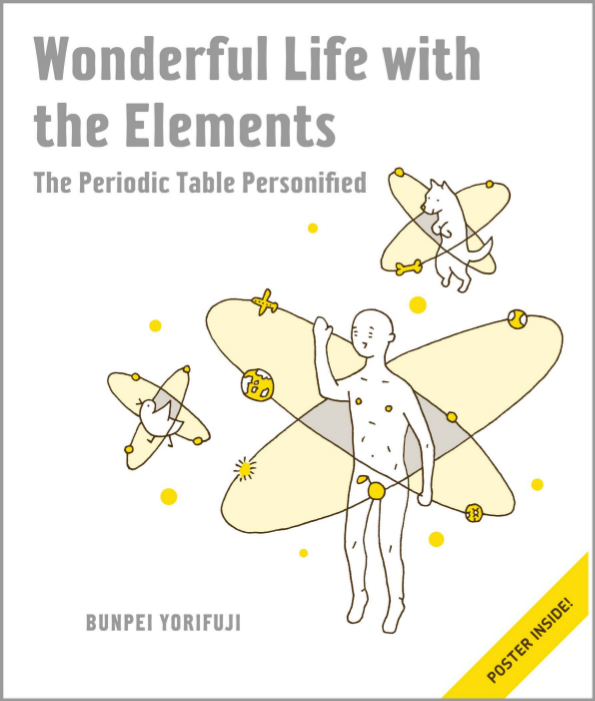
Bunpei Yorifuji’s Wonderful Life with the Elements

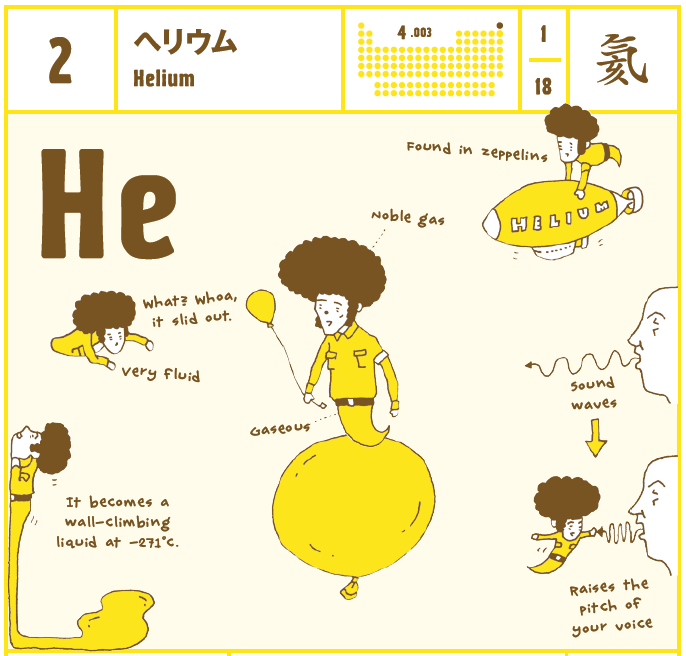
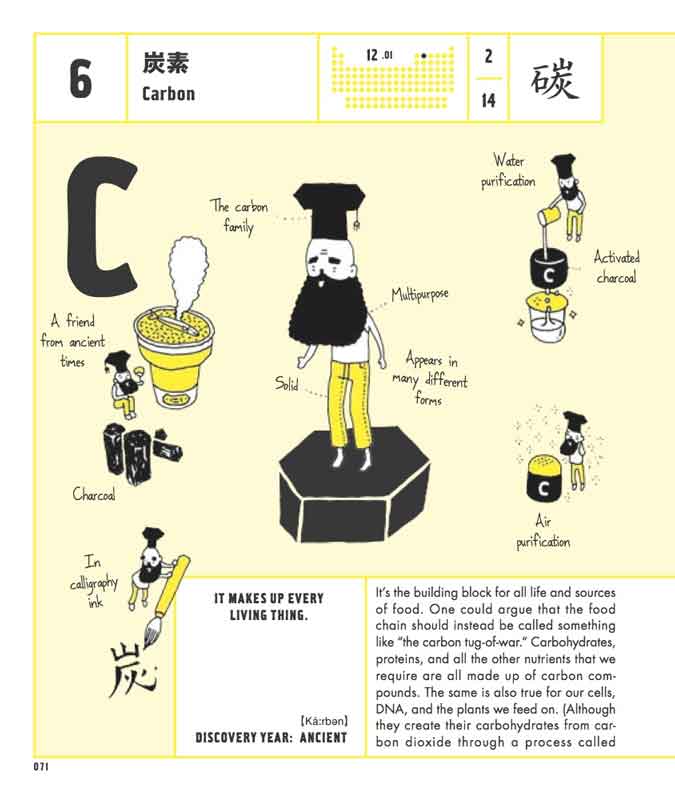
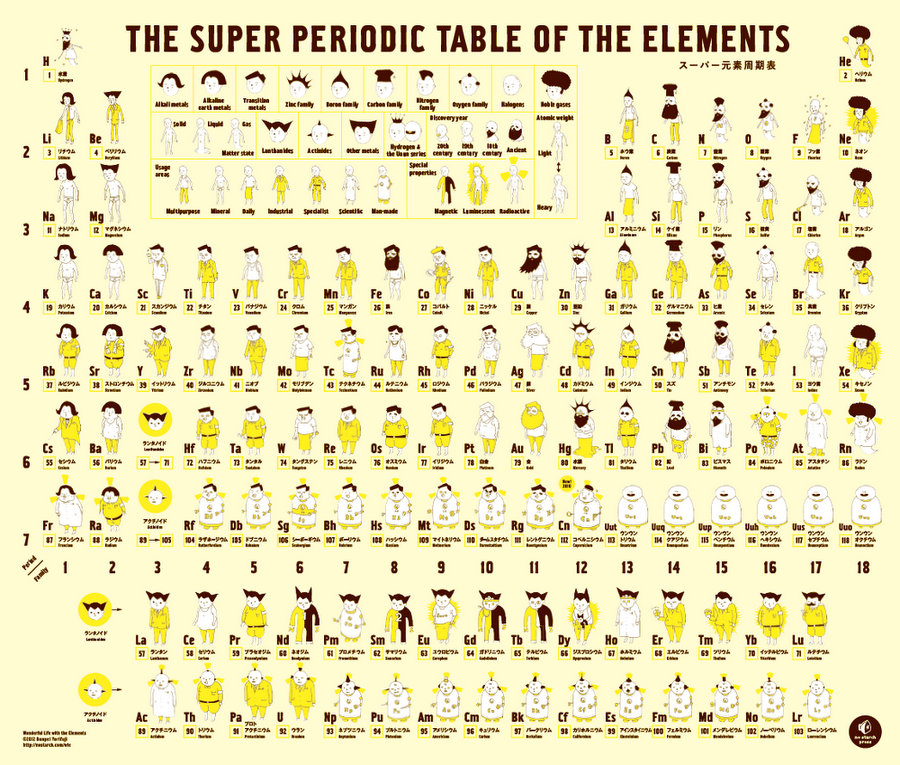
I was never much into chemistry, probably because I never made a personally relevant connection with it. But things might have been different had I come in contact with Bunpei Yorifuji’s personified periodic table of elements. The illustrator’s 2009 title has been finally translated into English, and we couldn’t be more excited.

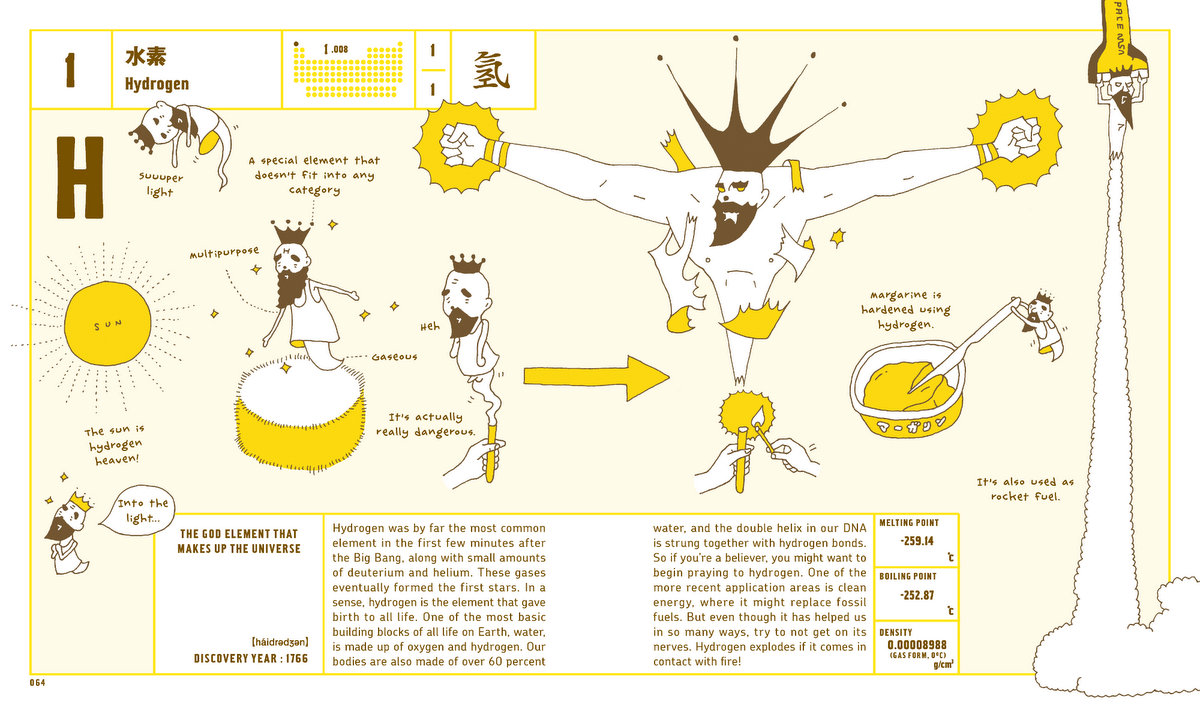
In this super periodic table, every element is a unique character whose properties are represented visually: heavy elements are fat, man-made elements are robots, and noble gases sport impressive afros.

We’re big fans of the illustrator, who is perhaps most well-known for his series of Tokyo Metro manner posters that started in 2008.

wle_spread_hydrogen_1

wle_carbon

source: Sandra Barron

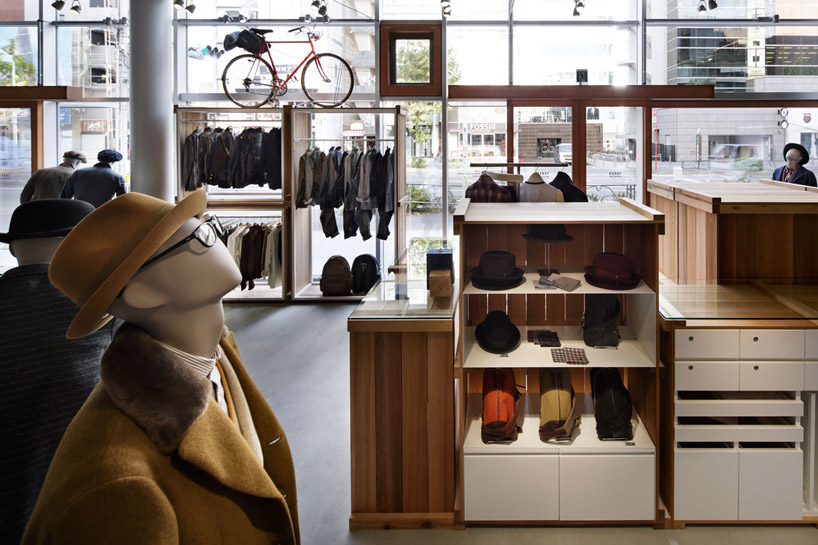
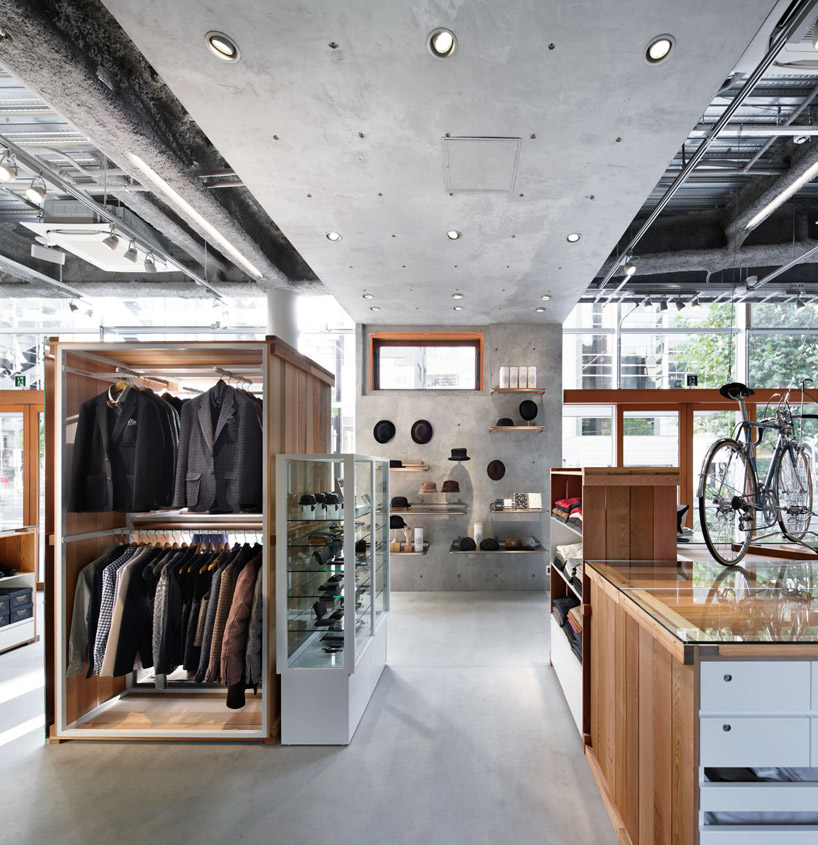
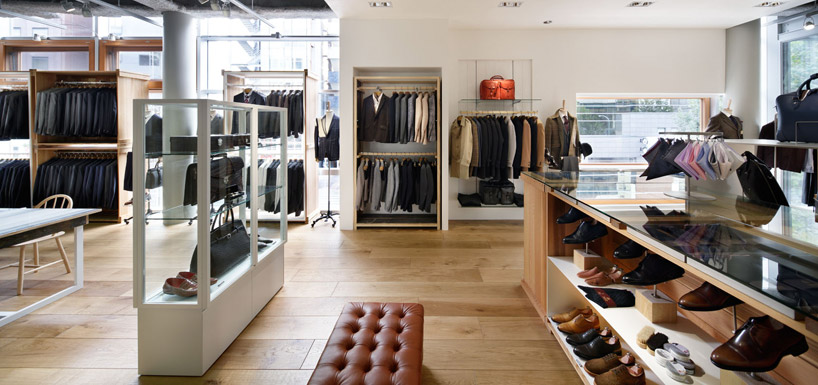
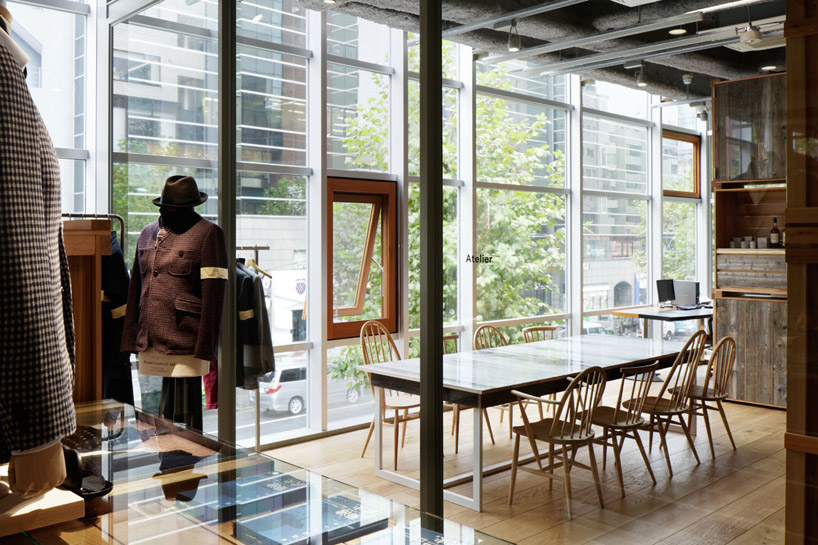
New Takeo Kikuchi Flagship Store in Shibuya wants to redefine retail

photos by Nacása&Partners Inc | click to enlarge

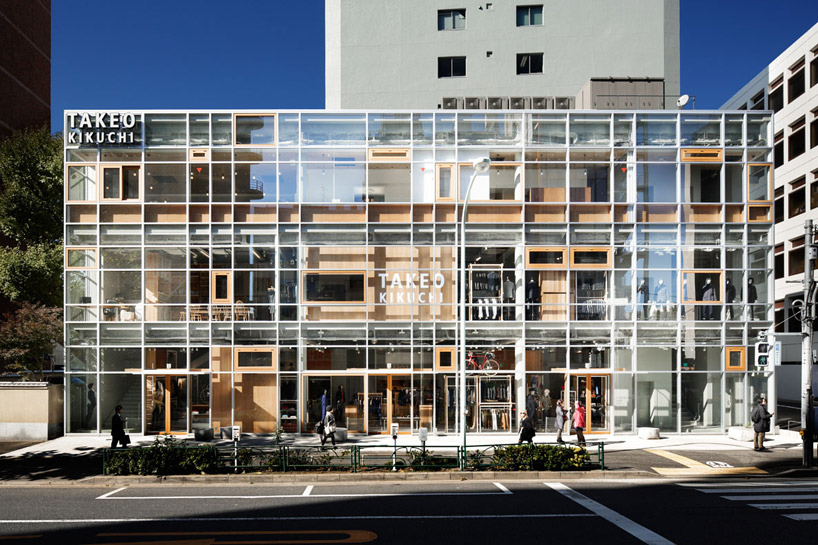
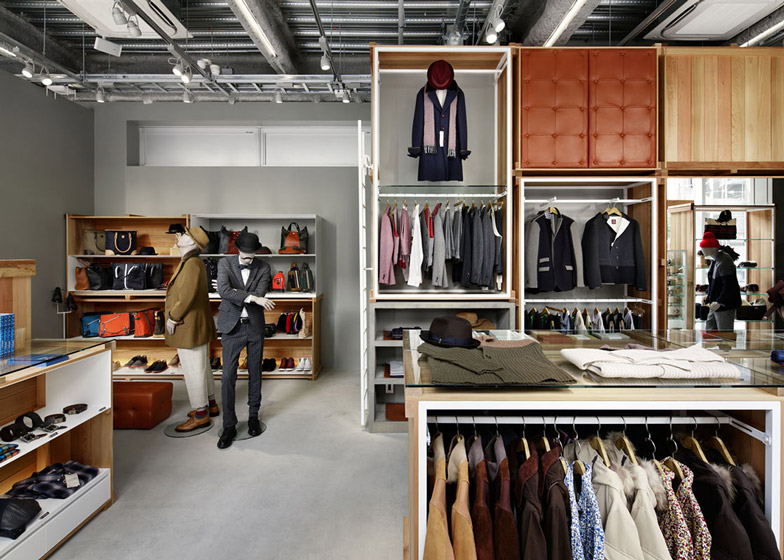
There’s been a flurry of activity this year to redefine the retail experience in the face of online hegemony. Klein-Dytham Architects took a crack at it with their highly acclaimed Daikanyama T-site. Then there was Yoyogi Village. Now, the popular menswear brand Takeo Kikuchi takes on the challenge with their new flagship store in Shibuya (Gmap).

“Today we can easily buy clothes online, and we already have enough knowledge and experiences and know-how to judge good products from bad ones in our economically maturing society. What is the role a flagship store then?” – Jo Nagasaka, architect

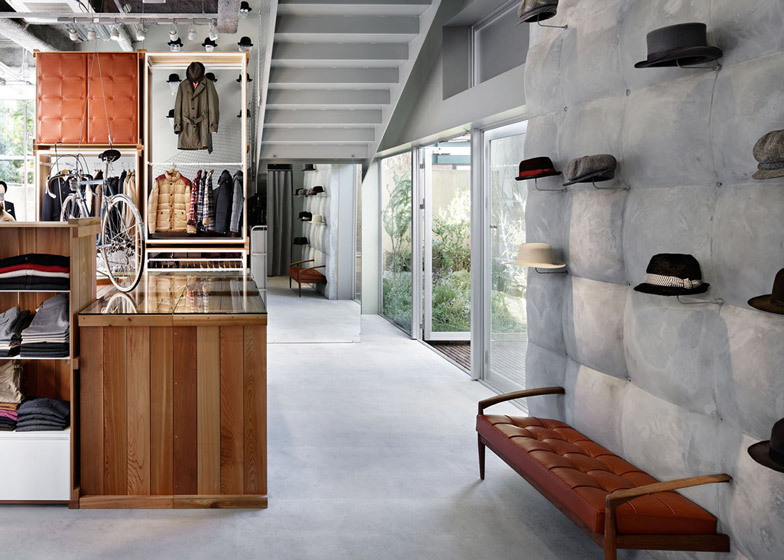
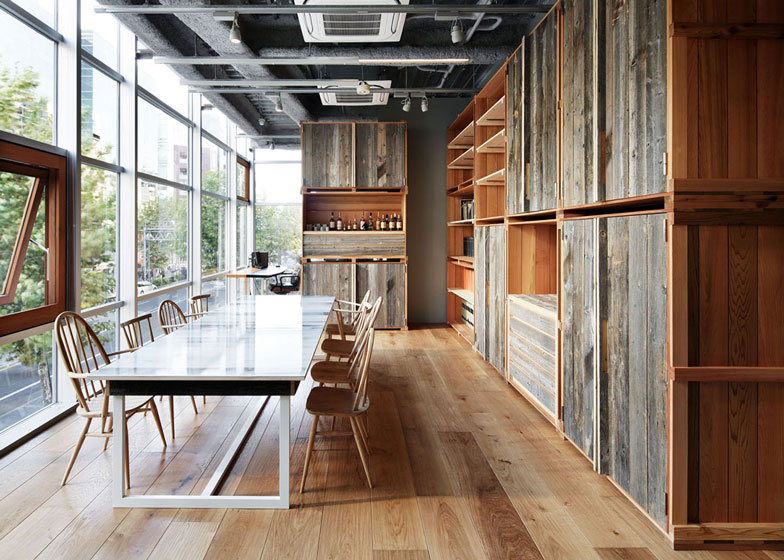
The role, Nagasaka goes on, is to offer what online shopping can’t: a 2-way retail experience where customers can relax, be comfortable and absorb the essence of the brand. The new store, which opened just last week, made its home in a glass-clad building that previously housed several athletic gear brands. And upon looking over the plans, the first thing the architects decided to do was to let the building breath. Reconfiguring what is a traditionally an enclosed space with artificial heating and cooling throughout the year, operable wood frame windows were installed throughout the space for natural ventilation.

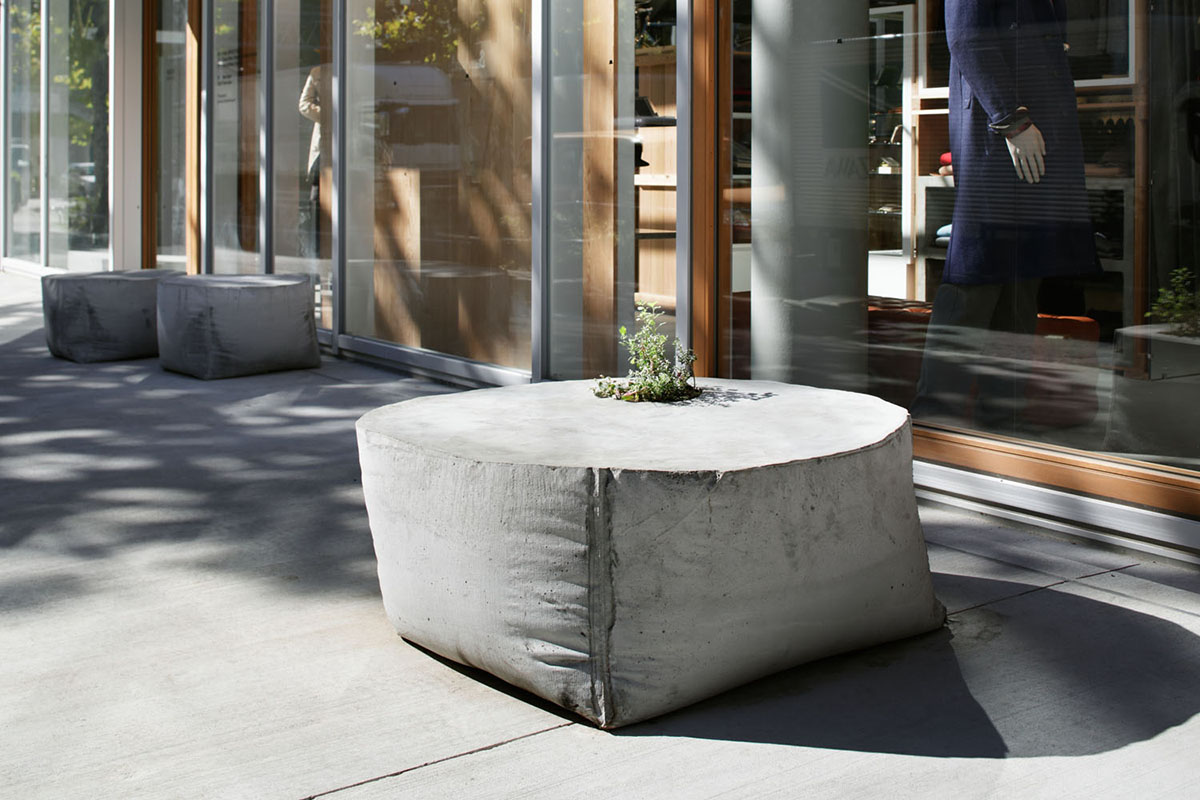
Benches along the facade, a garden, and cafe on the third floor – all seamlessly integrated – help to create a more laid back environment. One major deviation from a traditional shop is the elimination of cash registers, the thought being that the check-out counter is often far too dominant.

I love these outdoor benches/planters that were cast in large nylon bags using concrete!

source: press release

Photohoku – rebuilding one photo album at a time

After the Tsunami the “rebuilding spirit” of the Japanese people has simply been awe-inspiring. And behind all the turmoil and feverish activity, life slowly recovers and people get healed.

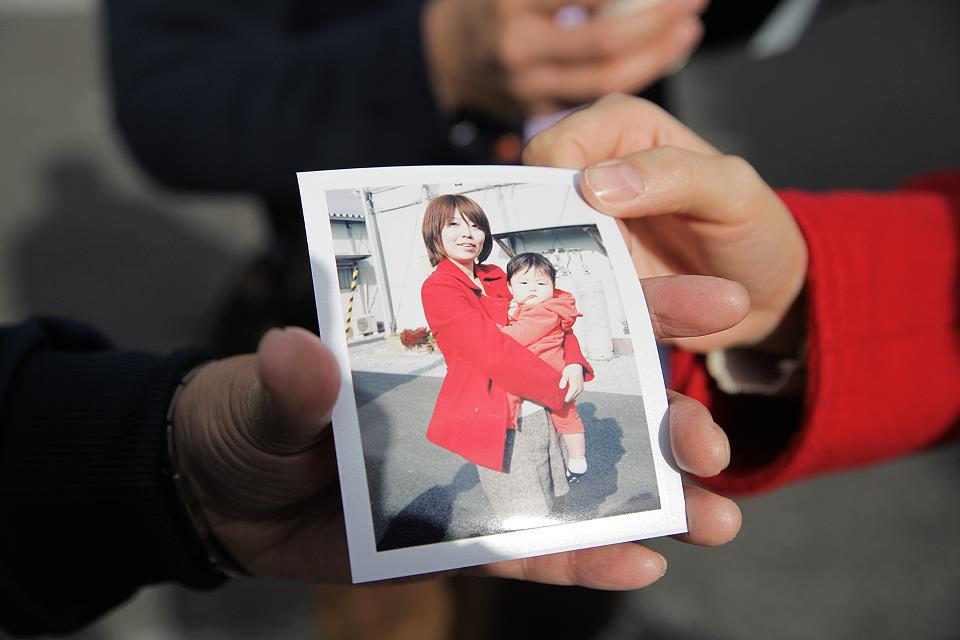
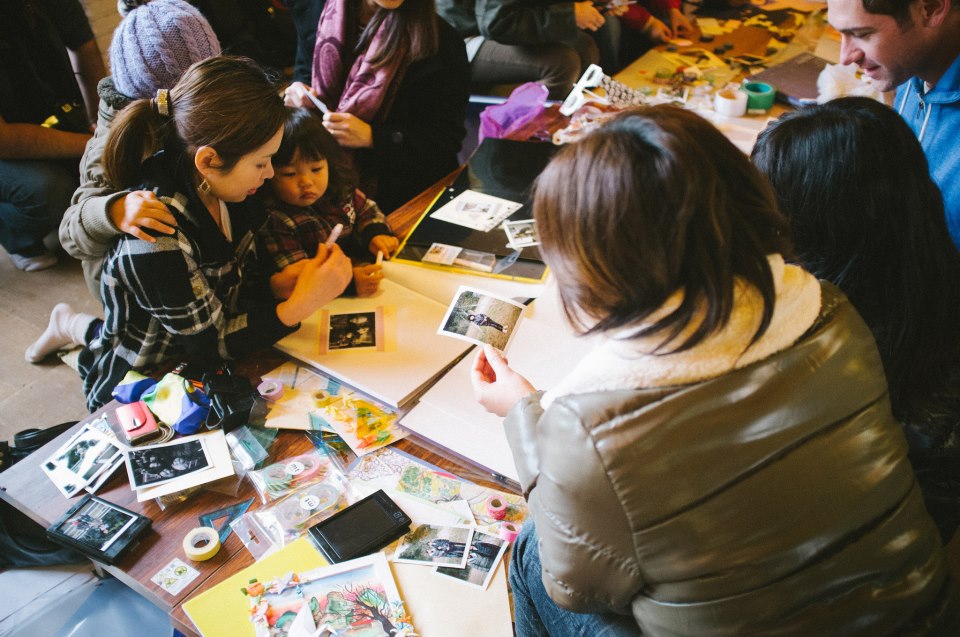
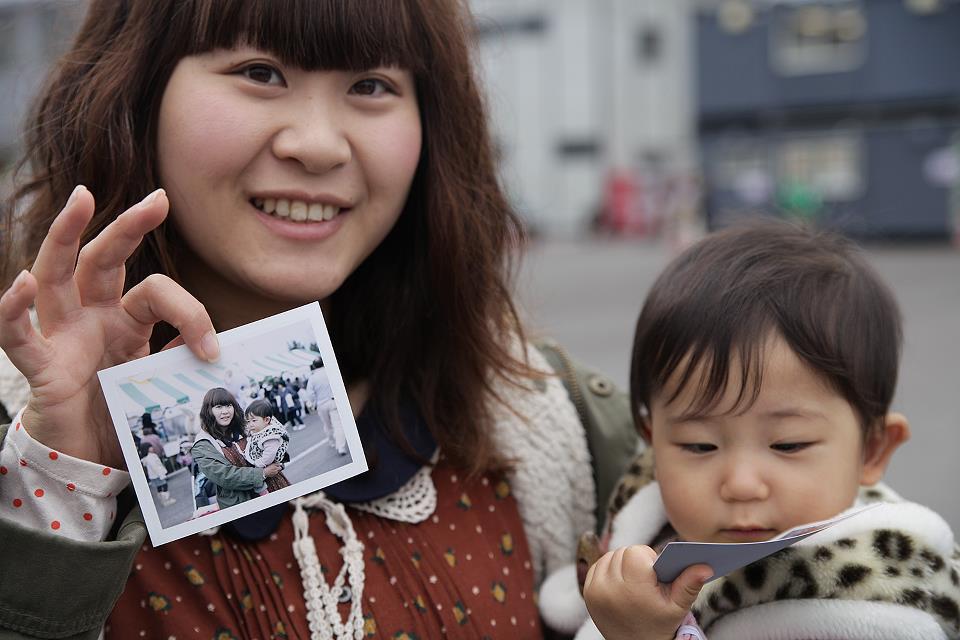
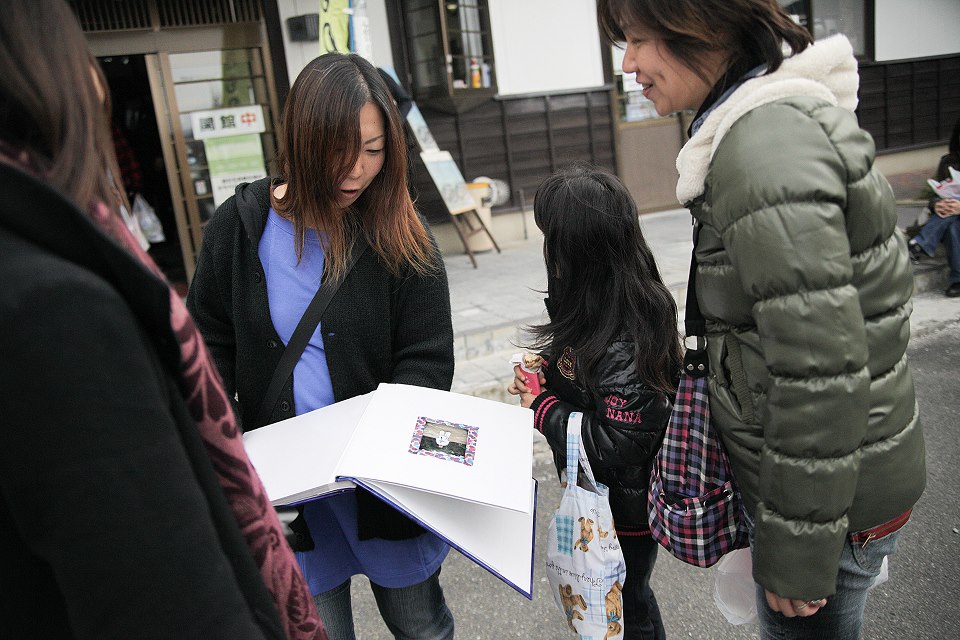
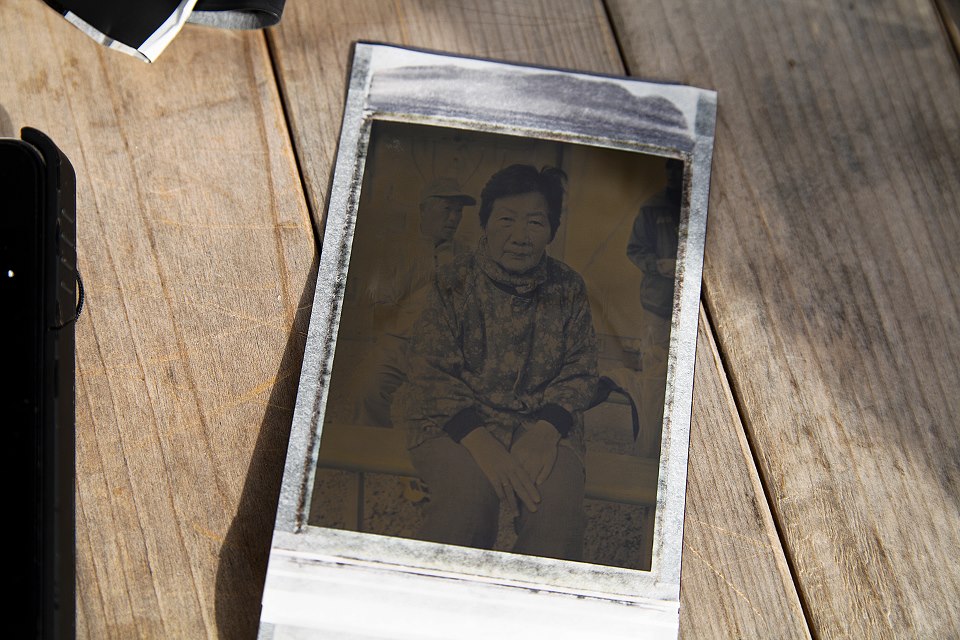
Along with a lot of valuable possessions, many families their photos – priceless artifacts that constructed the landscape of their memories. Photohoku is an initiative to help them rebuild new ones by taking instant Polaroid shots and building new photo albums on the spot. So simple but so efficient.

Photo x Tohoku = Photohoku 

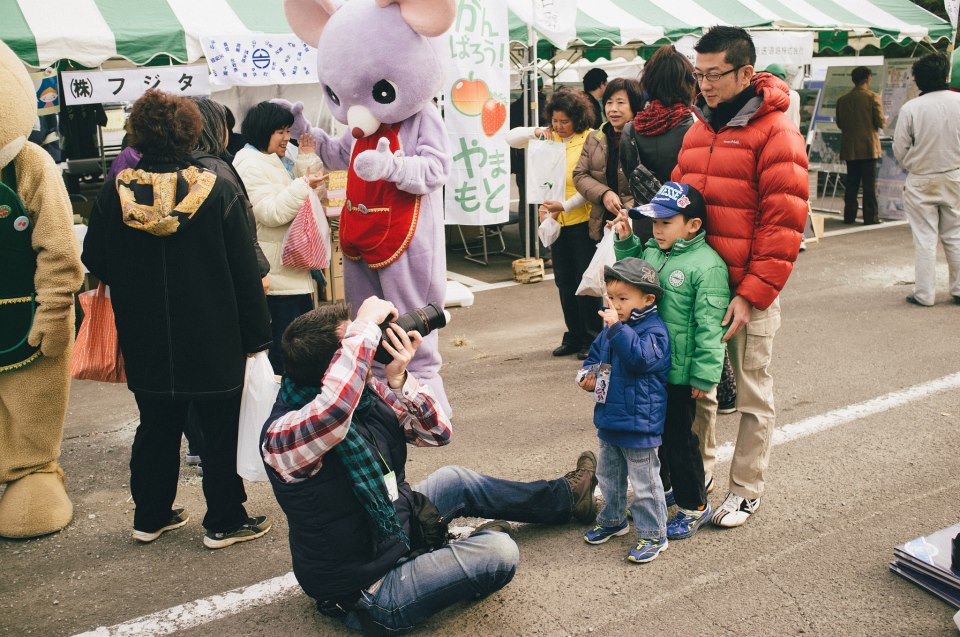
Brian Petterson and the sweet Yuko Yoshikawa have been leading a team of volunteer photographers in the area of Tohoku since the aftermath of the Tsunami. The last Photohoku session was in the town of Yamamoto and I was lucky enough to join them. This was a great experience because through the media of photography the team exchanged a lot with the families, children, parents, and grand-parents. Each Photohoku session is a warm “smiling time” shared around photo albums. There is a ton of positive energy coming from this project!

image courtesy Katsumi Saiki

image courtesy Cameron Klein

image courtesy Cameron Klein

image courtesy Katsumi Saiki


Tatzu Nishi on the role of public art

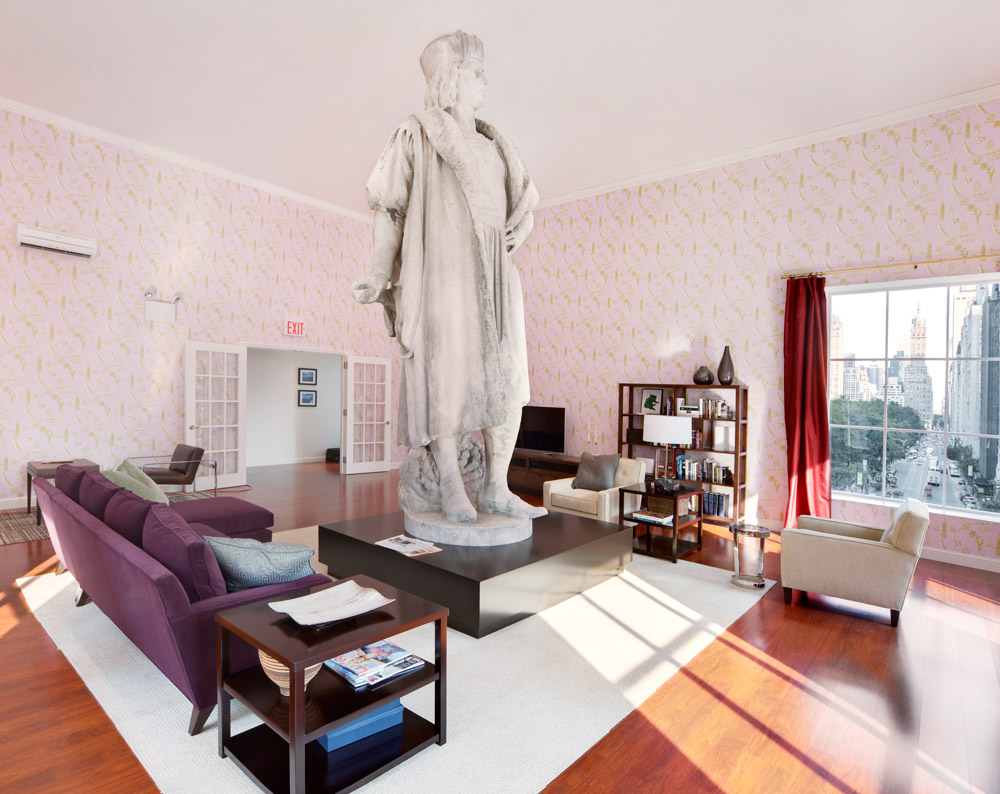
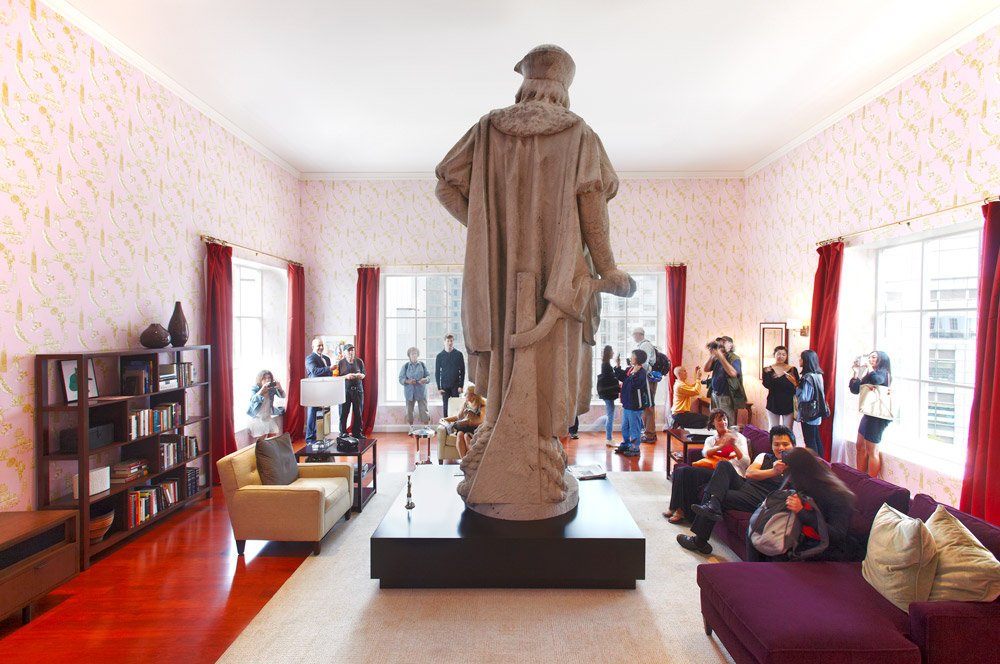
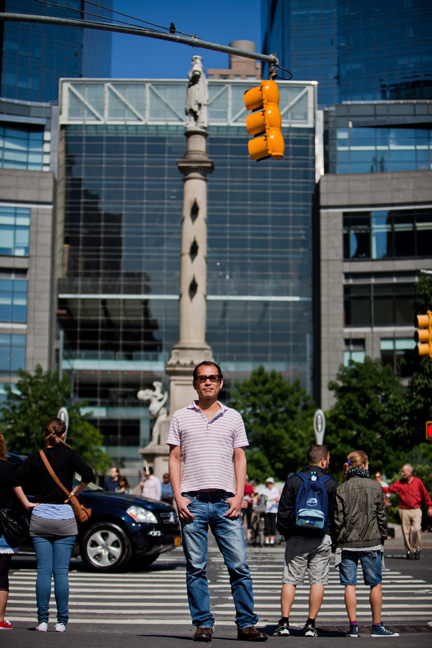
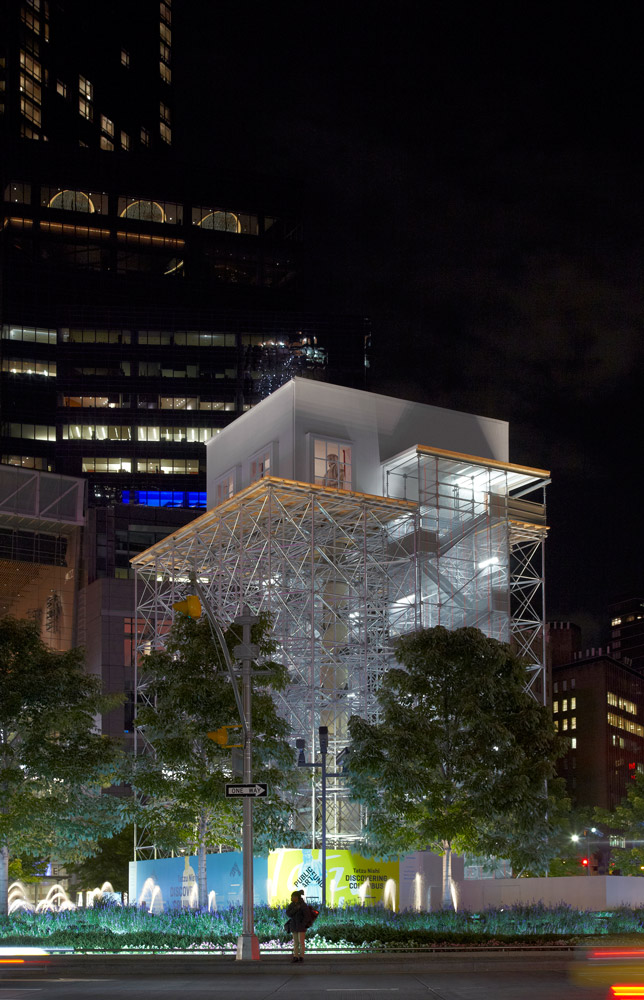
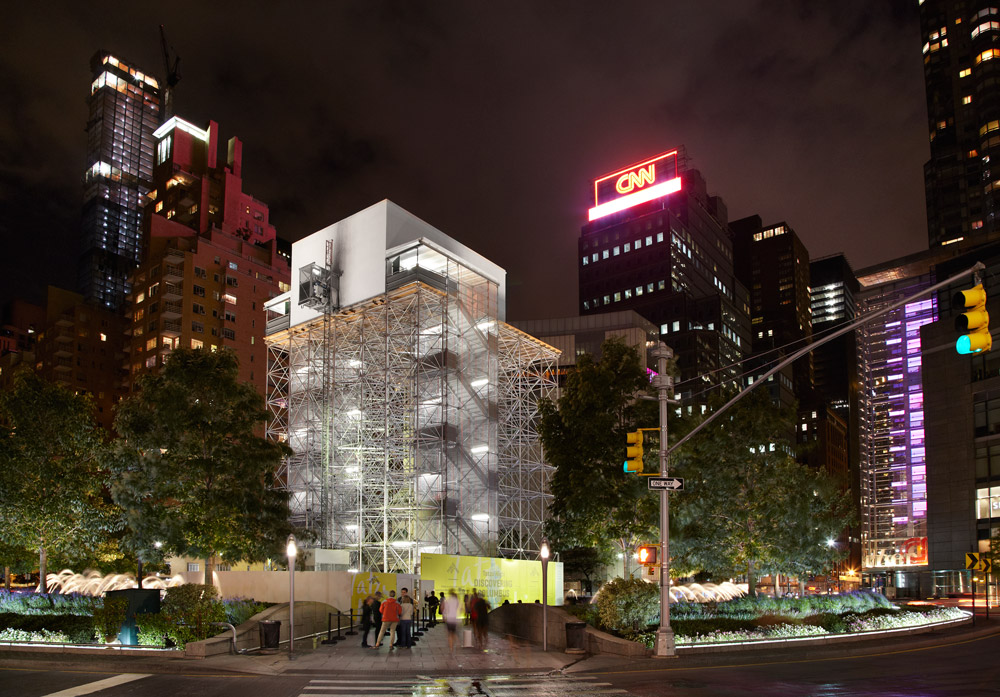
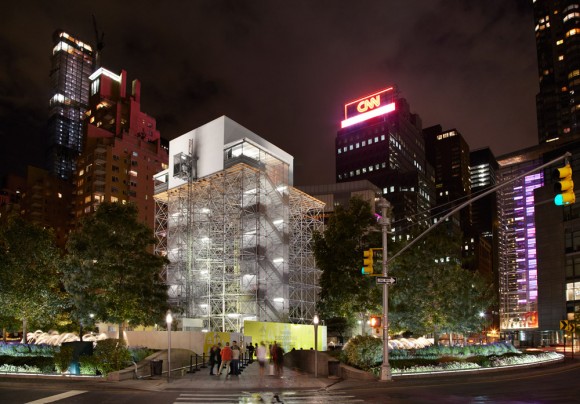
If you haven’t been to Tatzu Nishi’s Discovering Columbus, I suggest you do so now. It’s not everyday that a pre-eminent symbol of our new world is encased in a pent-house apartment with grand views of central park. And it’s not everyday we are allowed to enter that apartment to ponder the 120-year old sculpture by Italian sculptor Gaetano Russo and enjoy an intimacy reserved only for pigeons.

Our contributing editor Masako caught up with Tatzu Nishi earlier this week in New York to talk to him ahead of the closing of his exhibition, which was extended until December 2. Here, we bring you, in English and Japanese, his reflections on public art and its role in contemporary society.


アートの一つの大事な役目は、見慣れた日常の物の別の側面/視点を見せることなんだ。そのことによって,日常の物が突如として違った見え方をあらわしてくる。そうやってアート作品は、人々の想像力を刺激し続け、拡張していくっていうわけなんだ。アート作品は人々に自由でいることを教えているのかも知れない。
別の側面/視点を見せる作品は,必然的に日常とは異質なものになっていく。ニューヨークが現代アートの中心であるというのは、もしかしたらその「異質さ」を受け入れる土壌があるからなのかもしれない。人種や生活習慣や宗教が違う人々が一つの場所に生活しているわけだからね。そう考えると,なぜ日本で現代アートが受け入れられないかもわかってくるな。
15年前にパブリックアートでアーティスト活動を始めたんだけど,アートシーンの内輪だけのゲームに嫌気がさしたからなんだ。95%以上の普段は現代アートに興味がない人々を無視して、狭い世界で活動しているのがね。だから作品を作るときは,その95%の人が作品に興味を持つように仕掛けも考える。今回の Discovering Columbus の仕掛けは、建造されてから120年たつコロンブス像に始めて近づくことが出来るということなんだ。これだけを目当てに部屋に入る人も多いと思うけど,部屋に入った瞬間その異質な空間に気づかないわけにはいかない。そこがアートへの入り口というわけ。日常からはなれ,常識が壊れ,想像力が活発になり,何かから解放され自由な気分を味わうことが出来るんだ。

(English follows below….)
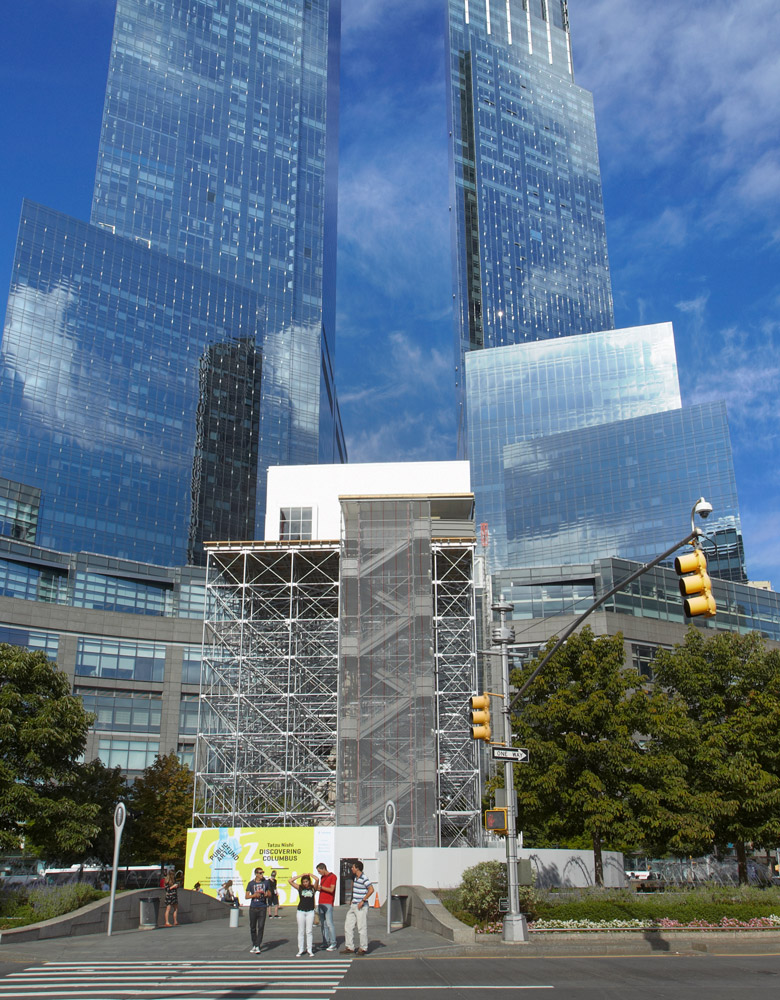
Photo: Tom Powel Imaging, Courtesy Public Art Fund, NY | click to enlarge

Photo: Tom Powel Imaging, Courtesy Public Art Fund, NY | click to enlarge
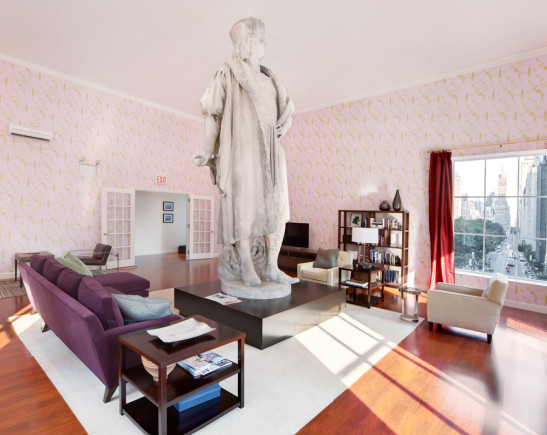
Photo: Tom Powel Imaging, Courtesy Public Art Fund, NY | click to enlarge
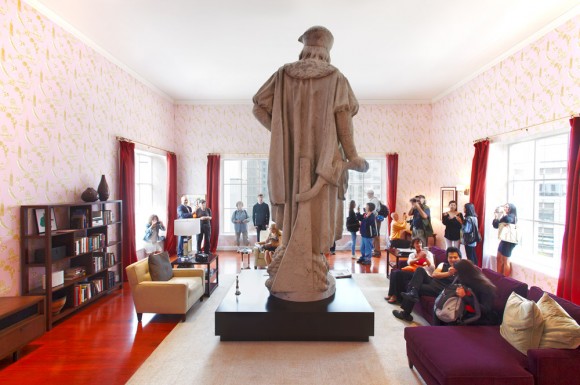
An important role of art is to take ordinary objects, or point of views, and turn them upside down on their heads. By doing so, things are suddenly not what they first appeared to be. So that’s how art continues to stimulate and broaden our imagination. Perhaps that’s how art teaches us to be free.

Because art reveals another aspect, or perspective, it inevitably becomes something “different” from the norm. The reason NY is able to remain the epicenter of contemporary art is because they have a culture of accepting these differences. It’s a melting pot of different races, customs and religions, all coexisting together. Which then begins to explain why contemporary art isn’t fully accepted in Japan.

When I started creating public art 15 years ago, it was because I was tired of the art scene being a game played only by people in the know. It was made for the art world insiders, and ignored the 95% or so who have no interest in contemporary art. That’s why I try to make art that triggers the interest of that 95%. For Discovering Columbus, the trigger is the fact that this is your only chance to see a statue up-close – something no one’s been able to do since it was built 120 years ago. There must be a whole lot of people who come to this room for that reason alone. But once they come, they’ve already stepped into that anomaly, and they’re forced to confront it. That’s the entrance into art. That’s how we step away from the ordinary, shattering our common sense, and inspiring us to feel free by breaking away from boundaries.
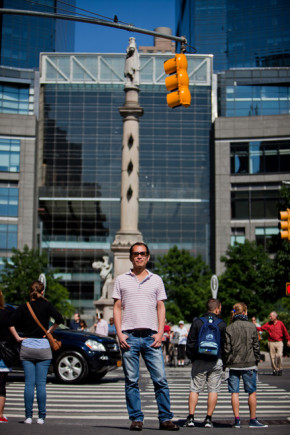
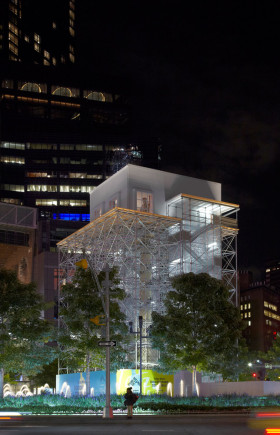
Photo: Liz Ligon, Courtesy Public Art Fund, NY

Photo: Liz Ligon, Courtesy Public Art Fund, NY
ASE | Takuya Tsuchida’s renovated country house

photos by Koichi Torimura | click to enlarge

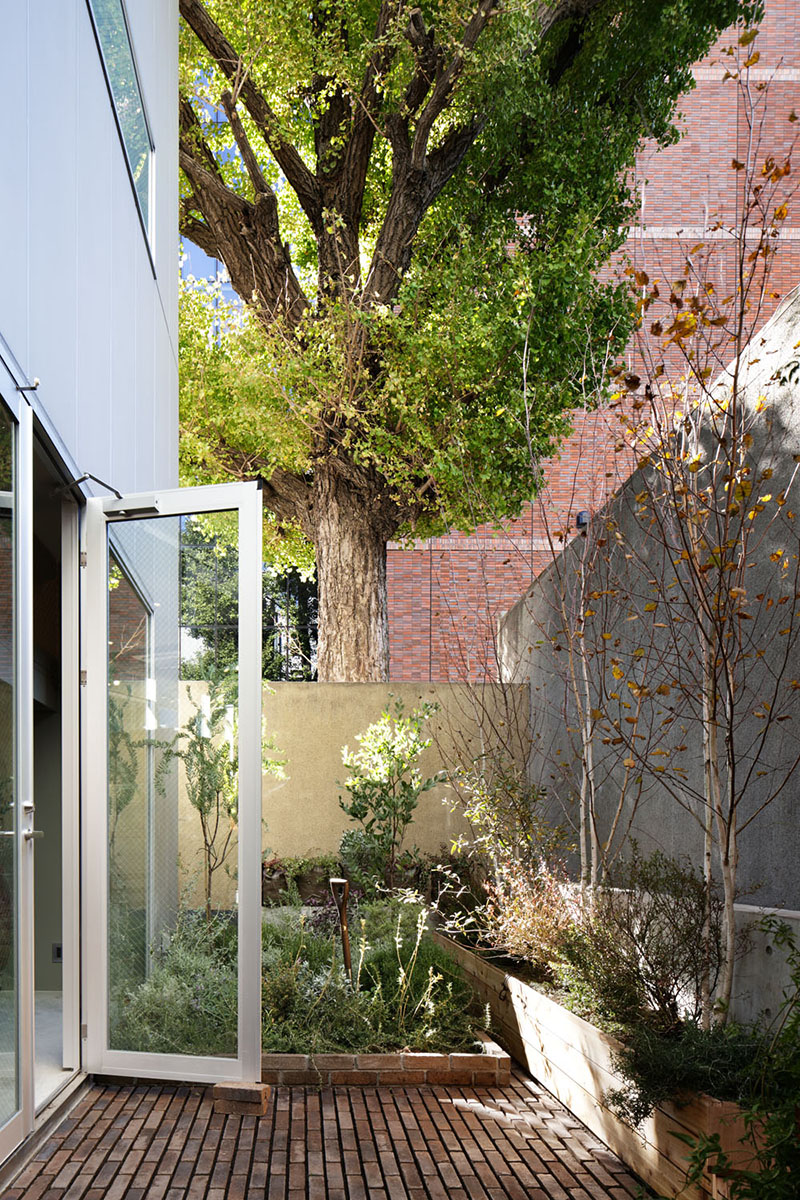
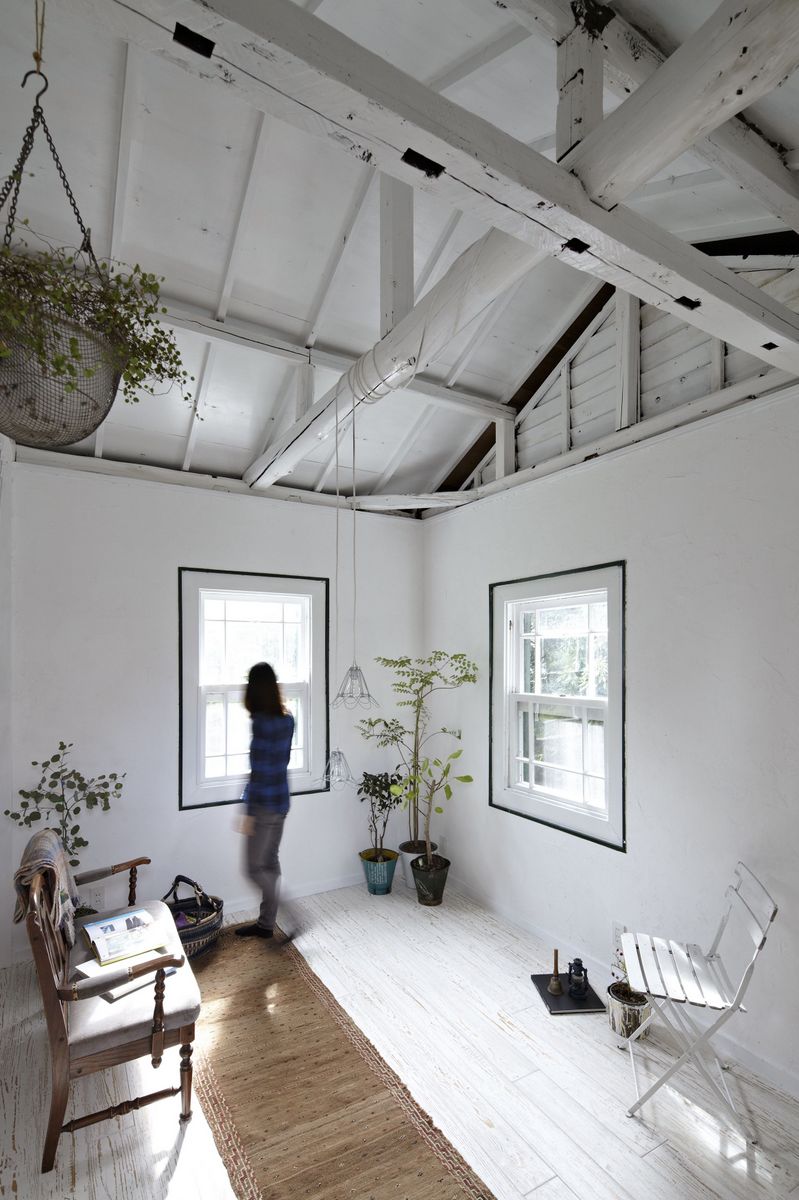
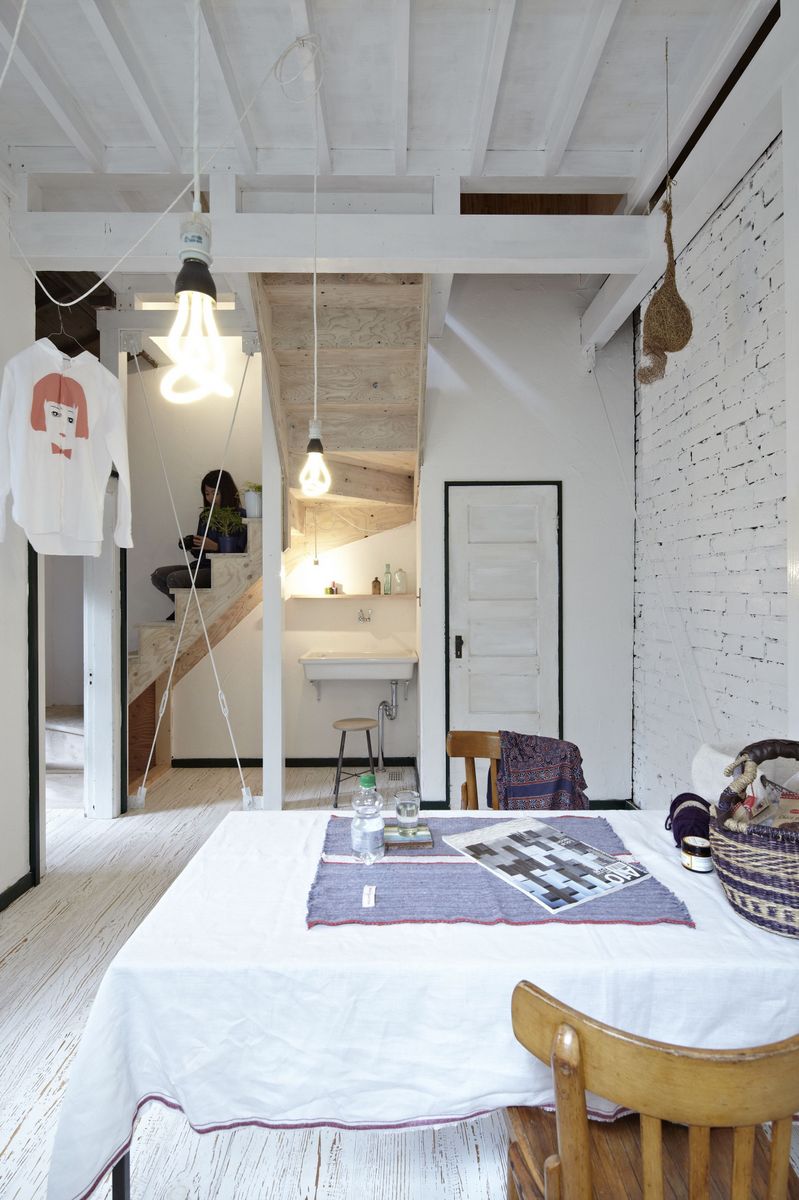
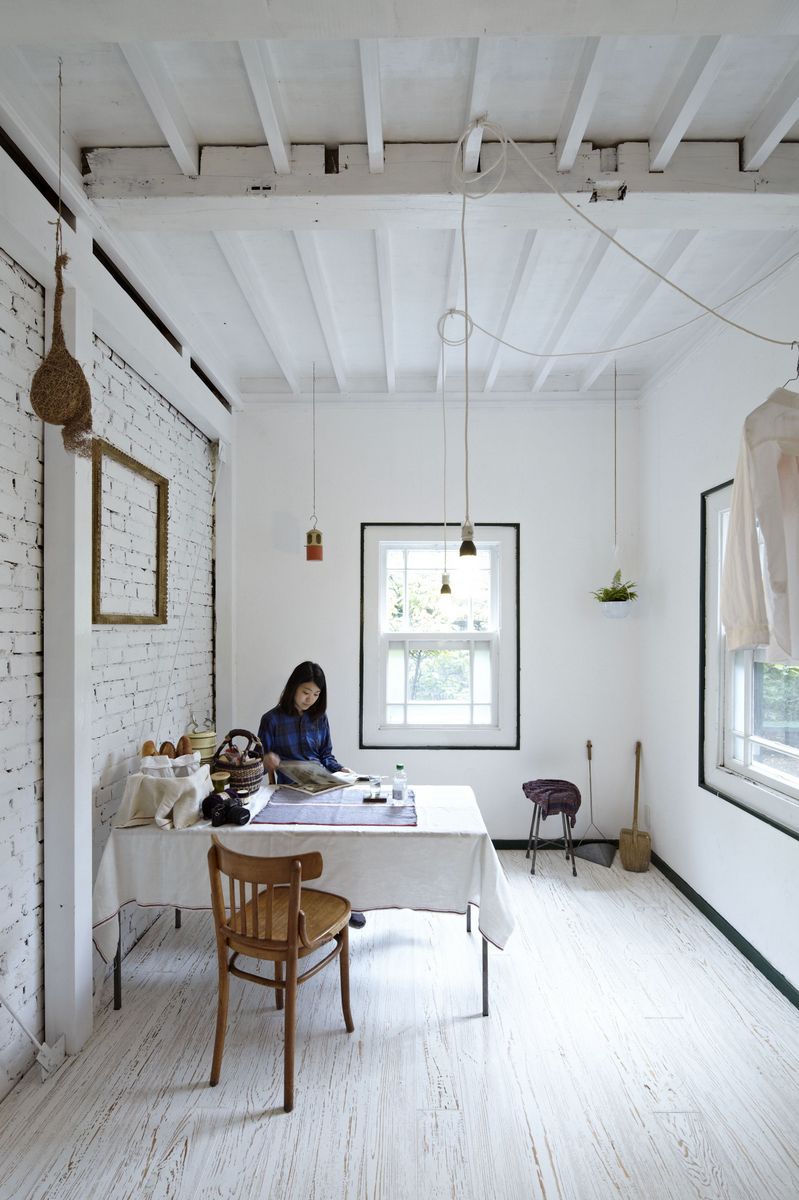
A 100-year old house built in Yokohama for foreign settlers received a gorgeous renovation earlier this year by architect Takuya Tsuchida. A rarity in itself, Tsuchida attempted to preserve what he could of the western-style home, instead of scraping it for anew, which would be common practice.

The styling is nice too. I like the use of old paint cans as planters, which nicely complements the brick wall, now coated in white paint. “This project is incomplete,” the architect tells us, because a choice was made to preserve “memory” over complete functionality.

Read about Takuya Tsuchida’s other house in Yokohama, this one built very differently to contrast the Western-style homes of Yokohama.

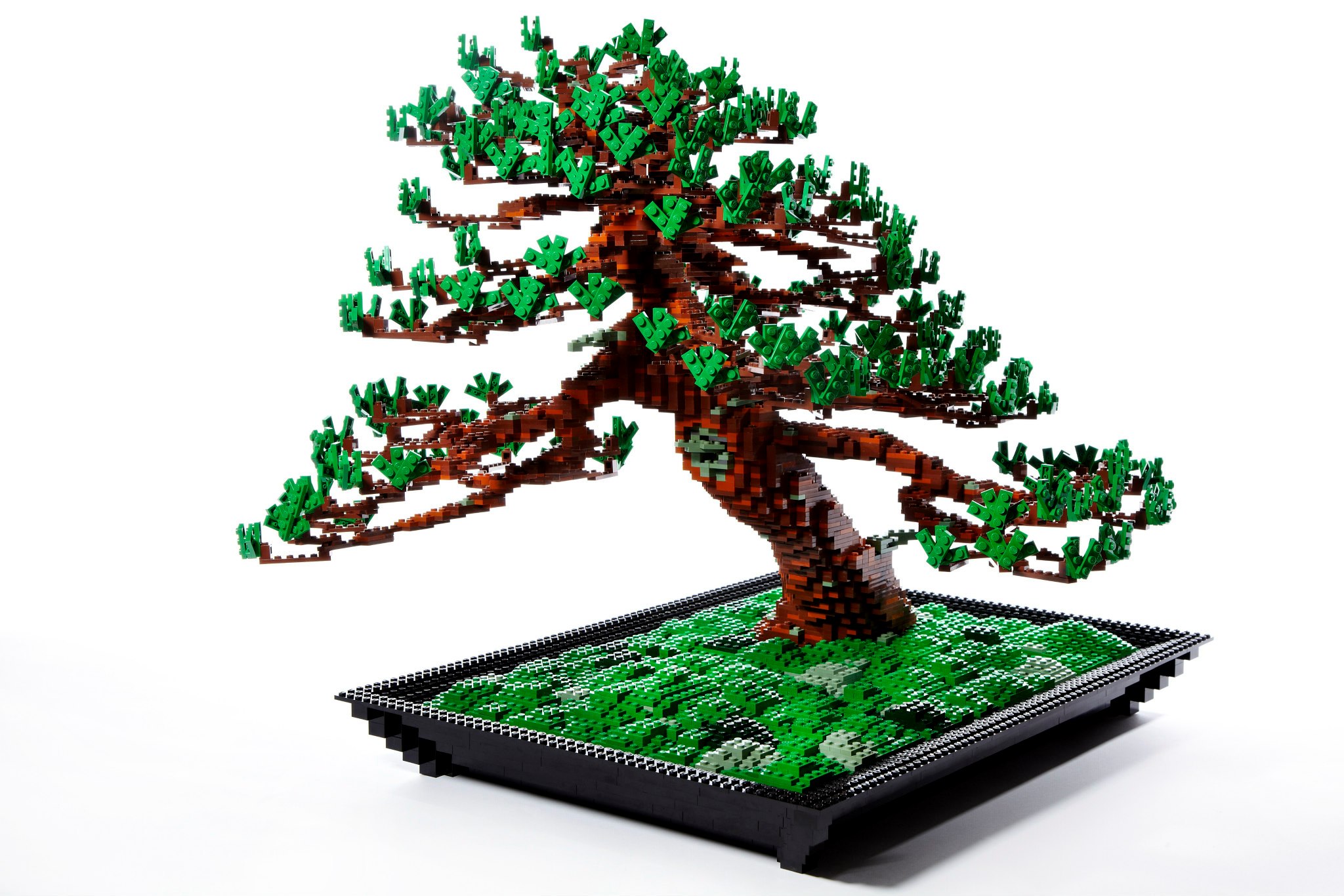
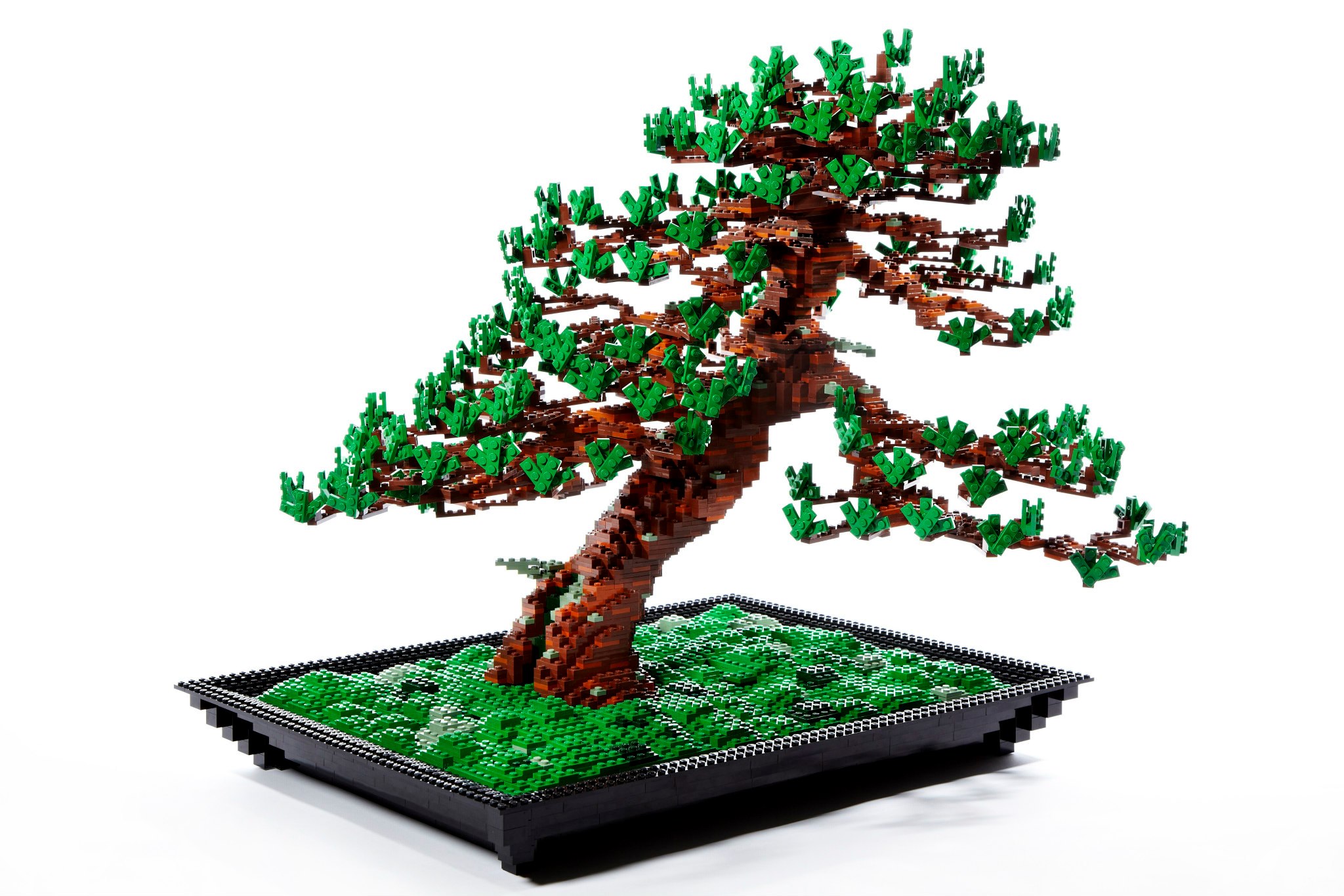
LEGO bonsai tree by Makoto Azuma

images courtesy azuma makoto | click to enlarge

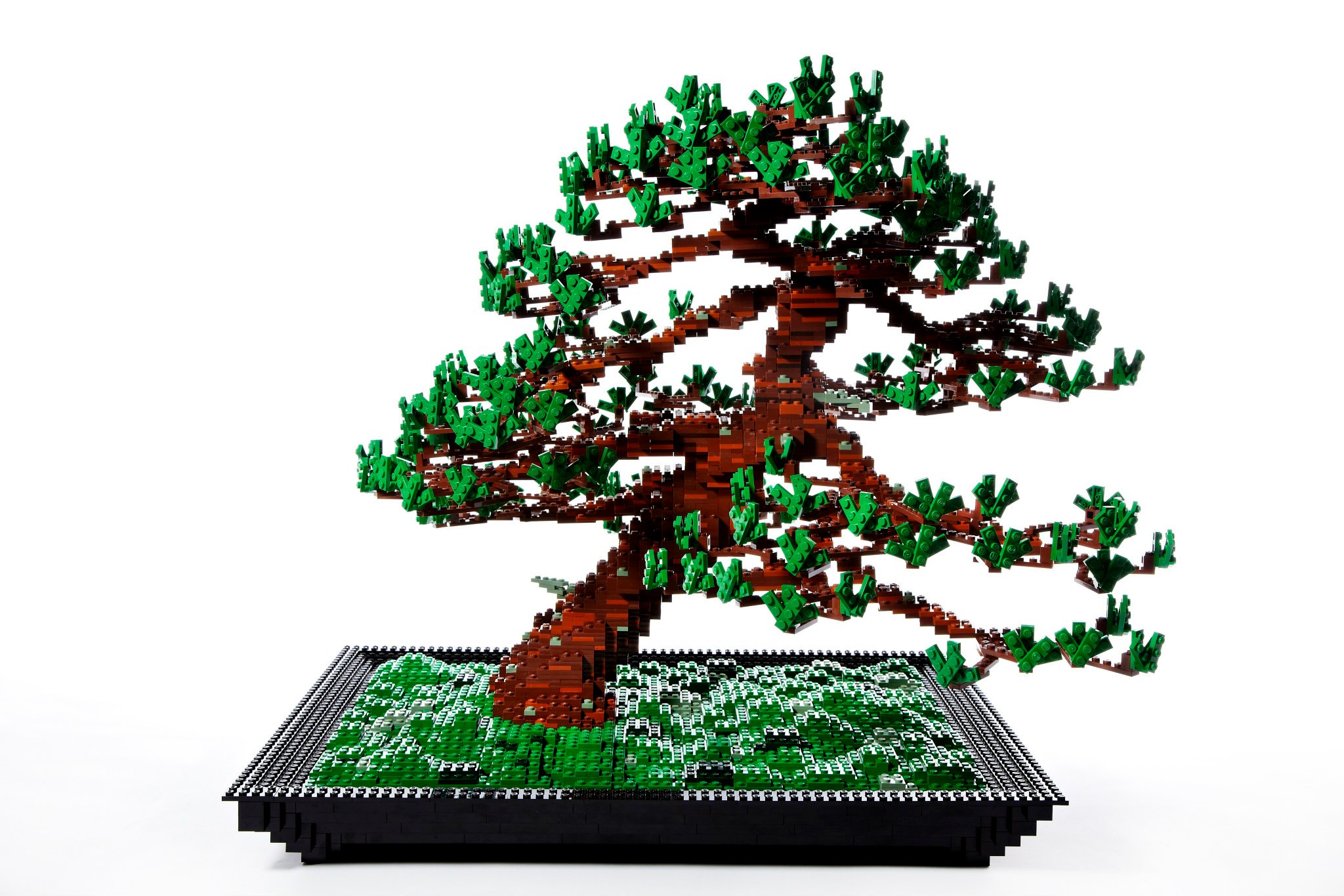
We’ve seen our fair share of bonsai (everything from the inflatable to the hangable) but, oddly enough, we’ve never seen one made from everyone’s favorite building block, LEGOs. And this one is as exquisite as any serious miniature plant comes. Which is no surprise, when you learn it was built by botanical artist Makoto Azuma, whose attention to detail is apparent in the uneven ground and the moss on the tree.

Source: Azuma Makoto

FIKA | a home that converts into a weekend shop

photos by Koichi Torimura | click to enlarge

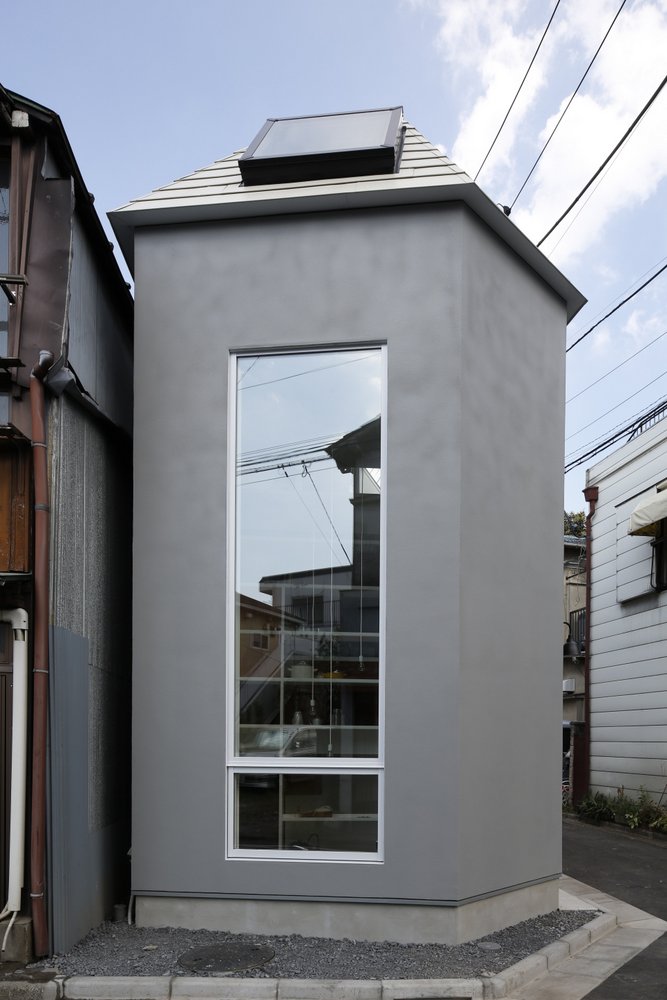
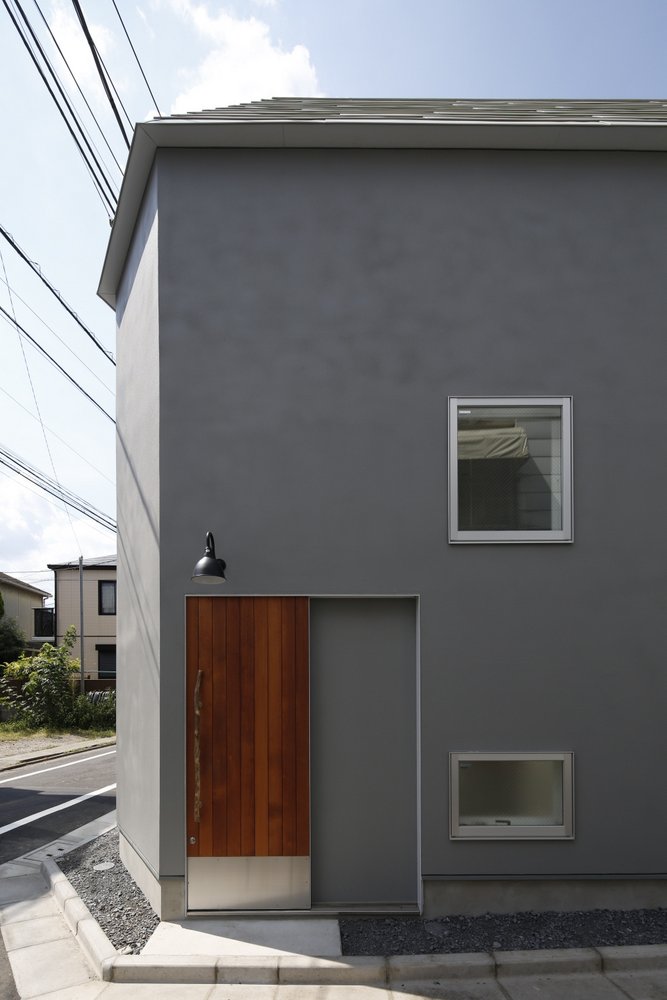
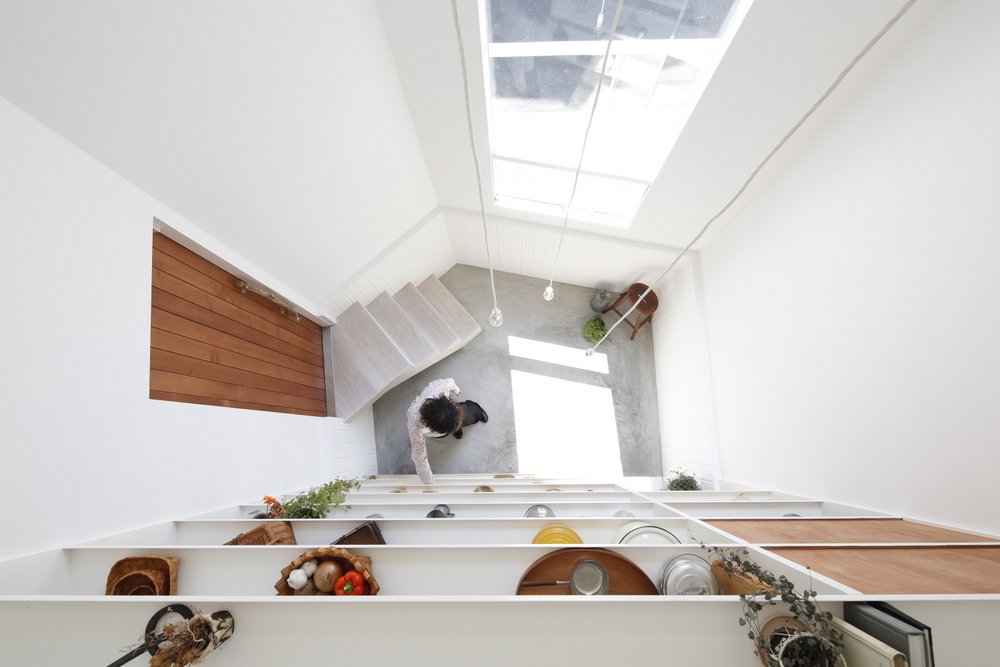
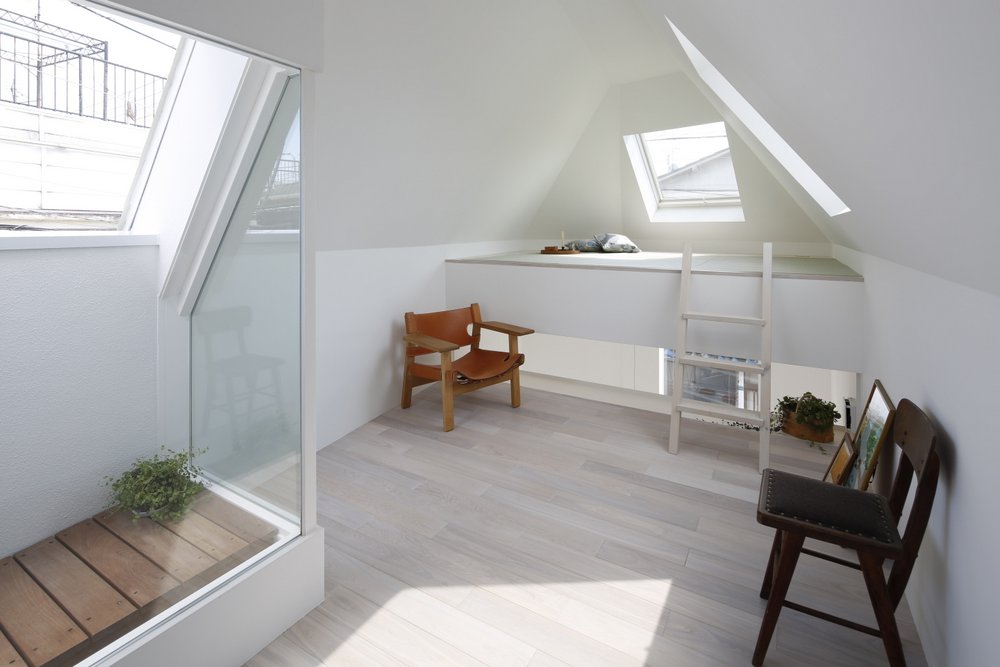
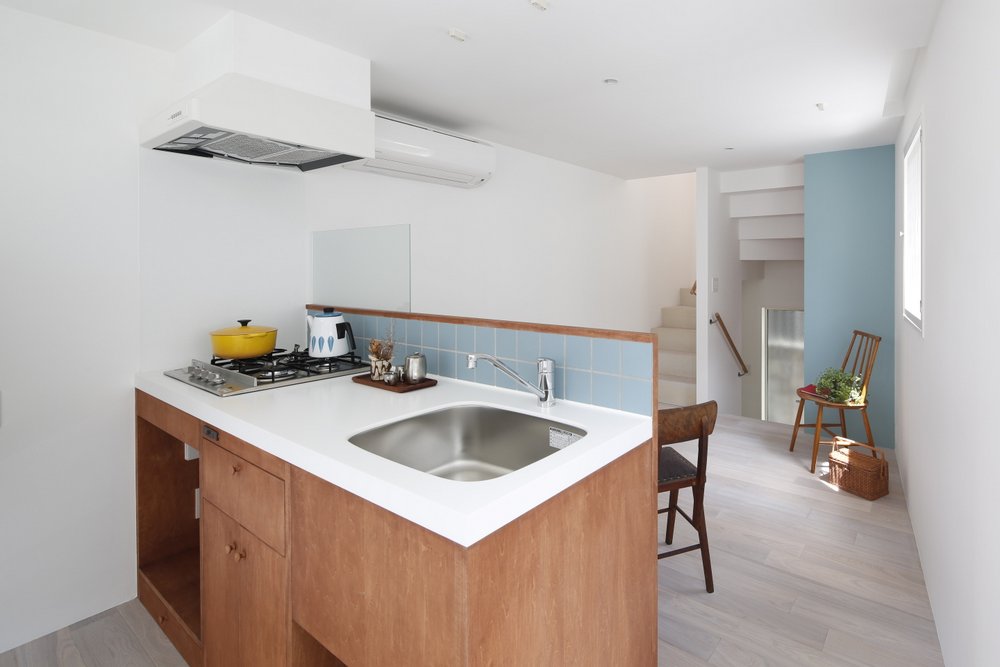
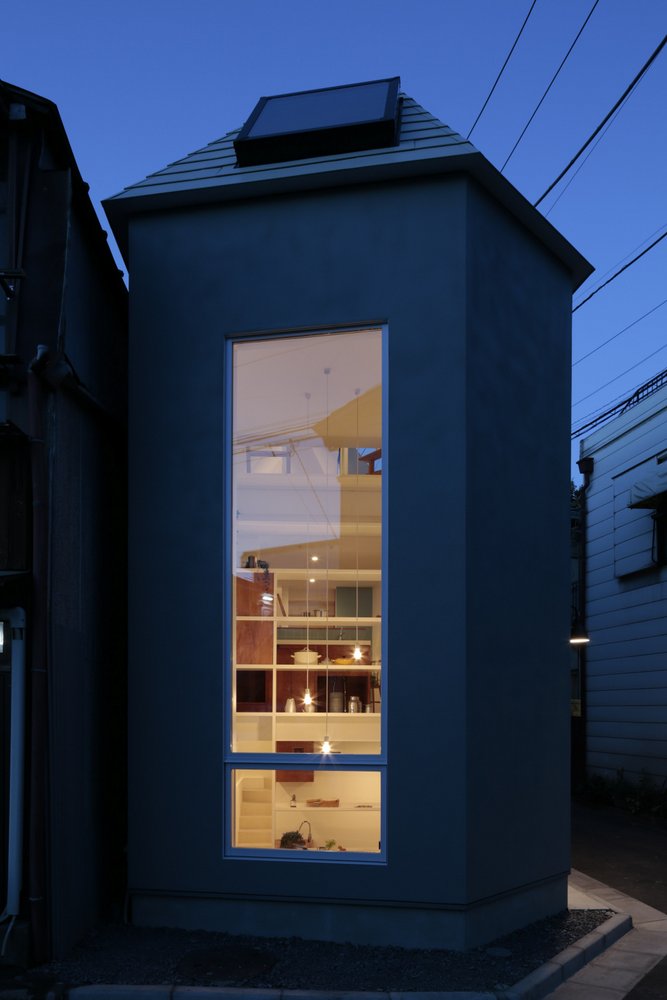
You’ve heard of weekend homes, right? Well meet FIKA, a weekend shop that functions as the shop owner’s residence during the rest of the week.

The brand new multi-purpose building was completed about 2 months ago under the wings of ON Design Partners, whose job it was, among other things, to maximize the ultra-tiny 355 sq ft (10 tsubo) plot of land.  The shop is located in a quiet neighborhood of Toshima, Tokyo where the owner’s collection of Scandinavian antiques and household items, goes on sale on Saturdays and Sundays.

The entrance to FIKA, which means “coffee break” in Swedish, is prominently displayed on the corner, while a private entrance is located around back.

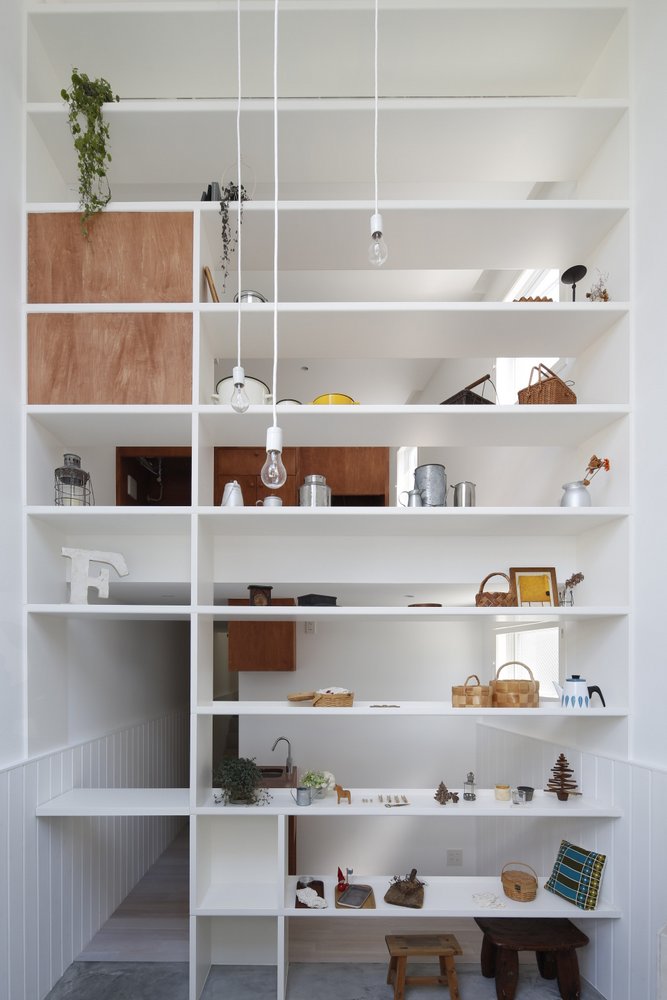
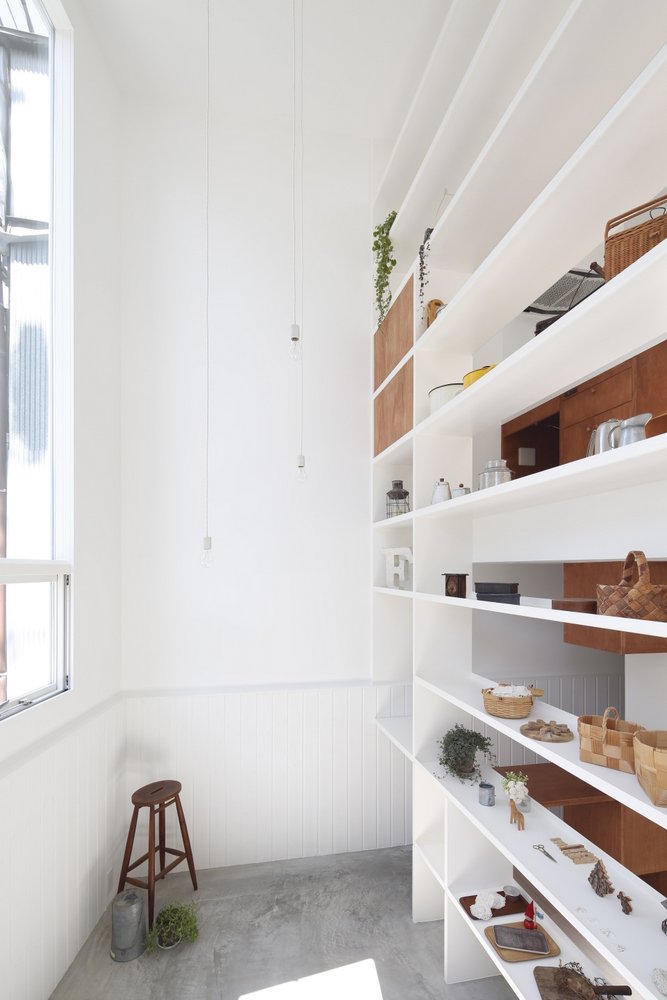
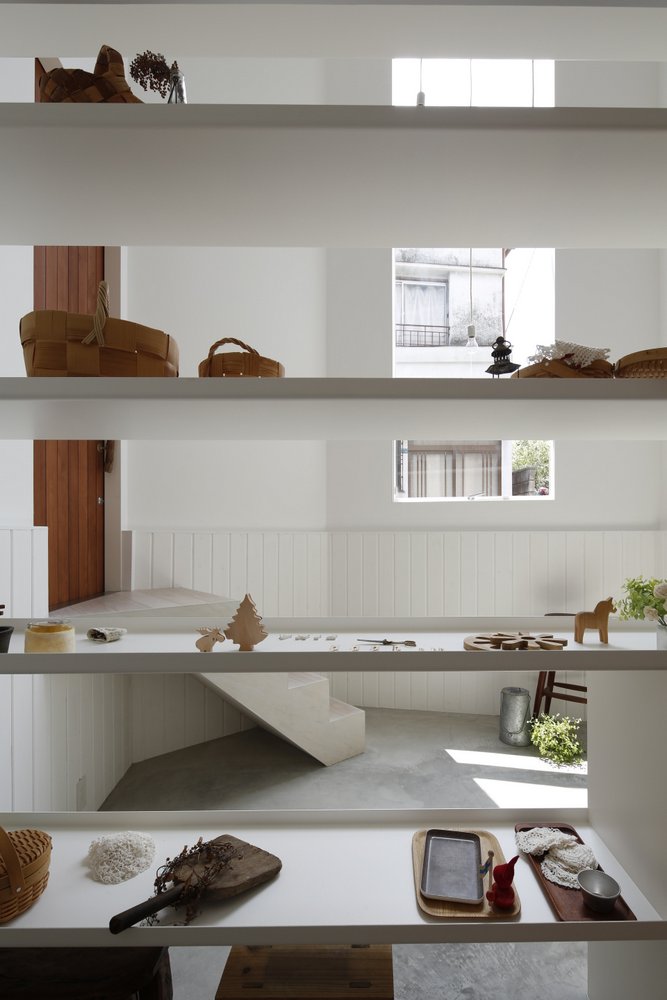
The 2-story structure features a high-rise shelf that, at the bottom, functions as the main display shelf for the store. But towards the top, as it stretches into the private residence, it carries the day-to-day objects that the owner uses as well. But as it turns out, within this quaint little shop, there is a thin line between product and object.

The owner’s collection is comprised of objects they have collected over the years, each with its own history and story. The process of customers coming in to shop, the owner says, is something akin to “meeting” an object, rather than “buying.”

source: ON Design Partners

« Older posts Newer posts »

© 2026 Spoon & Tamago

Up ↑

Design by Bento Graphics