Page 248 of 406

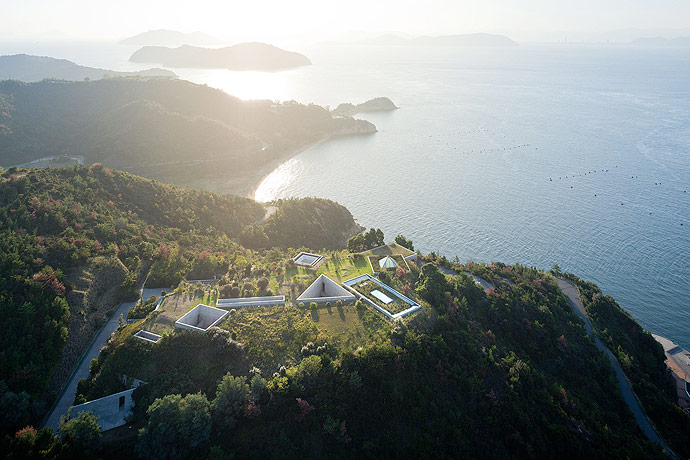
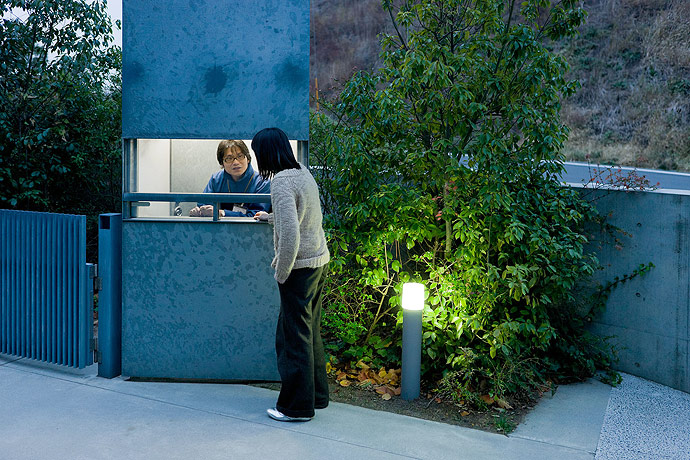
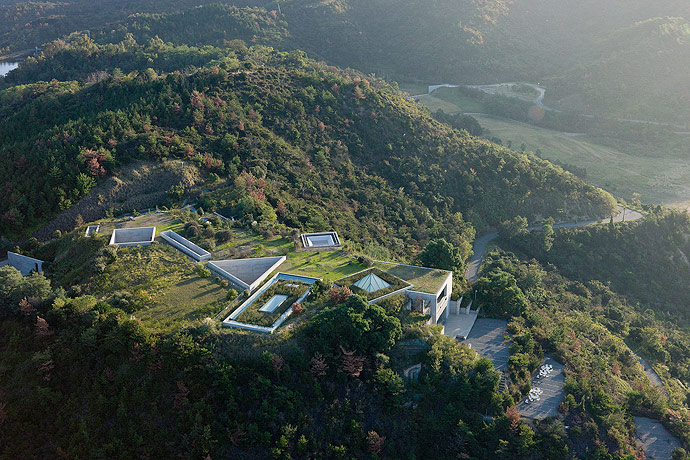
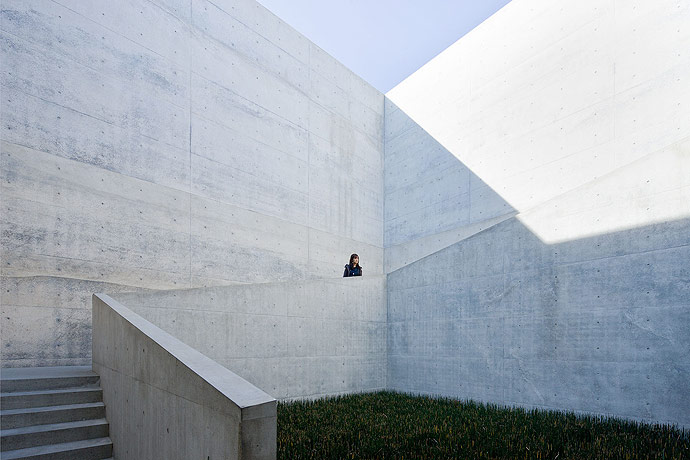
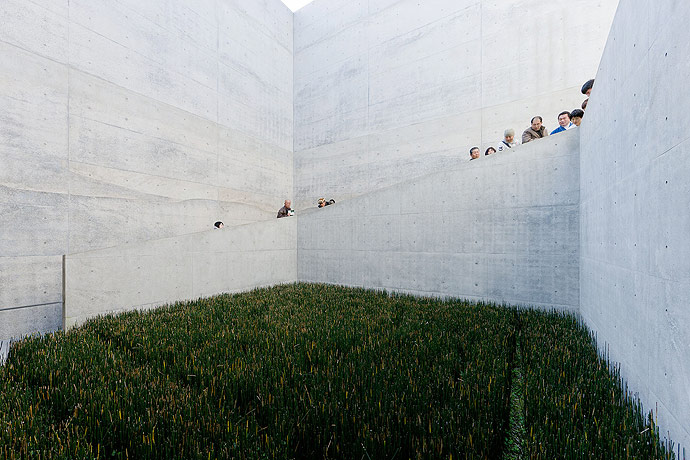
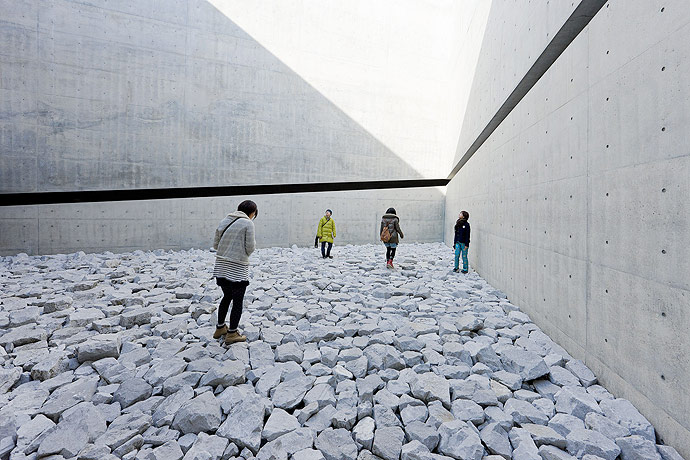
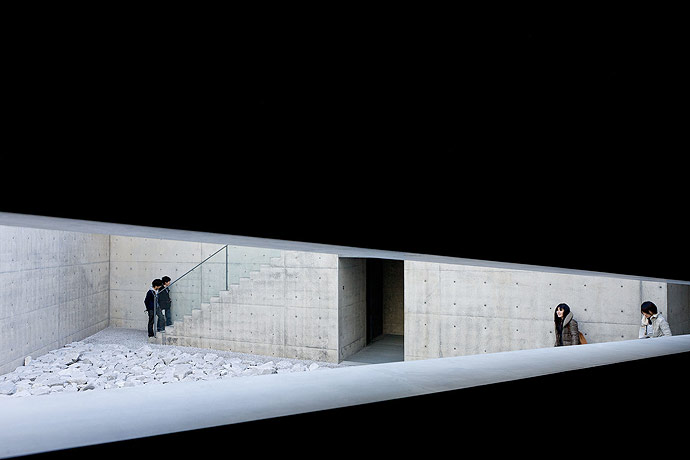
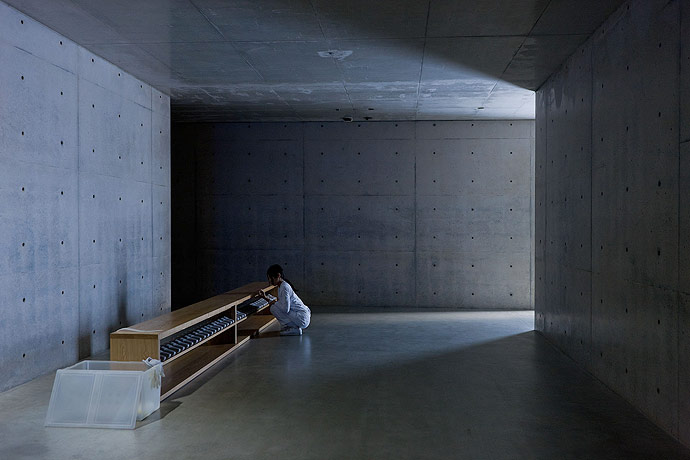
Chichu Art Museum by Tadao Ando

0101Benesse-3756all photos by iwan baan

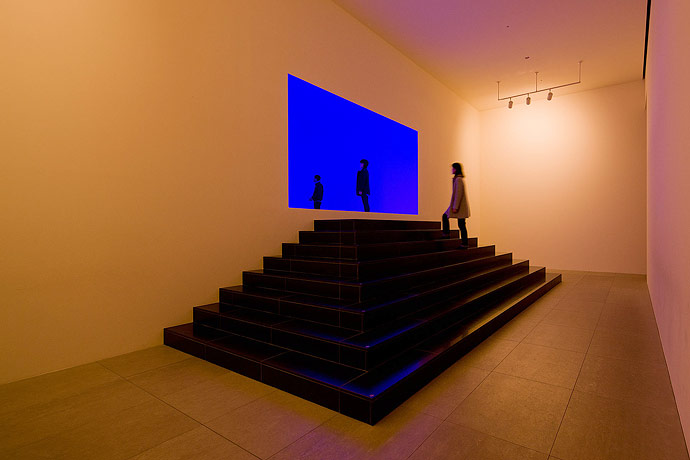
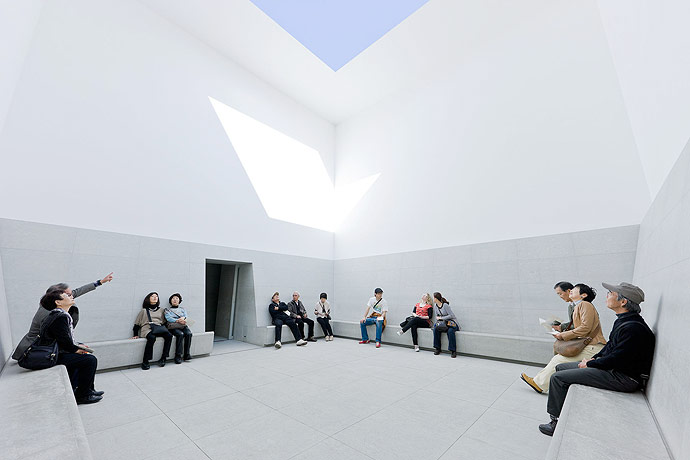
“Chichu Art Museum, established in 2004, is itself a quintessential site-specific work of art. The museum invites us to rethink our relationship with nature, a central theme in the ideological landscape of Naoshima. Located on the south side of Naoshima, the Tadao Ando-designed facility has a permanent collection of works, many commissioned for the museum over the past two decades, and includes such artists as Claude Monet, Walter de Maria, and James Turrell.”

The photos were part of the book Insular Insight.

0505Benesse-6071

0606Benesse-3762

0707Benesse-6387

0909Benesse-6203

1010Benesse-6306

1414Benesse-6293

1616Benesse-6125

1919Benesse-6176

2727Benesse-6350

House In Chigasaki by Suppose Design Office

all images courtesy suppose design office | click to enlarge

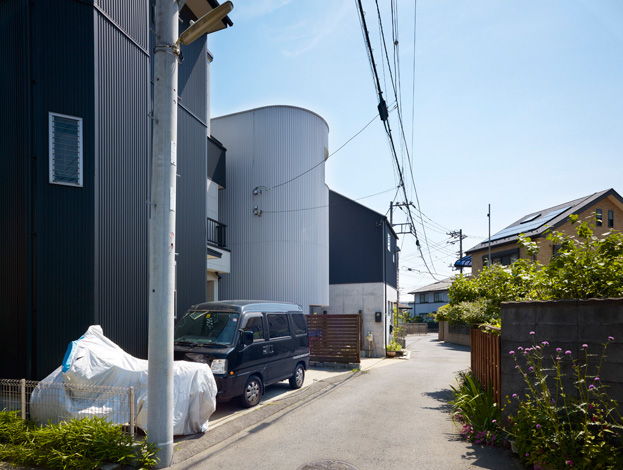
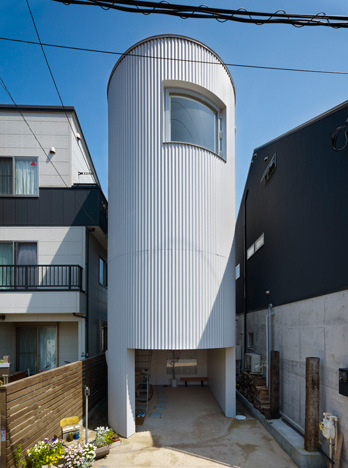
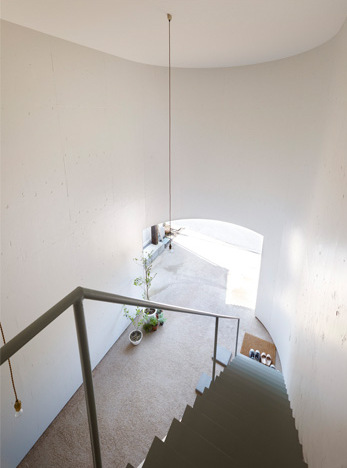
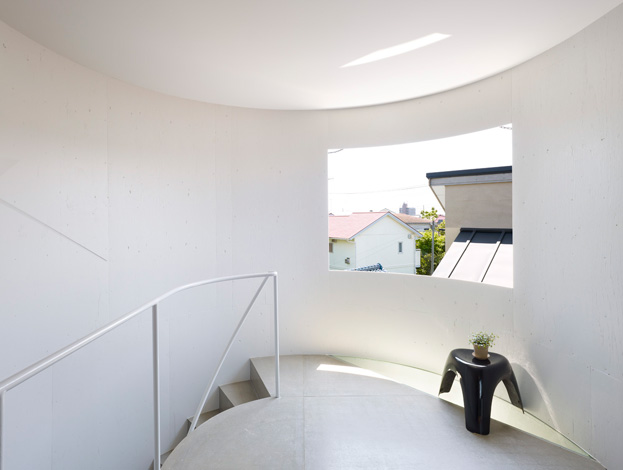
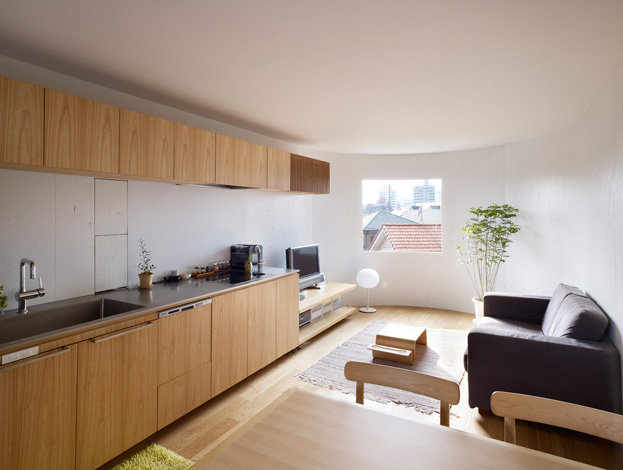
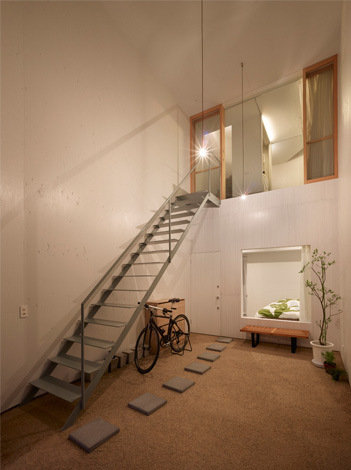
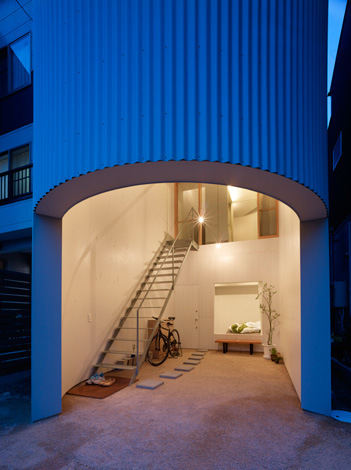
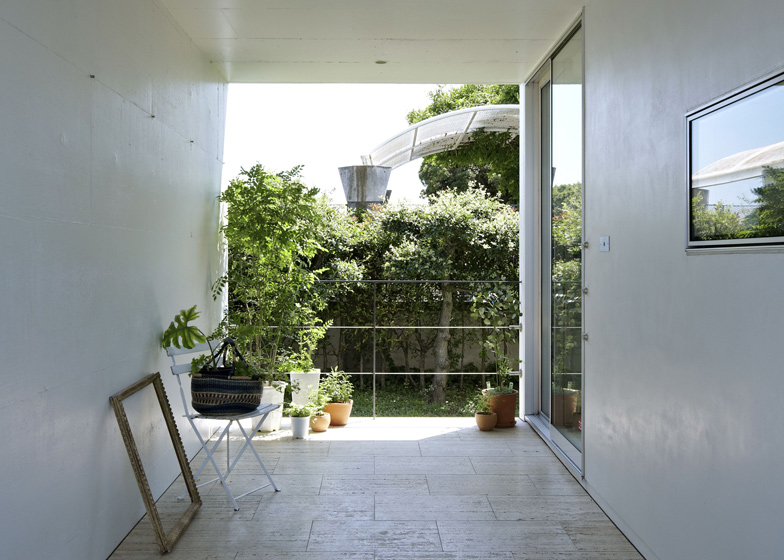
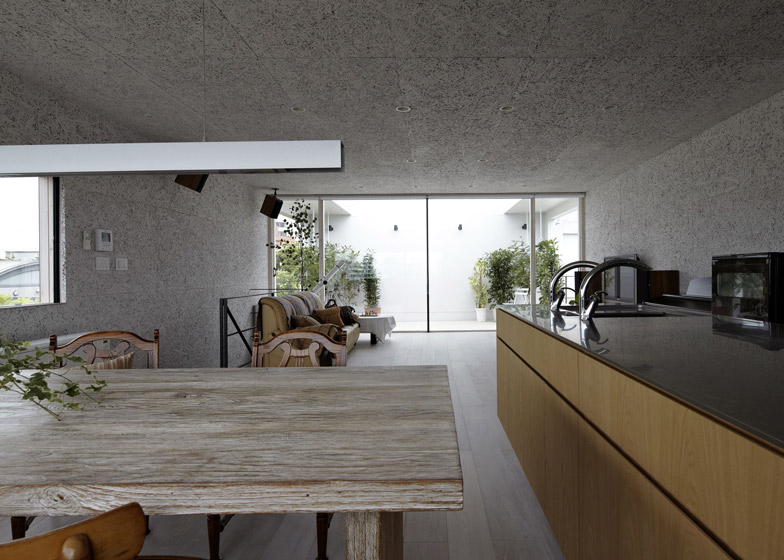
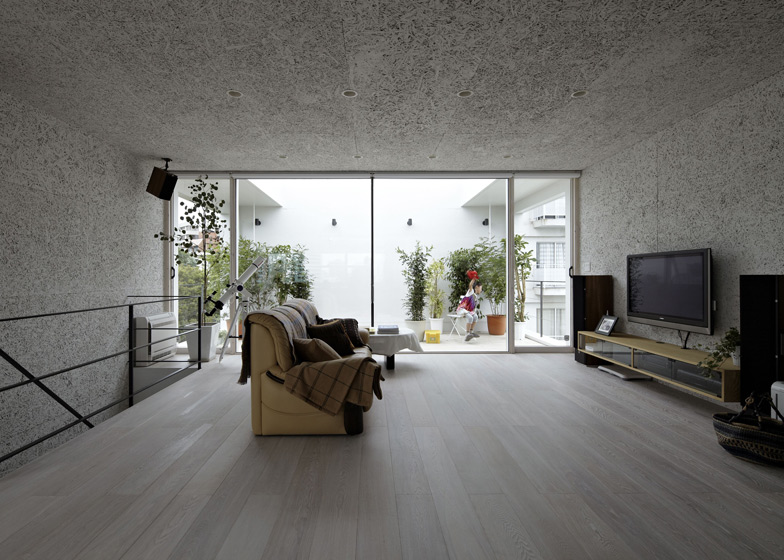
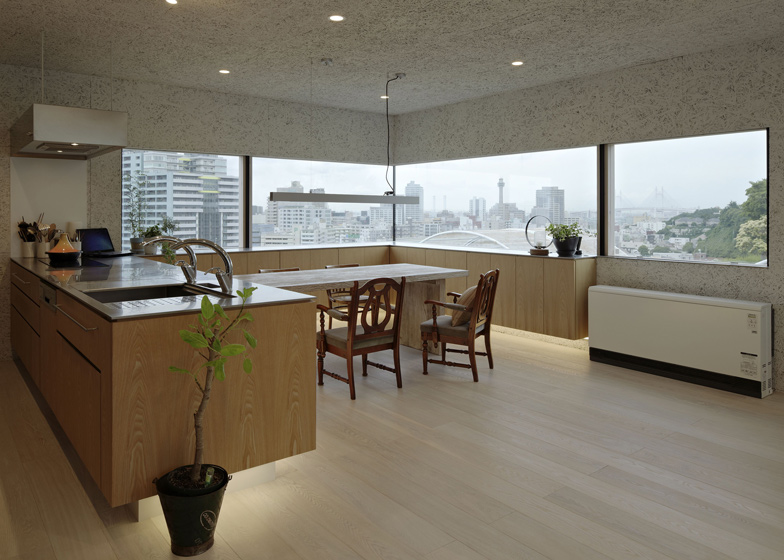
If you walk east from Chigasaki Station along a narrow back-street, through a thick forest of residential homes, you will come across a cocoon-like structure that resembles a large zōri, or Japanese sandal. The simple home is covered in corrugated steel with a single large window, complemented by a large opening at the bottom. It’s oval-shaped form seems somewhat inspired by a Swedish home one might come across in a Moomin picture book.

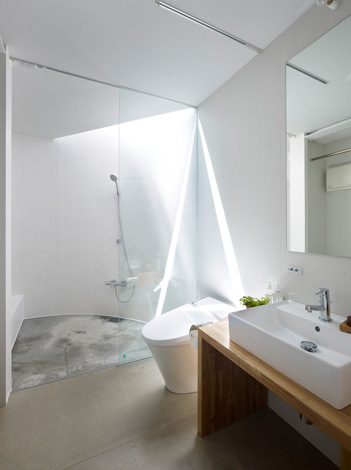
Completed early this year year, House in Chigasaki is the work of architect Makoto Tanijiri. It’s a small home. And there’s nothing fancy about it. But the architect’s signature use of layout, combined with a blurring of indoor/outdoor boundaries, makes it an inviting, comfortable home.

source: suppose design office

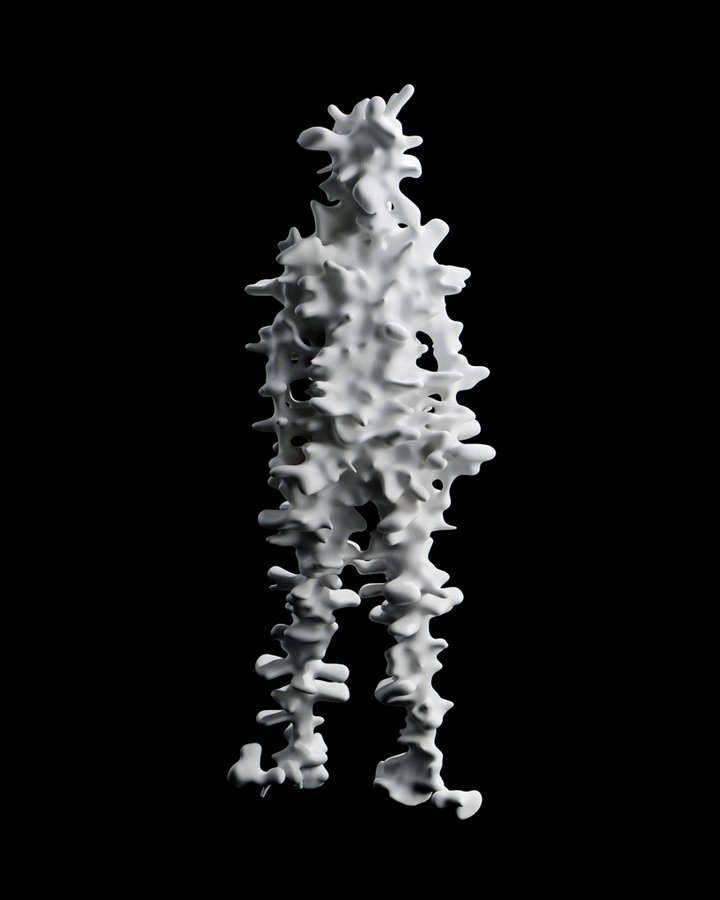
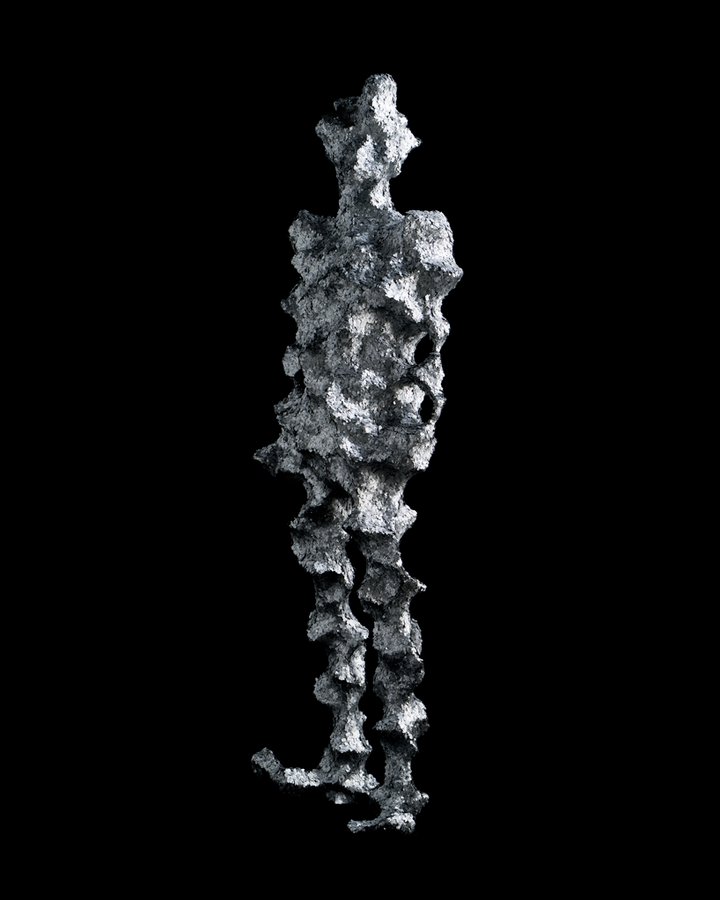
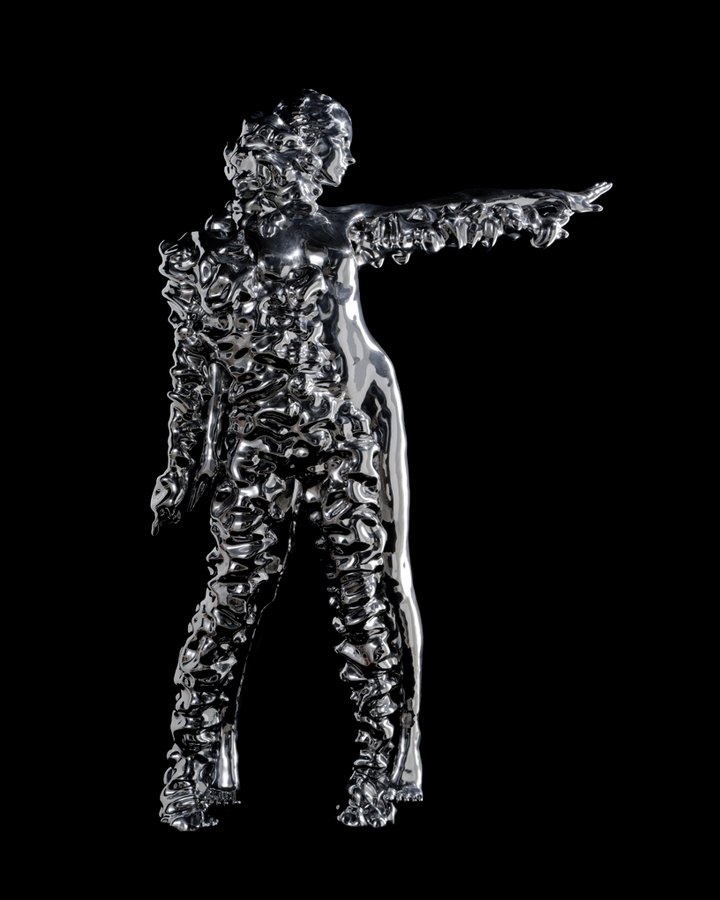
Kohei Nawa’s new work merges 3D scanning and texture mapping

all photos by Nobutada Omote, courtesy the artist | click to enlarge

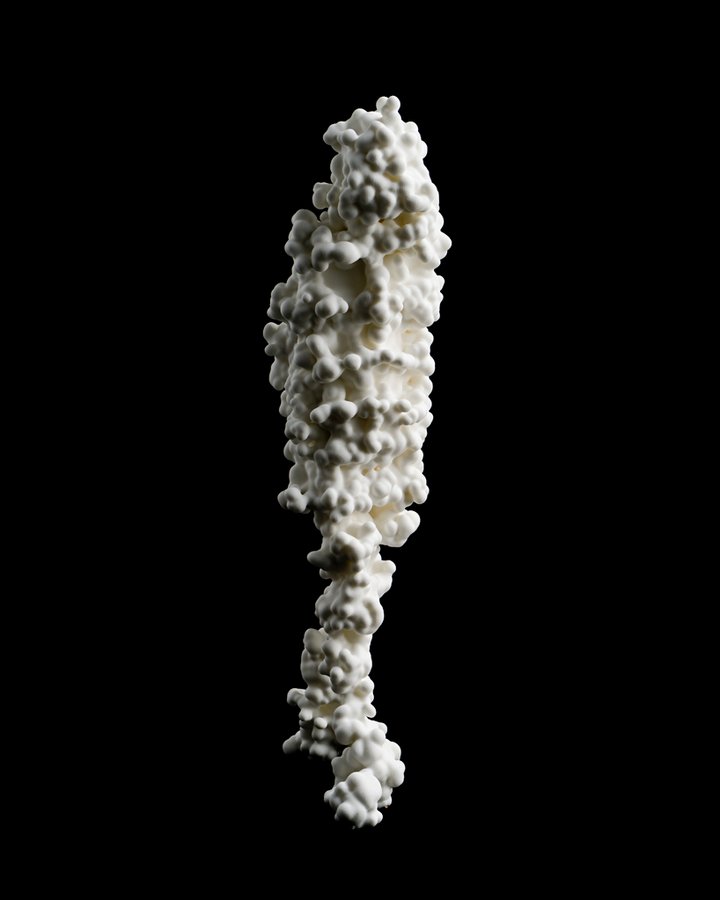
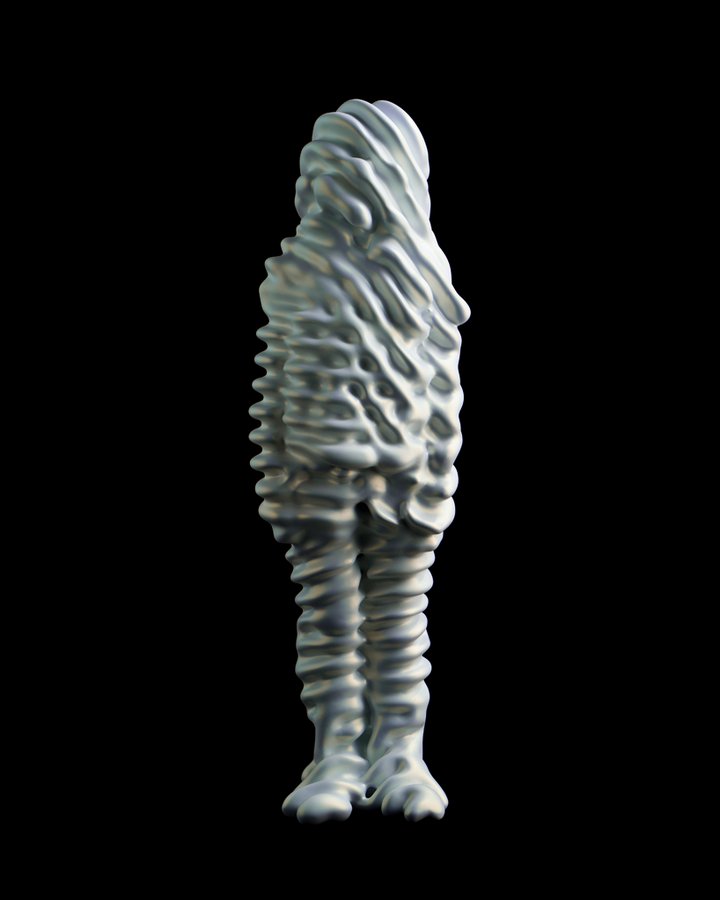
Looks like computer graphic-generated renderings, right? Wrong. These are very real sculptures.

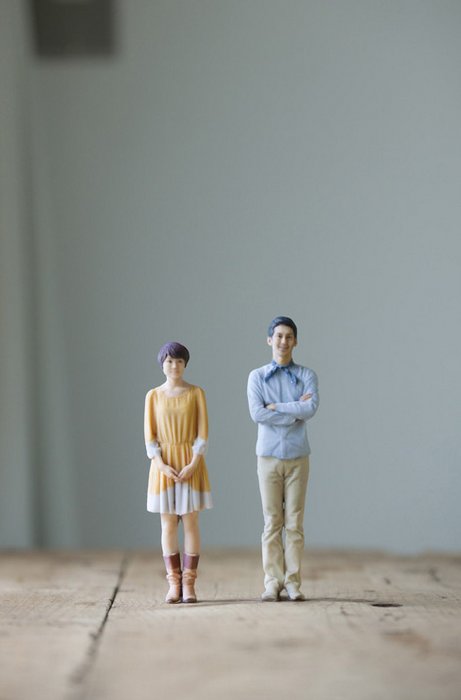
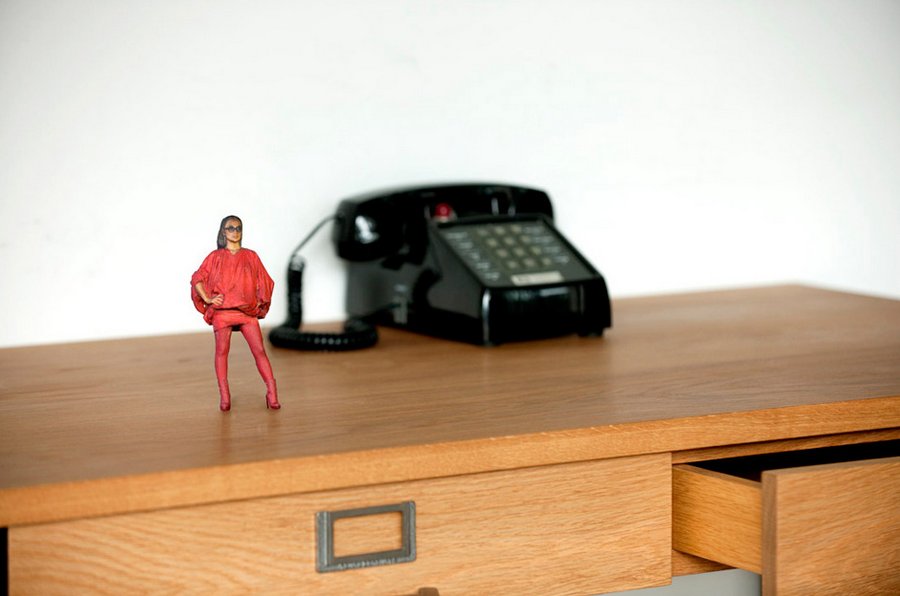
Perennial Sculptor Kohei Nawa will show an entirely new body of work next week. After obsessing over the manipulation of form through his series of bead-covered animals, Nawa shifts his attention to the human body. “Trans” is a series of human silhouettes produced from 3D scanning, which seems to be all the rage now, combined with texture mapping to create abstract, organism-like forms.

After debuting the work in Korea, Nawa will head to his homeland of Osaka where he will put on a large-scale experimental exhibition of new work, mixed with some old pieces. It will be on display at the Umeda Gallery (general admission 1,000 yen) within Hankyu Department Store from November 21 – December 9, 2012.

source: @kohei_nawa

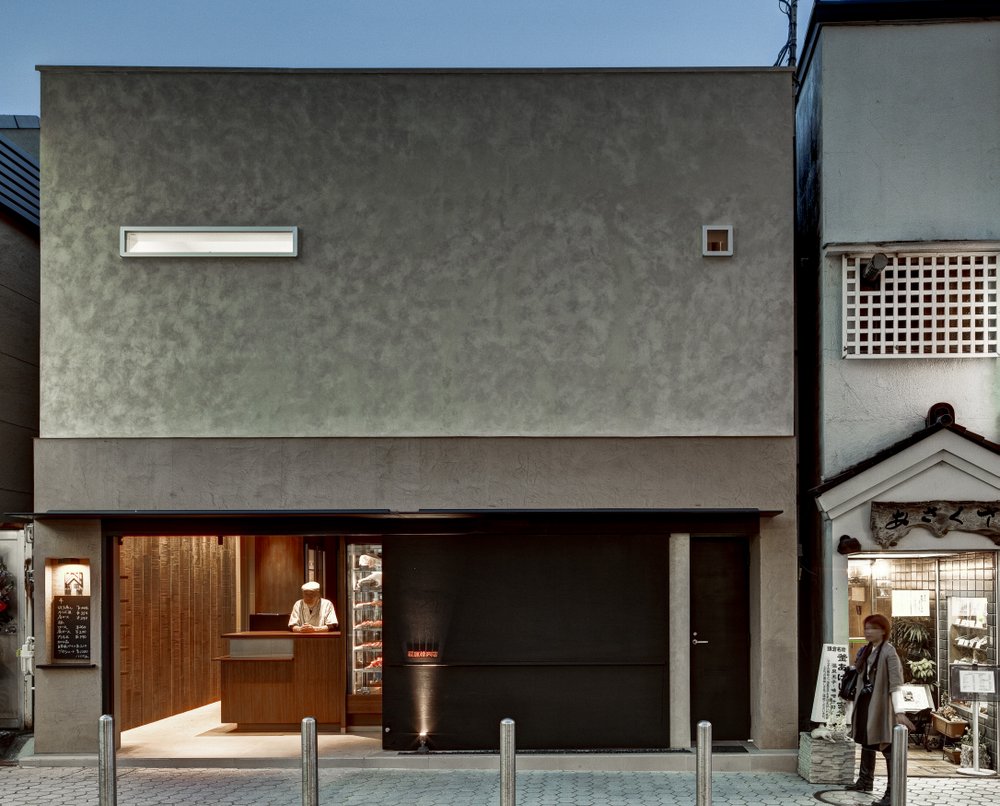
a butcher shop to drool for | Hagiwara Seinikuten

photos by Joshua Lieberman | click to enlarge

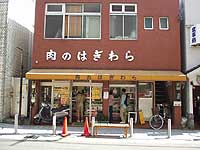
what the old butcher shop used to look like

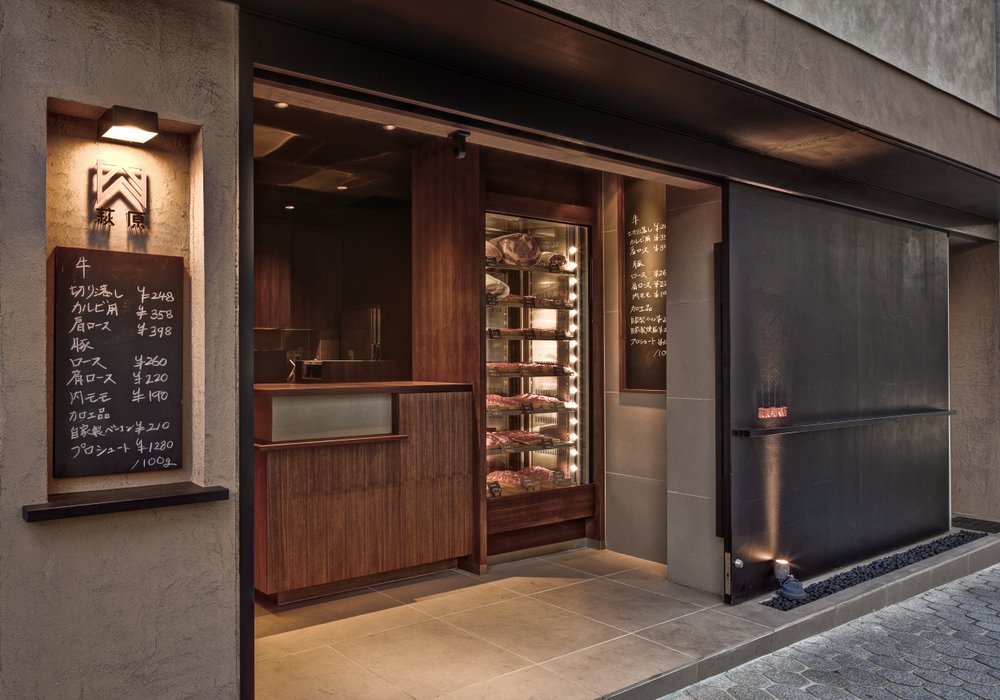
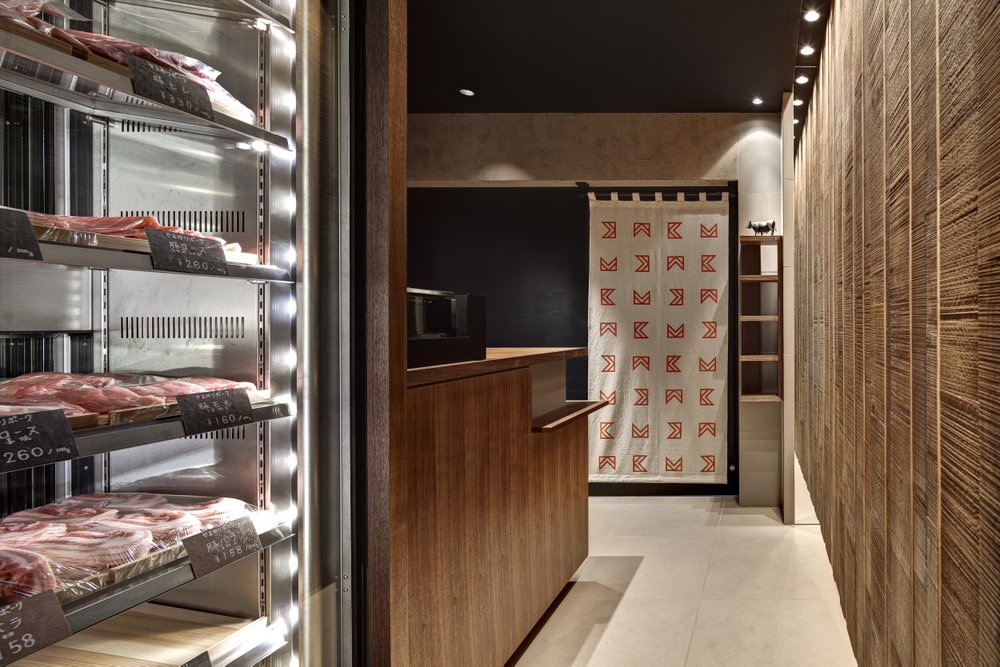
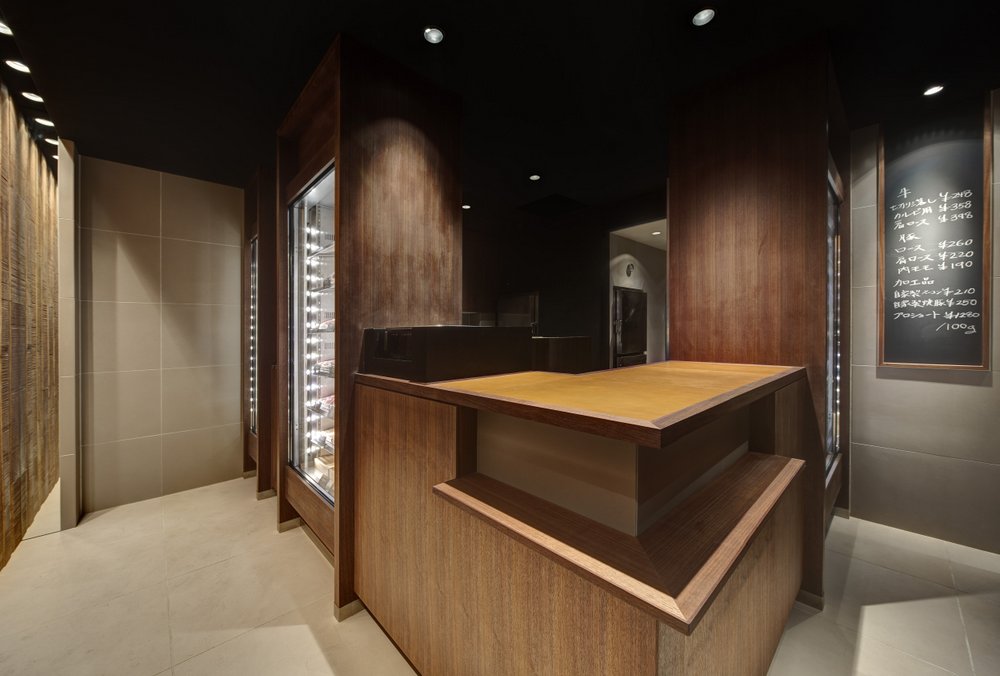
Nestled amongst the shopping streets of old town Kamakura, just steps from the station, is a butcher shop unlike any other. Renovated by Design Eight, the shop of over 60 years received a face-lift earlier this year to much acclaim.

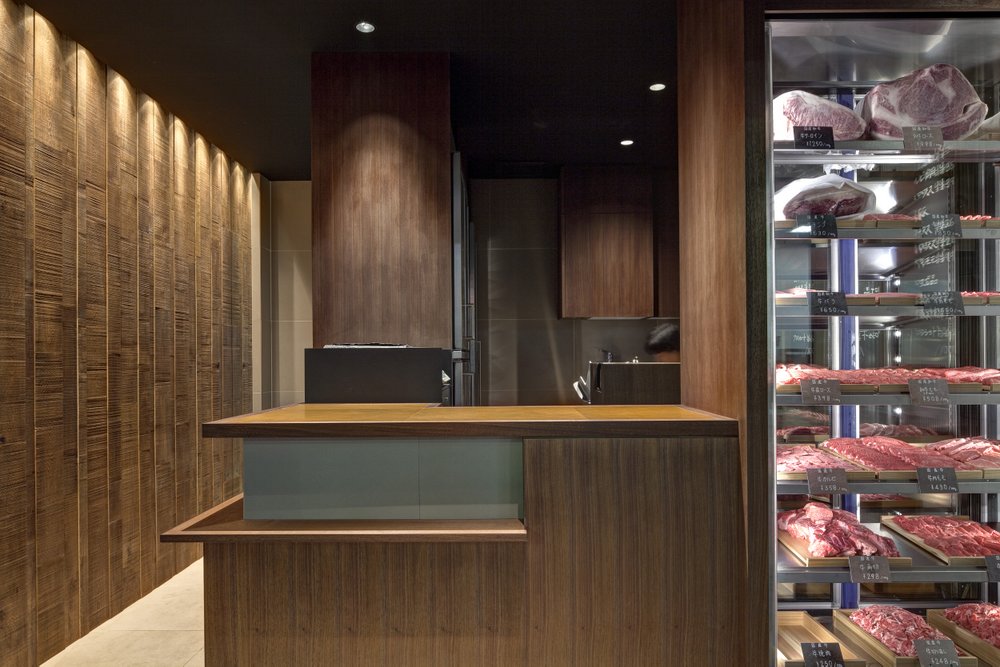
I want a modern look that fits with the landscape of Kamakura, the owner told the designers. But I also want it to  prioritize my longstanding client base, rather than grow the business. The solution – one based on an earlier project from several years ago – was to relocate the display case to a more accessible location: upright, next to the counter.

Conventional Japanese butcher shops showcase their meats underneath the counter, which limits viewing to one customer at a time.

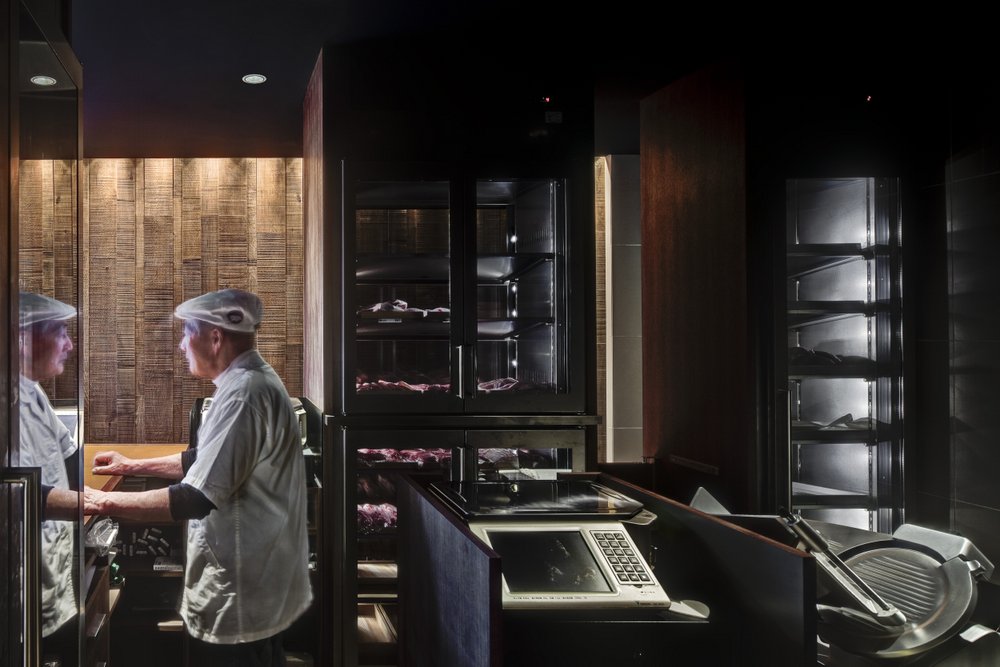
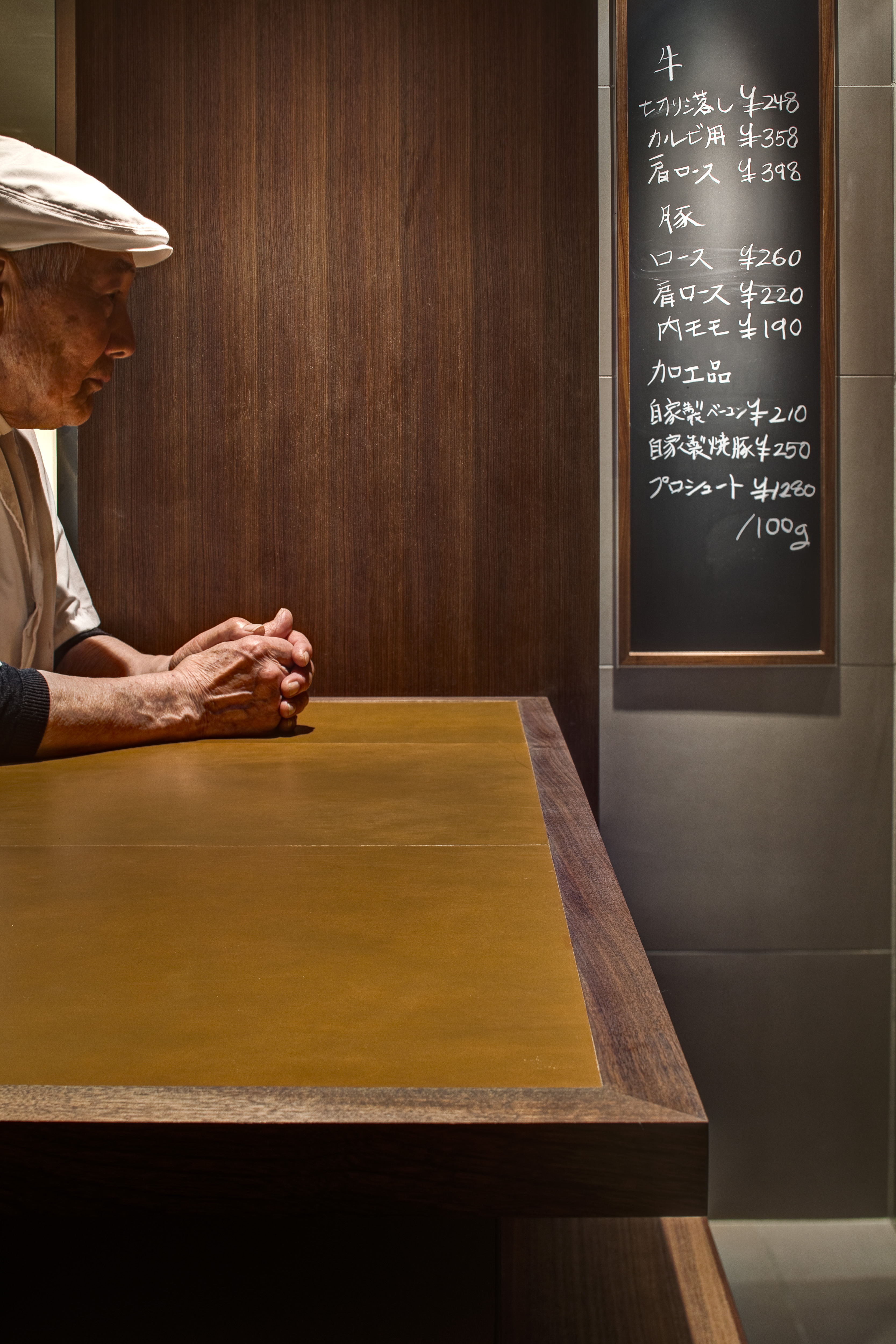
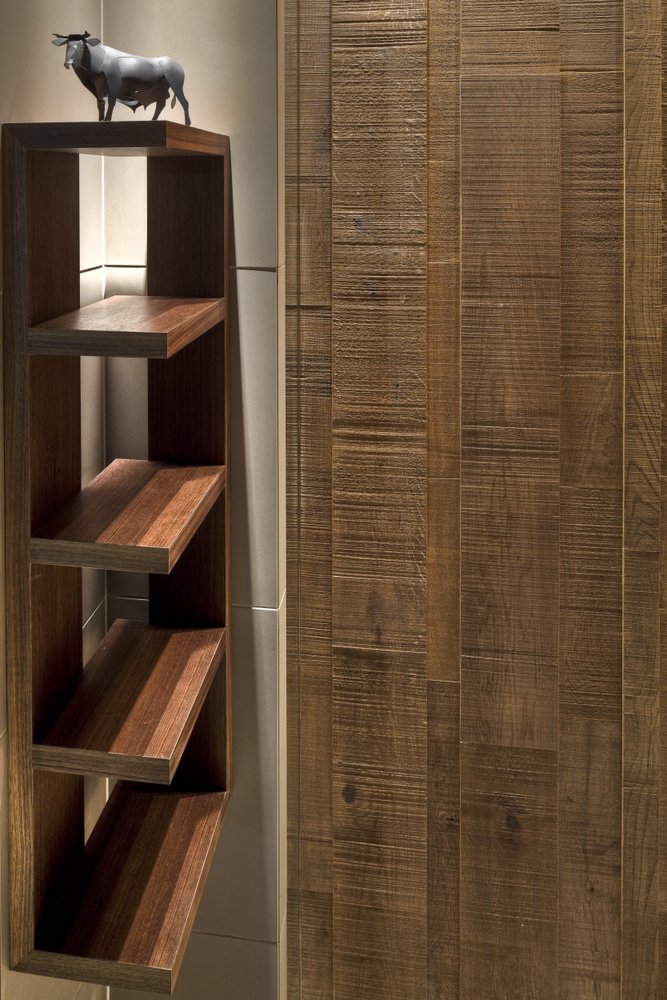
A wooden interior, a leather counter and special lighting to showcase the meats, finish of this gorgeous shop, which does an amazing job at highlighting their product and what they do.

The shop was a recent recipient of the 2012 JCD Design Awards.

A great logo designed by SPREAD.

Spatial Design | this Saturday November 17

My friend Juri Onuki and I are hosting an event this weekend in hopes to make some great art, have fun and hopefully raise some money for victims of hurricane Sandy.

New York and other parts of the world are currently witnessing a revival in Japanese post-war contemporary art. Kusama had her retrospective at the Whitney, a Gutai show will open at the Guggenheim and MoMA will showcase art from Tokyo 1955-1970. We thought, why let the big museums have all the fun? In the spirit of Jikken Kobo, an interdisciplinary group of 14 artists founded in 1951, we will be staging our own experimental workshop: Spatial Design. We believe that a collaboration of different mediums will multiply the possibilities not only in its medium but also in a form of “art”. We’ve gathered a group of very talented artists from different disciplines for this show: works by Abatvoix, GREYZONE, Laura Vitale and Juri Onuki.

Unfortunately I had to travel to Japan unexpectedly and won’t be able to make it, but everyone has put a lot of time and effort into the show and it’s going to be a lot of fun! Hope you can make it!

When: November 17th @ 8:30pm
Where: BAX (Brooklyn Art Exchange) Gmap
Entrance with Donation (suggested $10)
Donations will cover the cost of renting the venue, equipments and artists’ costs. 20% of all contributions will go to hurricane Sandy relief efforts via the Red Hook Initiative. We’re also accepting donations online.

World’s First 3D Printing Photo Booth to Open in Japan

3D printers – it’s a word that offers glimpses into the future that seems so far, and yet is so close. The technology, which allows you to replicate 3D objects the same way you make a photo copy, has been around for a couple years now, but, for the most part, has been far too expensive and inaccessible to the public.

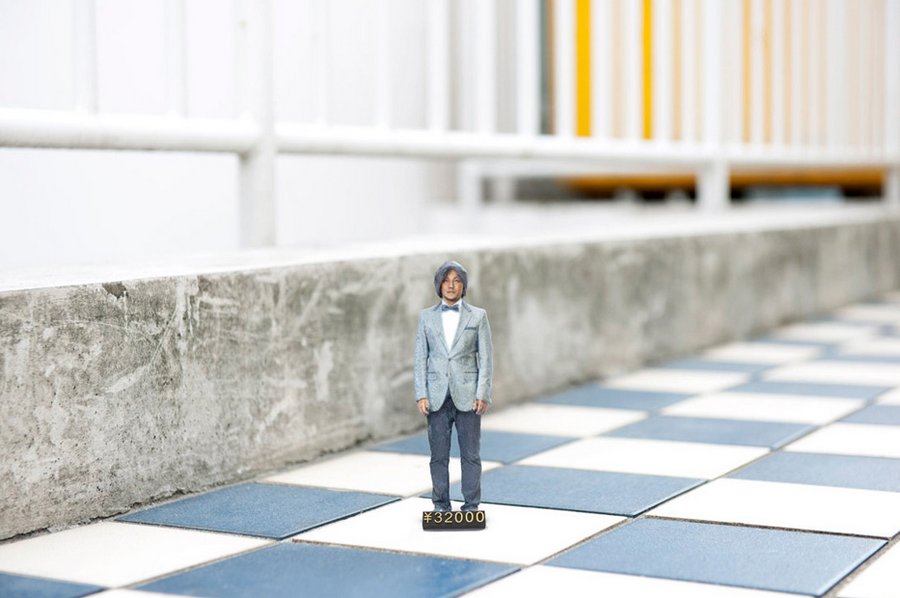
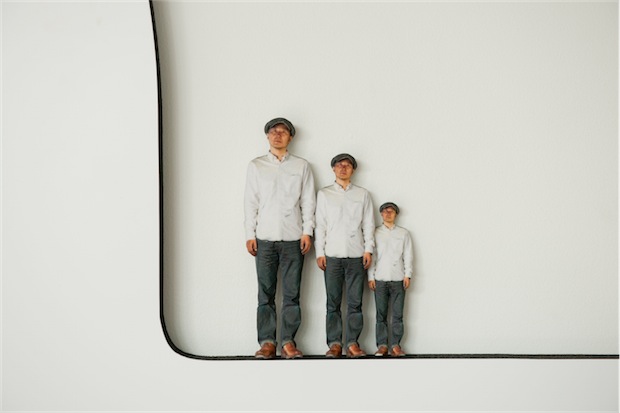
But now, what’s being called the world’s first 3D printing photo booth is set to open for a limited time at the exhibition space EYE OF GYRE in Harajuku. From November 24 to January 14, 2013, people with reservations can go and have their portraits taken. Except, instead of a photograph, you’ll receive miniature replicas of yourselves.

Reservations are taken only through the website. You can pick from 3 sizes, S (10cm), M (15cm) and L (20cm) for 21,000 yen, 32,000 yen and 42,000 yen, respectively. But there are group discounts! This would be really fun to do with your kids, who seem to grow up just way too fast.

The project was brought to you by the creative powerhouse PARTY.


source: @masakawa

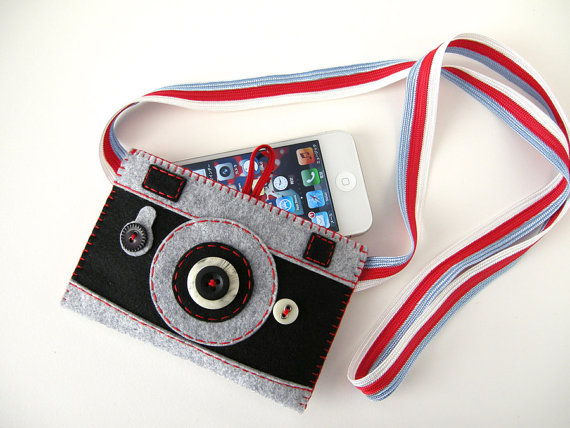
Tourist iPhone case

How adorable. A retro camera felt iPhone case to make you look like a tourist. Designed by the talented Hine Mizushima.

NDA by Takuya Tsuchida of no.555

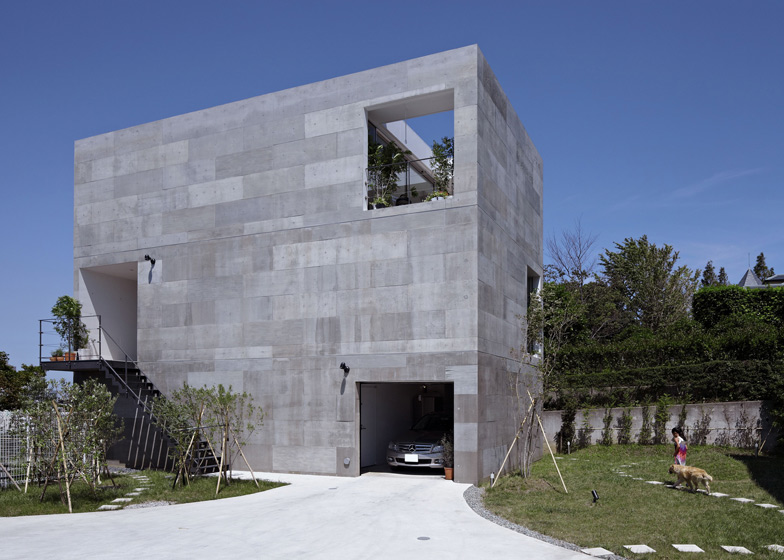
all photos by Torimura Koichi | click to enlarge

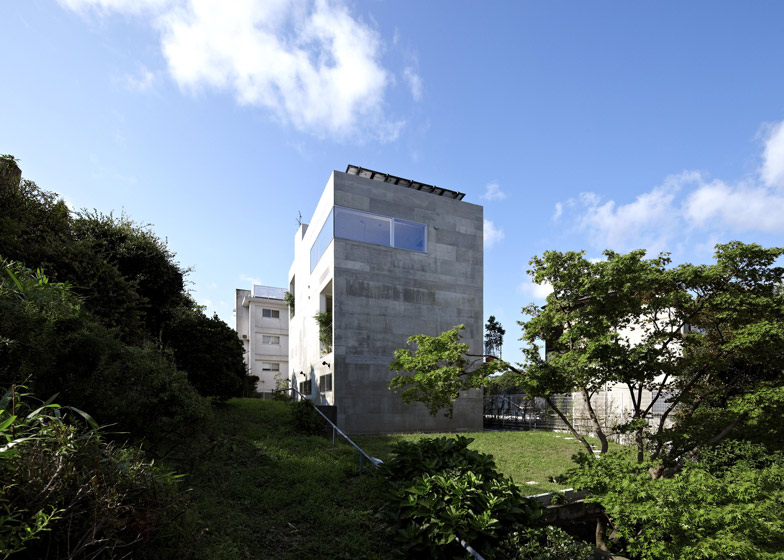
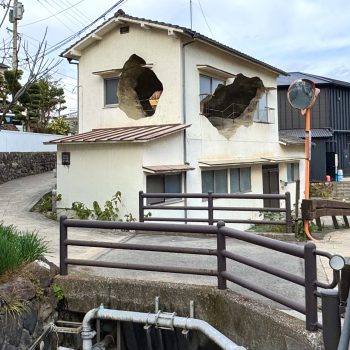
In the Eastern neighborhood of Yamate, Yokohama lies a town unlike any other in Japan. The streets are dotted with western-style houses from the late nineteenth and early twentieth century, originally built for oyatoi gaikokujin – foreign advisors hired by local governments. Some of these grand homes have been converted into museums, some remain residences and, for the most part, the neighborhood has been left unchanged.

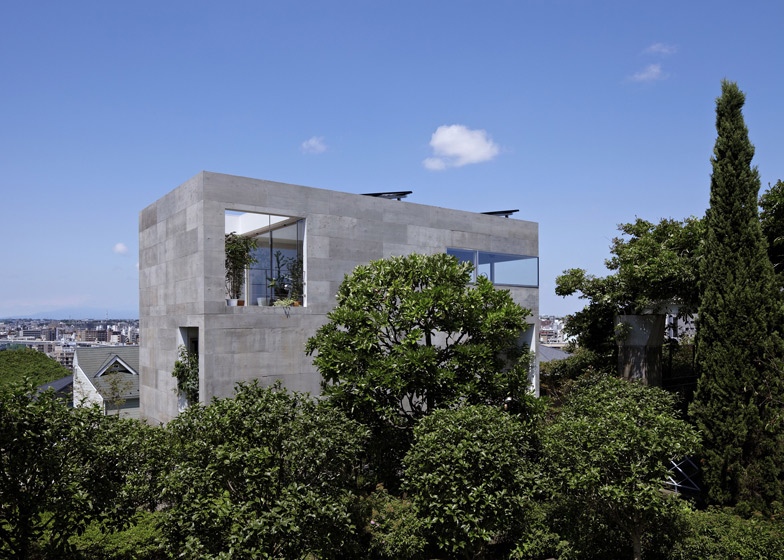
But in constructing a new home in the neighborhood, architect Takuya Tsuchida of no.555 (previously) made a point to not blend in. “I believe that building design should both respect and challenge the potential of an area and the direct environment,” he said. Dubbed “planter” for its use of balcony gardens that make the structure look like one large plant pot, NDA was completed in May of this year. The 3 story home stands tall with a regal self-assurance. Punctured holes dot the concrete walls and function as balconies up high and a garage down low.

Takuya Tsuchida has a knack for creating homes that not only look beautiful, but (and arguably more importantly) have the potential to transform lifestyles. His attention to detail embeds his homes with, for lack of a better word, devices. These devices force residents to interact with their home, creating an environment and a lifestyle that is unique to them alone.

source: submission

Kenya Hara | Architecture For Dogs

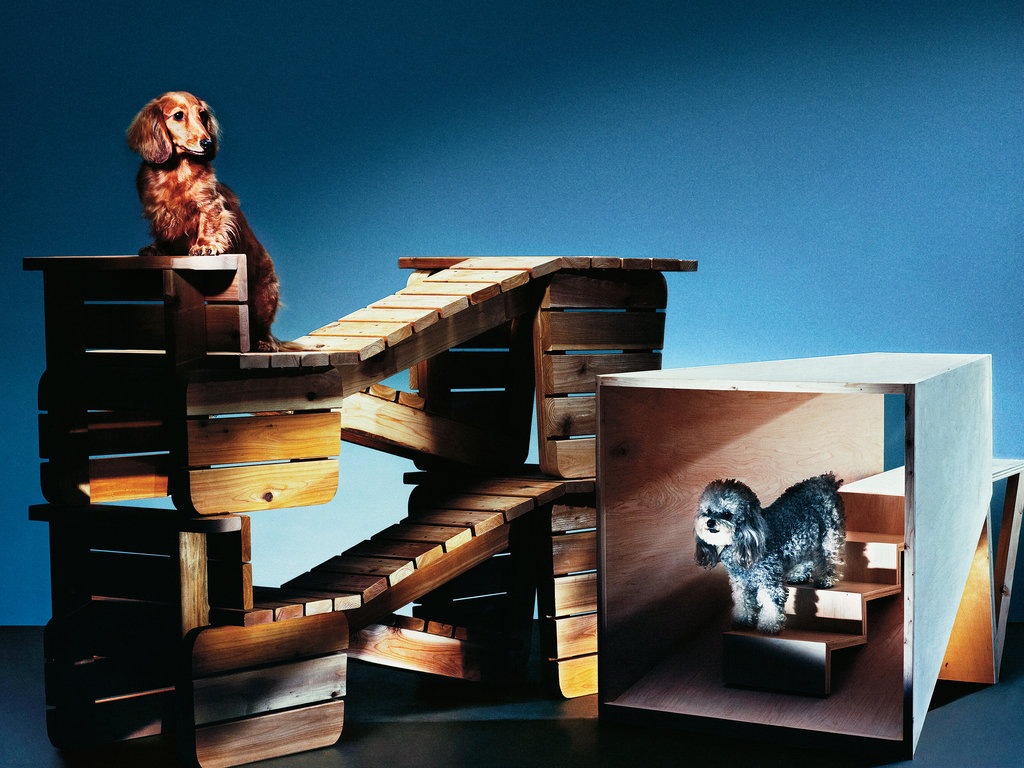
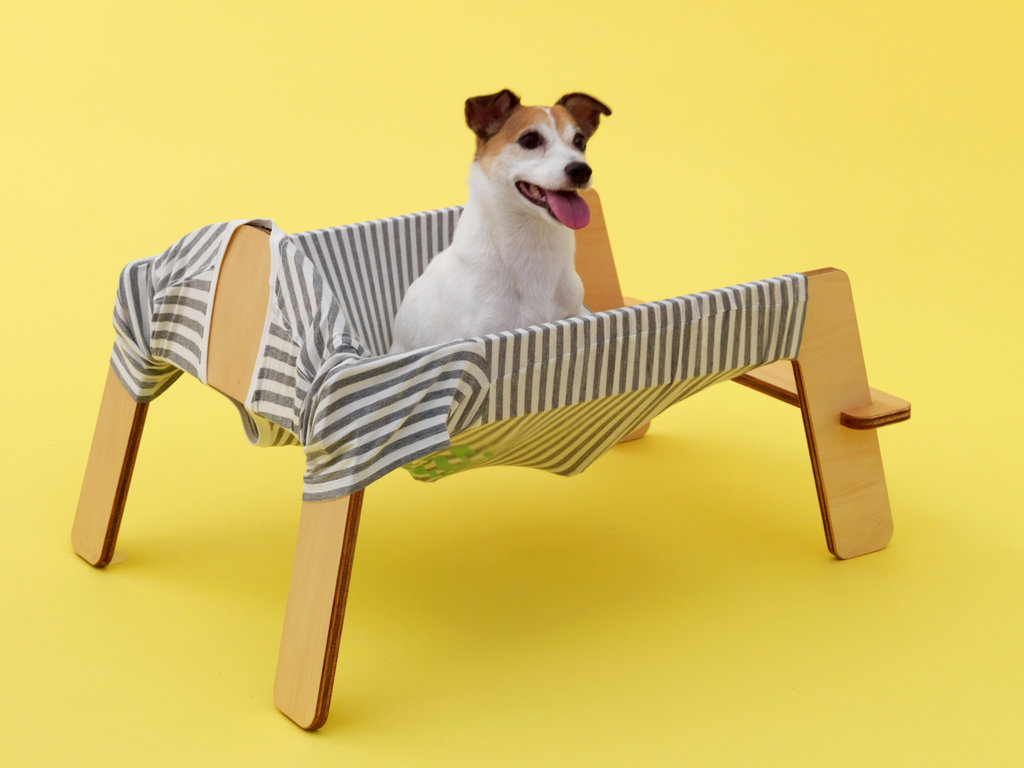
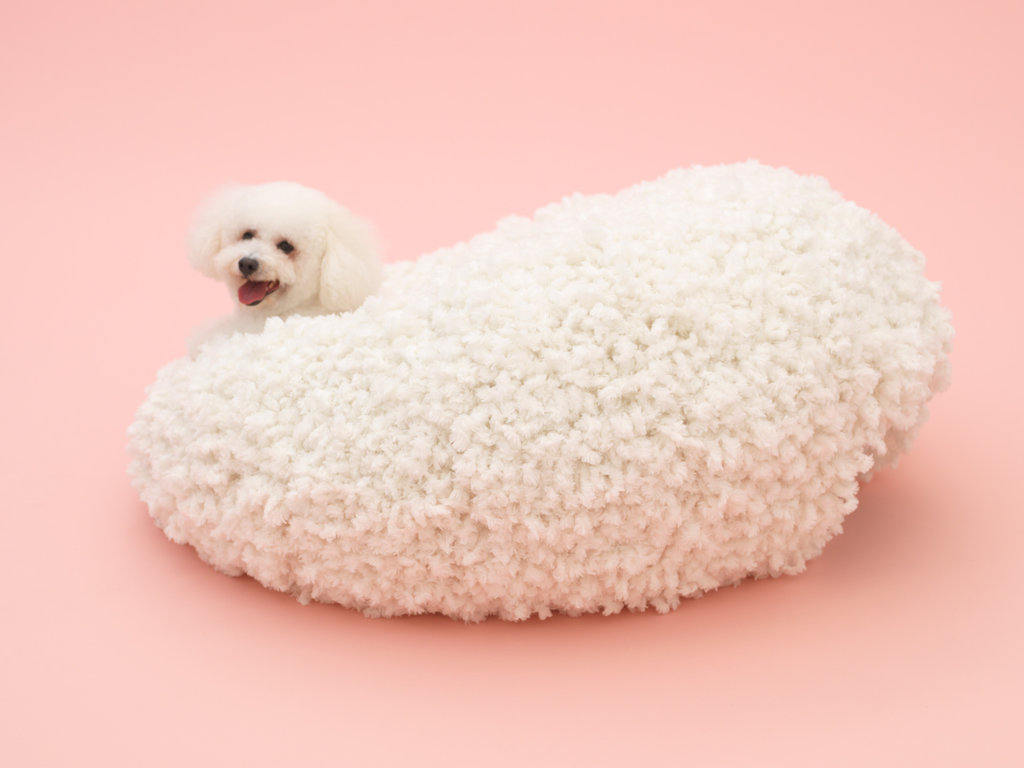
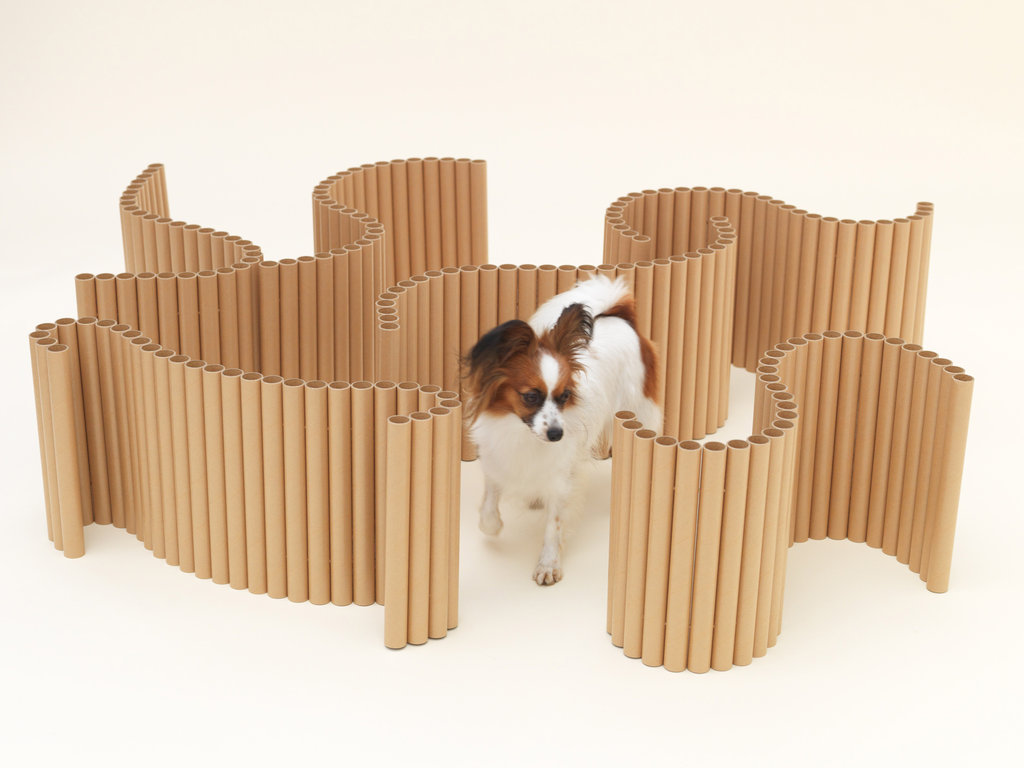
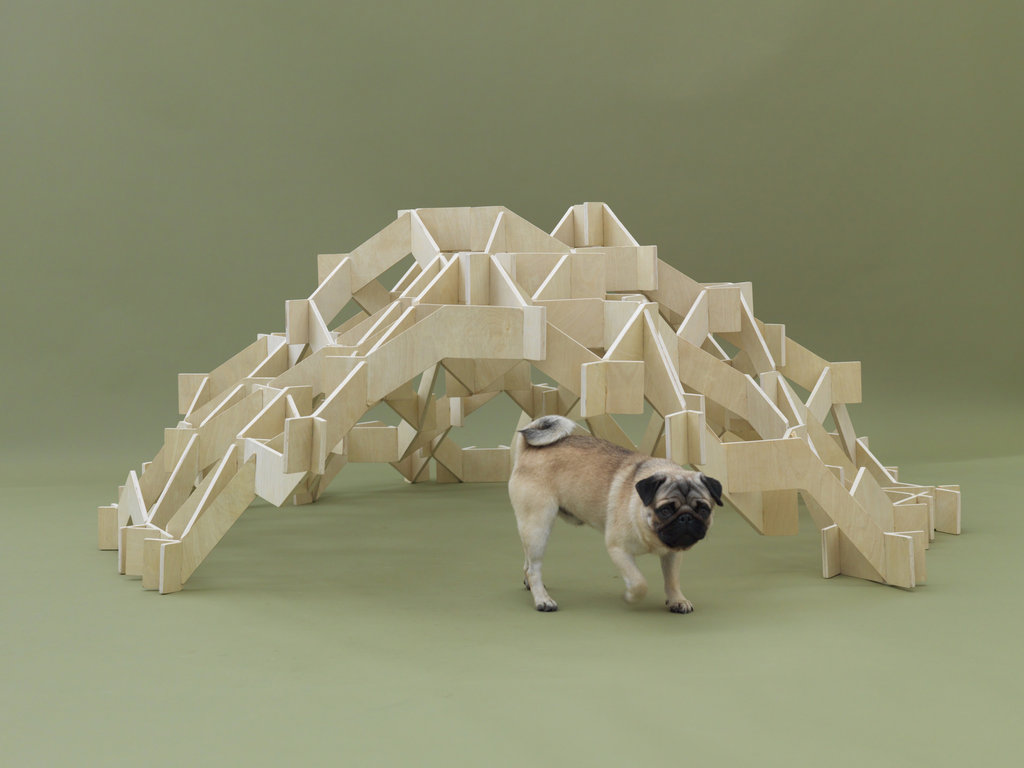
Kenya Hara, the man behind MUJI’s minimal look-and-feel, recently announced his latest project: Architecture for Dogs. Its name can be taken in the most literal sense because it’s exactly that. Hara commissioned some of the biggest names in Japanese architecture right now to design breed-specific designer dog-houses.

The NYT:

Through the Web site architecturefordogs.com, which goes live this month, dog owners will be able to download free blueprints of each structure, along with directions and how-to-build videos that allow customization. (Hara is quick to point out that the breed specificity was not meant to exclude mutts or larger dogs, but rather to aid the designers by giving them clear parameters.)

Now, we’ve all heard that dogs take after their owners, sometimes even showing up in physical appearance. But does the same phenomenon hold true for the architects and their dog-houses vs human-houses? Let’s take a look (click images to enlarge):
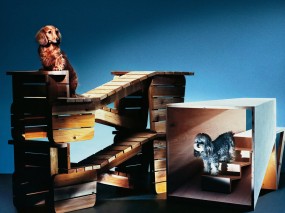
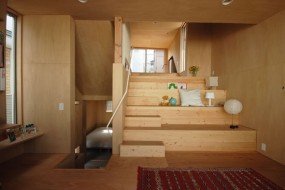
Atelier Bow-Wow’s stacked structure for a dachshund (left) and their “Tread Machiya” (2008)
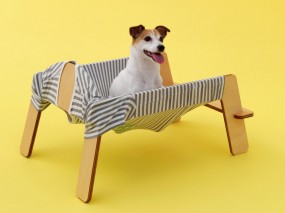
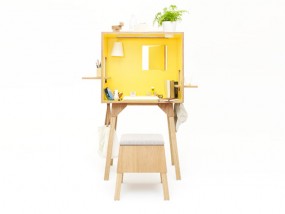
Torafu Architects’ “Wanmock” (left) for a Jack Russell terrier, and their Koloro Desk (2012)
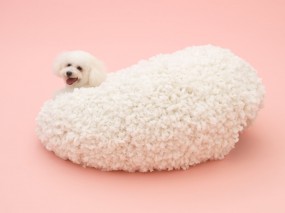
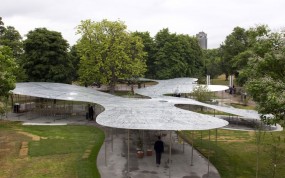
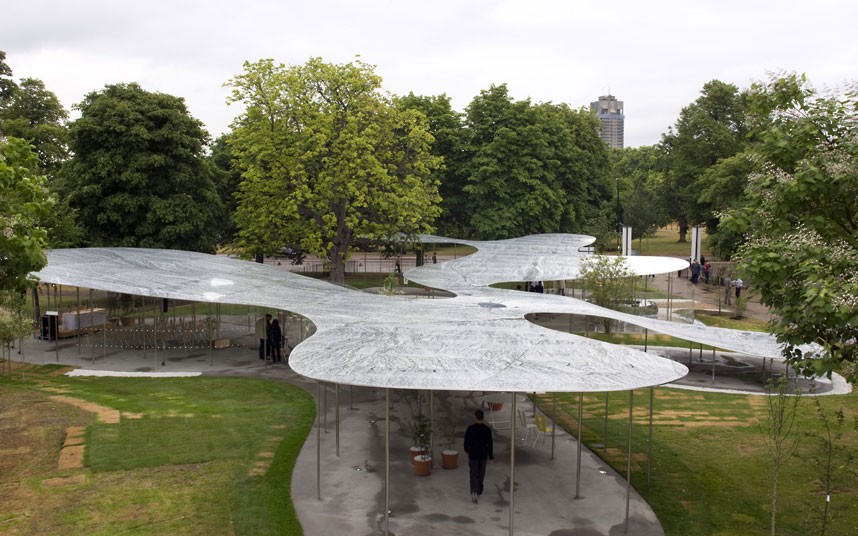
Kazuyo Sejima’s home for a Bichon Frise (left) and her Serpentine Pavilion (2009)
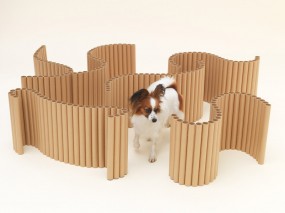
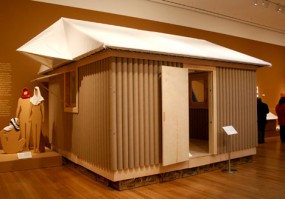
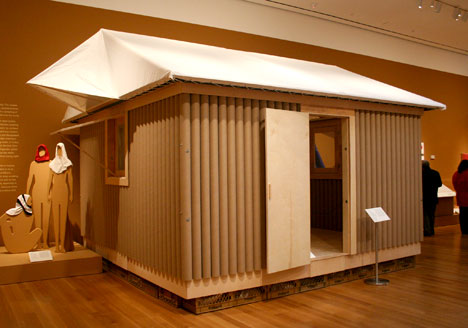
Shigeru Ban’s Papier Papillon (left) and his paper tube shelter for disaster refugees
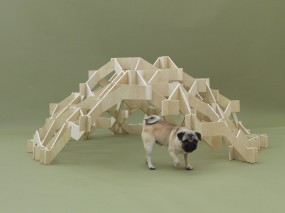
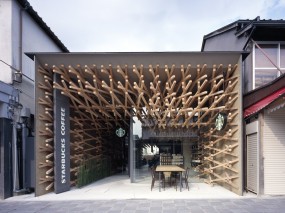
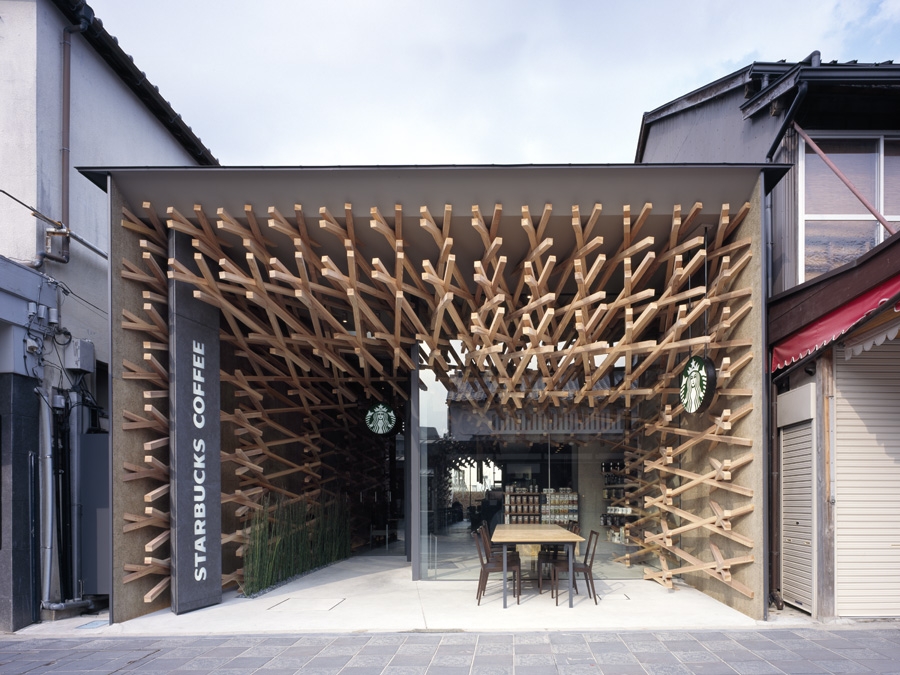
Kengo Kuma’s structure for a pug made of interlocking geometric pieces (left) and his Starbucks in Fukuoka (2012)
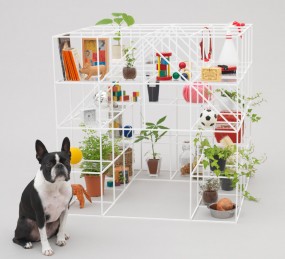
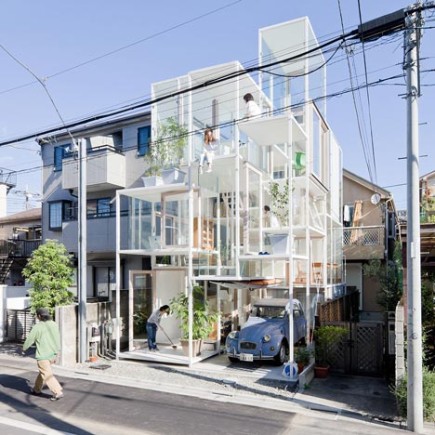
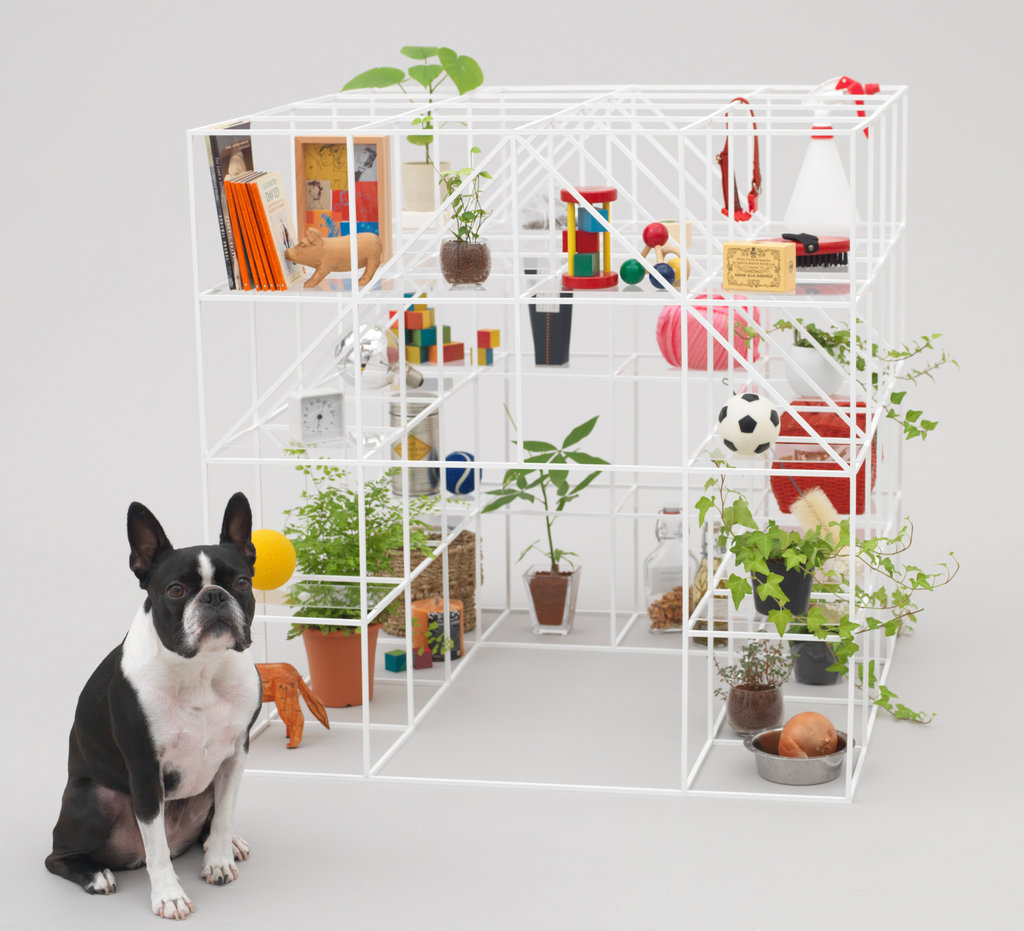
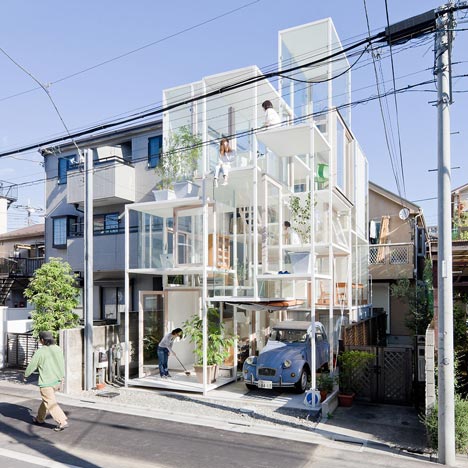
Sou Fujimoto’s home for a Boston terrier (left), and his House NA (2012)

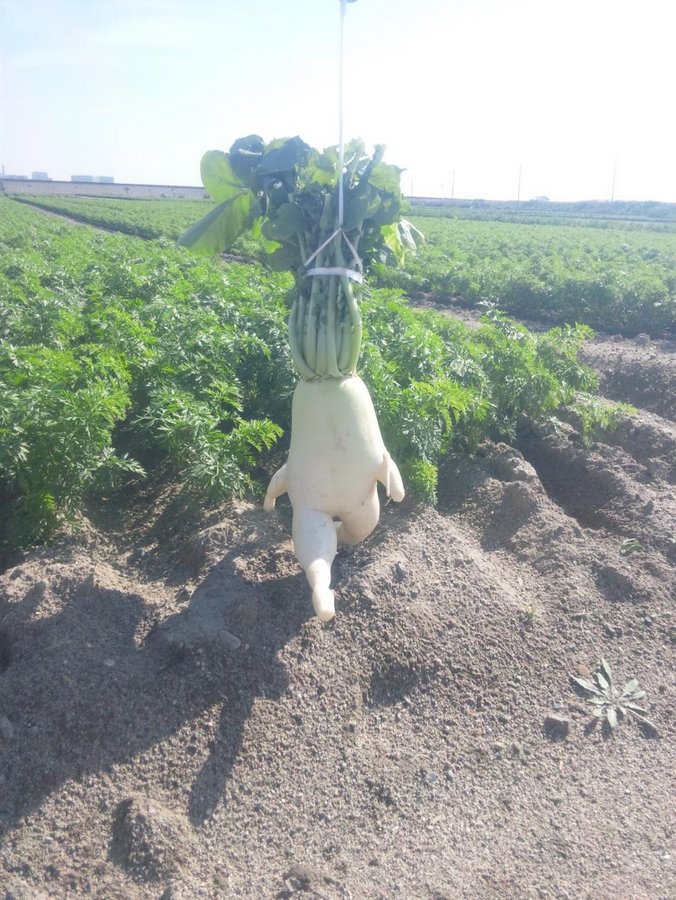
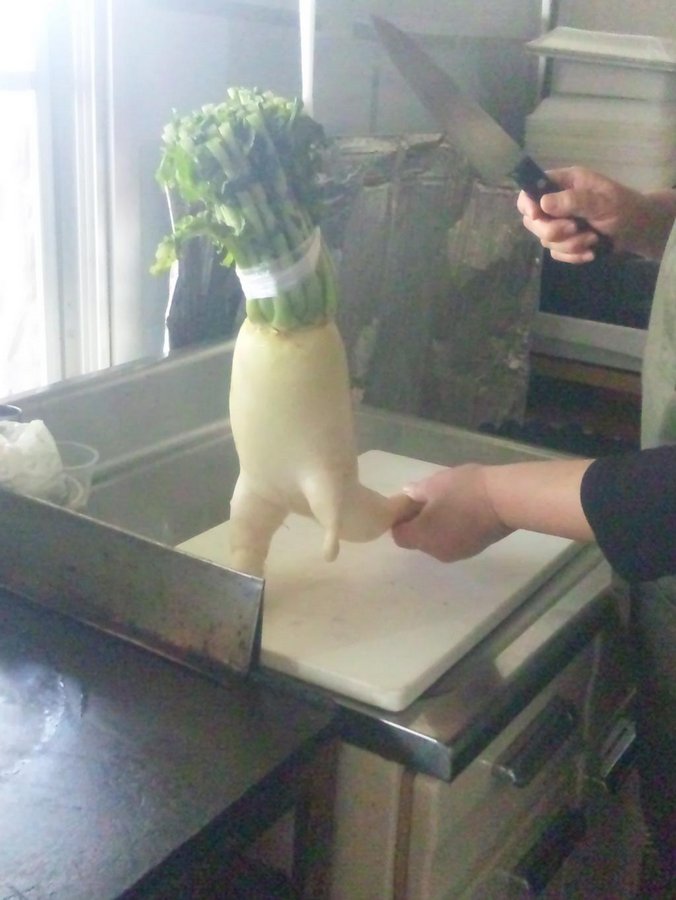
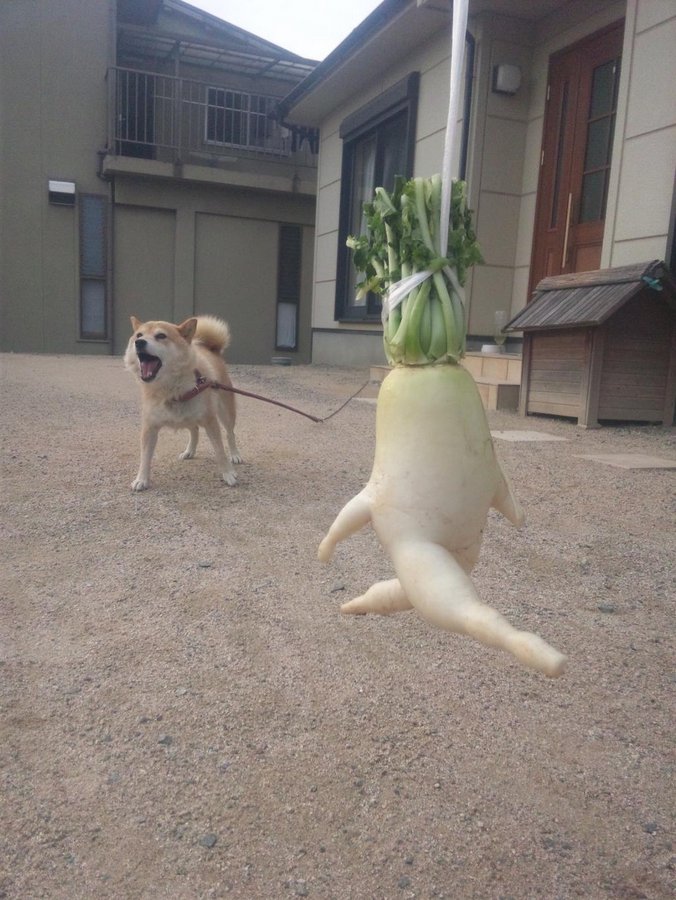
The curious case of the running daikon radish

What would you do if you unearthed an oddly-shaped daikon radish that resembled someone swinging their arms and legs back and forth in a sprinting position? Would you place it in humorous situations and photograph it? Well that’s exactly what a farmer in Hyogo prefecture, who goes by the twitter handle @konsai_umemama, decided to do.
all photos by @konsai_umemama


« Older posts Newer posts »

© 2026 Spoon & Tamago

Up ↑

Design by Bento Graphics