Page 249 of 406

Nendo’s Upcycled Glass Bottleware Series for Coca Cola

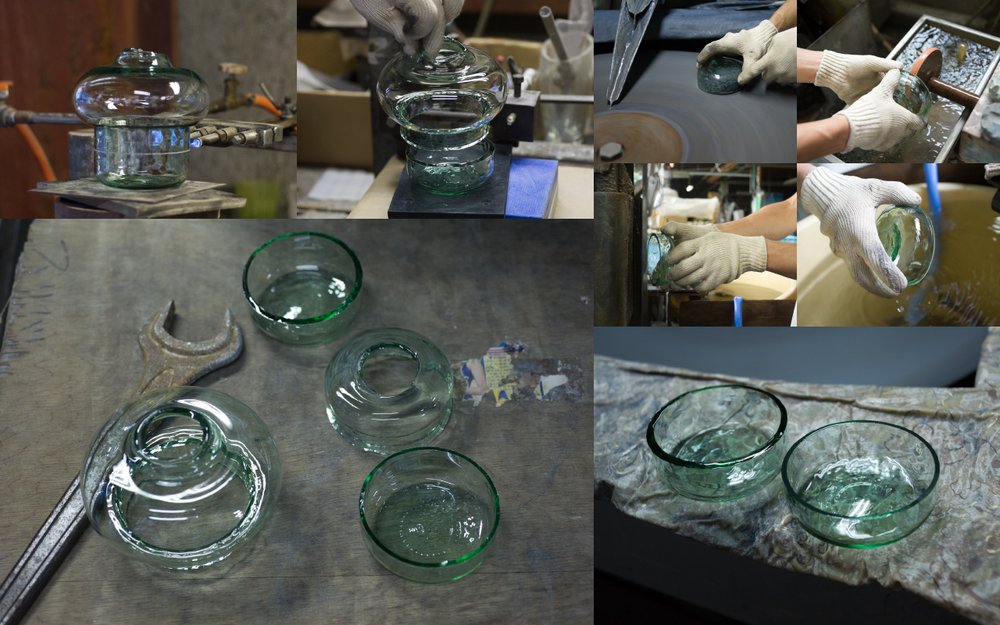
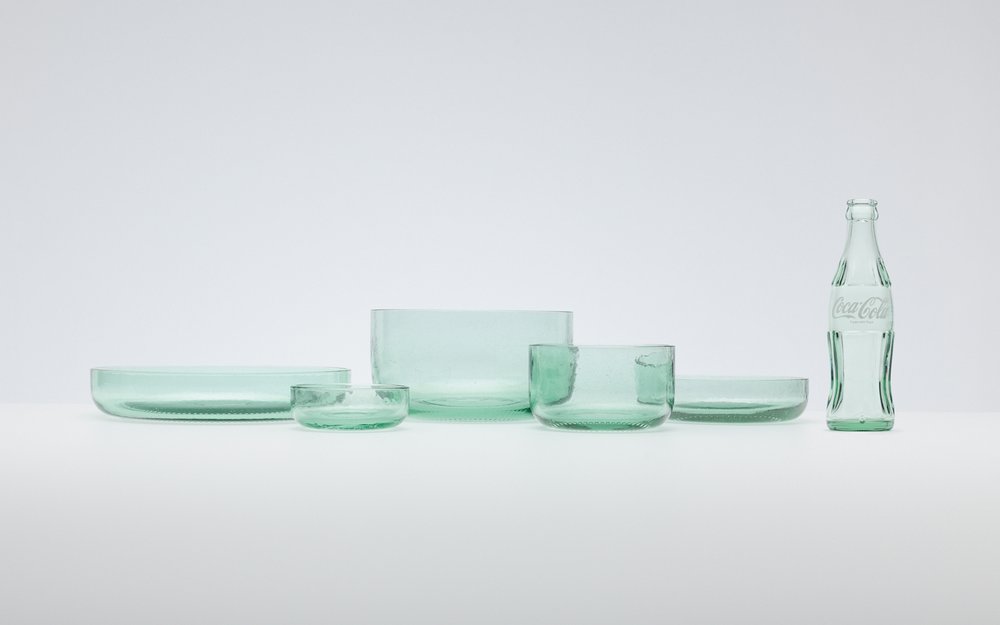
Over at DesignTide Tokyo, Nendo has unveiled a new line of minimal glass tableware. “Bottleware” is a collaboration with Coca Cola and their 96-year old glass contour bottle. The bottles, ever since their inception in 1916, have embodied a deep sense of eco-friendliness, being collected, cleansed and then reused over and over again. But over time the bottles deteriorate and can no longer be used. Nendo set their sights on these relics that no longer can be used for their original purpose.

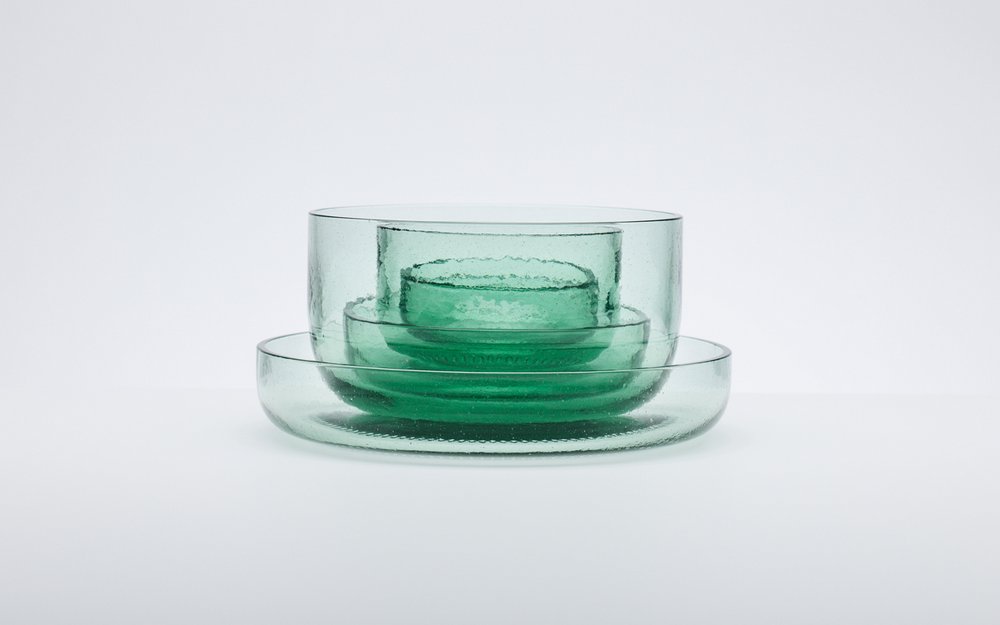
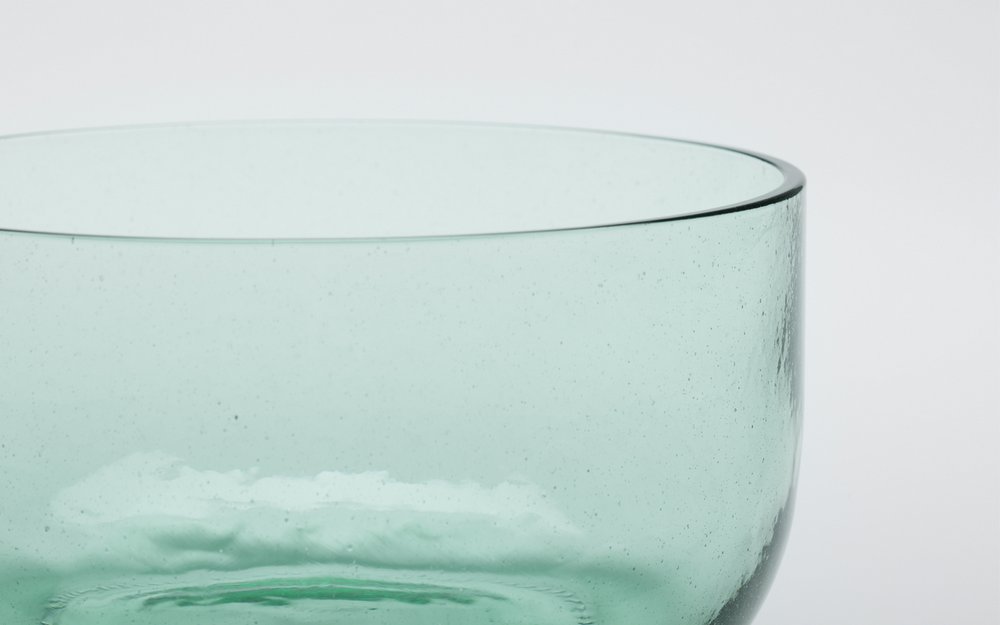
We were captivated by the particular greenish-blue tint, fine air bubbles and distortions that are a hallmark of recycled glass, so decided to create simple shapes that would enhance these traits. But we also wanted users to feel a remnant of the distinctive bottle in the new products. Our solution was to create bowls and dishes that retain its distinctive lower shape, as though the top had been sliced off. The dimpling on the bottle base that keeps the bottle from sliding is not ordinarily a strong visual feature, but it’s part of a bottle’s identity nonetheless, and visible to anyone who picks up the bottle to drink. Keeping these ring-shaped dimples on the base of our bowls and plates doesn’t just retain their non-slip quality, but also helps to convey important messages about the way that glass circulates between people as it’s made, used and recycled for further use, and about the connections it makes between people in this process.
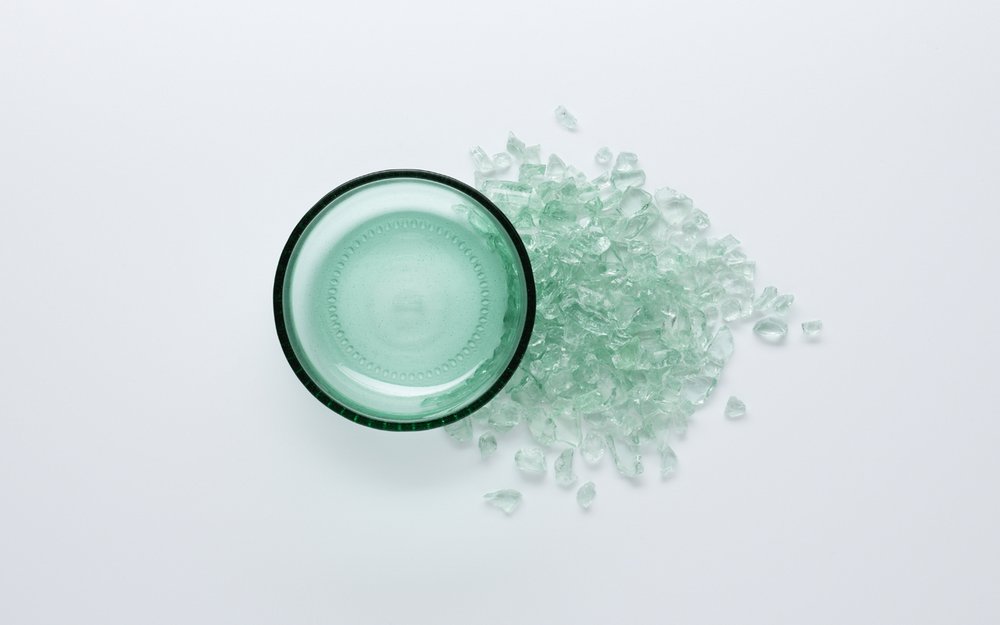
Also, on site, a very cool installation of glass shards that are used in the recycling process.
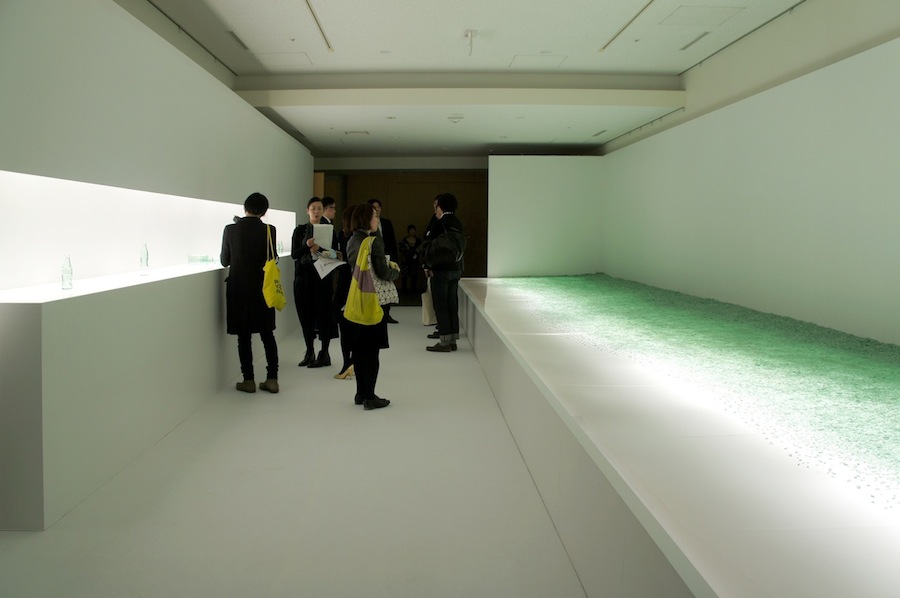
installation view courtesy excite-ism | click to enlarge
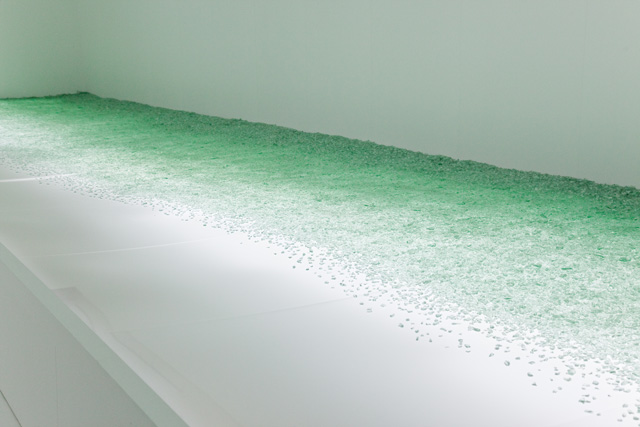
installation view courtesy japan-architects | click to enlarge

I’m such a nerd but I can’t get enough of these gorgeous process shots. They were all hand-blown by artisans in Aomori.
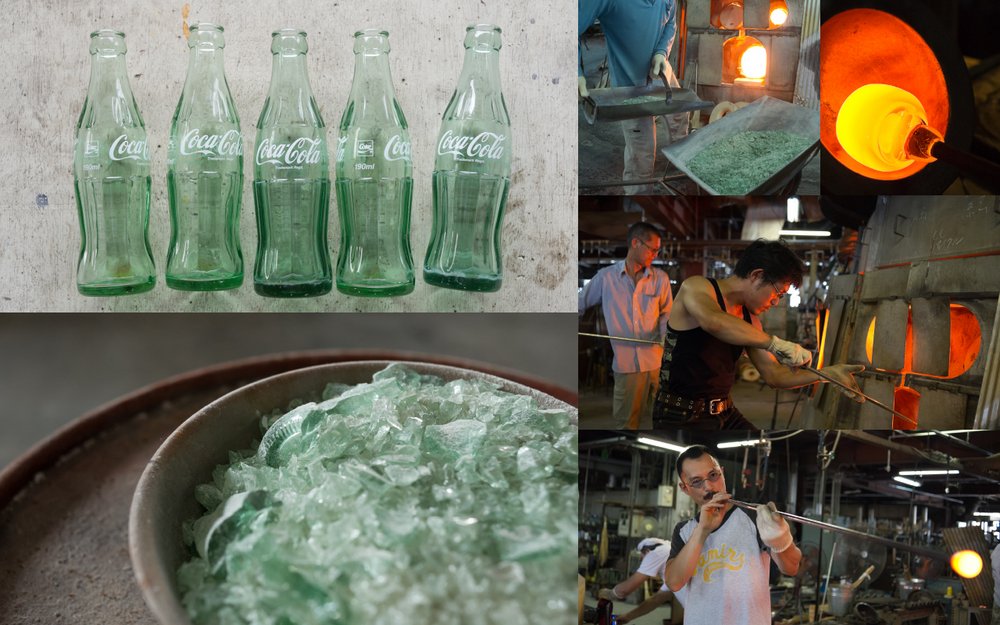
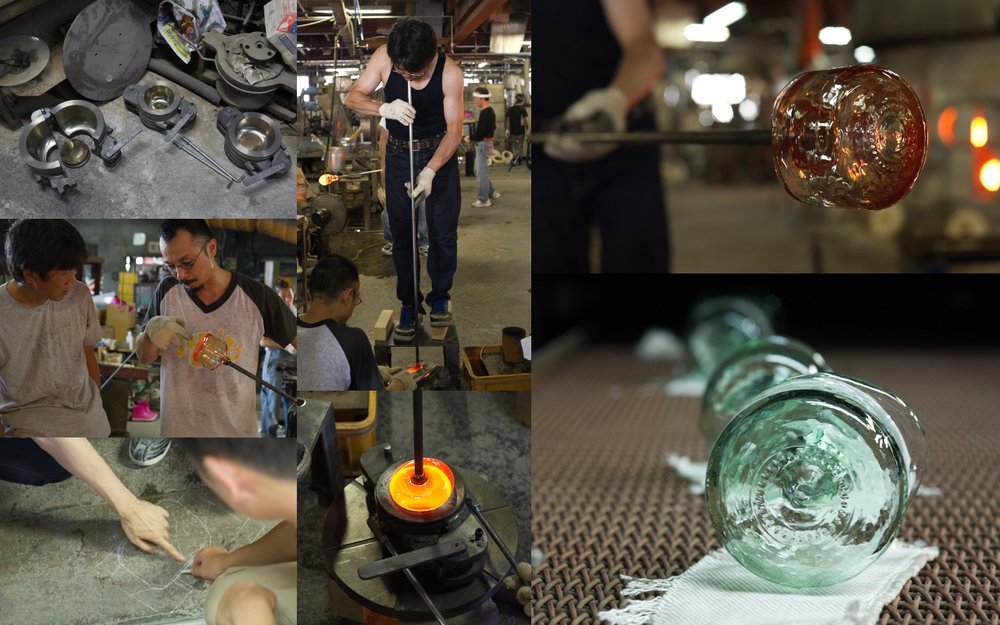
this post is part of a series covering the design festivities (Tokyo Designer’s Week and DesigTide Tokyo) taking place through Nov. 4. Full coverage can be found right here.
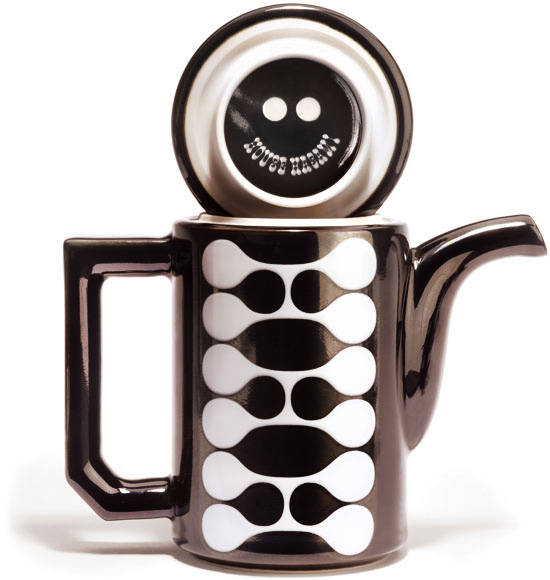
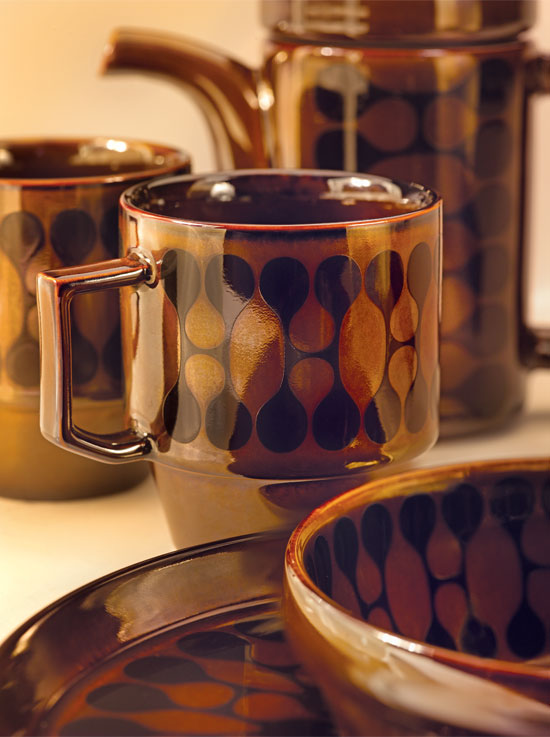
House Industries and Hasami Ceramic Collection Debut

Another not-to-miss satellite exhibition during TDW. House Industries is debuting their brand new (and not to mention, gorgeous) collection of ceramics – a collaboration with family-owned Japanese ceramic maker Hasami. Lettered with their signature style H and “steeped in kiln-fired Kelvins and centuries of tradition,” the pieces are on display at Isetan Shinjuku department store (5th Interior floor) through November 6th.

their special edition Hasami print, available in their shop ($45)

Oh, and if you managed to catch Andy Cruz’s lecture at Muji yesterday evening, lucky you!

this post is part of a series covering the design festivities (Tokyo Designer’s Week and DesigTide Tokyo) taking place through Nov. 4. Full coverage can be found right here.
Living with kids and pets | cotoinu cotoneko exhibition

exhibition images courtesy excite-ism | click to enlarge

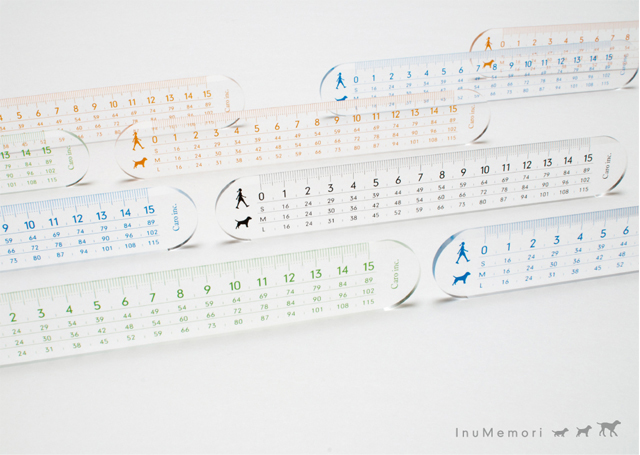
It’s impossible to cover all the many satellite exhibitions going on in Tokyo this week but one that caught my eye was this cotoinu cotoneko exhibition that showcases a new line of pet-inspired stationary and small goods for both kids and adults. The walls of the exhibition space are lined with over 200 mini houses that resemble cats and dogs. And within the space are a host of new products that epitomize the joys of living with kids and pets. How cute is that doggy calendar!

It takes place at dogdeco on the 6th floor of Isetan Shinjuku department store.

product images courtesy caro | click to enlarge

this post is part of a series covering the design festivities (Tokyo Designer’s Week and DesigTide Tokyo) taking place through Nov. 4. Full coverage can be found right here.

ID Band for Tokyo Designers Week 2012

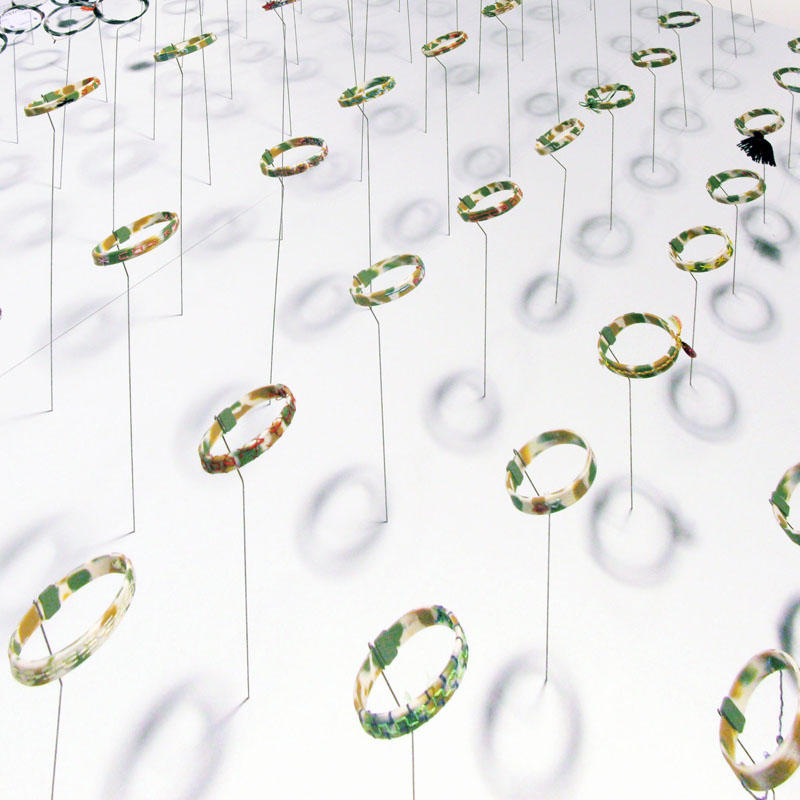
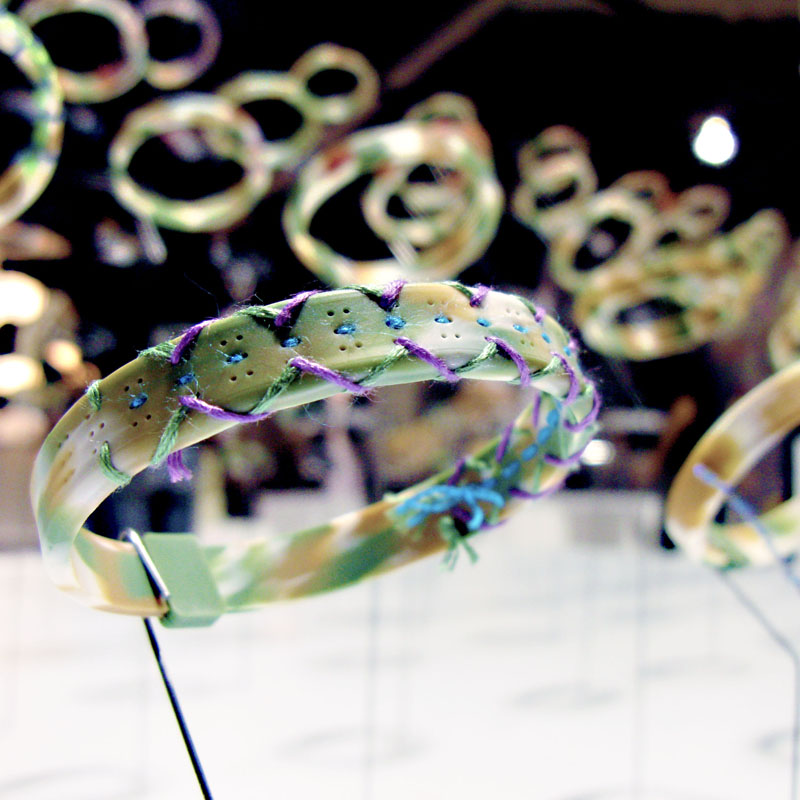
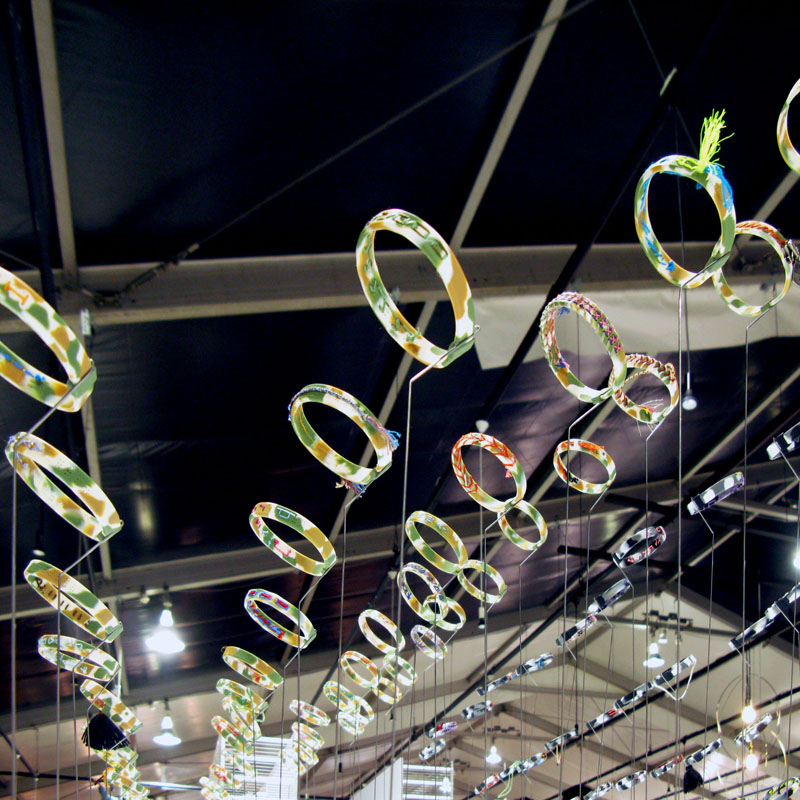
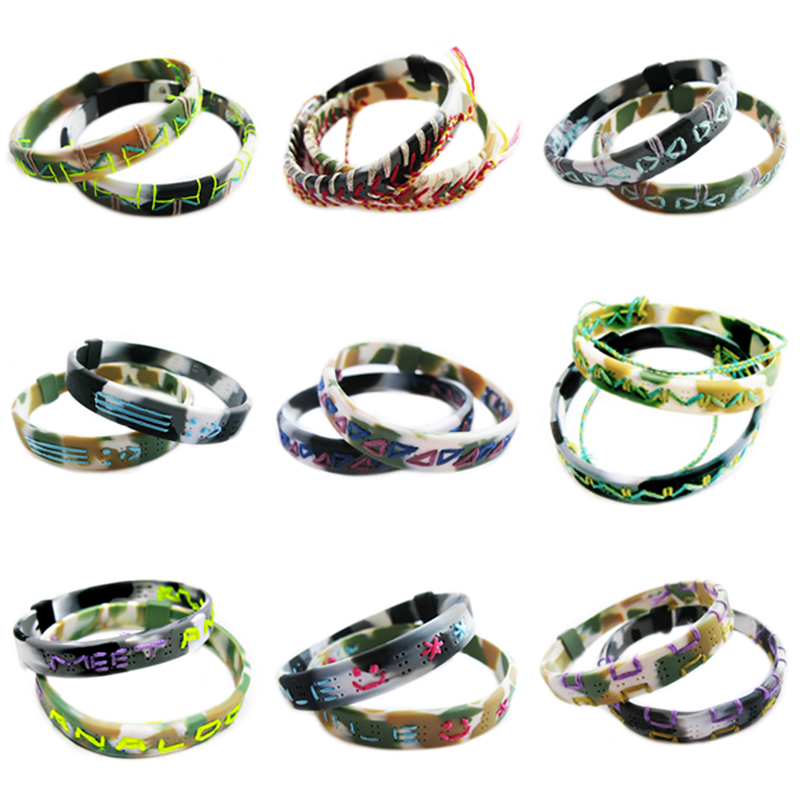
A-Study and 1Pac.Inc have collaborated on an installation and interactive exhibition at Tokyo Designers Week. They designed unique silicon wrist bands with a grid of holes that lets you customize your band. In addition, a little game will be played (on 11/3) where visitors who find a partner with an identical wristband will receive a prize. In essence, it’s an exercise in analog meet-ups in a time and age when so much of our networking is done online.

You can find out more information on their facebook page.


source: a-study

this post is part of a series covering the design festivities (Tokyo Designer’s Week and DesigTide Tokyo) taking place through Nov. 4. Full coverage can be found right here.

DesignTide Focus: Drill Design

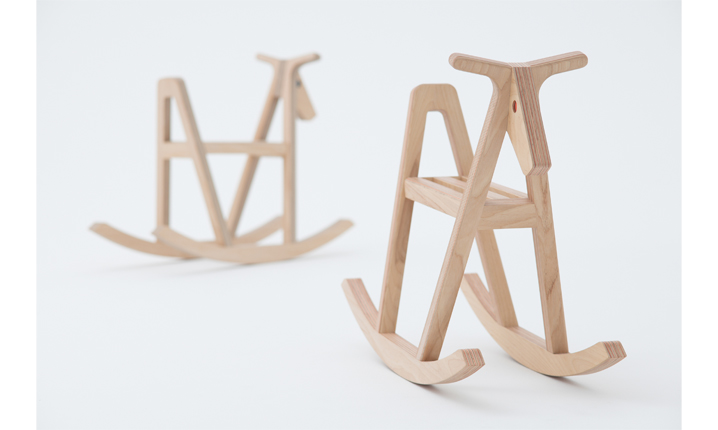
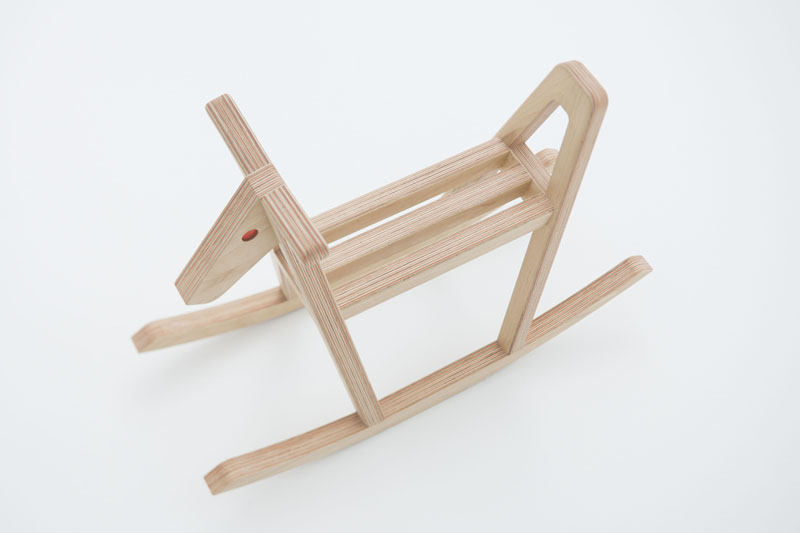
Paper-wood Horse (2011) | click images to enlarge

TIDE Focus is an exhibition curated by the DesignTide committee. This year they will survey the work of Yusuke Hayashi and Yoko Yasunishi, more commonly known as Drill Design. The design duo are known primarily for their product design, but also for their creative direction and, more recently, an independently-developed material known as Paperwood.

The exhibition, which features their most latest products, runs till the end of DesignTide (Nov. 4) and is happening at Tokyo Midtown Hall (Gmap).

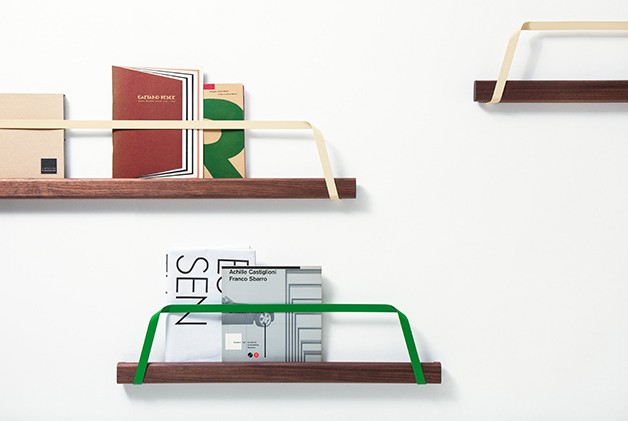
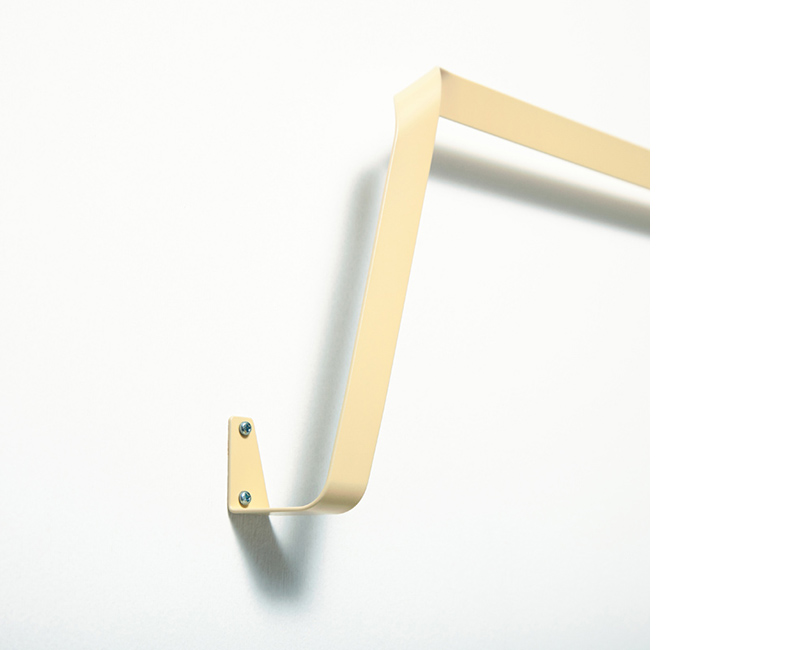
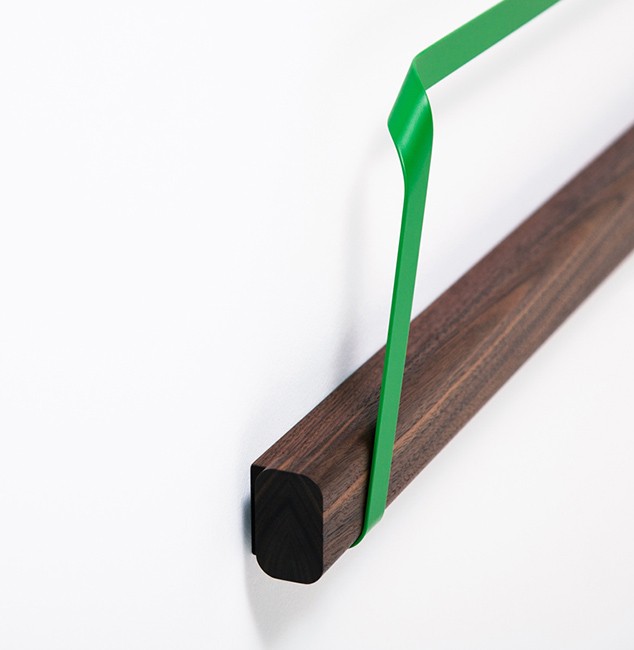
TOTE (2012). A bookshelf made from a single block of wood and a single piece of stainless steel, crafted to resemble the handle of a tote bag | click to enlarge


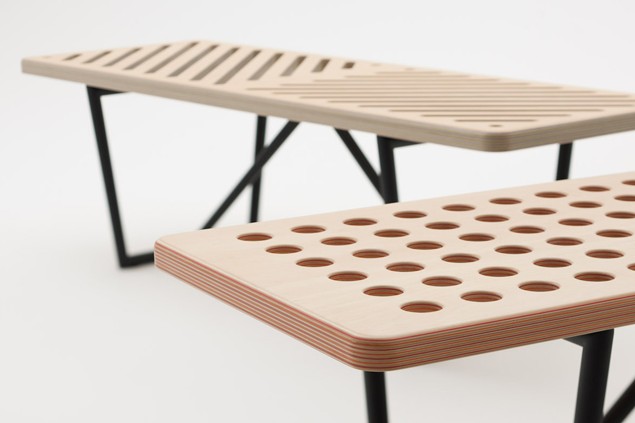
Paper-wood Bench (2011) | click to enlarge


Hang Bag (2012). A chair designed for public spaces where people are inclined to hang things like bags and coats | click to enlarge

this post is part of a series covering the design festivities (Tokyo Designer’s Week and DesigTide Tokyo) taking place through Nov. 4. Full coverage can be found right here.

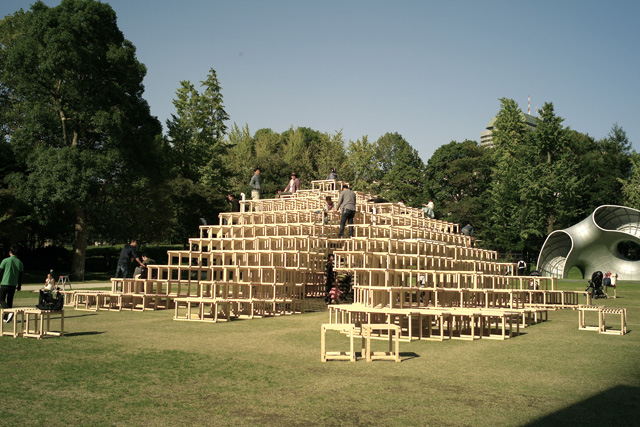
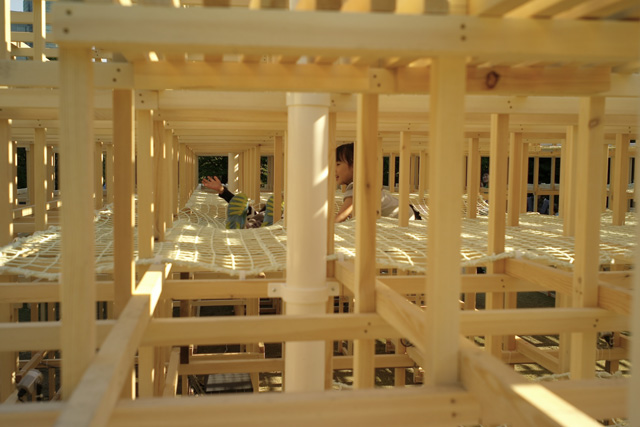
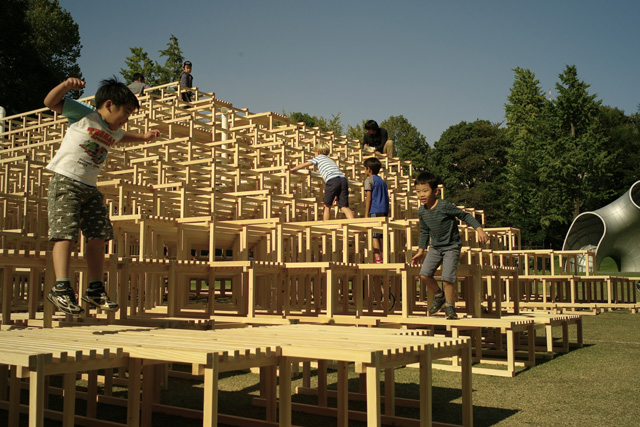
a giant pop-up jungle gym emerges in Tokyo Midtown

images courtesy exite-ism | click to enlarge

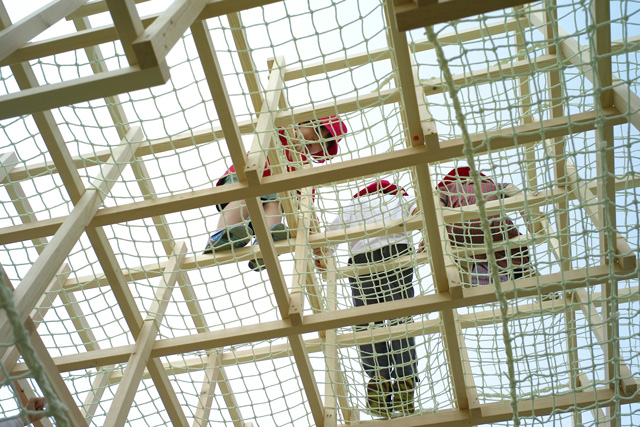
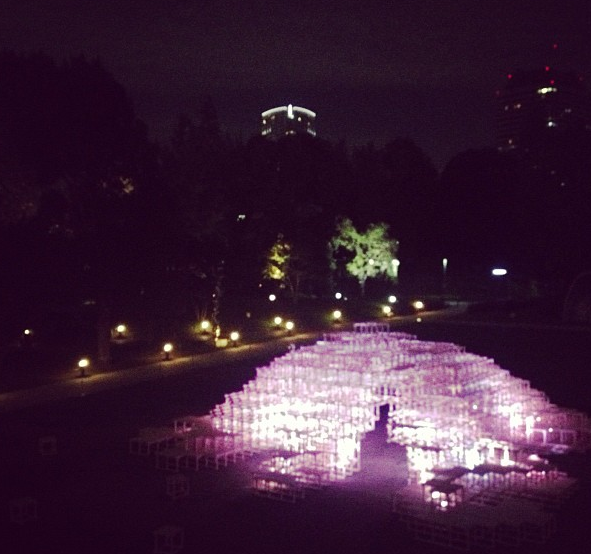
A giant jungle gym aptly titled “mountain gym” has emerged on the large patio in front of Tokyo Midtown. Part of Design Touch 2012, an extension of DesignTide Tokyo, the large structure was designed by architect Makoto Tanijiri and functions as a playground for kids and adults during the day, while transforming into a lit-up sculpture at night. It was made entirely out of wood which, according to Tanijiri, will be reincarnated into a 2nd life after the exhibition closes on November 4.

If you’ll recall, a large picnic table occupied this space last year.

below photos by Makoto Tanijiri | click to enlarge

this post is part of a series covering the design festivities (Tokyo Designer’s Week and DesigTide Tokyo) taking place through Nov. 4. Full coverage can be found right here.

TOTO Launches Toilet Soccer Goalie

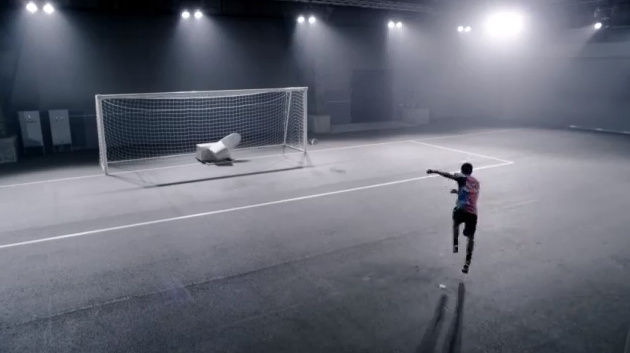
It’s been a little over a year since TOTO launched their toilet motorcycle that traveled Japan entirely on shit biogas. Now Japan’s largest maker of toiletries is back with their antics. They’ve devised a toilet soccer goalie that can block shots hurled by some of the greatest soccer players in the world.

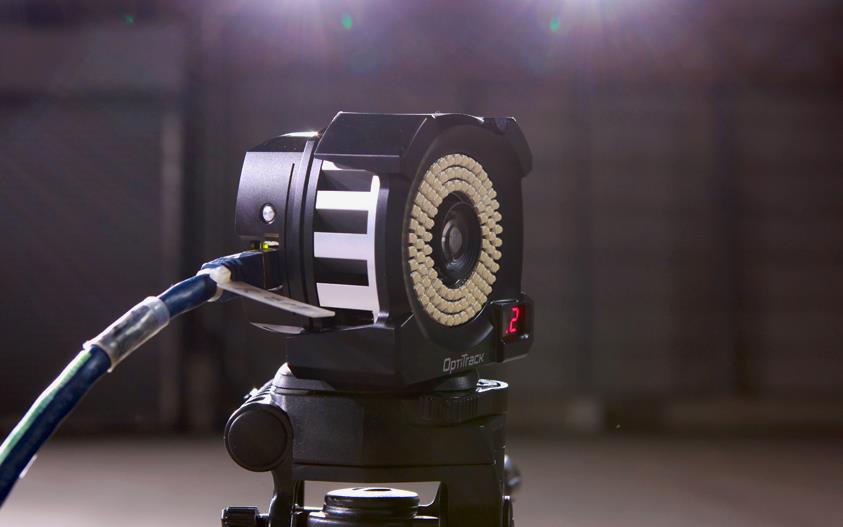
How exactly does it do this? Two high-speed cameras placed on the goal posts capture, analyze and predict the final destination of the ball in under 0.1 seconds. It then adjusts its position and a powerful spring thrusts a ball out of the toilet bowl, making contact with, and deflecting, the original soccer ball. The toilet can apparently process and react to balls shot at as fast as 160 km/hr (about 100 mph). Seriously. Watch the video:

Why exactly does it do this? Well, I’m not entirely sure. It’s partly to promote their athletic grants. It also demonstrate the technology and research that goes into developing their toilets. But beyond that…

2 high-speed 250 FPS cameras capture, analyze and predict the ball’s trajectory

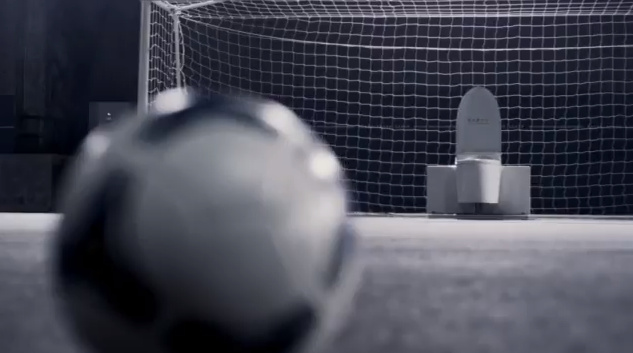
a ball is inserted into a powerful spring system within the toilet bowl

The toilet, dubbed S.G.T.K (Super Great Toilet Keeper), is not invincible. In 2007 the Guardian compiled an unofficial list of thunderous shots. Coming in first was Sheffield Wednesday striker David Hirst, with a shot recorded at 114 mph. David Beckham came in second place with 97.9 mph.

S.G.T.K was developed with the help of Creative Director & Engineer Hiroki Nakamura, who also worked on TOTO’s toilet bike.

S.G.T.K will travel around to various soccer stadiums in Japan before being unleashed into the wild. For 600K yen (about $7,500) S.G.T.K will come to your soccer field where players will be able to take the challenge. No, you cannot use it as a portable restroom.

Source: @nakamurahiroki

Tokyo Designers Week 2012: PechaKucha Night

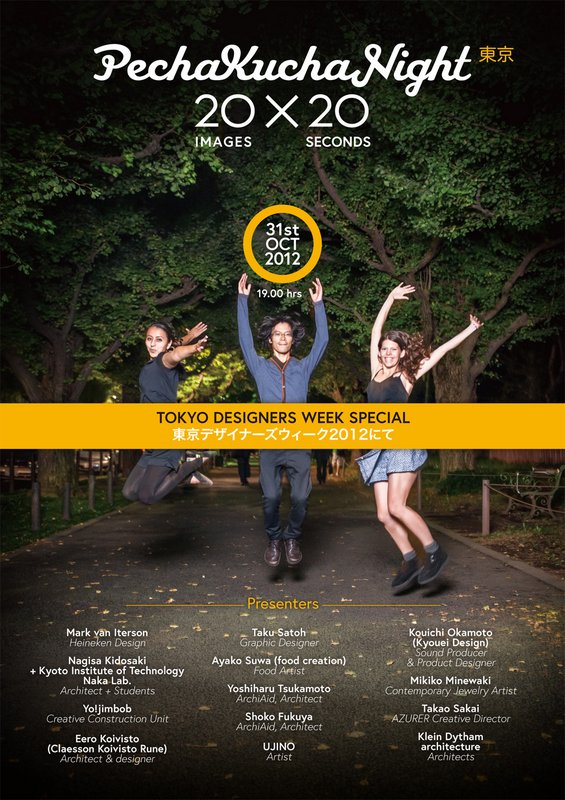
Next week is big for Japanese design. There’s TDW (Tokyo Designers Week) and DesignTide Tokyo, pretty much running side-by-side. There’s also a whole bunch of satellite events happening. As usual, we’ll be doing our best to cover the best of the best.

Kicking off our coverage is a very special edition of PechaKucha Night, taking place on October 31 at the TDW DOME (Meiji-Jingu Gaien). Often described as the world’s largest physical social network, the event will present speakers making presentations in signature format – 20 images x 20 seconds. From well-known graphic designer Taku Satoh to a young food creator, a contemporary jewelry designer, a ‘red beans’ artist, and an architect who is drawing a future masterplan for villages in Tohoku, there’s guaranteed to be something for everybody.

It’s still early but you can follow all our coverage of TDW and DesignTide HERE.

Yu Yamauchi spent 600 days on Mt. Fuji photographing sunrises

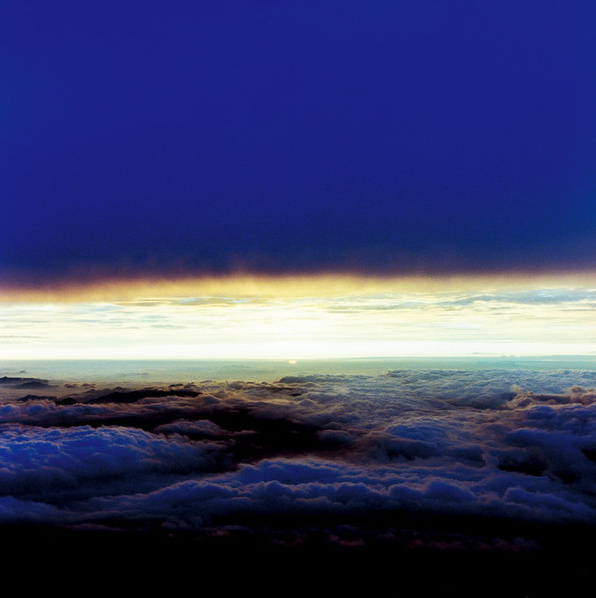
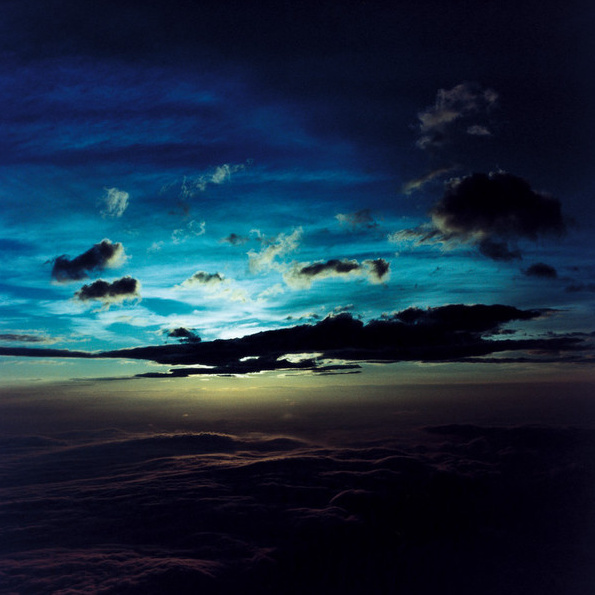
10,000 feet above sea – five months straight – four years in a row. For 600 days Yu Yamauchi lived in a hut near the summit of Mt. Fuji, getting up while it was still dark to photograph the sunrise every day, from the same location. The resulting series, titled “DAWN,” is a stunning look at the colorful, sometimes abstract view of Earth waking up.

This space, “above the clouds,” exists far from the ground where we live our daily lives. It is also a space between the earth and the universe. Being there simply reminds me of the fact that we live on the earth which is a planet within an infinite space of the universe.

What’s perhaps most striking about the series is the variability. Not a single picture looks the same. And yet, each day the sun, rising from the same spot, repeats itself.

I met Yu at Tatzu Nishi’s artist talk last night. “DAWN” is the first major U.S. exhibition for the 35-year old artist. The series is on display at Miyako Yoshinaga gallery in New York through November 21, 2012.

Tatzu Nishi at the Nippon Club

Last night I attended a small, intimate talk by Tatzu Nishi at the Nippon Club. In case you haven’t heard of him, you should check out his current project. I had never heard him speak so I was delighted, yet not all that surprised, to learn how brutally honest and funny the man is.

We were treated to numerous insider stories and behind-the-scenes incidents, giving us an enlightened view into what it actually takes to install his large-scale public art projects. I wish I could share them all but that would result in an incredibly long post so here is 1 episode that, for reasons uncertain even to myself, really stuck with me.

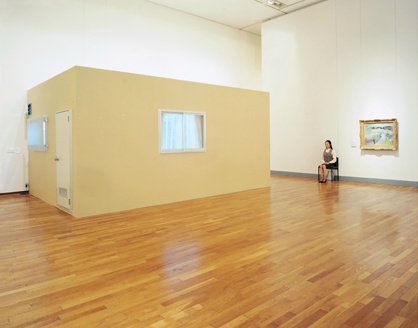
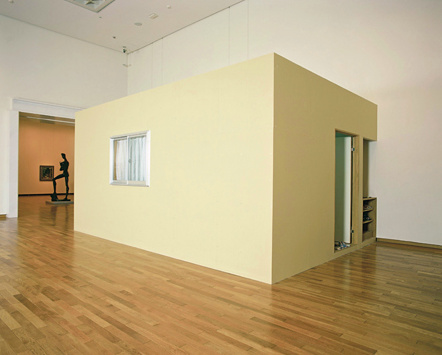
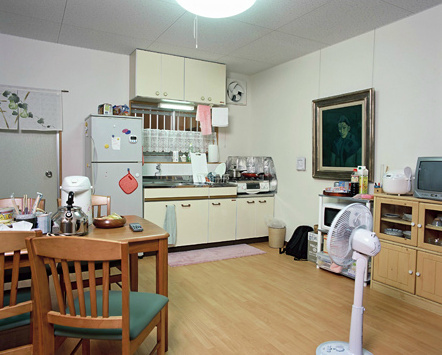
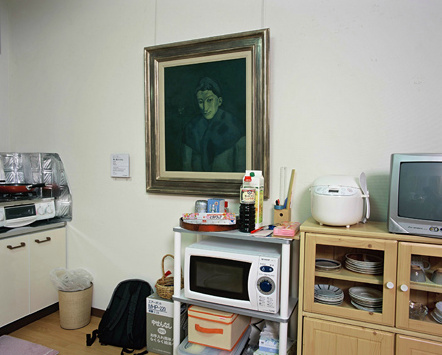
In 2006, Nishi created an installation for the Aichi Prefectural Museum of Art titled “sometimes extraordinary, sometimes less than common.” The piece incorporated the museum’s most expensive artwork – a Picasso from his blue period valued around $40 million – and encased it in a typical middle class Japanese kitchen. The original concept was to demonstrate that, when an extraordinary work of art with historical significance is placed in common setting it maintains its aura.

But to Nishi’s surprise, when the room was complete and staff replaced the color copy with the original painting, it was wiped clean of any aura. In fact, when visitors entered the room many of them didn’t even notice the Picasso. Instead, they were impressed by the replica of the kitchen. At the last minute, Nishi decided to change the name of the piece to something more fitting, hence the current title.

And convincing the museum staff to was no easy feat either. Their most prized possession was suddenly going to be placed next to a rice cooker, a bottle of soy sauce, and a carton of cheap sake – all items that have the potential to easily ruin a painting. Nishi finally convinced them by promising to mount every single item to its surface. This way no one would be able to lift the kettle, or any other item for that matter, and swing it at the painting in some drunken stupor.

However, no one on the team had calculated how long it would take to mount everything and, low and behold, they ran out of time. But instead of making a big deal over it, they just said nothing, crossed their fingers, and hoped that the exhibition would run smoothly without incident. Luckily for them, it did.

The ordeal underlines one of the main takeaways of the talk – how difficult it is to implement public art in Japan. Based on Nishi’s own experience, Japan is by far the most difficult country to get public art projects approved. England tails behind at 2nd, but with a huge margin. And yet “Japan needs public art the most,” Nishi argued. But they’re just not interested in doing anything different, anything beyond their call of duty.

(special thanks to kosuke for getting me in!)

« Older posts Newer posts »

© 2026 Spoon & Tamago

Up ↑

Design by Bento Graphics