Page 250 of 406

Sun Rising Lamp by Satoshi Itasaka

photos by Elli | click to enlarge

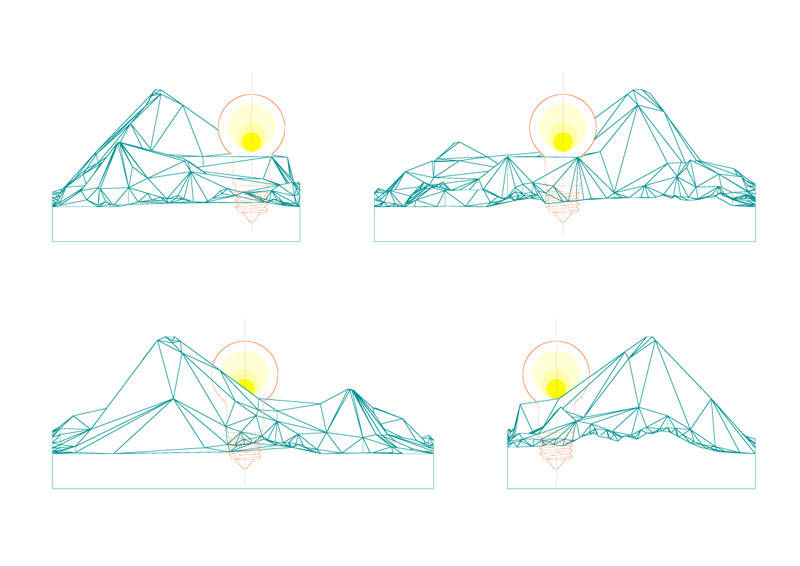
Satoshi Itasaka, the designer behind the ingenious balloon bench, has unveiled his latest project. Sun Rising Lamp is exactly what the name would suggest: a lamp that recreates the optimism of seeing a sunrise. “Every day starts with a sunrise,” says Itasaka. “I believe that if people have this same feeling every day when the sun rises, the world will become a much more peaceful place.”

It’s so easy to get caught up in daily life. Days blend into week, which blend into months and before you know it, time has passed you by. Itasaka believes that a small change in behavior, such as being conscious of a new day and a new you, can make days more fulfilling and, hence, more meaningful.

Itasaka’s new design will be on display at Beams Gallery as part of Itasaka’s exhibition “Place of The Rising Sun” (10.27.2012 – 11.15).
source: mocoloco


kyary pamyu pamyu’s Halloween music video is all kinds of awesome

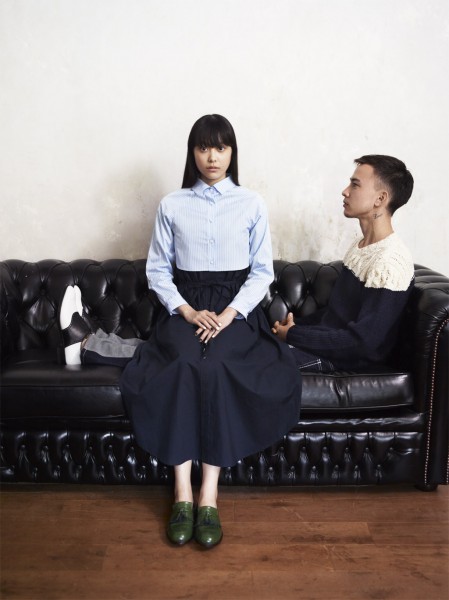
Japan’s in vogue pop princess kyary pamyu pamyu (often dubbed the Lady Gaga of Japan) released a new single last week and it’s all kinds of Halloween-inspired awesome. “Fashion Monster” as a track itself isn’t bad and the styling is fantastic. I’m especially liking her hairdo (above).

And kyary is certainly capitalizing one her new video. She’s teamed up with g.u. (UNIQLO’s cheaper sibling) to do an ad spot. She’s also released a bundle of cell-phone wallpapers and ringtones that you can get through mu-mo.

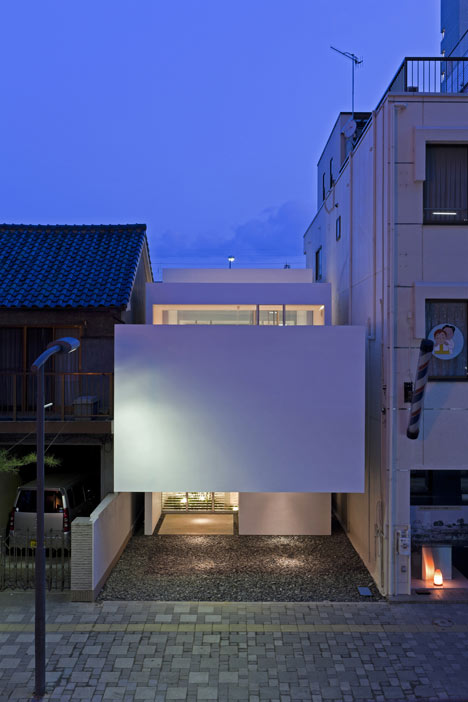
Connecting the past and present| Machi House by UID Architects

photos by Hiroshi Ueda | click to enlarge

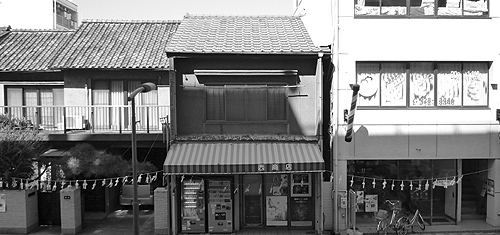
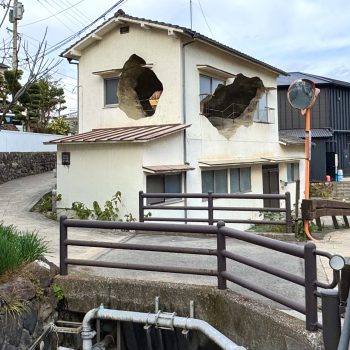
the old townhouse that used to occupy the site

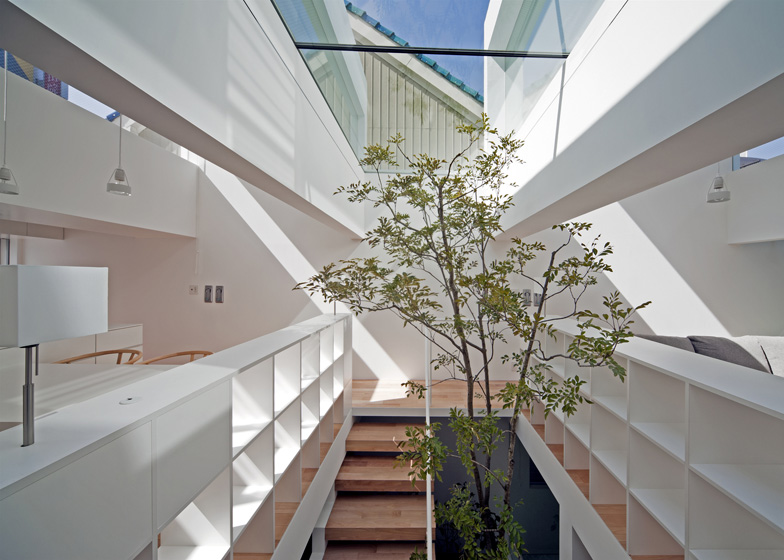
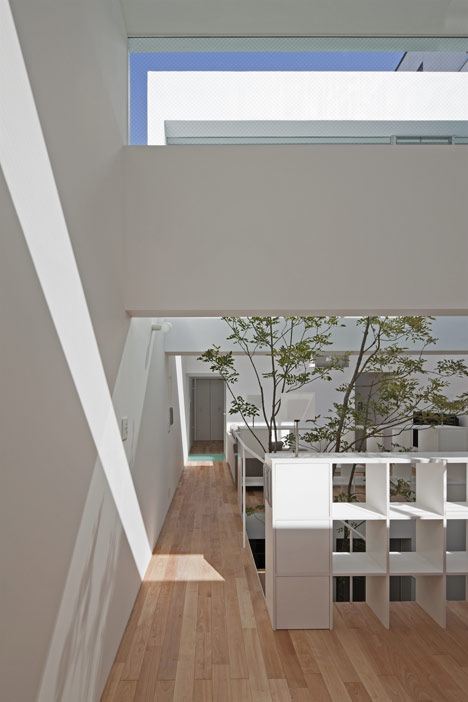
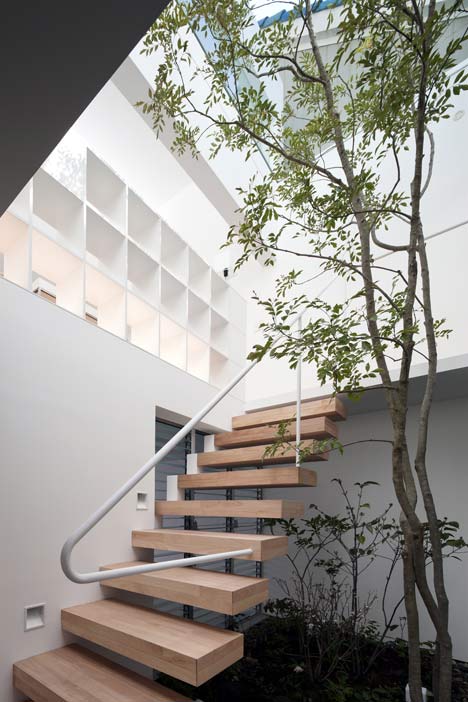
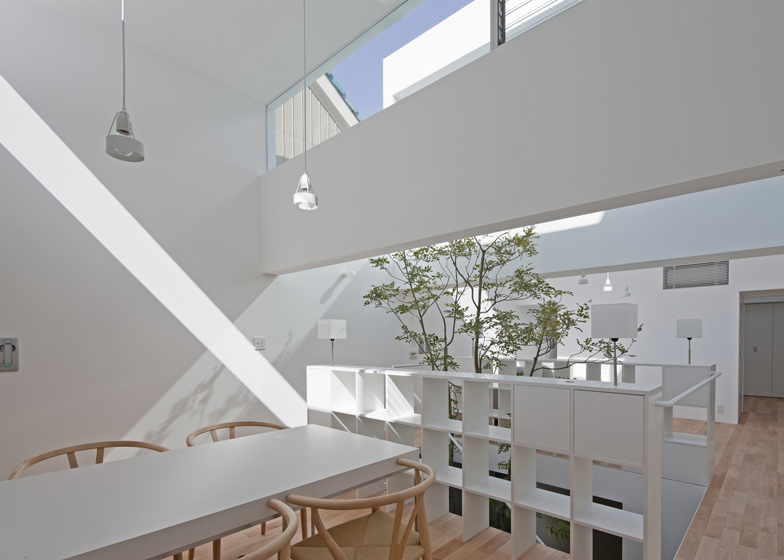
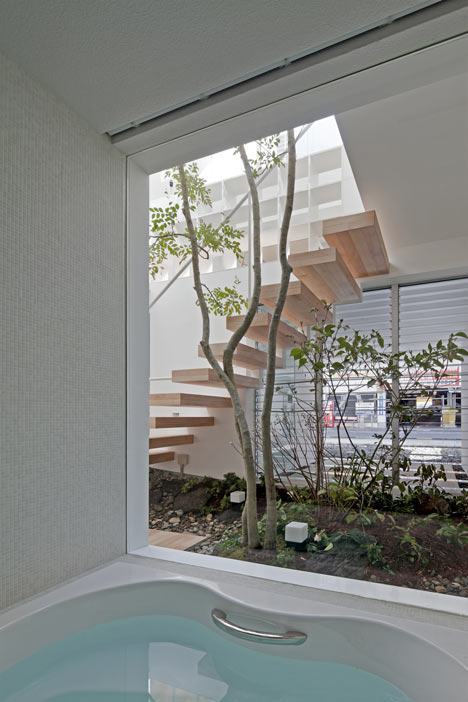
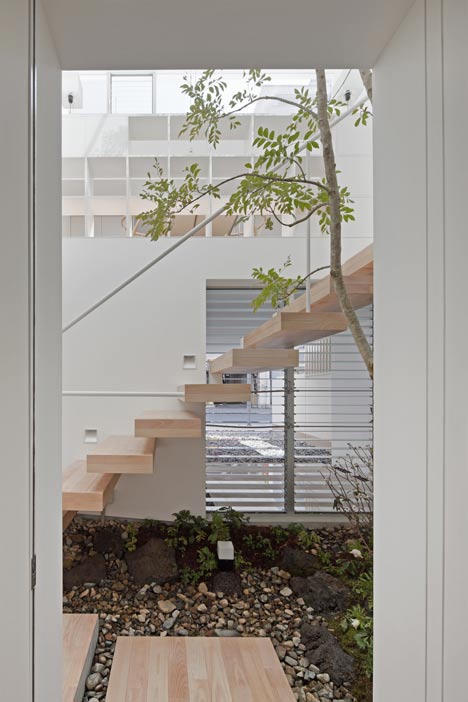
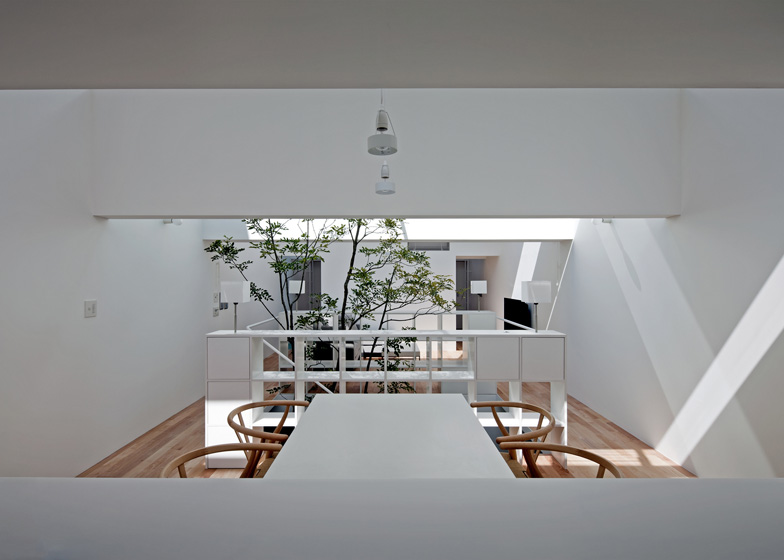
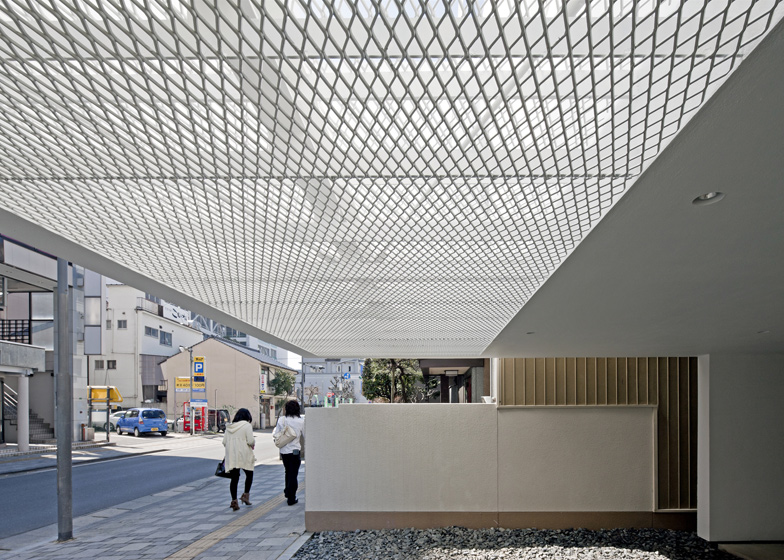
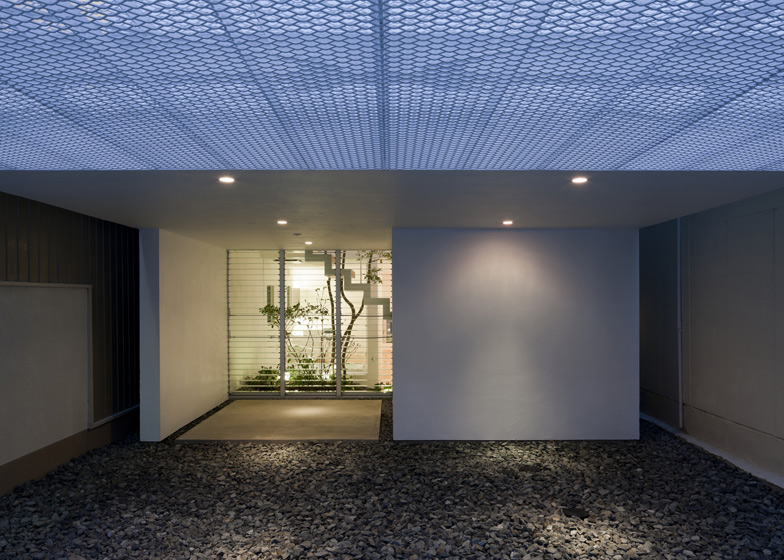
Connecting the past to the present, Hiroshima-based UID Architects have completed a contemporary residence on the site where a traditional Japanese townhouse (Machiya) previously stood. Mimicking the garden, which was enclosed by the old home, the architects placed a similar courtyard in the middle of the home, accompanied by skylights that compensated for the sunlight that had been shut out tall buildings that surrounded it.

This isn’t the first time UID has placed gardens in the middle of homes. Check out Nest, a home constructed at the foot of a mountain. Or check out our little collection of homes where architects have brought the outdoors, in.

Source: press release

Shimizu Proposes Green Mounds for Tsunami Defense

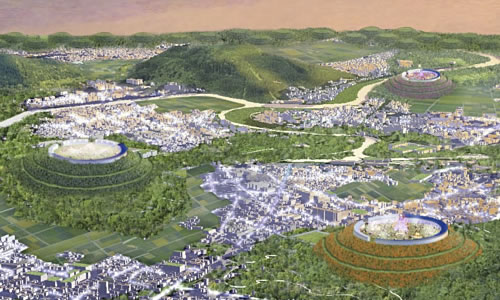
Anti-tsunami mounds would be placed in vulnerable coastal communities.

Shimizu Corporation last week announced a proposal to build low-tech, low-cost “green mounds” in areas with an elevated risk of being struck by a tsunami. The hills, which would rise between 10 and 15 meters, would be constructed from last year’s tsunami debris and would serve primarily as an evacuation site that would delay the entry of tsunamis. The structure of the mounds, the company states, would absorb the force of the tsunami, rather than push against it the way conventional seawalls are designed to do.

The mounds would come in 3 sizes – small, medium, and large. A small mound will accommodate 50 evacuees, would cost 100 million yen (about $1.3 million) and could be built in about 6 months. On the higher end, a large mound will accommodate 1,300 evacuees, would cost 500 million yen (about $6.3 million) and would take 18 months to build.
 

Below are some of the specs that the company lists:

Small Mound Medium Mound Large Mound
Height 10m 15m 15m
Evacuee Capacity 50 470 1300
Cost 100 million yen 250 million yen 500 million yen
Construction period 6 months 12 months 18 months

It’s hard to take this company serious given their history of large-scale imaginative yet wholly impractical proposals. However, this idea seems a bit more realistic than their 6,800 mile long “Luna Ring” of solar panels that wrap around the moon. Or their floating islands with cities in the sky.

tree ring stools by Nao Tamura


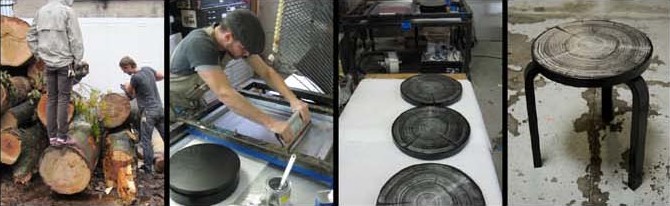
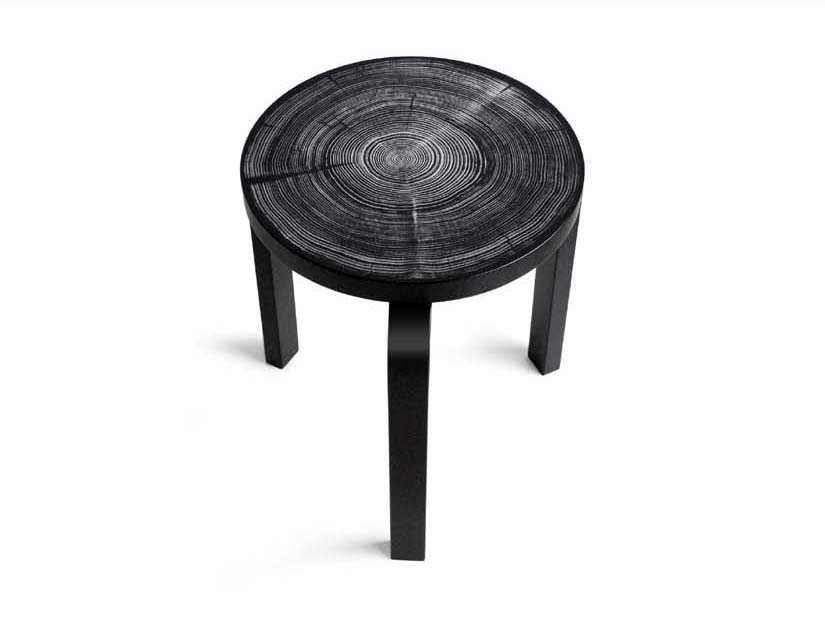
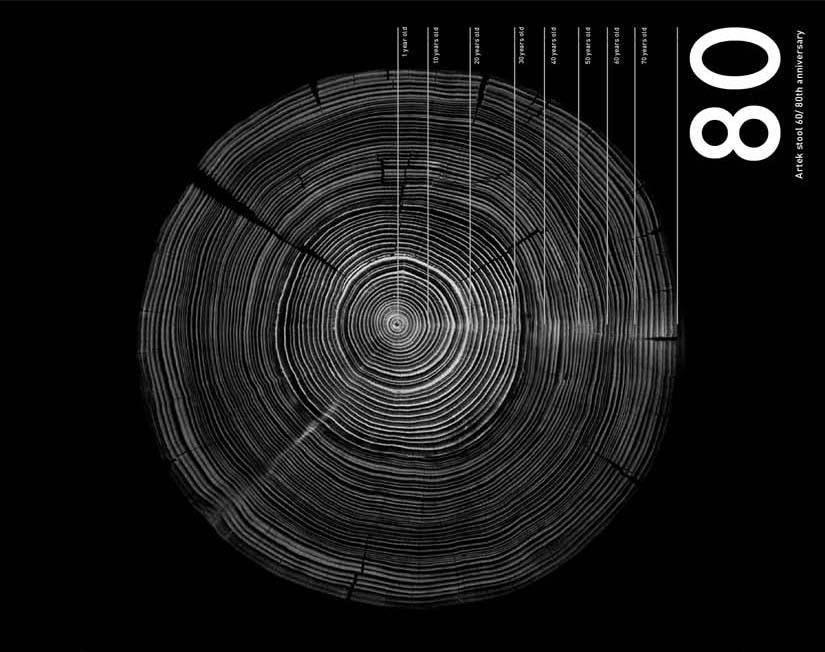
In 1933 Alvar Aalto designed Stool 60, a stackable, 3-legged stool that went on to become an icon for quintessential functionalist design. To celebrate the upcoming 80th anniversary of the stool, Nao Tamura has created a stool of tree rings that have recorded an 80-year history.

Contained within a single tree is its unabridged chronicle
Year by year, never skipping a beat, it records its history slowly.
Some lines speak of seasons of plenty, while others cry of famine.
The size of the rings are never the same.
Each engraving bears witness to battles waged in the name of survival.

Check out our recent studio visit with Nao Tamura here.

“Rings” will be part of an upcoming event hosted by Design Trust For Public Space.

Source: press release

Kengo Kuma’s temporary dwelling made from magnets

photos courtesy Nikkei Architecture | click images to enlarge

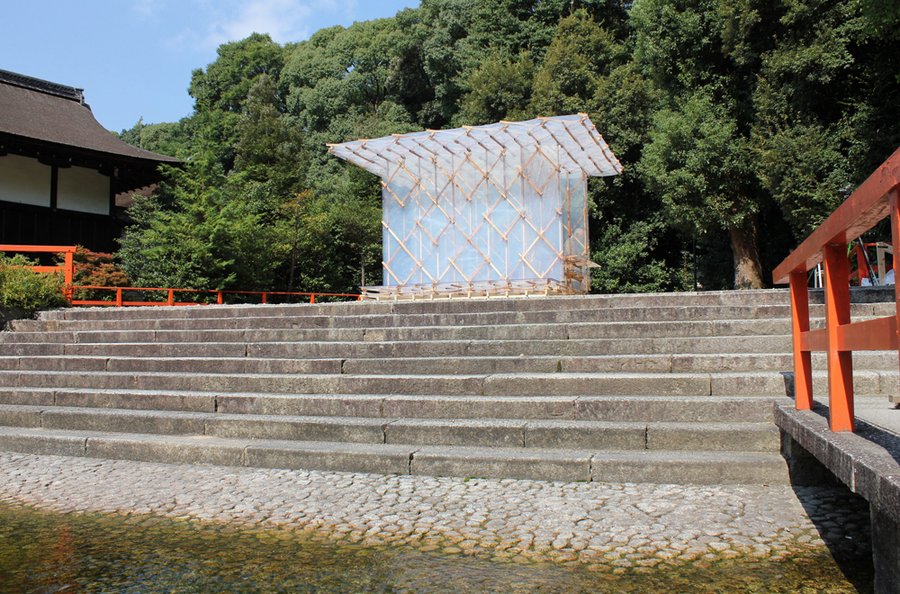
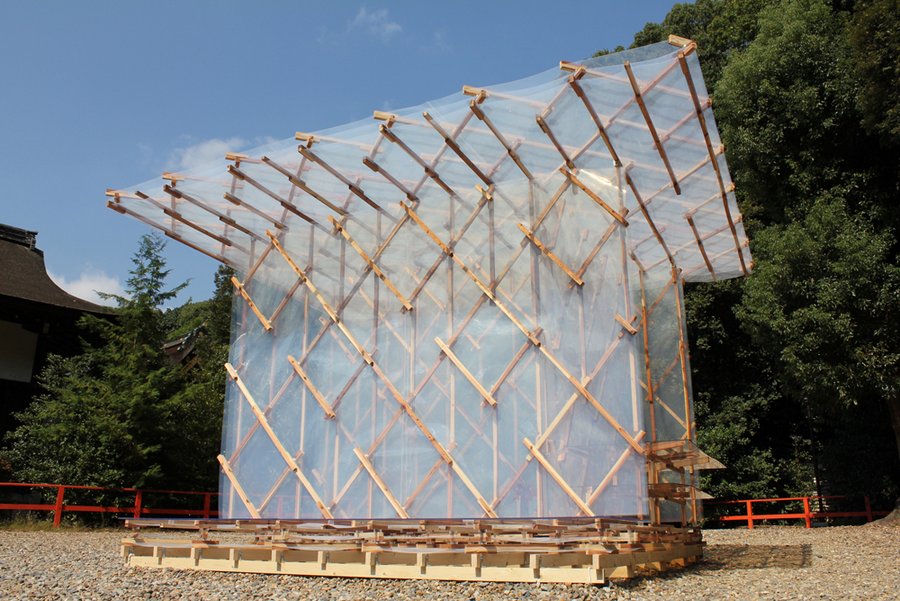
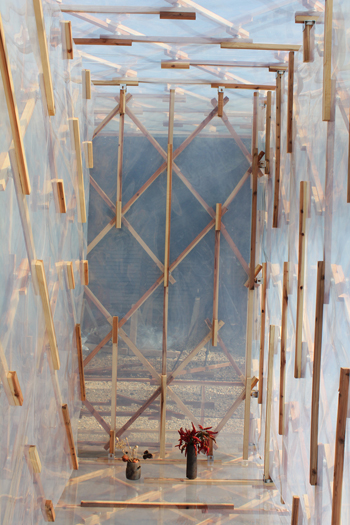
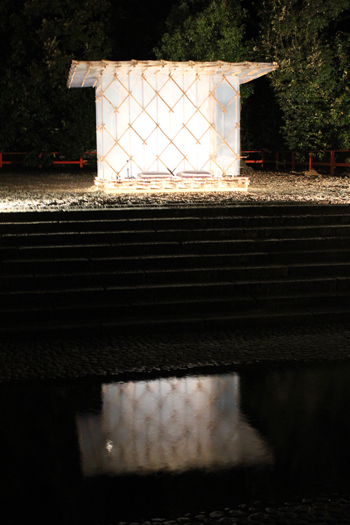
800 years ago Kamo no Chome, a Japanese author, poet, and essayist, sat down in his 10-ft square hut (Hojoan) and penned Hojoki – what would become known as his seminary work of literature. To commemorate the occasion, architect Kengo Kuma has created “Hojoan 800 years later,” a modern day interpretation of what he imagines the 10-ft hut might look like today.

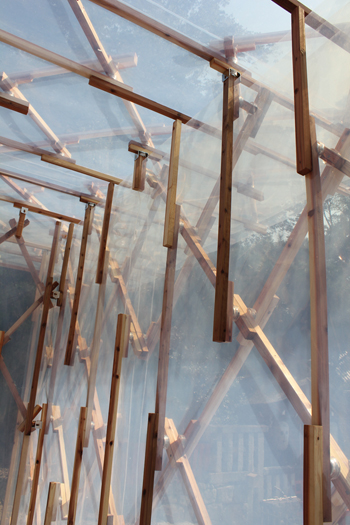
Using beams made from Japanese cedar, strips of ETFE plastic, and interlocking magnets the architect has created a transparent and highly temporary dwelling on the site where the old Hojoan used to stand. It’s on display at Kyoto’s Shigamo Shrine through December 16.

Kengo’s new hut is similar in concept to his fuan teahouse, mirroring his distaste for overly-assertive architecture and, instead, favoring “soft architecture,” a term coined by Kuma that refers to the temporary, almost erasable, characteristics of architecture.

Kengo Kuma (left) speaking with philosopher and author Takeshi Yoro

Source: Nikkei Architecture

Winners of the You Fab 2012 design contest

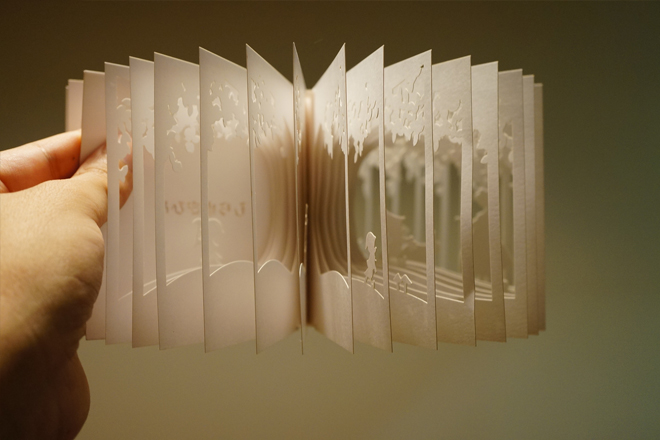
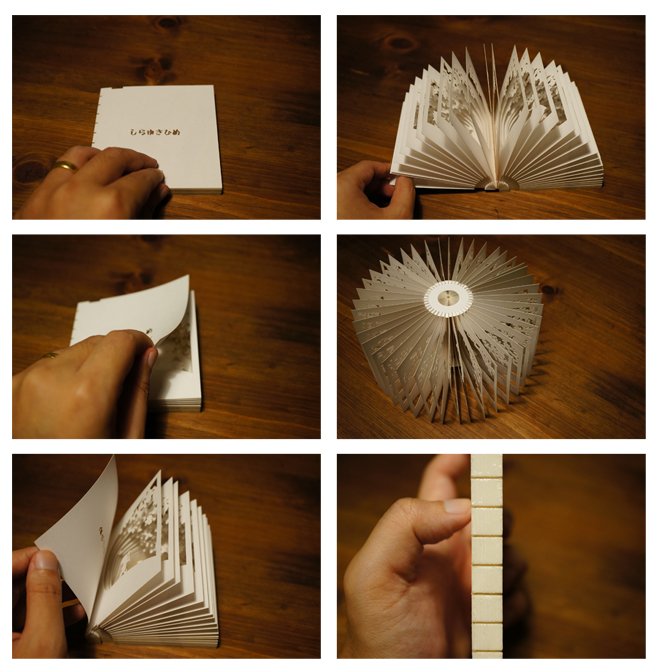
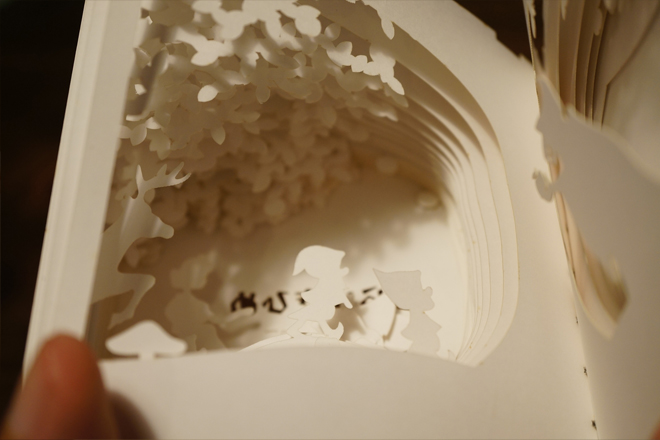
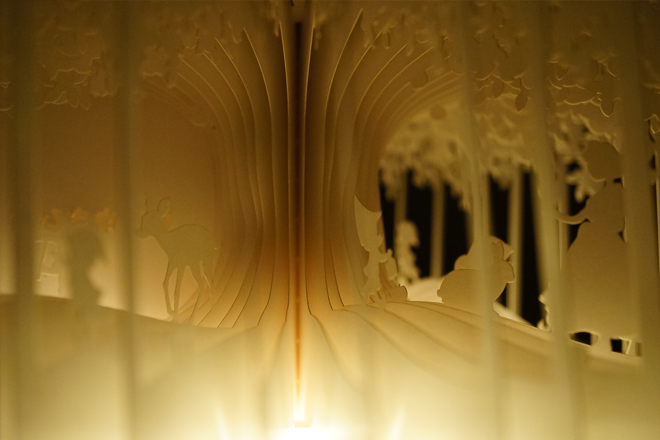
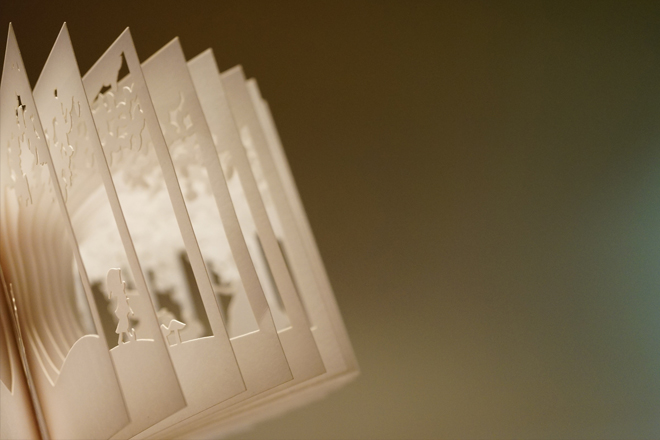
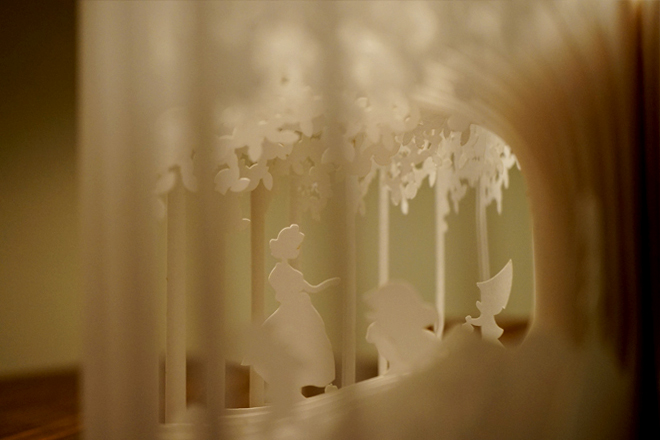
This 360-degree book is amazing. I don’t think I’ve ever seen anything quite like it. It’s a palm-sized book that tells a story in a very traditional way, but it also opens up like a fan, creating an entirely 3-dimensional world. It was designed by Yusuke Oono, a partner at Noiz Architects,  who submitted the idea and won the You Fab 2012 design contest in the free-form category.
Earlier this year Fab Café (the previously-featured laser cutter cafe) sponsored a contest, inviting designers to submit laser cutter design ideas from around the world. An international panel of judges that included Klein Dytham Architecture, Mark Frauenfelder and Hiroya Tanaka, amongst others. You can check out all the winners here.
Interested in books? We have a whole category dedicated to them.

New fashion label my pandas new shop is designed by Torafu Architects

photos by Takumi Ota | click to enlarge

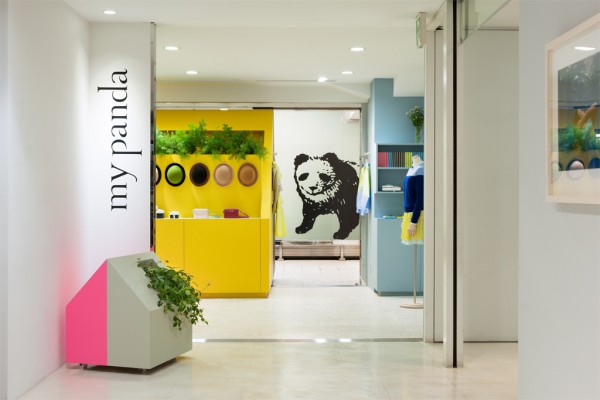
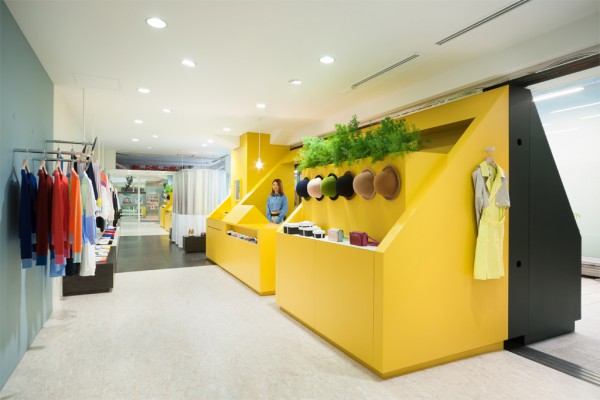
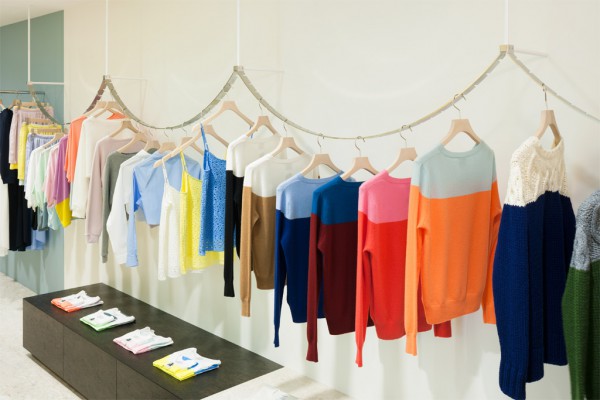
If entrepreneur Masamichi Toyama’s track record is any indication – his portfolio of companies includes Pass The Baton, giraffe and the luminous Soup Stock Tokyo – then his new venture, a fashion label called “my panda” would seem promising. And so far everything is looking good. The group just unveiled their first store, located in the basement of Parco department store in Shibuya. It’s an adorable shop designed by Torafu Architects.

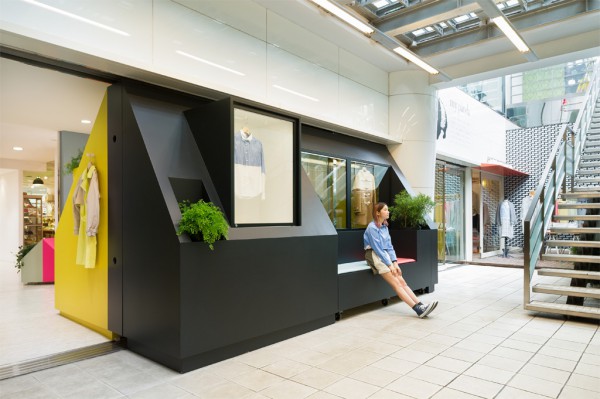
In keeping with the fashion label’s core two-tone theme, the architects designed a two-tone house that functions as a counter and display shelf with the store while doubling as a bench on the outside.

If you’re in the area do go check it out. On October 28 there is going to by a cutsy/pop dance performance choreographed by experimental artist/performer Yoko Honaga. Here’s a teaser:

source: press release

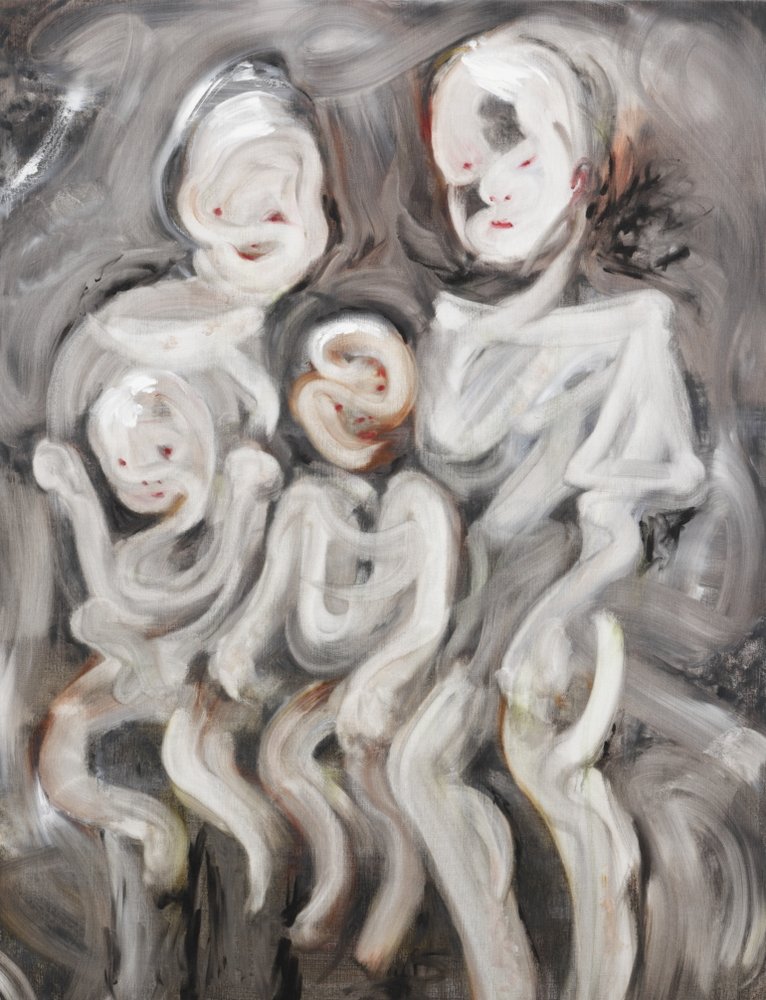
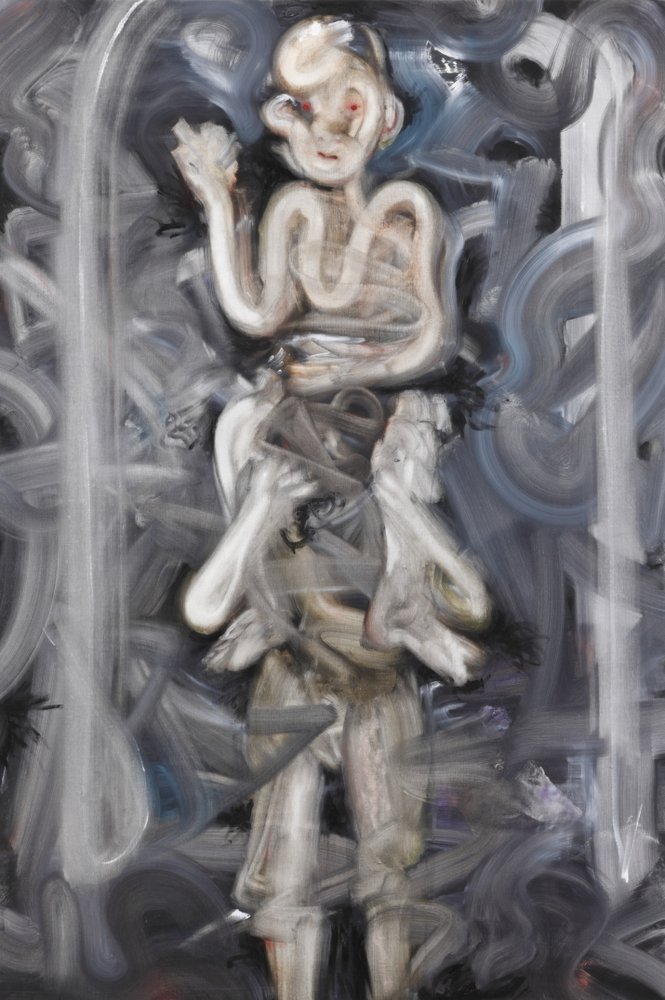
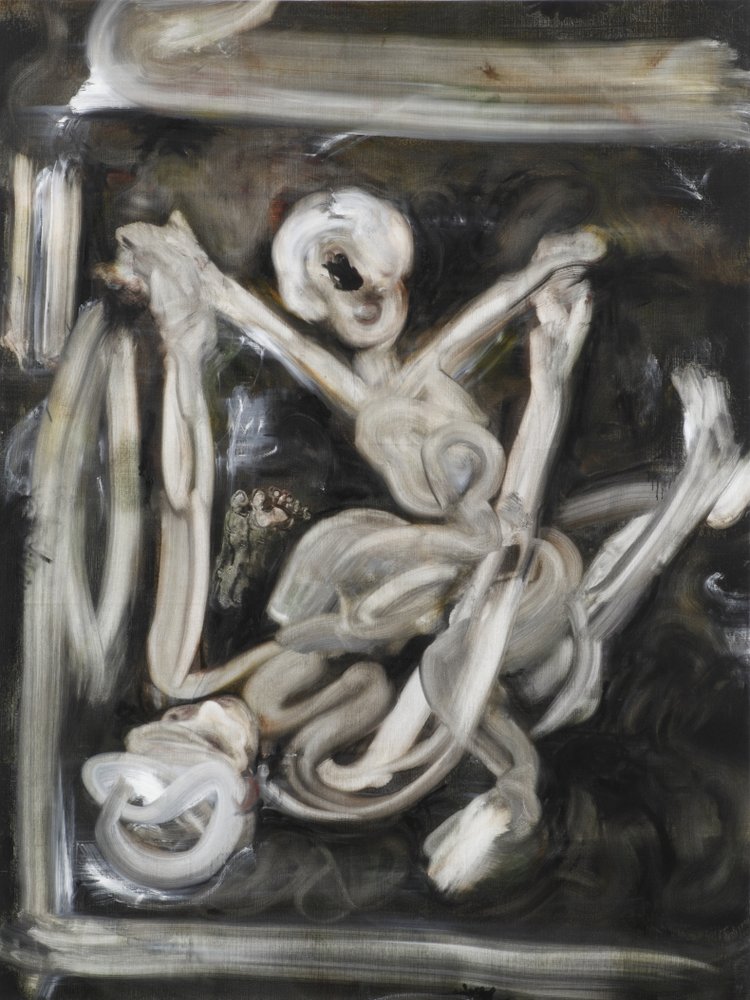
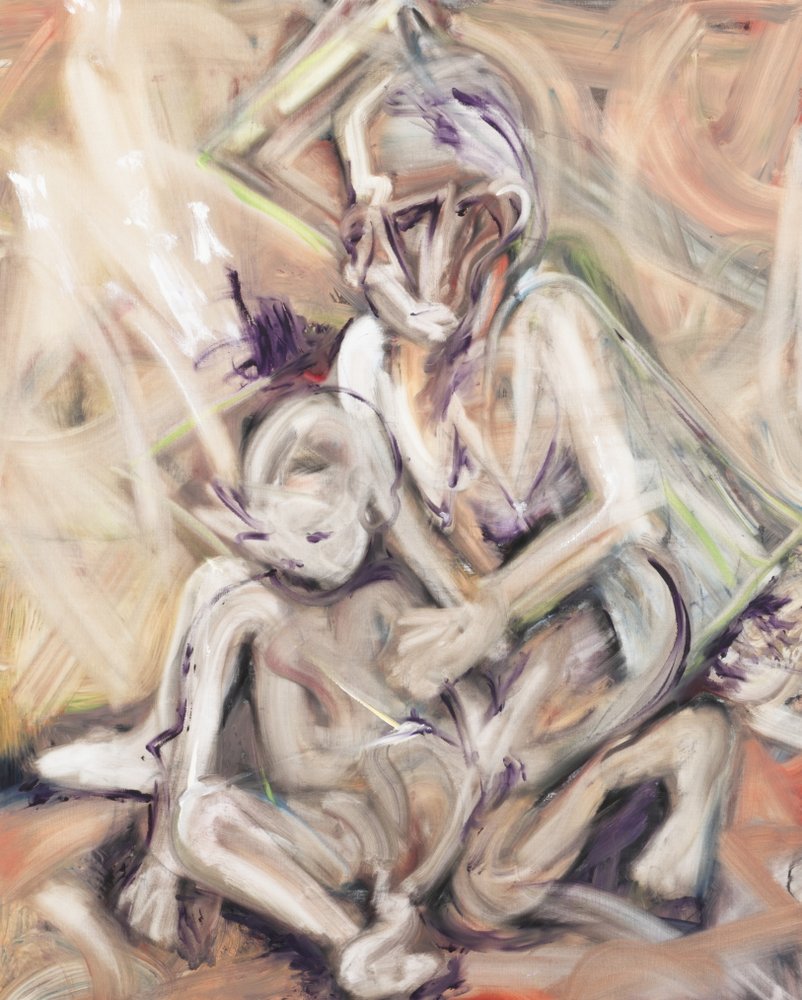
The gestural paintings of Toshiyuki Konishi

all photos by Keizo Kioku, courtesy Gallery αM | click to enlarge

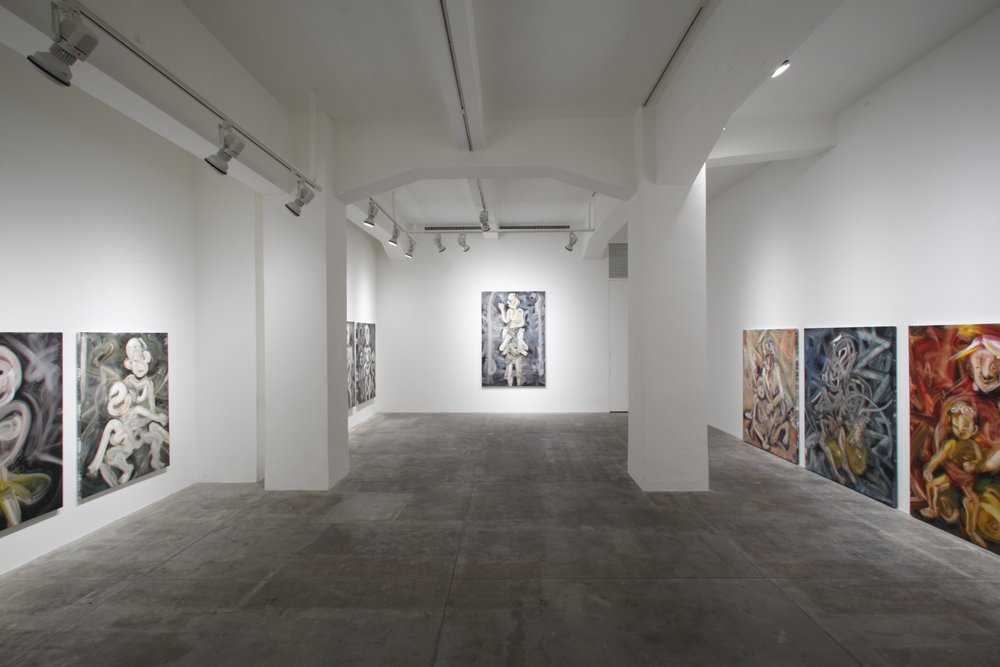
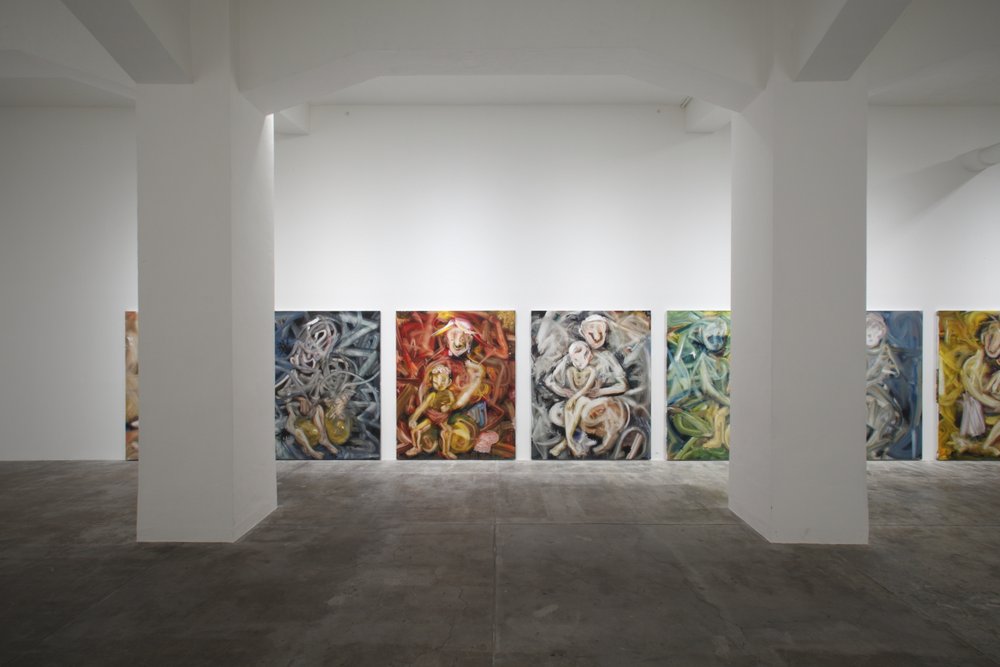
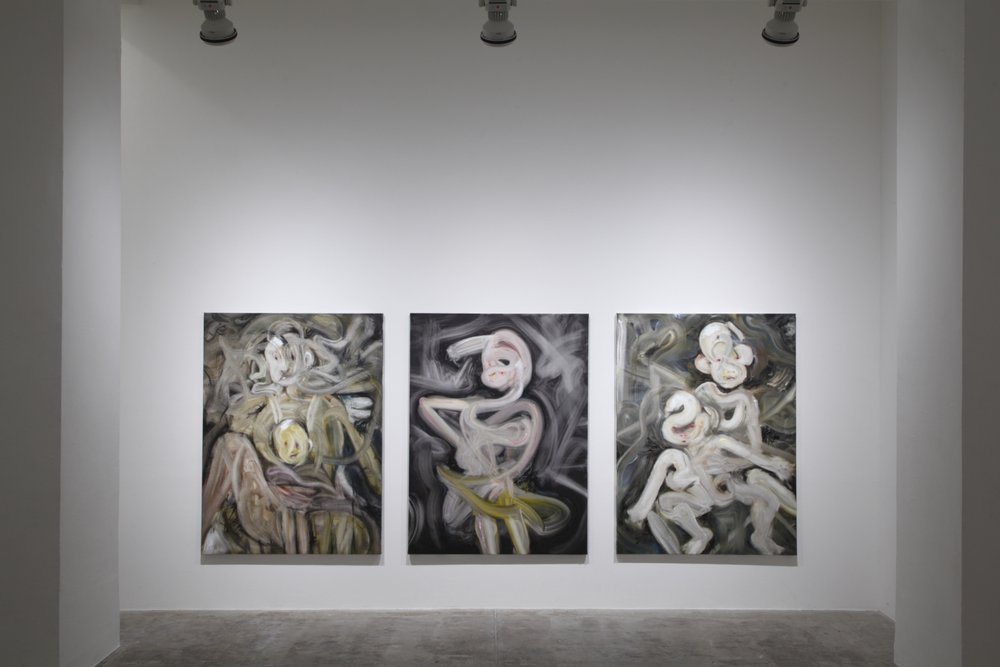
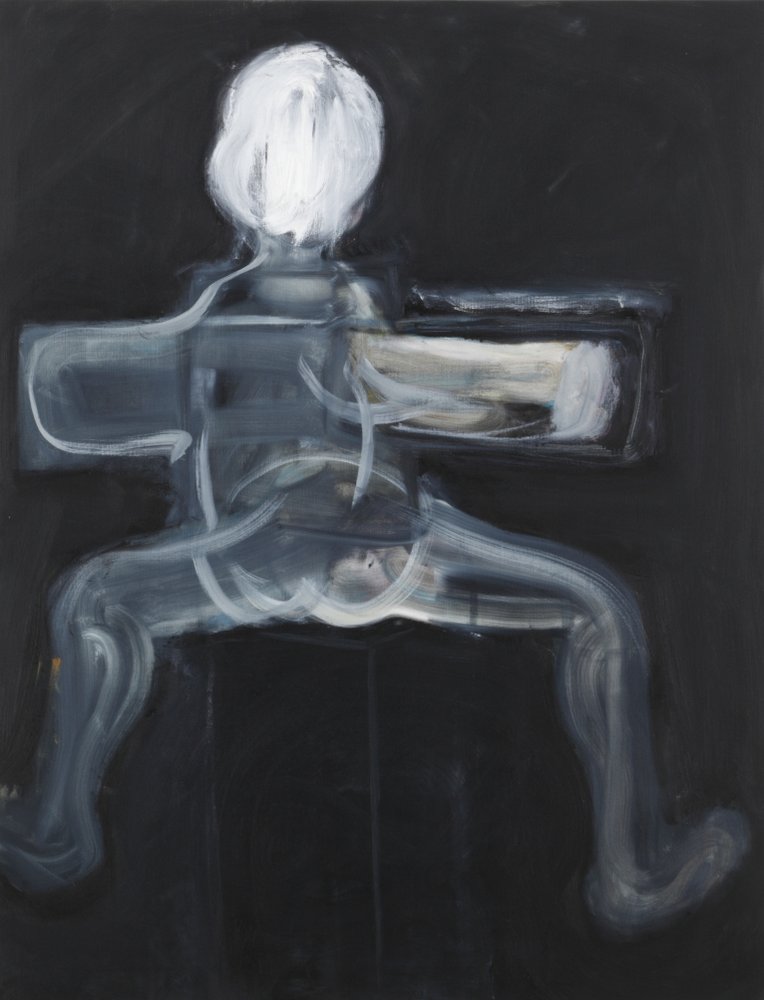
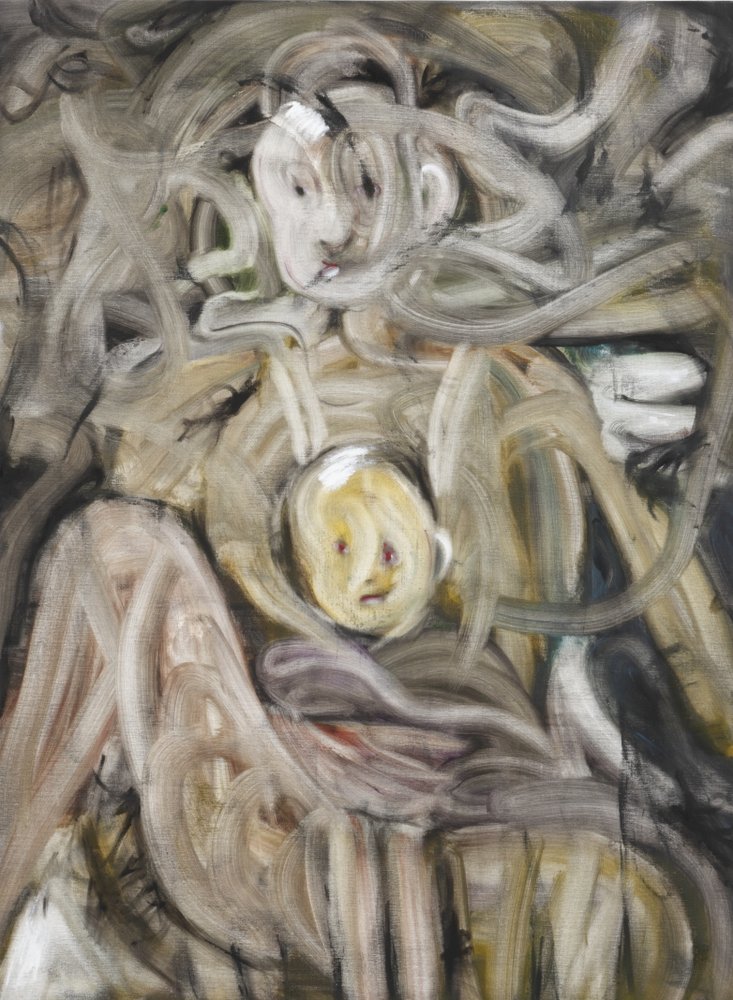
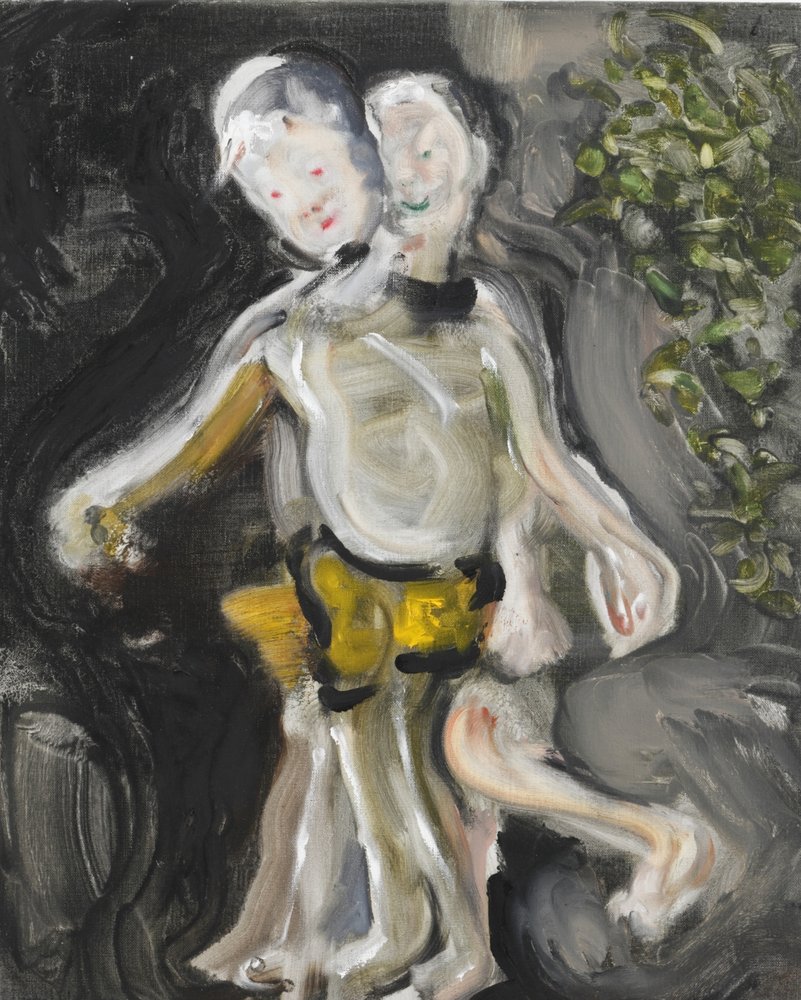
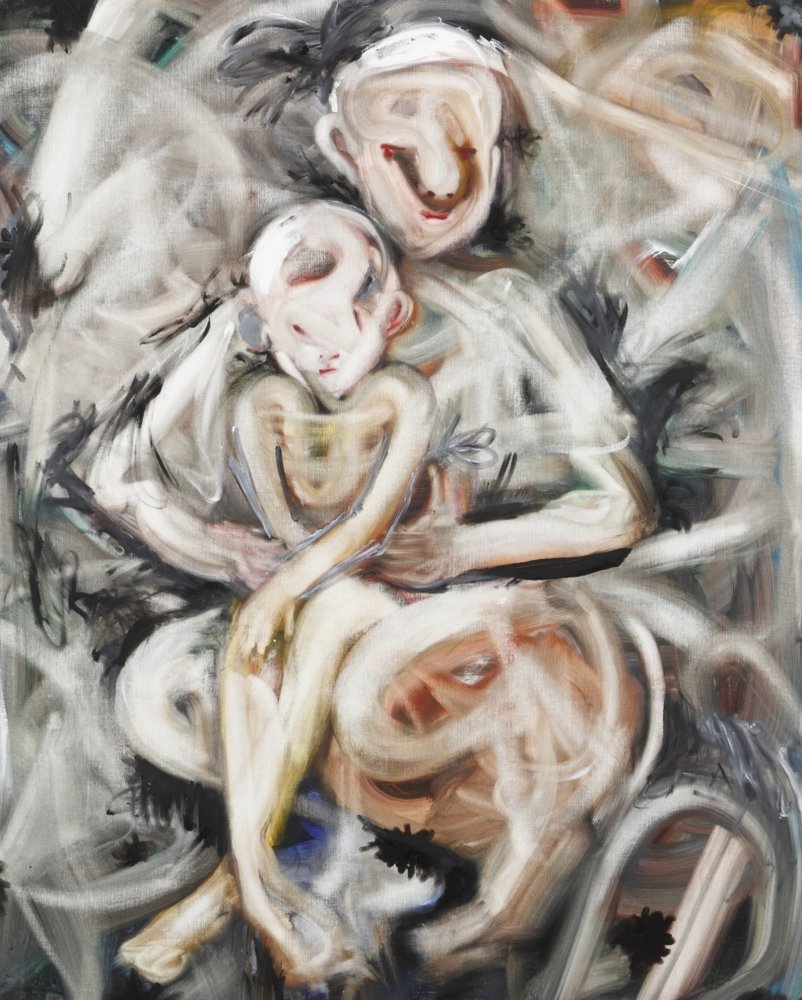
Japanese painter Toshiyuki Konishi returns to his Alma Matter – Gallery αM, the gallery of Musashino Art University – for a show of recent works. Konishi creates emotional, gestural paintings of family portraits, usually of his own family. The bold strokes – clearly no attempt was made to hide any signs of the artist’s hand – coupled with the abstract background, lends a certain primitive feel to the works. And yet, his portraits of people are as straightforward as it gets.

But the artist himself seems to represent a primitiveness uncommon to contemporary painters. Why family portraits? Why now, one might ask. There’s no irony or sinisterness at work here, which one might expect from a contemporary painter. He captures a dad horsing around with his children or a mom cuddling her young. There’s something refreshing about Konishi’s interest in humans and the warmth emitted when they’re seen coming together.

You can catch the show at Gallery αM through October 20th.

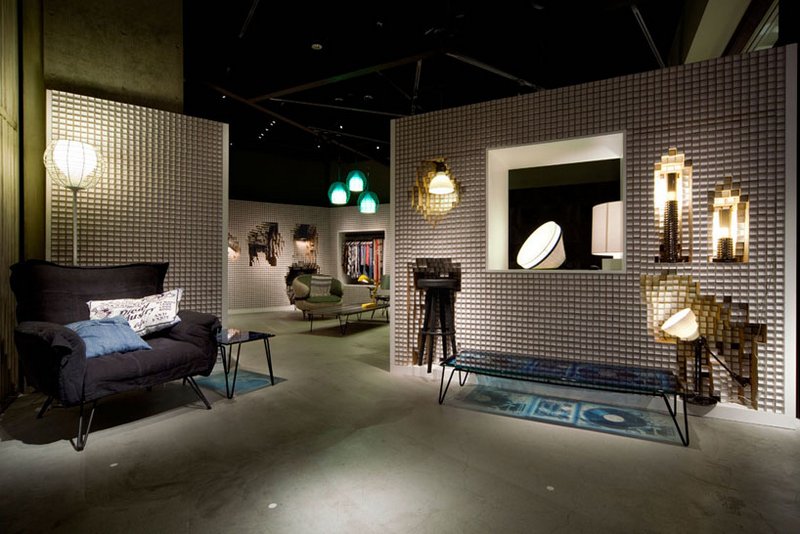
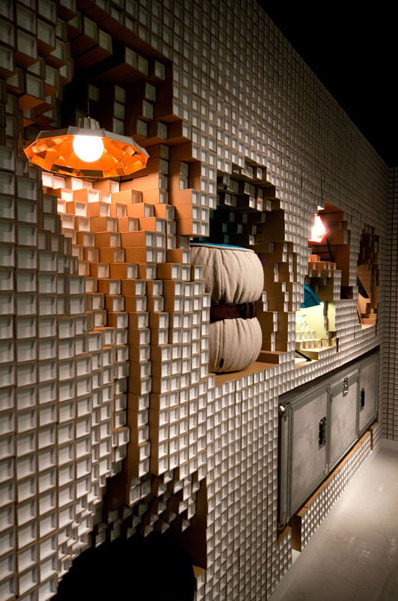
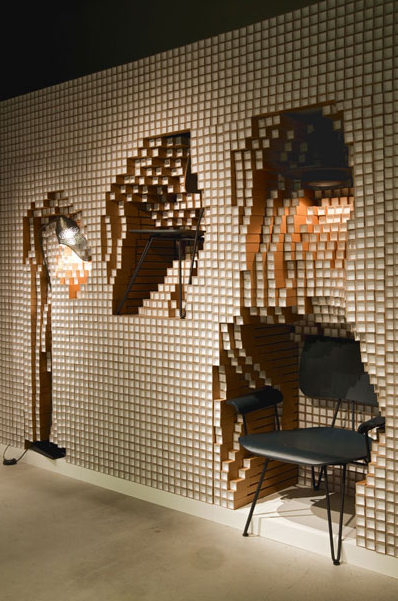
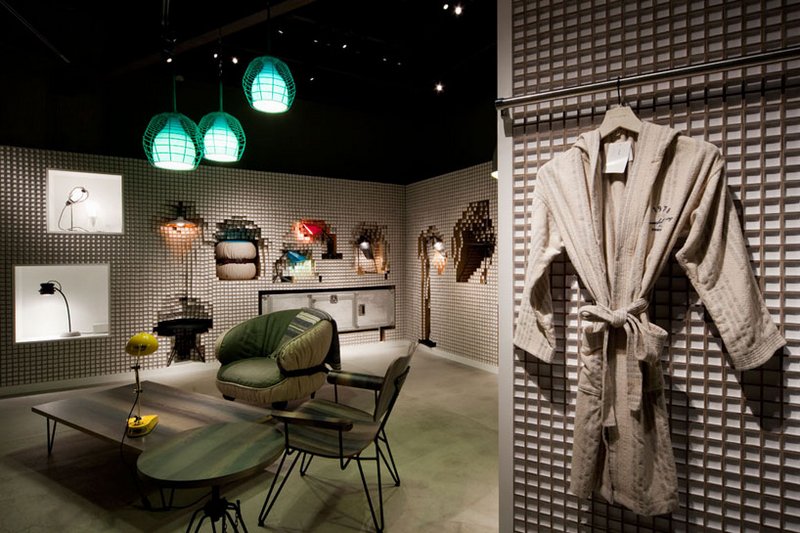
A modular wall made from 10,000 paper pipes that encapsulates furniture

photos by Kanta Ushio | click to enlarge

Using 10,000 paper square pipes stacked on top of each other, architect Yoshimasa Tsutsumi has created a fluid, modular wall in which objects like chairs, lamps and stools become encapsulated in the wall. Conventional wisdom holds that when displaying items in a room you either place them, lean them or hang them, says the architect. But what if our walls could change shape, responding to the different objects in the room, almost like a digital wall? Then a new method of display emerges in which you can “dig” into your wall and bury items as if they are unearthed fossils.

The installation, titled “digit,” was curated by Masaaki Takahashi and is currently on display at Diesel Art Gallery in Shibuya through 2.17.2013. It was created to show off items from Diesel’s new home collection.

It reminds me a bit of the installation that Torafu Architects did back in 2004.

Source: press release

« Older posts Newer posts »

© 2026 Spoon & Tamago

Up ↑

Design by Bento Graphics