In anticipation of the cold weather soon to come, we’re having a fun little contest over on our Facebook page. If you’re interested, go check it out. Up for grabs are 5 pairs of touchscreen gloves, courtesy of our favorite no-name label MUJI!
In anticipation of the cold weather soon to come, we’re having a fun little contest over on our Facebook page. If you’re interested, go check it out. Up for grabs are 5 pairs of touchscreen gloves, courtesy of our favorite no-name label MUJI!
Aside from the massive population of smokers, the Japanese, in general, are a very healthy people. They get lots of exercise, eat healthy and, in turn, benefit from one of the highest life expectancies in the world. But the mentality extends beyond lifestyle and gastronomy, even to architecture, where designers come up with creative solutions that enable residents to exercise and keep in shape – both physically and mentally – in the comfort of their own home. Here are 5 Japanese homes that help you keep in shape.
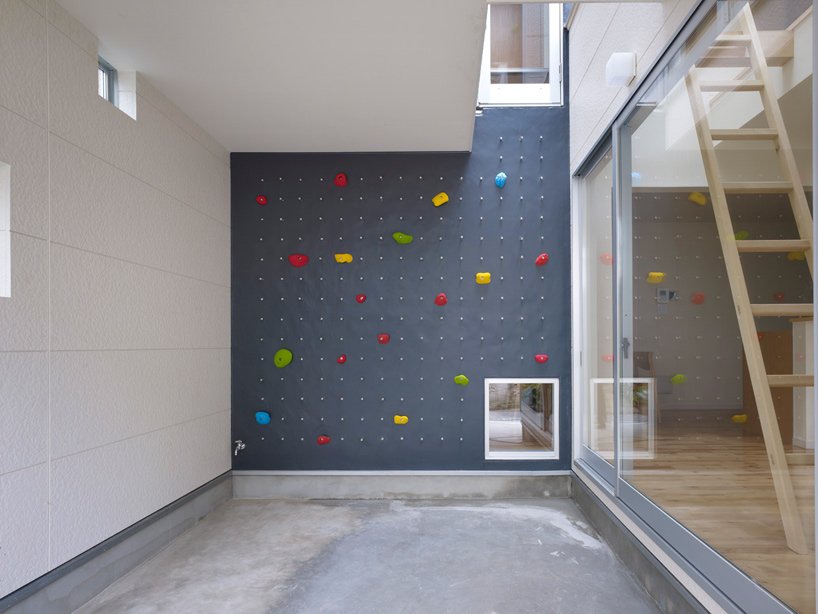
The sport of rock climbing is one of the best all-over exercises you can do for your body as well as your mind. But it’s not the most accessible as most people don’t have boulders in their back yards and rock climbing gyms can be expensive. But imagine if you had a rock wall in your own home! This unassuming 2-story house in Tokyo by naf features a climbing wall that scales a central courtyard and extends all the way to the roof.
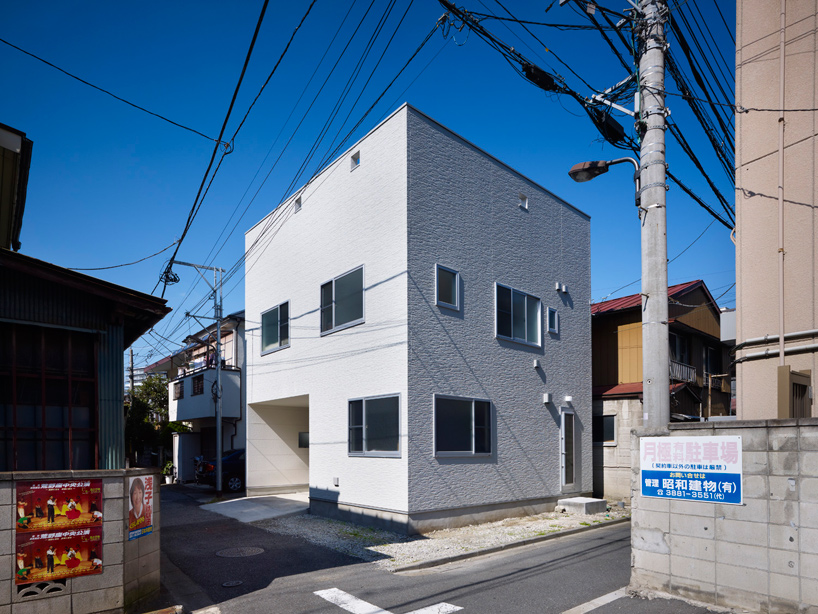 photos by Toshiyuki Yano | click to enlarge


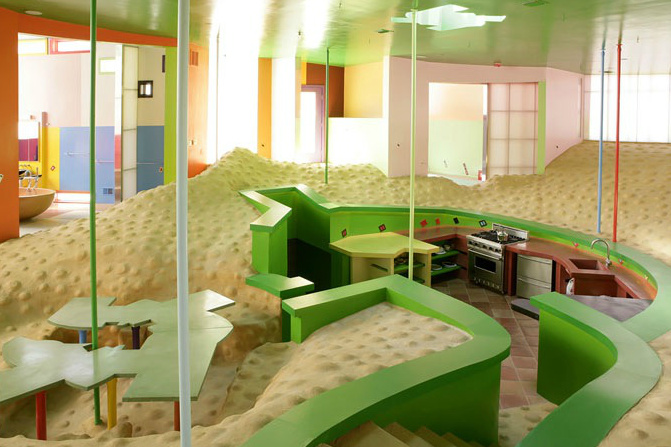
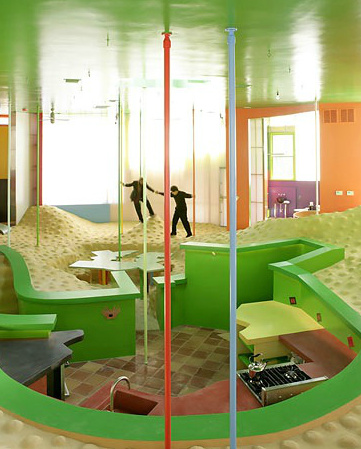
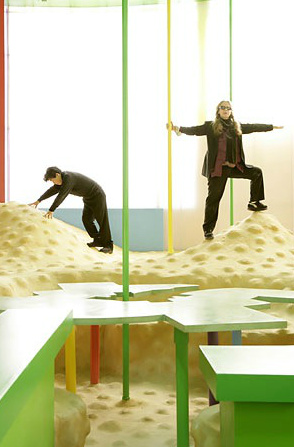
Originally built in East Hampton, NY and later replicated in Mitaka, a suburb of Tokyo, the Reversible Destiny Lofts are, according to the architects, supposed to oppose death. It’s undulating concrete floors force residents to use their bodies in unexpected ways to maintain equilibrium which, in turn, “will stimulate their immune systems.”
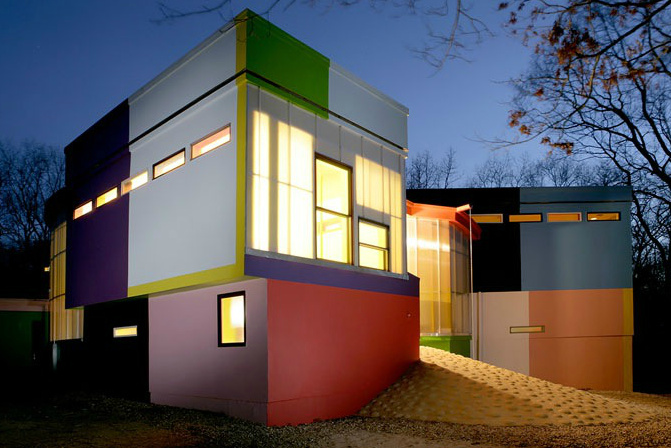 photos by Eric Stiffler | click to enlarge
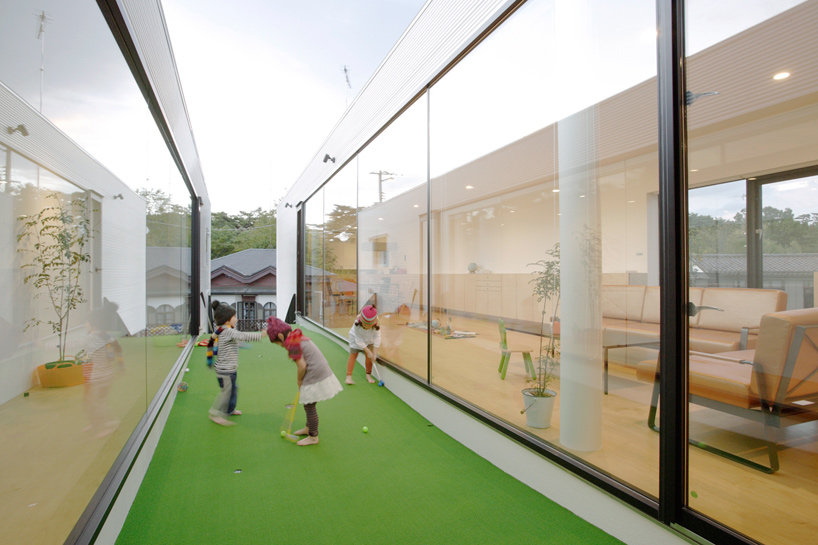
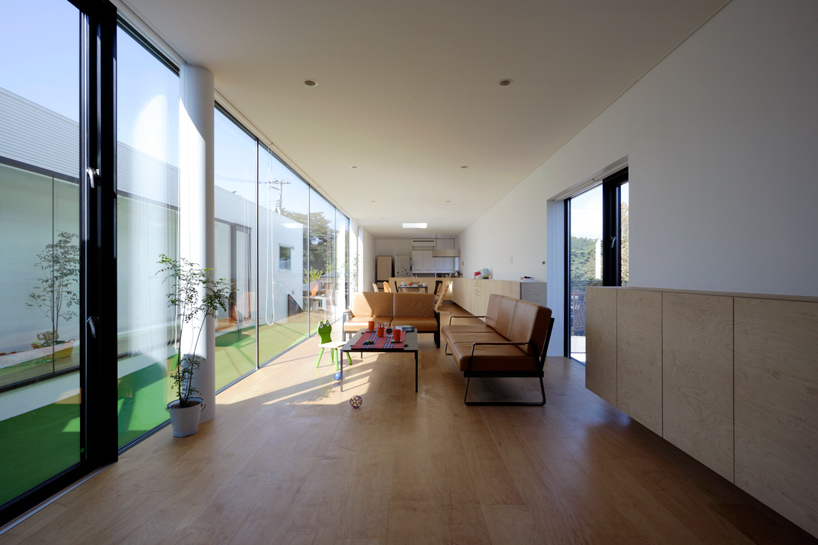
An elevated residence in Kanagawa designed by Takuya Tsuchida. A central alleyway is lined with natural grass and functions as a mini golf course so you can work on your swing by simply stepping out of your door. However, long shots are frowned upon by neighbors.
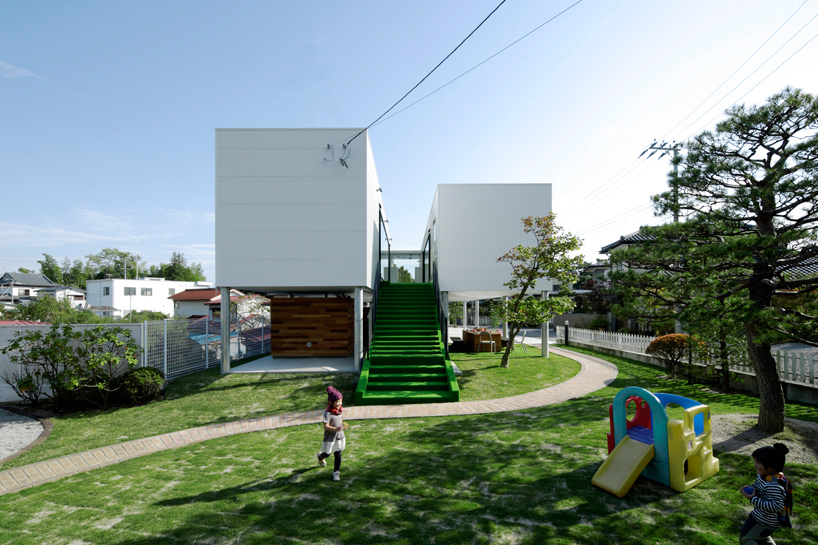 photos by Torimura Koichi | click to enlarge
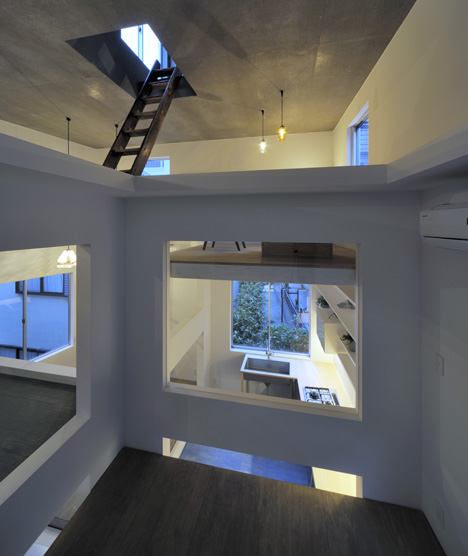
Recent studies have shown that one’s sense of balance begins to degrade in your 20s and that it’s downhill – literally and figuratively – from there. But maintaining that delicate sense of equilibrium is critical to your health and this house in Tokyo by Hiroyuki Shinozaki Architects can help. The 4-story house features huge rectangular holes in the walls and floors, forcing residents to maintain a keen consciousness of their bodies and their surroundings. And I emphasize “forcing” as not doing so can, consequently, be hazardous to their health.
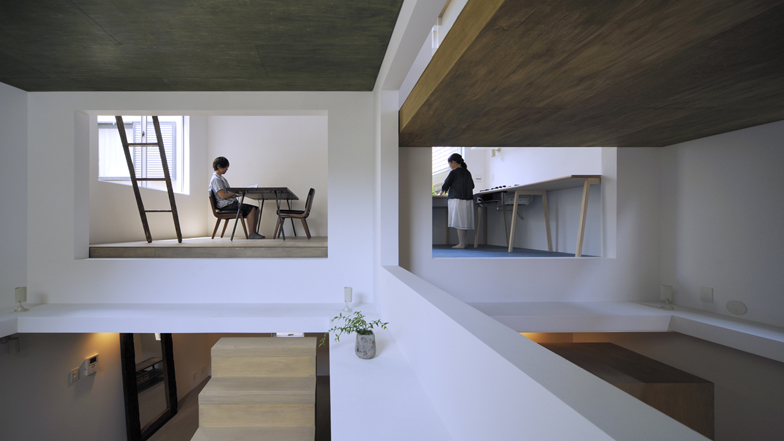 photos by Hiroyasu Sakaguchi | click to enlarge
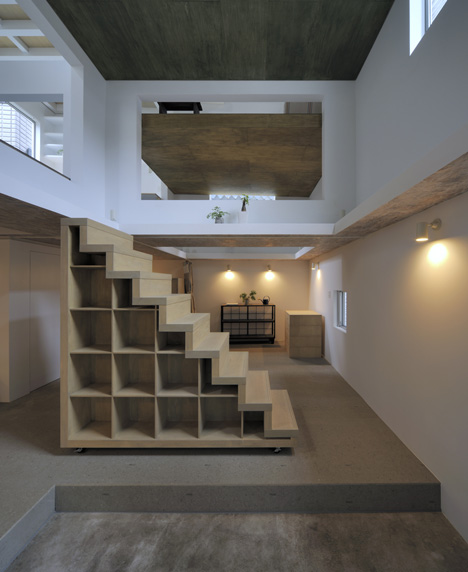

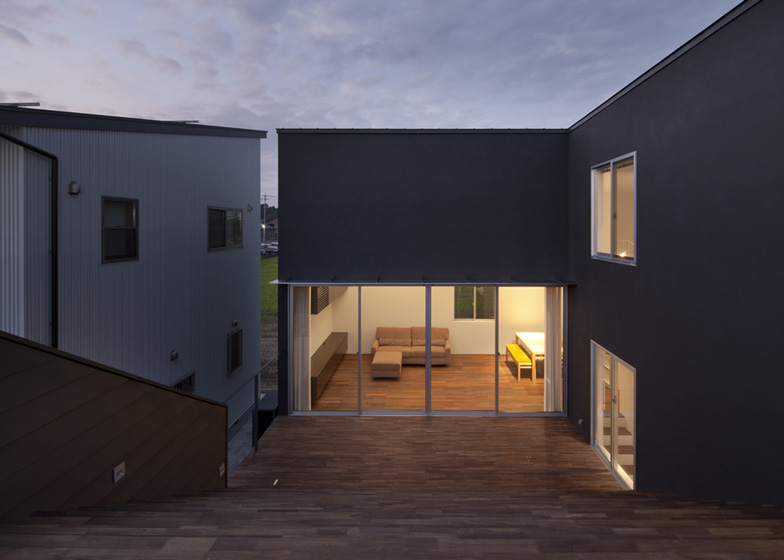
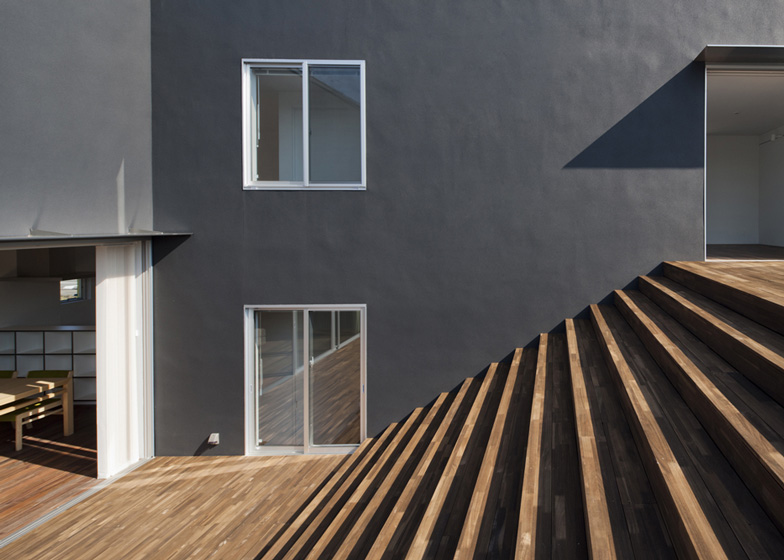
Walking up stairs is one of the best-kept secrets in preventive medicine. In fact, if you’ve ever been to a cardiologist you may have been told that you’re fit enough to have sex if you can walk up 2 or 3 flights of stairs comfortably. But sometimes walking up and down indoor steps just doesn’t cut it. That’s where Toshihiro Yamada’s house comes in. It features steps that start just above ground level and climbs all the way over the roof.
 photos by Satoshi Asakawa | click to enlarge
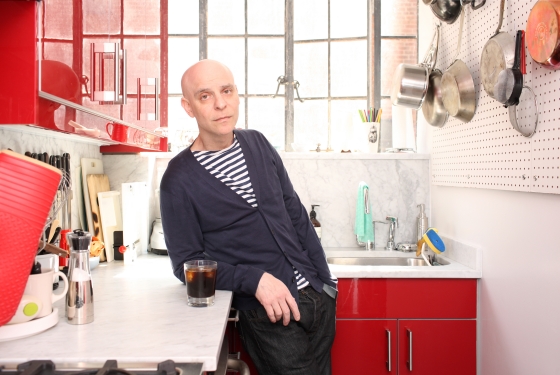 Rakoff, at home in his kitchen. Photo by Melissa Hom for NYMag
Ever since the writer David Rakoff passed away last month from cancer I’ve been re-reading, or re-listening to, much of his work. Whatever I could get my hands on. In doing so, a curious side of him emerged that I had never been aware of. David, much like the rest of us, was quite into Japan. Aside from simply enjoying the delicacies – he was known to frequent Sakagura on 43rd street – David actually spent a bit of time in Japan when he was young.
In college David majored in Japanese because “it was the hardest language he could find.” After college he moved to Japan and worked as a translator. But he also had a stint at an advertising agency, and recounts his time there, and his negative capacity for identifying trends, in a conversation with Ira Glass:
Primarily, the office was an advertising agency. But what they were setting up was this thing for expatriates who were living in Tokyo at the time, or perhaps all of Japan. And it was like a network on a computer. And they would set up a newsletter on the network, and people could, quote, log on to the computer and talk to one another or do research.
I just looked around the room and I saw these computers, and could only think, what kind of loser would log onto a computer, talk to someone…
And almost the only moment of decisiveness in my entire adult life– I’ve certainly never equaled this– I went in the next morning and I quit. And all I could think was, sayonara, suckers. Good luck with your network.
David’s time in Japan was unfortunately cut short. He was there only a couple months when he got cancer for the first time. Hodgkin’s Lymphoma. He flies back to Canada where he was treated. But two decades later the cancer returned and killed him. I can’t help but wonder how his dry, neurotic and witty sense of humor would have evolved had he remained in Japan without disturbance.
Through November 9th, Diesel Art Gallery in Shibuya is presenting “Make up” – the work of Ayami Nishimura, captured by English photographer Rankin. Well known for his fashion photography, which includes a wide range of celebrities, Rankin’s work enters a territory of expressionism as it collides with the vivid work of Ayami.
Ayami Nishimura is a self-made woman, born in Japan but attracted to the US and Europe. She developed a very unique style that is both colorful and pictorial; surprising and beautiful. It’s no wonder that she counts among her clients Lady Gaga and Kylie Minogue!







Ayami transforms the skin into a living canvas in which she sculpts her colors. Her make-up is not intended to enhance a face or a body. Rather, it creates new patterns to reshape and reconfigure the body. I love the last picture in how it resembles a work of Picasso, playing with lights and giving new dimension to the face. The imagination of Ayami seems unlimited as it pushes the viewer to swim between a candy-world full of primary and acid colors. It creates an erotic world that harkens back to the original intent of make-up: seduction.
Below, a video of Ayami at work:
source: Metropolis
 click images to enlarge
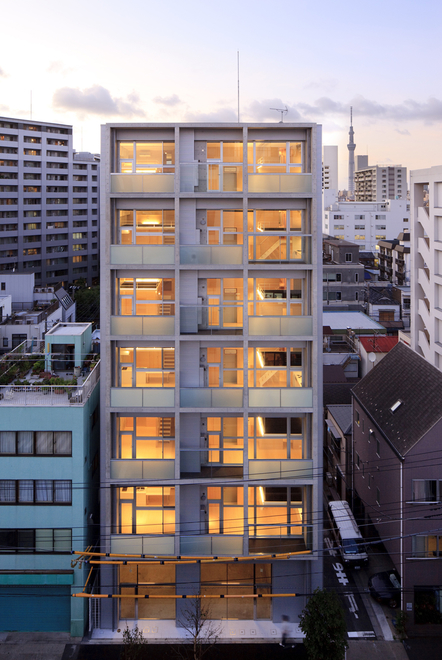
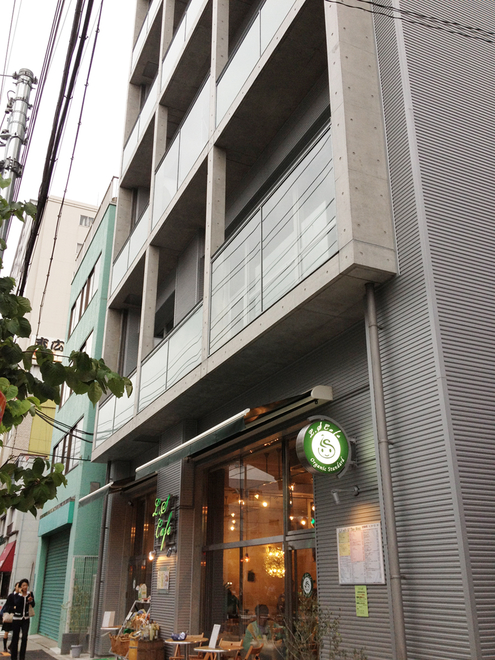
ok, I’m going to stop, but just one more find from the 2012 Good Design Awards: lovely rental apartments just outside Kiyosumi-Shirakawa station in Tokyo designed by Akio Yachida. The 7-story building is home to 12 attractive loft spaces and a retail space on the ground level. Interested? According to this listing the monthly rent costs between 131,000~138,000 yen.
this post is part of a series covering the 2012 Good Design Awards. For all our coverage on design awards click here.
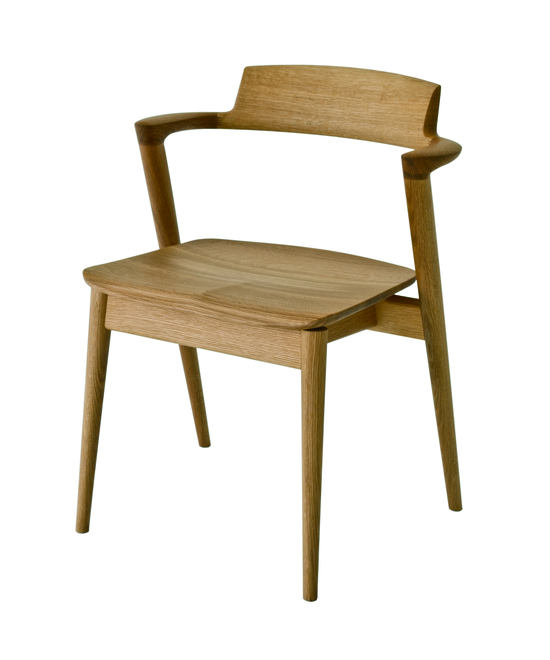
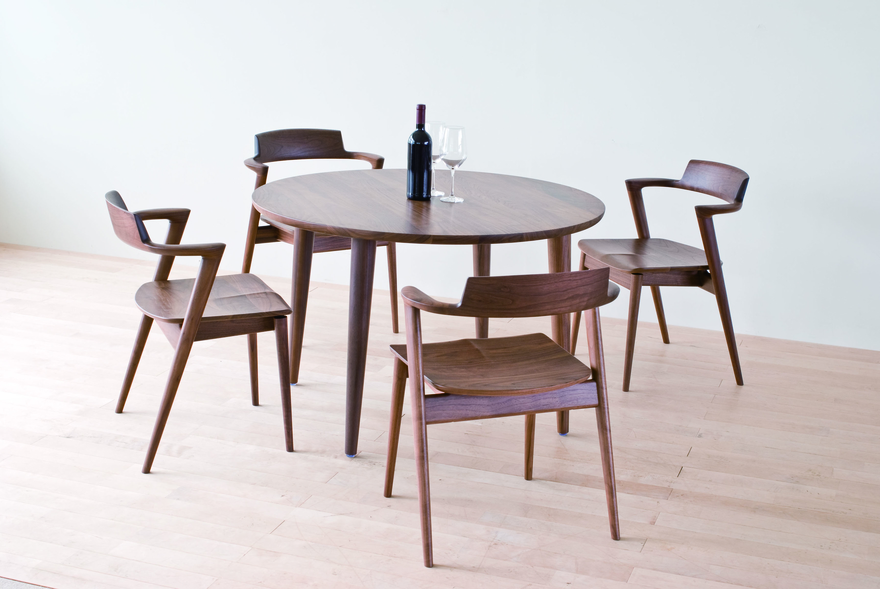
Another gem hidden in the 2012 Good Design Awards: a gorgeously crafted wooden dining chair by legendary Japanese designer Motomi Kawakami. Evenly balancing aesthetics with function, the chair is carved from Japanese oak and walnut and can be neatly stacked on top of one another.
this post is part of a series covering the 2012 Good Design Awards. For all our coverage on design awards click here.
 click images to enlarge
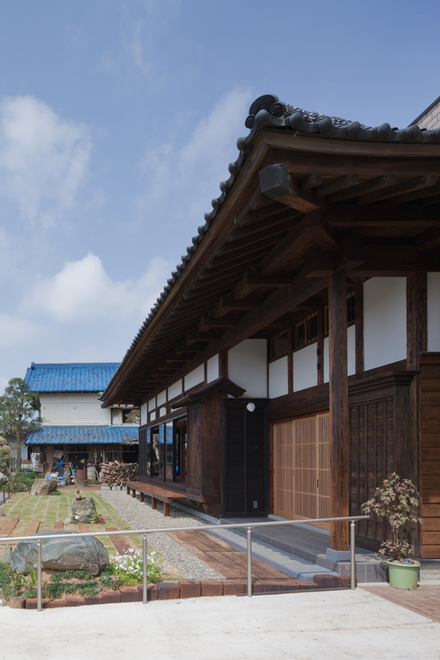
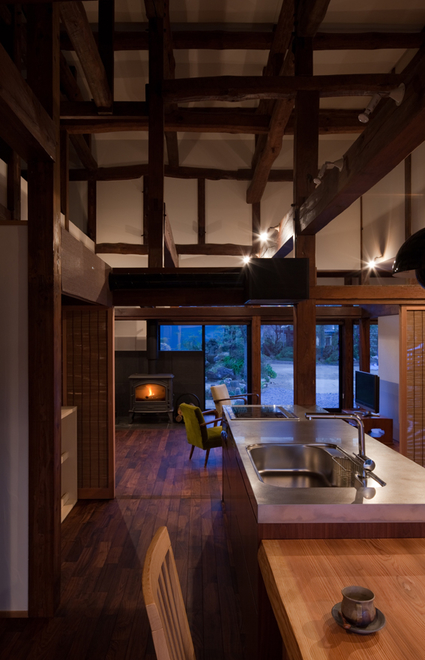
Another of my favorites from this year’s Good Design Awards was the Igawa House, a restoration and renovation of a 90-year old Japanese home. Completed by Igawa Architects, I really love how they kept some of the nostalgic elements – the wooden beams and sliding doors – but gave it a modern look by incorporating things like a contemporary island kitchen.
this post is part of a series covering the 2012 Good Design Awards. For all our coverage on design awards click here.
Last week the 2012 Good Design Awards were announced in Japan. There were a total of 1,108 awards given. We’ve made it clear how we feel about these awards. But nonetheless, like always, we are going to spend a bit of time picking our favorites.
A hexagonal card game created by a game designer and a graphic designer. Inspired by a meeting with legendary designer of board games Alex Randolph, Rocca takes it’s name from rokkaku – hexagon in Japanese – and moves between the genres of 2D and 3D games.
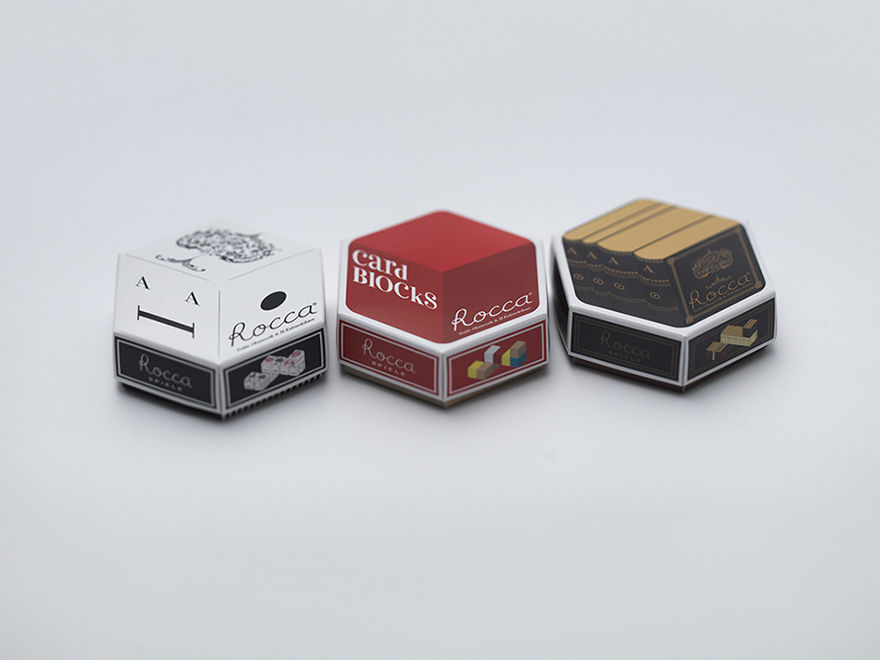 click images to enlarge


this post is part of a series covering the 2012 Good Design Awards. For all our coverage on design awards click here.
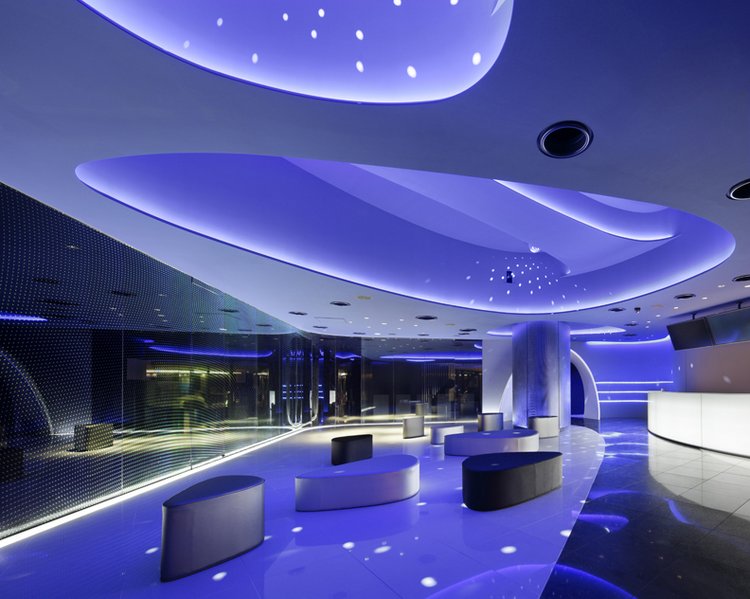 photos by Nacása & Partners Inc. | click to enlarge
If your sweet tooth wasn’t enough to lure you to Tokyo’s latest attraction, then perhaps your inner astronomer will. The beautiful new planetarium, opened in conjunction with Japan’s tallest structure, is easy on the eyes even before the show starts. The space boasts a futuristic interior designed by NOMURA Co. (no, not the financial giant) and state-of-the-art equipment that puts on rotating shows, often created in collaboration with artists and film makers. And just to give it that extra Japanese touch, the “healing planetarium” comes equipped with aromatic diffusers to create that special olfactory star-gazing experience.
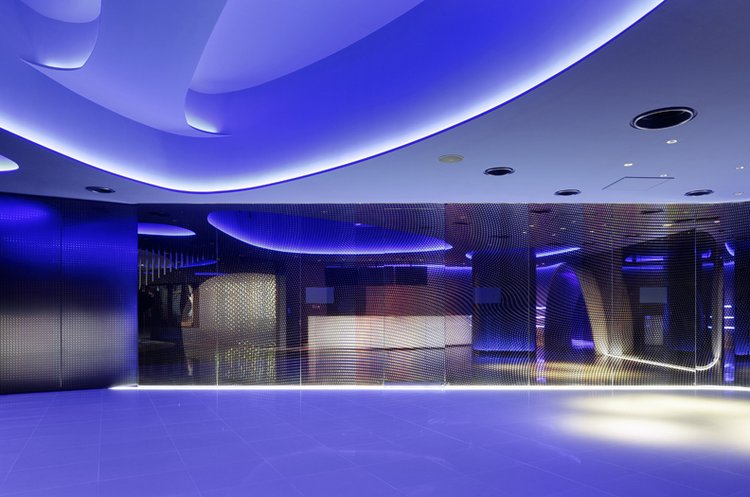



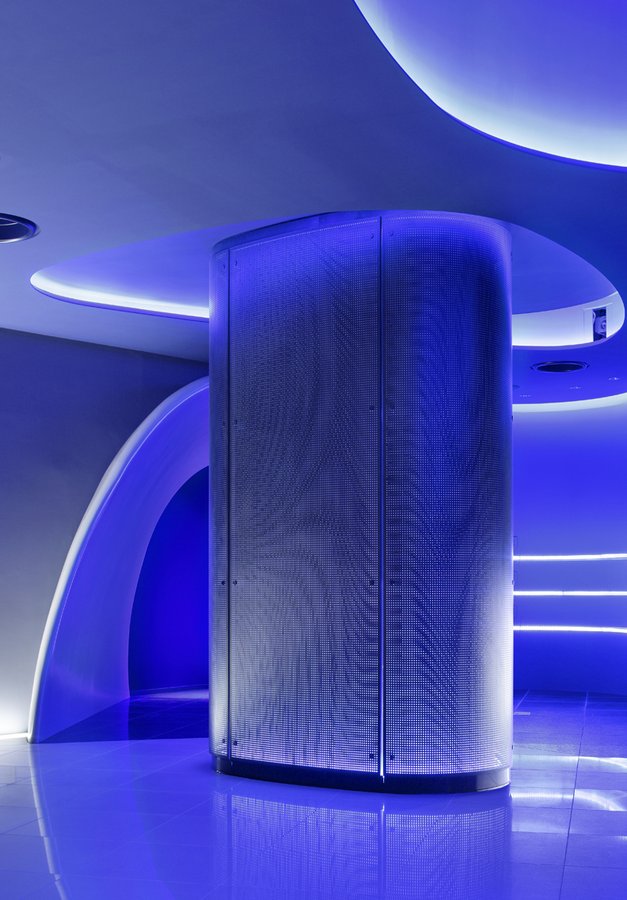
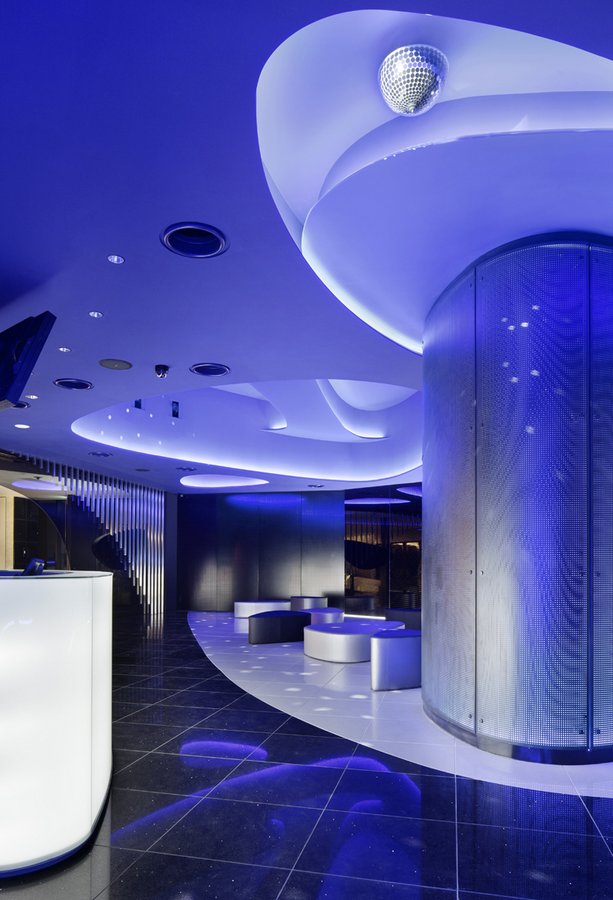
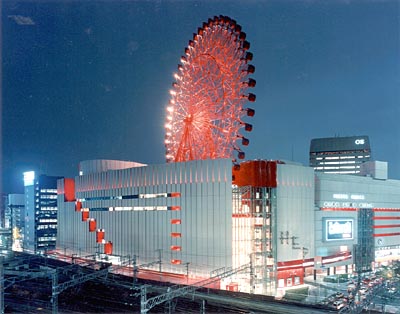 image courtesy takenaka koumuten
Sure, America has a monopoly on malls. But when it comes to outrageous, Japanese malls, with their fun, colorful, fashionable amusement, can compete in offering a unique experience for consumers. Meet Hep5, a trendy mall in Osaka with a built-in ferris wheel that lets you shop and ride, all in the same box. For it’s unique design, Hep 5 was even awarded a prize from the authority on malls – the International Council of Shopping Centers (ICSC) – yes, such a thing exists.
With about 17 million visitors per year, this is one of the most attractive commercial centers in the Osaka area. When I visited it recently I was stunned by the enormous, red whales suspended in mid-air. These were designed by the singer-designer Tatsuya Ishii (of Kome Kome Club fame).
But the main attraction, of course, is the illuminated ferris wheel that boards on the 7th floor of a 10-floor building. For a small fee you can be lifted up through the building, traveling 106 meters above ground for one of the most beautiful scenic views of Osaka. Now THAT is a ‘Shopping experience!’
 image courtesy flickr user toshi0104
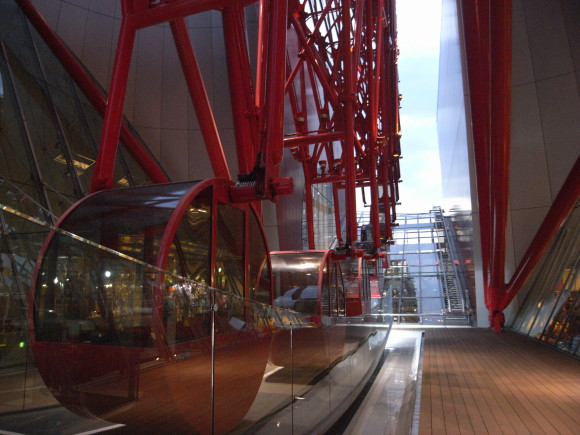 image by justine
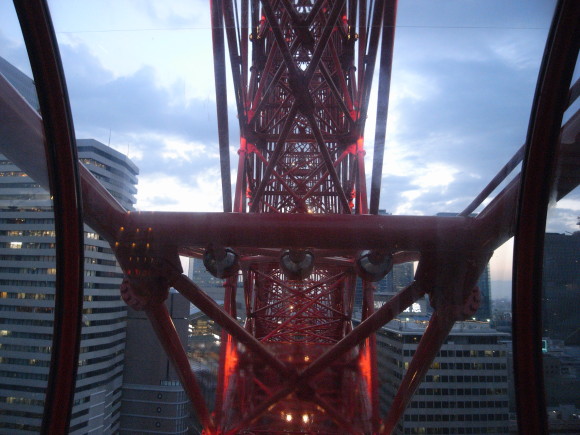 image by justine
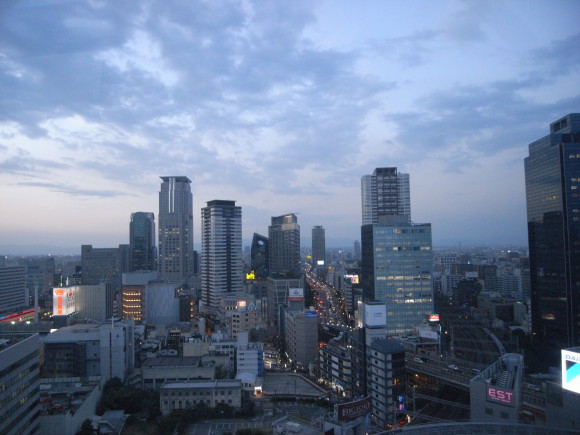 image by justine
What an amazing view, no?