Page 252 of 406

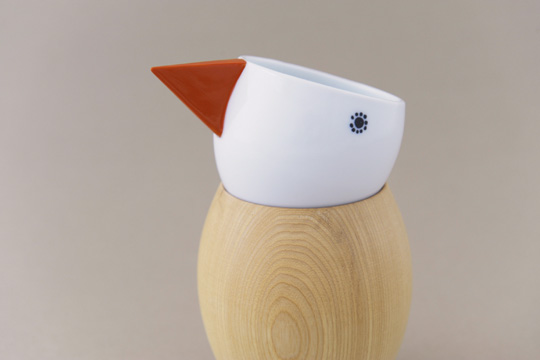
Cooffee cup and saucer

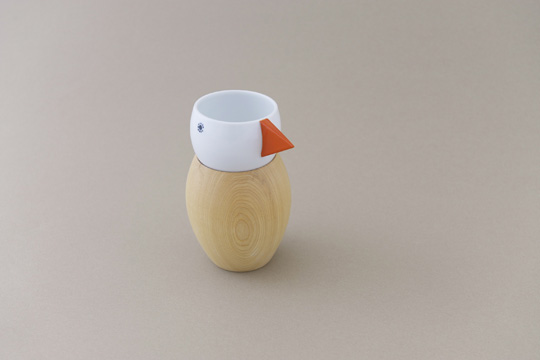
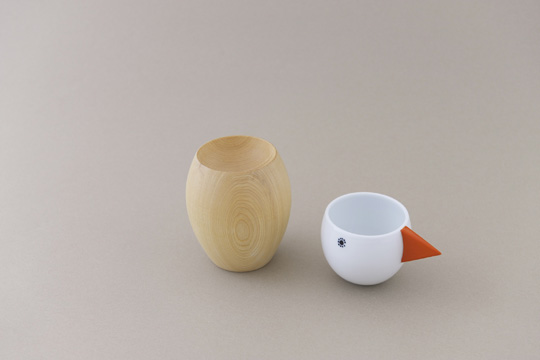
I love this adorable cup and saucer made to look like a cooing bird resting on your table. The body, which functions as the saucer, is made from oak while the cup itself is in the Hasami style of ceramics from Nagasaki. It clocks in on the higher end of what I would pay for a cup and saucer (6,825 yen) but it is an original from Akira Minagawa’s faux-Finnish label Mina Perhonen.

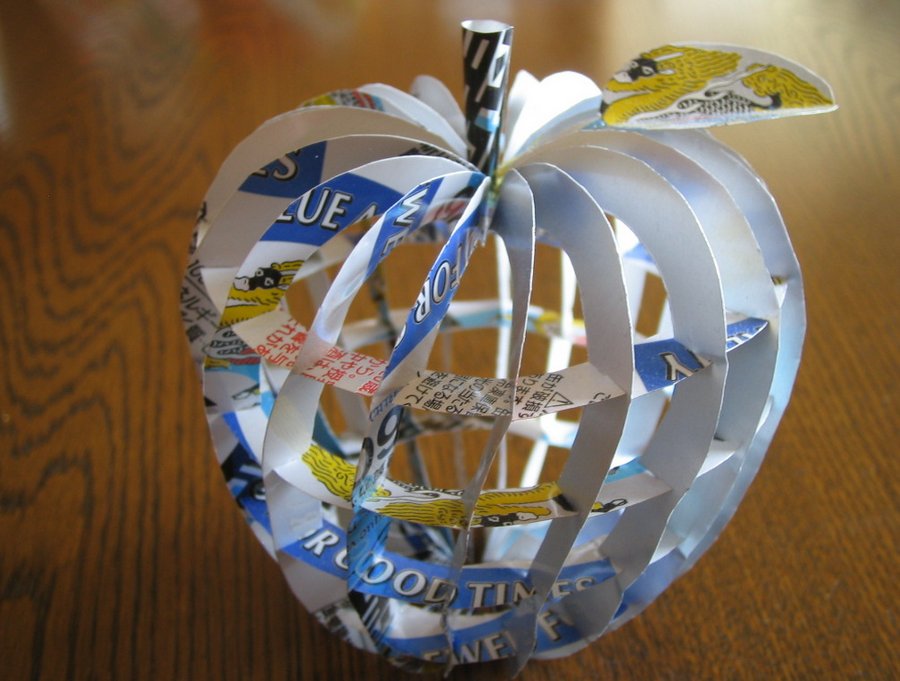
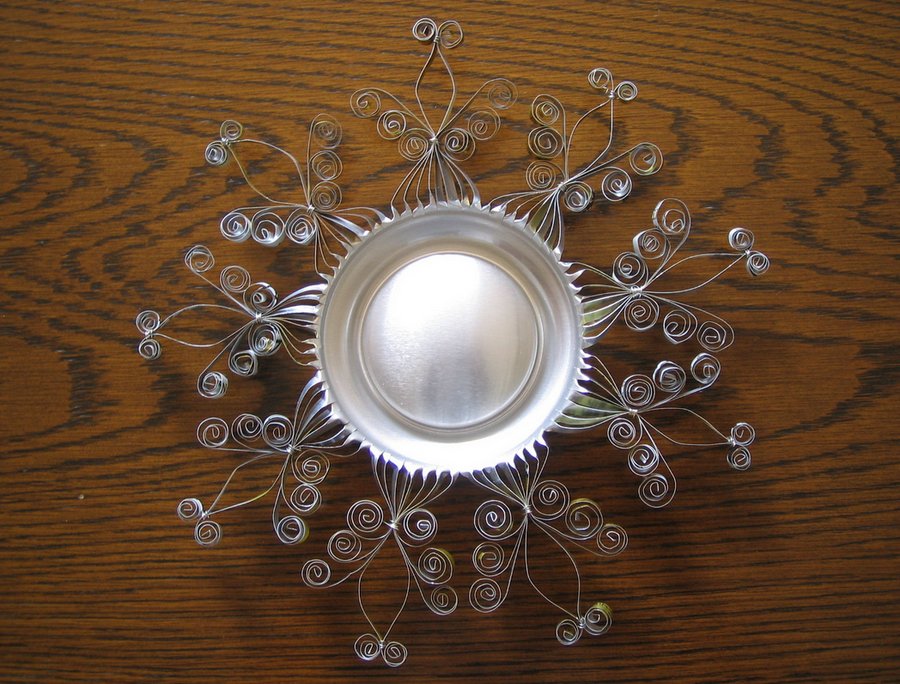
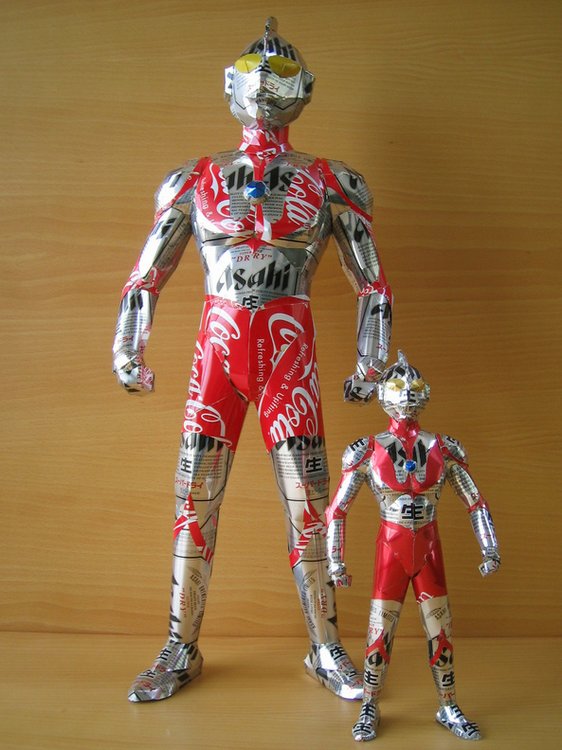
recycled beer can art by Macaon

images courtesy macaon | click to enlarge

We don’t really know much about Japanese internet user Macaon except for the fact that s/he is an avid drinker of beer, is keen on recycling, and has come up with a creative use for all those empty beer cans. There’s much, much more over on the artist’s website.

Some works are made from a single can of beer, while others are multiple cans – sometimes even soda cans – adhered together to achieve a desired color effect.

Newton Table by Makoto Tojiki

newton table by makoto tojiki

click images to enlarge

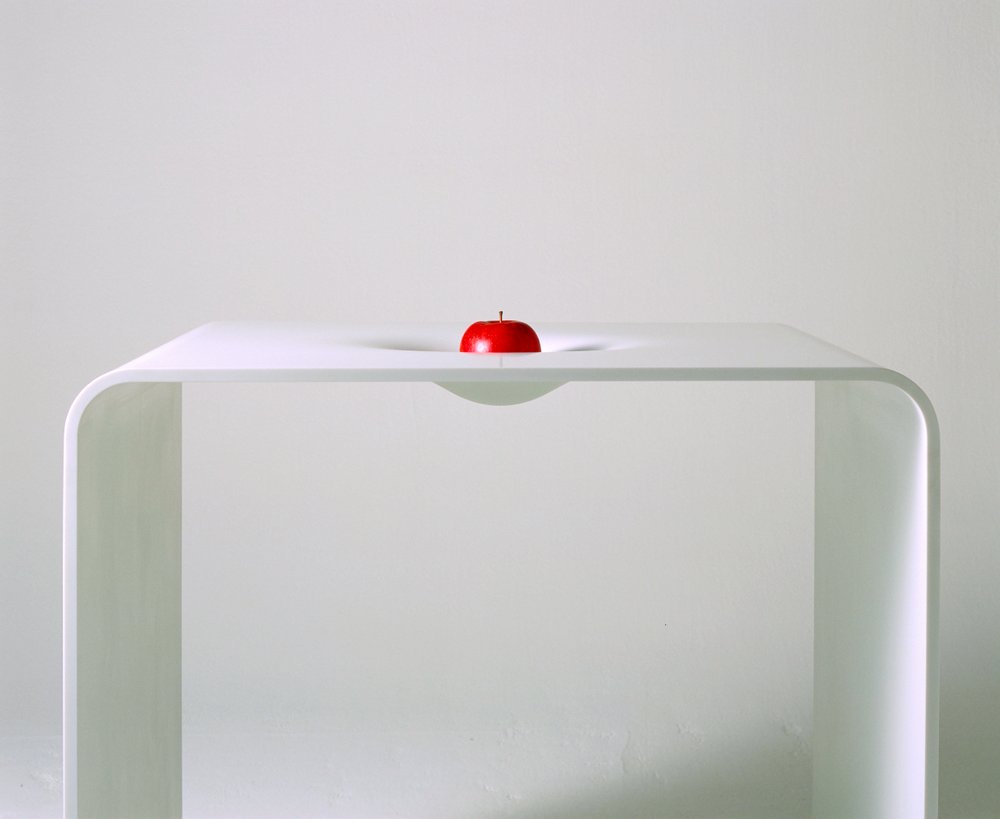
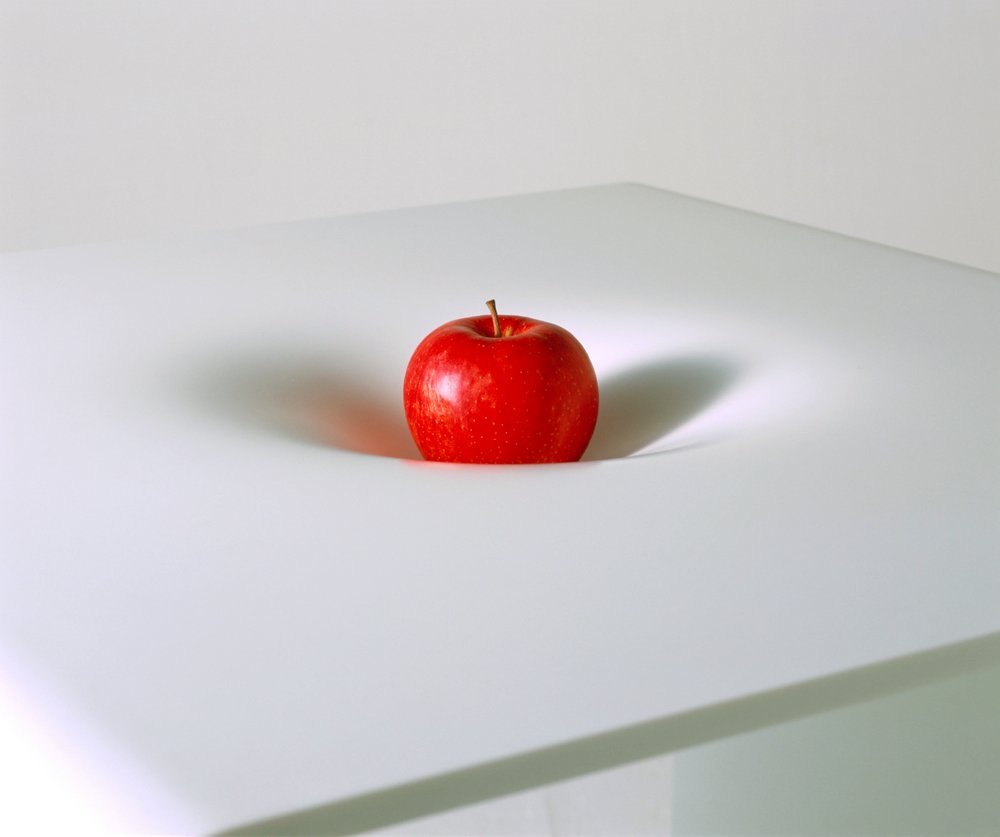
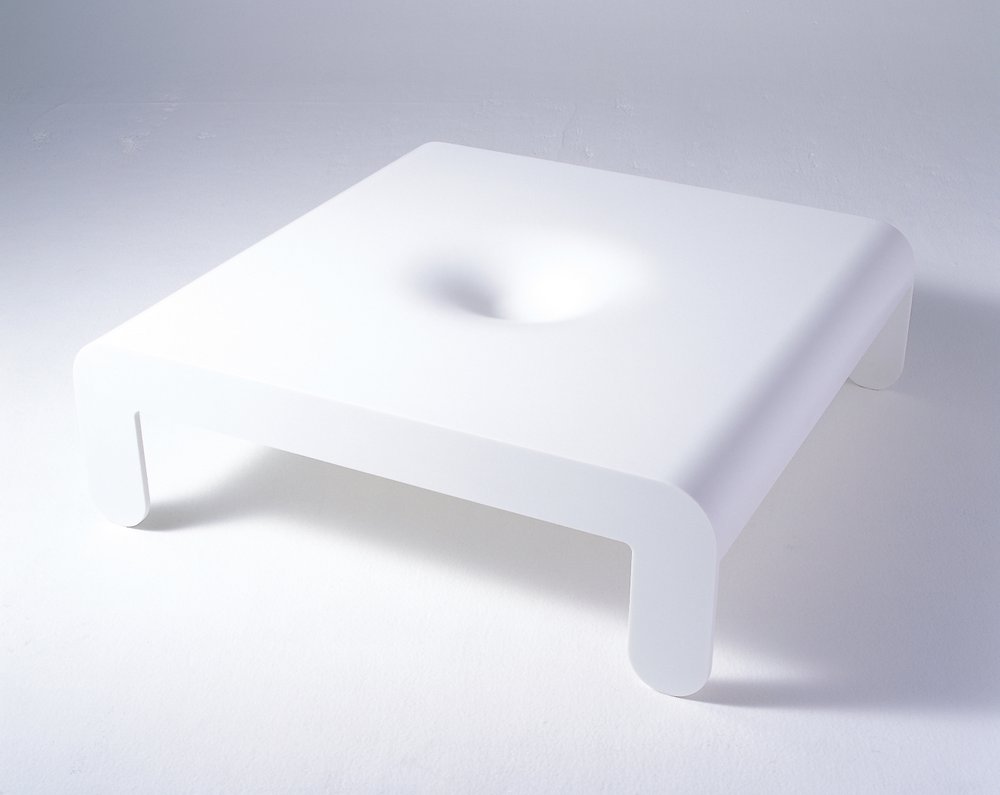
Japanese designer Makoto Tojiki created this amazing table to remind us of 1 simple fact – that the invisible force of gravity surrounds us every day of our life, and yet we are so often oblivious to it. It is fascinating to dwell on the idea that, for the most part, all shapes and forms are influenced by this invisible force of nature. Sitting on the tabletop is an apple – a kickback to an incident that may or may not have happened – that appears to be incredibly massive.

The Newton Table is, of course, appropriately named after the very man who described universal gravitation and the three laws of motion, which dominated the scientific view of the universe through today.

If you like this you will most certainly enjoy this re-imagining of Newton’s Cradle.

newton table by makoto tojiki

source: designer’s website

a weather-proof house on an island by Harunatsu-Archi

photos by Kai Nakamura | click to enlarge

Part of Okinawa prefecture and about 100 miles south of the disputed Senkaku/ Diaoyu Islands sits the remote Iriomote-jima. Its tropical location supports a lush rainforest, swamps and a population just over 2000. Despite not having an airport, the largest of the Yaeyama Islands receives an astounding 300K tourists per year, thanks to an airport on a neighboring island just a 40-minute ferry ride away.

Enthralled by the magical island which, in itself, is a national park, it’s not rare for these tourists to start a new life for themselves on the island that, theoretically, is just a little over 4 hours from Tokyo. That’s exactly what happened 14 years ago when this couple decided to move to the island. But it wasn’t until just recently that the two decided to break ground, building what will be their permanent home.
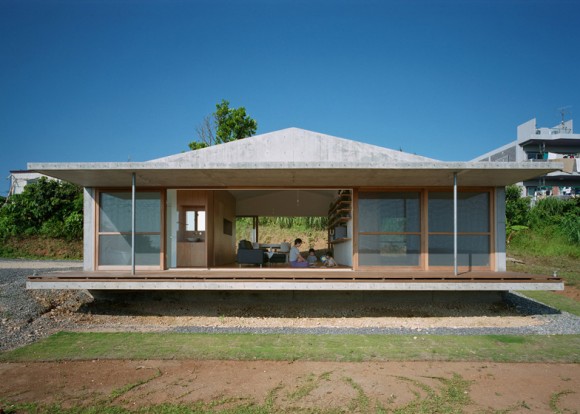
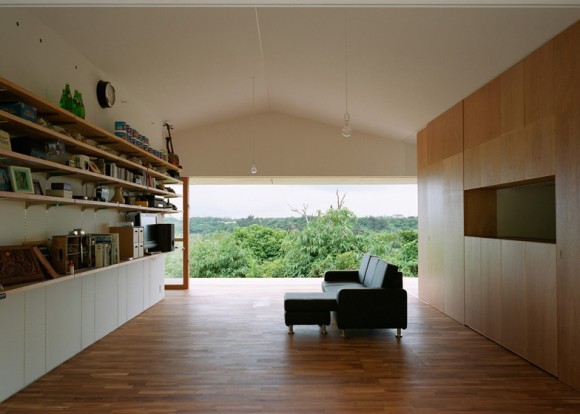
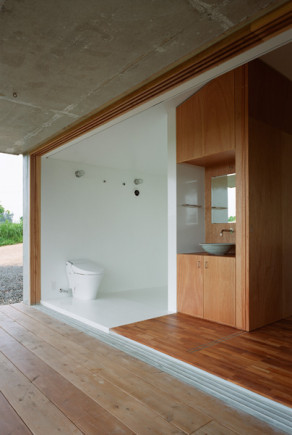
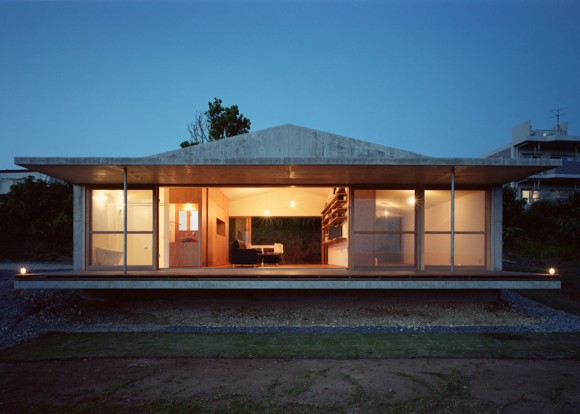
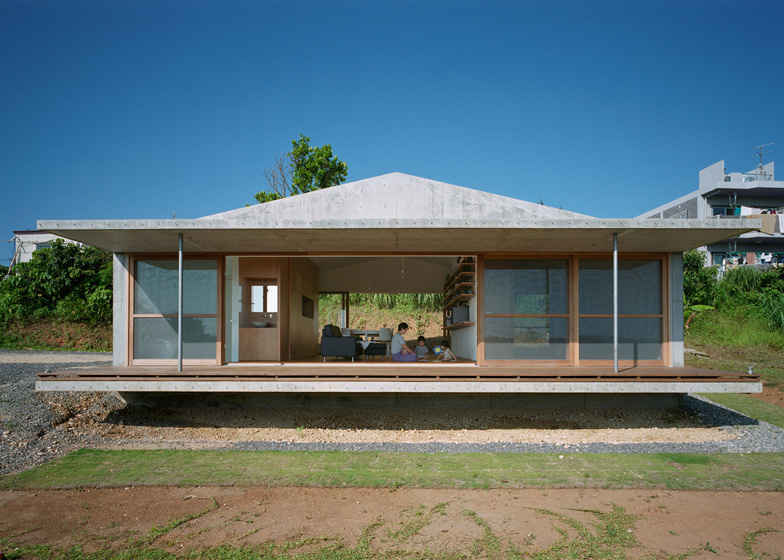
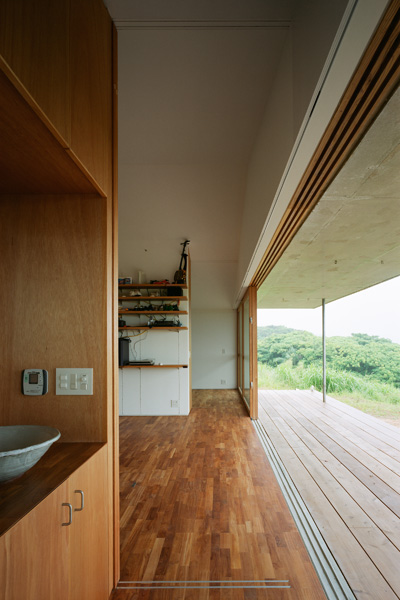
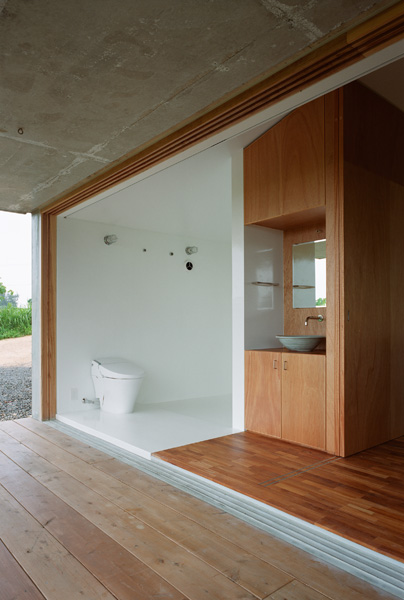
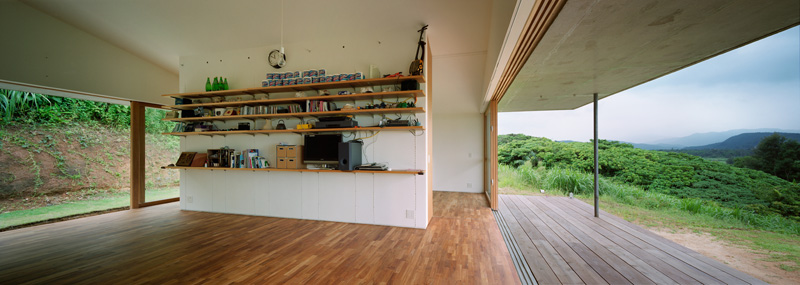
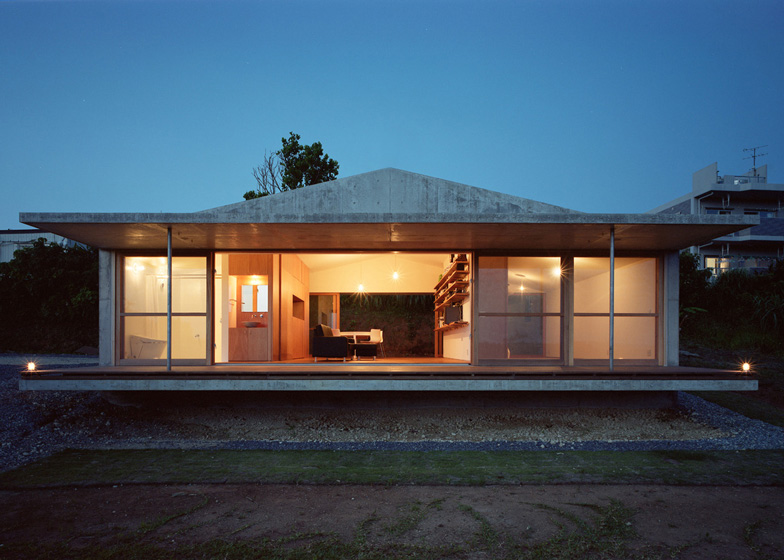
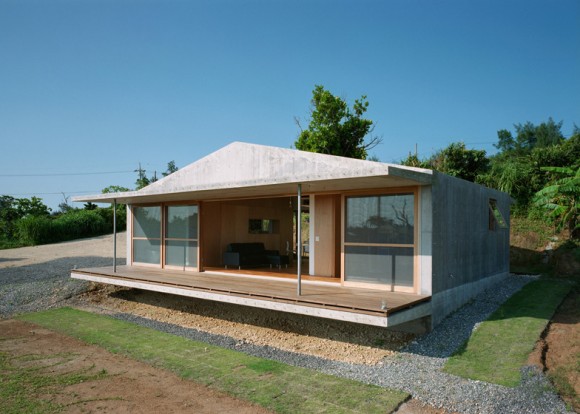
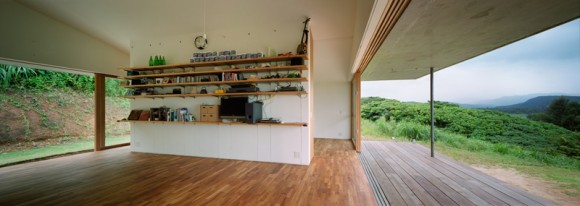
Completed earlier this year, “villa921” marks the very first project by the very young architectural firm Harunatsu Archi, led by architect Shoko Murakaji. The structure itself is primarily concrete but with large windows that open up onto a luxurious patio. A canopy extends out, shading the patio from harsh rays of sunlight that can be up to 5x as strong compared to the mainland. The house requires very little in that it’s more complicated urban siblings simply try to compensate for a lack of the great outdoors – things like privacy, sunlight, and openness are all already part of the package.
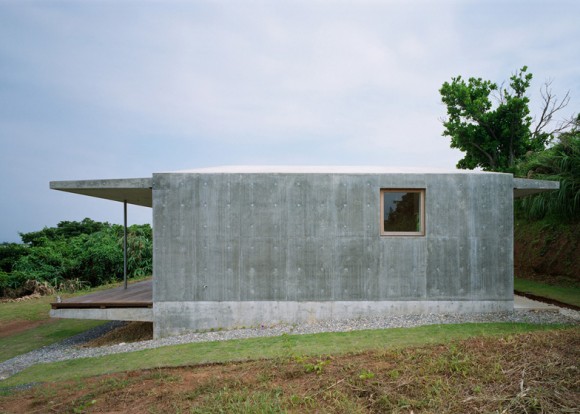
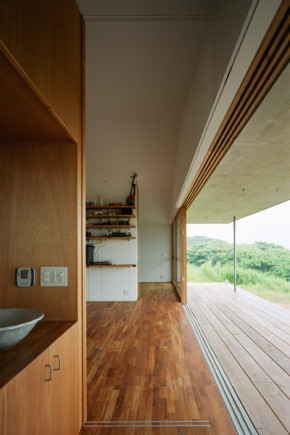
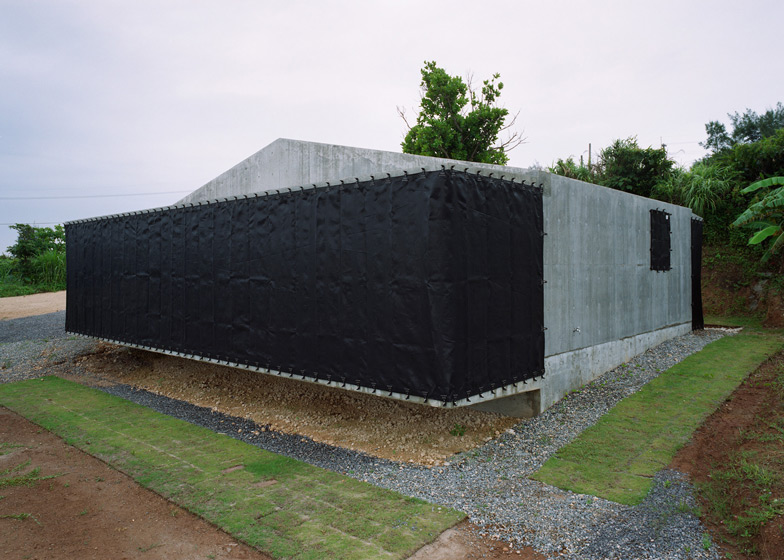
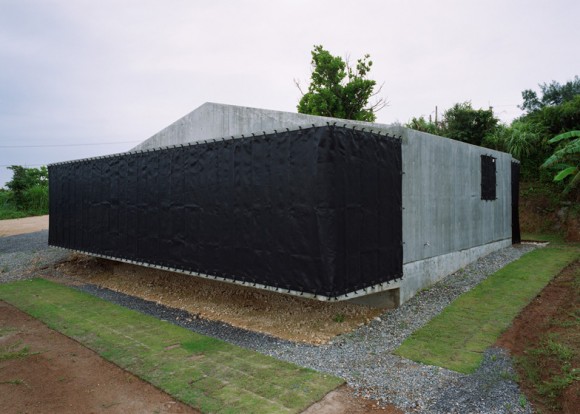
However, Iriomote-jima has something else that Tokyo doesn’t: tropical storms. These winds come frequently, often knocking out power (no air conditioner) and lasting for several days (no open windows). To combat this issue the architects installed fasteners around the house which can hold a protective screen in place, allowing the inhabitants to open their windows without letting the water in.
Source: submission

Living in a gap | ondesign’s latest residential project pushes the boundaries of small spaces

Photos by Ikunori Yamamoto | click to enlarge

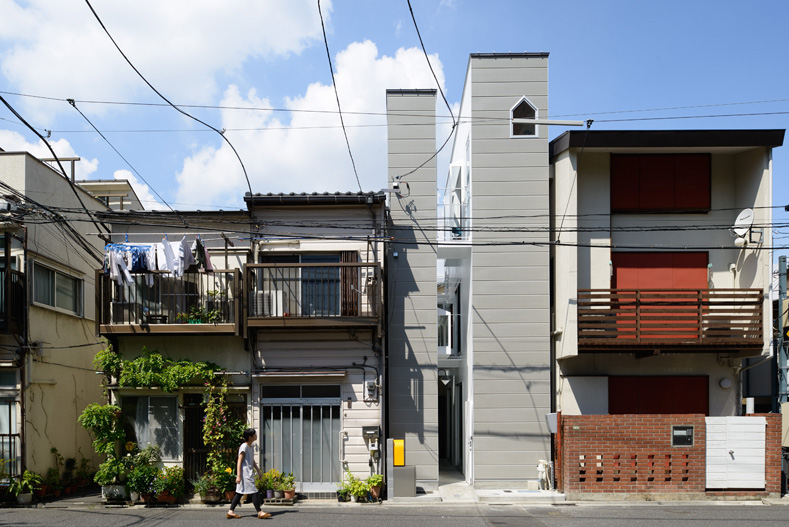
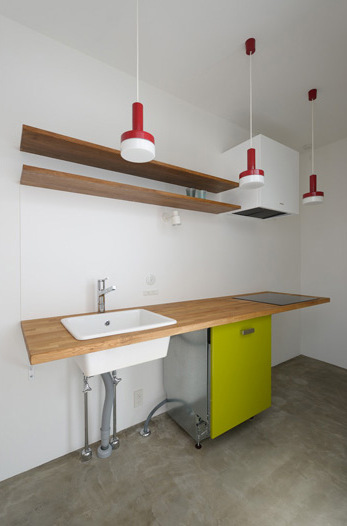
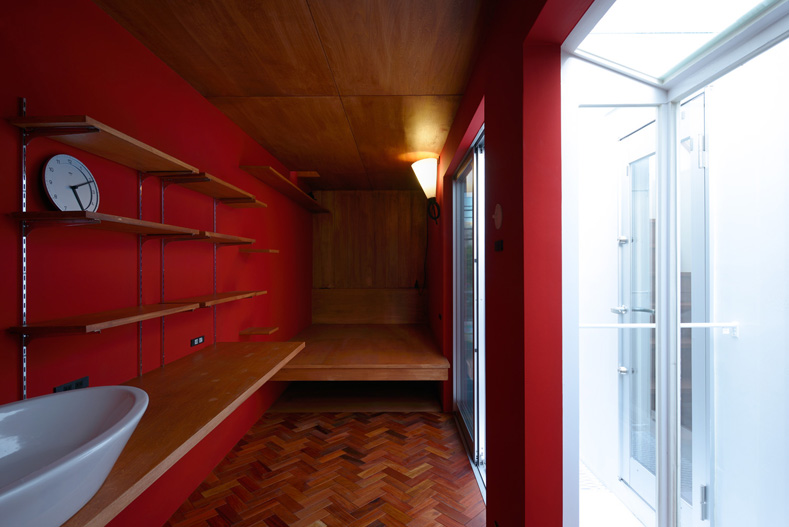
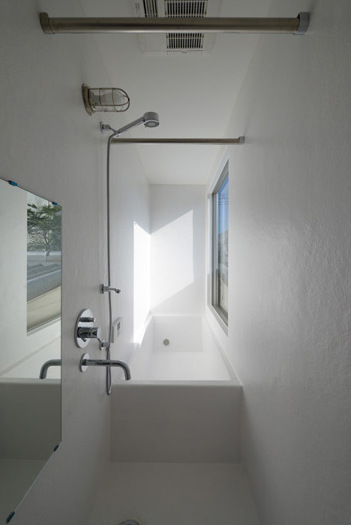
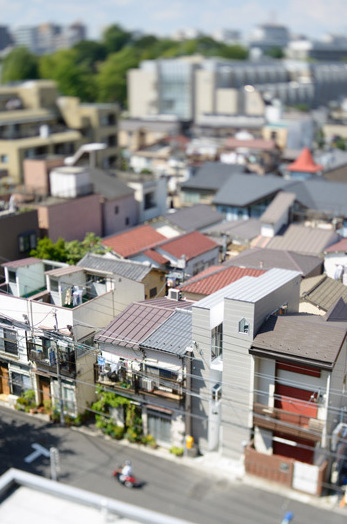
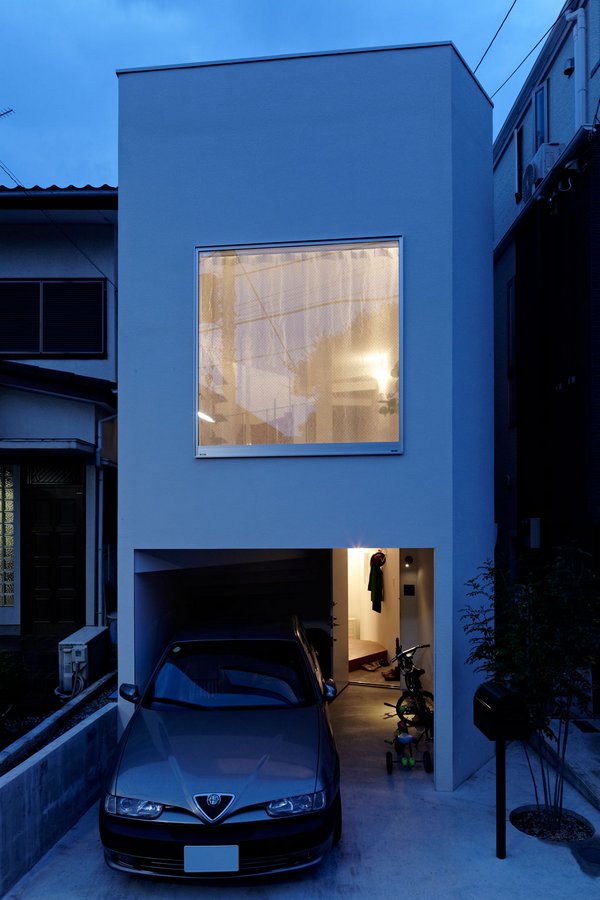
Deep within Bunkyo-ku, one of the more densely populated wards, even by Tokyo standards, lies ondesign’s latest residential project. Lead architect Osamu Nishida, along with partner Naoko Mangyoku, erected – in what could easily be written off as a slightly larger-than-normal crack between 2 houses – another actual house. The plot of land measured just 9-tsubo (about 300 sq ft) and could be best described as, well, a gap.

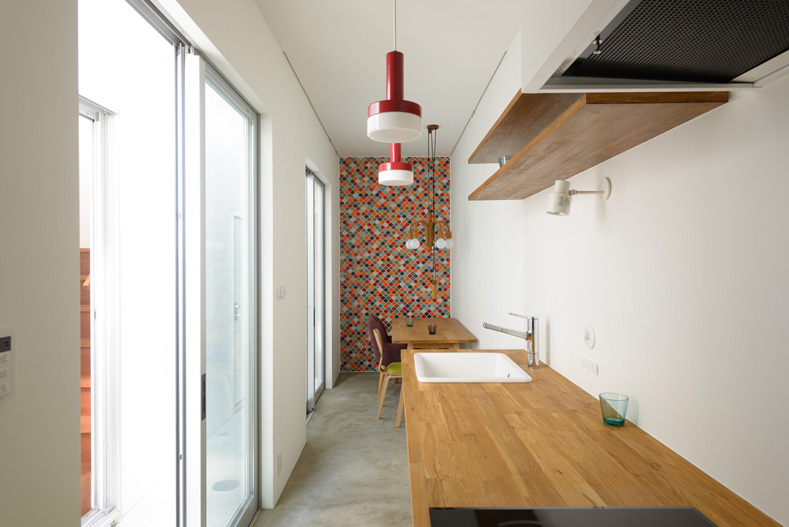
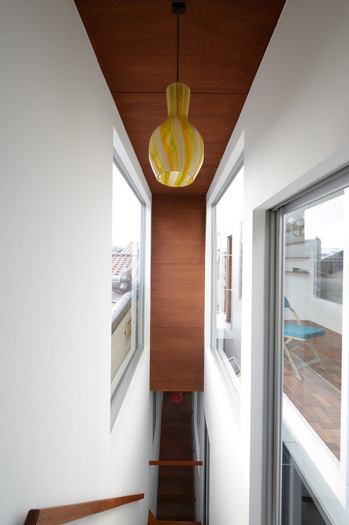
But in that gap, and in their typical non-conventional style, the team succeeded in erecting a house that, while narrow, somehow manages to meet all the criteria of a comfortable living space. It was completed last month but if you’re curious as to the process leading up to completion, and how exactly they squeezed this tiny house in, check out their blog.

If you liked this home, check out all our stories on small spaces.

Source: ondesign website

Coil by Akihisa Hirata | a house shaped like the letter S

all photos by Torimura Koichi | click to enlarge

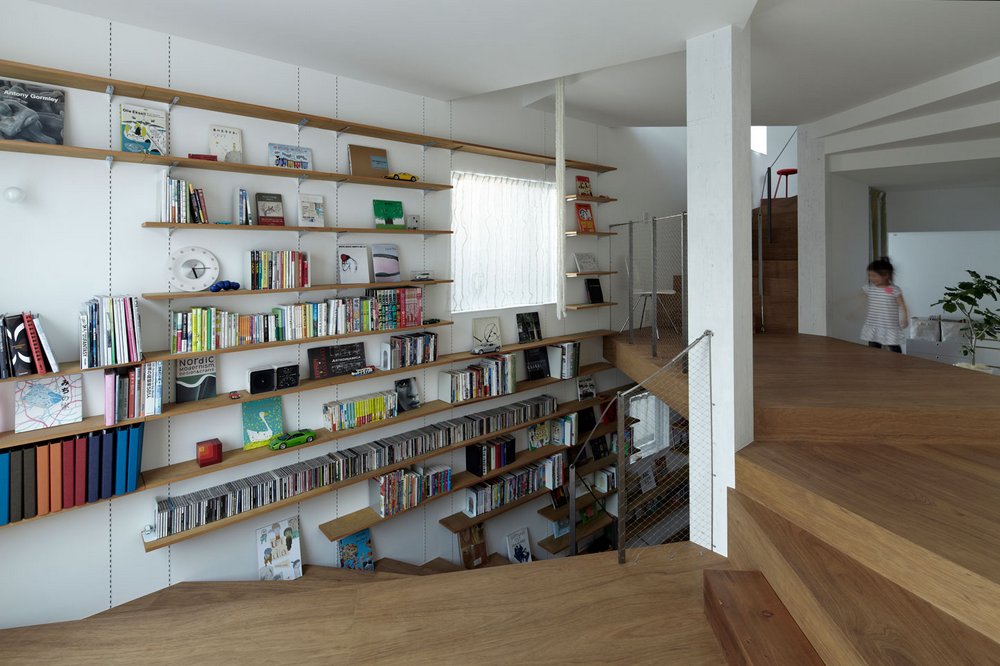
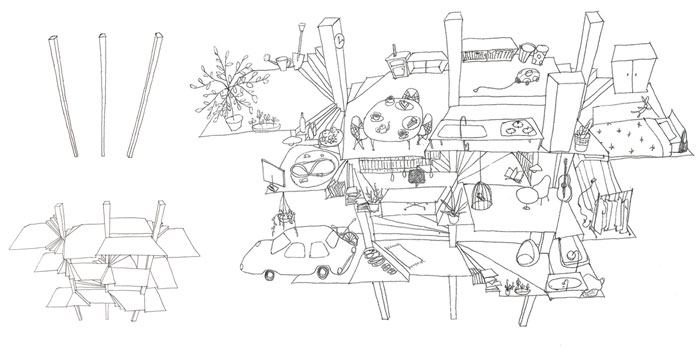
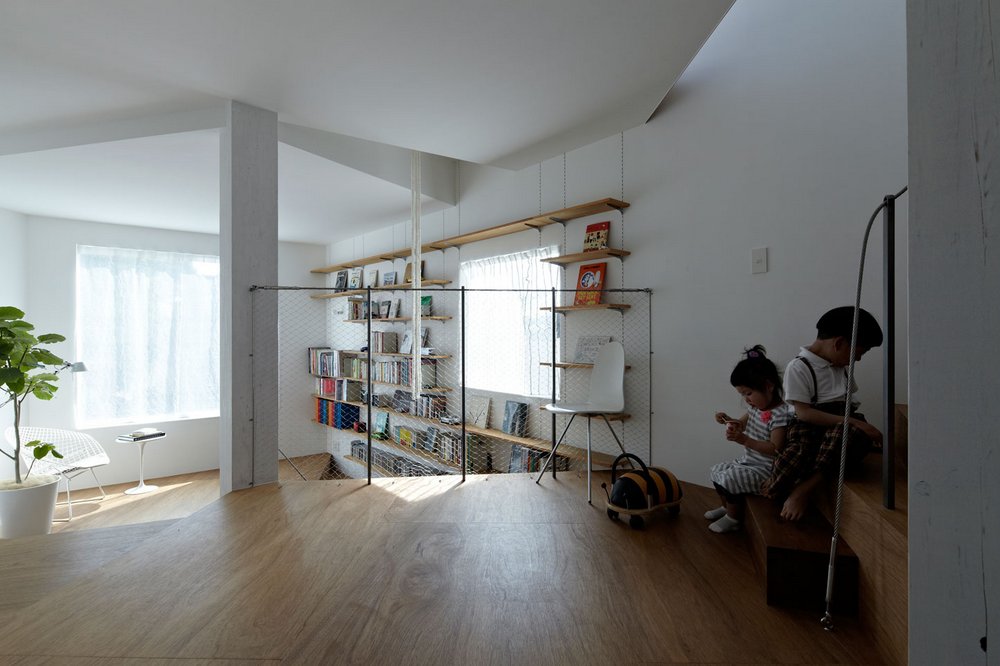
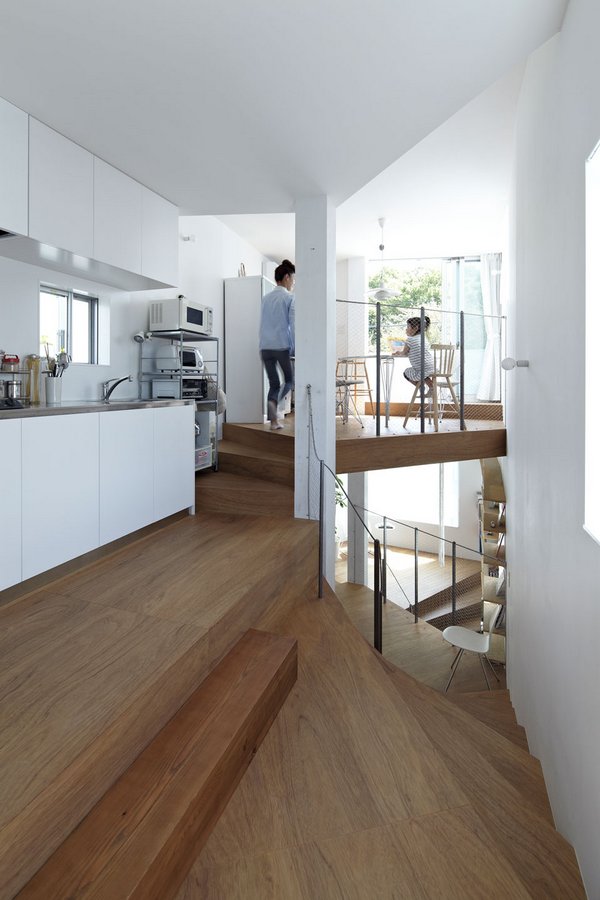
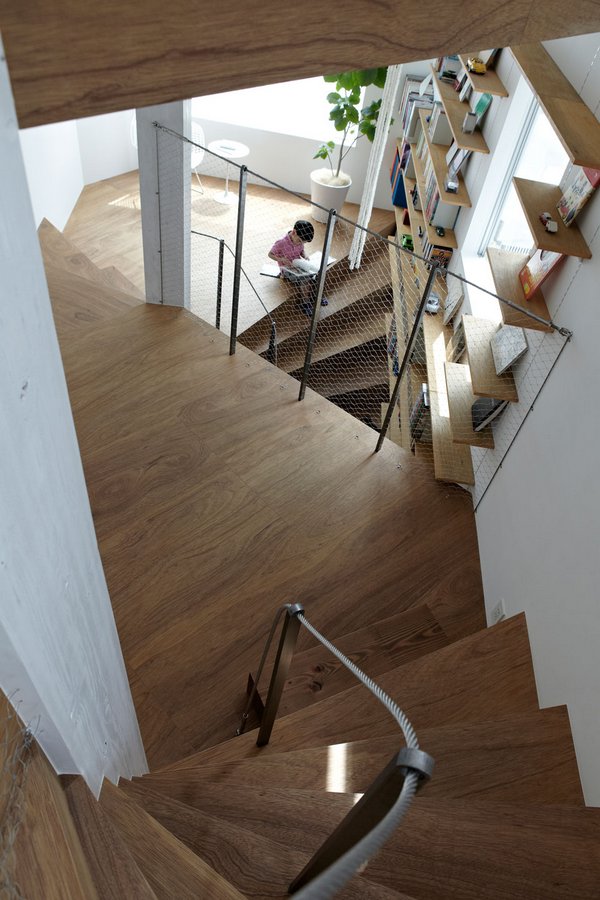
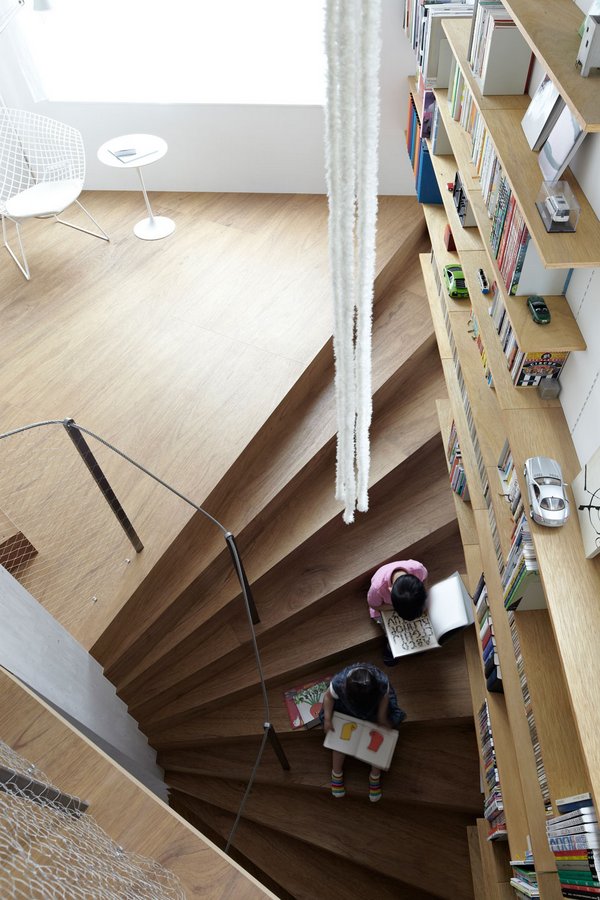
S stands for super, starchitect, and stairs. But it also represents the underlying core structure in Akihisa Hirata’s latest home. Completed late last year, “coil” is essentially a single space in the shape of an S that wraps around 3 main pillars as its stairway climbs to the top. At various intervals are rooms that hide themselves behind the curving walls.

A seamlessness between stairs and floors, according to Hirata, creates a pattern of visible and invisible segments that renders the space both cozy and inviting.

Although his latest house breathes continuity, his career has been anything but. Just in the last year or so a series of high profile European events has catapulted him into the spotlight.

As it turns out, the client is no stranger to architecture. Having grown up Toyo Ito’s  “House in Kamiwada” (1976), he had a home-grown appreciation for organic, ethereal structures and a distrust of simplistic formulas, making Hirata, an ex-protege to Ito, a natural choice.

Hirata’s career

Special thanks to the office of Akihisa Hirata and photographer Koichi Torimura for providing us with photos.

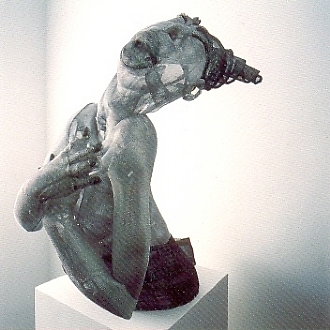
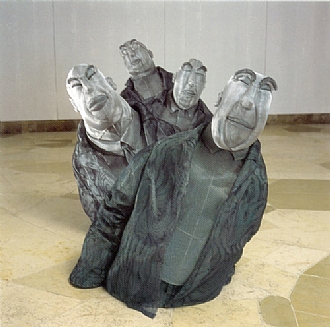
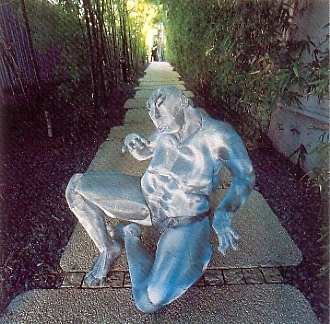
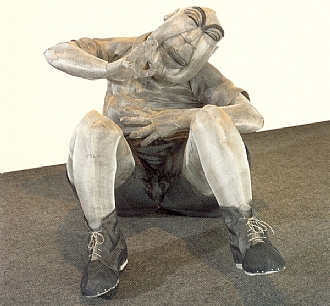
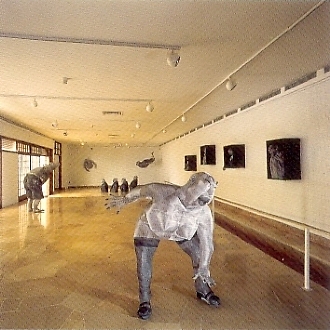
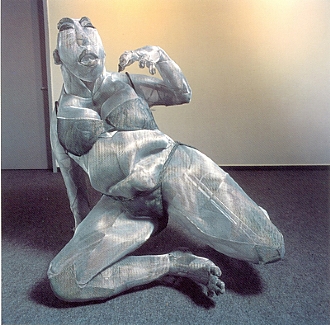
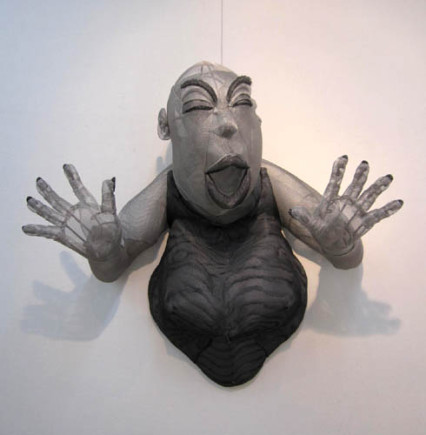
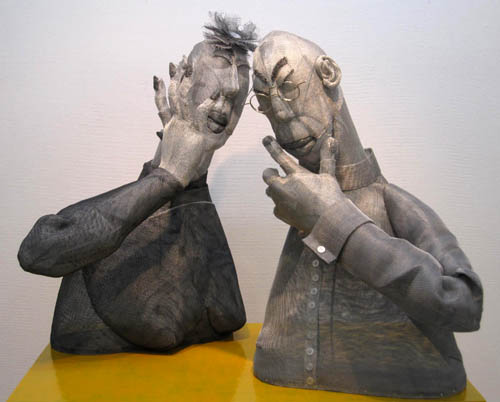
The wonderful world of Yuko Hishiyama’s mesh sculptures

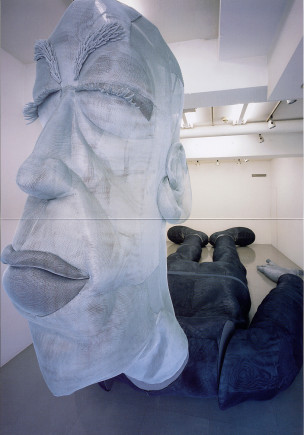
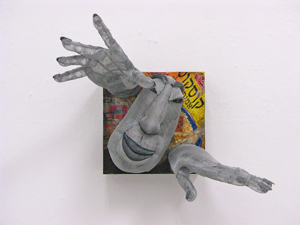
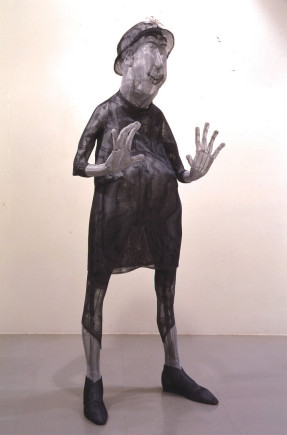
I just discovered Yuko Hishiyama’s work when I attended the most recent Pecha Kucha night in Tokyo. After a degree from Tokyo University of Art and Music she went to Pennsylvania where she moved away from stone and began sculpting mainly using aluminum mesh. From this thin and light material, she creates large, inflated caricatures that appear heavy but are, in fact, entirely hollow. But they take up so much space that she confessed to not having no more room in her house!

all images courtesy the Haifa Museum of Art

These sympathetic characters are grotesque representations of emotion or mood, making them very approachable. Hishiyama doesn’t color them but, depending on the light, they can completely change colors. As they are empty she also encourages people to put lights inside and play with the shadows it creates.

Yuko is also a good narrator, creating interaction with the space and the public through the staging of her characters. Sometimes they appear as gentle ghosts from a wall, sometimes you may have the impression they just want to hug you or talk to you or make fun of you.

Unfortunately, no exhibitions are planned these next months in Japan nor in USA. We will have to be patient!


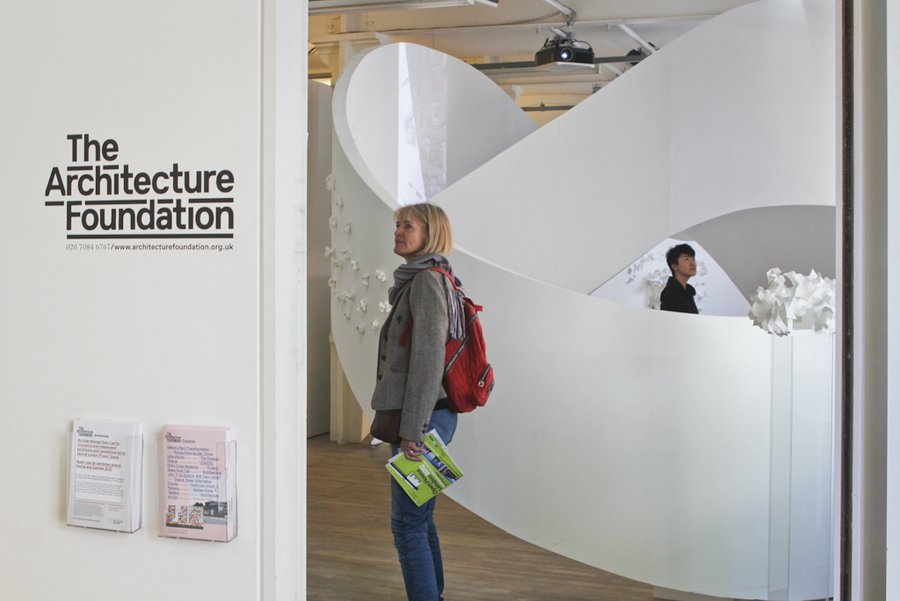
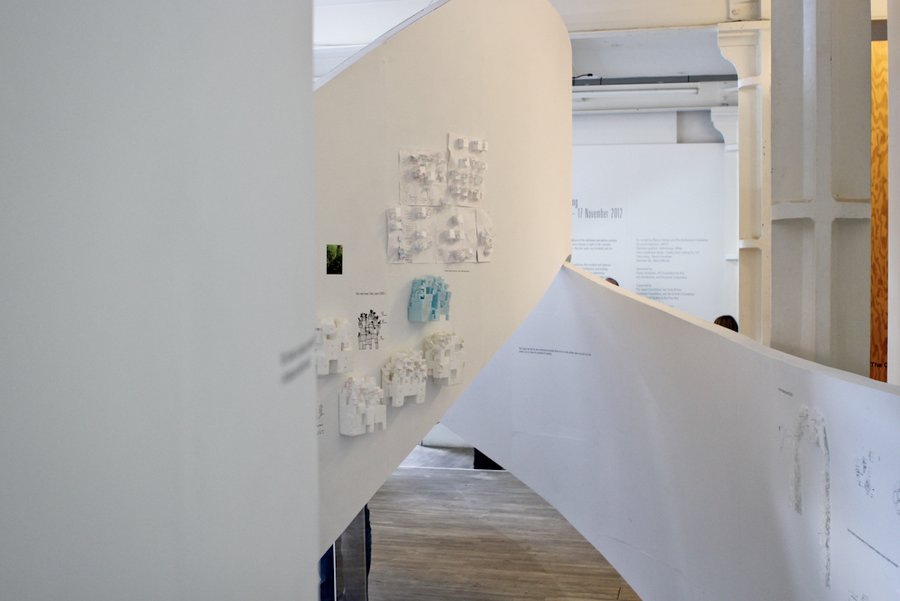
All tangled up | Akihisa Hirata at The Architecture Foundation

all images courtesy Joseph Keating | click to enlarge

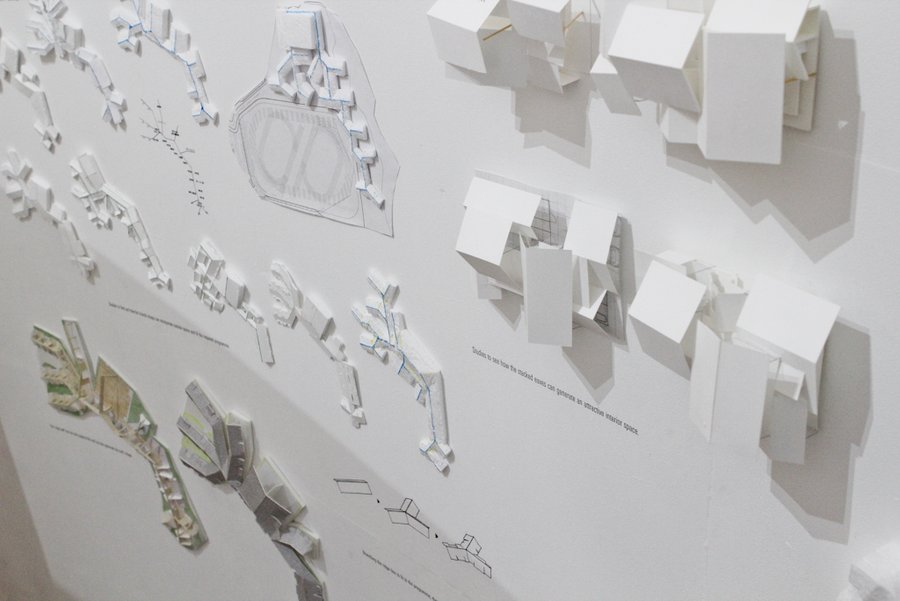
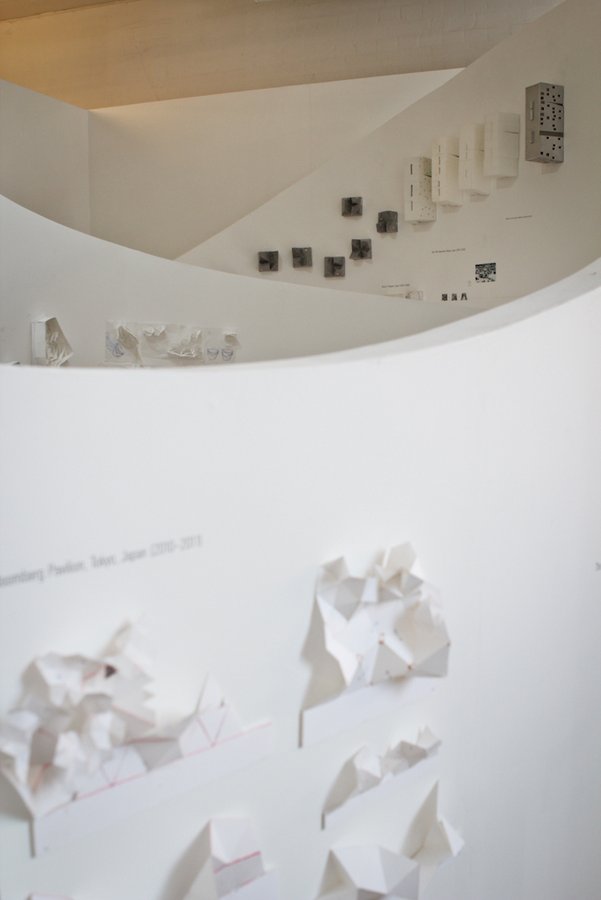
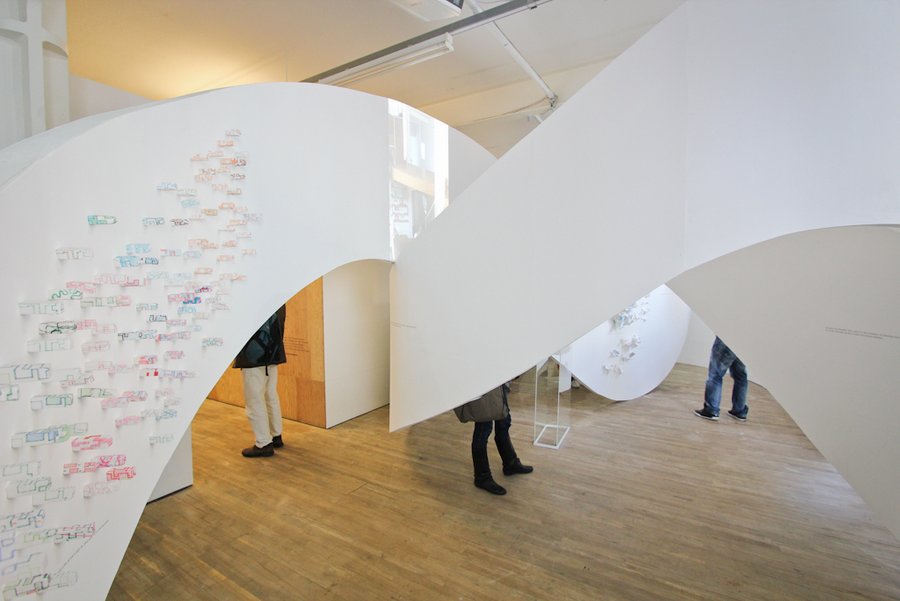
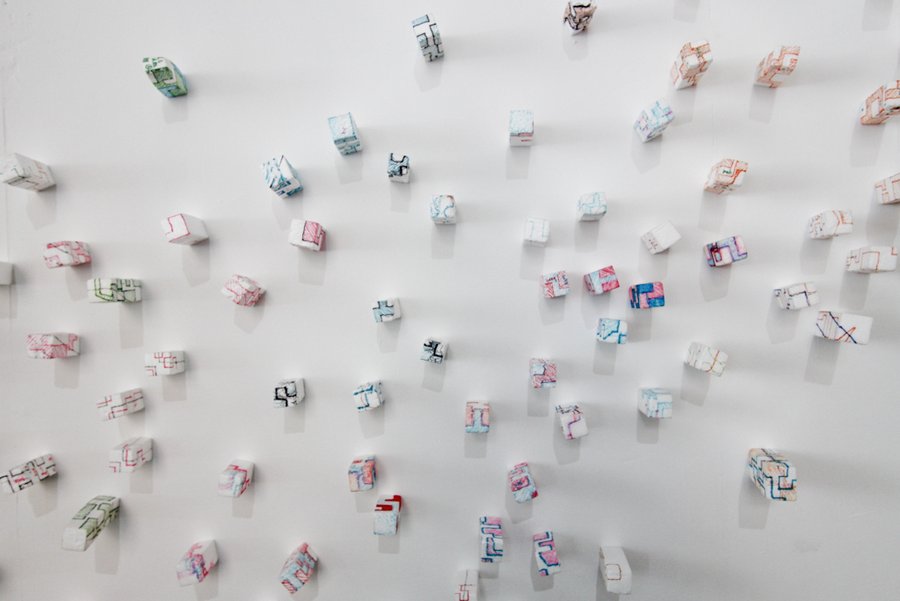
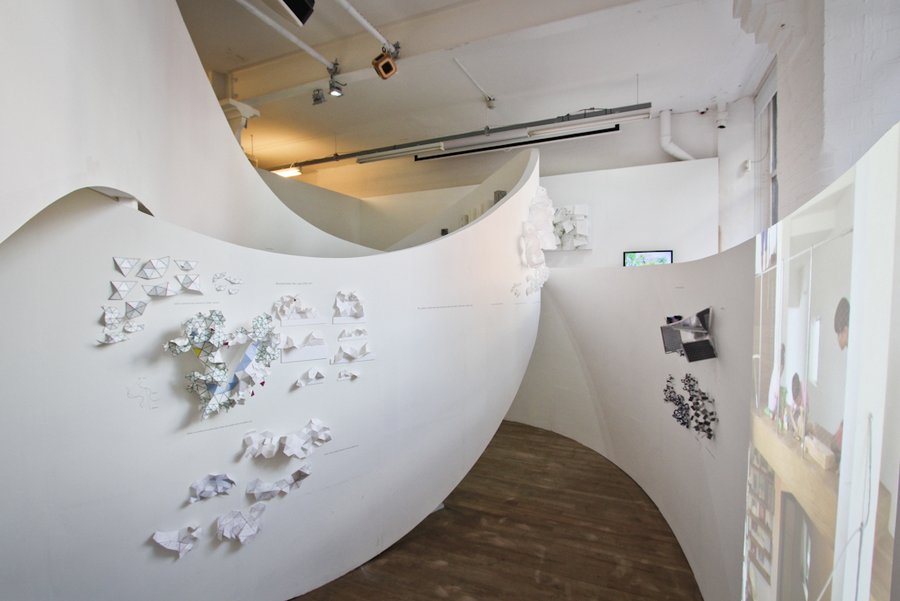
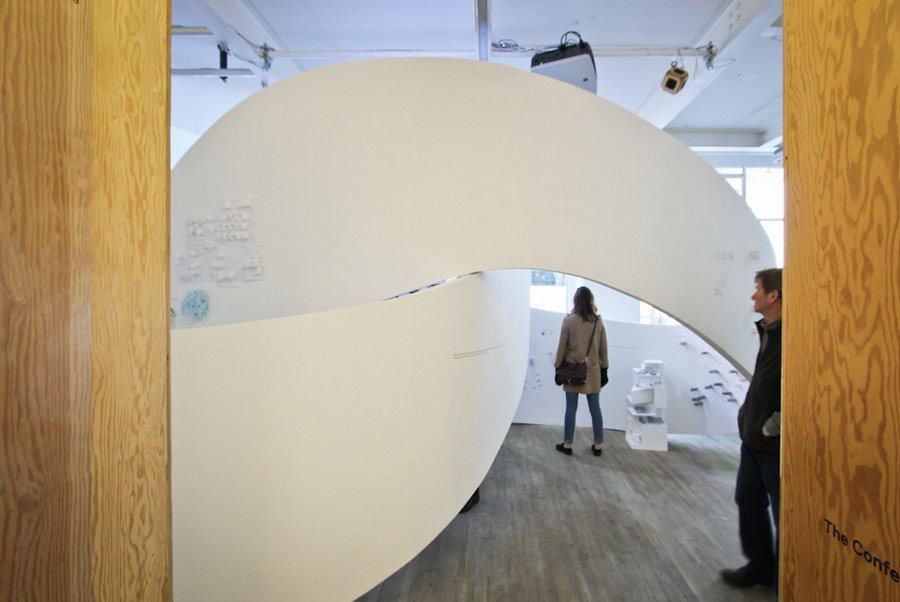
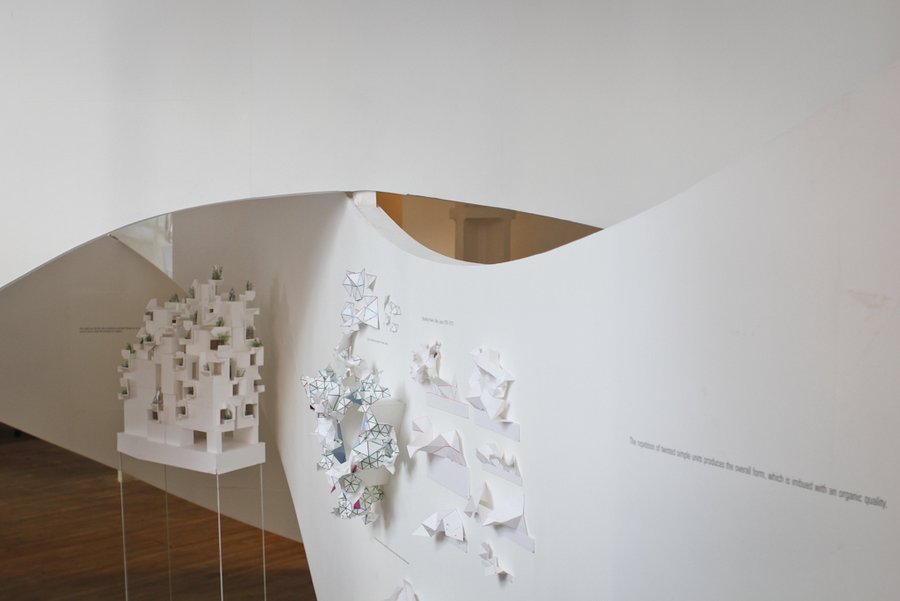
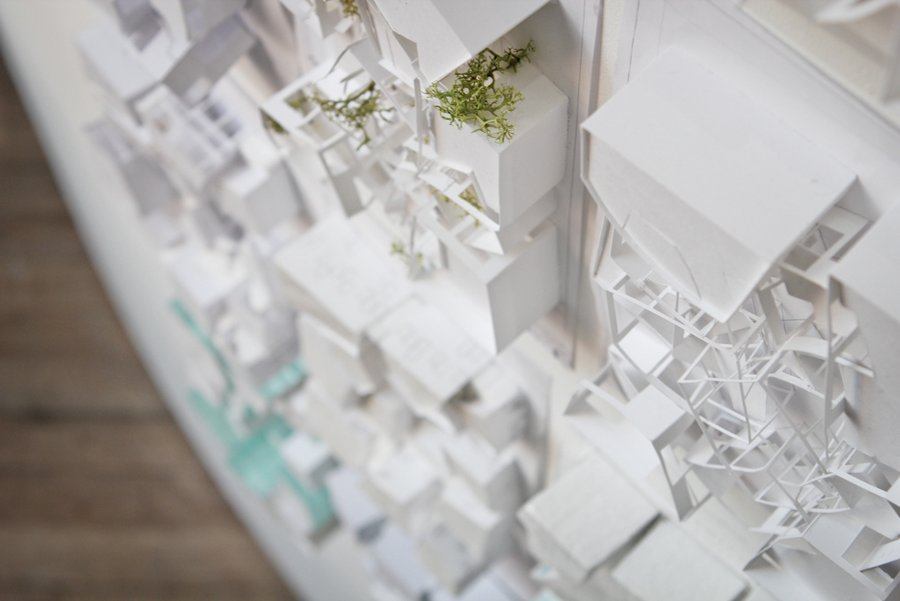
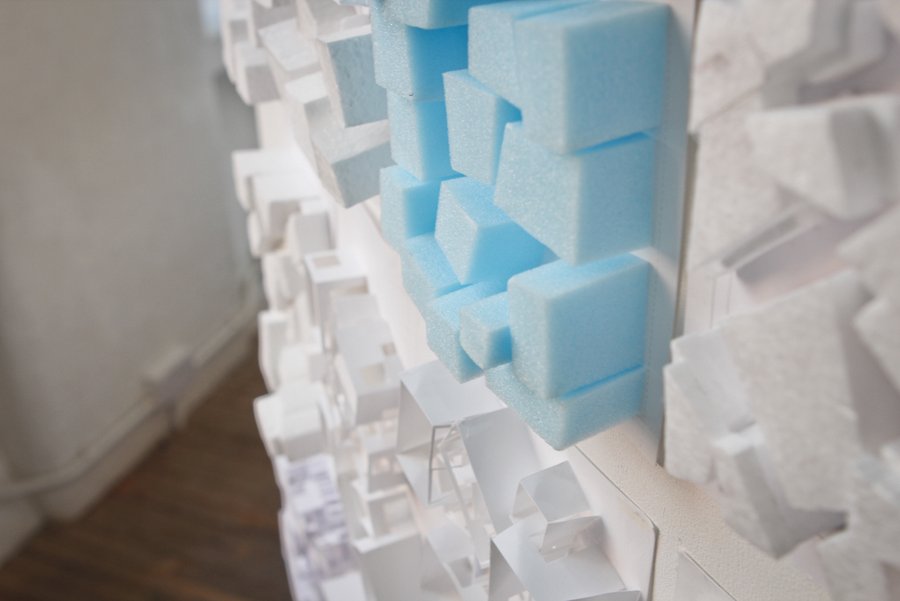
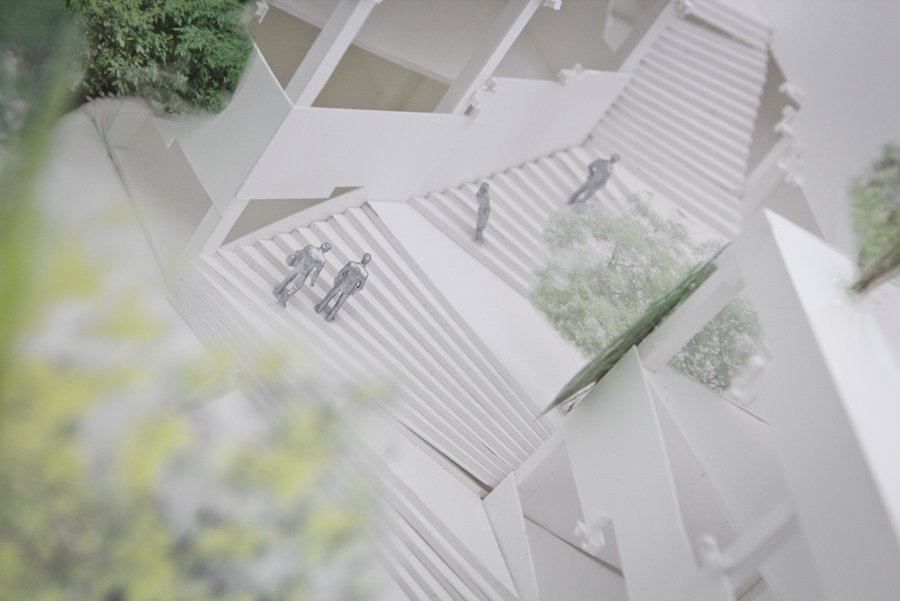
As part of London Design Week, architect Akihisa Hirata is having his first solo show at The Architecture Foundation in London. The exhibition consists of a gigantic contorted loop – something akin to a Möbius strip – that is lined, inside and out, with over 100 architectural models and conceptual sketches. “Tangled,” which runs through November 17, represents one of Hirata’s core architectural principles and one which many of his projects are based off of.

The exhibition comes on the back of some very heavy European exposure for Hirata. In April his installation at Milano Salone won a 2012 Elita Design Award. And in September the Japan Pavilion at the Venice biennale, which Hirata took part in, was awarded best in show.

Technology is not something that concurs with nature, but that tangles with nature… Even if we cannot control nature, I think understanding it can enable better intuition, and the potential for collaboration between architects and engineers to become more radical in response. It will be very exciting if we can create a new type of coexistence between nature, technology, and society, by means of architecture.

– Akihisa Hirata

Take a look at some of our previous stories on Hirata for more ways the architect unites mathematics and nature.

Special thanks to atsuko & joe for going over the the exhibition for us and coming back with these fantastic images!

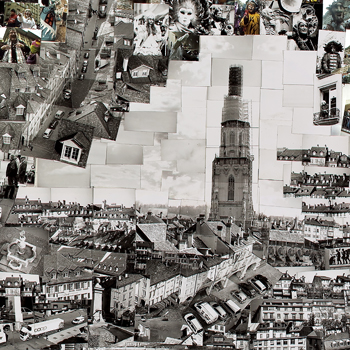
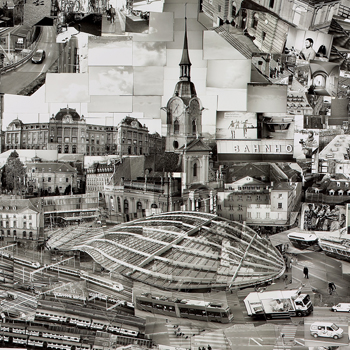
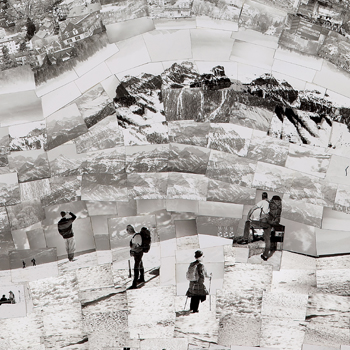
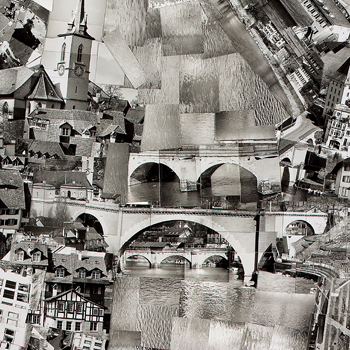
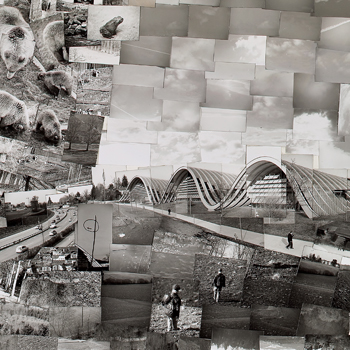
New work by Sohei Nishino | 10,000 contact sheets collaged together to create map of Bern, Switzerland

all images courtesy the artist | click to enlarge

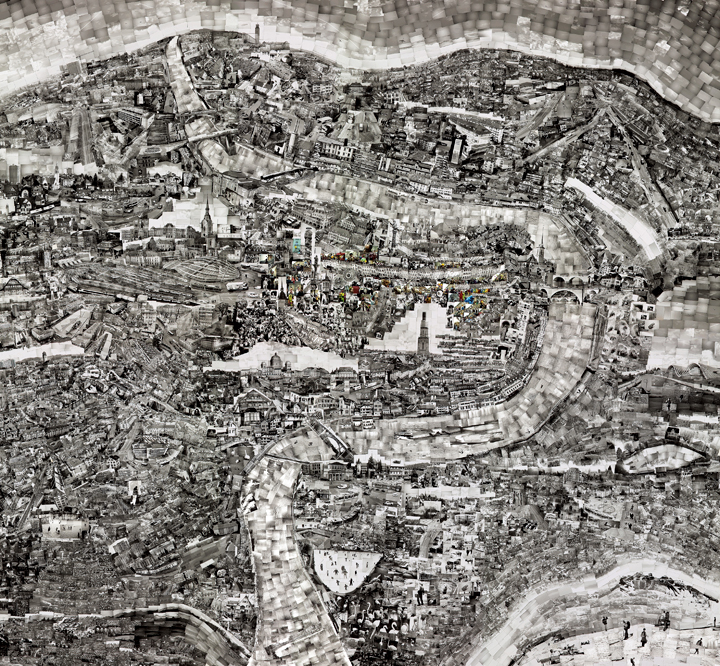
The photographer Sohei Nishino (previously) spends months on a single work. That’s because it’s never just 1 photograph. On the contrary, it’s tens of thousands of photographs – contact sheets, to be exact – that he’s taken walking up and down every nook and cranny of the city. They’re what he calls “Diorama Maps” and they’re “not a precise google map, but presents the key elements of the city in a form closer to my own memory and observation.”

That’s why it’s worth taking note when the artist unveils new work. His latest map is of the city of Bern, Switzerland, where he spent almost the first 6 months of 2012 taking pictures. His map is currently on display at the festival des arts visuels de vevey through September 30.

In the artist’s own words:

The creation of a Diorama Map takes the following method; Walking around the chosen city on foot; shooting from various location with film; pasting and arranging of the re-imagined city from my memory as layered icons of the city.

source: artist’s website

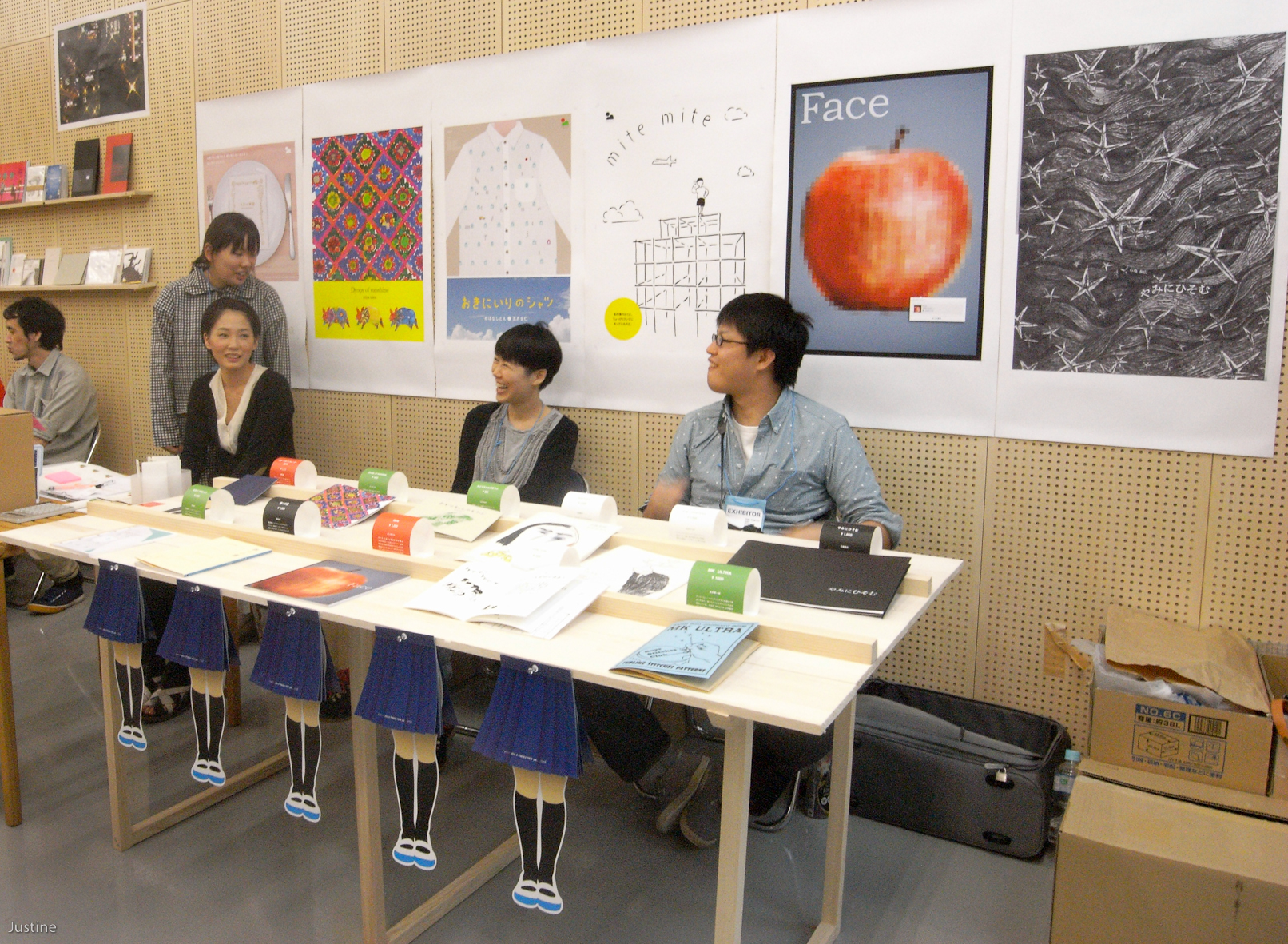
Tokyo Art Book Fair 2012

I just came back from the Tokyo Art Book Fair and saw a lot of pretty art books! The event took place (of course in Tokyo) from September 21 – 23 in collaboration with Kyoto University of Art and Design, Tohoku University of Art and Design Gaien Campus.

There were close to a thousand exhibitors: editors, artists, communication student, and publishers, all packed into Gaien Campus where you were invited to touch and feel spectacular  books designed with attention, imagination and humor!

Here are a few of my favorites among an incredible variety of amazing works:

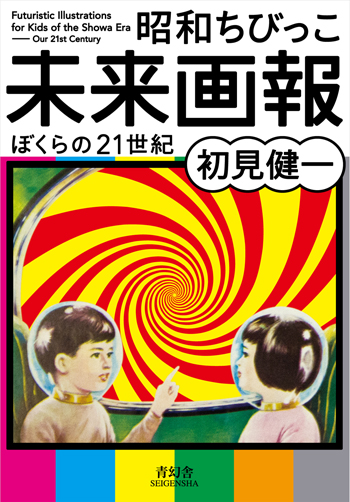
The Art publisher SEIGENSHA and its amazing little books about Japanese traditional design:

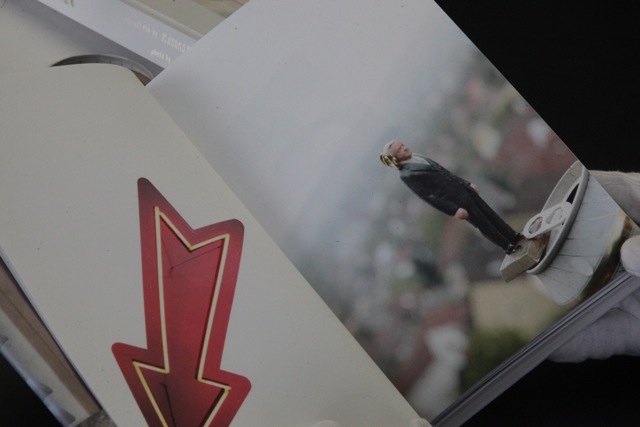
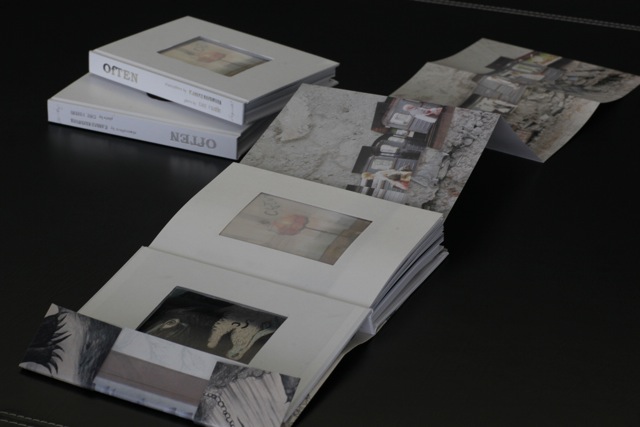
The CREATIVE LANGUAGE. They make amazing art books like this one called “Often” from Aquvii:

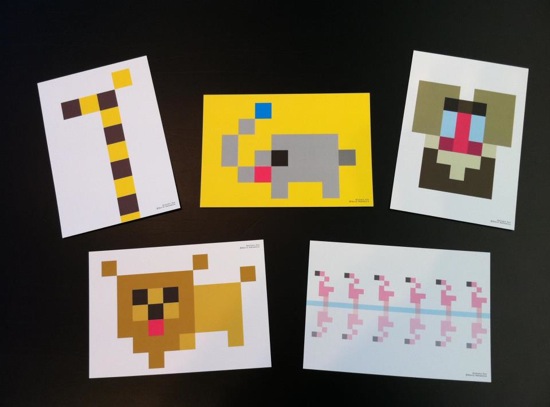
Or these cute pixelated animals for children from Norio Nakamura:

Last but not least, I enjoyed meeting PROTOTYPE BOOK which edits some great cultural local magazines like this one of Osaka:

I wish I could show all of the projects. These are such a small part of the colorful, tactile experience. I was reminded how much skill and passion goes into art, photography and graphic art books.
« Older posts Newer posts »

© 2026 Spoon & Tamago
Up ↑

Design by Bento Graphics