Page 240 of 406

Keita Akiyama envisions what acoustic plants might look like

acousticbotany1-19all images courtesy keita akiyama

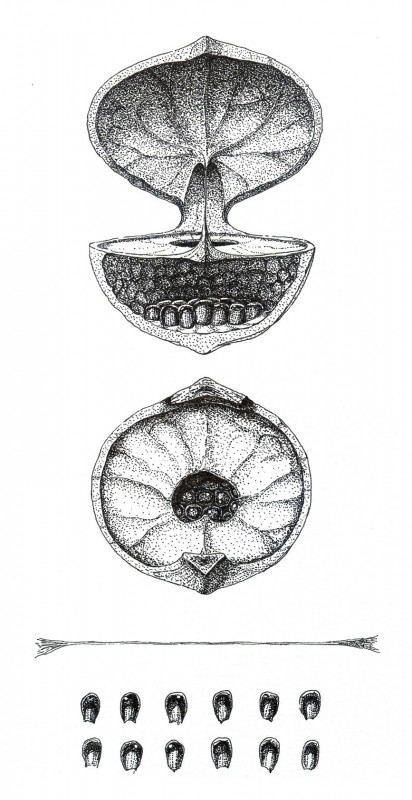
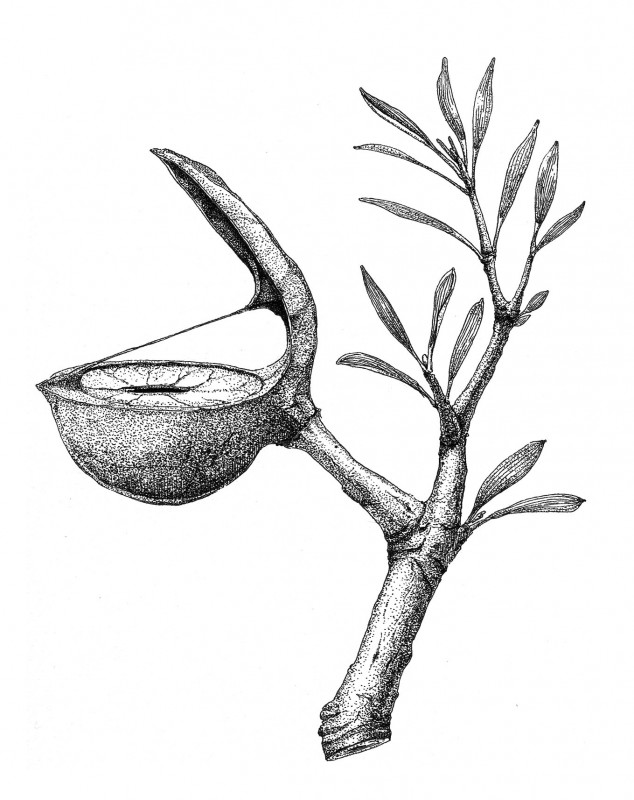
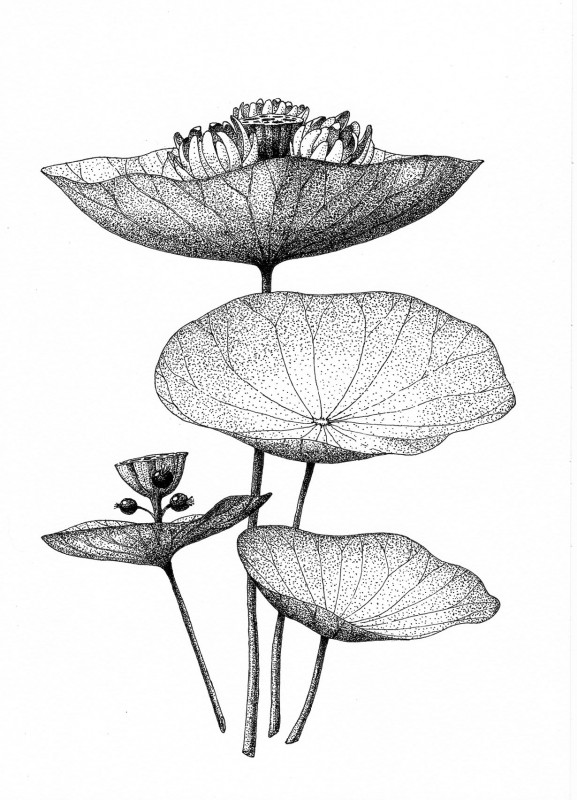
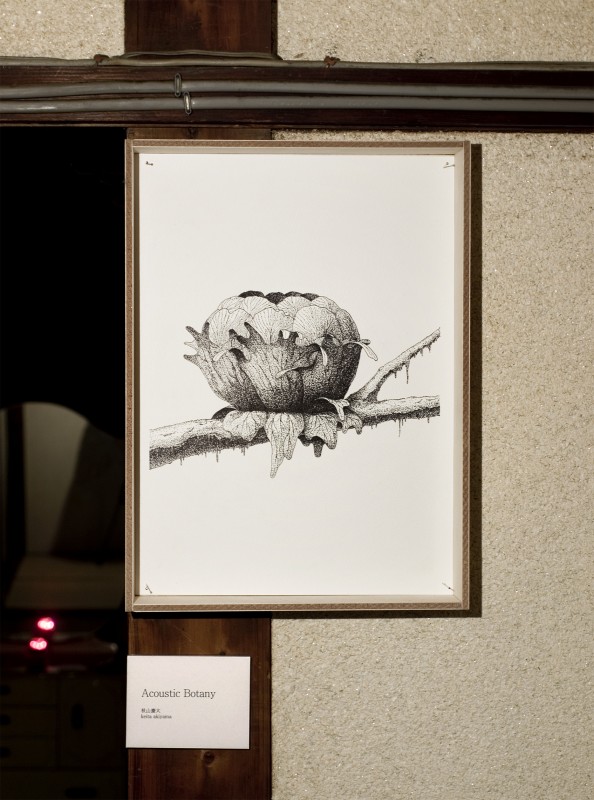
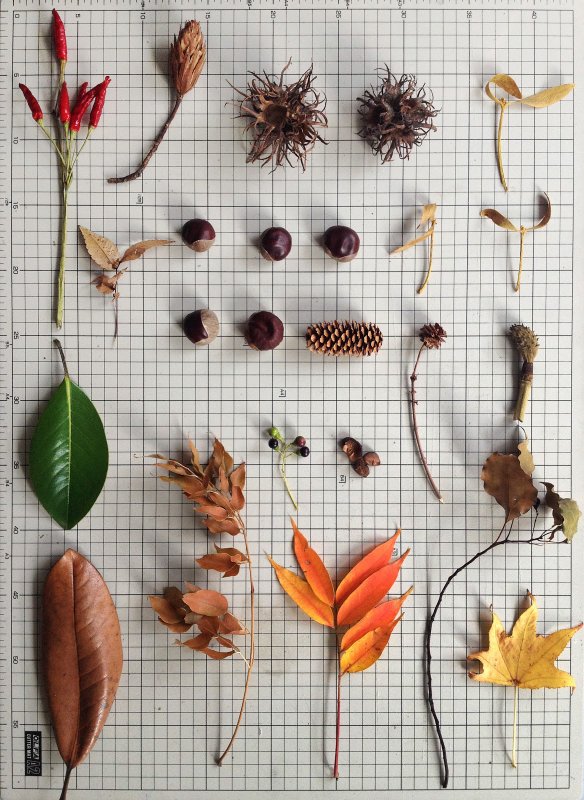
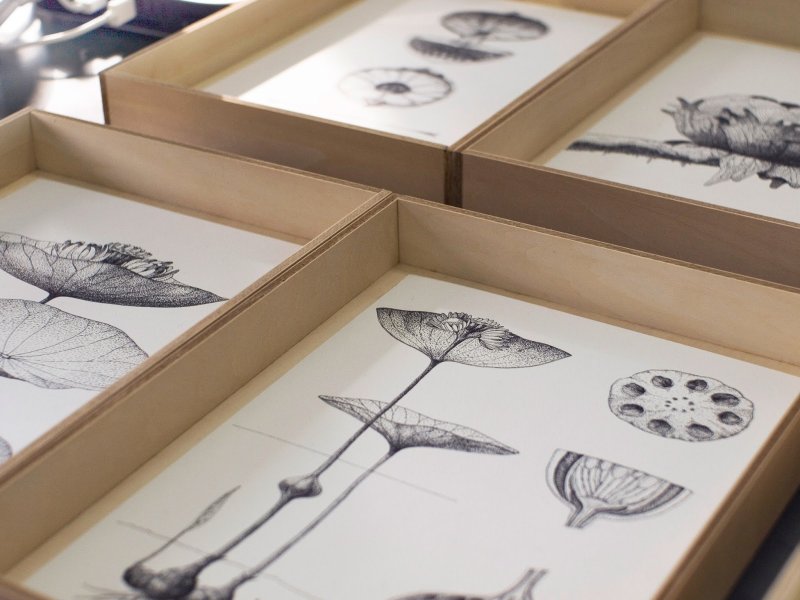
Keita Akiyama is a 25-year old in-house product designer at a kitchen utensil manufacturer. But he’s also a member of the Denka Bijutsu (literally, electronic art) collective where, among other things, he envisions and creates beautiful drawings of fictitious plants. But not just any plants.

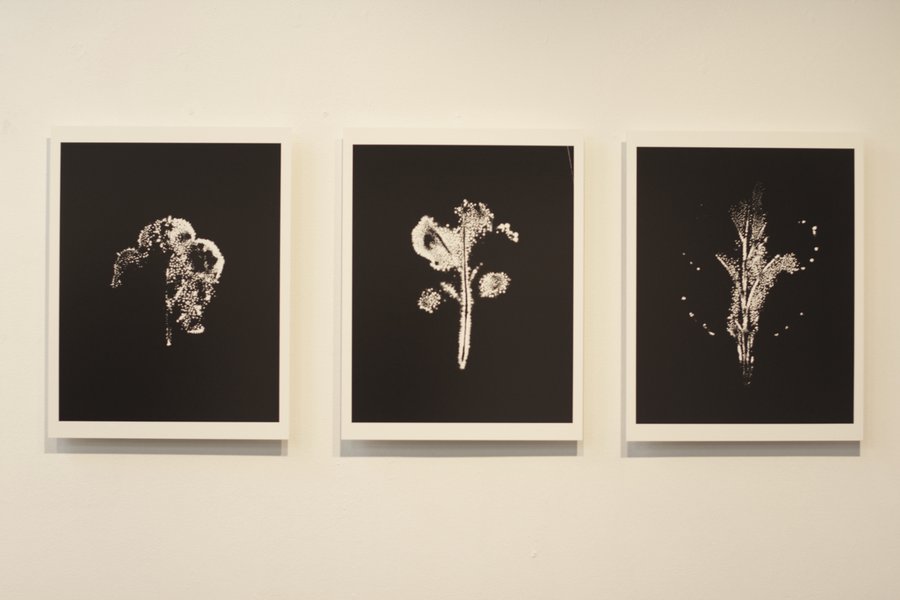
“What if there existed, someplace in this world, acoustic plants? Why would they make sounds? How would they make sounds? And what would they sound like?” With those questions and a vast imagination he created his series, “Sound Flora.”

acousticbotany4-412x800

acousticbotany3-634x800

acousticbotany1-577x800

acousticbotany5-594x800

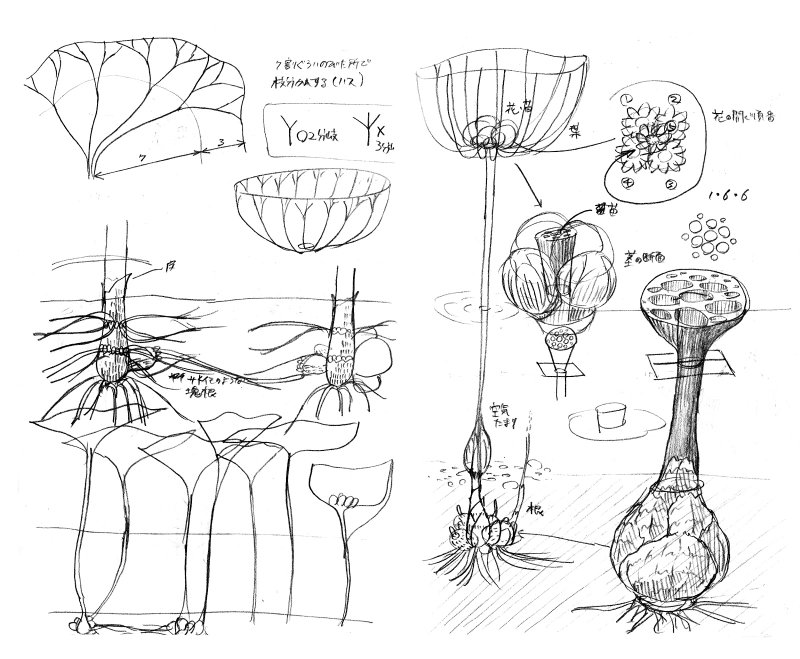
If you know me at all you know I love seeing process shots and sketches. And Akiyama has a great blog where he posts about how he goes on nature walks, documents his findings, and then comes up with ideas.

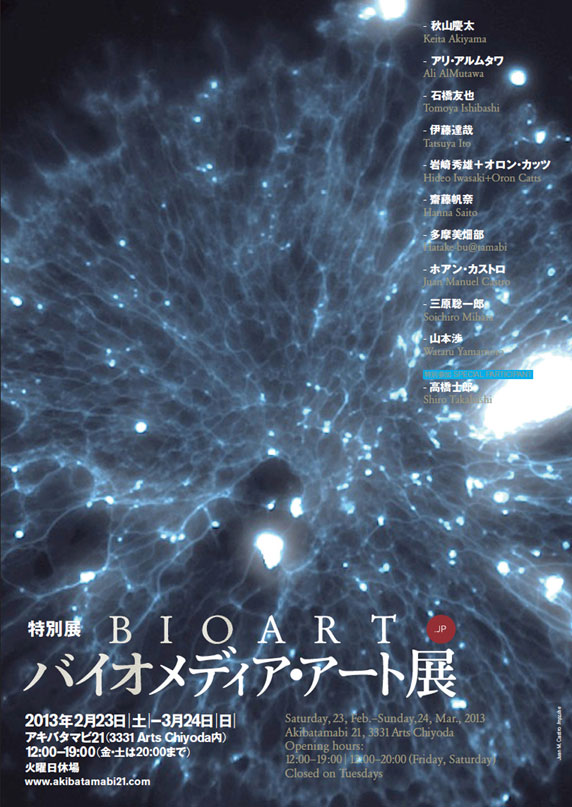
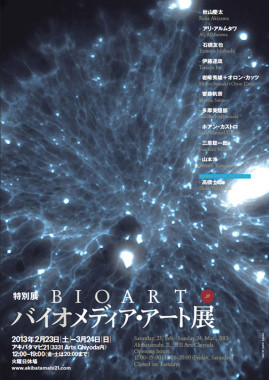
His work is currently on display at the Bio Media Art show through March 24, 2013.

acousticbotany sketch


acousticbotany process

The Kyary Pamyu Pamuseum: Sugary-Sweet J-Pop Fashion Up Close

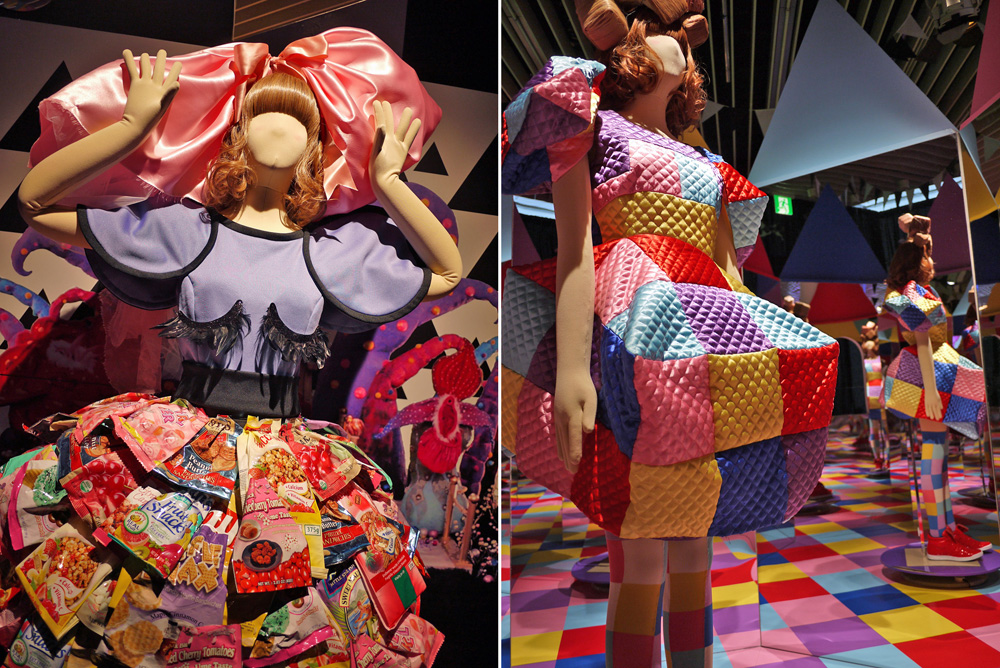
Kyary Pamyu Pamyu costumesimages by Angela for Spoon & Tamago | click to enlarge

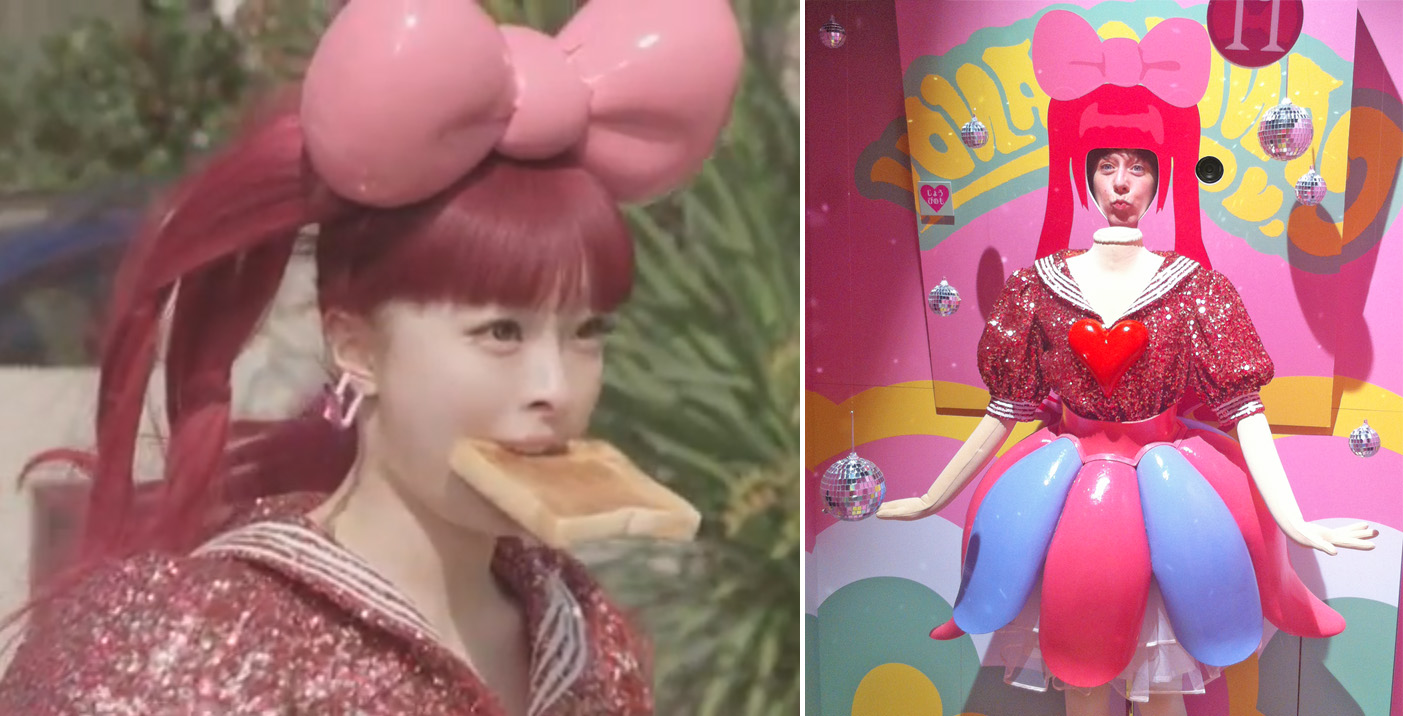
J-Pop star Kyary Pamyu Pamyu’s costumes are on display this month at the Kyary Pamyu Pamuseum, a pop-up exhibition space located in Roppongi Hills. Visitors can rent audio guides, search for clues to solve a riddle, and pose with popular costumes from her music videos and concert tour.

Kyary Pamyu Pamyu blogimage courtesy Kyary Pamyu Pamyu’s blog | click to enlarge

One of Japan’s most visible Harajuku Girls, Kyary Pamyu Pamyu’s career started as a fashion blogger and model. She launched her music career in 2011 with PonPonPon and Tsukema Tsukeru and can now be seen on product advertisements plastered all over Tokyo. Her most recent single, Fashion Monster, is an adept description of her style.

Was that a shower of alien monster vomit? I think I know how he feels.

Despite the fact the Kyary Pamyu Pamuseum is mostly fluff — I’m talking crinoline skirts and a lack of any real depth — it is amusing nonetheless. I enjoyed the chance for an up-close inspection of Kyary’s avant-garde style and how these garments are constructed. Fans who visit also get the chance to step into their idol’s shoes. Even big girls like to play dress-up once in a while.

Kyary Pamyu Pamyu toastimages courtesy Warner Music Japan and Angela for Spoon & Tamago | click to enlarge

Nasa’s Astronomy Picture of the Day: Sakurajima Valcano Unleashing Hell

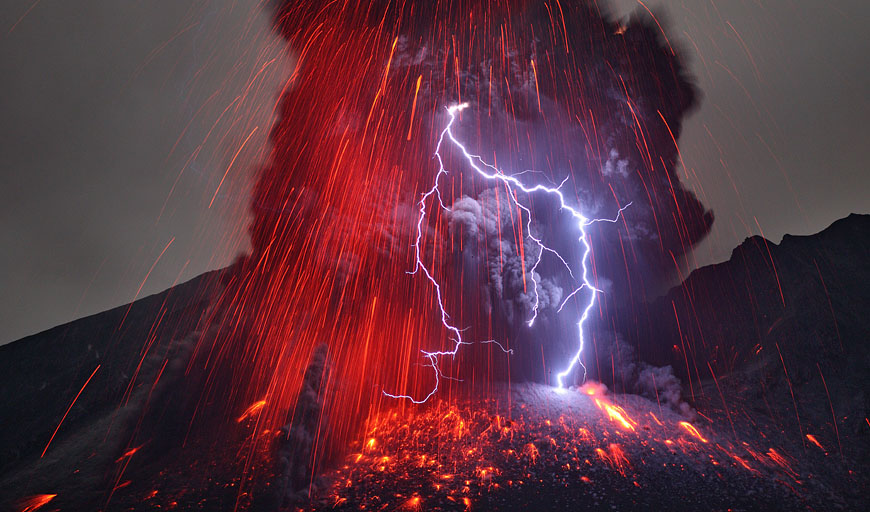
Jp13-084-5DIIImage Credit & Copyright: Martin Rietze (Alien Landscapes on Planet Earth)

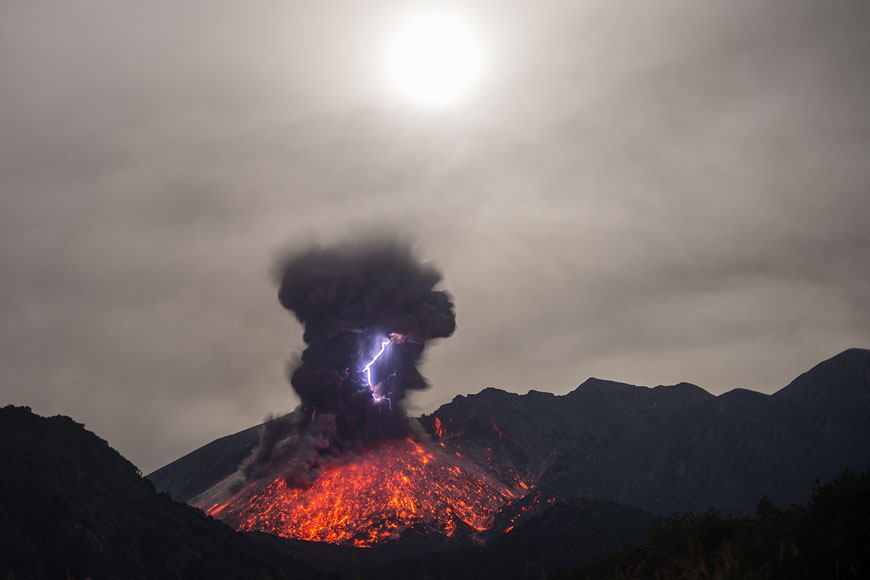
Today’s Astronomy Picture of the Day is this awe-inspiring photo of Sakurajima Valcano in southern Kyushu erupting. It was photographed by Martin Rietze, who was down there in January to capture the action, which included molten lava bombs, billowing black smoke and lightning. In other words, it looks like all hell is breaking loose.

But I can’t help but wonder if this was a conscious decision on the part of NASA to post this image on March 11th, 2013, the 2-year anniversary of another destructive force of nature: the Tohoku earthquake and tsunami.

Jp13-366D6

Jp13-021-5DII

Jp13-066D8

Jp13-084-5DIIdet

Looking to Nature for Inspiration | Bio Media Art at 3331 Arts Chiyoda

20130218_akibatamabi-bioart

Bio Media Art currently open at Chiyoda 3331 (through 3/24) is a compact introduction to the BioArt Scene in Japan. The line between Art and Science is hazy; Artists create – so do Scientists, both research and experiment, gather, present and analyze: both can seem obscure to the man on the street.

So what exactly is Bio Media Art? Perhaps one of the biggest questions is whether BioArt is Art that uses biotechnology and living tissues as materials or whether the inclusion of work that borrows from the imagery and language of science can be considered BioArt? This exhibition is more of the latter as the inclusion of the word Media suggests. Perhaps one of the most recognizable and controversial images of “BioArt” is Eduardo Kac’s piece “Alba” – a rabbit which was implanted with a jellyfish gene GFP (Green Fluorescent Protein) that made it glow green under certain light. For some critics, the idea of using animals and altering them for the sake of Art is unethical. Controversy still surrounds the idea of using living tissue for Science or Art – but for Scientists there is some debate over what matter actually is considered to be alive.
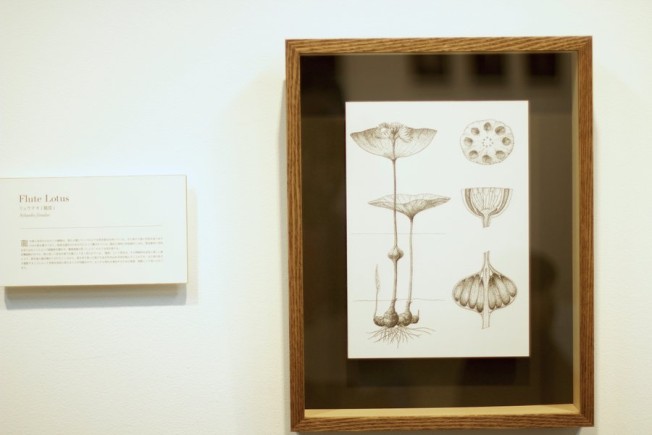
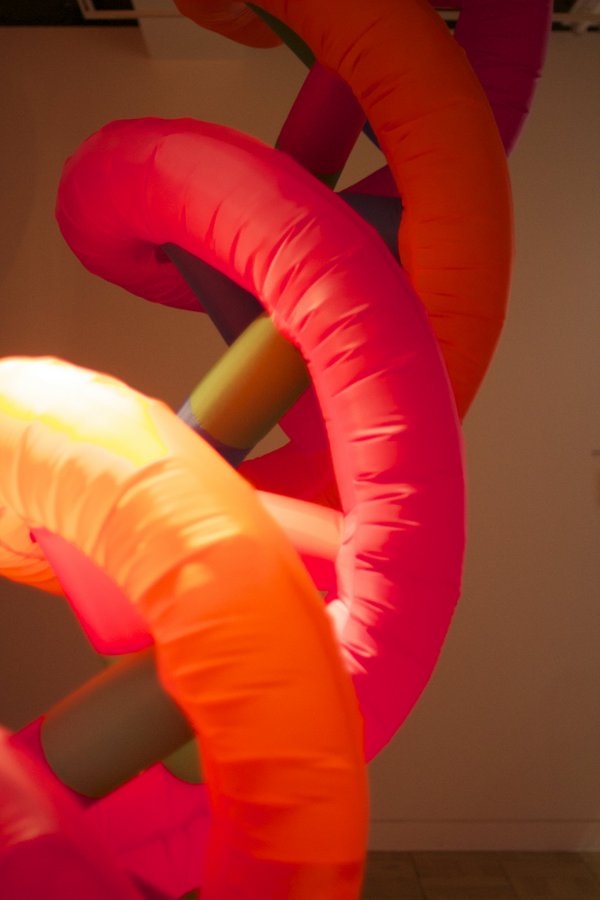
KeiraAkiyamaFluteLotus“Acoustic Botany” (2013) by Keita Akiyama | all photos by Hanako Kakuta
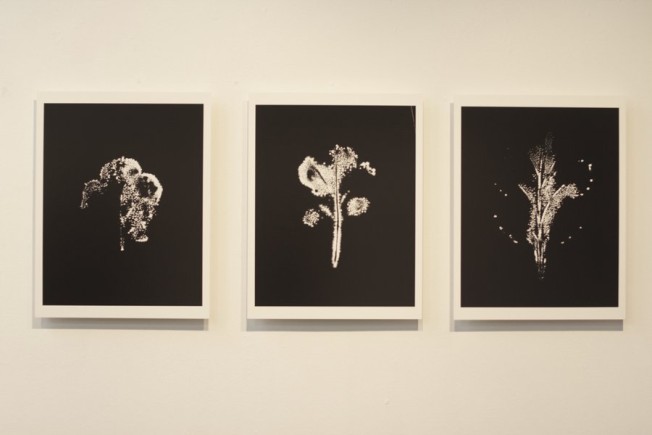
 

WataruYamamotoHiakrinoHa2,jpgWataru Yamamoto uses Kirlian photography (or “electrophotography”) to observe the aura of plants.
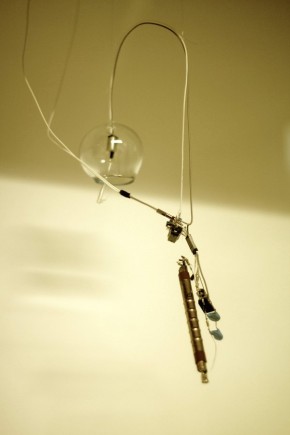
 

SochiroMiharaSuzusmlキネテイシクDNAsml

Left: “Suzu” by Mihara Soichiro | Right: “Kinetic DNA” by Shiro Takahashi
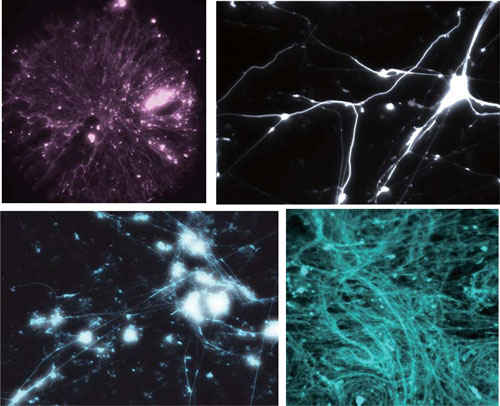
 

implus“Impulse” by Juan Manuel Castro

JuanManuelCastroimpulsesml1JuanManuelCastroimpulse3tubessml

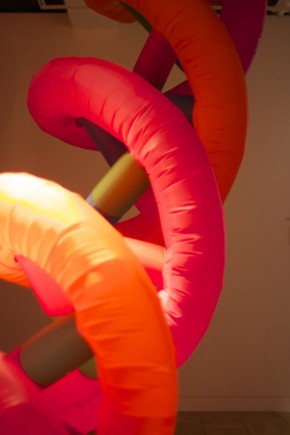
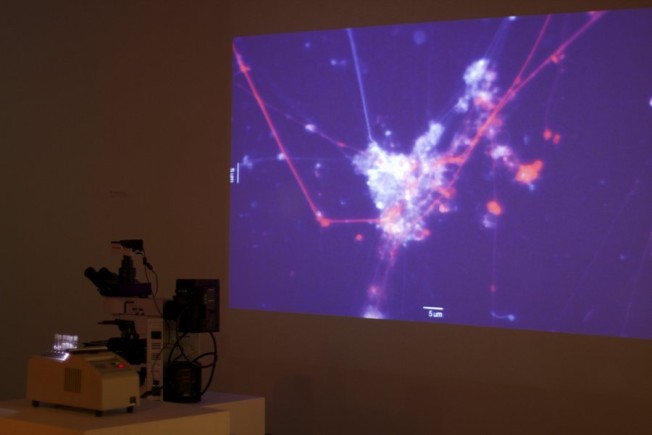
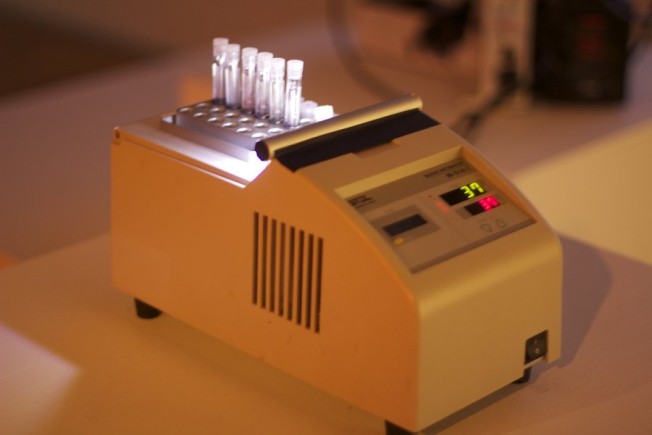
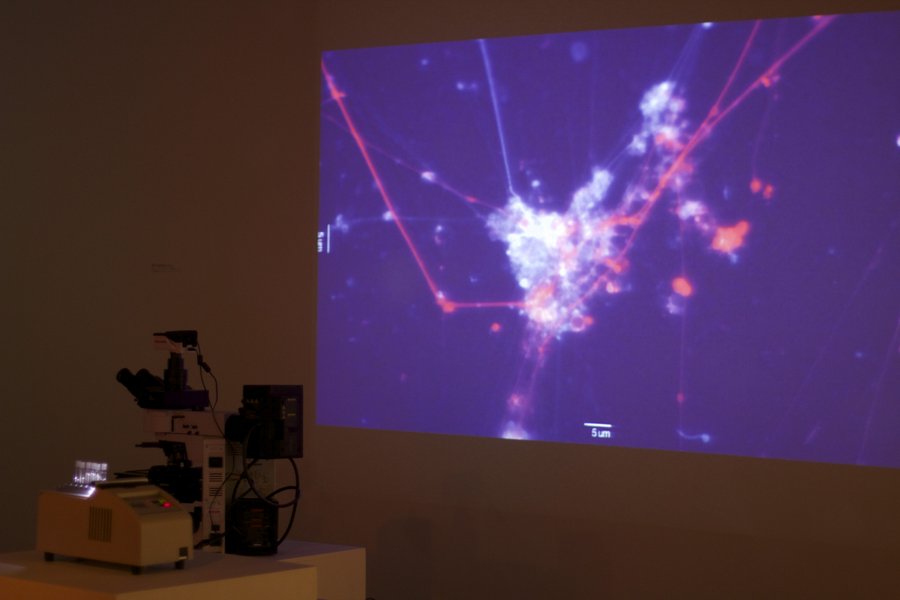
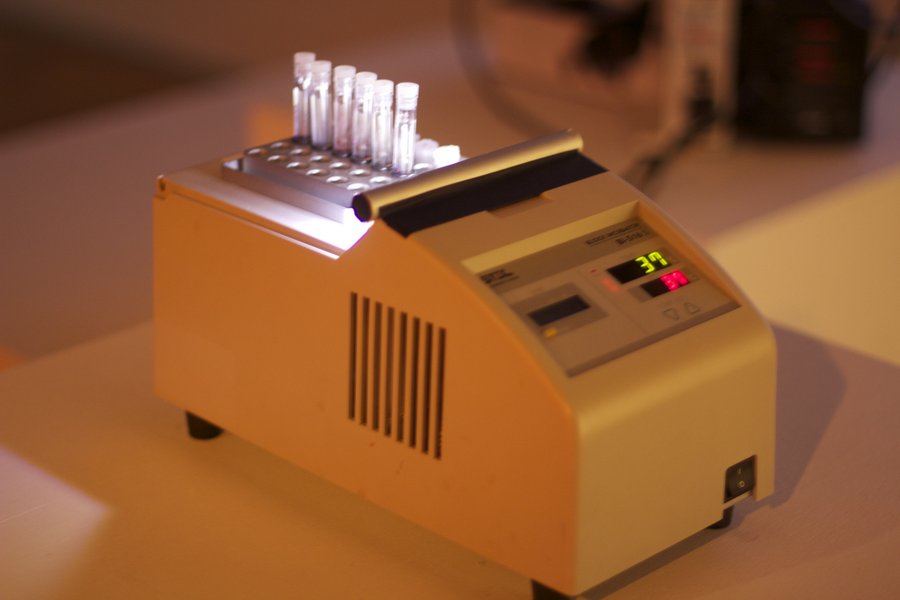
Colombian born but Tokyo based BioArtist Juan Manuel Castro shows impulse (above) – organic micro structures (lipid membranes) that form flexible bio architectures. Developed with Dr Taro Toyota of the University of Tokyo. His installation contains a microscope and various equipment that sit next to a projection of the structures. Speaking to Castro he said “ I am very interested in the possibilities of bio architectures – for me these cells are very beautiful and people do not realize how much beauty there is in nature already, I want to show them”.
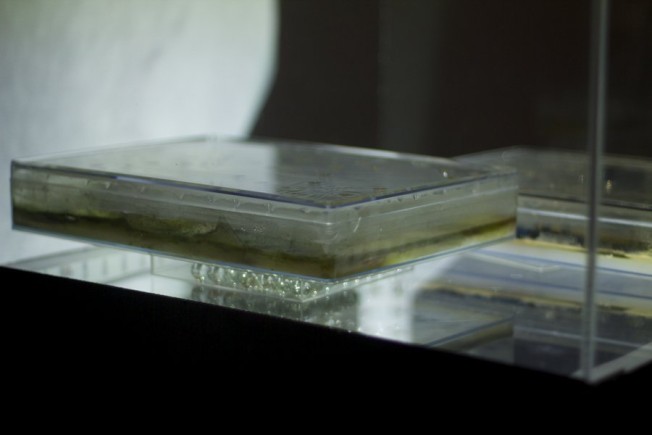
IwasakiTimestampPrototype2.0fsmlBiogenic Timestamp Prototype 2.0 by Hideo Iwasaki and Oron Catts

Bio Media Art is subtler in its approach. The small show is nestled in the corner of the second floor of the multi faceted Arts Center and has been organized with Tama Art University in conjunction with the Tokyo based Iwasaki lab and Metaphorest who hosted the “Godfather” of BioArt – Joe Davis, in 2011. Students exhibit alongside artists such as Waseda University professor and artist Hideo Iwasaki the founder of the Iwasaki Lab and the work is a mix of the conceptual and the visceral.

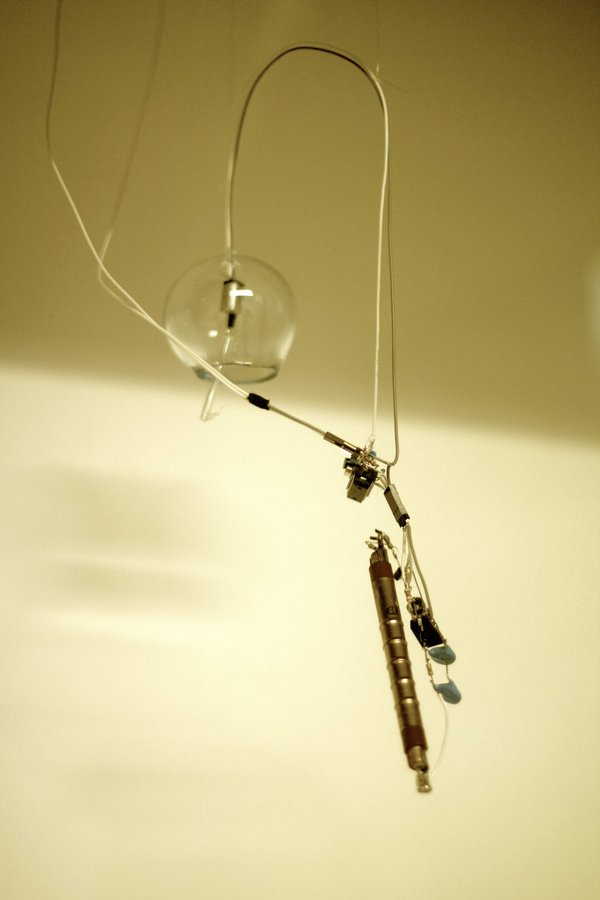
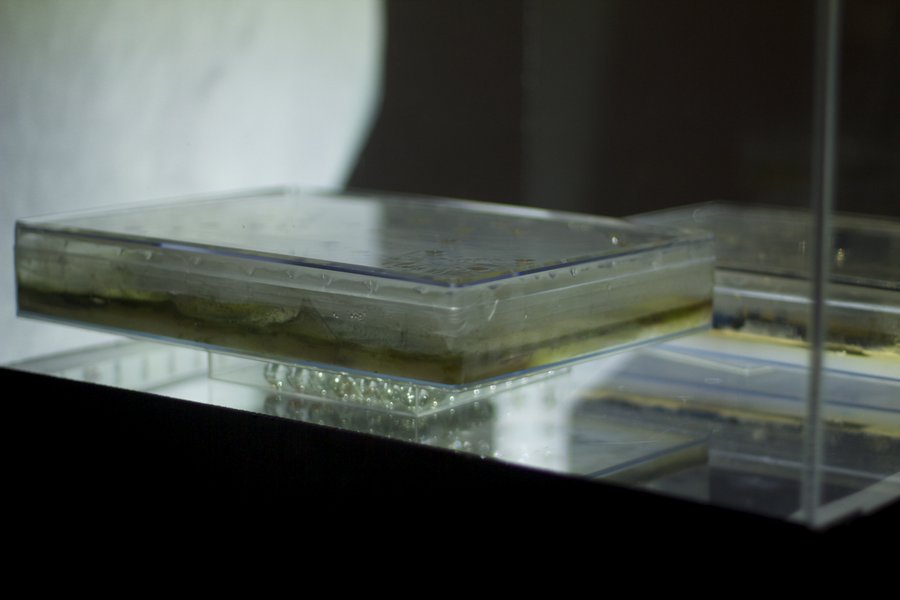
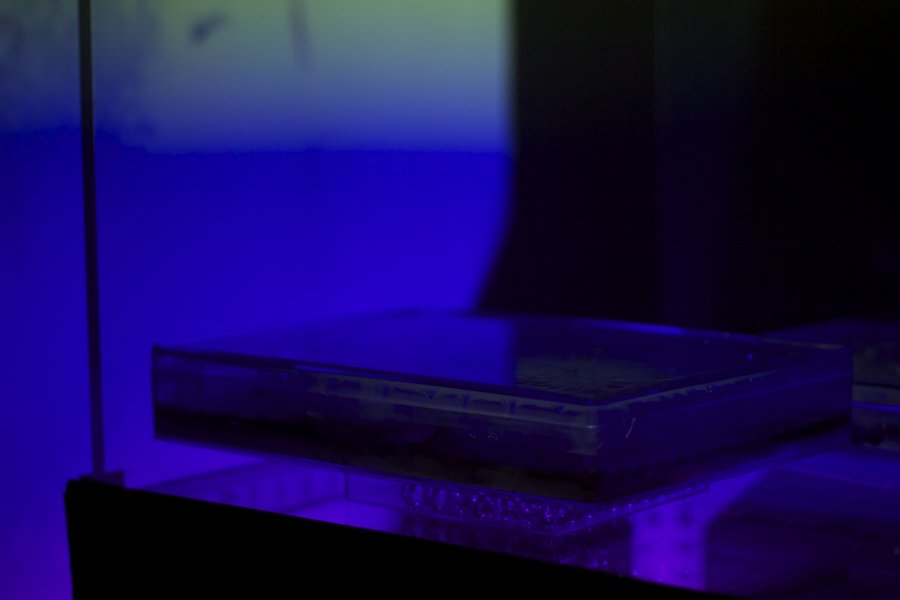
Iwasaki developed his work Biogenic Timestamp: Prototype 2.0 with Oron Catts – it shows the cycle of cyanobacteria, exhibited in a clear glass box, and projected onto the wall we can see one of the earliest forms of life. The bacteria interacts and decomposes within a set of circuitry, here the beginnings of life and the physicality of technology form a new, changing eco-system and an image of the past and the future.
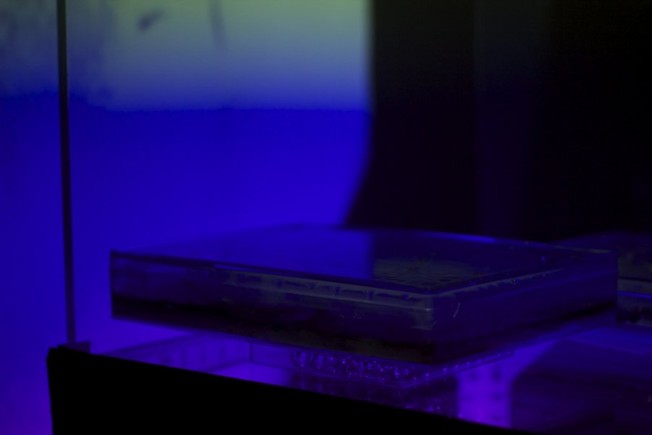
IwasakiTimestampPrototype2.0ecolorsml

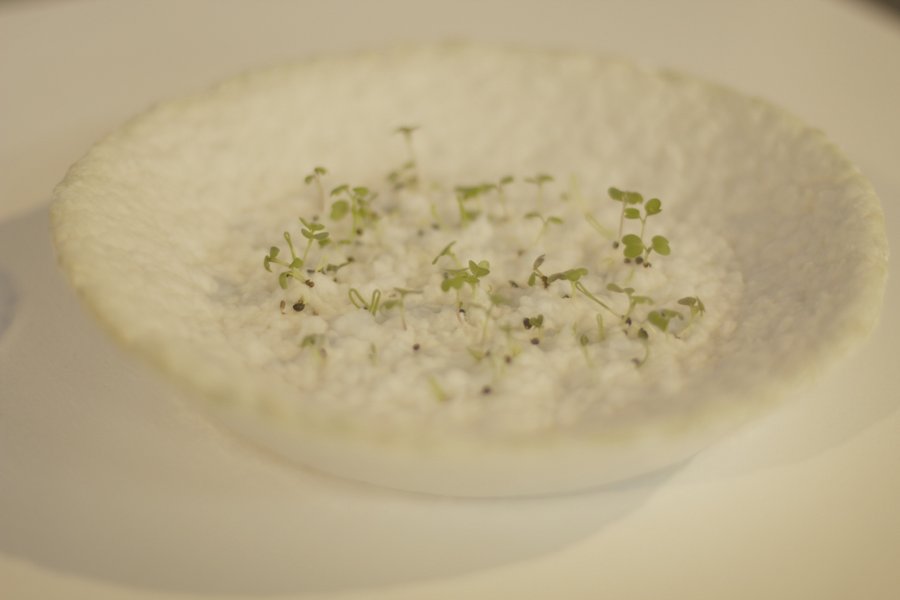
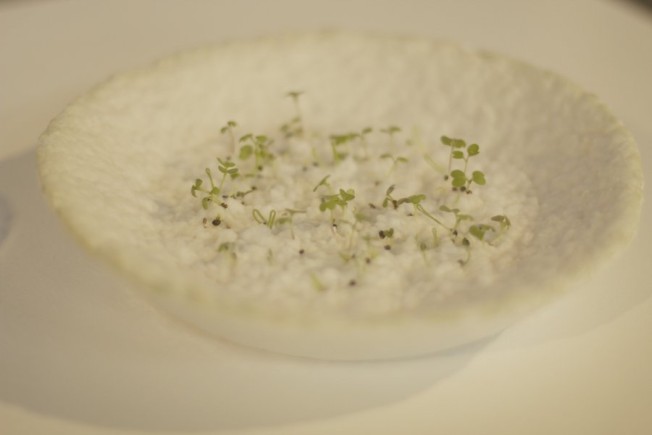
HanaSaitoSeedDishsml“Seed Dish” by Miharu Katada

Other work feature scientific methodologies with a twist – Kirilian photography capturing the beauty of the shape and form of leaves and water (Wataru Yamamoto 光の葉 /The Light of leaves), Scientific looking drawings document imaginary synthesized plants (Keira Akiyama – Acoustic Botany) seeds make plates (Hana Saito Seed Dish ) and in the corner a small fusen (Soichiro Mihara – Suzu) is connected to a Geiger counter chiming now and then – a reminder of the still unresolved Fukushima nuclear situation.
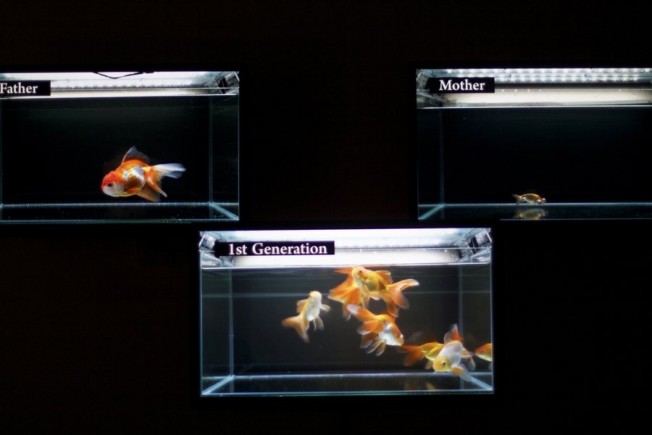
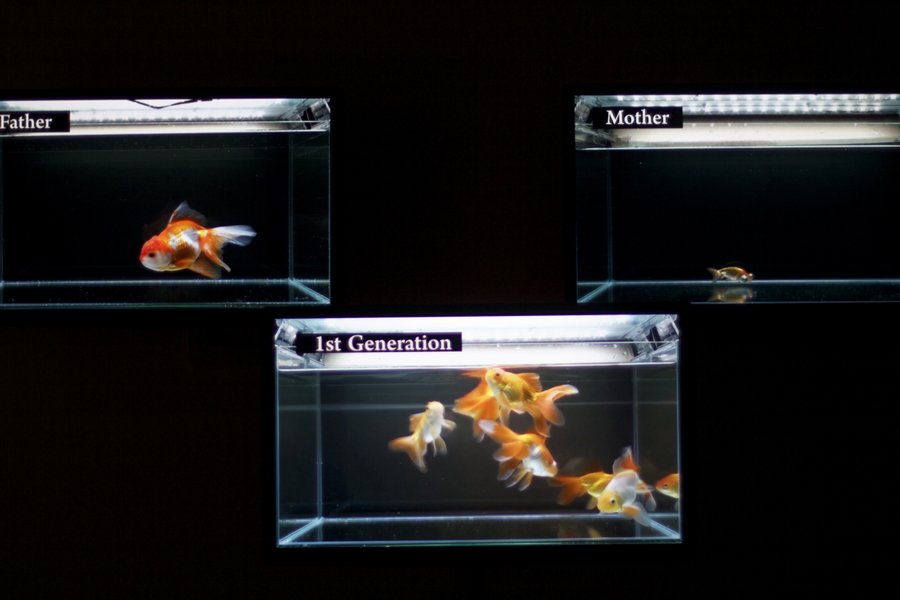
GoldfishLiberationMovementsmlTomoya Ishibashi reverse engineers goldfish, “freeing” them from their man-made breed

Bonsai:LivinginControversysml3D humanoid bonsai by Ali Almutawa

If you are expecting Stelarc like performances then the show might not quite be what you are expecting. Japan is at the forefront of many technological developments and this is still quite a new field. The show gives you a good idea of what is happening in Japanese Art Science departments and opens up a space for dialogue – biotechnology and media are here to stay – are we ready for them?

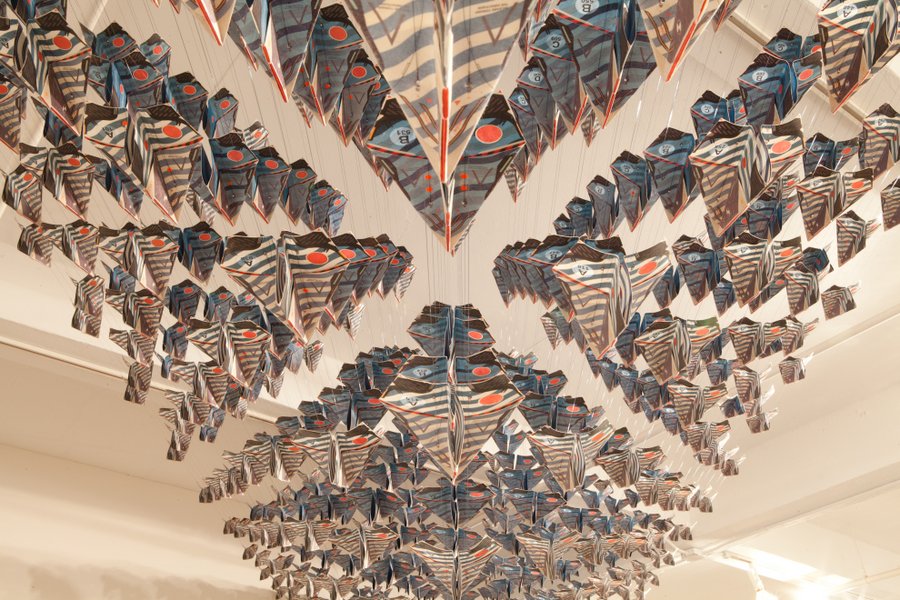
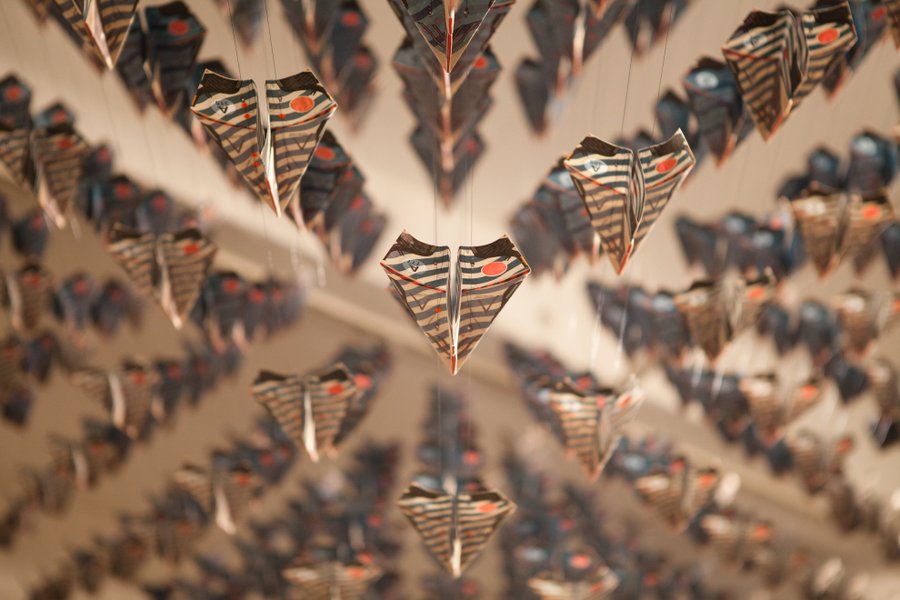
Operation A | Shusuke Ao’s installation of 2450 paper planes

newcityartfair-17images courtesy eitoeiko | click to enlarge

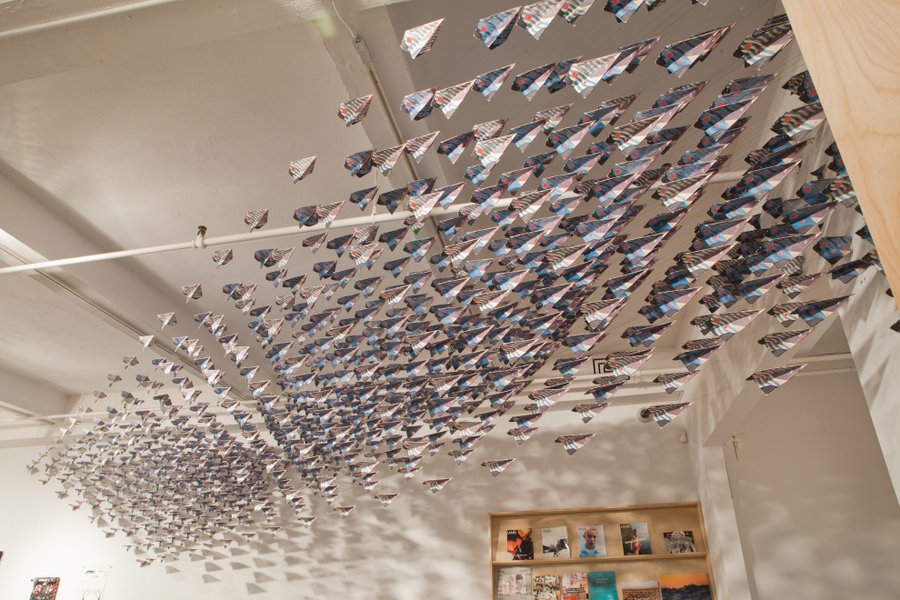
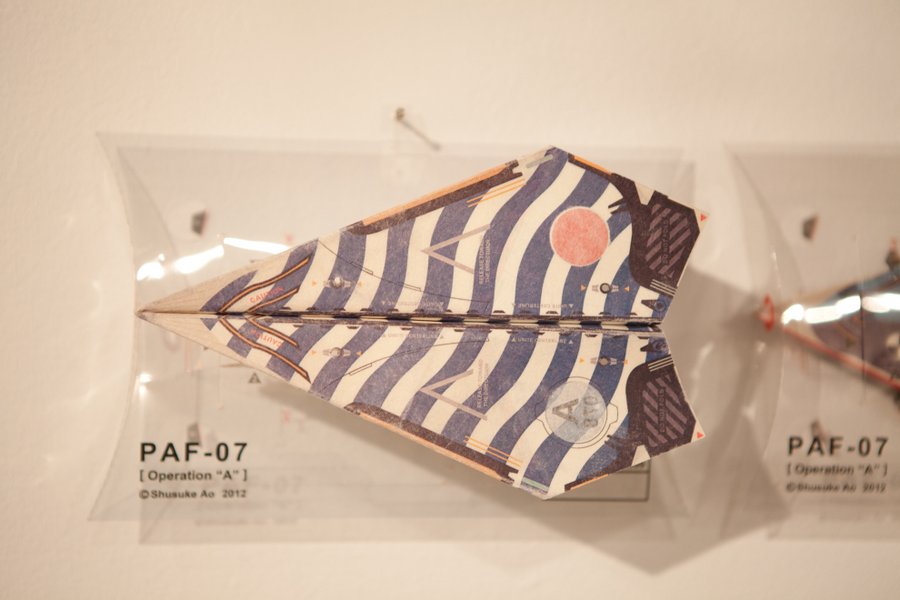
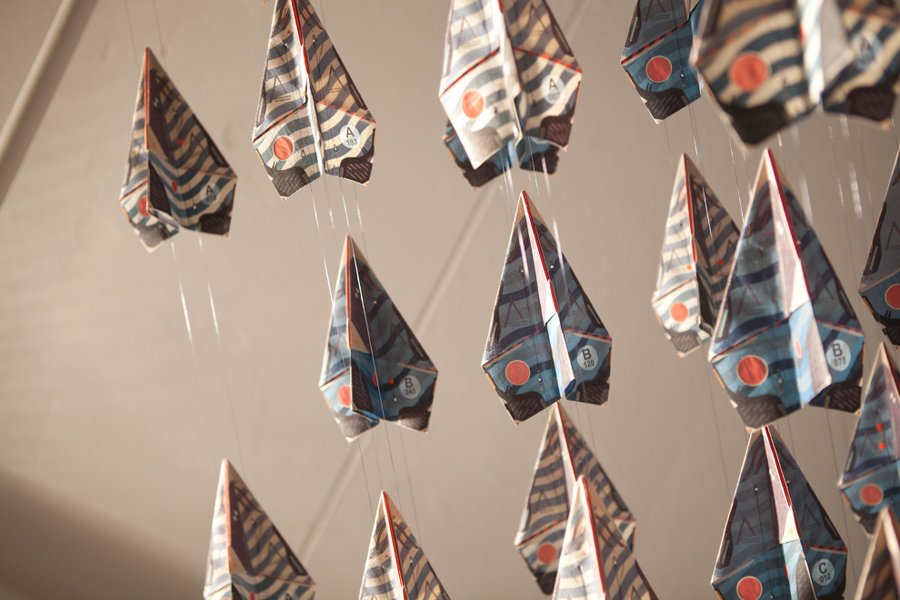
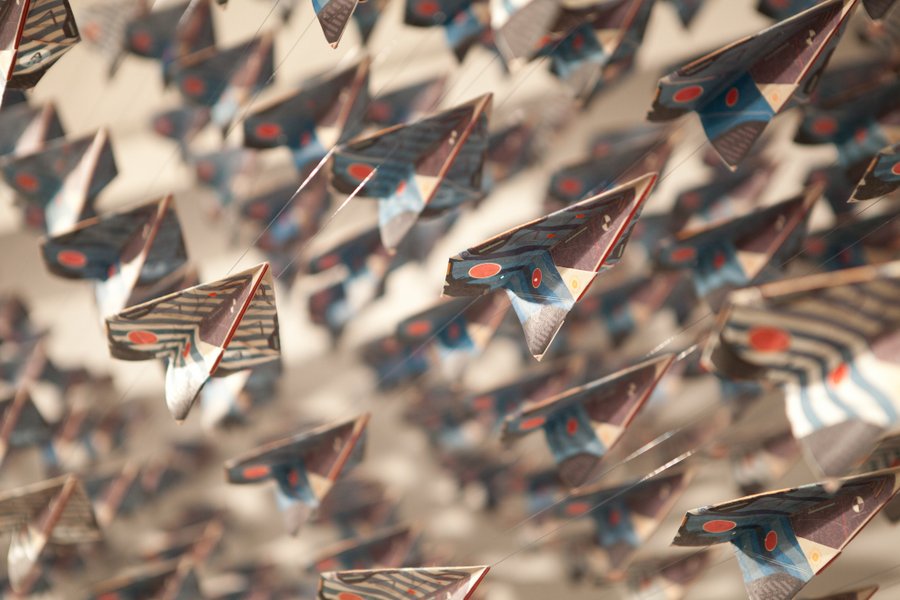
Currently on display New City Art Fair in Chelsea is artist Shusuke Ao‘s installation piece “Operation A,” comprised of a flock of 2,450 originally-designed paper airplanes. The planes, which are suspended in harmony and symmetry, have been a central motif in Ao’s work since his early days as an artist. “My father was a pilot, so airplanes were a part of my life in childhood. And I loved them,” Ao once said in an interview. “But, I can’t remember what actually triggered my ongoing airplane obsession.”

The installation’s incredibly systematic arrangement embodies the beauty of industrial aesthetics, and stands as a symbol of how far our modern-day manufacturing system has taken us. And yet, at the same time, there’s something intimidating – terrifying, almost – about the sight of planes, even if they’re made from paper, dominating our skies.

The exhibition is on display through March 10, 2013 at hpgrp gallery in Chelsea.

newcityartfair-9

newcityartfair-11newcityartfair-10

newcityartfair-12the designs are laser-printed onto traditional washi paper

newcityartfair-13

newcityartfair-14

newcityartfair-15

newcityartfair-16


Undercurrents of March 11th persist in Japan Society’s latest exhibition Edo Pop

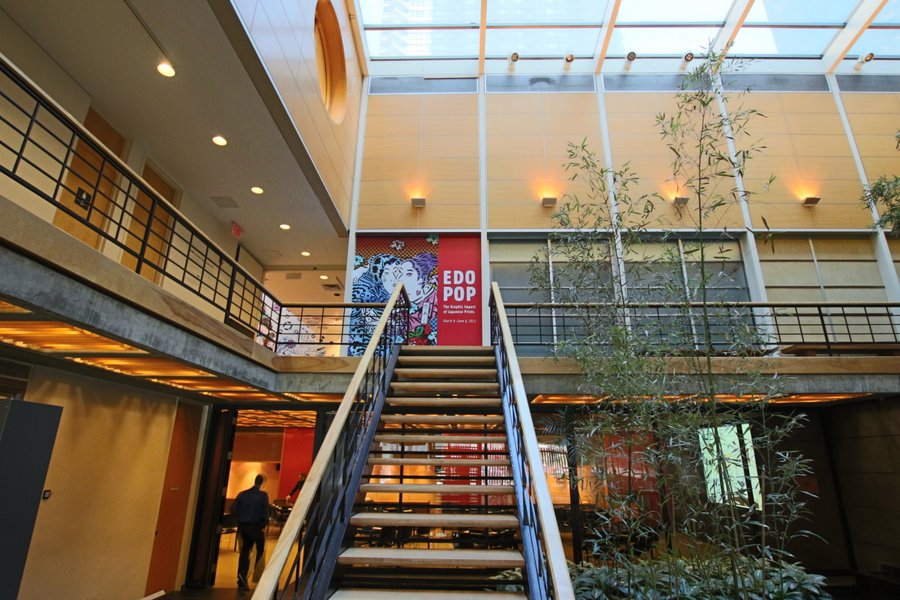
Japan Society Edo Pop (1)all photos by spoon & tamago | click to enlarge

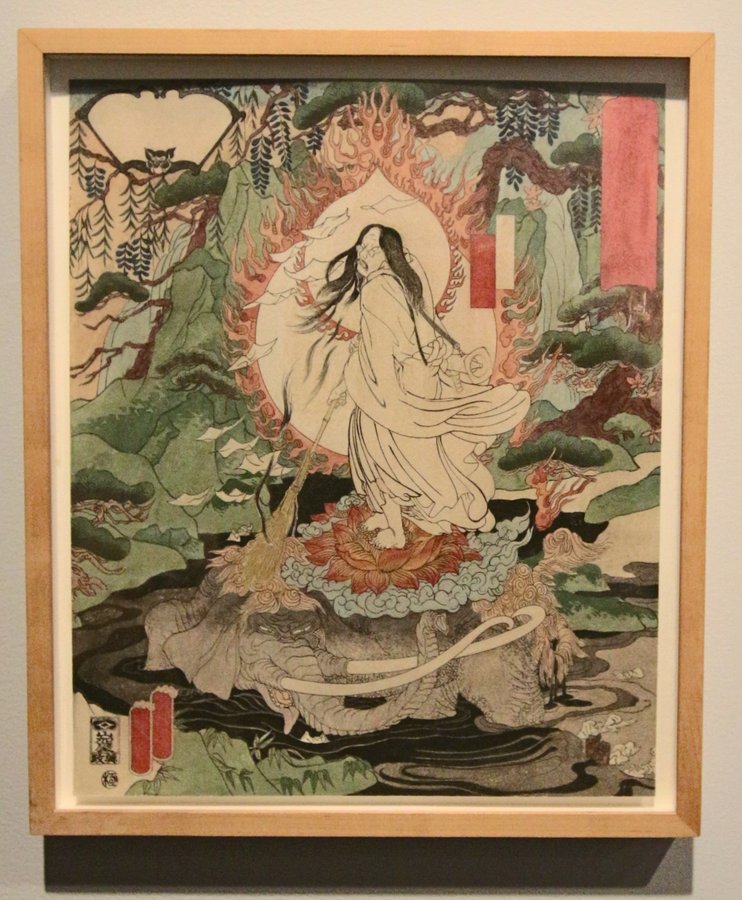
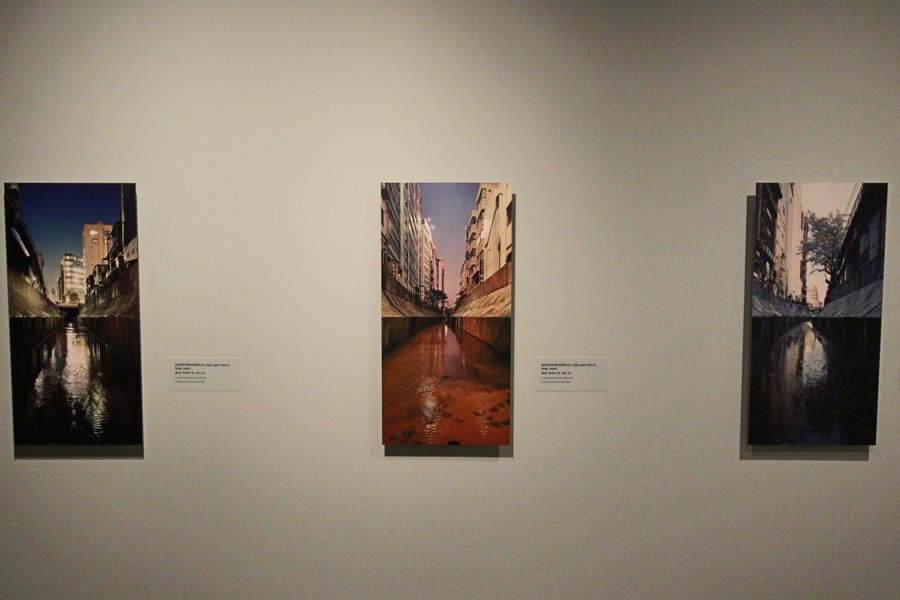
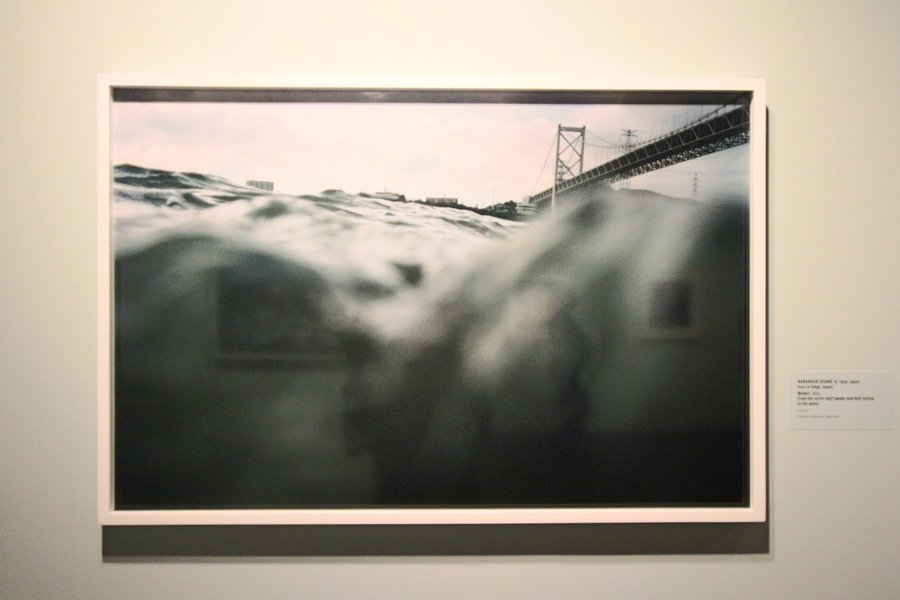
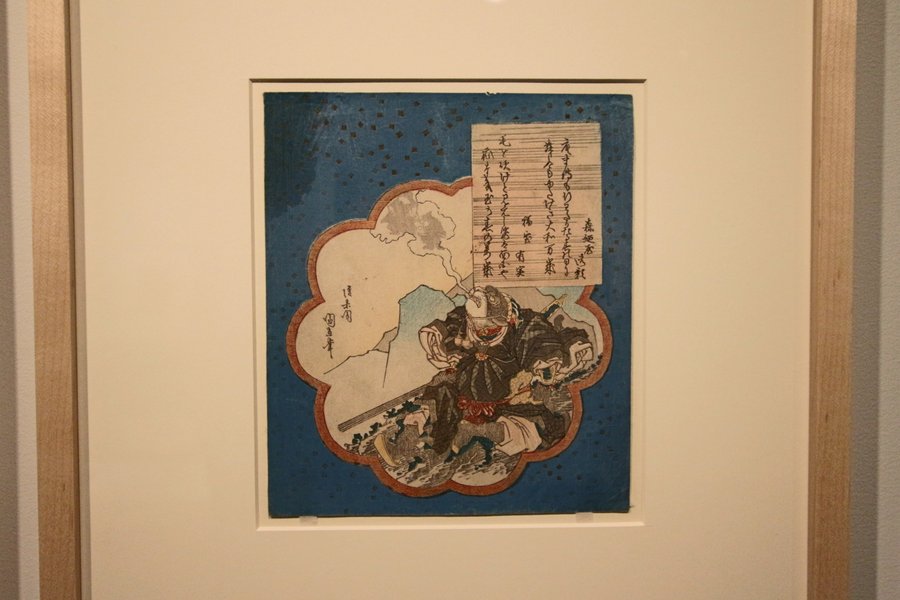
Tomorrow marks the official opening of Edo Pop: The Graphic Impact of Japanese Prints. It also marks the first exhibition that Miwako Tezuka will be overseeing since she was named Gallery Director for Japan Society last year. The exhibition juxtaposes nearly 100 historic ukiyo-e woodblock prints with about 30 works by contemporary artists who drew inspiration from the graphic sensibilities of ukiyo-e, merging a dialogue between traditional art and contemporary art.

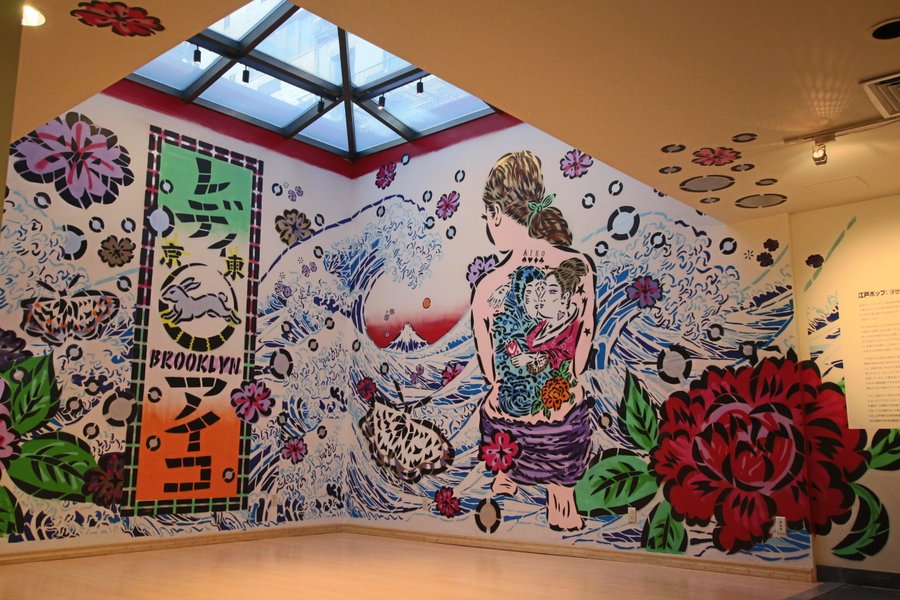
Visitors are greeted by a vivid, large-scale mural by former Brooklyn-based street artist and former FAILE member Lady Aiko. At a press preview Aiko talked about how the 2011 earthquake and tsunami transformed her self-consciousness, forcing her to rethink the notion of being Japanese. “I wanted to make something positive out of the terrible imagery of water and the tsunami,” she said.

Japan Society Edo Pop (17)Aiko’s tattooed lady is based on photojournalist Martha Cooper’s “Tokyo Tattoo 1970.”


Japan Society Edo Pop (5)

Japan Society Edo Pop (12)

Another piece that is not only prominently displayed but whose sheer magnitude makes it a force to be reckoned with is Sachiko Kazama’s “Alas! Heisoku-kan” (2012). Created as a large woodblock print, Kazama, an artist under Mujin-to Production (the same gallery that houses politically outspoken group Chim↑Pom) has depicted a large battleship composed of a combination of TEPCO’s headquarters and their four nuclear reactors in Fukushima.

Japan Society Edo Pop (3)

Japan Society Edo Pop (16) Japan Society Edo Pop (15)

Several artists have work in an auction to benefit Japan Society. If you’re looking to snag some of their works as great prices, now’s your chance.

Japan Society Edo Pop (13)

Japan Society Edo Pop (10)

Japan Society Edo Pop (9)

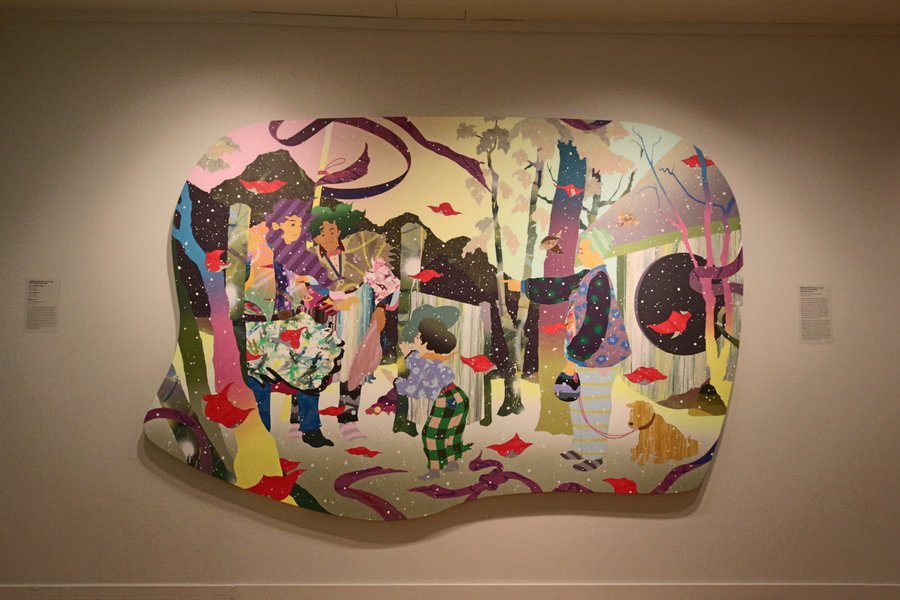
Above is a large painting by Tomokazu Matsuyama, whose studio we visited last month.

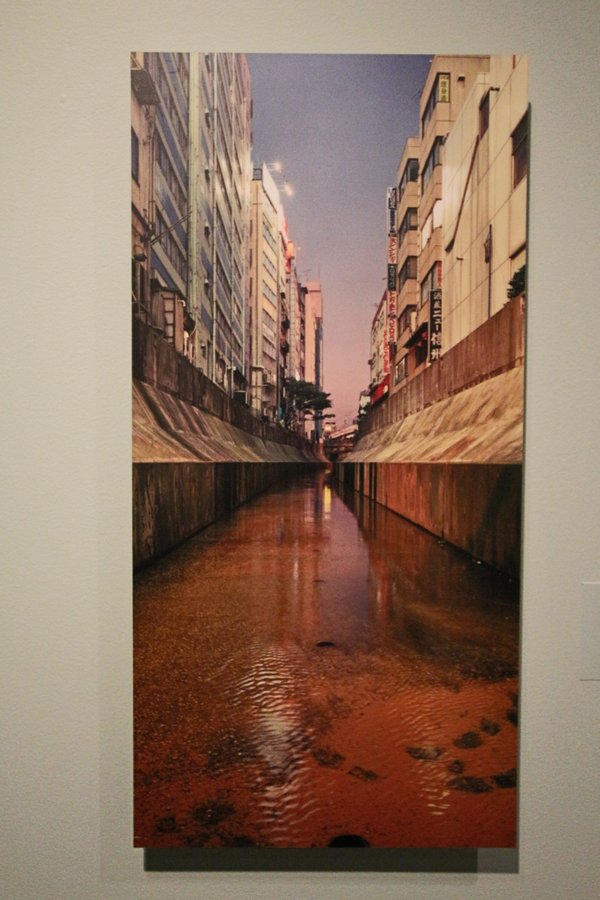
It’s interesting to think about this exhibition in context with their 2011 show “Bye Bye Kitty,” which opened just days before the devastating earthquake and tsunami. No one could have expected the show, which featured themes of fragility and decay, to be seen in the light of a real-life disaster. But walking through Edo Pop, once again one can’t help but notice the frequent appearance of waves and water. Our minds, whether consciously or subconsciously, are still very much affixed to the events of 2 years ago.

Edo Pop: The Graphic Impact of Japanese Prints” runs from March 9 — June 9, 2013.

Japan Society Edo Pop (8)

MUJI Redesigns Naoto Fukasawa’s Classic CD Player

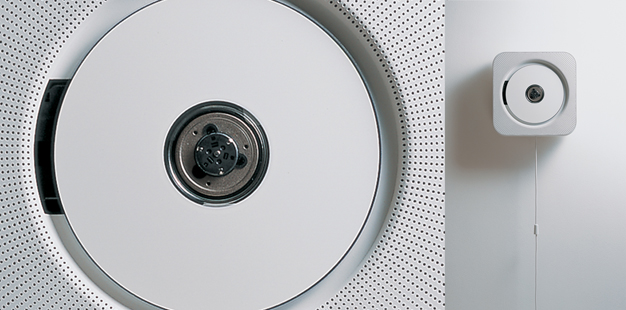
muji_hero_626pxNaoto Fukasawa’s CD player (2000) is still on sale for $100

Back in 1999 Naoto Fukasawa created a prototype for a minimal wall-mounted CD player. He showed it to a director at MUJI and they loved it, which is how it came into production and went on become one of Japan’s most iconic industrial designs of the past decade.

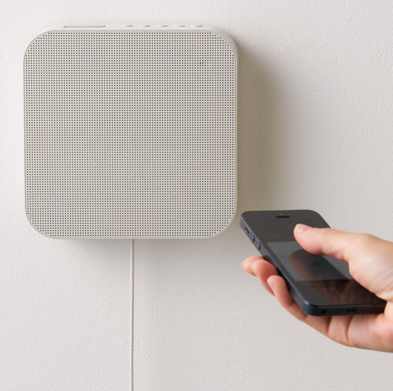
But with almost any design, and especially if it involves technology, there is shelf life. CDs have come and gone but MUJI, quite stubbornly, continued to market their CD player. Up until just recently. In a surprising move, earlier this month the company announced that they were releasing a wall-mount Bluetooth speaker that can be remotely controlled by your smartphone. What they didn’t do was explicitly state that it was a redesign of Naoto Fukasawa’s CD player, which, in fact, is still on sale. But the similarities are strikingly similar.

muji wall-mount bluetooth speaker (1)

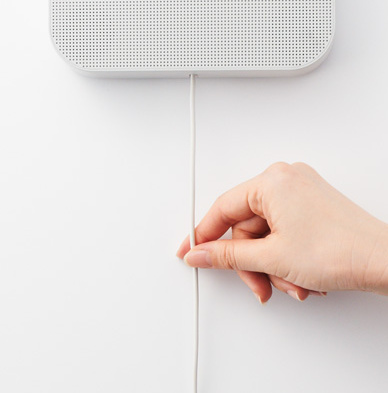
And while it’s not a bad-looking product by any means, I’m disappointed that they are clinging so tightly to the original design. Fukasawa famously spoke about the inspiration for his CD player, which turned out to be a kitchen vent. The act of pulling on a string to rev up the circulation of the fan blades reminded him of how a CD starts spinning. “It was an amazing feeling when these two images actually synchronized in my mind,” said Fukasawa.

I feel like MUJI missed out on an opportunity to create something new and unique and, instead, clung to an old , irrelevant concept whose blades just don’t spin like they used too. I’m not a big fan.

In a clip from the film “Objectified” Fukasawa talks about his original concept for the CD player

muji wall-mount bluetooth speaker (2) muji wall-mount bluetooth speaker (3)

muji wall-mount bluetooth speaker (4) muji wall-mount bluetooth speaker (5)

source: MUJI press release

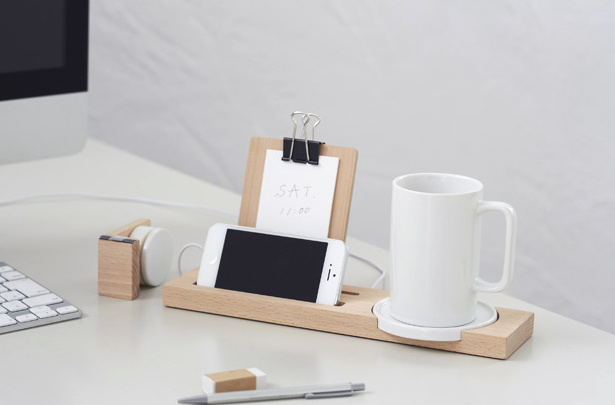
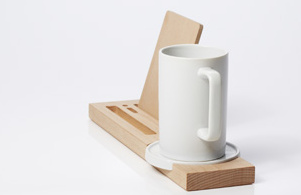
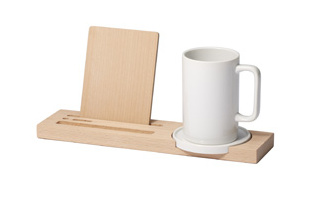
ideaco’s wooden mug tray is everything I need

ideaco mug tray (1)

ideaco mug tray (2)ideaco mug tray (5)

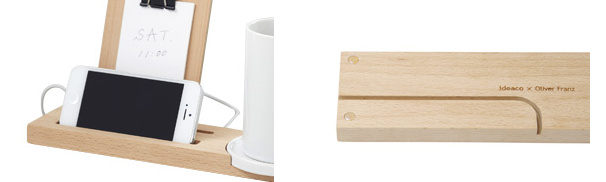
ideaco, the Japanese industrial design studio that famously started out designing trash cans, has released the mug tray. And despite what it’s simple name would have me believe, it’s got just about everything I need on my desk, all wrapped up into 1 elegant product. It’s a tray, it’s a coffee mug, it’s an phone rest, and it’s a note pad. Yes please!

[update] the mug tray is now available in our shop!

ideaco mug tray (4)

Ideal Island | Naho Ishii uses her body to expose our land’s vulnerability

ishii nahoimage courtesy the artist | click to enlarge

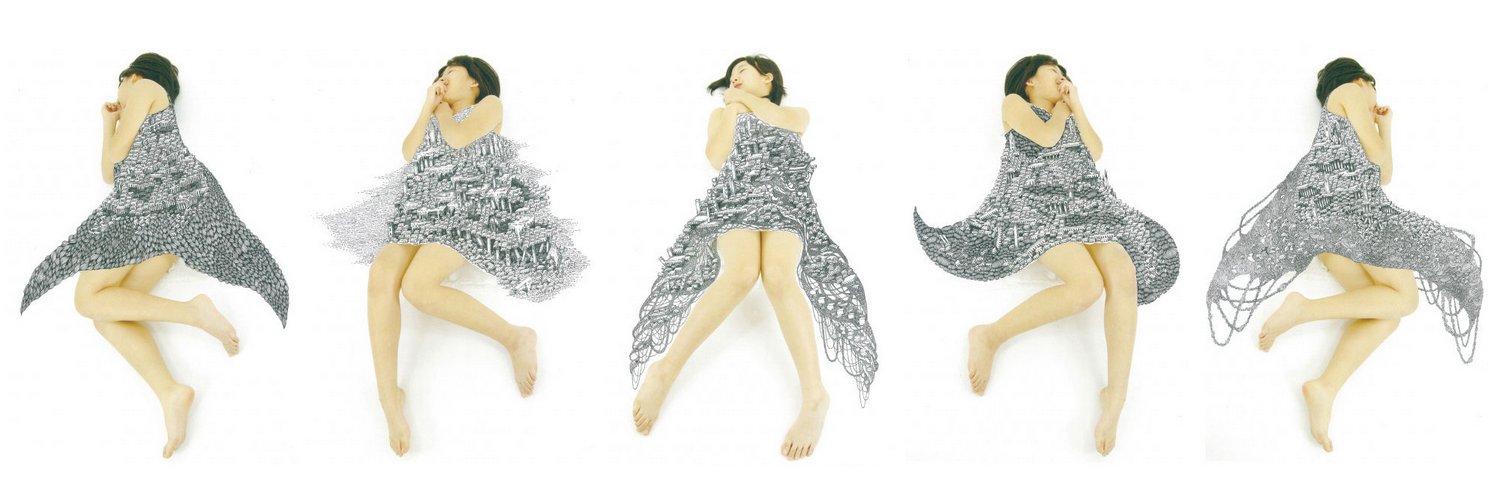
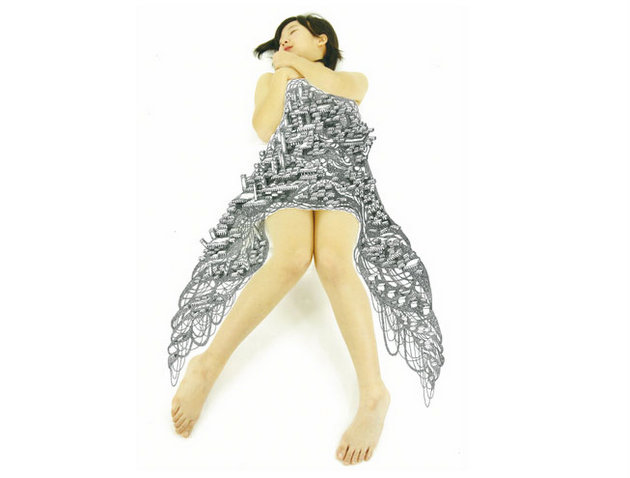
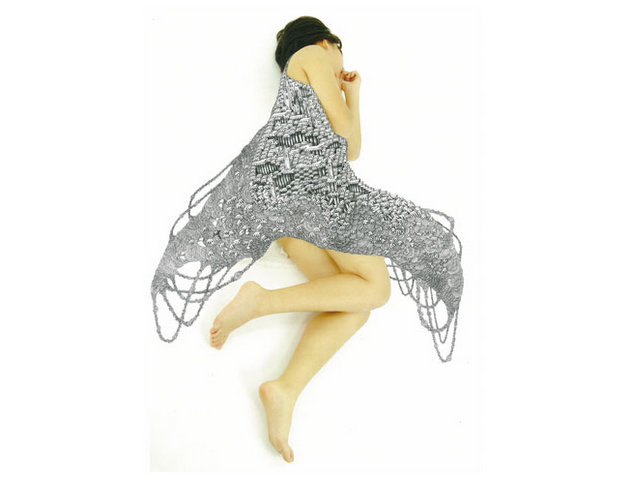
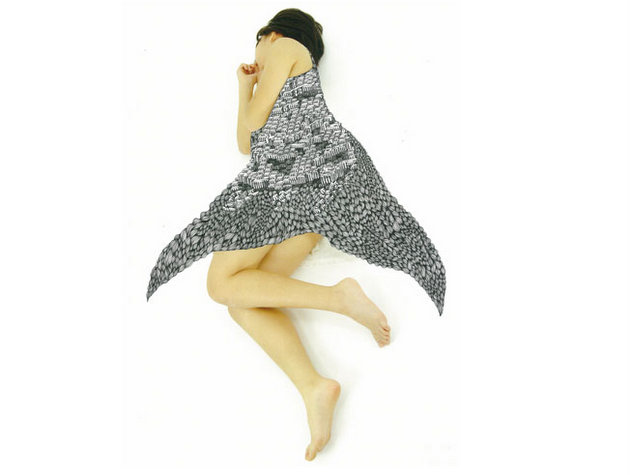
In a provocative piece titled “Ideal Island,” 22-year old artist Naho Ishii uses her body to represent the island of Japan in response to the March 11 earthquake and tsunami. Specifically, she’s taken a series of photographs and used a pen to scribble over her body, creating what appears to be a bed sheet made of small homes and buildings. “We use words like ‘motherland’ but is our land truly as mature and protective as a mother,” questions Ishii. “Or is it more like a child who innocently steps on ants?”

Ishii’s photos are like that of a child, napping. And when the innocent child turns in her sleep, things – in this metaphor, tectonic plates – shift out of place. “People used to have much more reverence for nature.” In Ishii’s world, mother nature is nothing more than a playful child who will turn turtle, bottle out or jump ship on a mere whim.Picture 3

Picture 4

Picture 1

Studio Visit With Artist Tomokazu Matsuyama
Hi there! You’ve landed on a members-only article. If you’re interested, Consider supporting Spoon & Tamago by becoming a member.

You can read all about our membership program here. Thanks!

« Older posts Newer posts »

© 2026 Spoon & Tamago

Up ↑

Design by Bento Graphics