
Page 239 of 406

The World of Roomy Fashion | A wearable kotatsu by Hatora

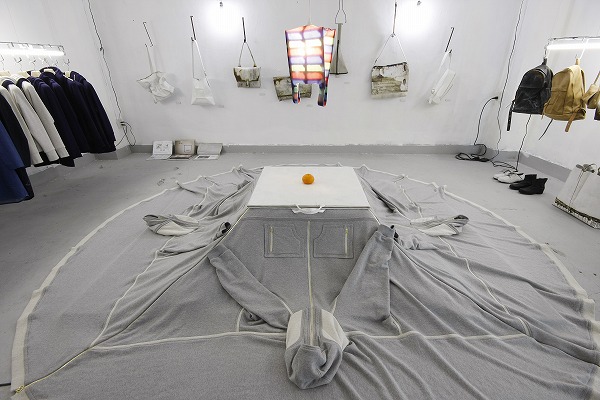
hatra - keisuke nagami (5)hatra - keisuke nagami (4)

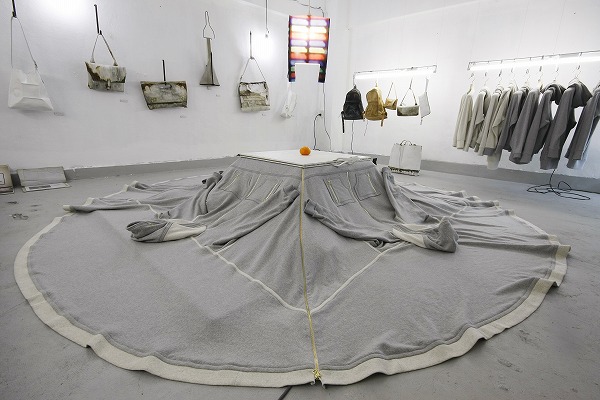
hatra - keisuke nagami (6)images courtesy keisuke nagami

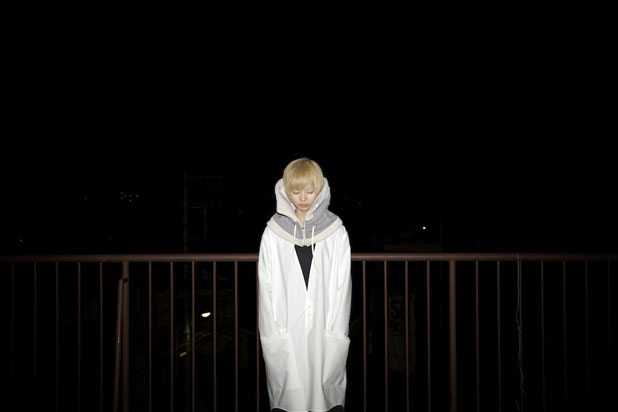
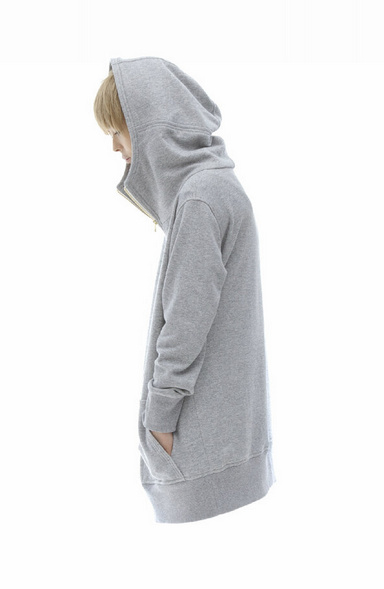
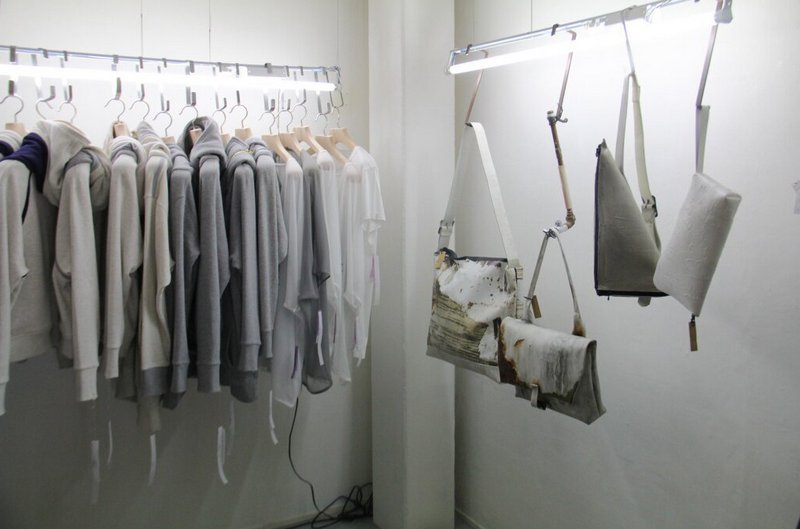
Up-and-coming fashion designer Keisuke Nagami and his clothing label Hatra are shaking up the Japanese fashion industry from the inside out. And I mean that quite literally. An antithesis to street fashion, he designs clothes around the concept of relaxing in a comfortable room. Taking inspiration from both otaku, anime and internet culture, Nagami creates clothes that you can wear outside, while still maintaining the comfort of being in your own room.

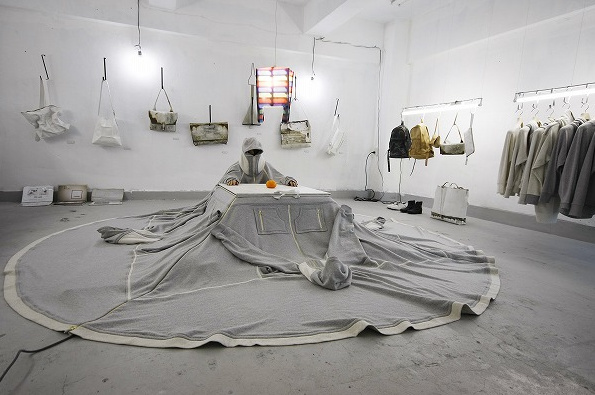
At an exhibition in Tokyo last month Nagami collaborated with bag designer Yusuke Kagari in an installation and pop-up shop where bags that look like walls and parkas that can be worn as rooms came together to form an ultimate abode of fashion. The centerpiece, however, was a large kotatsu – a traditional heated table that is a symbol of roomy warmth and comfort. But instead of simply slipping under the covers that rest upon the table, the cover is made from 4 large parkas stitched together. The piece was an epic wearable kotatsu, which warmed the hearts of visitors.
hatra - keisuke nagami (3)images courtesy changefashion

hatra keisuke nagami (1) hatra keisuke nagami (2)

hatra - keisuke nagami (7)hatra Collection 1.4

hatra - keisuke nagami (1)hatra Collection 1.4

hatra - keisuke nagami (2)hatra Collection 1.4


hatra - keisuke nagami (9)hatra Collection 1.3

hatra - keisuke nagami (10)hatra Collection 1.3
 

Exquisitely crafted floral Kanzashi by Sakae

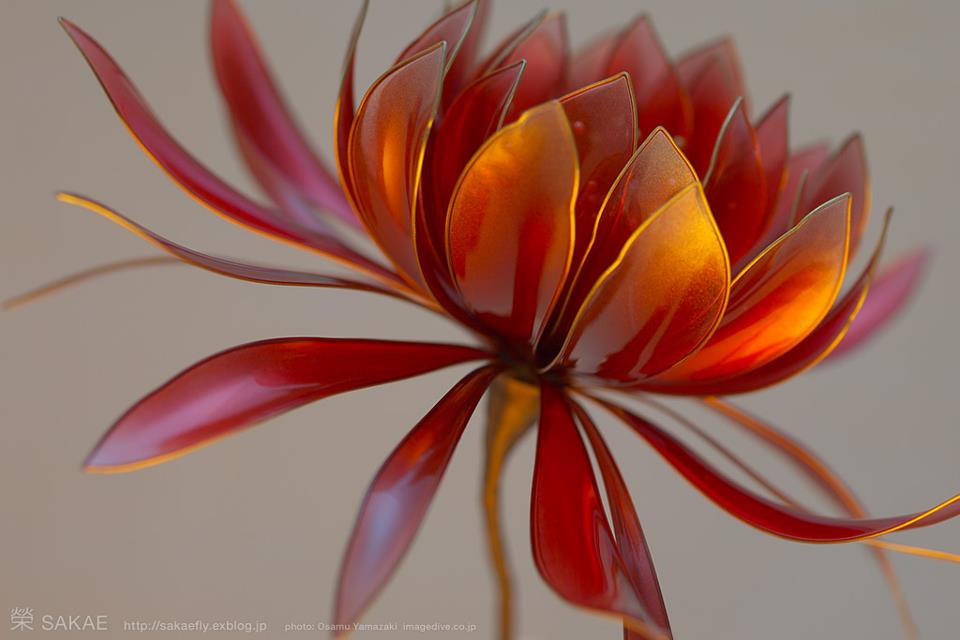
floral Kanzashi by SakaeSnow Flower (2012) | photos by Osamu Yamazaki | click to enlarge

Kanzashi is a traditional Japanese hair ornament that’s often worn on special occasions and accompanied by a kimono. Although they’ve been around for thousands of years, their popularity peaked in the mid-1800s as they evolved from a simple stick into rather extravagant form. And even though it’s been in decline along with many customary garments and accessories, the tradition is still very much alive and well.

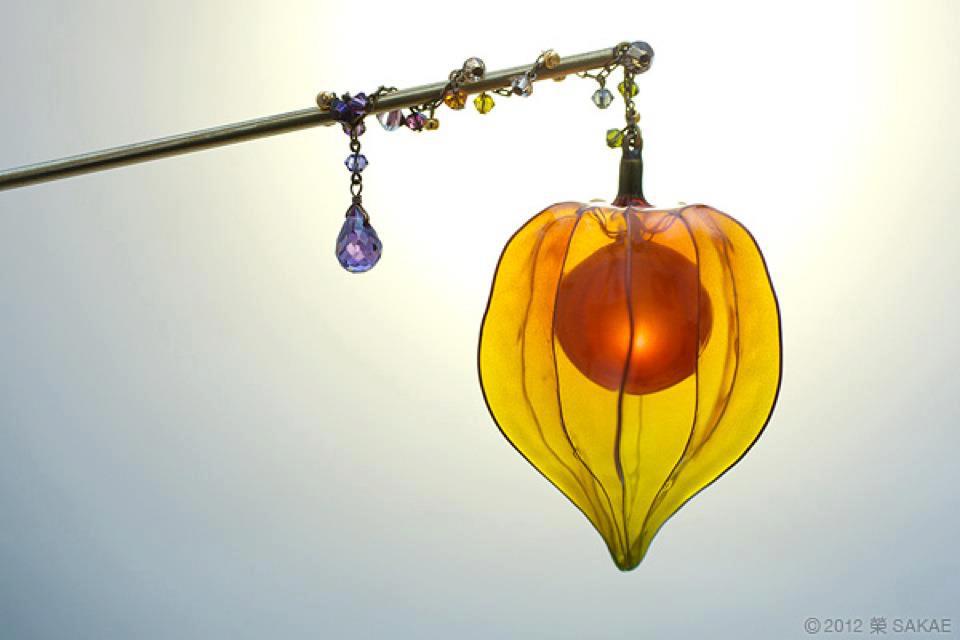
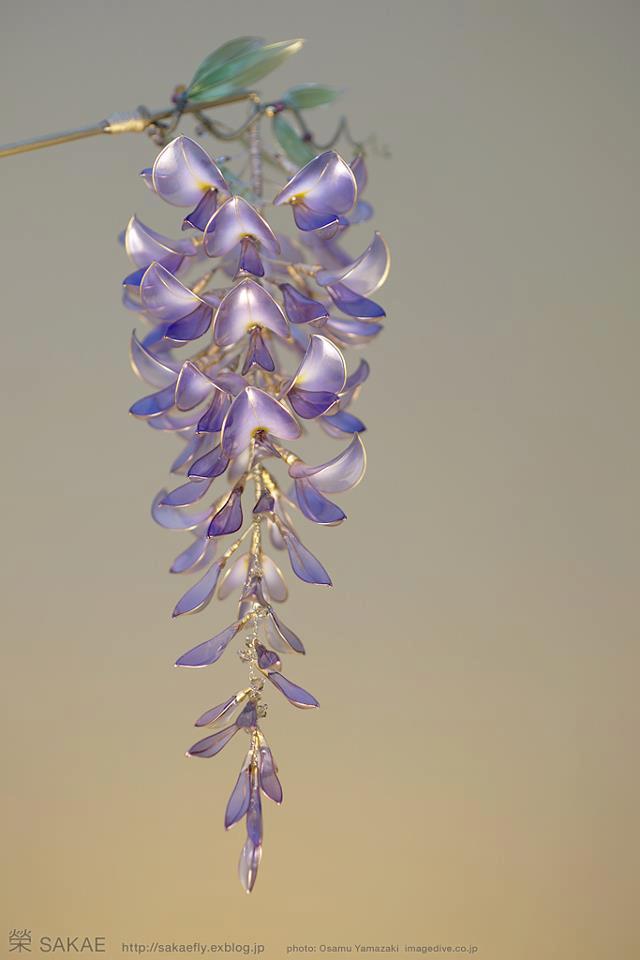
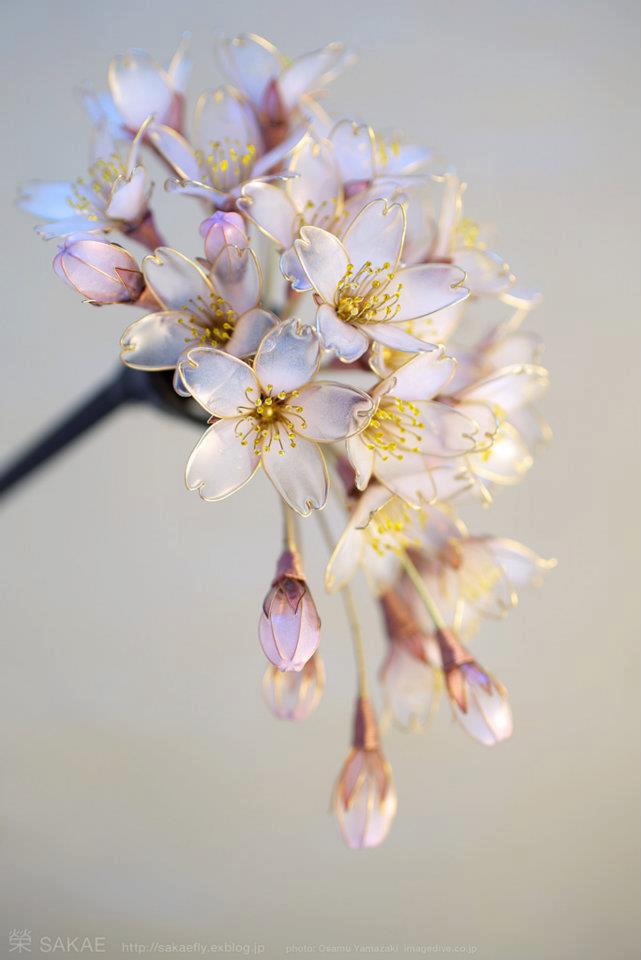
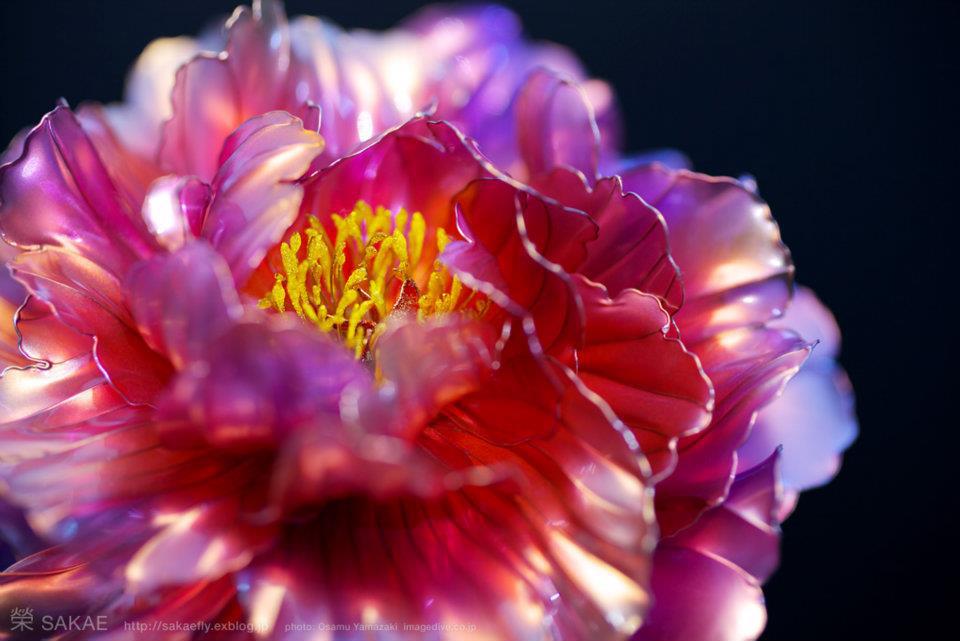
Take, for example, these breathtaking Kanzashi, each hand-crafted by a woman who goes only by the name of Sakae. She uses resin to create floral kanzashi that look so stunning it’s hard to believe they’re real. Her inspiration to create was a common one: “I saw a girl dressed up for coming-of-age day and I thought she would look just perfect with a blue, translucent hair ornament. But nothing of the sort existed. So I decided to make one. Up until that point I had never made anything.”

Depending on the complexity of the pieces they can take anywhere between 3 and 30 days. She sells her pieces through Yahoo Auctions in Japan and although non are on sale now, previous records would indicate they sell from anywhere between 15,000 – 45,000 yen. When new pieces go up for sale she’s promised to post updated on her facebook page.
floral Kanzashi by SakaeRed Moon kanzashi (2012)

floral Kanzashi by SakaeChinese lantern kanzashi (2012)

floral Kanzashi by Sakae

floral Kanzashi by Sakae

floral Kanzashi by SakaeA Queen of the Night kanzashi (2011)

floral Kanzashi by Sakaeher Peony kanzanshi (2011) was featured in a Panasoni ad

Sakae kanzashi 8
source: YouPouch (JP)

Toyo Ito Awarded Pritzker Architecture Prize

Photos by Kevin McKitrick | click to enlarge

The big news over the weekend was that the Pritzker Architecture Prize, after being awarded to SANAA in 2010, returned once again to Japan as Toyo Ito was awarded his profession’s top honor. In speaking to the committee, Ito said that the Sendai Mediatheque, completed in 2001, was one of the high points of his career. In fact, a 2010 survey of the world’s top architects indicated that the Sendai Mediatheque was Japan’s most significant work of architecture.

The Mediatheque is a multi-purpose public structure (a library, art gallery, cinema, lecture theatre and cybercafé) that was intended to become a “digital ecology” for users. Ito goes on: “While the building principally functions as a library and art gallery, the administration has actively worked to relax divisions between diverse programs, removing fixed barriers between various media to progressively evoke an image of how cultural facilities should be from now on.”

The Mediatheque also passed one of architecture’s most trying tests – an earthquake. And not just any earthquake. The most powerful earthquake ever recorded in Japan. Here’s a video that was recorded from inside the Mediatheque during the earthquake in 2011.

Skyward House | a minimal cabin in the woods by Kazuhiko Kishimoto

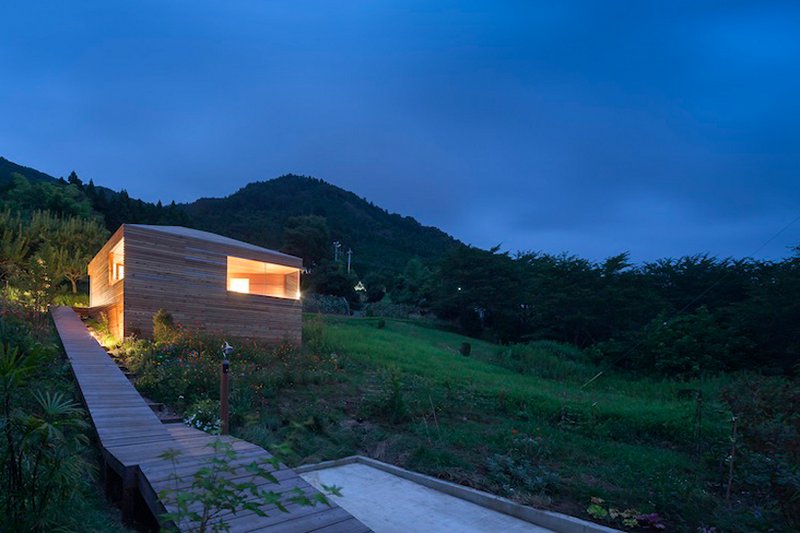
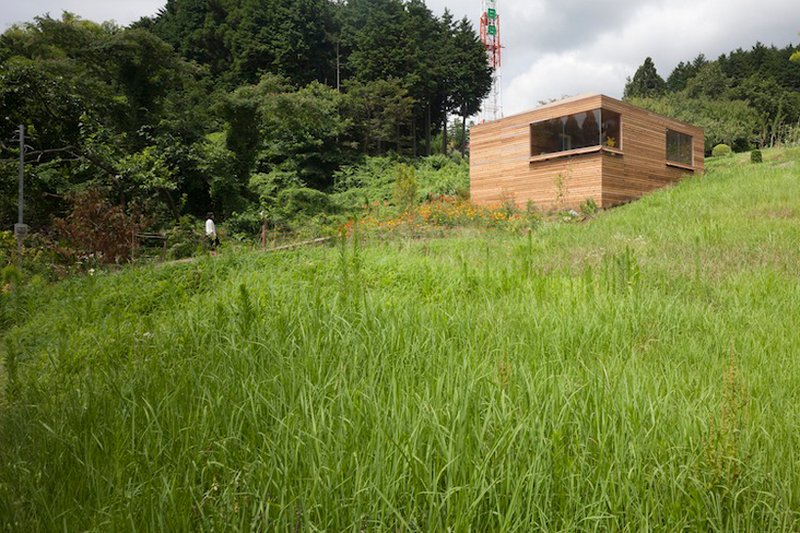
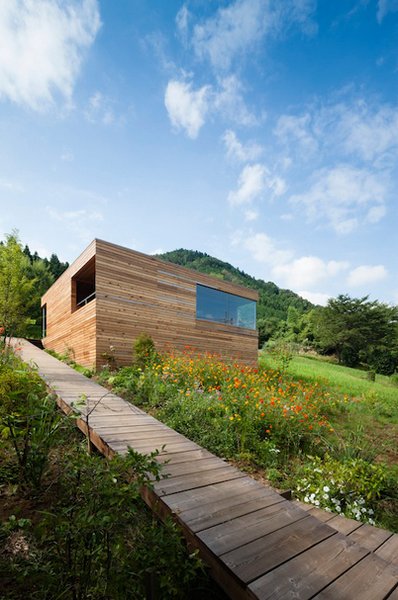
skyward house (1)photos by Hiroshi Ueda | click to enlarge

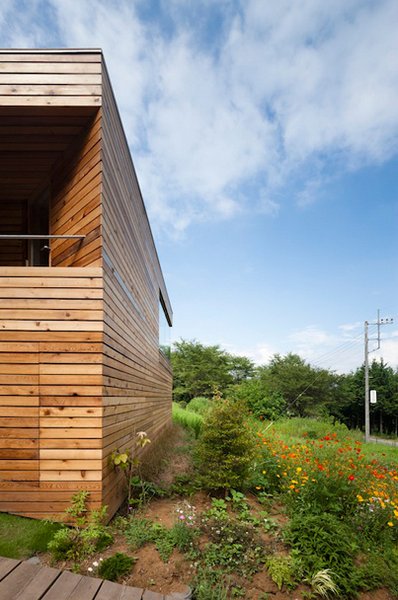
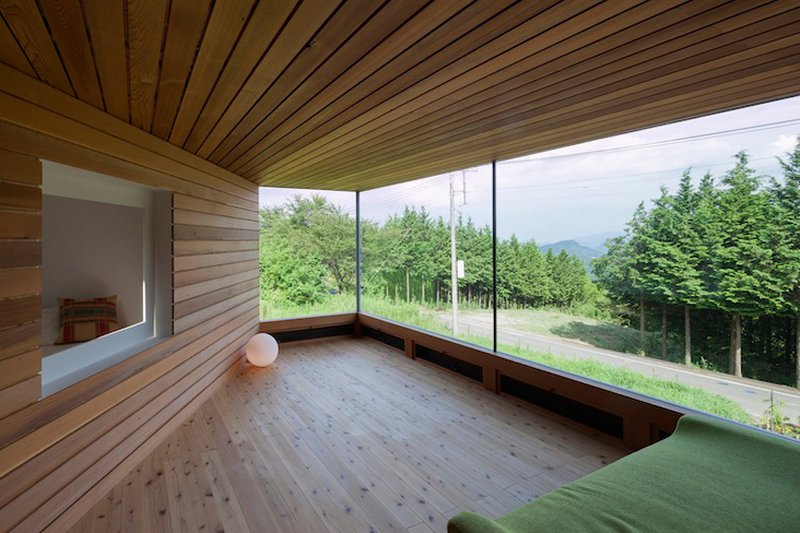
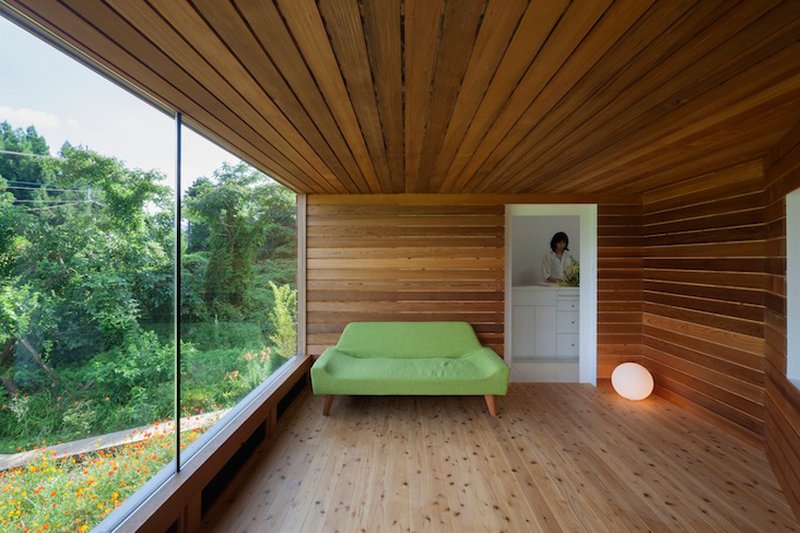
I think I may have just found my dream cabin. In the mountainous region of Uenohara, not too far from Mt. Fuji, rests the newly constructed sora ni tatsu ie, or “Skyward House.” It’s built on the slope of a green hillside and the exterior is entirely paneled with red cedar.

The “final resting place,” as Kazuhiko Kishimoto refers to the home for one, is divided into an indoor and outdoor space. The interior rooms are completely white while the outdoor space maintains a consistency with the exterior of the building. I love the contrast between the two spaces and how they both compliment, in their own different way, the mountainous backdrop. What a perfect place to ease into a weekend. (Happy Friday!)

skyward house (2)

skyward house (3) skyward house (4)

skyward house (5)

skyward house (6)

skyward house (7)

skyward house (8)

Source: press release

Thousands of leaves cover the walls of Isetan Department Store for their grand opening

Isetan grand opening collapsible leaves (1)images courtesy makoto azuma | click to enlarge

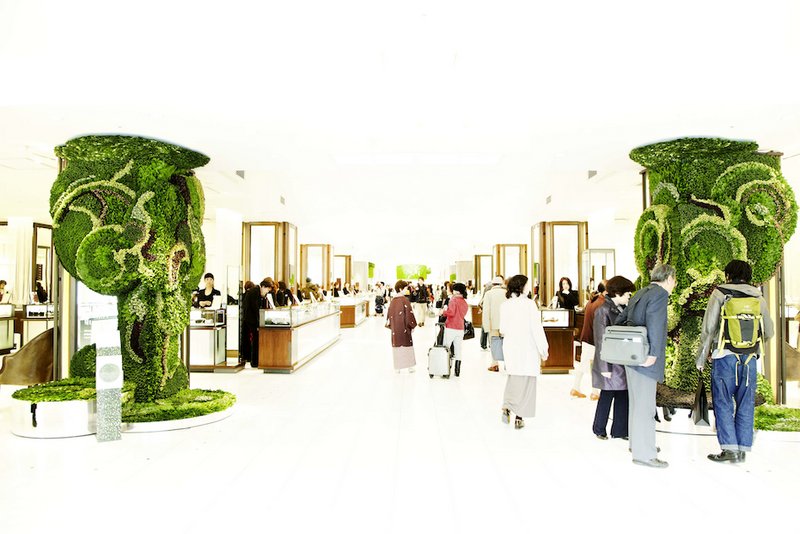
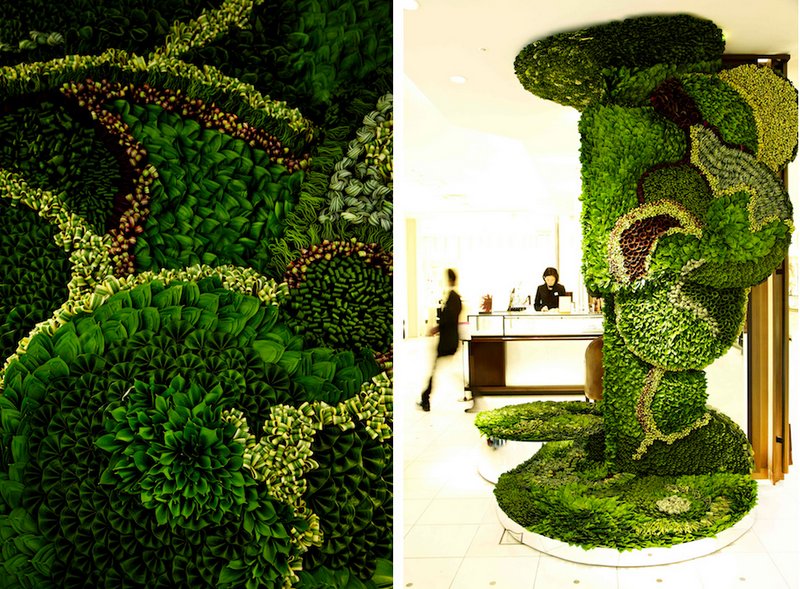
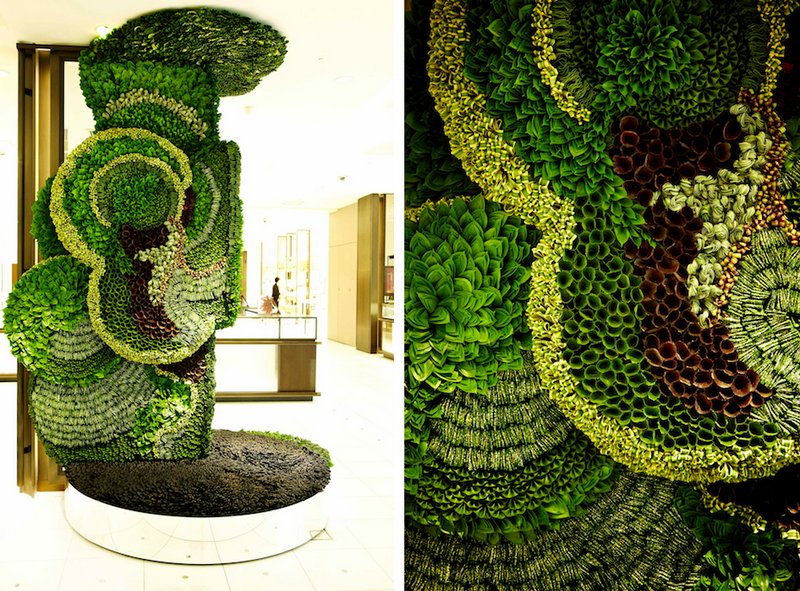
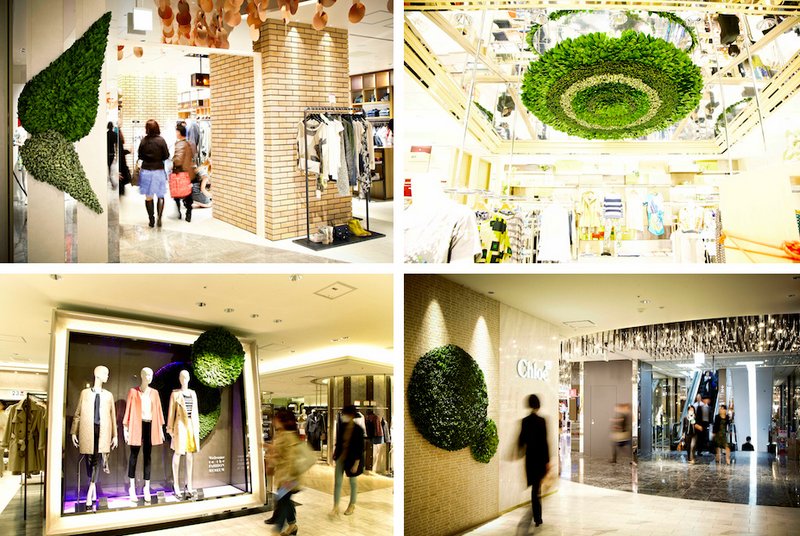
In an attempt to lure back customers to their department store and shake off what’s been a 16-year decline in shopping, Isetan Department Store in Shinjuku has been renovating each of their floors since 2007. Well the work has finally been completed. And just last week they held an opening ceremony, unveiling their “Fashion Museum” theme of blending art and shopping – a strategy they believe will be the future of retail.

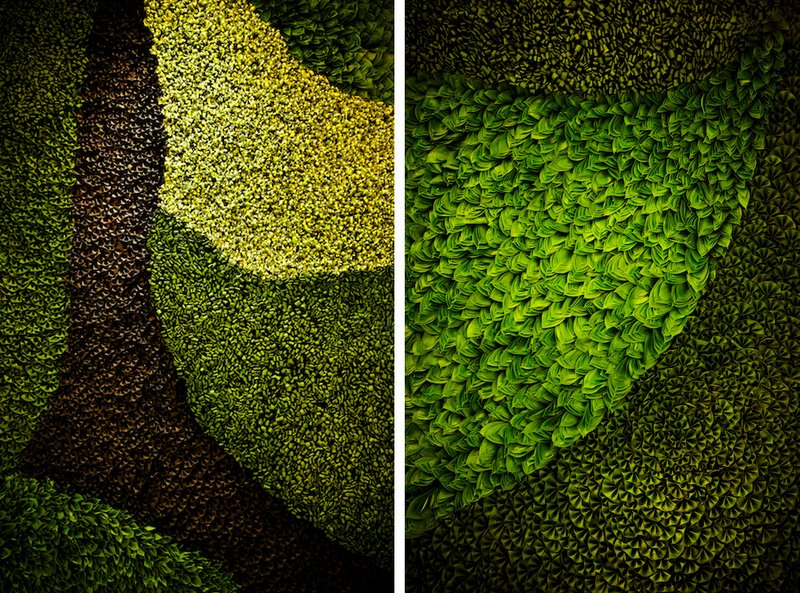
In the spirit of showcasing art, their first installation is a grand one in which they’ve commissioned botanic artist Makoto Azuma to create large-scale frescos that appear throughout the department store. Titled “Collapsible Leaves,” the artist has used thousands of actual leaves and meticulously folded them into various forms that give new life to the plants. But like all his work, the installation is inherently short-lived and will only be on display through March 26, 2013.

Isetan grand opening collapsible leaves (2)

Isetan grand opening collapsible leaves (4)

Isetan grand opening collapsible leaves (3)

Isetan grand opening collapsible leaves (8)

Isetan grand opening collapsible leaves (7)

Isetan grand opening collapsible leaves (6)

Isetan grand opening collapsible leaves (5)

Source: Makoto Azuma

Bunkai | Color Venn Diagram Earrings by Daisuke Motogi

bunkai_03

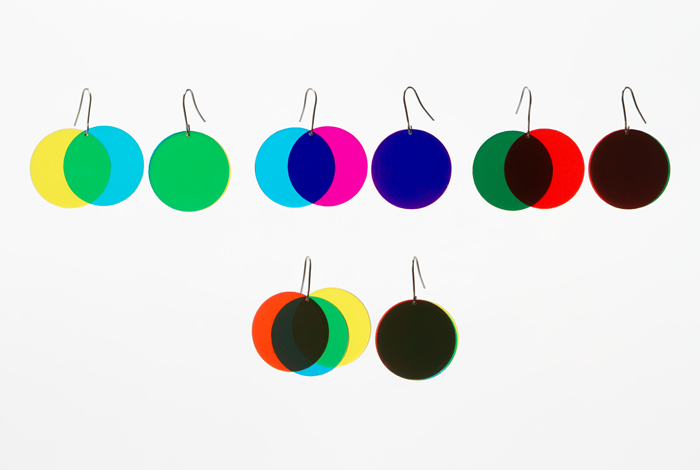
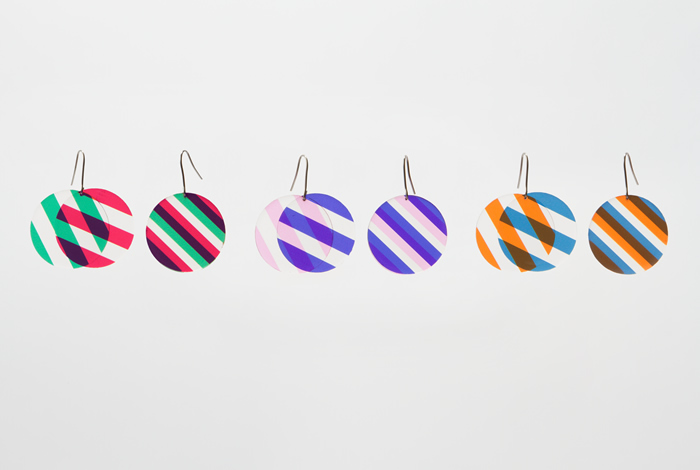
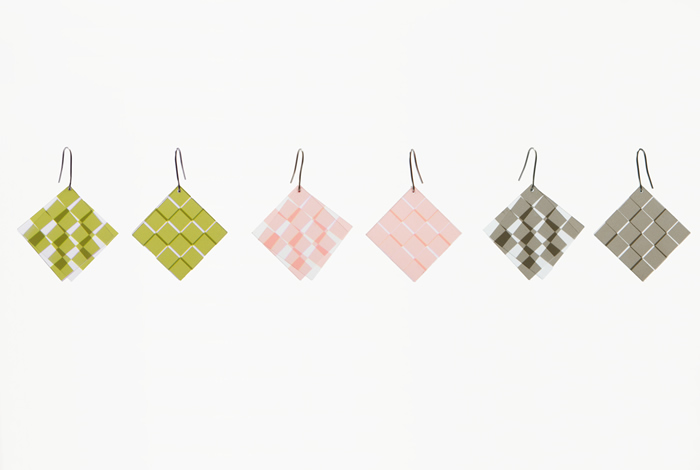
Mass Item, the online retailer who brought us nerdelicious items like ruler jewelry, has released a lineup of new products. One of my favorites are these Bunkai (literally, break up) earrings by Daisuke Motogi that play off the concept of a color Venn diagram. Composed of 3 (or 2) acrylic circles, the translucent earrings sway as the user walks, creating interaction, movement and an array of different colors.

They’re available for 3,460 yen through the online shop.

bunkai_01

bunkai_02

source: @daisuke_motogi

Wataru Yamamoto’s ghostly images of leaves

wataru yamamoto electric leaves (1)

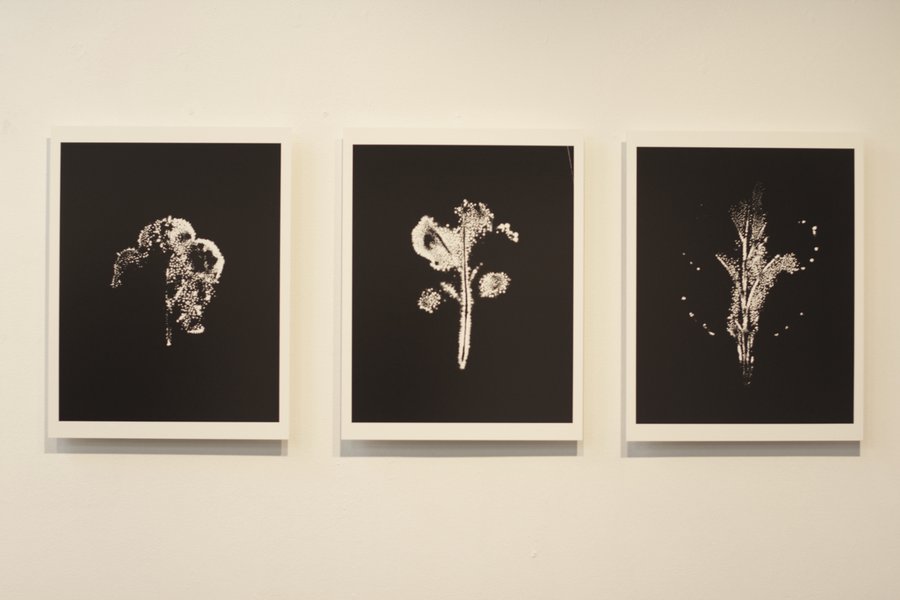
Wataru Yamamoto is a 27-year old photographer currently finishing up a Master’s degree at Tama Art University. In a series titled “Leaf of Electric Light,” currently part of the Bio Art exhibition, Yamamoto uses a process known as Kirlian photography to create ghostly, ephemeral images of leaves.

Originally thought to be able to capture some form of mystical energy field, or aura, of living organisms, Kirlian photography involves using high voltage to generate an electric discharge of an object, which is then captured on film. Although science has largely debunked the myth of the so-called energy fields portrayed, the process – as Yamamoto proves – is still useful in photographing objects in new light.

wataru yamamoto electric leaves (2)

His work is currently on display at the BioArt exhibition in Tokyo.

wataruyamamoto hikarino (1)

wataruyamamoto hikarino (2)

WataruYamamotoHiakrinoHa2,jpg

Lorimoto: a new gallery space in Ridgewood by Lori Kirkbride and Nao Matsumoto

lorimoto_largeHusband and wife artist duo Lori Kirkbride and Nao Matsumoto just launched a kickstarter campaign to get their new gallery space up and running. It’s a former knitting factory located in Ridgewood, Queens and they’re trying to have it ready to coincide with the Bushwick Open Studios event (May 31 – June 2) but need one final push to make it happen.

There is some great art being given away to backers including Matsumoto’s middle finger protest candles and a colorful slice of Kirkbride’s “Piece of Cake.”

lorimoto_beforelorimoto_after

Above: before and after shots of the new lorimoto gallery

Last year we visited Nao Matsumoto in his Brooklyn studio.

become a three-star chef with an augmented reality cooking simulator

cooking-simulator-by-tokyo-institute-of-technology

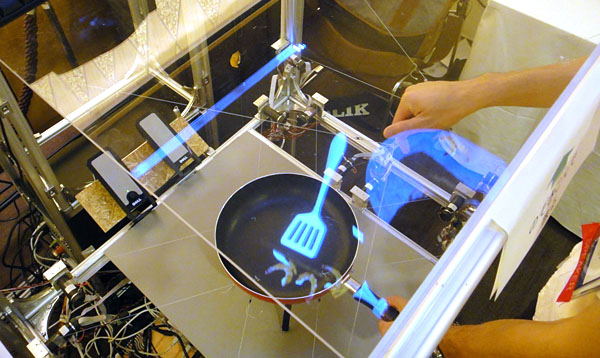
Tokyo Institute of Technology developed a crazy system for anyone wanting to train and improve their cooking skills. In Japan, there is no shortage of good food. After all, Tokyo leads the world as the city with the most Michelin Three-Star restaurants. Now, Japan is applying their technology to the culinary art of training.

What a surprise today to discover that there is no more need for chefs to train their protege. The 3D simulator is the new teacher and teaches chefs-to-be everything they need to know.

The simulator calculates the heat transfer from the pan to the meat or vegetables that are being cooked and displays the visible changes caused by heating. The frypan interface allows for three-dimensional input and as well as moving the frying pan to aid the cooking process. The simulator can feed back the weight of the ingredients combined with the tactile feeling of frying them.

I guess that only thing it can’t do is simulate the smell of burnt food when you mess up.

source: soon soon soon

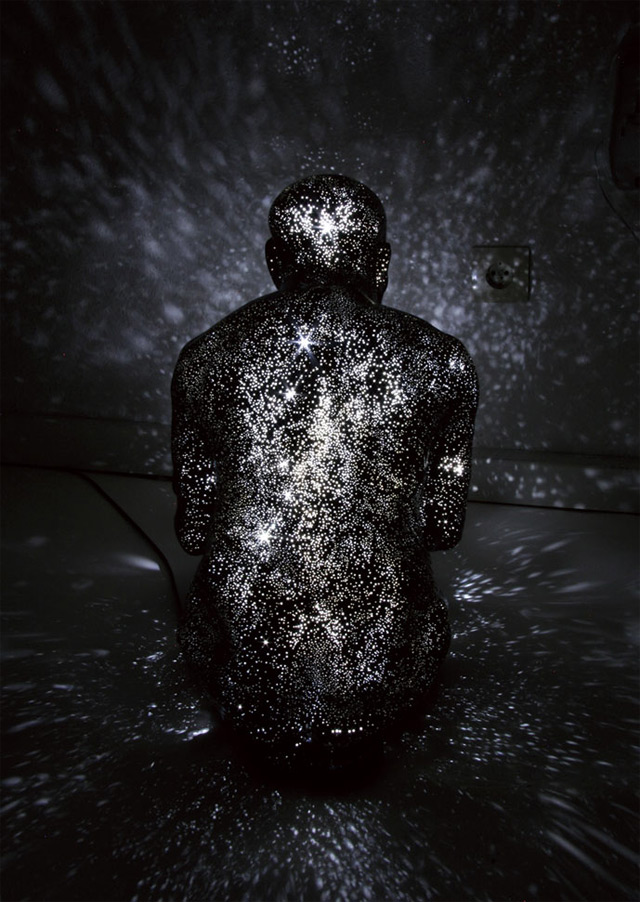
Milky Way | the deathly sculptures of Mihoko Ogaki

light-2

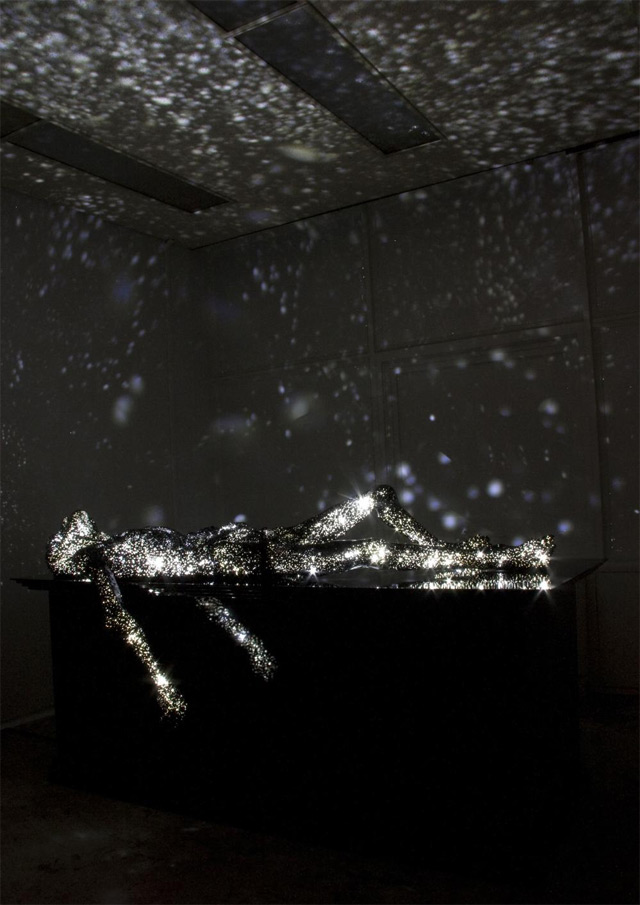
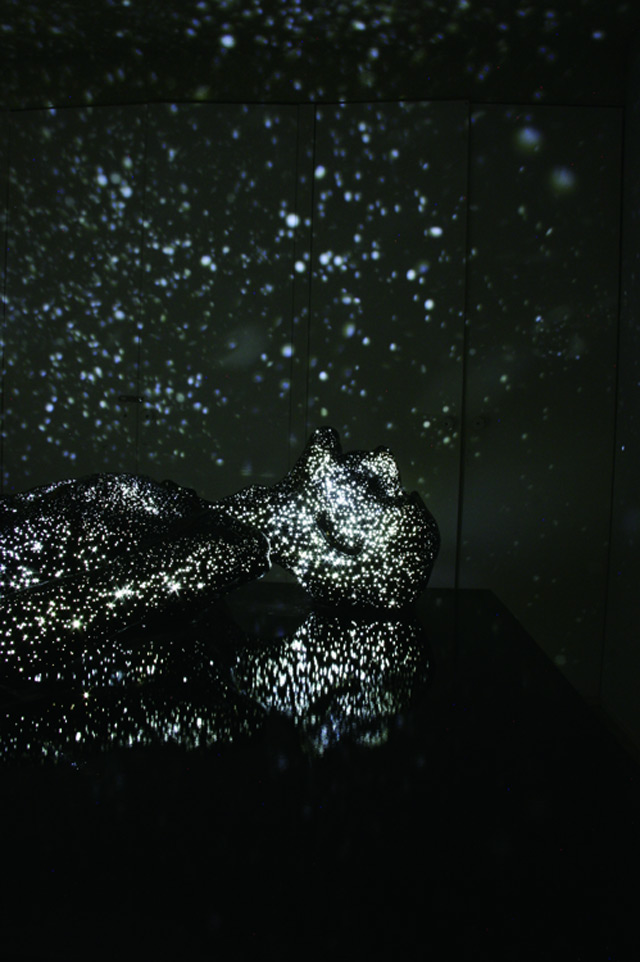
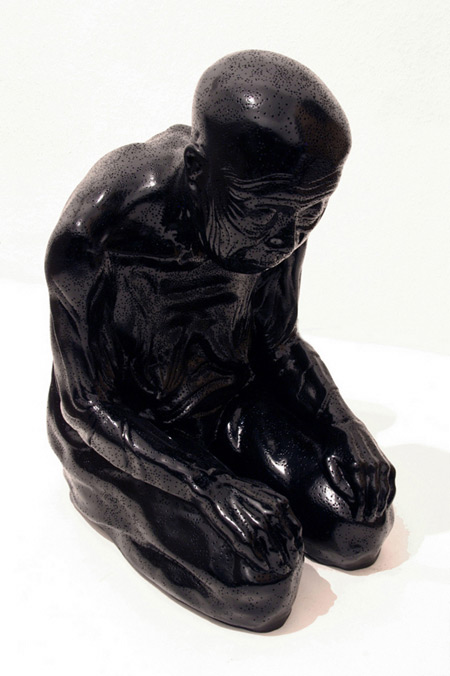
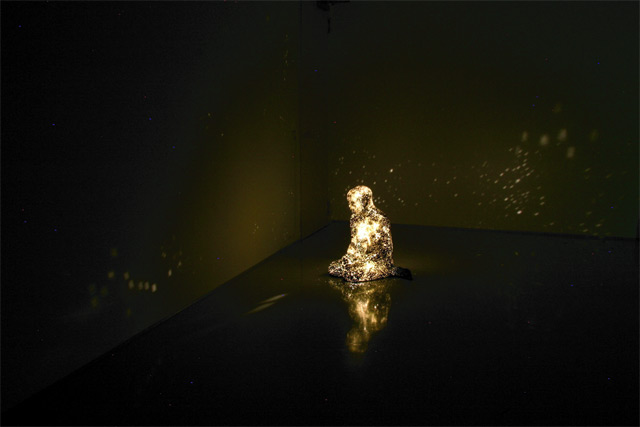
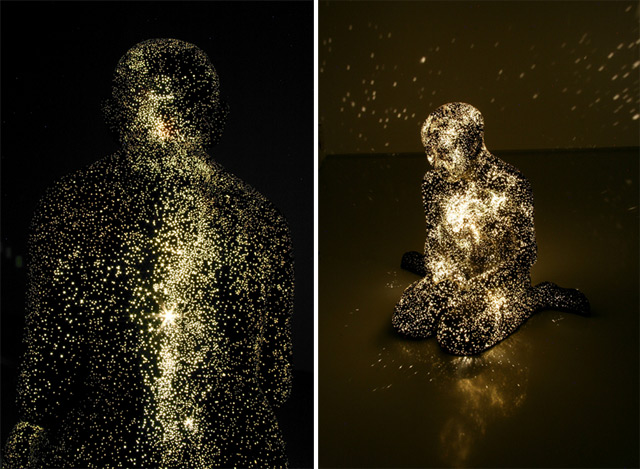
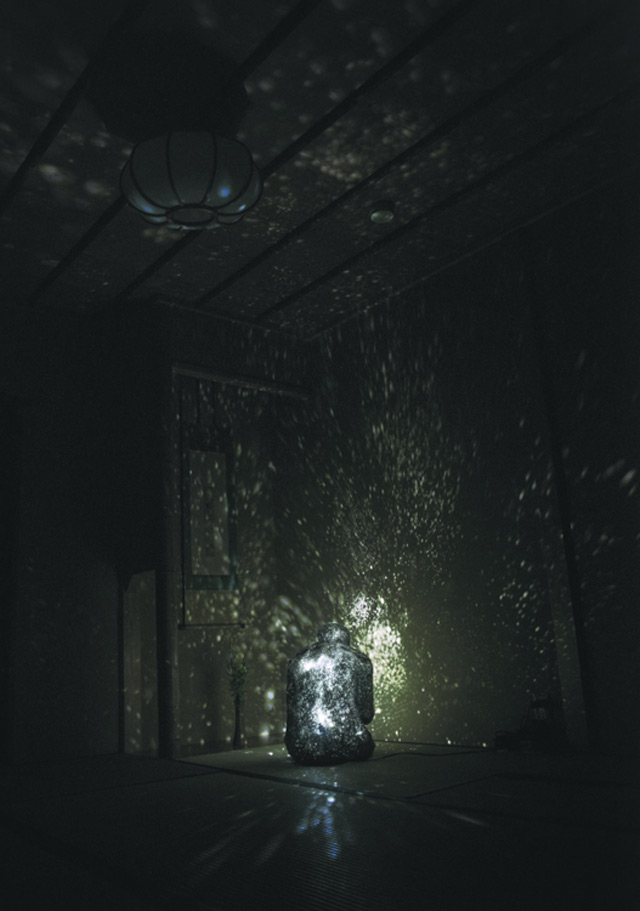
In her series “Milky Way” Japanese sculptor Mihoko Ogaki creates eerie, figurative sculptures made from Fibre-reinforced plastic. The pieces, whose postures indicate they are either on their death bed, or very close, are punctured with thousands of holes and then embedded with powerful LED lights, creating an effect much like the one you get from a planetarium.

Ogaki is no stranger to morbid themes, having analyzed the topic greatly in previous work. however, this latest series is very much about life and the living individual. It is also the first time in her work that she uses the image of a human being. Life itself appears to radiate from the sculpture, which at times almost appears to be a deity that holds the universe within it.

light-3

light-1light-6

light-4

light-5

Born in Japan, Ogaki went to art school in Japan. After graduating she moved to Germany where she spent over 10 years. In 2010 she returned to Japan and is currently based in Toride (Ibaraki prefecture).

Ogaki’s work was most recently on display at “Arte Fiera Bologna 2013” earlier this year.

light-7

source: colossal

« Older posts Newer posts »

© 2026 Spoon & Tamago

Up ↑

Design by Bento Graphics