Page 241 of 406

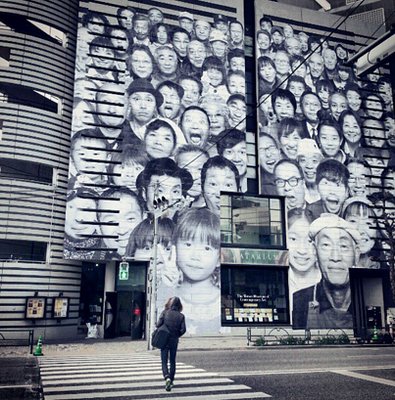
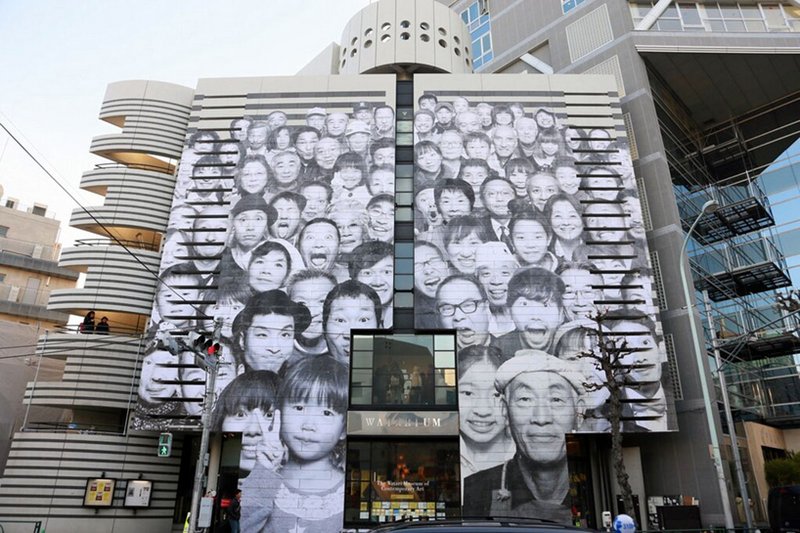
JR’s large-scale mural recognizes inhabitants of Tohoku

JR_tokyo01all images courtesy JR | click to enlarge

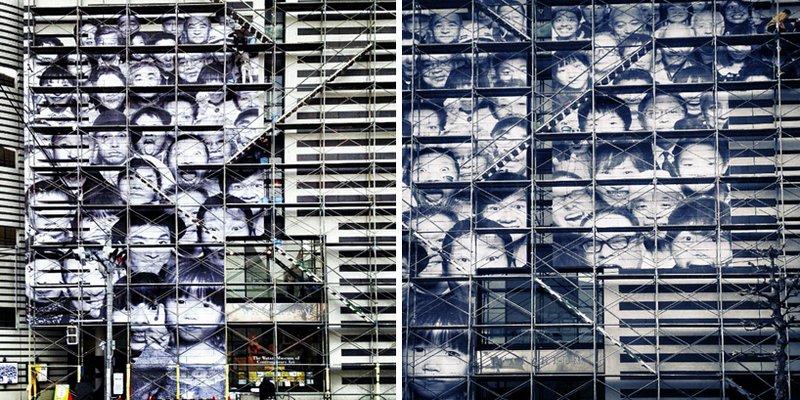
“I wish for you to stand up for what you care about, by participating in a global art project and together we will turn the world… Inside Out,” said French artist JR at a TED talk on March 2, 2011 – coincidentally just 9 days before the Tohoku earthquake and tsunami.

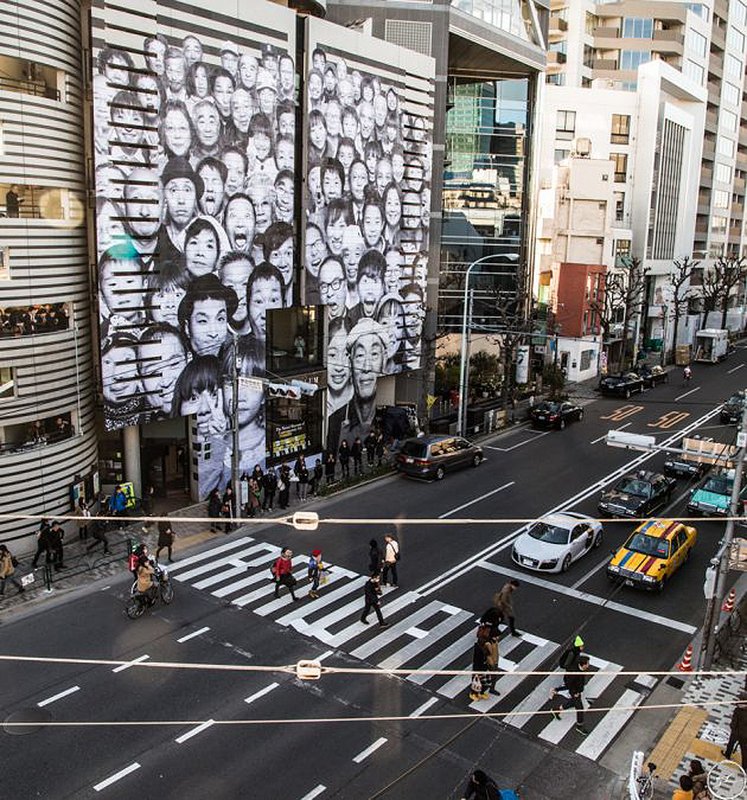
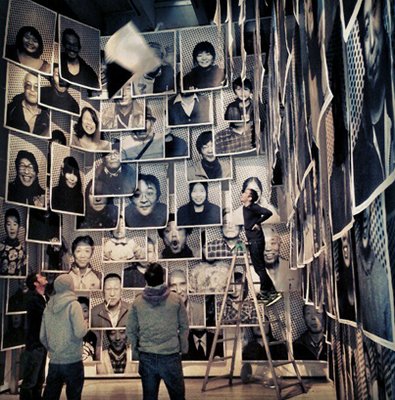
In November of last year, JR spent weeks driving from Kesenuma to Fukushima in a truck equipped with a camera and a large-format printer. He took portraits of about 400 people including children, local fishermen and shopkeepers. The posters, which were exhibited around town, have now traveled to Watari-um for his first solo exhibition in Tokyo.
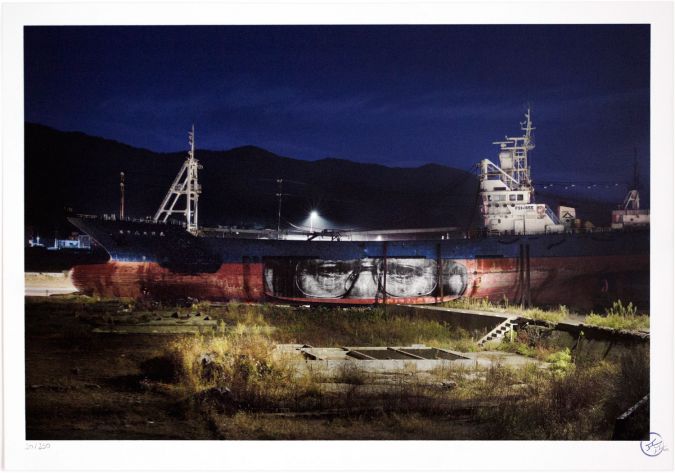
JR_tokyo05 a boat that entered 800 meters inland during the tsunami. In one night, JR and his team pasted the eyes of a local fisherman in honor of the tsunami victims.
 

JR_tokyo02

In addition to a retrospective of his previous work, there is also a participatory element to the exhibition. Visitors can enter a photo booth in the exhibition space and have a poster-size print made. They can take the poster home, post it wherever they like, and are encouraged to send the photos back to the Watari-um museum, or post it to social networks with the hashtag #JRWATARI.

The concept of the project is to give everyone the opportunity to share their portrait and a statement of what they stand for, with the world. It’s currently on display, through June 2, 2013.
JR_tokyo03

JR_tokyo04 JR_tokyo04-1

The Tohoku Artist Caravan Brings Art Back to Tsunami-Ravaged Landscapes

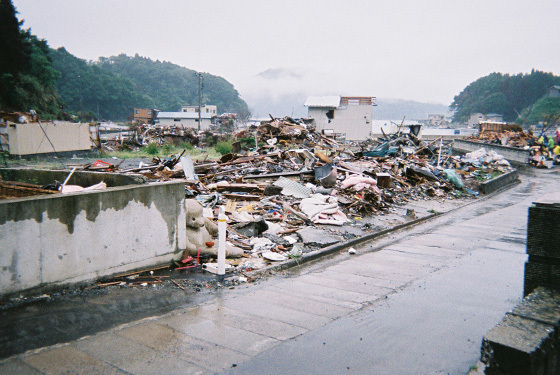
Artist collective TokyoDex is looking for a fresh way to bring aid to the Tohoku region, nearly two years after the devastating 3/11 earthquake and tsunami wiped out much of the region. With physical cleanup efforts nearly finished, the Tohoku Artist Caravan plans to gather artists from around Japan to bring art back into the landscape.

artist caravanKarakuwa, Kesennuma City, Miyagi in July 2011. photos by TokyoDex

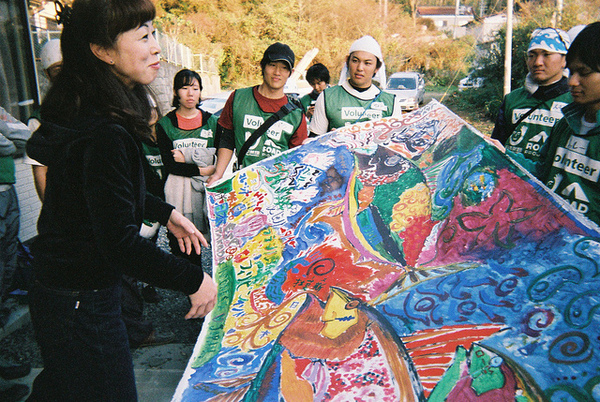
The caravan is set to kickoff in Karakuwa, a small town on the eastern side of Kesennuma in Miyagi Prefecture. “One of the most striking comments we heard when visiting Karakuwa was about the ‘impenetrable gray’ that has pervaded the landscape since the disaster,” says D.H. Rosen, the project’s director. The team will paint murals on buildings and tsunami walls, and the kickoff celebration will feature a taiko ensemble.

artist caravan artRelief volunteers in Karakuwa. photos by TokyoDex

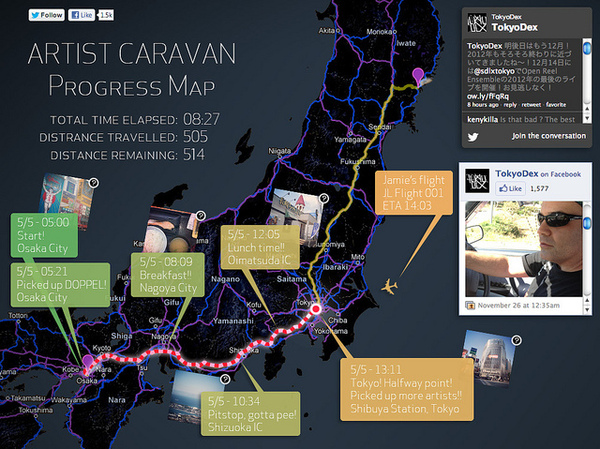
By crowdfunding the project the Tohoku Artist Caravan hopes to get an international audience involved and bring the media spotlight back to Tohoku. An interactive website will allow users to track the caravan in real time as it moves across Japan.

artist caravan website

Japanese speakers can donate to the project at their Campfire site, English speakers can visit them at Indiegogo.

Rainbow Shower | Sugamo Shinkin Bank in Ekoda by Emmanuelle Moureaux

sugamo shinkin ekoda (2)photos by nacasa and partners inc. | click to enlarge

sugamo shinkin ekoda (3)sugamo shinkin ekoda (1)

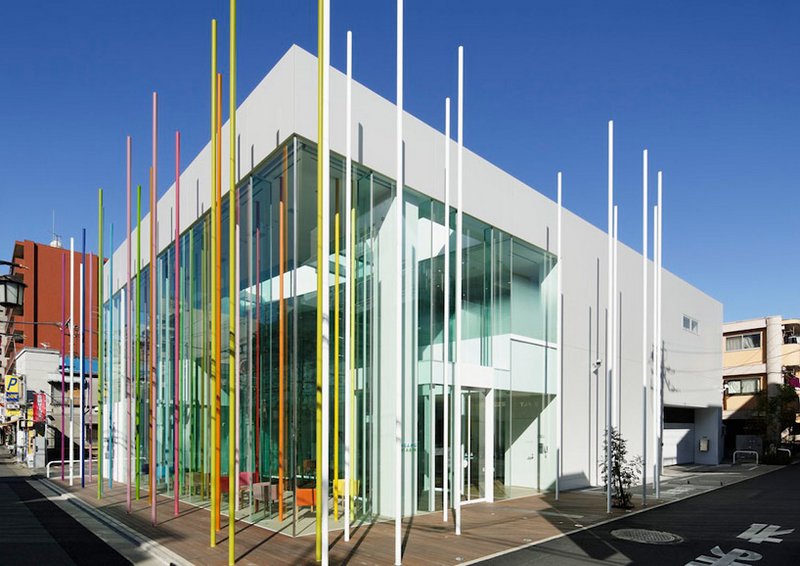
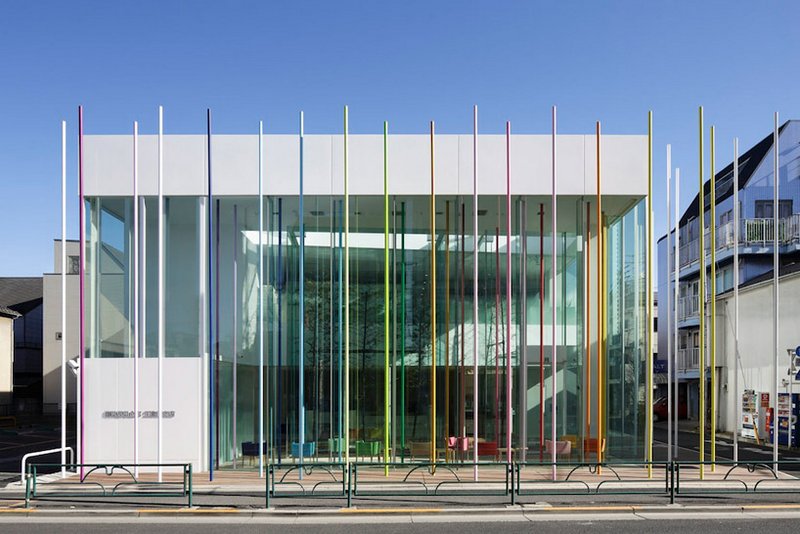
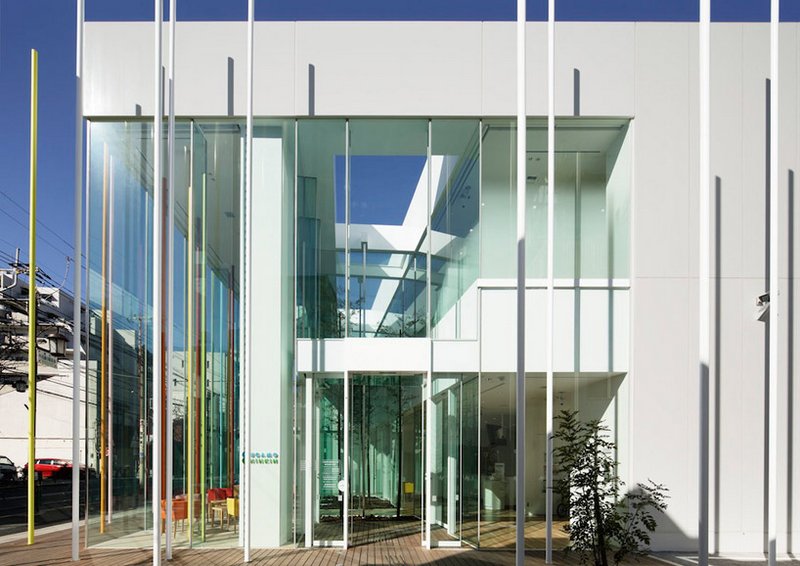
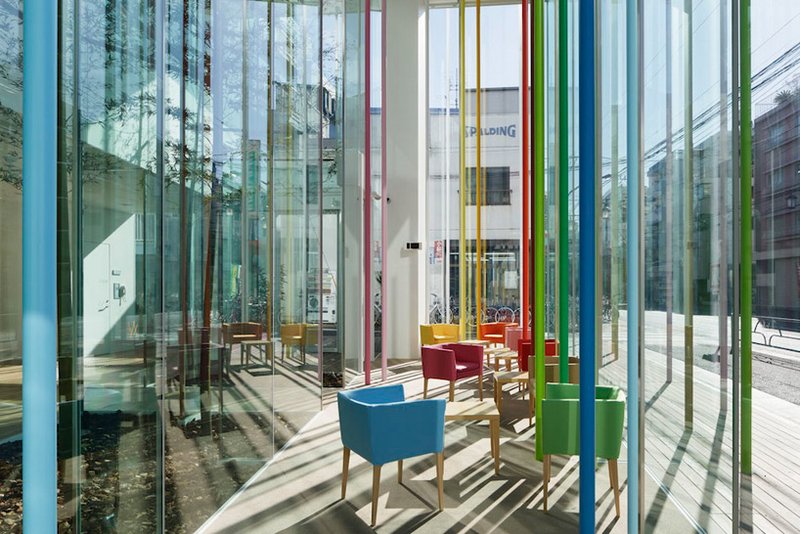
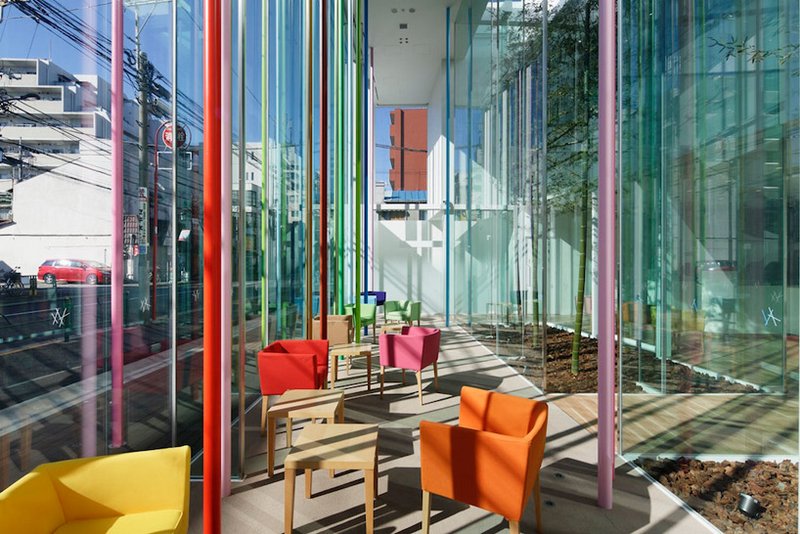
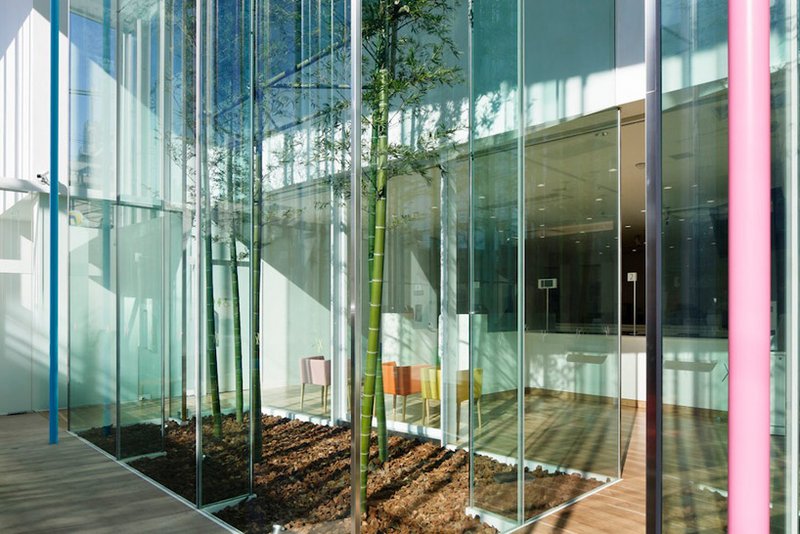
Tokyo-based architect Emmanuelle Moureaux is on a quest to make Japan’s financial services industry more colorful. Her latest work for Sugamo Shinkin Bank – her 4th for the Japanese commercial bank, all equally colorful – is located steps away from Ekoda Station in Tokyo.

Moureaux has also scrapped the large, ugly corporate sign – a common sight with banks – and replaced it with numerous vibrant “sticks” (a common element seen in Moureaux’s work) that juts out 9 meters from the ground, effectively announcing the bank’s presence. As I’ve done with the previous bank locations, Moureaux said at a press event back in January, “I’ve tried to create a space that makes people want to stay, if only for a few more seconds.”

sugamo shinkin ekoda (4)

sugamo shinkin ekoda (5)

sugamo shinkin ekoda (6)

sugamo shinkin ekoda (7)

sugamo shinkin ekoda (8)

source: press release

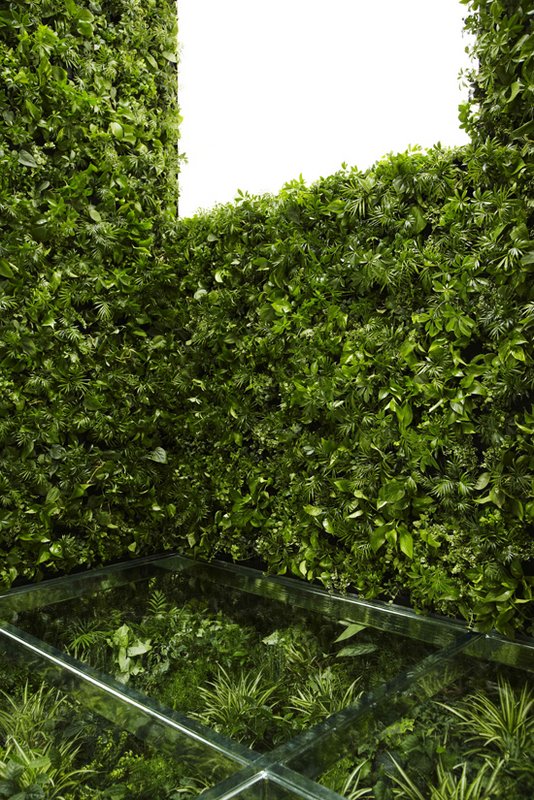
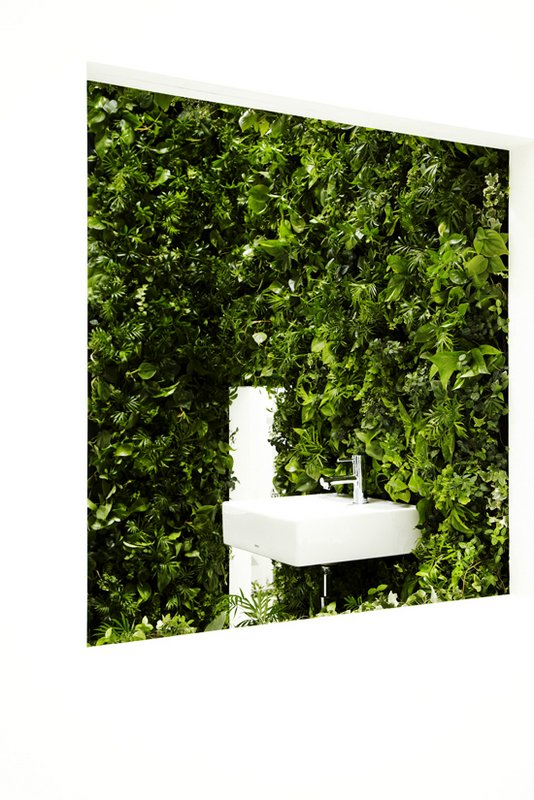
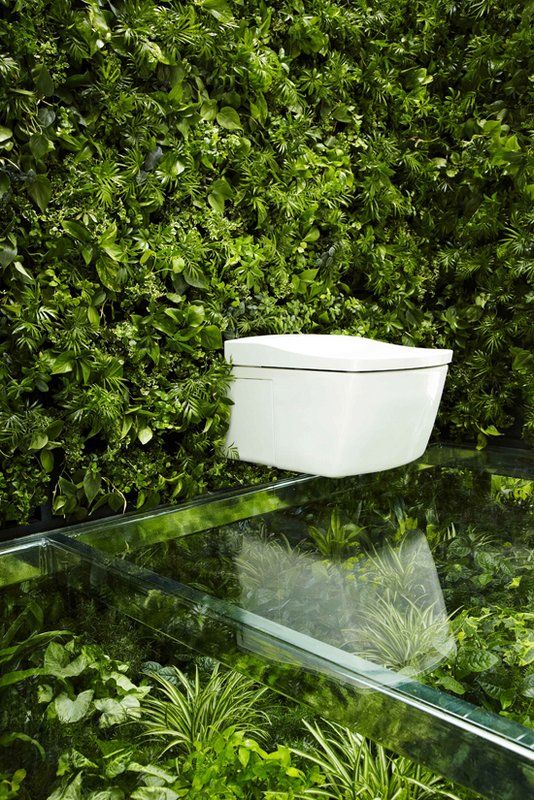
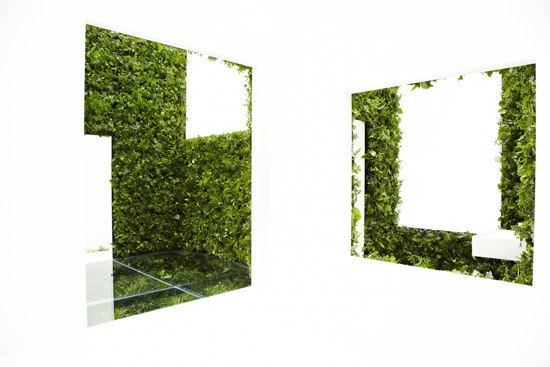
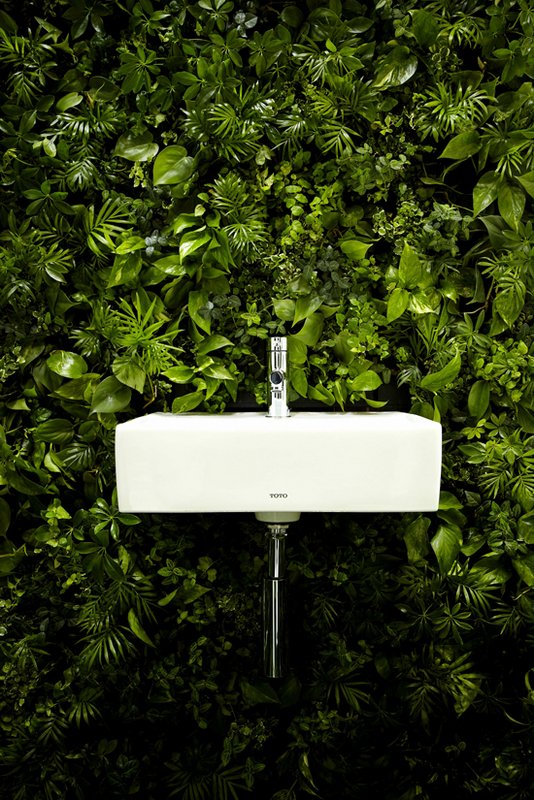
HOUSE VISION 2013 | a bathroom surrounded by green walls and floors


_9999_115all images courtesy makoto azuma

_9999_36-cc26b

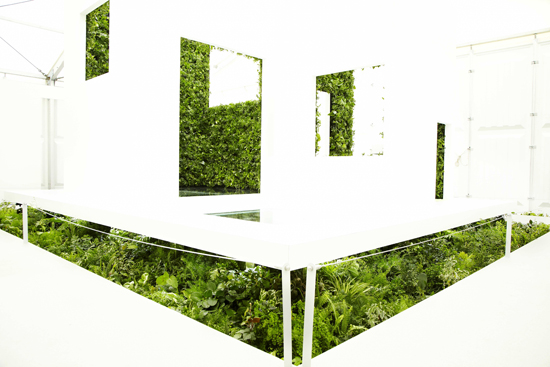
Currently on display in Tokyo is HOUSE VISION 2013, design guru Kenya Hara’s grand initiative to rethink housing by pairing various companies from various industries with architects and designers. The result is a sprawling installation of homes, all of which (except for 1) are built to real life scale.

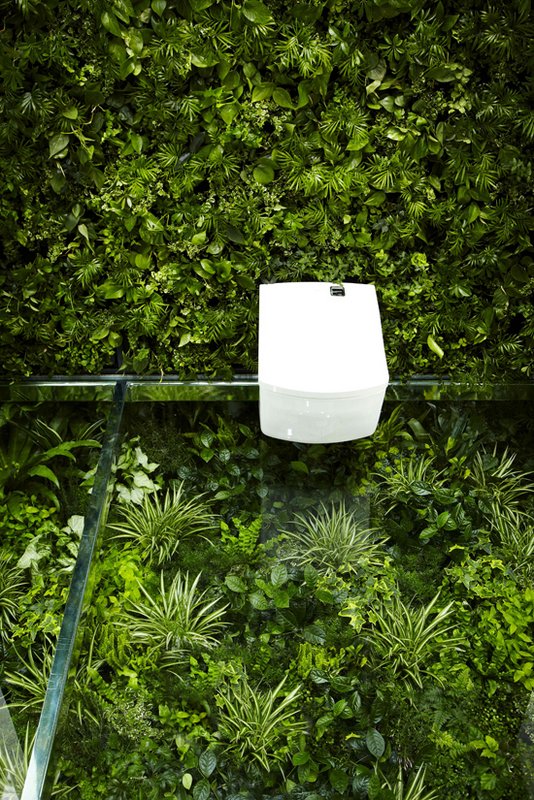
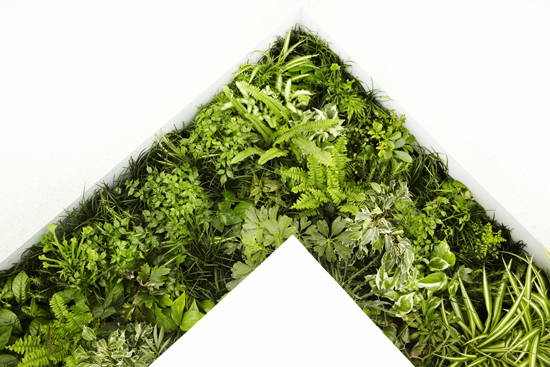
One of the most radical designs is gokujo no heya (room of exquisiteness) in which Naruse-Inokuma Architects and botanical artist Makoto Azuma worked with toilet maker TOTO and window manufacturer YPP AP to bring to life their ideal bathroom. Elements of greenery, typically found outside, are brought inside to an extreme degree. Plants cover the walls, as well as the floors, which are glass. And yes, they’re all real. How you’re supposed to water them? Well, I’m not exactly sure.

The bathroom is never treated with the same level of attention as other rooms in the house, says the architects, “so we tried envision what a bathroom would look like if all of our resources were devoted to it.”

_9999_8-ac8bf _9999_15-25bb7

We’re at a pivotal point, says  designer Kenya Hara, who believes that, in order to take control of the 21st century we need to visualize the possibilities presented by new industries. “This isn’t just about housing. The house is merely an arena where different industries can come together.”

_9999_101-1cb67

House Vision 2013 runs from March 2 to March 24, 2013. General admission is 1,800 yen.

_9999_39-0cf5f

_9999_85-60b1e

_9999_39-0cf5f_9999_16202-ab32f

Mikan Newspaper | an epic ad for oranges

522542_462209887183361_1015473780_nimage courtesy @shizushin_news | click to enlarge

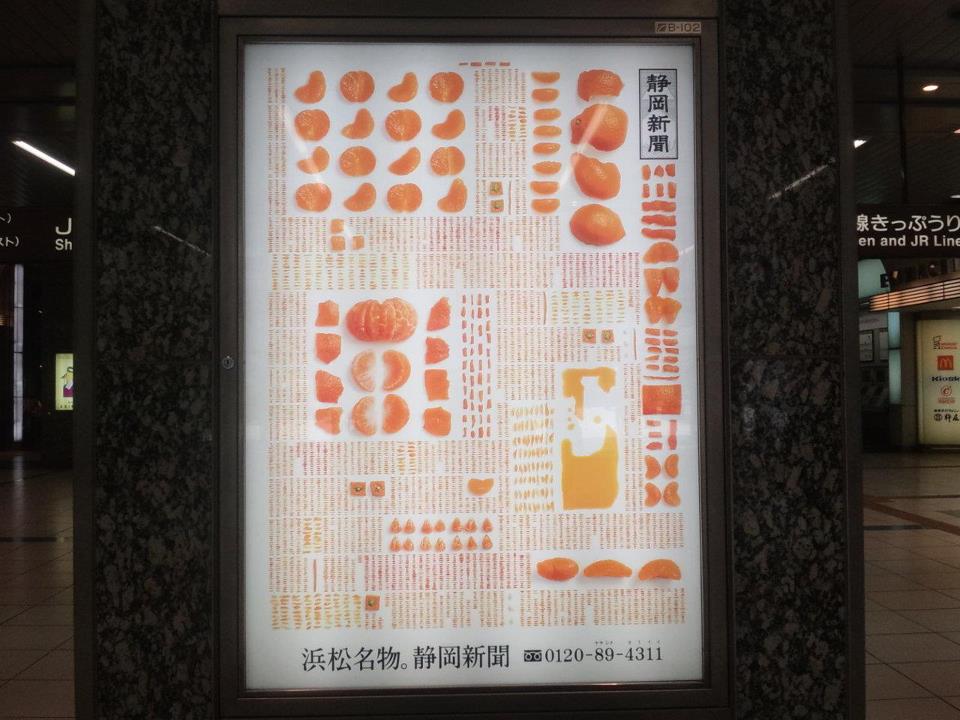
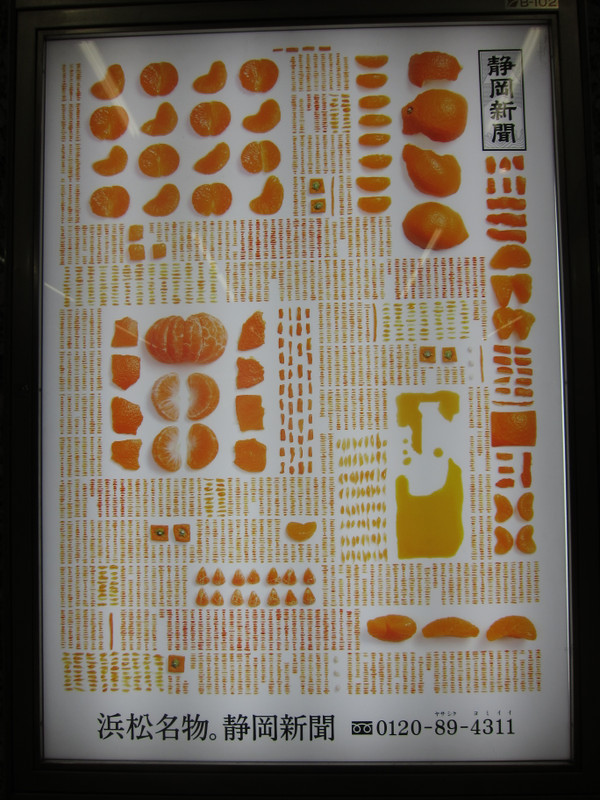
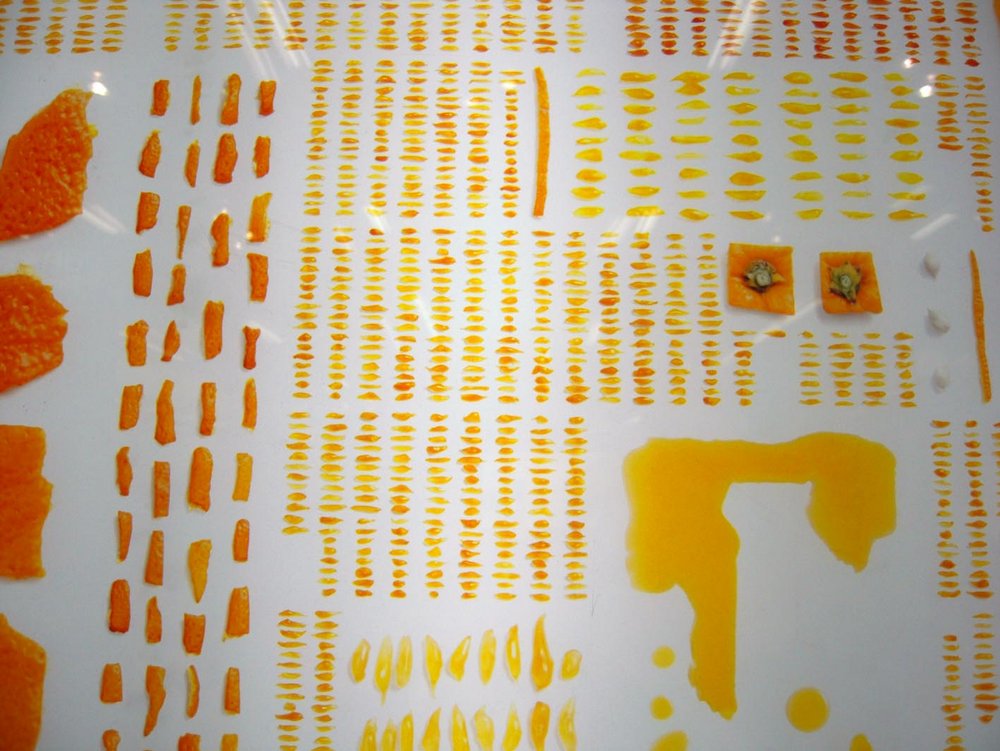
Tangerines, satsuma oranges, mandarin oranges, cuties – it seems everyone has their own name for it. And in Japan, the Mikan – everyone’s favorite fruit – is everywhere. So when a local newspaper in Shizuoka decided to run their own ad, they teamed up with Mikabi Mikan, a well-known local producer of the fruit, to take advantage of the concept of being “everywhere.”

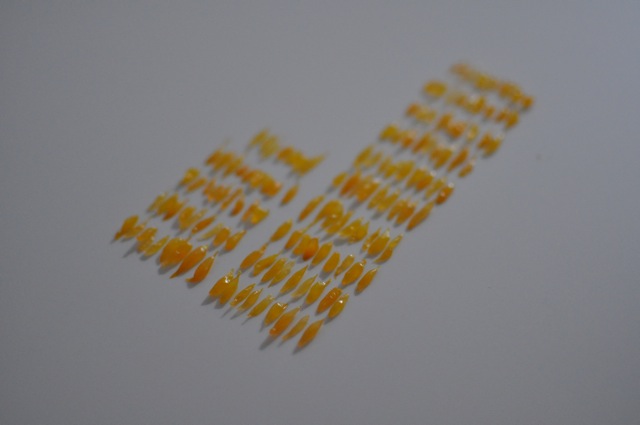
Without relying on digital manipulation they meticulously peeled and dissected several mikans, using everything from the skin, pulp and juice to recreate an entire front page newspaper. Stunning!

img_3775_2

DSCN3824image courtesy explanning | click to enlarge

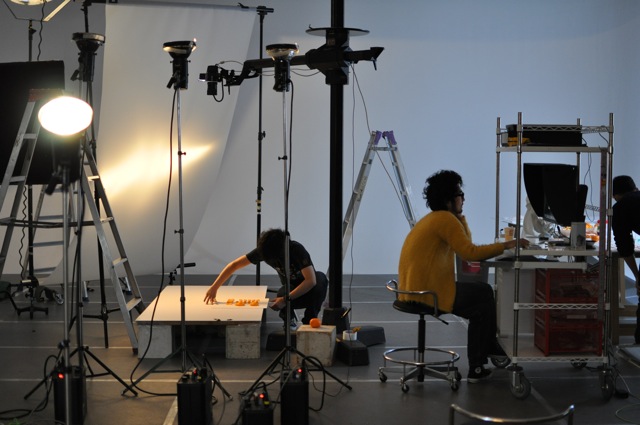
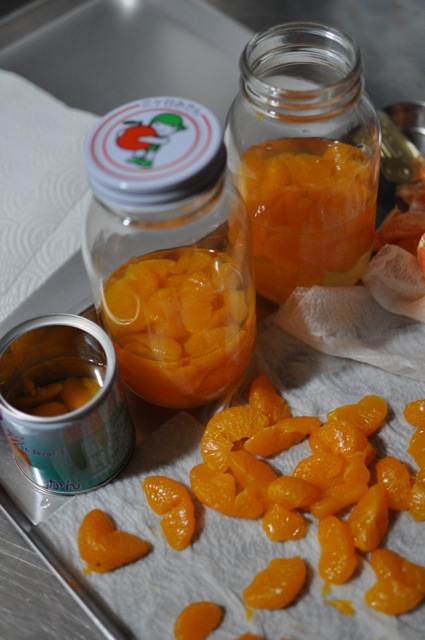
Here are a few making-of shots, courtesy of @naramagic, who was part of the production team.

cF9ucF7o

cF9GcF99


“Design Ah!” Exhibition Makes You Part of the Art

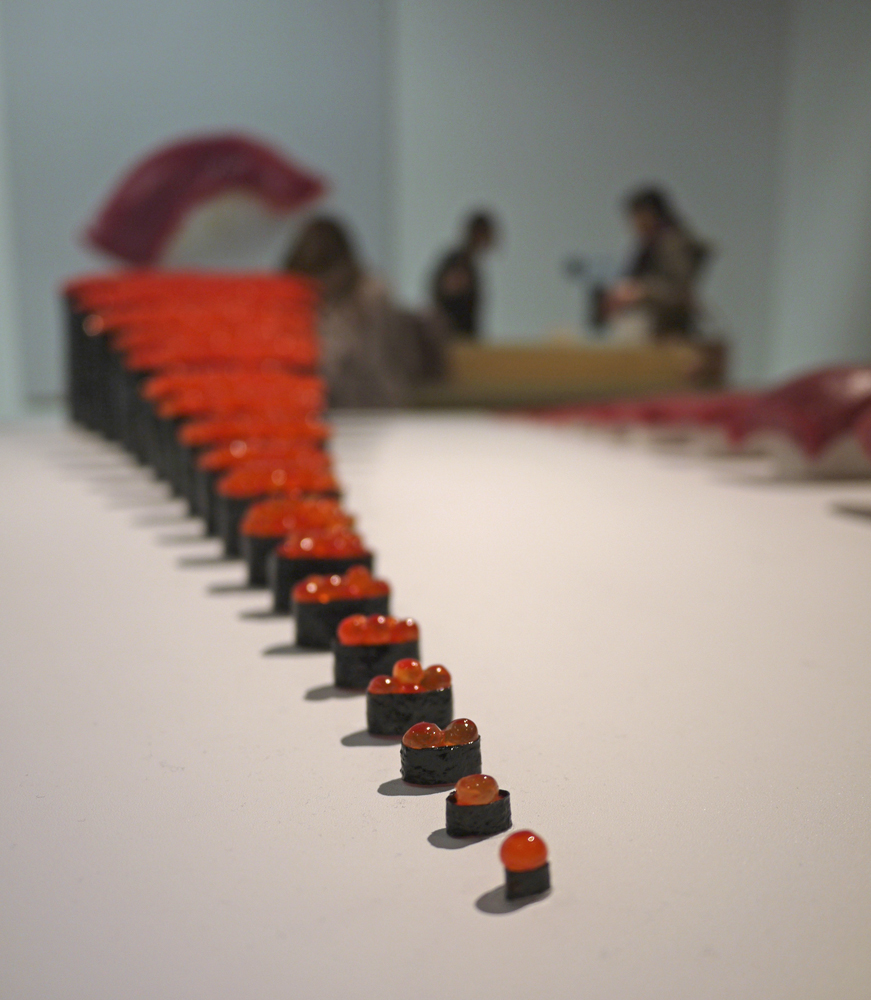
Just rightWhich piece of sushi is just right? You get to decide. all images by Angela for Spoon & Tamago | click to enlarge

The NHK education television series “Design Ah!” seeks to teach children about the wonder of design. This spring they take the program out of the screen and into the museum with an art exhibition at 21_21 Design Sight, Tokyo Midtown’s innovative art gallery.

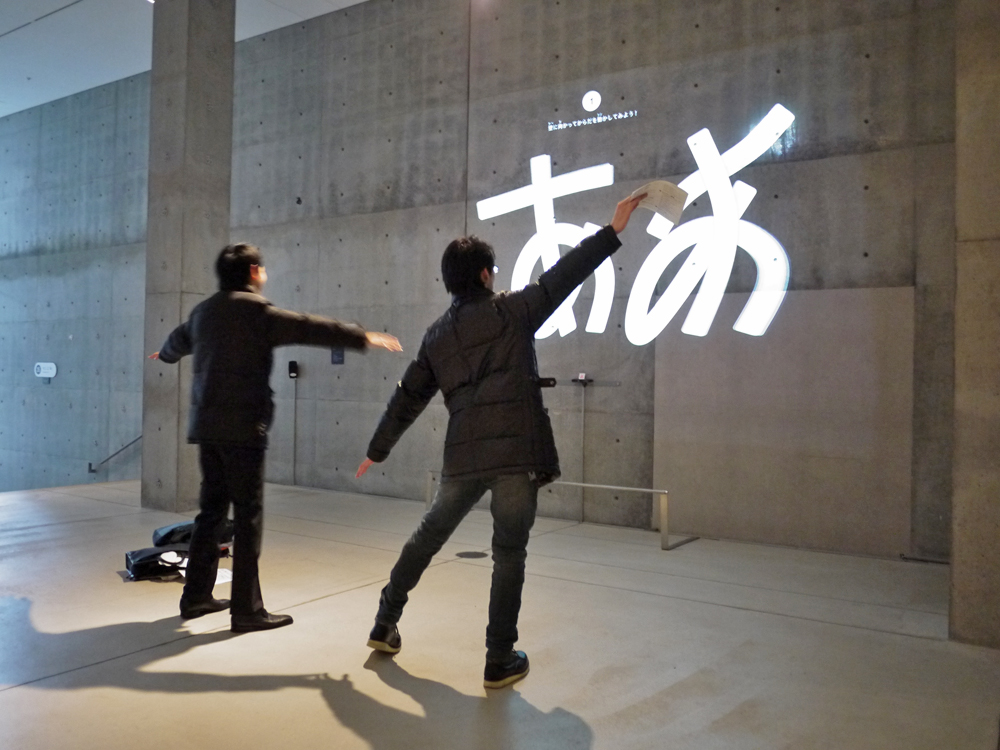
"Ah!" in motionAs You move, the “Ah!” moves with you | click to enlarge

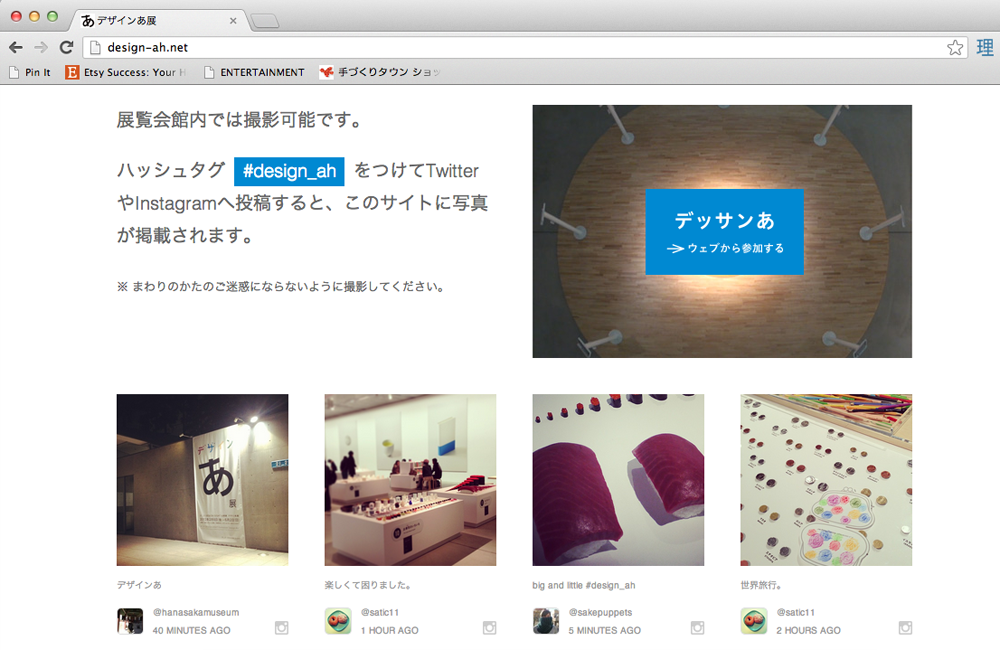
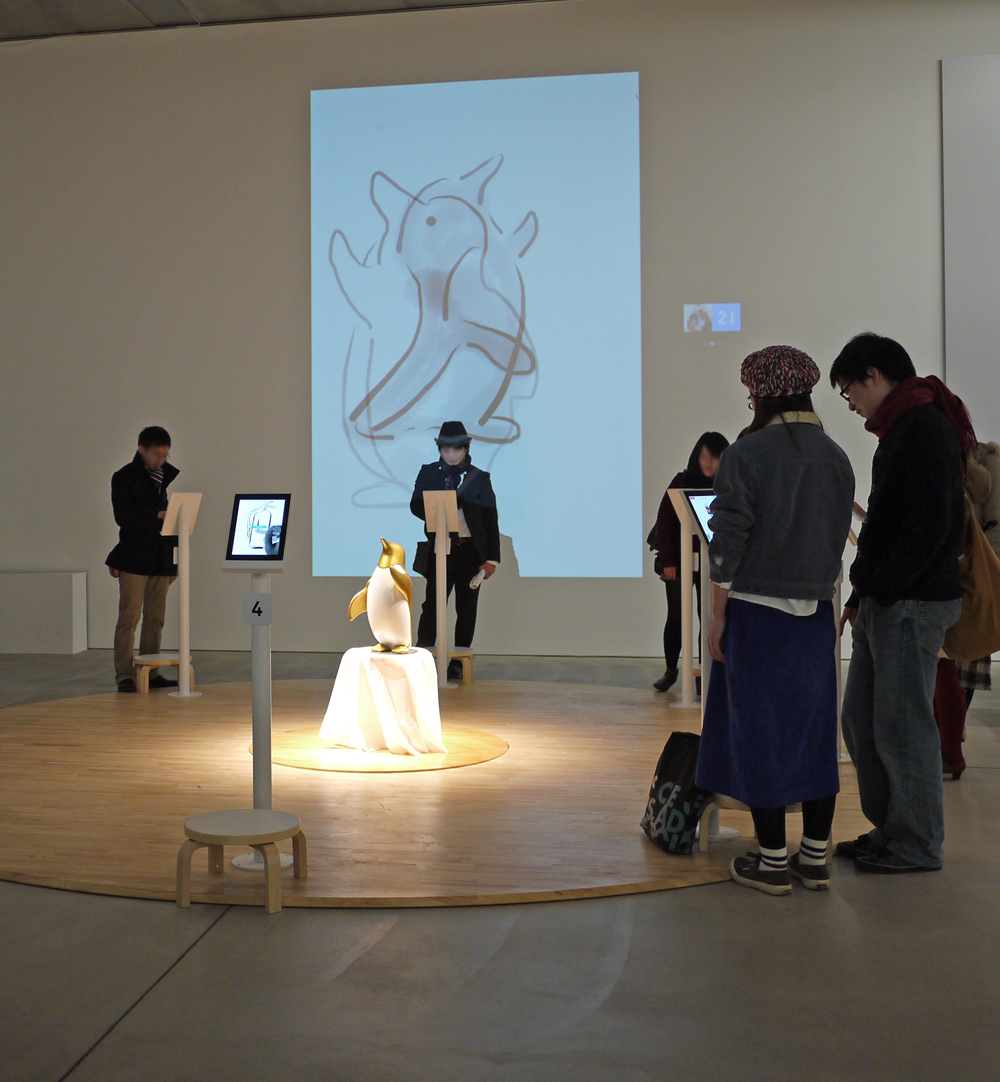
From the start you are invited to stretch your “Design Mind” and literally become part of the exhibition. Almost every work on display is interactive, and children and adults alike will have fun getting their hands on the art. Motion-capture video screens project your image on the wall, crayons and paper are available to design your own “Ah!” for a chance to be displayed in the exhibition, and deconstructed sushi blocks let you pretend to be Jiro for a day. Photographs in the exhibition are encouraged, and Instagram and Twitter messages tagged with #design_ah are fed into an online image gallery.

Instagram and Twitter "Ah!"Instagram photos with #design_ah appear on the exhibition’s website. Can you spot mine? | click to visit the site

It is hard not to feel inspired at an exhibition like this. Whatever your medium — photography or toy blocks — art and expression are applauded here. “Design Ah!” is on display until June 2, 2013.
"Ah!" sketchesYour sketches immediately appear on the big screen for everyone to critique. | click to enlarge
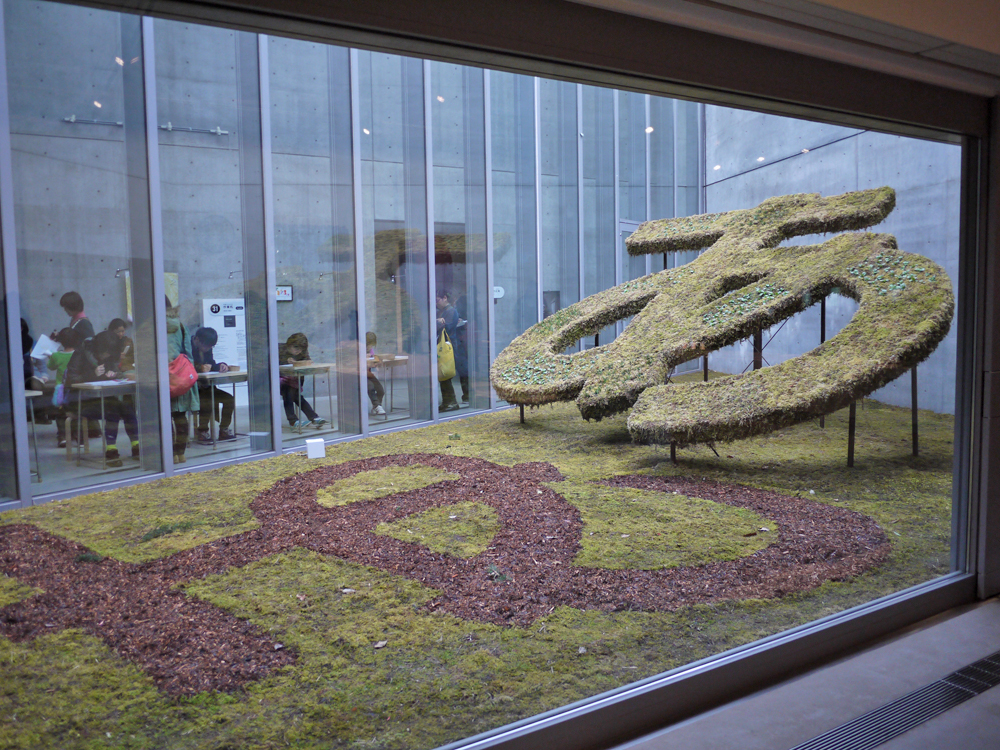
Growing "Ah!" The greenery-covered “Ah!” will change over the 100 days of the exhibition. | click to enlarge

A Landscape of Memories | Garden Tree House by Hironaka Ogawa

Garden-Tree-House-by-Hironaka-Ogawa (6)

“The daughter has memories of climbing these trees when she was little.”

Garden-Tree-House-by-Hironaka-Ogawa (7)all photos by Daici Ano | click to enlarge

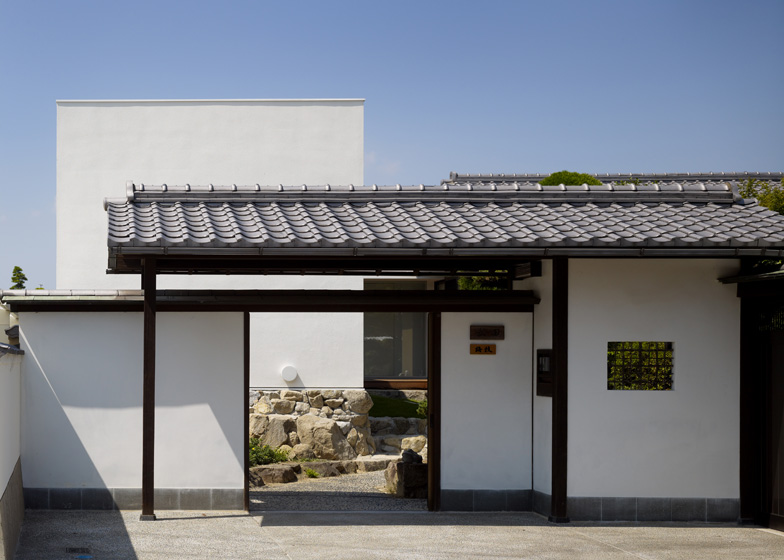
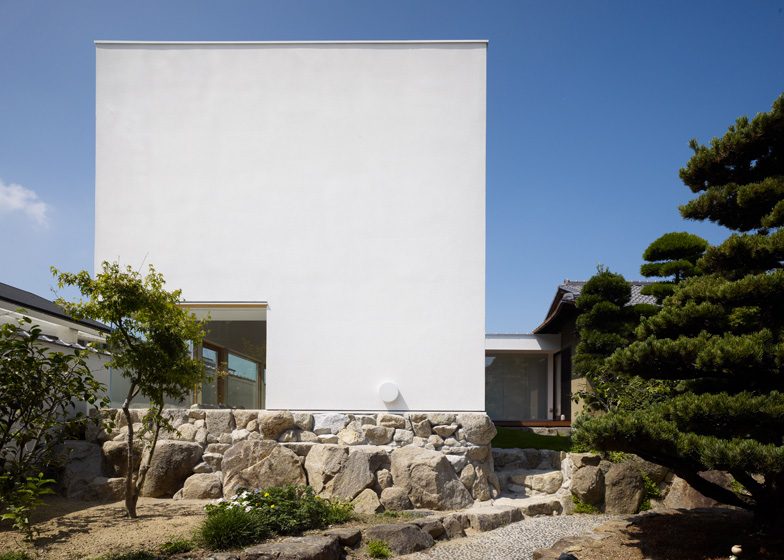
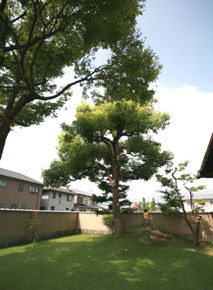
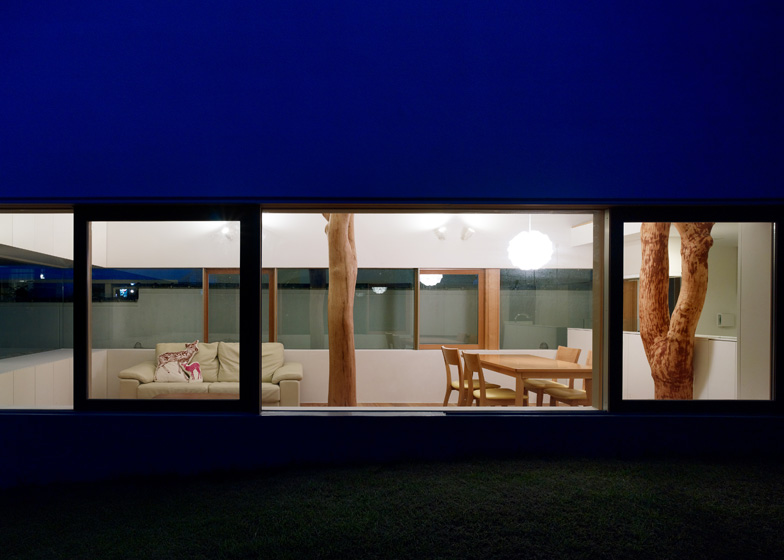
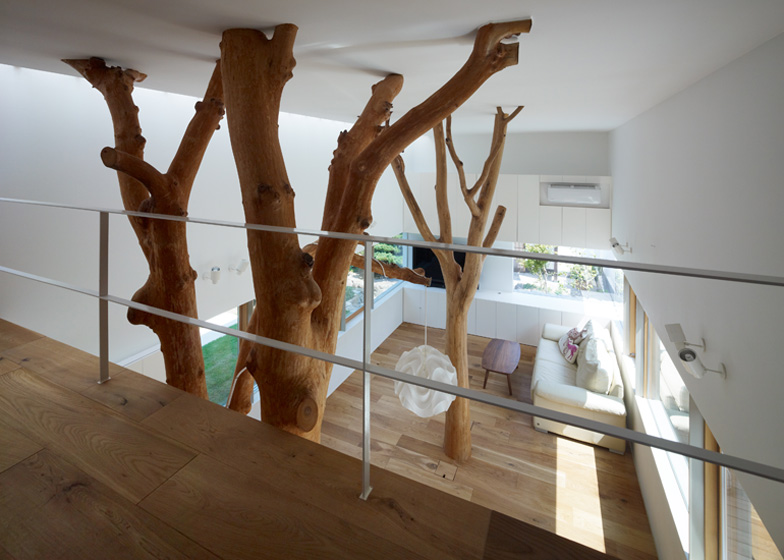
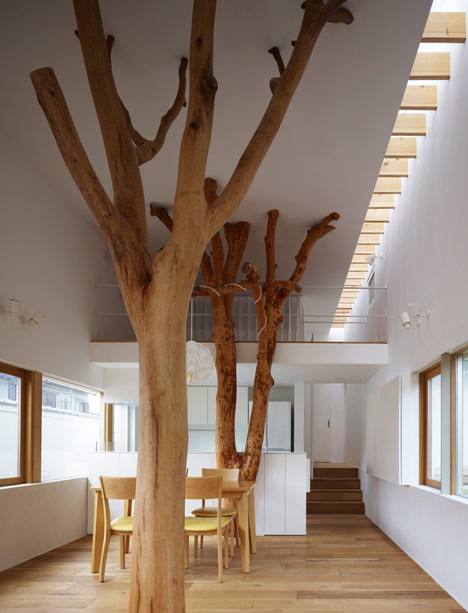
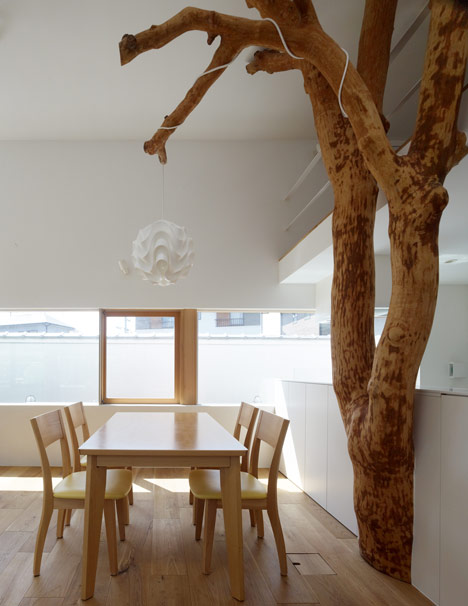
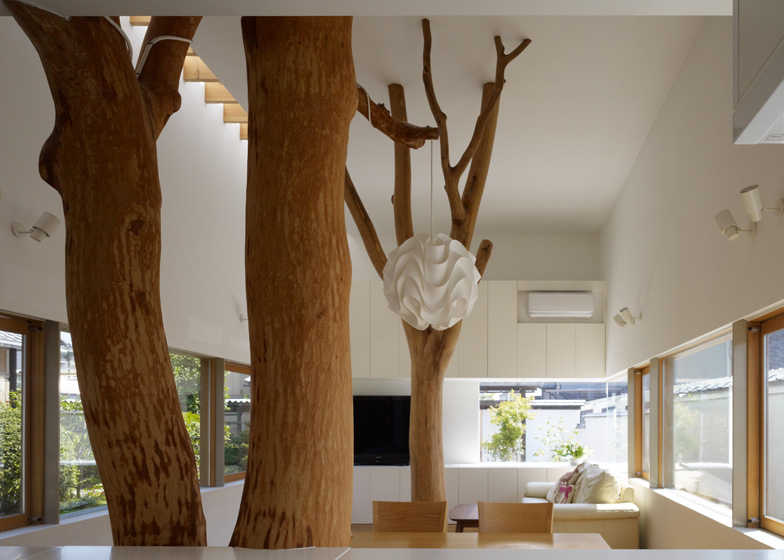
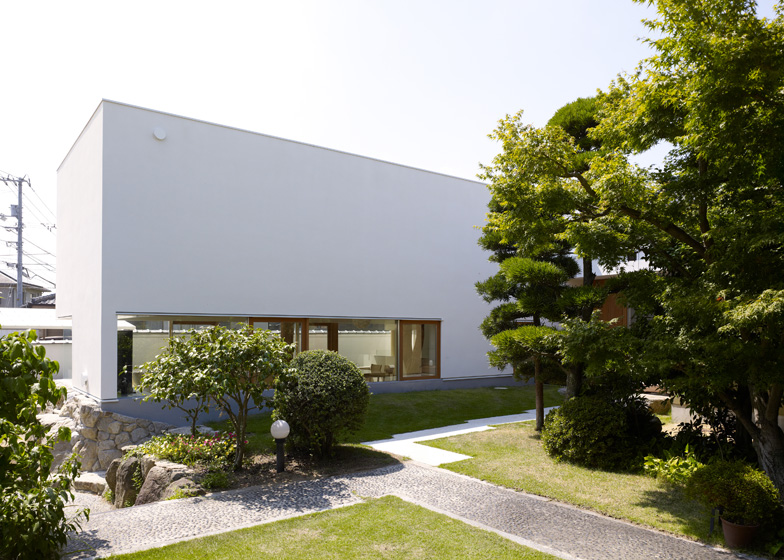
When the parents living in an old 35-year old home decided they needed to bulldoze their garden to make way for an extension for their daughter and her husband, they were immediately confronted with an immovable problem. Two trees – a Zelkova and Camphor – had stood on the site since the original home had been built, quite literally looking over the family as they aged and grew. “The daughter,” says architect Hironaka Ogawa, “has memories of climbing these trees when she was little.”

Garden-Tree-House-by-Hironaka-Ogawa (9)Garden-Tree-House-by-Hironaka-Ogawa (10)

Garden-Tree-House-by-Hironaka-Ogawa (11)Garden-Tree-House-by-Hironaka-Ogawa (12)Garden-Tree-House-by-Hironaka-Ogawa (13)

Ogawa’s initial plans to somehow design the home around the trees was shattered when he saw how grounded these monumental trees were as being held securely in the palm of history. And yet he was being asked to make way a new abode that would continue to protect their growing family.

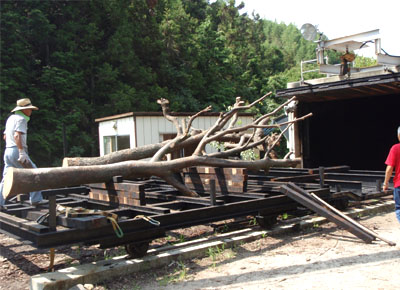
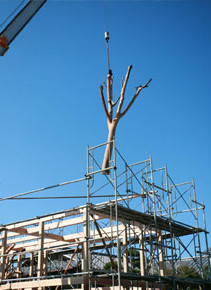
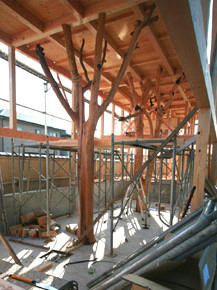
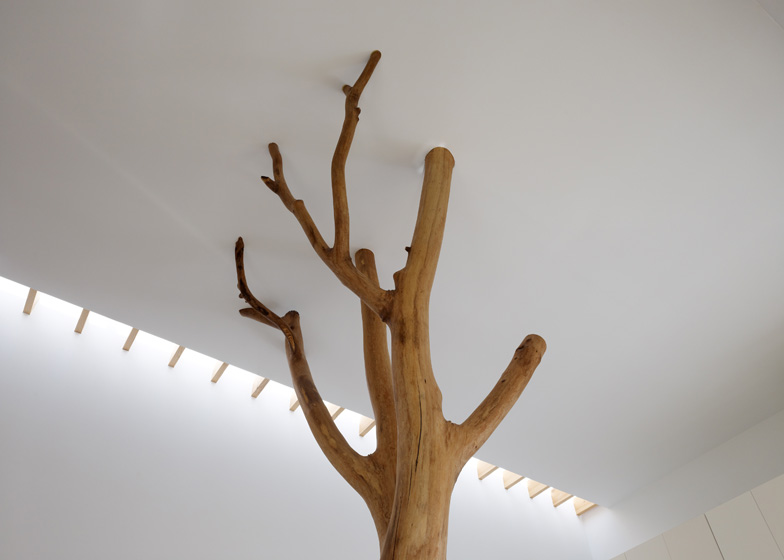
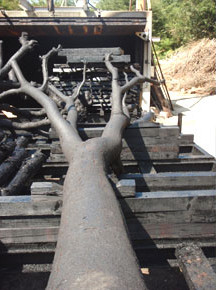
The trees were cut down, but not before a Shinto priest was brought in to ward off any evil spirits. They were then transported to a local kiln where they were smoked and dried for 2 weeks to remove all moisture. The trees were then returned to the site where they were crane-lifted into the room and secured to act as main structural columns. “When this house is demolished and another new building constructed by a descendant of the client hundreds of years from now,” the architect says, “surely these two trees will be reused in some kind of form.”

Garden-Tree-House-by-Hironaka-Ogawa (1)

Garden-Tree-House-by-Hironaka-Ogawa (2)

Garden-Tree-House-by-Hironaka-Ogawa (14) Garden-Tree-House-by-Hironaka-Ogawa (15)

Garden-Tree-House-by-Hironaka-Ogawa (3)

Garden-Tree-House-by-Hironaka-Ogawa (4)

Garden-Tree-House-by-Hironaka-Ogawa (5)

source: submission

Craft of Movement | NAM’s spectacular installation for Onitsuka Tiger

Onitsuka-Tiger-Craft-of-movement-Jan.-2013

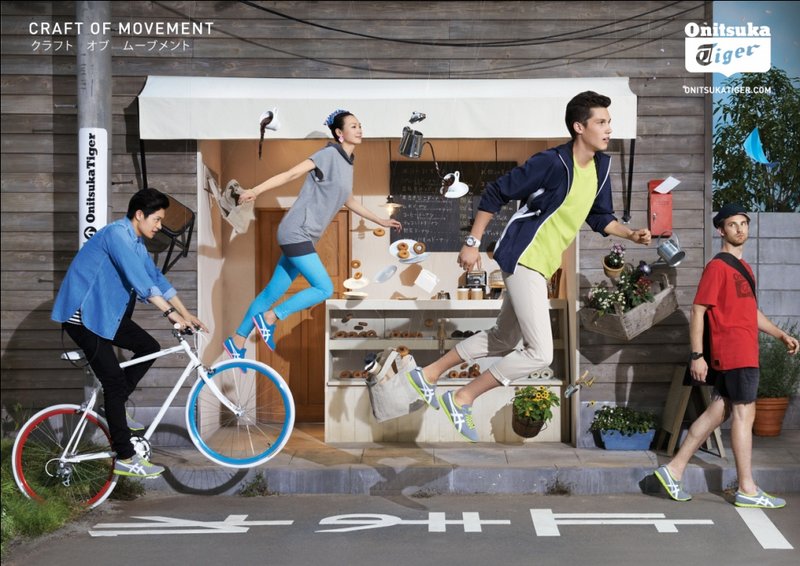
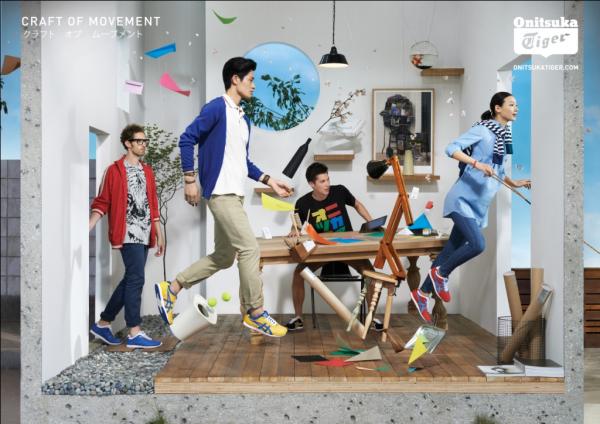
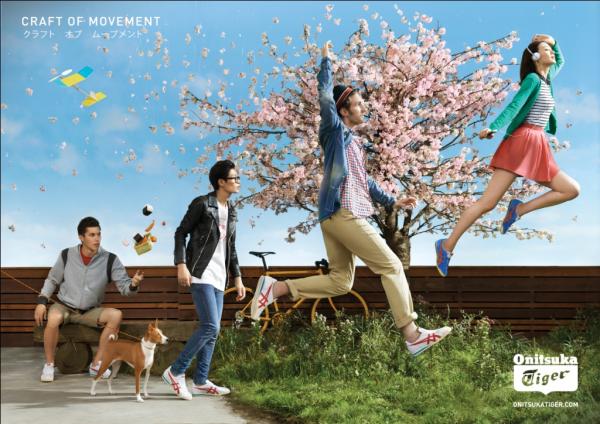
Onitsuka Tiger has unveiled its Spring/ Summer 2013 campaign featuring a spectacular installation designed by NAM (previously). In just five days they rebuilt the bustling streets of Tokyo across three scenes using NAM’s signature style of suspended props (read no computer graphics). Watch as models glide through cherry blossoms, spilt coffee and furniture in continuous motion.

The piece was shot by Blast Radius creative director Andrew Watson and was assembled with the help of hands from students at Musashino and Tama Art Universities.

onitsuka-tiger-craft-of-movement-2-600-31717

onitsuka-tiger-craft-of-movement-3-600-58575

And the making of video is almost just as fun:

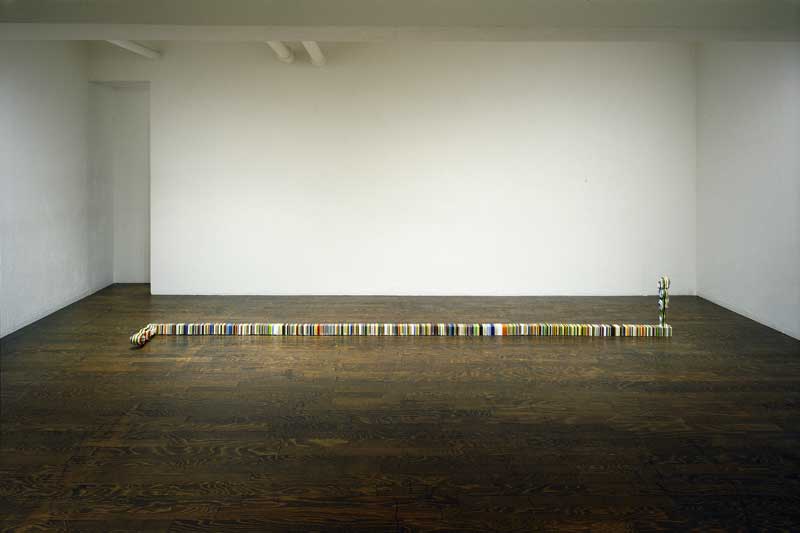
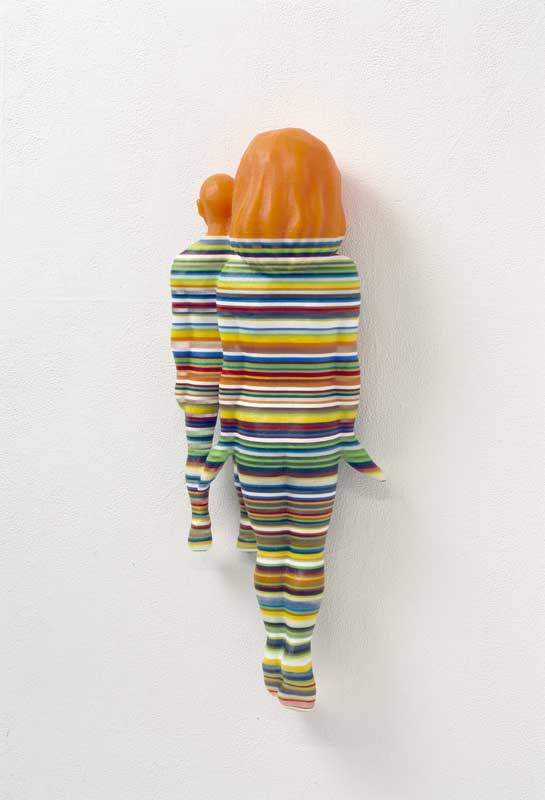
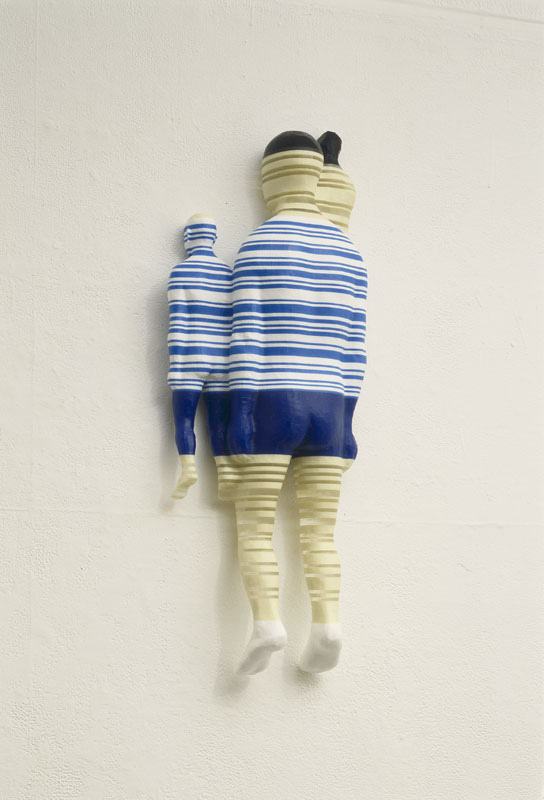
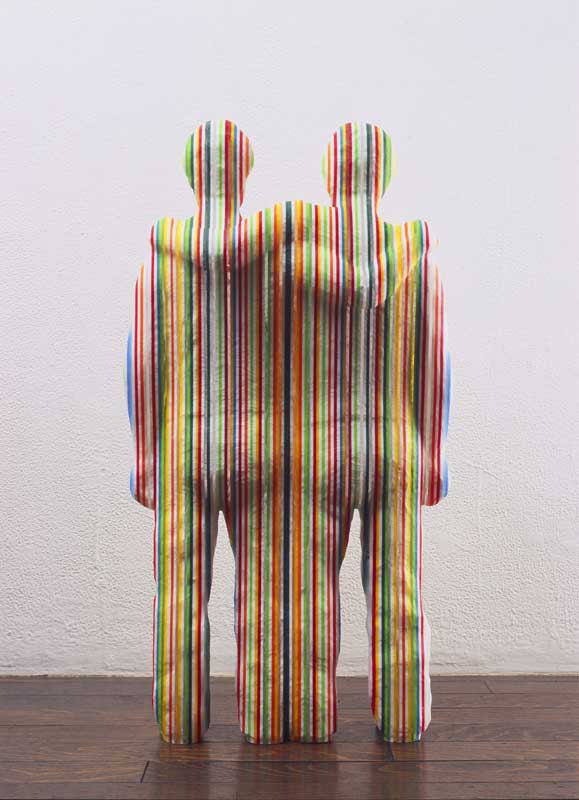
The multi-colored stripe sculptures of Kyotaro Hakamata

kyotarou-hakamata (4)images courtesy gallery kobayashi | click to enlarge

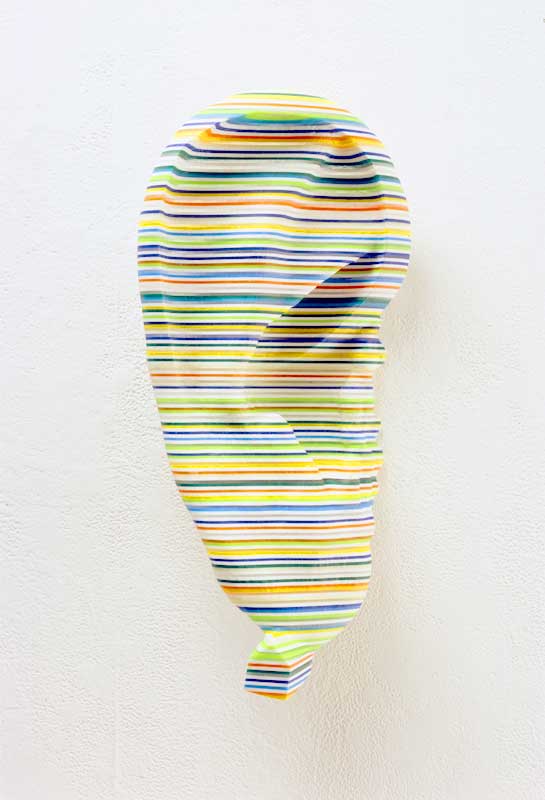
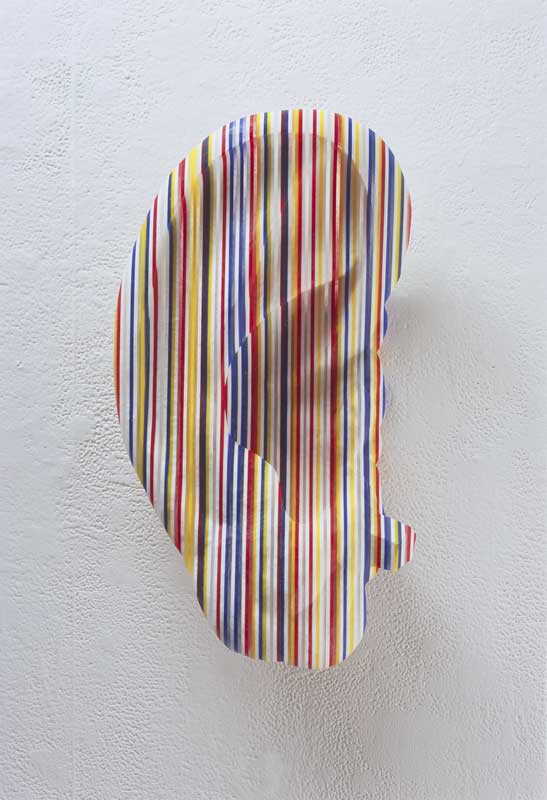
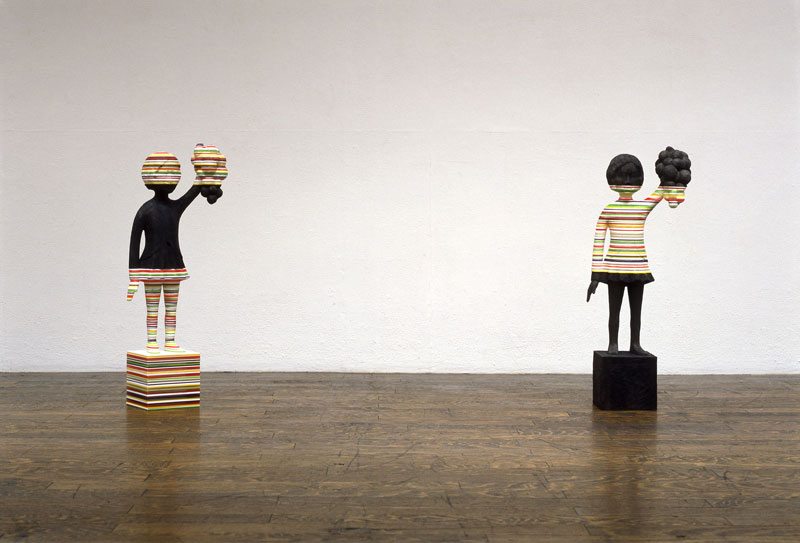
Kyotaro Hakamata creates wonderfully colorful statues using multi-color stripes. His works, which are usually in the likeness of human bodies or body parts, are at first hardly recognizable. But that is the exact intent of the artist. “Stripes are very strong visible elements. They destroys shapes,” he told Azito. The contradiction that stripes (as a shape) can actually hinder our ability to recognize shapes is what interested Hakamata.

But what’s also intriguing is how he creates these striped sculptures. He begins by creating a Styrofoam mold, which is then sliced into horizontal pieces. Acrylic replicas are then cut and layered onto one another. It’s a process that’s deeply rooted in history, says Hakamata. “For example, earthenware is made by layering one round clay on top of another. The huge Buddha sculpture in Nara (Western historical prefecture in Japan) was also created from layering from the bottom up to its head.”

kyotarou-hakamata (3)  kyotarou-hakamata (1)

kyotarou-hakamata (7)

kyotarou-hakamata (6) kyotarou-hakamata (5)

kyotarou-hakamata (2)

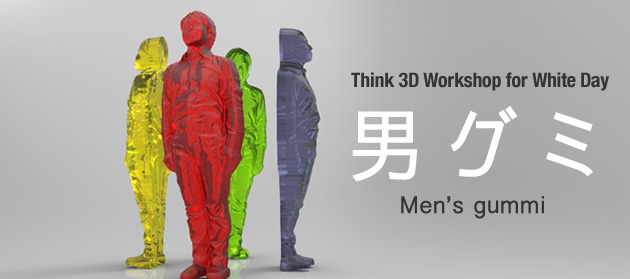
Chew on this: FabCafe lets you create a gummy replica of yourself for White Day

otoko-gummi1all images courtesy FabCafe | click to enlarge

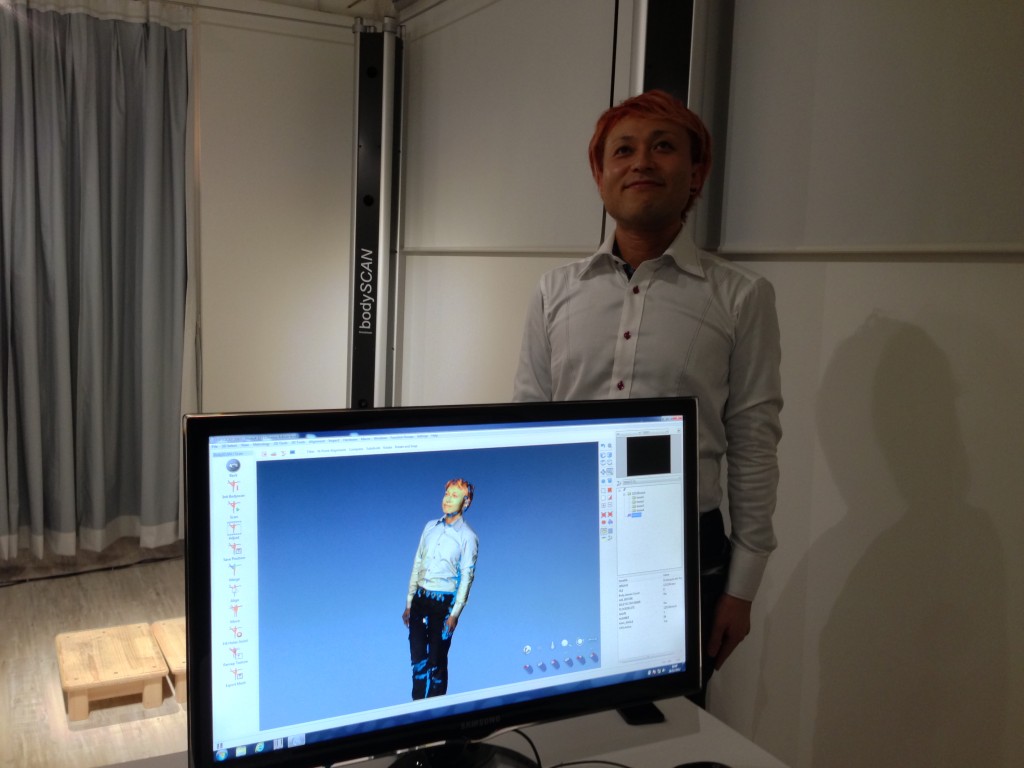
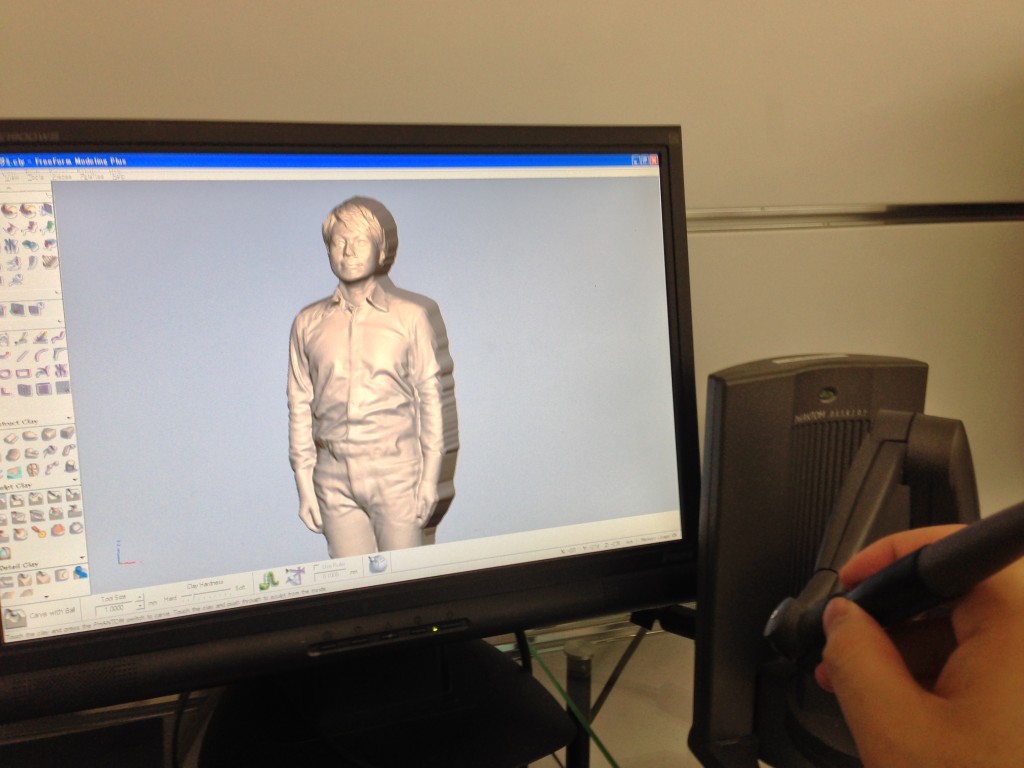
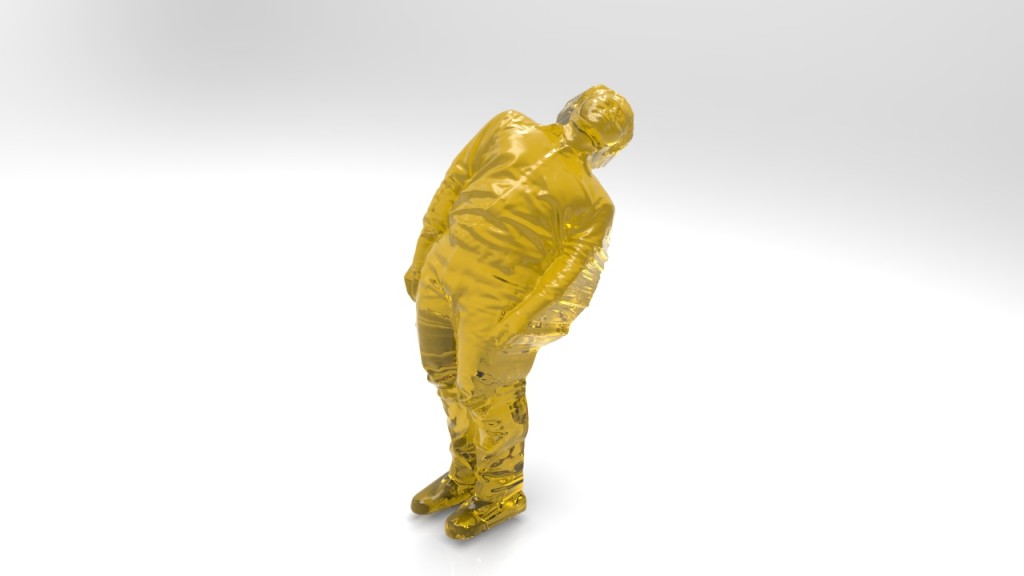
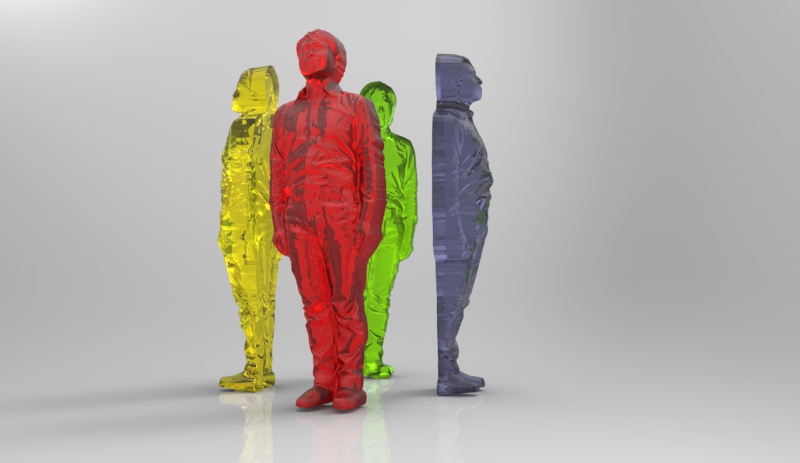
After hosting their highly successful Valentine’s Day event in which ladies were invited to create a chocolate replica of their face, FabCafe has now released details of their follow-up event for the men. They will be holding a 2-part workshop at their Shibuya location where males will use a 3D body scanner to create gummy bears humans in their own likeness. They’ll walk home with a gummy replica of themselves made from love and sweat to present to that very special someone on White Day. Put that in your mouth and chew on it!

IMG_0937-1024x768 IMG_3112-1024x768

untitled.82-1024x576

nezu_en.127

In case you don’t know, White Day is an characteristically Asian holiday held on March 14 (1 month after Valentine’s Day), where males are expected to reciprocate gifts given to them a month earlier.

It’s 6000 yen per person but there are only 9 spaces, which will probably go VERY fast. You can sign up here (JP).

« Older posts Newer posts »

© 2026 Spoon & Tamago

Up ↑

Design by Bento Graphics