Page 242 of 406

Japanese Social Media Marketing: Pay Young Girls to Stick Temporary Advertising on Their Thighs

Japanese thigh advertising (1)the pop singer Hanae poses with her own ad campaign | photo by @Hanae_xxx

The human billboard movement is nothing new. In 2009 the NYT reported on the phenomena, citing that tattoo-related advertising stunts go back to at least 2001, when an online gambling site paid a boxer to wear a temporary tattoo with its Web address during a televised bout. And more recently, Air New Zealand paid 30 people to become “cranial billboards” and wear campaign slogans on their shaved head.

But a Japanese PR agency called Absolute Territory PR (絶対領域広告) has put their own spin on things (taking the movement “from weird to icky”), enlisting young girls to wear temporary tattoo ads on their thighs. The service is relatively new – it launched in July 2012 and boasted 1300 walking billboards by November. Becoming a member is relatively simple: as long as you’re a female over 18 with more than 20 connections on a SNS (twitter, mixi, instagram, etc.) you can join. To get paid you have to wear a temporary tattoo for 8 hours or more and post pictures of it to your SNS in at least 2 different places. Rates start at 1000 yen per day and can go as high as 10,000 yen, depending on how many pictures you take.
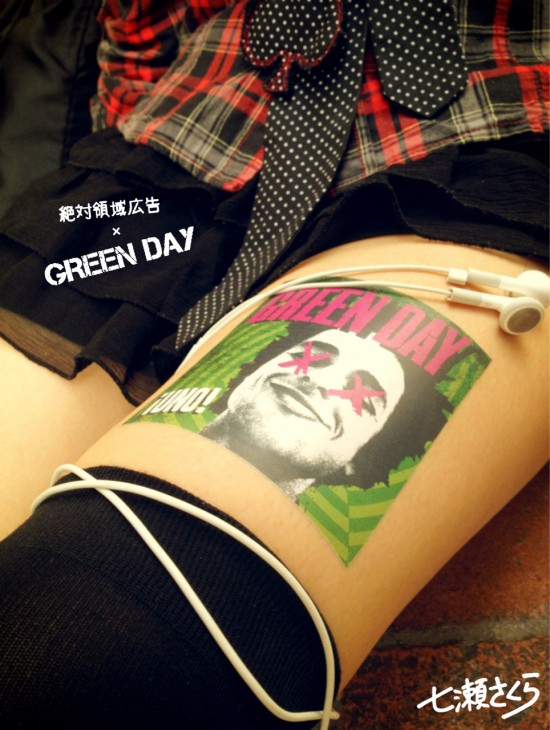
Japanese thigh advertising (2)above: ad for Green Day’s new album in Japan; below: ads for Takashi Murakami’s new book | images courtesy Absolute Territory PR
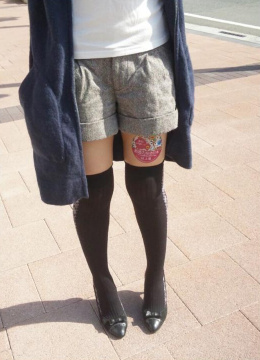

Japanese thigh advertising (3) Japanese thigh advertising (4) Japanese thigh advertising (5)

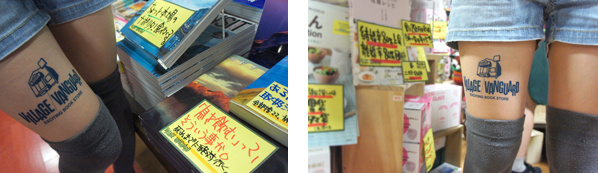
It’s difficult to judge how much traction the service is gaining. They’ve run some campaigns for pretty big names including one for Takashi Murakami’s new book, Green Day’s new album in Japan (I wonder if Green Day knows their album was advertised on young girls’ thighs…) the book store chain Village/ Vanguard, and others. But at the same time, about half of all their campaigns have been ads for their own service. But that’s understandable given they’re so new.

Japanese thigh advertising (7)above: ad for the bookstore chain Village / Vanguard; below: Green Day’s new album in Japan; below: ads a type of indoor soccer stadium | images courtesy Absolute Territory PR
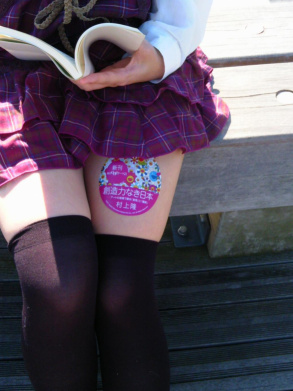

Japanese thigh advertising (9) Japanese thigh advertising (8)

The big question is effectiveness – I think it’s easy to argue for young girls’ thighs, but do ads placed on young girls thighs actually get eyeballs? Or are people too shy to walk up to a girl and stare at her legs long enough to make out what’s written? A couple people have experimented with mixed results. Rocket News claimed that the service worked for them, Dee Okinawa gained 0 new twitter followers (but got a lot of Facebook likes and comments) while Sipro crunched some numbers and found the service to be worthless.

The people behind Absolute Territory PR – a web consulting/production company called wit – have stated that the service is still in beta mode through the end of March 2013, at which point they’ll evaluate whether to keep it going or shut it down. Personally, I think that if you give it some time the service will catch on. After all, publicists will tell you that their job isn’t to personally get P.R. but, rather, to get other people to do it for them.
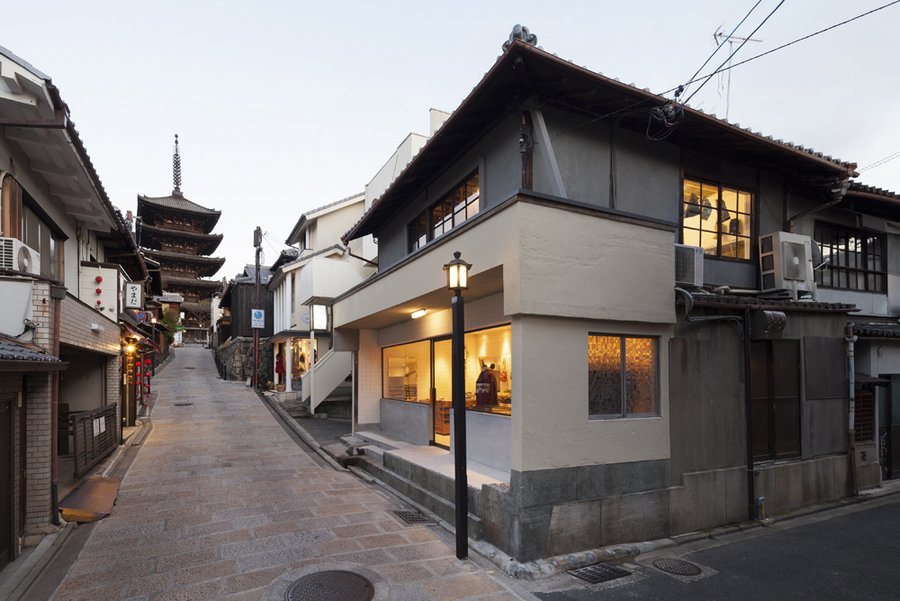
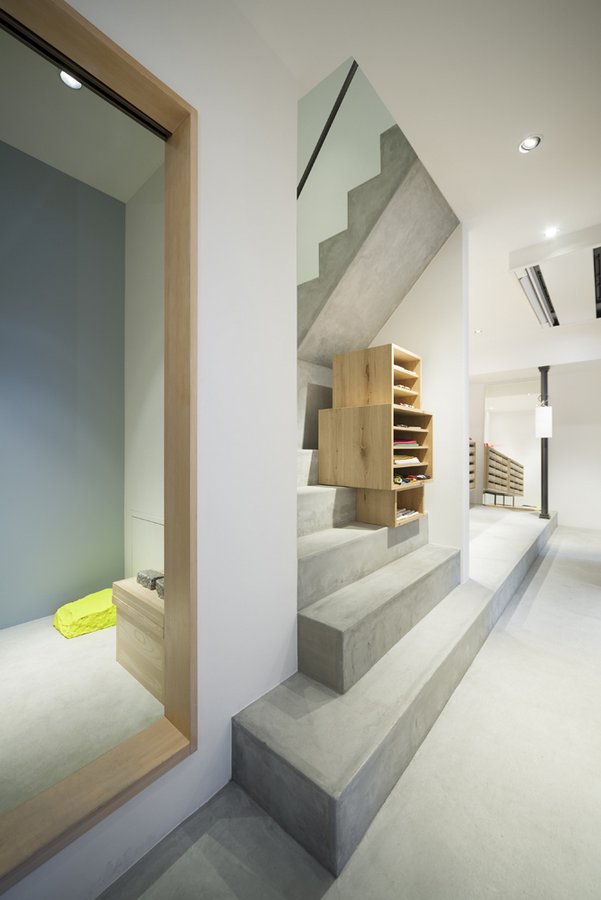
Weaving new life into an old tradition | Otsuka Gofukuten by Yusuke Seki

OTGK_263_MG_3676_Lphotos by takumi ota | click to enlarge

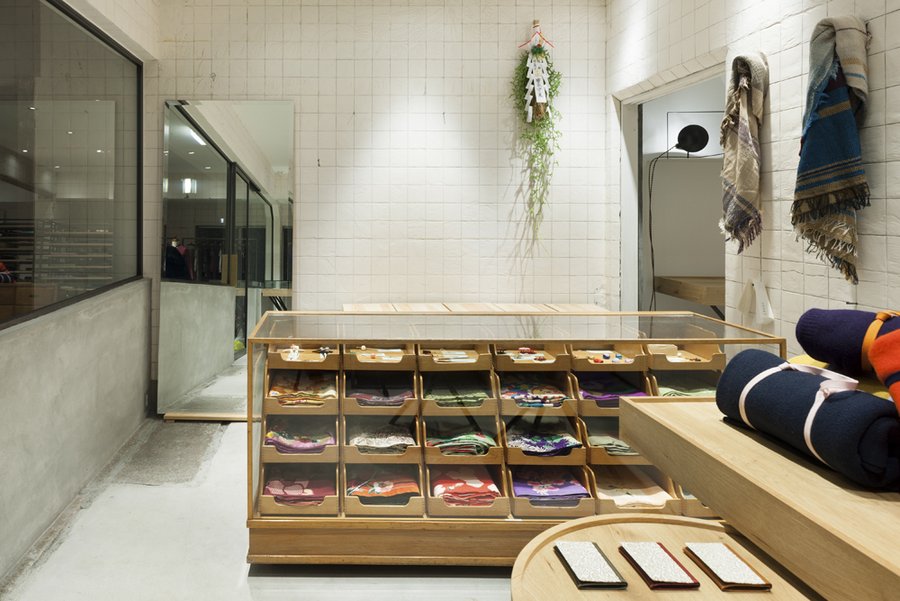
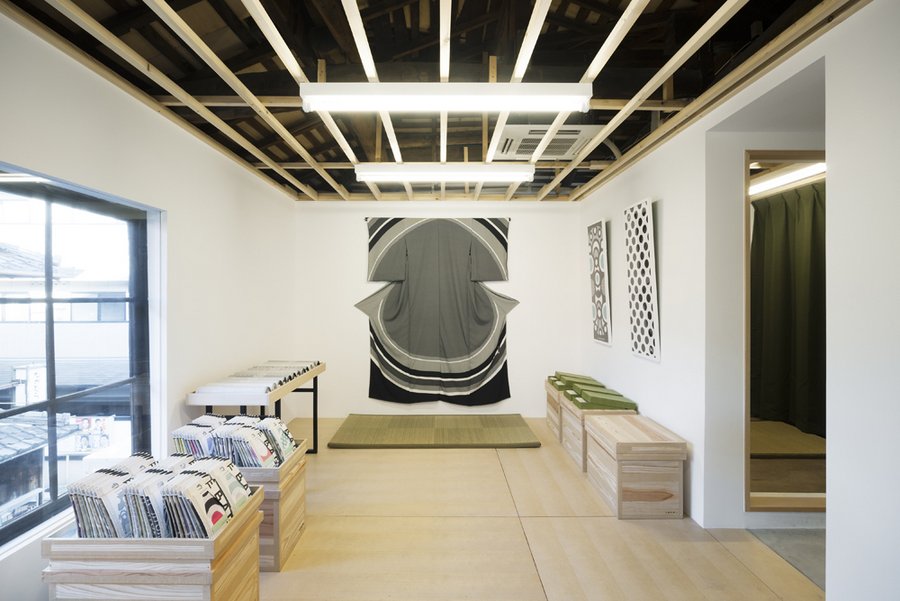
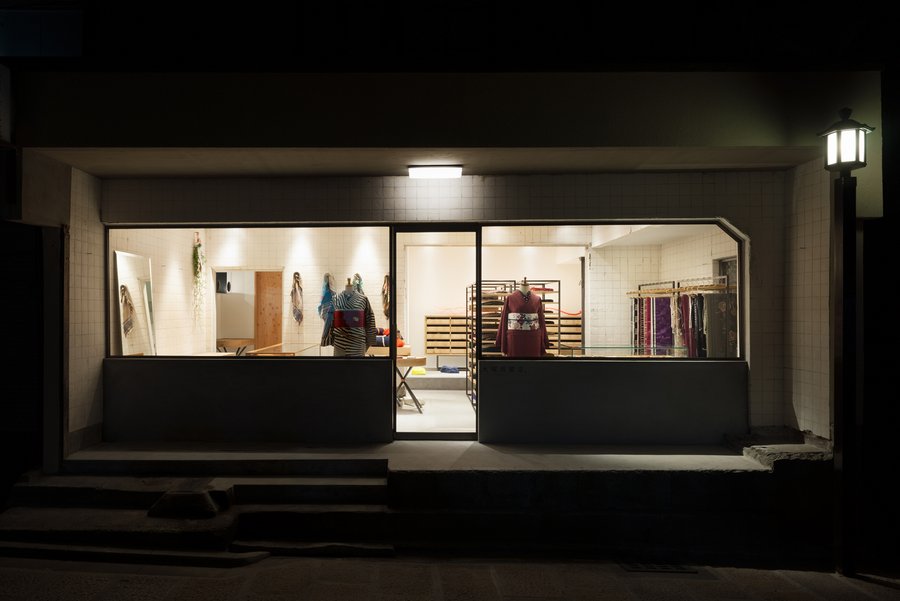
In a 70-year old building that stands in the heart of Kyoto, Japan’s ancient capital, there is new life being weaved into a centuries-old tradition. Late last year on a chilly November evening Otsuka Gofukuten, a retailer of Japanese traditional kimonos, opened to much acclaim and excitement.

Within the beautiful walls of what used to be a tofu shop, guests stood around munching on sushi that had been stylized like kimonos by the chefs of A WOMB. There was an enthusiasm in the air that would, perhaps, have been unexpected at a traditional kimono shop opening. However, their kimonos are the only thing traditional about the new shop. It’s their method of dealing that sets Otsuka Gofukuten aside from the pack.

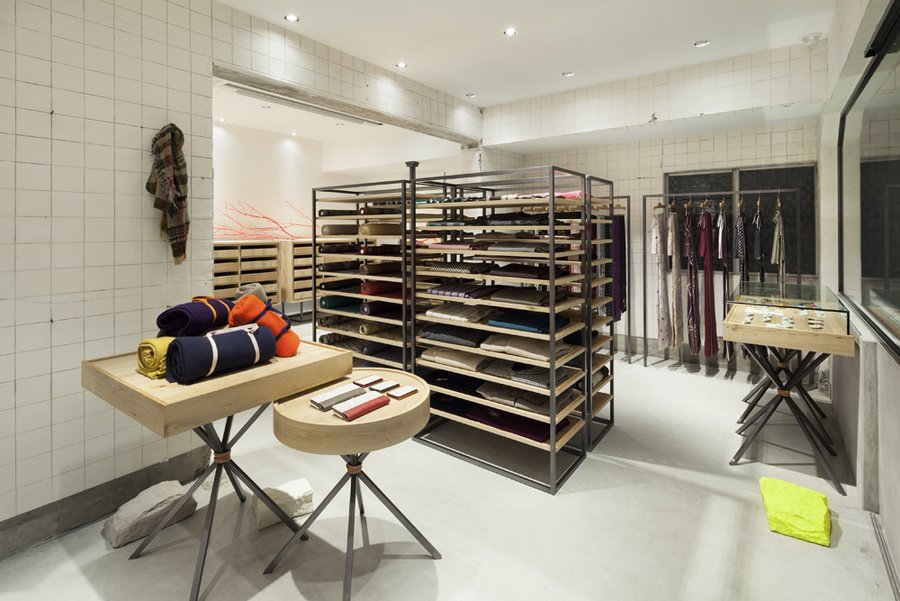
Kimonos have conventionally been reserved for the wealthy, upper class. And therefore, pricing schemes have always been somewhat opaque – concealed for those who considered their pedestals to be too high for petty numbers. Otsuka Gofukuten set out to change and streamline a convoluted system which, they felt, was flawed. In their new system, all products are compartmentalized and clearly labeled according to a 3-step pricing system (10,000 yen, 30,000 yen and 50,000 yen). The interior design, which came together under the supervision of Yusuke Seki, helps showcase the 3 price ranges with original shelving.

But it wasn’t just about moving into the future. Seki decided to preserve and use the original tiles from the tofu shop. “I wanted to explore diachronic aspects such as materials, stories, location, architecture and function to translate and add value through design,” says Seki. “All the aspects have a story and contribute to the overall store details. They take on a new life, having been a relic of the past – mirroring the theme of this new approach to Kimono design and wear.”

OTGK_251_DN13782_L OTGK_244_DN13469_L

OTGK_240_DN13478_L

OTGK_231_MG_3720_L

OTGK_217_DN13637_L

OTGK_212_DN13616_L

OTGK_208_DN13548_L

OTGK_253_DN13795_L OTGK_203_DN13703_L

OTGK_201B_DN13683_L

source: press release

The edible art of Risa Hirai

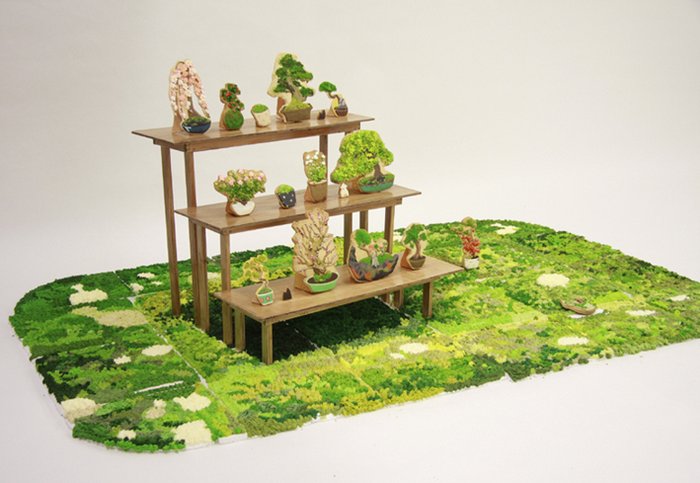
bonsai_sgarden-bonsai (2013) | images courtesy Gallery Tokyo Humanite

if the smell of freshly-baked cookies doesn’t get people into galleries, I don’t know what will

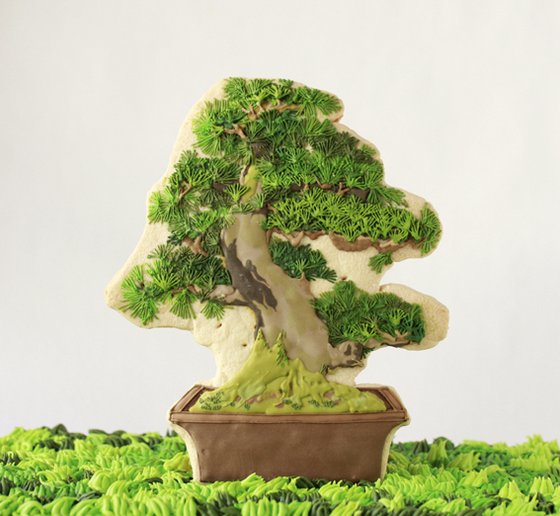
bonsai_detail_sgarden-bonsai (detail)

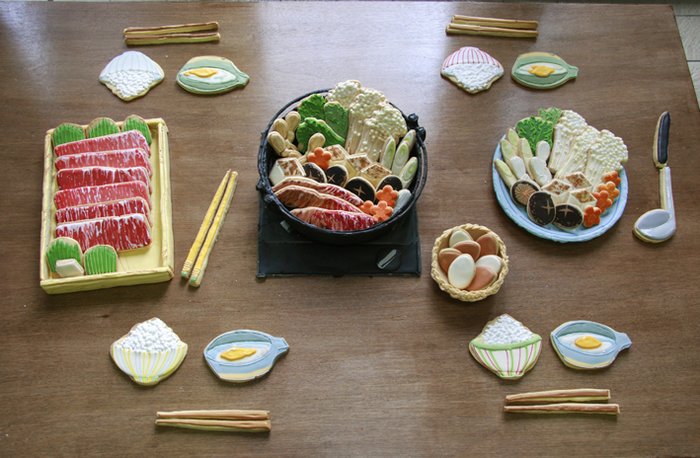
Risa Hirai is a senior at Tama Art University who makes miniature models of food and bonsai gardens. Except, instead of paint  and brushes, which you might expect from a student majoring in oil painting, she uses sugar, flour, butter and oil. And of course, her oven which, around exhibition time, must get very, very hot.

Hirai uses the same ingredients that go into cookies, to make her art. “I want people to experience my work with all their senses,” says Hirai. “I want them to see it, smell it and then eat it.” Indeed, if the smell of freshly-baked cookies doesn’t get people into galleries, I don’t know what will.

For what will be the very first exhibition of her career, Hirai’s work will be on display at Gallery Tokyo Humanite from March 11 -16.

sukiyaki_ssukiyaki cookie (s011)

source: press release

Human Pendulum Choir Winner at Japan Media Arts Festival

Pendulum Choir Japan Media Arts Festivalimage by Angela Salisbury | click to enlarge

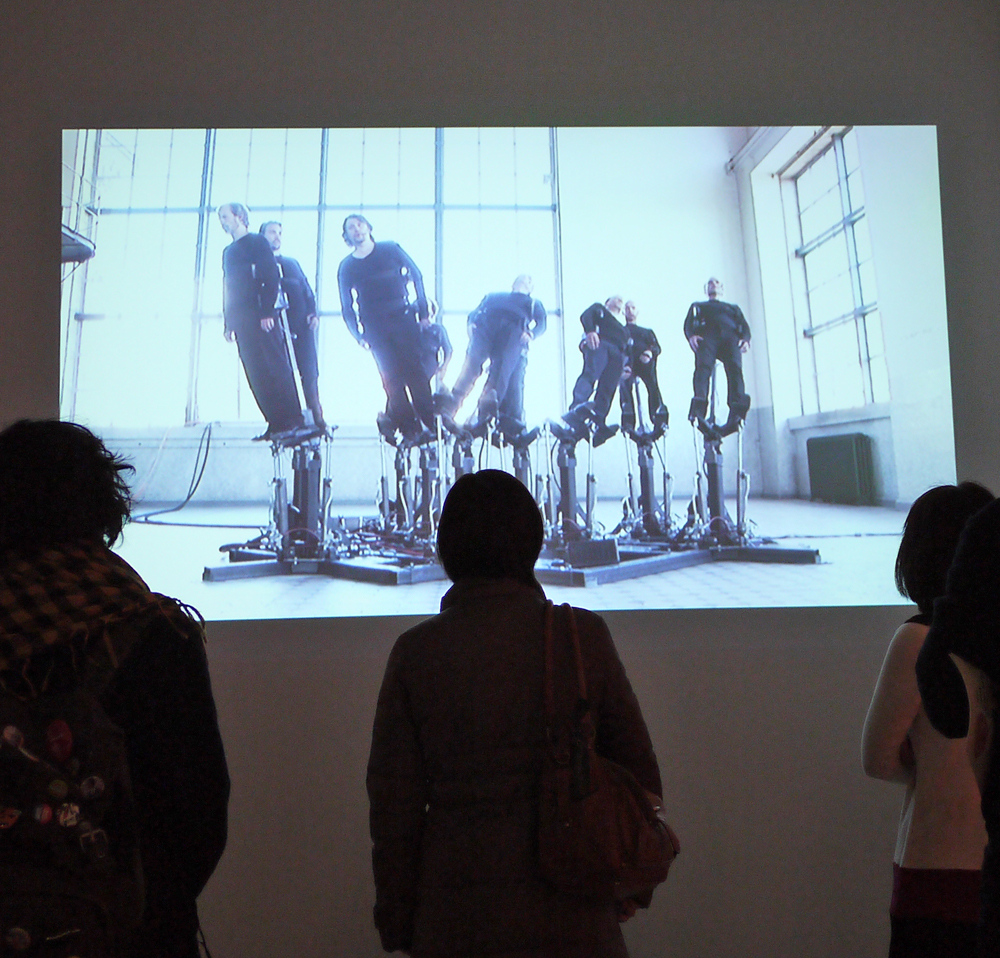
One of the Grand Prize winners at this year’s Japan Media Arts Festival was a musical performance by a 9-man a cappella choir harnessed into hydraulic jacks. The Pendulum Choir combines human vocals with computer-controlled hydraulic choreography. Swiss artists André and Michel Décosterd wanted to create a new mechanical being, and perhaps make you feel a bit uneasy about it.

My initial reaction to a pendulum-swinging choir was a case of the giggles. It is amusing to see a group of grown men hanging from their toes. but the more I watched the performance the more I appreciated the beauty of it — the lack of collision, the vulnerability of the shakiness, and absurdity of the entire thing. It was lovely.

As the pendulum shakes and torques the singers, however, the hydraulic harnesses begin to conjure images of a torture device and made me feel uncomfortable for laughing. The pendulums do not swing as smoothly as you might expect, and the singers struggle for it. According to the artists’ website, the mechanics operate in real-time, sending pre-programmed movements based on the progression of the music. The program is designed to eliminate the possibility of a crash, but that doesn’t alleviate the feeling that they just might anyway.

The 16th Japan Media Arts Festival Exhibition of Winning Works is on display at the National Art Center, Tokyo until February 24th. Other venues in Roppongi are also hosting events this week, check this site for details.

translucent ceramics from souhougama

renkaRENCA by Masahiro Minami. All images courtesy masahiro minami | click to enlarge

renka2

Sometimes called “white gold,” the ethereal beauty of porcelain led ancient cultures to believe they were fallen stars, often ascribing magical powers to them. In Southeast Asia, porcelain was even thought to heal the sick, or call down the gods. Porcelain has since taken on a life of it’s own but looking at Masahiro Minami’s latest creations, one can’t help but empathize with those of the past.
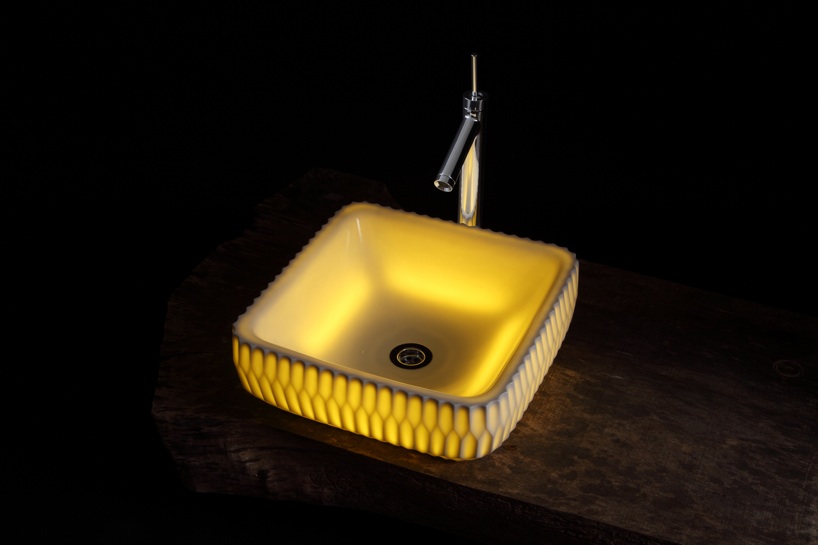
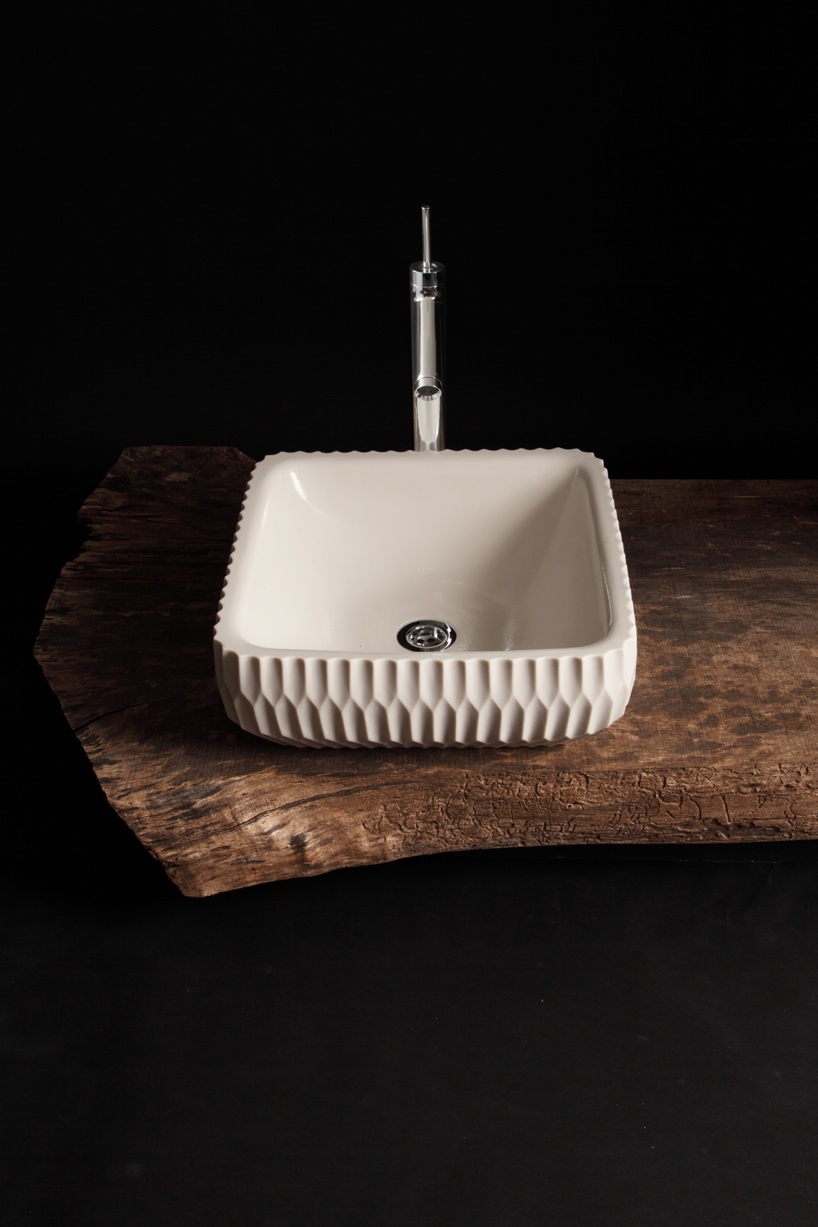
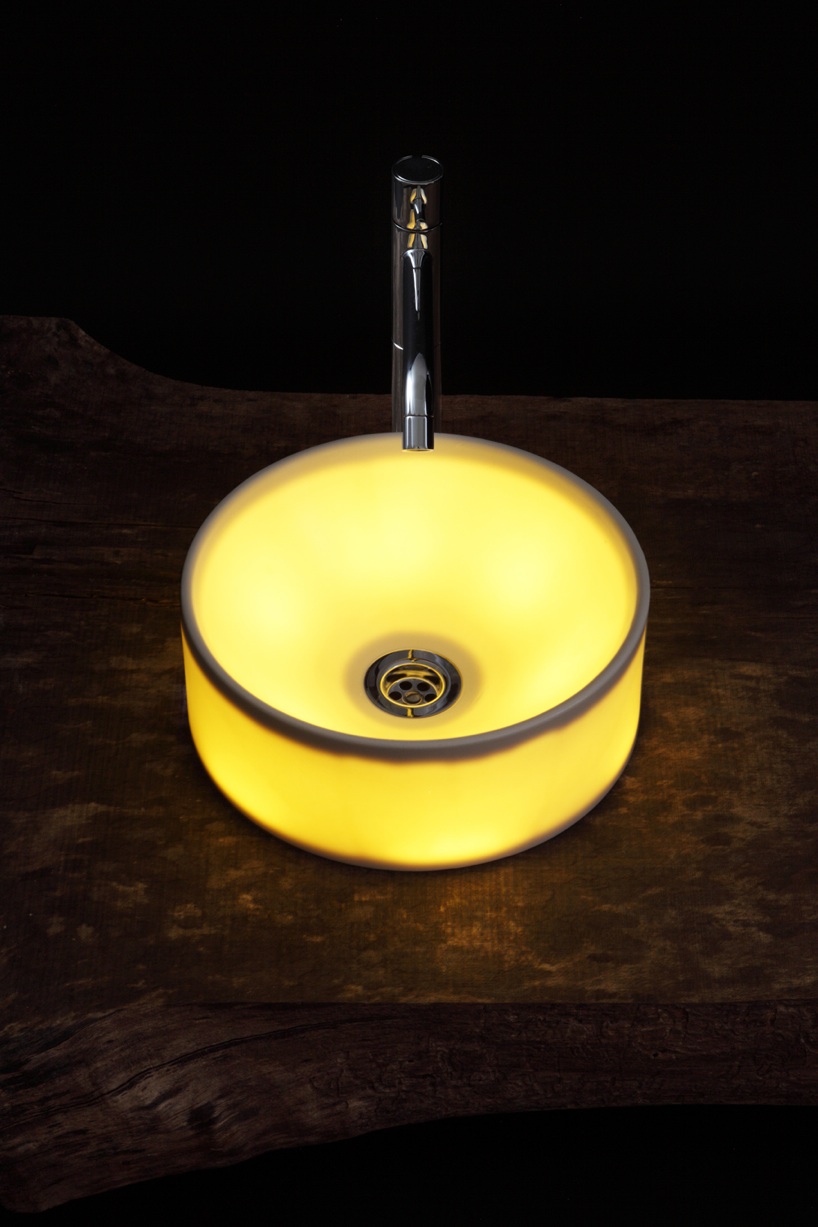
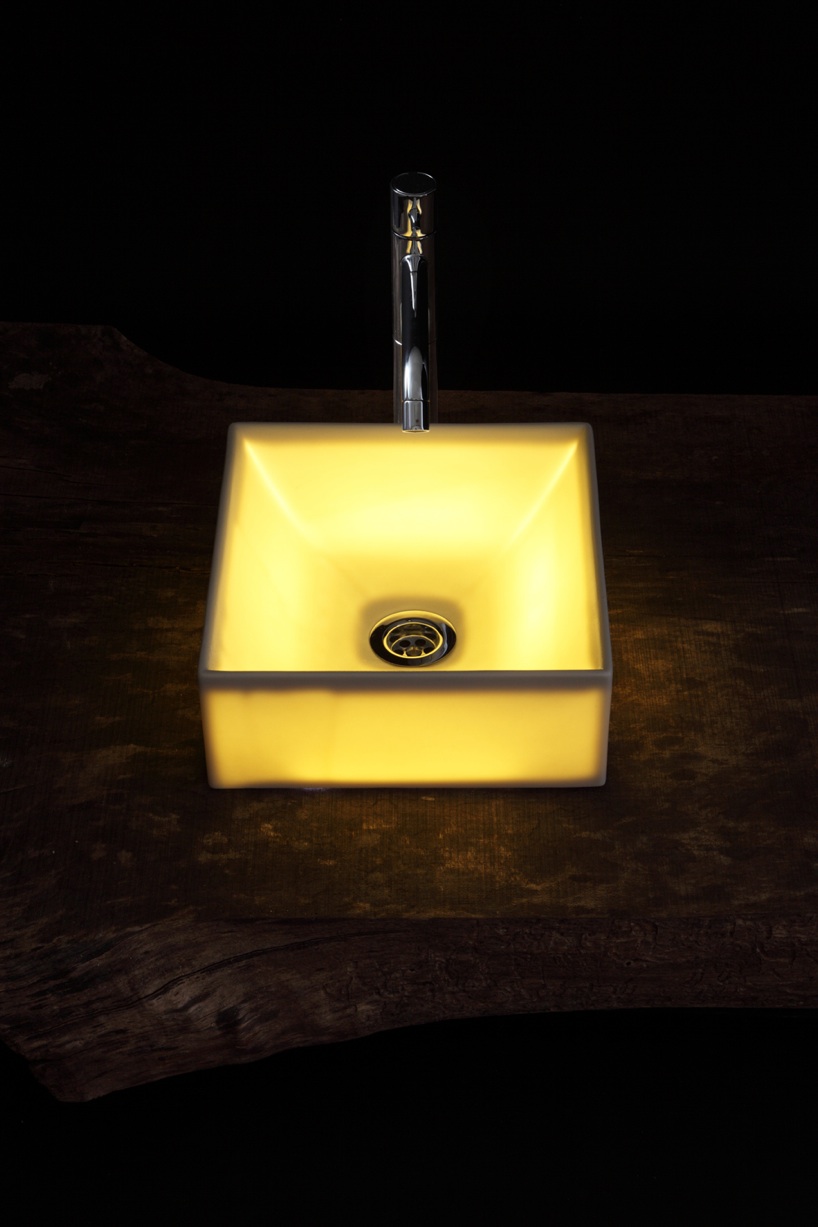
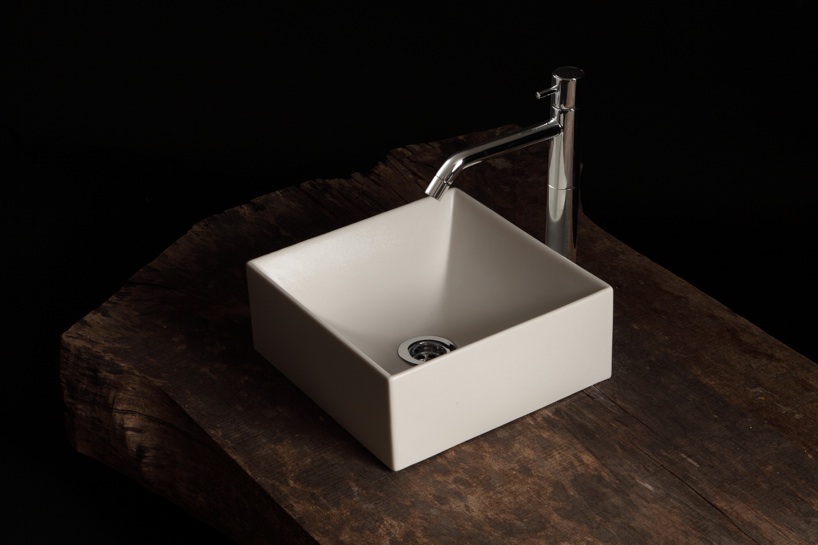
For several years now Minami has been experimenting with the possibilities of translucent ceramics. And now, after much anticipation, he’s finally ready to release a full-scale collection of exquisite ceramic washbowls that all come with LED lighting. The collection, which was designed by Minami along with product designer Michio Akita, is a collaboration with Shigaraki-based Souhougama, who originally developed and patented the translucent ceramic technology.

Imagine walking into your bathroom at night and seeing this stunning sink!

keishou circle

keishou circle2above: KEISHOU circle, below: KEISHOU square, both by Michio Akita

 keishou square2 keishou square

suirinSUIRIN by Masahiro Minami

suirin2

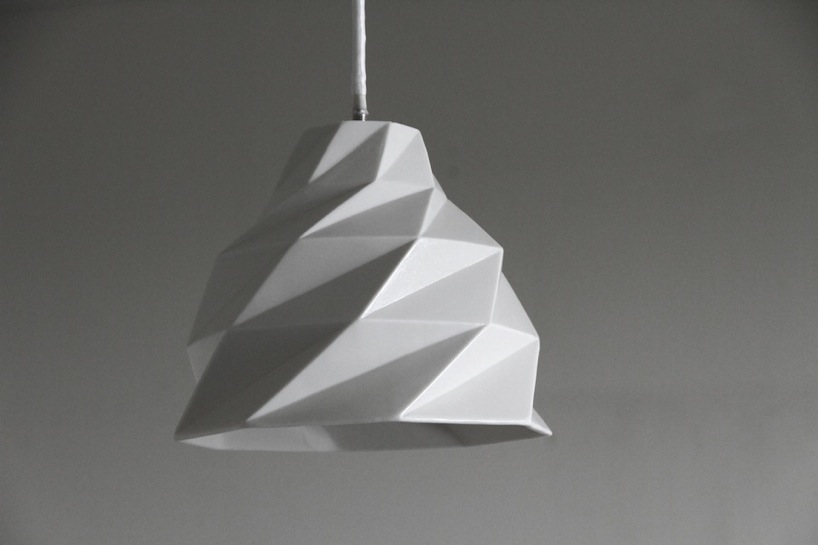
The collection will debut at the Lighting Fair in Tokyo (early March 2013). The pieces range in price, starting at around 25,000 yen for the SENKO pendant lamp and going as high as 210,000 yen for the RENCA washbowl.

You can see all our articles on Masahiro Minami here.

IMG_5667 2IMG_5682 2

IMG_5673 2SENKO by Masahiro Minami

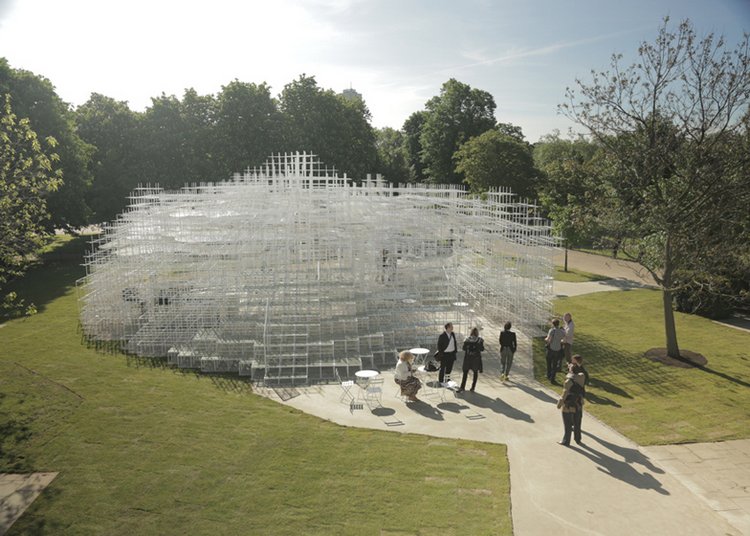
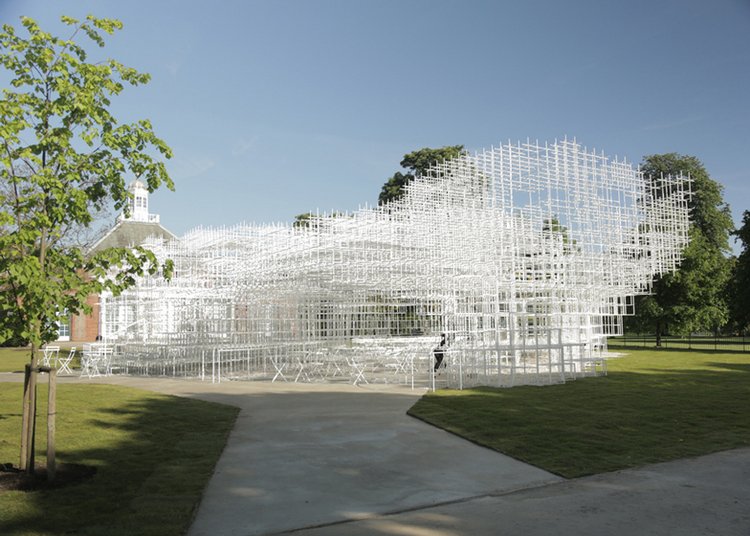
2013 Serpentine Pavilion to be designed by Sou Fujimoto

fujimotoserpentine_02images courtesy sou fujimoto | click to enlarge

Four years after SANAA designed the 2009 Serpentine Pavilion, the baton returns once again to the Japanese, as it was announced this morning that architect Sou Fujimoto will design the yearly summer pavilion. He is the thirteenth and, at 41, youngest architect to accept the invitation to design a temporary structure for the Serpentine Gallery.

Widely acknowledged as one of the most important architects coming to prominence worldwide, Sou Fujimoto is the leading light of an exciting generation of artists who are re-inventing our relationship with the built environment.

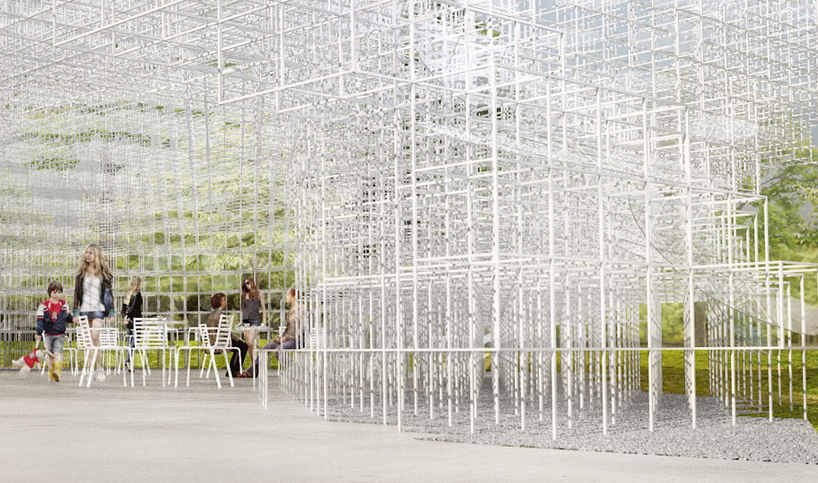
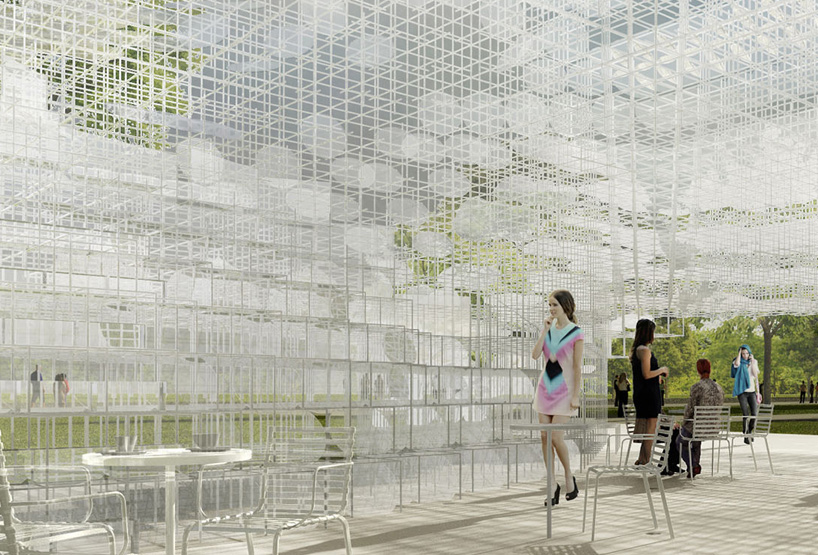
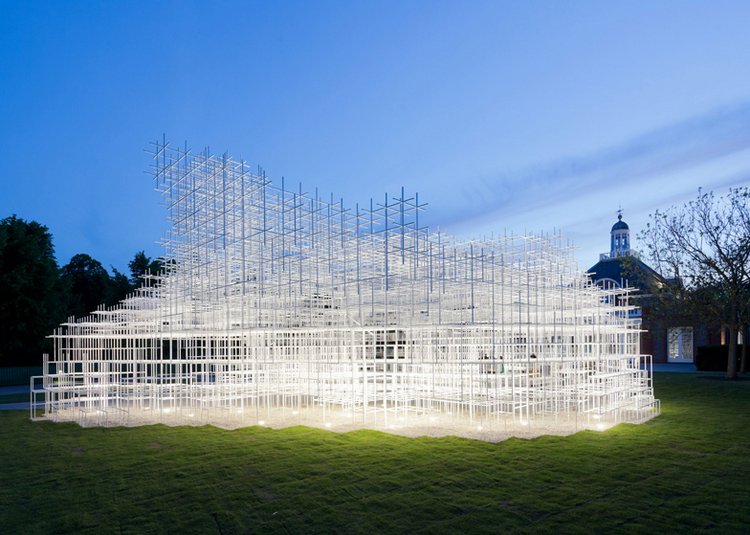
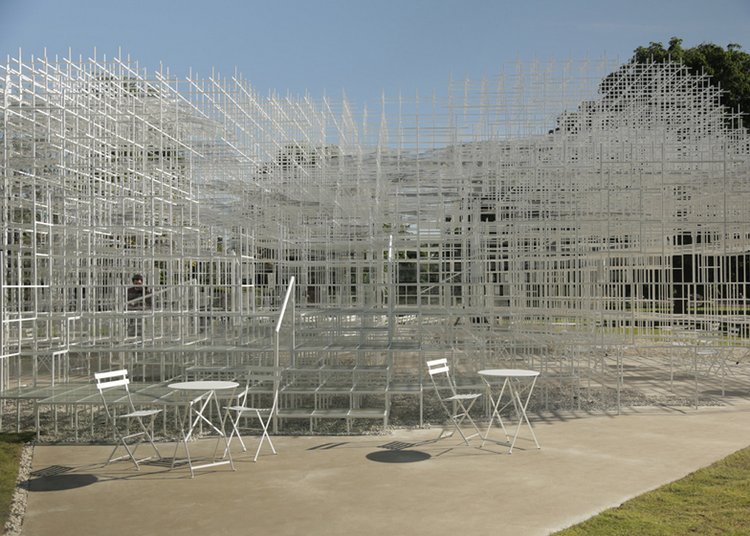
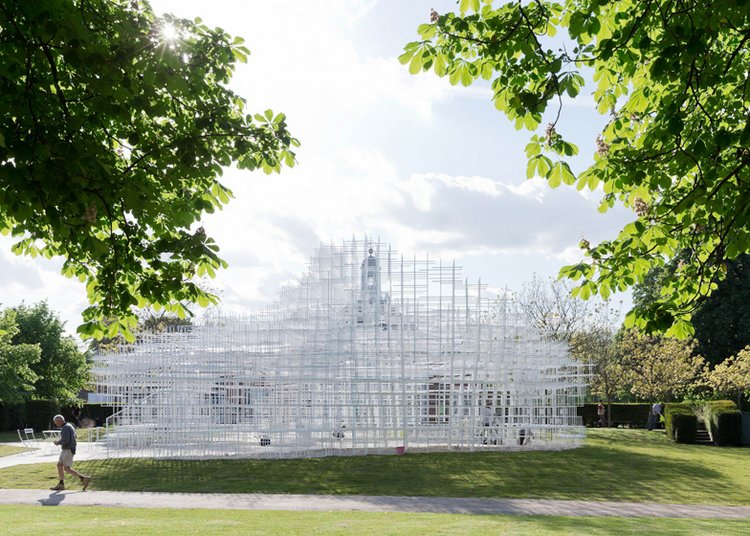
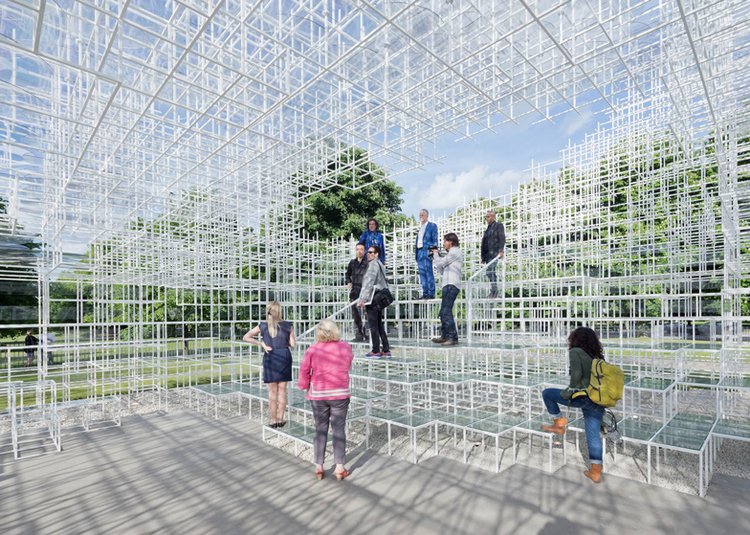
Occupying some 350 square-metres of lawn in front of the Serpentine Gallery, Sou Fujimoto’s delicate, latticed structure of 20mm steel poles will have a lightweight and semi-transparent appearance that will allow it to blend, cloud-like, into the landscape and against the classical backdrop of the Gallery’s colonnaded East wing.

fujimotoserpentine_05 fujimotoserpentine_04

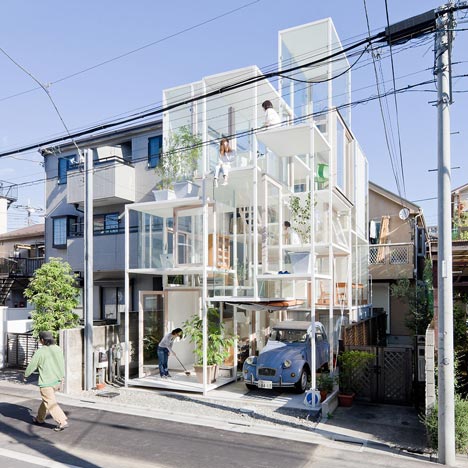
But, as the folks over at the fox is black were quick to point out, Fujimoto is not exactly reinventing the wheel here. Instead, he’s chosen to build upon concepts he’s worked on recently, like his dog house (left), which he designed for Kenya Hara’s Architecture for Dogs, and his House NA (right), both of which he worked on in 2012.

fujimotoserpentine_03

Update:  June 4, 2013 – Sou Fujimoto’s Serpentine Gallery Pavilion is now complete

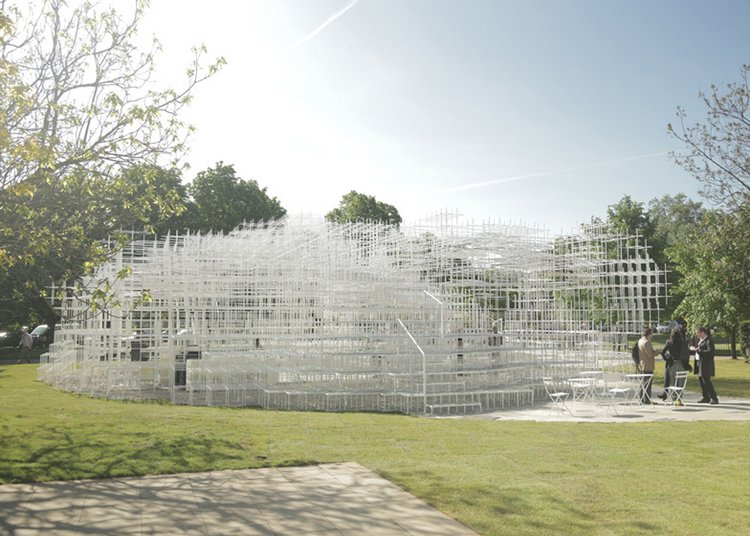
At a press conference this morning in London Sou Fujimoto unveiled his cloud-like pavilion made from a grid of delicate steel poles arranged in a latticed structure. Along with the unveiling came photographs by architectural photographer Iwan Baan. Although the pavillion will open on June 8, Fujimoto is giving a talk that day (sold out) and access will be limited.  But it will stay open until October 20.

Serpentine Gallery Pavilion - Sou Fujimoto Iwan Baan (2)photos by Iwan Baan

Serpentine Gallery Pavilion - Sou Fujimoto Iwan Baan (1)

Serpentine Gallery Pavilion - Sou Fujimoto Iwan Baan (5) Serpentine Gallery Pavilion - Sou Fujimoto Iwan Baan (6)

Serpentine Gallery Pavilion - Sou Fujimoto Iwan Baan (4)

Serpentine Gallery Pavilion - Sou Fujimoto Iwan Baan (7)

Serpentine Gallery Pavilion - Sou Fujimoto Iwan Baan (3)

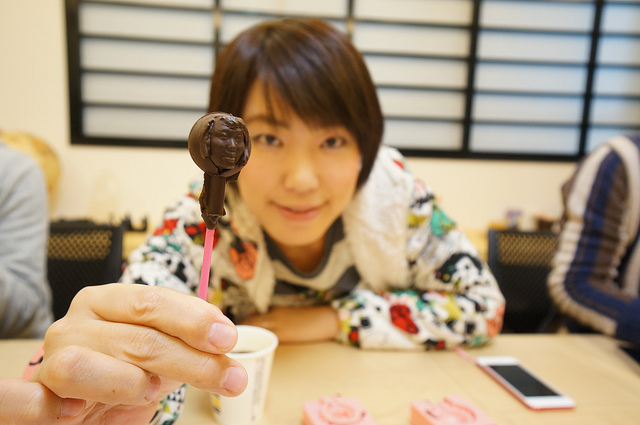
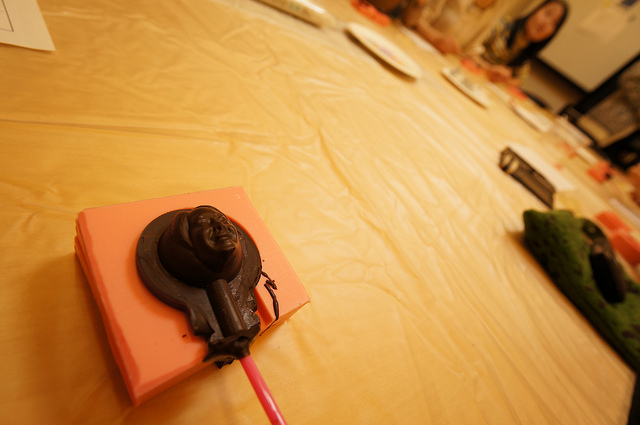
Eat me | laser cutting café in Shibuya offers chocolate replicas of your face

fabcafe valentines day

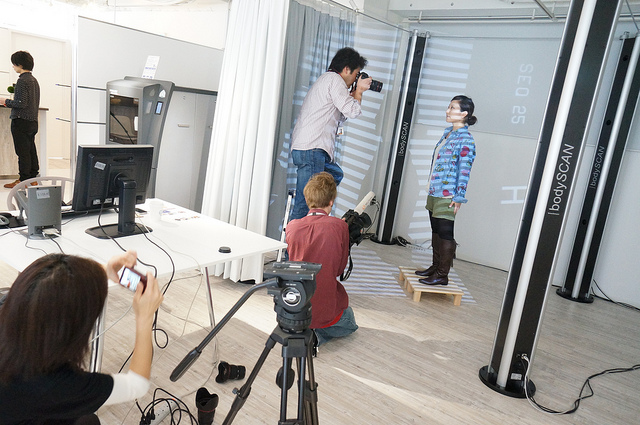
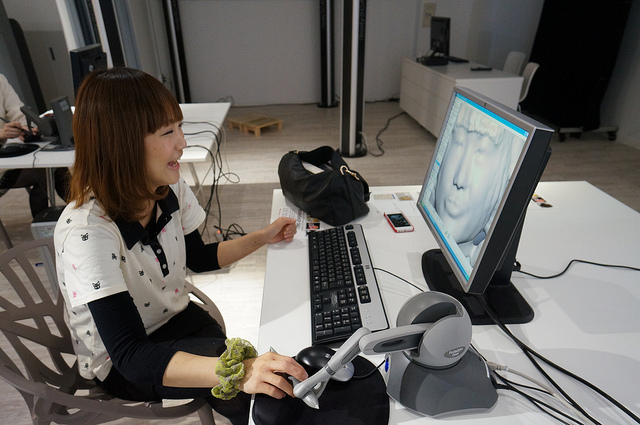
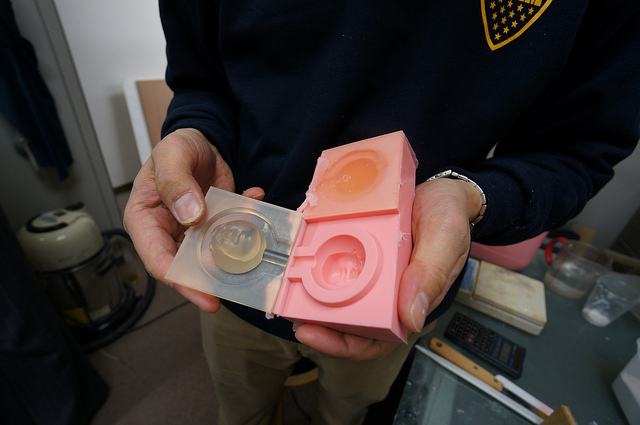
If you’ll recall, FabCafe – a shop in Shibuya that serves up lattes and laser cutters – opened last year in March. For a special Valentine’s Day event, the café offered a workshop in which participants, at the end, would go home with a chocolate replica of their own face. Throughout the duration of the2-day workshop participants worked with a 3D scanner and printer to create a 3D model of their face, and then a silicone mold in which they poured in chocolate.

But guys – don’t feel left out. Next month is White Day and FabCafe is planning a similar event just for the dudes.

fabcafe valentines day 1 fabcafe valentines day 2 fabcafe valentines day 3

fabcafe valentines day 4

source: JapanPulse | FabCafe

spill-resistant food bowls from aeru

utsuwa_tobe1

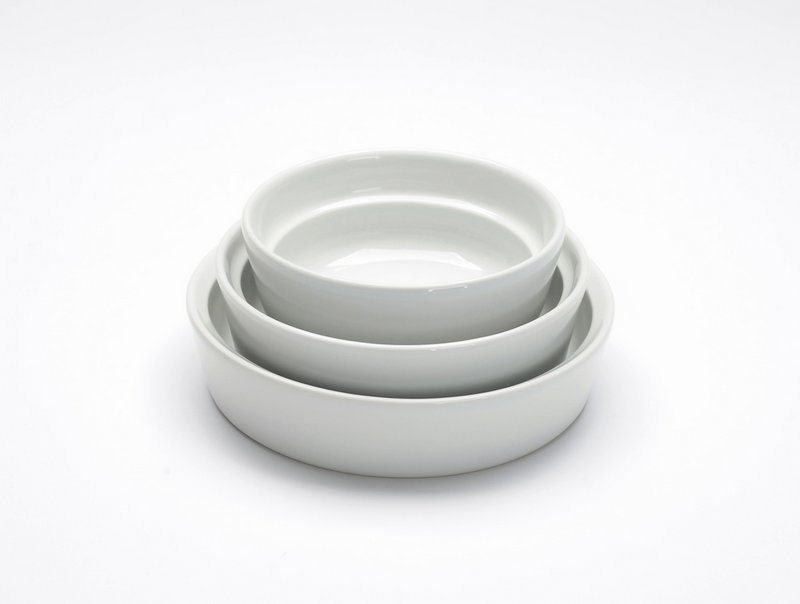
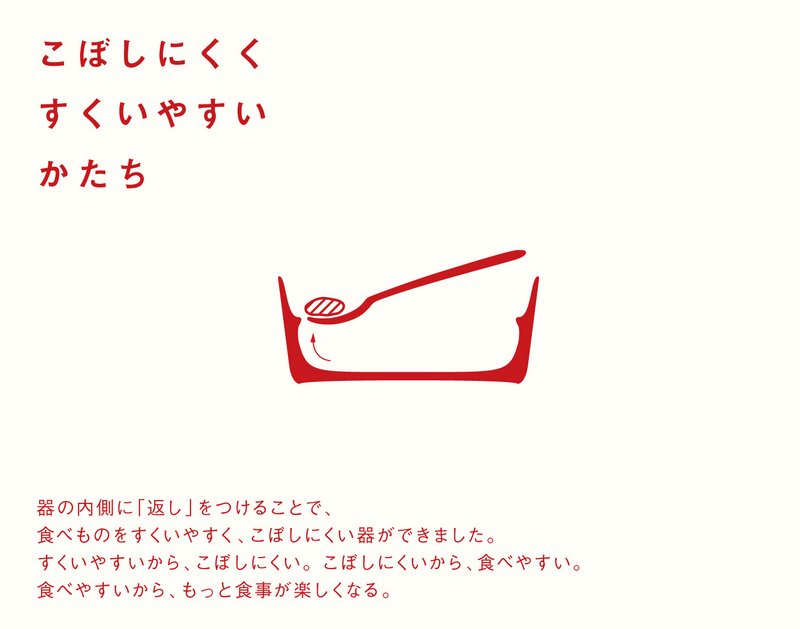
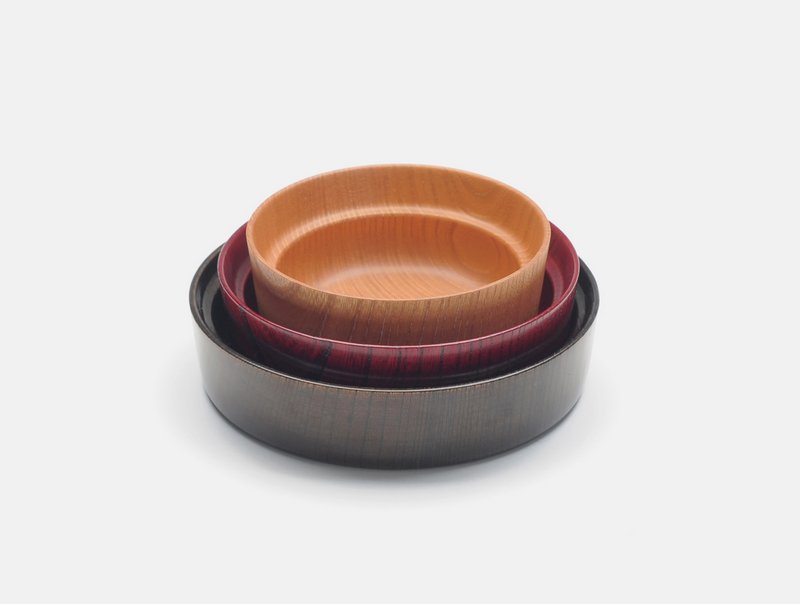
The latest design from kid-friendly brand aeru are these adorable food bowls with a lip around the inside, designed to help kids eat by themselves without spilling. Designed by Nosigner, each are handmade and are offered in 3 different, traditional Japanese styles: Yamanaka Lacquer, Ootani-yaki pottery and Tobe-yaki porcelain.They range from 2,500 yen for 1 to 7,900 yen for a set of 3.

dish_danmen

utsuwa_yamanaka1

utsuwa_kids1

Aeru’s products were on display at the te te te expo, a lovely little trade show I had the pleasure of attending in Tokyo last week.

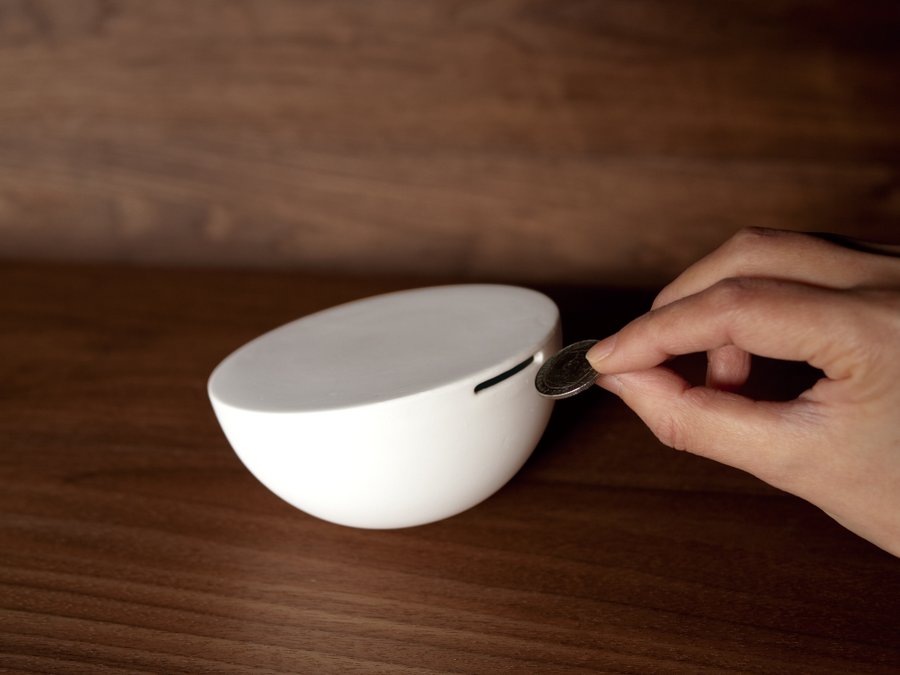
Oji Masanori’s hemispherical piggy bank is also a planter

OLYMPUS DIGITAL CAMERAunless otherwise noted, all photos by Kohga Design | click to enlarge

a tree now stands where my savings once stood

OLYMPUS DIGITAL CAMERA OLYMPUS DIGITAL CAMERA

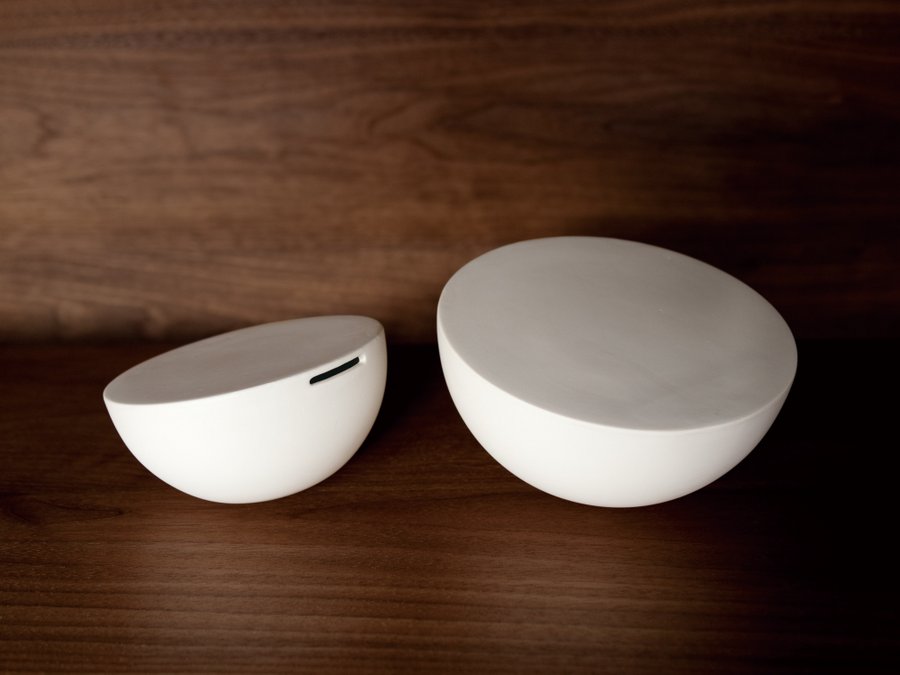
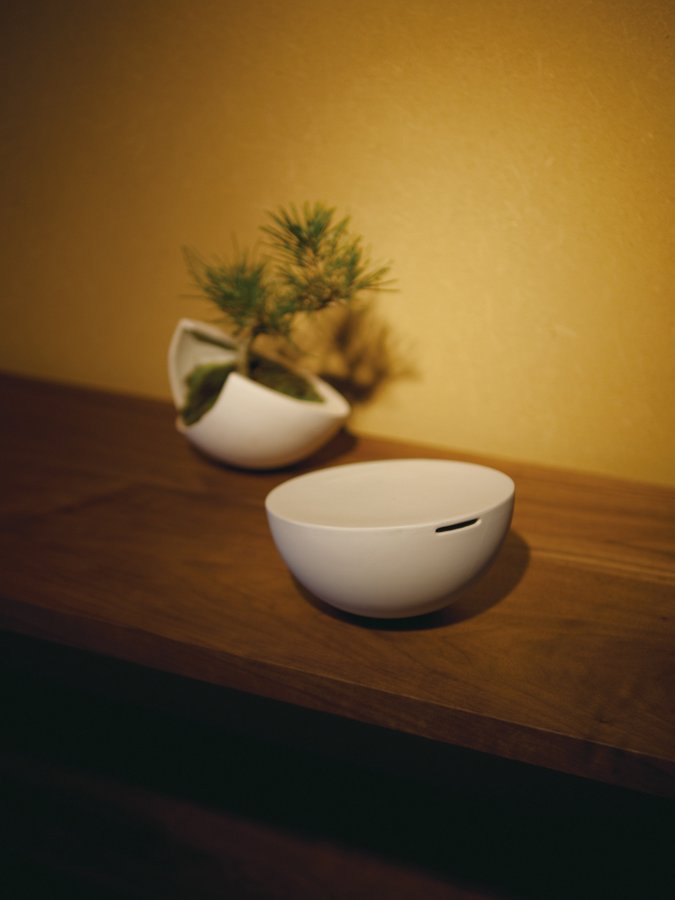
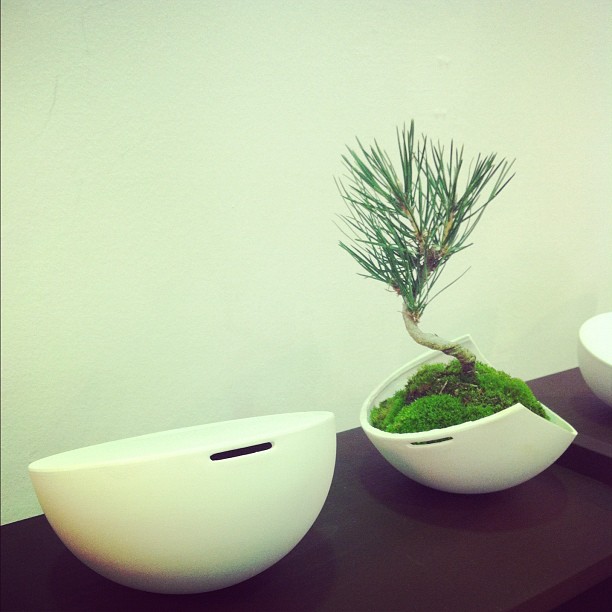
Industrial designer Masanori  Oji’s latest piece is this nifty, thrifty piggy bank. Shaped like a hemisphere, it tilts in different ways as you pour in more savings. And like most piggy banks, you’ll need a hammer and some commitment to break the bank. But instead of just throwing away the shards, Oji’s poetic solution took a page from the aesthetics of wabi sabi – specifically, the belief that nothing is perfect, nothing lasts, and nothing is finished.

His “bank of tilt” is designed to shatter in such a way that it can poetically be reincarnated as a planter. And as you’ll see from the pictures below, a tree now stands where my savings once stood.

OLYMPUS DIGITAL CAMERA

P2100018photo by Oji Masanori

P11497489_rgbphoto by spoon & tamago

Oji’s piggy bank was on display at the te te te expo, a lovely little trade show I had the pleasure of attending in Tokyo last week.

wooden flower base by eN

1

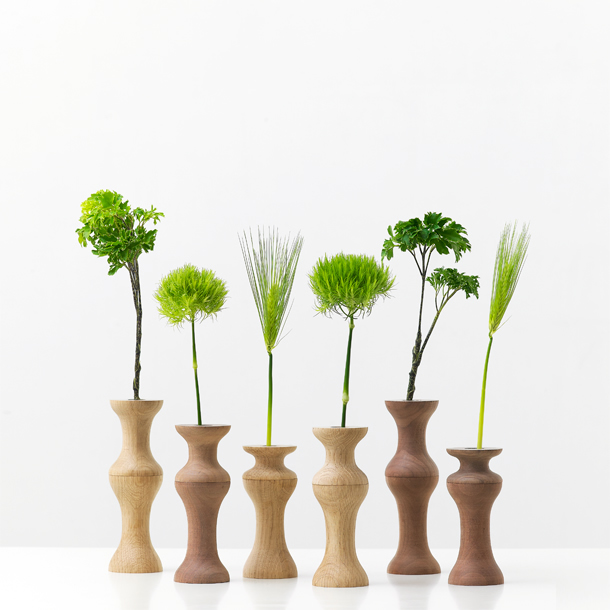
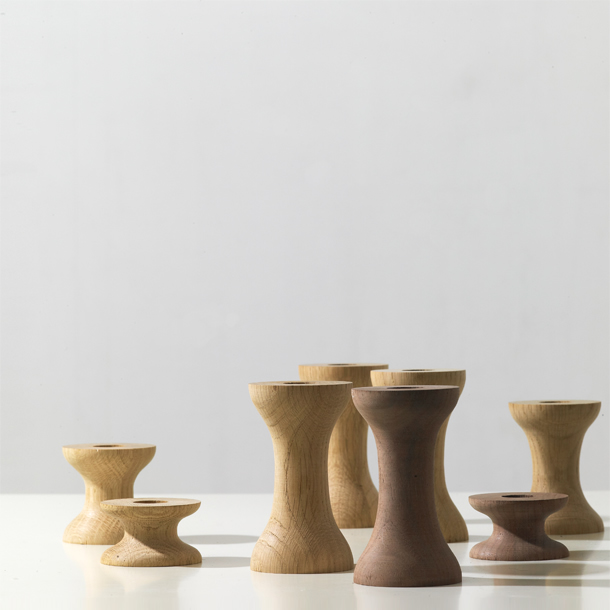
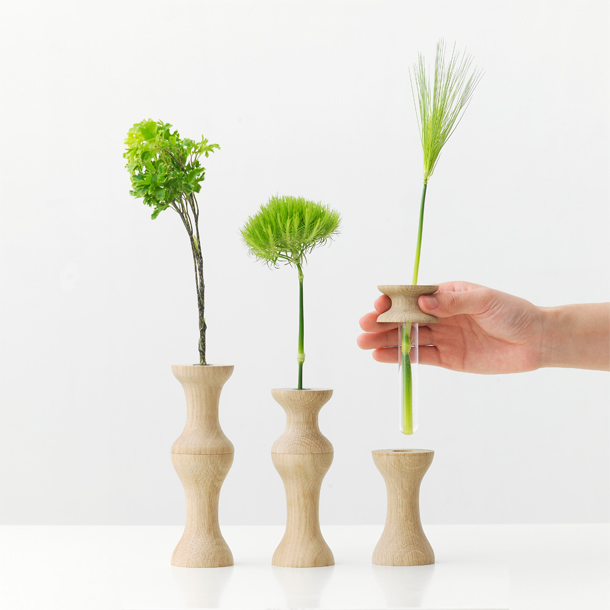
Produced by Asano Design Office, eN is a new, Fukuoka-based brand that emphasizes functional products and the natural materials they emerge from. Their lineup is gorgeously simple, albeit a bit slim (which can be attributed to their young age) but what caught my eye was this “flower base.”
Resembling yarn spools, the wooden bases can be paired with different sized tops, which come in small, medium and large (2,520 – 3,150 yen).
22

33

I discovered eN at the te te te expo, a lovely little trade show I had the pleasure of attending in Tokyo last week.

« Older posts Newer posts »

© 2026 Spoon & Tamago

Up ↑

Design by Bento Graphics