Page 230 of 406

A Nursery School in Hiroshima Shaped Like a Peanut

peanut nursery (2)photos by Hiroshi Ueda and Keisuke Maeda | click to enlarge

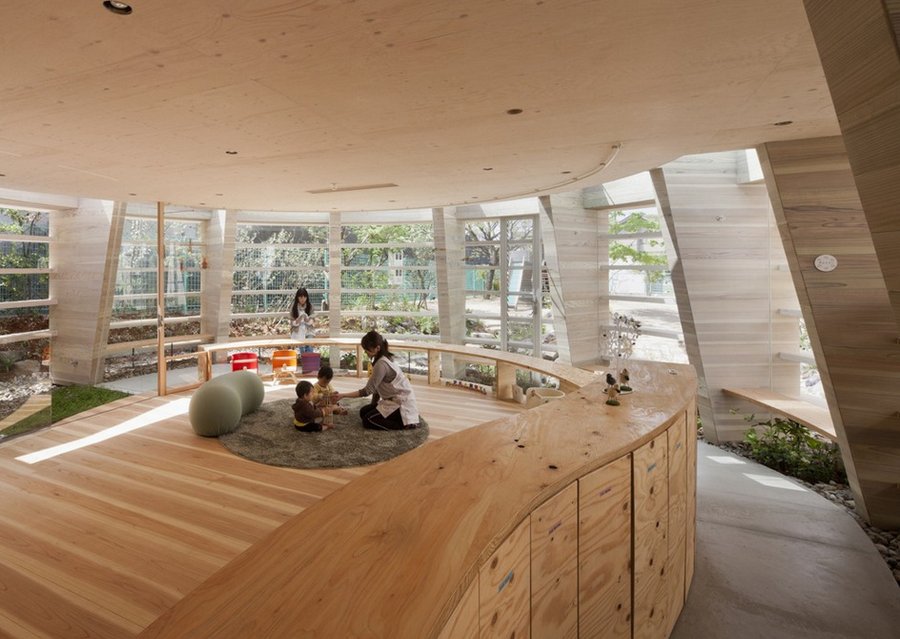
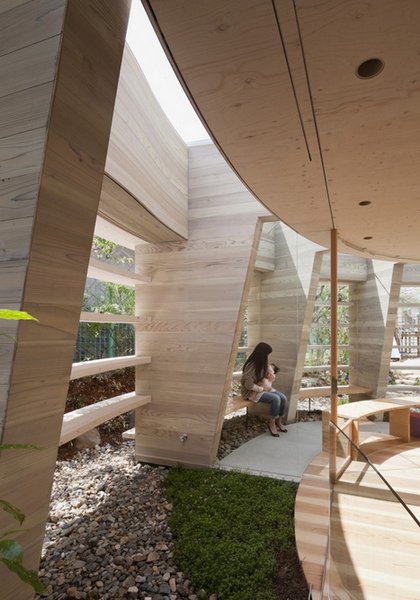
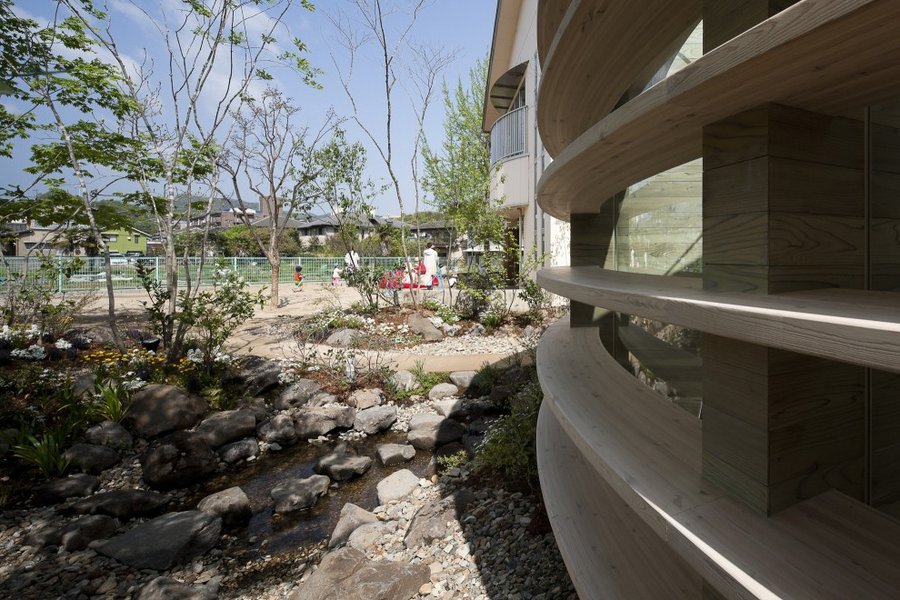
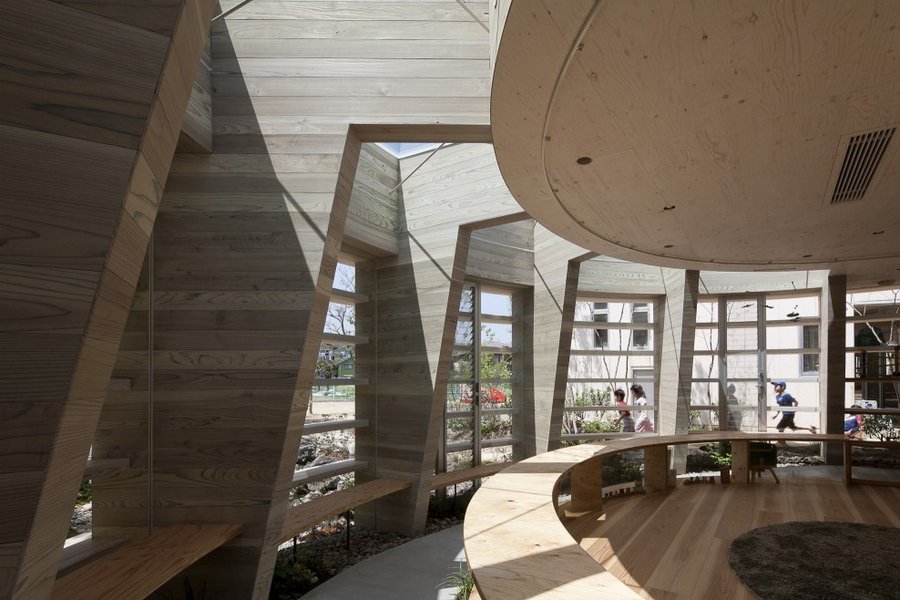
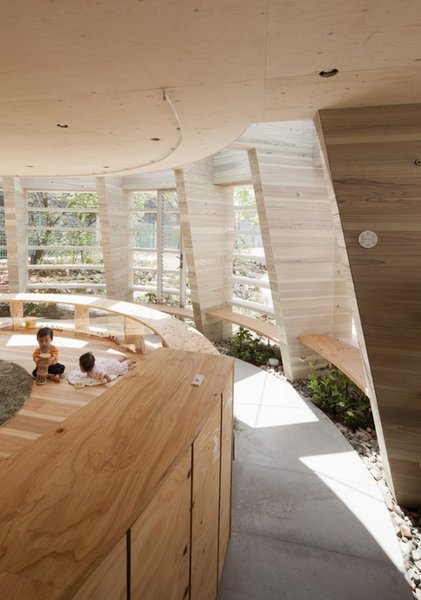
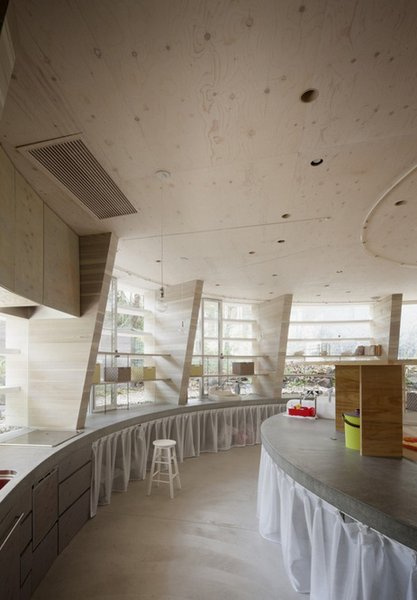
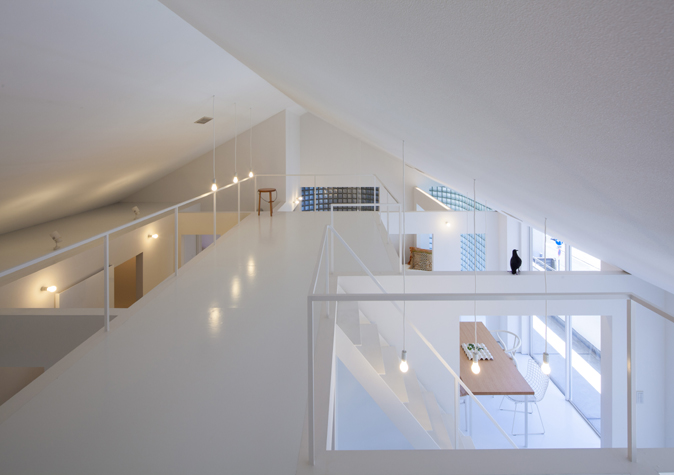
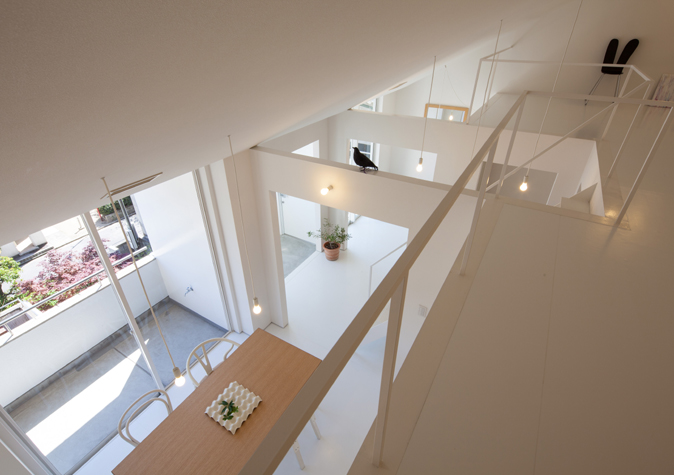
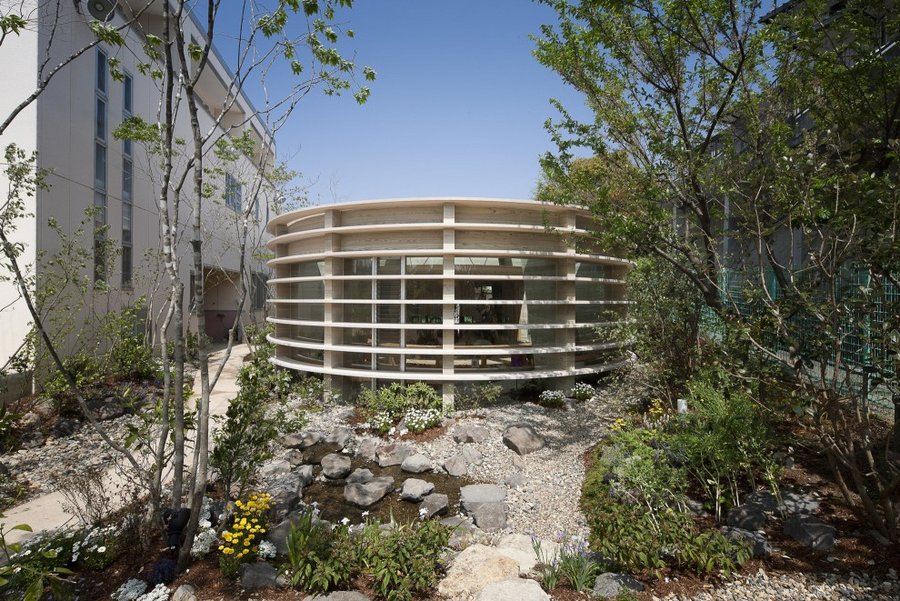
If I lived in Hiroshima I would love to send my kids to Tsukushi Nursery School, an adorable little daycare center shaped like a peanut. The form was conceived by overlapping 2 circles to create a fluid space connected to the environment, explains architect Hiroshi Ueda, who completed the new structure last year. The idea of peanut-shaped architecture serving as shelter for premature, evolving life, is also a nice metaphor.

The timber structure is also designed to directly expose the young learners to elements of nature like and the different seasons. Almost like a forest in itself, the space has inclines where children can explore the semi-outdoor space.

peanut nursery (1)

peanut nursery (3)peanut nursery (4)

peanut nursery (6)

peanut nursery (7)

peanut nursery (8)peanut nursery (9)

peanut nursery (10)

source: submission

Japanese Haunted Houses to Help Scare the Heat Away

In Japan it’s been a long-standing tradition to escape from the summer hotness by bringing on the chills. And one of the most popular ways is to have the shit heat scared out of you is to head to a haunted house, many of which are only open during the summer. This year we’re rounding up some of our favorites that offer, well, let’s just say a different kind of horror.

オバケとぱんつとおほしさま art2

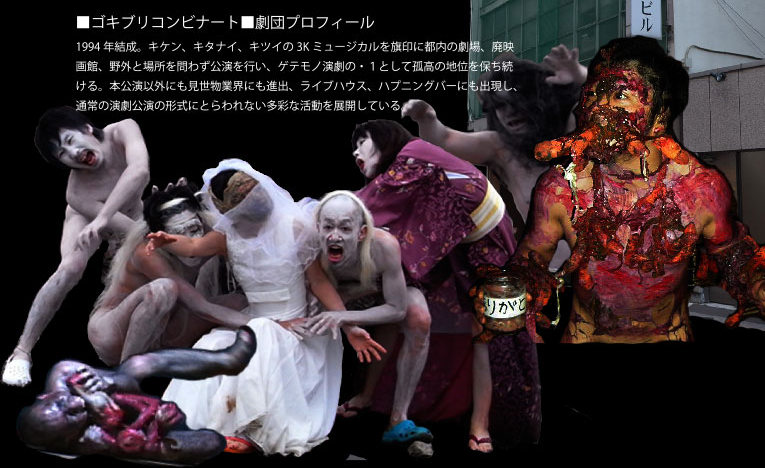
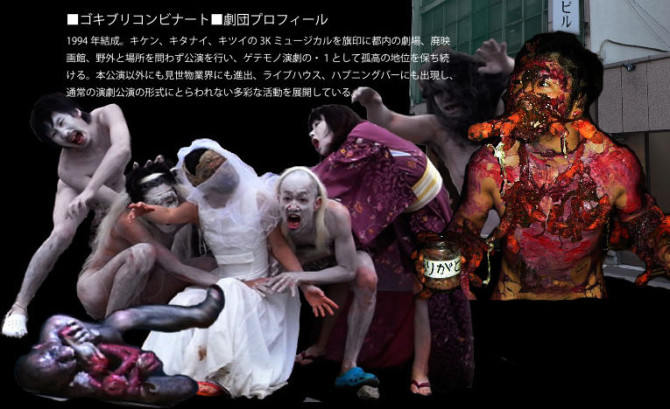
Gokiburi Combinato’s Haunted House for Adults

Part performance art, park shock art and all parts weird, Gokiburi Combinato (abbreviated Gokicon) promise a spectacle unlike any other. But this is one show you’ll want to leave the kids at home for. Gokicon are known for incorporating nudity, fetishes and sadistic tendencies into their bizarre performances. And at 1500 yen, it’s the most expensive on our list.
(PS you’ll want to wear clothes that you won’t mind getting dirty)

Dates: June 22-25, 2013
Time: 4pm-7pm (Jue 23 from 1pm)
Venue: Vanilla Gallery
Price: 1500 yen
obaketopantsu_mot-20130521_002-thumb-500xauto-190238

obaketopantsu_mot-20130312_001-thumb-500xauto-190237 obaketopantsu_mot-20130521_004-thumb-500xauto-190239

ghosts, underpants and stars

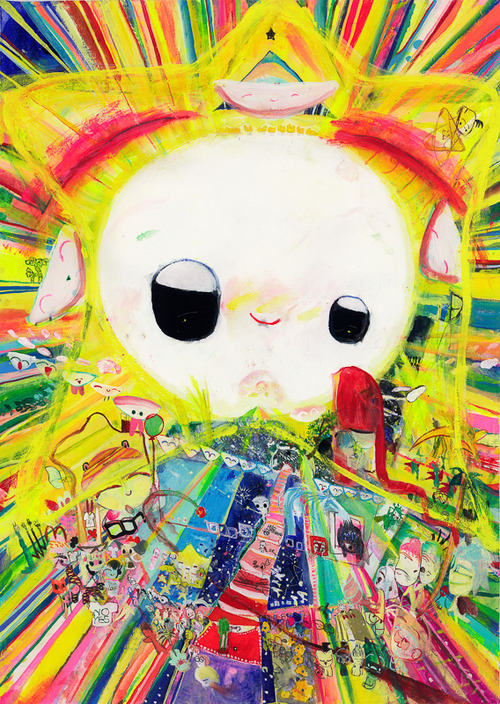
For a special haunted house exhibition just for kids, the Museum of Contemporary Art Tokyo is putting a moratorium on the 3 rules they typically enforce on their little visitors: no running, no touching, no playing. The exhibition will be designed by Torafu Architects and will be centered around Sakurako Hamaguchi’s “Ghost, Underpants and Stars” (オバケとパンツとお星さま) and other kid-friendly artwork.

According to the curators, ghosts represent creativity and curiosity, underpants represents the growth process (ie: graduating from diapers) and stars represent fantasy. Together, they make up 3 keywords that tickle a child’s imagination.

Dates: June 29- September 8, 2013 (closed Mondays)
Time: 10am-6pm
Venue: Museum of Contemporary Art Tokyo
Price: 1000 yen general admission
daibakaikigakkou

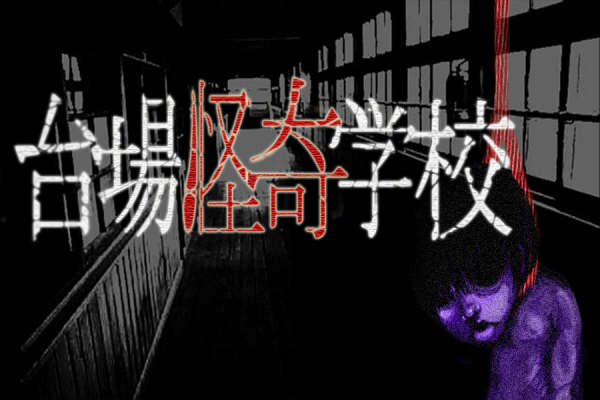
The Haunted School

The Daiba Haunted School is based on an urban legend about a student who committed suicide. The school was then plagued by odd disturbances and disappearances, eventually getting shut down. The haunted house has been the target of criticism due to its portrayal of suicide for entertainment purposes. But the production agency has countered by saying they donate a portion of their profits to an anti-suicide hotline.

Dates: all year
Time: 11am-8:45pm
Venue: Odaiba Seaside Mall 4F
Price: 800 yen general admission
senritsu

A Real Life Silent Hill

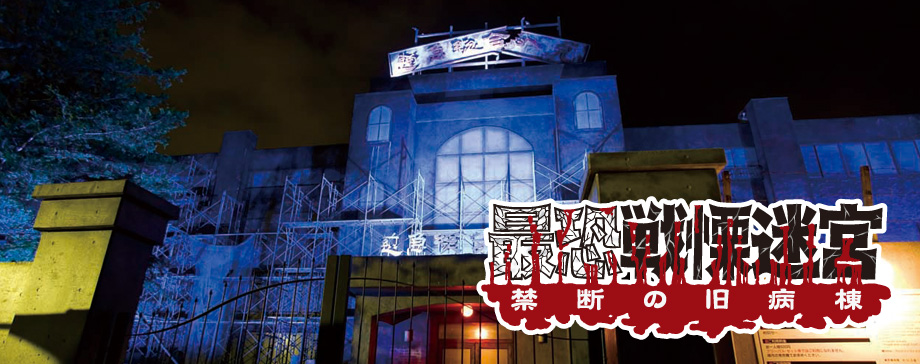
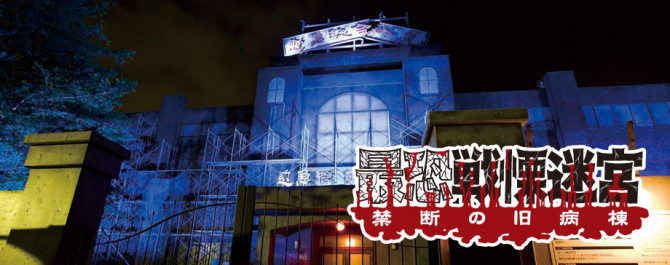
If abandoned schools don’t creep you out enough, perhaps abandoned hospitals. The Hyper Horror Maze (超・戦慄迷宮) at amusement park Fujikyu Highland is known as Japan largest, scariest horror house. The 50-minute experience once held the record for world’s largest, but has since lost that title by 5 min to a haunted house in Texas.

How scary is it exactly? The ride advises visitors not to enter alone for safety reasons and to instead go in groups. 20% of all visitors are unable to complete the maze and “escape” through one of the several emergency exits.

Dates: all year
Time: park hours
Venue: Fujikyu Highland
Price: 500 yen (the all-day pass does not grant you access)

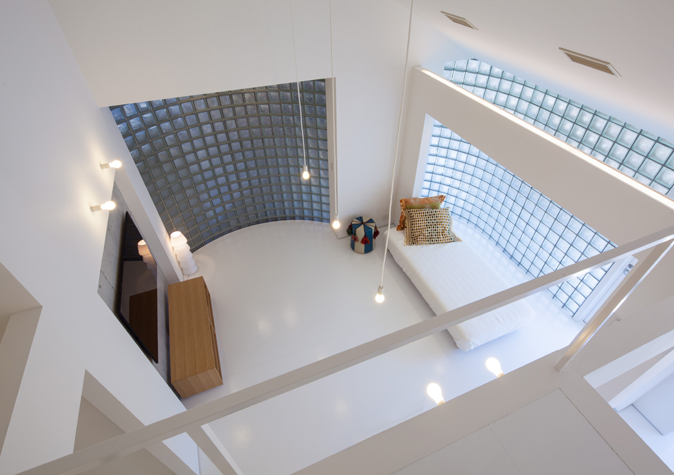
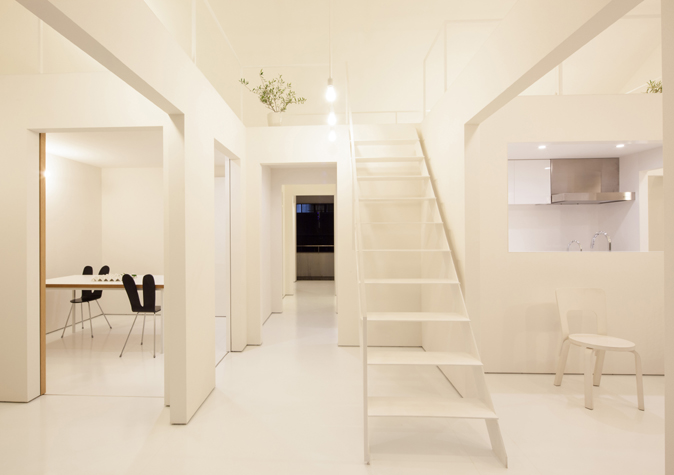
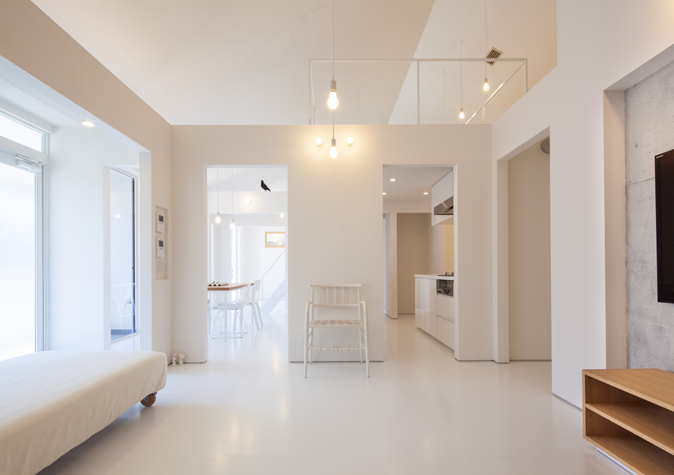
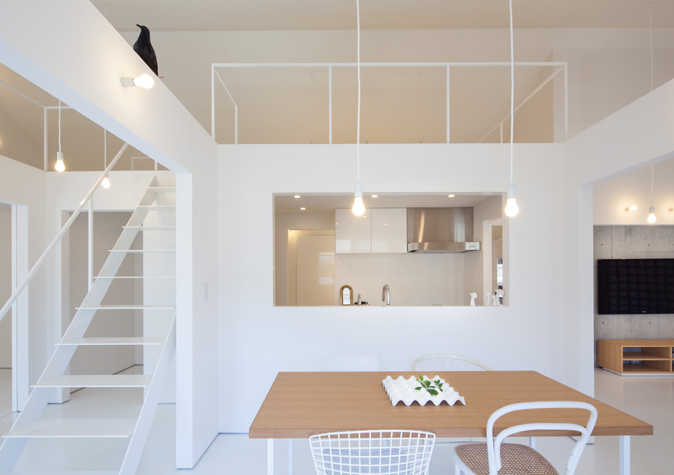
A renovated home for two families by Yasunari Tsukada

Yasunari Tsukada established his Osaka design firm in 2012 and tackled his first independent project renovating a residential home.

House in Takamatsuphotos by Stirling Elmendorf courtesy Yasunari Tsukada

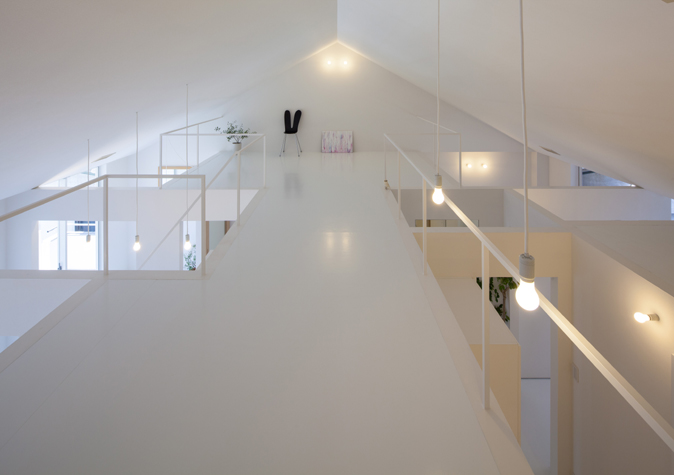
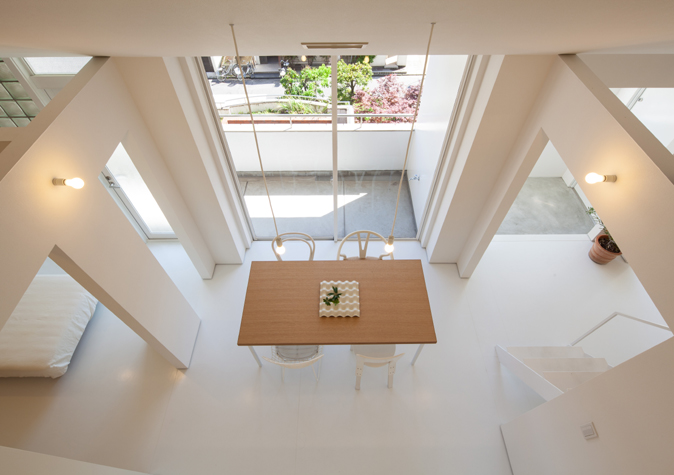
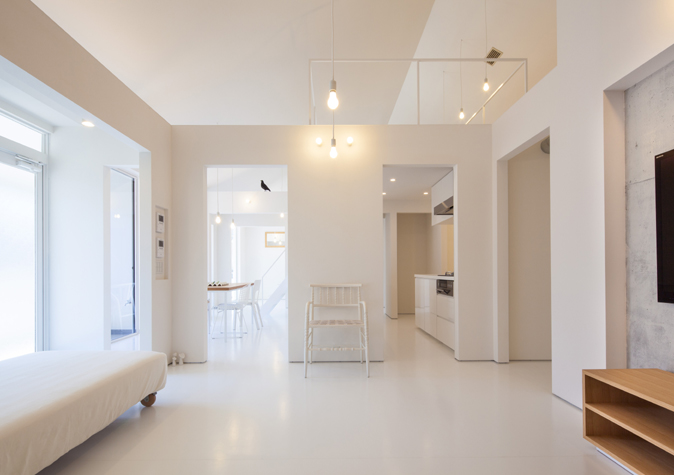
Tsukada was tasked with creating a 2-generation family home that would give the family a sense of togetherness, while at the same time providing a calm and relaxed space for the members to still shave some sense of privacy. The house has a very open design with most of the common rooms without doors but rather “openings” and no ceiling. Tsukada explains that all of the rooms have at least two windows, providing a lot of natural light during the day and continuing the open feel throughout the home.

houseS005_main houseS010_main

House in Takamatsu

House in Takamatsu

House in Takamatsu

House in Takamatsu

 houseS002_main houseS004_main

source: Yasunari Tsukada

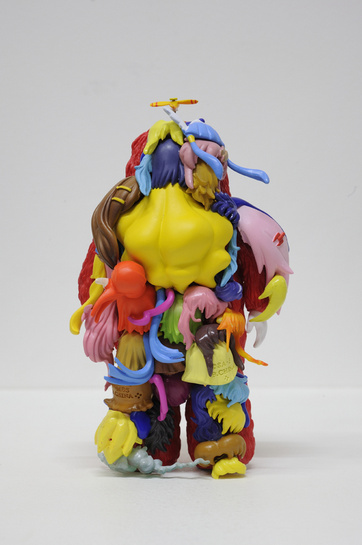
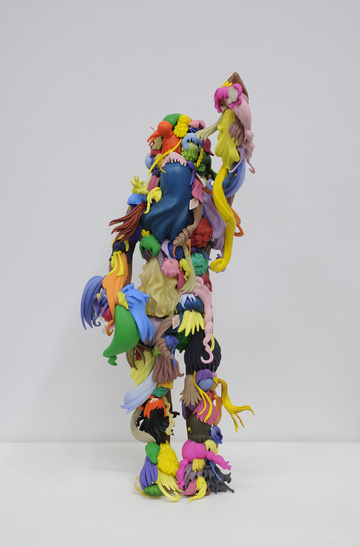
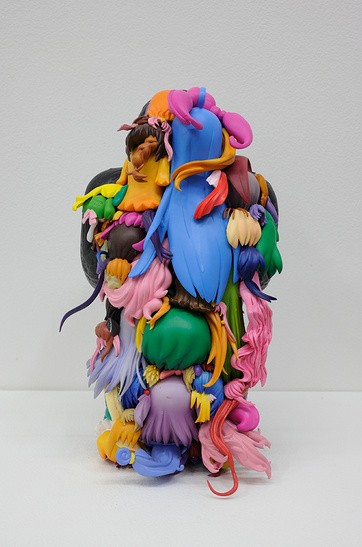
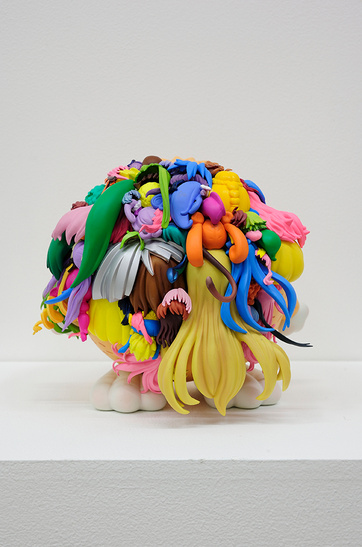
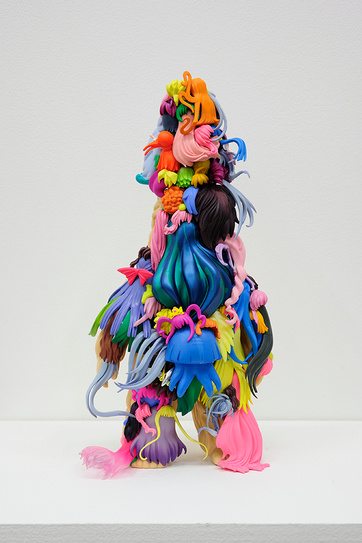
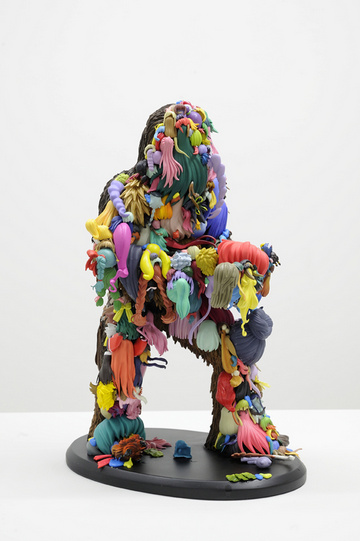
Teenage Fan Club | figurine hair assemblages by Teppei Kaneuji

teppei kaneuji teenage fan club (5)teppei kaneuji teenage fan club (6)

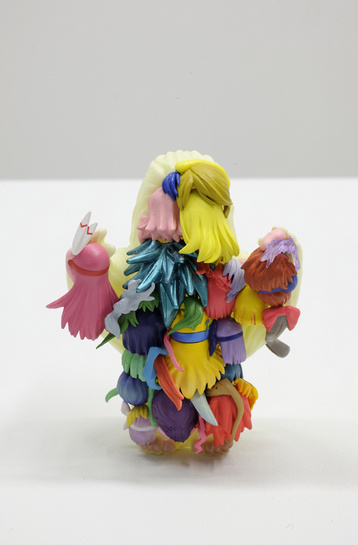
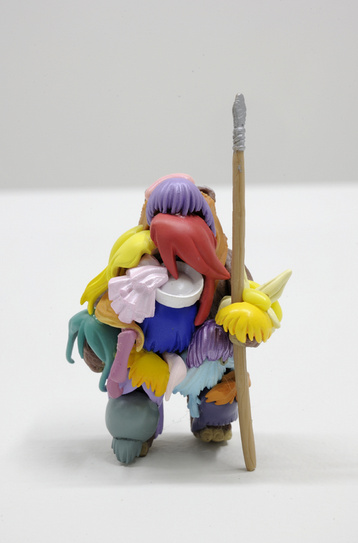
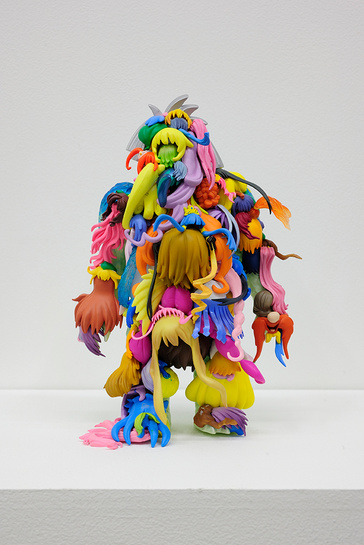
In addition to Shigeo Toya’s wooden chainsaw sculptures, also participating in the ShugoArts group show is Teppei Kaneuji. The 35-year old artist is known for his found-object assemblages in which we uses things like plastic toys, scissors and helmets glued together in interesting arrangements. He’s also been known to pour white resin over his sculptures, creating empty whited-out spaces.

Kaneuji likes to establish small rules for himself when working on a new piece. Teenage Fan Club is a particularly interesting series that probably began with the rule, “only use removable hair from figurines.” Using the colorful hair of figurines like anime characters, nurses and superheros, Kaneuji creates new superheros that embody traces of their past selves.

teppei kaneuji teenage fan club (7) teppei kaneuji teenage fan club (8)

“I don’t feel you can state unequivocally that only stuff made from scratch is any good,” says Kaneuji, defending the realm of found object art, which is often criticized for being pretentious. “There are so many interesting things around us, there have to be ways to use them, and failing to do so is to my mind, unnatural. There’s a certain pleasure to be gained from the process, such as when different parts fit well together.”

teppei kaneuji teenage fan club (9) teppei kaneuji teenage fan club (10)

teppei kaneuji teenage fan club (1) teppei kaneuji teenage fan club (2)

teppei kaneuji teenage fan club (3) teppei kaneuji teenage fan club (4)

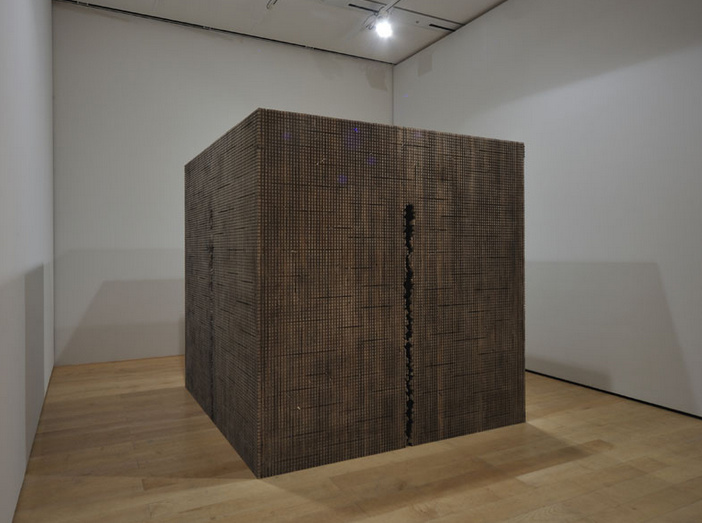
Wooden Chainsaw Sculptures by Shigeo Toya

Shigeo Toya chainsaw sculptor (1)all images courtesy ShugoArts

Shigeo Toya chainsaw sculptor (2)

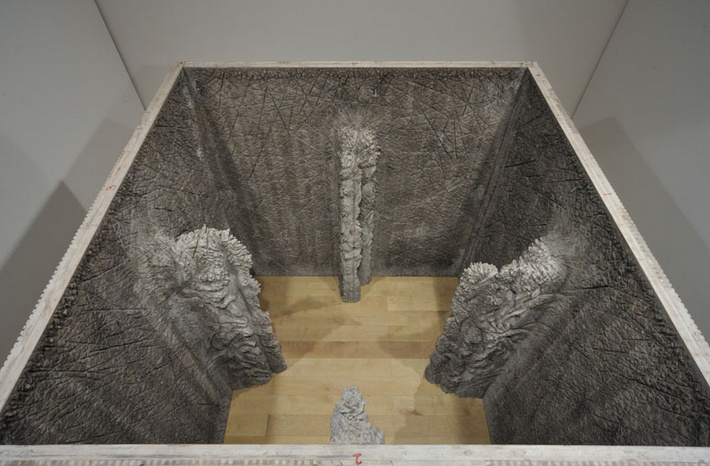
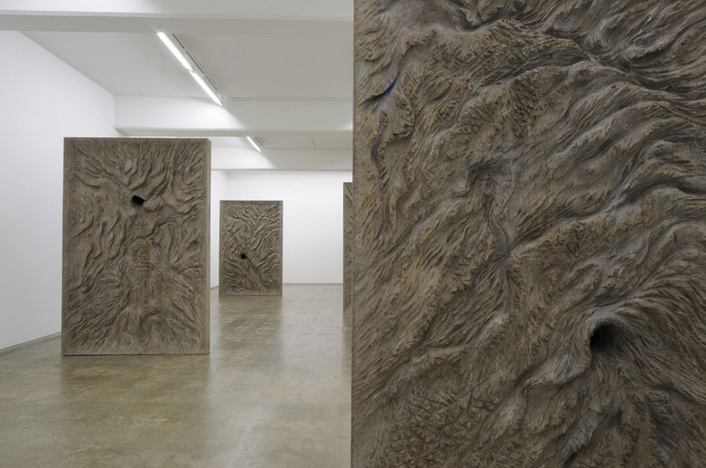
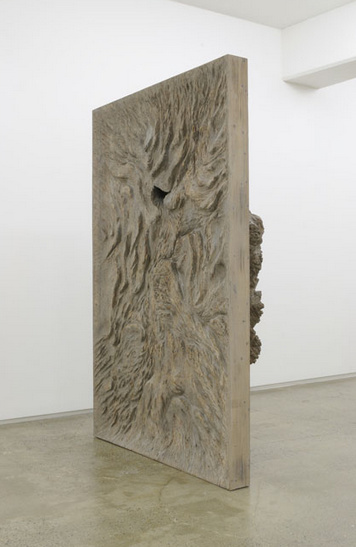
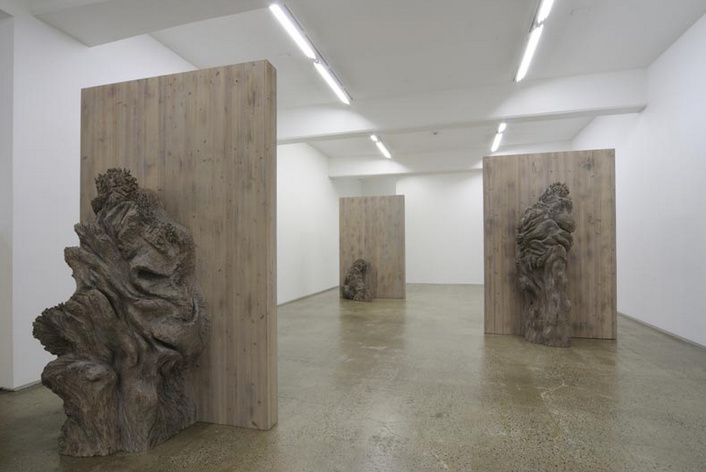
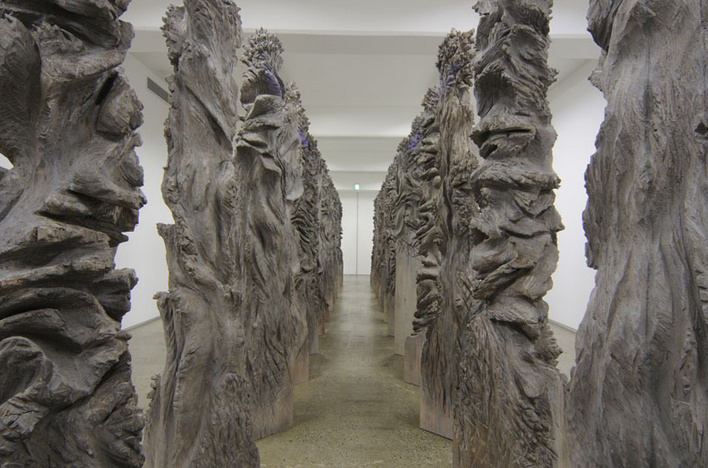
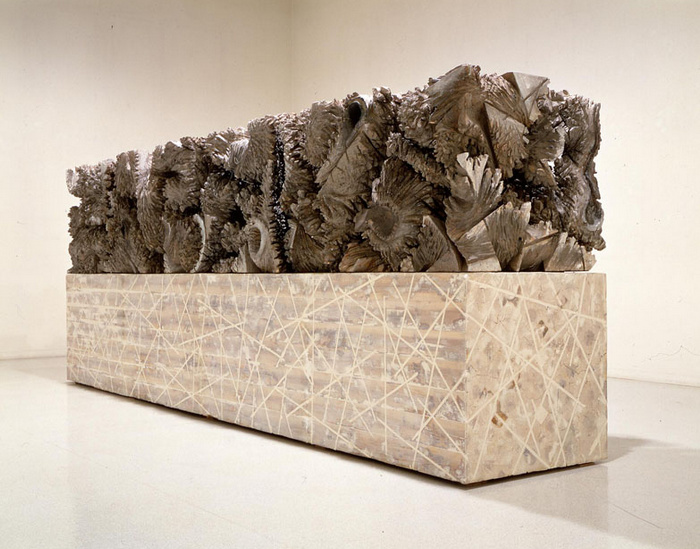
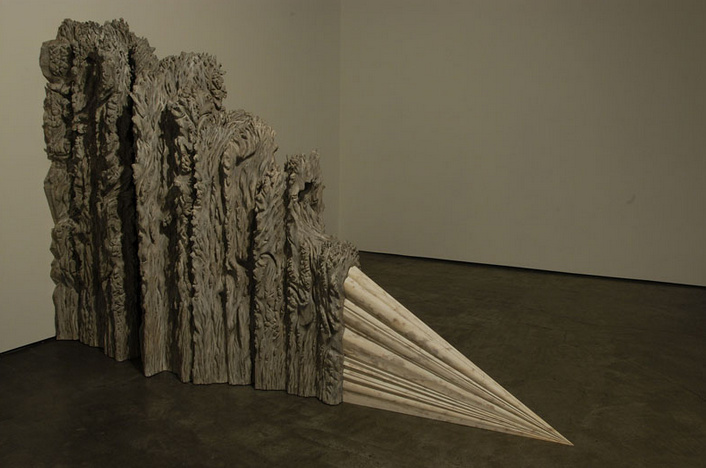
The ShugoArts gallery in Tokyo is currently having a large gallery show featuring some of their most prominent artists. One of those is Shigeo Toya, a 66-year old chainsaw sculptor who originally came to prominence in the 1980s, along with a slew of other chainsaw sculptors looking to capitalize on the fame of Jason Voorhees.

But Toya managed to differentiate himself as a fine artist, bringing with him the post-Mono-ha art movement. Like the original Mono-ha movement, the group of artists used elements of nature and a minimal zen aesthetic but introduced a fresh artistic process of reasserting the hand of the artist.

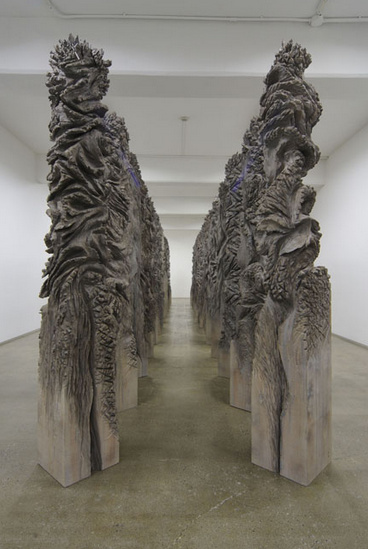
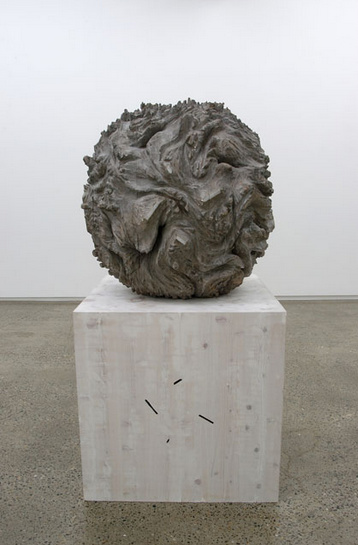
In Toya’s case, the primal force of the chainsaw is clearly evident in the scars of the wood, but only to a certain extent. In other cases it’s almost hard to believe that the intricate relief carvings were done with something like a chainsaw.

Shigeo Toya chainsaw sculptor (10)

Shigeo Toya chainsaw sculptor (4)Shigeo Toya chainsaw sculptor (3)

Shigeo Toya chainsaw sculptor (11)

Three elements are always found in Toya’s works: sculpture, fire and colour. After his sculptures are carved, Toya uses ash to apply color to certain parts of the wood like a painter.

Shigeo Toya chainsaw sculptor (5)Shigeo Toya chainsaw sculptor (7)

Shigeo Toya chainsaw sculptor (6)

The group show at ShugoArts is on display until June 29, 2013

Shigeo Toya chainsaw sculptor (8)

Shigeo Toya chainsaw sculptor (9)

Rebirth | Bamboo furniture by Naoki Hirakoso

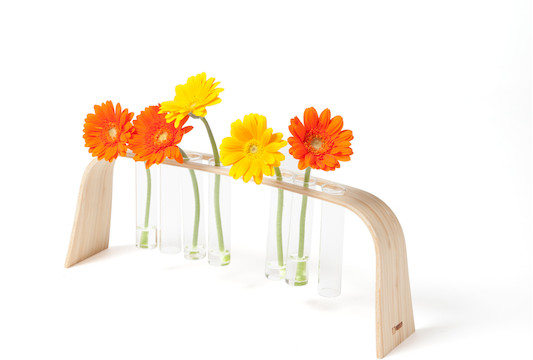
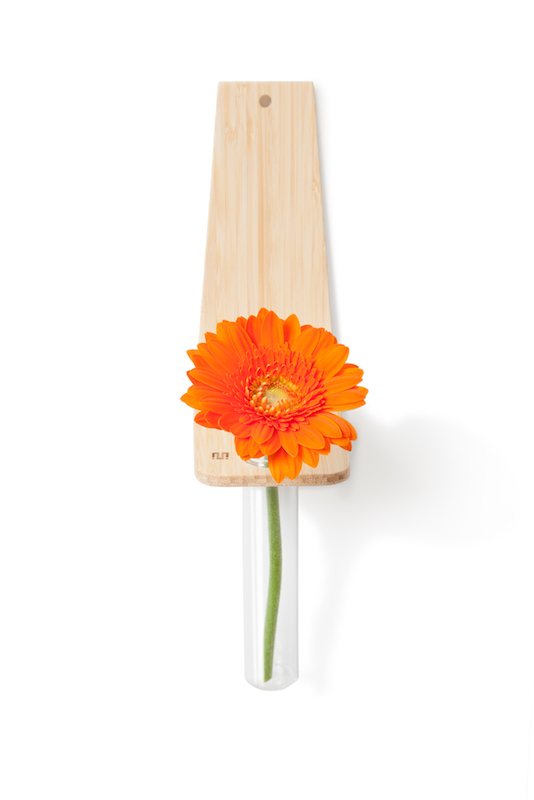
Technically a grass, bamboo is found on every continent where it thrives without fertilizers, pesticides or herbicides. And touted for its durability, inexpensiveness and sustainability – it can be harvested in 5 years, as opposed to hardwoods which takes at least 50 years – it has long garnered the attention of the design industry as an eco-friendly building material.

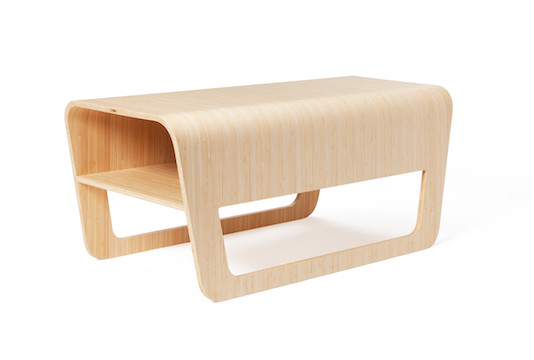
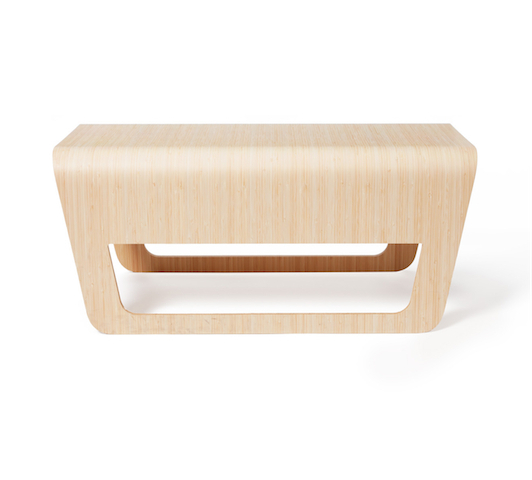
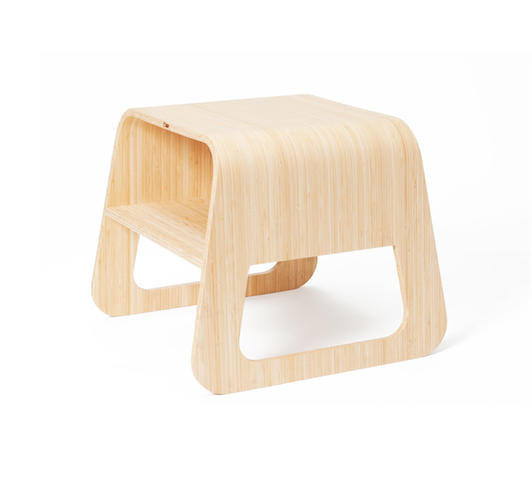
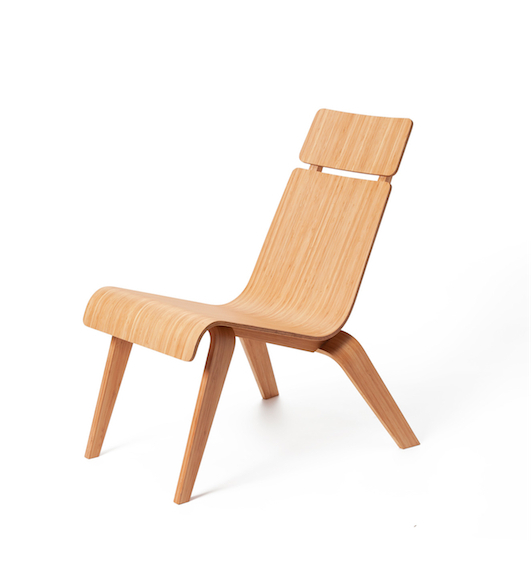
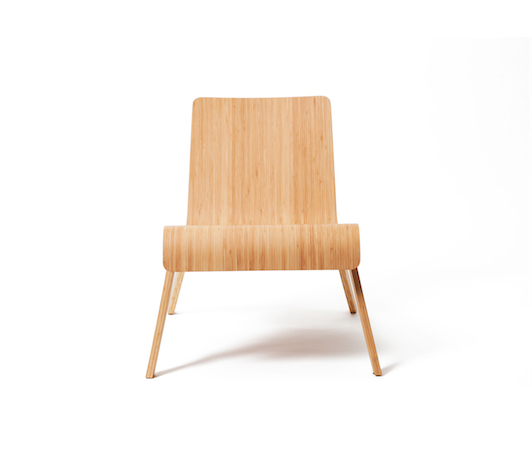
Collaborating with TAKE Create Hagi, a company that has developed a unique process of sculpting bamboo, Tokyo-based designer Naoki Hirakoso has created a series of furniture titled Rebirth. Simple geometry and clean lines give Hirakoso’s pieces a refined look, helping bamboo escape from the tiki lounge décor that it’s long been associated with.

TakeREBIRTH Vase Series

rebirth naoki hirakoso (1)

rebirth naoki hirakoso (2)rebirth naoki hirakoso (3)

TakeREBIRTH Bench

rebirth naoki hirakoso (6)

rebirth naoki hirakoso (4)rebirth naoki hirakoso (5)

TakeREBIRTH Lounge Chair

rebirth naoki hirakoso (9)

rebirth naoki hirakoso (7)rebirth naoki hirakoso (8)

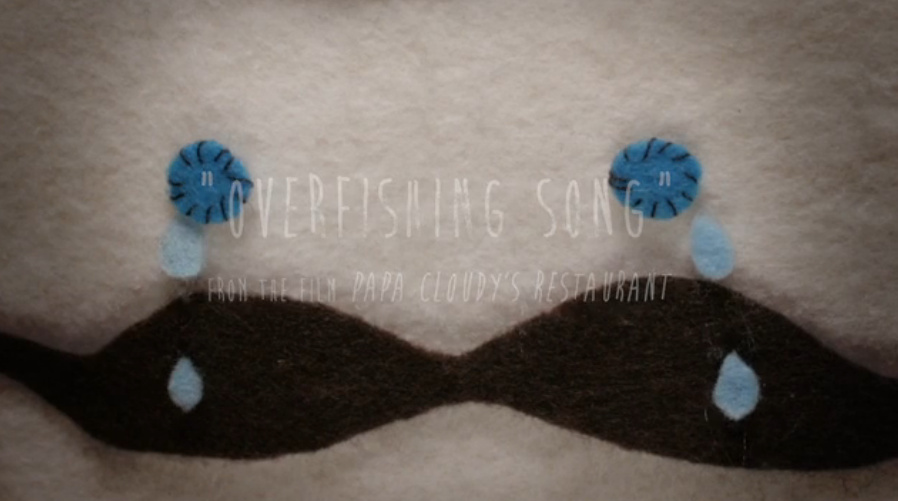
Overfishing Song | a stop-motion animation by Akiko McQuerrey

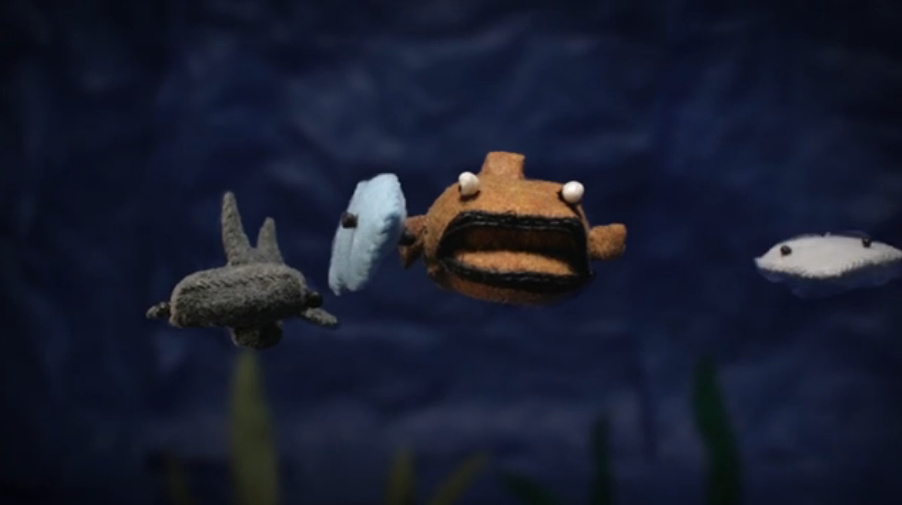
Last weekend marked the 21st annual World Oceans Day, a time to commemorate that blue part of the planet that covers 70% of the earth’s surface and represents our planet’s largest habitat. And while this vast area supports nearly 50% of all species on Earth, some of those species are increasingly in danger due to overfishing: catching fish faster than they can reproduce.

Highlighting the topic with an achingly cute stop motion video is Brooklyn-based Japanese director, designer, animator and puppet maker Akiko McQuerrey, creator of the Papa Cloudy character.

Watch as the soulful octopus sings a sad song of overfishing:

One day captured in the net
Next day sold in the market
Today all of the ships wrecked
Tomorrow fishes are dead

Ocean is lonely because you are hungry

Recognize the voice? That’s Satomi Matsuzaki of Deerhoof.

overfishing song (1)

overfishing song (2)overfishing song (3)

Source: thekidshouldseethis

Abstract bubble art photography by Tomoya Matsuura

cell bubble art (4)images courtesy tomoya matsuura | click to enlarge
cell bubble art (6)cell bubble art (7)

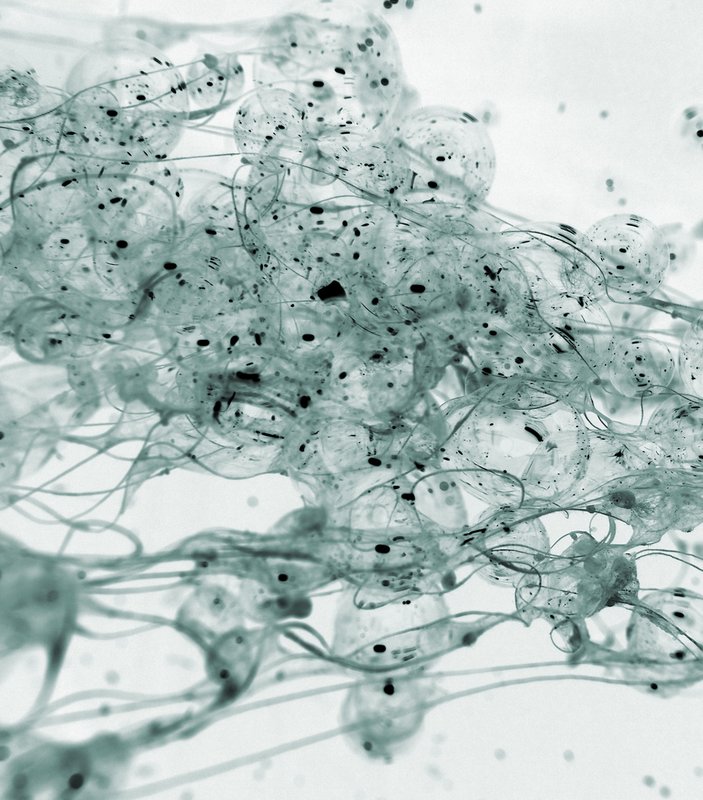
Avant-garde music composer and photographer Tomoya Matsuura photographs an intriguing combination: bubbles attached with thread. Titled “cells,” the close-ups create abstract glimpses of “the vigor of life.” Whereas bubbles are inherently ephemeral, popping and disappearing as we watch, Matsuura’s photographs hint of reproduction. It’s as if the bubbles are alive and pulsating.

Matsuura, under the name tmymtur, also creates music commonly referred to as Drone. Last year he created a piece called “湧声” (yusei) made from over 5000 voices layered on each other. But not regular voices. He uses ultra-sensitive microphones to pick up frequencies that our ear can’t detect, rendering the inaudible, audible. I would suggest listening to our inaudible selves while taking in Matsuura’s cellular bubbles.
(Warning: drone music is not the most accessible of music.)


cell bubble art (1)

cell bubble art (5)


cell bubble art (2)

cell bubble art (3)

Source: submission | 500px

Wooden lacquered bento boxes by Oji Masanori

hibiju bento box - oji masanori (1)

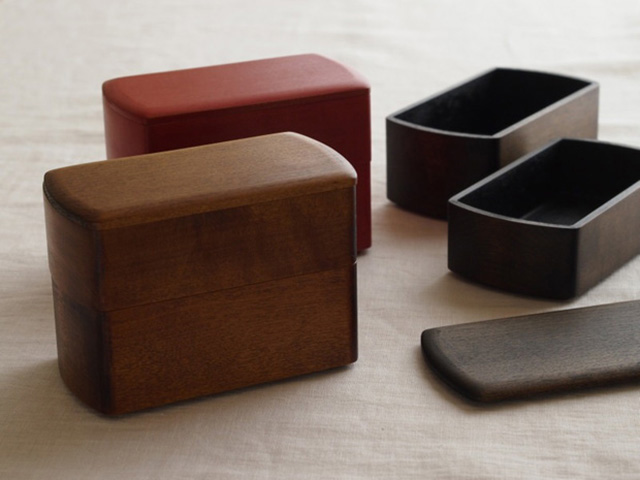
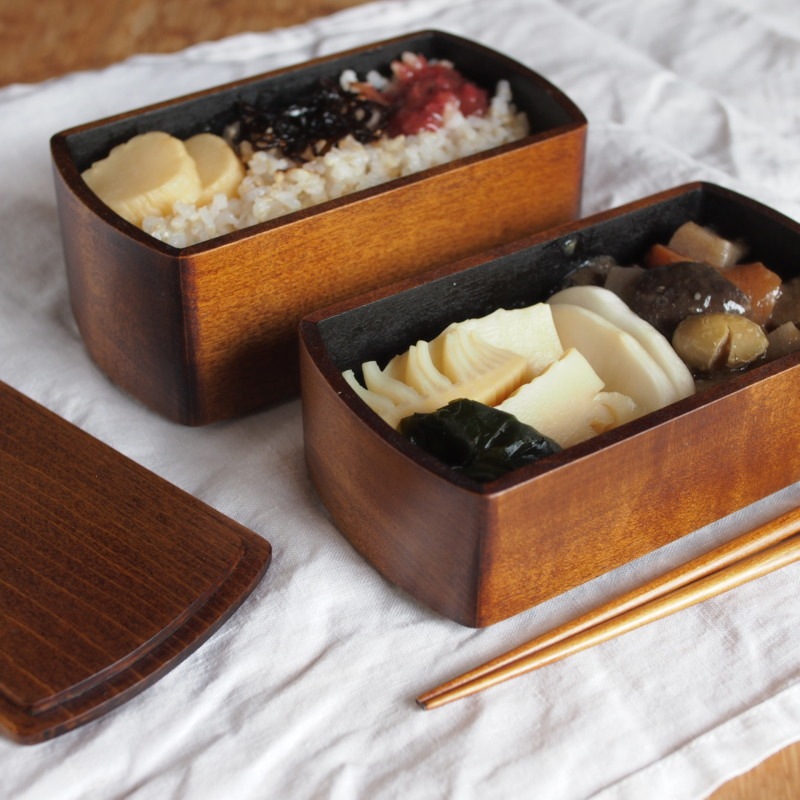
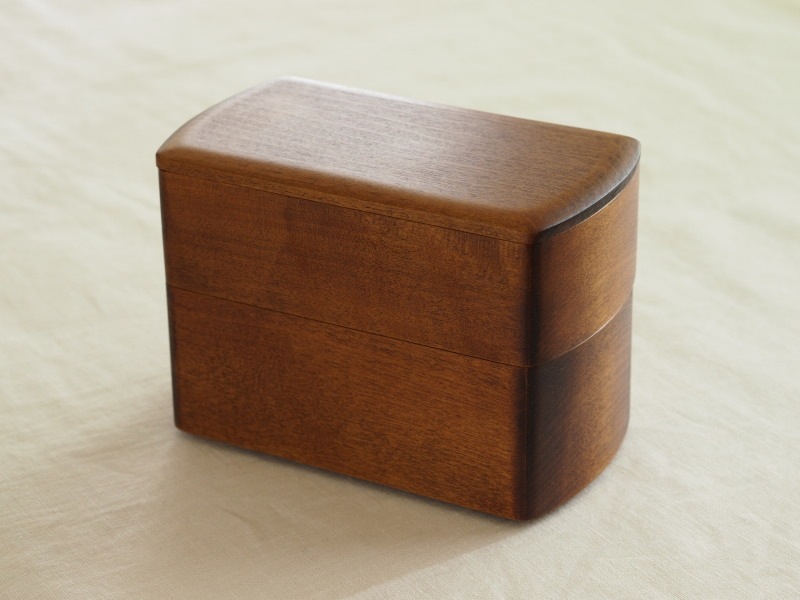
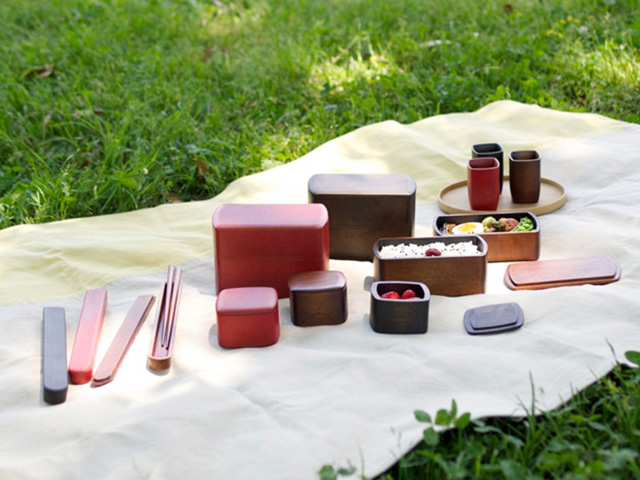
Industrial designer Oji Masanori has a knack for incorporating traditional craftsmanship into contemporary design that’s both user-friendly and easy on the eyes. One of his latest designs is the wonderful double-decker bento box carved from Japanese magnolia. It was manufactured by Wajima Kirimoto and utilizes the company’s acclaimed makiji technique to create a lacquered finish on the inside that is durable enough to withstand silverware.

The “Hibiju” lunch box was designed with hopes that people will use it day in and day out, much like the stackable quality of the box itself, explains Oji.
OLYMPUS DIGITAL CAMERAOLYMPUS DIGITAL CAMERA

hibiju bento box - oji masanori (6)

hibiju bento box - oji masanori (2)

hibiju bento box - oji masanori (3)

How to create a foldable flashlight using a single piece of paper

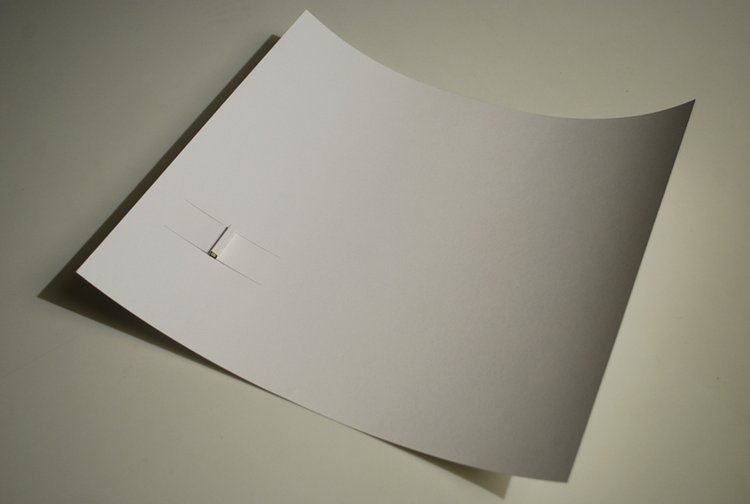
Paper torch 1images courtesy kazuhiro yamanaka | click to enlarge
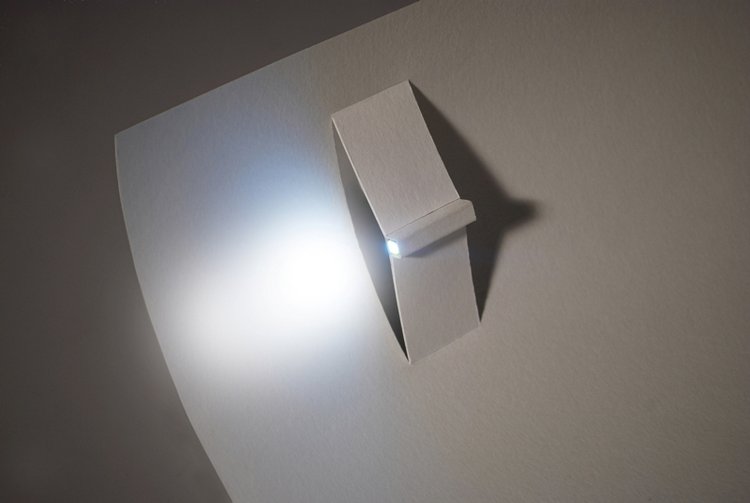
London based Japanese designer Kazuhiro Yamanaka has come up with an ingenious flat piece of paper that, when rolled up, miraculously transforms into a powerful flashlight. The trick is a miniature LED light embedded within a slit. When the paper is rolled up into a cylinder the slit pops out, automatically triggering the LED light source. And when unrolled the light naturally shuts off. Now you can always keep a flashlight right on your desk, as long as it doesn’t get lost amongst the other stack of papers on your desk.
Paper torch 2

Paper torch 3

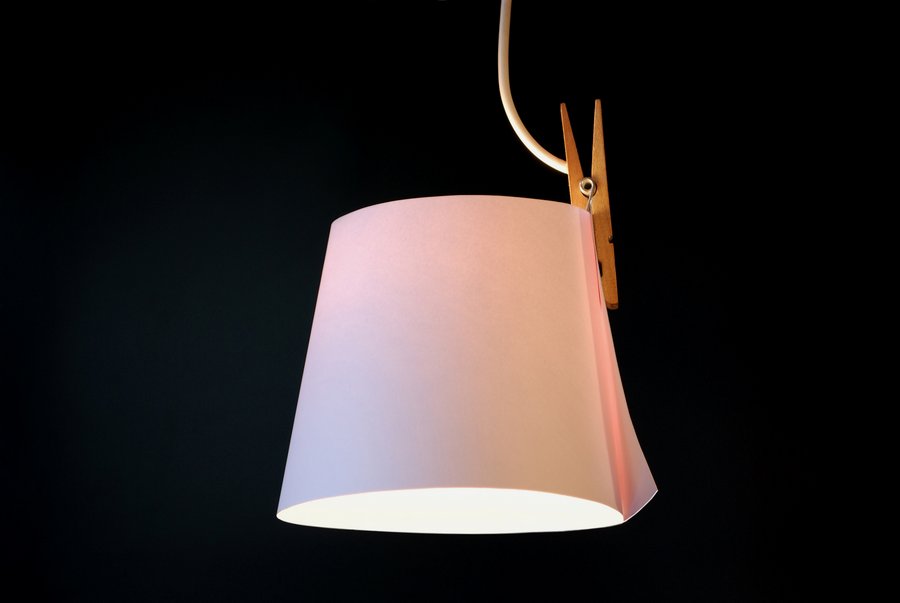
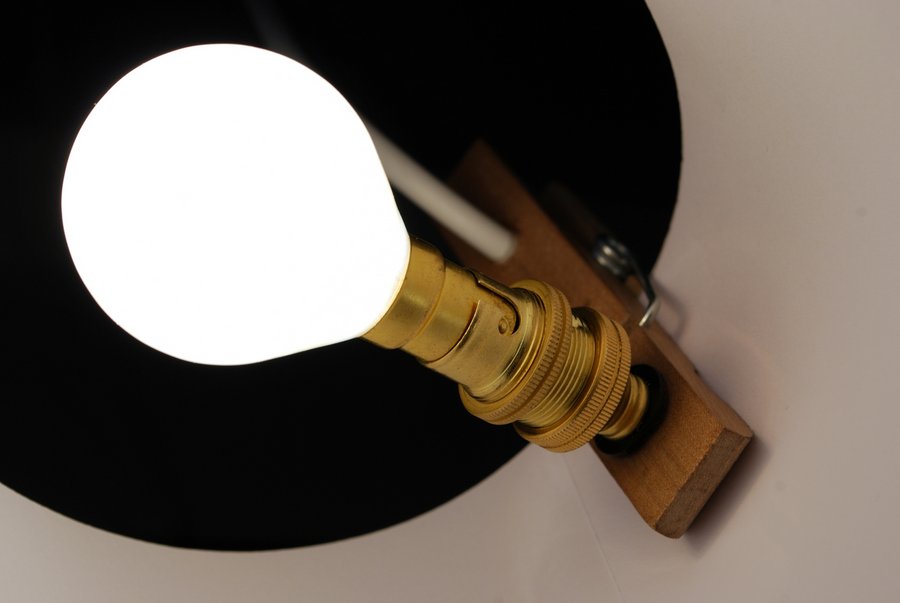
Yamanaka created another minimal light using a piece of paper, but this one is a lamp. It consists of only 3 elements: a wooden laundry clip, a light bulb, and a piece of paper, which can be interchanged with different weighted or colored paper. It can be effortlessly stored away. And when you need it, all you have to do is roll up a piece of paper and attach the clip.

It's only a paper moon.pict 1.1

It's only a paper moon pict 3

It's only a paper moon pict 2

source: submission

« Older posts Newer posts »

© 2026 Spoon & Tamago

Up ↑

Design by Bento Graphics