Page 229 of 406

Projection Mapping FTW | Perfume performs at the Cannes Lions

perfume cannes lions (2)

perfume cannes lions (3)perfume cannes lions (1)

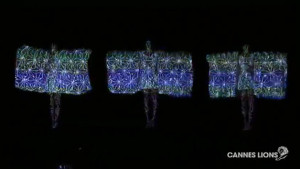
Last week marked the 60th Cannes Lion International Festival of Creativity in Cannes, France, where the best of the best creative advertising is honored. Agencies from Japan came home with a total of 33 awards (down from 55 last year) including top nods for projects like World Wide Maze, Tokyo City Symphony and Penguin Navi. But perhaps the most high profile act was pop idol group Perfume, who not only won an award for their Perfume Global Site Project but also put on an impressive performance with the help of Daito Manabe, digital creation director at Rhizomatiks.

Perfume performs their hit “spending all my time” (fast forward to around the 2-min mark for the song to actually start)

Manabe’s skillful use of projection mapping, a technology used to turn irregularly shaped objects (in this case, the 3 girls’ outfits) into video projection screens, won them a standing ovation at the end of the performance. This was the first time a Japanese act has performed on the Cannes Lions stage.

Perfume Global Site Project

IRO | a beauty salon aligned with the earth

IRO-Reiichi Ikeda (5)photos by Yoshiro Masuda | click to enlarge

IRO-Reiichi Ikeda (6)IRO-Reiichi Ikeda (7)

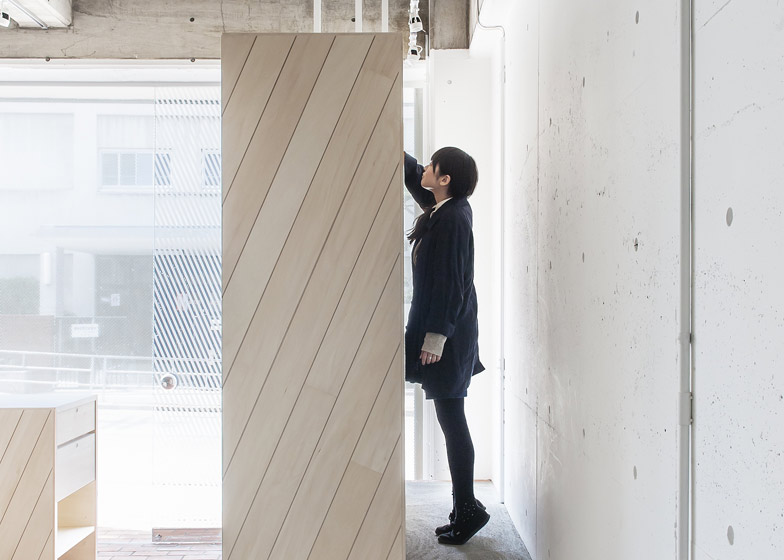
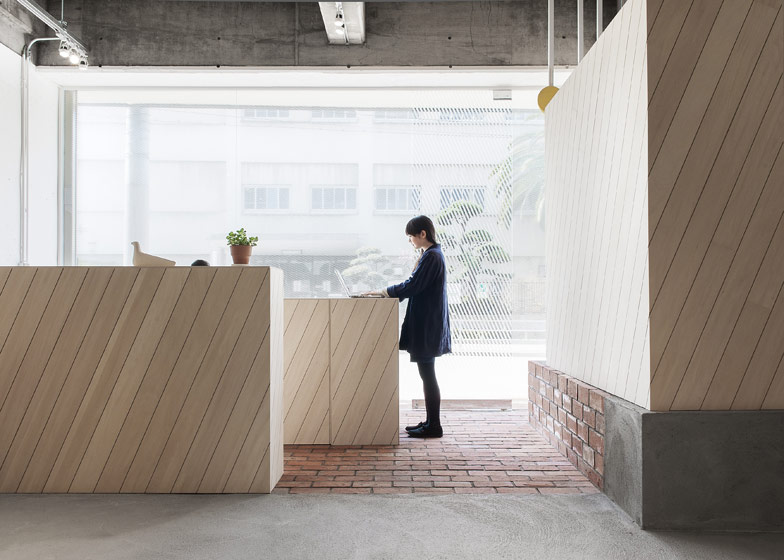
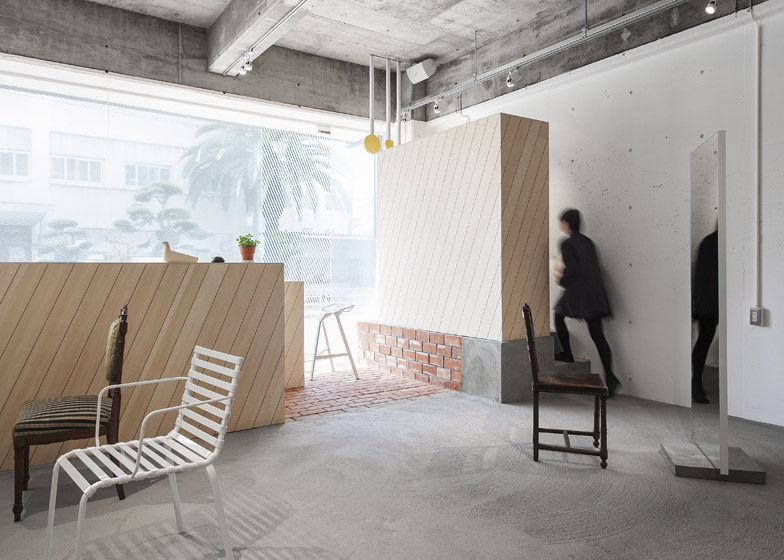
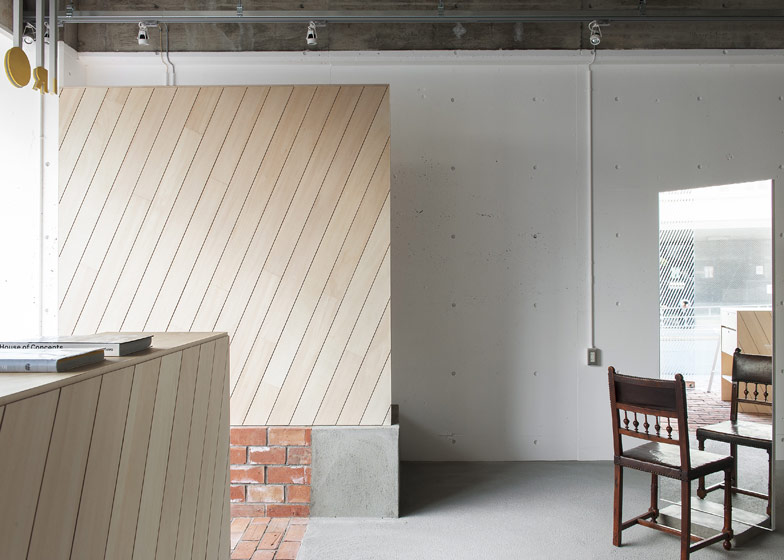
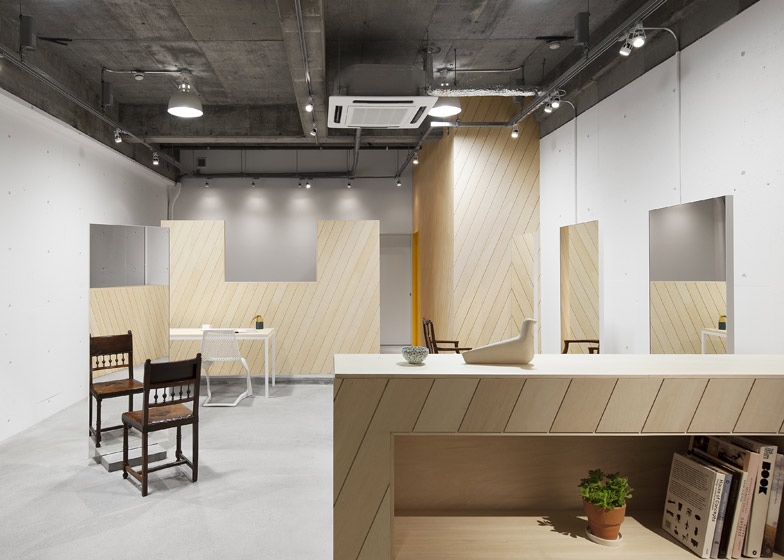
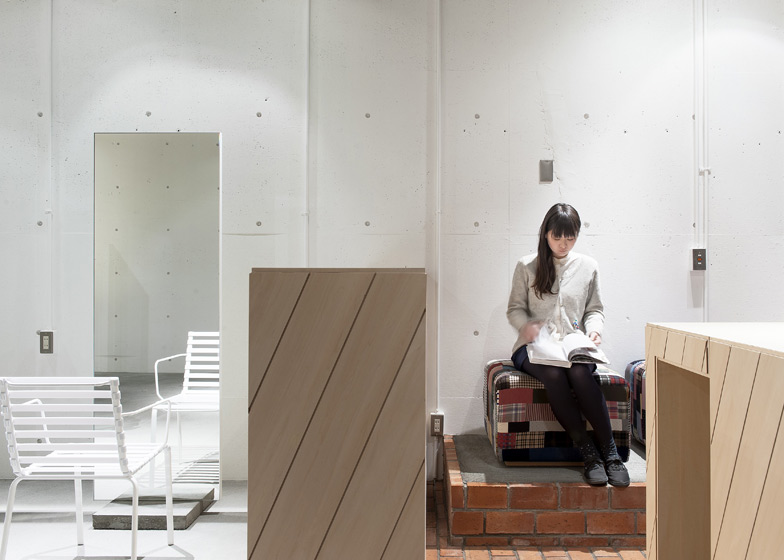
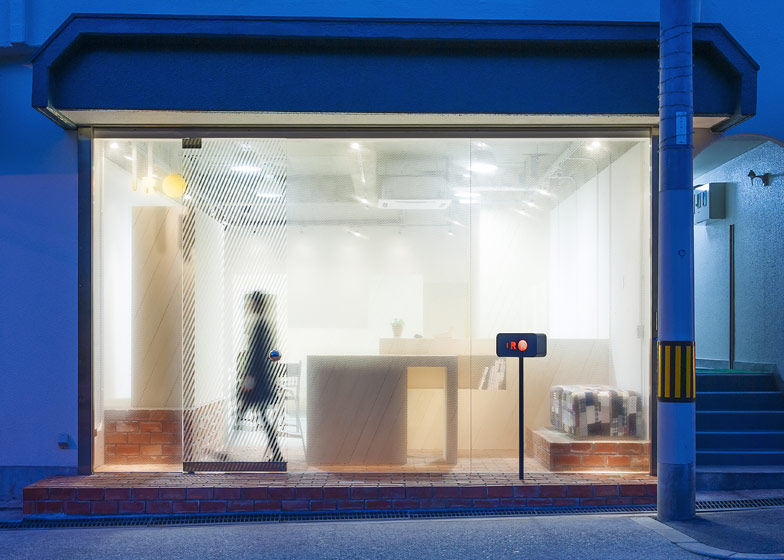
The IRO hair salon is located in Osaka, on a nondescript side-street on the ground floor of a large condo. IRO, which literally means color, boasts a minimal interior that has been stripped of all bells and whistles. Bare concrete, wood and brick come together to complete the space, thanks to architect Reiichi Ikeda.

One unique property that runs consistently throughout IRO, which opened in April of 2012, is the diagonally placed wood paneling, which compliments the diagonal stripes on the frosted window. These are placed at an exact angle of 23.43 degrees, which just happens to be the same axis that the earth is rotating on.

IRO-Reiichi Ikeda (8)

IRO-Reiichi Ikeda (9)

IRO-Reiichi Ikeda (10)

IRO-Reiichi Ikeda (11)

IRO-Reiichi Ikeda (12)IRO-Reiichi Ikeda (15)

IRO-Reiichi Ikeda (2)

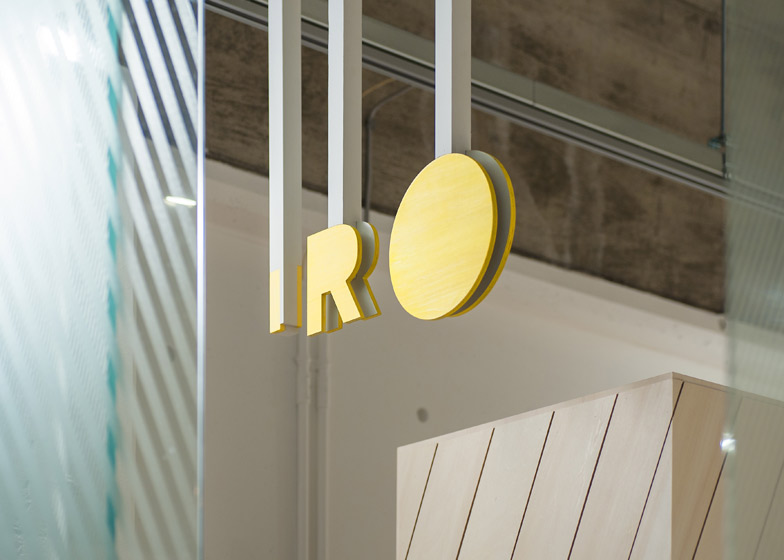
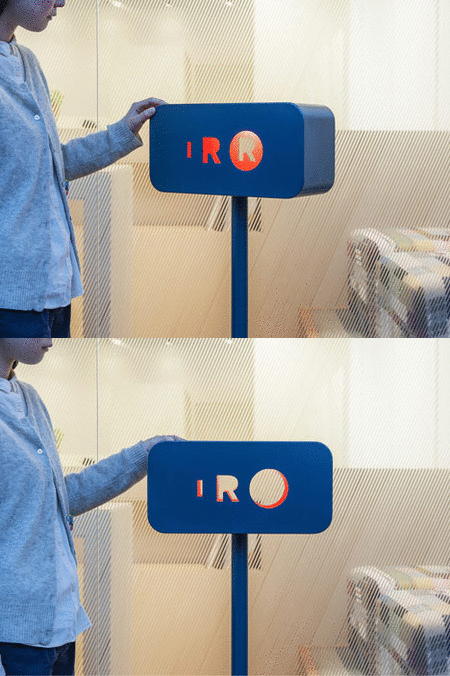
The artfully designed logo by Yuma Harada follows the same concept, with the O rotated to be in line with earth. And IRO has a secondary meaning, referring to the different shades and colors created by the seasons. “The light streaming through the diagonal lines and its shadows shifts from season to season,” explains the architect.

IRO-Reiichi Ikeda (4)

IRO logo gif

IRO-Reiichi Ikeda (1)

Treasure hunting in the woods | Onico is a kid-friendly hair salon

Onico Hair Nai-RyoIsobe (1)

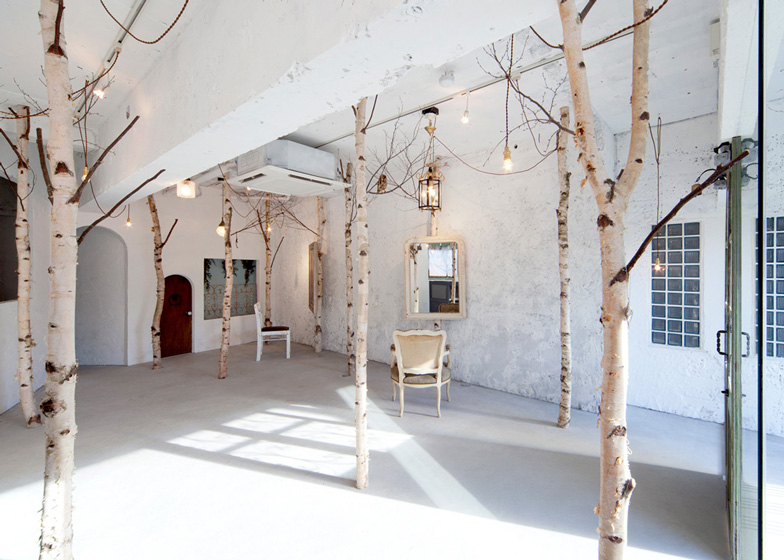
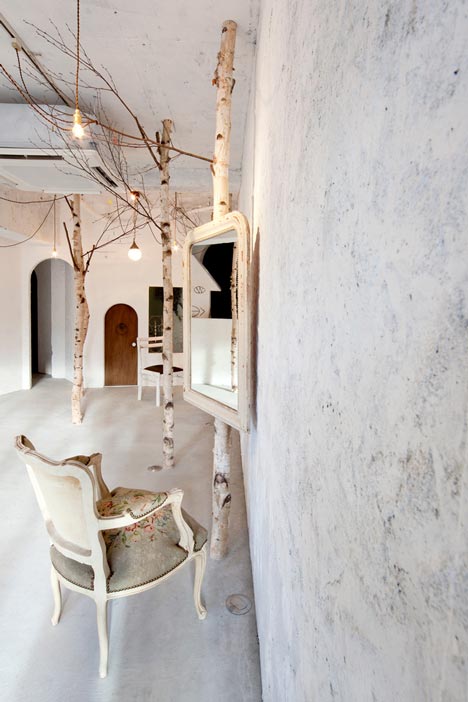
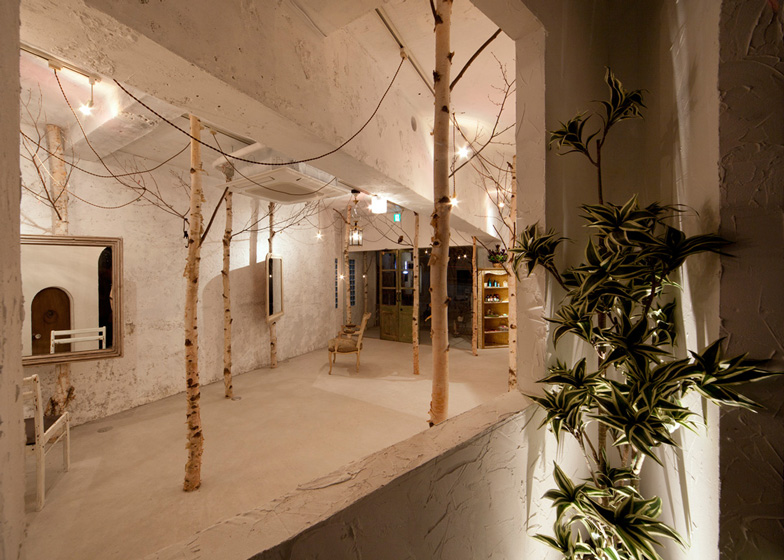
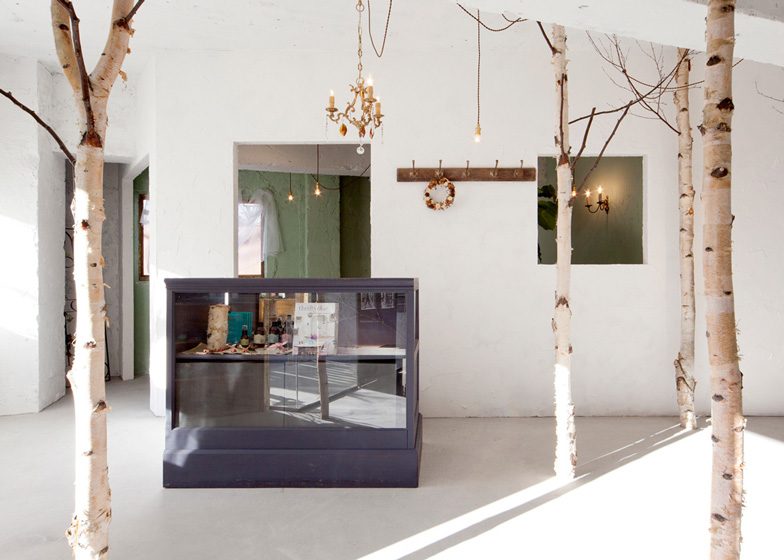
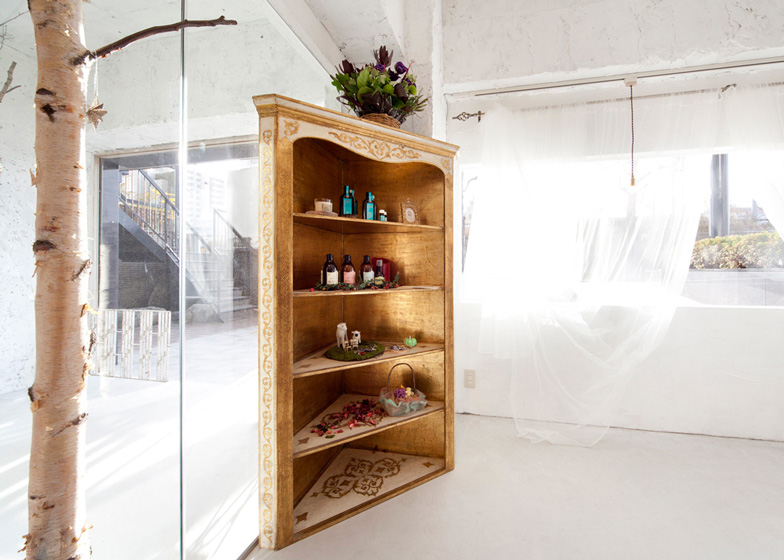
Earlier this year a new hair salon opened in Kamishinden, just North of Osaka City. Onico was designed by Ryo Isobe, an Osaka-based architect who specializes in beauty salons. Isobe worked with the owner to create custom antique and DIY furniture, including mirrors, lighting and display boards. “We don’t just make things look pretty. We design user experience,” says Isobe, who goes on to explain that he imagined Onico as a woodland filled with whimsical curiosities.

The space is filled with birch trees wedged between the floor and ceiling. And dotted throughout are odd objects like a stuffed owl. It’s as if you’re going on a treasure hunt through the woods. The antiquey look makes it seem very delicate and not kid friendly, right? Well you’d be surprised to learn that kids are more than welcome. In fact, they even have a room where kids can hang out and wait for their parents. Now that’s a cool idea.

Onico Hair Nai-RyoIsobe (7)Onico Hair Nai-RyoIsobe (8)

If you’re just catching up, we’re doing a short series this week on recent trends in Japanese hair salon architecture. You can read the intro here.

Onico Hair Nai-RyoIsobe (6)

Onico Hair Nai-RyoIsobe (2)

Onico Hair Nai-RyoIsobe (3)

Onico Hair Nai-RyoIsobe (4)

Onico Hair Nai-RyoIsobe (5)

a minimal beauty salon with an emphasis on form

tsubasa iwahashi folm arts beauty salon (1)Photos by Yoshiro Masuda | click to enlarge

tsubasa iwahashi folm arts beauty salon (2)

“When it comes to design and hair sculpting, form is incredibly important,” claims the owner who, in 2002, opened a small beauty salon in Osaka. It was located on an incredibly large 6-lane street that also sandwiched a street car. 10 years in the owner decided it was time the look of his shop also represent his philosophy. So they hired architect Tsubasa Iwahashi and, for 2.5 weeks, closed up shop to undergo a renovation.

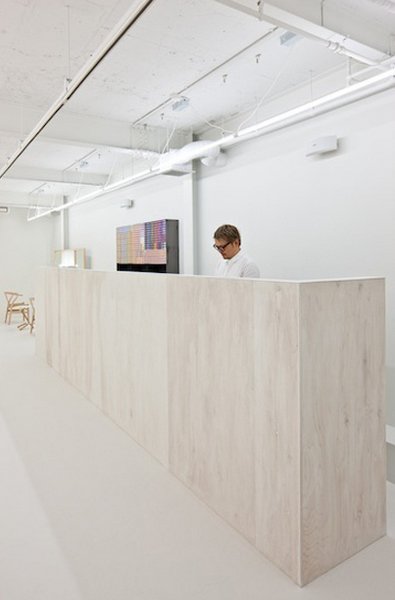
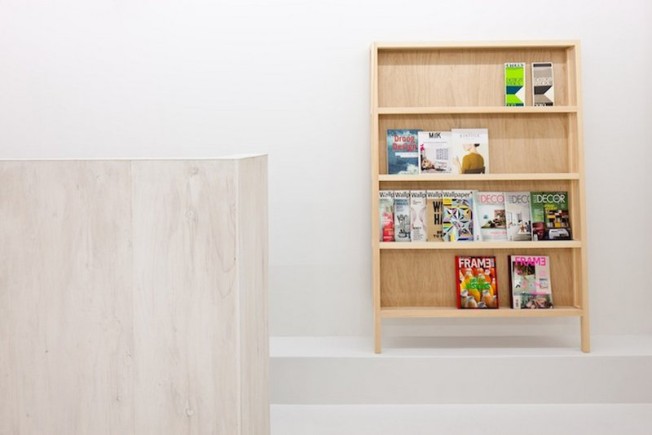
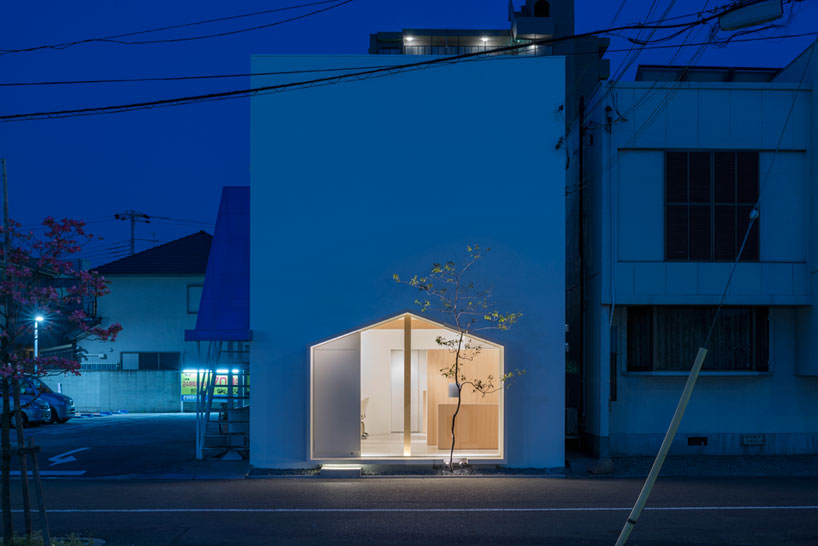
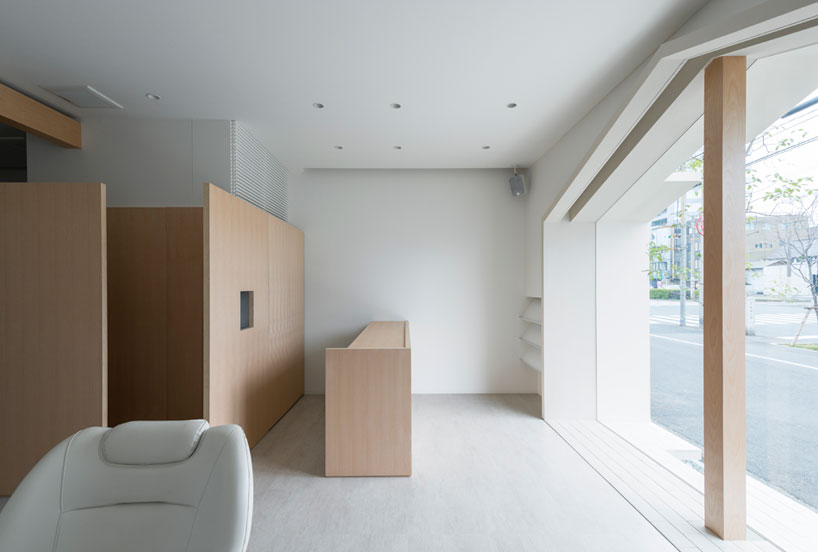
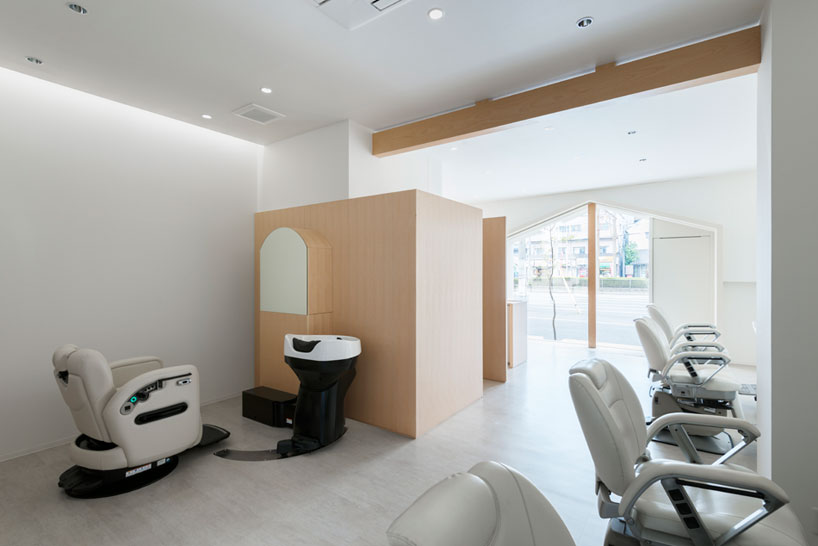
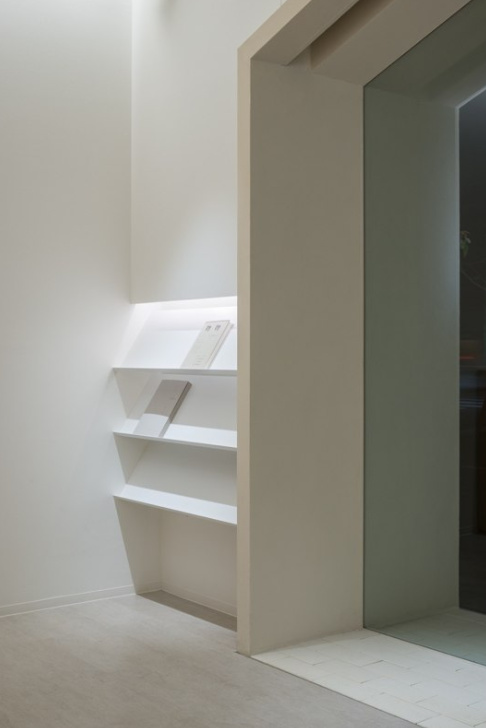
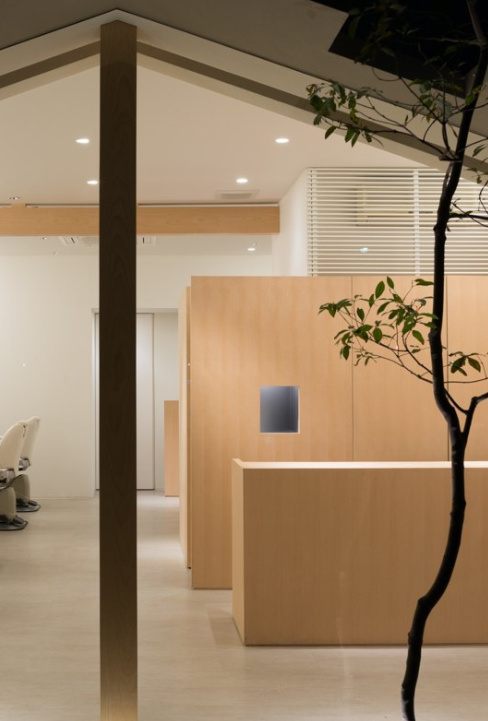
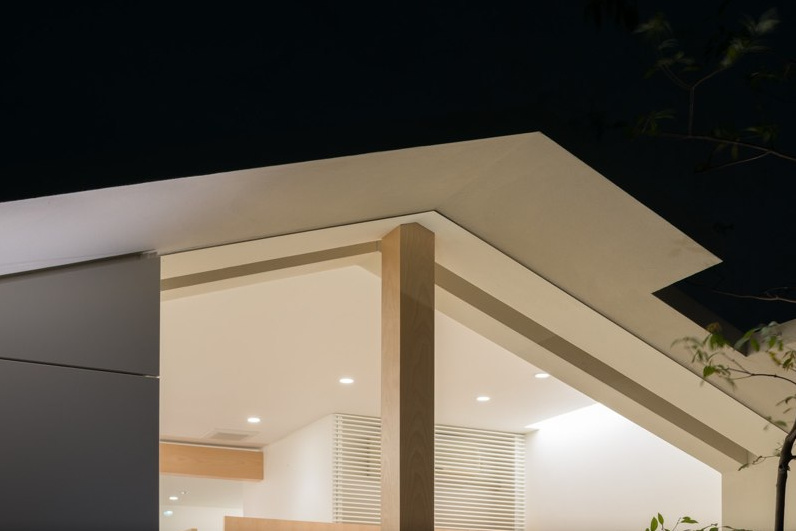
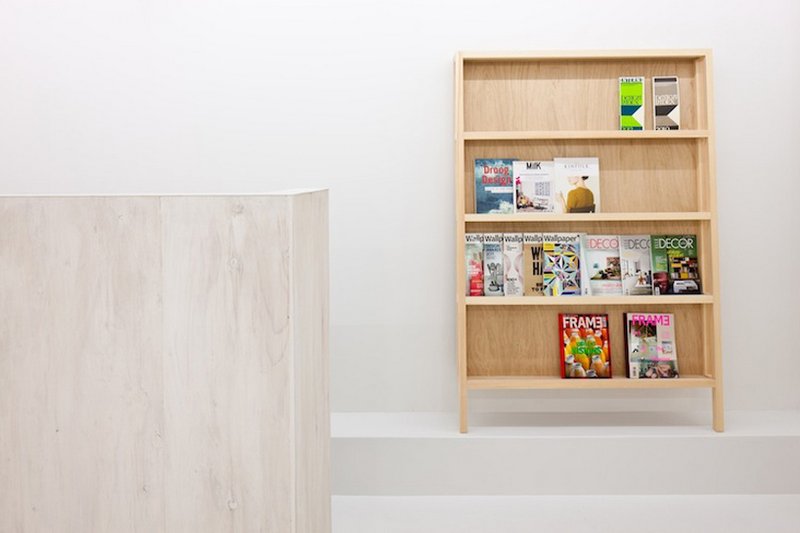
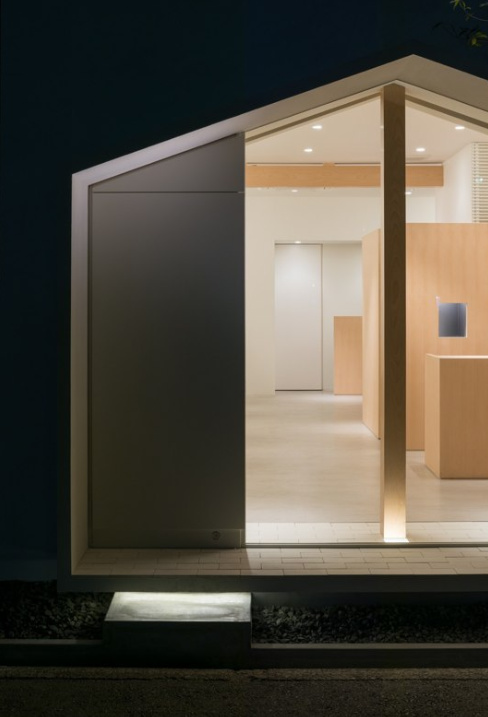
On March 30, 2013, they reopened as “folm arts beauty salon” (it’s not clear whether the misspelling of “form” was intentional) with a sleek, minimal façade that countered the busyness of the surrounding area. A house-shaped entrance greets customers, who are then led into a tranquil, white space that’s divided into different areas: reception, styling and a hidden station for beauty treatments in the very back. Wooden panels and built-in storage for magazine racks complements the white, cubic form.

tsubasa iwahashi folm arts beauty salon (4)

tsubasa iwahashi folm arts beauty salon (5)tsubasa iwahashi folm arts beauty salon (9)

tsubasa iwahashi folm arts beauty salon (6)tsubasa iwahashi folm arts beauty salon (7)

tsubasa iwahashi folm arts beauty salon (8)

Pacific Dazzle baton | a hillside oasis in the city

atelier kuu pacific dazzle baton (1)all photos by Masayoshi Yamada | click to enlarge

atelier kuu pacific dazzle baton (9)

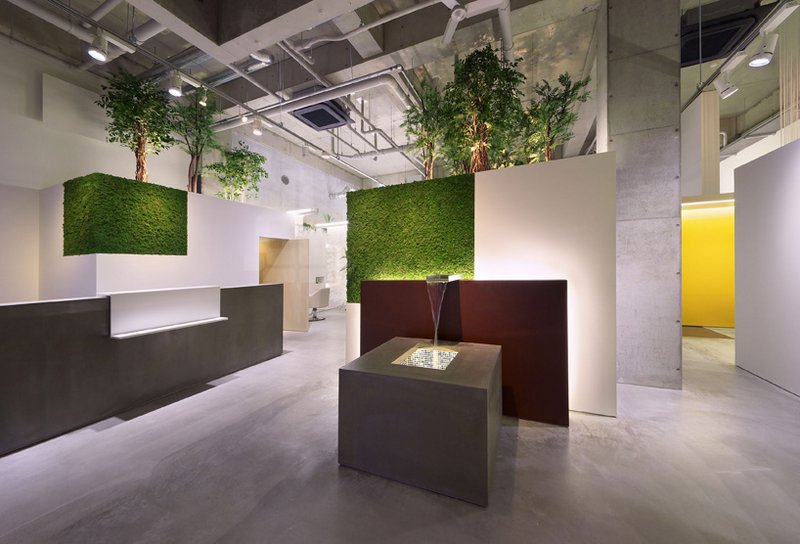
Pacific Dazzle is a small company that operates 5 beauty salons in the Kansai area – 3 in Hyogo and 2 in Osaka. Their latest store is baton, which opened back in March. It’s located on a fairly busy street in Myodani City, where forests and open fields have been replaced by new apartments and shopping complexes. “We wanted to create a space where you could experience the soothing outdoors while still being in the city,” says the company, explaining their concept of shichusankyo (市中山街) – a term that loosely translates to mountainous city living.

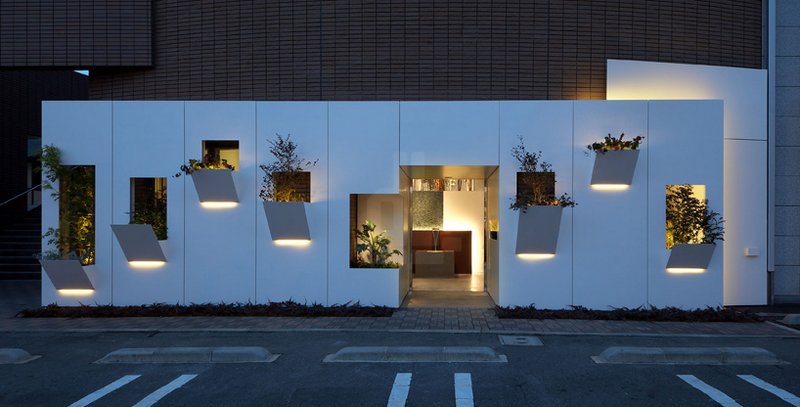
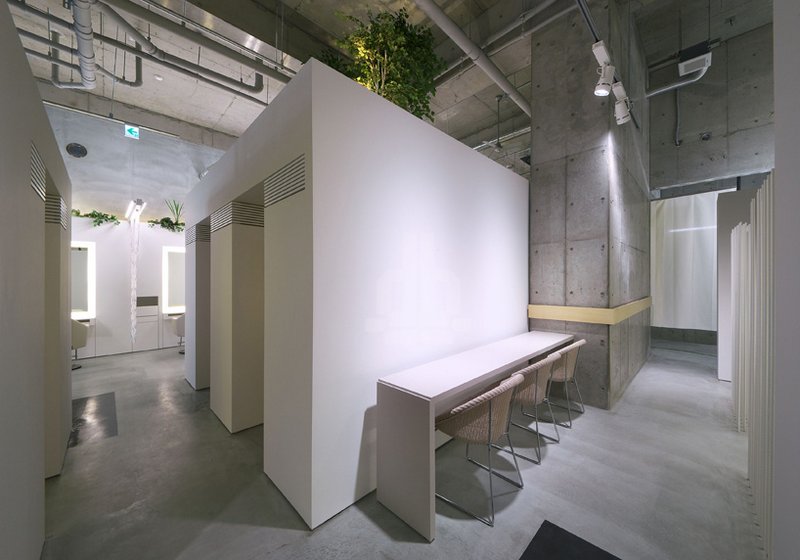
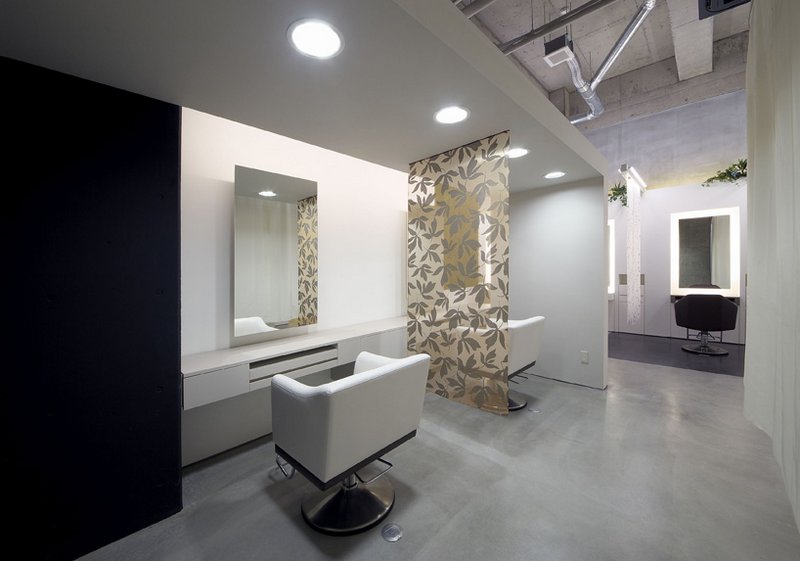
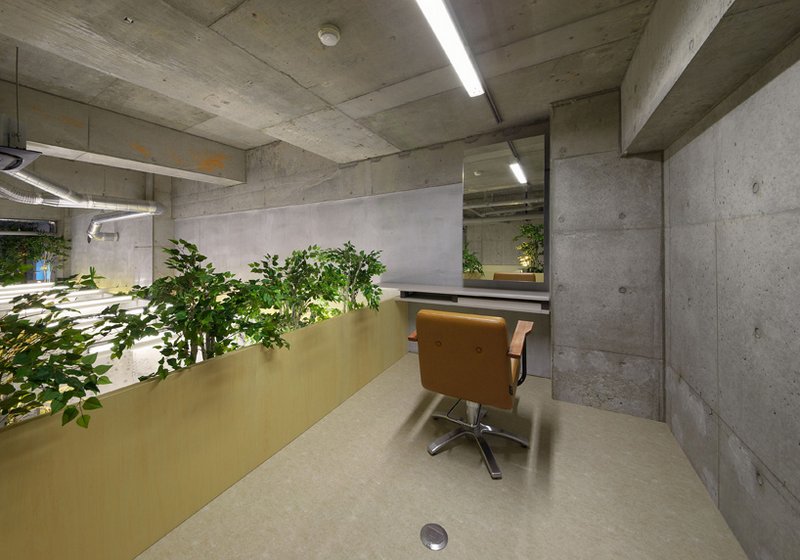
They enlisted architect Nobuo Kumazawa of Atelier KUU to breathe life into their lush concept. He began by creating an exterior façade lined with protruding planters at various levels so that visitors are at once greeted by plants and greenery. Once inside, a fountain, green walls and strategically placed trees help stage a dynamic performance that transports visitors to a hillside oasis.

atelier kuu pacific dazzle baton (2)

atelier kuu pacific dazzle baton (3)atelier kuu pacific dazzle baton (4)

atelier kuu pacific dazzle baton (5)

atelier kuu pacific dazzle baton (6)

atelier kuu pacific dazzle baton (8)


End…Link | a beauty salon inspired by a jungle gym

A short intro on beauty salons in Japan

The Japanese beauty salon business is a cutthroat industry. According to Shirosaka Inc., a company that aggregates beauty salon data in Japan (yes, that exists), the number of shops have been on a steady rise ever since they began tracking data in 1970. Over the last 40 years the number of beauty salons have more than doubled, from around 100,000 to 223,000 in 2011. And it’s not just in the numbers. Every time I visit Japan a fast food shop or a flower shop has closed down, only to be replaced by a beauty salon. Meanwhile, Japan is seeing one of the most rapid declines in population of any country on earth. Then why are there so many beauty salons, you might wonder? The reasons are vast and varied and includes a large number of beauticians who leave their nest to start their own shop, but also an ongoing trend in which young Japanese men try to resemble their female counterparts.

So to survive in such a harsh market, beauty salons have taken to creative means to lure customers, often enlisting architects and designers to help create an ideal environment that will win over clients. In a short series, we explore recent trends in beauty salon architecture – a field that has uniquely evolved in Japan.

End…Link | a beauty salon inspired by a jungle gym
endlinkbphotos by Stirling Elmendorf | click to enlarge

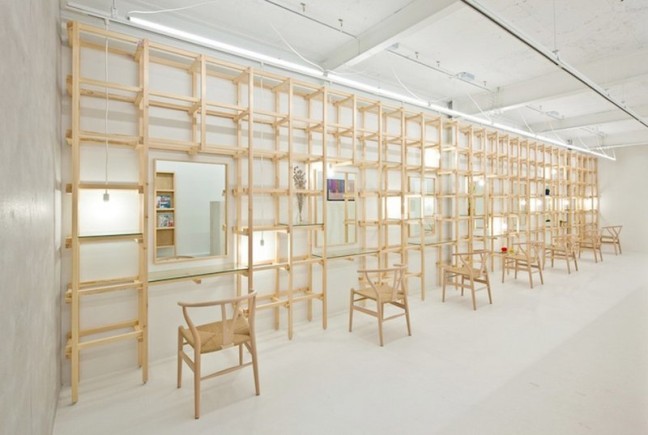
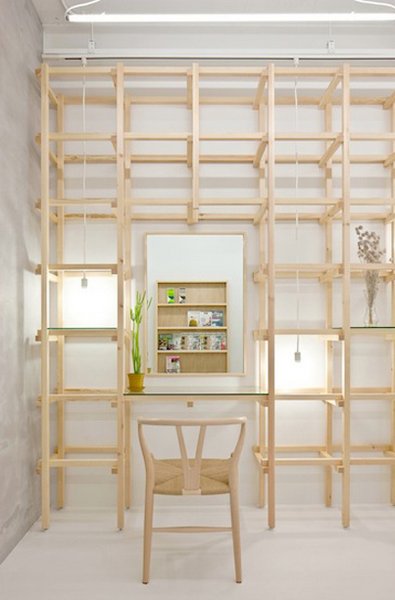
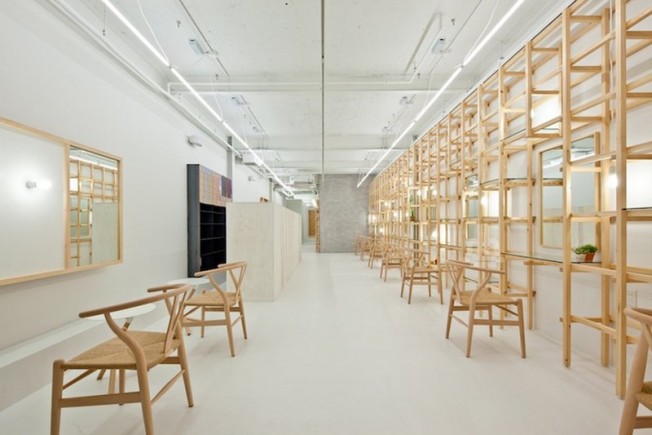
“I wanted to create a be-all and end-all beauty salon for our clients,” says Yuki Shirasawa, who explains the name behind her beauty salon “End…Link,” which she started 6 years ago in Osaka. But as her business grew, so did her team and the time came to move into a larger space. So Shirasawa went about locating a address. She decided on a 90ft-deep space in central Osaka.

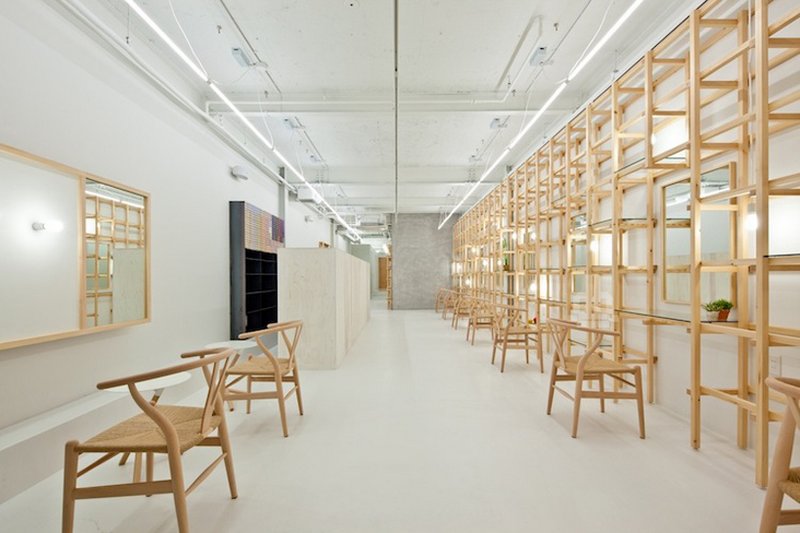
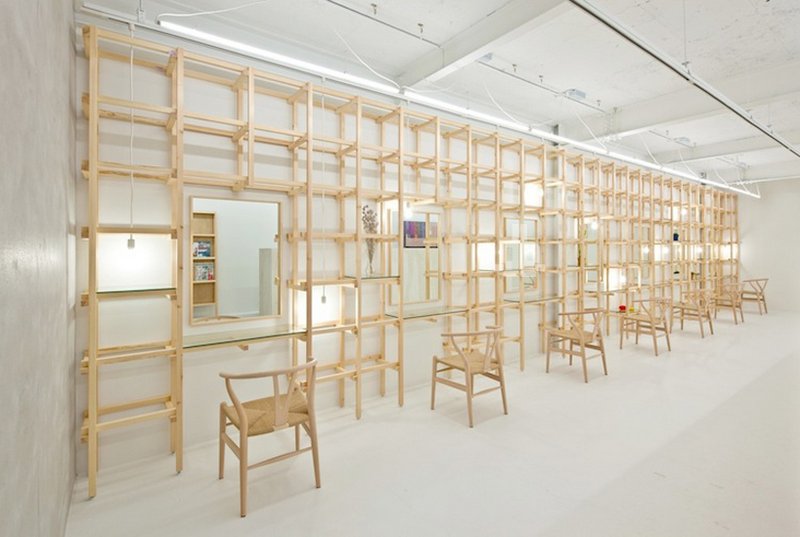
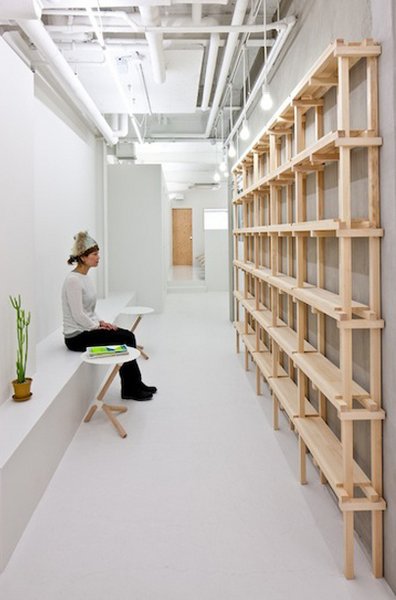
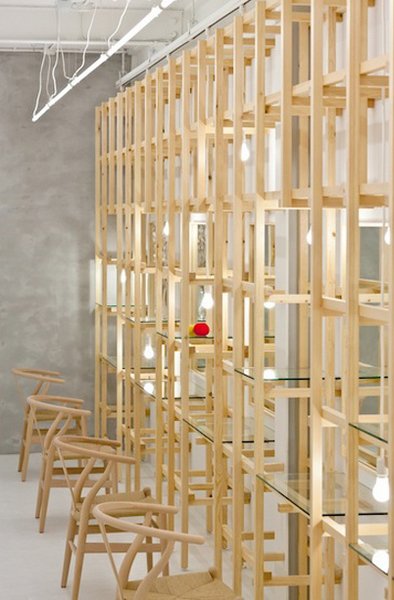
Yasunari Tsukada, the designer who helped create her first space, was brought back on board. “The scope of what I design isn’t fixed. I think about all things and objects on the same plane as possible targets for design, and constantly think about what it means to ‘design’ something,” says Tsukada, who came up with a creative solution to utilize the elongated space. Inspired by the rawness and flexibility of a jungle gym, Tsukada decided to install architectural wooden lattice screens on one wall. Providing only a structural framework, the lattice takes on various functions, acting as display shelves and tables, but also helping to define the space without the use of partitions, which tend to be isolating.
endlink04endlink04-1

endlinka

endlink05endlink09

endlink06

endlink8

endlink03

Life In Art | affordable art for your home

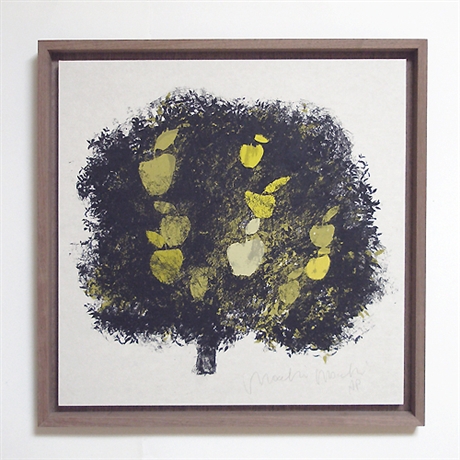
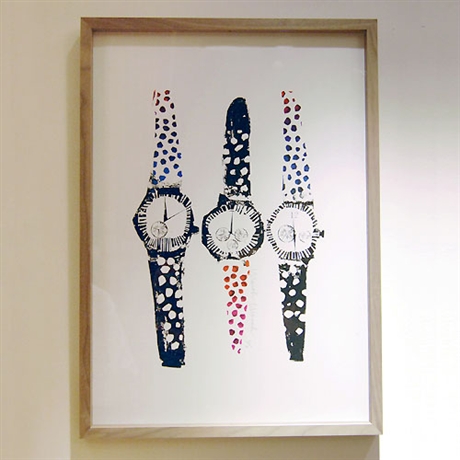
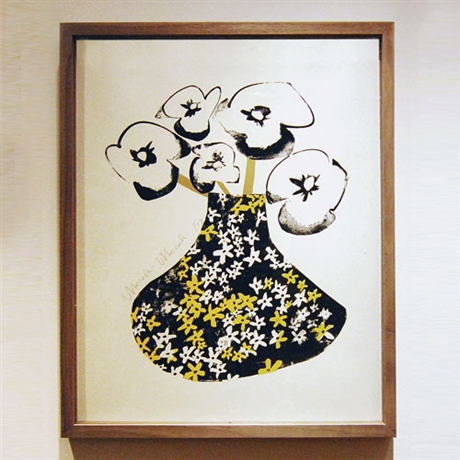
Japanese interior design firm IDEE has begun a new project called Life In Art. Similar to affordable art retailer 20×200 (which now seems to be defunct), Life In Art presents a refined selection of artists selling affordable prints, albeit at a slightly higher price point compared to 20×200. But it’s certainly nice to see affordable art gaining some attention in Japan, where there is very little history and culture of displaying art in one’s home.

Here are a few artists and their work that caught my eye.

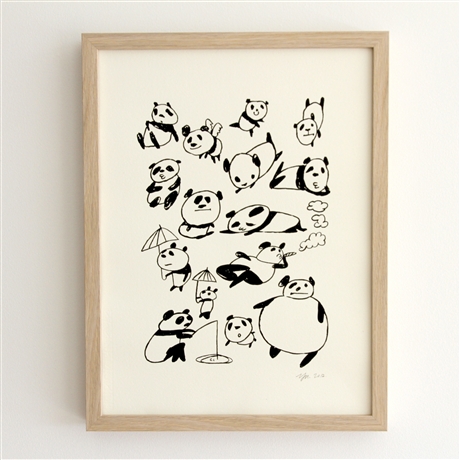
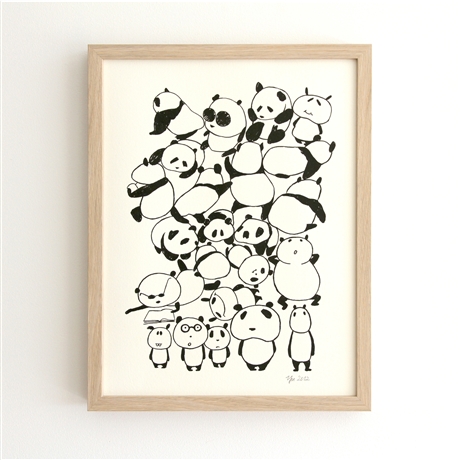
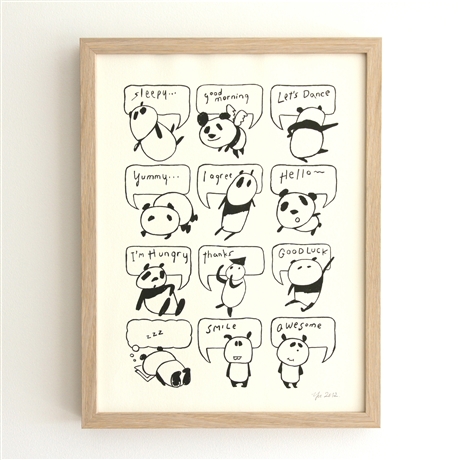
Yu Nagaba

Illustrator and designer Yu Nagaba is known as the father of the kaeru-sensei character. He’s been active in a wide range of activities, creating comics, products and installations. His panda prints range from between 10,000 -21,000 yen.

025004

025003025001

025002

mochi mochi

The Mochizuki sisters, Sachiko and Junko, together are mochi mochi. Their silkscreen prints, which they began making right after art school, quickly became popular. Prints range from between 29,400 – 87,150 yen.

030102

030116030121

Baku Maeda

Aside from having one of the best mustaches in Japan, Baku Maeda is also an amazing illustrator and the man behind ribbonesia. His quirky prints are 26,250 yen.

l_bakumuji_011

l_bakumuji_02

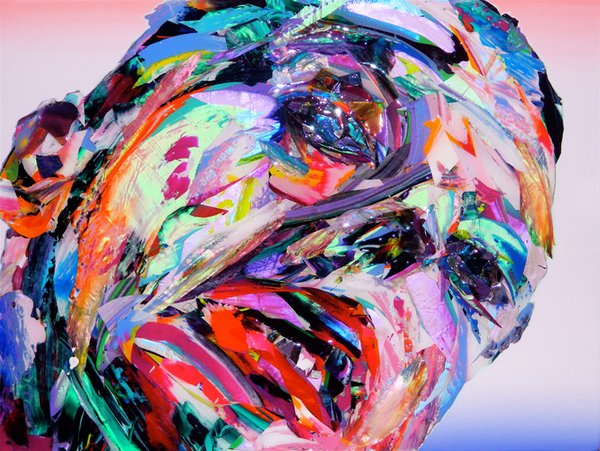
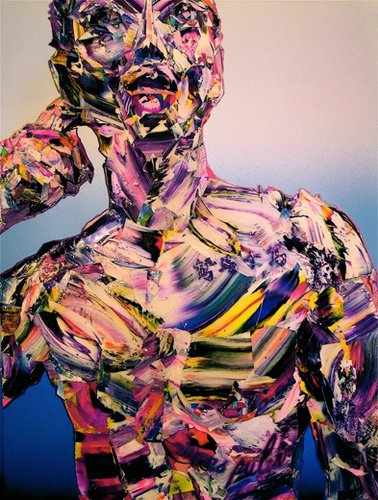
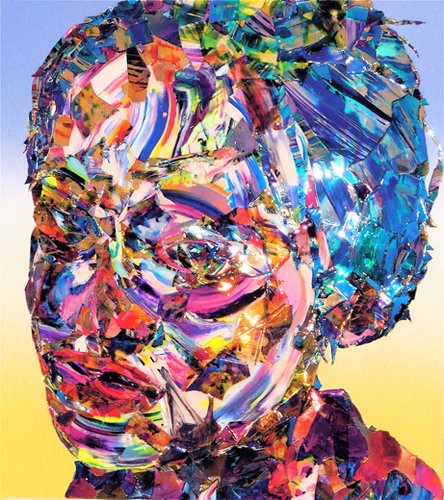
Acrylic Collage Portraits by Meguru Yamaguchi

theworldisinthefaceofthebeloved

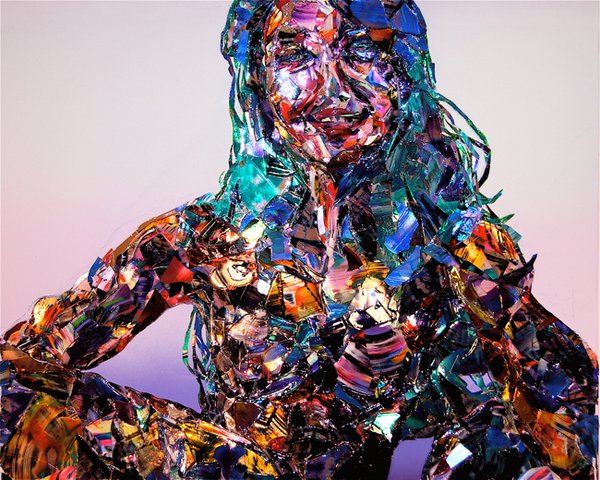
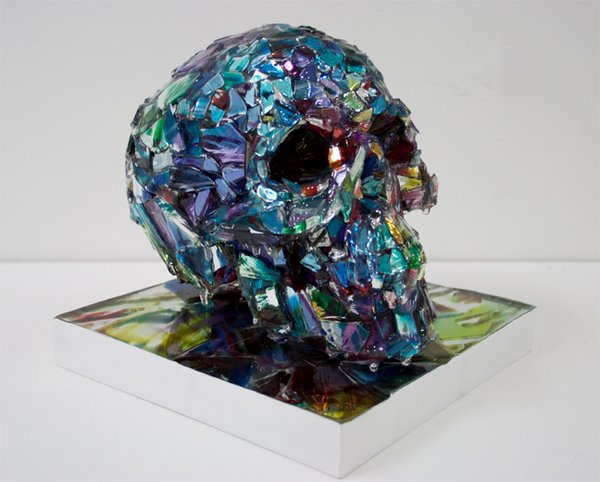
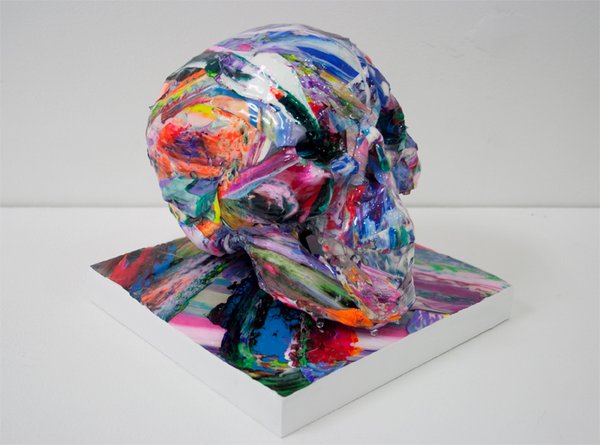
Brooklyn-based painter Meguru Yamaguchi creates dynamic portraits that seem to be exploding with color. Using what he calls a “cut-and-paste” technique, Yamaguchi samples elements of painting, collage acrylics and spray paint to create works “reminiscent of Hip-Hop samplings from the 70s.”

His recent portraits are depictions of his friends on Twitter, Facebook and other social networking sites, earning him the title, “Digital Impressionist.”

imyours

Yamaguchi was raised in Shibuya, the epicenter of Tokyo street culture. His parents were fashion designers and, growing up, Yamaguchi was continuously fed a healthy dosage of pop art from the likes of Keith Haring, Jean Michel Basquiat and Warhol. But his main influence comes from Gerhard Richter, who originally got Yamaguchi on the path of oil painting. However, Yamaguchi was in search of structure – a way to combine colors without having them bleed into each other. That’s when he began experimenting with the technique of painting on acrylics, cutting them up and adhering them to a canvas. “It’s like a jigsaw puzzle,” explains Yamaguchi. “I can do addition, but also subtraction.”
Yamaguchi is currently part of Monster (PDF), a group exhibition at Hpgrp in Chelsea.

prominencerootsoftears

telexistence

telexistence_2

Source: monocomplex | Meguru Yamaguchi

Japanese Soccer Star Nakata Hidetoshi to Produce Limited Edition Designer Sake

Nakata Hidetoshi n sake by nendo (2)unless otherwise noted, all photos by Hiroshi Iwasaki | click to enlarge

Nakata Hidetoshi, or more commonly just Hide, is Japan’s most famous soccer player. Aside from his legs, which carried him from the Japanese league to the Italian and then the English league, his chiseled good looks have also boosted his popularity, landing him in the pages of Vogue and in Calvin Klein ads. After announcing his retirement in 2006 he’s continued to dabble in soccer-related projects but has also branched out into unrelated fields like writing and charity work.

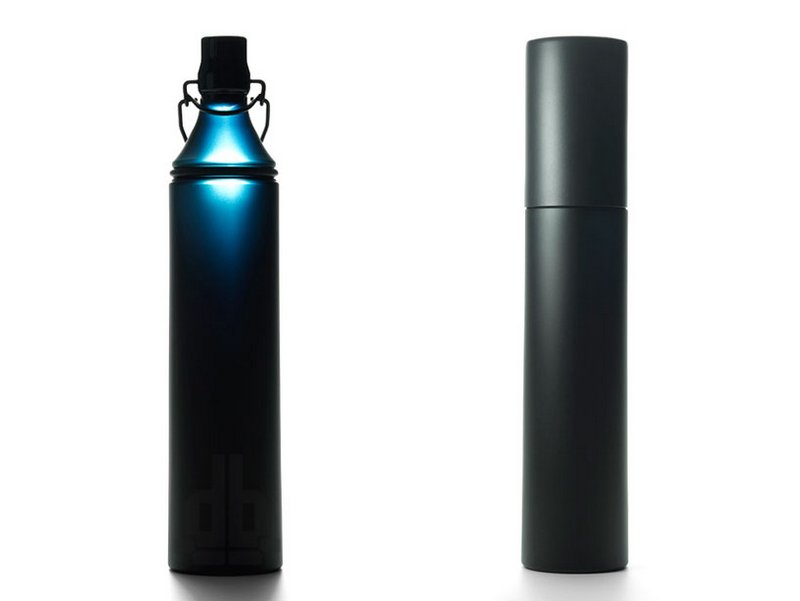
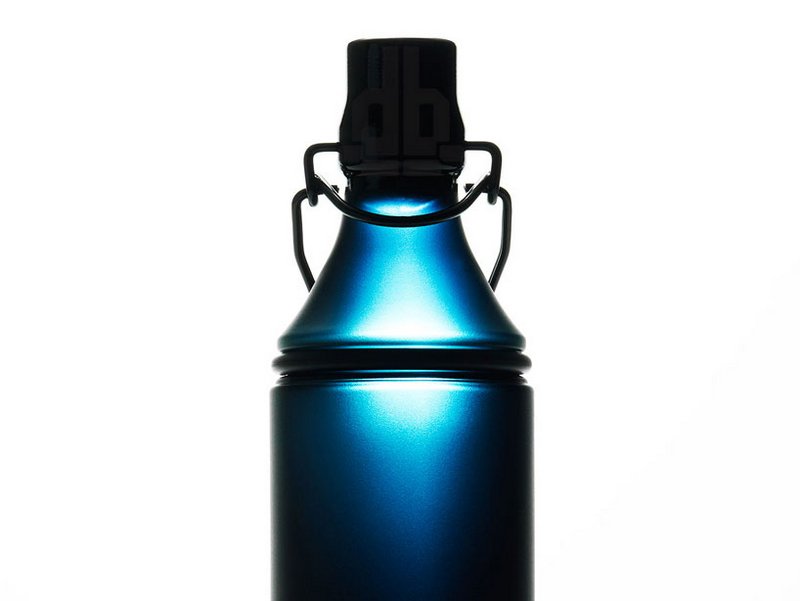
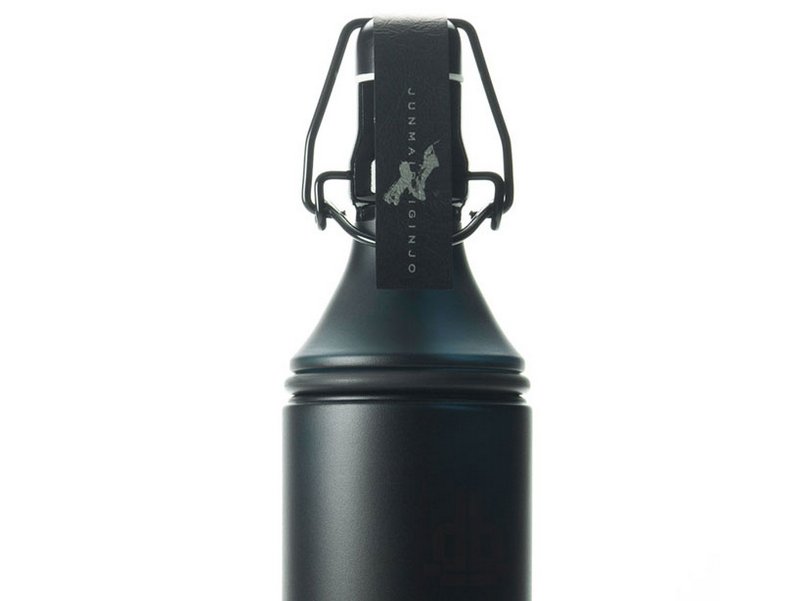
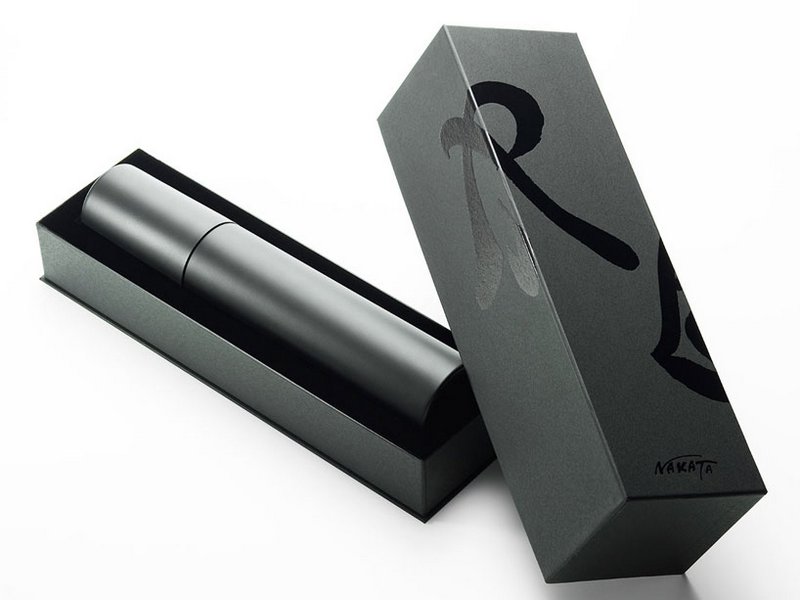
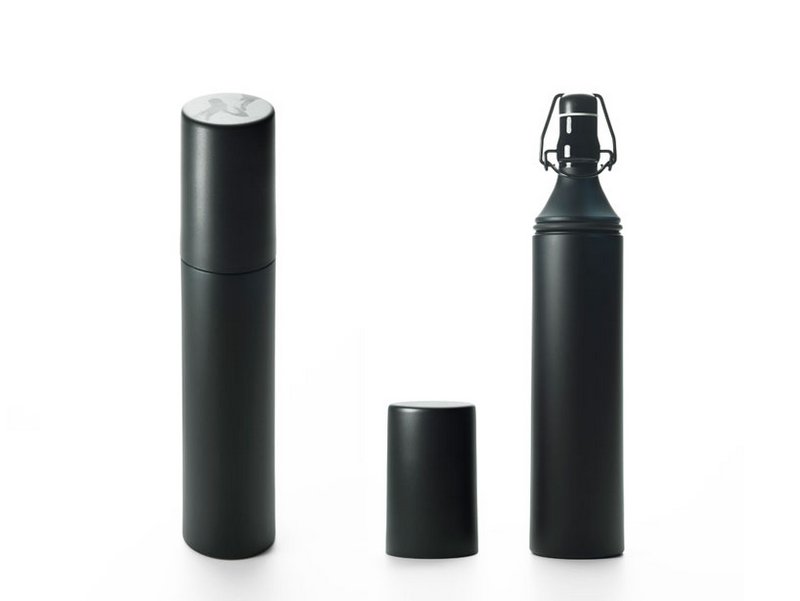
His latest project is a collaboration with renowned Japanese design firm Nendo and Takagi Shuzo, a sake brewery with close to 300 years of brewing history. Borrowing the first letter of Nakata, Nippon and Nendo, “N” sake will be a limited edition junmai daiginjo (the pinnacle of sake brewing) made from a combination of Yamada Nishiki and Aiyama rice. And to hold his highly polished sake, Hide worked closely with Oki Sato (from Nendo) to design a unique, minimal container that would stand in contrast to the traditional Japanese beverage. The result is a black canteen-looking cylinder with subtle dimples and a protective cover to shield it from ultraviolet rays.


Nakata Hidetoshi n sake by nendo (3)Nakata Hidetoshi n sake by nendo (4)


Nakata Hidetoshi n sake by nendo (5)

nakata n bar

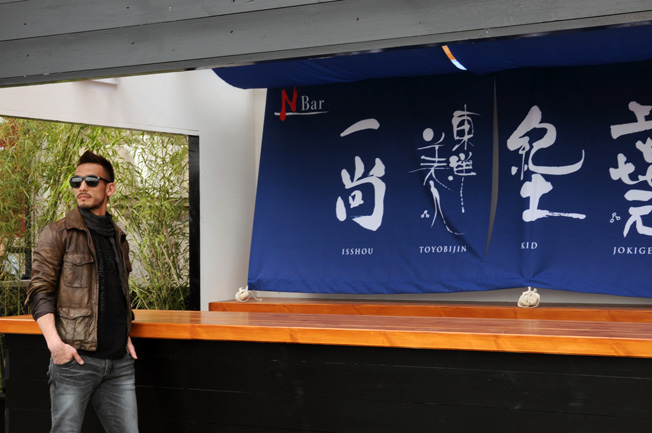
Hide and his N Bar | photo courtesy sunny side up, co.

But this is not Hide’s first foray into firewater. Last year he produced a sake bar in London during the Olympics. “N Bar” served up premium sake from 18 breweries across Japan for an event intended to promote Japanese sake abroad, but also as a way to express gratitude to all the nations that came to Japan’s aid after the earthquake and tsunami.

Nakata Hidetoshi n sake by nendo (1)

source: press release

Space-distorting visible /invisible furniture by Takeshi Miyakawa

Takeshi Miyakawa visible invisible (9)

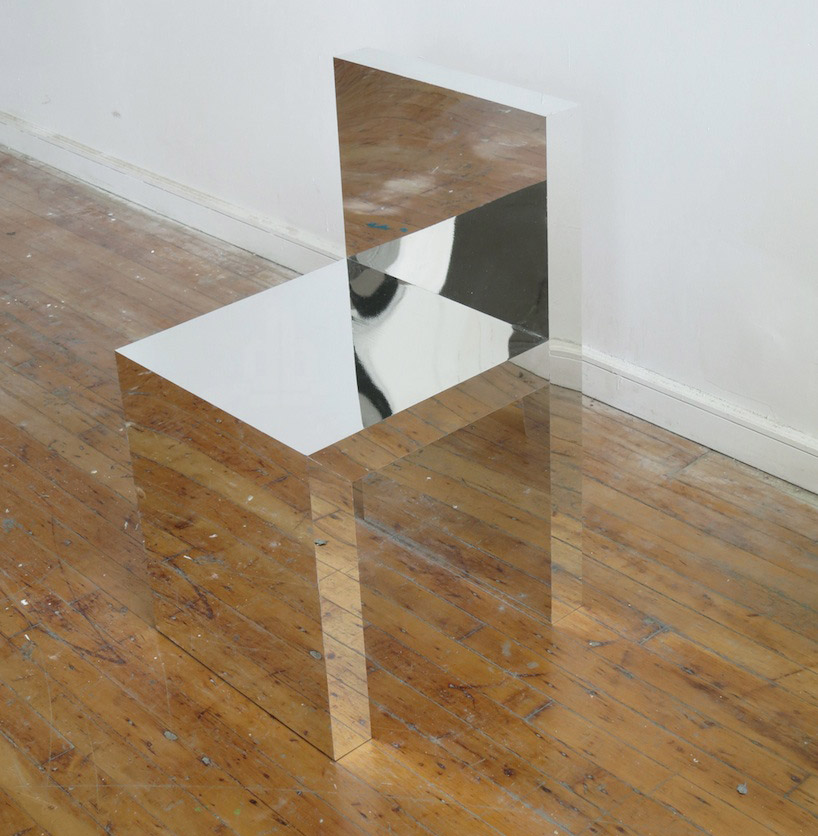
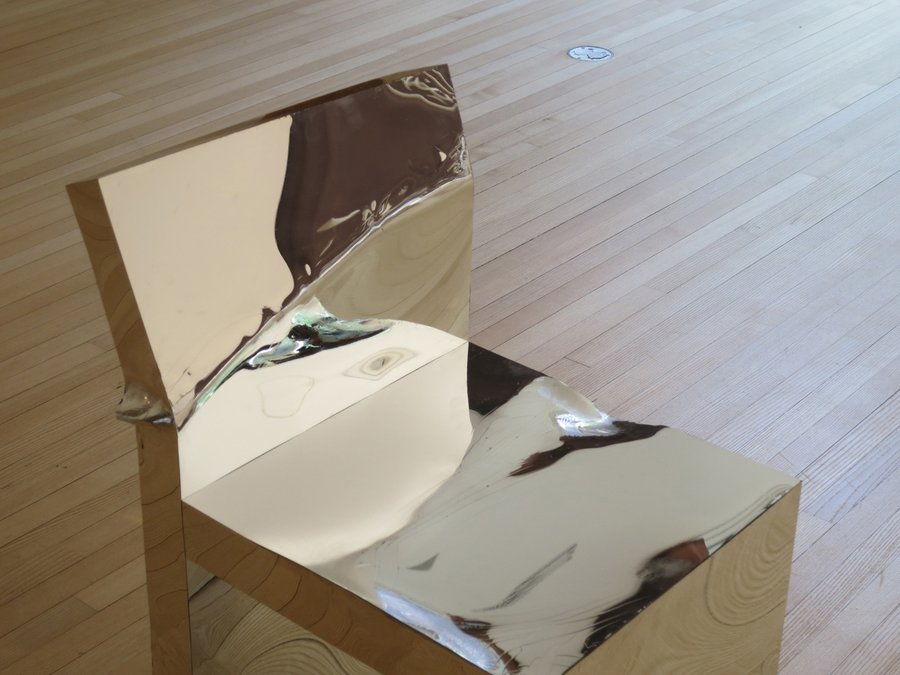
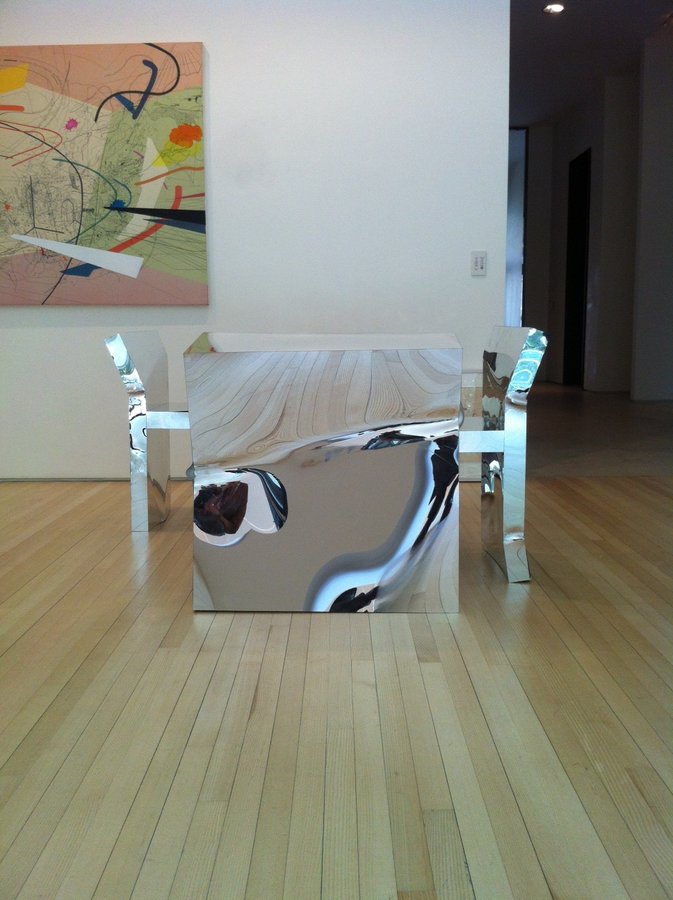
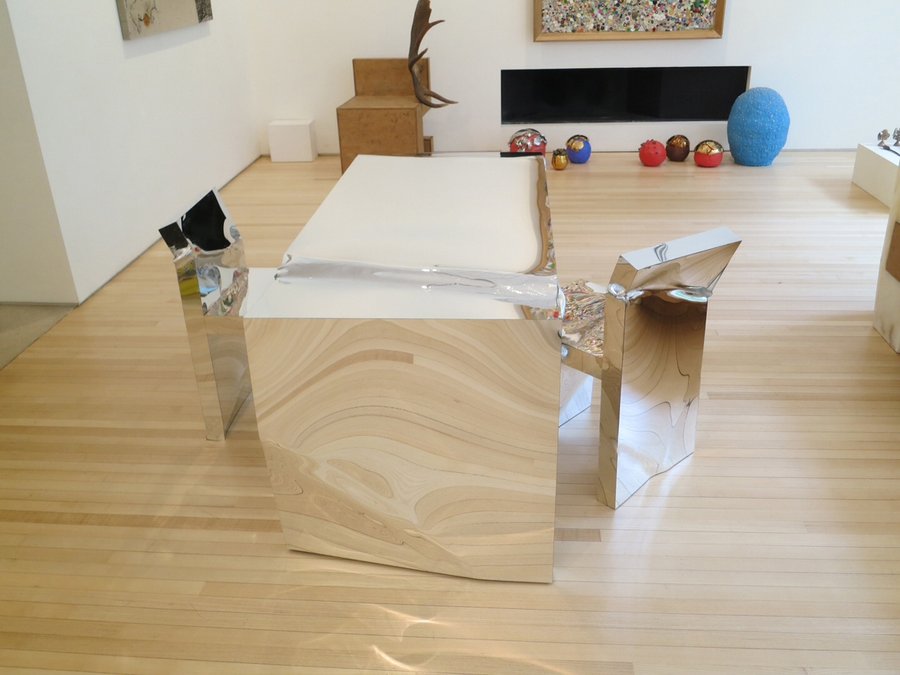
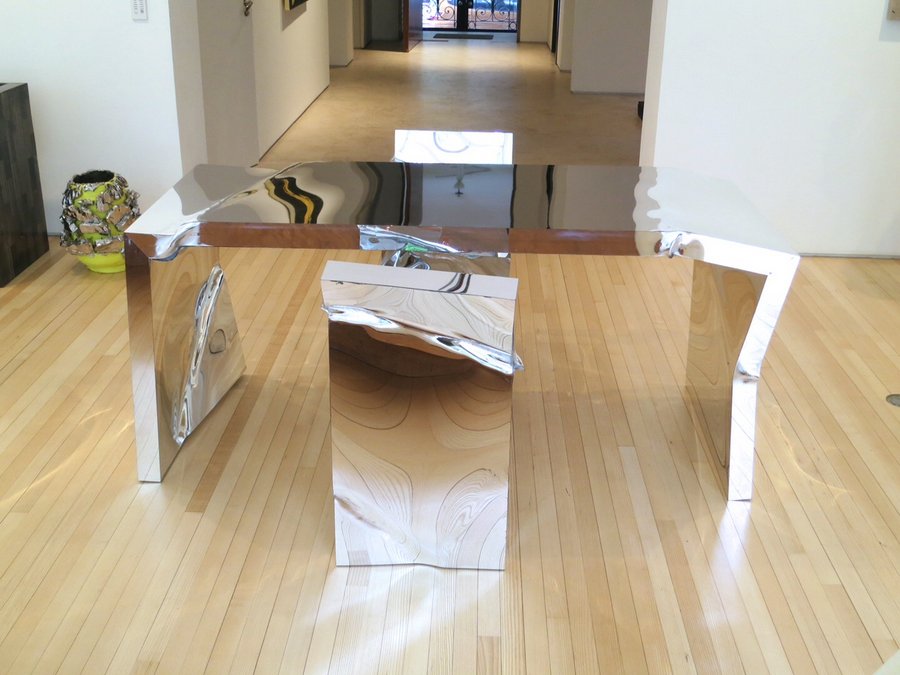
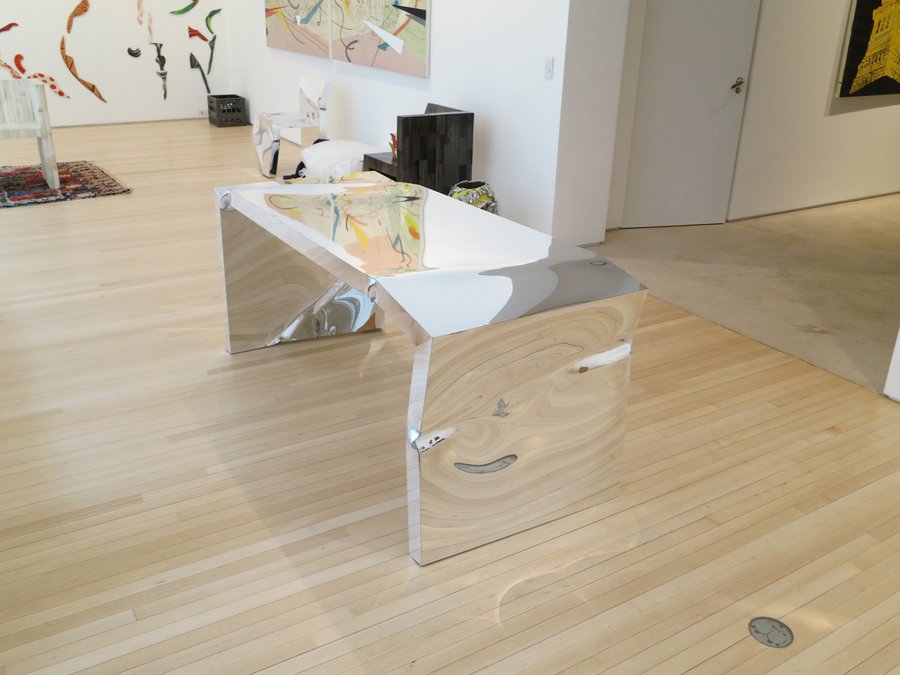
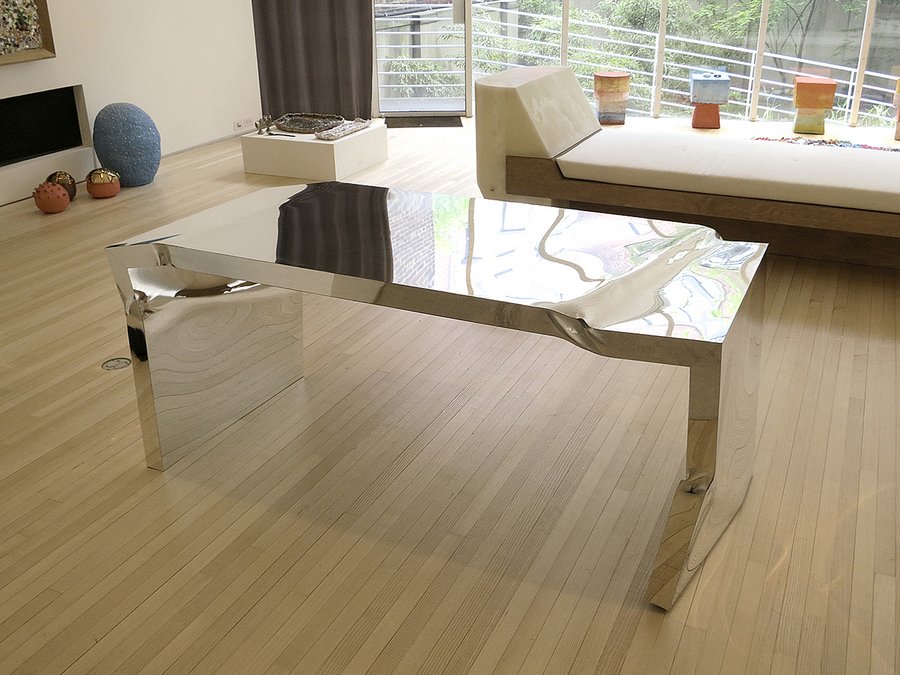
On a hot Tuesday afternoon the other day I had the pleasure of accompanying Brooklyn-based designer Takeshi Miyakawa to Salon 94 on the Upper East Side where his latest piece of furniture had been installed. “It’s so shiny,” remarked one of the gallery attendants, as she led us through the hallway and into the main showroom of Jeanne Greenberg Rohatyn’s home and gallery. Indeed, Miyakawa’s latest piece possess an aura unlike any of his previous work. However, it’s presence is as easily lost, as it is sensed.

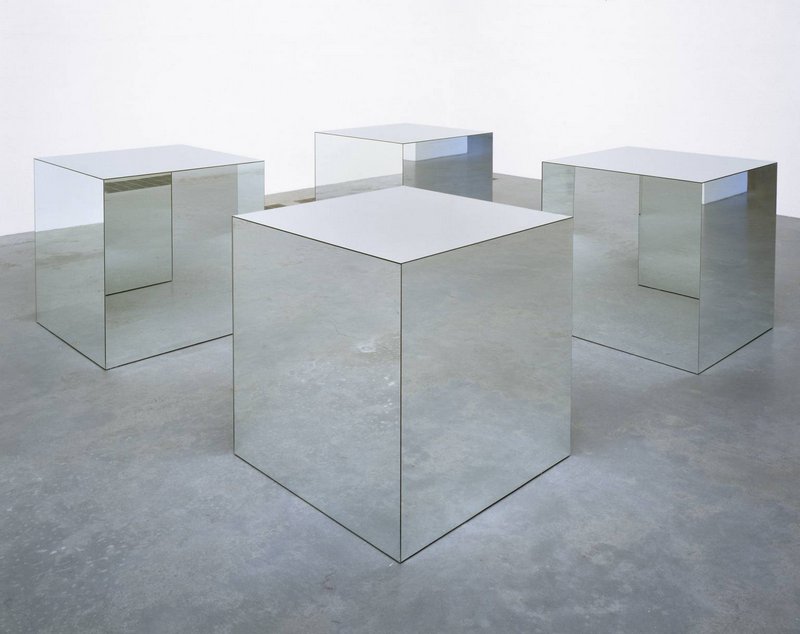
Untitled 1965/71 by Robert Morris born 1931

Robert Morris. © ARS, NY and DACS, London

“visible/invisible furniture” is made from a special type of acrylic with a mirrored finish. They are reminiscent of Robert Morris’ minimalist sculptures from the 1960s, which would produce complex interactions between object and viewer.  However, Miyakawa’s pieces, once assembled, are bent and distorted with heat, creating beautiful wrinkles and crackles.


As we circled the piece taking pictures the mirroring would cause the furniture to blend into the floor, only to reappear again.  Photographing it was hard – like a model who just won’t sit still. We got some good pictures but seeing it in person is like a whole other dimension.

Takeshi Miyakawa visible invisible (2)

Takeshi Miyakawa visible invisible (3)Takeshi Miyakawa visible invisible (1)

Takeshi Miyakawa visible invisible (4)

Takeshi Miyakawa visible invisible (5)

Takeshi Miyakawa visible invisible (6)

Takeshi Miyakawa visible invisible (7)Takeshi Miyakawa visible invisible (8)

« Older posts Newer posts »

© 2026 Spoon & Tamago

Up ↑

Design by Bento Graphics