Page 228 of 406

Japanese Tattoo Stockings

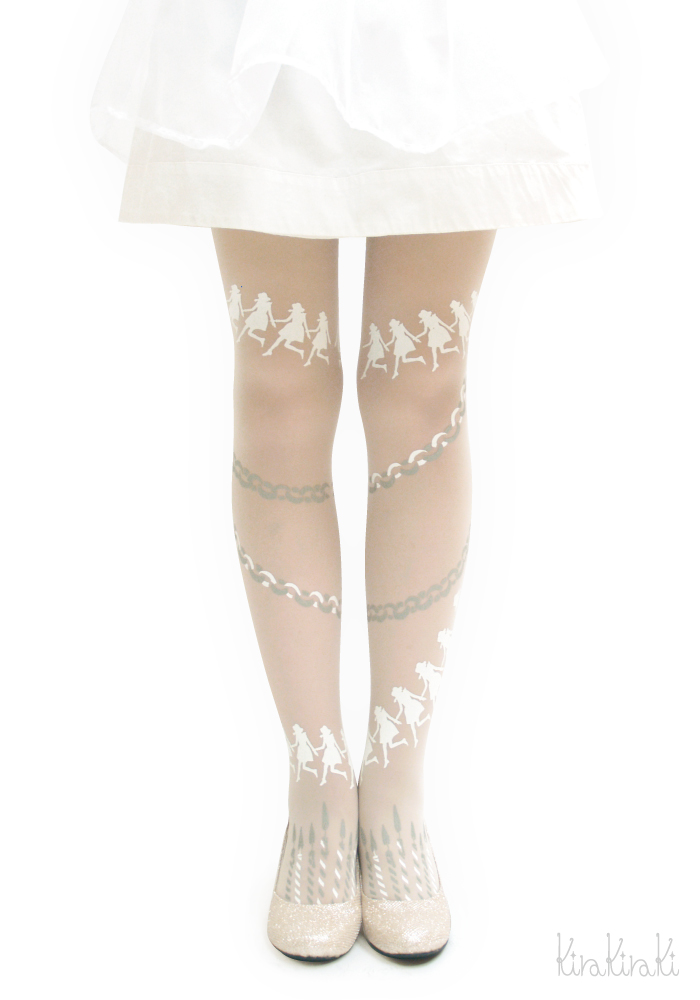
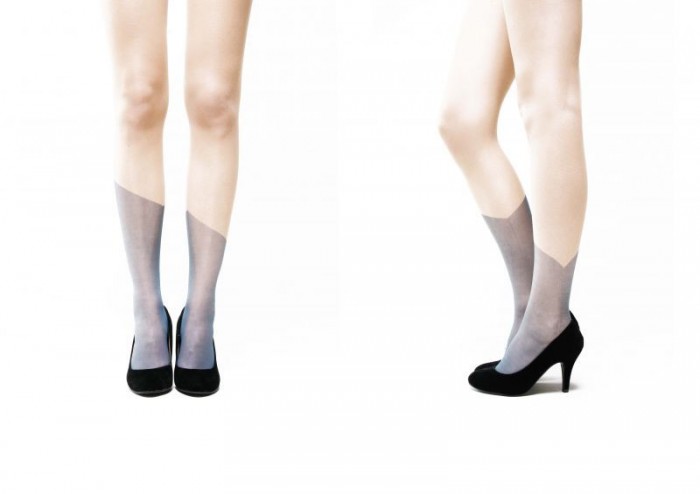
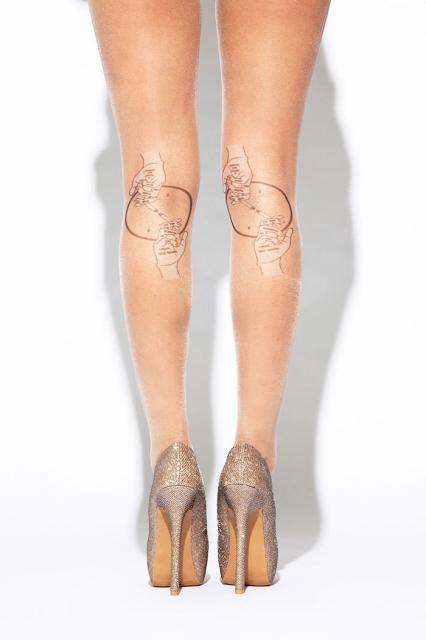
I noticed this trend earlier in the year when I was in Tokyo: tattoo stockings. In a country where actual tattoos are staunchly frowned upon, some genius has figured out a way to let girls show off some ink without actually going under the needle for permanent work. The trend seems to have started back in late 2011 and then exploded in 2012. “We were selling 10,000 pair per month,” recalls Momo, who owns a small Avant-garde boutique in trendy Harajuku. “We even had to restrict customers from entering.”

Although the trend seems to have died down a bit, it’s still going strong, reports Tokyo Fashion Diaries, who has a round-up of some of this summer’s most popular tattoo stockings.

UNUS

A collaboration between an online tights shop and Osaka-based pop-artist Buggy. Clockwise from left to right: hipster Kate Moss, Andy Warhol, cyborg Karl Lagerfeld and incarcerated John Galliano.


unus-kate-moss-1unus-tights-andy-warhold

unus-tights-galliano-1unus-tights-karl-lagerfeld1


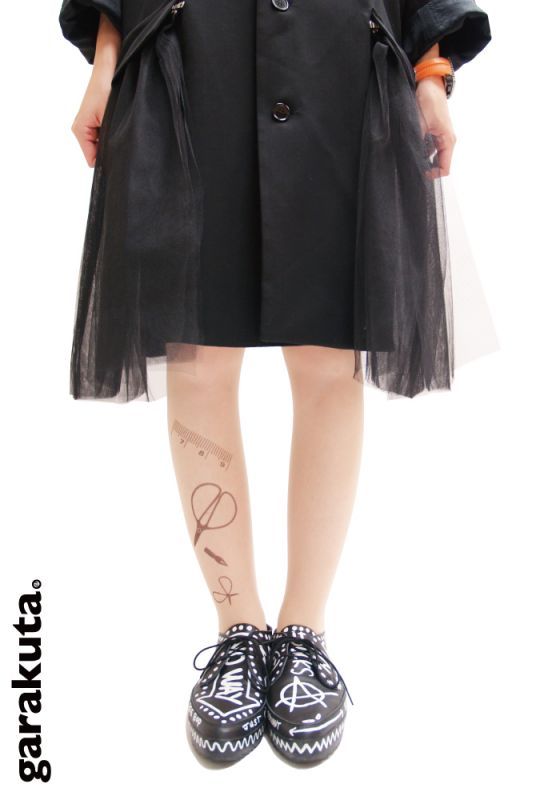
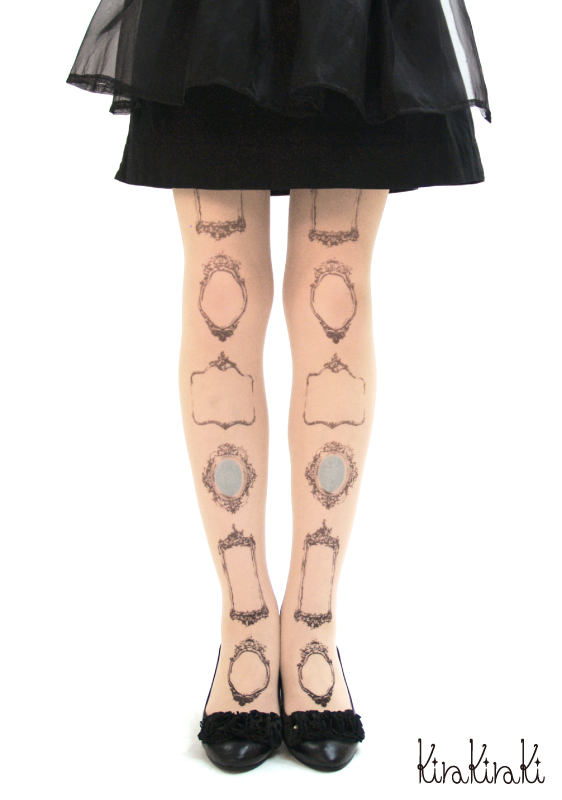
Boom Design / garakuta

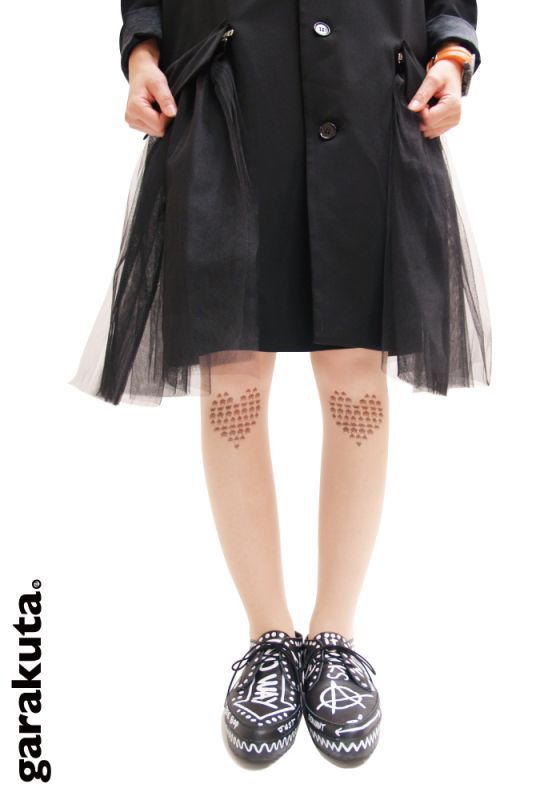
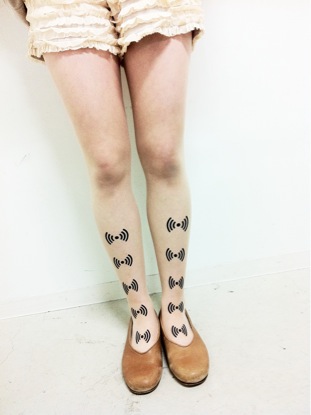
Clockwise from left to right: scissors and ruler (perfect for DIYers?), mirrors, space invader hearts, party ornaments.
tights-designboom-3tights-designboom-4

tights-boomdesigntights-boomdesign-2

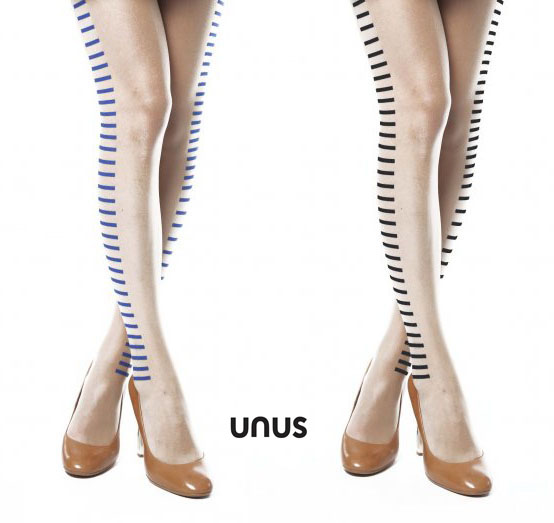
Proef

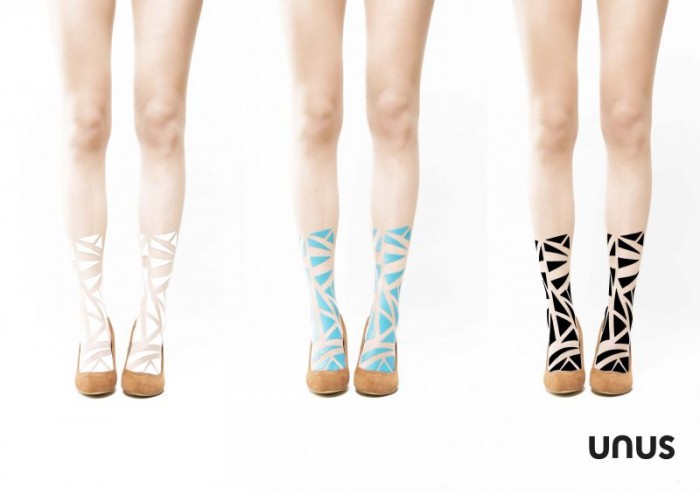
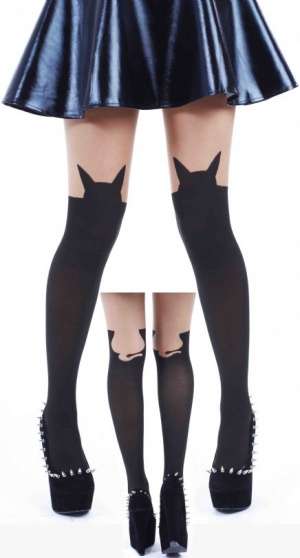
Simple geometric patterns. Oh, but the also make cat tights.
tights-proef-1

tights-proef-4-700x494

tights-proef-700x494

tights-pamela-mann

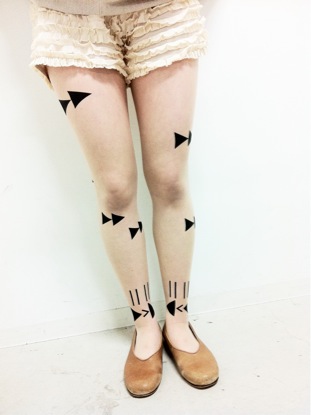
Cowpooooop

Why they decided to name their stock brand cowpoop (with 3 additional o’s) is a mystery.
cowpoooooop-tights-1cowpooooop-tights-2

Poem by Rabbit

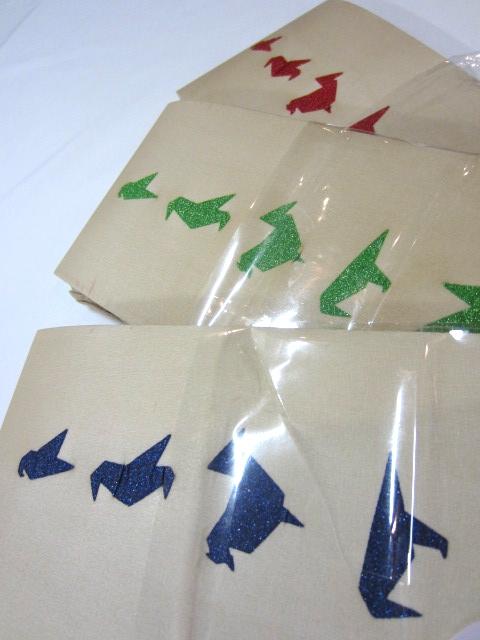
Zodiac signs and origami.
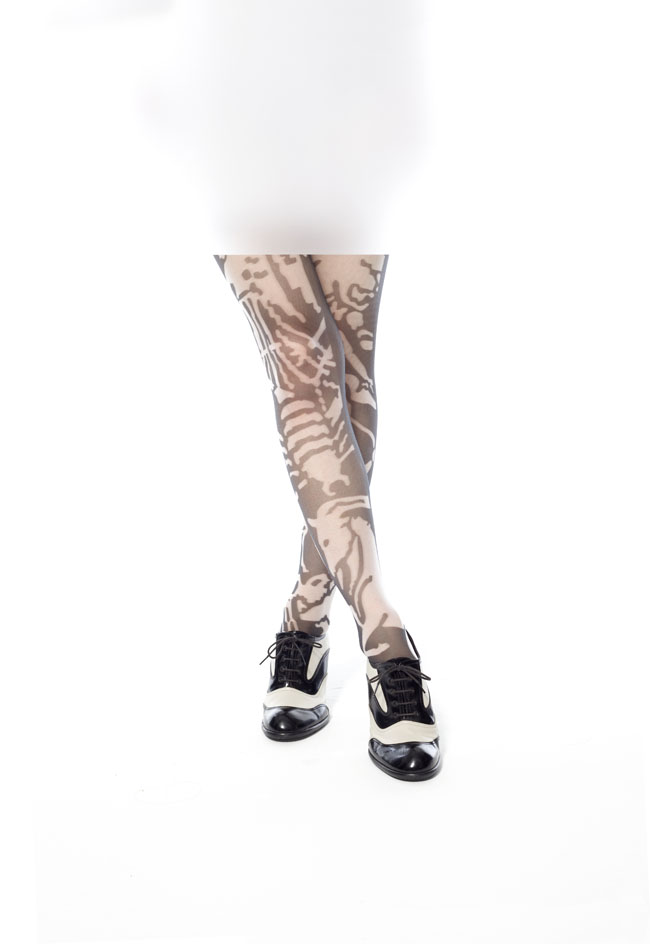
poem-by-rabbit-2poem-by-rabbit-tights3

poem-by-rabbit-tights2poem-by-rabbit-tights5


Create Your Own Rain Room with Nendo’s Lampshade Shower

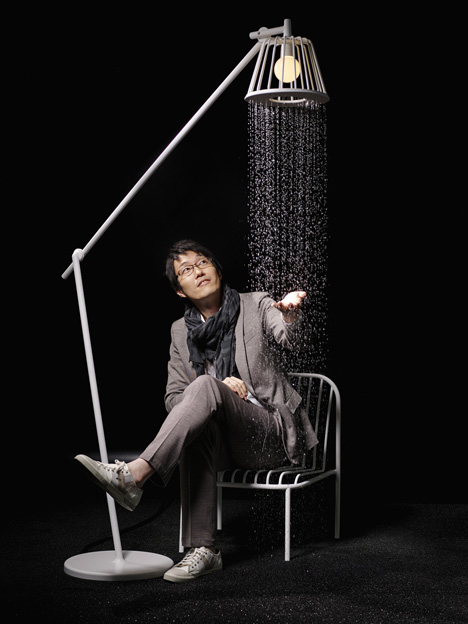
WaterDream by Nendo Axor (2)all photos © Flodeau | click to enlarge

With less than a month left for MoMA’s Rain Room, the line to get in has been getting out of control; there are recent reports of 7-8 hour wait times. But if you don’t have the time or the patience, here’s another idea.

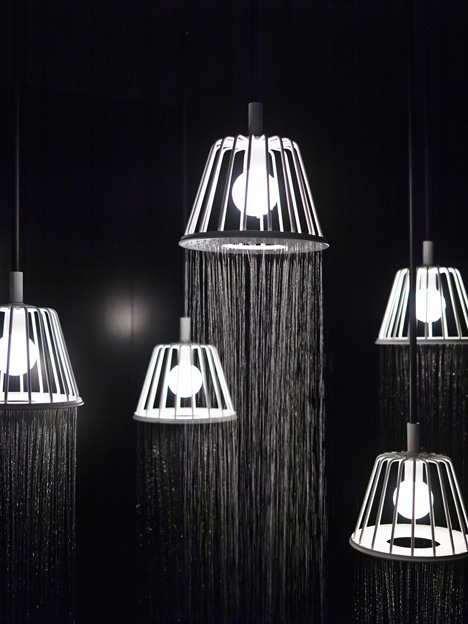
Oki Sato from Japanese design firm Nendo has brought bathing into the living room by designing a lampshade shower. He has taken the concept of Bed, Bath and Beyond quite literally by creating an actual light source with water streaming from the edge of the showerhead/lampshade. Granted, the “WaterDream” is not going to be hitting stores anytime soon. It’s a conceptual piece meant to challenge our archetypes and expand the way we think about showering. It was created for Axor, a German brand that “has been developing alternative visions for the bathroom as a living space.”

WaterDream by Nendo Axor (3)

“The natural coming-together of light and water is freed from spatial constraints: what traditionally took place in separate rooms – reading under a lamp in the living room, taking a shower in the bathroom – can now be experienced free from spatial allocations or confinements,” says Philippe Grohe, head of Axor. In other words, now you can shower the way you’ve always wanted – while lying on a couch reading a book.

*Caution: your flood insurance claims may be denied.

WaterDream by Nendo Axor (4)

WaterDream by Nendo Axor (5)WaterDream by Nendo Axor (1)

WaterDream by Nendo Axor (6)

Source: press release

Weightless Architecture | Yasuaki Onishi casts a Mercedes-Benz from air

01-shaping-air-spot

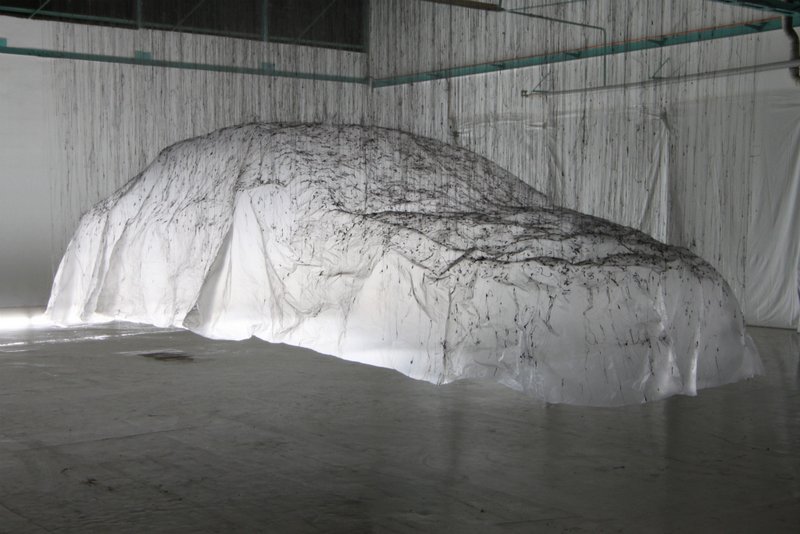
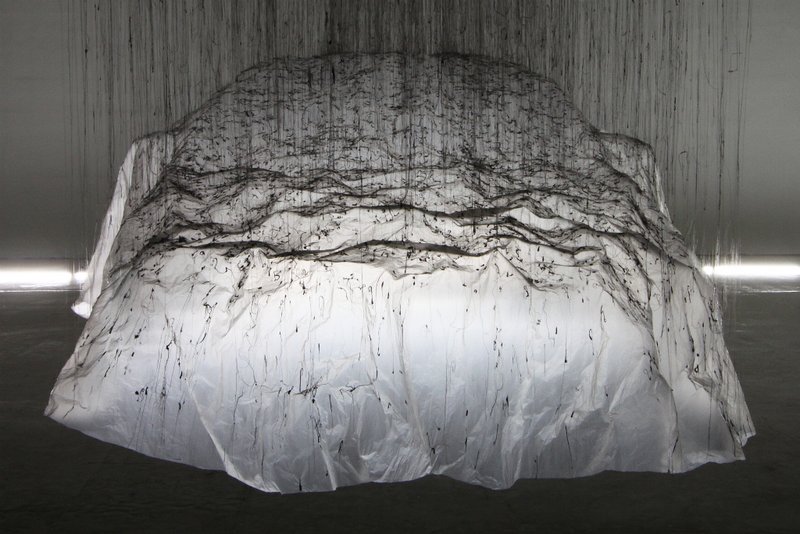
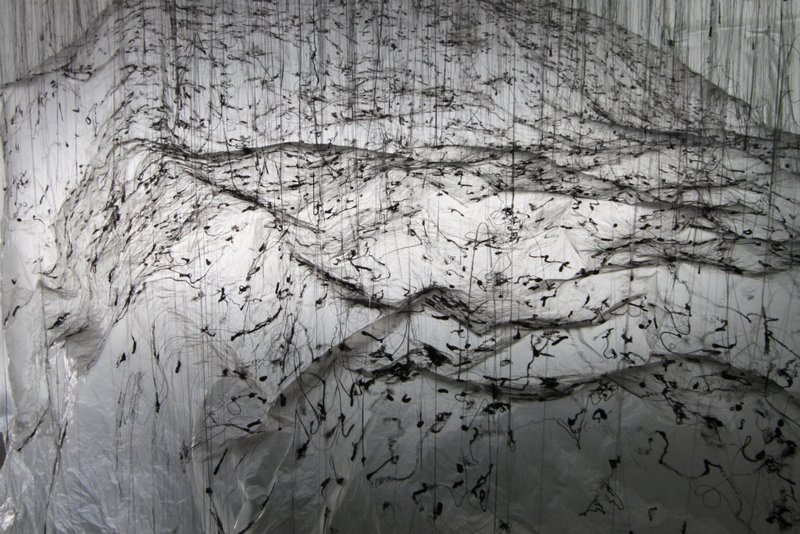
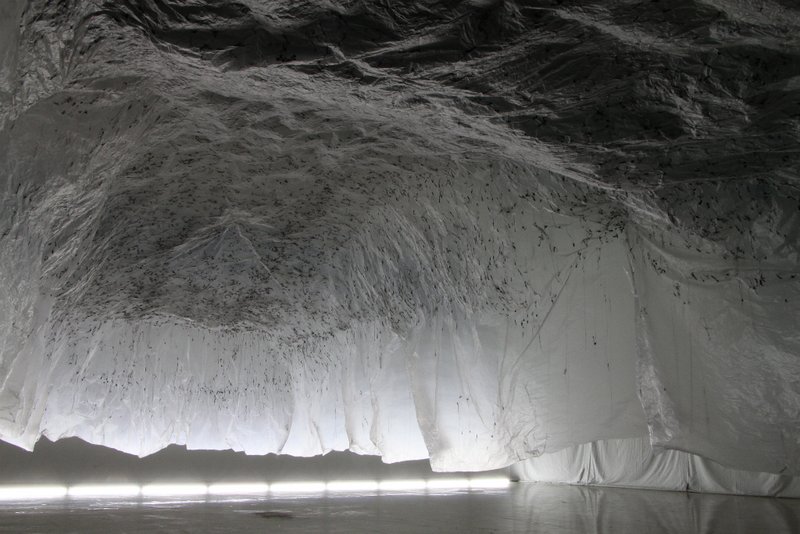
“I am interested in the visible and the invisible,” says Osaka-based artist Yasuaki Onishi. “Through my art work, I get information from the space and leave clues on the space.” His latest project is a sculpture, or a reversed sculpture, as Onishi would put it, using his trademark materials of plastic sheeting and black glue to recreate the weightless volume of a car.
Onishi typically works with more organic, abstract forms. But for his first collaboration with a major corporation like Mercedes-Benz he’s created a monumental form based on the company’s 4-door sedan, the CLA. As concrete as it is ghostly, Onishi spent about 5 days studying the shape and adjusting his proportions. “I was interested in working with a large and heavy structure like a car,” Onishi tells us, “but was concerned about actually being able to recreate the precise form.”

IMG_4090_tIMG_4111_t

IMG_4115_t

IMG_4125_t

IMG_4129_c

Thank You + Shop Preview + Giveaway

shop logo 1-001

We recently surpassed 10K fans over on our facebook page (thank you!) so I wanted to take a quick moment to express my gratitude for all the support and to give a quick update AND to play a little game.

It’s always been something I’ve wanted to do but I’ve finally made the leap and decided to open a small e-shop on the site. It’s still a work in progress and probably won’t launch until later this fall, but I wanted to announce it to the world. This way I really have to do it!

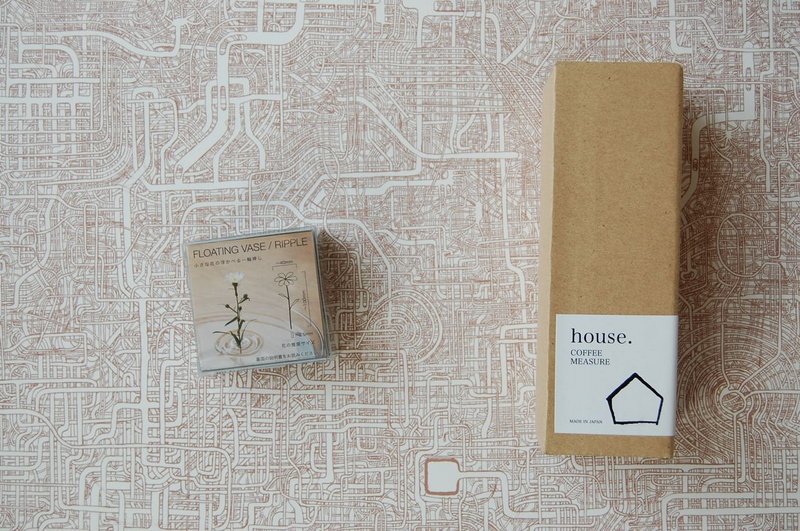
And to commemorate this confluence of events, we’re giving away a small gift package (pictured below) as a sneak peek of some of the stuff we’ll be stocking.

How to Play
1) Leave a comment below
2) We’ll contact 1 random winner at the end of the week
3) That’s it

If you want to keep up to date with shop news you can follow this brand new twitter account, or sign up for our newsletter where we’ll infrequently spam you with new products and other Spoon & Tamago related news.

[Update] Comments are now closed. Congrats to Andrea. Your prize is on the way!

STgiveawaythe giveaway package – left: floating ripple vase | right: house coffee measure | background: papa’s maze

Mozilla Japan’s New Open Source Office

1_Whole-picture-of-the-office

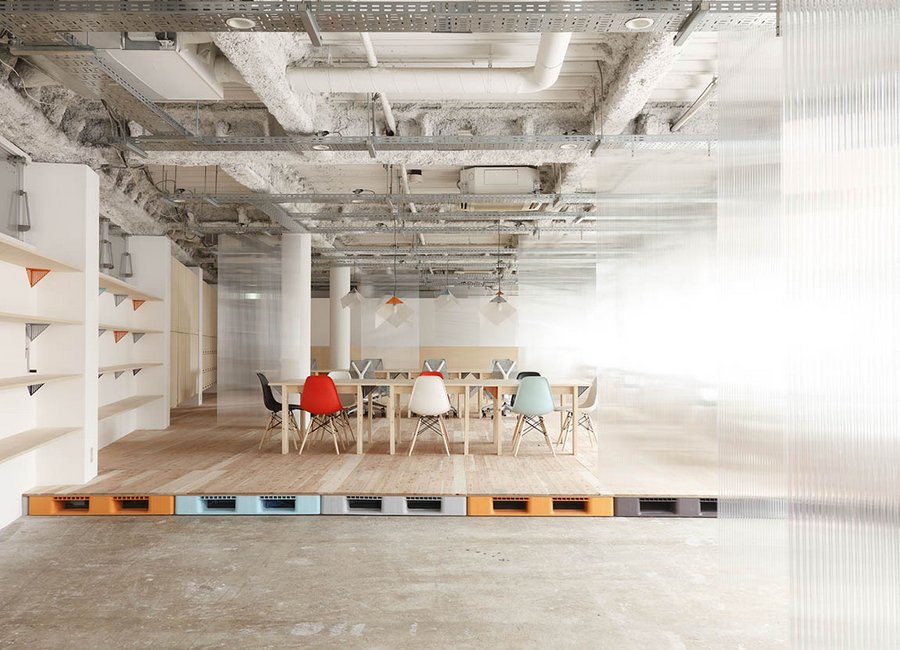
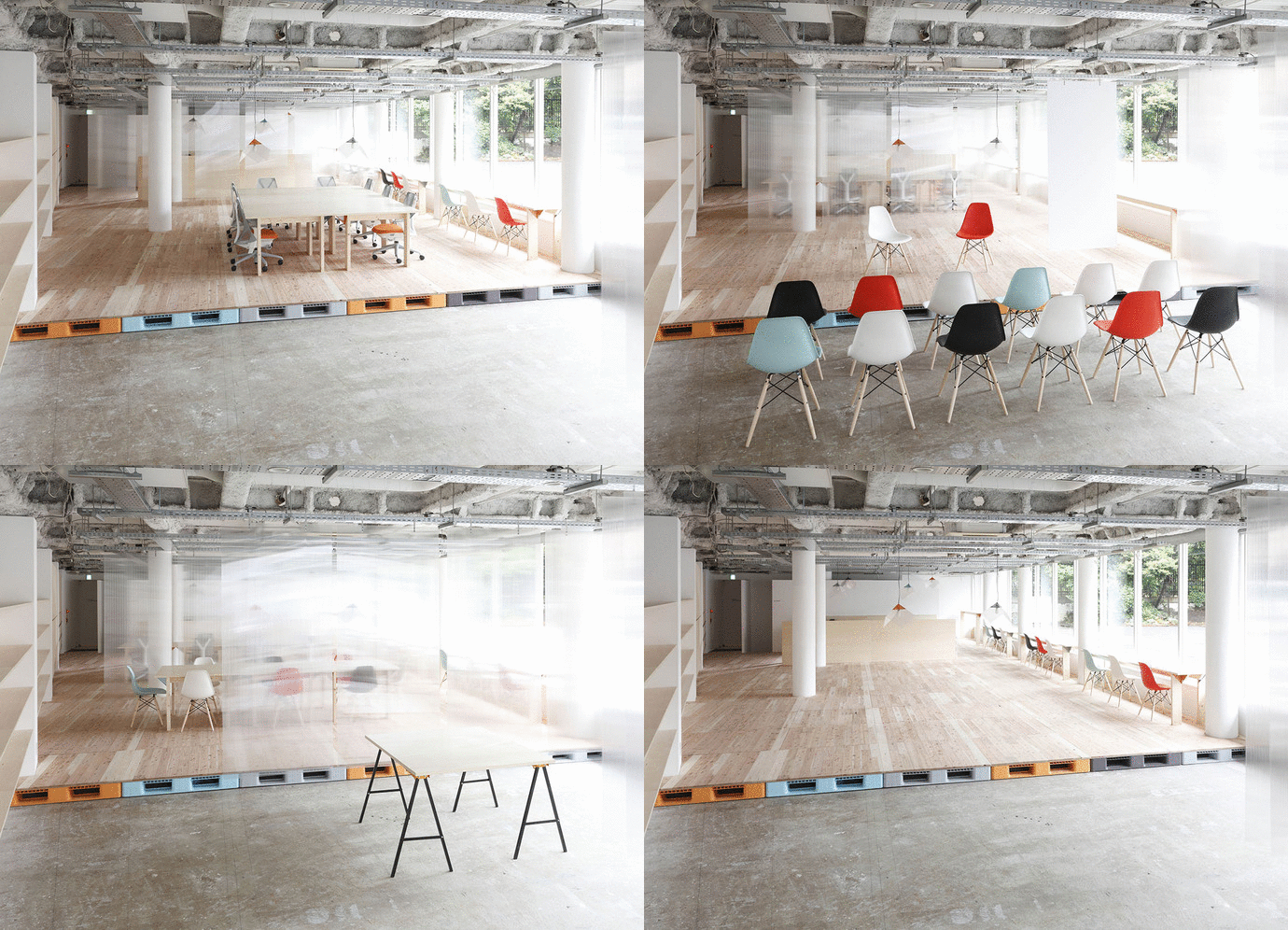
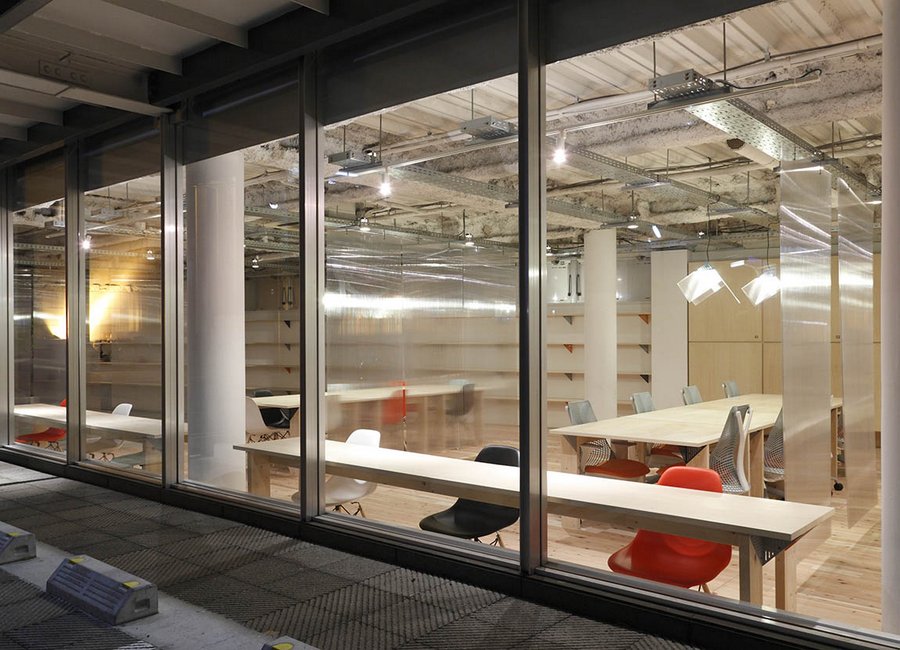
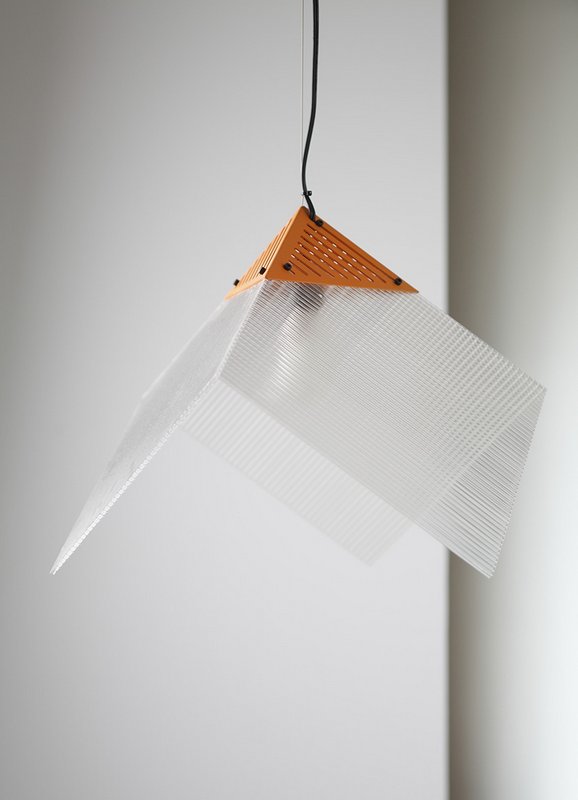
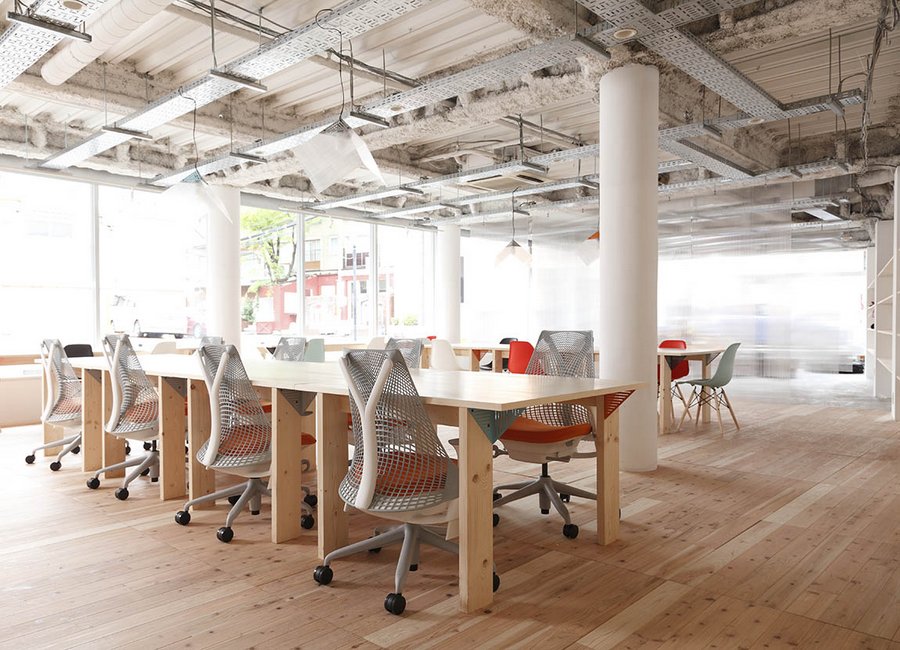
Mozilla, the developer of the open-source browser Firefox, has collaborated with Nosigner to create their new office in Japan. Since their outset in 1998, the foundation has attempted to counteract the challenges of dominant corporate products by providing open source technology – essentially, free access to all the blueprints so that anyone can redistribute or make improvements on it.

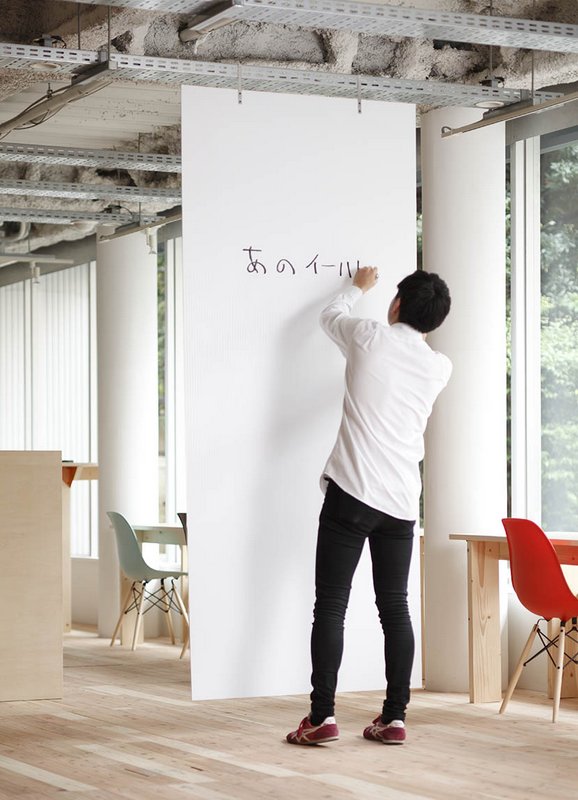
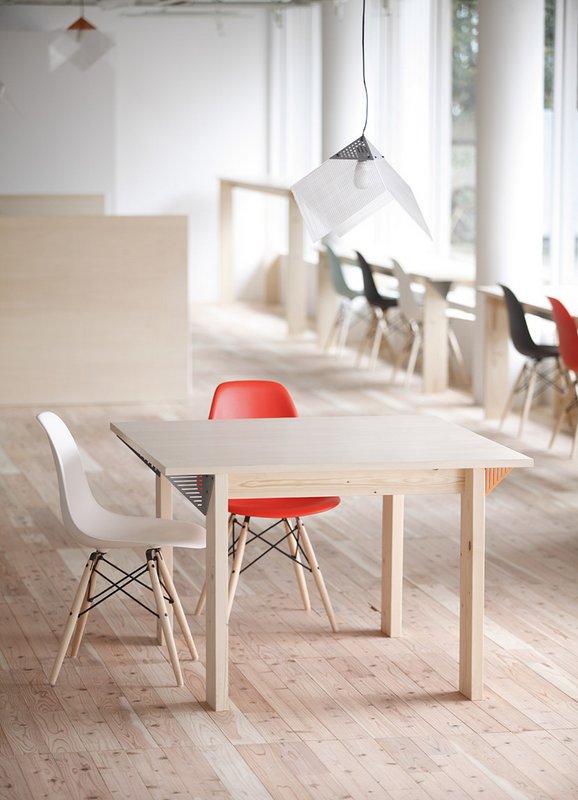
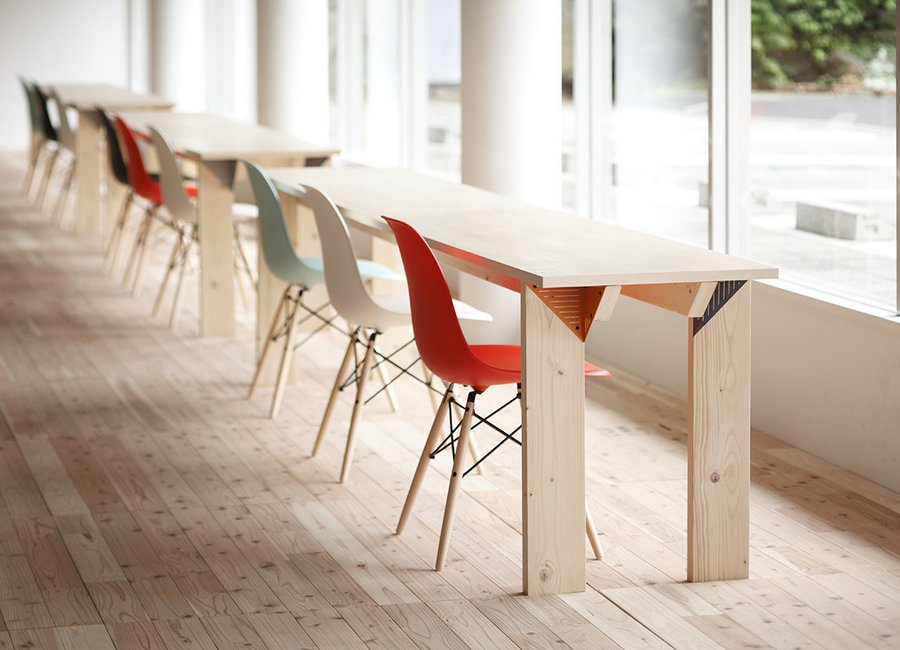
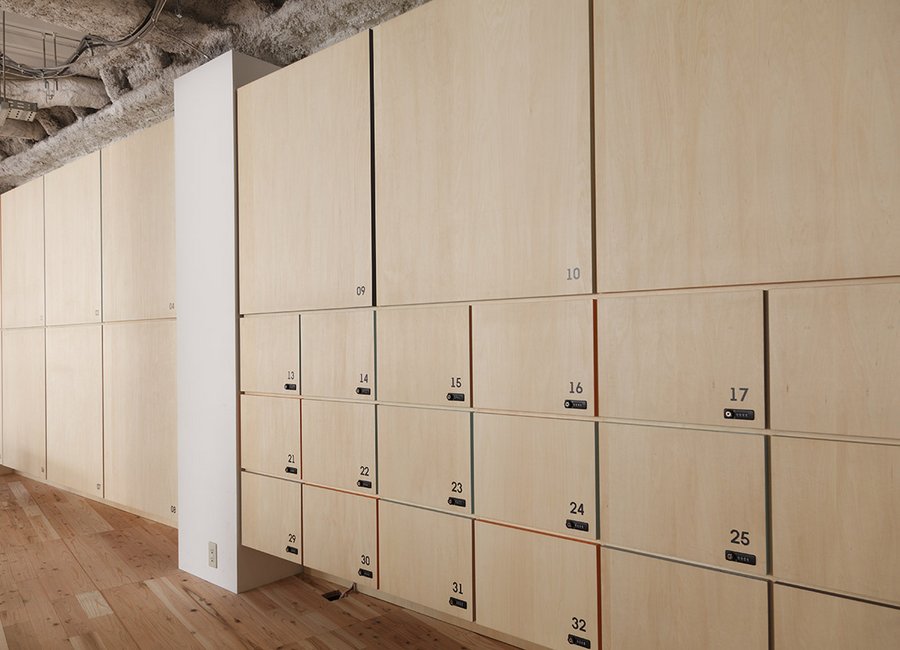
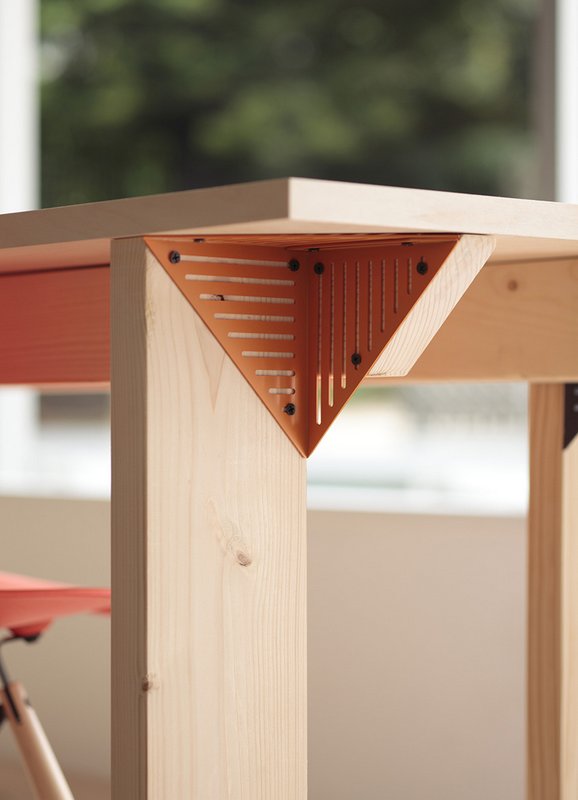
Keeping with that same philosophy, Nosigner has not only created a set of original furniture but an entire “open source office” using commonly available objects and throwing all the drawings online for anyone to download (zip file) and reference.

9-10-11-12-output_HsuNBq

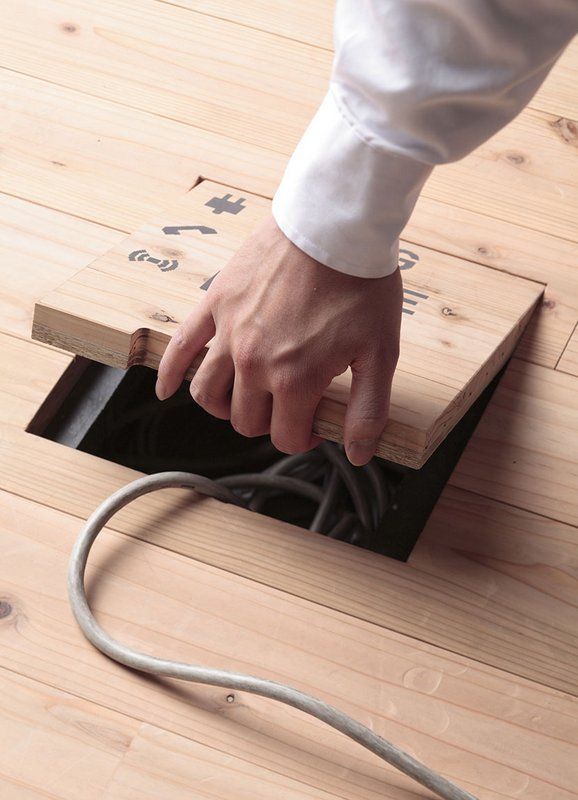
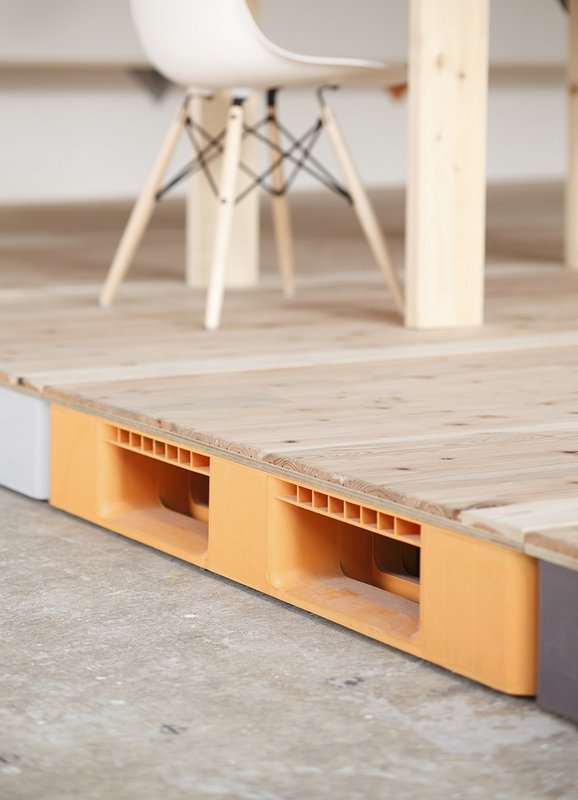
The floor consists of plastic palettes covered with wood panels. Concealed cables travel underneath it in every direction. And polycarbonate panels enable easy editing of the space.

ano_i_ha_tovodesk_light

corner-desk

office_night

6-1_Inspection-door-on-the-floor 6_Inspection-door-on-the-floor

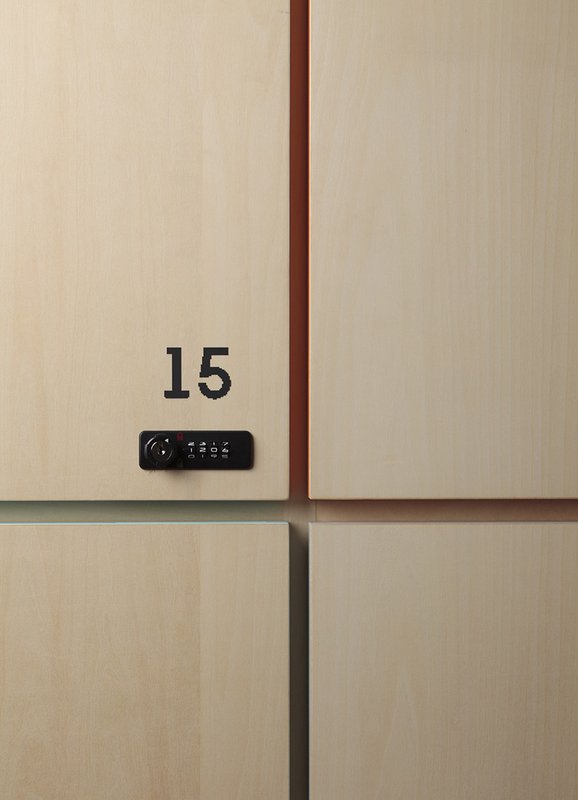
The signage, comprised of dots that mimic the pixilation of a screen, are also available in the download package.

rocker

rocker_sign  2_Corner-module-made-a-lamp-shade

2_other_side_room

3_Corner-module-made-a-desk 5_Plastic-logistic-palette-used-for-the-floor

Meltdown | Manbu Ikeda’s compressed megalopolis depicts the dangers of industrialization

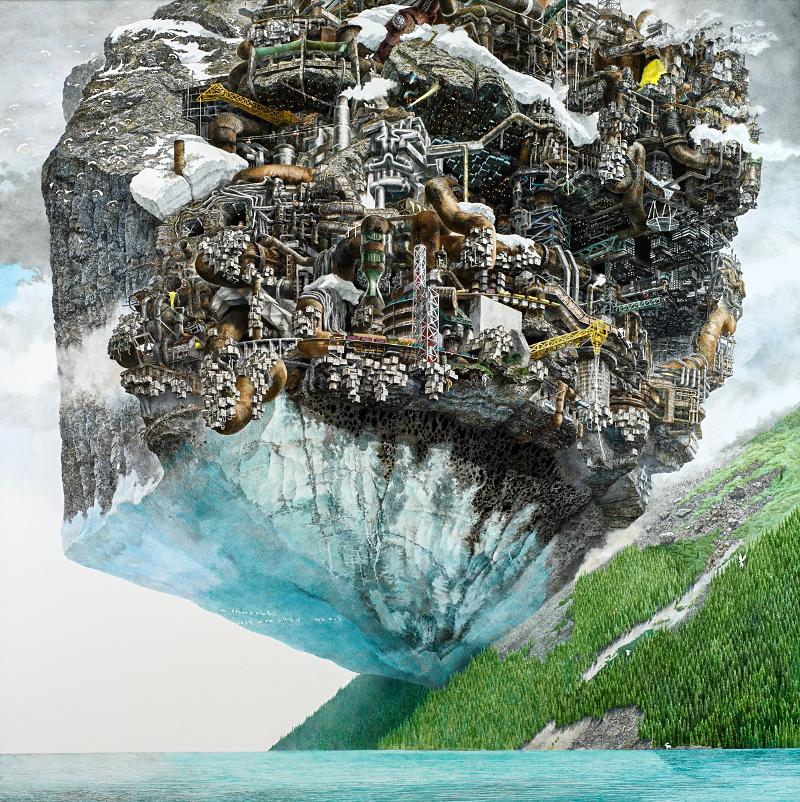
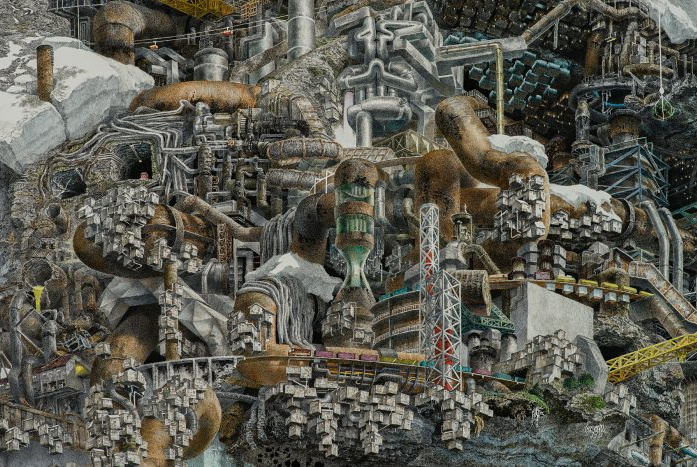
manabu ikeda meltdown 1Manabu Ikeda, “Meltdown” (2013) | © IKEDA Manabu Courtesy Mizuma Art Gallery

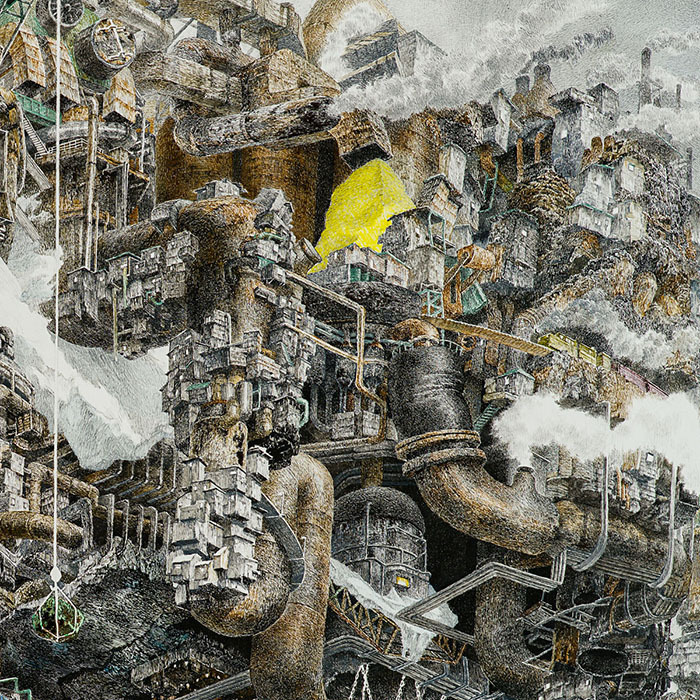
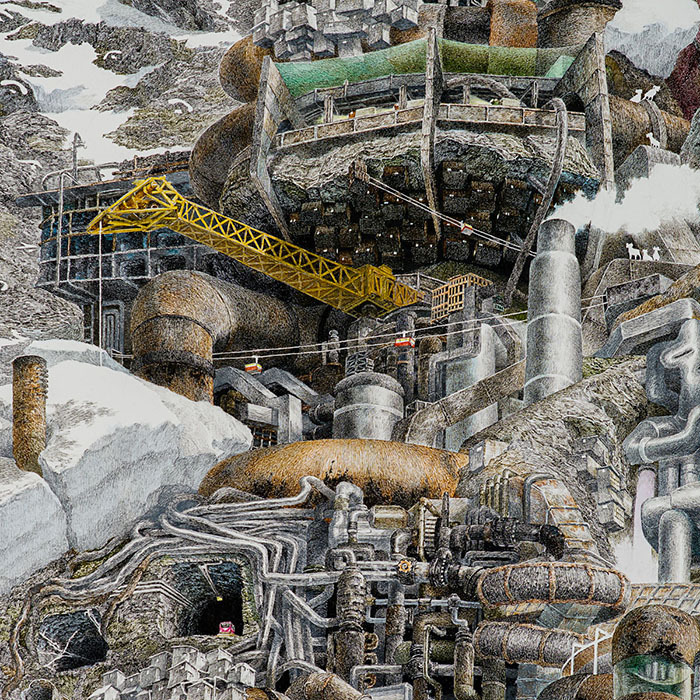
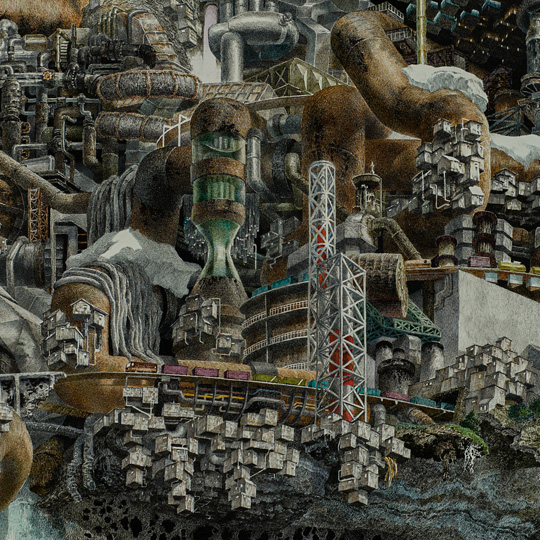
This is “Meltdown,” 40-year old artist Manabu Ikeda’s latest creation. It’s about 4ft x 4ft and took only 5 months to create. That’s right: ONLY. That’s because Ikeda was working quickly. Typically, he spends years on a single creation, which is so dense in detail that a single 8-hour work day yields just a 4-inch square.

“Meltdown,” as the title would suggest, is based on the Fukushima Daiichi nuclear disaster and the artist’s concerns of radioactive elements being released into the atmosphere. “My work expresses the dangers humans have when they live so closely with industrialization,” says Ikeda, who’s been creating post-apocalyptic artwork for some time now. But also embedded within the staggering details of his compressed megalopolis are bits and pieces of day-to-day life from Vancouver, where he and his family have been living for the past 2 years on a cultural-affairs grant. “Meltdown” was on display at The West Vancouver Museum earlier this year.

manabu ikeda meltdown 5“Meltdown” (detail)

Where is Ikeda headed from here? He and his family are off to Madison, Wisconsin where he’ll begin work on a massive disaster and recovery-themed piece that won’t be ready till 2016. We’ll check back in 3 years.

manabu ikeda meltdown 4“Meltdown” (detail)

manabu ikeda meltdown 5“Meltdown” (detail)

manabu ikeda meltdown 3“Meltdown” (detail)

manabu ikeda meltdown 6“Meltdown” (detail)

source: Hi-Fructose | North Shore Outlook

Residence of Daisen | A house designed to fit in between the gaps of trees

Residence of Daisen (1)photos by Koji Fujii | click to enlarge

“The figures of the trees are beautiful. They are the legitimate habitants of the forest.”

Residence of Daisen (6)

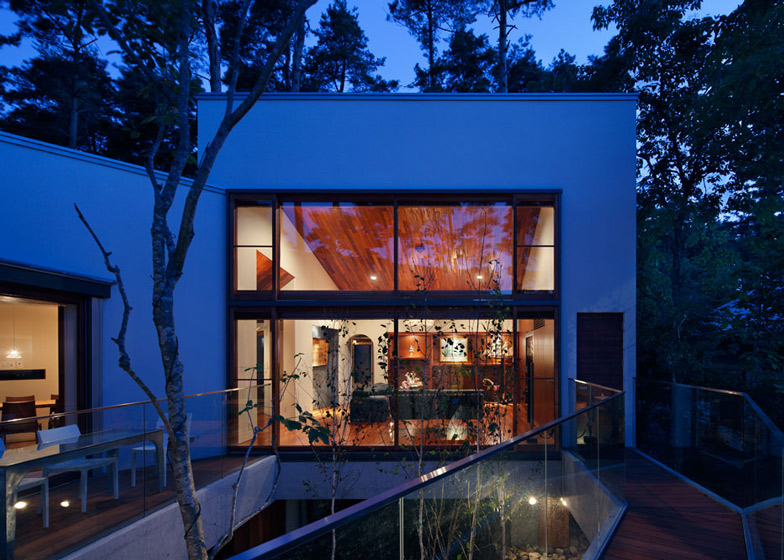
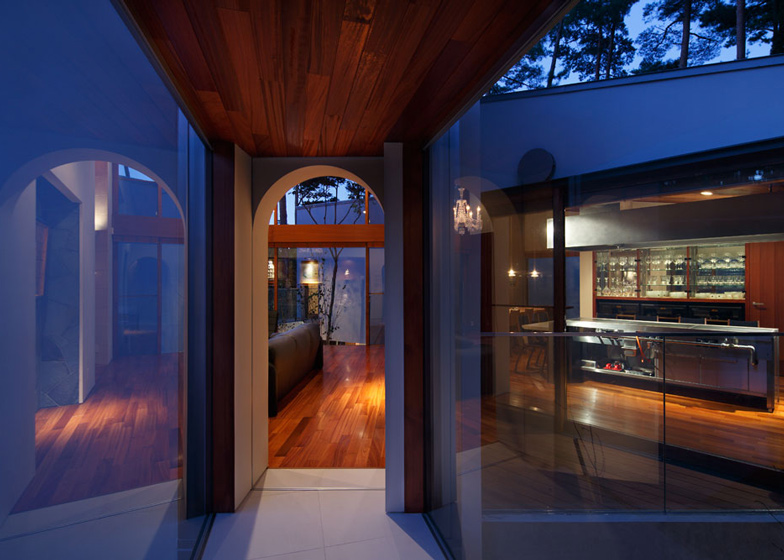
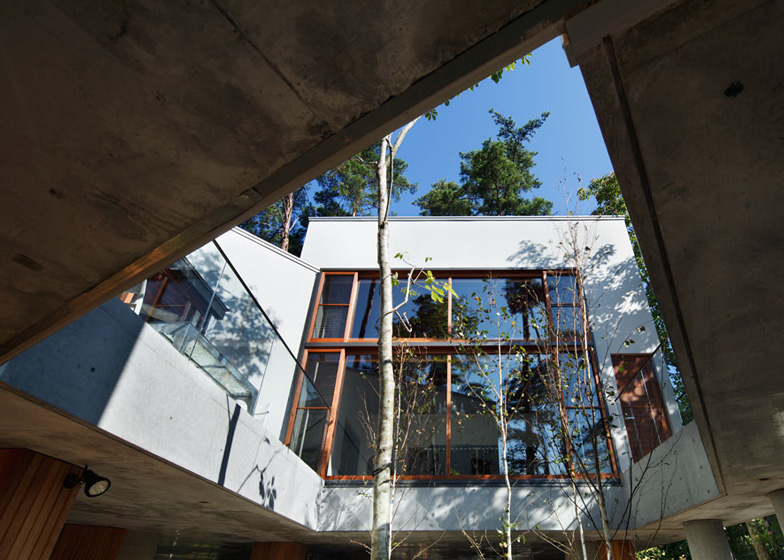
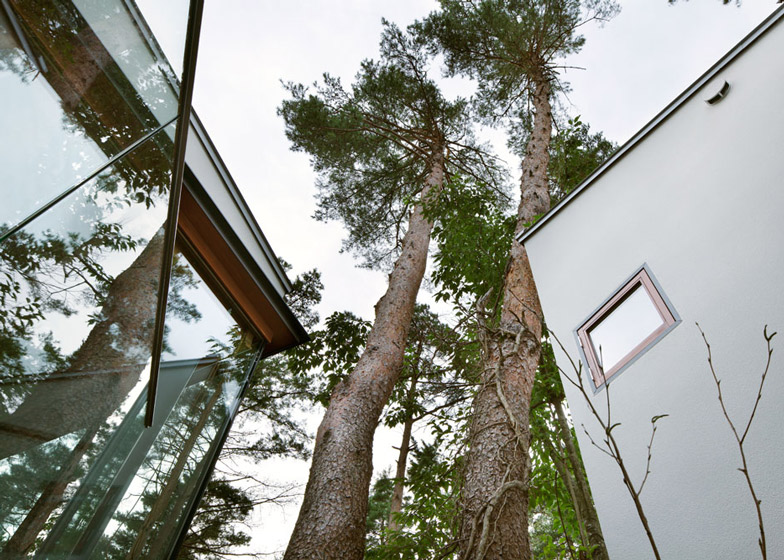
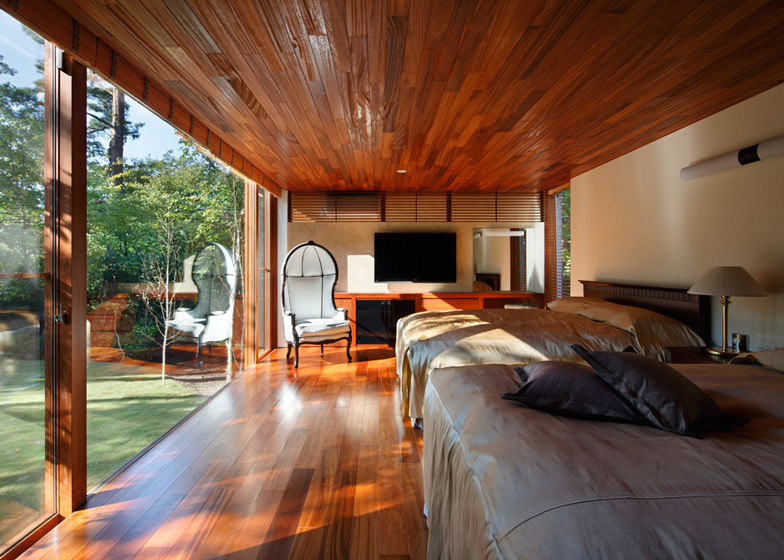
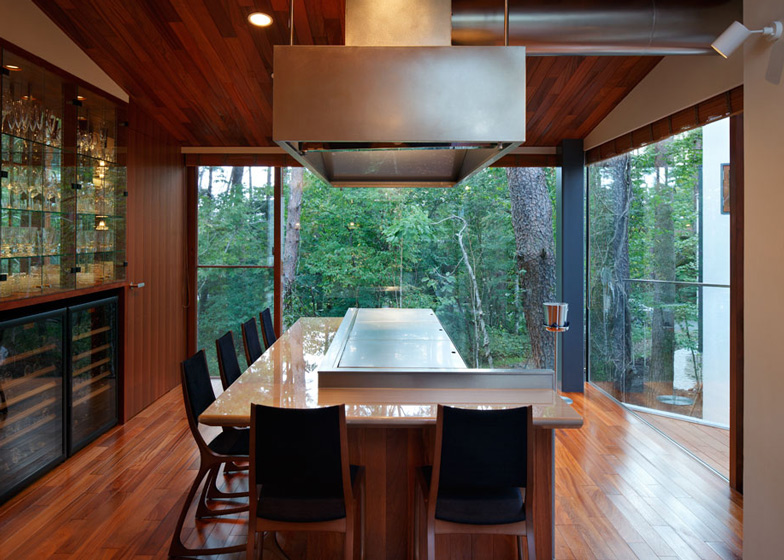
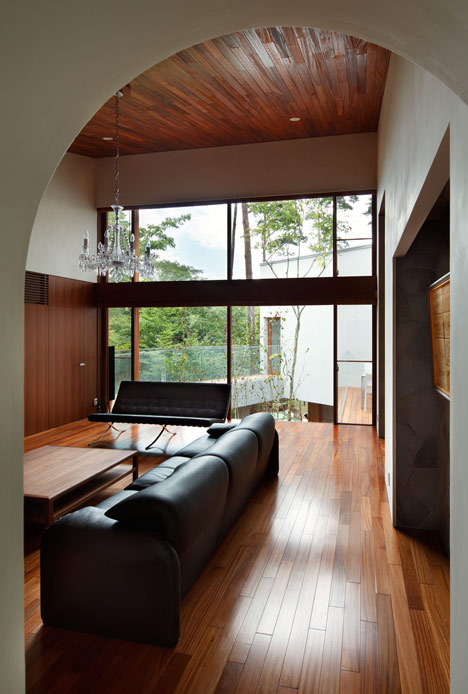
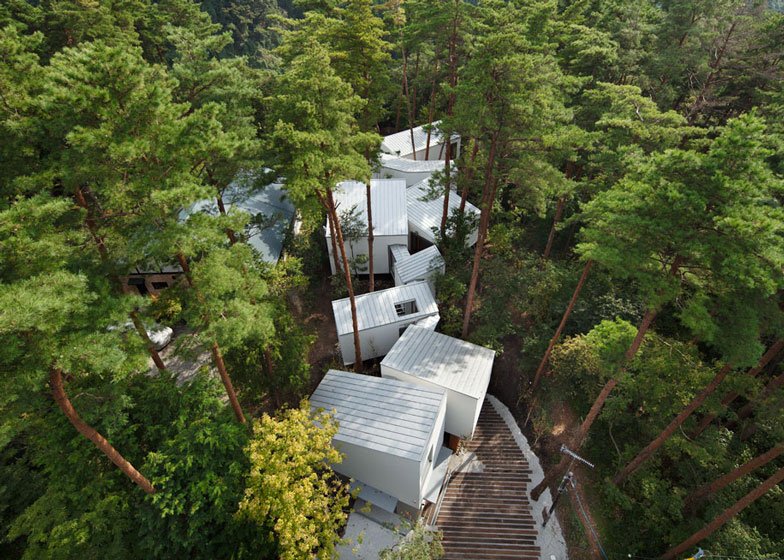
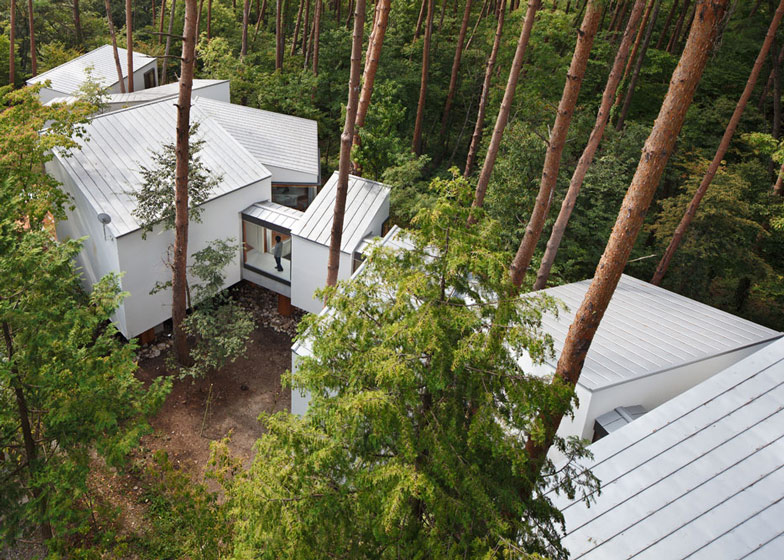
“Trunks reaching towards the sky with bountiful leaves. The figures of the trees are beautiful. They are the legitimate habitants of the forest,” says architect Keisuke Kawaguchi, describing the forest where he designed a home to fit in between the gaps of trees.

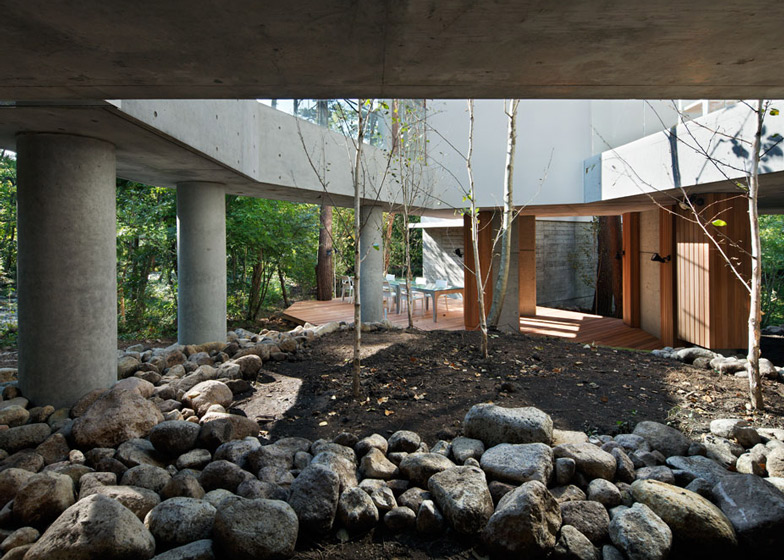
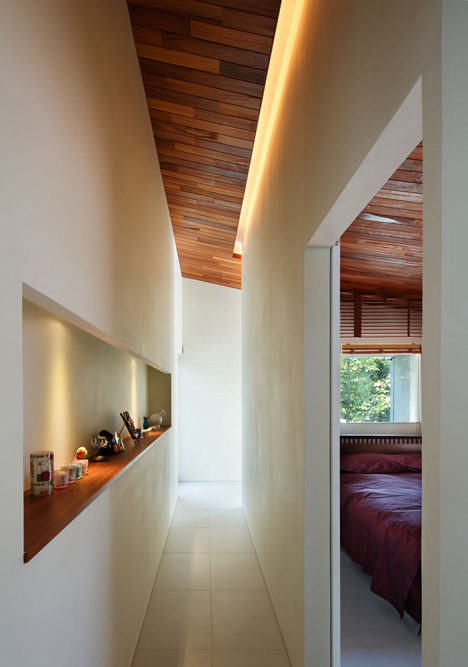
Residence of Daisen, named after the mountain in Tottori prefecture where the house rests, is made up of several containers positioned in open areas of the forest. They’re connected by passageways that strategically meander around trees. But the topography of the land wasn’t the only field that required careful study. In the winter Daisen gets between 6 -7 feet of snow. By raising the house off the ground on pillars the architects not only prevented potential snowfall problems but also allowed for more breeze to pass through the home. It’s a home that, in the truest sense of the phrase, coexists with nature.

Residence of Daisen (2)

Residence of Daisen (3)

Residence of Daisen (4)

Residence of Daisen (5) Residence of Daisen (9)

Residence of Daisen (8)

Residence of Daisen (10)

Residence of Daisen (11)Residence of Daisen (12)


Source: submission

Tokyo Craft Guide: A Collection of Japanese Craft Shopping Adventures

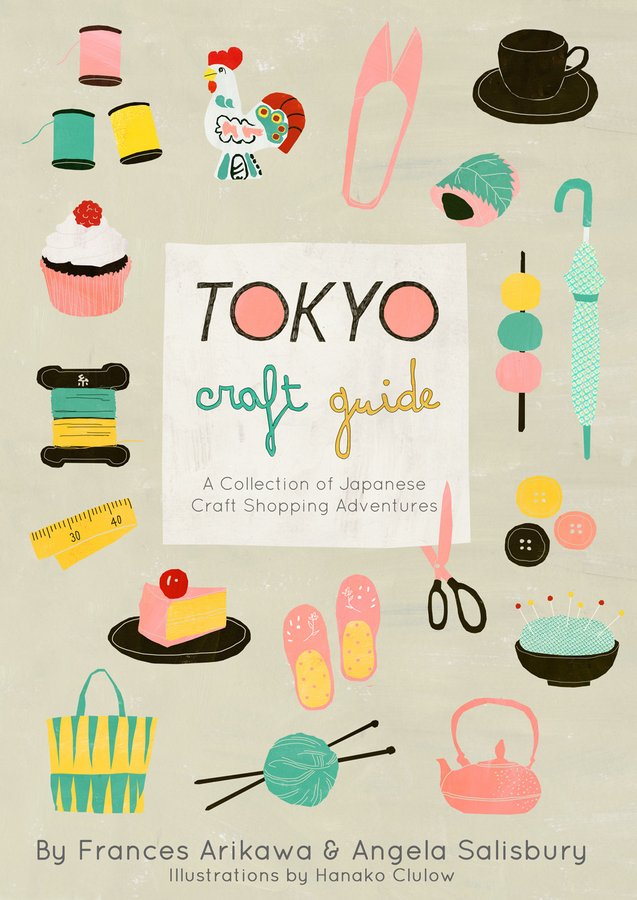
S&T contributor Angela Salisbury recently co-authored  Tokyo Craft Guide: A Collection of Japanese Craft Shopping Adventures. She tells us about the book, and why it’s meant to help you find craft gold among the side streets of Tokyo.

TCG_cover_1000x1414

One of my favorite things about Tokyo is the abundance of specialty shops for the most serious of enthusiasts. For me it’s fabric, but for others it’s French wine, custom robots, toy trains, or even kaleidoscopes, where a shop owner graciously let me handle a ¥80,000 ($800) vintage kaleidoscope filled with glass marbles. I almost lost mine.

These shops are like secret gems in the vast metropolis that is Tokyo, where finding them, even with an address, is sometimes the largest hurdle.

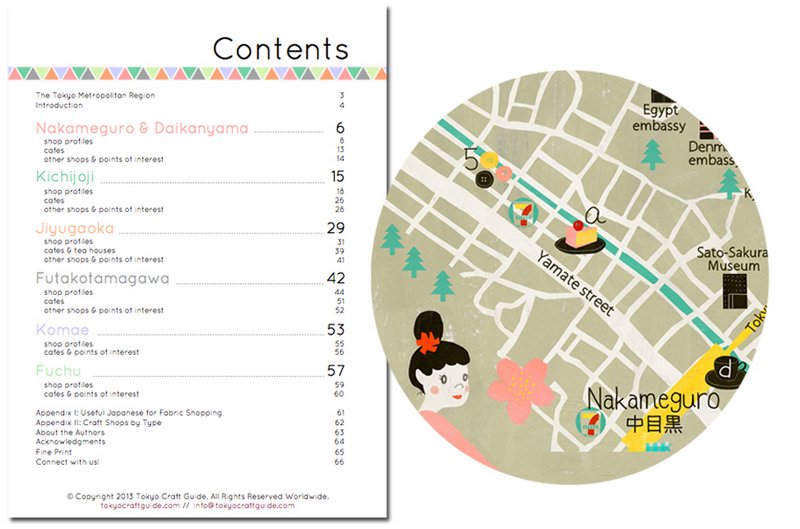
That’s why we wrote Tokyo Craft Guide, a specialized shopping guide for people as excited about crafts and Japanese fabric as we are. Tokyo Craft Guide helps visitors — as well as Tokyo residents — navigate the city’s back streets through a collection of illustrated neighborhood guides and curated craft-shopping excursions. They are treasure maps, and X marks the spot for vintage Czech buttons or a perfectly sculpted fruit parfait. Tokyo Craft Guide presents an insider’s guide to the best craft shops the city has to offer, and provides a uniquely Tokyo experience — the hunt for small yet serious, specialized hobby shops.

TCG_P02 and map Tokyo Craft GuideTokyo Craft Guide

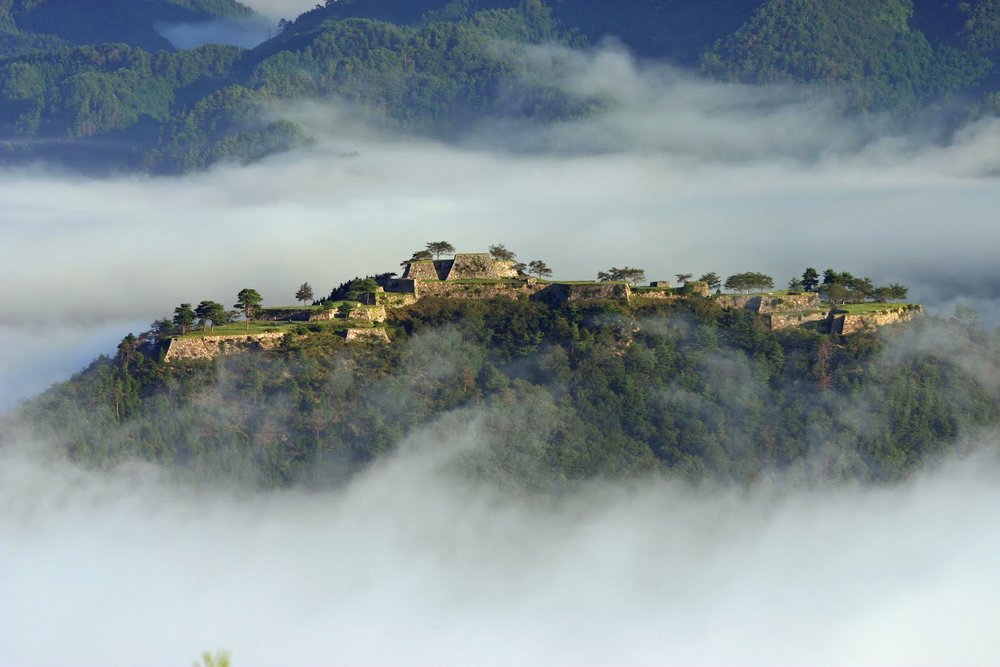
Takeda Castle Ruins Appears to Float in the Sky

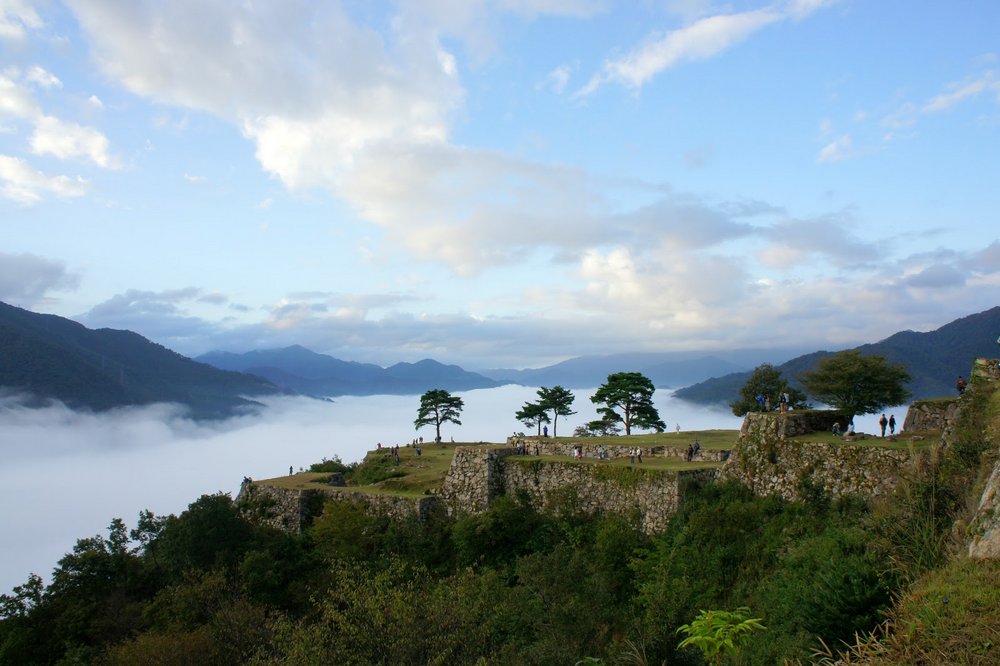
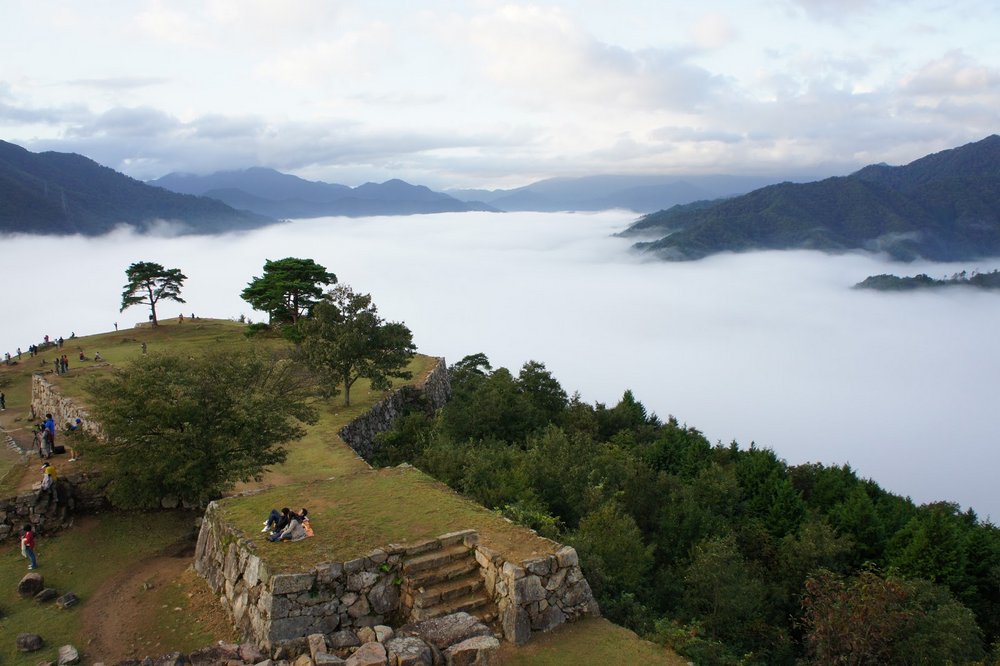
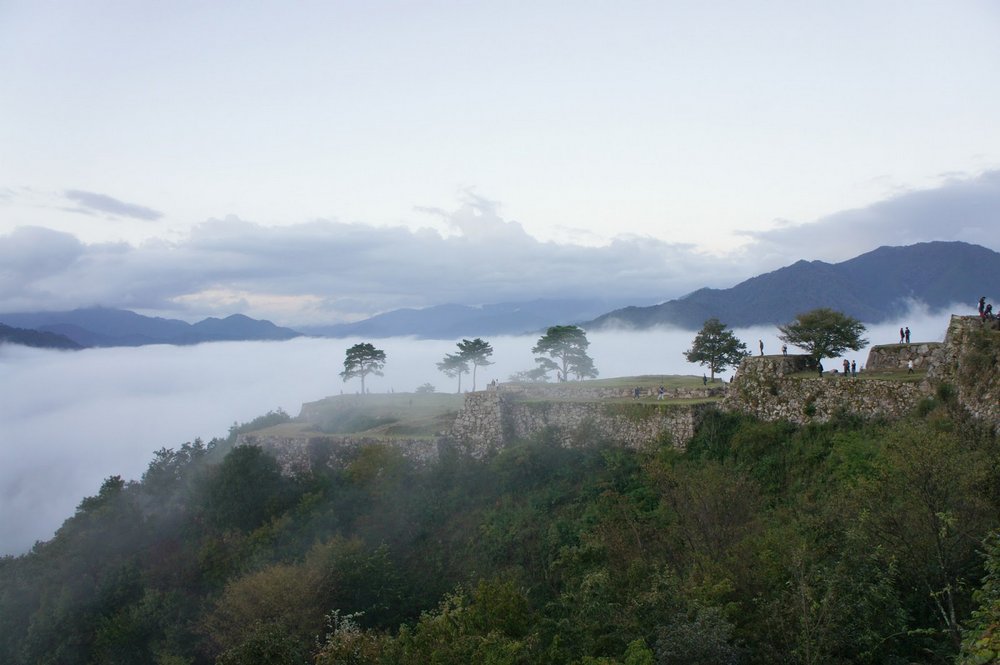
takeda castle ruins (1)unless otherwise noted, all photo courtesy Hyogo Tourism Association | click to enlarge

Japan is famous for its castles, a large majority of which were constructed in the 16th century as strategic sites during the sengoku (warring States) period. But one particular castle is known, not for its high stone walls or golden roof tiles, but lack thereof: its ruins. Built in 1441, Takeda Castle, or what’s left of it, sits at the summit of a mountain that towers more than 1100 ft., hence earning it the nickname, “castle in the sky.”

Indeed, the sight is one that is reminiscent of Machu Picchu. Except one needn’t hop on a flight to Peru or hike the Inca trail almost 8000 ft up. All one needs to do is plan a day trip from Kyoto. It’s about 3 hours away. It’s a must-see for fans of the movie Laputa.

takeda castle ruins (6)

takeda castle ruins (5)

takeda castle ruins (3)

takeda castle ruins (4)

takeda castle ruins (2)Bonus: photo by hiroshi ookura

This is what Jcastle, a guide to Japanese castles, has to say about the history:

Takeda Castle was built on this site in the path of aggression between Harima/Tanba and Tajima as a stronghold of Izushi Castle. It was built by Ohtagaki Mitsukage, a retainer of Yamana Sozen, lord of the area, in 1441. Ohtagaki, who had been a military commander of the Yamana clan for 5 generations became lord of the castle.

Takeda Castle was conquered by Hideyoshi in his Tajima of 1577. Hideyoshi placed it in the control of his younger brother, Hidenaga, who moved to Izushi less than 2 years later. Akamatsu Hirohide, the last lord of the castle fought on the side of the Western Forces for Tokugawa at the battle of Sekigahara in the attack on Tottori Castle. Hirohide served valiantly in the battle, but was accused of setting the castle town on fire. Later that year he committed seppuku and the Takeda Castle was abandoned.

Wire Frame Furniture by NOIZ Architects

20130307NOIZ14EM

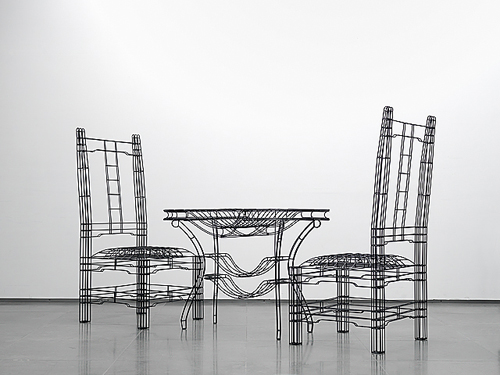
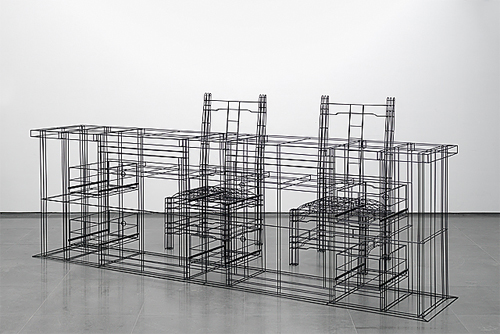
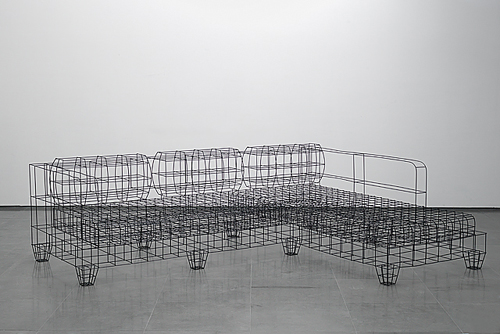
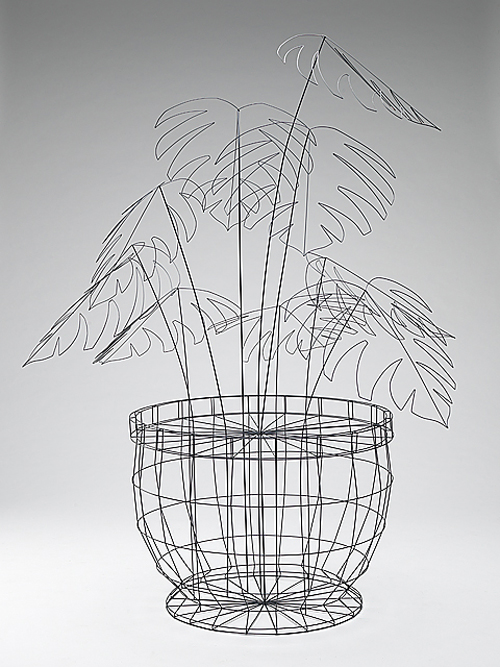
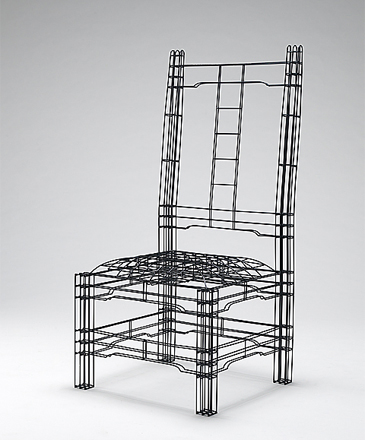
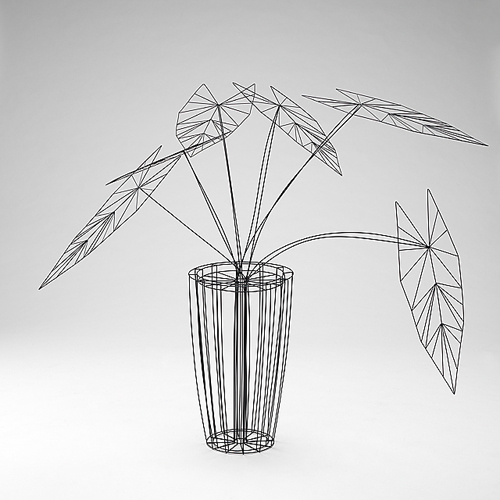
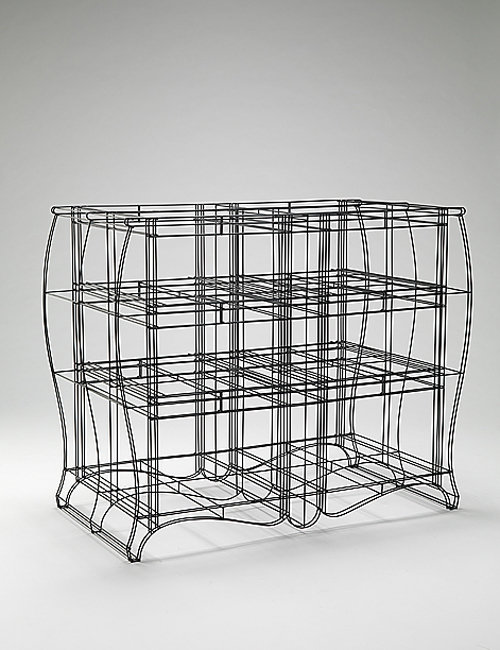
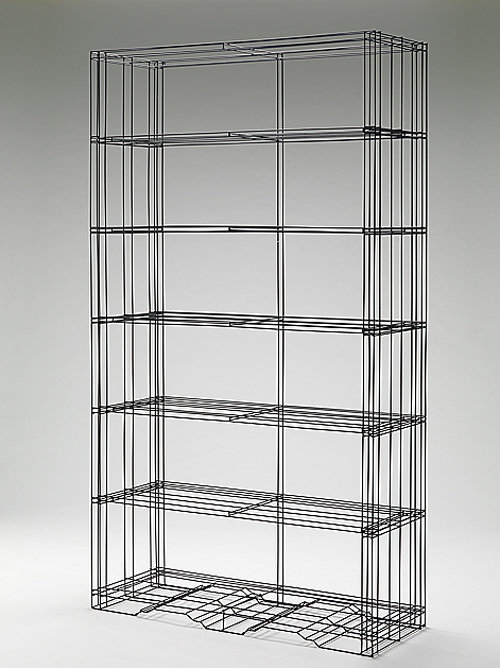
Say goodbye to your TV remote disappearing into the cushions. Goodbye hidden crumbs and lost change. Goodbye cat scratches . Goodbye bed bugs. Wire Frame Furniture, created by Tokyo-based NOIZ Architects, eliminates all those problems. Sure it may not be comfortable, but it’s a small price to pay.

Sure, the series, which not only includes chair, desk and book shelf but planters as well, is probably not for everyone. But I’m sure there are some die-hard 3D artists obsessed with wire frames that would put these in their homes.

20130307NOIZ16EM

20130307NOIZ19EM

20130307NOIZ01EM20130307NOIZ04EM

20130307NOIZ02EM

20130307NOIZ05EM20130307NOIZ08EM


« Older posts Newer posts »

© 2026 Spoon & Tamago

Up ↑

Design by Bento Graphics