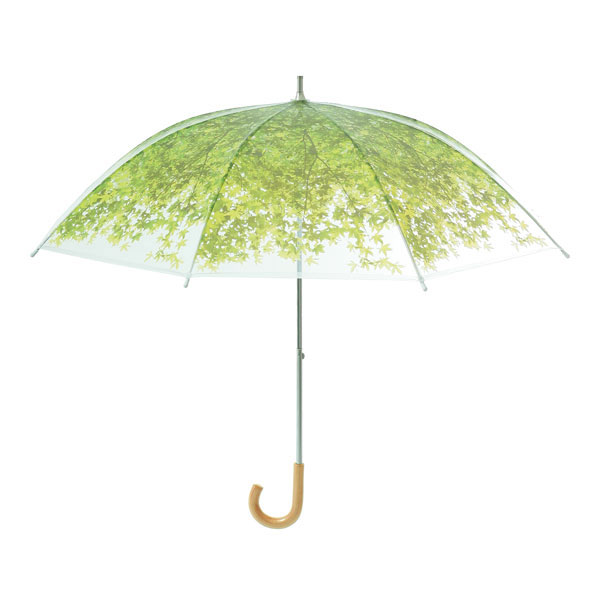
Summer is approaching. For some us it’s already here. But strong ultraviolet rays and less greenery to shade you poses a problem, especially if you have sensitive skin. Creating a poetic and artful answer to that problem is Fumito Kogure and Shinya Kaneko, a designer duo that respectively come from backgrounds in fashion and architecture.
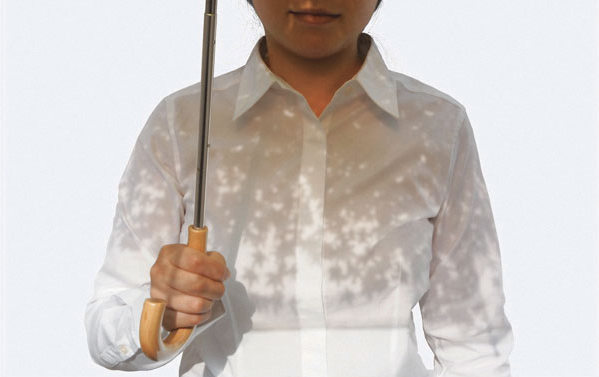
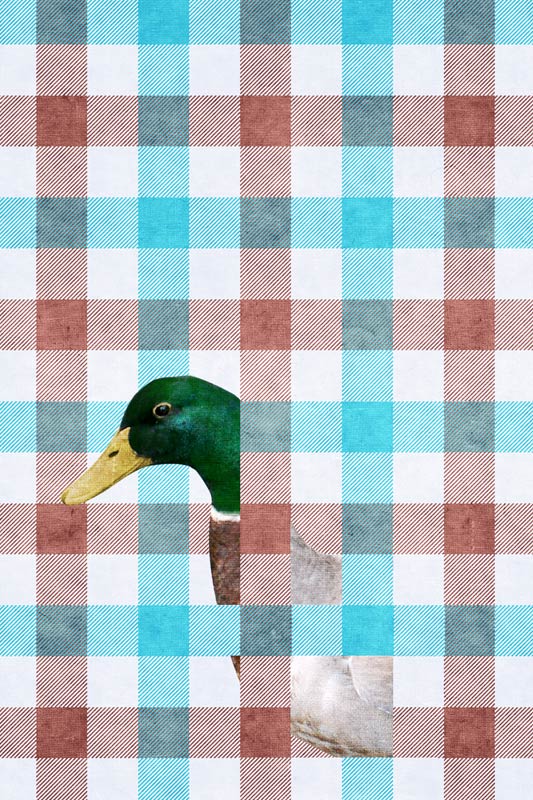
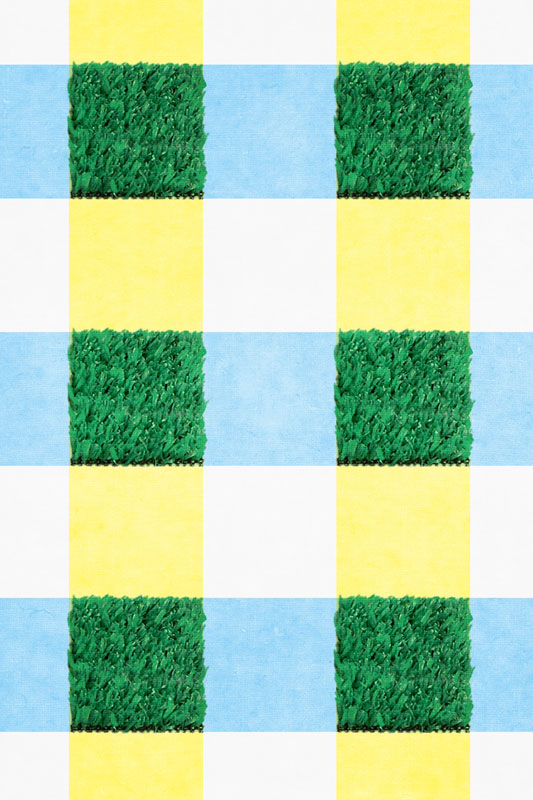
Komorebi is a characteristically Japanese saying that approximately translates to “sunshine filtering through foliage.” Applying that concept to your typical ugly plastic umbrella, the duo have managed to create komorebigasa, a lovely product that can be used in rain or shine.
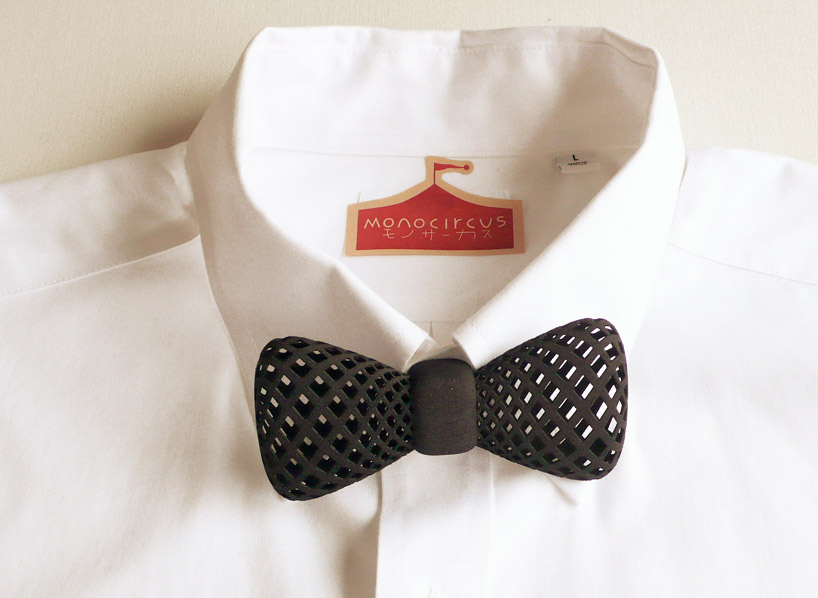
Run by Kazu and Shing, a husband and wife designer-duo based on Fukuoka, “MONOCIRCUS houses a collection of things.” These “things” are often playful, often quirky and always original.
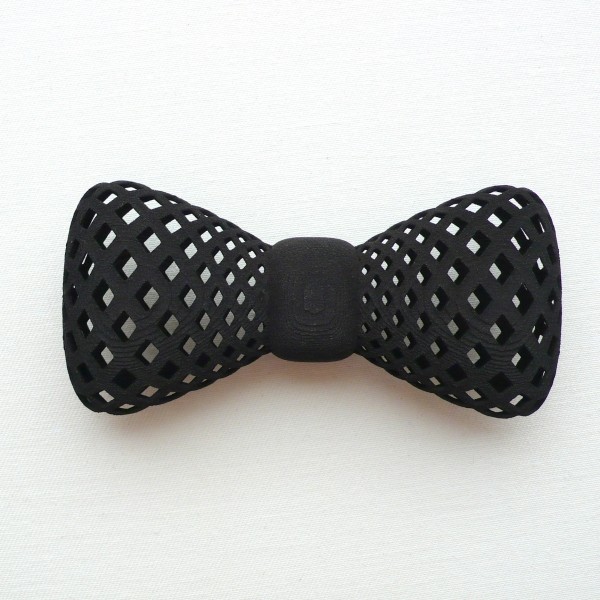
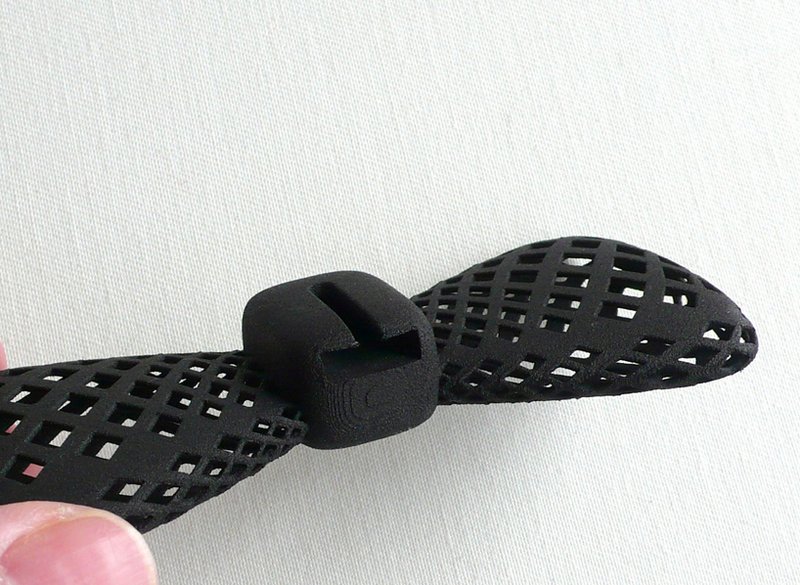
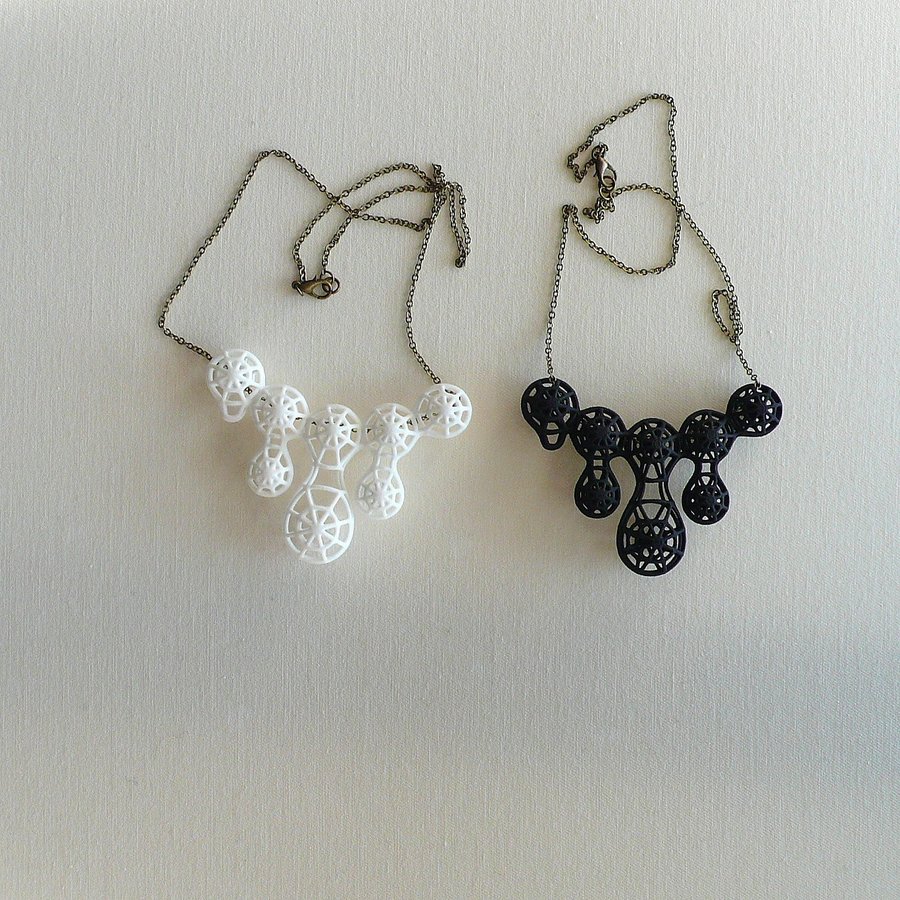
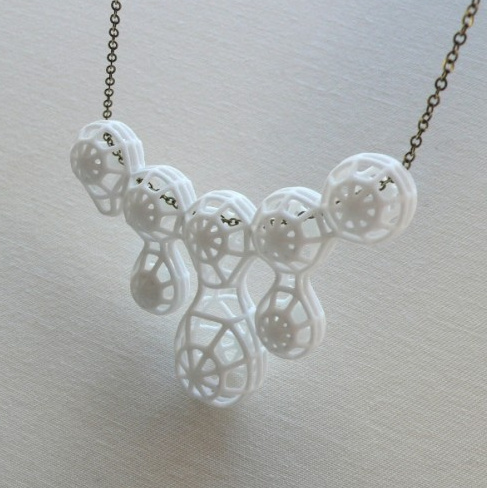
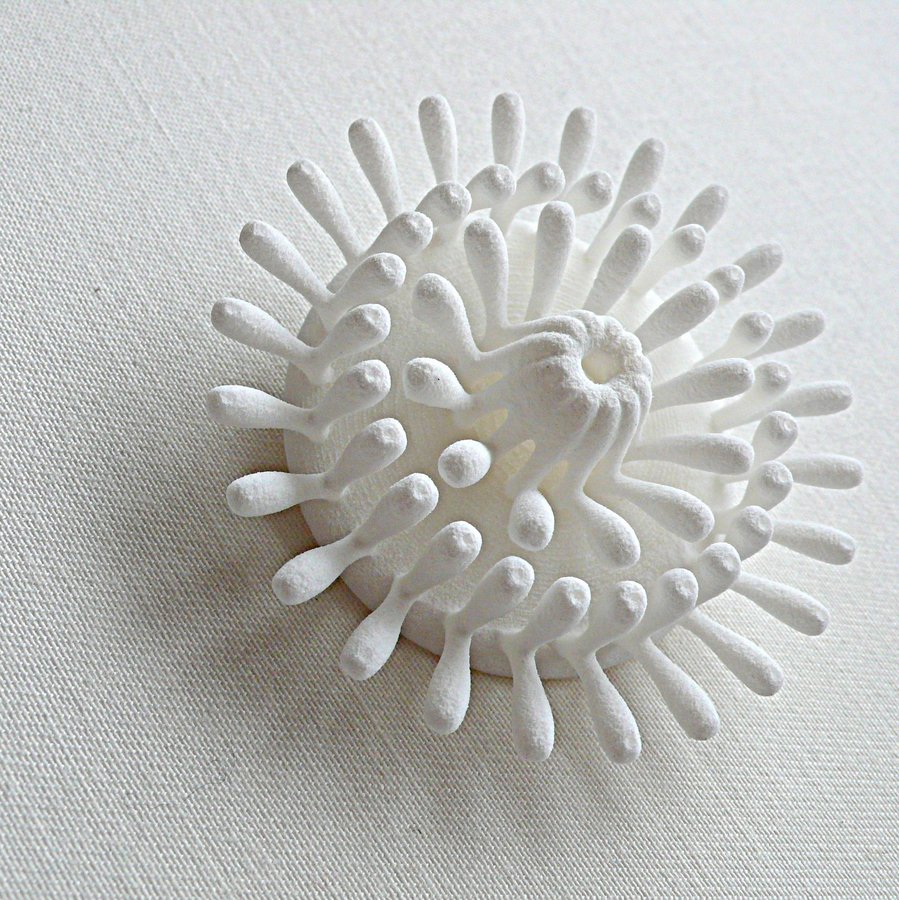
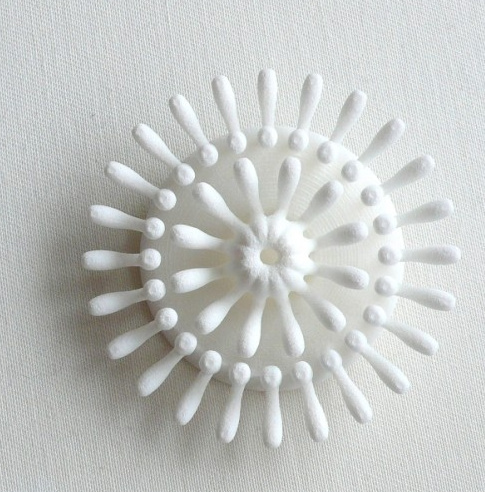
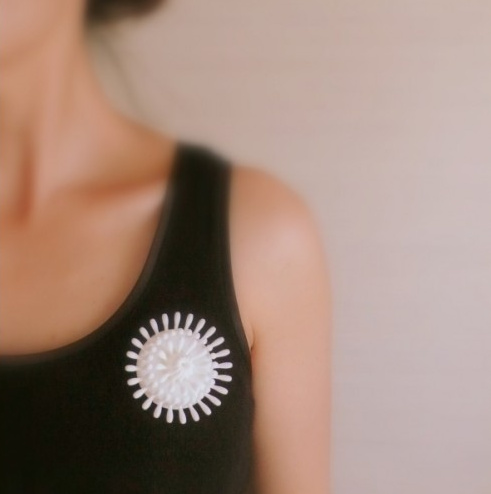
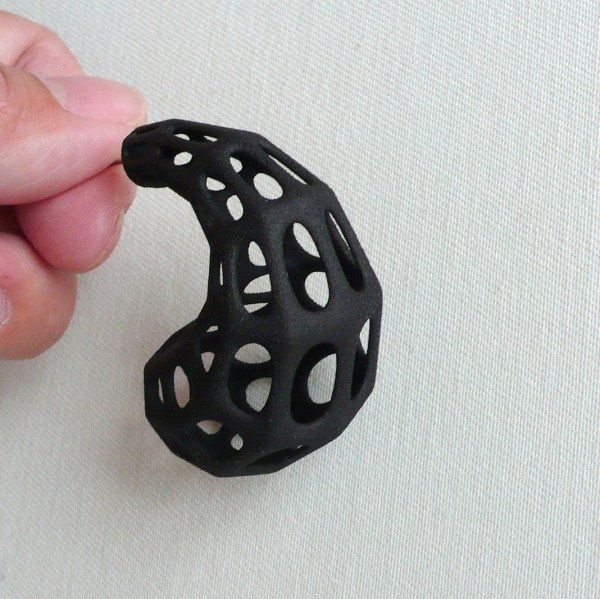
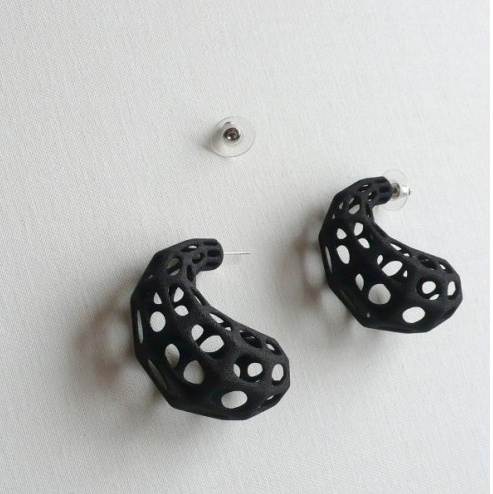
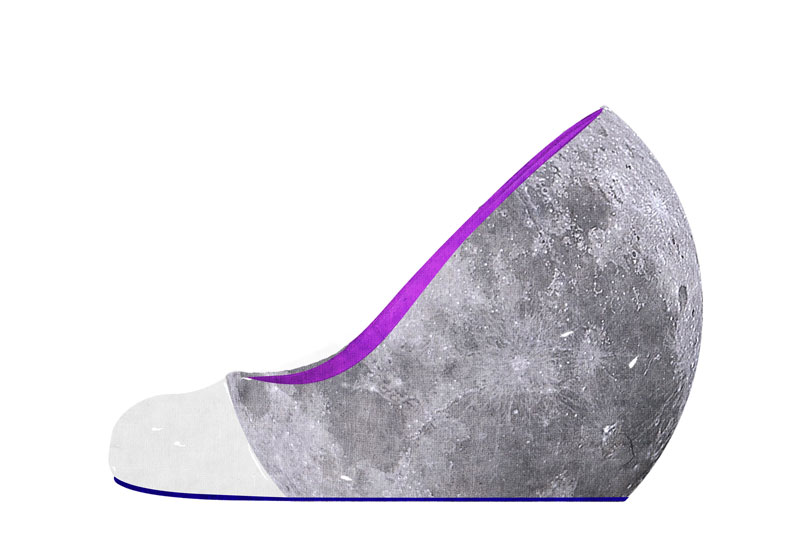
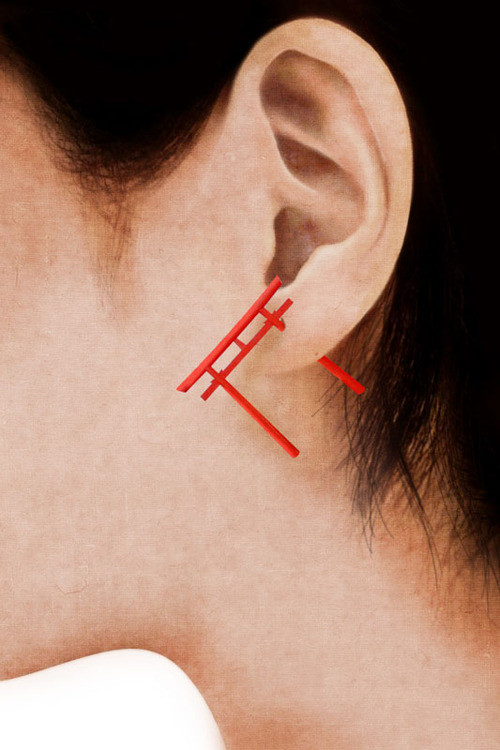
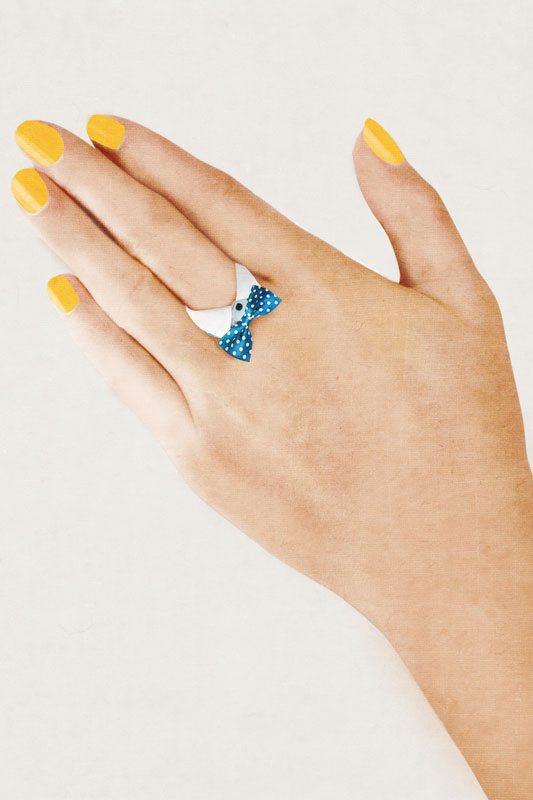
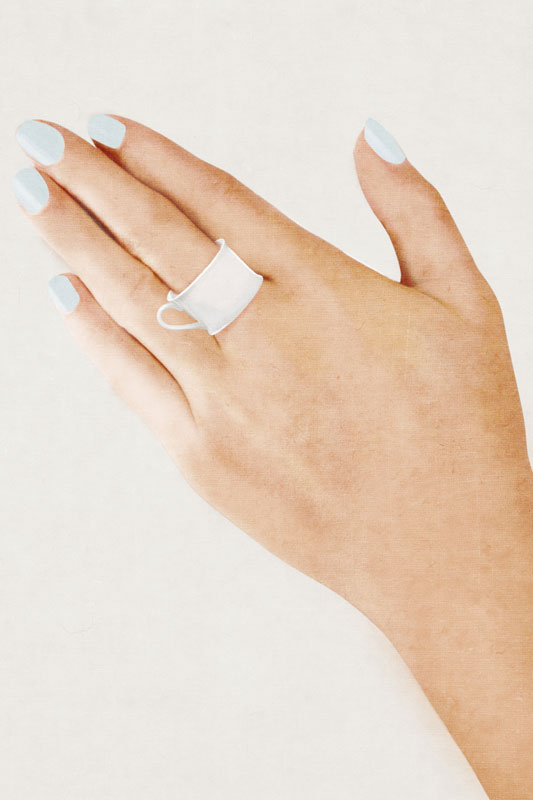
Their latest endeavor is a series of jewelry and accessories utilizing the increasingly popular technology of 3D printing. The bow tie is indeed quite revolutionary. I agree with the designers who claim that this “is going to change the way you put on your Tie!”
Bow tie
the strapless bow tie slides in on the top button of your shirt
The development is not something to go ringing the trend alarm about. 3D printed fashion goes back to around 2010 when designer Iris van Herpen collaborated with New York company MGX by Materialise and artist Daniel Widrig to create 3D printed clothes. “Even though 3D-printed haute couture garments have been gracing the catwalks, the real breakthroughs in printed clothing will come from more practical and subversive quarters,” according to Print Shift magazine. Perhaps this is a glimpse of the practical and subversive they were referring to?
June 4, 2013 / Johnny / Comments Off on Desktop gardening | ienami is a house shaped planter for your desk
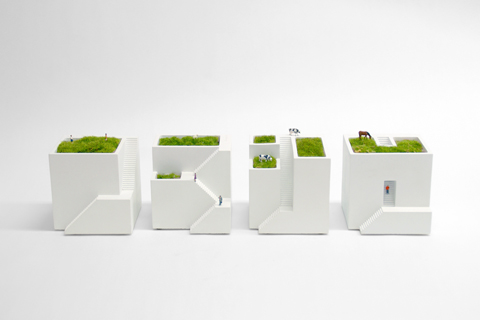
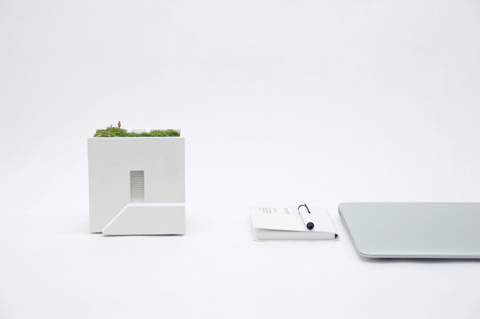
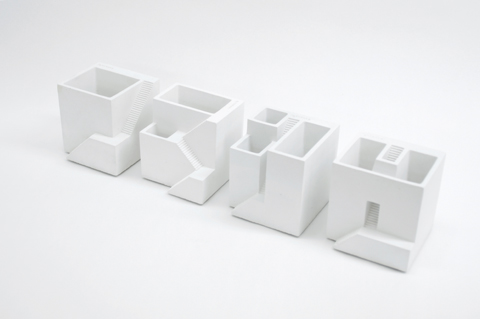
While bonsai is the art of arranging miniature trees and shrubs in small planters, bonkei (literally “tray landscape”) refers to the equally age-old Japanese tradition of arranging small greenery like rocks and moss to create a landscape. Chiaki Murata and his lifestyle product brand Metaphys has put a modern twist on the art, creating a series of planters to help spruce up your desk. The homes (2,625 yen) can be used alone, or you can combine multiple buildings to create a small town of green rooftops.
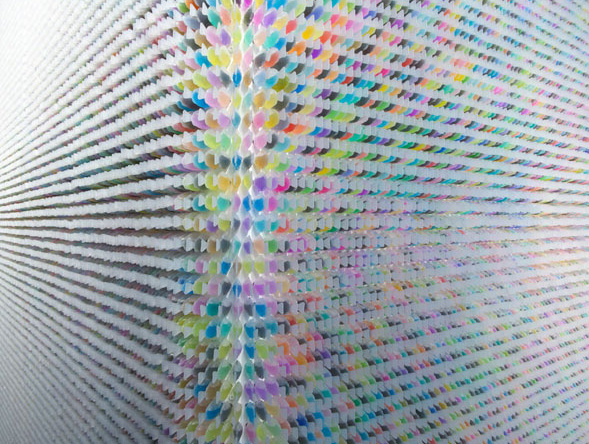
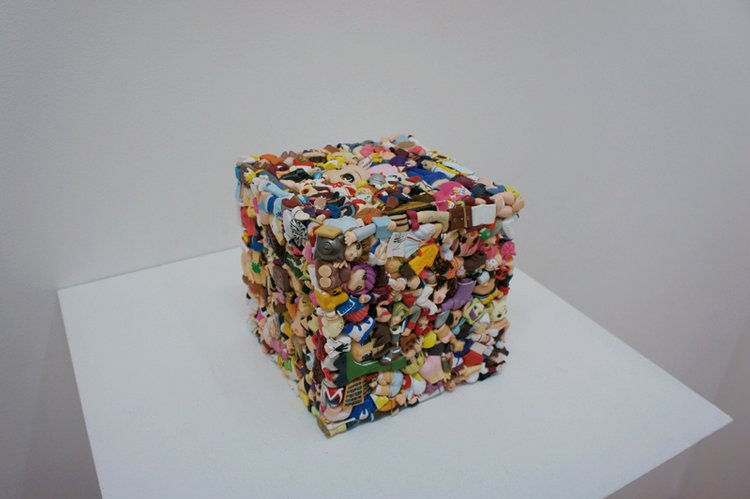
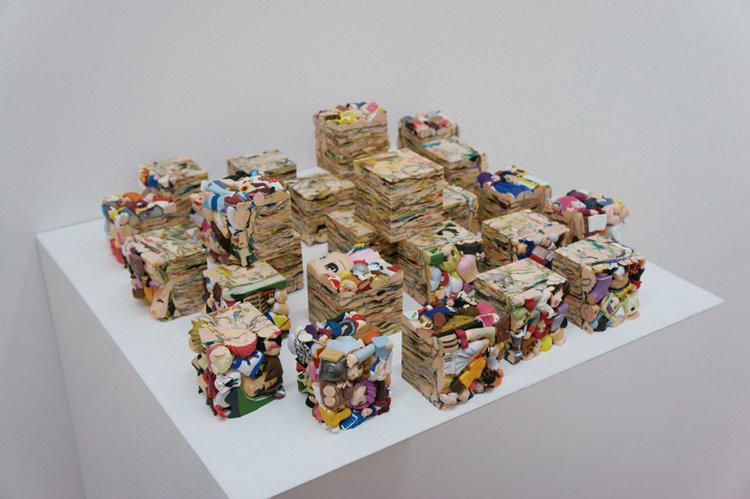
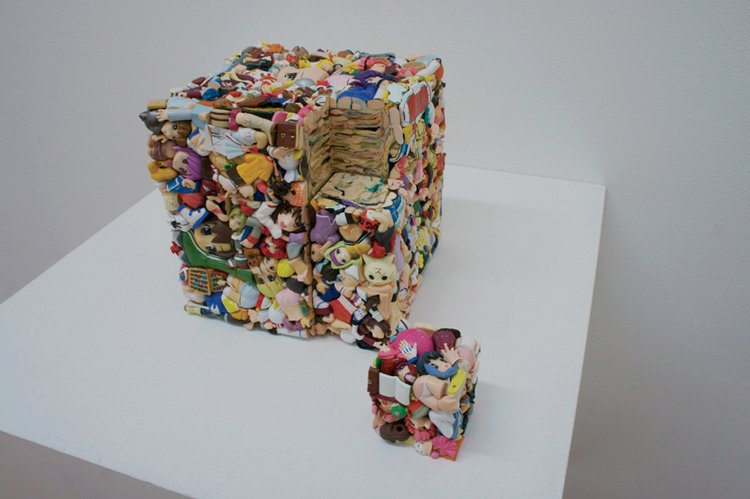
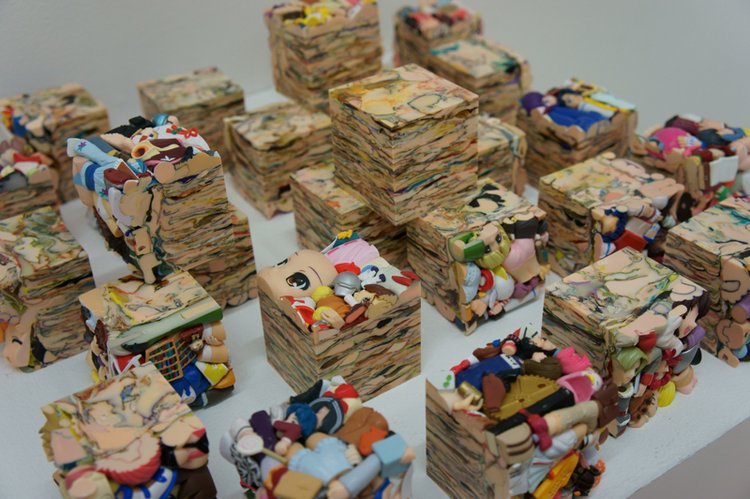
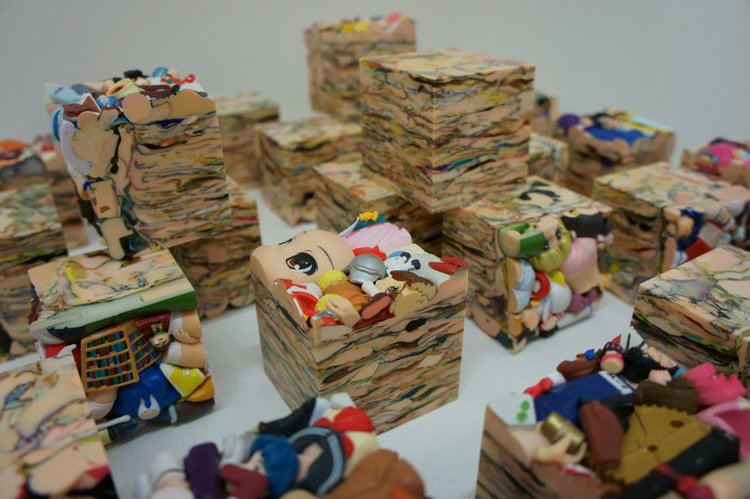
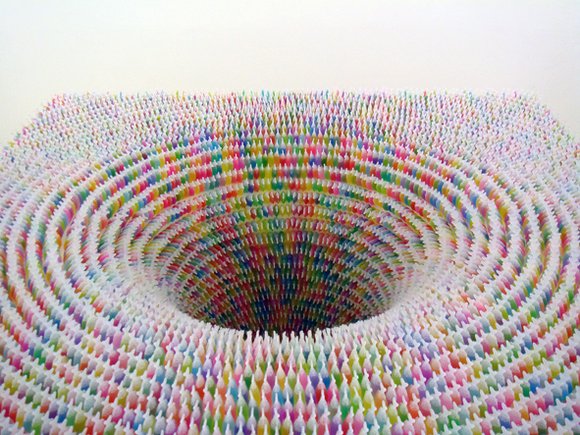
“Consisting of three young artists who generally choose to remain anonymous, three creates whimsical sculptures and space-altering installations using everyday materials such as plastic anime figurines and small, plastic fish-shaped soy sauce containers,” explains Miwako Tezuka. As gallery director for Japan Society in New York, Tezuka has invited three to participate in their inaugural summer residency program “to foster new artistic talents from Japan.”
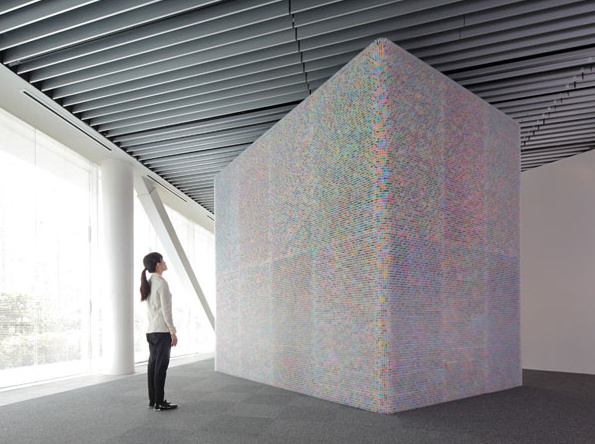
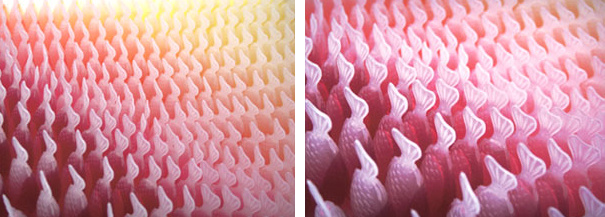
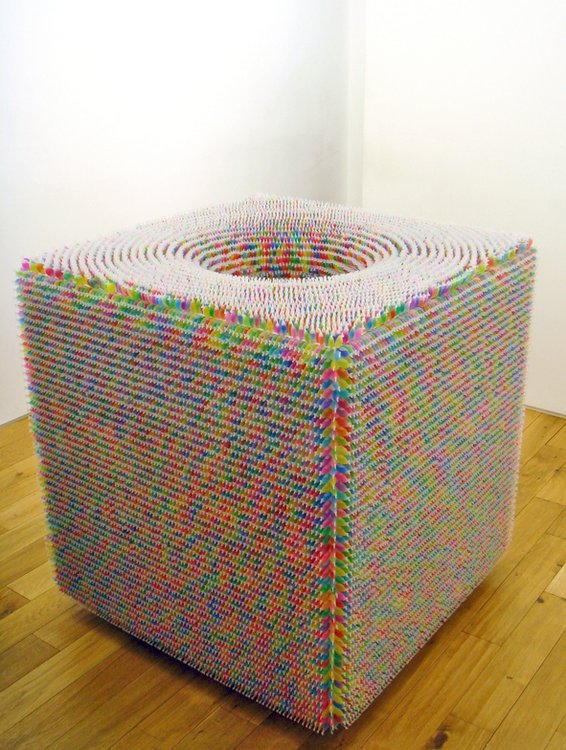
Hailing from Fukushima, the artists were direct victims of the earthquake, tsunami and nuclear fallout. In fact, their latest work “Tokyo Electric” was created for the 2nd anniversary of the earthquake. The imposing cubic structure stands over 3 meters high and is built to the same scale of the Fukushima nuclear power plant, explains the artists. It was made from 151,503 soy sauce containers – another symbolic number that happens to represent the number of displaced citizens.
“Saikoro (27 cubes)” (2012) | images courtesy the artist
Multiplicity is a common element in Three’s work. And their medium of choice – often objects that are cheaply mass-produced – is a reminder of our increasingly inorganic society and the death of the individual. I’m immensely looking forward to seeing what they bring to New York.
“Tokyo Void” (2010) | images courtesy the artist
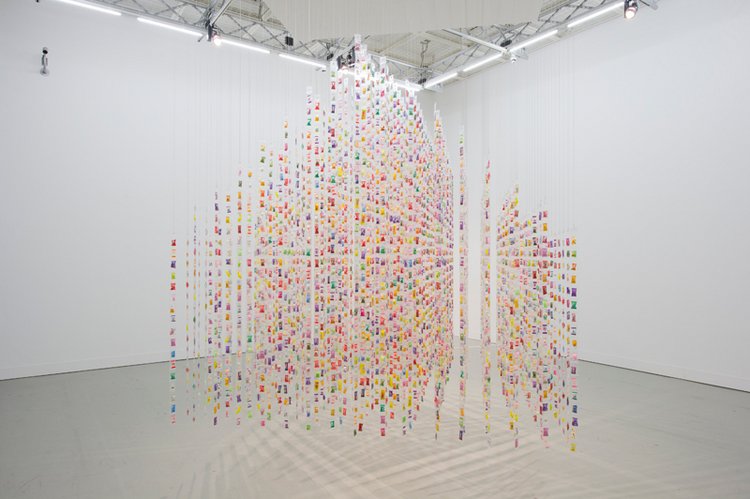
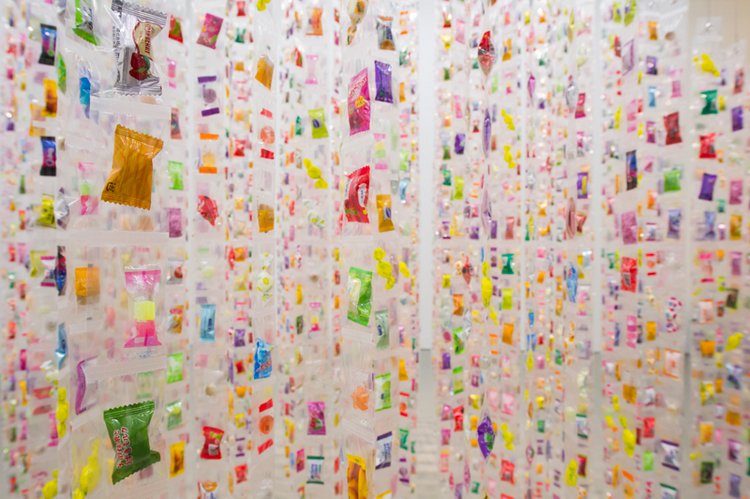
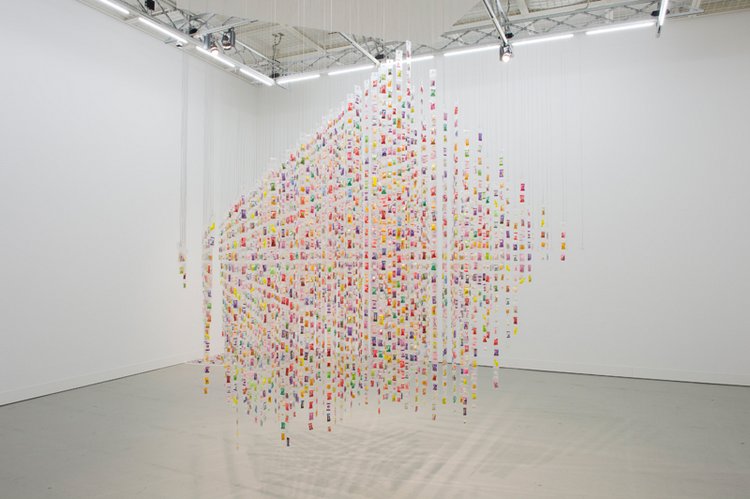
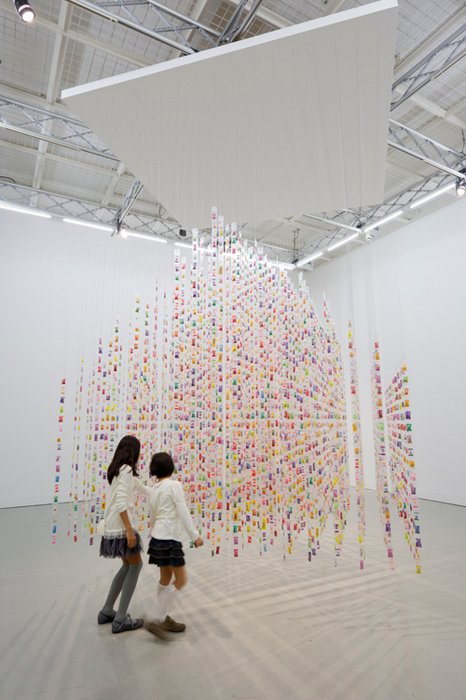
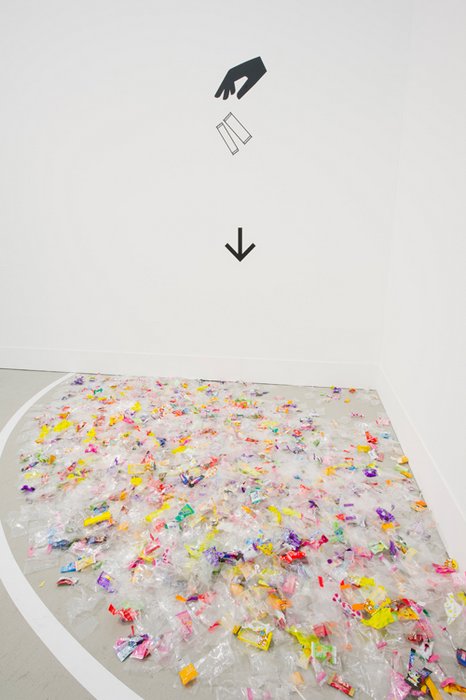
Last January the artists staged an interactive installation at Shiseido Egg Gallery titled “eat me.” Roughly 7000 individually packaged candy was hung from the ceiling in the shape of a house. Visitors were encouraged to eat the candy but dispose of the wrappers in the corner of the gallery. The house eventually disappeared at the hands of the visitors, leaving just a pile of trash.
May 31, 2013 / Johnny / Comments Off on a drawing a day | playful illustrations by Yoriko Youda
365 drawings a year. 1826 drawings in the past 5 years. That’s right: since 2007 Tokyo-based illustrator Yoriko Youda has been creating an illustration every single day. And she uploads them all to her website. Her sensual imagery often incorporates Japanese, Chinese and other Asian motifs, allowing for a contemporary interpretation of traditional craft.
The playful drawings are simple yet brimming with creativity. Here are some of my favorites:
May 30, 2013 / Johnny / Comments Off on Colorless Tsukuru Tazaki and His Years of Pilgrimage | How to prepare for Haruki Murakami’s new novel
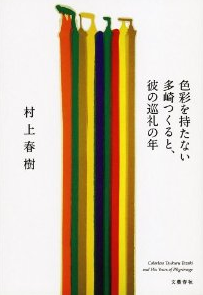
Word has leaked that Haruki Murakami’s trusted translator Philip Gabriel is aiming to finish translating Haruki Murakami’s latest novel by the end of this year. That means that the English version of “Colorless Tsukuru Tazaki and His Years of Pilgrimage” will probably hit bookstores in the first half of 2014on August 12. For those who don’t want to twiddle their thumbs for 8 – 12 more months, take intensive Japanese lessons or reread “Norweigian Wood,” I’ve put together a preparation guide to help you begin to immerse yourself in Murakami’s latest world, ahead of its English release.
If you’re familiar with Murakami you’ll know that his novels are loaded with illusions and references to music, pop culture and literature – everything from Leoš Janáček’s Sinfonietta to John Ford westerns and Raymond Chandler. It’s easy to breeze through his novels without being familiar with these references. But knowing them might possibly create new connections, setting the stage for a deeper reading and enhanced appreciation.
What you’ll find below is not spoilers of any kind. Rather, I’ve put together a collection of music and literature that are all referenced in the Japanese novel (“Shikisai wo Motanai Tazaki Tsukuru to, Kare no Junrei no Toshi”).
Music
Années de pèlerinage (Years of Pilgrimage) is a set of three suites for solo piano by the Hungarian composer Franz Liszt. You’ll want to listen to Le mal du pays (Homesickness) as played by russian pianist Lazar Berman.
“Round Midnight” the 1944 jazz standard by pianist Thelonious Monk. The song is also sometimes called “Round About Midnight”
“Viva Las Vegas,” the 1963 song (not the movie) recorded by Elvis Presley.
“Don’t Be Cruel,” the 1956 song recorded by Elvis Presley.
Literature
The work and key concepts of Georges Bataille – French intellectual and literary figure from the early 1900s.
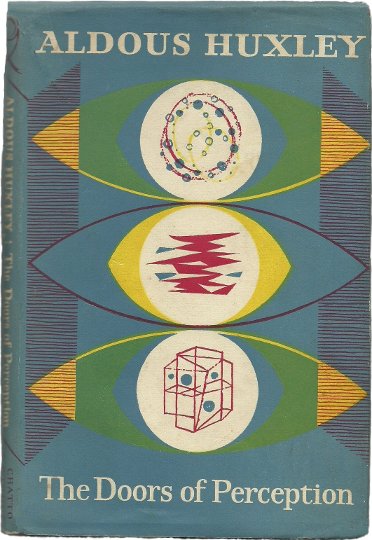
The Doors of Perception – a 1954 book by Aldous Huxley detailing his experiences with the psychedelic drug mescaline (similar to LSD).
The Lost World – a 1912 novel by Conan Doyle. The plot involves an expedition to a plateau in the Amazon basin of South America where prehistoric animals roam freely. The title was reused by Michael Crichton in his 1995 novel The Lost World, a sequel to Jurassic Park.
Quotes
“Ideas are like beards; men do not have them until they grow up.” – Voltaire
“Kitchen staff instinctively hate dining-room staff and all of them hate the customer.” – Arnold Wesker.
BONUS
If you want to knock yourself out you can familiarize yourself with the British dramatist’s play The Kitchen (1957).
all images courtesy kazuki yamamoto | click to enlarge
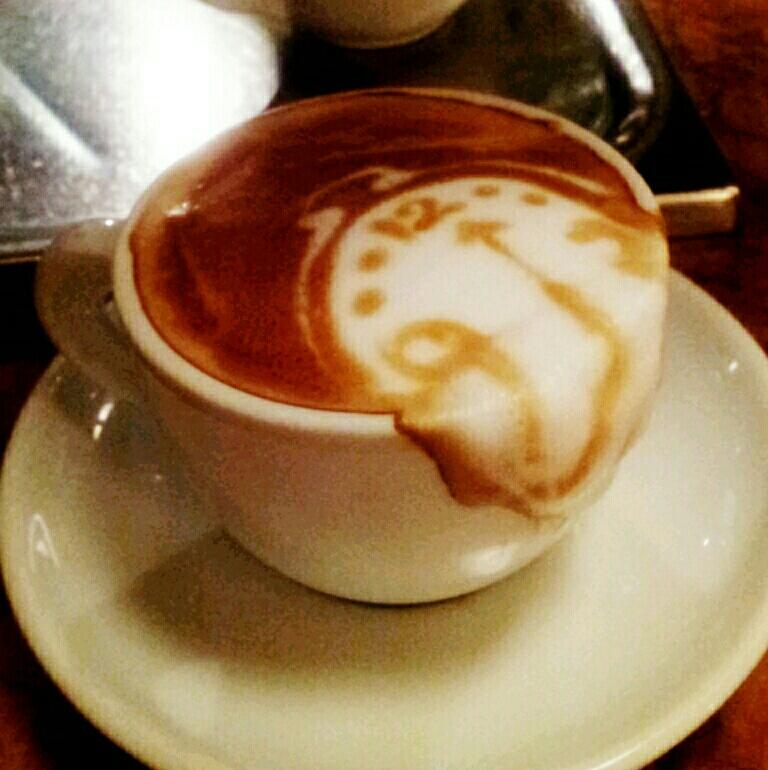
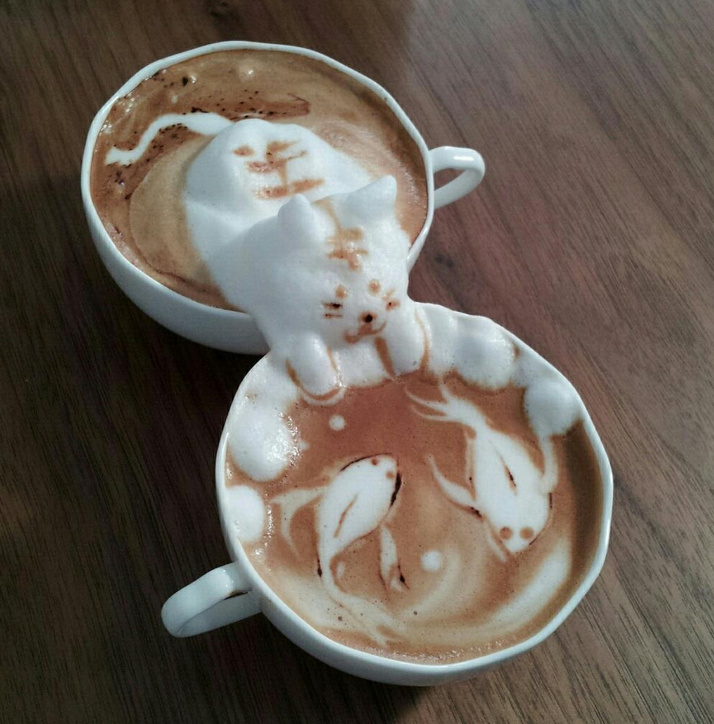
Latte art – the method of using steamed milk foam to “draw” and create designs over coffee – arguably first developed in Italy in the early 1990s, if not earlier. But with advancements in microfoam, which has enabled a stiffer, more permeable foam, latte art has advanced into the realm of 3D. And Osaka-based Kazuki Yamamoto is being called the chief pioneer of the art, dazzling audiences with cute, realistic recreations of their favorite characters, which include Snoopy, Totoro, and Jack Skellington, as well as more generic yet equally awe-inspiring generic animals like cats and giraffes.
One of my personal favorites has been a melting clock from Salvador Dali’s “The Persistence of Memory.”
Over on his twitter account Yamamoto has amassed more than 100K followers by posting “daily leisurely cappuccino” pictures of new pieces. One day he wants to open his own store. But for now those wanting to actually sample his three-dimensional coffee art will have to check his blog regularly, where he posts locations that he’ll be temporarily making coffee at.
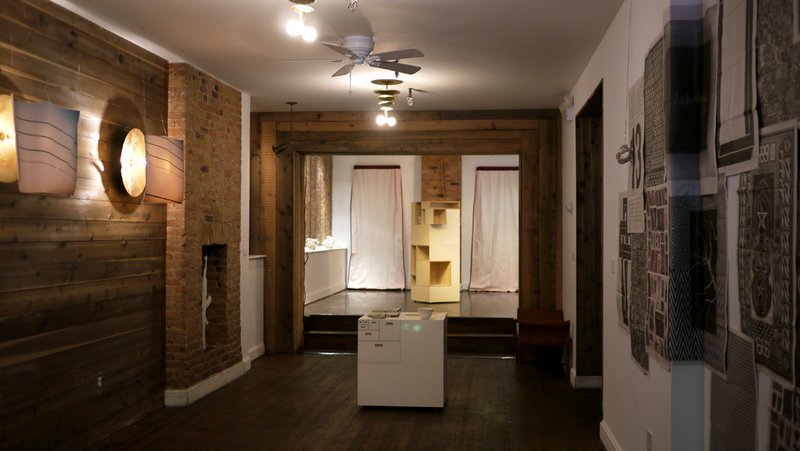
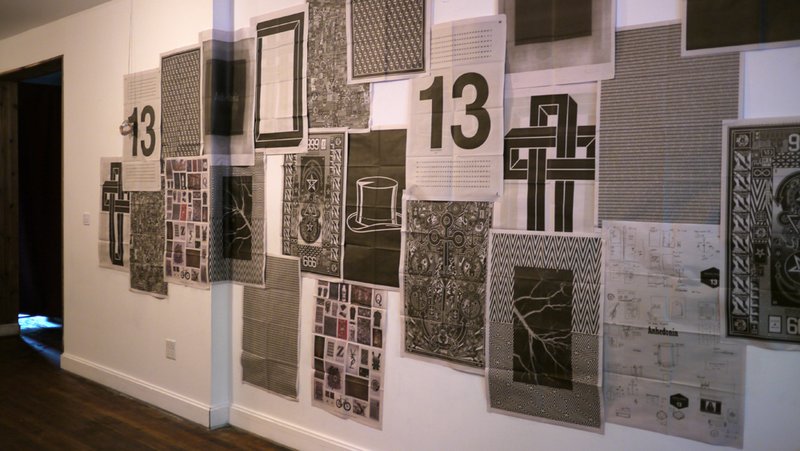
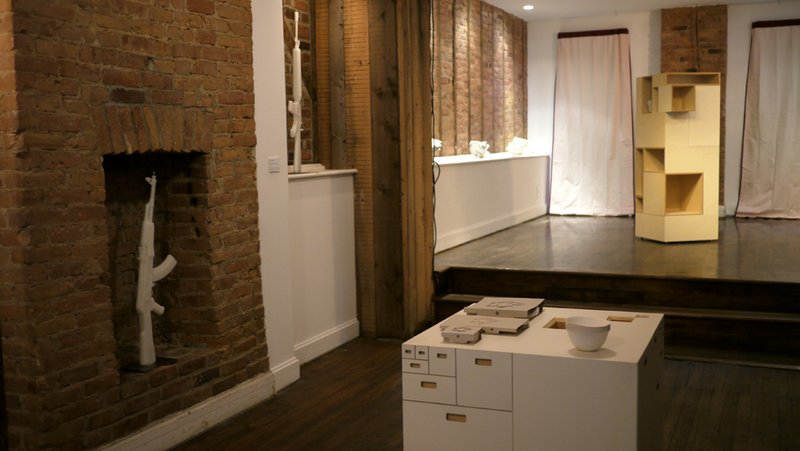
Here are some photos from the opening reception. I’ve posted more photos on our event page if you’re interested. And many thanks to Hyperallergic for the nice write-up!
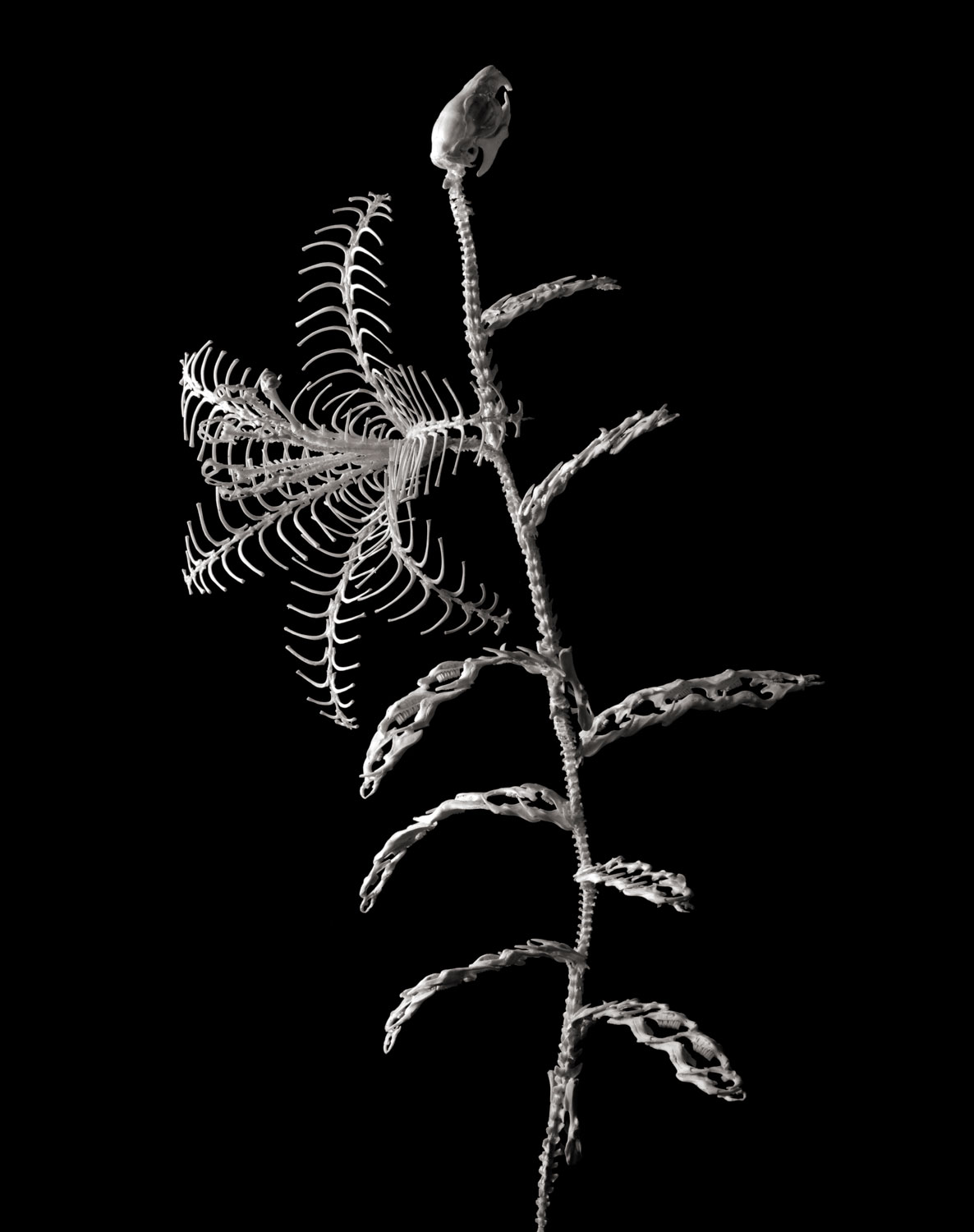
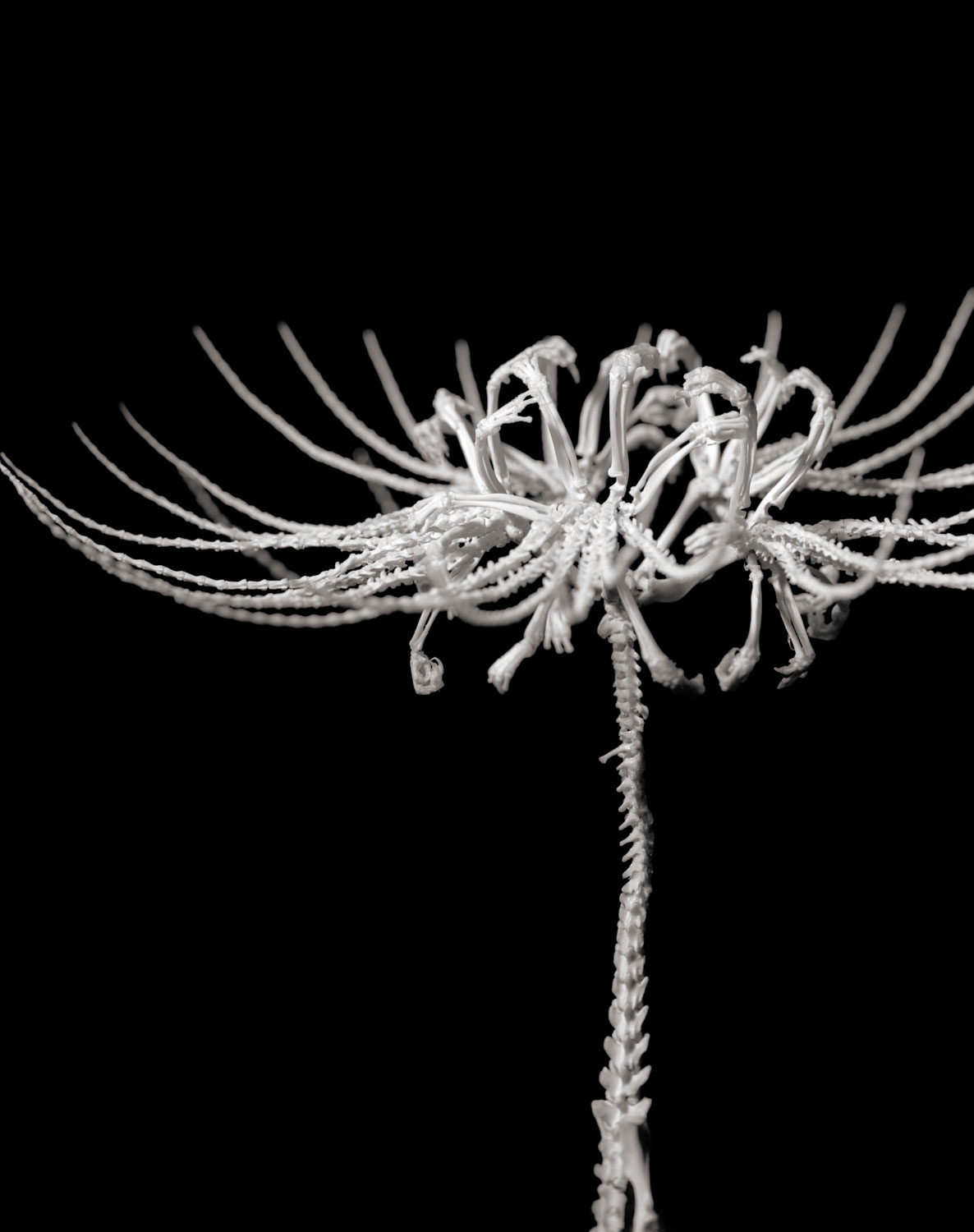
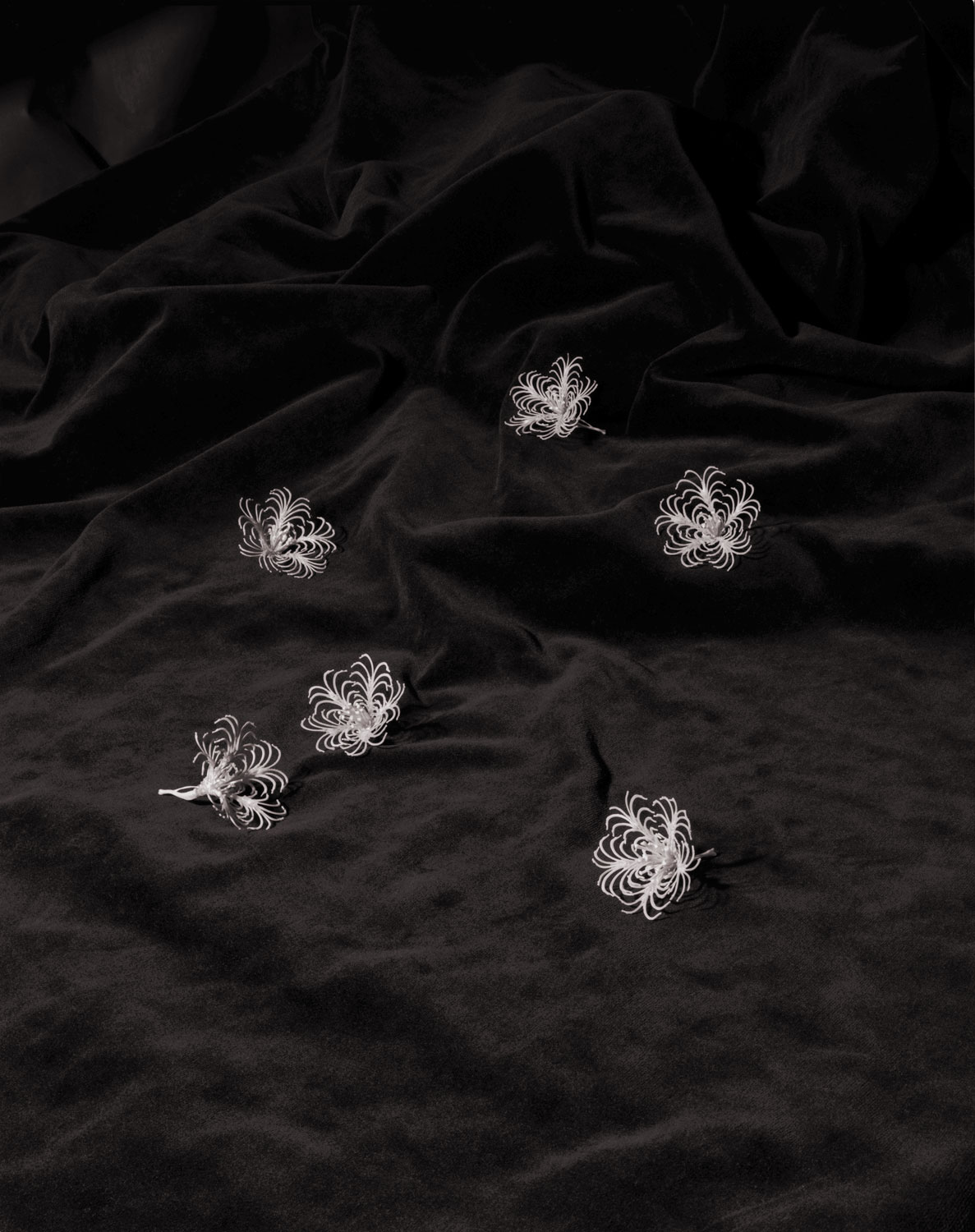
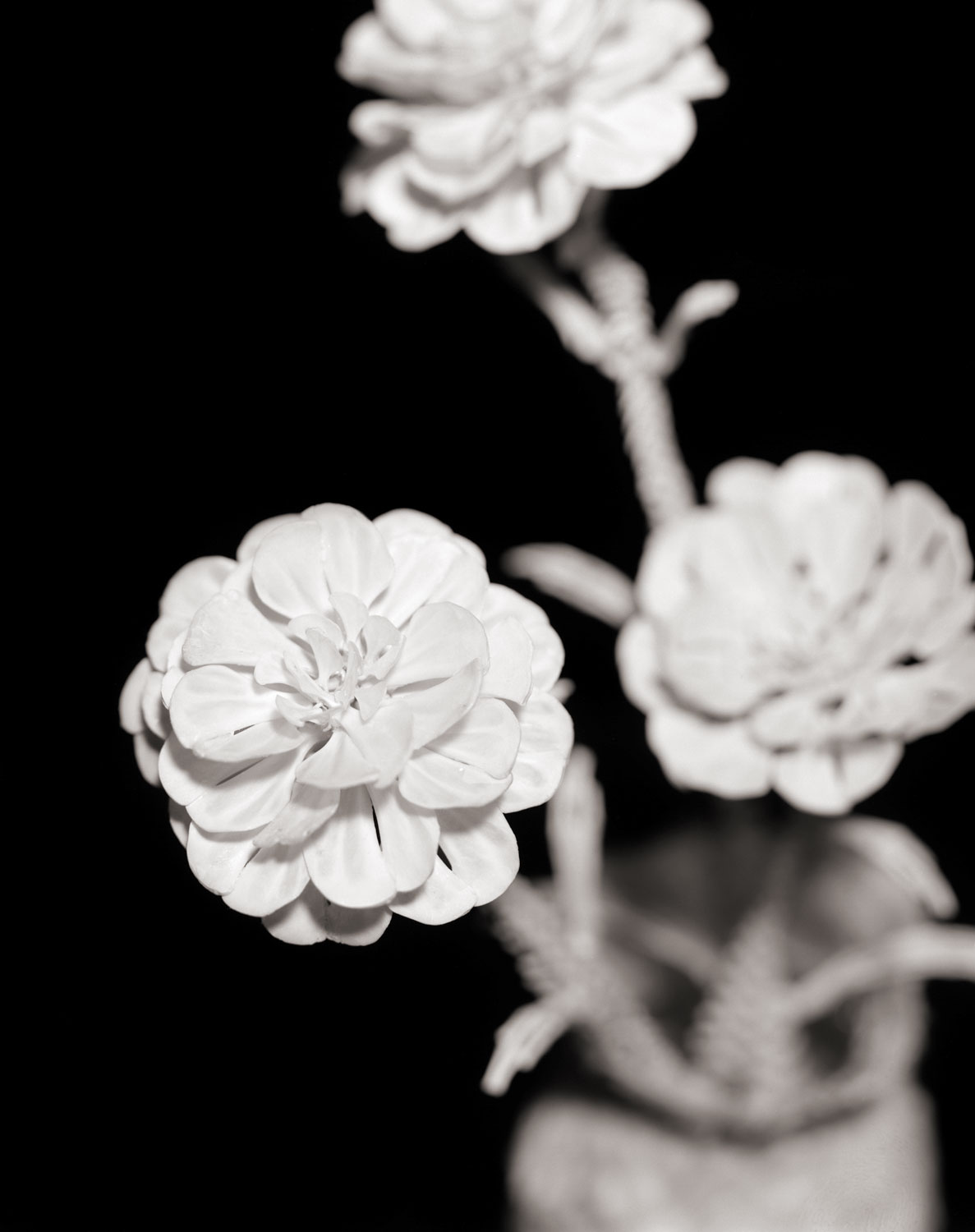
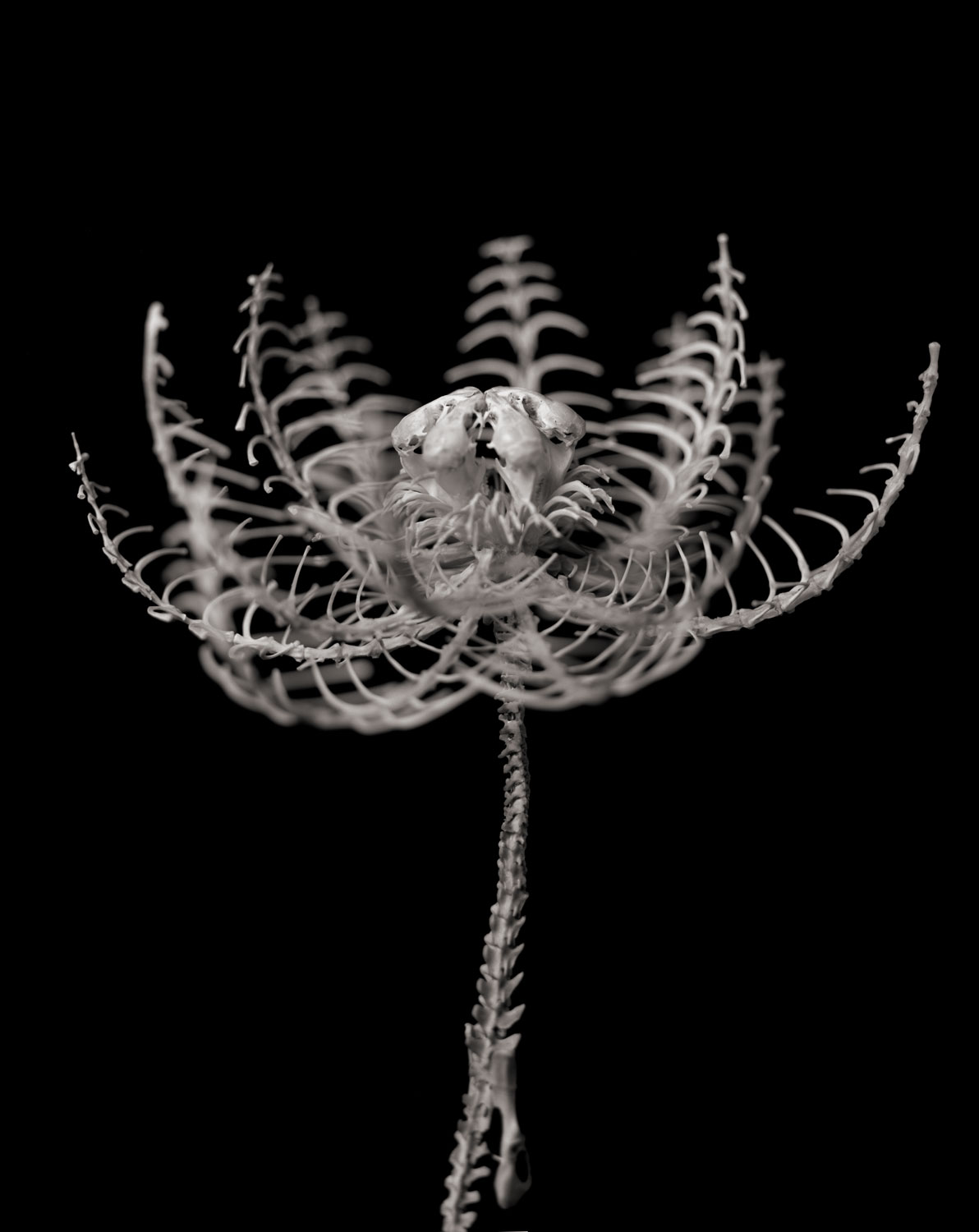
May 29, 2013 / Johnny / Comments Off on Hanabone | flowers made from animal bones and skin by Hideki Tokushige
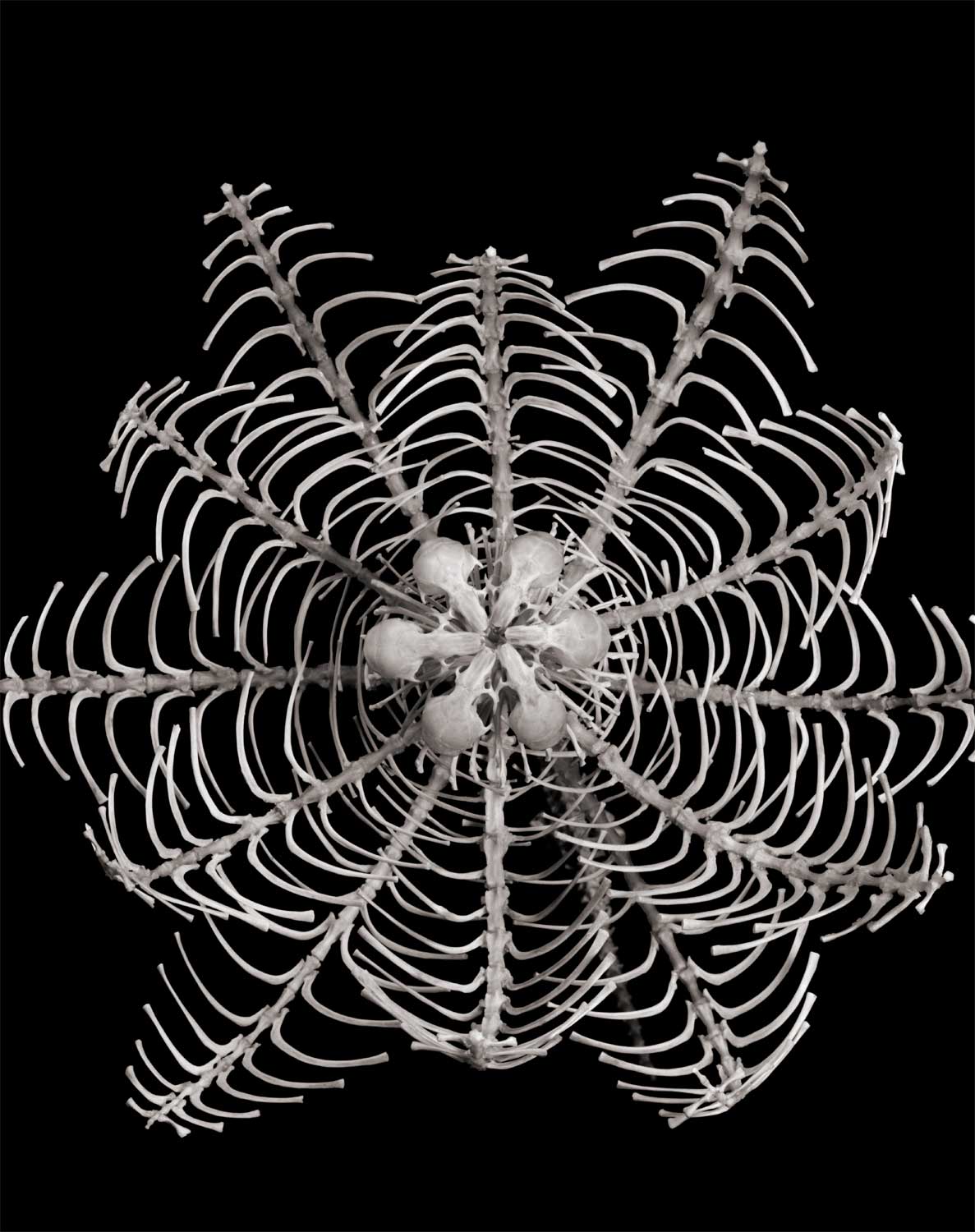
One day on his way home, Hideki Tokushige found a dead raccoon lying on his street. Contrary to what most of us would do – avoid it like the plague – he picked it up, took it home and removed its bones. This, says Tokushige, an artist originally trained in photography, was how he began creating floral sculptures using dead animal bones and skin.
“We’ve been creating paintings and sculptures for over 70,000 years and our relationship to bones is just as old,” explains Tokushige. “Everything around us – clothes, nuclear power plants, internet – can be traced back to the structure of bones.” Tokushige began to take an interest in our inherent connection to bones, but also the relationship between death and flowers, which has an equally long history of being associated with one another. When Neanderthal bones were excavated scientists discovered traces of pollen around the bones, indicating that even back then flowers were used to celebrate the deceased. “We don’t come in contact with bones anymore,” says Tokushige. “And yet we all will one day become bones and return to the earth. Perhaps by returning to a fundamental state of mind and contemplating bones we can learn something about ourselves.”
After photographing his sculptures Tokushige returns the bones to the earth.