Page 225 of 406

3D Paper Scenes by Shogo Kisara

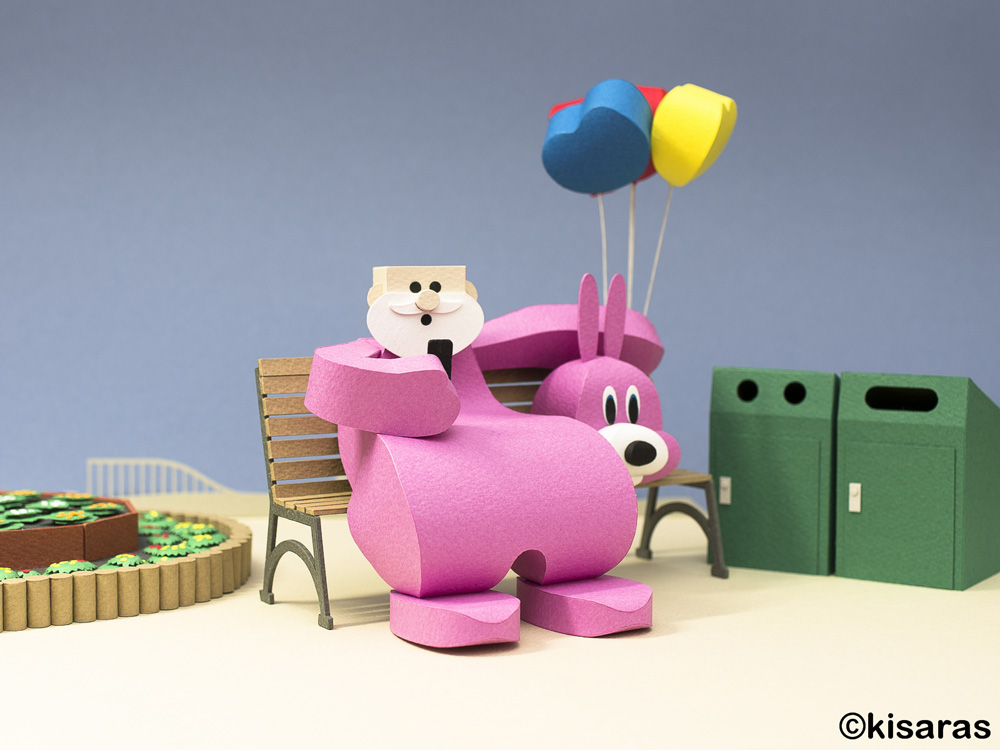
kisara shogo (4)“In Park 2” | photos courtesy shogo kisara

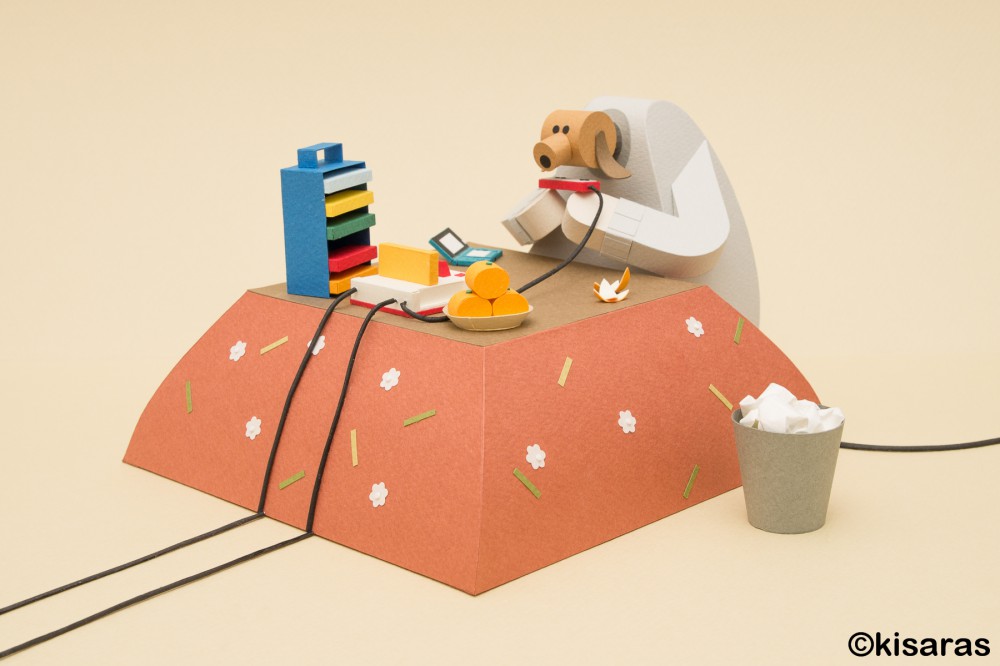
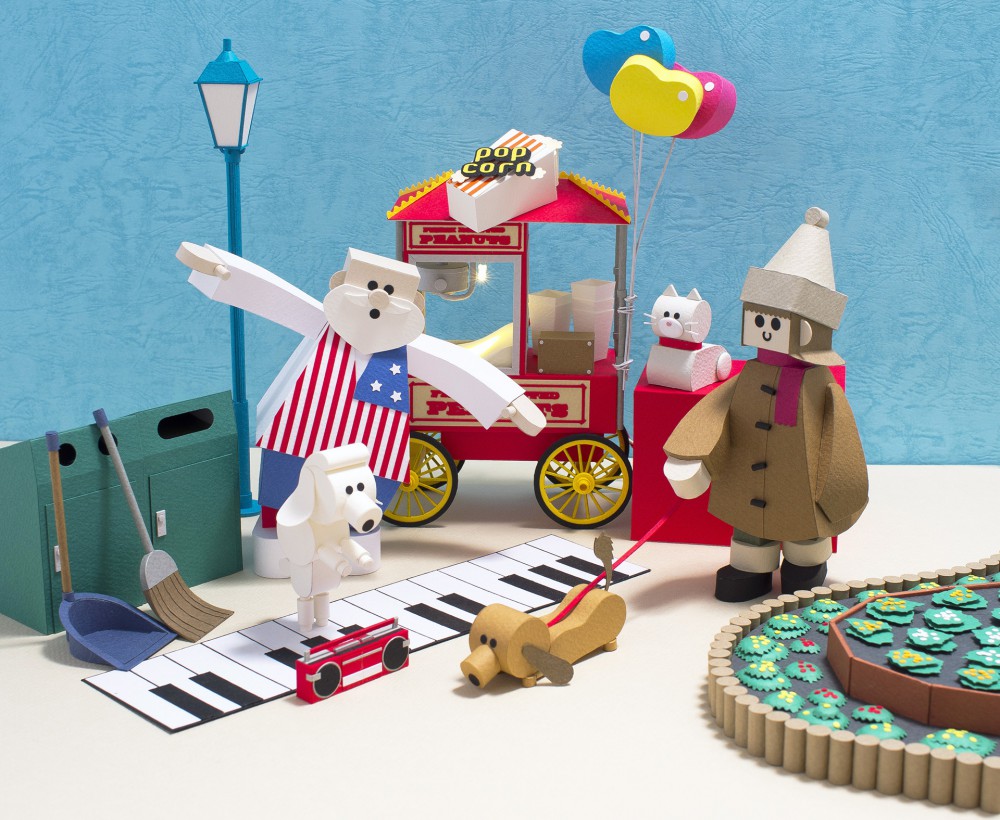
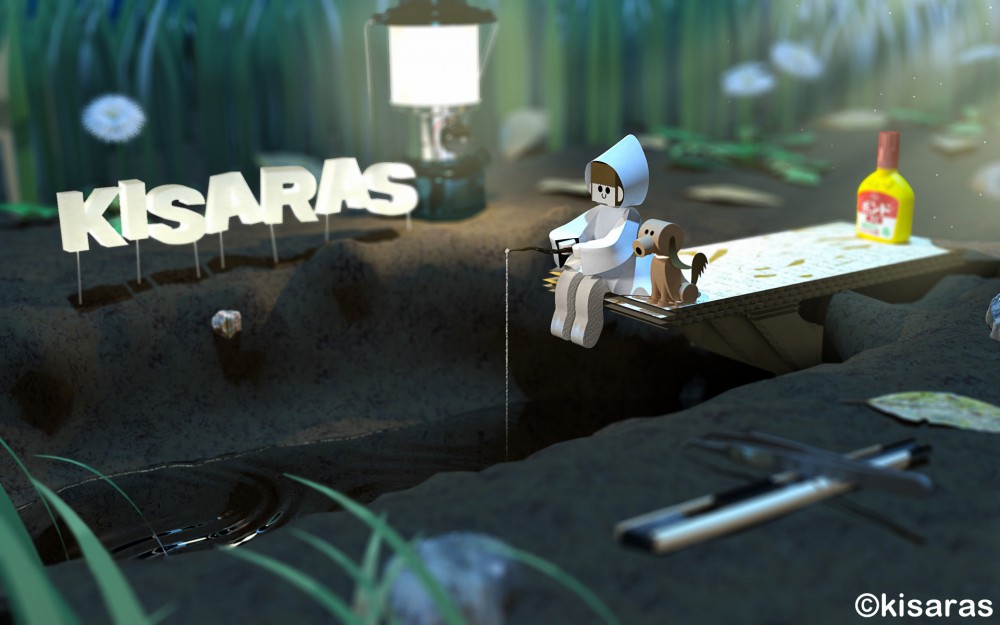
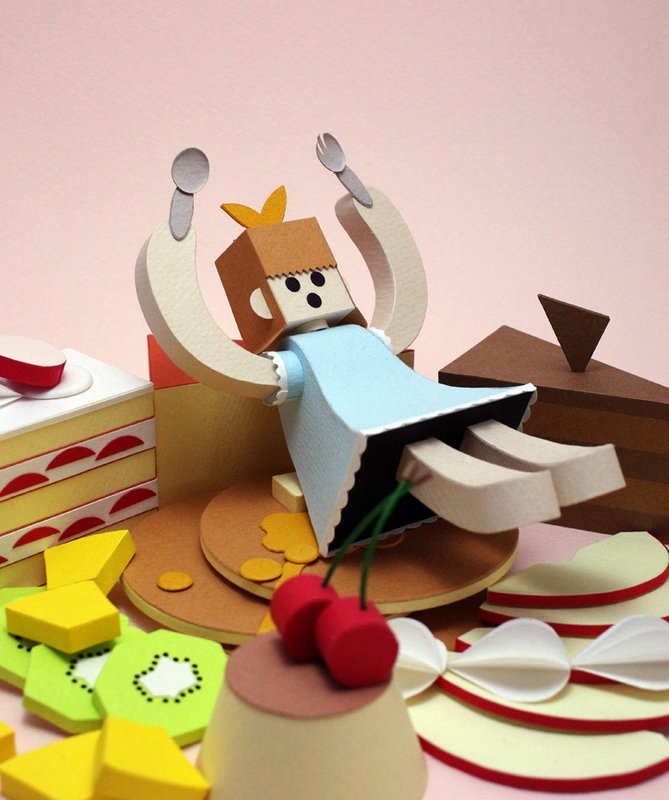
Twenty six-year old paper craft artist Shogo Kisara creates three-dimensional scenes using only paper. Unlike German artist Thomas Demand, who recreates real scenes but with obscured details, Shogo’s scenes are entirely fictional. The colorful, pop-scenes often feature animals and have a humorous or somewhat nostalgic touch to them.

Inspired by the toy paper craft kits often included in kids magazines, Shogo took an interest in paper at a young age. But it wasn’t until 2010 that he got serious, and began constructing elaborate scenes.

kisara shogo (1)“Helping Hands”

kisara shogo (3)“In Park”

kisara shogo (2)“fishing”

kisaras_l“desert and a girl”

Source: takeo paper

Household Ceramics by Michiko Shimada

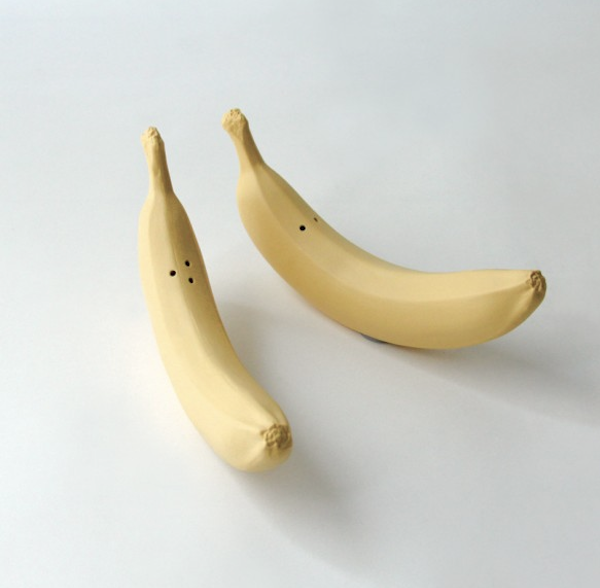
Banana S & P

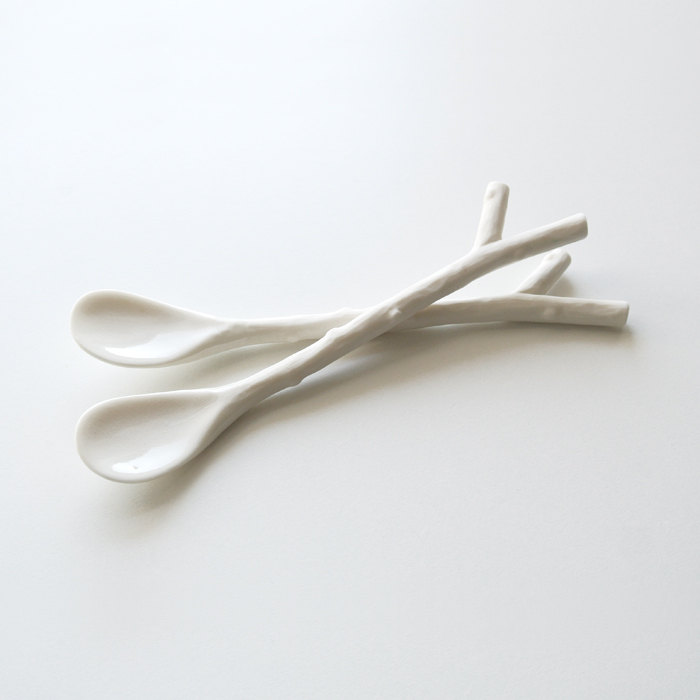
These whimsical, yet simple and sometimes so realistic ceramics are created by Michiko Shimada. Michiko is a Japanese ceramics and product designer who studied at Parsons and established a small ceramics studio in Brooklyn. She takes inspiration from shapes and forms around our everyday life to create household items used in daily life.

Twig Spoon

Porcelain Twig Spoons

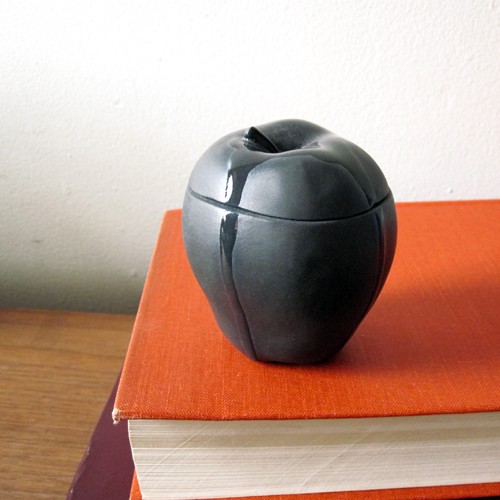
Poison Apple Trinket Box (also available in white & gold!)

Poison Apple Trinket Box (also available in white & gold!)

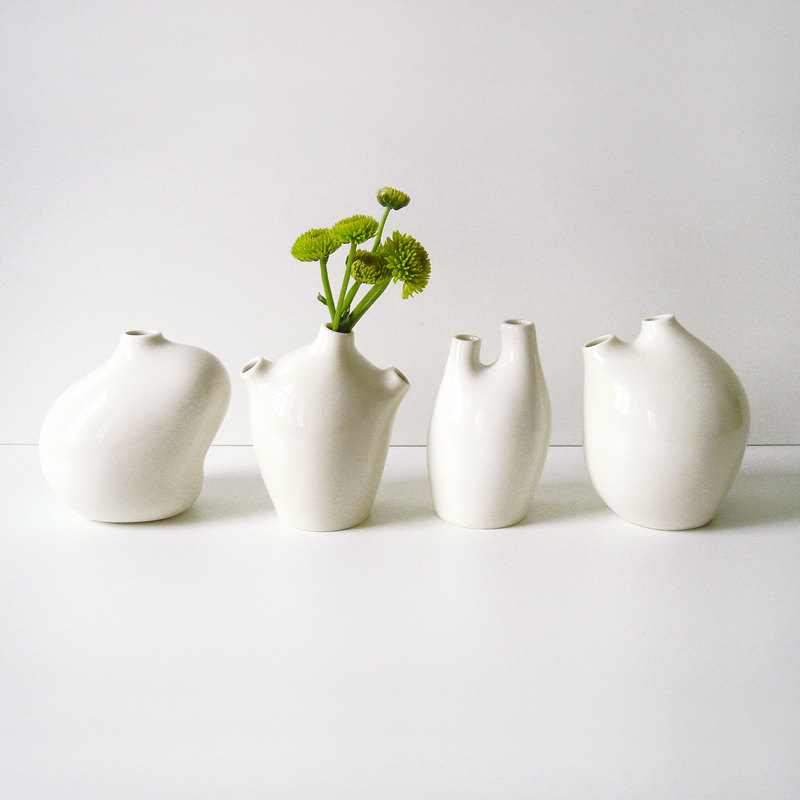
Vita Vase

Vita Vase

Products by Michiko Shimada are currently available through her Esty store, Still House among other online retailers.

 Photos courtesy: Still House, Michiko Shimada

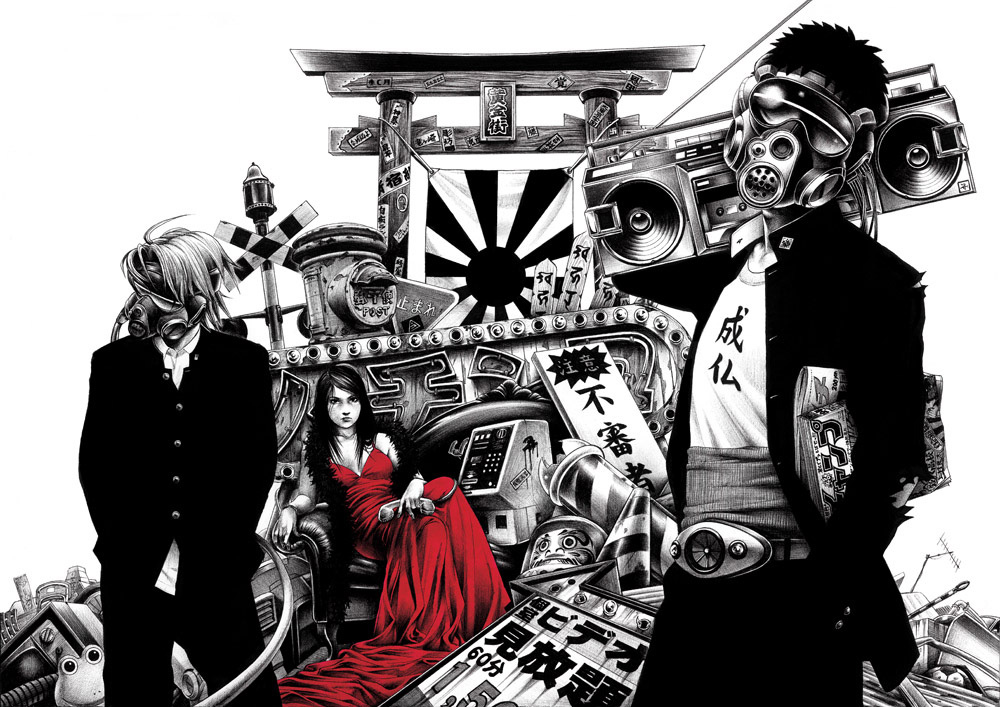
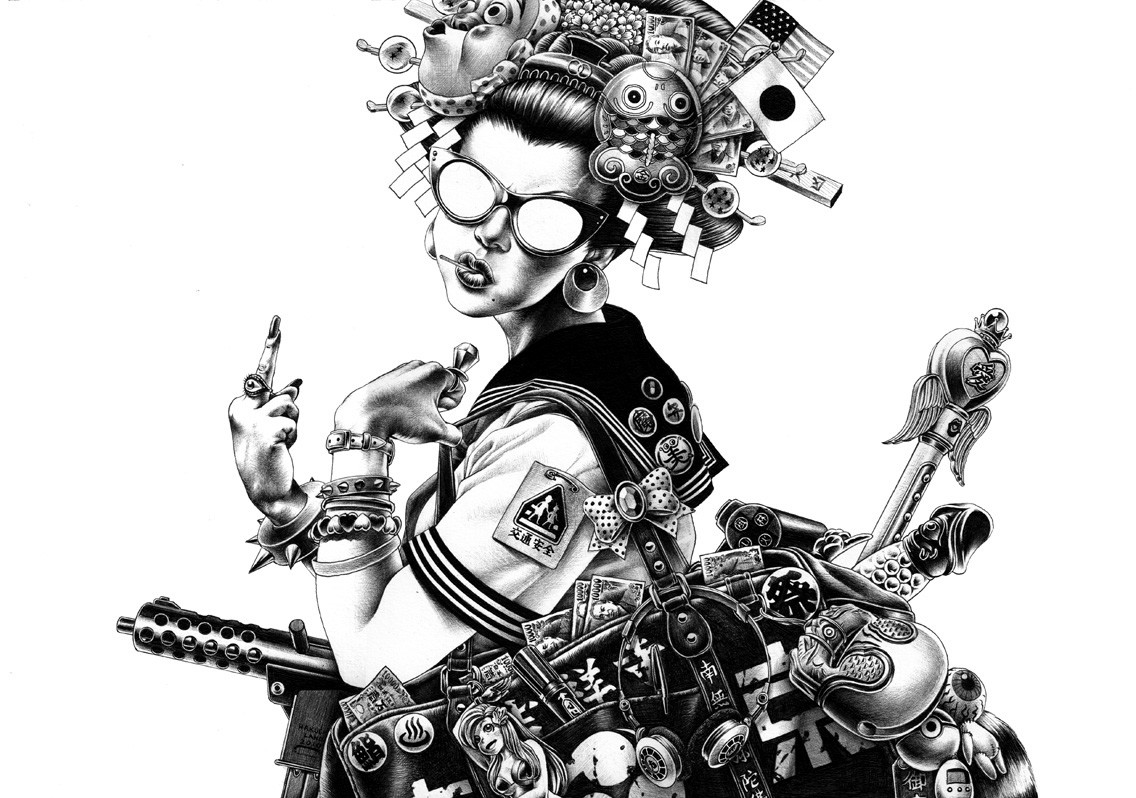
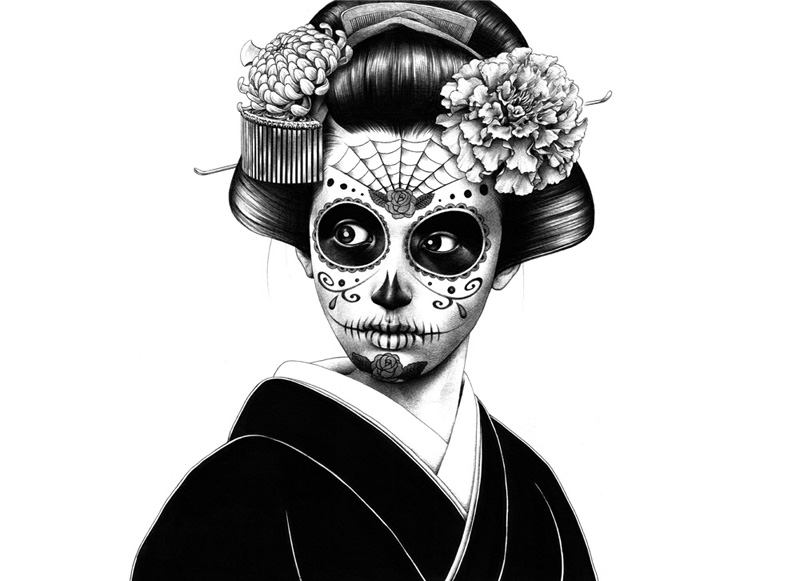
Ballpoint Pen Drawings by Shohei Otomo

shohei ballpoint pen drawings (1)

shohei ballpoint pen drawings (1)

shohei ballpoint pen drawings (5)

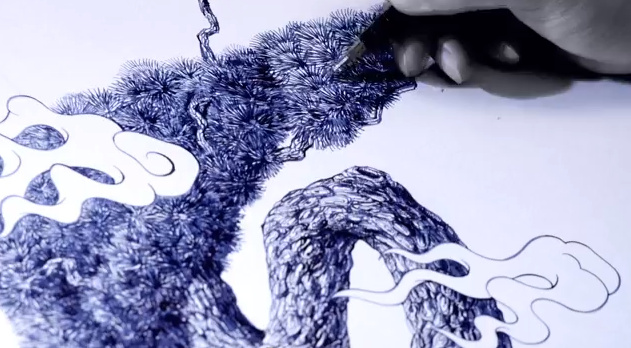
Katsuhiro Otomo is a world-renown manga artist best known as the creator of Akira. But did you know that he has a son who is also an amazing artist in his own right? Shohei, as he simply calls himself (perhaps to escape from the hegemony of the Otomo name), creates dauntingly dense and bold illustrations using just 1 tool – a ball point pen. Having started out doodling by pencil, Shohei eventually migrated to ballpoint pen. “I realized that ballpoints are cheap, so I’ve been using them for a while now. I also like drawing bit by bit, and ballpoints are perfect for that.”

Shohei often depicts furyo, or Japanese delinquents. “Their style is so uniquely Japanese,” he explains. “Japanese people can do the “uncool” thing really well. We have the originality of an insular country.”

shohei ballpoint pen drawings (4)

shohei ballpoint pen drawings (3)

shohei ballpoint pen drawings (2)

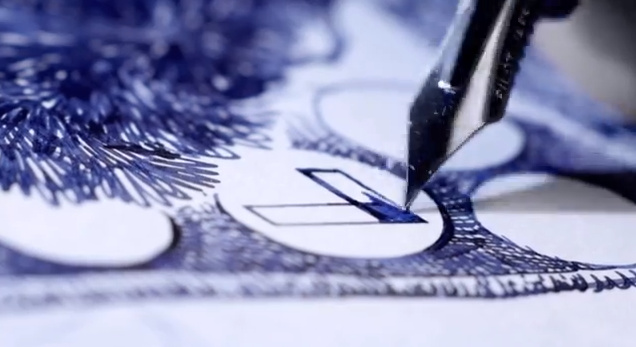
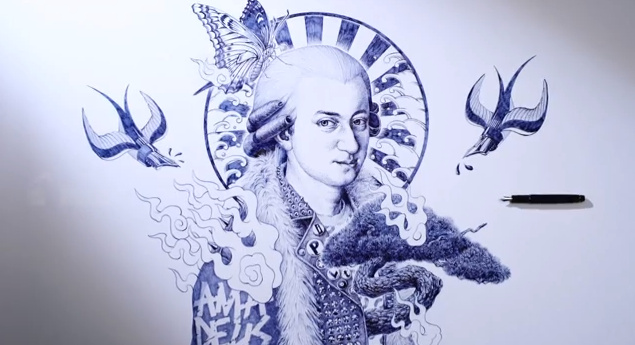
If you want to see Shohei in action, check out the latest tie-up he did with Pilot, the Japanese stationary company, creating an portrait of epic proportions using only their Justus fountain pen.

source: vice interview | hakuchi

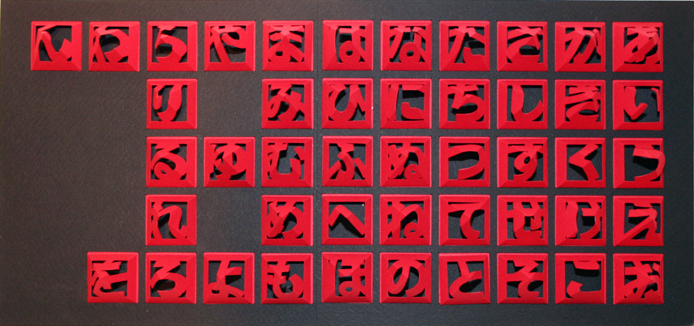
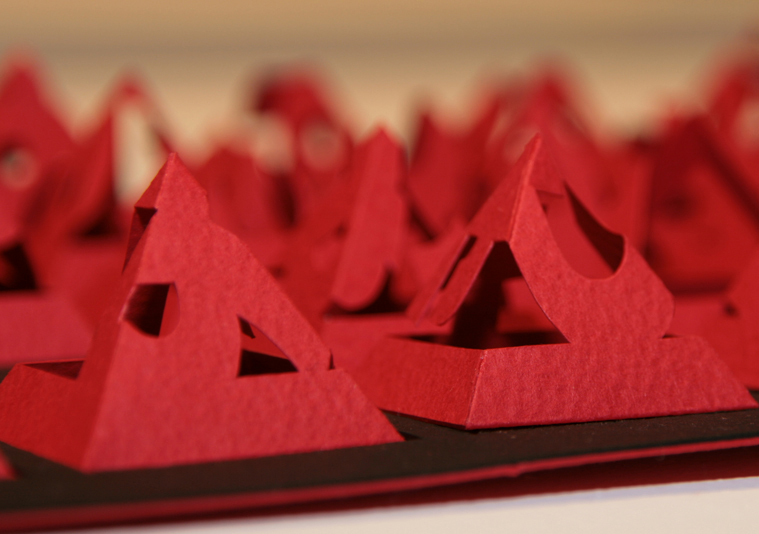
Conic hiragana series made from paper by Makoto Sasao

togari_1_l

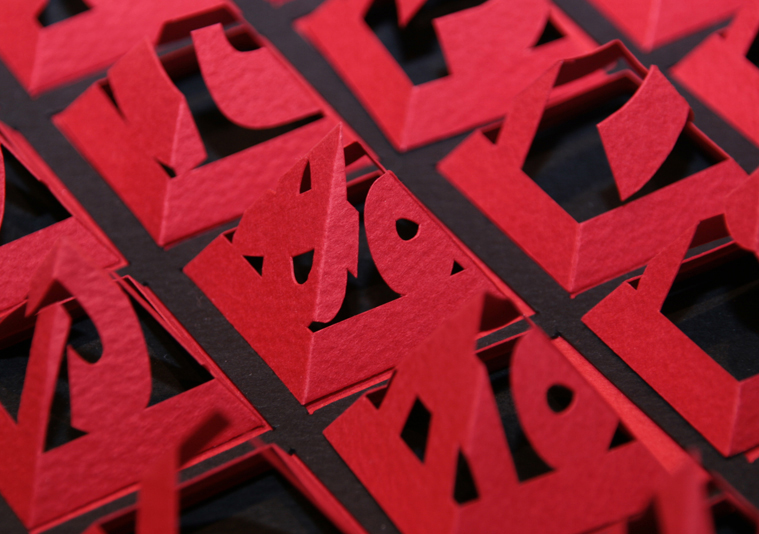
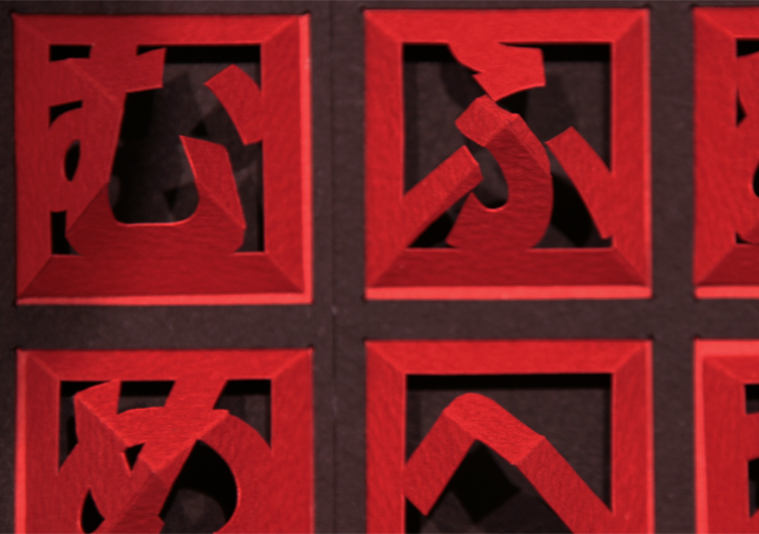
Each year since 1990 Takeo Paper, a major Japanese paper manufacturer, has hosted a paper art exhibition to select awesomeness in paper. The most recent winner was paper craft artist Makoto Sasao, who wowed the judges with his prize winning entry titled “Togari Hiragana.” Meaning pointed hiragana, Sasao used a single piece of paper to create a 3D representation of each hiragana character that stands up in the shape of a pyramid or cone.

When viewed from the side the objects merely look like paper cut-outs. But when the vantage point is shifted to a birds-eye view, the characters are revealed. “I wanted to create a code,” Sasao said in an interview. “A secret code that looks like nothing but when you follow specific instructions the message is revealed.”

togari_3_l

togari_2_l

Check out other cool ways people have reinterpreted hiragana.

togari_4_l

source: takeo paper

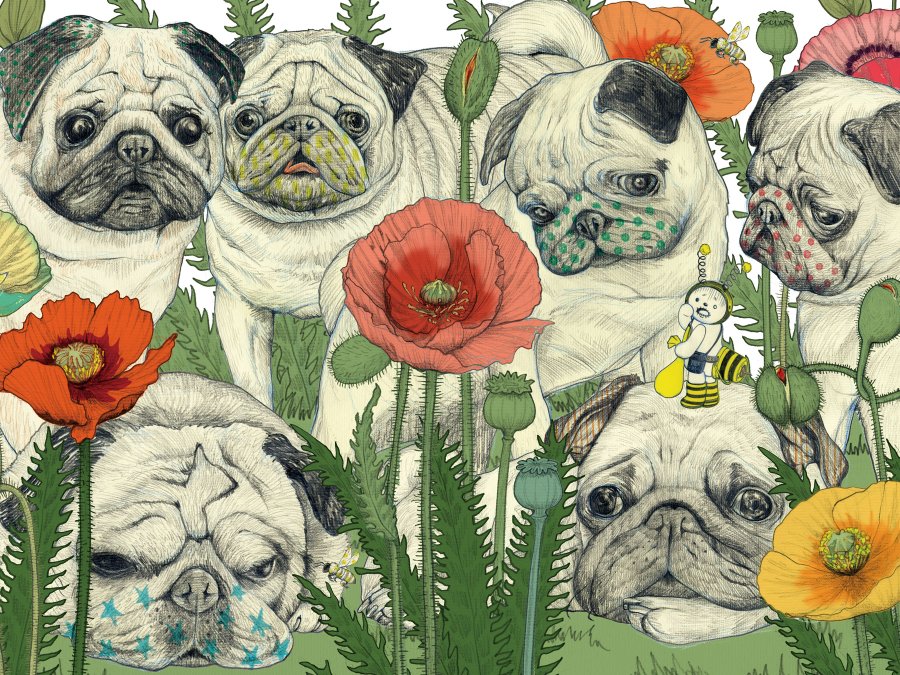
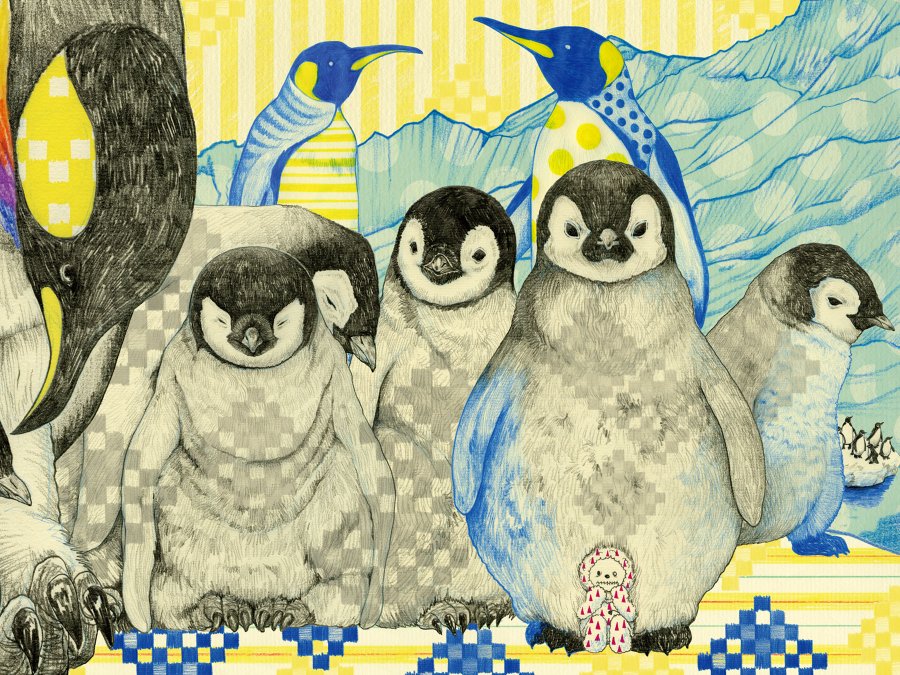
Fine Art and Manga Collide in the quirky colorful world of D[diː]

D[di]_main
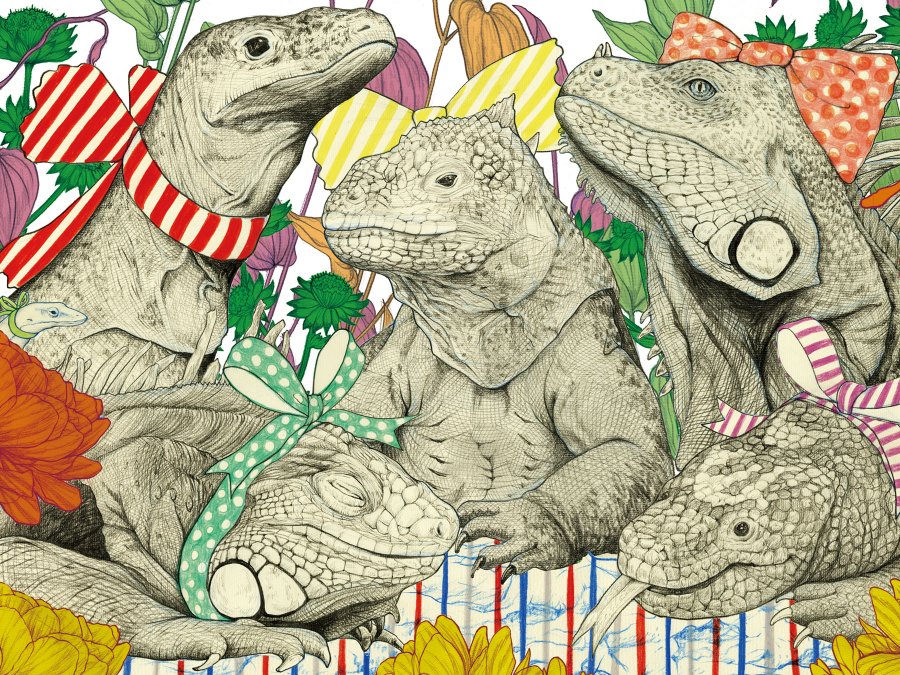
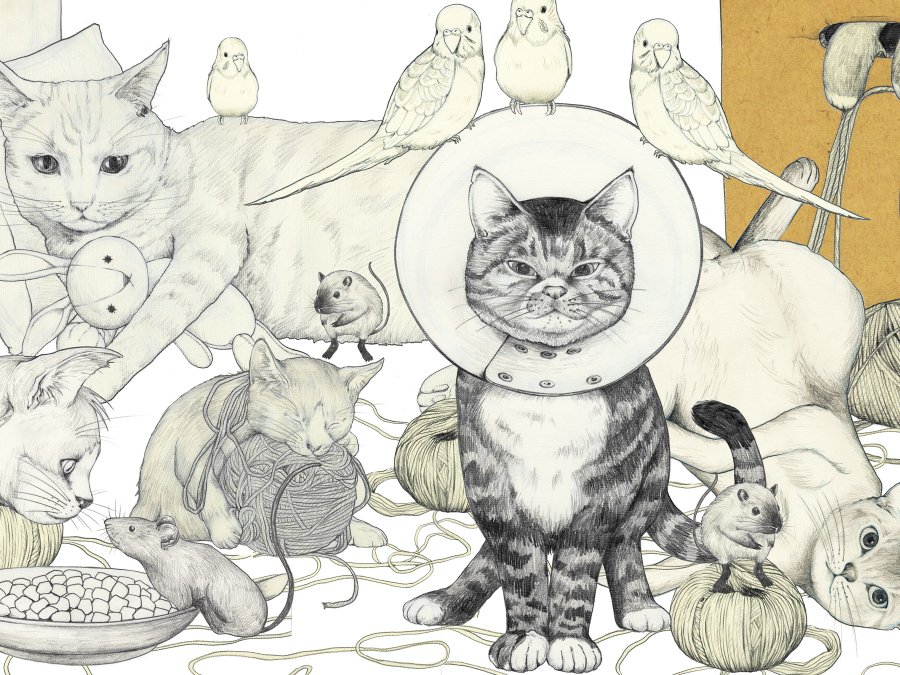
If you’ve been in Tokyo over the last couple years there’s a good chance you’ve encountered the artwork of young, enigmatic illustrator D[diː]. Pronounced simply as you would say the letter D, the female artist chooses to use a pen name because she prefers that her sex, race and age not factor into the way people view her work. However, it’s worth noting that a simple google search reveals almost everything that was intended as obscure.

garelly_animal_101

D[diː] has admitted that she has been a fan of Hayao Miyazaki classics like Laputa and Naussica, and has attributed her interest in art to Studio Ghibli. She began creating manga-style characters in the medium of tempera. Having dropped out from the prestigious Tama Art University, D[diː] went on to create fantastical, colorful prints that are both sweet but also somewhat cynical. Her motifs almost always include animals, or small dolls, which she has explained is an influence from her childhood days when she would talk to her stuffed animals or imaginary friends. But her fantasy friends are now very much real, gracing the covers of everything from iPhones and CD jackets to elevators, t-shirts and bags.

garelly_animal_111

garelly_animal_171

garelly_animal_131

garelly_animal_061

Light Valley by Bunzo Ogawa

lvalley07

lvalley05

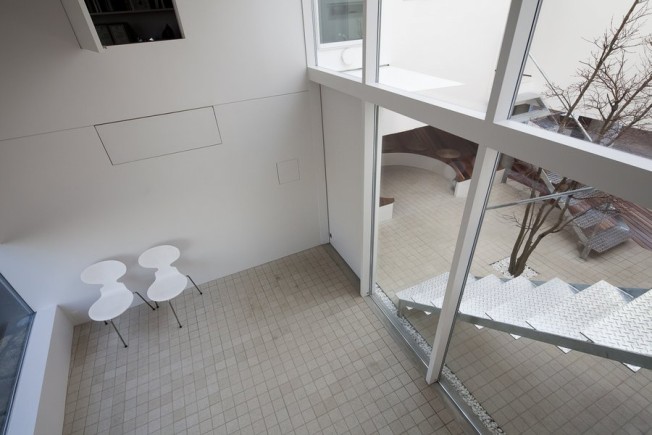
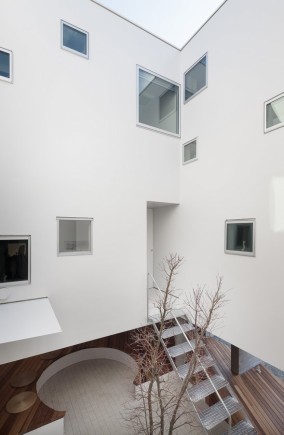
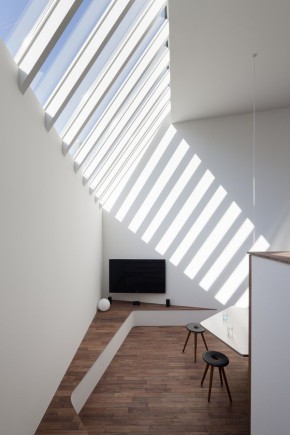
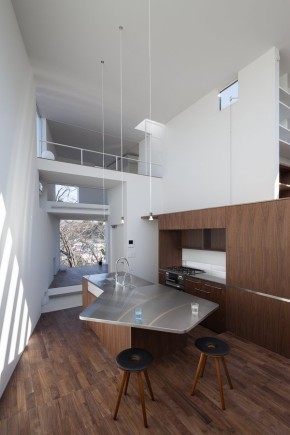
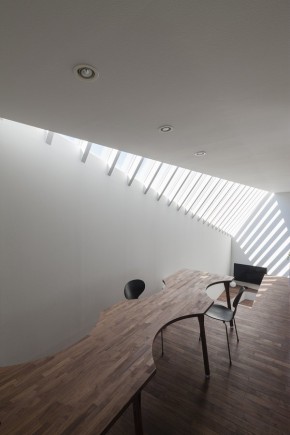
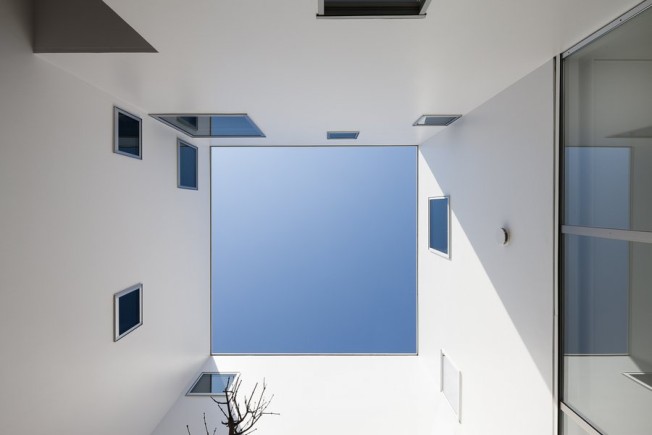
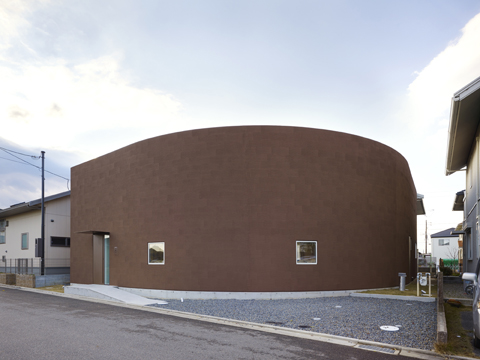
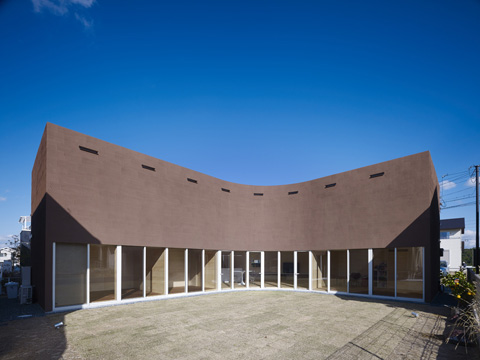
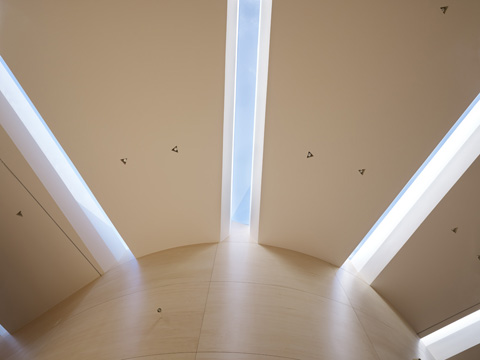
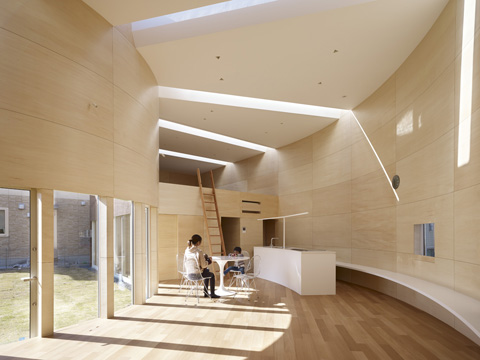
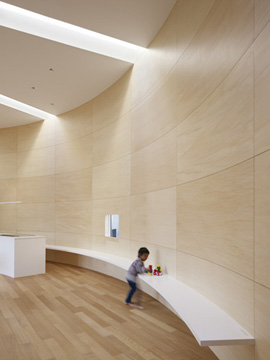
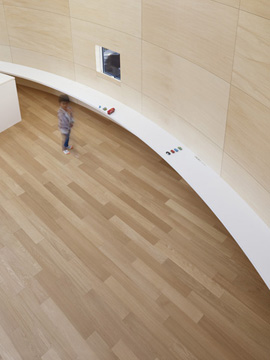
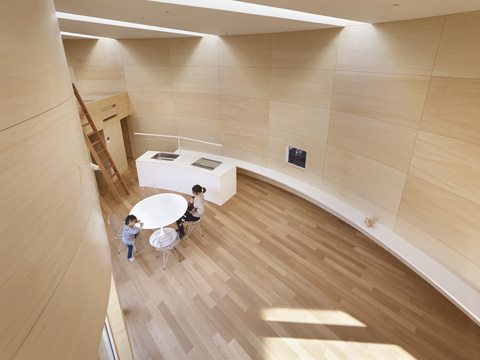
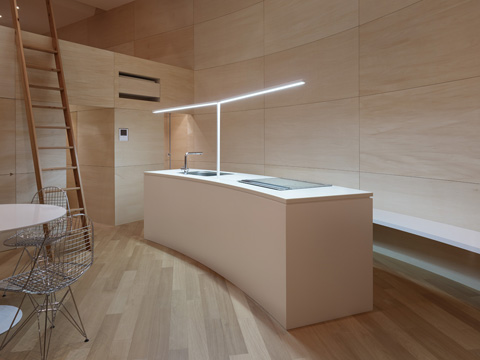
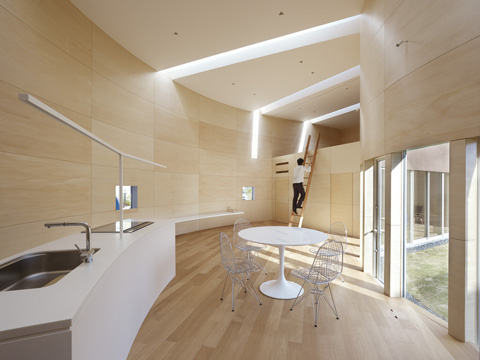
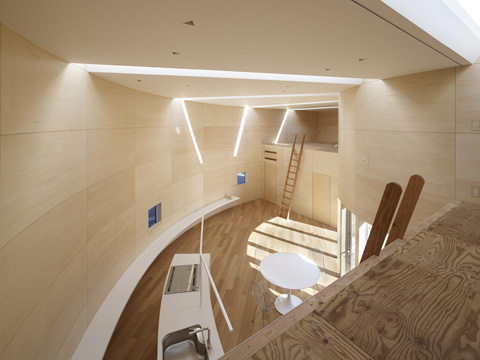
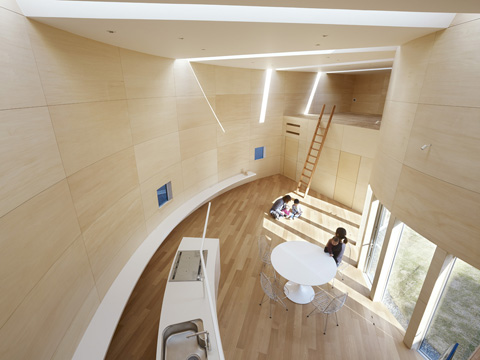
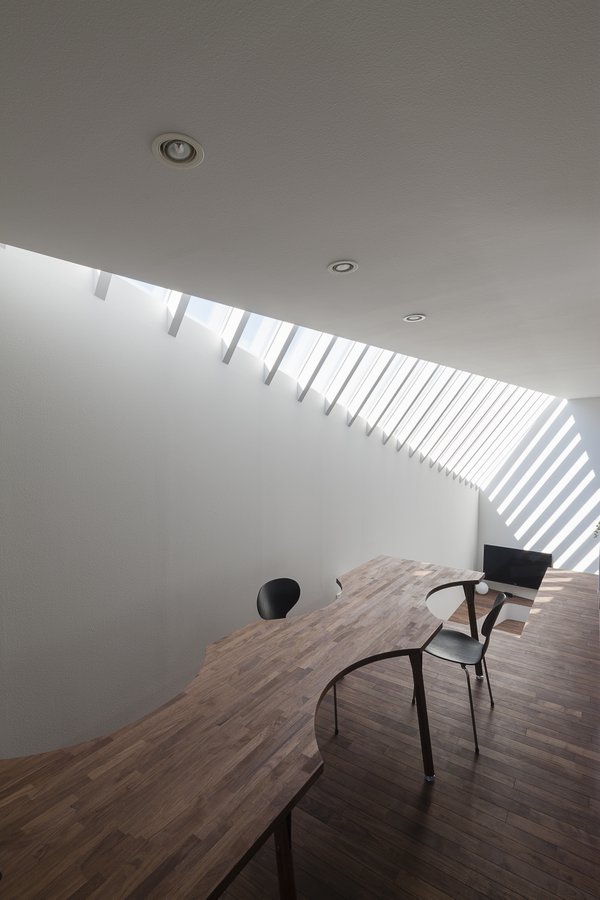
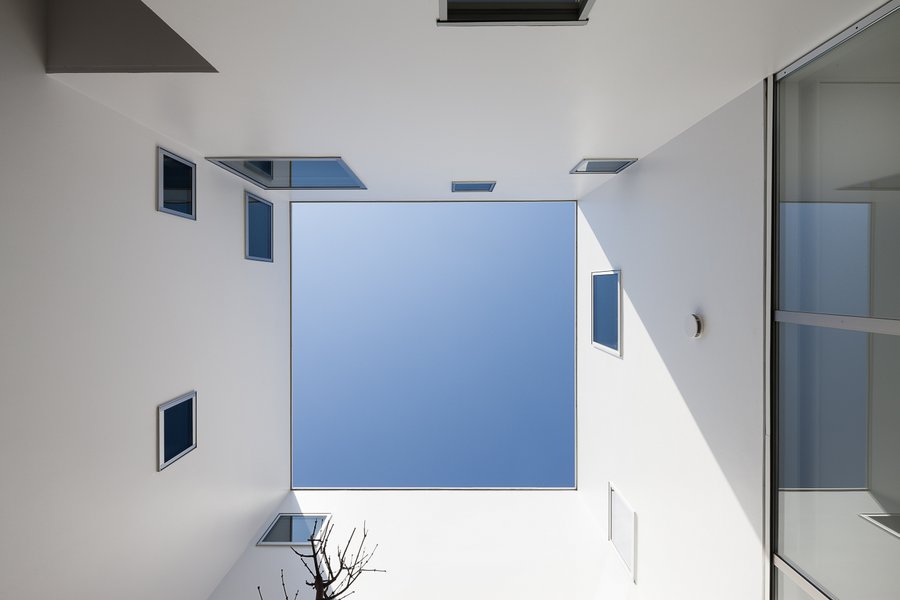
Hiroshima-based architect Bunzo Ogawa is a master of light manipulation. In what is his latest residential project – Light Valley – the architect and head of Future Studio created a commanding, rounded L-shaped façade that sets the stage for a dramatic reveal of what’s behind. Slits through the rough create skylights that allow rays of sun to enter into the main dining room area. And floor to ceiling windows that wrap around the inside of the structure open up to the luxurious backyard.

lvalley18

lvalley02

lvalley04 lvalley14

lvalley13

lvalley20

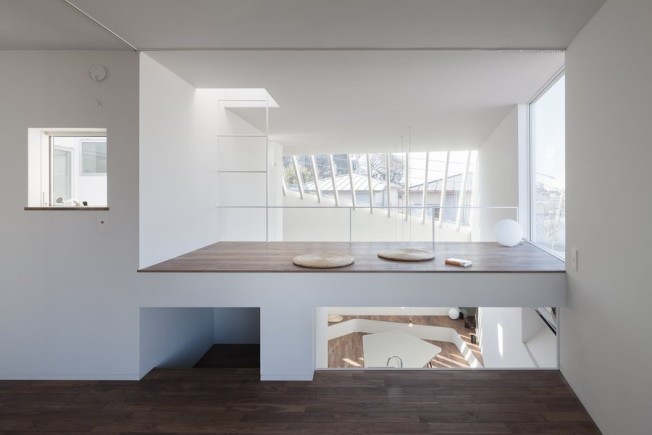
The interior is somewhat mountainous, with the main dining room area becoming the “valley” that is sandwiched between two “cliffs.” The cliffs function as separate rooms whose landings are also made accessible by climbing up a ladder.

lvalley17

lvalley26

lvalley01

source: Bunzo Ogawa’s website

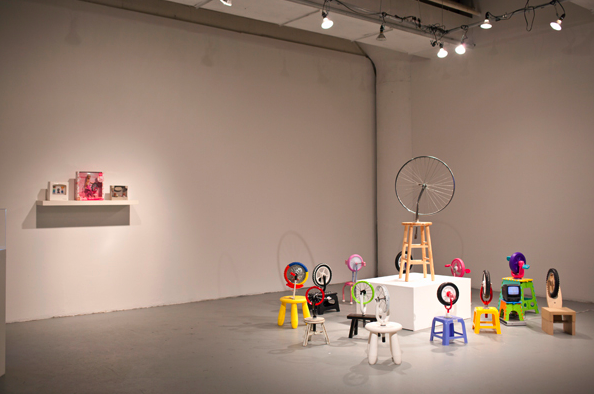
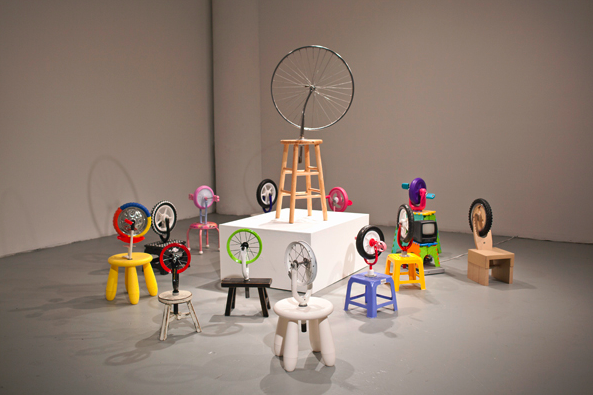
Children of Duchamp by Nobutaka Aozaki

“Art is not there to be understood,” said Marcel Duchamp, in a 1968 interview that aired on the BBC just before his death. This prompted English artist Grayson Perry to proclaim: “We are all the children of Duchamp now.”

Picture 2Picture 5

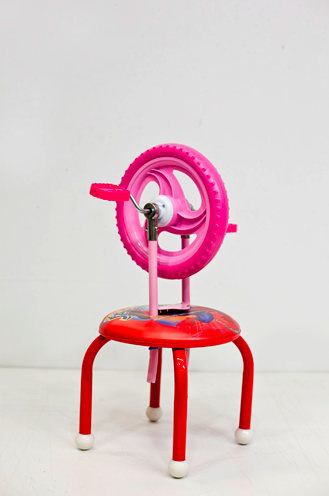
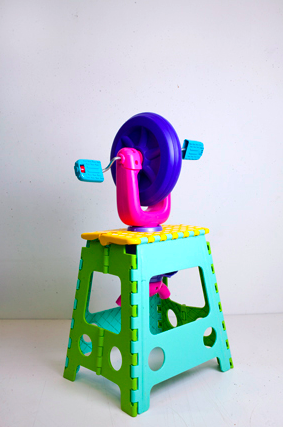
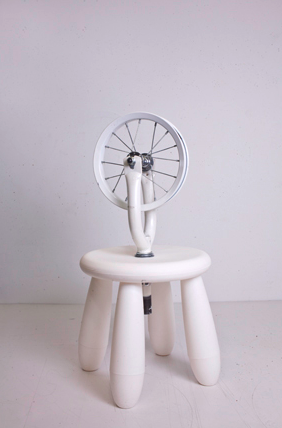
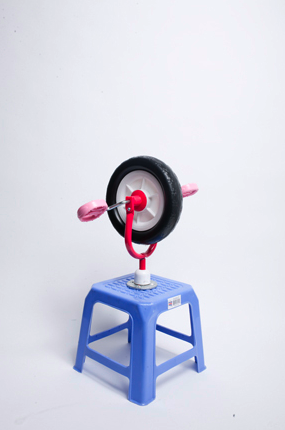
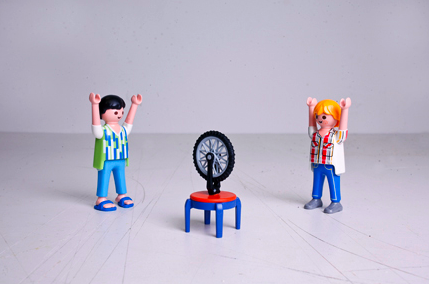
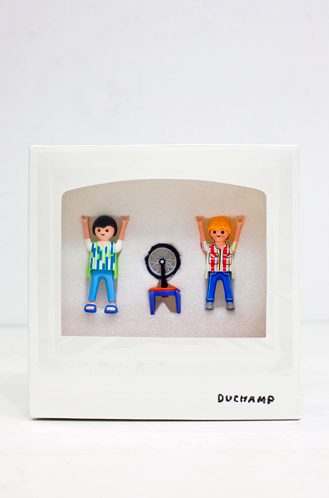
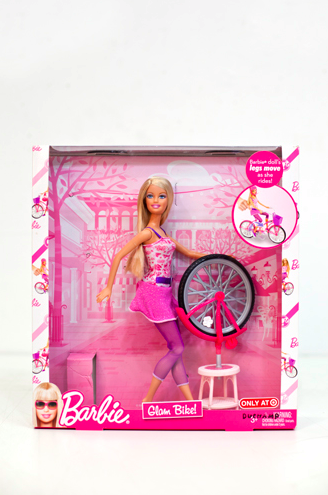
In a further exploration into whether artists are best represented by their words or works, Brooklyn-based Japanese artist Nobutaka Aozaki created a series titled “Children of Duchamp.” In a contemporary interpretation of the Dadaist’s philosophy, Aozaki created variations of Duchamp’s famous Bicycle Wheel using readymade/ pre-manufactured products like IKEA furniture, Playmobile toys and Barbie doll packaging.

“In this project I pay attention to technical aspects of Readymade such as artistic labor versus productive labor, educational instructable art making, and displacement of artist’s identity,” says Aozaki.

(happy birthday Mr Duchamp)

Picture 4Picture 3

Picture 6

Picture 7 Picture 8  Picture 9

Picture 10


a house on stilts | 4n by ninkipen!

ninkipen 4N 02photos by hiroki kawada | click to enlarge

ninkipen 4N 05

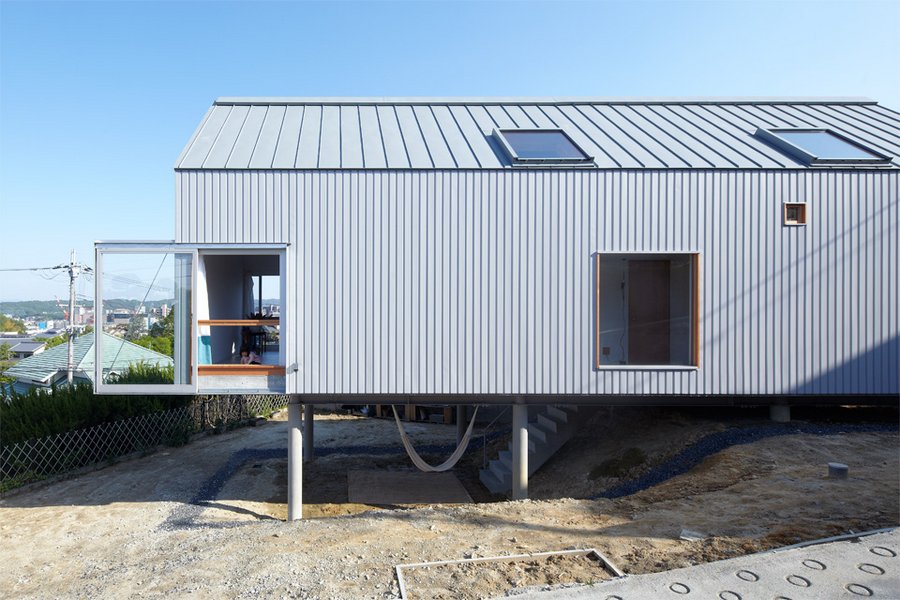
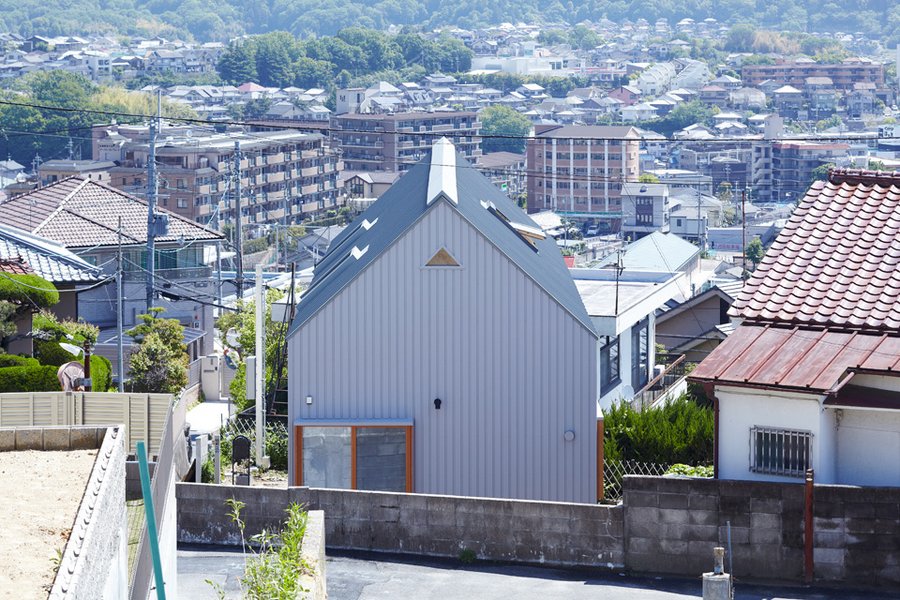
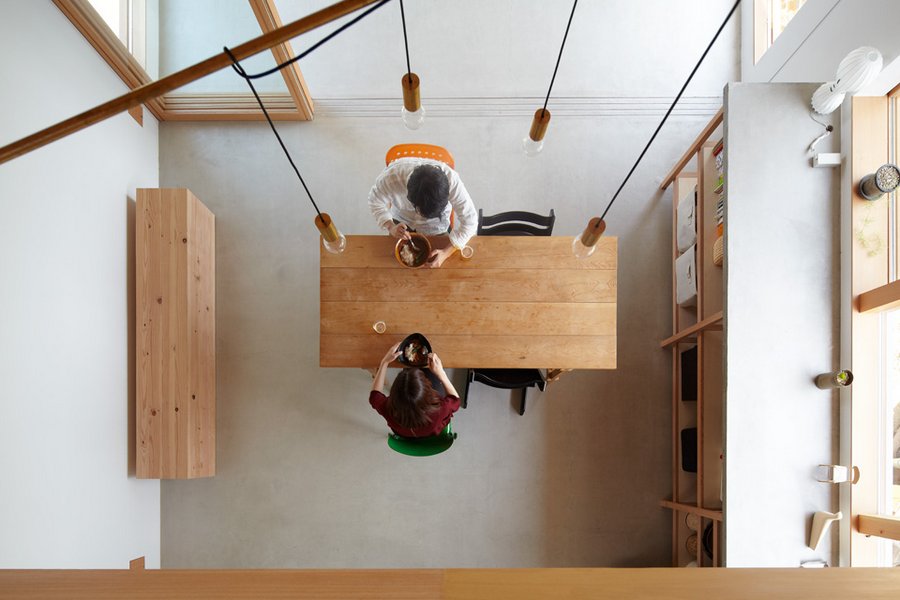
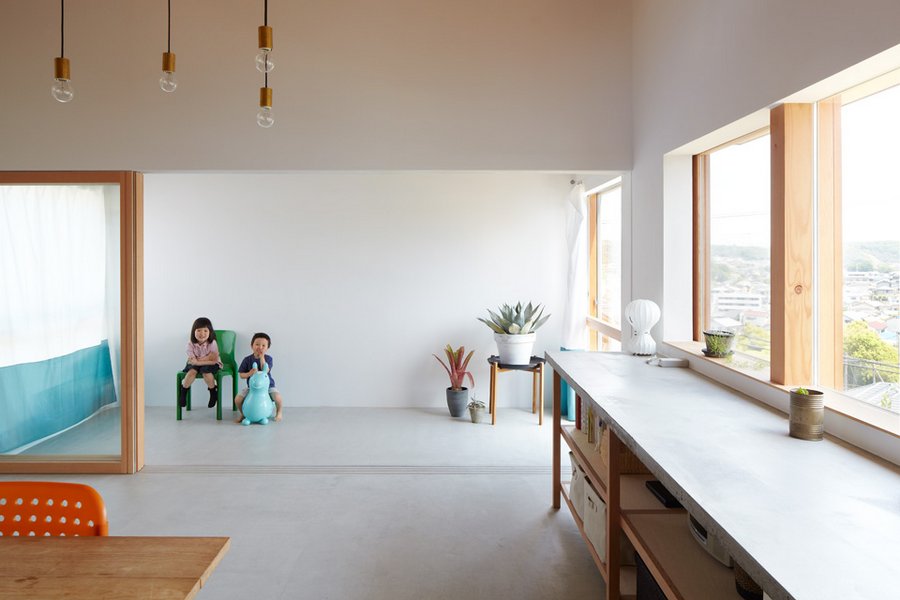
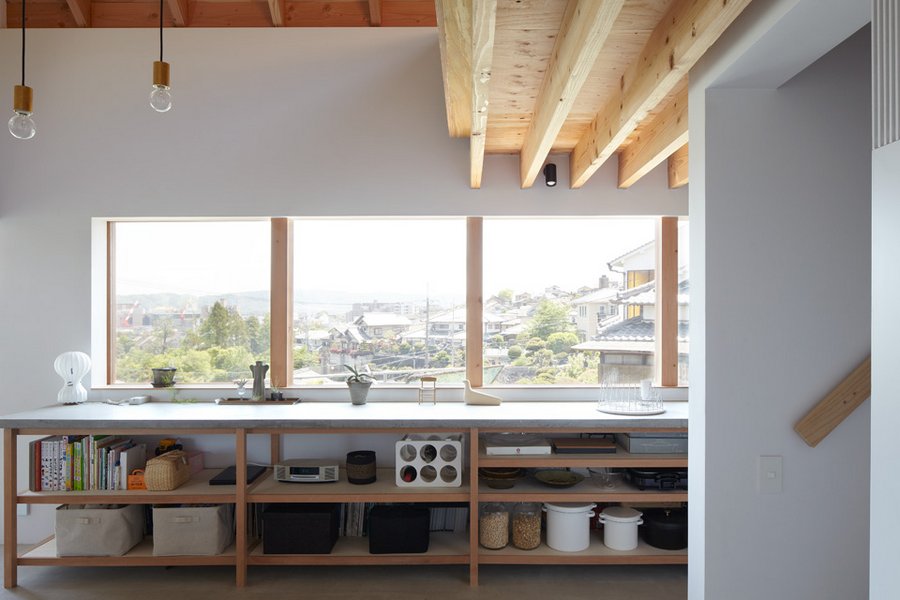
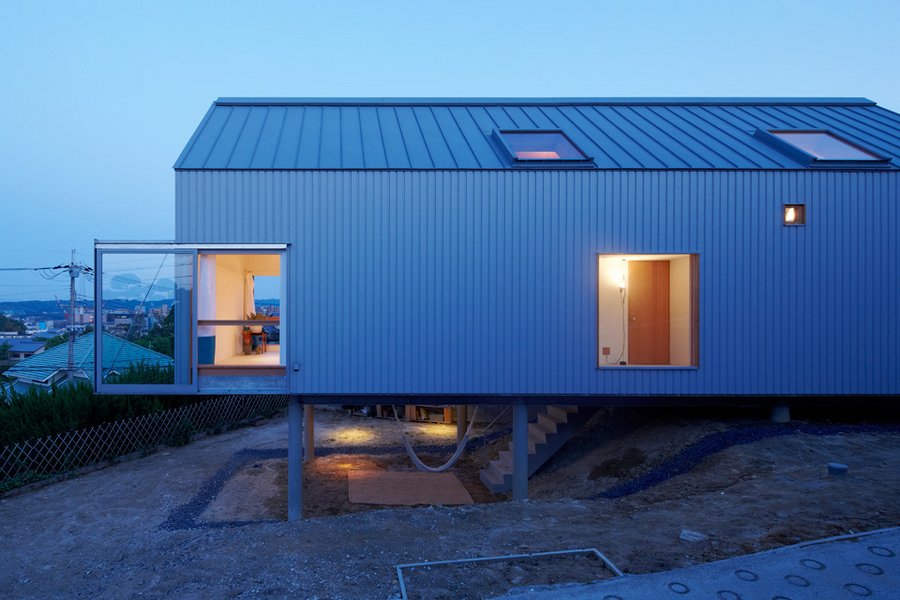
Here is another home on stilts, completed just around the same time as the previous one. Located in Ikoma City just 30 min outside Osaka is a house for a couple and their 2 kids. “The site had been divided into two levels with a retaining wall, and vehicle access was to the lower level only. We removed the wall, connecting the two levels with a gentle slope, and floated the house above it,” says Osaka-based architectural firm ninkipen! (the exclamation point is part of the name).

By elevating the house on stilts they created a shielded outdoor play space for the kids that also houses the entrance porch. The interior is divided into different living spaces with the kitchen on the second floor and an attic-like multi-purpose room on the third. The home was given the name “4n” for its adaptable characteristics. N coming from the mathematical symbol used to represent a natural number (as opposed to a nominal number), the home was designed for any family of 4.

ninkipen 4N 06

ninkipen 4N 12

ninkipen 4N 10

ninkipen 4N 09 (1)

ninkipen 4N 08 (1)

ninkipen 4N 16


ninkipen 4N 04

ninkipen 4N 03


ninkipen 4N 01


Casa Sakanoue | a house on a slope

casa sakanoie (8)photos by hiroshi ueda | click to enlarge

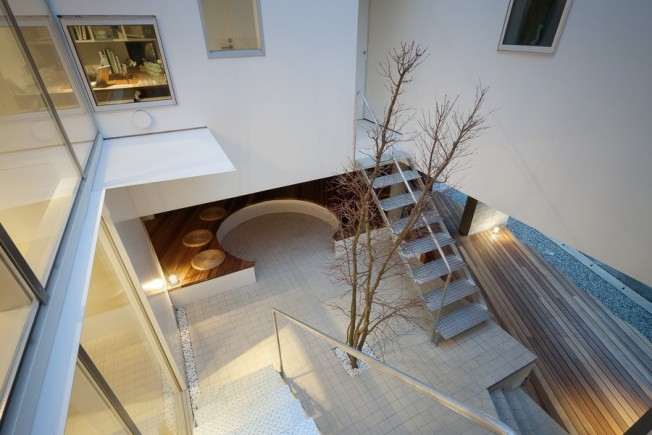
Casa Sakanoue is much more than a house. It’s a gallery, a community center, as well as an event space. It was roughly four years ago when Yuko Manago first had the idea to for a space where people could come look, listen, smell, taste and touch. Having grown up around art and music, Manago’s vision began to take form after she got married gave birth to a child. She decided to reach out to architect Kazuhiko Kishimoto, who she had seen on television once and admired ever since.

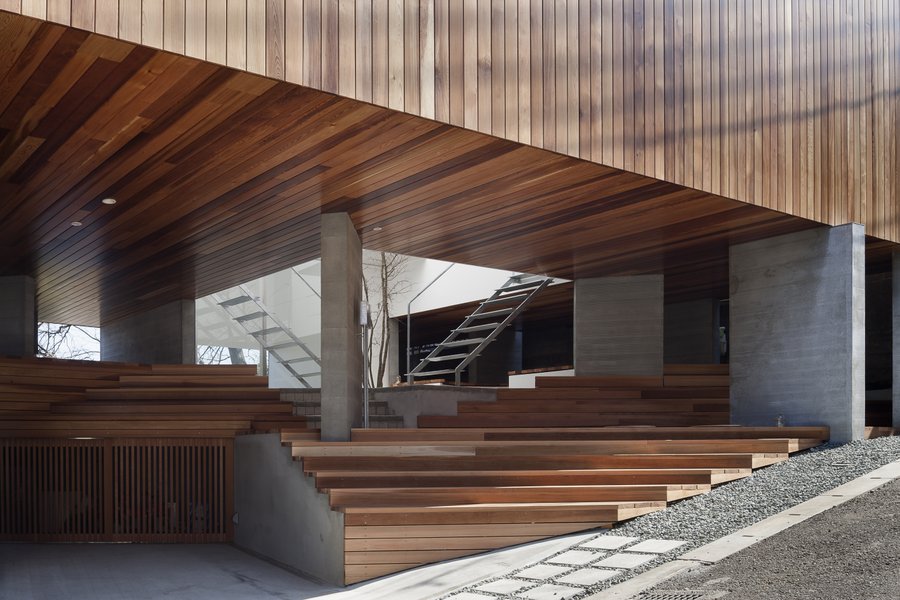
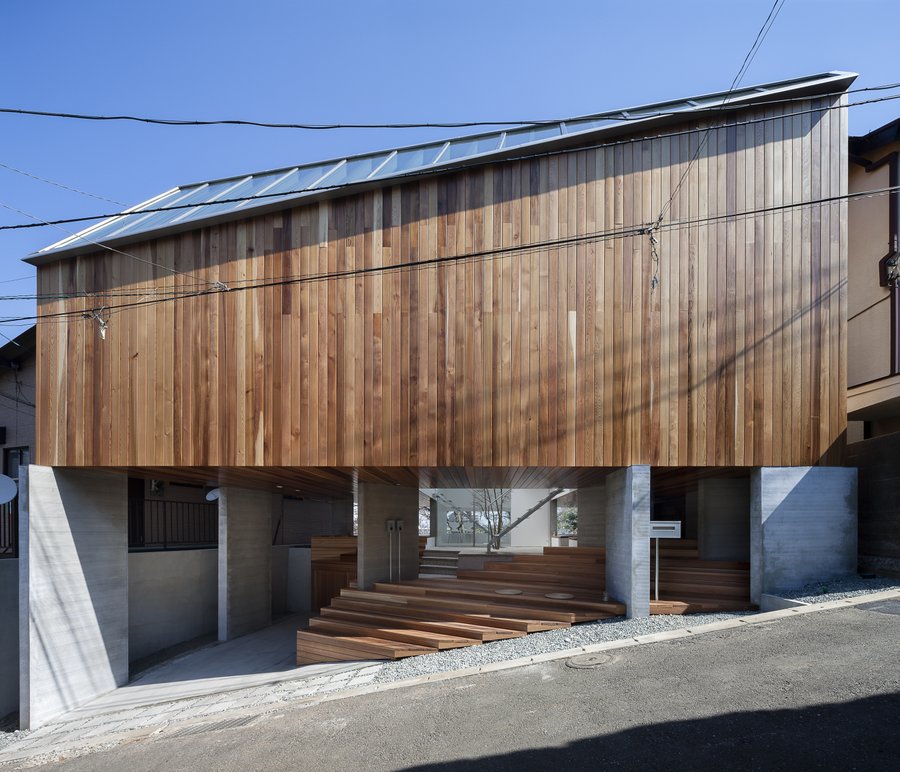
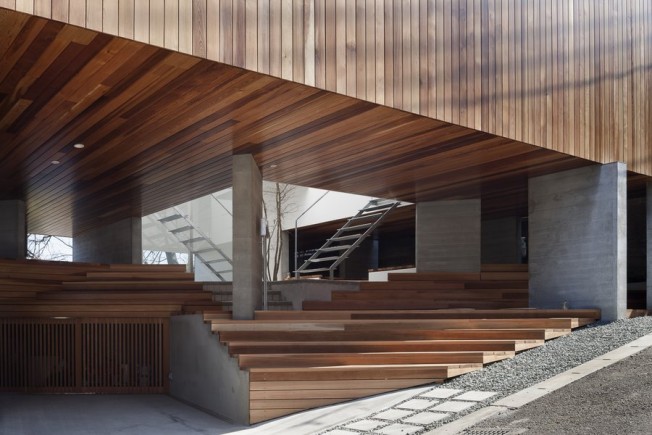
This is how, back in May of 2013, on a sloped backstreet just off a busy road, Casa Sakanoue quietly opened. From afar the structure, where Manago also lives, appears to be just a large wooden box. But as you approach the structure, they dynamic architecture becomes more apparent. The stilts appear to lift the box into the sky and a large staircase welcomes visitors as it offers glimpses of the inner courtyard.
casa sakanoie (7)

casa sakanoie (12)

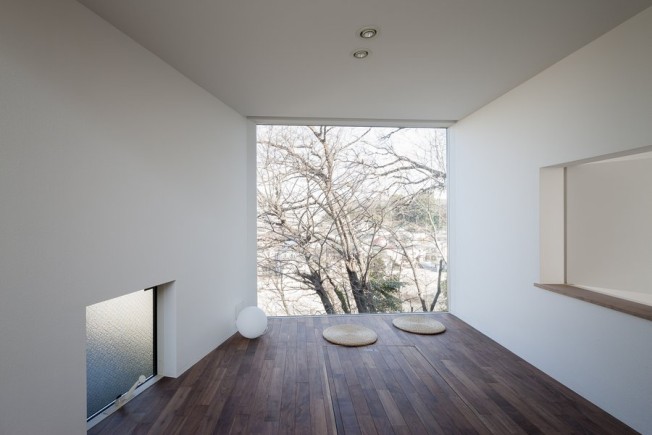
Casa Sakanoue (literally, at the top of a slope) is just off Hiyoshi station, which is about 45 minutes south of central Tokyo. Its strategic location allows access not only to the lush forest behind it, but also views of Mt. Fuji. They’ve hosted everything from Rakugo storytelling to aroma therapy workshops. If you’re looking for a unique space to host your next event, this might be it.
casa sakanoie (3)

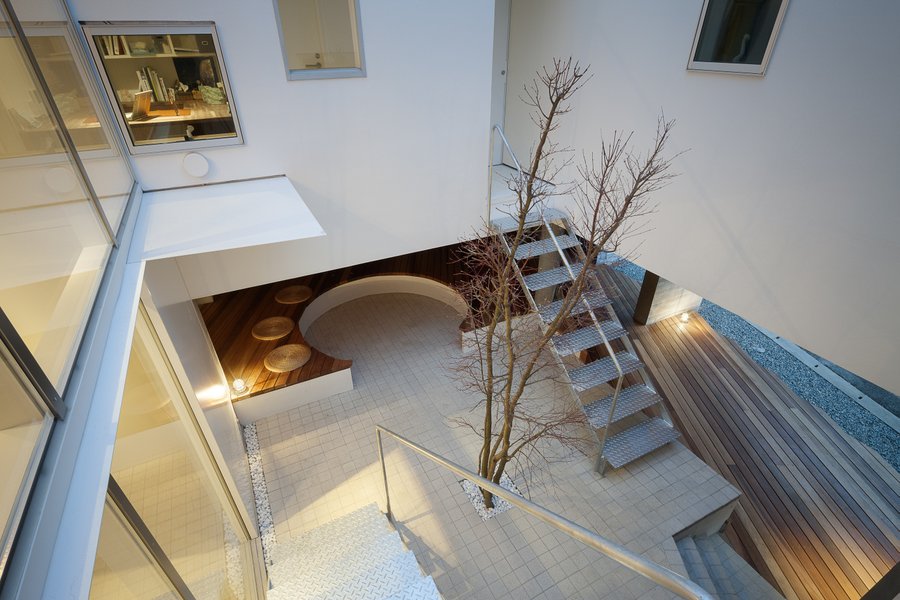
A courtyard with a carved out circular bench allows for a more intimate setting.
casa sakanoie (2)

casa sakanoie (1)

casa sakanoie (4)casa sakanoie (5)

casa sakanoie (10)

casa sakanoie (6)casa sakanoie (9)

casa sakanoie (11)


Playful t-shirts that let you wear your iPod

inink pocket t-shirts (7)

inink pocket t-shirts (8) inink pocket t-shirts (9)

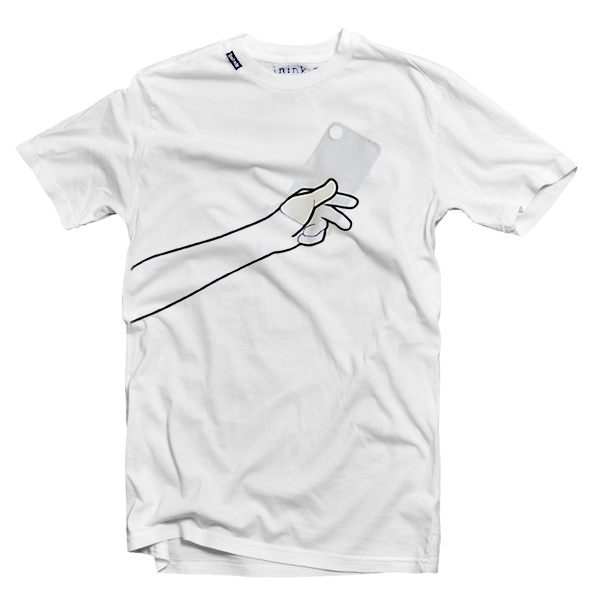
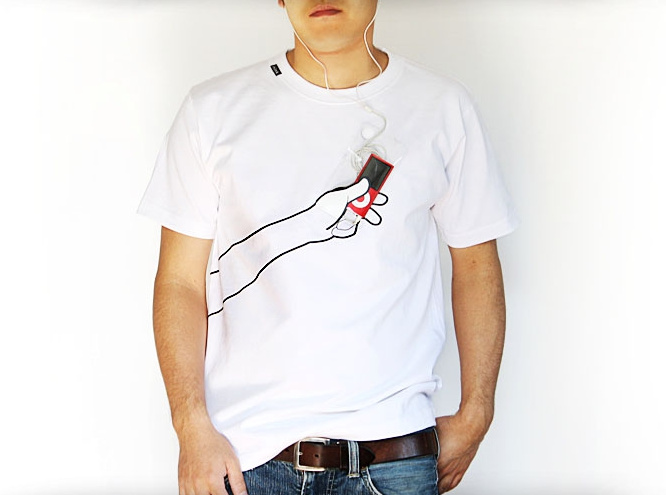
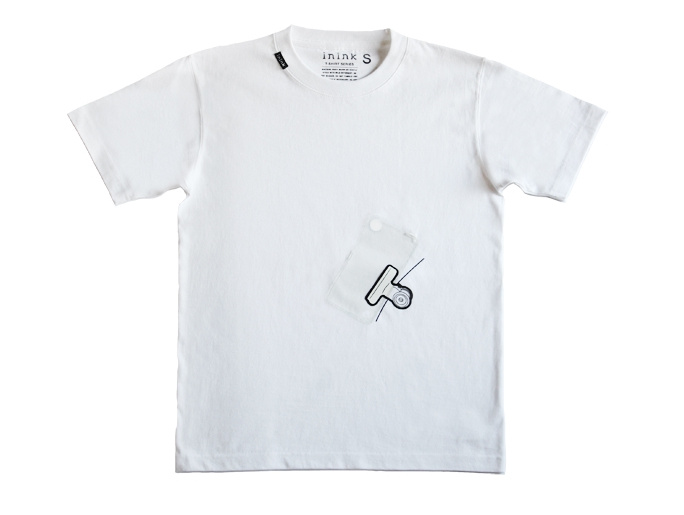
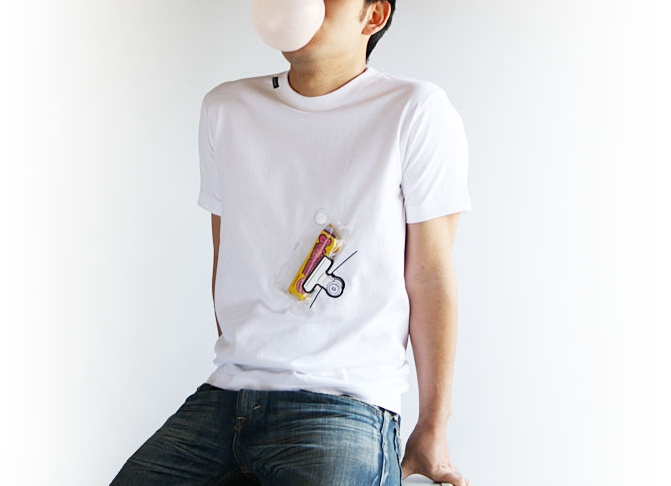
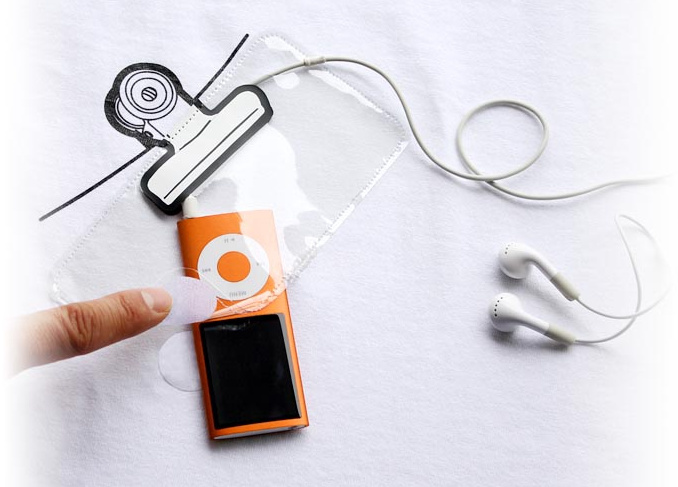
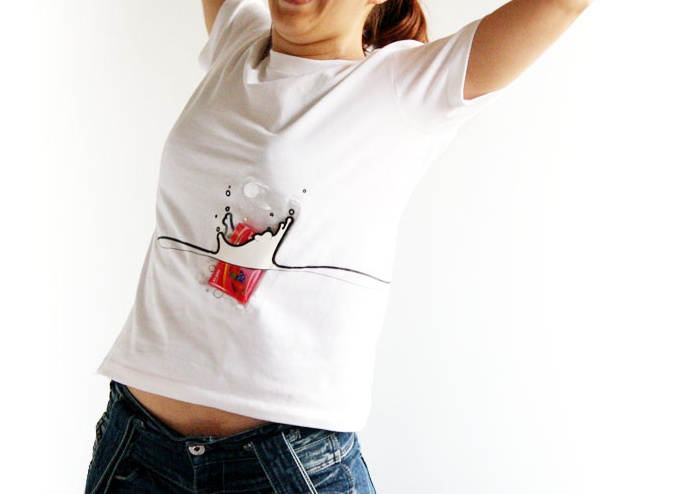
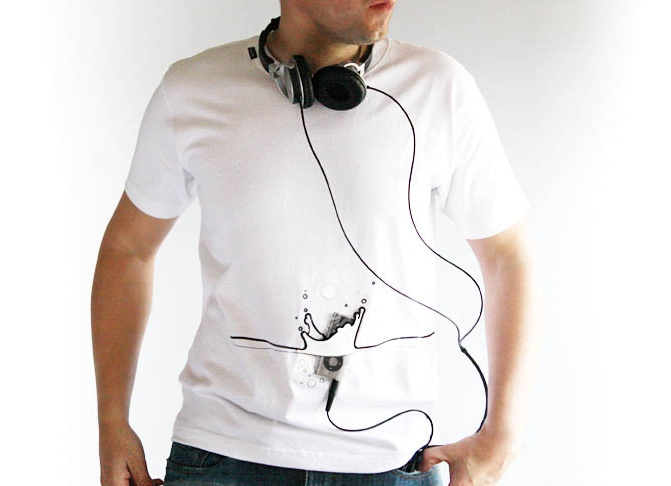
inink, a small company based out of Kanagawa, Japan, created a series of playful t-shirts that let you “wear” your iPod, or any other small device/object.  Specifically, the “pocket series” comes with a translucent, sealable pocket that holds an iPod, a handkerchief, a notebook or any other small object.

Three years ago the company was founded under the concept of creating “playful” t-shirts that you can wear, touch and have fun with. In addition to the pocket series, inink also has a liquid series and a reflection series.

inink pocket t-shirts (3)

inink pocket t-shirts (1) inink pocket t-shirts (2)


inink pocket t-shirts (6)

inink pocket t-shirts (4) inink pocket t-shirts (5)

source: rocketnews | inink

« Older posts Newer posts »

© 2026 Spoon & Tamago

Up ↑

Design by Bento Graphics