Page 226 of 406

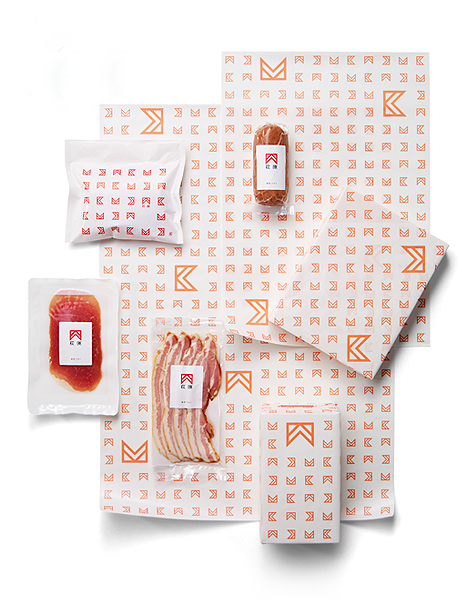
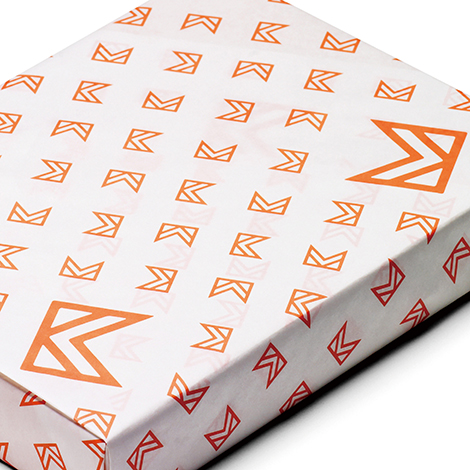
Logo and packaging design for Hagiwara Butcher

hagiwara butcher packaging design (2)

photos by Tsunehiko Okazaki

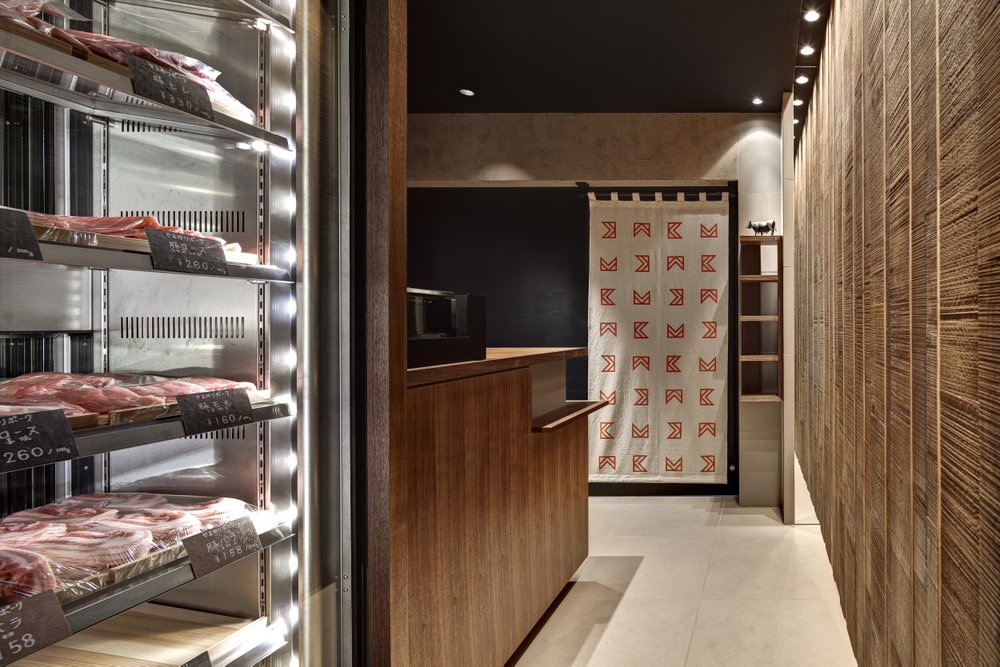
Nestled amongst the shopping streets of old town Kamakura, just steps from the station, is a butcher shop unlike any other. The 60-year old shop was renovated last year and, as part of the facelift, received a new logo and packaging design by creative duo SPREAD — Hirokazu Kobayashi and Haruna Yamada.

As we briefly noted in our original feature, the fantastic logo has just won a 2013 red dot award in communication design. It’s encouraging to see a small butcher shop receive such a prestigious award; one that is typically reserved for large corporations with mega-budgets.

hagiwara butcher packaging design (1)

hagiwara butcher packaging design (1)

kamakura hagiwara butcher (13)

kamakura hagiwara butcher (2)

source: SPREAD

Studio Visit With Artist Unit Three

Hi there! You’ve landed on a members-only article. If you’re interested, Consider supporting Spoon & Tamago by becoming a member.

You can read all about our membership program here. Thanks!

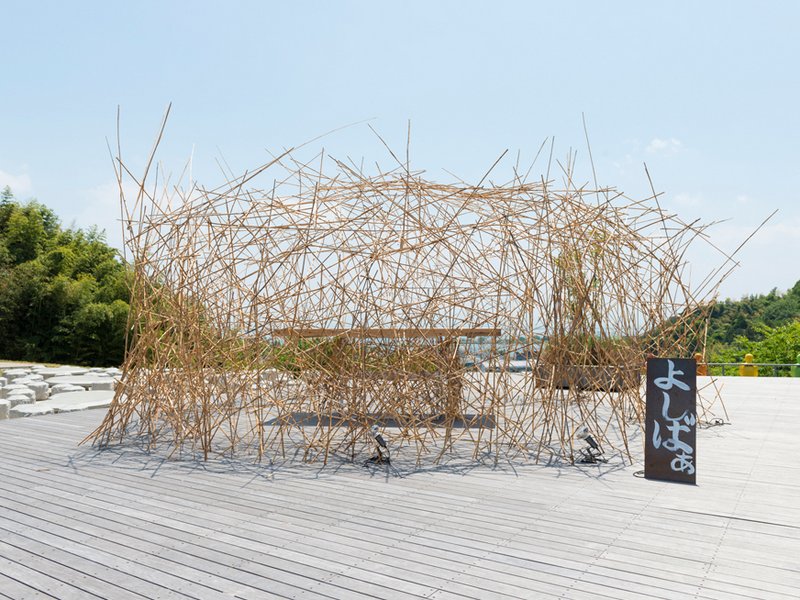
Yoshi Bar | a pop-up bar constructed with reed grass

yoshi bar by naoya matsumoto (1)photos by takeshi asano | click to enlarge

Naoya Matsumoto, along with students from Seian University of Art and Design, constructed a pop-up bar this summer using Yoshi, a type of reed grass. Yoshi grows freely around Lake Biwa, where the University and pop-up bar is located. Each year students are asked to design objects using Yoshi grass but this year was different. “With just 2 days for construction the students decided to create a functioning bar where people could come and hang out,” explains Matsumoto. “The most important point was how to create a simple yet attractive space for the user.”

yoshi bar by naoya matsumoto (2)

yoshi bar by naoya matsumoto (3)

yoshi bar by naoya matsumoto (4)

yoshi bar by naoya matsumoto (5)

Gucci collaborates with traditional Sendai artisan to create Sendai-Hira handbag

gucci sendai-hira (2)images courtesy tetotetote sendai | click to enlarge

Gucci, the Italian brand that is synonymous with expensive handbags, has collaborated with Yoshio Koda to create a handbag using Sendai-hira, a traditional Japanese silk. Koda is an 84-year old living national treasure who carries on the 400-year old Sendai-hira tradition.

The bags, which represent the first collaboration between the Italian company and a traditional Japanese artisan, will go on sale in September for 420,000 yen (about $4200) with all sales being donated to the Sendai reconstruction efforts.

gucci sendai-hira (3)

gucci sendai-hira (4)


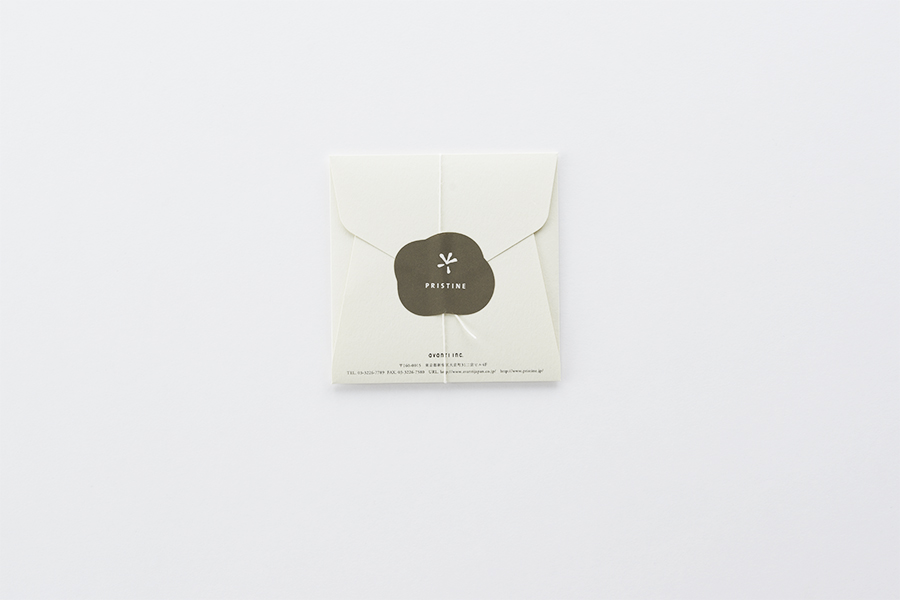
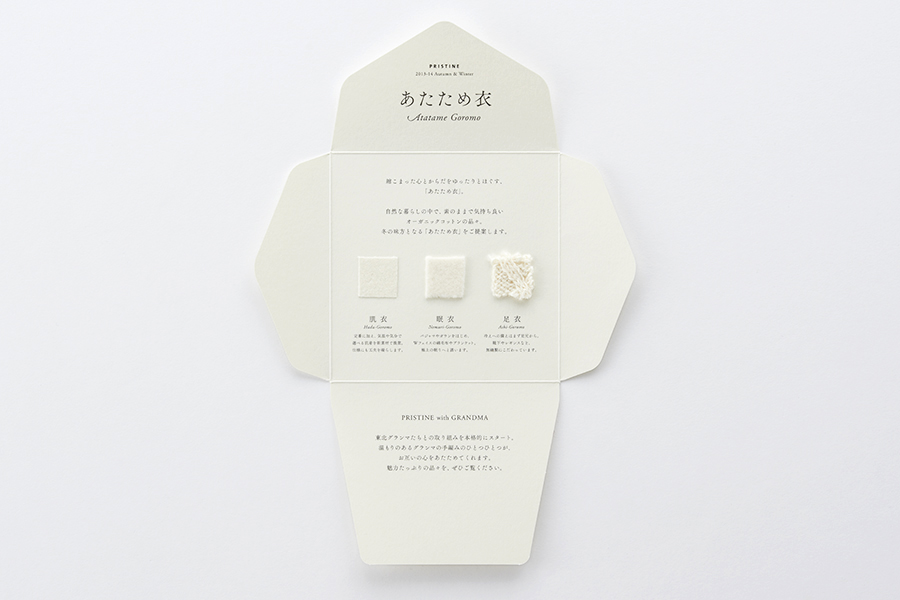
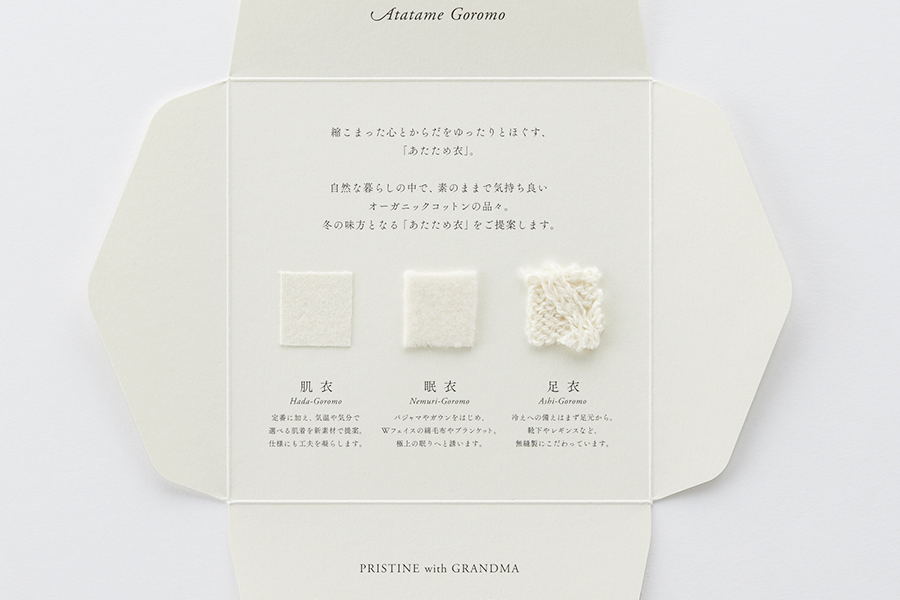
Packaging design for Pristine Organic Cotton

PRISTINE_close_trim_950

PRISTINE_open_trim_950_2_950

PRISTINE_DM_atatamegoromoOPENyori_950_950

Gorgeous packaging design for Pristine, a Japanese organic cotton clothing label. For their upcoming 2013-2014 Autumn & Winter campaign they enlisted Daikoku Design Institute to create this mailer that illustrates the different types of organic cotton they use, according to end-product.

Music Monday: Airy Me by Cuushe

The Kyoto-based airy, dreamy songstress Cuushe just released the music video for “Airy Me,” an equally dreamy animation of wobbly camerawork and characters that are painstakingly comprised of 3000 hand drawn sketches. Interestingly, the catalyst for the video was illustrator Yoko Kuno who, at the time, was finishing up her art degree. Kuno emailed Cuushe to aske if she could use her music in her graduation thesis. And thus the collaboration was born.

You can read interview with Cuushe over on Dazed, where her video premiered.

kuno-572x321

Night Stroll by Tao Tajima

The streets of Tokyo can be deafeningly silent late at night. “As I walk home at night listening to music I would imagine shapes moving to the sounds,” explains Tao Tajima, who created “Night Stroll.” It’s a mesmerizing short video shot on the late night streets of Tokyo featuring florescent geometric shapes that illuminate the dark pavement. It’s like a secret party that we’ve accidentally stepped into.

“I simply visualized the images I was seeing,” Tajima tells us. “I think anyone who’s walked home at night listening to music has experienced this feeling,” which perhaps explains why it strikes a chord with so many.

Tajima, who works at the Tokyo-based film and visual design studio Tanagram, deliberately chose a drizzly night and shot everything in his own neighborhood. “I like how wet pavement creates a mirroring effect. So I wanted to recreate the images in my head as realistically as possible.”

night-1

night-2

(all quotes translated from Japanese to English by author)
Source: colossal

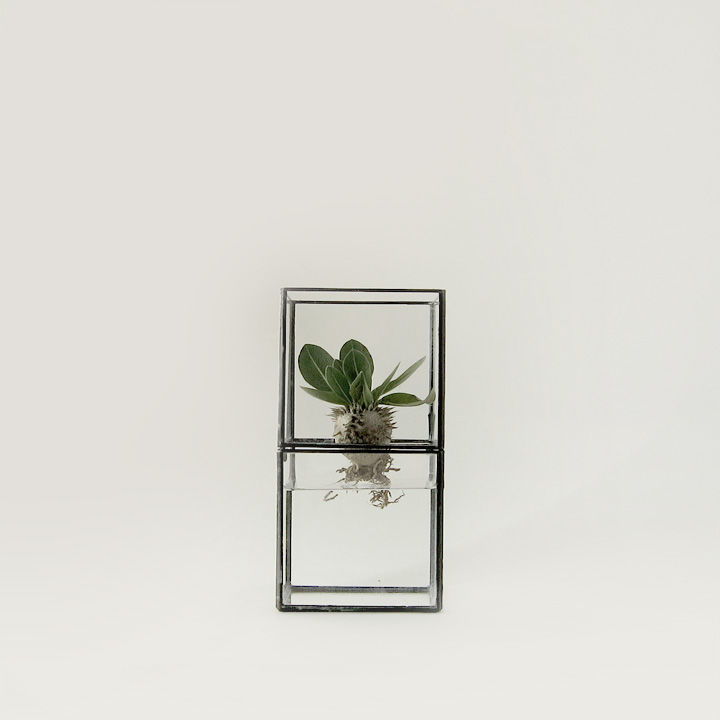
Minimal Hydroponic Terrariums by TERRA

terra (3)

terra (2)terra (1)terra (4)

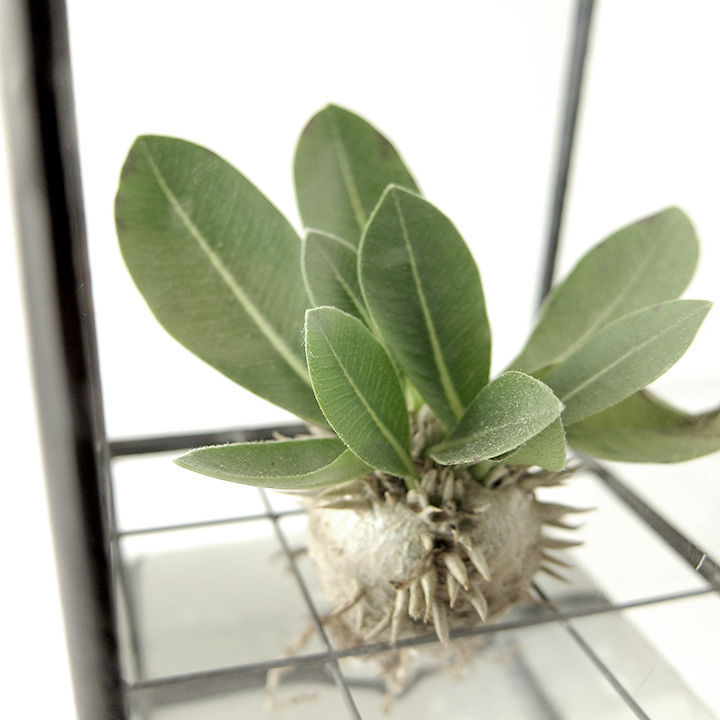
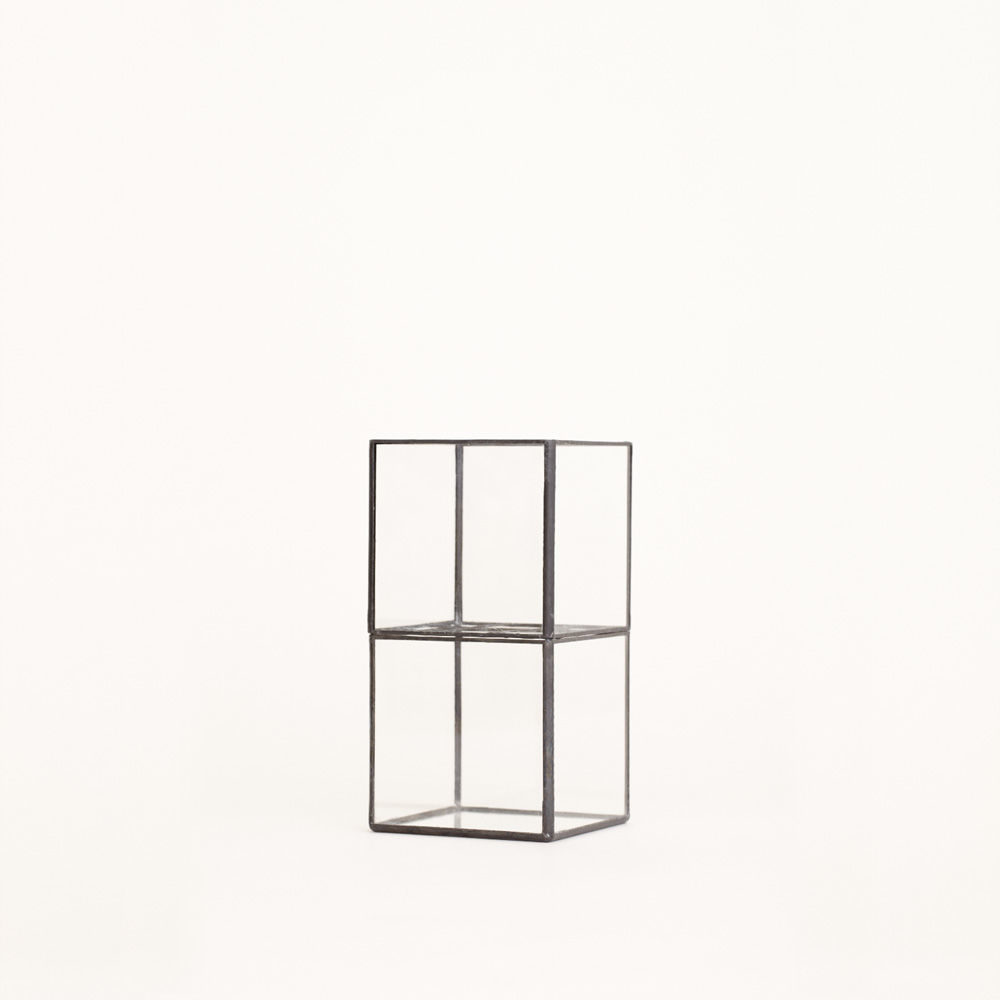
Hydroponics is a subset of gardening in which plants are grown only in water. Terrariums are enclosed ecosystems for raising plants. Elegantly combining the two is “[ 10¹² ] TERRA,” a new brand started by Daisuke Tsumanuma and Kenichi Yamada. “The name of the brand…was inspired by the number of cells produced per day (10¹²). We started this brand to create products that mirror the constant changes of life, full of new discovery.”

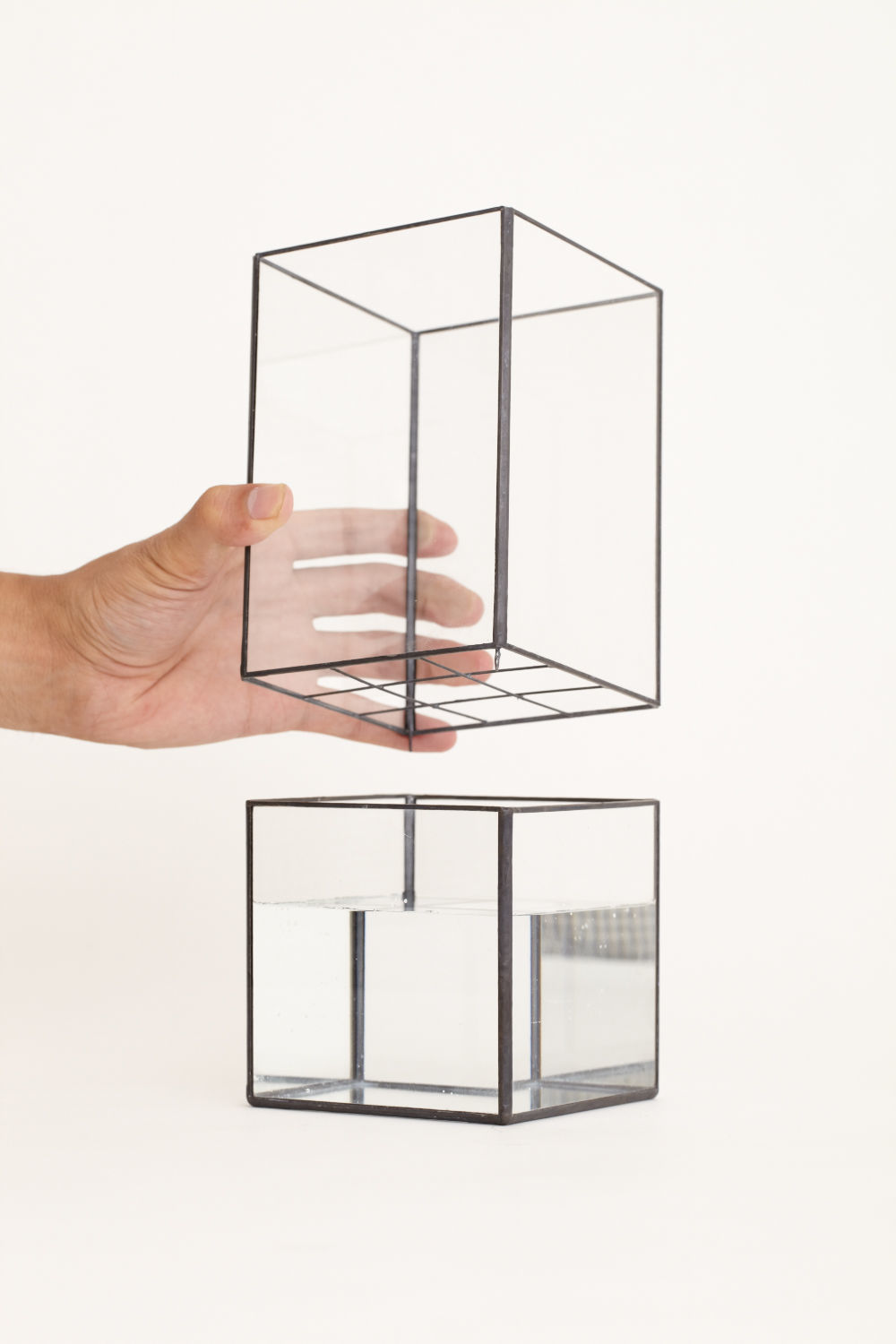
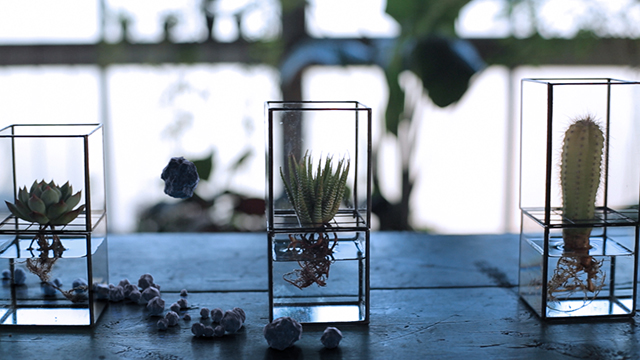
The minimal casing creates the perfect environment for observing the growth of your plant and its roots – something that conventional terrariums don’t do. And the clever structure lets you easily replace water as soon as it gets murky.

Although cacti and succulents usually grow in dry soil, they can also be grown hydroponically. In fact, this method allows nutrients to be controlled more precisely, contributing to greater vigor and health for the plant.  Unsure about using Hydro Terra? Here are a few simple steps to guide you:

  1. Take the cactus or succulent out of the pot and gently wash away the soil
  2. If you like, trim some of the roots to match the size of your Terra Hydro
  3. Next, place the plant in the center of the trellis (metal grid) on the upper part of the container
  4. Fill the bottom part with water so that the roots are partially submerged
  5. That’s it. Change the water whenever it gets dirty, which won’t be very often due to the plant’s natural purification abilities

terra_1012.02

Traverse Japan in Under 1 Hour

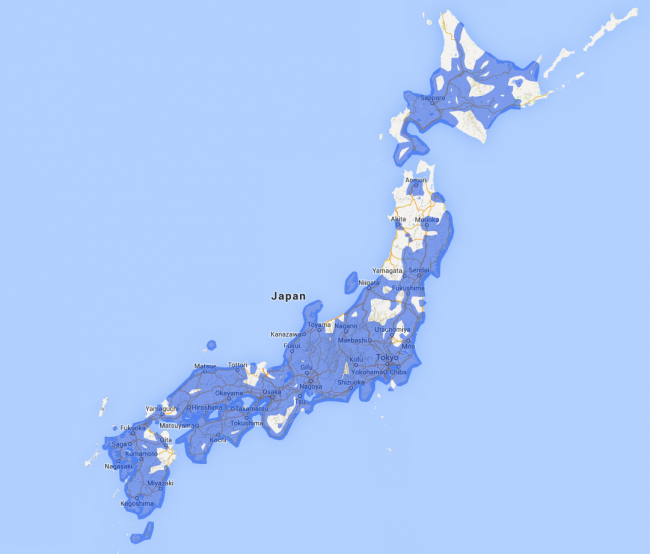
282eac667679f7442b8f4109aa68eb5eA map of Japan with the shaded regions indicating areas covered by Google Street View

The island of Japan, from Northern Hokkaido to Southern Kyushu, is about 1500 miles long. Traversing it by car would take about 30 hours of non-stop driving. And even if you had the time and resources, it’s a daunting feat that few have probably succeeded at. But design engineering firm takram have figured out a way to do it while sitting at your desk. And in under 1 hour. Fifty five minutes, to be exact.

“Wait, do you think we can traverse all of Japan simply using Street View?” It started with a simple question, after discovering that most of Japan has now been photographed by Google’s Street View. By hacking the open source code of a program known as Hyperlapse, which allows you to create short animations using frames from Street View, the team managed to create an automated program that would capture all the frames and animate an entire route from the Northern to Southern tips of Japan. Engineers amaze me.

From Northern to Southern Hokkaido (10 min)

Takram has uploaded their own source code so you can use it to program different routes.

From Northern Honshu to Tokyo (10 min)

From Tokyo to Osaka (15 min)

From Osaka to the Southern tip of Honshu (10 min)

From Northern to Southern Kyushu (9 min)

Source: rocketnews | takram blog

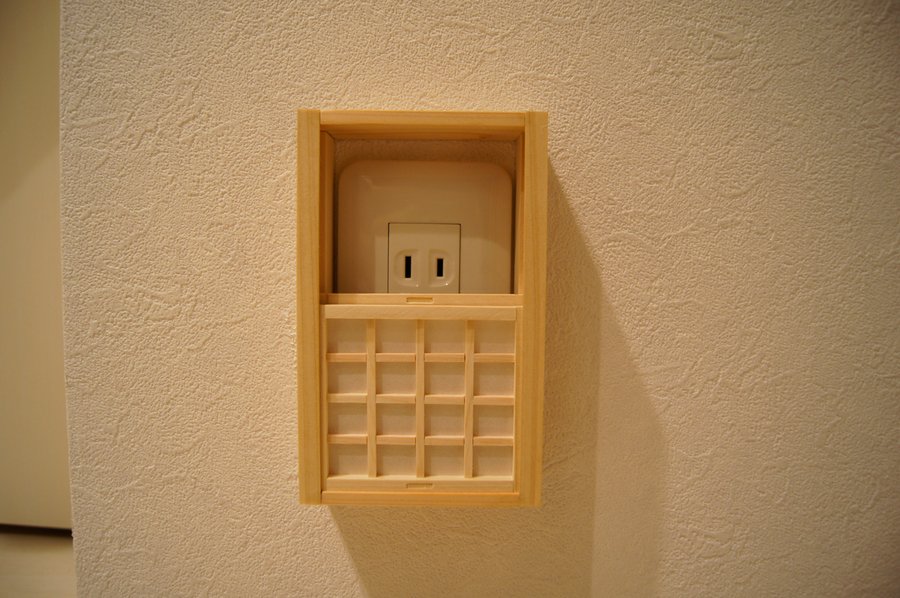
Hide your electrical outlets with Japanese shoji screens

SONY DSC

Shoji screens are space dividers typically made from wood and washi paper. In traditional homes they were favored over doors for their translucence, but also as a space-saving mechanism because they slide on railings. In other words, they offered an effective, aesthetically pleasing solution to closing off spaces that maybe you didn’t want your guests to see.

However, the specialized nature of carefully crafted shoji screens have kept them out of houses not equipped with the right beams and railings to accommodate them. That is, until now.

Tori Sugimura, a shoji screen designer who says he was inspired by this image of a door-covered electrical outlet, decided to put a Japanese spin on the concept. Several months and many test runs later, Sugimura has perfected his shoji screen electrical outlet cover and has begun selling them on his website.

yukimi-syouji-05yukimi-syouji-06

Have a different-looking electrical outlet? He’ll even custom design a shoji screen cover based on your exact specifications.

yukimi-syouji-03

Source: BestGear | ToriCraft

« Older posts Newer posts »

© 2026 Spoon & Tamago

Up ↑

Design by Bento Graphics