Page 212 of 406

Imagine Finding Me | Chino Otsuka Superimposes Her Adult Self Into Childhood Photos

chino-otsuka-2-990x500

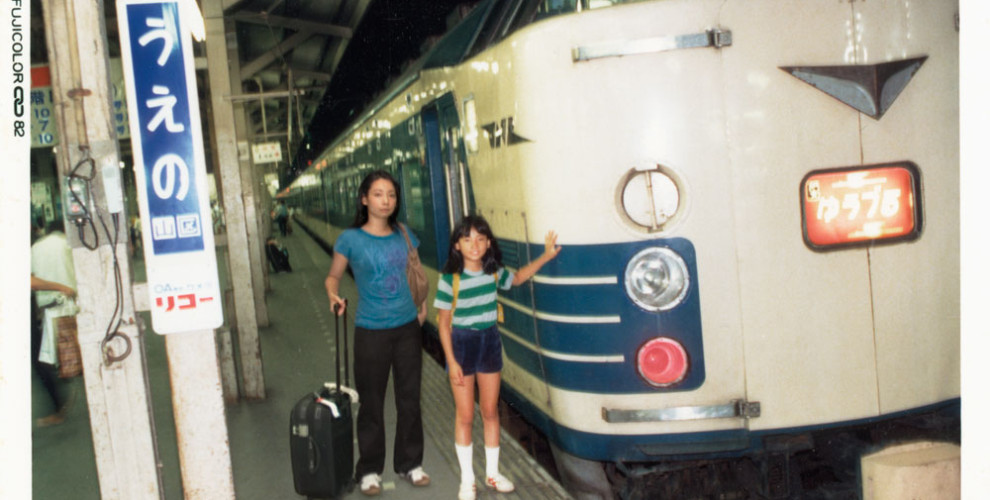
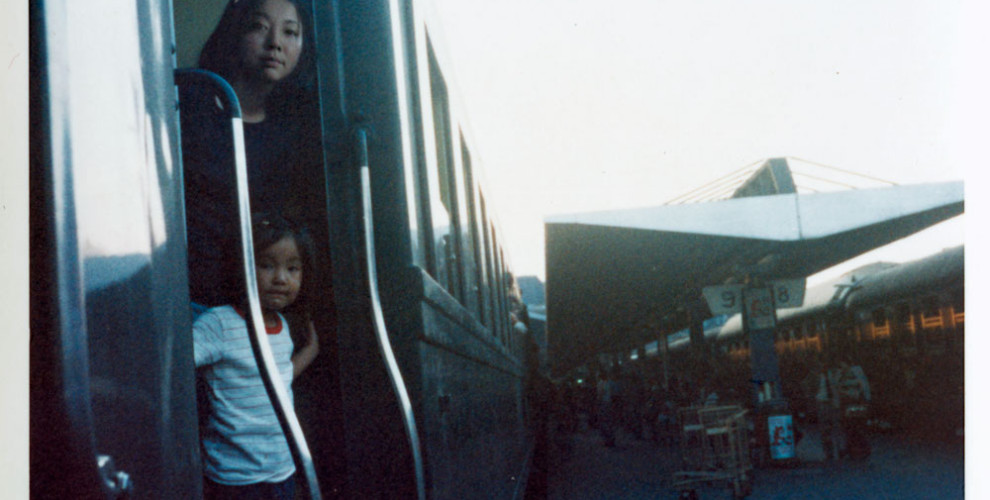
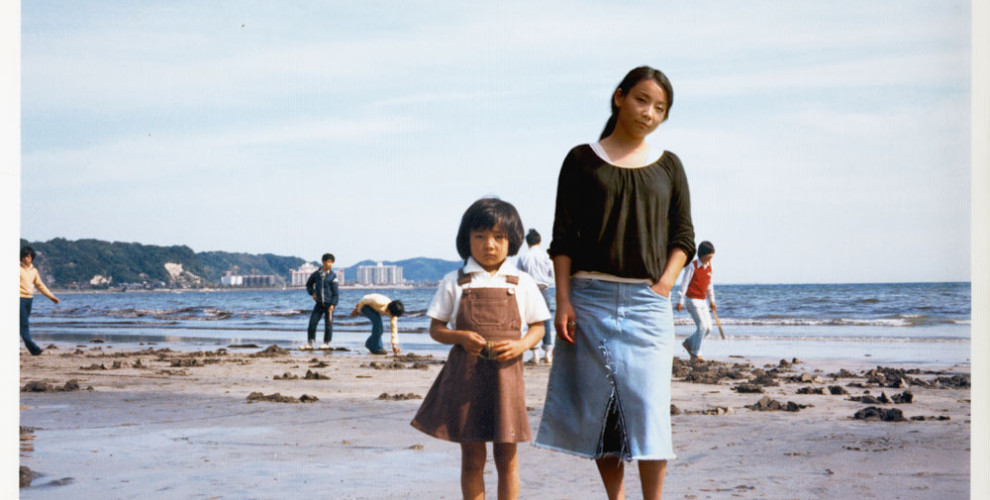
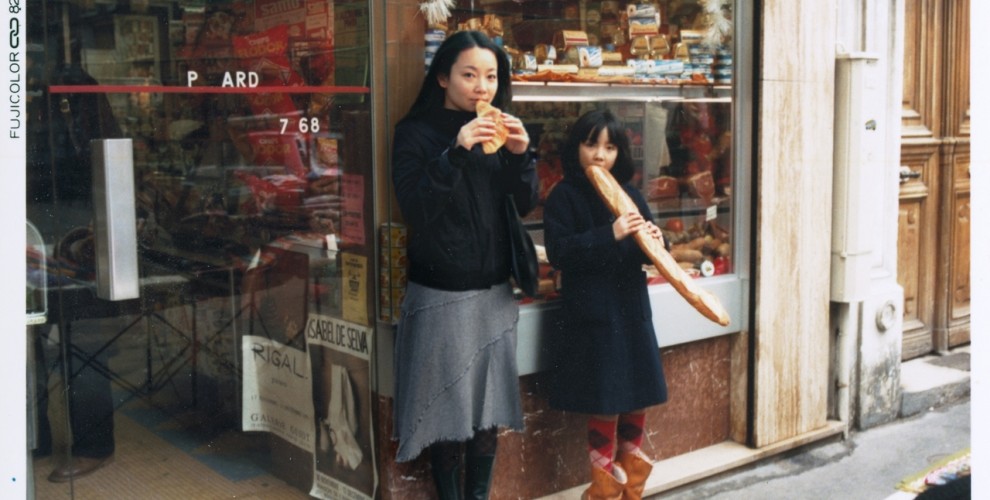
Imagine Finding Me 1976 and 2005, Kamakura, Japan | click to enlarge

Vintage photos of a mother and her daughter? Not exactly.

If,
again
I have a chance to meet,
there is so much I want to ask
and so much I want to tell

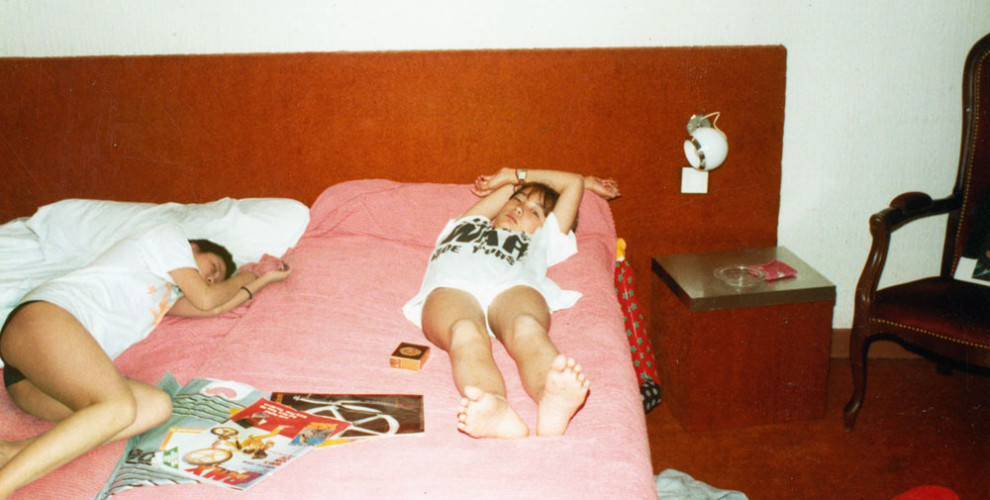
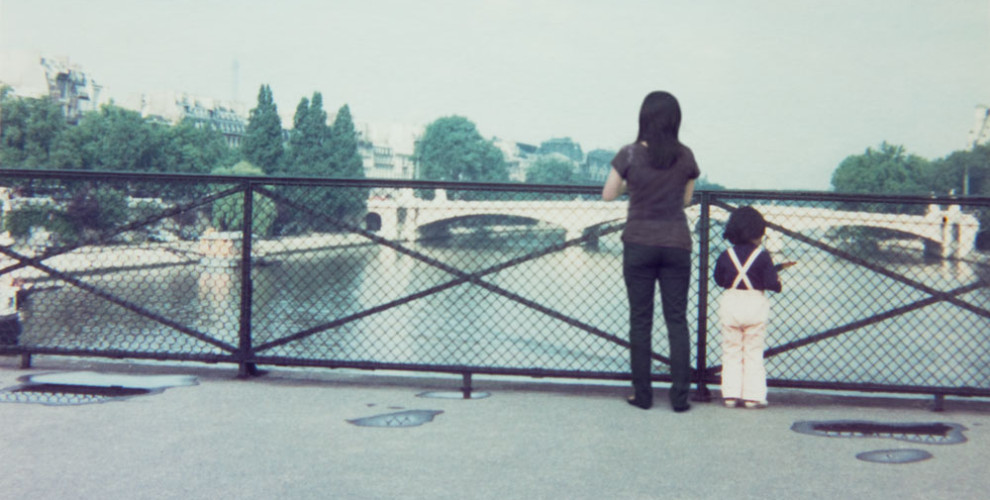
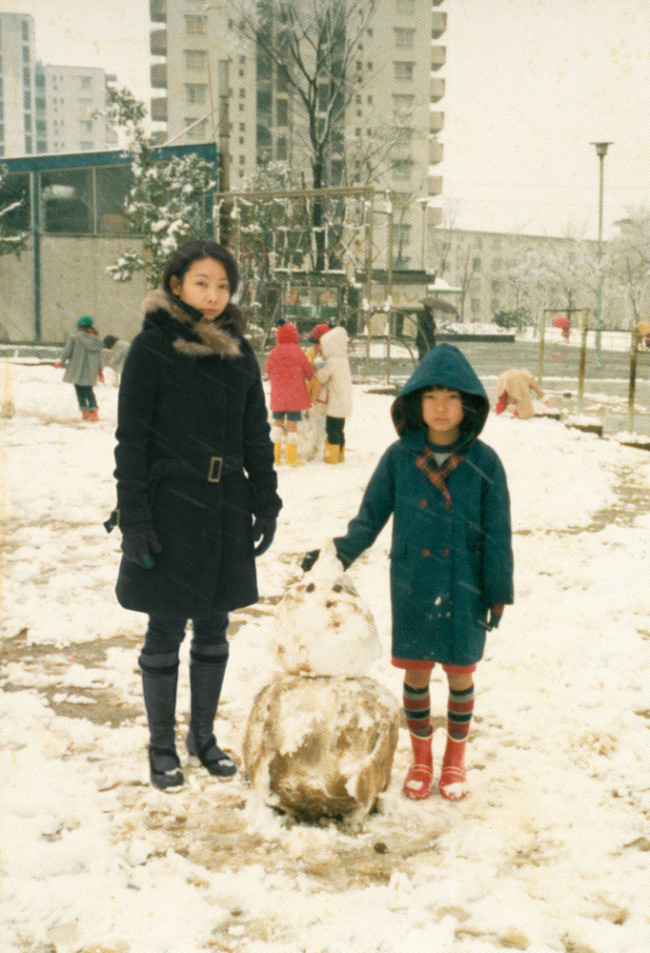
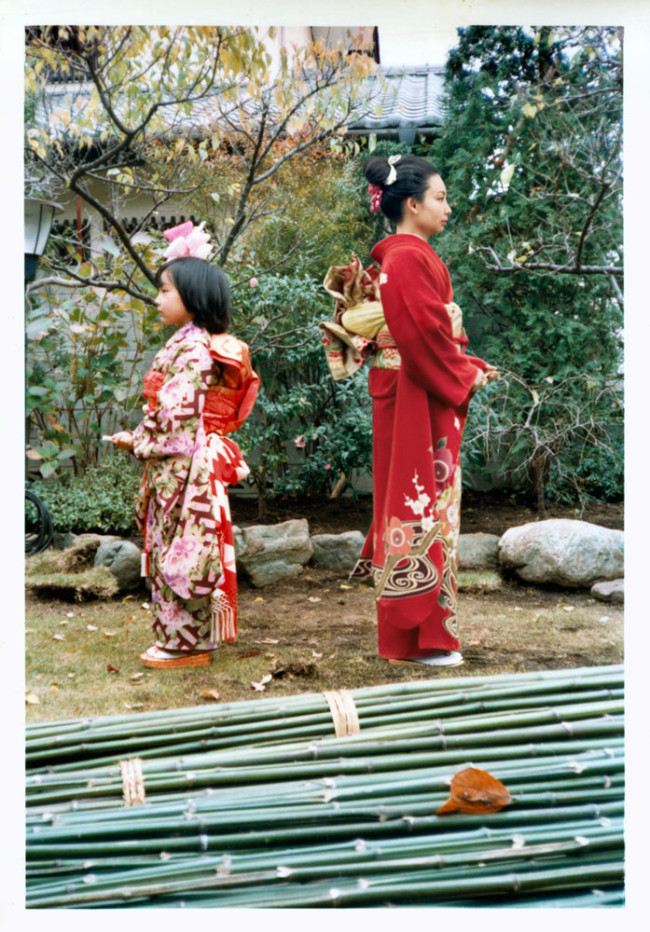
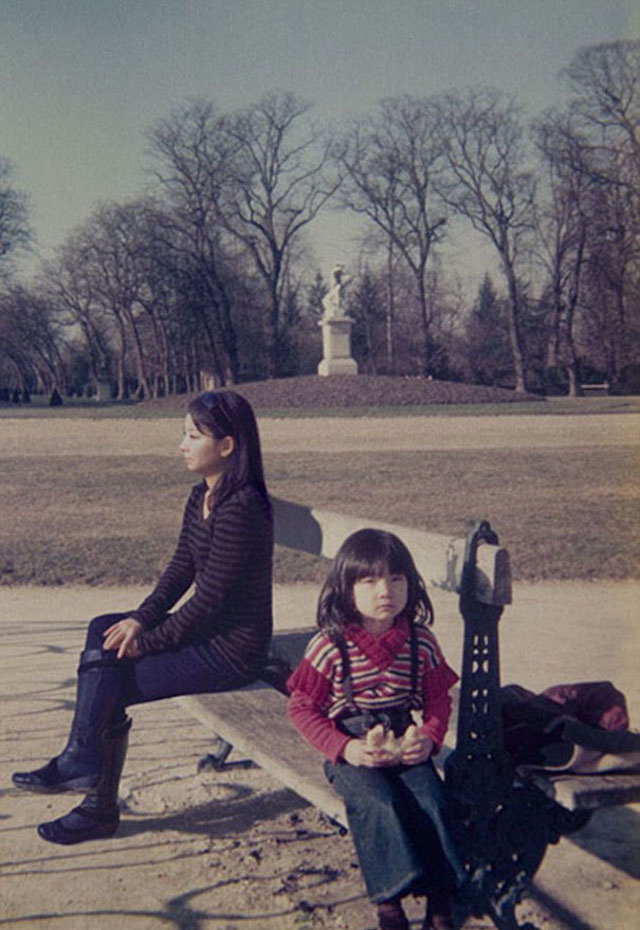
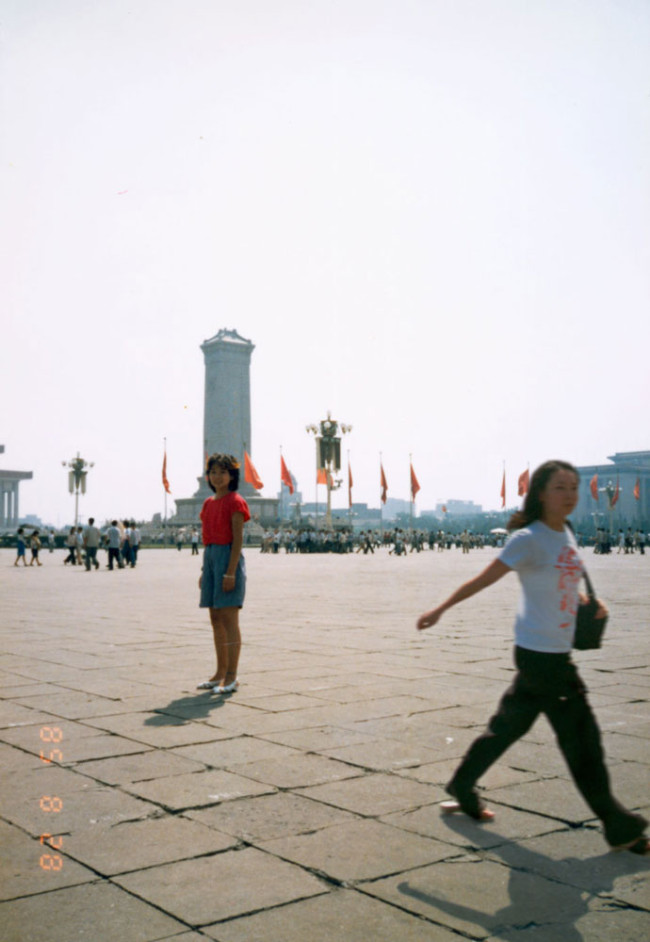
Thus with those poetic words Chino Otsuka introduces her series Imagine Finding Me, in which she seamlessly superimposes her adult self into her childhood photos. The result is a poignant 30-year journey through time in which Otsuka revisits her adolescent self, before she moved to the U.K. from Tokyo at the age of 10.

“One day, I was going through one of my family albums and came upon this image of myself at the beach and thought ‘What if I could go back to the same place and stand next to her?’” says Otsuka in an interview, speaking about the origin of the series. “I’m very much interested in this idea of remembering as mental time travel and fascinated with this idea that in our minds we can travel through time, revisit any point in your life.”
chino-otsuka-1-990x500

Some shots are more intimate, with Otsuka reenacting what she did as a child. Whereas others are more distant; as if adult Otsuka is a mere glimmer from the future, here to make sure everything is okay.
ku-xlargechino-otsuka-8-650x942

chino-otsuka-9-990x500

chino-otsuka-7-990x500

chino-otsuka-6-990x500

chino-otsuka-5-650x953

chino-otsuka-4-650x932

chino-otsuka-3-990x500

source: sploid

Kimono Forest Lights Up Kyoto’s Arashiyama Station

kimono_forest_1

all photos courtesy yasumichi morita | click to enlarge

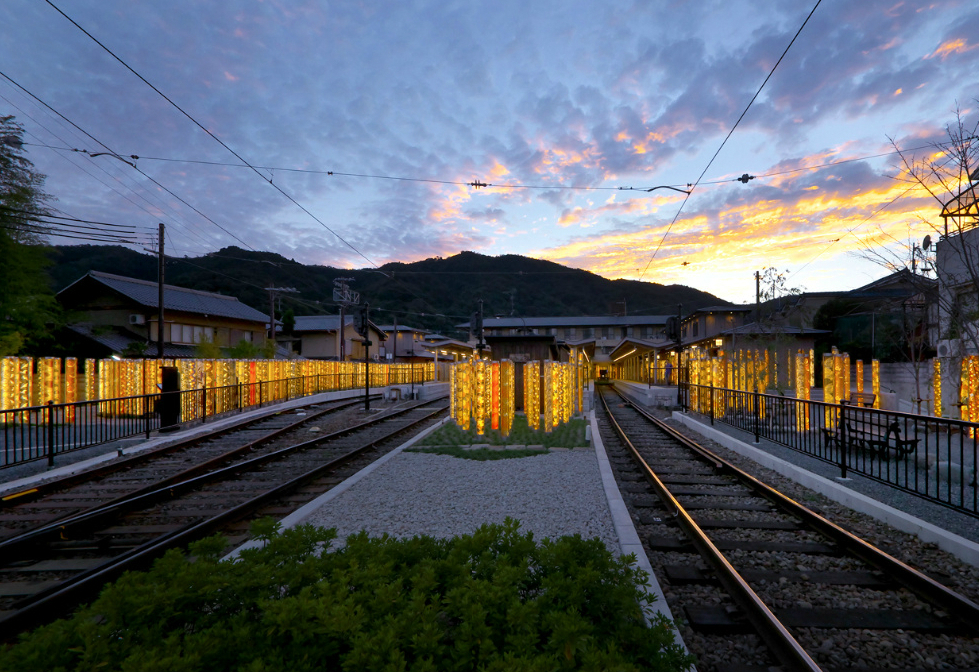
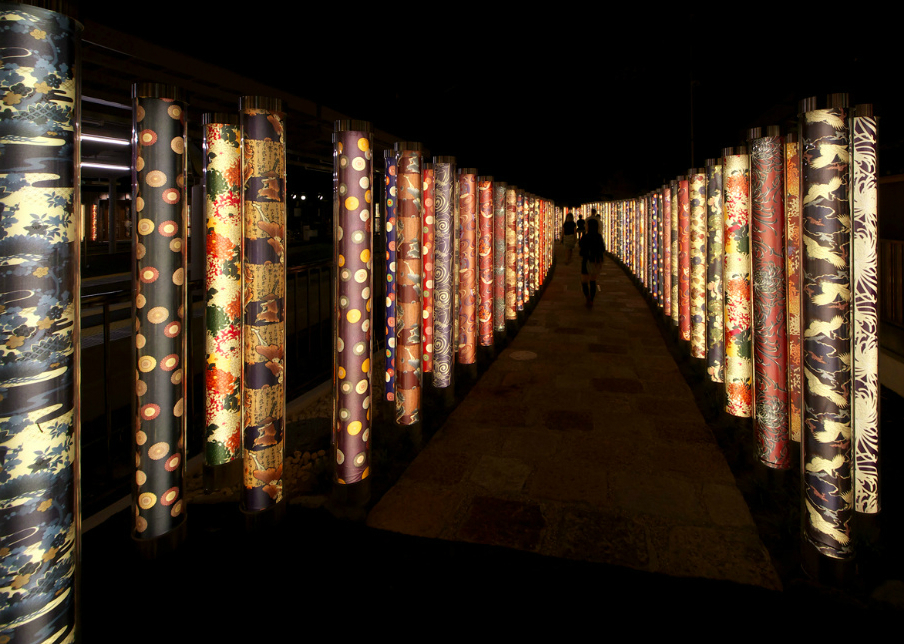
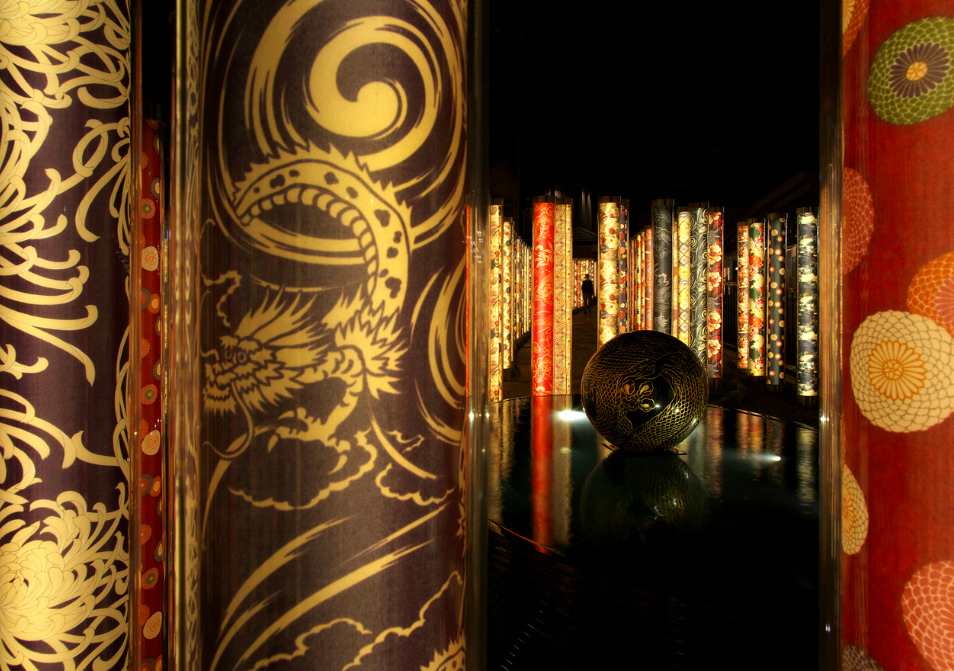
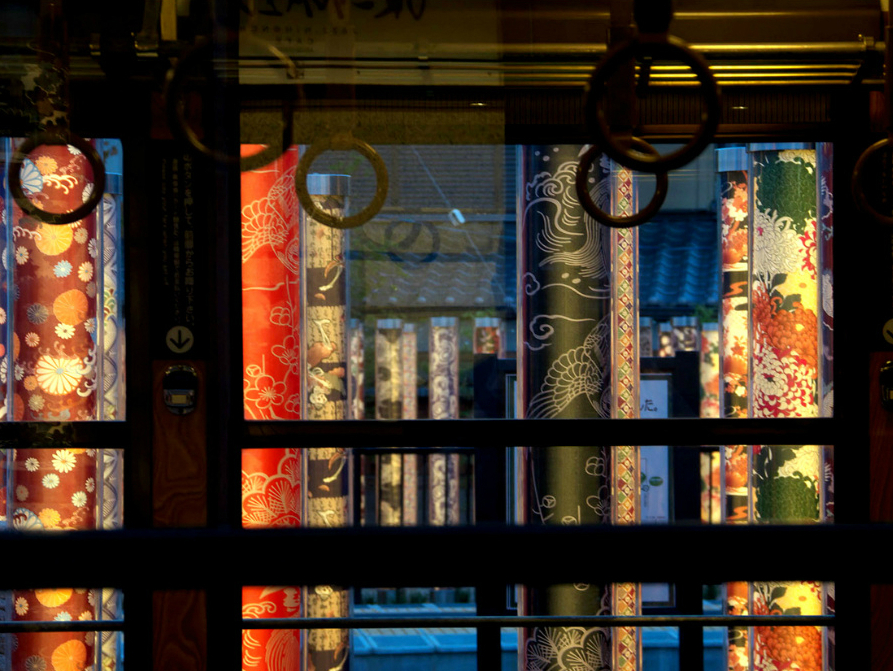
Visitor’s to Kyoto’s Arashiyama Station were greeted with a bright surprise when the station unveiled its latest facelift. The designer Yasumichi Morita (previously) collaborated with Kyoto’s Kamedatomi Corp. to create yuzen kimono fabric patterns.

The patterns were then placed inside 600 illuminated poles that were strategically lined along pathways of the station, creating a bright kimono forest.

kimono_forest_2

kimono_forest_3

kimono_forest_4

kimono_forest_5

source: Yasumichi Morita

Sweet Architecture | A Home Built on Top of a Bakery

bakery house yuko nagayama (1)

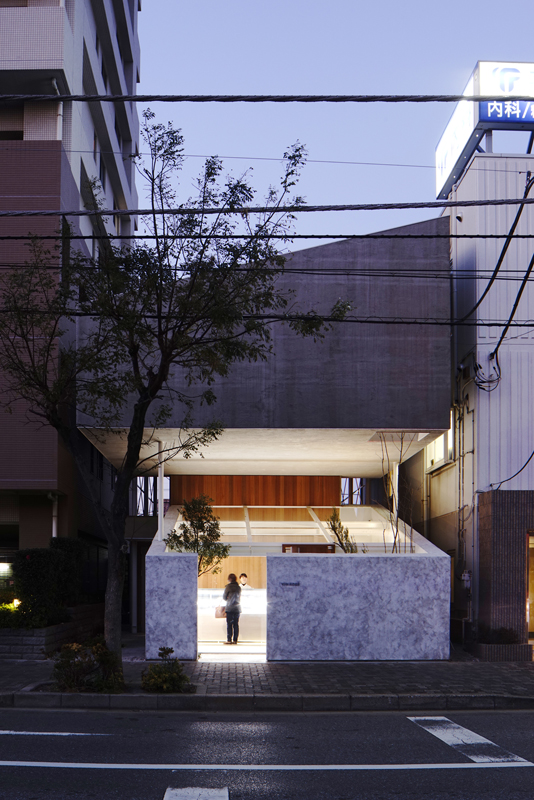
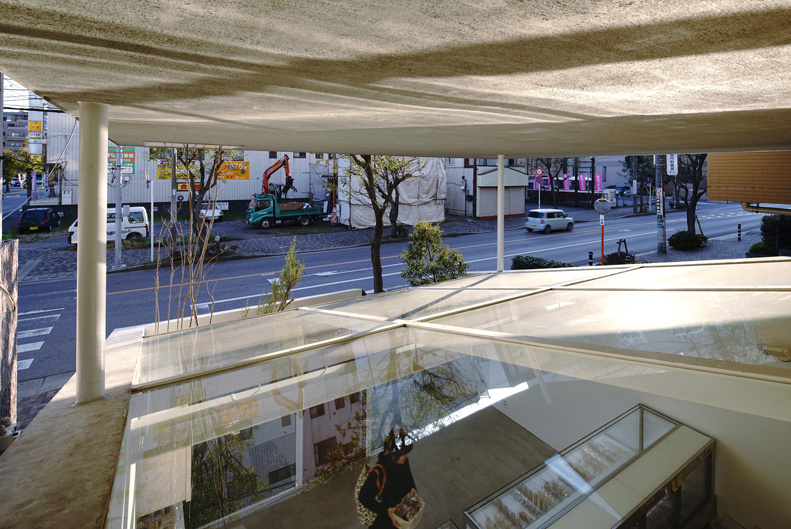
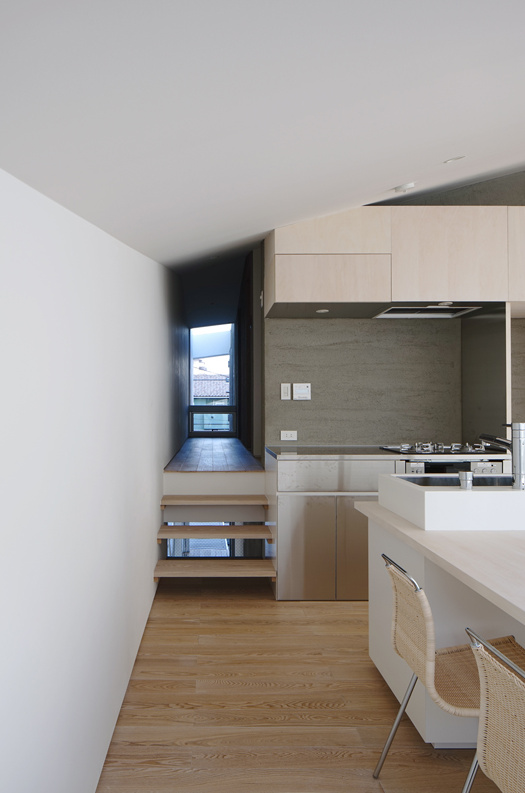
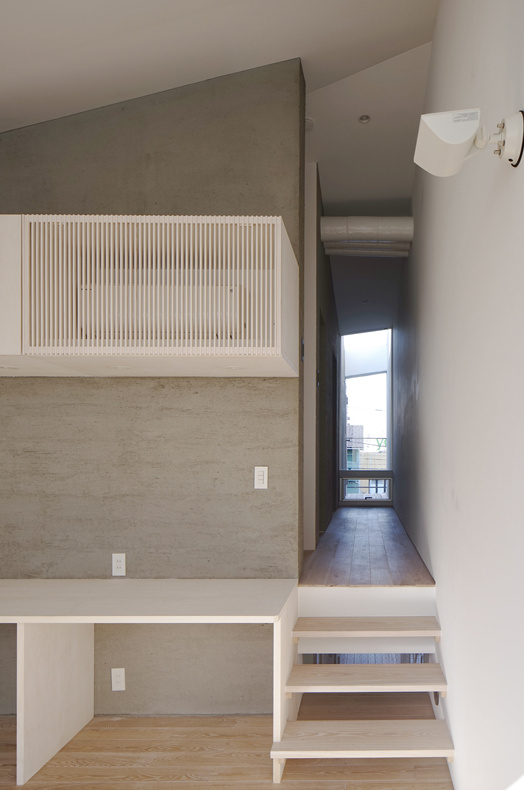
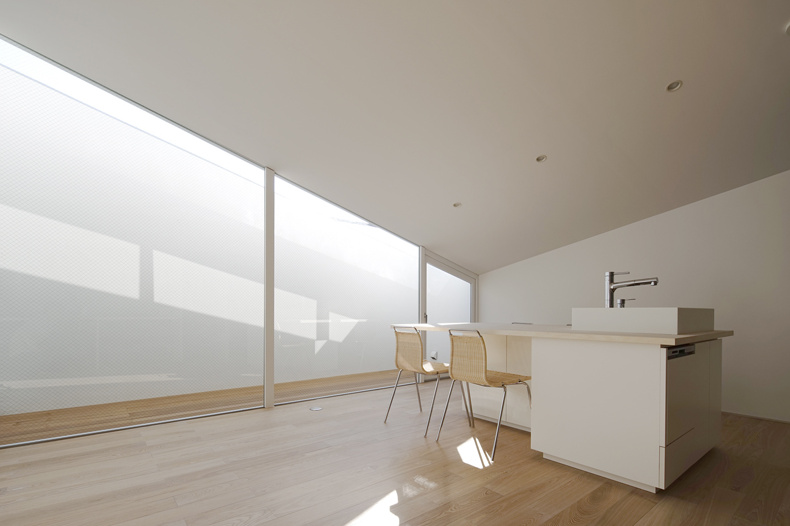
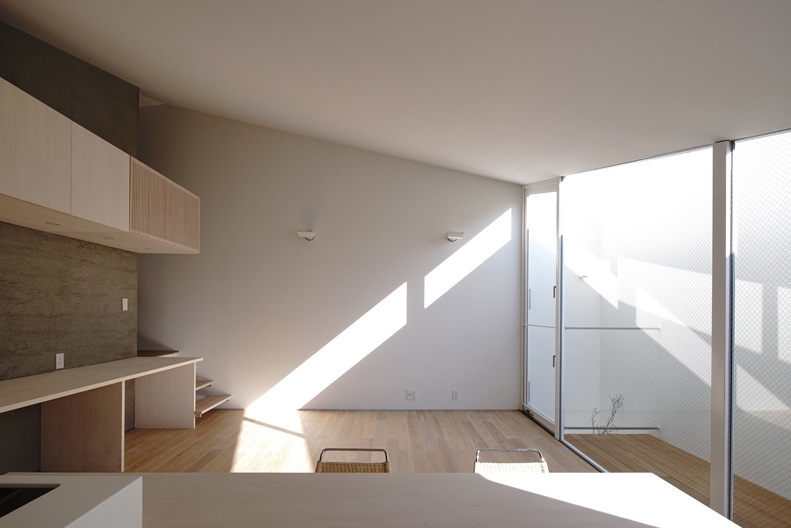
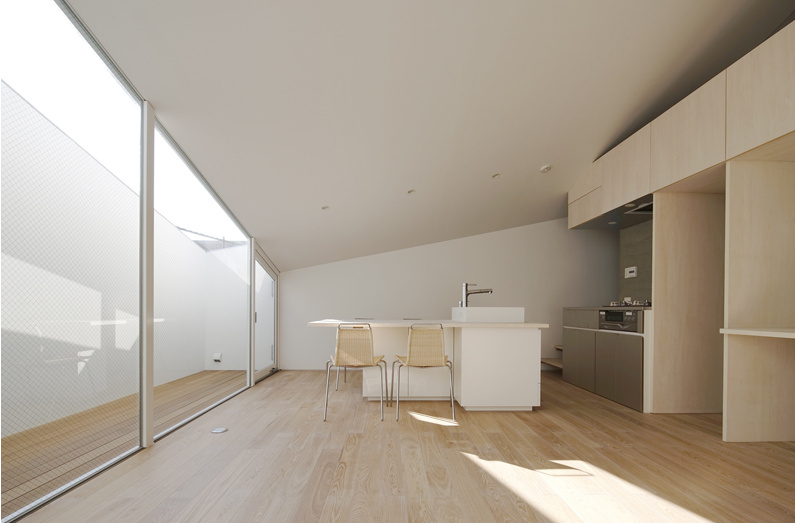
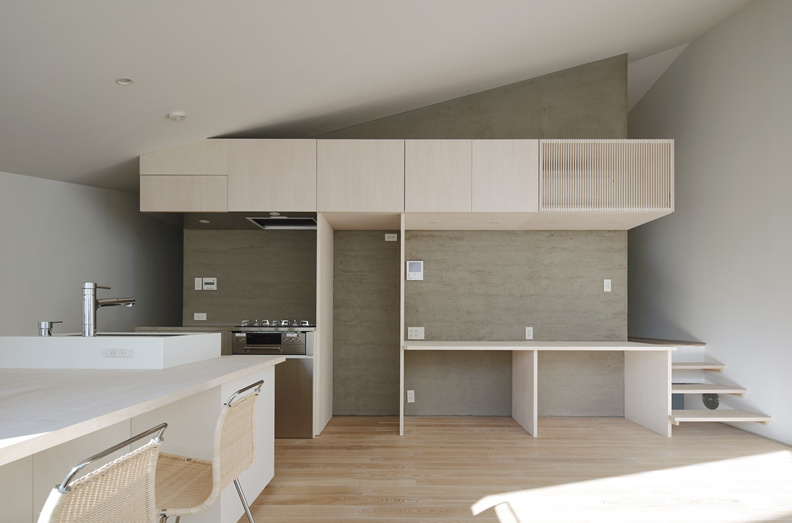
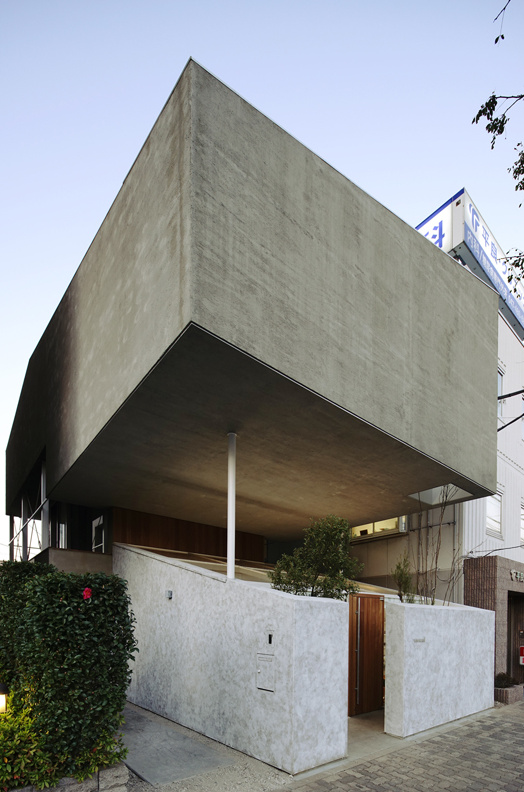
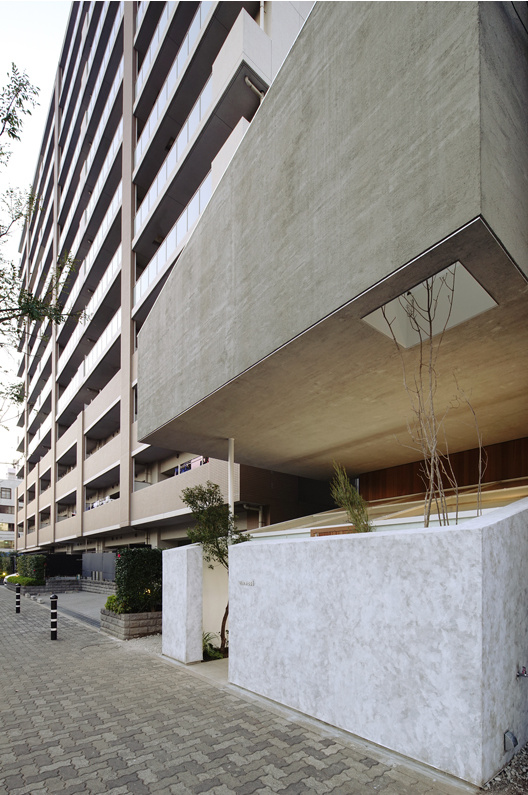
VIN ROSE has been cooking up sweets and pastries for locals since 1977. The well-established shop, located in the suburban neighborhood of Katsutadai (Chiba) just East of Tokyo, was especially well known for their apple pie. But after 35 years of doing business, the owners decided it was time for change. They hired architect Yuko Nagayama (previously) to create a modern, enticing space that accommodate their growing family as well as maintain their presence as neighborhood pâtissier.

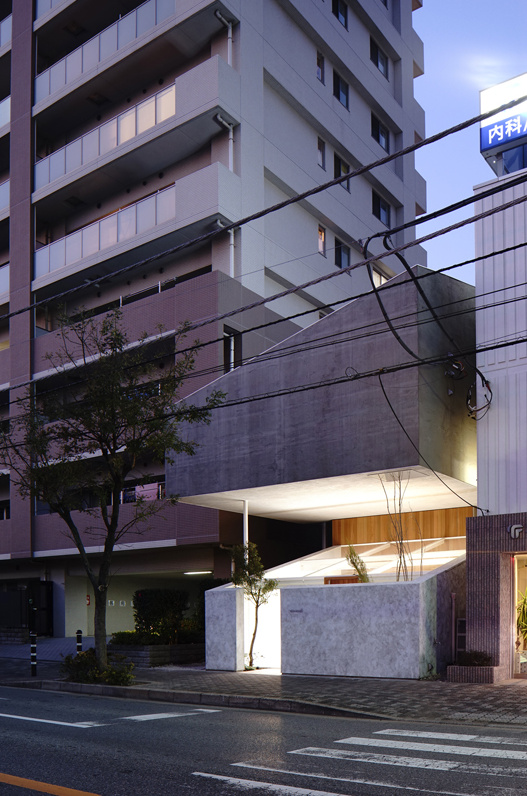
VIN ROSE, now nestled in-between a massive condo building and a clinic, reopened its doors late last year. The first floor is the bakery and kitchen while the 2nd and 3rd floors encompass living quarters for the owners and their 2 kids. Defining the structure is the open space that’s been carved out above the bakery, creating the illusion that the home above is hovering over the bakery. It also serves the purpose allowing natural light to spill into the bakery. But for a real treat, head there in the evening hours when the space looks like a treasure box that’s been opened and goodies are flowing out.

bakery house yuko nagayama (13)

bakery house yuko nagayama (10)

bakery house yuko nagayama (9)bakery house yuko nagayama (8)

bakery house yuko nagayama (7)

bakery house yuko nagayama (6)

bakery house yuko nagayama (5)

bakery house yuko nagayama (4)

bakery house yuko nagayama (3)

bakery house yuko nagayama (2)

source: architechturephoto | Yuko Nagayama

Japanese Designer New Years Cards 2014

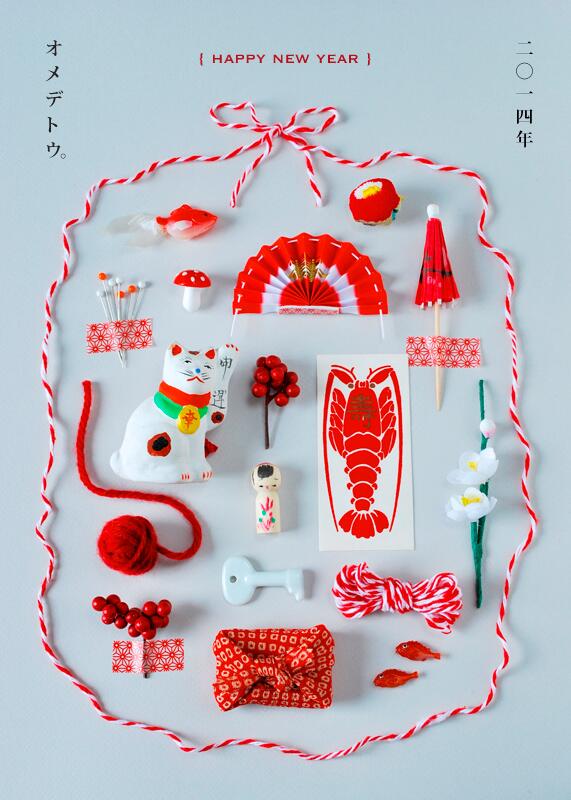
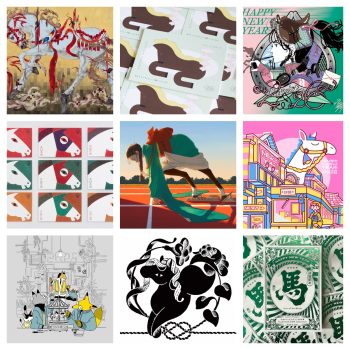
Every year around this time we share with you a selection of Japanese designer Holiday/New Year’s cards (all previous years). Here is the 2014 edition, which should also serve as a reminder that this year is the year of the horse. Happy New Year!

This first card is from Tatsuo Horiuchi, the Excel spreadsheet artist. And yes, this card was created entirely in Microsoft Excel.

shinsakunoe

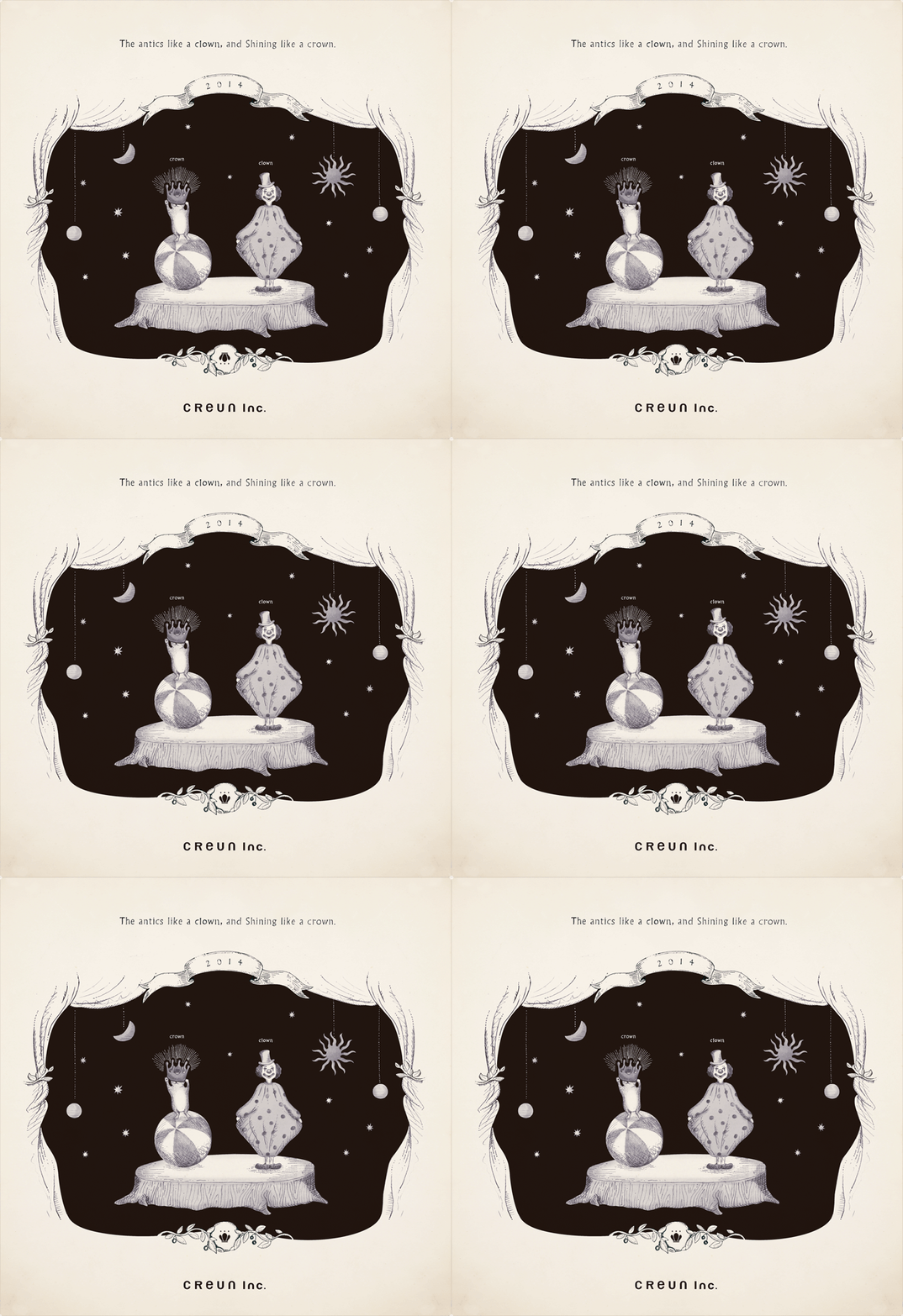
A cute illustrated card from Nagoya-based graphic design firm creun, inc.

2014 NYcards - creun

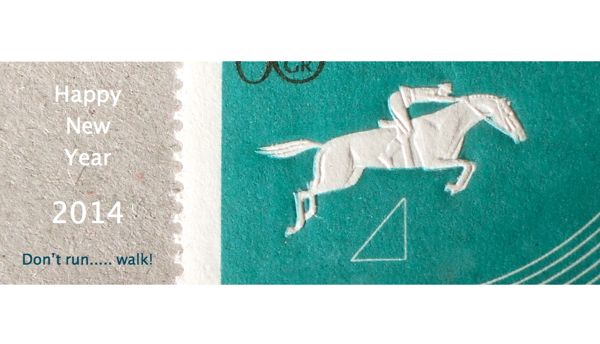
Each year Tomoko Azumi of TNA Design Studio uses her prized stamp collection to compose a card.

2014 NYcards - TNA design studio

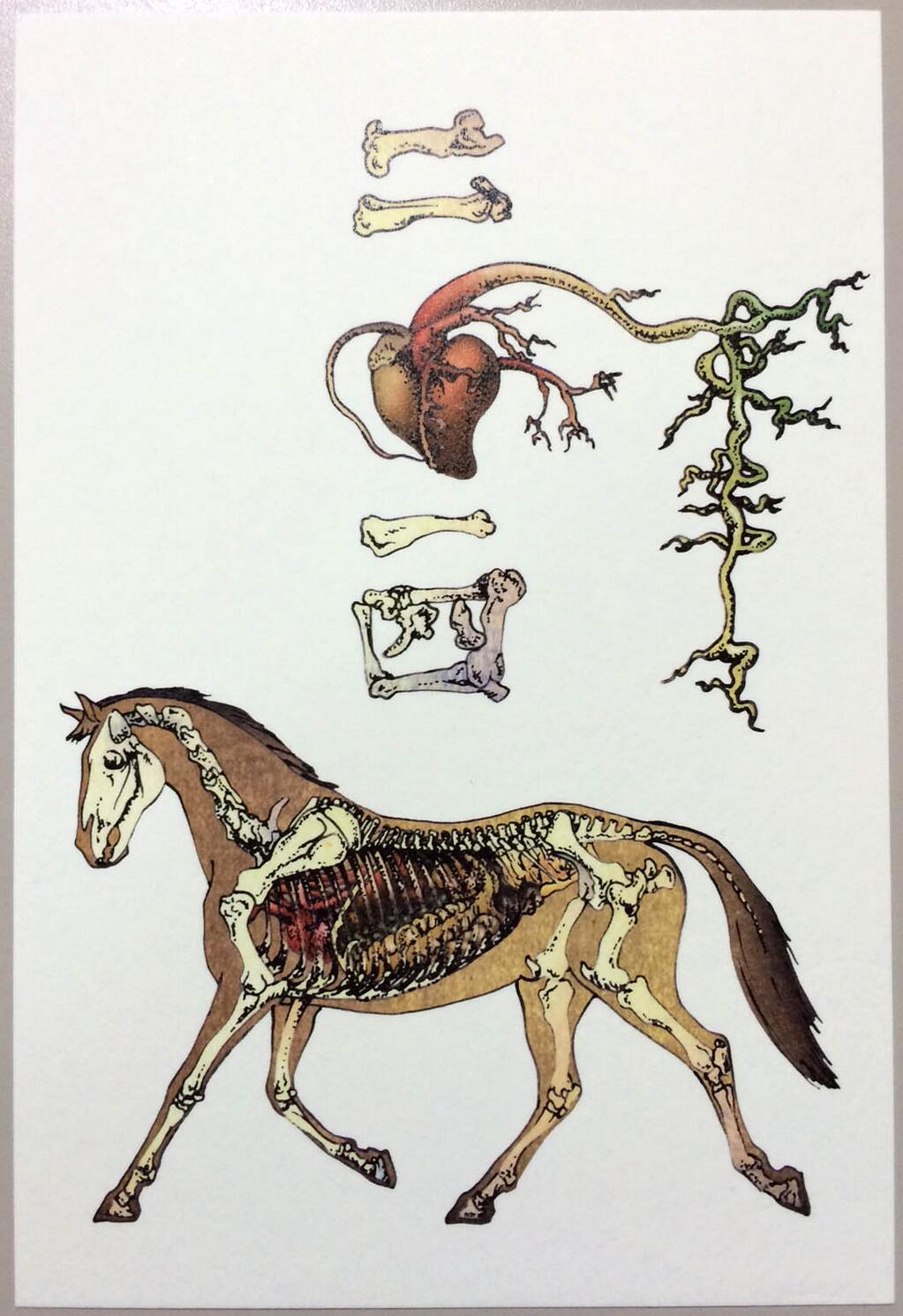
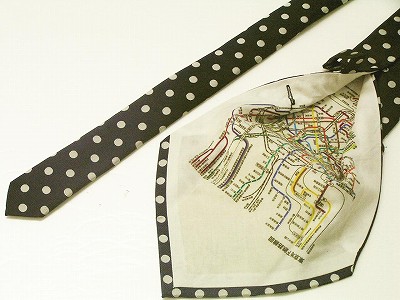
Visual artist Tabaimo came up with a rather morbid New Years greeting. The bones and hear spell out the characters for 2014.
2014 NYcards - tabaimo

Botanic artist Makoto Azuma put together a floral arrangement that resembles a horse.

2014 NYcards - makoto azuma

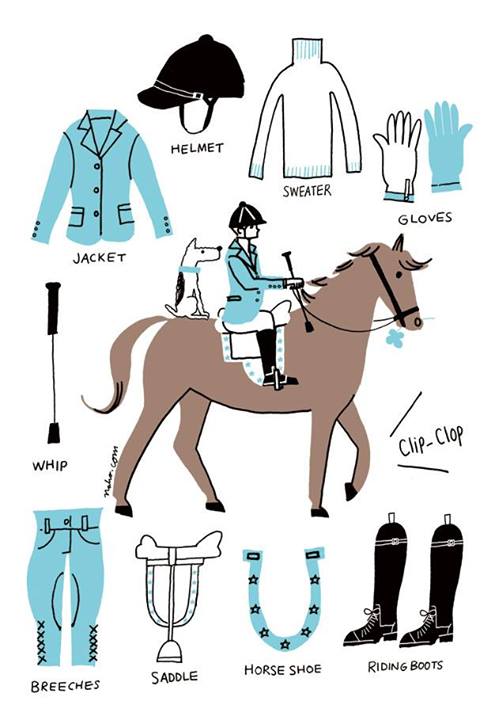
A horse-themed card from Spoon & Tamago friend and illustrator Naho Ogawa.

2014 NYcards - naho ogawa

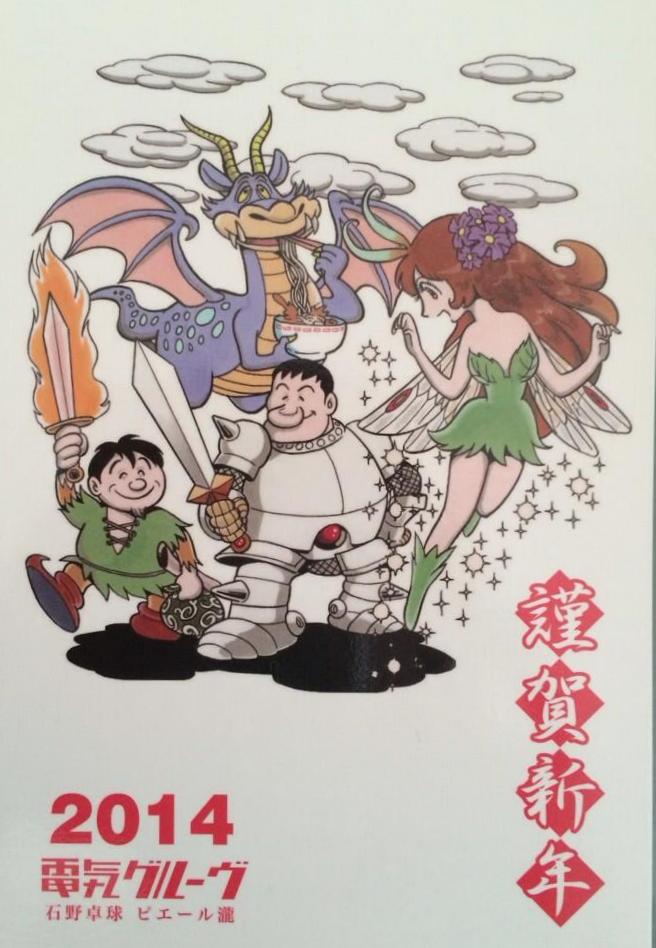
This one is from Japanese Techno-pop group Denki Groove.

2014 NYcards - denki groove

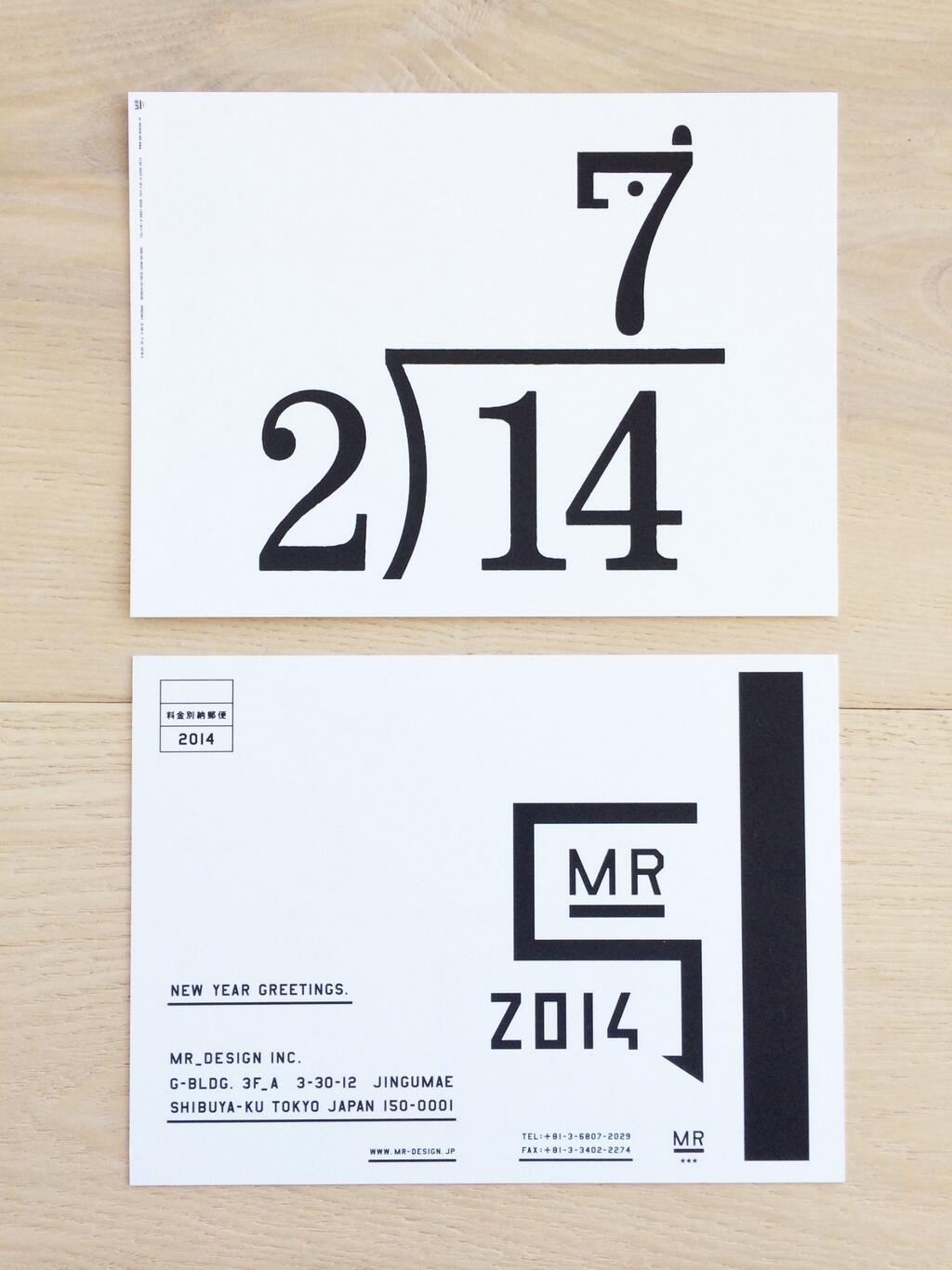
Creative Director Kenjiro Sano used a mathematical formula based on the numbers 2014, to create an image of a horse.

2014 NYcards - Kenjiro Sano

Creative Director Keisuke Unosawa opted for the cowboy/cowgirl motif.

2014 NYcards - keisuke unosawa

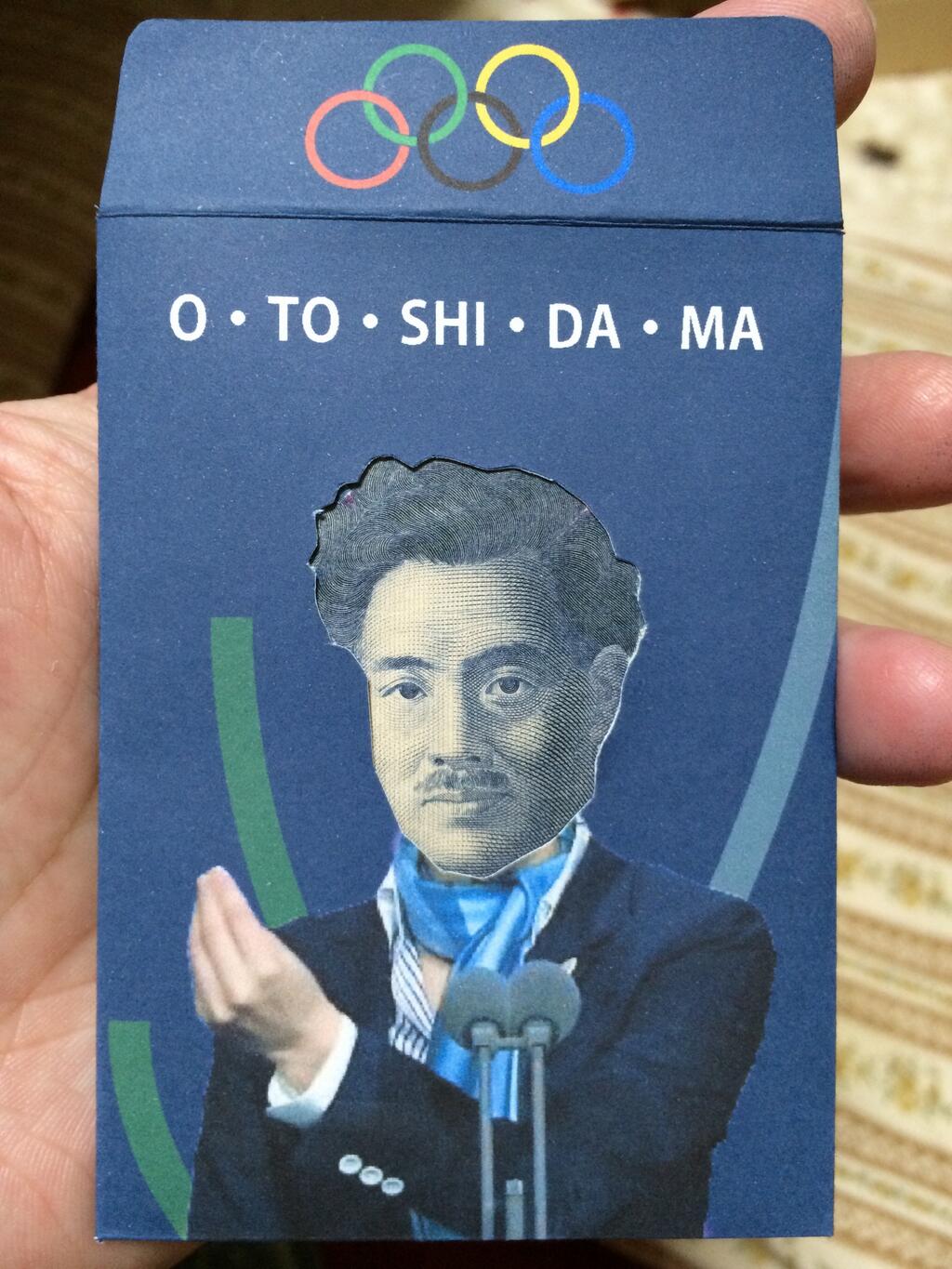
It’s not a New Year’s card, but it was too good to pass up. Twitter user @jj_akichan made this otoshidama envelope based on one of Japan’s most popular memes of 2013: O-MO-TE-NA-SHI

2014 NYcards - jj_akichan

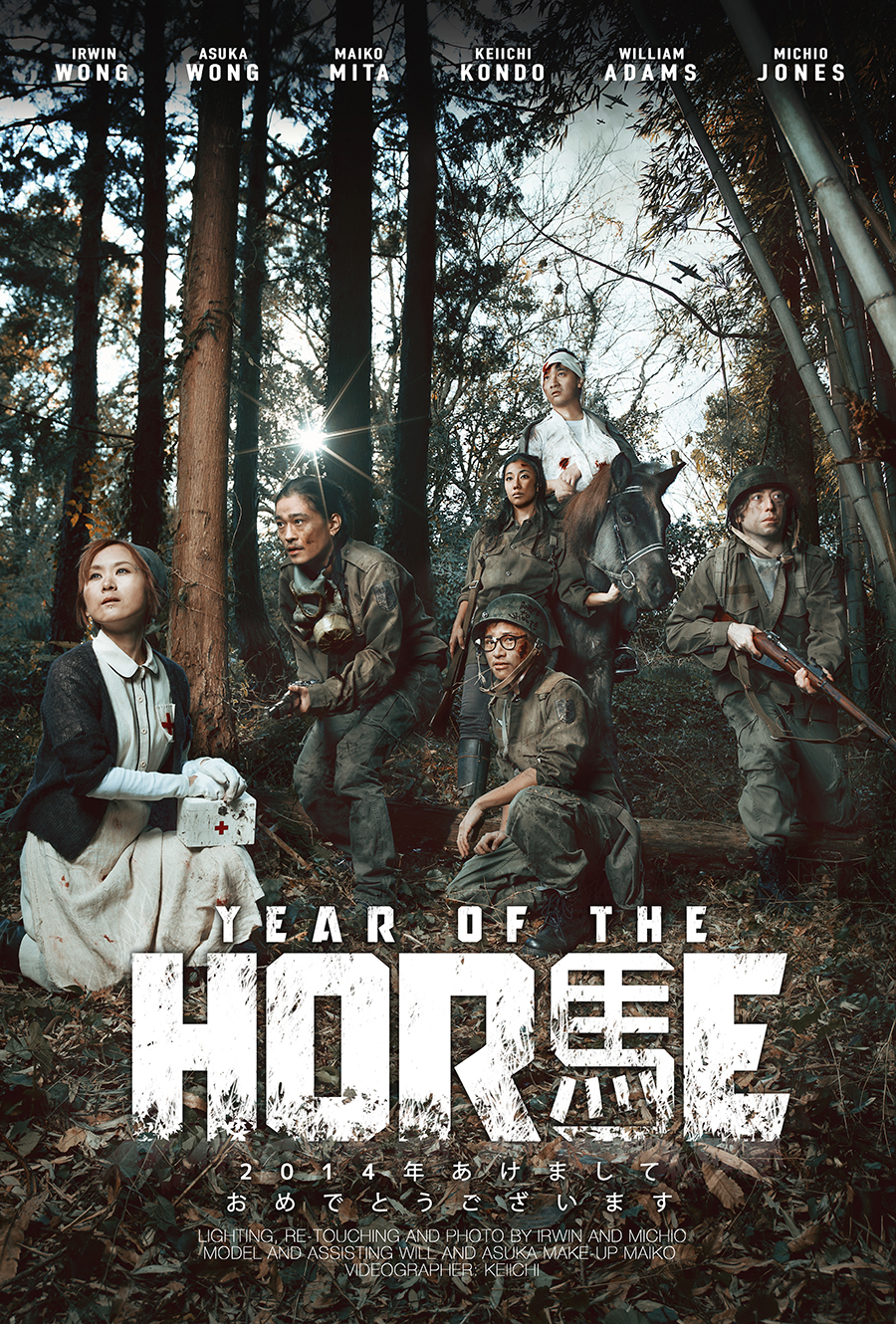
Tokyo-based photographer Irwin Wong created a movie poster featuring his team. They drove down to a farm in Chiba and even rented a real horse for the shoot. Talk about going the extra mile!

2014 NYcards - Irwin Wong

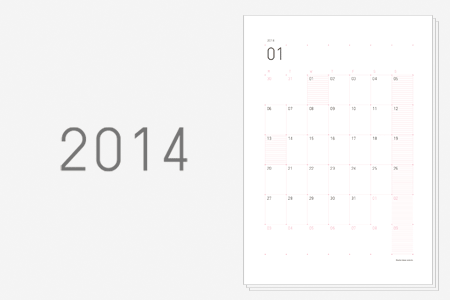
Also not a New Year’s card, but Hiroshima-based Hyphen Design created a gorgeously minimal 2014 calendar as a greeting. It’s easy to use and free for anyone to download and print. Grab yours HERE (PDF).

2014 NYcards - hyphen calendar

A colorful greeting card from felt sculptor Hine Mizushima.

2014 NYcards - Hine Mizushima

Graphical greatness from Sasaki Shun.

tumblr_mytldjkZbR1rkaxdko1_1280

Japanese Parade Floats from the 1800s

marade float MFA 2

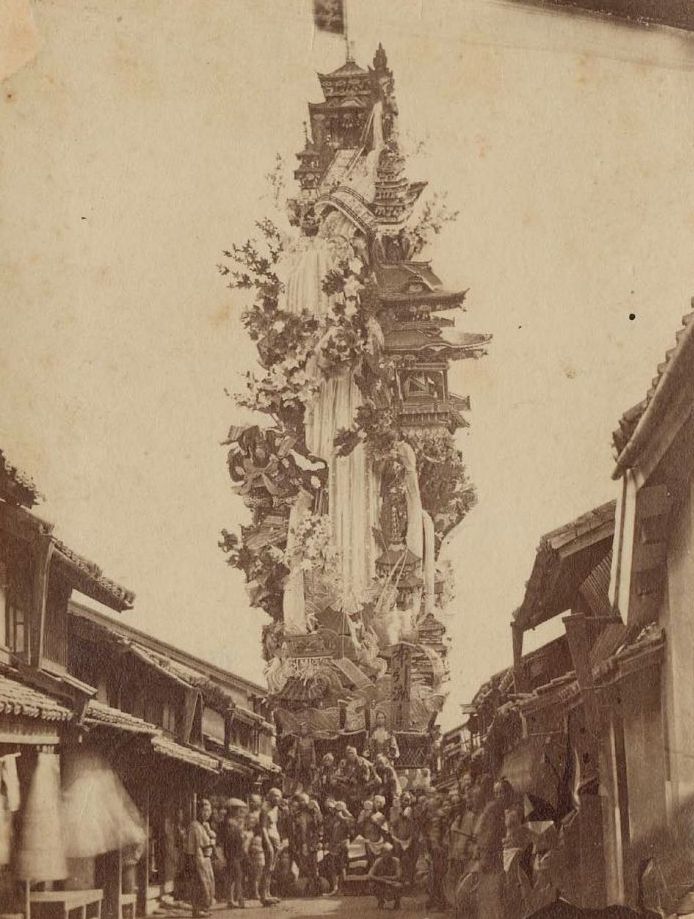
image courtesy Boston MFA

The photo above was taken by an unknown photographer in 1871, a mere 30 years after the world’s first photographs began emerging. The artist captured a massive, precarious float (known as dashi) parading through the streets of Hakata, in Southern Japan. Much of the specifics remain unknown, but my best guess would be that it was part of the Hakata Gion Yamakasa, a 700-year old festival that takes place in early July.

Either way, it’s a fascinating photograph of an incredible, elaborate structure. It’s actually hard to believe it’s a photograph, but I’m going to go with the word of the Boston MFA, until someone proves it wrong.

Dashi (written 山車, the characters for mountain and car) have been around for hundreds of years and play a central role in Shinto festivals that celebrate the gods. It was thought that Shinto gods originally descended onto mountainous peaks, hence height and overall resemblance to mountains. It was also customary for the floats to be heavily decorated with mountain imagery.

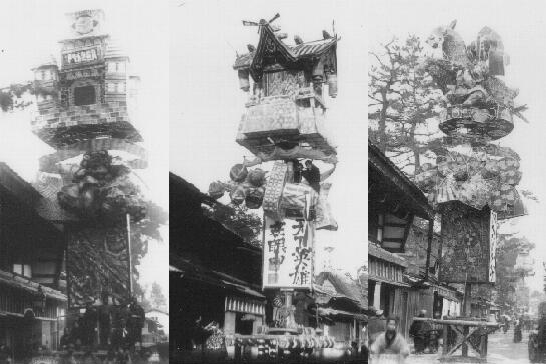
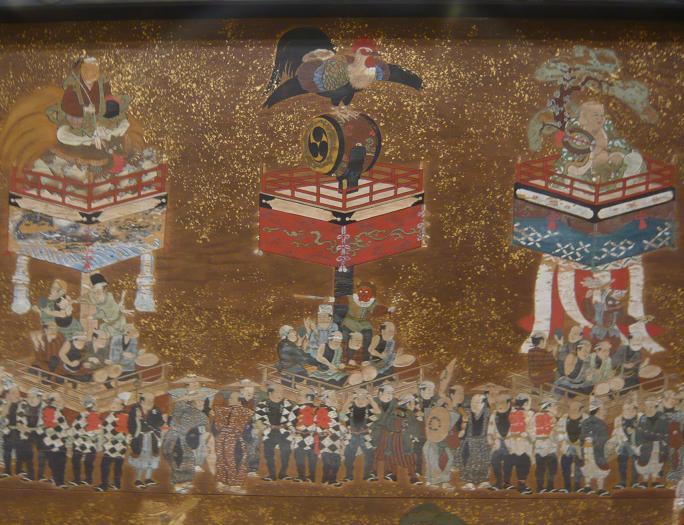
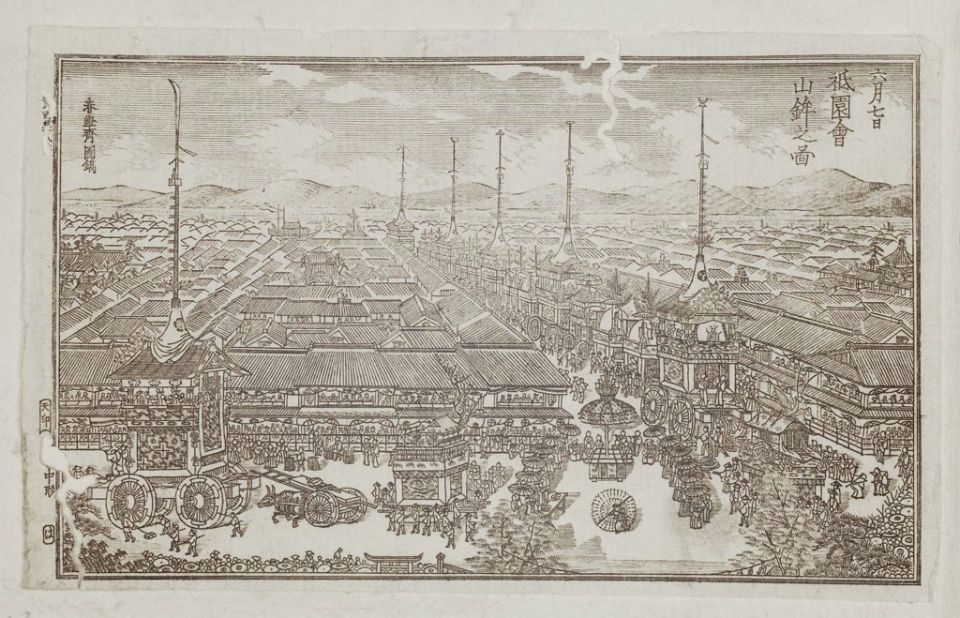
Here are some other old pictures and paintings of Dashi. But none quite compare to the first photograph.

parade float - fukuno

image courtesy Fukuno Yotaka Festival

parade float -kawagoe

image courtesy kawagoe matsuri

parade float - MFA

Parade Floats of the Gion Festival on the Seventh Day of the Sixth Month | image courtesy Boston MFA

source: DDN Japan


Cheat Sheets | Tokyo Metro Map Printed on the Back of Neckties

rosenzu_j

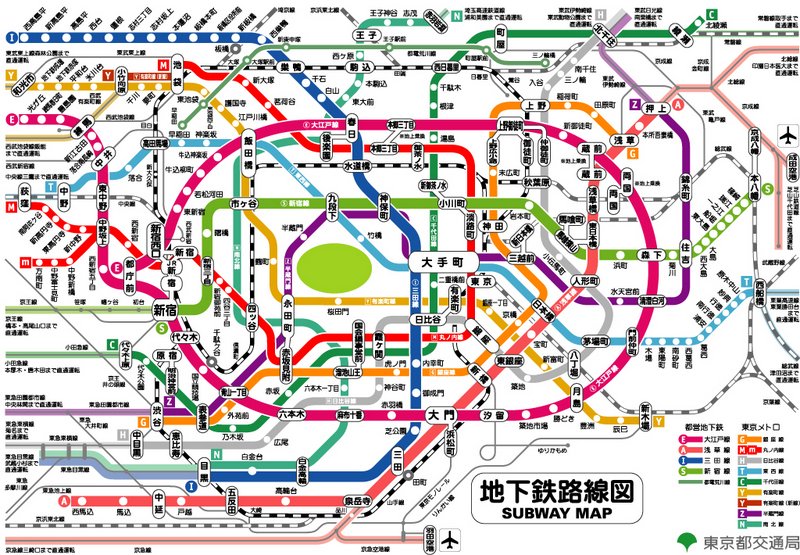
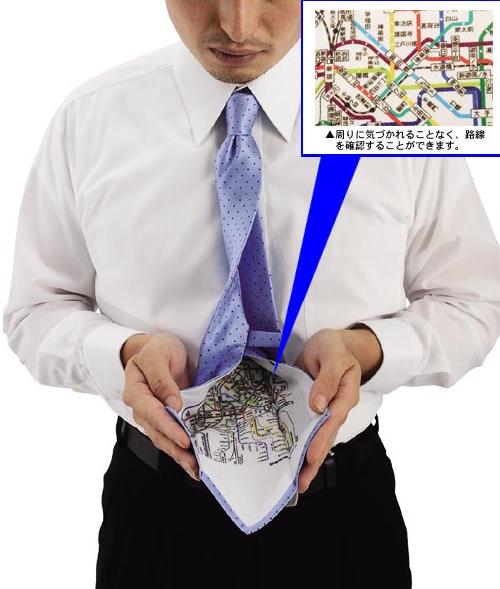
Here is a picture of Tokyo’s complex underground metro system. And here is another perspective. As you can see, it’s arguably one of the most complex in the world. Even seasoned straphangers need the occasional cheat sheet to get them through a full day of business meetings all around Tokyo.

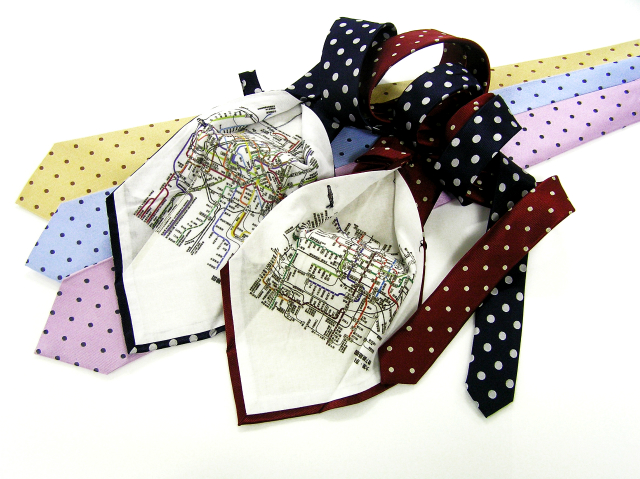
Enter the Tokyo Metro Map Necktie, a seemingly simple print but with the metro map printed on the inside. It’s manufactured by ARA, a Tokyo-based maker of men’s ties and comes in a Tokyo and Osaka version. Never get lost again!

12032013-06

img_956498_20244478_1

k2143481290source: rocketnews24

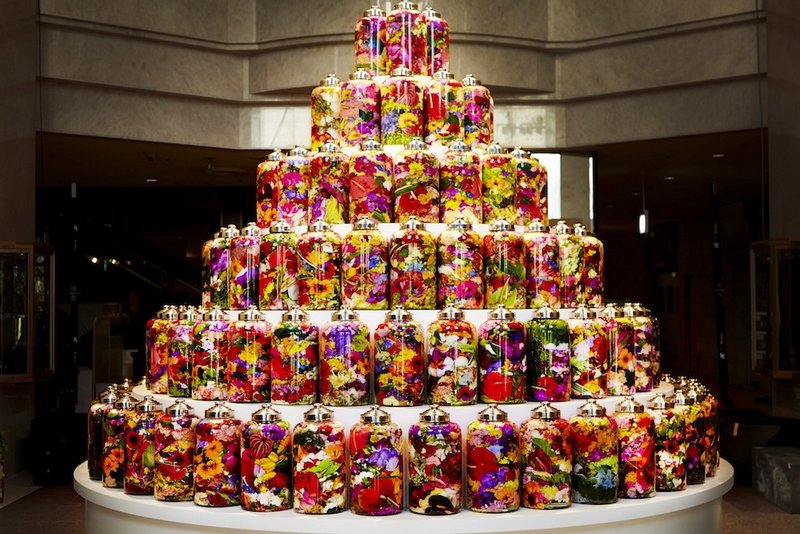
A Colorful Birthday Cake of Bottled Flowers by Makoto Azuma

001

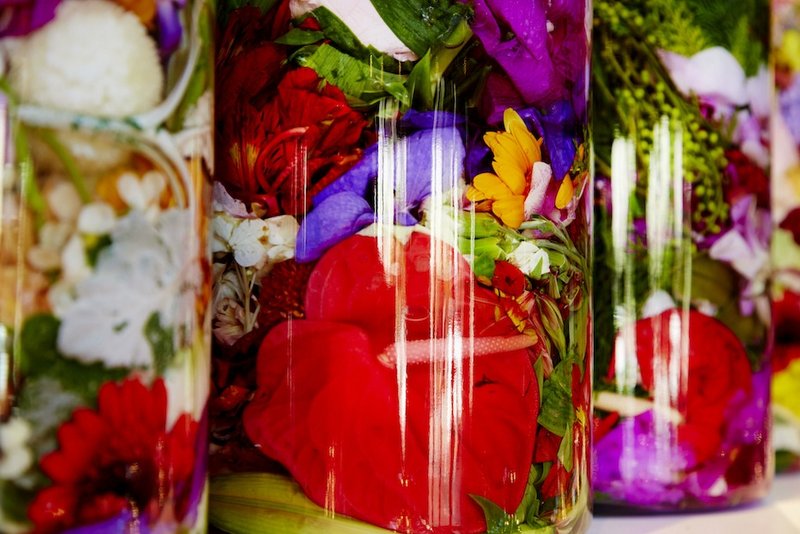
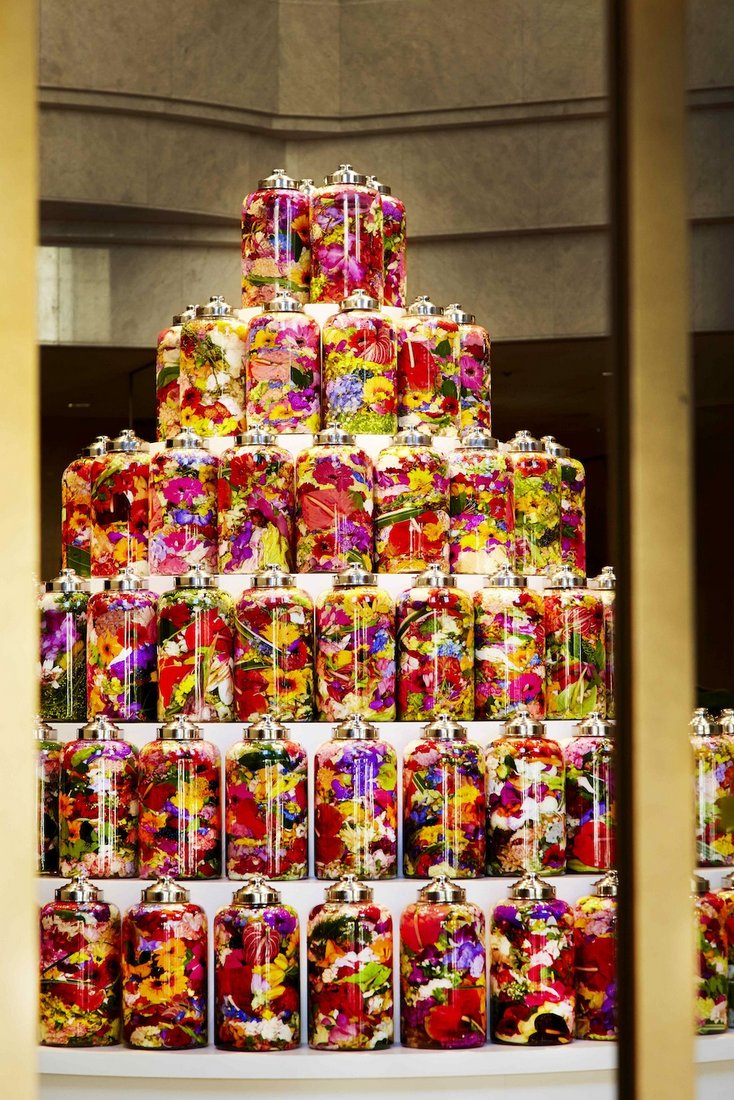
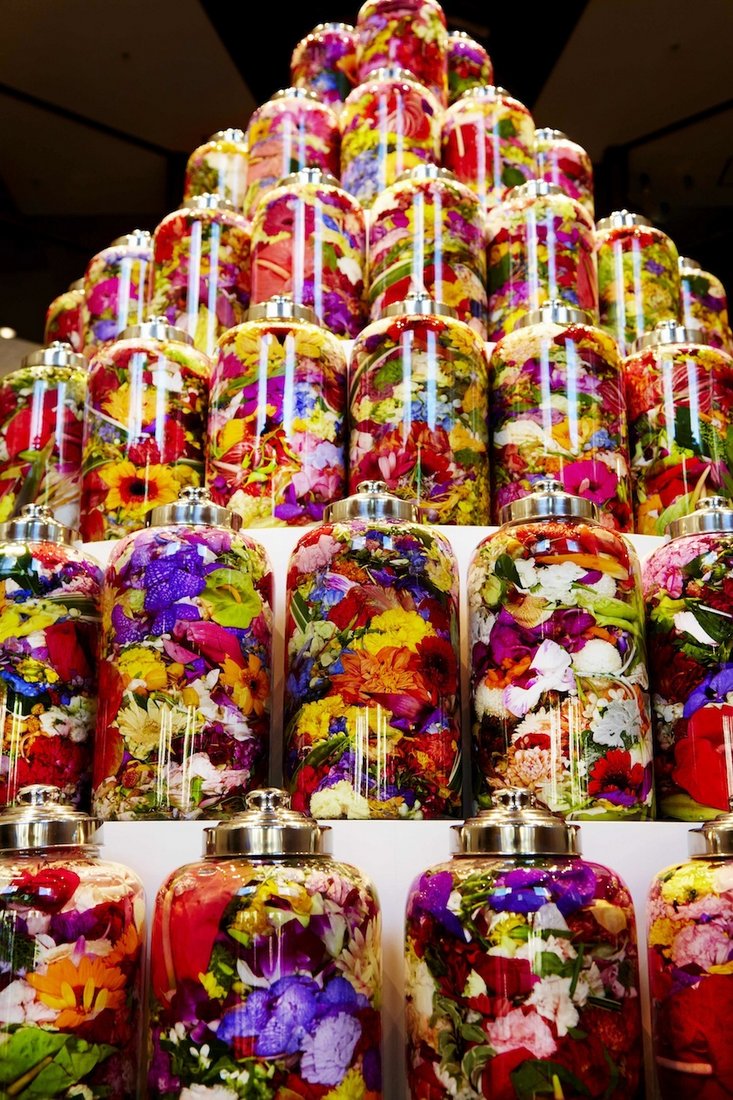
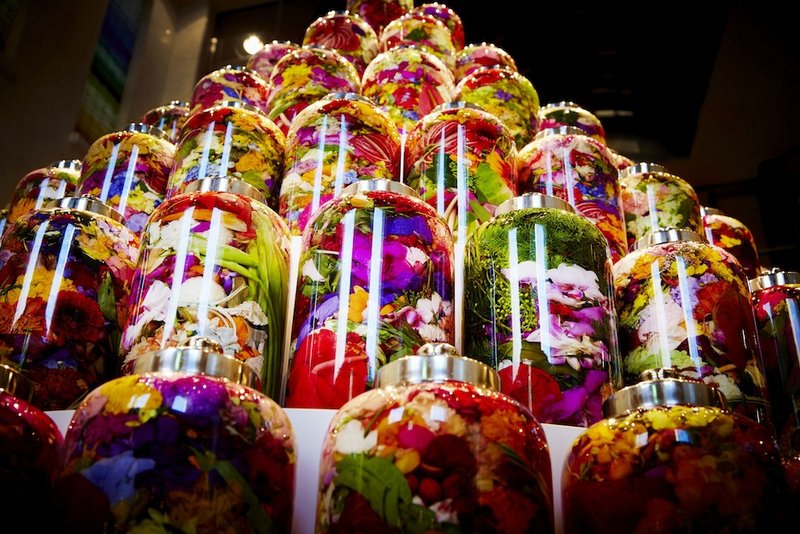
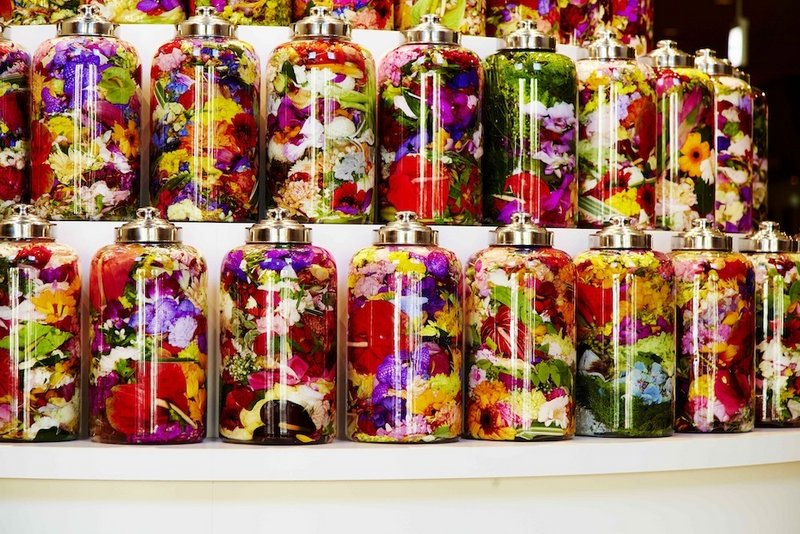
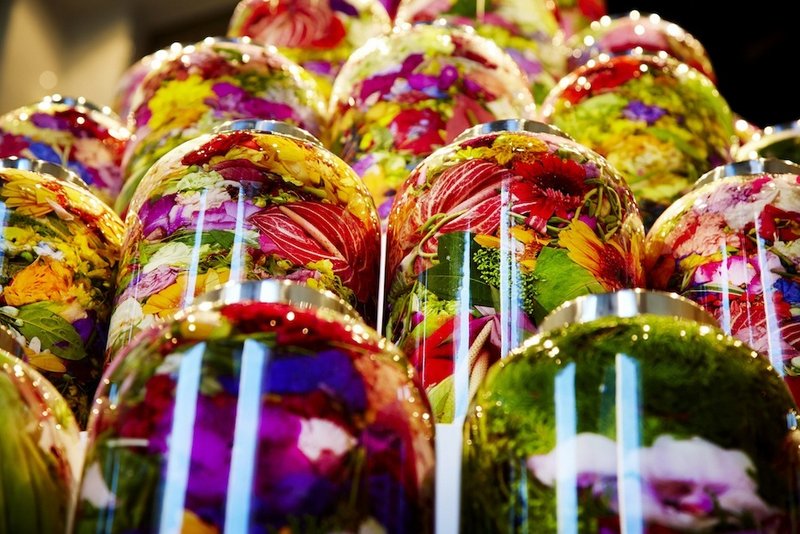
Birthday cakes come in many shapes and sizes. Some come with candles, others come with flowers. But when the Imperial Hotel Plaza in Tokyo celebrated their 30th birthday in Tokyo last month, their cake was made from flowers. Literally. Botanical artist Makoto Azuma (previously) staged an impressive installation by stacking over 100 jars of colorful flowers filled with water, in the shape of a birthday cake.

And all the flowers were recycled. Azuma turned to florist Daiichi Engei, conveniently located right inside the Hotel Plaza, to supply leftover flowers.

008

009002

003

005

006


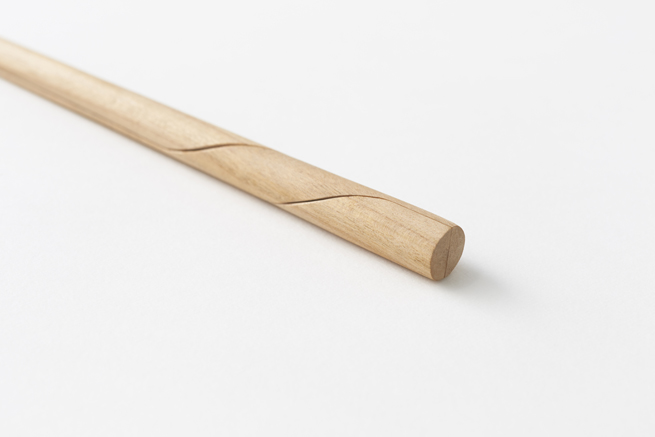
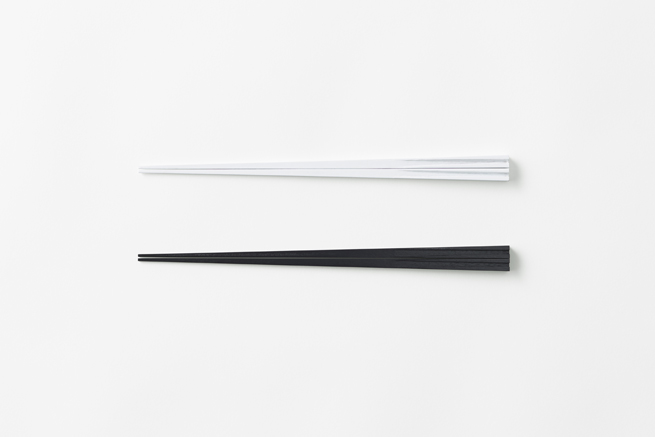
less is more | Nendo Reinvents the Chopstick by turning two into one

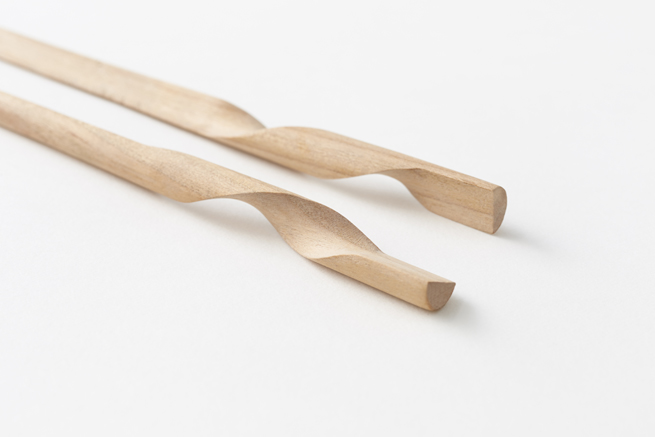
rassen01_akihiro_yoshidaphotos by Akihiro Yoshida courtesy Nendo

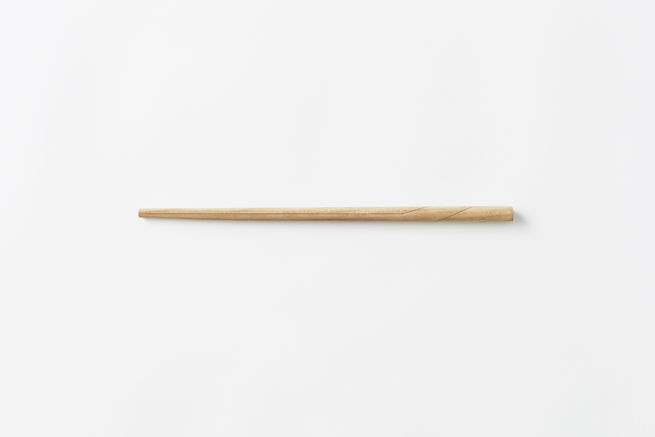
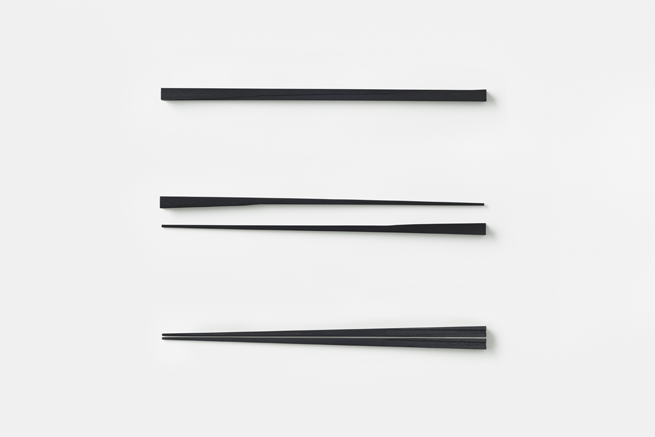
Your chopsticks can make your food taste better, claims Hashikura Matsukan, a chopstick manufacturer steeped in 400 years of history. But how can you improve on, or reinvent, something that’s been around for so long? Something that’s been refined so many times? It’s just 2 sticks that taper to a point, right? Well that’s exactly where Oki Sato from Nendo turned to, when he was asked to redesign a series of chopsticks.

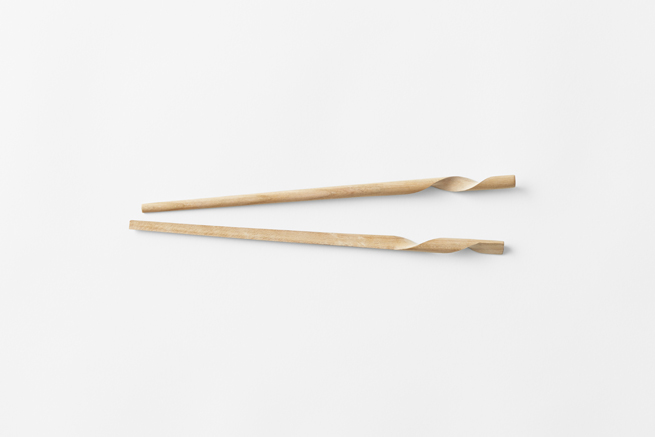
“Chopsticks ordinarily come in pairs,” explains Sato, “but the rassen chopsticks are a single unit. They’re separated into two for eating, then rejoined into one form when not in use.” Rassen means helix, and refers to the DNA-like shape used to link the two together.

rassen02_akihiro_yoshida

rassen03_akihiro_yoshida

rassen04_akihiro_yoshida

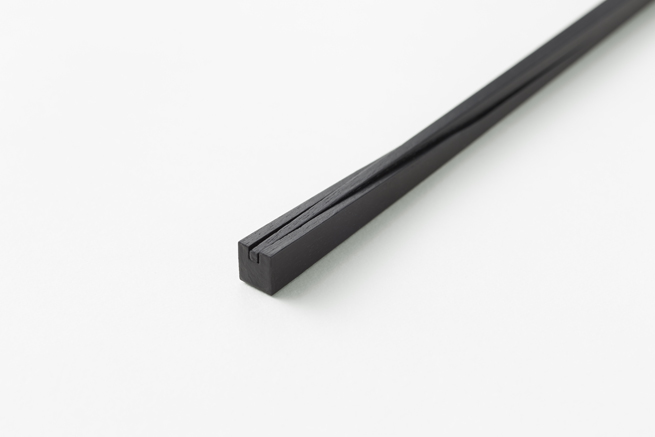
Another design in the series is kamiai, or interlock. “We put a gap on one of the four sides of the square shaped chopstick, and embedded a magnet, so that the two would snap together in one piece when they are flipped and fitted to each other.
We placed the magnets towards the outside of each chopstick, so that the chopsticks don’t come together accidentally while someone is using them to eat.”

kamiai02_akihiro_yoshida

kamiai03_akihiro_yoshida

In a related story, designers attempting to simplify chopstick etiquette.

You can read all our stories on Nendo right here.

kamiai01_akihiro_yoshida

source: press release

Studio Visit With Artist Ōyama Enrico Isamu Letter

Hi there! You’ve landed on a members-only article. If you’re interested, Consider supporting Spoon & Tamago by becoming a member.

You can read all about our membership program here. Thanks!

Embroidered Japanese middle-aged mom brooches

04_uchimizu_b

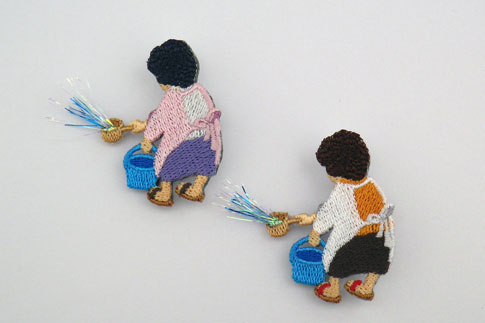
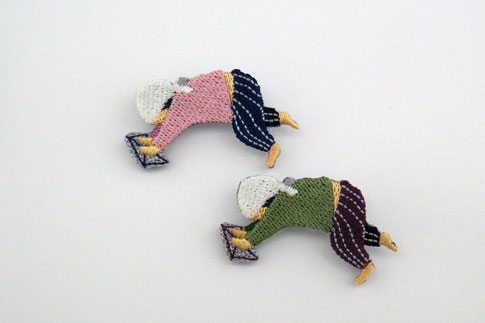
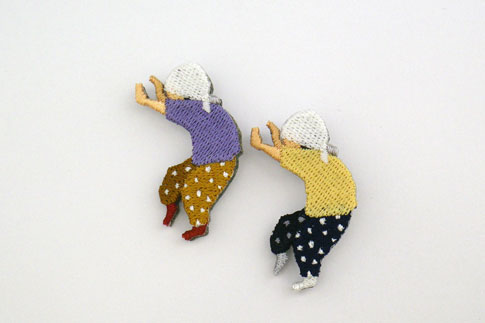
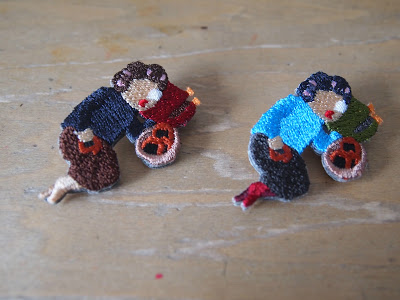
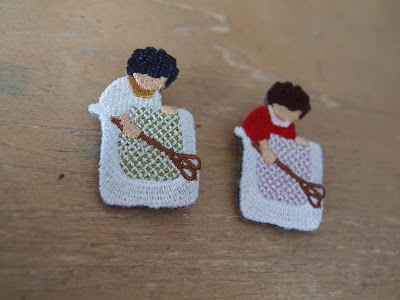
When you’re going to create an embroidery you usually do it of something special, like your pet, your favorite car or pretty flowers. And then there’s this: embroideries of middle-age Japanese moms engaged in incredibly dull activities. And there’s something oddly amusing about the absurdity of it all.

Created by freelance designer Junichi Chiba, the embroidered brooches feature typical Japanese housewives doing things like watering the patio, sweeping the floor, dancing, eating rice crackers and airing out the family futon.

05_yukafuki_b

06_utage_b

P6120488

P6120489

source: @sheishine

« Older posts Newer posts »

© 2026 Spoon & Tamago

Up ↑

Design by Bento Graphics