Page 211 of 406

Multi-Leveled Living | Case by Jun Igarashi

case by jun igarashi (1)

all photos by Daici Ano | click to enlarge

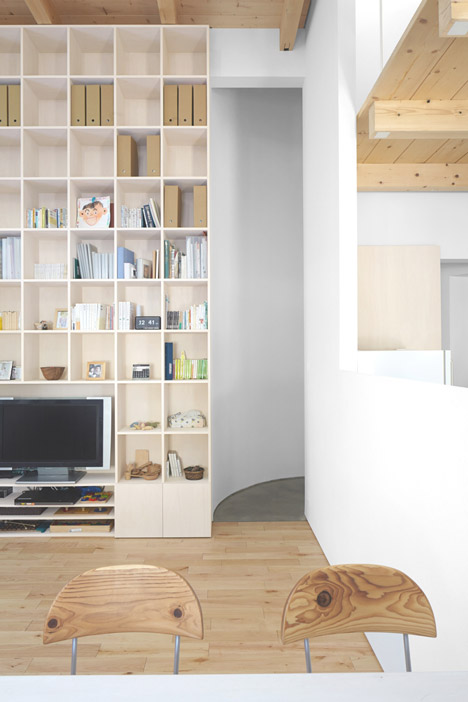
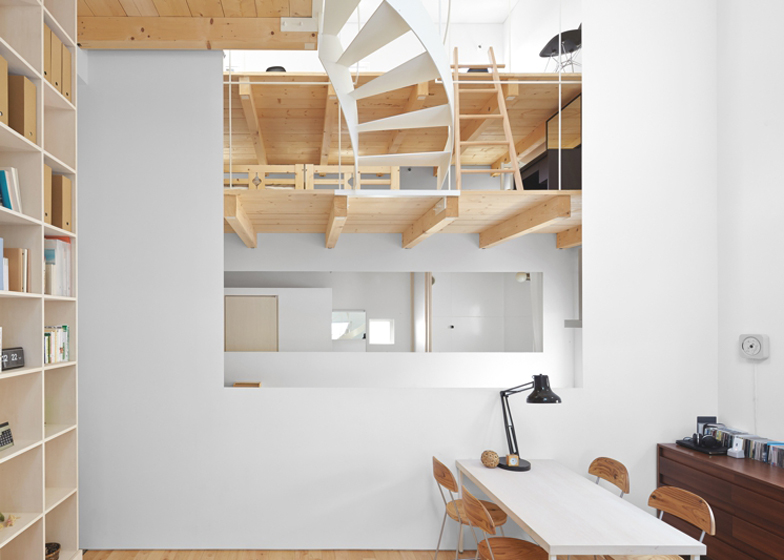
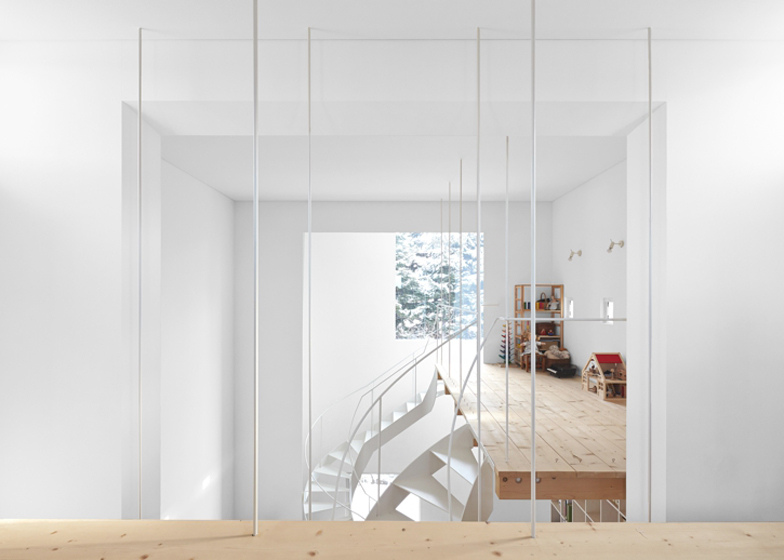
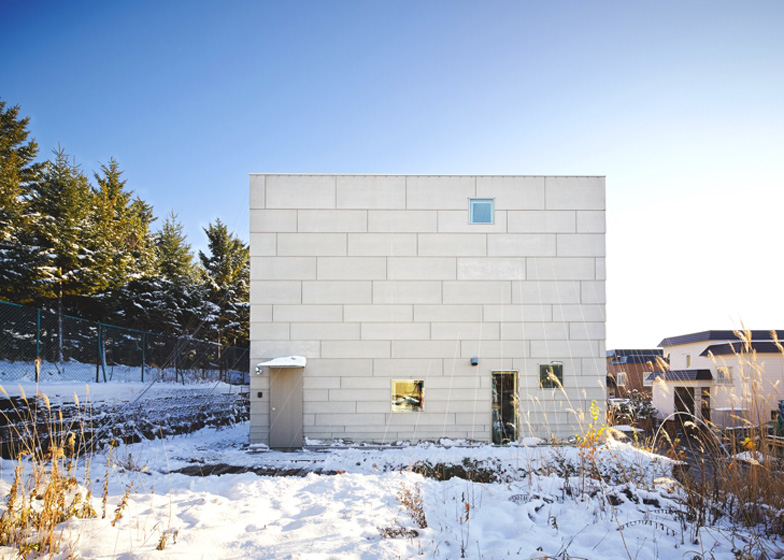
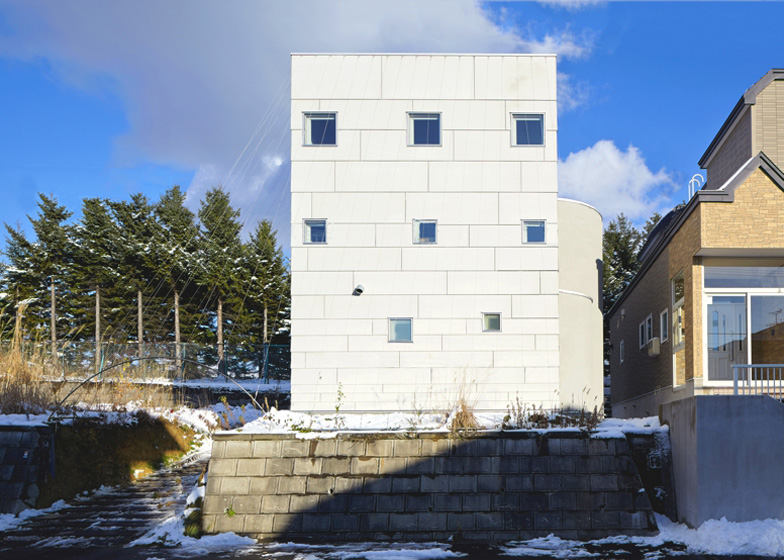
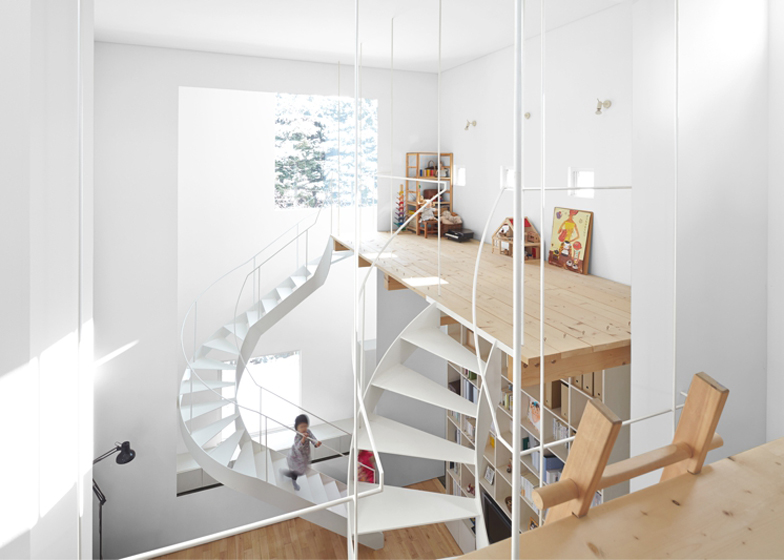
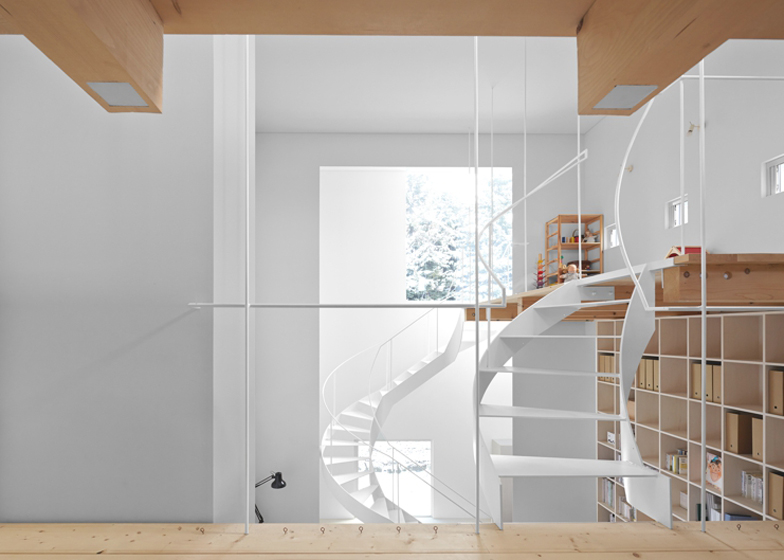
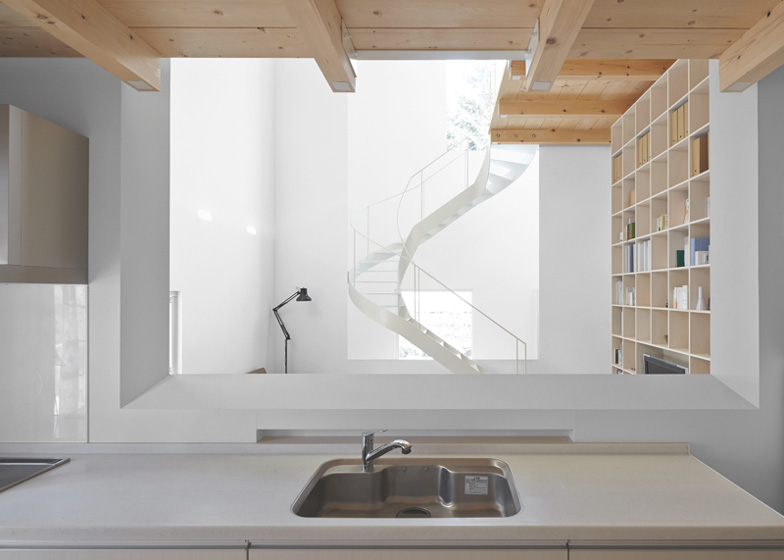
Hokkaido-based architect Jun Igarashi’s (previously) latest home is perhaps as close to tree-house living as you’ll find. Unless of course you live in an actual tree house. The multi-leveled home in Sapporo features a main living room with 23-ft high ceilings. Three different winding staircases access multiple level mezzanines, just like the platforms that are constructed on top of sturdy tree branches. The different levels are used as a study and a children’s playroom.

It’s certainly a unique way to make use of high ceilings but I can’t help but wonder: how could you let a child wander through this precarious jungle gym?
case by jun igarashi (2)

case by jun igarashi (3)

case by jun igarashi (8) case by jun igarashi (9)

case by jun igarashi (4)

case by jun igarashi (5)

case by jun igarashi (6)

case by jun igarashi (7)

source: dezeen
Type Eyewear Turns Fonts into Frames

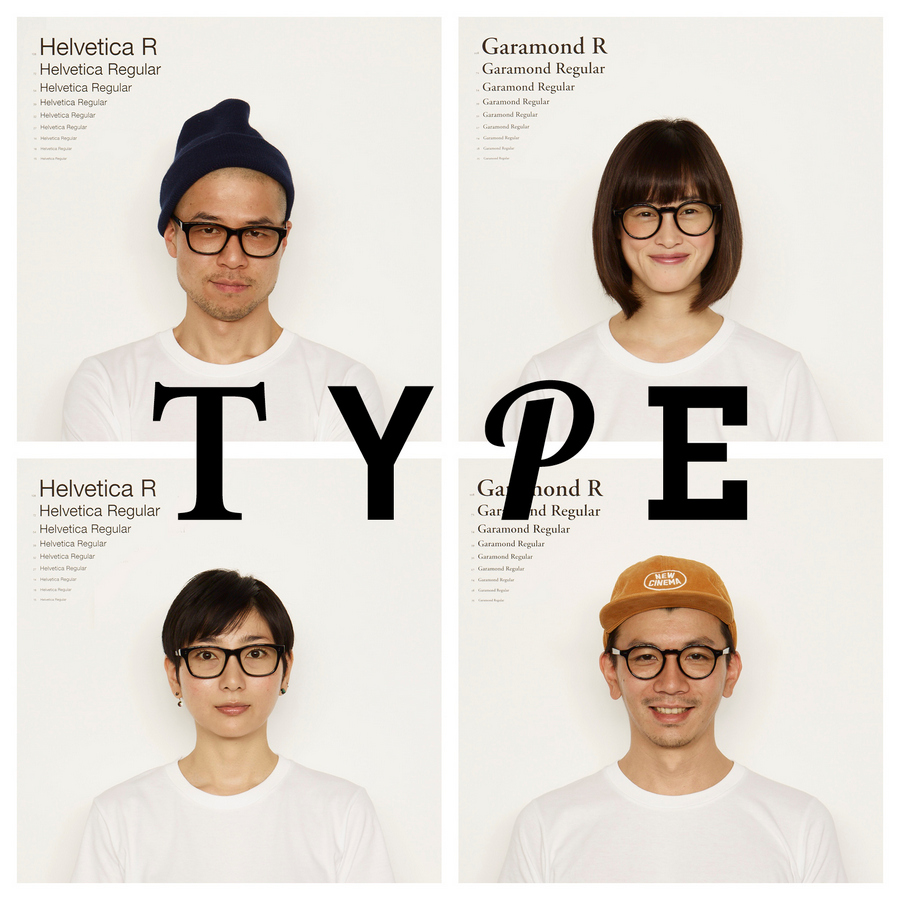
KV_1800x1800

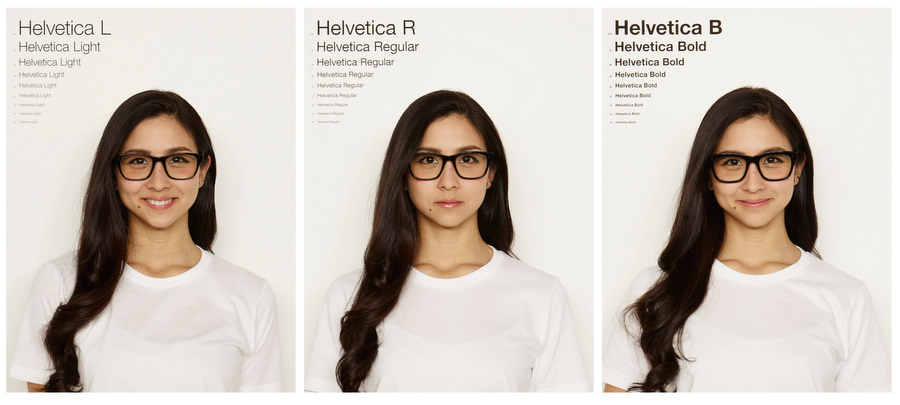
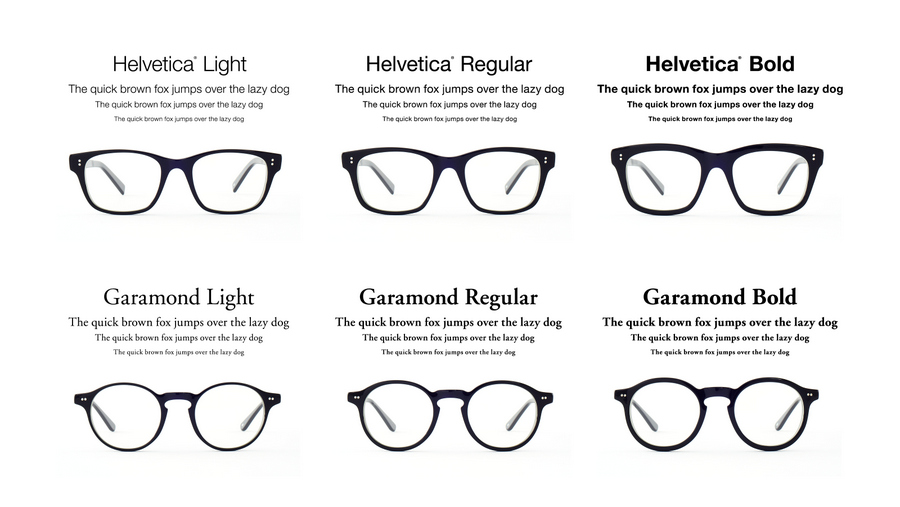
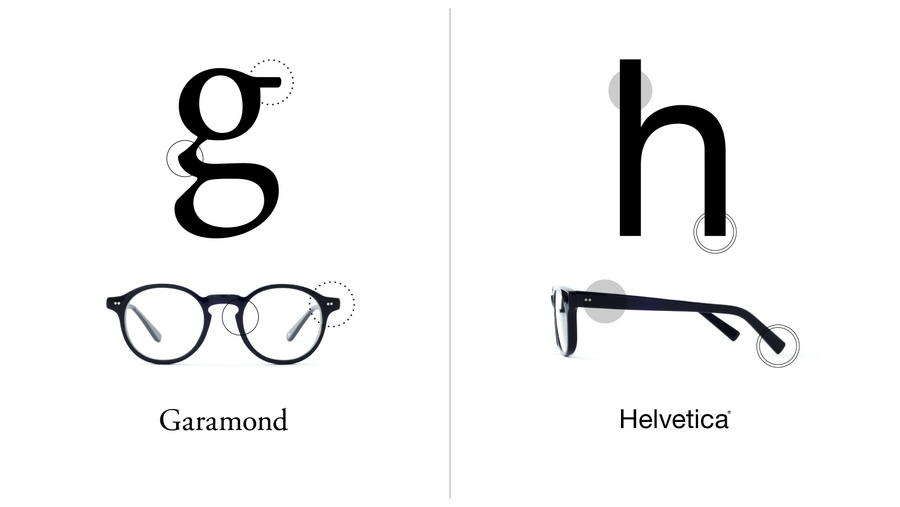
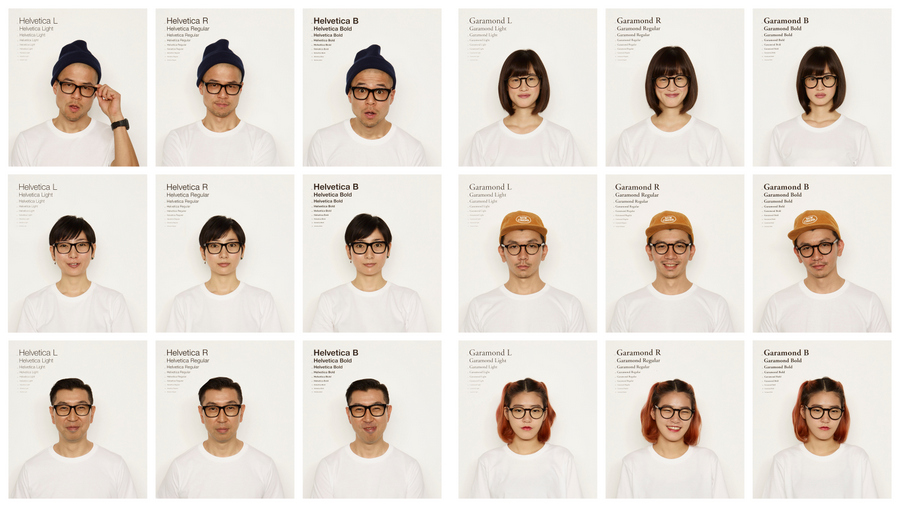
The typeface Garamond was created specifically to improve the reading experience, while Helvetica was intended to be clean, useful and as unassuming yet necessary as the air we breathe. “In written communication, people choose type for how it can add meaningful layers of intent and expression to the words they write,” say the creators of TYPE, a new brand of glasses whose visual design is inspired by typefaces.

KV_3200x1800_v22-001

With the help of ad agency Wieden+Kennedy Tokyo, online eyewear retailer Oh My Glasses recently launched the new initiative. The first edition features glasses based on two typefaces known for their universality and individuality: Helvetica and Garamond. “The design of a typeface affects how a message is communicated. We use these subtle differences in the design of glasses’ frames to influence the impression of the person who wears them.”

Retailing for 24,150 yen (about $235), the glasses will go on sale at the end of this month.

KV_3200x1800_v24


KV_3200x1800_v25


KV_3200x1800_v26

source: press release

Nekofont | A Typeset Made From Cats

neko font

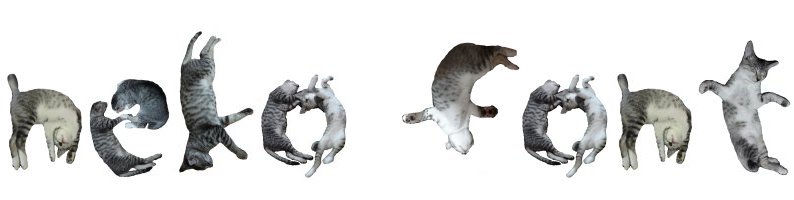
Don’t speak cat? Not a problem. Now you can write in cat. Well, sort of.
Nekofont is a Japanese website that lets you write words in a typeface made entirely of cats. Unfortunately, special characters like the “&” are a bit too contorted, even for cats.

neko font 2

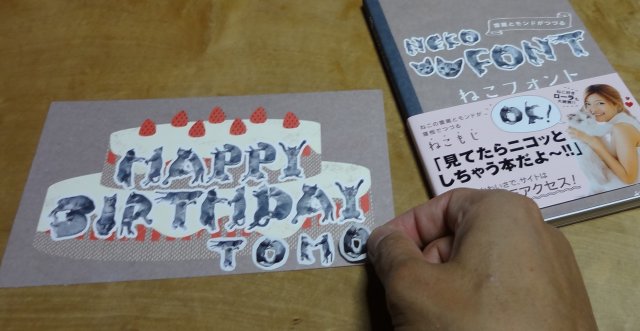
Nekofont is made from 2 cats – Raizo and Mondo –  who were picked up off the street when they were kittens. Their cat-loving owner started photographing them after realizing that some of their ridiculous sleeping positions actually resembled letters. Their owner set up a simple website that became so popular, it was turned into a book late last year (available on Amazon JP).

neko font book-7

neko font book-5

source: lostateminor (thx Masako!)

Nighttime Cityscapes of Tokyo Made From Stickers by Yukino Ohmura

yukino ohmura 2

Beautiful Midnight (2012)

“The tiny dancing flames had bespangled the sea of darkness from end to end of the horizon, and now, like millions of stars, they burned with a steady light in the serene summer night,” wrote the French writer Emile Zola, in describing his home city. “There was no breath of wind to make them flicker as they hung there in space. They made the unseen city seem as vast as a firmament, reaching out into infinity.”

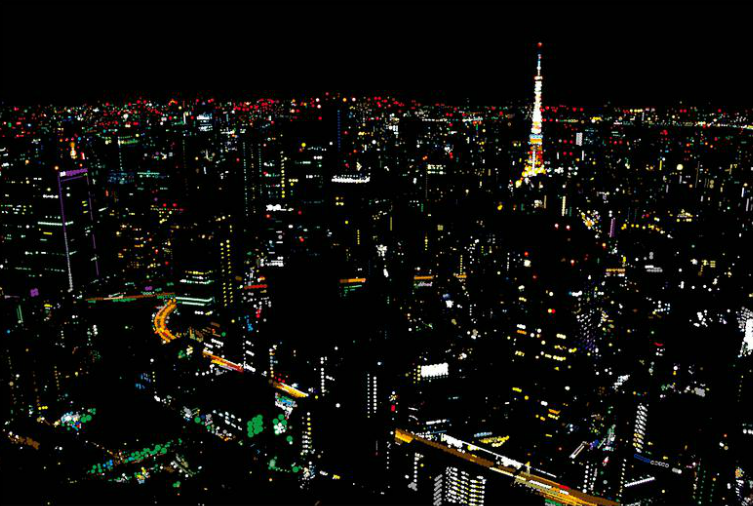
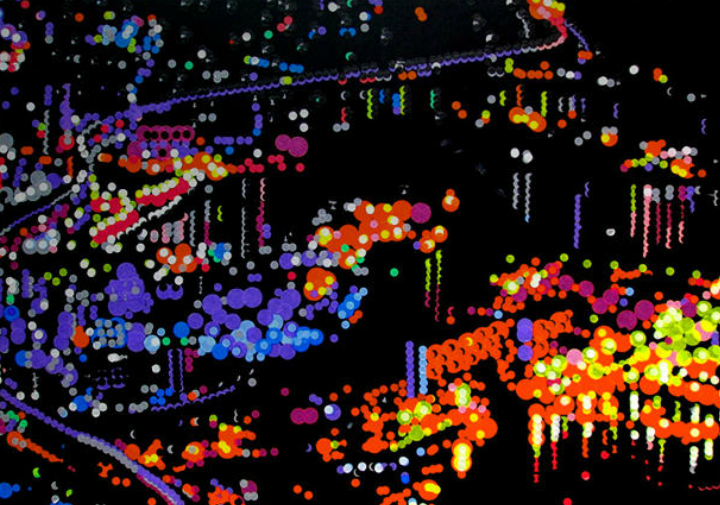
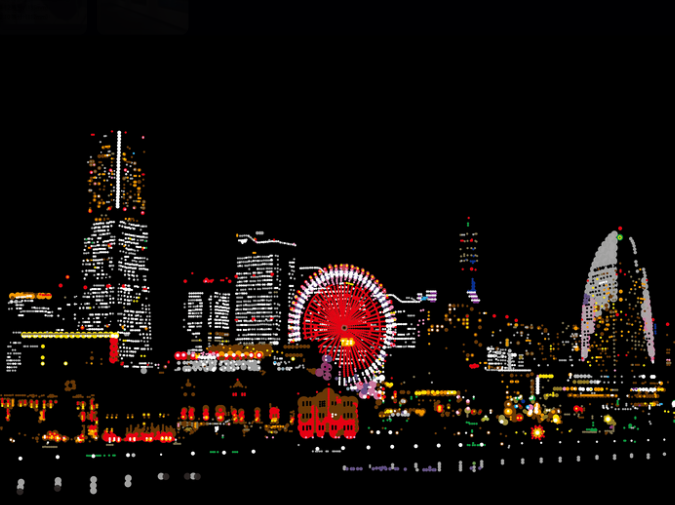
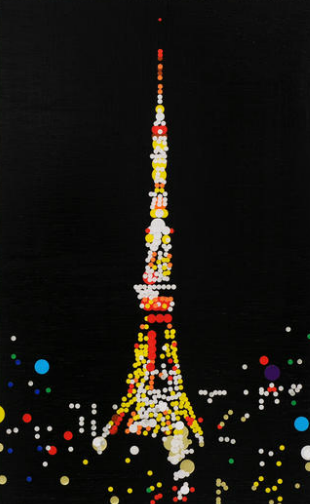
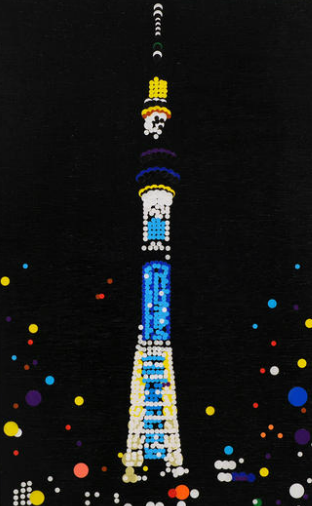
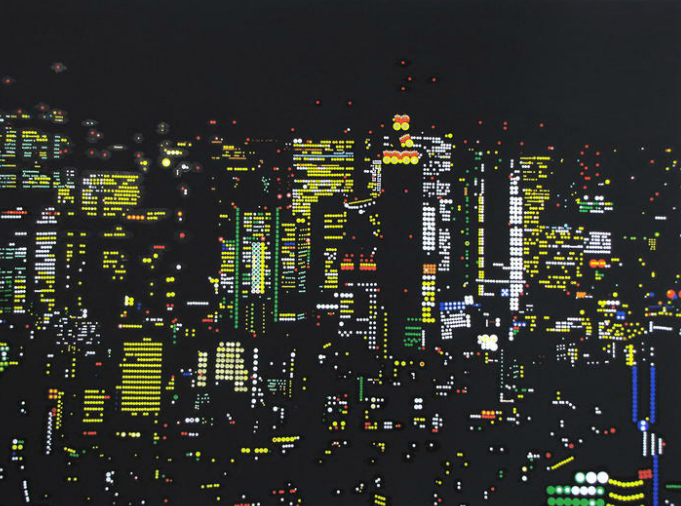
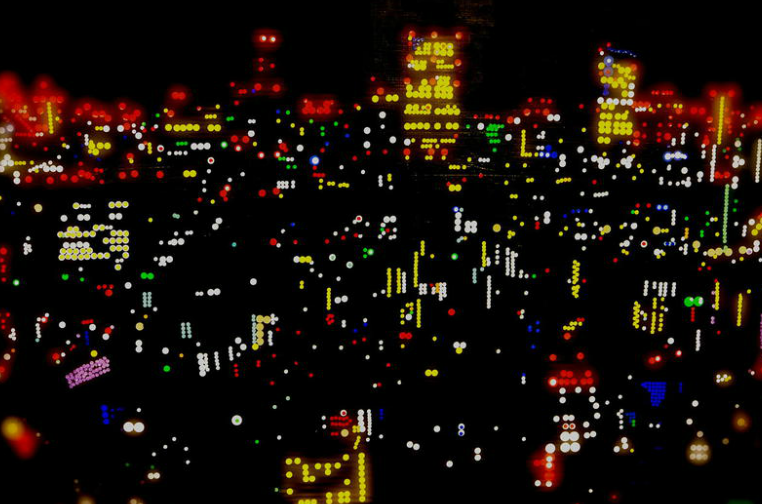
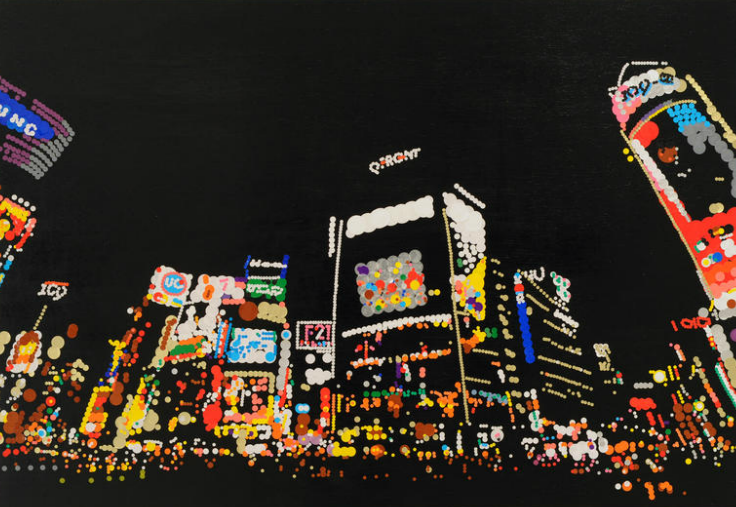
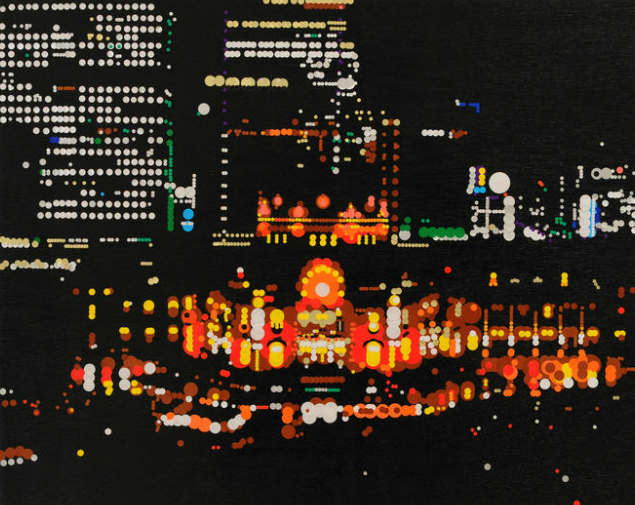
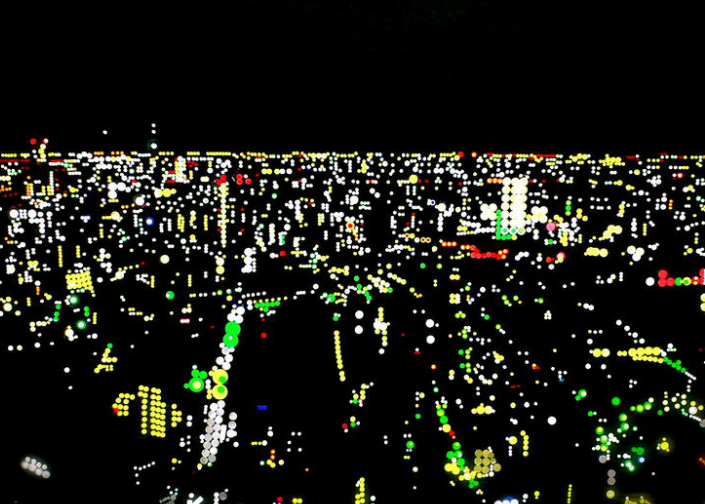
In what is ultimately an ode to her own home city, the artist Yukino Ohmura uses stickers to recreate nightscapes of Tokyo. Using thousands of ordinary dot stickers from her stationary store, items typically reserved for mundane tasks like color-coding files, Ohmura creates a realistic yet somewhat idealized portrait of well know locations. “I prefer to use recognizable locations because I want to be able to connect with the viewer,” said Ohmura describing her work.

yukino ohmura 3

“Nagasaki” (2013)

Although a megalopolis like Tokyo can feel vast and chaotic at times, it’s many lights, when seen at night, and from afar, can convert the noise into a dreamlike sky of colorful stars.
yukino ohmura 10

“Yokohama” (2013)

yukino ohmura 8 yukino ohmura 9

left: Tokyo Tower (2013) | right: Tokyo Sky Tree (2013)

yukino ohmura 4

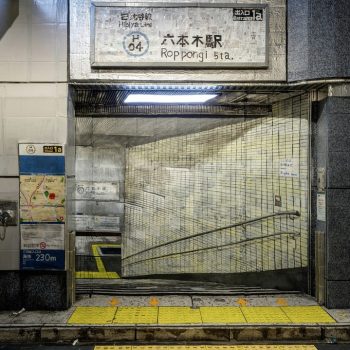
Roppongi (2010)

yukino ohmura 5

yukino ohmura 1

“Shibuya” (2011)

yukino ohmura 6

“Shibuya Scramble” (2013)

yukino ohmura 7

“Tokyo Station” (2013)

source: lustik

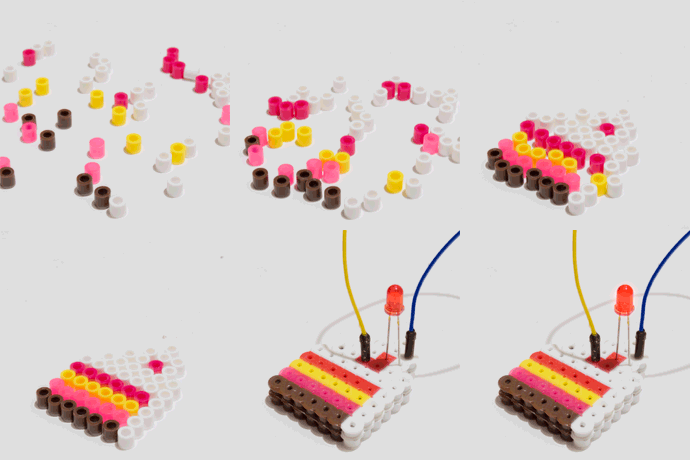
Ugoita | a salaryman’s adventure in mobilizing the analog

tmb_musical_rain

tmb_famicon_radicon

tmb_breadbeads

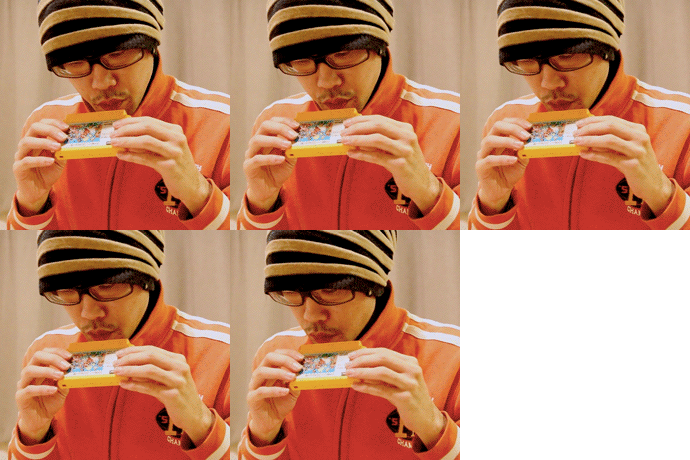
tmb_8bit_harmonica

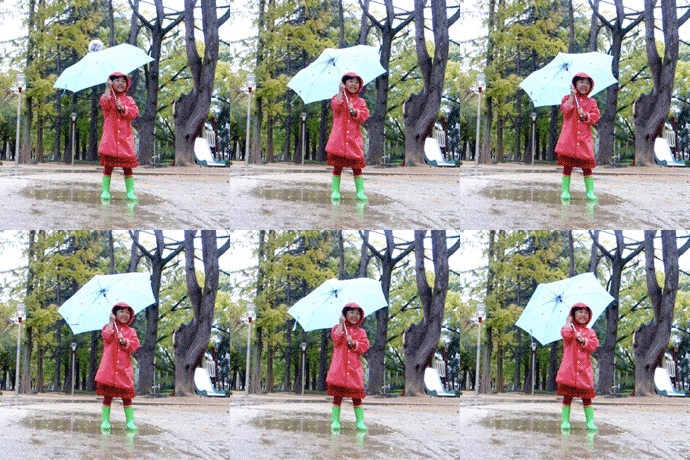
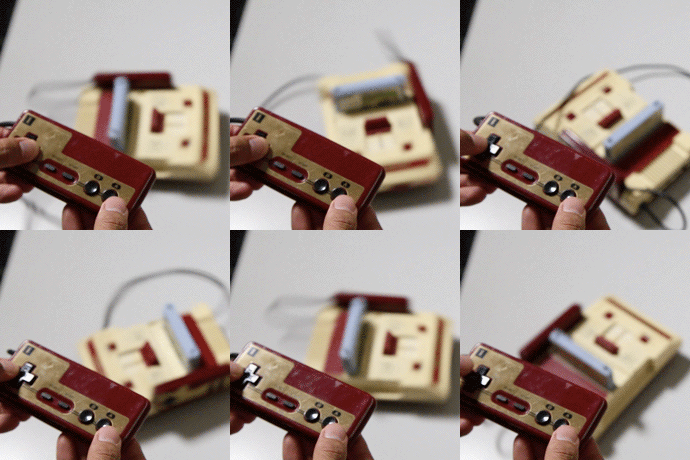
“A salaryman toils away on electronic engineering during the weekend,” writes an anonymous Japanese man behind the website Ugoita (it moved). “Everything that I’ve somehow gotten to move is shown on this page.”

It’s a simple, yet romantic mission statement that embodies a child-like fascination with moving objects. From an umbrella that detects raindrops and converts them into sounds, to an 8bit video game harmonica, each project is more charming than the next.

source: @Darrell_Nelson

Now Open | Goodbeer Faucets in Hakata

hp001photos by hiroshi mizusaki / loop photo creative | click to enlarge

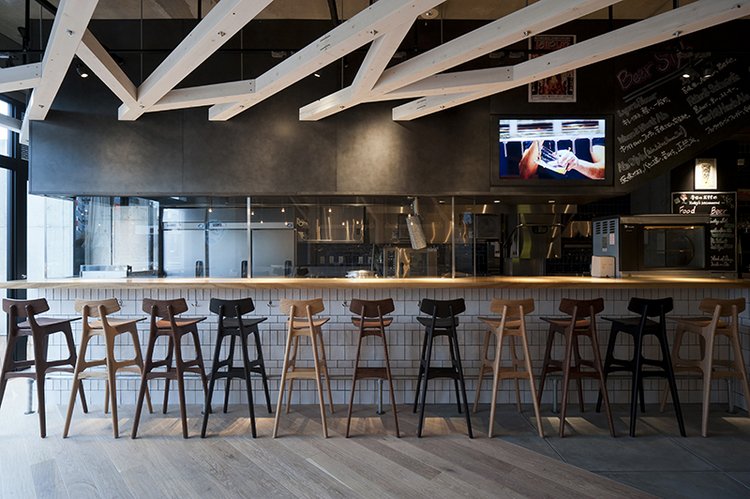
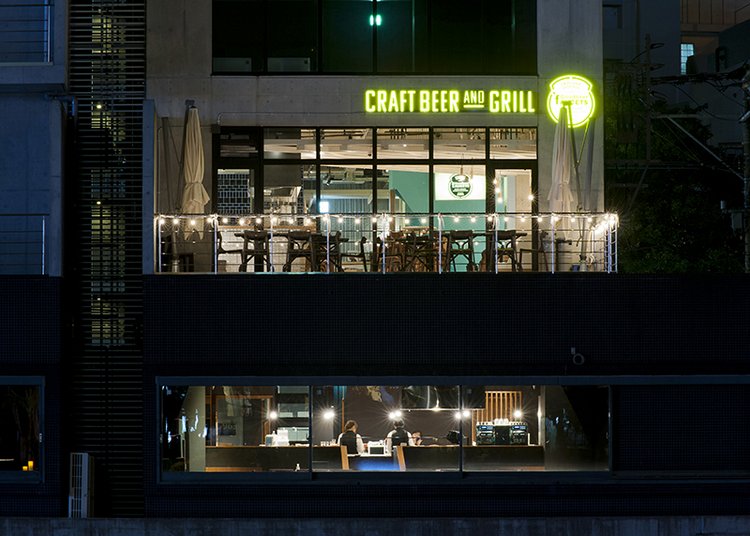
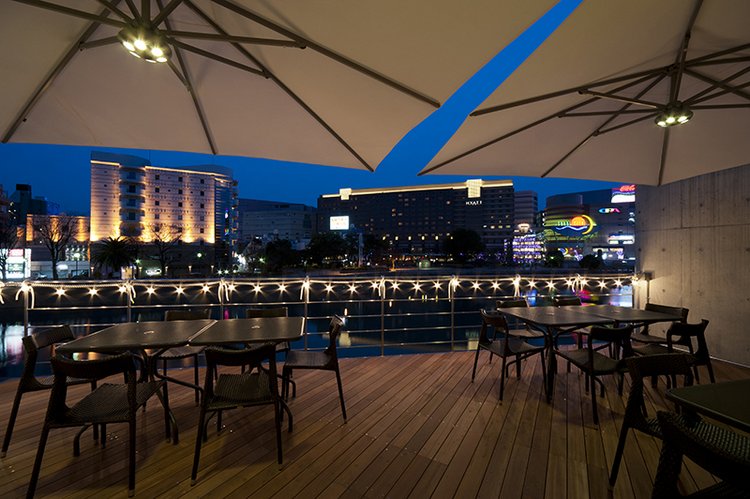
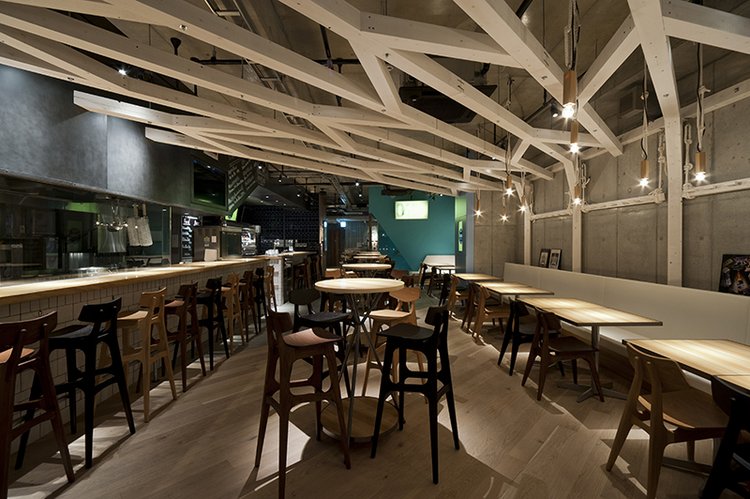
Hakata is quickly transforming into a trendy, hipster hangout. After getting a gorgeous artisanal tea shop,  the Japanese Southern city, known for it’s heavy, pork-based ramen, just got a craft beer watering hole too. Under the leadership of craft beer heavyweight Teruya Hori, Goodbeer Faucets opened their first location in Shibuya 2 years ago. And now with a craft beer boom in full swing in Japan they’ve opened a beach house-themed location along the Naka River in Hakata.

hp020

hp018

hp014

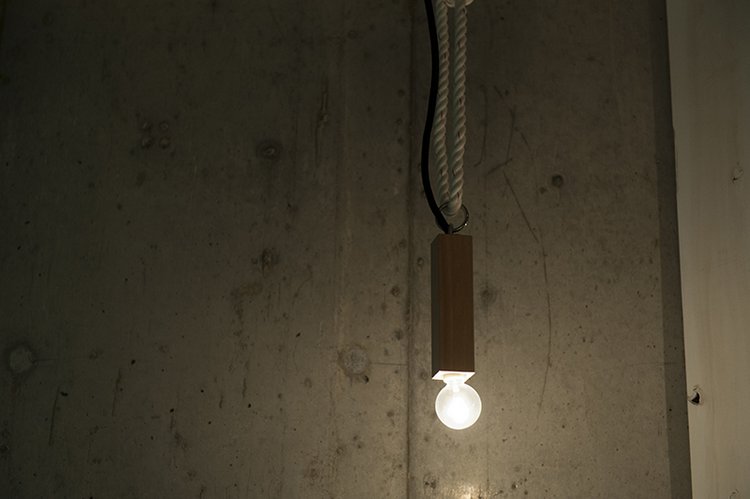
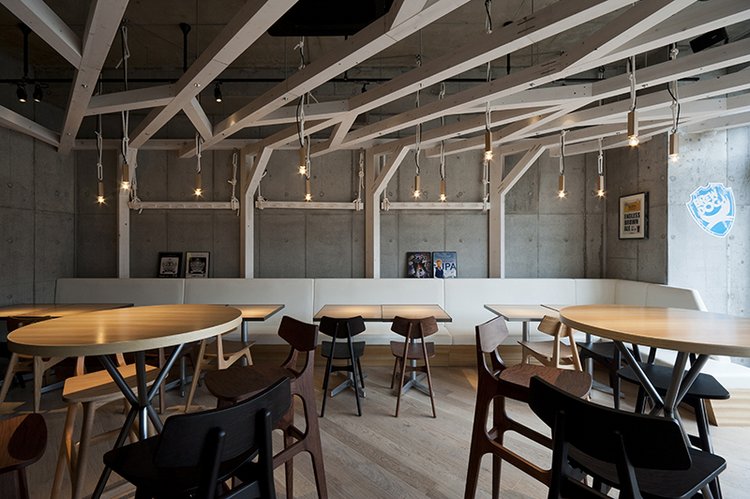
The interior was designed by Yoshihiro Saitoh of A-Study, who integrated ropes and a wooden pagoda into the design. It creates a nice atmosphere that makes you fully aware of the ocean’s presence. The Hakata location has over 40 craft beers on draught; mostly Japanese and American microbrews. And with more emphasis on food pairing than it’s older sister in Tokyo, the watering hole is making itself out to be a lot more than just a watering hole.

hp009

hp008

hp006

hp005

Several years ago it would have been close to impossible to walk into a bar and order anything other than Sapporo, Kirin or Yebisu. But thanks to the revision of a legal code that allowed smaller players to enter the market, microbreweries were suddenly cool.

hp004hp002

source: A-Study

Super Slow Motion Video From a Train Car Rolling into Shinjuku Station

ku-xlarge

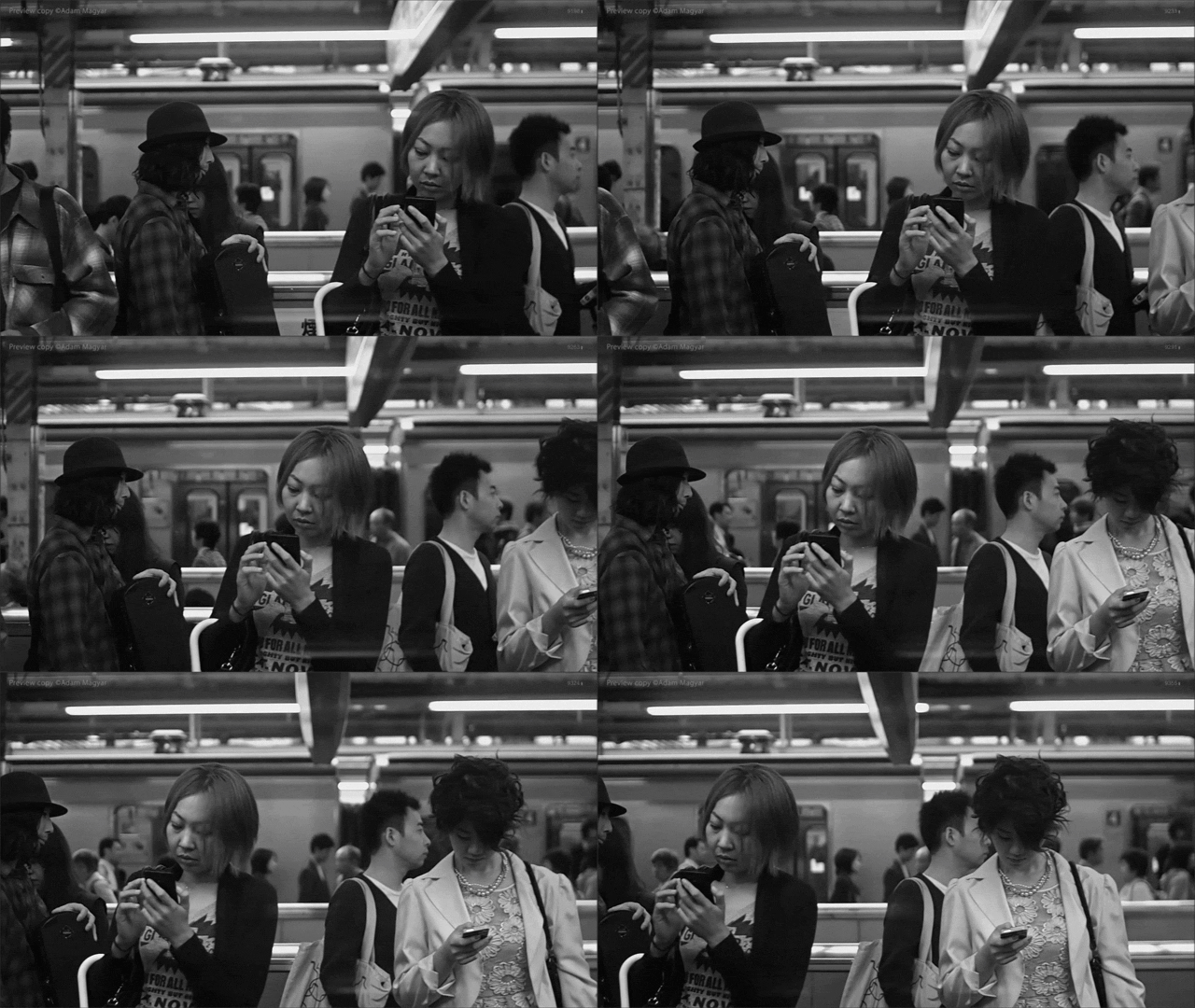
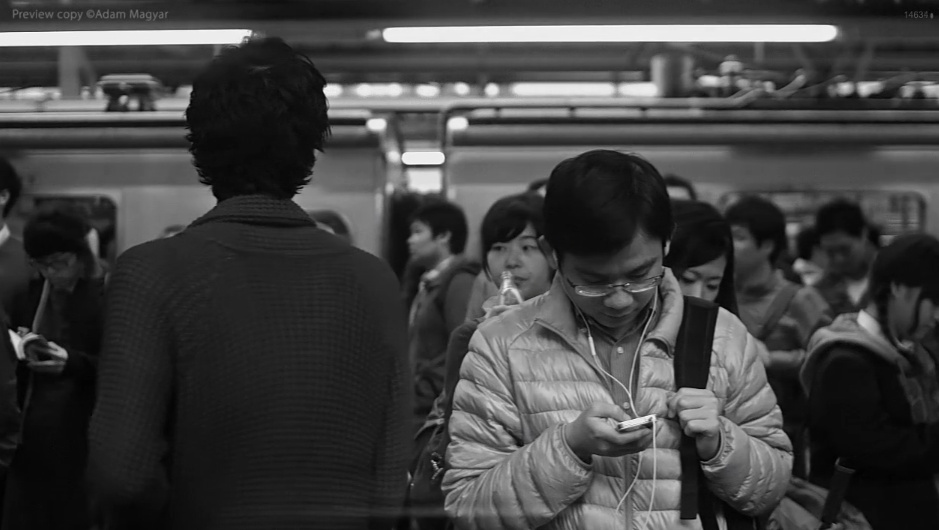
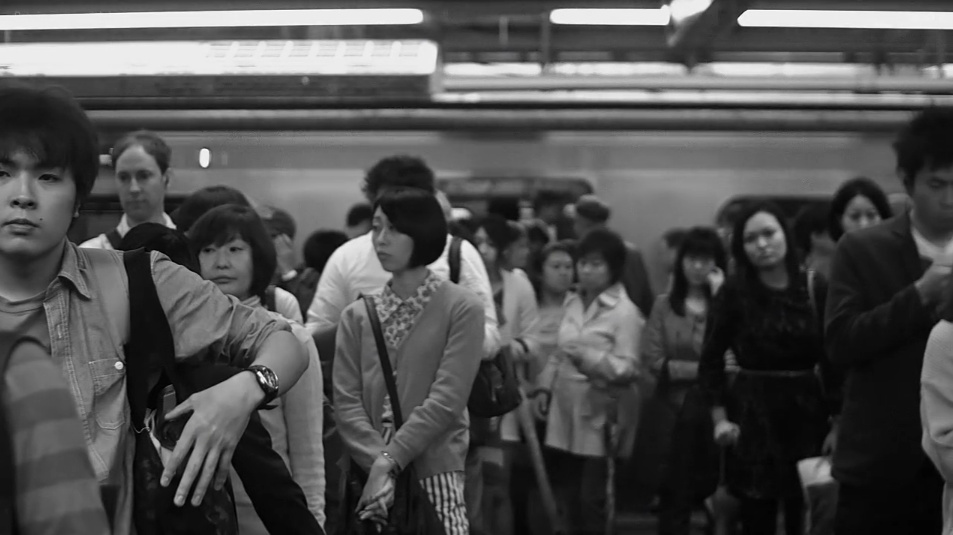
At first it’s not clear what you’re viewing. And once that becomes evident, a new question presents itself: how did he do it? As part of a series titled “Stainless” photographer Adam Magyar boarded a train and rode it into Shinjuku station, the world’s busiest train station. As his car approached the platform Maygar began filming – in super slow motion  high speed* – footage of people waiting to board the train.

(*a facebook commenter corrected me: it’s actually high speed footage, not slow motion. The high speed camera captures the scene at an enormous number of frames pr. second, which, when played back at a normal frame rate, appears in extreme slow motion or is frozen in time.)

There is so much wonderfulness in this video, but perhaps it’s said best by the creator himself: “An endless row of living sculptures brought together by the same subway line, the same direction, the same intention of taking the train to get caught and carried away by the urban flow. All their motions slowed down, they are graceful and stainless, holding their breath waiting for their train to pull into the station.”

Adam Magyar, Stainless – Shinjuku from Adam Magyar on Vimeo.

stainless Adam Magyar screenshot (1)

If you want to know more, check out this 20-minute presentation in which the artist talks about his work and his technique.

stainless Adam Magyar screenshot (2)

stainless Adam Magyar screenshot (3)

(thanks Meguru!)

Gurunavi’s Shun Shoku Lounge in Osaka Designed by Kengo Kuma

Gurunavi-Kengo-Kuma (4)

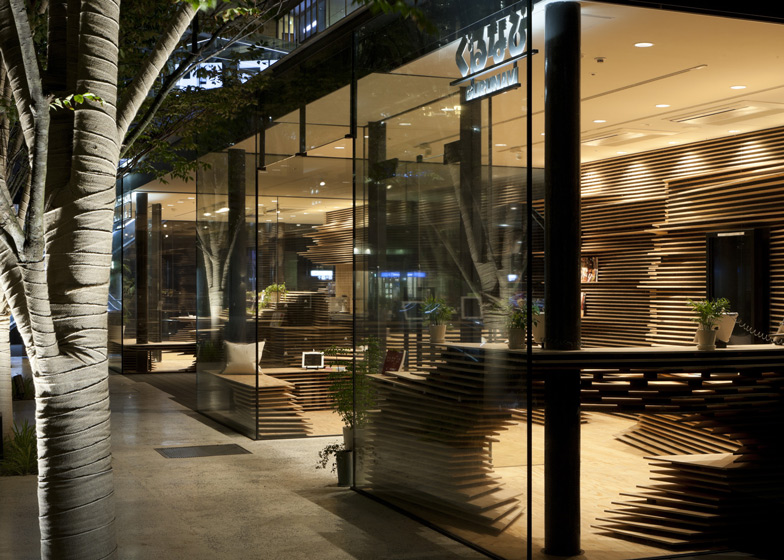
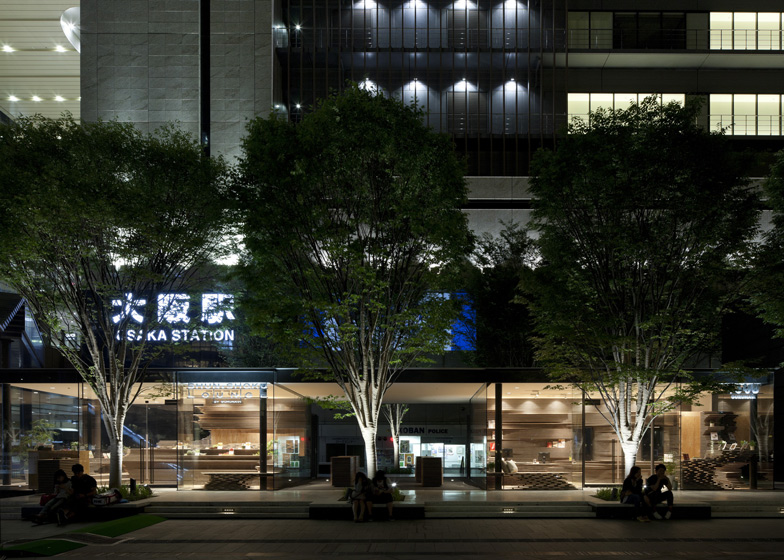
Once proudly web only, online sites opening brick-and-mortar stores seems to be the new trend, as evidenced by companies like EBay, Etsy, Piperlime and Warby Parker. But with a tech start-up spirit slowly taking hold in Japan, it seems as though the country is no exception. Gurunavi, a yelp-like service that offers online food and restaurant guides, has opened up their first physical store.

Gurunavi-Kengo-Kuma (7)

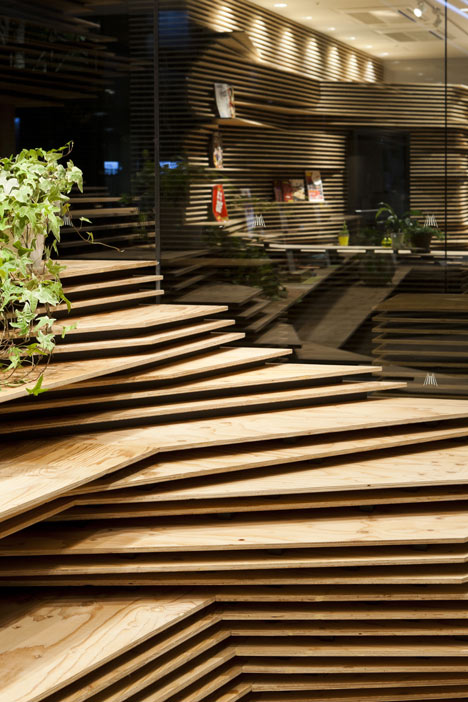
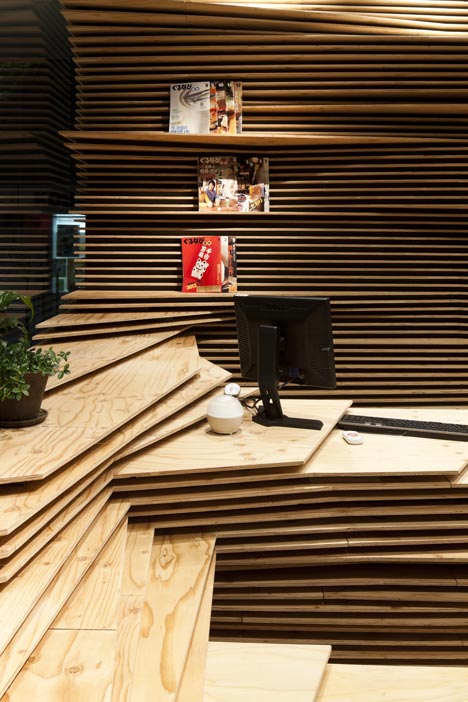
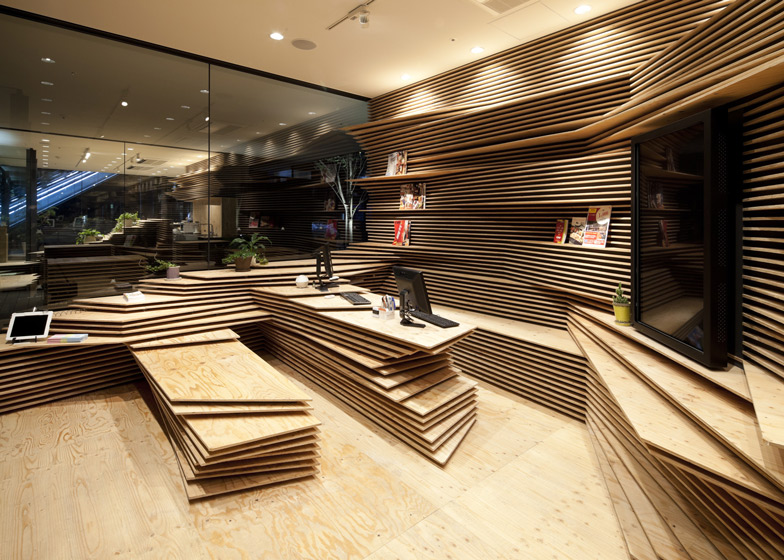
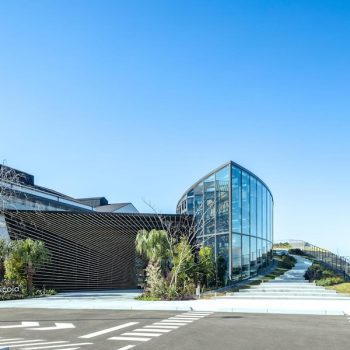
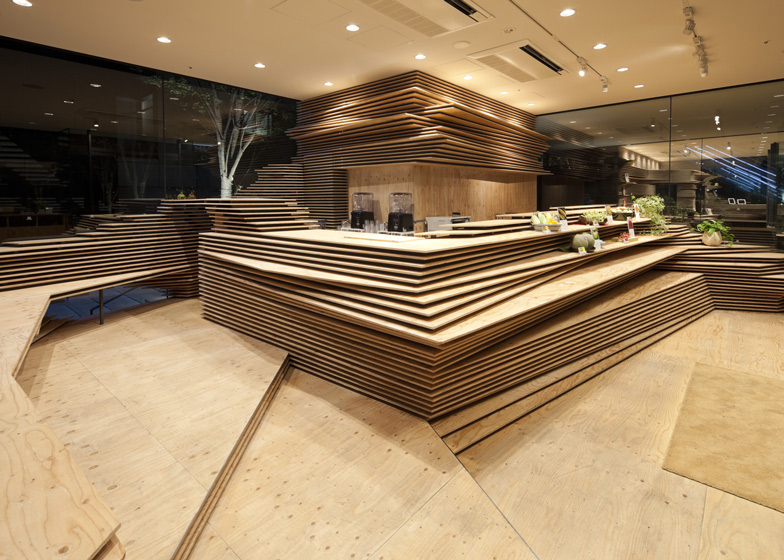
Located in a prime location right outside Osaka Station, “SHUN*SHOKU LOUNGE” is part café, part information kiosk. The Kengo Kuma-desinged interior features a topographical landscape made from layered natural wooden sheets. Much of the furniture serves as a showcase to display seasonal foods that rotate in and out on a monthly basis. Over on the café customers can order smoothies and lunch boxes made from the seasonal ingredients.

The owners hope that the shop will help disperse information about Osaka’s food and dining culture, while also bridging a gap between restaurants and farmers. However, I would go just for the amazing scenery.

Gurunavi-Kengo-Kuma (5)Gurunavi-Kengo-Kuma (6)

Gurunavi-Kengo-Kuma (8)

Gurunavi-Kengo-Kuma (1)

Gurunavi-Kengo-Kuma (2)

Gurunavi-Kengo-Kuma (3)

source: Kengo Kuma | Food Stadium

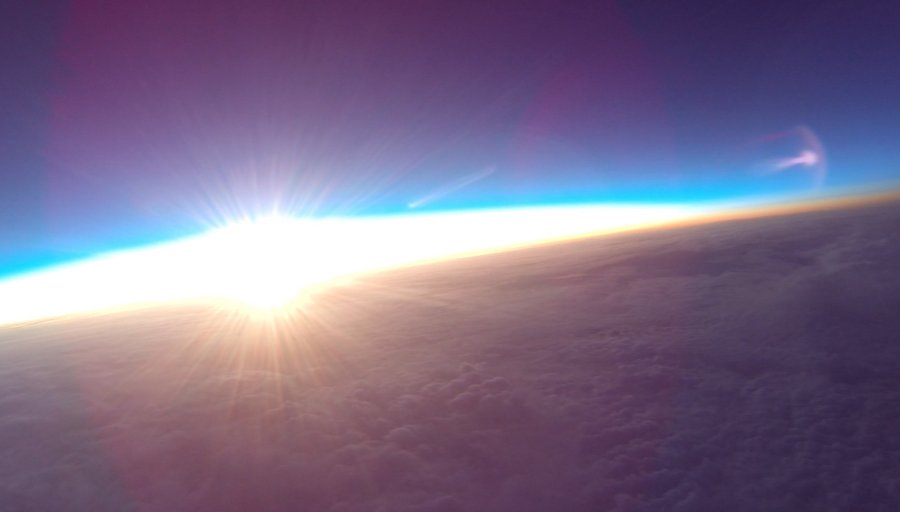
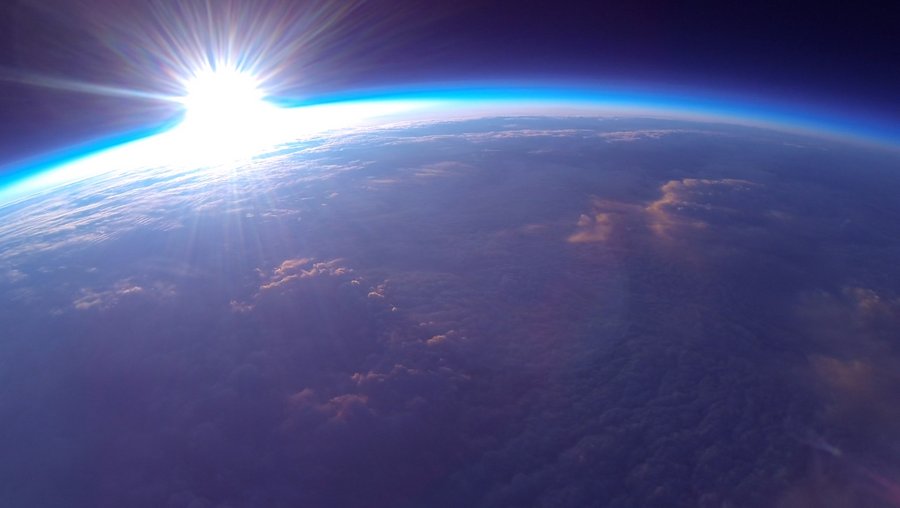
Extreme Hatsuhinode | Man Captures First Sunrise of 2014 from Space

2014y01m06d_172302328

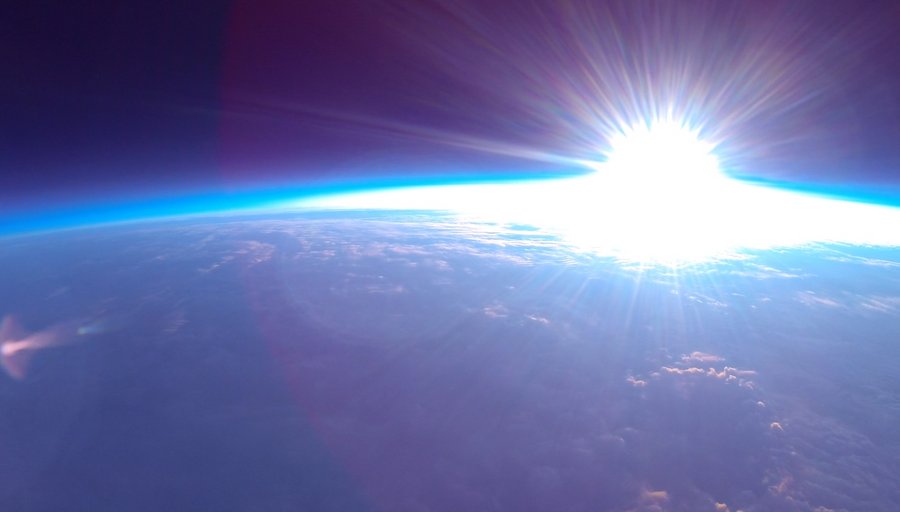
Sunrise from 30km above ground | all images courtesy Keisuke Iwaya

Hatsuhinode (初日の出) in Japanese is the first sunrise of the year. It’s considered an auspicious event so much so that it’s enough to get people out of their warm beds to crazy heights, like the top of Mt. Fuji, for a view of the first sunrise.

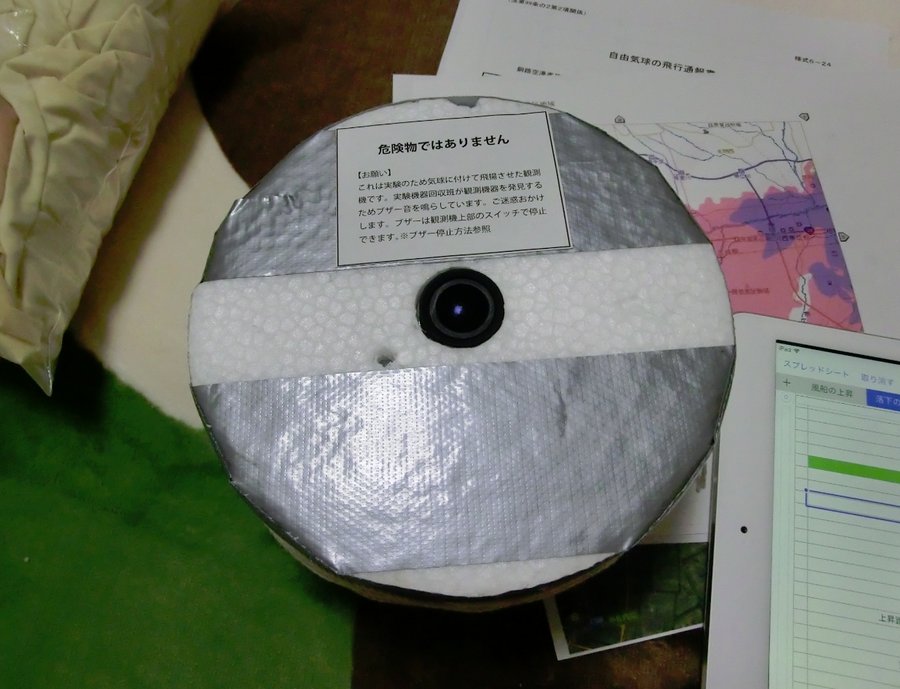
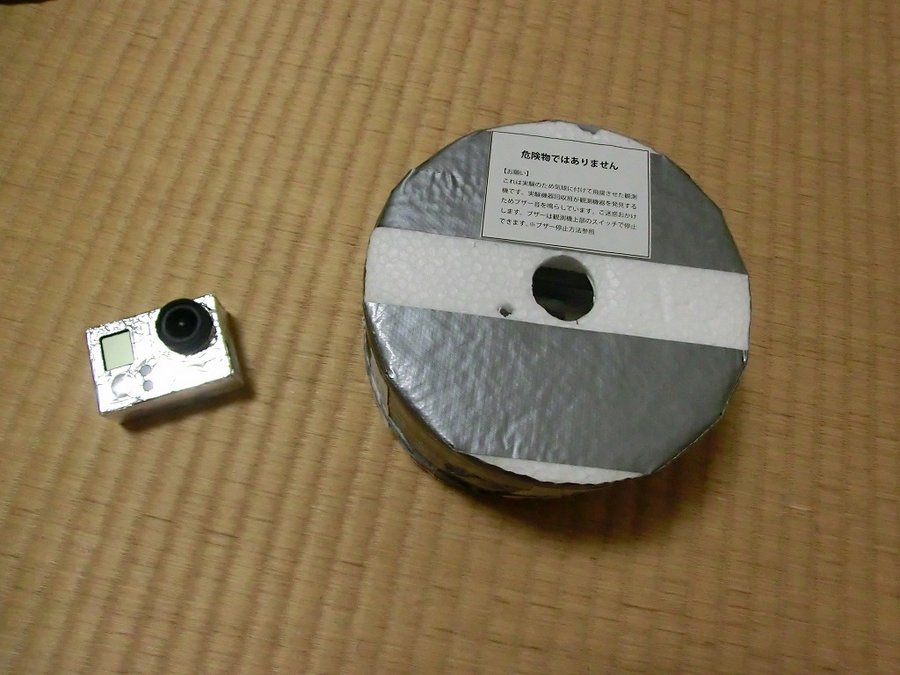
But no one had ever traversed as high as Keisuke Iwaya did earlier this month when he sent a balloon-powered camera 30 km (18.6 miles) into space to capture the first sunrise, trumping those suckers at Mt. Fuji’s summit by about 16.3 miles. And he did it all on a shoestring budget – 25,000 yen (about $250) spent at his local hardware shop. This excludes the cost of the Gopro Hero 3, as well as the iPad he used to control his device from the ground. Both survived the rise and fall.

2013y12m31d_194829142

photos of the makeshift device that was sent into space. Written in bold is “not a dangerous object” in case an unknowing passerby finds it

CIMG2313CIMG2318

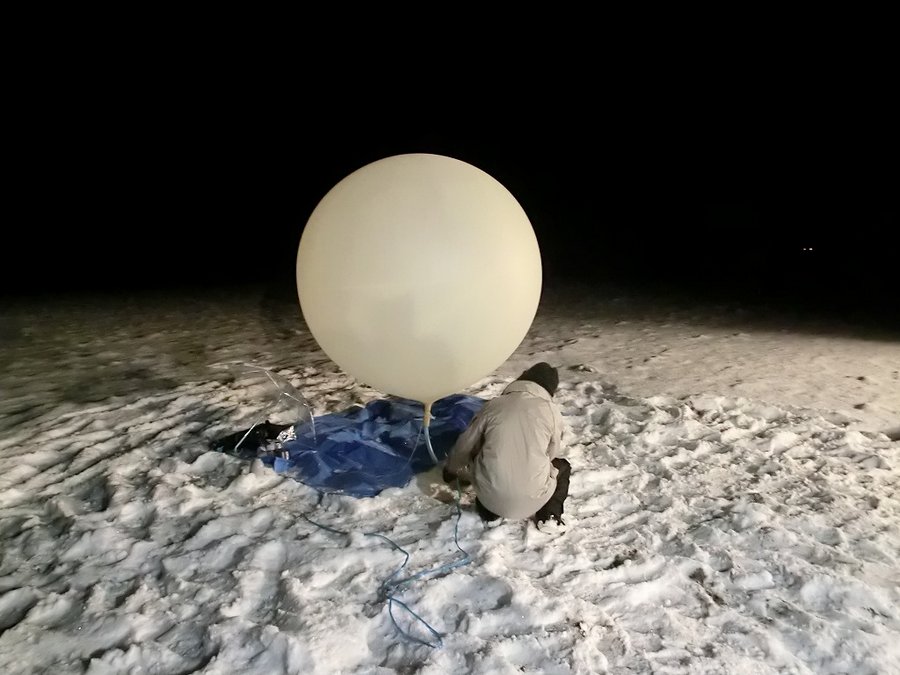
On January 1, 2014 at around 5:30 AM the Hokkaido native set his contraption into the air. The entire flight lasted 110 minutes before the balloon popped (as programmed) 30km above land. The camera fell back to Hokkaido and was retrieved thanks to a GPS device.

CIMG2260

launching the balloon

2014y01m06d_171552030

2014y01m06d_171920111

2014y01m01d_205540509

source: RocketNews24

Old Tokyo Comes to Life in Colorful Paintings by Robert Frederick Blum

Robert Frederick Blum 1

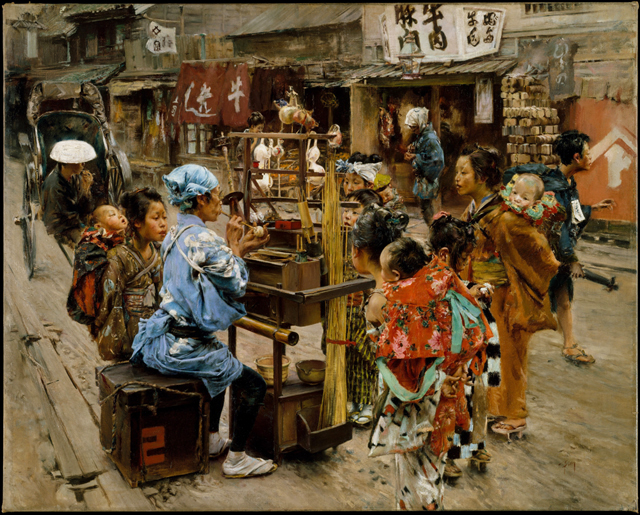
The Ameya (飴屋) (1893) became Robert Frederick Blum most acclaimed painting and helped him secure membership to the National Academy of Design in NYC.

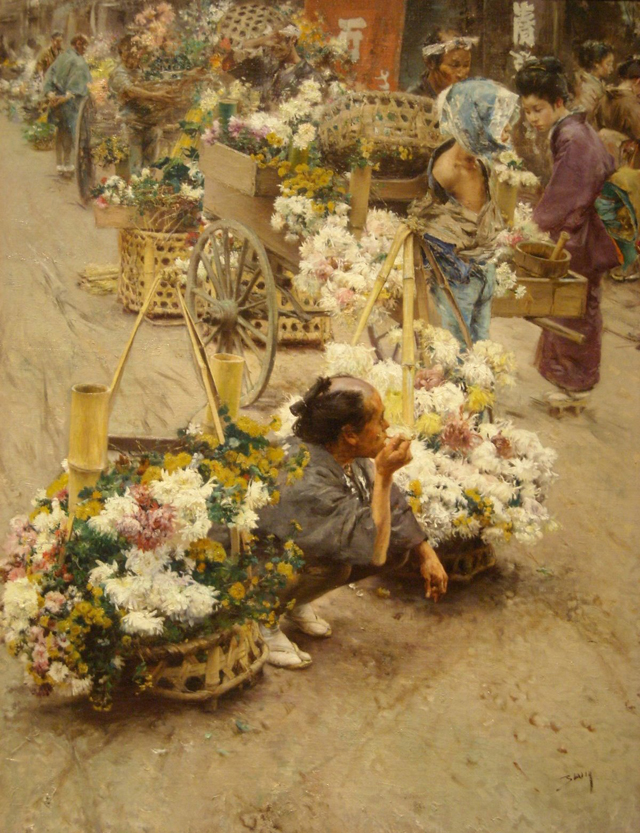
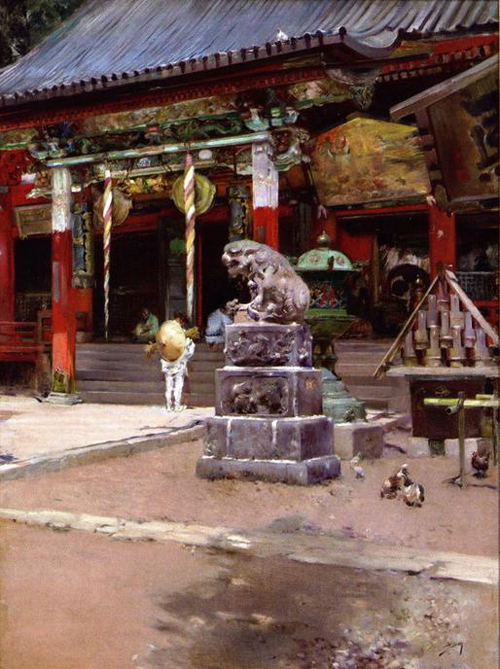
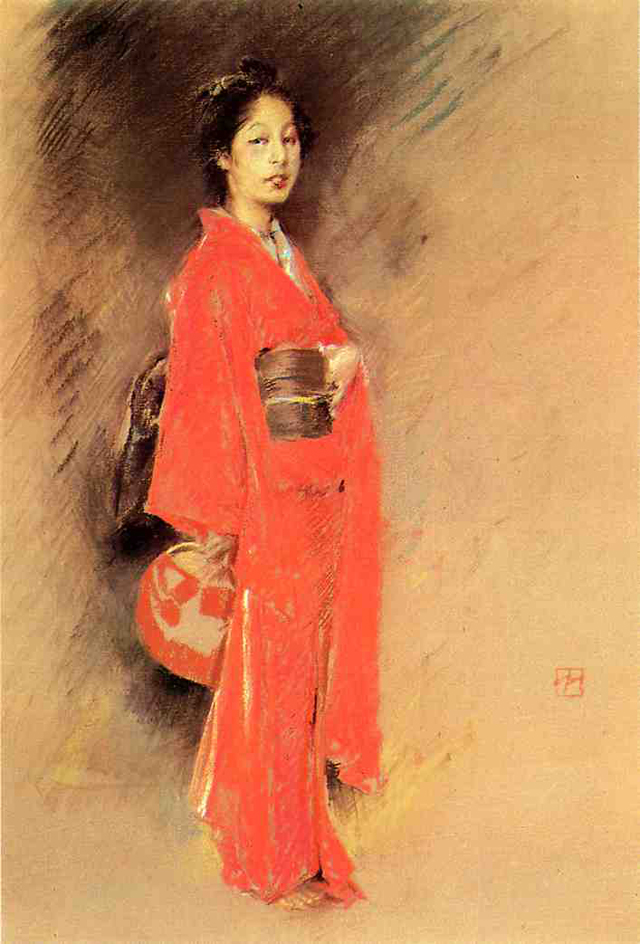
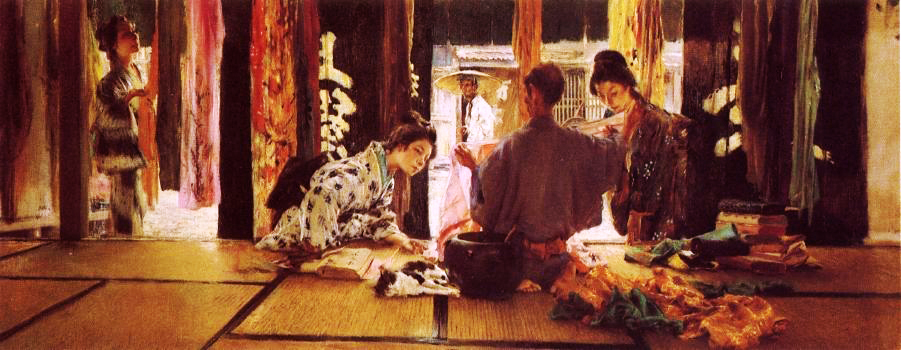
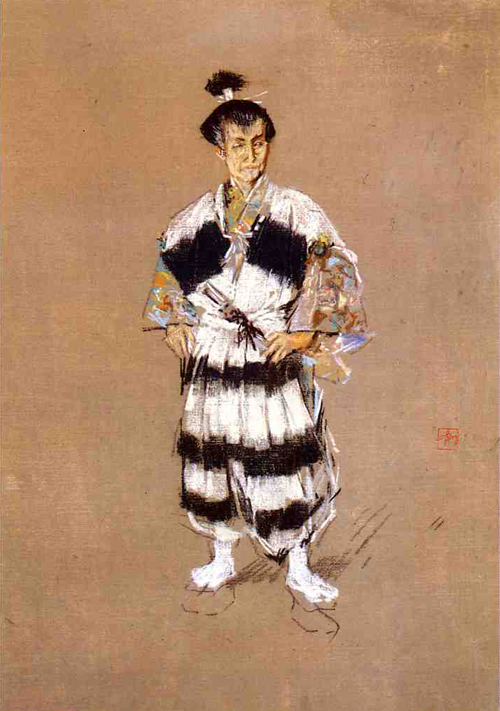
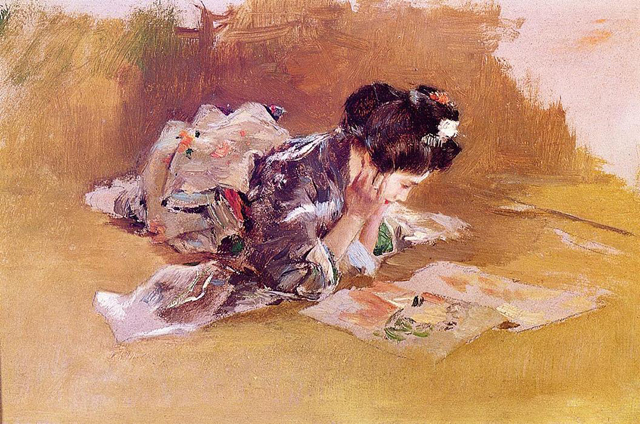
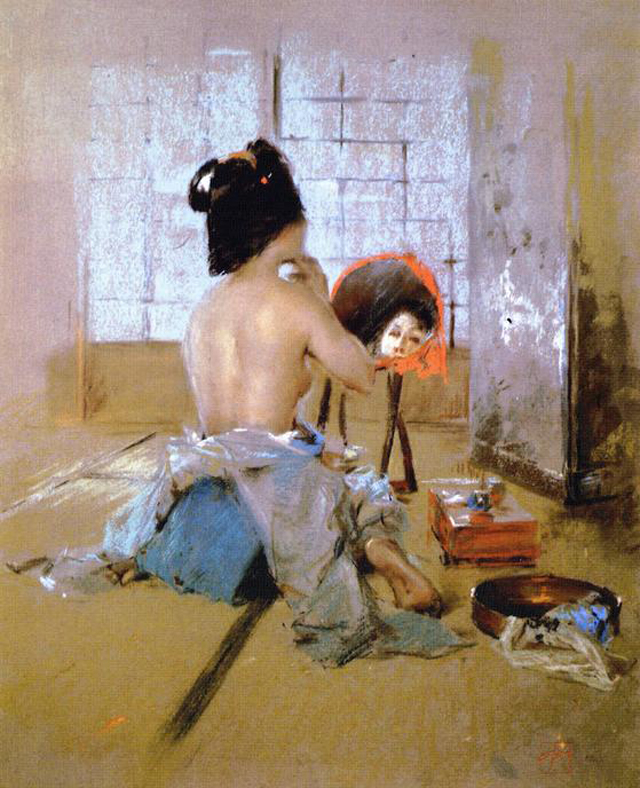
In 1876 the Cincinnati-born painter Robert Frederick Blum visited the Centennial Exposition, the first official World’s Fair. Although only a mere 20 years since the arrival of Commodore Perry, Japan staged an impressive booth. It left a strong impression on Blum, as well as a writer for the Atlantic Monthly. Impressed by Japan’s elegance and it’s contrast to the excesses of other nations, the reporter wrote: “The Japanese collection is the first stage for those who are moved chiefly by the love of beauty or novelty in their sight-seeing. The gorgeousness of their specimens is equaled only by their exquisite delicacy…After the Japan collection, everything looks in a measure commonplace, almost vulgar.”

14 years later in 1890, Blum seized his opportunity and took up an invitation to attend Japan’s 3rd National Industrial Exhibition in Ueno Park, Tokyo. He spent 3 years there, meticulously documenting Japan in vivid oil paintings that provide an intimate, animated look into a time we know mainly through limited black and white photos.

The_Ameya_by_Robert_Frederick_Blum (detail)

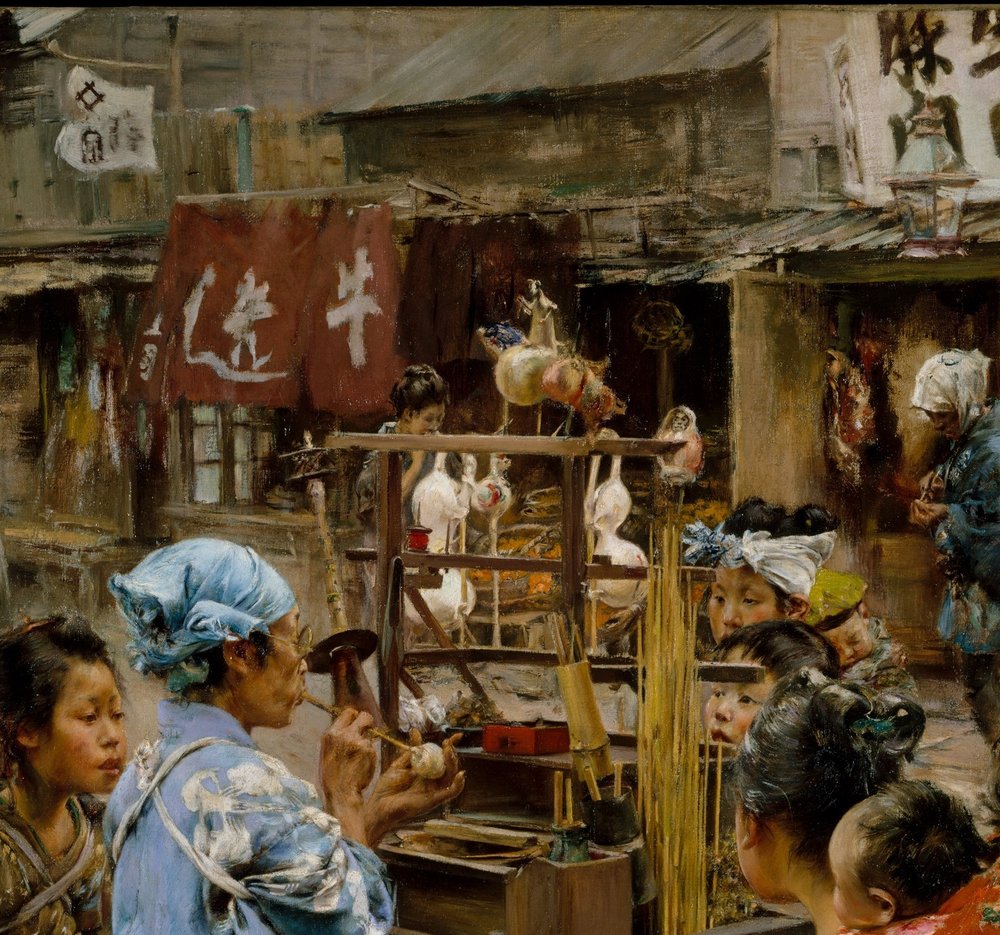
The Ameya (detail) | click to enlarge


Robert Frederick Blum 2

“The Flower Market in Tokyo (Tokyo no Hana Ichiba)”

Robert Frederick Blum 4 Robert Frederick Blum 5

Left: “Meguro Fudo Temple” | Right: “Orange Kimono (Orange-iro no Kimono)”

Robert Frederick Blum 3

“The Silk Merchant (Kinu Shonin)”

Robert Frederick Blum 6 Robert Frederick Blum 7

Left: “Japanese Samurai (Nihon no Samurai)” | Right: “Japanese Woman (Nihon no Josei)”

Robert Frederick Blum 8

“The Picture Book”

Robert Frederick Blum 9

“The Geisha”

source: DDN Japan

« Older posts Newer posts »

© 2026 Spoon & Tamago

Up ↑

Design by Bento Graphics