Page 210 of 406

Comical Animated Gifs by Hama-House

01_gif-competition-loftwork-hama-house

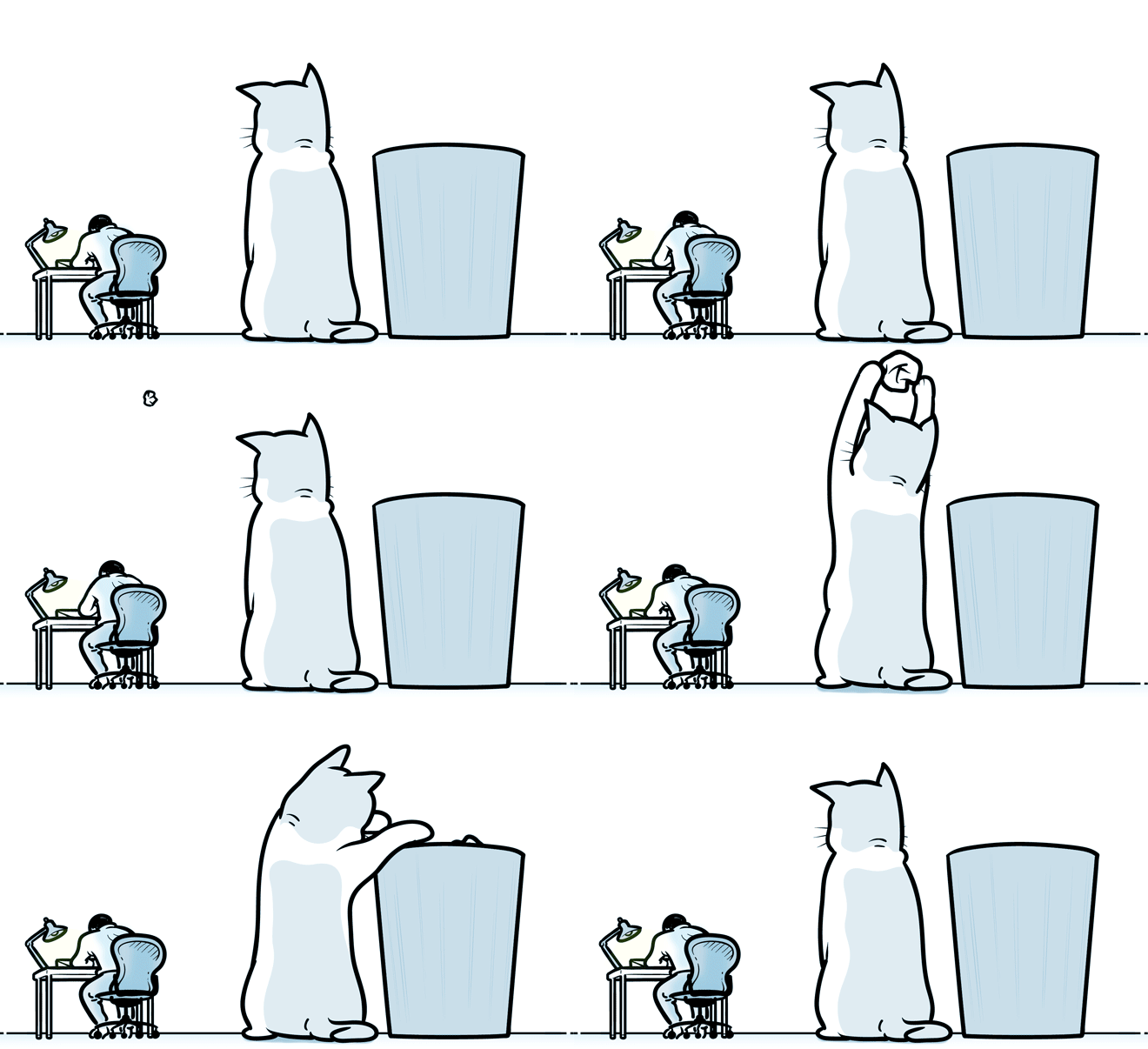
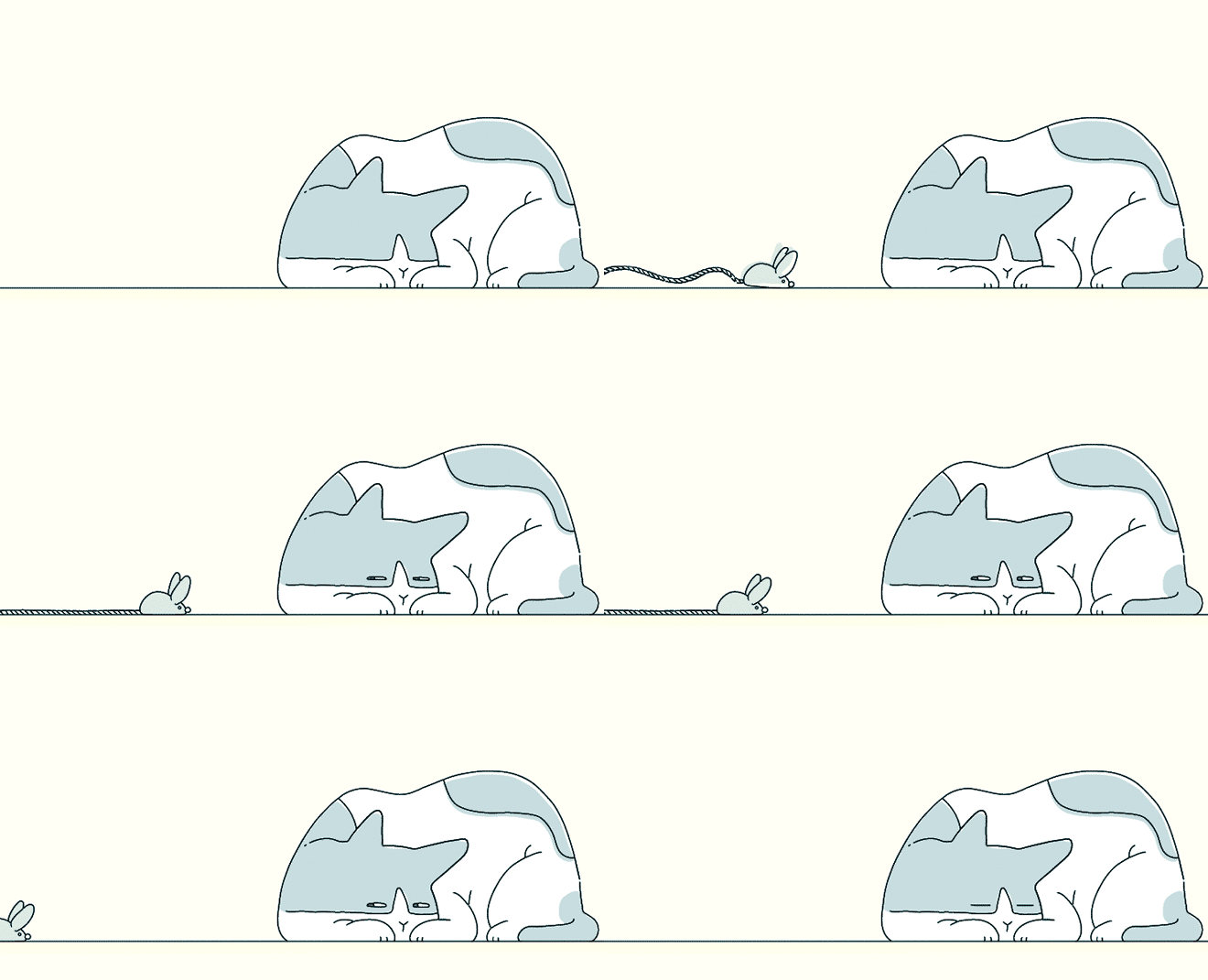
人助け (A Helping Hand)

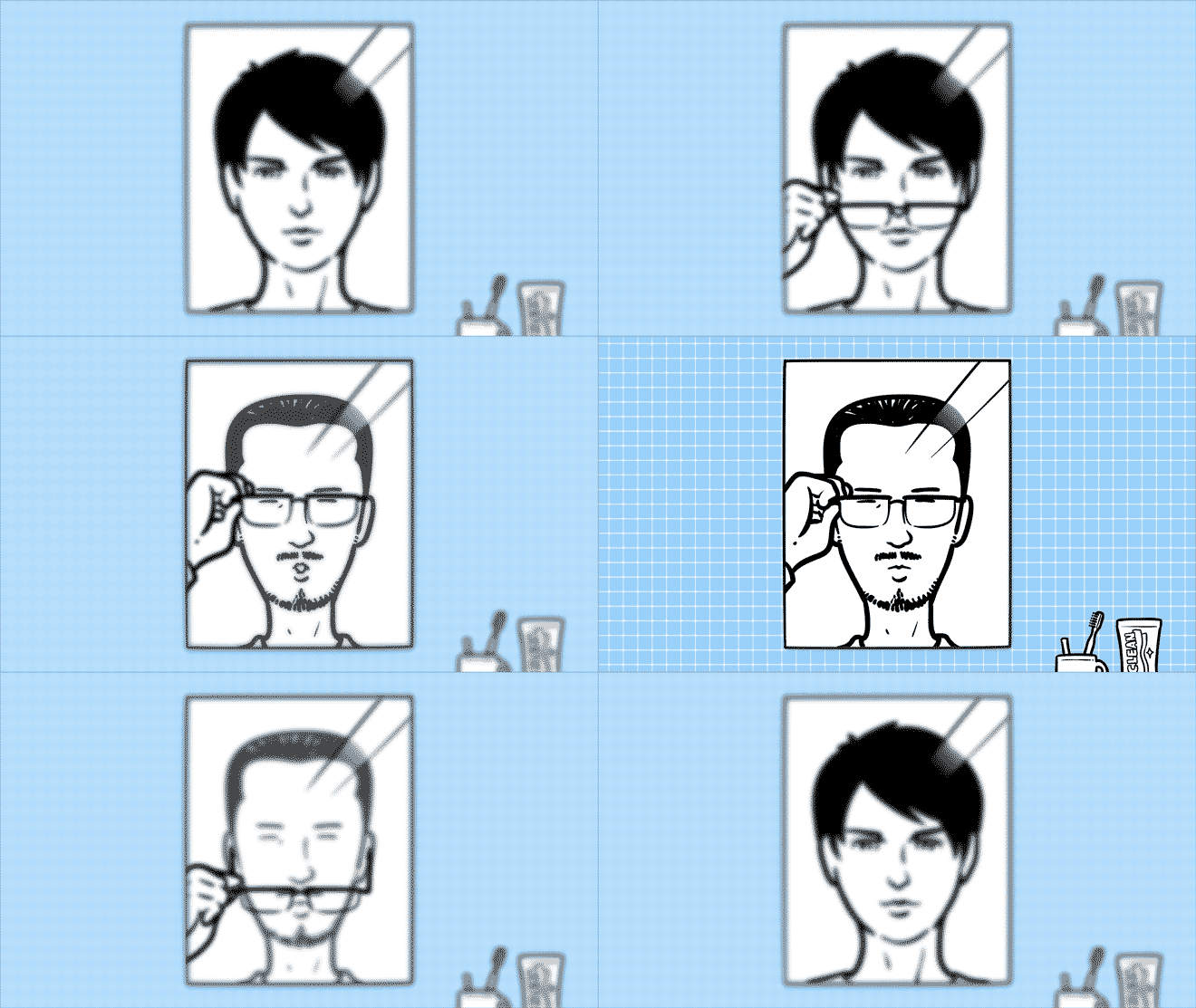
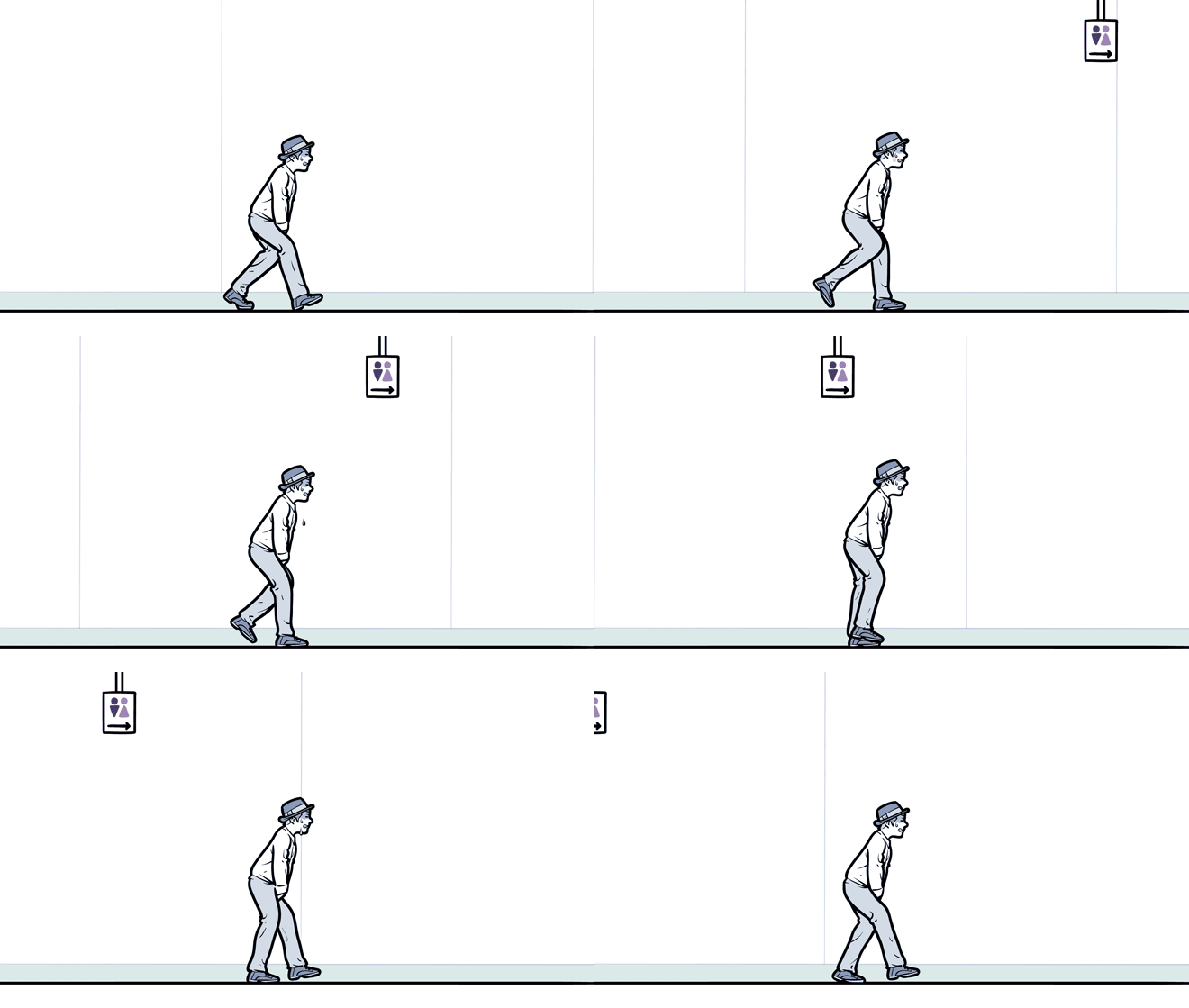
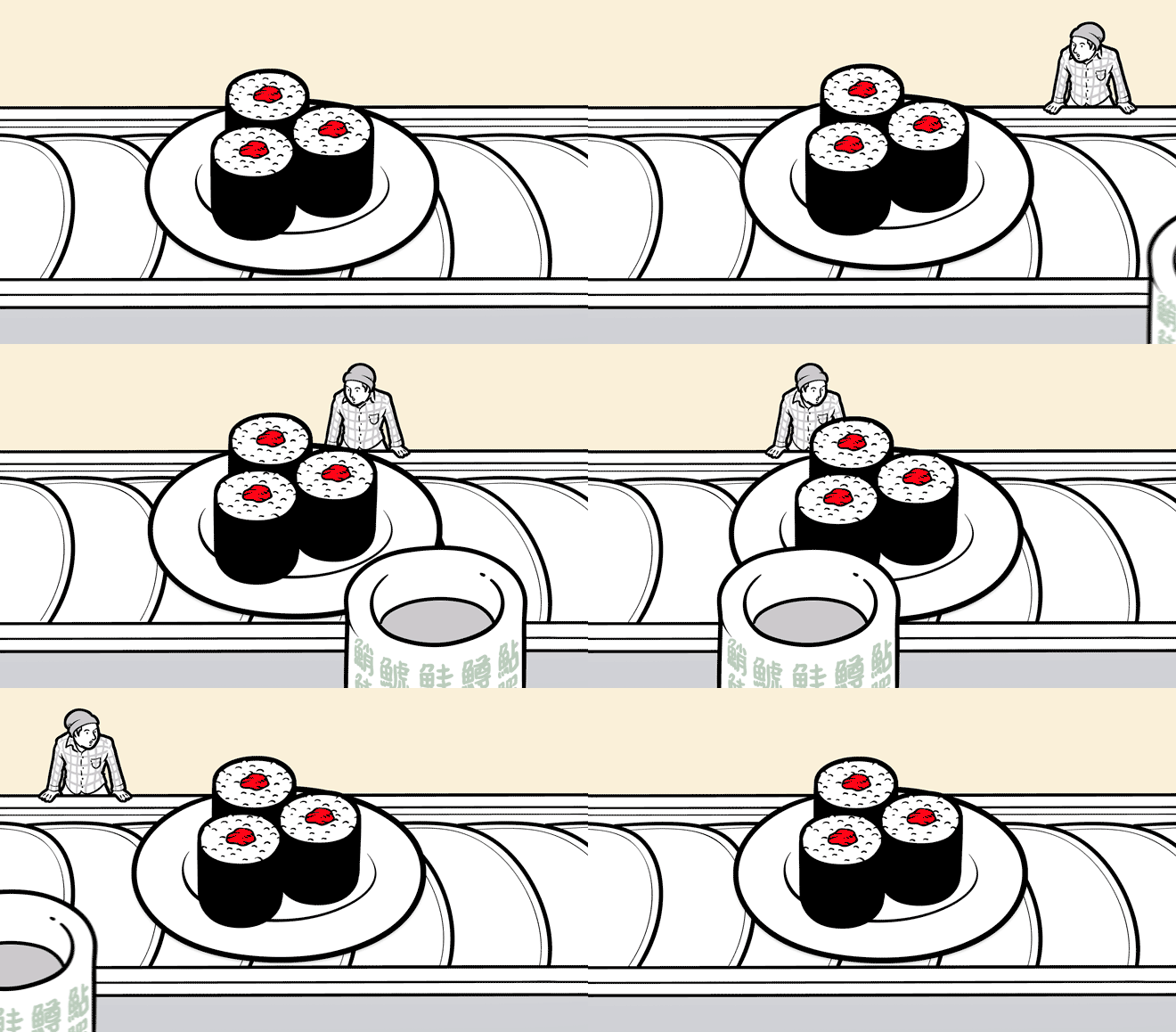
A Tokyo-based illustrator, who goes by the moniker Hama-House, has created a series of charmingly comical Gifs. As a cat-owner myself the ones featuring our furry feline friends are my favorites. They were created for an animated gif contest hosted by our friends at Loftwork (previously). The international competition is accepting entries through the end of this month. The only real criteria is that they should loop and be less than 3 seconds.

You can keep up with all of Hama House’s new work over on his blog.

03_gif-competition-loftwork-hama-house

本当の世界 (The Real World)

04_gif-competition-loftwork-hama-house

理想と現実 (Dream and Reality)

05_gif-competition-loftwork-hama-house

永遠の夢 (Endless Dream)

06_gif-competition-loftwork-hama-house

回転寿し (Kaiten-zushi)

02_gif-competition-loftwork-hama-house

ウマい話 (Too Good To Be True)

source: design made in Japan

Nendo’s Origami-Inspired Furniture for BoConcept

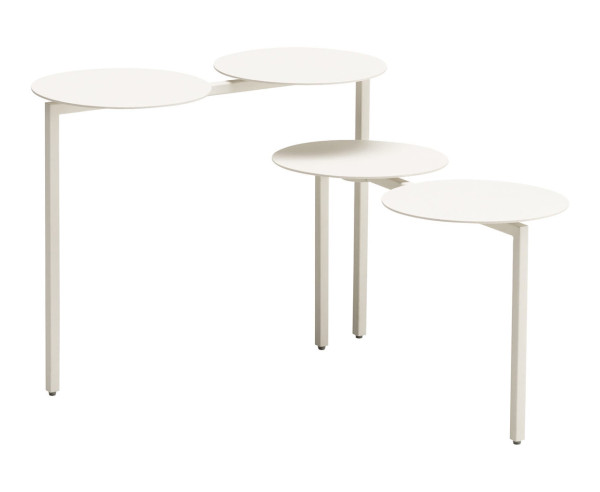
BoConcept Fusion by Nendo (1)

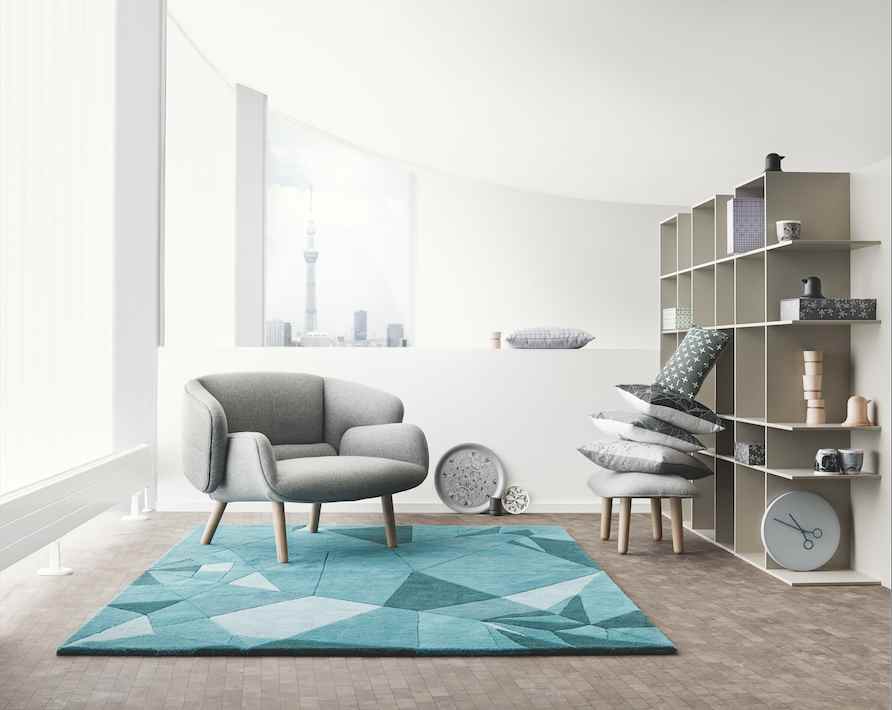
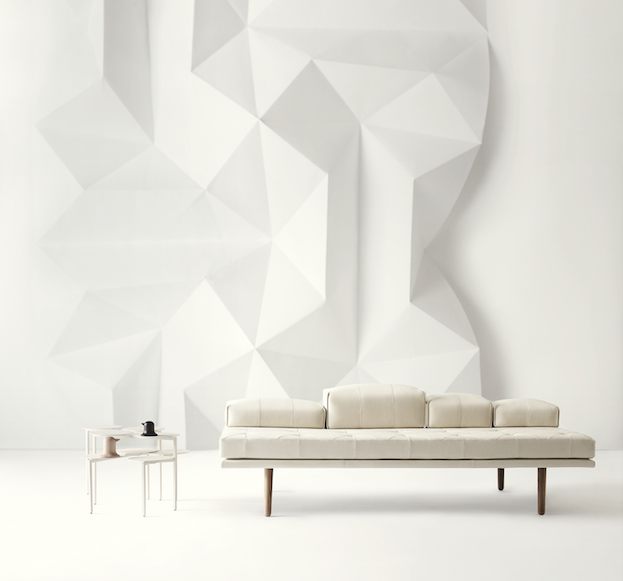
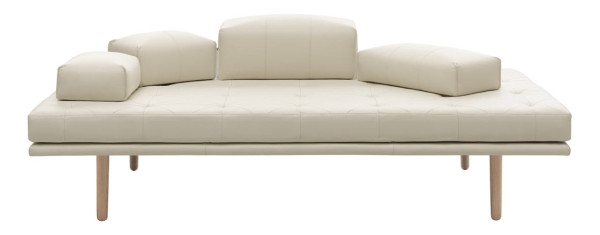
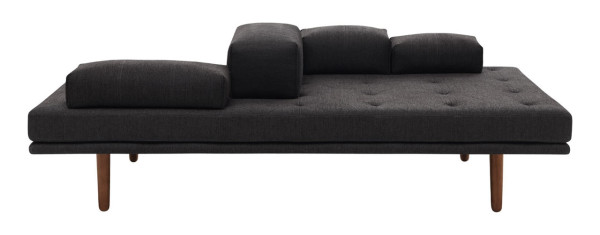
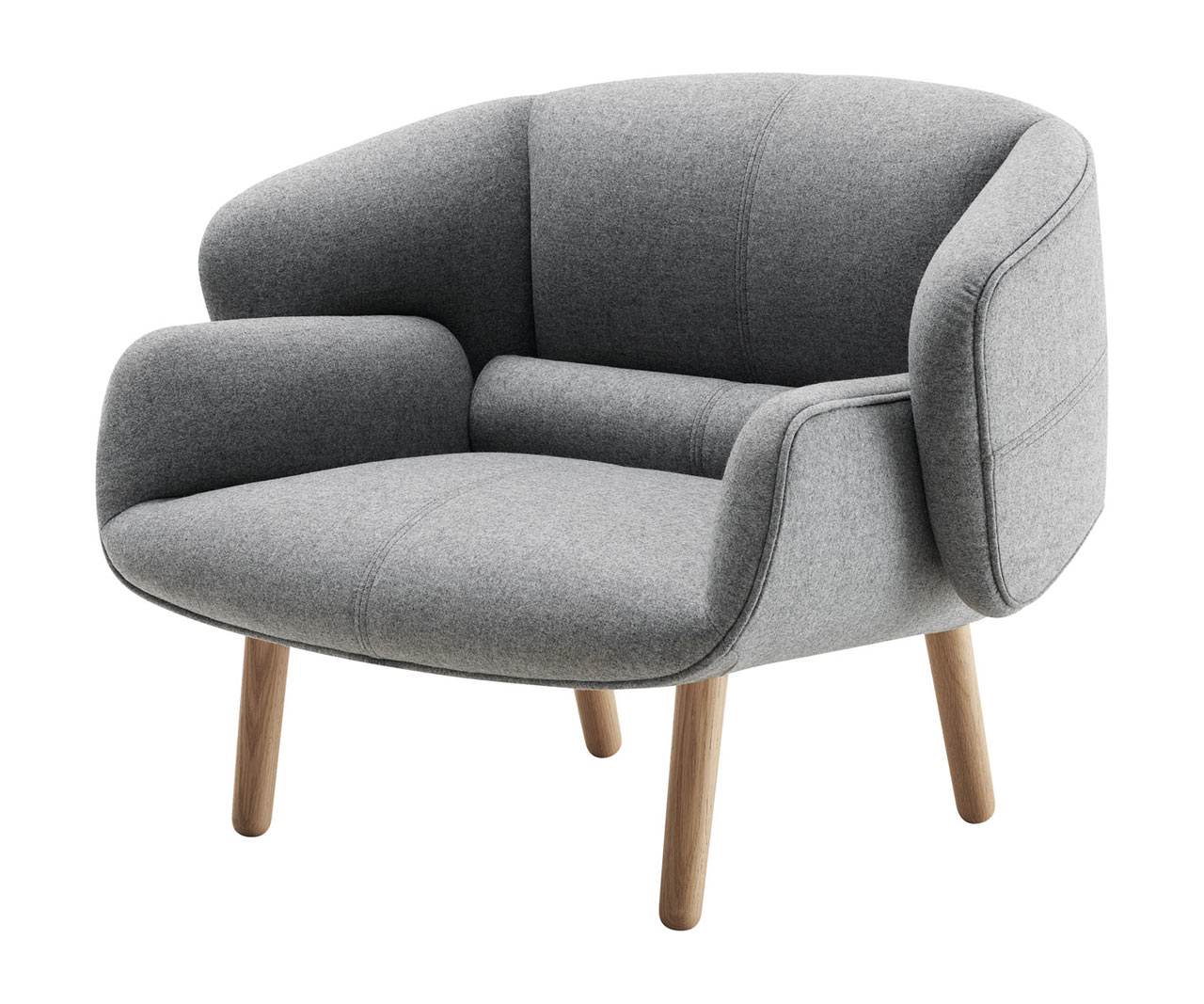
In what is their first collab with a Japanese design studio, Danish furniture retailer BoConcept has teamed up with nendo. At an event last week in New York, Oki Sato, who heads up the sought-after studio, was on site to introduce the origami-inspired line.

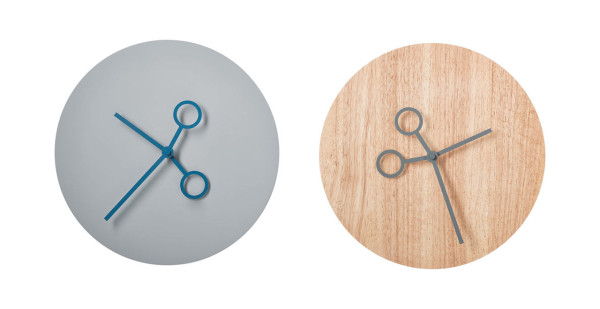
“Our objective was to add a distinct Japanese touch to the BoConcept collection,” said Sato, introducing his “fusion” line. It includes a sofa, chair, rug, tables, wall storage system and accessories. The collection will be hitting stores on April 1!

BoConcept Fusion by Nendo (2)

BoConcept Fusion by Nendo (7)

BoConcept Fusion by Nendo (6)

BoConcept Fusion by Nendo (5)

BoConcept Fusion by Nendo (4)

BoConcept Fusion by Nendo (3)

source: press release

8bit Heart by Shinji Murakami

8bit heart

image courtesy the artist | click to enlarge

Feeling a bit nerdy this Valentine’s day? Or perhaps you’re dating a gamer? Brooklyn-based artist Shinji Murakami has created the perfect valentines gift for you. His 8bit heart is an ode to the pixelated past, before the age of hi-res vector graphics.

A three-dimensional art piece deconstructed into nostalgic 8-bit cubes, 8bit heart is part of Shinji’s 3D-8BIT series – an expedition to unearth the pixelated bumpiness of three-dimensional forms. The process is one of distillation and discovery: removing information to bring into focus the most important elements.

Of course if you’re looking for something “a bit” more affordable, check out this DIY origami heart. You can read more about Shinji in our studio visit and be sure to check out his upcoming solo exhibition!

Ice Glasses by Baku Maeda

baku maeda ice glasses (2)

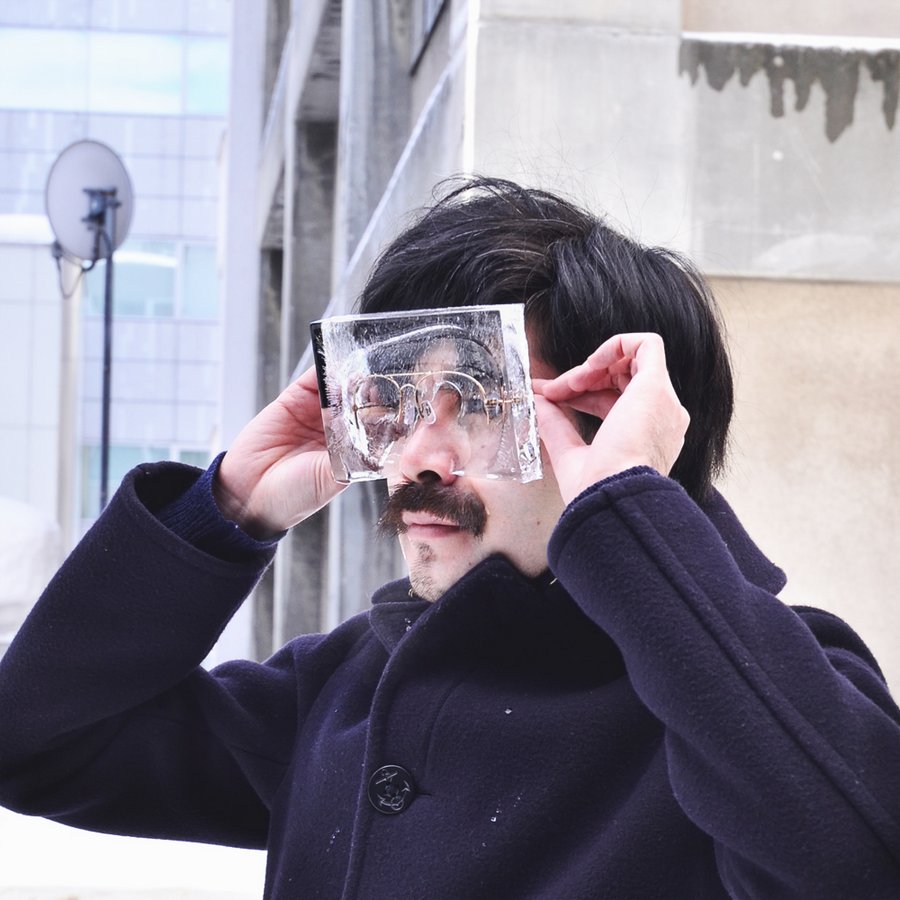
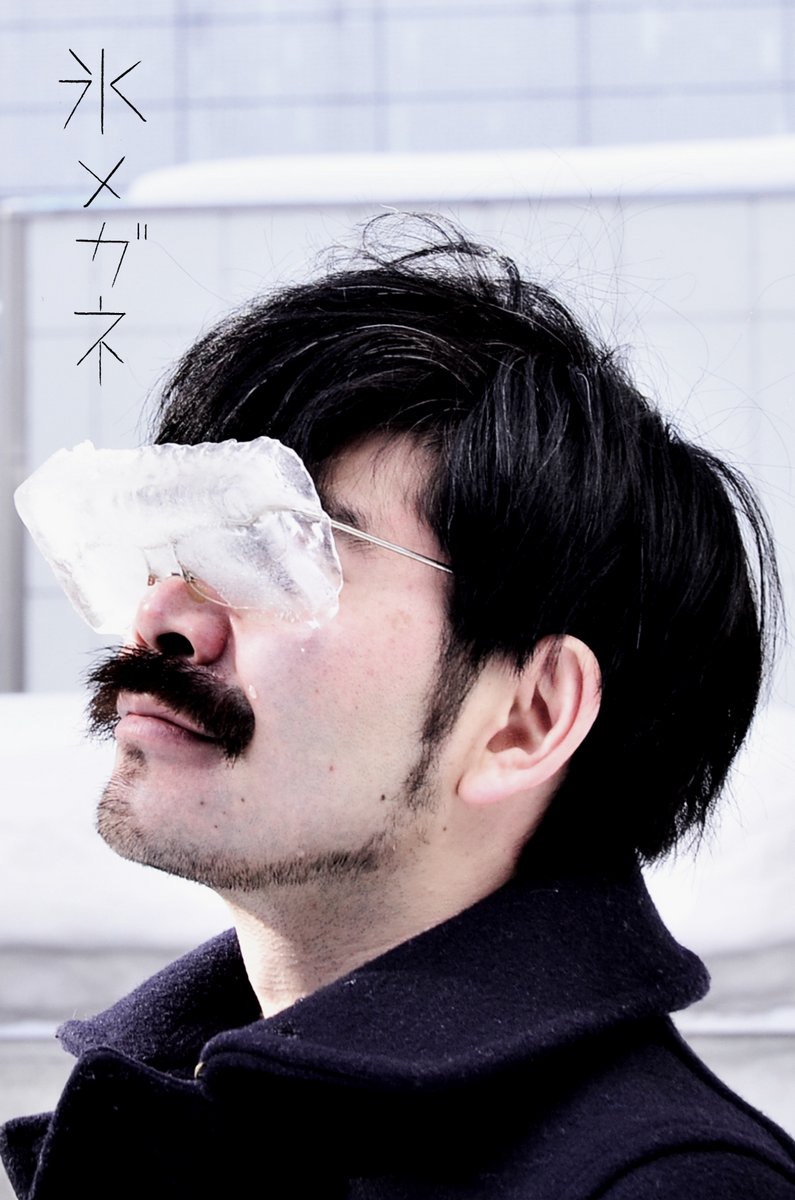
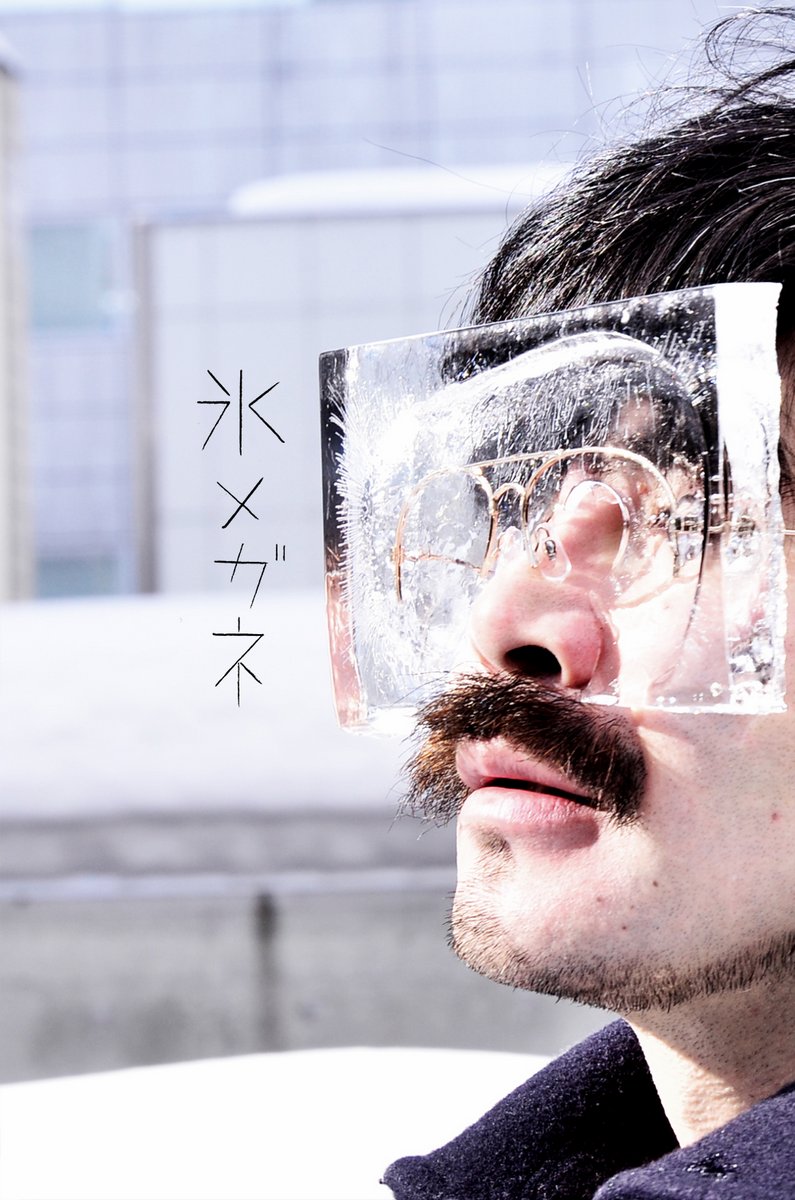
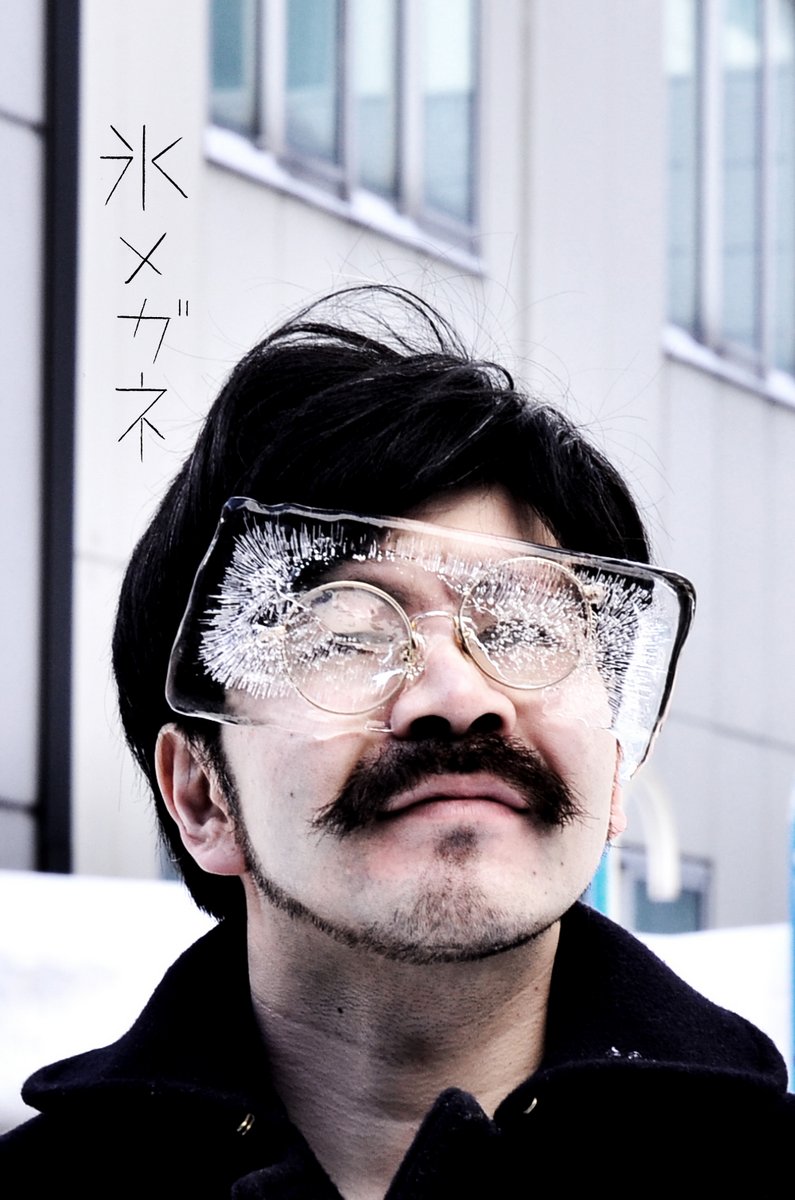
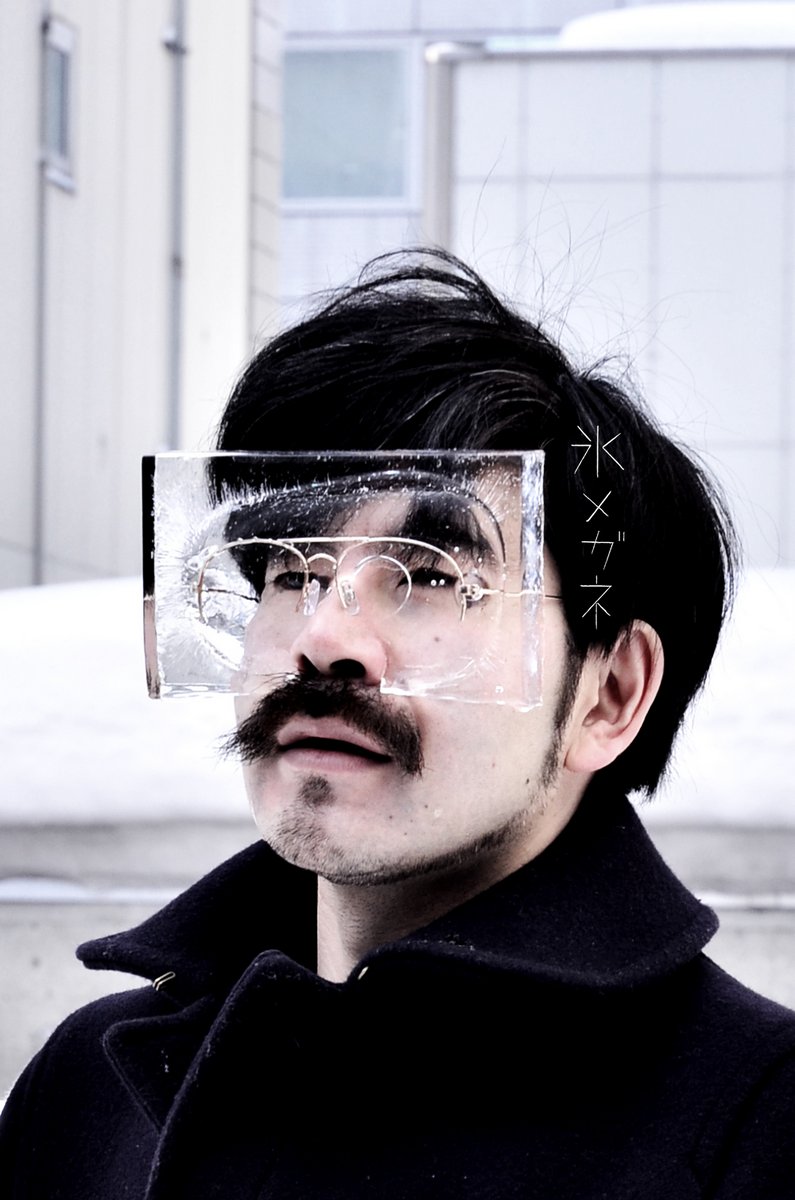
If you haven’t heard, New York – and pretty much all of the U.S. – is having a pretty tough winter. Perhaps hearing our screams of anguish as we step through slush, or perhaps in response to his own frigid temperatures being based in Sapporo, the artist and illustrator Baku Maeda (previously) has created a pair of seasonally appropriate eye wear.

I think this should be part of this winter’s official uniform.

baku maeda ice glasses (3)

baku maeda ice glasses (4)baku maeda ice glasses (5)

baku maeda ice glasses (1)

source: junkculture

Furniture Inspired by Japanese Shipbuilding Techniques by Jin Kuramoto

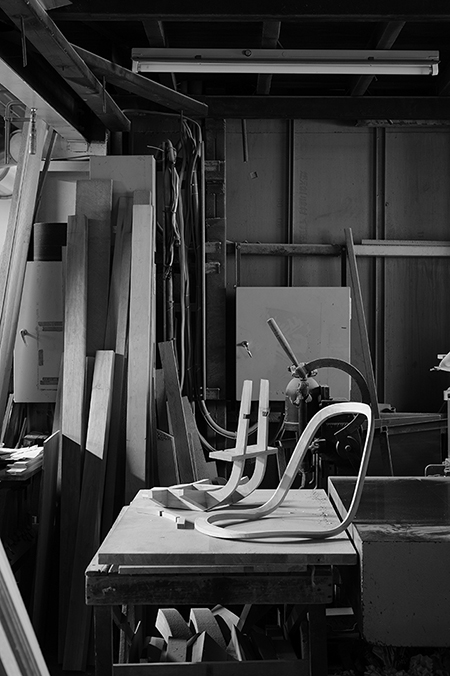
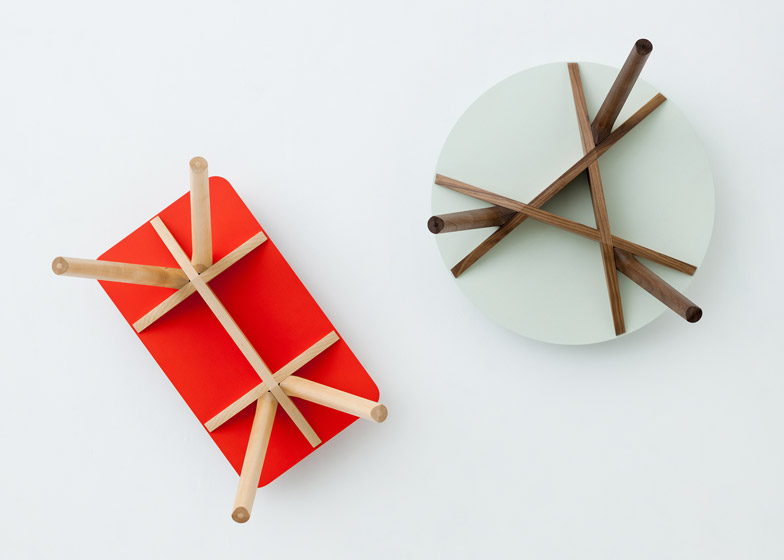
Nadia by Jin Kuramoto (10)

Unless otherwise noted, all photos by Takumi Ota

Nadia by Jin Kuramoto (11) Nadia by Jin Kuramoto (12)

“Like huge Japanese lanterns, the harbors along Japan’s jagged coast sparkled at night last week with the blue fire of acetylene welding rods and the white glare of arc lights. The lights burned overtime as Japan worked to meet the greatest shipbuilding boom in its history. All 54 ways at Japan’s nine major shipyards are occupied; one ship is barely launched before a new keel is laid,” reported TIME Magazine in 1964.

Indeed, Japan used shipbuilding in the 1950s and 1960s to rebuild its industrial structure and the country dominated in the late 1980s, filling more than half of all orders worldwide. Japan has since lost its competitive edge to countries like South Korea but now, a group of artisans and designers are looking to revive shipbuilding but in an entirely different way – through furniture.

Nadia by Jin Kuramoto (1)

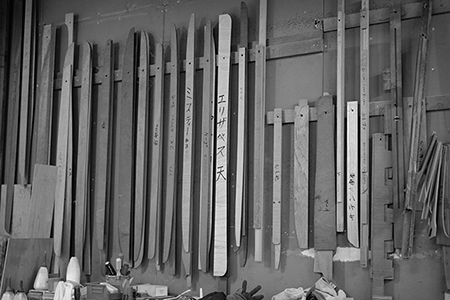
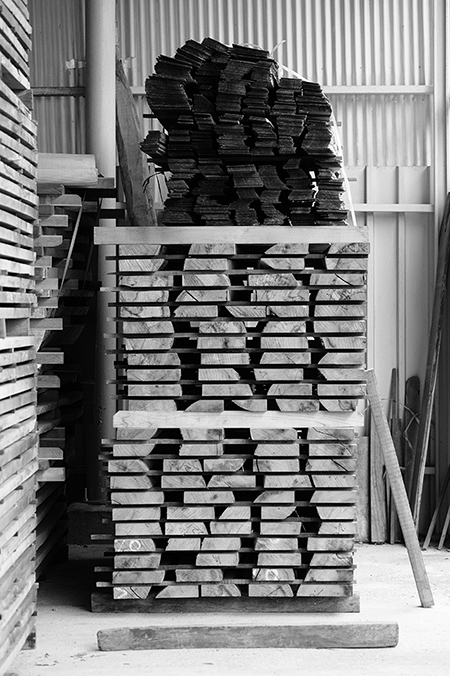
“The heritage of many of the woodworking techniques used by Japanese carpenters originates from Japanese shipwrights,” said Jin Kuramoto (previously), who recently teamed up with a group of Hiroshima-based woodworkers to create a new furniture brand, MATSUSO T.

Nadia by Jin Kuramoto (7)

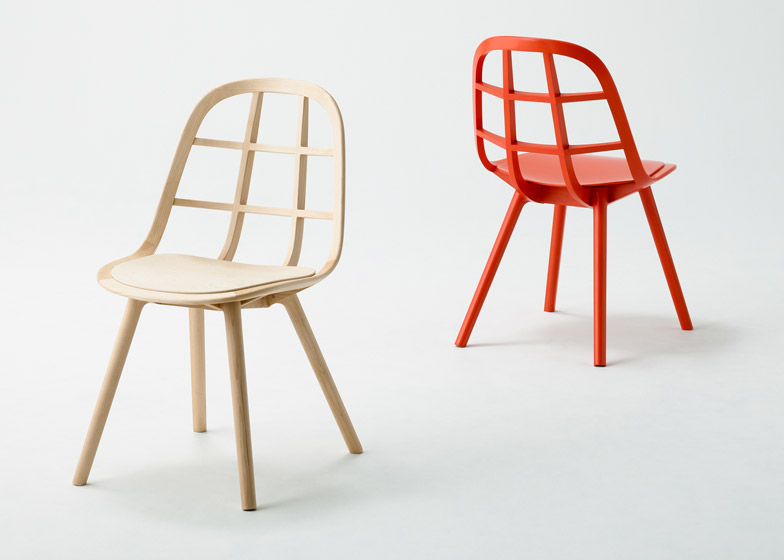
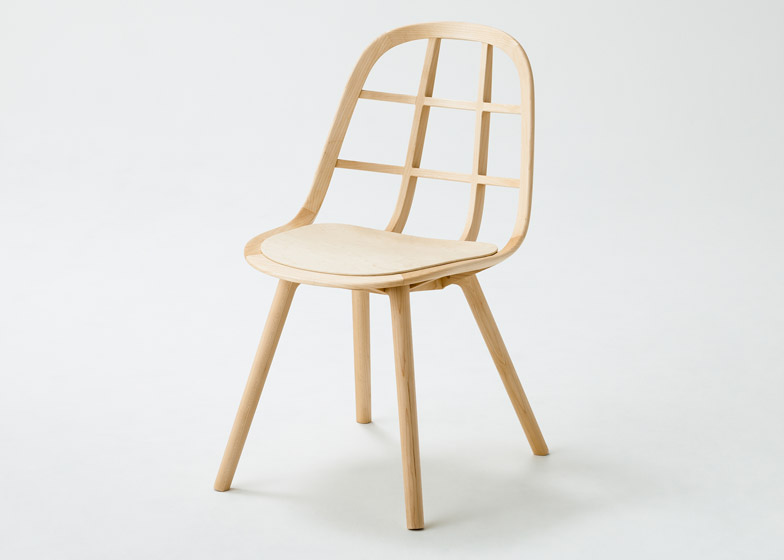
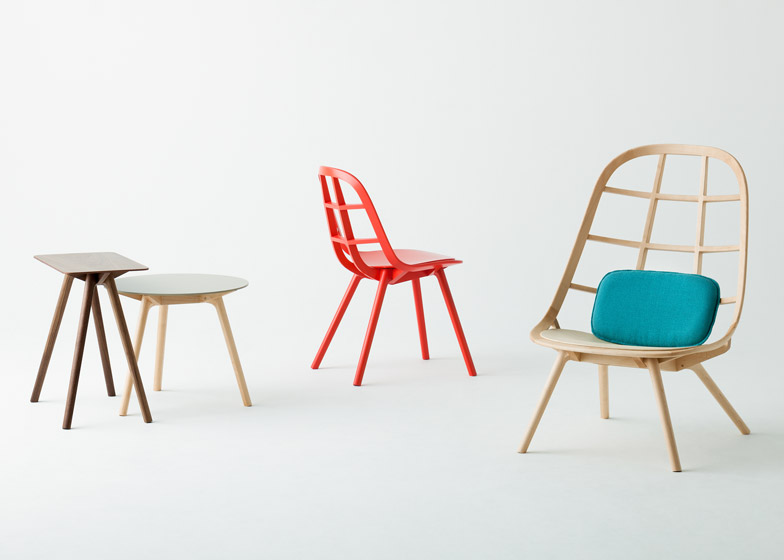
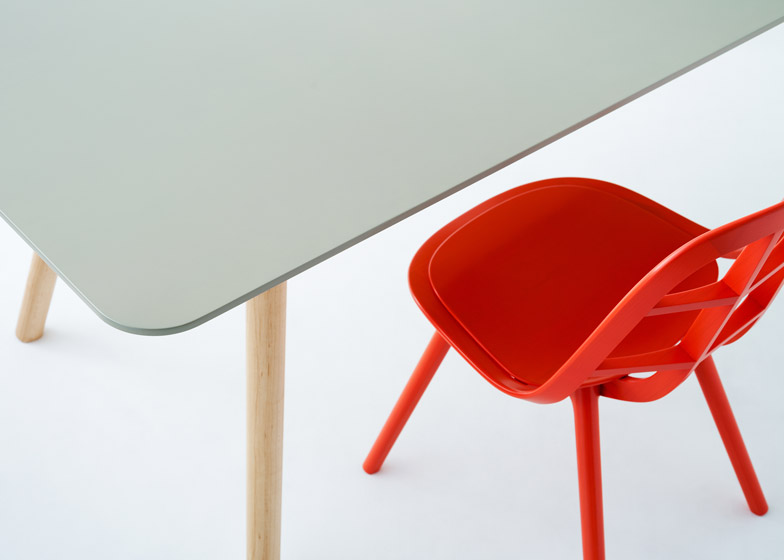
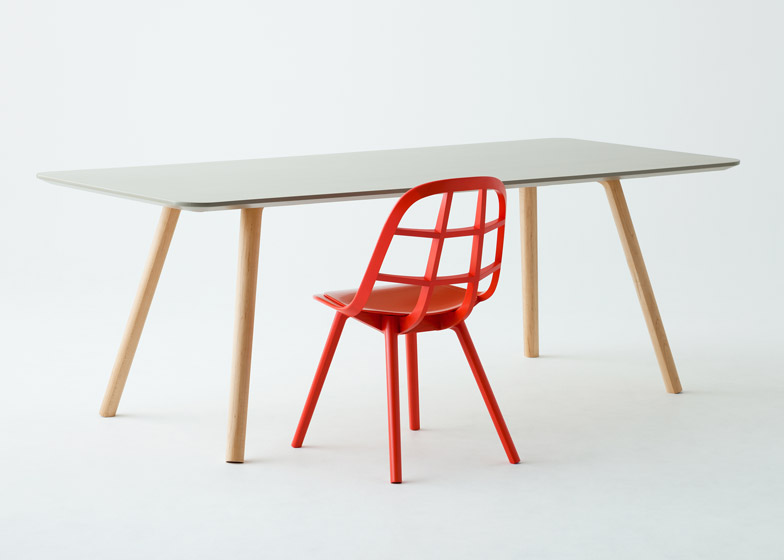
The brand is debuting with 2 lineups; the first, designed by Kuramoto himself, is called Nadia. The collection features curved sections of wood for the back of the chair – an image reminiscent of the hull of a ship. Look underneath the chairs and tables and you’ll see frames of interlocked struts, a technique used by the old shipbuilders. In fact, Hiroshima is home to Tsuneishi, one of Japan’s larger shipbuilders. In a wonderful photo essay the Tokyo-based photographer Androniki Christodoulou documented the shipyard.

Nadia by Jin Kuramoto (2)

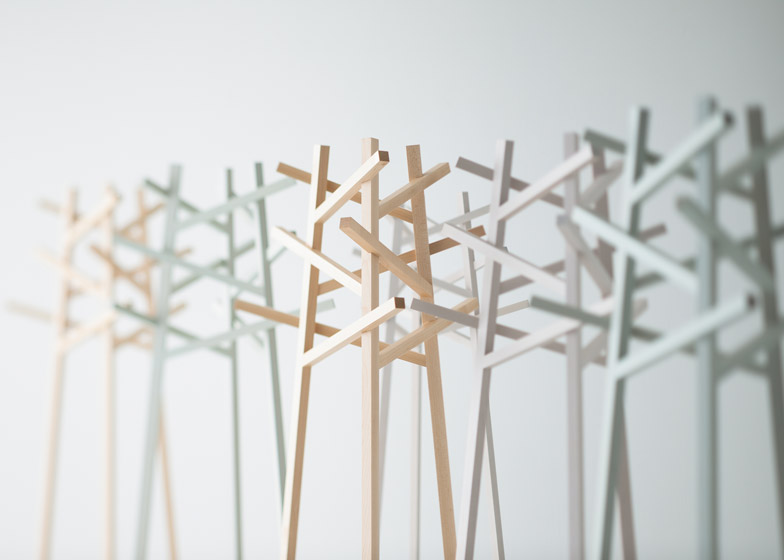
The second lineup for MATSUSO T is a series of pentagaonl furniture called Five, designed by Swedish designer Claesson Koivisto. The entire series will be on display at Stockholm Furniture Fair.

Nadia by Jin Kuramoto (8)

Nadia by Jin Kuramoto (3)

Nadia by Jin Kuramoto (6)

Nadia by Jin Kuramoto (4)

Nadia by Jin Kuramoto (9)

source: press release

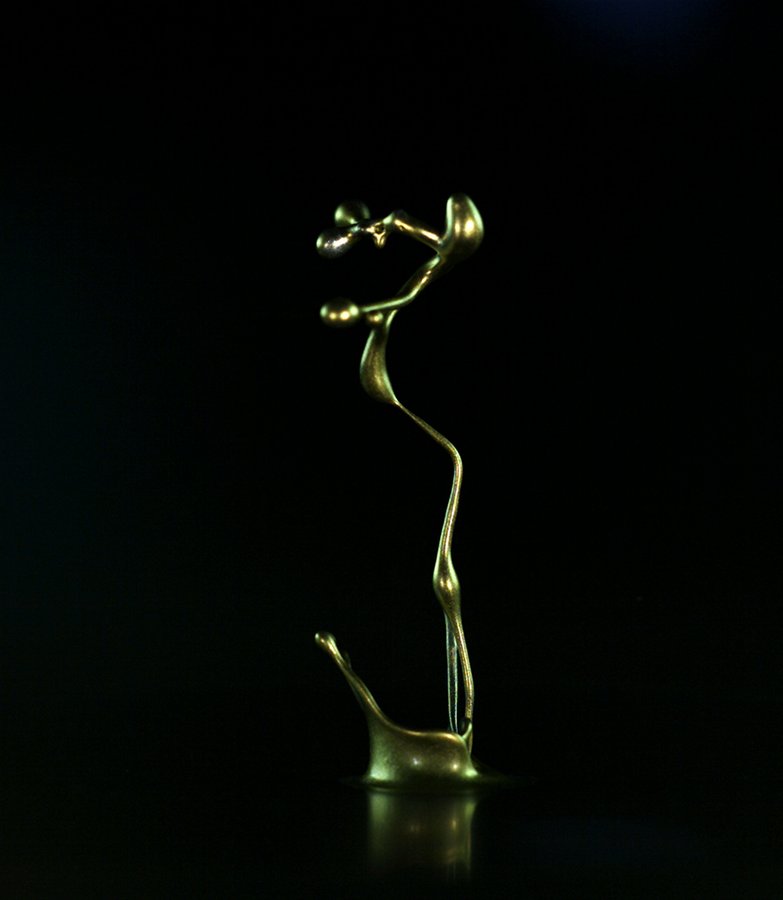
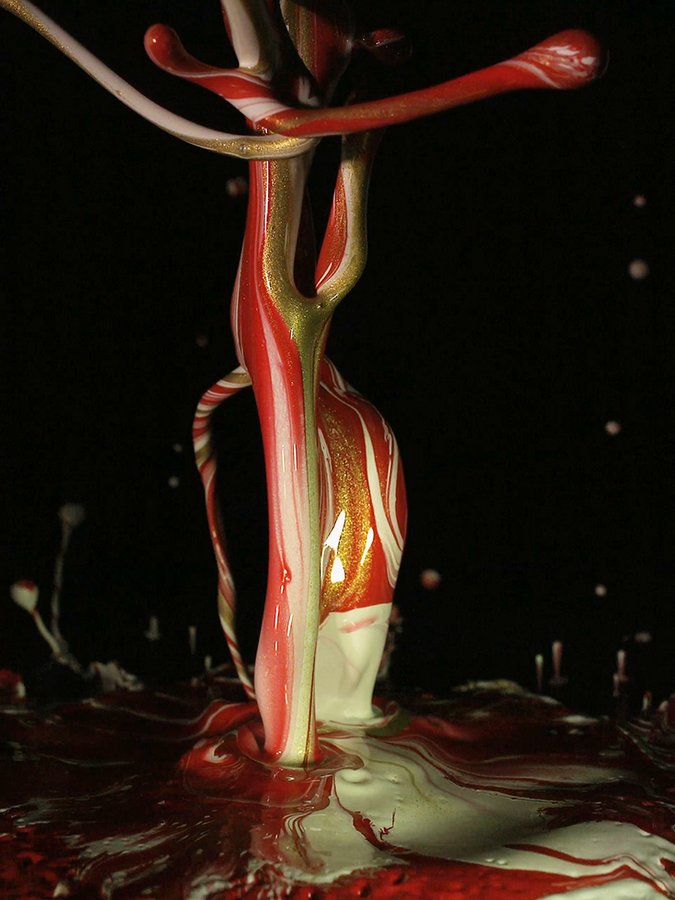
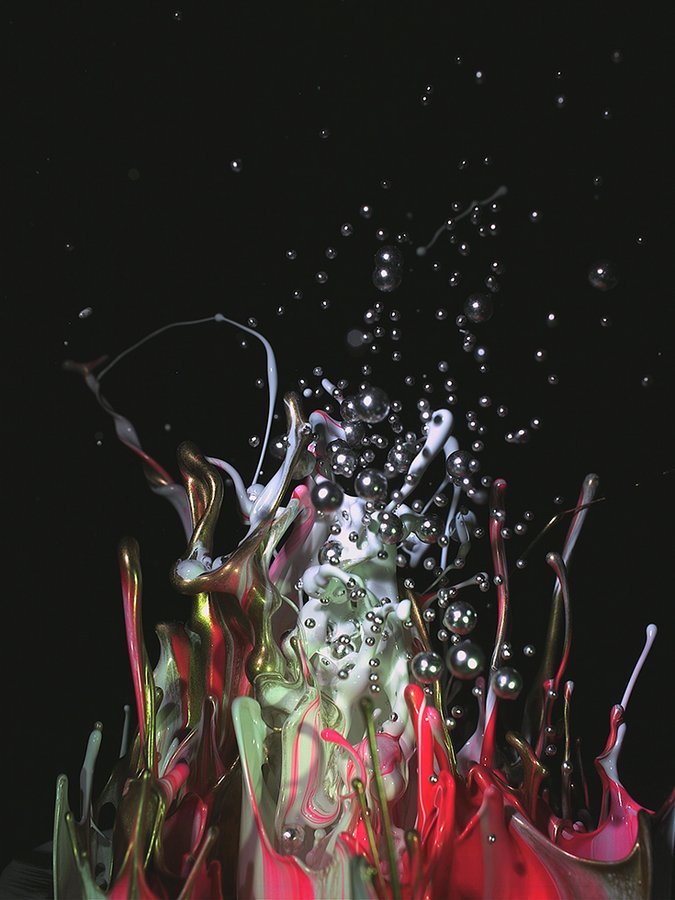
Sound of Liquid | High Speed Liquid Ikebana Photographs by Naoko Tosa

naoko tosa sound of ikebana (2)

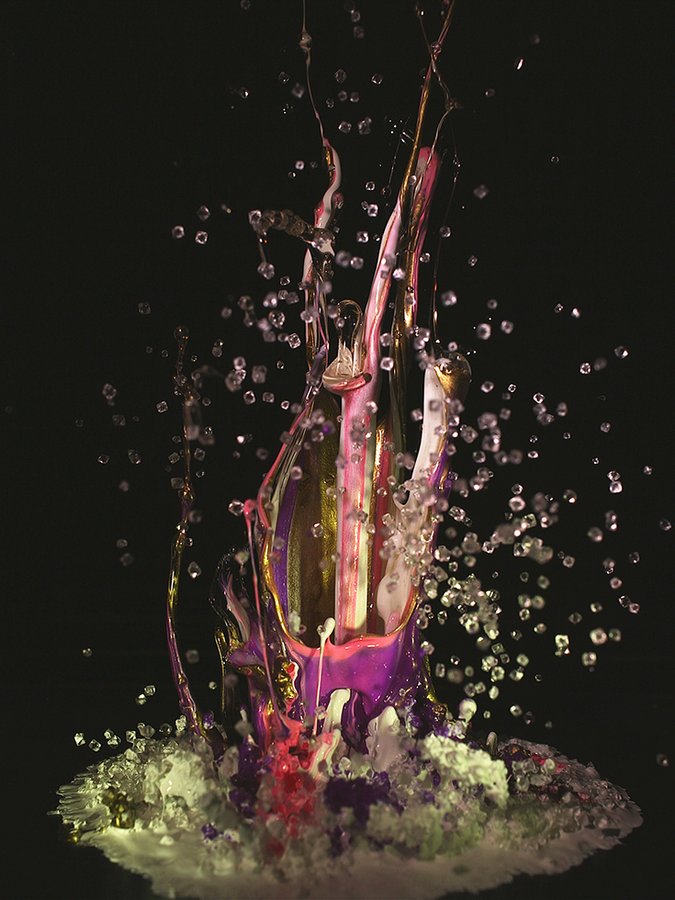
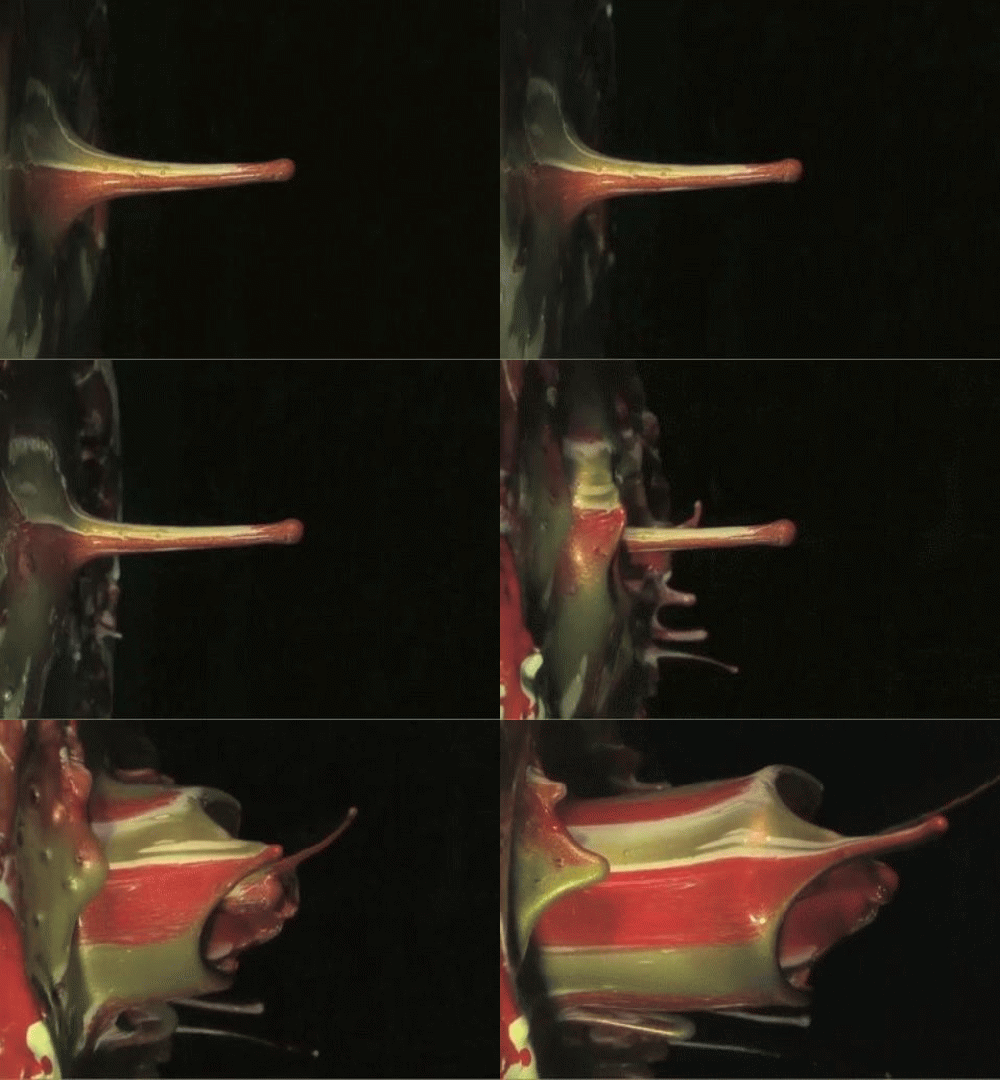
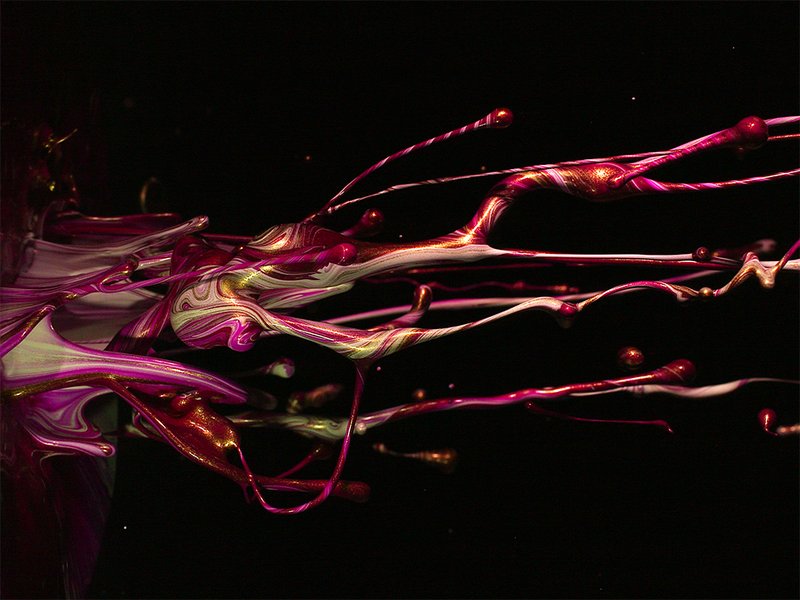
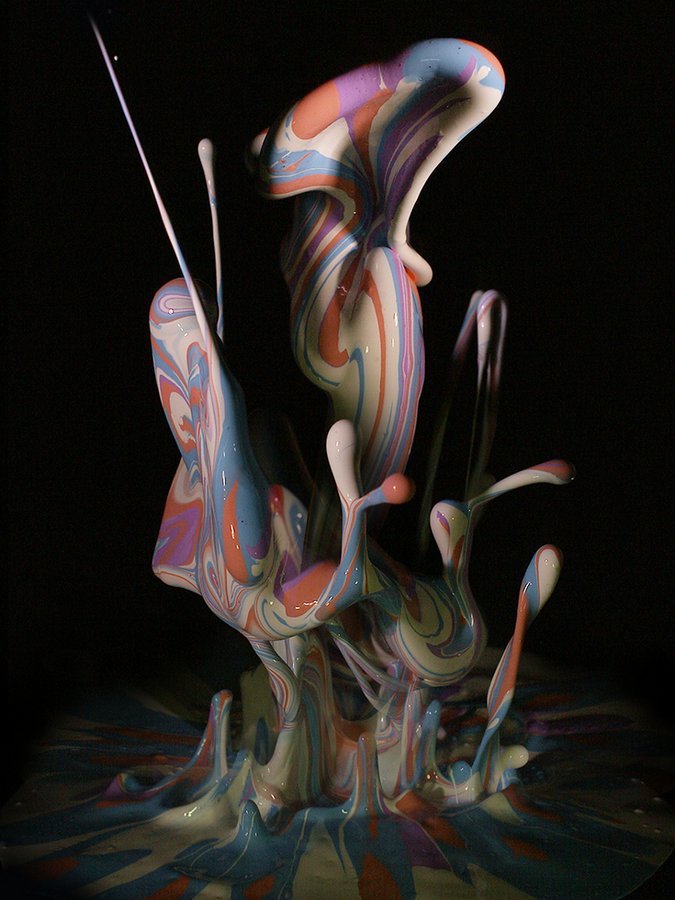
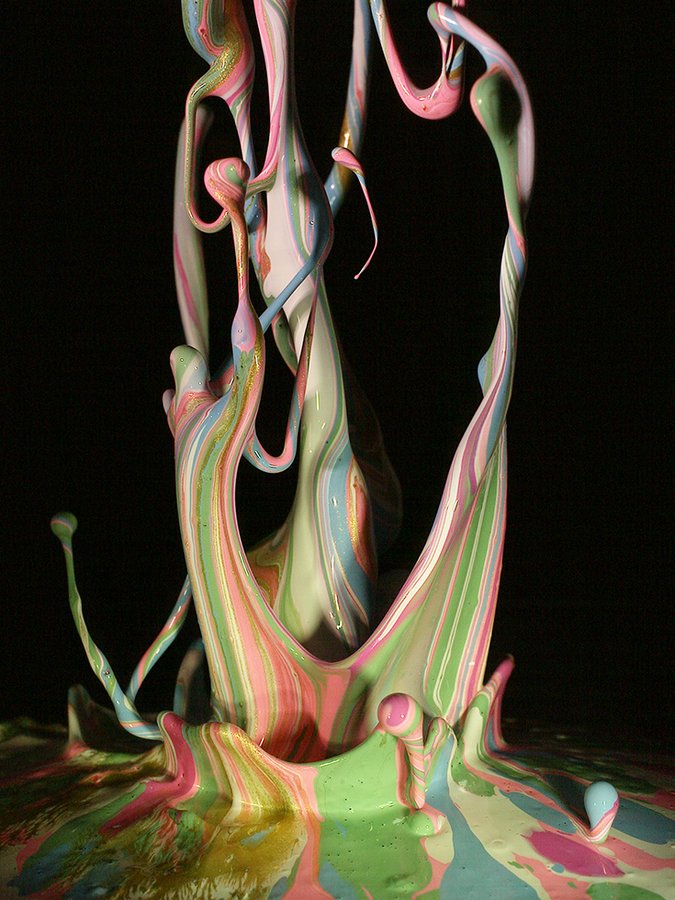
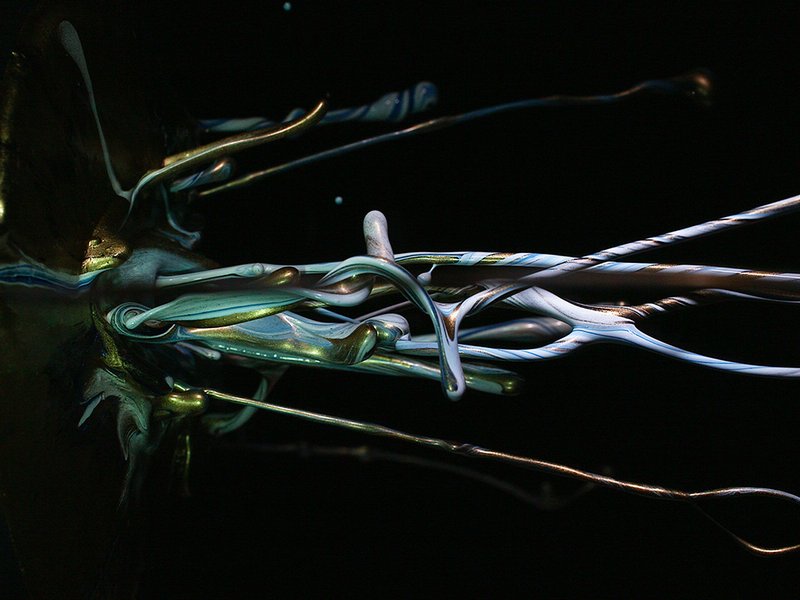
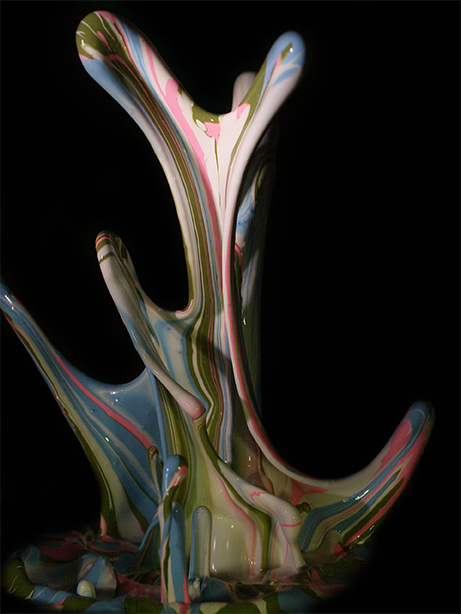
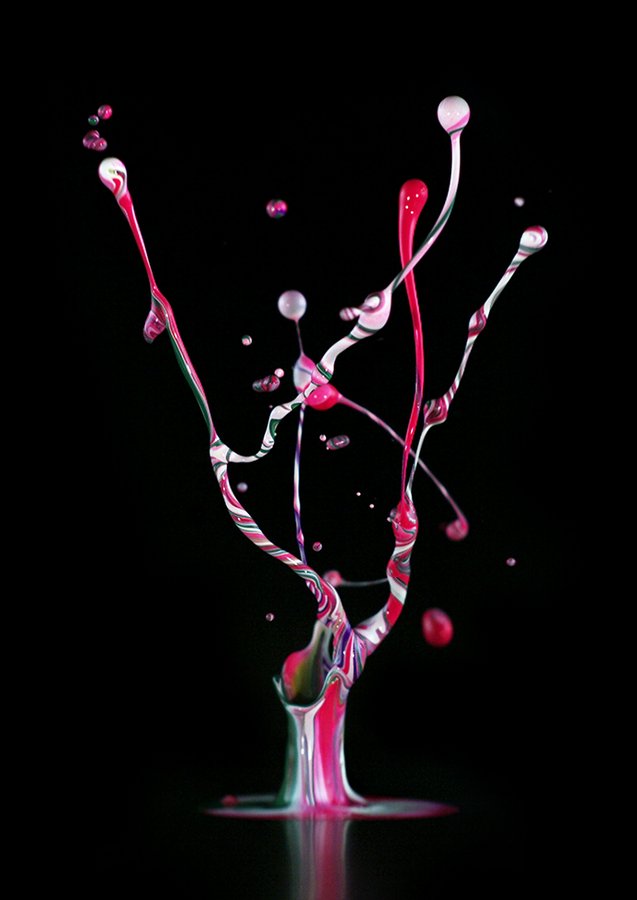
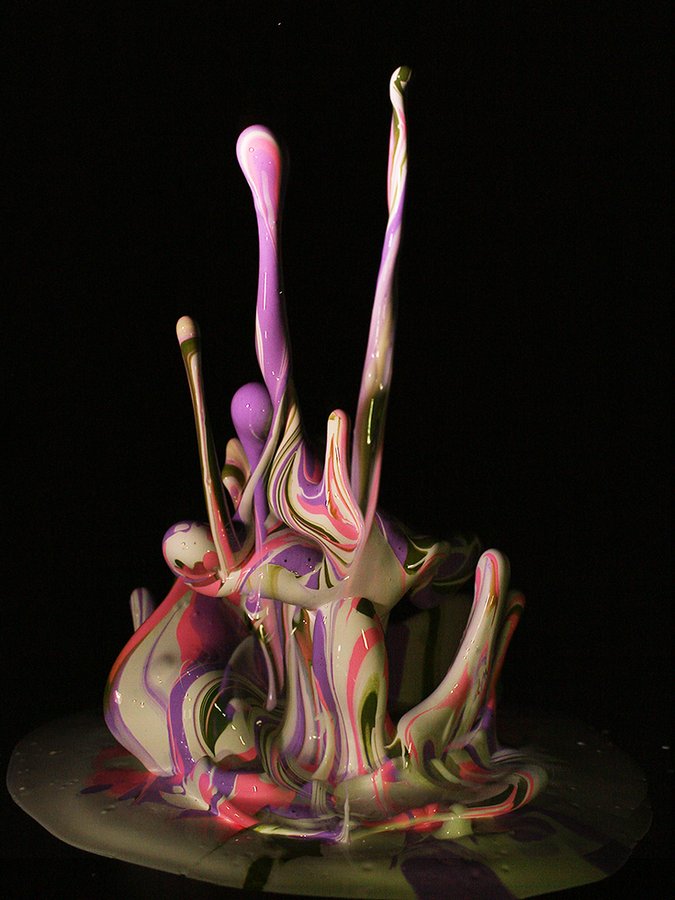
Ikebana – the age-old art of Japanese flower arrangement. From flower arrangements on cars to balloons, contemporary artists have sought to create modern day versions of the tradition. But in its latest iteration, Ikebana is transformed into organic and mysterious forms of liquid by artist Naoko Tosa. In a series titled “Sound of Ikebana,” Tosa first mixes pastel colors and oil together to create a variety of colors intended to express the 4 seasons of Japan. Sound vibrations are then applied to make droplets of liquid jump into the air, which are then captured by a 2000 fps high-speed camera.

soundofikebana

naoko tosa sound of ikebana (3)

naoko tosa sound of ikebana (4)naoko tosa sound of ikebana (5)

Equally impressive is Tosa’s video work, which captures the fluidity and fleetingness of her arrangements. Most recently, her work was projected onto Singapor’s ArtScience Museum façade.

naoko tosa sound of ikebana (6)

naoko tosa sound of ikebana (8)

naoko tosa sound of ikebana (9)naoko tosa sound of ikebana (11)

naoko tosa sound of ikebana (10)


naoko tosa sound of ikebana (12)

9e9fe30c0f171d81f1ed11448bcfdcd9

naoko tosa sound of ikebana (1)

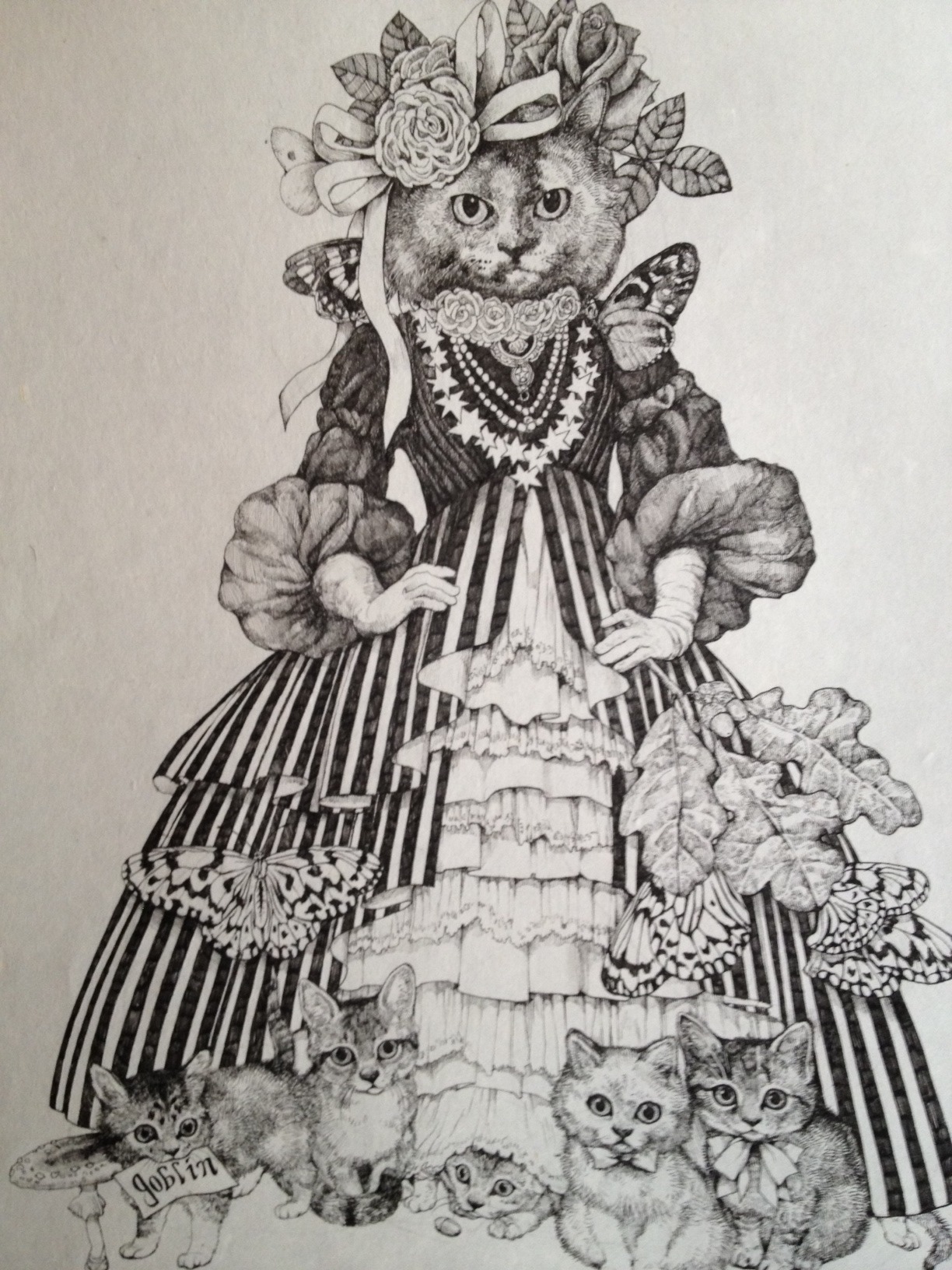
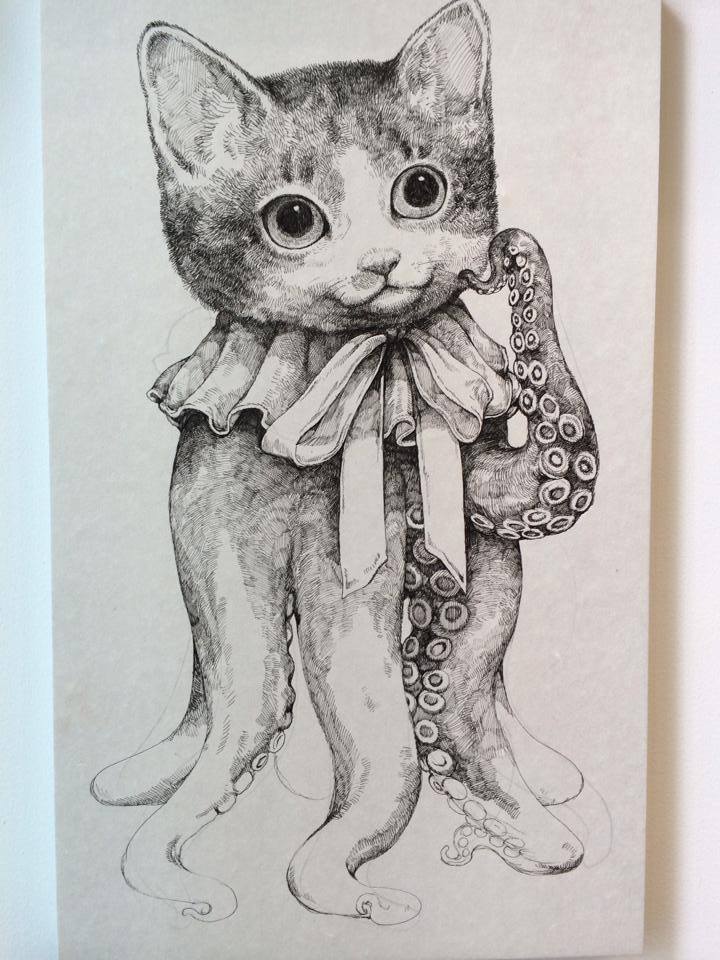
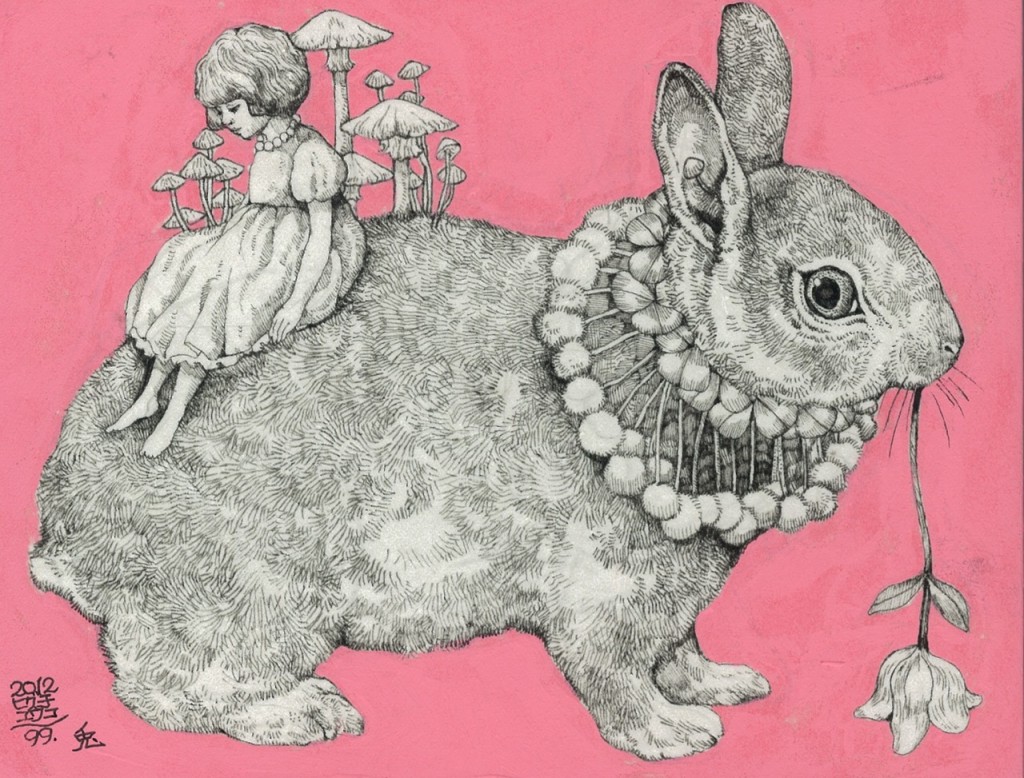
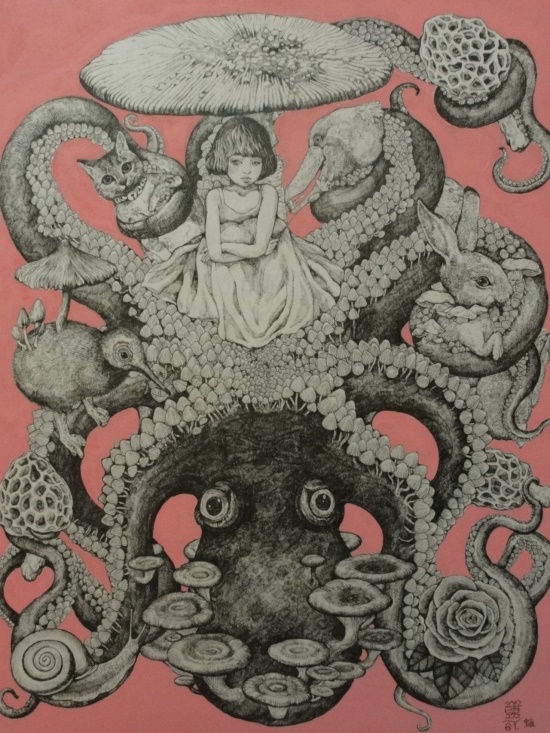
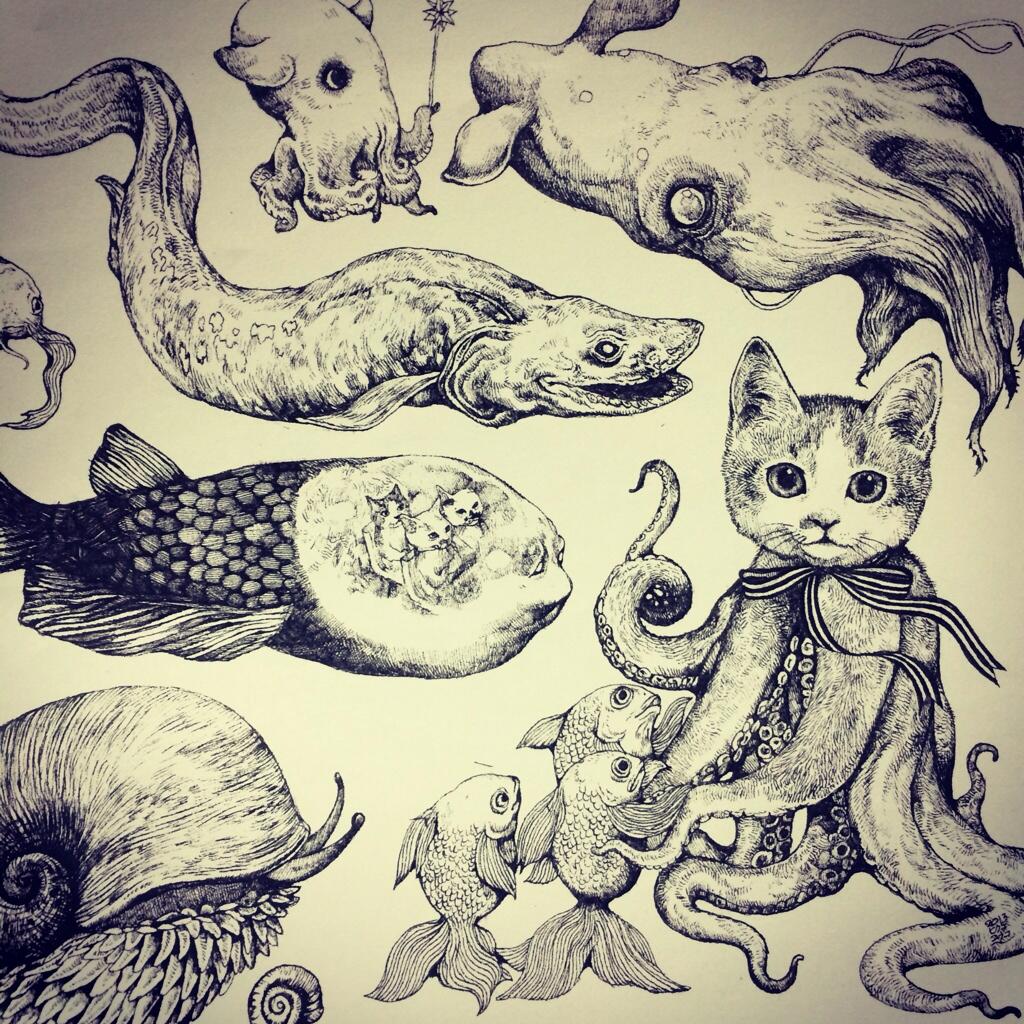
Mushrooms, Kittens and Tentacles | The Bizarre World of Yuko Higuchi

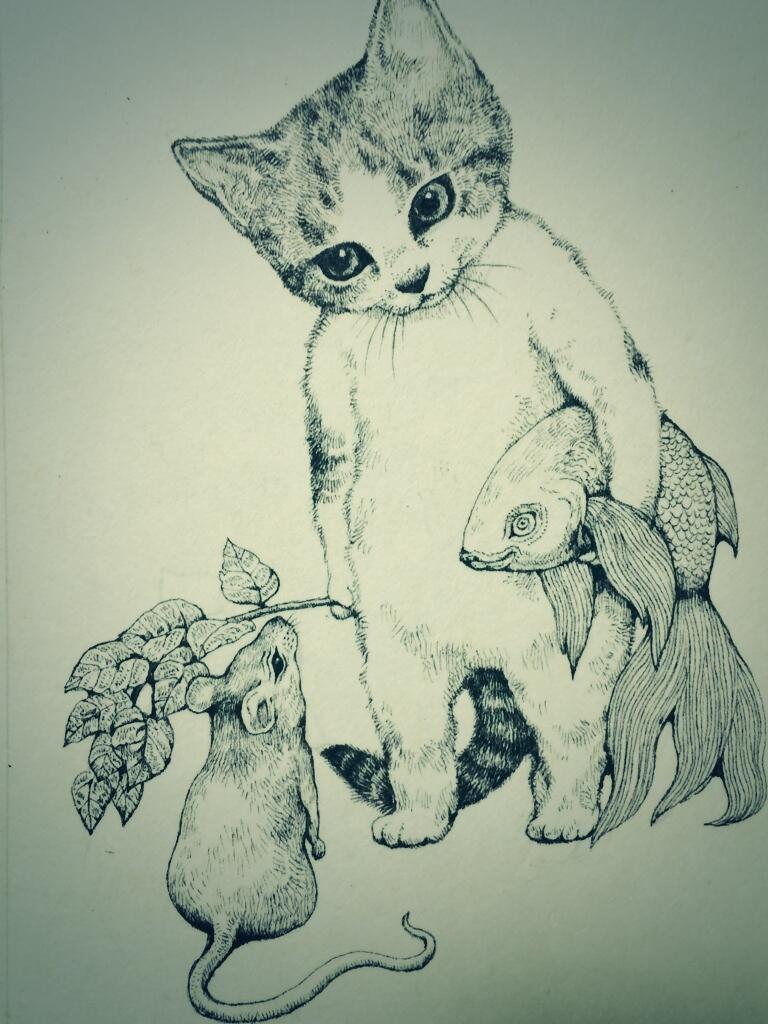
higuchi yuko 6

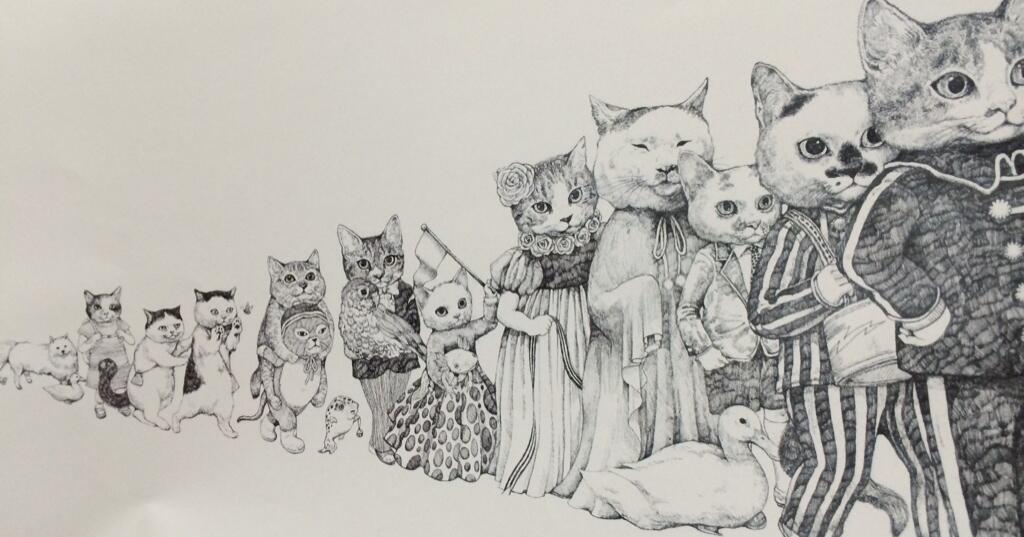
Kittens dressed as people. Dogs with mushrooms growing out of their backs. This is just some of the bizarre imagery you’ll come across as you fall down Yuko Higuchi’s rabbit hole. The Tokyo-based illustrator has recently gained quite a following thanks to collaborations with brands like UNIQLO and Shiseido. With just her pet cat Boris as her main source of inspiration, coupled with a healthy curiosity towards the shapes and forms of fungi, Higuchi portrays realistic animals in unrealistic situations.

Last month she released her first illustrated book. You can follow her work on FacebookTwitter or through her Tumblr account.

higuchi yuko 9

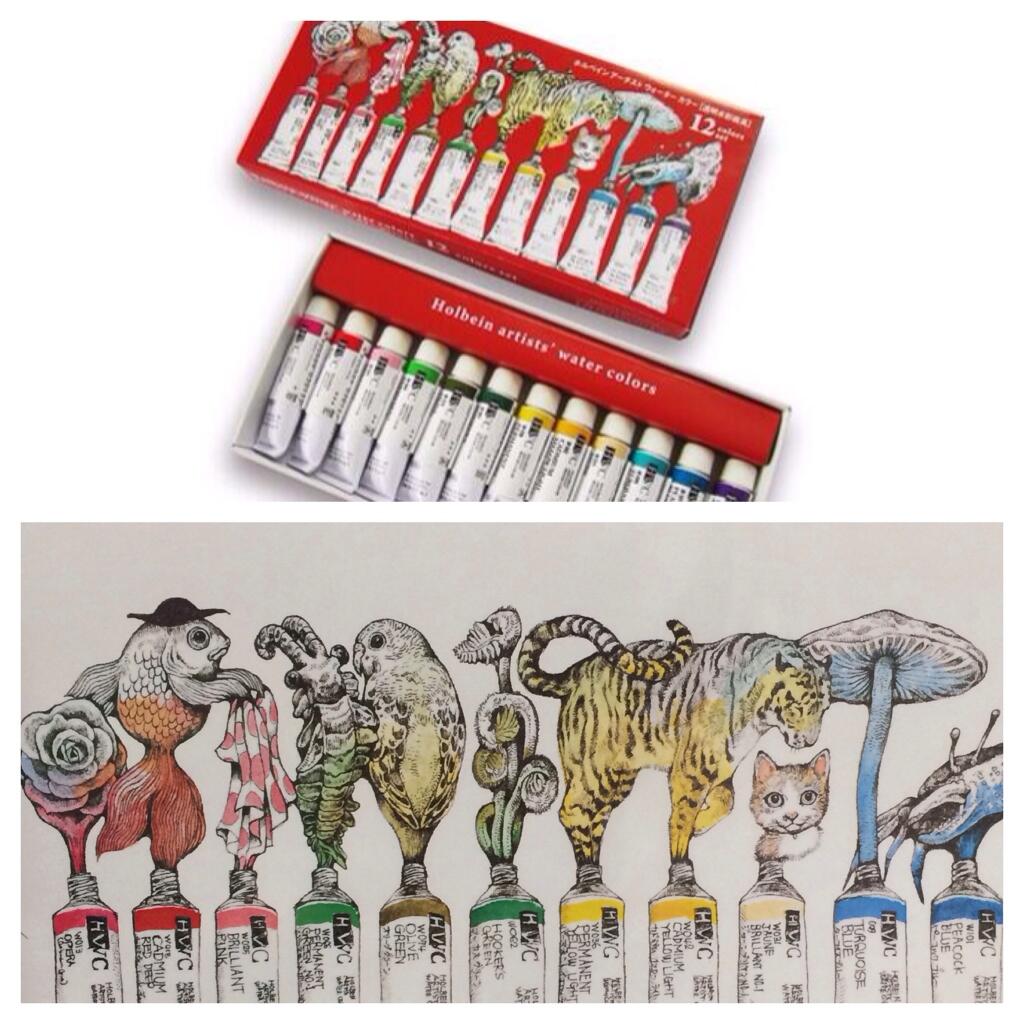
This month from February 20 – March 1 Higuchi will be staging a pop-up shop in Laforet Harajuku department store where you’ll be able to purchase merchandise, like this great oil paint set.

higuchi yuko 1

higuchi yuko 7

higuchi yuko 8

higuchi yuko 2

higuchi yuko 3

higuchi yuko 4

higuchi yuko 5

Wanderlust | Tokyo’s Volcanic Crater Island Aogashima

aogashima 1unless otherwise noted all photos by flickr user mh2718

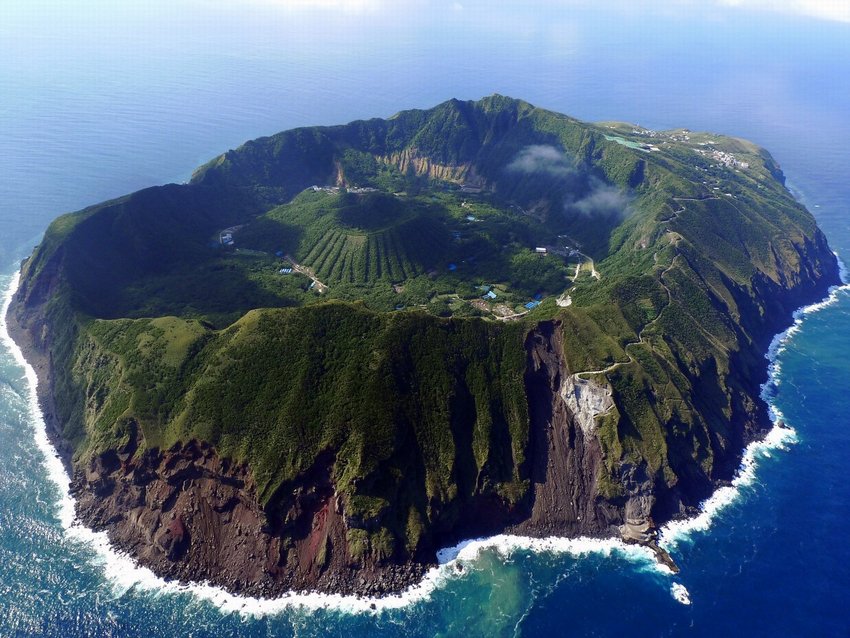
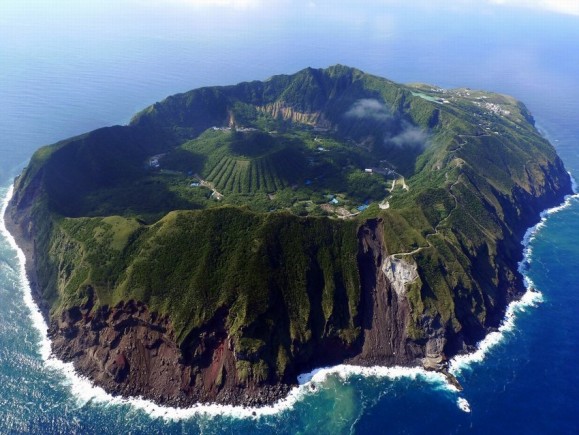
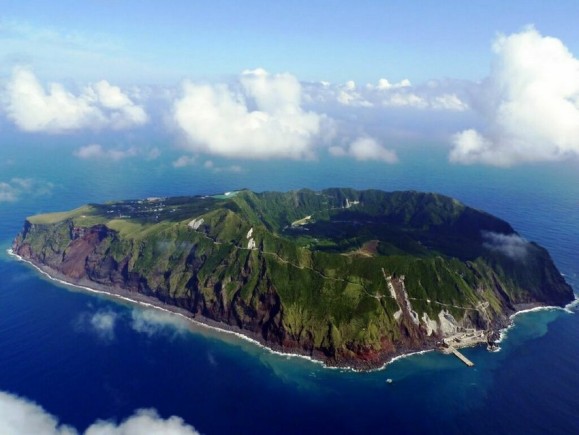
Aogashima – the blue island

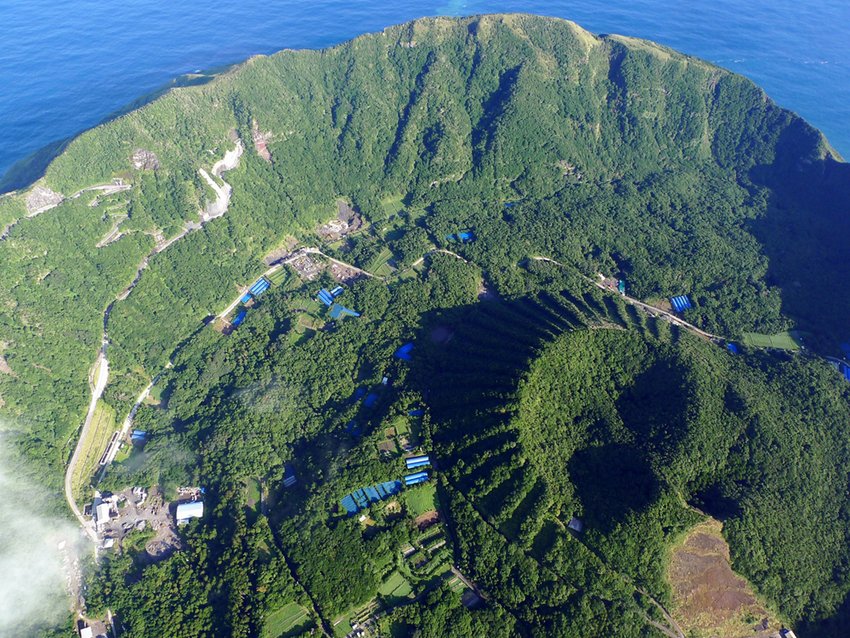
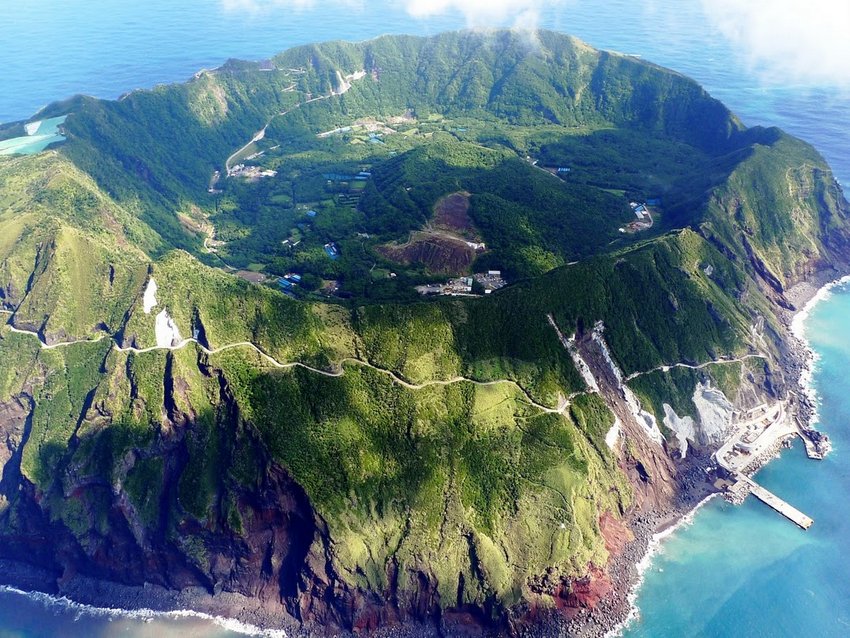
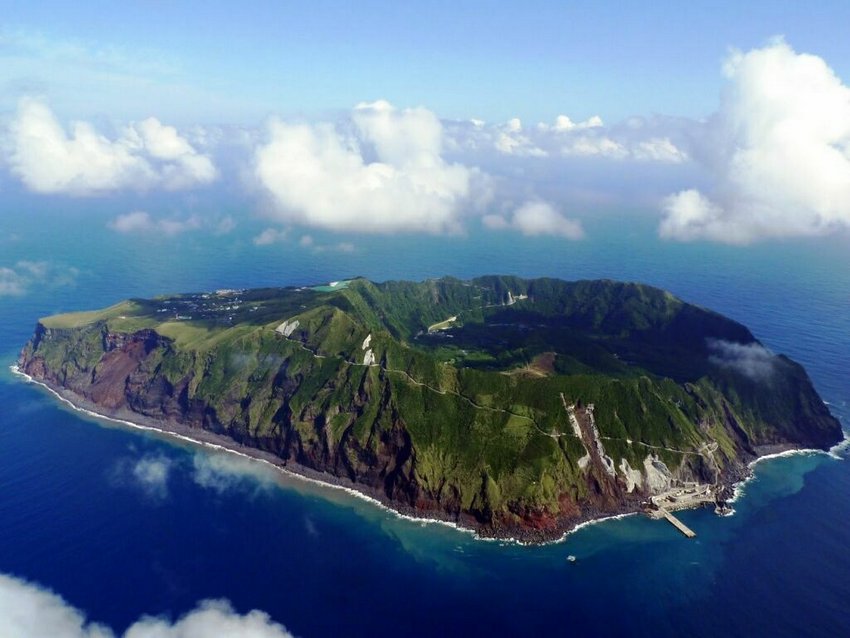
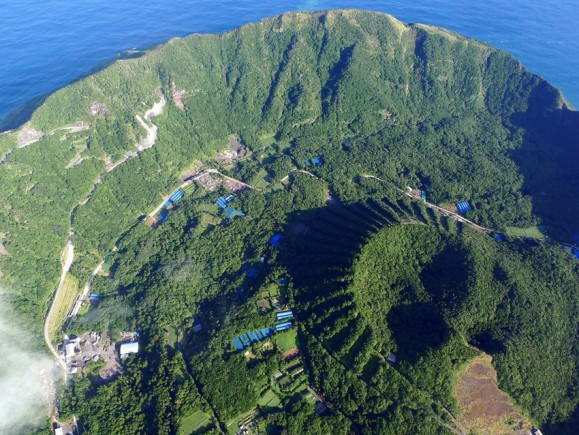
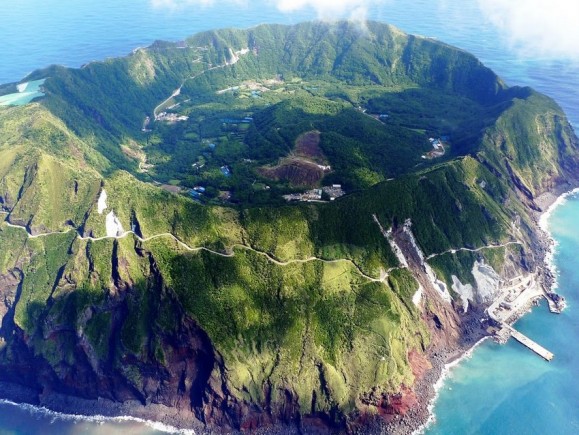
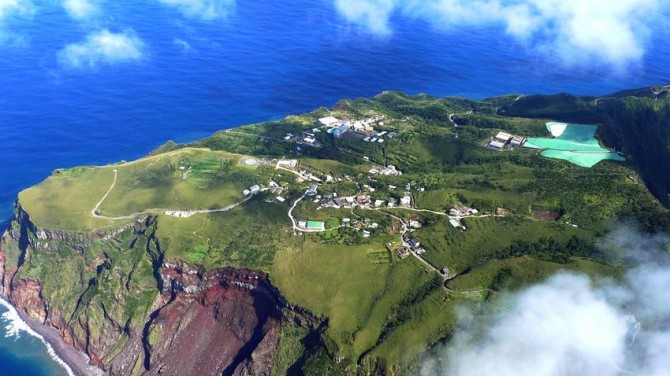
Despite being 222 miles south of Tokyo, Aogashima, a remote yet inhabited island, falls under the administration of Japan’s capital city. But the address is where the similarities end. As of 2010, the 9 square kilometer (about 1680 football stadiums, for all you Super Bowl fans out there) island has 98 households and a population of 165, making it the smallest village in all of Japan.

Looking almost like a Jurassic Park-like natural fortress, the volcanic island is known as a caldera. Within the large crater is a smaller crater – a cinder cone – that was formed after the larger explosion. The steep rugged cliffs of layered volcanic deposits rise up as high as 1388 feet.

aogashima 2

Origins Shrouded in Mystery

How people first ended up on the island is largely considered a mystery. The island’s own legend has it that the island was once forbidden to women because it was believed that man and women living together on the island would anger the gods. The first written records of the island appear around the 15th century and many of them are of shipwrecks so there’s a strong possibility that sailors may have taken refuge on the island and eventually made it their home.
aogashima 3

Returning Home After Tragedy

A series of earthquakes in 1780-81 was followed by volcanic activity 2 years later. Lava flows burned down all the houses and residents were forced to flee to the nearest island, Hachijojima. Unfortunately, about half of the 327 residents did not make it out in time and perished. Those who did survive were forced to live out the next 40 years of their life on Hachijojima. Some sought out new life elsewhere but others could never forget their beloved island. One of these people was Jirodayu Sasaki, who, after 18 years of planning, courageously led an expedition back to the island and successfully resettled in 1835. He’s considered a hero on the island and there’s even a statue of him.
aogashima 4

Traveling to Aogashima

In this day and age, getting to Aogashima is actually much easier than you might have thought. They even have their own heliport!

  • First Class – fly from Tokyo to Hachijojima and then take a helicopter. A one way trip will take just a little over 2 hours and will cost about $240.
  • Economy Class – sail from Tokyo to Hachijojima and then take a smaller boat. A one way trip will take 14 hours and will cost about $100.
 

aogashima 5

aogashima 6

Entertainment

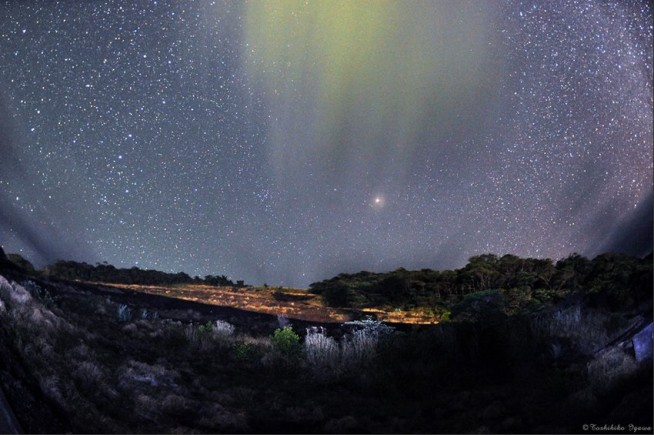
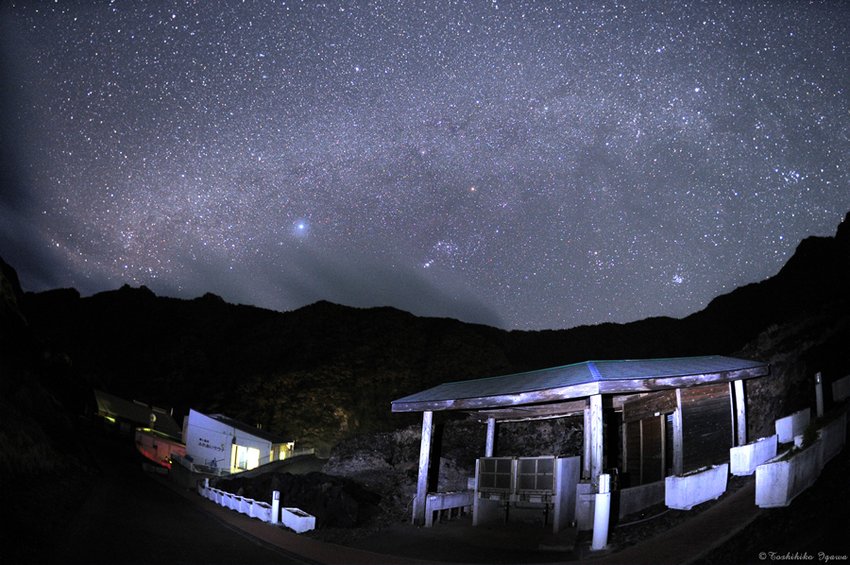
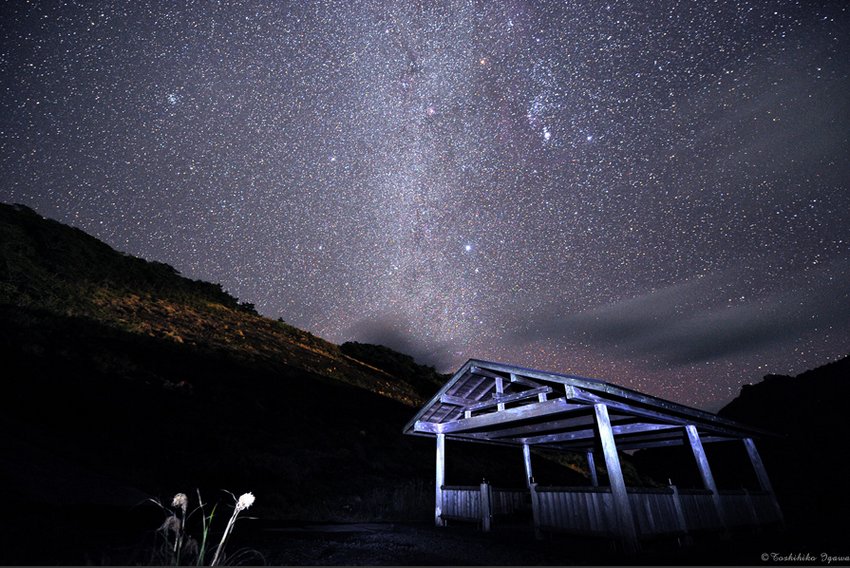
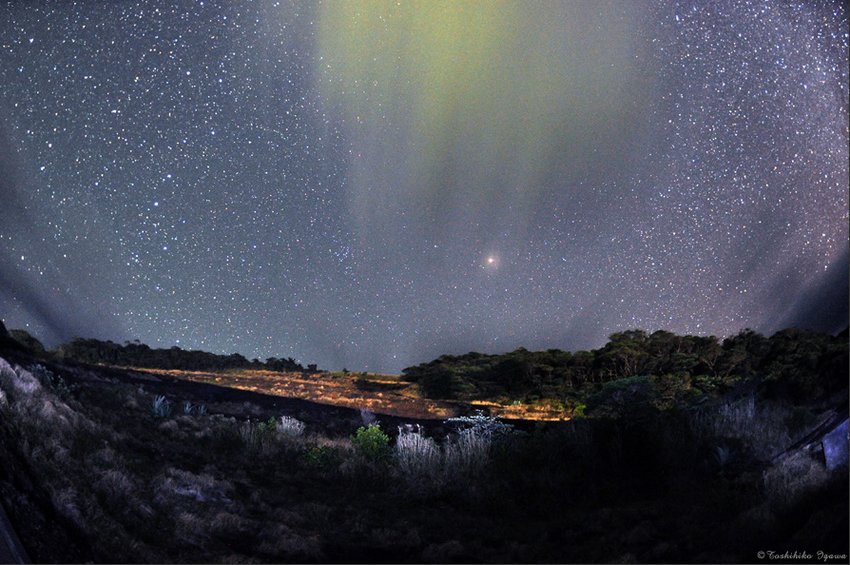
So what do you actually do once you get to this lost paradise? Well what it doesn’t have in beaches the island makes up in starry skies. Photographer Toshihiko Ogawa documented some of these fantastic starry nights. The photos were taken from the 2nd caldera, where many people will go to camp out. There is also a volcanic natural hot spring where you rest those muscles from all the rock climbing you did getting there.

Otherwise there’s plenty of fishing, hiking trails and shrines to see. And the internet is probably shoddy so it’s the perfect place to unplug.
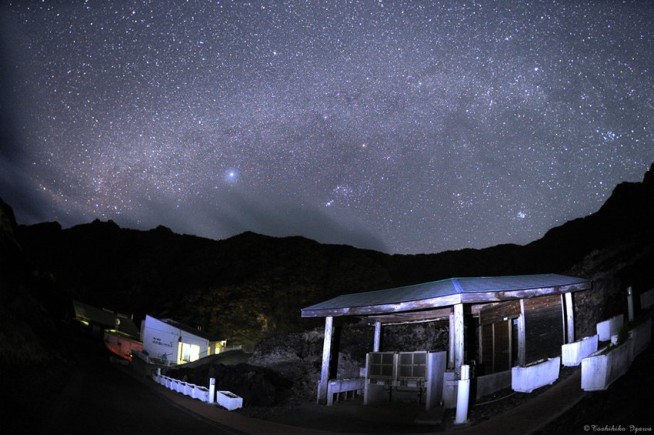
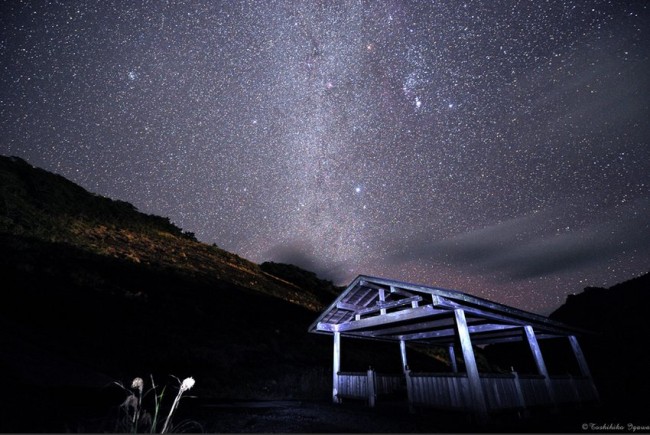
 

aogashima 7

aogashima 8

aogashima 9

Source: Aogashima Village | Blue Island | Wikipedia

Discovering Old Japan in New Tokyo | Nakagawa Masashichi Shoten-gai
YusukeSeki_NM Shotengai11

photos by Takumi Ota | click to enlarge

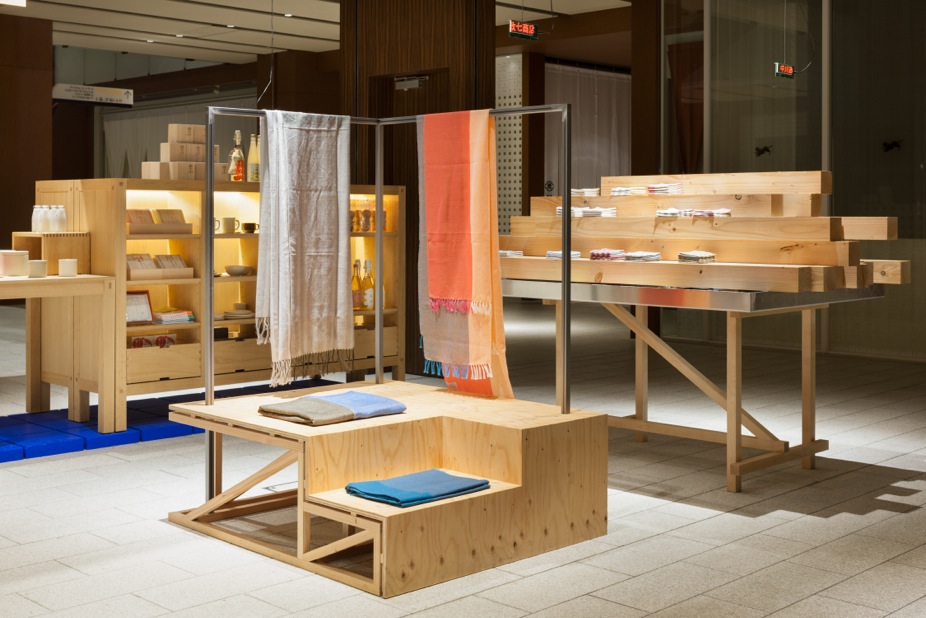
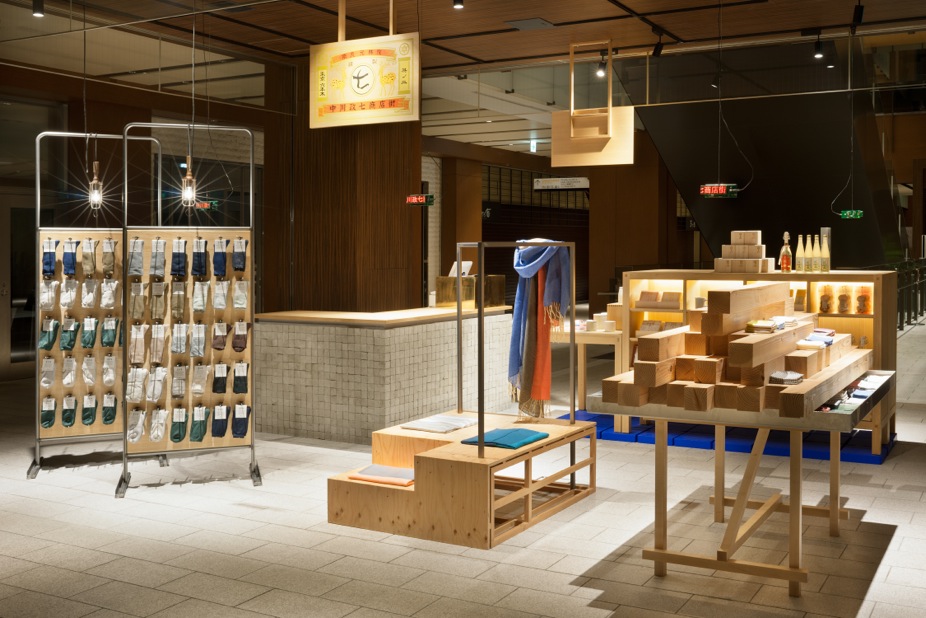
A shoten-gai (商店街)is a shopping street centrally located within small towns in Japan. They come in all shapes and sizes and, somewhat naturally, have evolved directly in front of local train stations. It’s where people come to gather and shop, either on their way home from work or during the day. But as is the case with most cities, the face of these shopping streets have changed. Local vendors and artisans have been replaced by large drugstore chains, 100-yen shops and convenience stores.

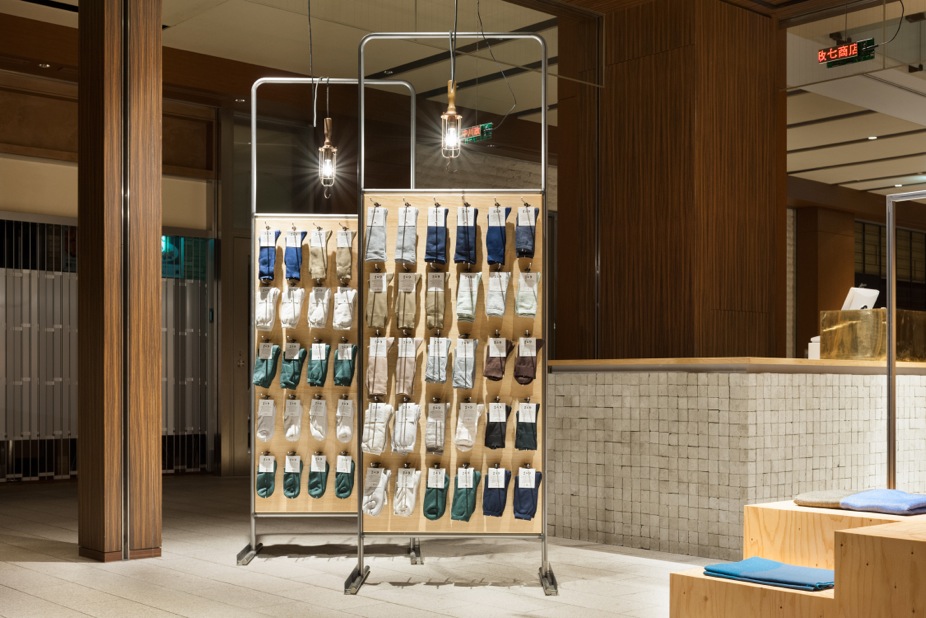
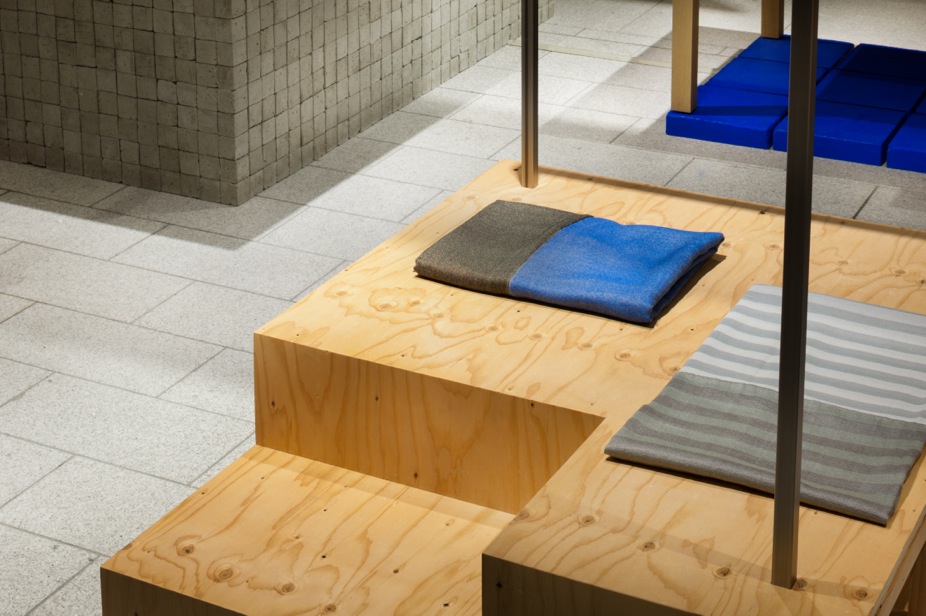
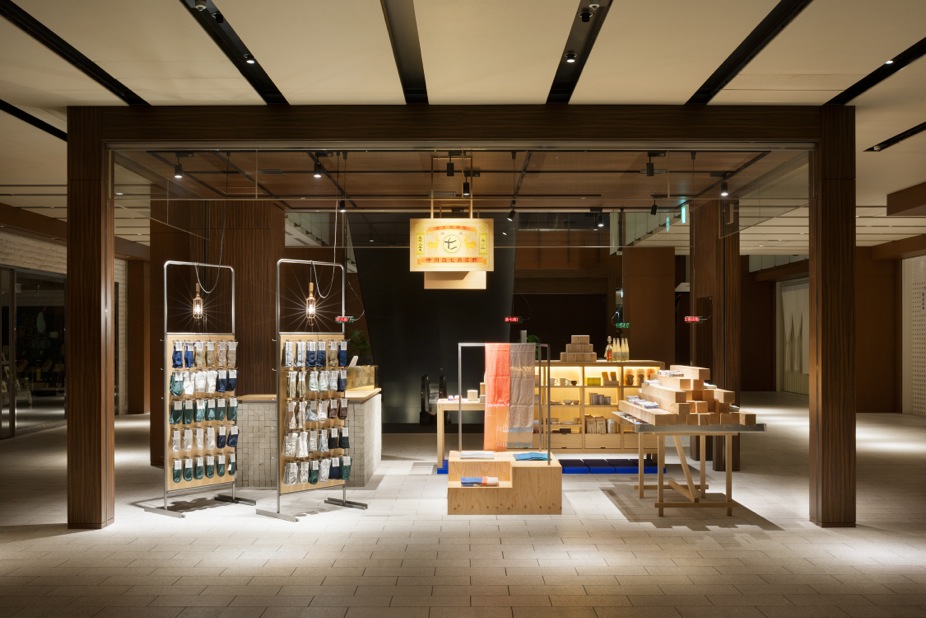
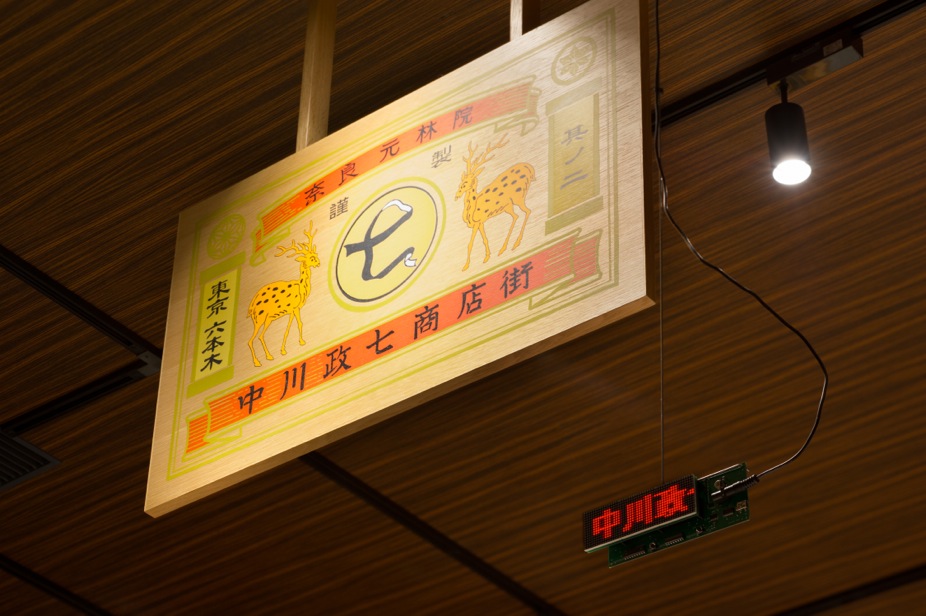
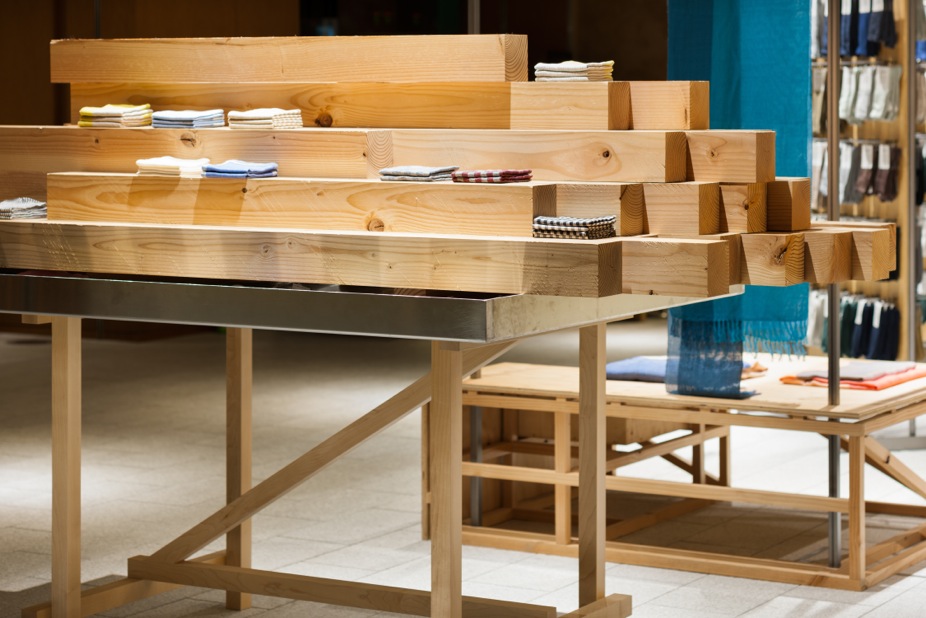
In an attempt to recreate the lost charm of shoten-gai, Nakagawa Masamichi Shoten, a traditional fabric maker with a 300-year history, hired designer Yusuke Seki (previously) to create a new type of market place; one more suitable and competitive within a new ecosystem. Nakagawa Masamichi Shoten-gai opened last year in the basement level of the Tokyo Midtown shopping complex. “In the same way that a city grows and develops by accumulating its people and building up the number of individual shops in one particular area, this shop was designed to reflect a growing market street, within a city central precinct,” says Seki.

YusukeSeki_NM Shotengai4

YusukeSeki_NM Shotengai2

YusukeSeki_NM Shotengai1

YusukeSeki_NM Shotengai13

mmmm

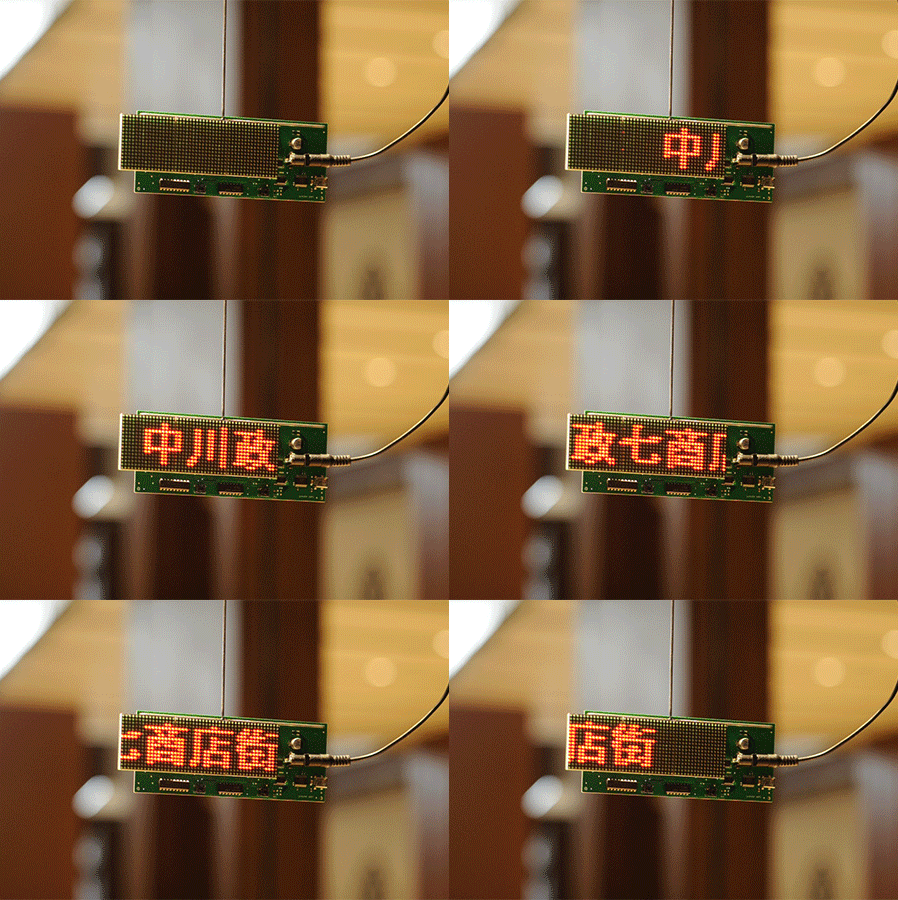
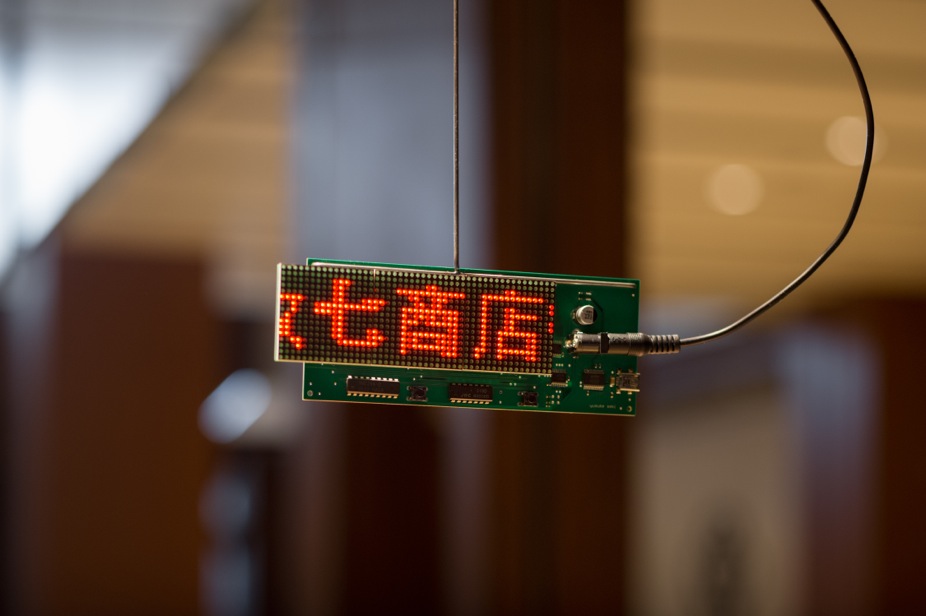
One of my favorite details is the electrical signboard, an essential element of all Shoten-gai and a unifying mechanism to reflect identity.

YusukeSeki_NM Shotengai10

YusukeSeki_NM Shotengai9

YusukeSeki_NM Shotengai8

YusukeSeki_NM Shotengai6

source: press release

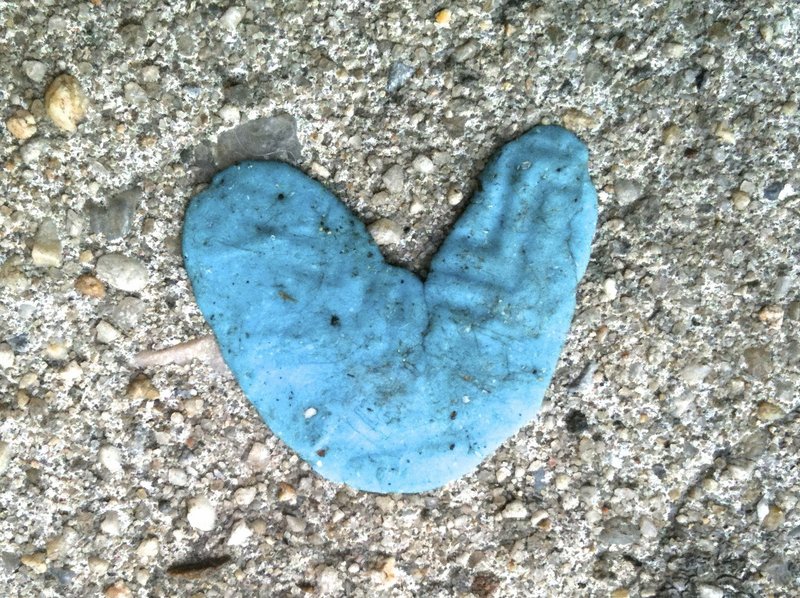
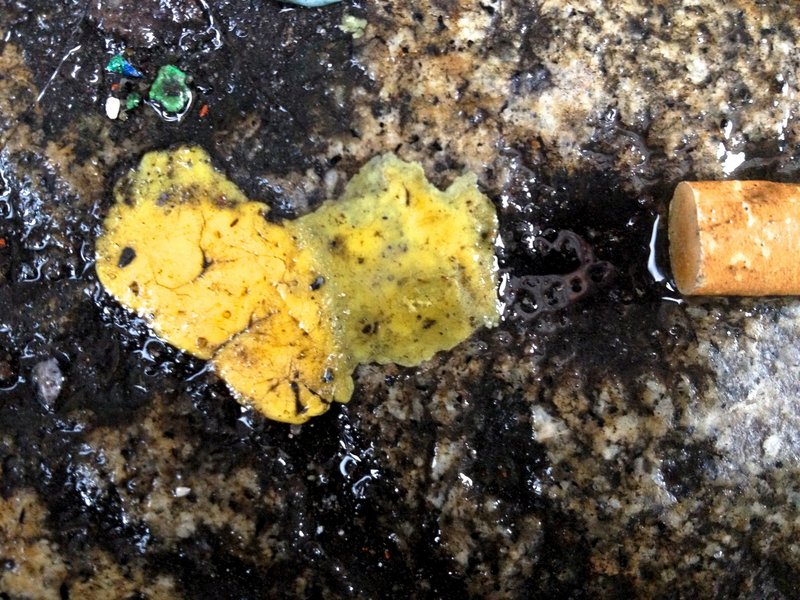
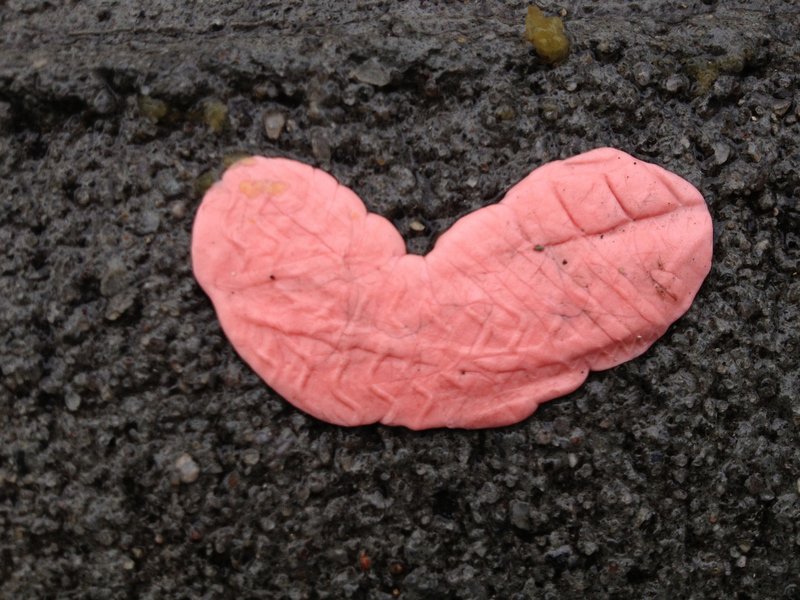
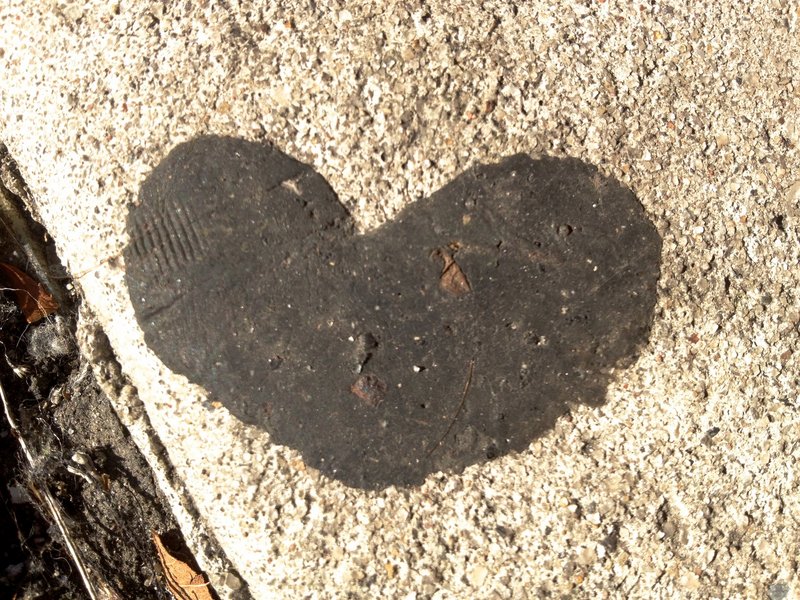
LOVES | Heart-Shaped Discarded Gum Transformed Into Works of Art

Hearts chewed gum hiromi niizaki (5)

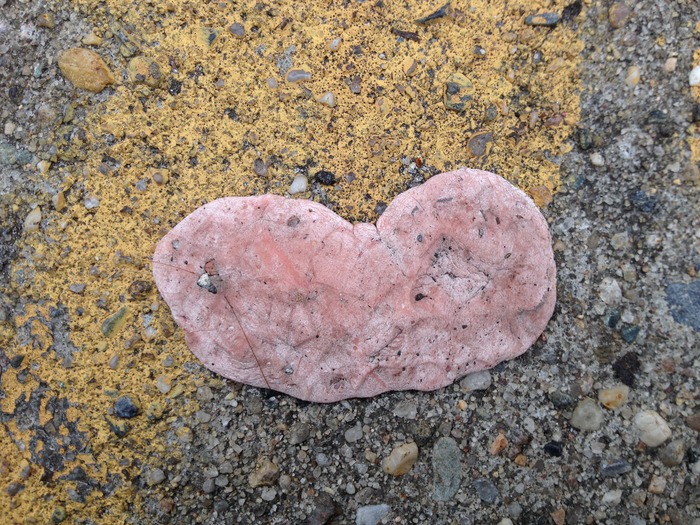
The streets of New York are littered with discarded gum. And never is this detritus of society more invigorating than when stepped in. But if viewed through a different lens – specifically, that of Brooklyn-based artist Hiromi Niizeki’s cell phone camera – those repulsive wads of rubber become works of art. “This project developed over the past several years as I discovered the many inadvertent patterns along every street and sidewalk marked with speckled formations of discarded gum,” says Niizeki, describing the impetus for her project. “However, it is the naturally occurring HEART shapes, which have formed by mere coincidence, that fascinate me most and have become the focal point for this project.”

Niizeki has recently launched a kickstarter funding campaign, seeking a little more than $2K to create an installation of heart-shaped chewed gum at the non-profit Maple Grove Cemetery in Queens. If successfully funded, the installation will run during March 11, the 3rd anniversary of the massive earthquake and tsunami.

Hearts chewed gum hiromi niizaki (1)

Hearts chewed gum hiromi niizaki (2)

Hearts chewed gum hiromi niizaki (3)

Hearts chewed gum hiromi niizaki (4)

Hearts chewed gum hiromi niizaki (6)

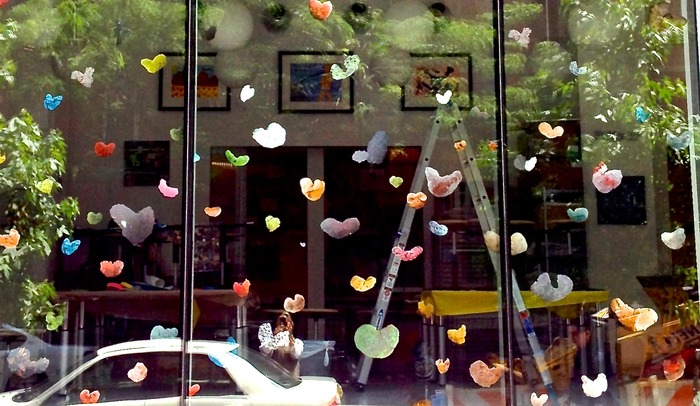
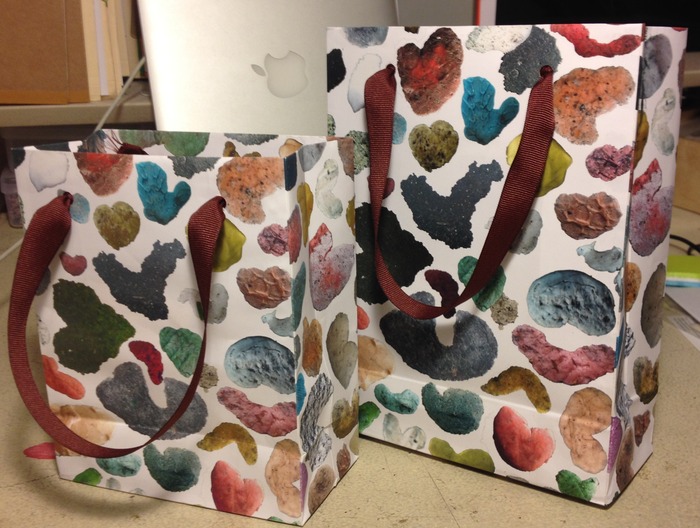
Niizeki has previously turned her collection of heart-shaped chewed gum into, amongst other things, window decals and shopping bags.

Hearts chewed gum hiromi niizaki (7)

(thx Julie!)

« Older posts Newer posts »

© 2026 Spoon & Tamago

Up ↑

Design by Bento Graphics