Page 209 of 406

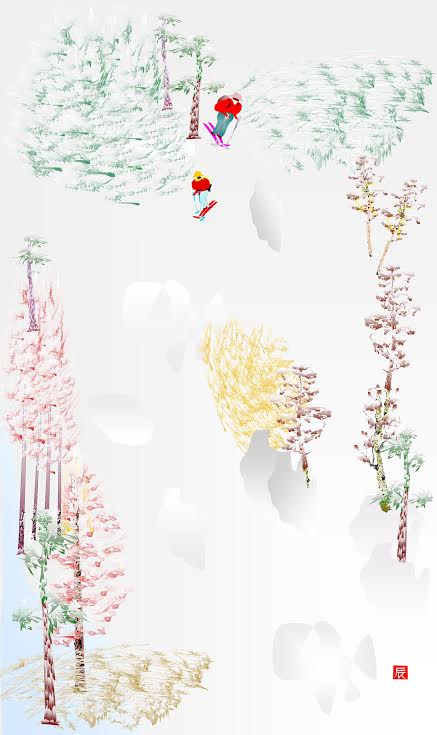
A Tribute to the Winter Olympics Painted in Microsoft Excel

tatsuo horiuchi olympics

all images courtesy tatsuo horiuchi

The 2014 Winter Olympics were a topsy-turvy ride for Japan. A definite high (especially for the coach) was when teen figure-skating sensation Yuzuru Hanyu took gold in figure skating. But the nation also sank after highly-anticipated Asada Mao failed to land her triple axel (and then sank even further after Mr. Mori opened his big mouth). But we all still love her.

But the Olympics are supposed to be fun. And the Winter Olympics are supposed to remind us of the beauty of white snow and ice. Without it, there wouldn’t be activities like skiing and skating. Wrapping all those ideas into a single work of art is Tatsuo Horiuchi, the 74-year old excel spreadsheet artist. He created a lovely snowscape of skiers, coming down a white slope. It was painted entirely in Microsoft Excel.

After we wrote about him last year he spread like wildfire across the Internet.We corresponded with him over e-mail recently to see how he was doing. He told us that not much has changed since last year and that everything was “stable,” which was good to hear. He says he gets a lot of emails asking for tips and pointers, to which he replies: “start now without words, continue trying and don’t concentrate it too much.” But if that doesn’t work, “refer to my Manual,” he says, which is available online for free, or as a CD tutorial (unfortunately both in Japanese).

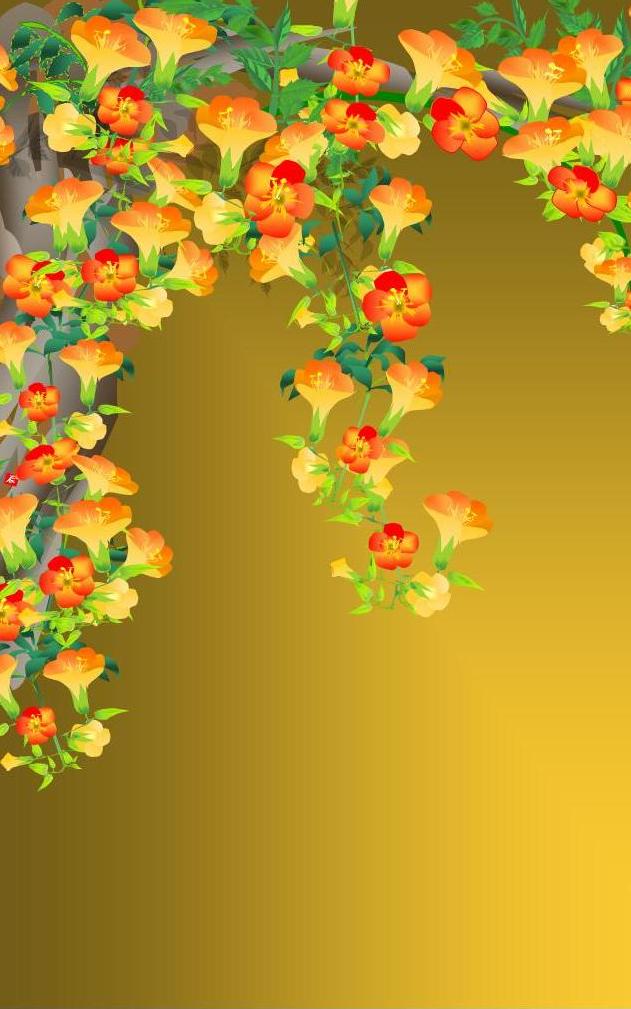
He was kind enough to share with us another recent work, perhaps for those who have had enough of winter and are desperately looking for the first sign of spring. It’s titled “Nozenkazura” or Campsis grandiflora, more commonly known as Chinese Trumpet Vine. And like all his other works, it’s painted entirely in excel.

Thank you Mr. Horiuchi!
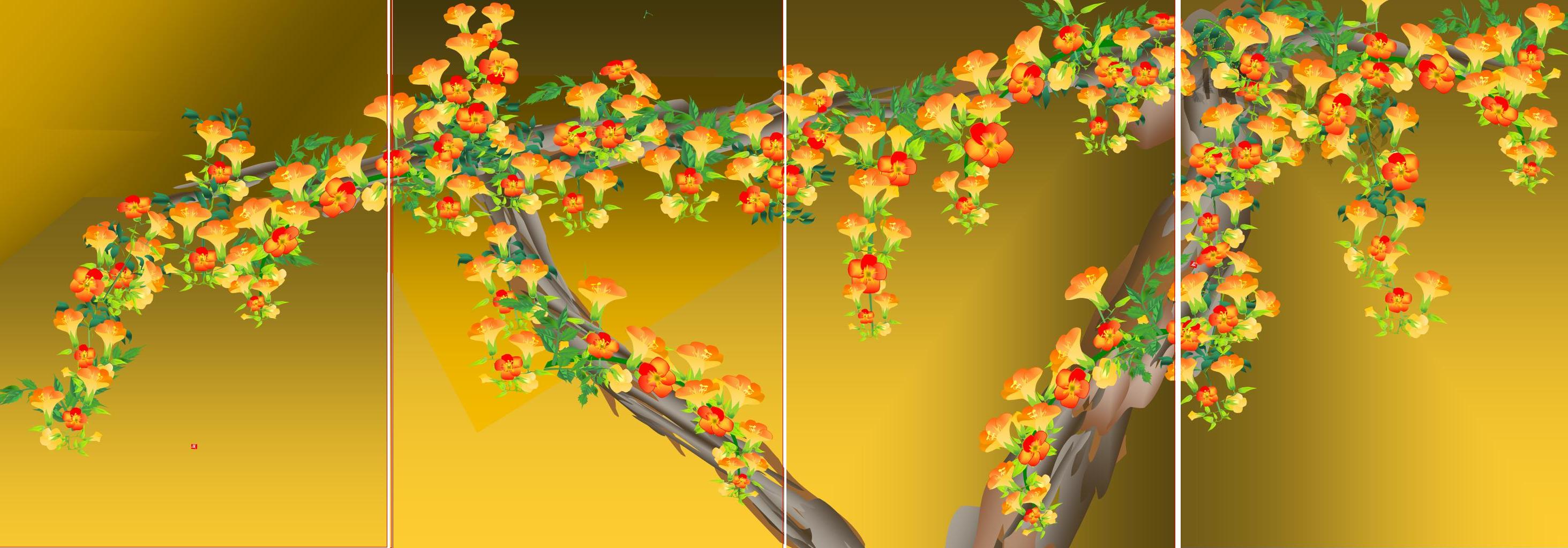
nozenkazura

“Nozenkazura”

nozenkazura - detail 2

“Nozenkazura” (detail)
nozenkazura - detail

“Nozenkazura” (detail)
An Artist-Designed Ice Hotel in Hokkaido

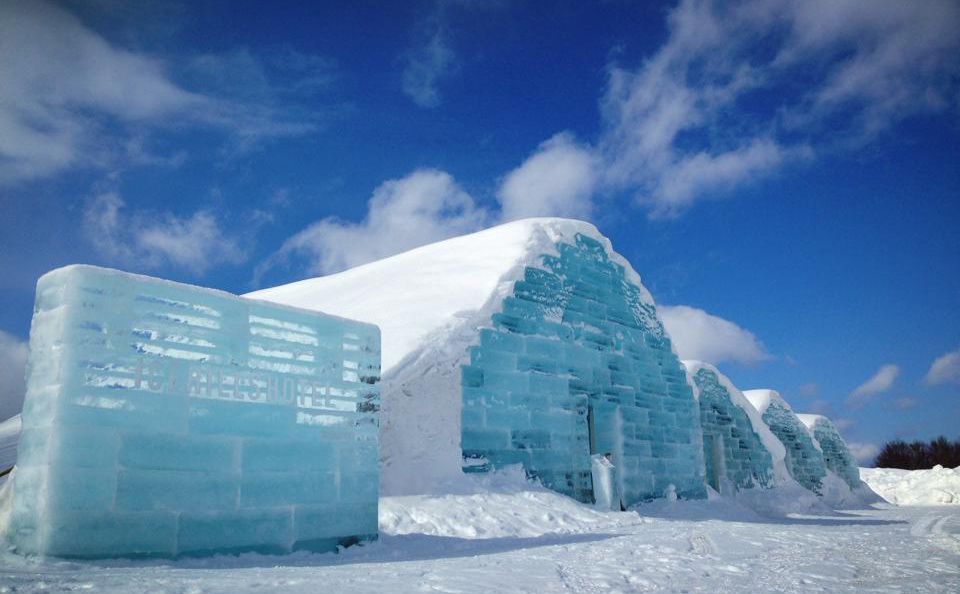
ice hills hotel (1)
photos by hiroki onishi

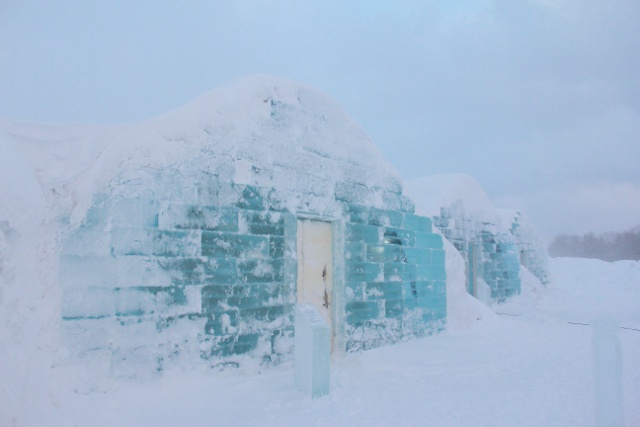
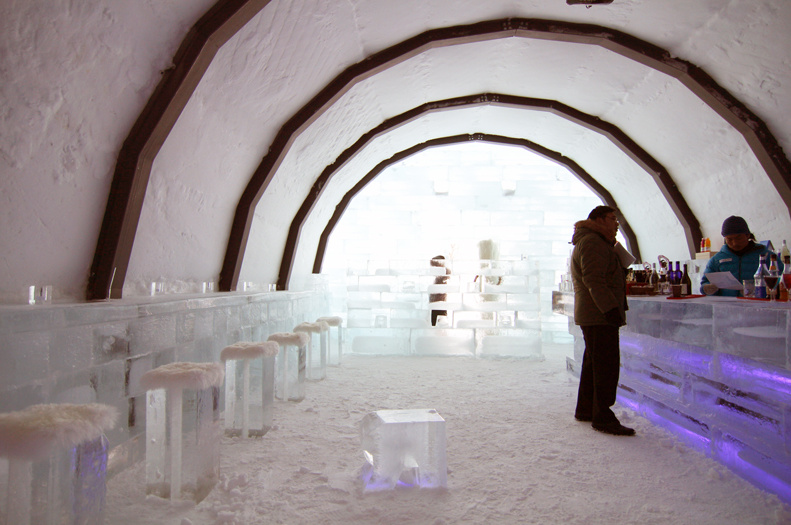
Earlier this month a pop-up hotel emerged in Hokkaido, Japan’s northern island know for, amongst other things, their snow. Although typically geared towards a longer-term horizon, this hotel was temporary in that it was made from snow and only made to last until the temperatures begin to rise. Ice Hills Hotel was conceived by a local real estate company as part of Creative Hokkaido, an initiative designed to telegraph Hokkaido’s creative culture beyond their island.

ice hills hotel (7)

ice hills hotel (11)

Under the creative direction of Clark Gallery, 3 artists – Toshihiko Shibuya, Midori Kambara and Leo Fujisawa – were tapped to each design separate hotel rooms.

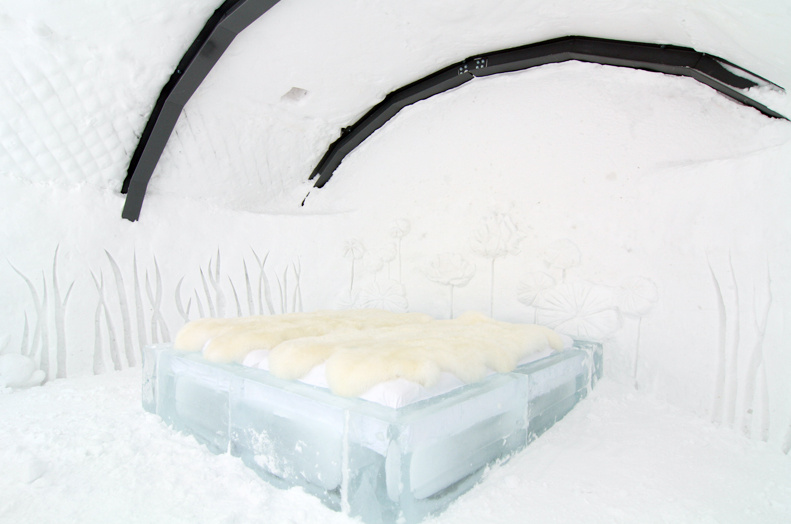
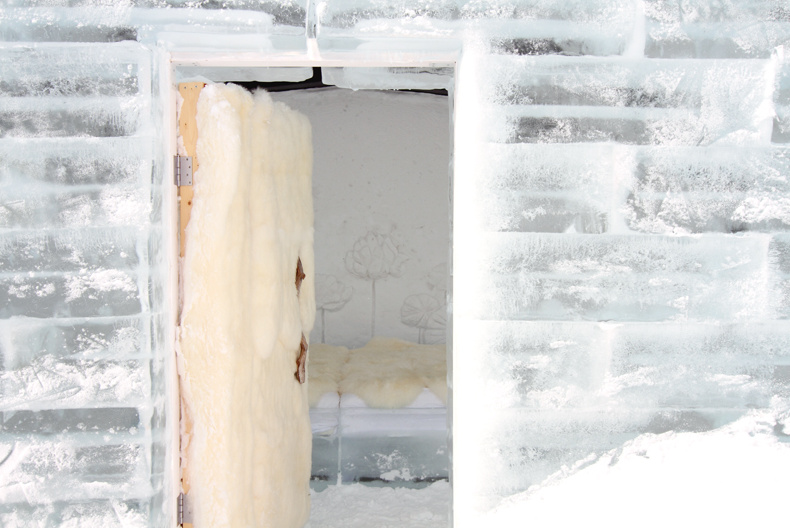
Inspired by the beauty of white, Sapporo-based artist Midori Kambara chose to create a white landscape of grass and flowers carved into the snow wall.

ice hills hotel (5)

“White Garden” by Midori Kambara

ice hills hotel (6)

“White Garden” by Midori Kambara

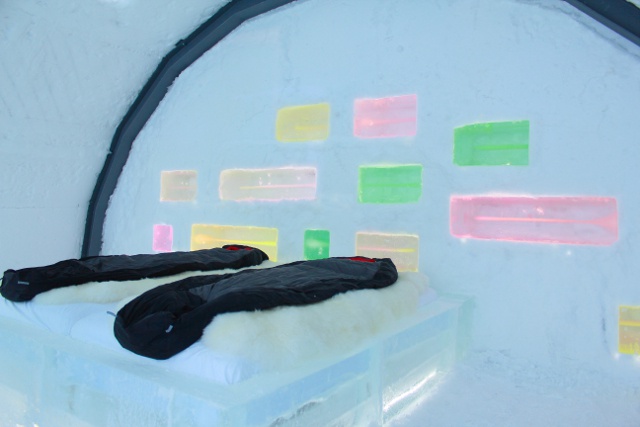
Moving in the opposite direction from Kambara, the installation artist Toshihiko Shibuya decided to experiment with color. By inserting fluorescent color sheets behind blocks of ice and then embedding them into the wall, Kambara used natural light to create a frosted color palette.

ice hills hotel (4)

“Ice Palette” by Toshihiko Shibuya

ice hills hotel (9)

“Ice Palette” by Toshihiko Shibuya

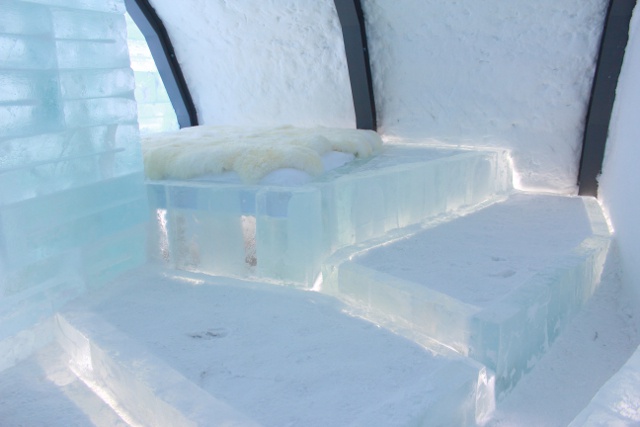
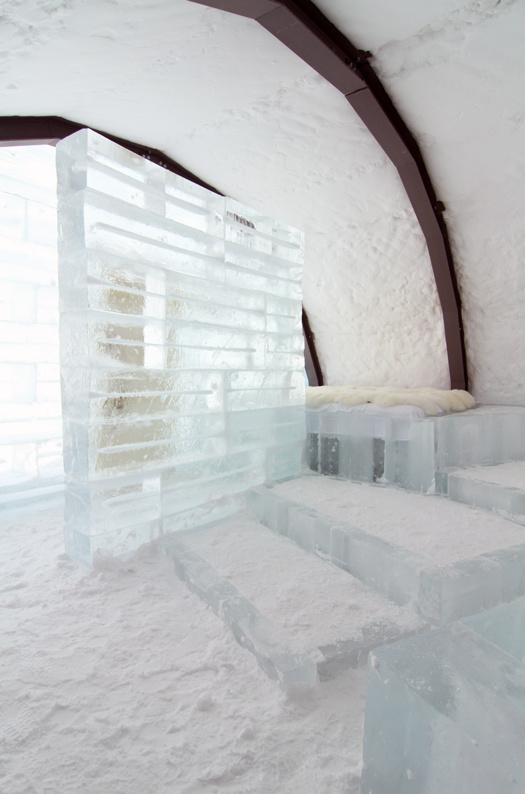
The sculptor Leo Fujisawa created a monumental room that begins with a large ice door that obscures your view. Once inside, various cubic ice stairs take form and lead to a central bed, where a warm sleeping bag awaits residents.

ice hills hotel (10)

“Ice Step” by Leo Fujisawa

ice hills hotel (3)

“Ice Step” by Leo Fujisawa

ice hills hotel (8)

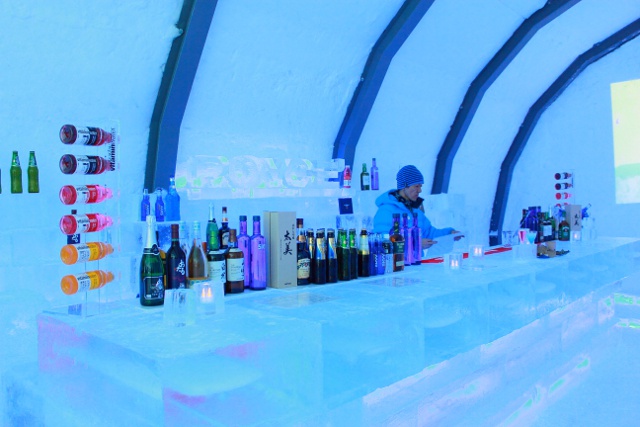
Accompanying the 3 frozen designer rooms is a bar in case, you know, the hotel happens to be a little chilly. Planning a visit? Make sure you grab a pair of ice glasses!

ice hills hotel (2)

source: SHIFT

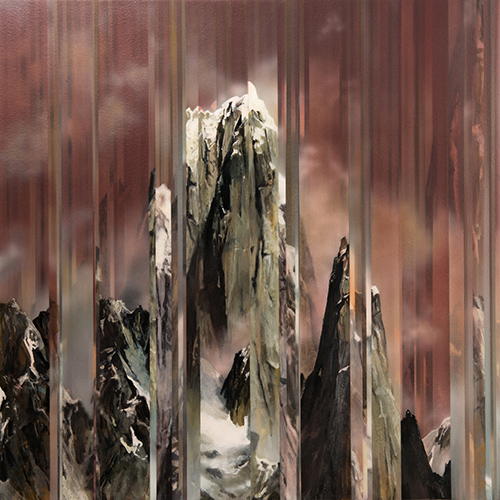
Theory of Everything | the mathematical art of Yasuo Nomura

yasuo nomura (1)

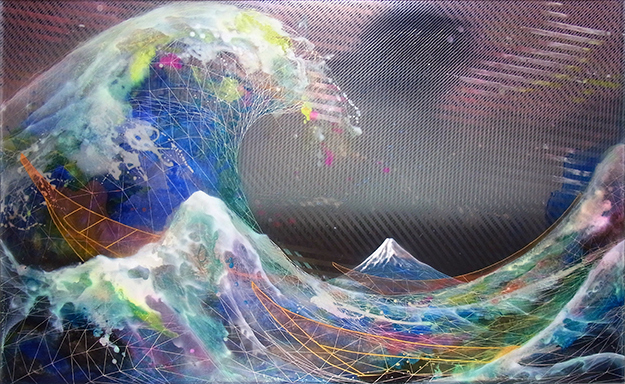
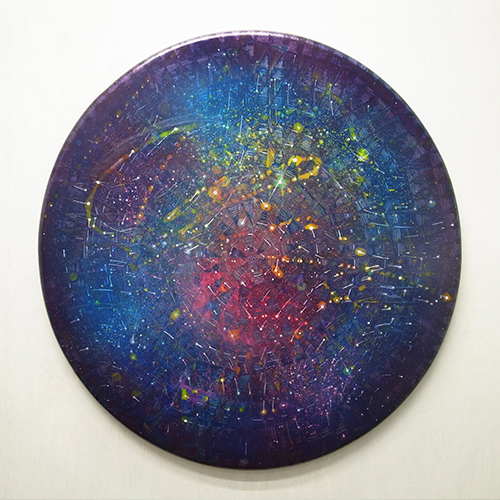
Primordial Mt.Fuji (2013) | all images courtesy the artist

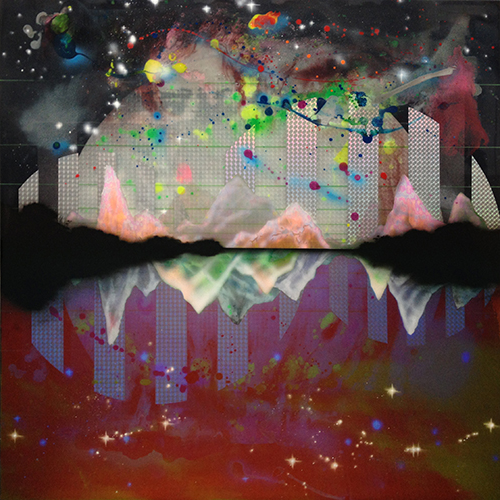
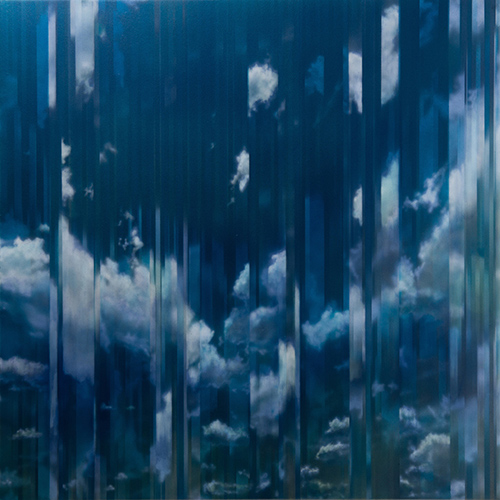
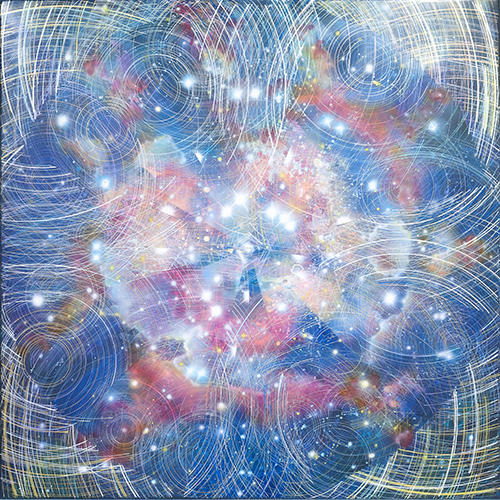
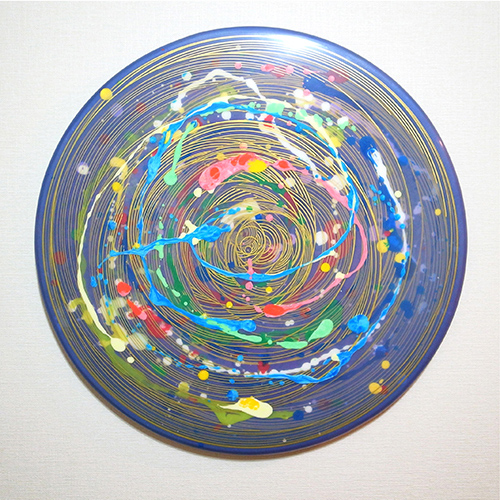
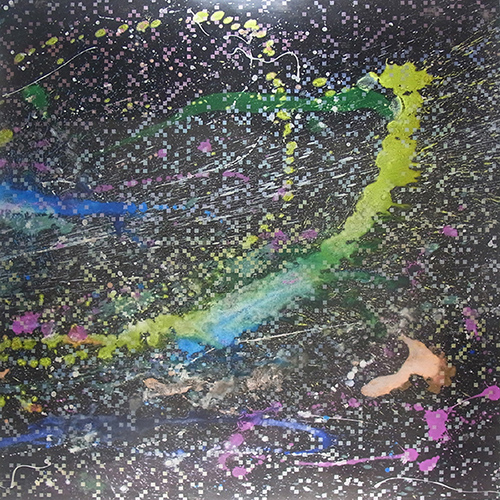
What does art and math have in common? It depends on who you ask but if you’re speaking to artist Yasuo Nomura, it’s more than you think. Following in the footsteps of luminaries like Leonardo da Vinci, Jackson Pollock and Katsushika Hokusai, the contemporary Tokyo-based painter uses sequences, patterns and shapes derived from mathematical concepts like the Fibonacci sequence and the golden ratio.

With theoretical physics and modern mathematics in his hand, Nomura creates semi-abstracted landscapes of mountains, oceans and skies. He reconstructs the beauty of nature through numbers.

yasuo nomura (1)

Planet Gliese (2013)

In what is his first overseas showing in almost a decade, the 35-year old painter will be showcasing his work at hpgrp gallery (3/6 – 3/9/14) in conjunction with the New City Art Fair.

yasuo nomura (2)

Fibonacci scale -14:14- (2012)

yasuo nomura (3)

Fibonacci scale -23:49- (2012)

yasuo nomura (7)

Total Eclipse (2012)

yasuo nomura (4)

Ulam spiral -positive- (2013)

yasuo nomura (5)

Copernican (2012)

yasuo nomura (6)

ecosphere #3 (2012)


Sebastian Masuda’s Colorful Rebellion

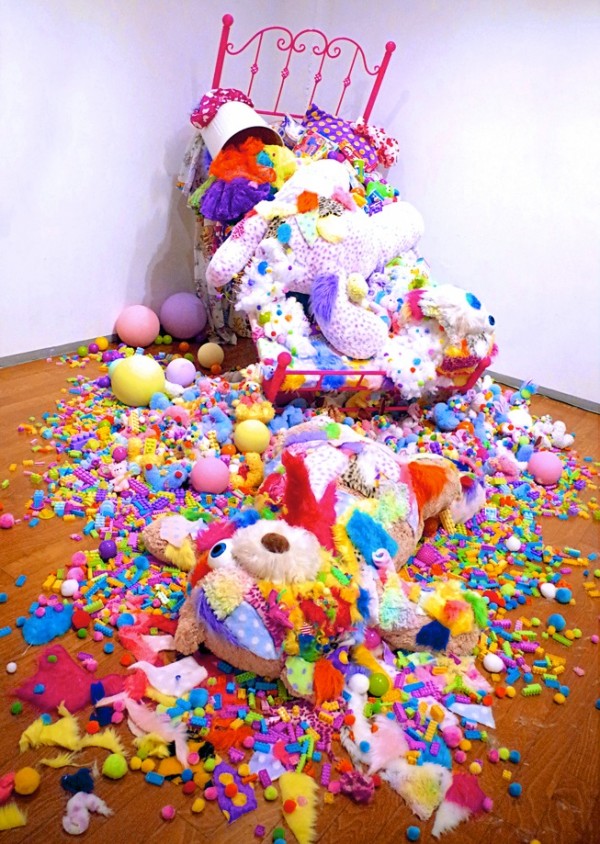
Sebastian-Masuda-Art-002-600x844

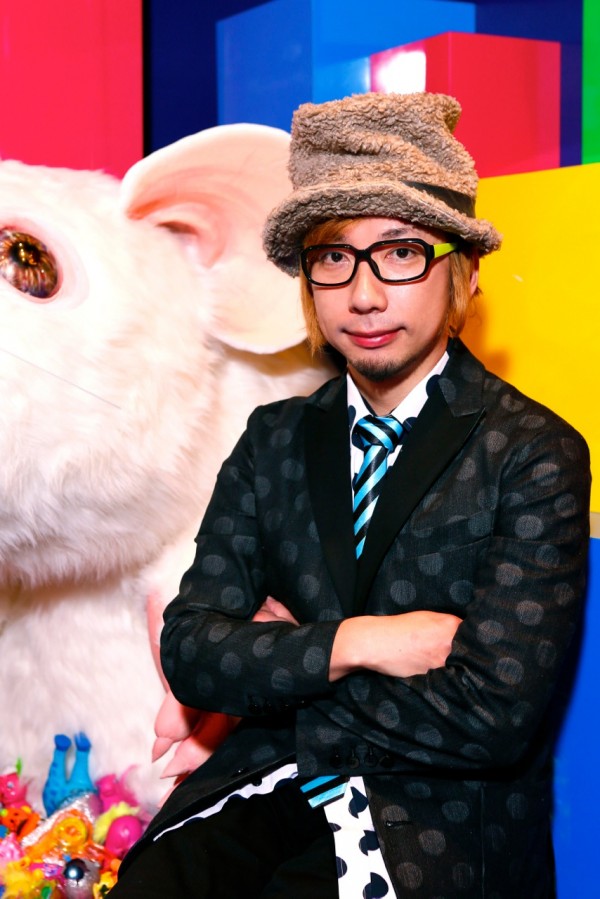
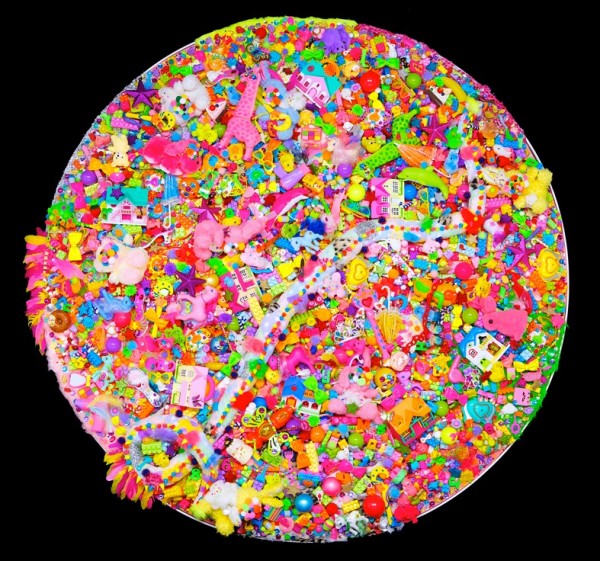
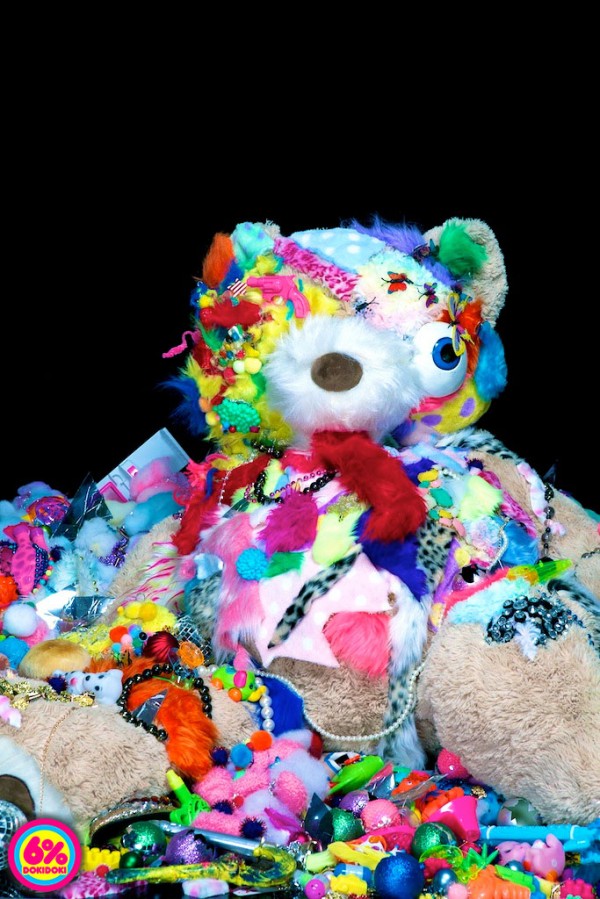
Sebastian-Masuda-Art-001-600x899If Kyary Pamyu Pamyu is the reigning queen of Japanese kawaii culture, then the king is undoubtedly Sebastian Masuda.  Having founded his 6% DOKIDOKI shop in Harajuku almost 20 years ago, it wouldn’t be an overstatement to say that Masuda was largely responsible for the cultivation and subsequent rise of Kyary herself, who was one of Masuda’s frequent customers.

As art director for hits like PONPONPON and Fashion Monster, Masuda helped project his colorful kawaii pop beyond Japan. And now, for the first time, Masuda himself is physically moving beyond Japan for his first solo exhibition in New York.


Colorful Rebellion – Seventh Nightmare” will debut at KiangaEllis Projects in Chelsea on Feb 27 and will run till March 29, 2014. Go here for specific dates and times.

Sebastian-Masuda-Art-003-600x561

6DOKIDOKI-Beyond-Kawaii-2013-11-008-600x899

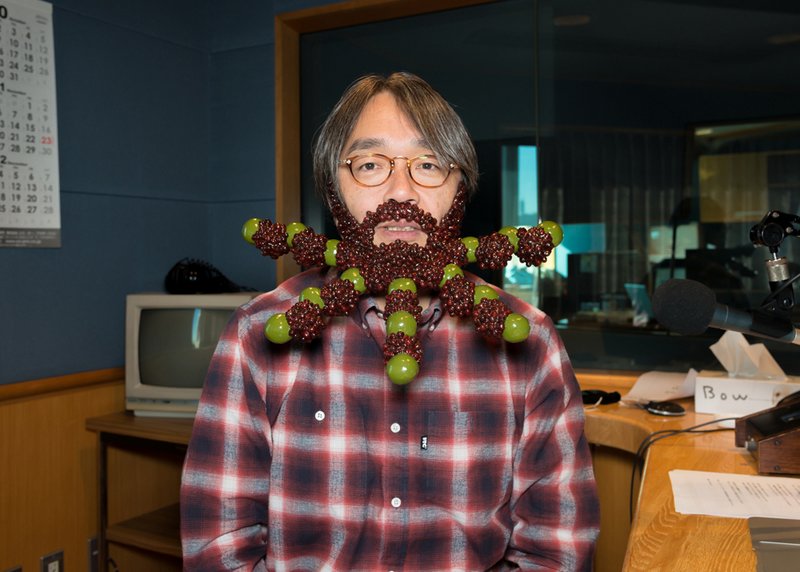
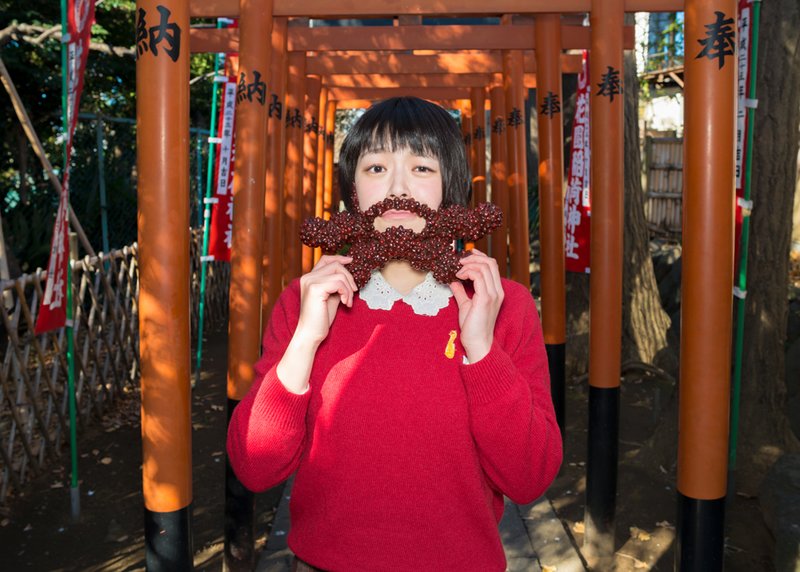
Takao Sakai’s Azuki Bean Beards Coming to New York

azurer1

all images courtesy Takao Sakai

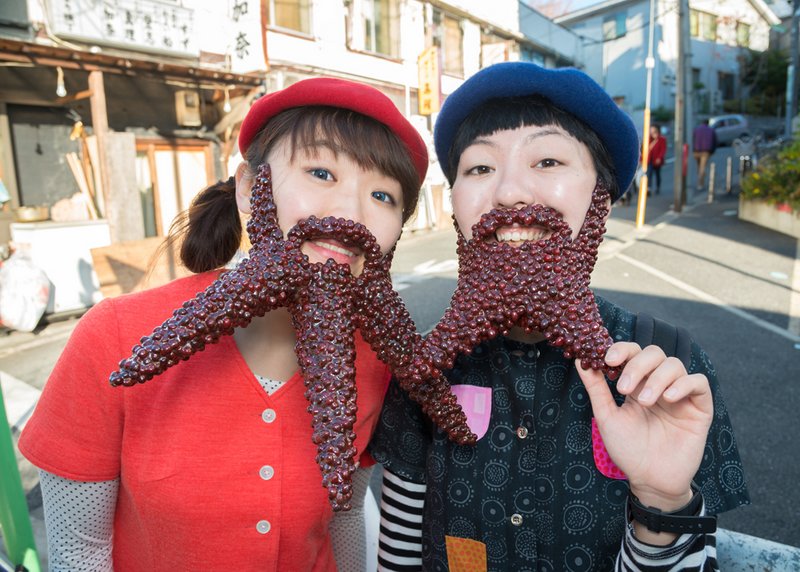
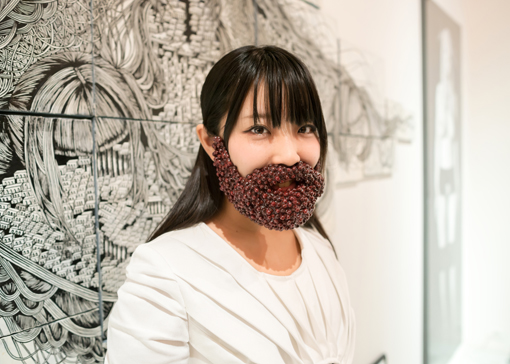
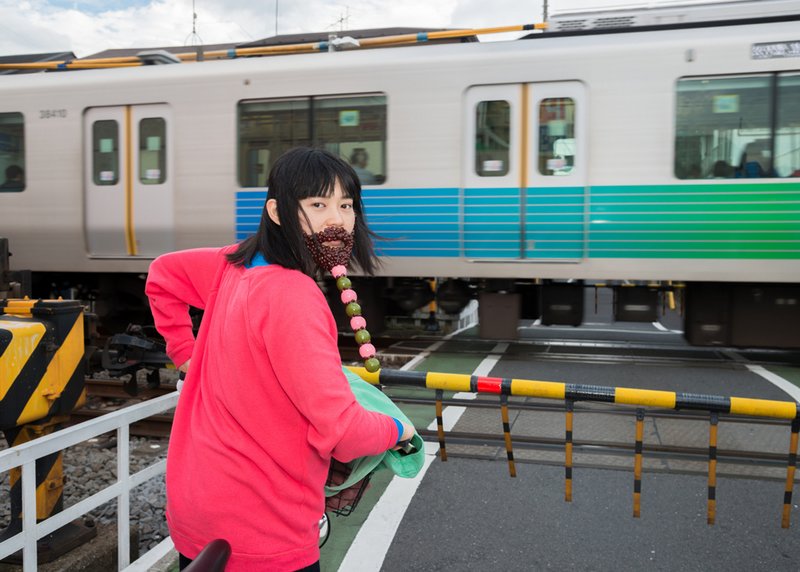
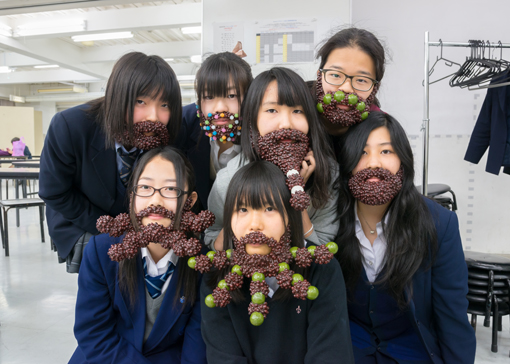
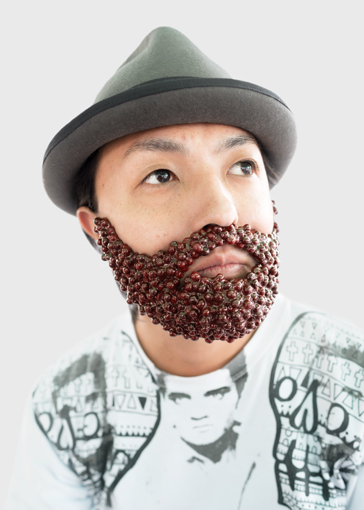
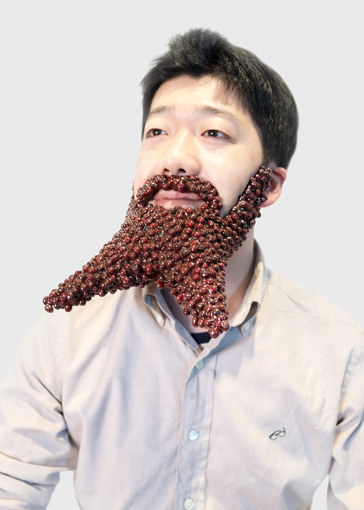
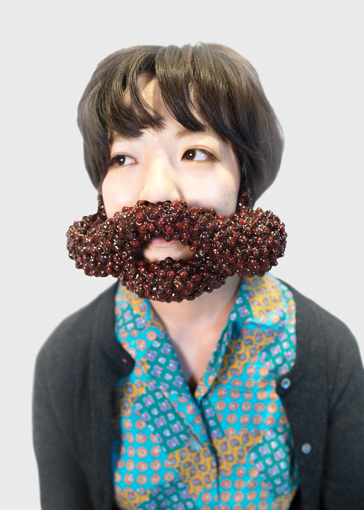
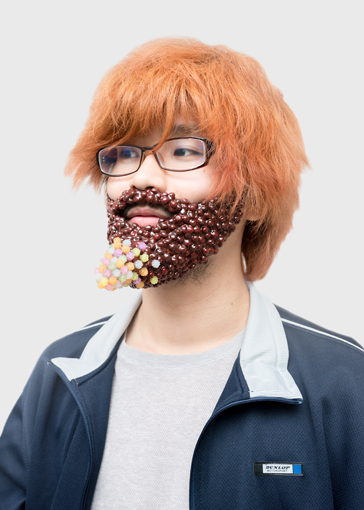
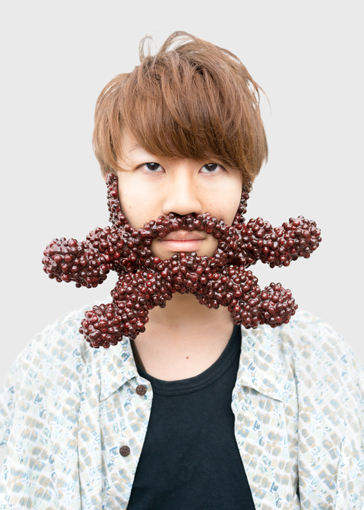
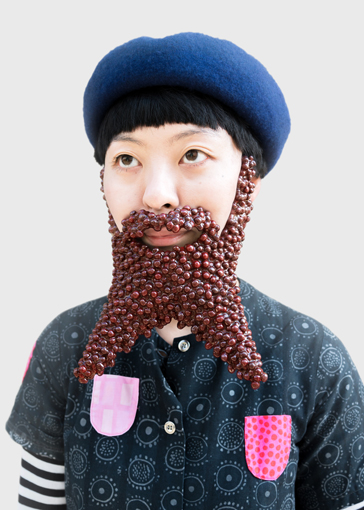
Have you ever wanted to walk around New York with a beard made from azuki beans? Well this is your lucky day! Takao Sakai, the artist responsible for the Azurer Project, is bringing his bean beards to New York in conjunction with the New City Art Fair happening in early March. Participants (RSVP required) will be given the opportunity to go on a guided tour of New York with your very own bean beard.

This year, Spoon & Tamago is a media partner with New City Art Fair, which is pretty awesome!

azurer2

azurer6

Call it performance art. Call it a mockumentary. In 2007, Sakai began his project in an attempt to poke fun at fads that spread like wildfire, only to quickly vanish from public memory. Stemming from his love for sweet azuki beans (hence the name, Azurer), Sakai began creating the beards and photographing strangers wearing them. Sure enough, the trend caught on. According to Sakai, the Azurer population is over 1.7 million. And that’s only in Japan. I’m sure Sakai’s creations will quickly catch on, especially here in beard-mecca Brooklyn.

azurer3

azurer5

azurer4

AZURER_1385AZURER_1402

AZURER_1440AZURER_1464

AZURER_1478AZURER_1495


the art of the underwater selfie | Suisou by Noriko Yabu (NSFW)

original-2

all images courtesy the artist

original-6original-7

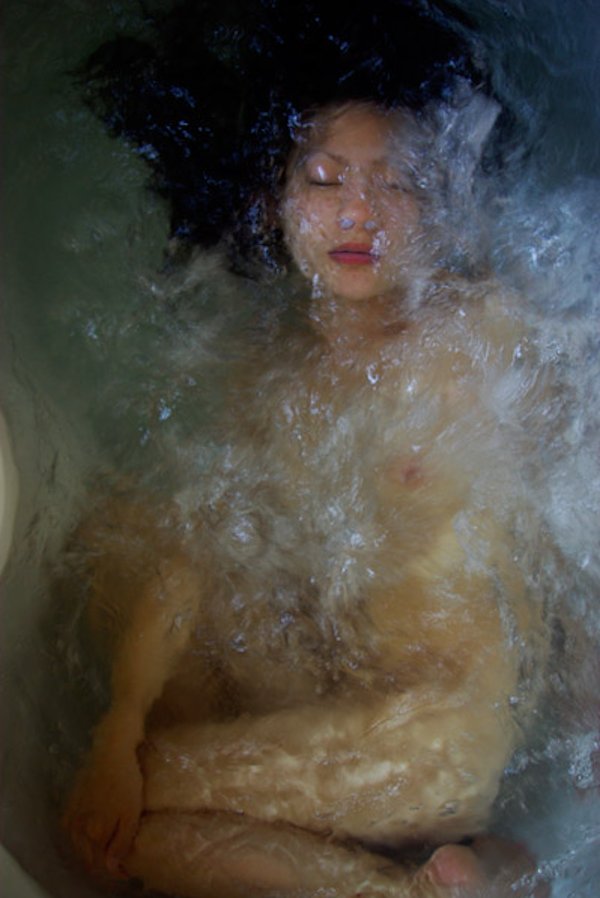
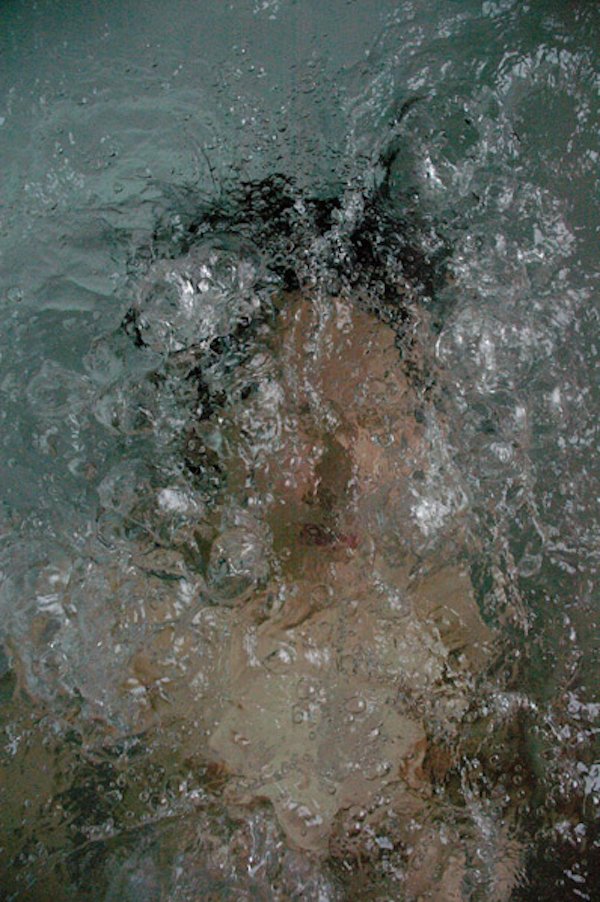
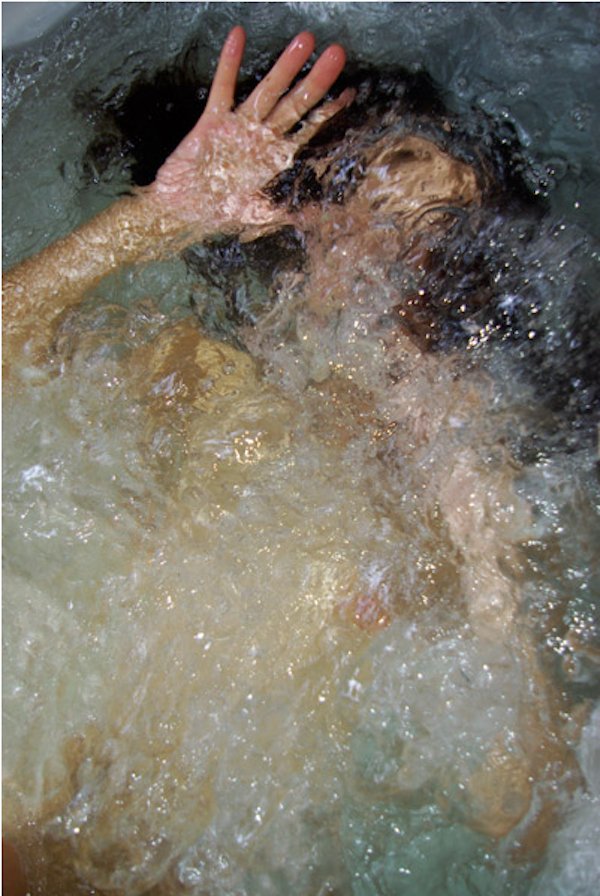
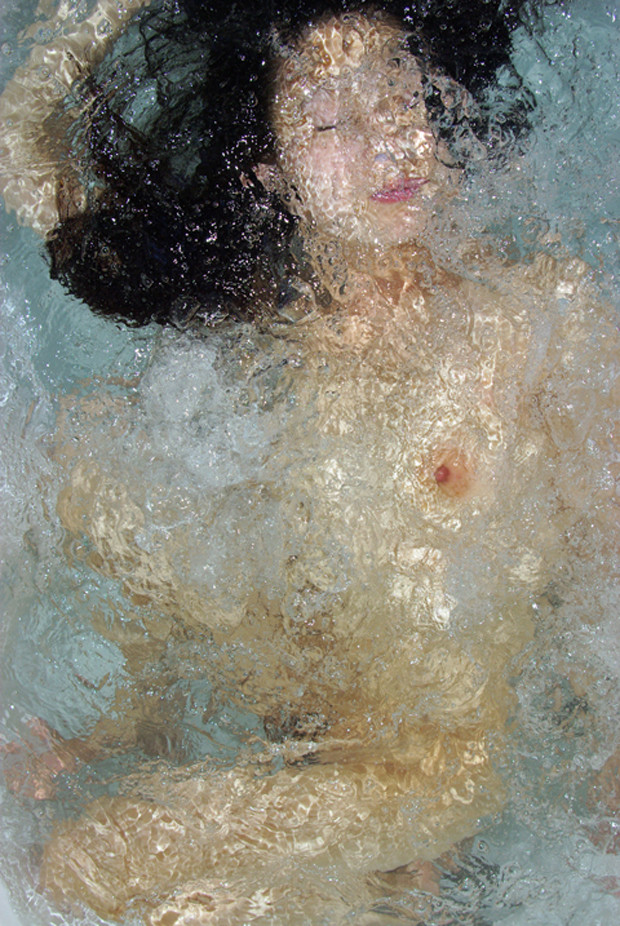
“In the end, selfies are avatars: Mini-Me’s that we send out to give others a sense of who we are,” concluded the actor James Franco, in a piece he penned for the NYT, finishing off a year in which Oxford named “selfie” word of the year. “The selfie is the new way to look someone right in the eye and say, ‘Hello, this is me’.”

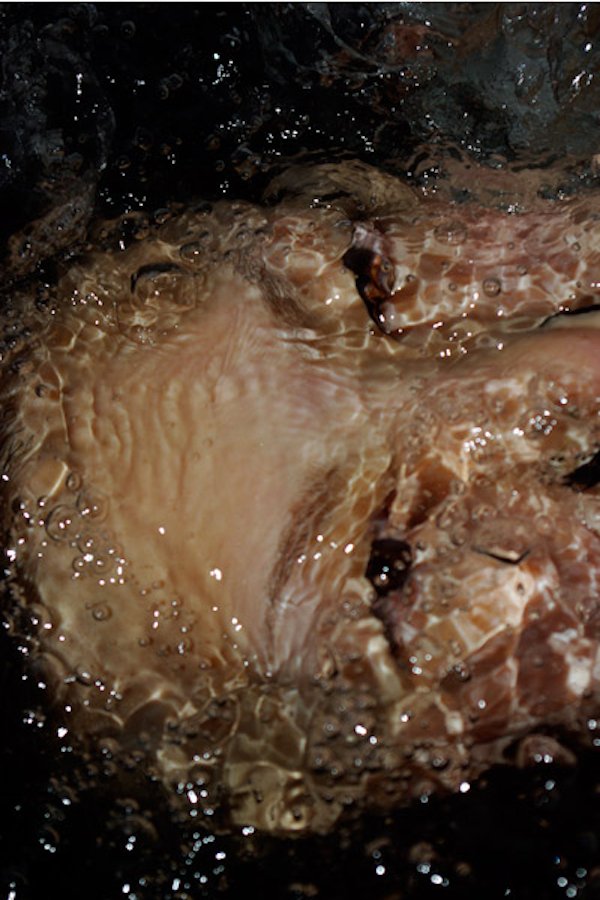
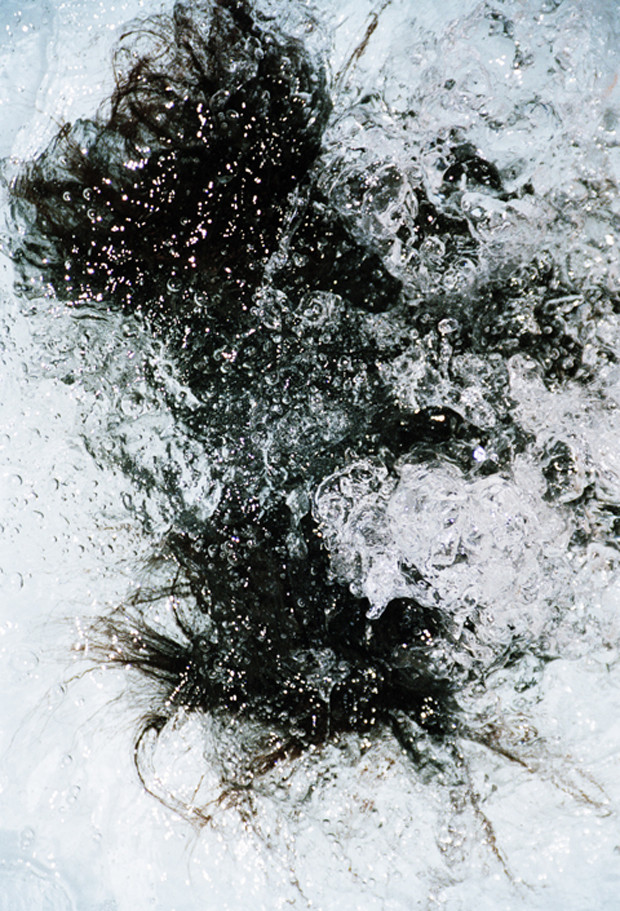
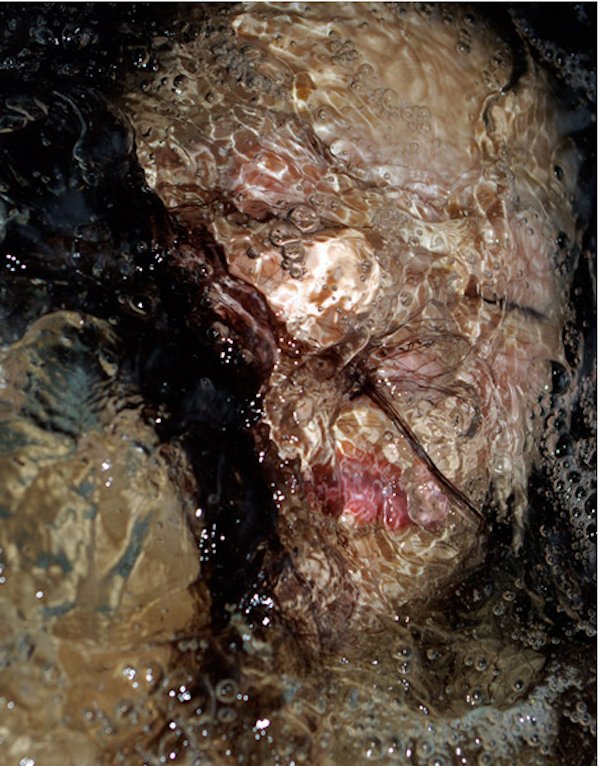
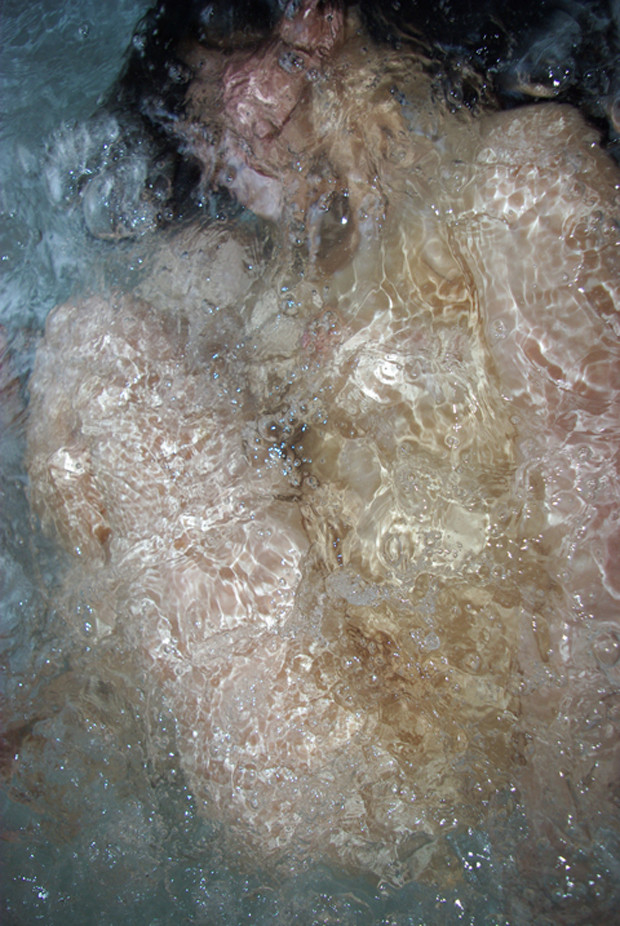
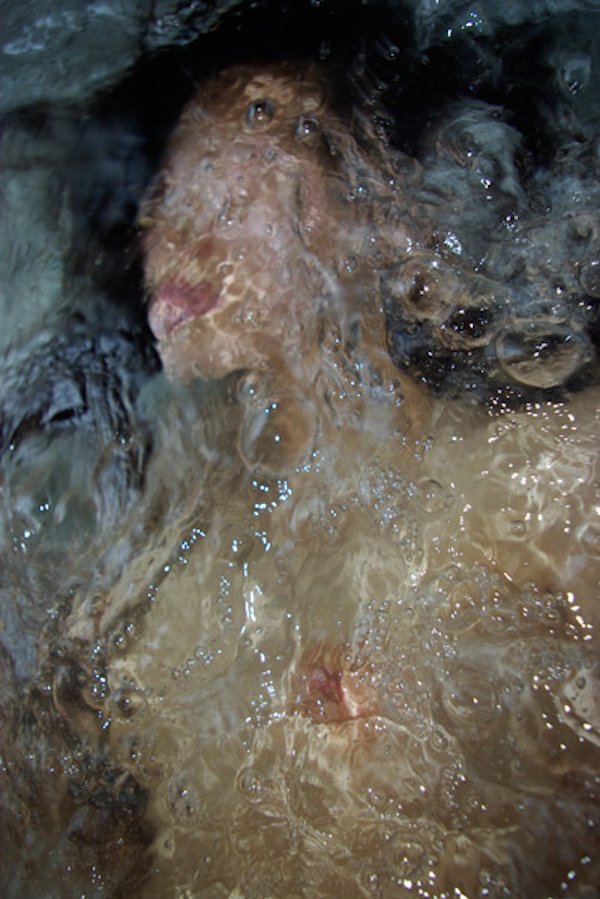
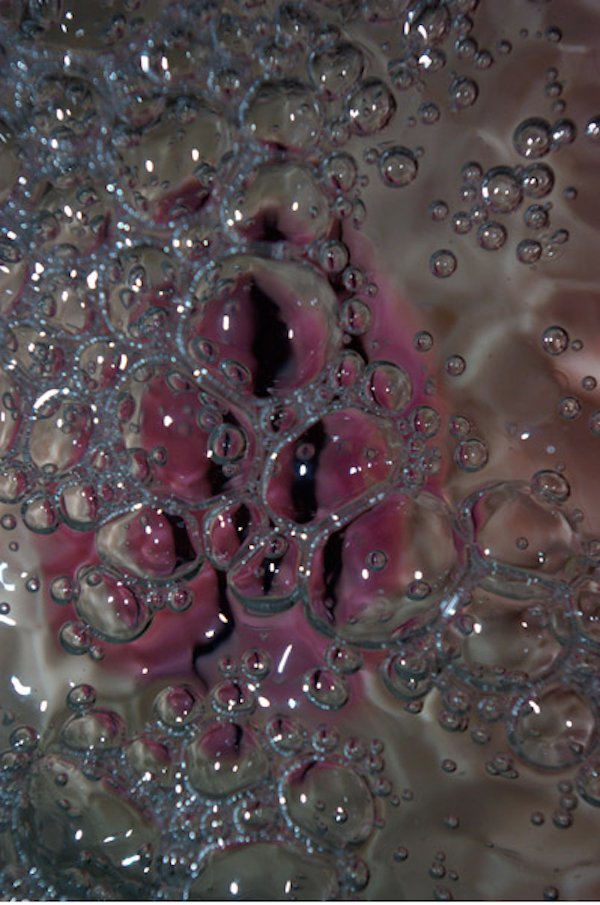
But artist Noriko Yabu takes the photographic art form to new levels. Or should I say, new depths. Positioning a camera above her immersed self, the 33-year old artist snaps shots of her eyes, hair and other body parts as she moves around underwater. Air bubbles released from within add all the more drama to the dream-like series titled Suisou (水 葬). The clever title can be read as “aquarium.” But in a slightly morbid twist, the MFA graduate chose to substitute the typical character (槽) with another one (葬)), reserved for funerals or burials.

However, there is nothing about the series that would suggest an end or death. Rather, the enchanting portraits would suggest rebirth. After all, water is where it all started out. Perhaps this is Yabu’s way of announcing a new self to the world. It’s worth noting that the sub-title for the series is “another myself.”

original-8

original-9

original-4original-3


original

original-5

original-10

original-1

source: featureshoot

The Hellish Art of Japanese Interlocking Wooden Architecture Revived at SunnyHills Minami-Aoyama

sunnhills aoyama kengo kuma (3)

image courtesy kengo kuma & associates | click to enlarge

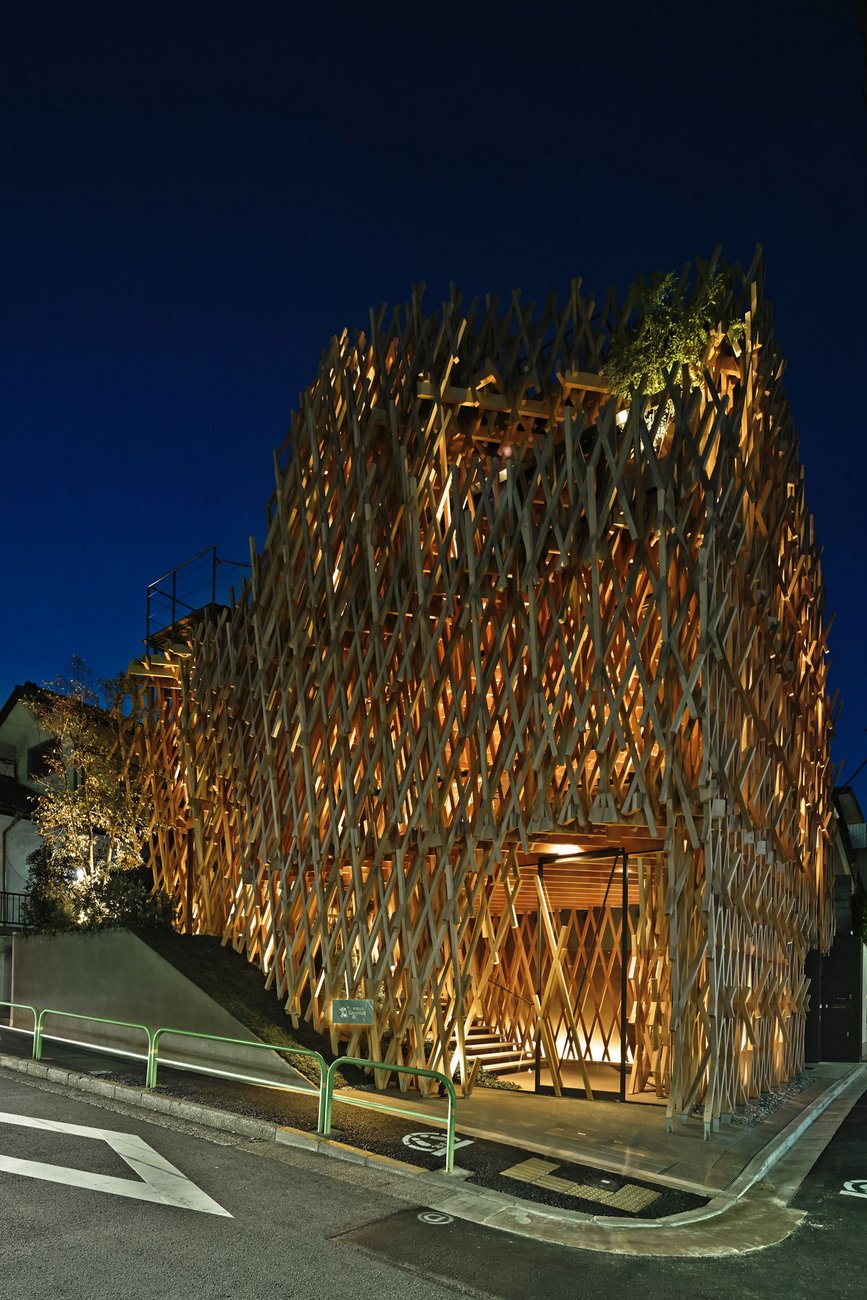
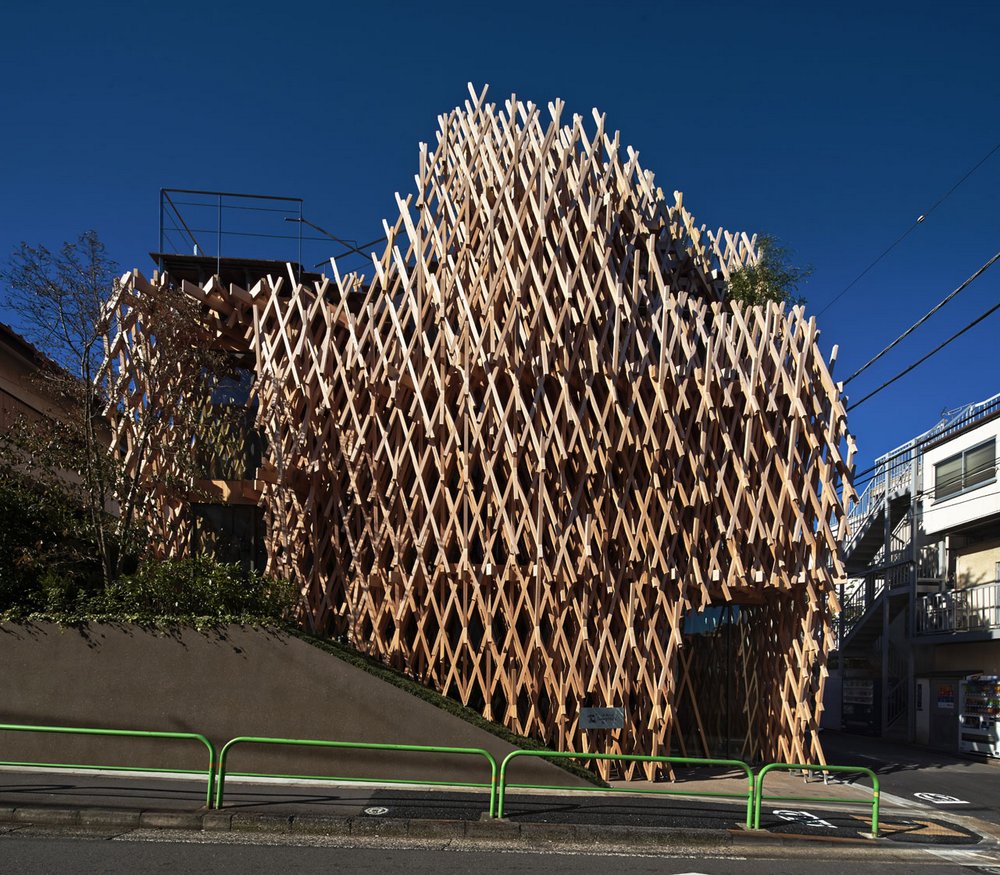
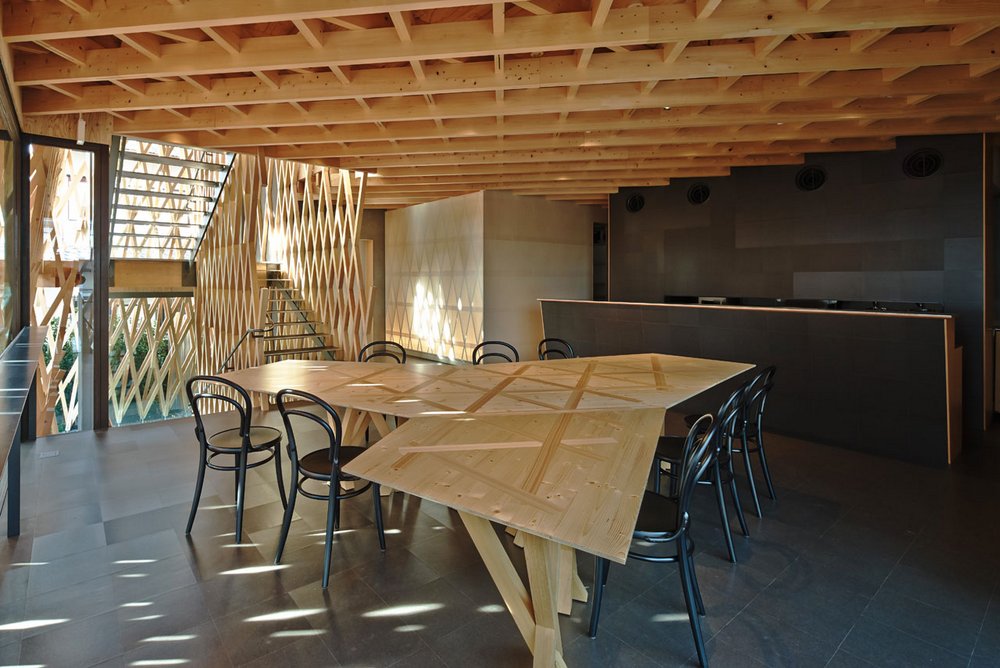
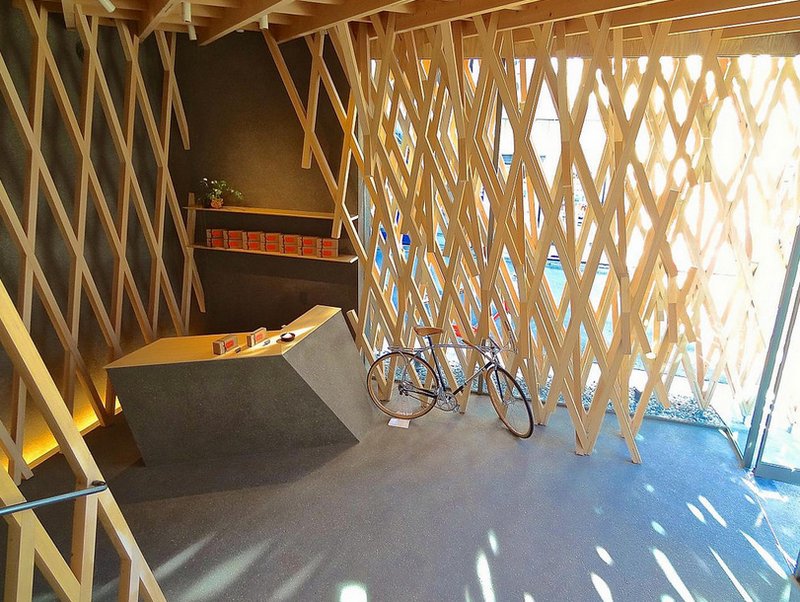
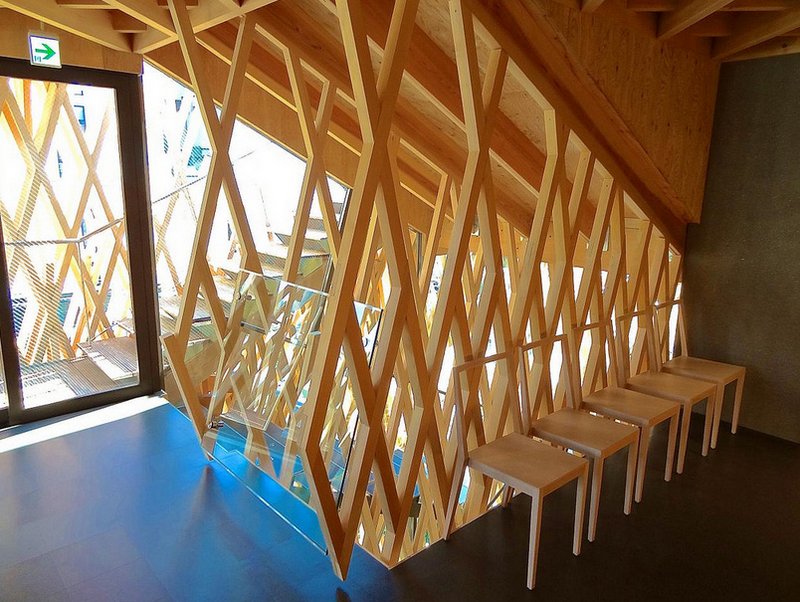
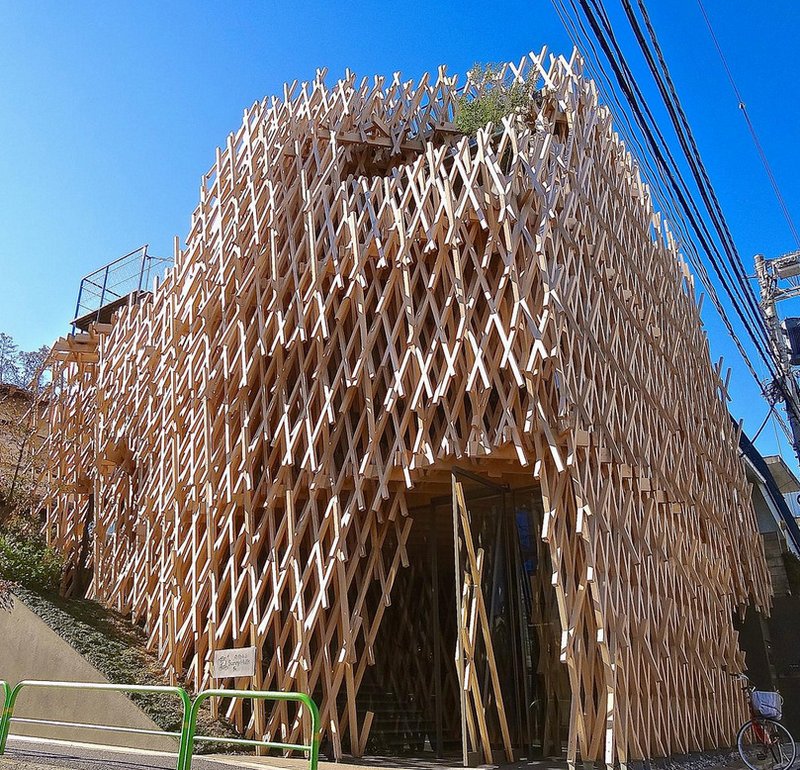
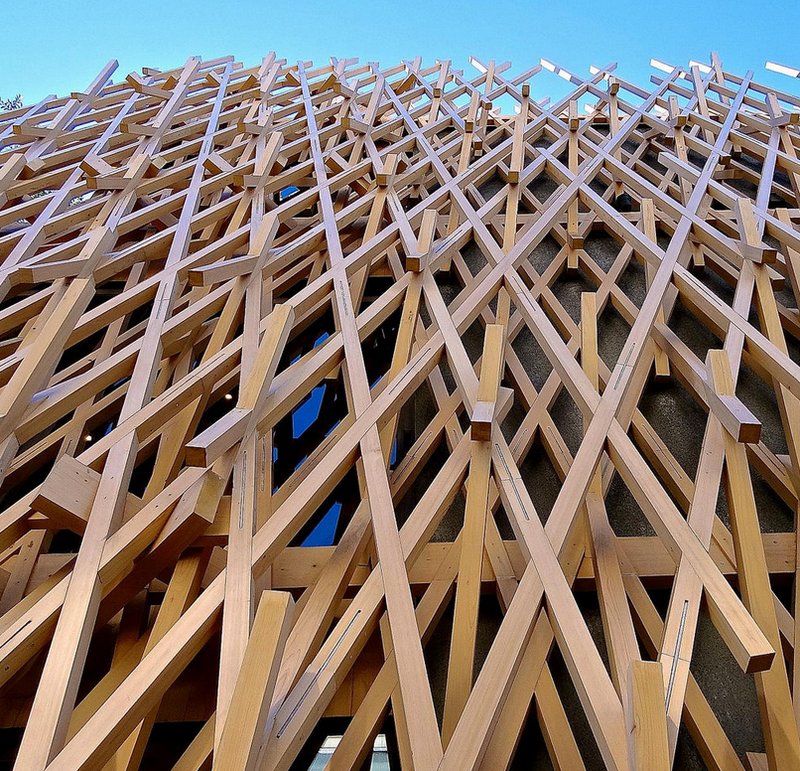
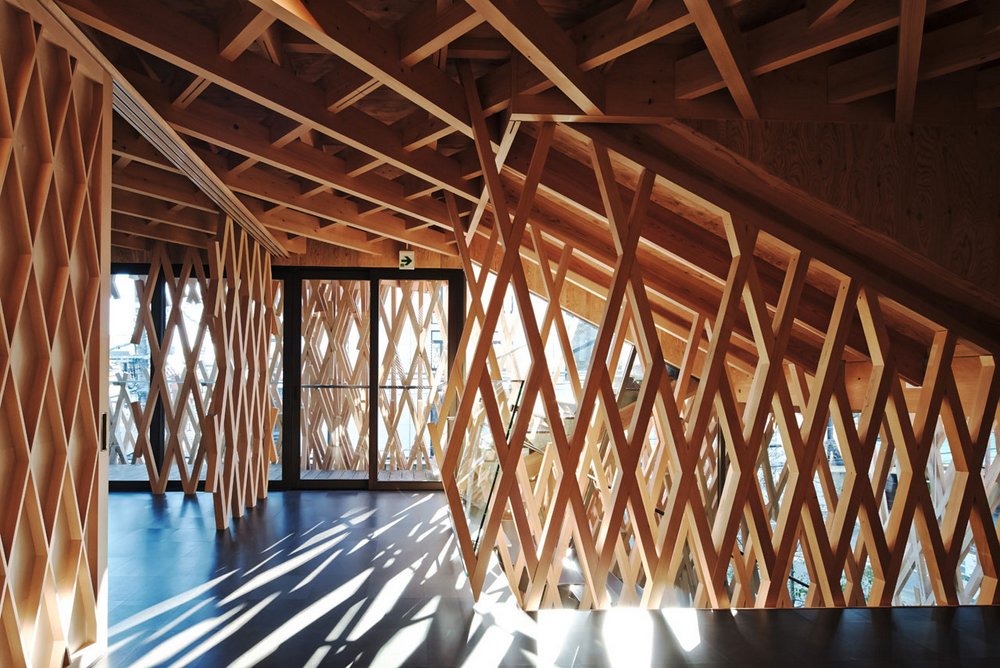
In Japan there is an ancient craft passed down between woodworkers and artisans known as jigoku-gumi. Literally, “interlocking hell,” the complex technique can be observed, on a smaller scale, in the wooden frames of shoji screens. The fear-inducing name seems to have been derived not only from the complexity and difficulty of the craft, but also because it is near-impossible to disassemble once complete. In fact, jigoku-gumi was used to create the 635-year old shoji screens in Kyoto’s Toji Mieido temple (renovated in 1380), as well as the 815-year old fusuma sliding doors in Wakayama’s Kongōbu-ji temple. In other words, jigoku-gumi is not meant to be taken halfheartedly.

But reviving the technique, and taking it to awe-inspiring heights, is the architect Kengo Kuma, who just completed SunnyHills in the posh neighborhood of Minami-Aoyama, Tokyo. Nestled amongst designer boutiques like Herzog & De Meuron’s Prada building and the Nezu Museum, designed by Kuma himself, the bold structure of entwined wood feels right at home.

sunnhills aoyama kengo kuma (1)

image courtesy kengo kuma & associates | click to enlarge

And there’s nothing hellish about SunnyHills, the first Japanese location of a popular Taiwanese pineapple cake shop. The 3-story structure, which opened in late December of last year, has made it their mission to offer visitors free tea and cake, even if they are not buying anything. “That’s just the spirit of Taiwanese hospitality,” says Michael Sheu, an IT exec who discovered he had a sweet tooth at age 50. Sheu is capitalizing on a pineapple cake market that has grown in size from $100 mm 5 years ago to a little under a billion dollars.

sunnhills aoyama kengo kuma (2)

image courtesy kengo kuma & associates | click to enlarge

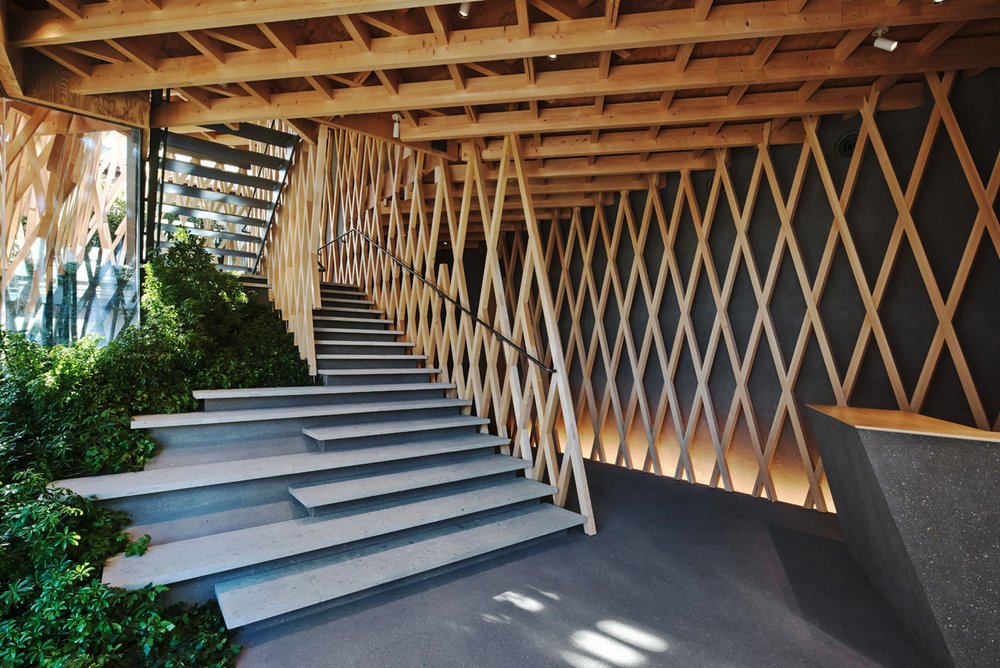
Once you walk through the entrance of the wooden latticework on the ground floor, you’re immediately transported into a forest of light filtering through the cracks. It’s easy to get lost in the shadows, as well as the aroma of Japanese hinoki wood. When asked why he transferred from IT to confectionary Sheu responded that it was because he wanted to return to more simpler times. He wanted to create a forest of wilderness that recalled his days as a child growing up in the mountainous regions of Taiwan.

sunnhills aoyama kengo kuma (4)

image courtesy flickr user Ken Lee | click to enlarge

sunnhills aoyama kengo kuma (5)

image courtesy flickr user Ken Lee | click to enlarge

sunnhills aoyama kengo kuma (6)

image courtesy flickr user Ken Lee | click to enlarge

sunnhills aoyama kengo kuma (7)

image courtesy flickr user Ken Lee | click to enlarge

sunnhills aoyama kengo kuma (8)

image courtesy flickr user Ken Lee | click to enlarge

sunnhills aoyama kengo kuma (9)

image courtesy kengo kuma & associates | click to enlarge

Source: Asahi | Hachise | SunnyHills

New Balloon Sculptures by Daisy Balloon

daisy balloon (1)

all images courtesy Daisy Balloon

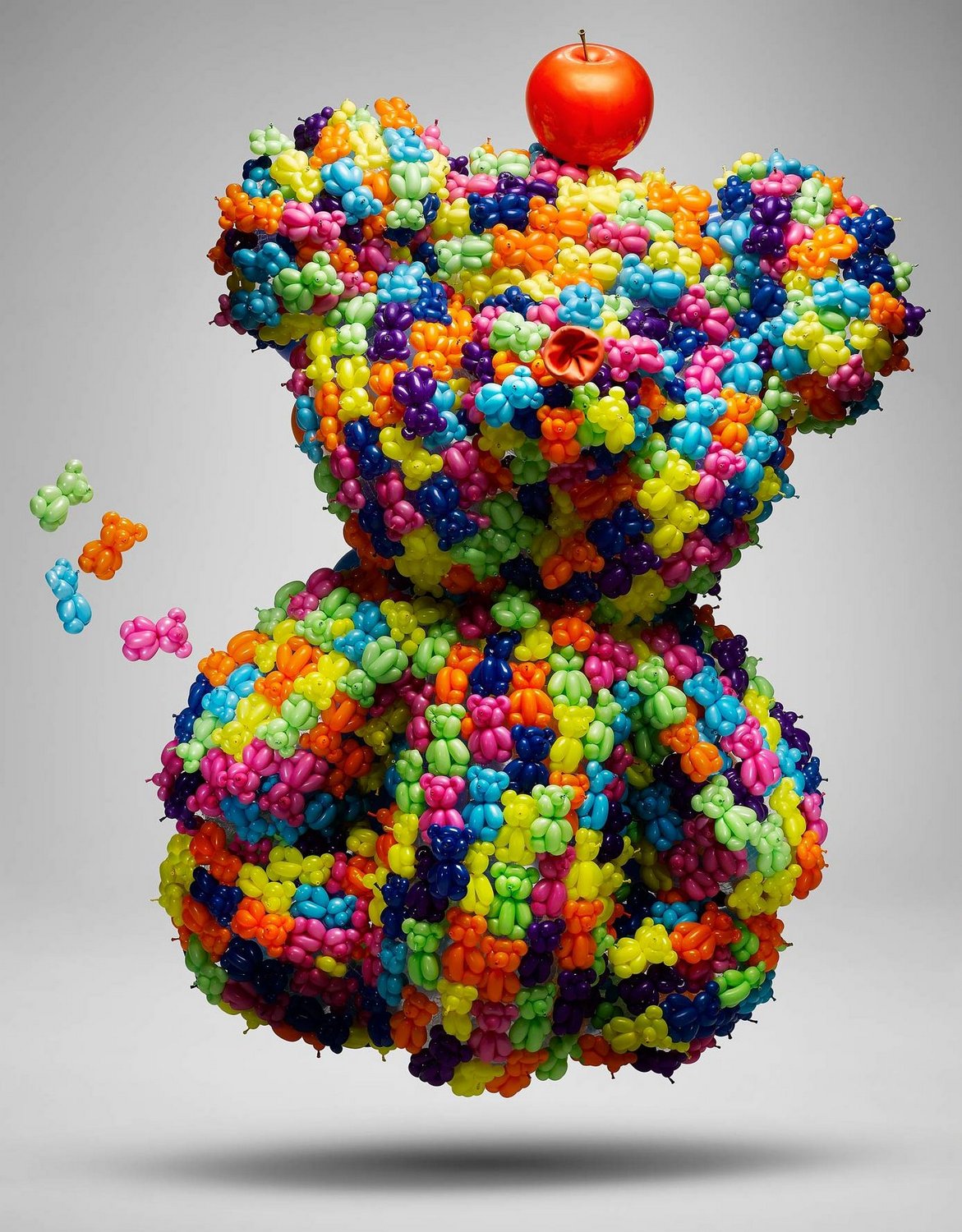
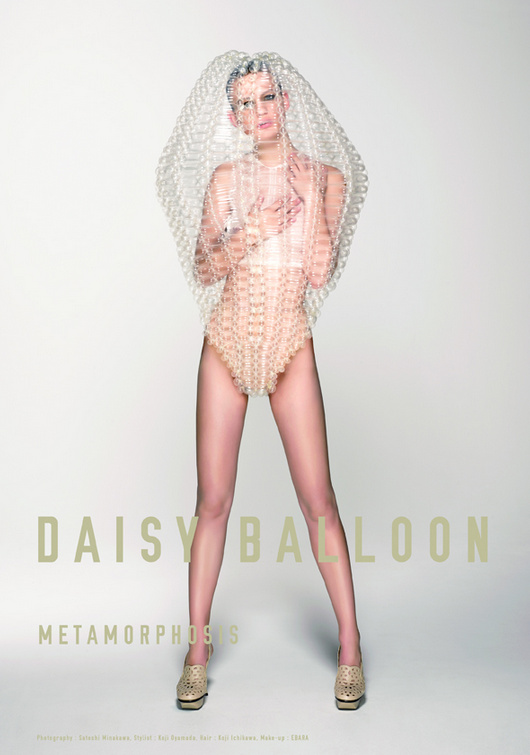
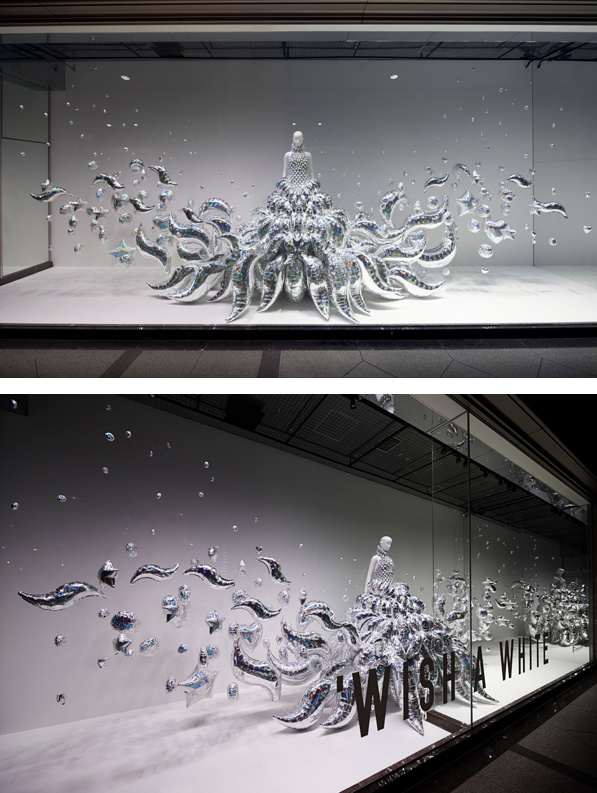
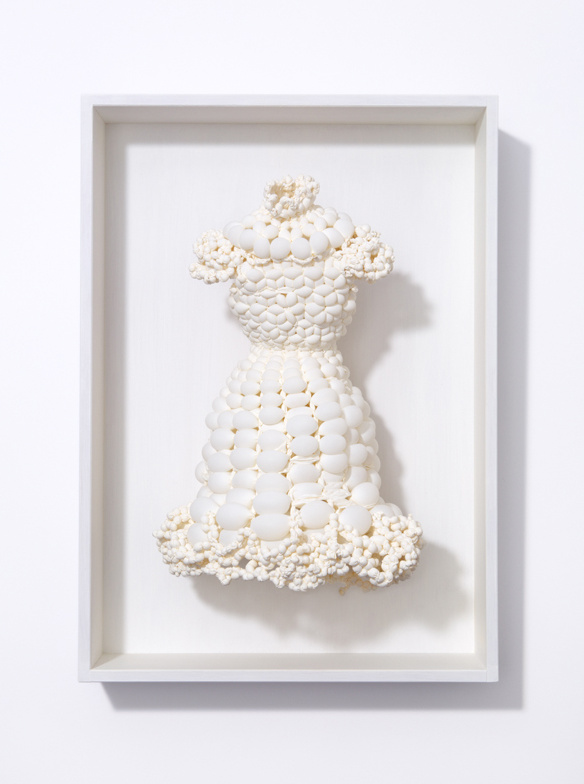
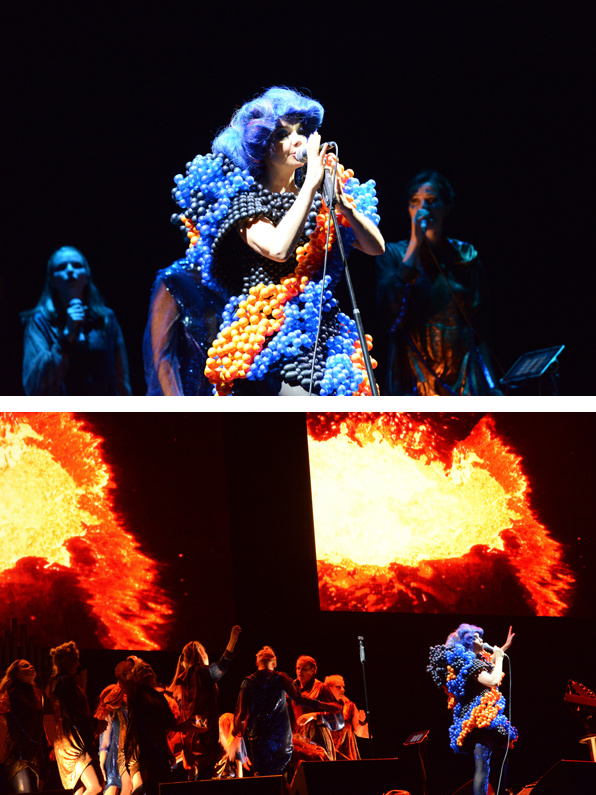
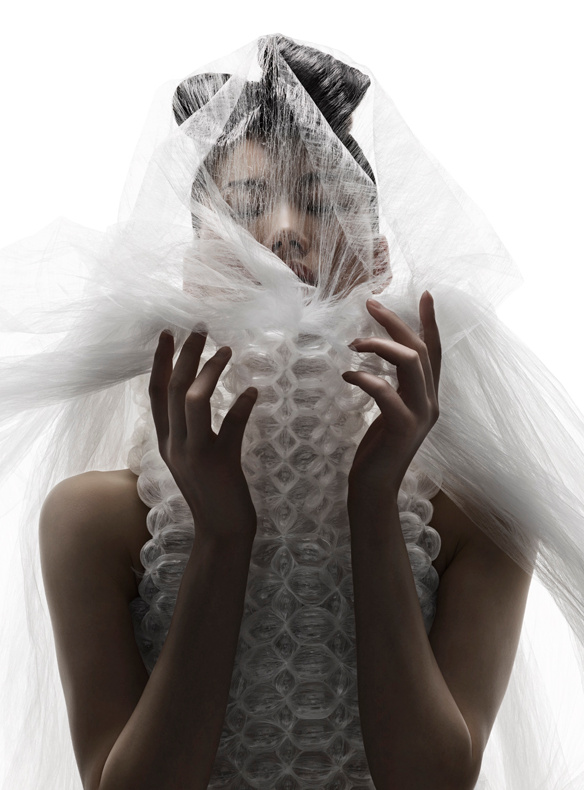
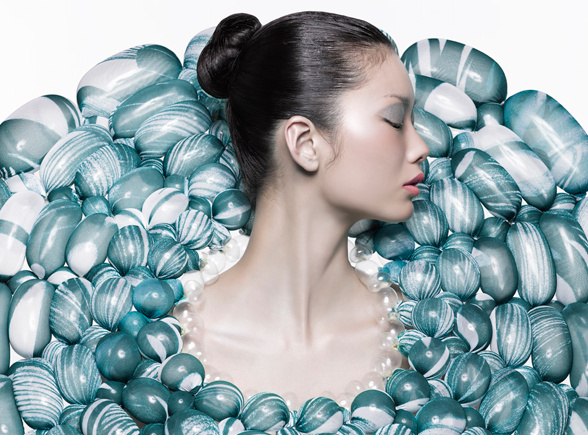
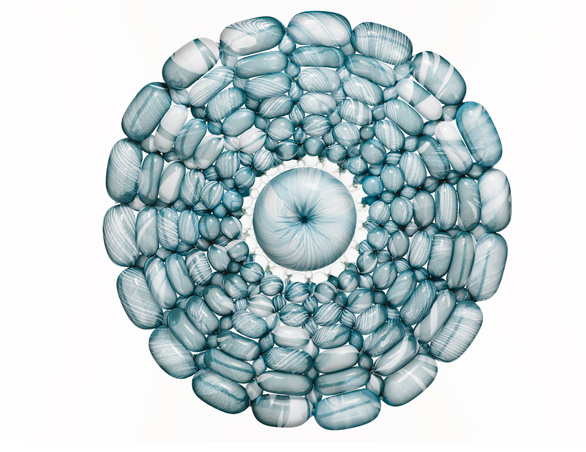
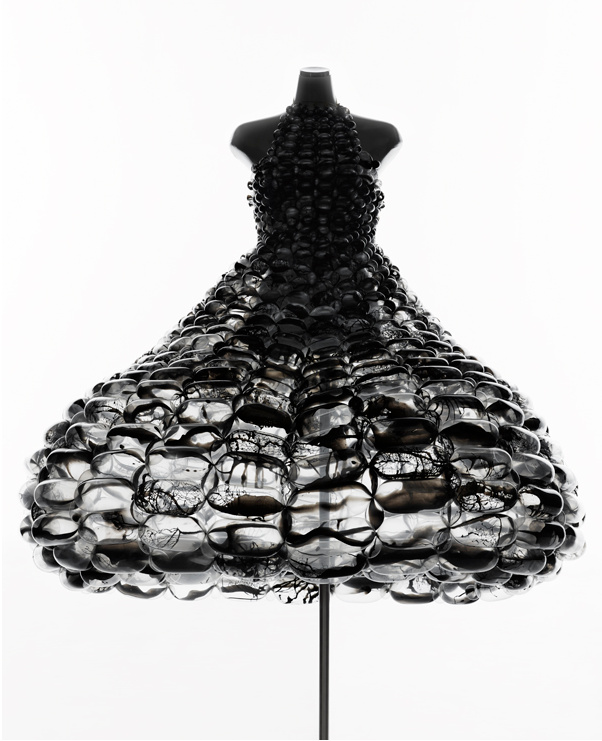
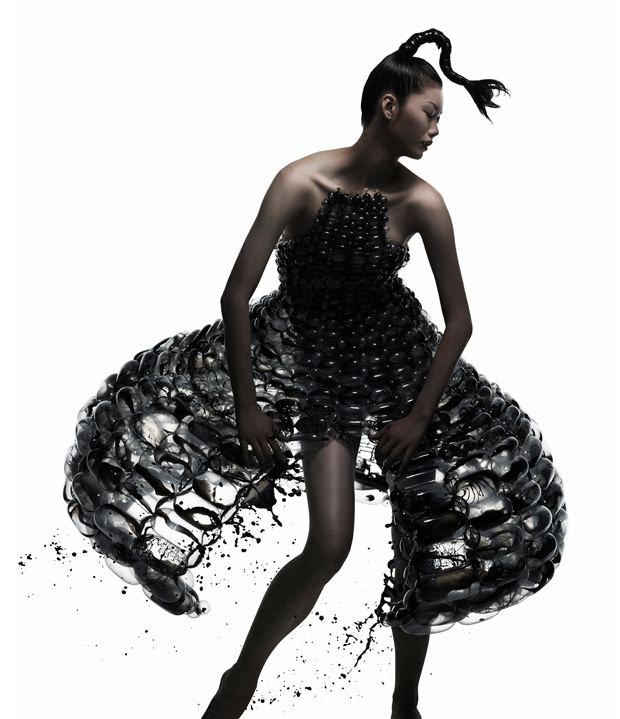
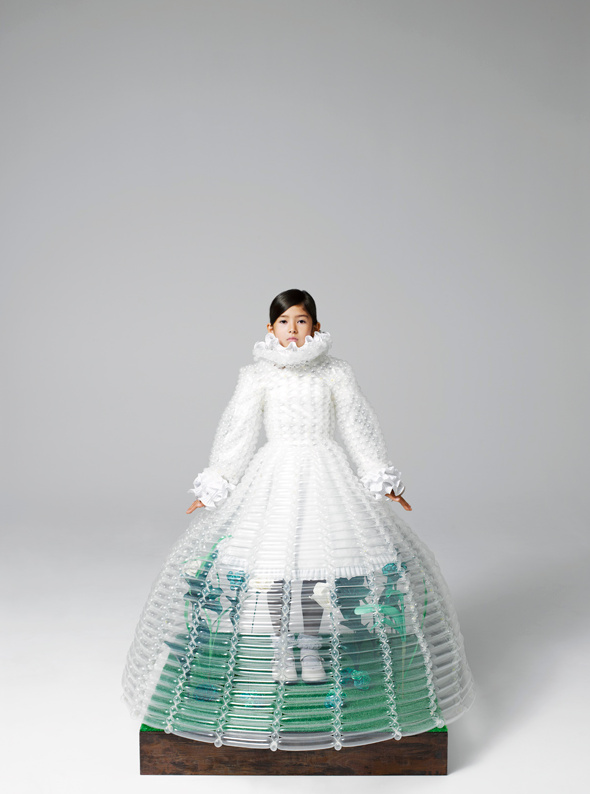
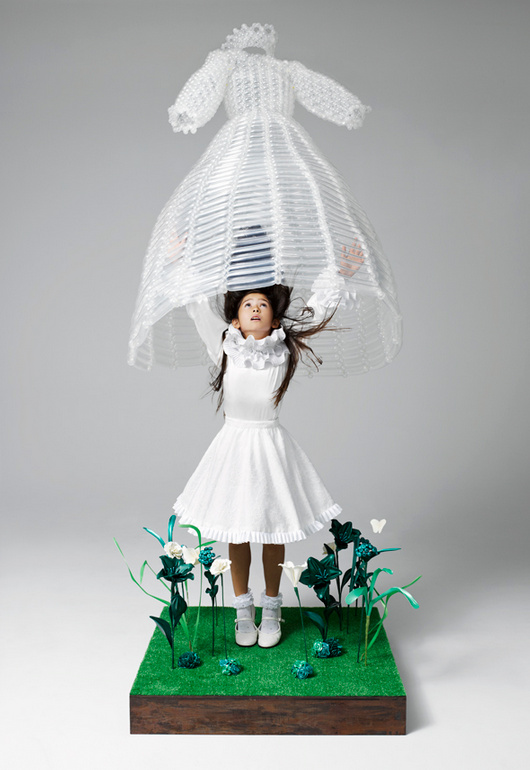
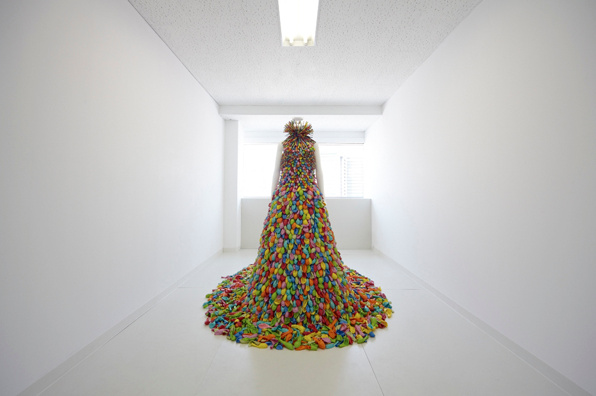
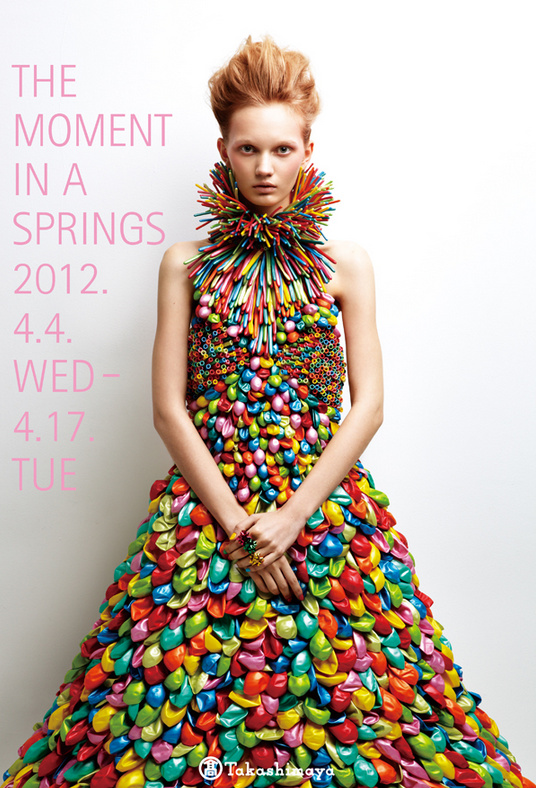
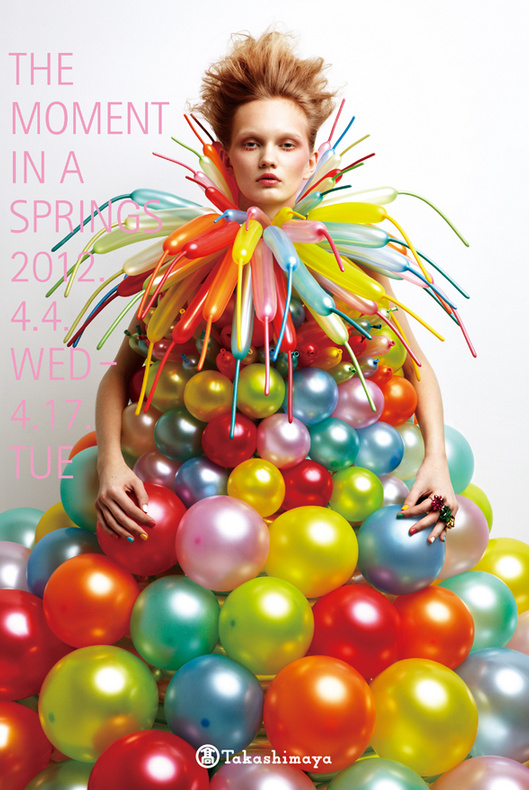
The artist Rie Hosokai (previously), who goes by the more professionally appropriate moniker Daisy Balloon, creates wild and intricate dresses out of small balloons. Fashion is her forte but she also designs sculptural work as well, like the giant teddy bear (made from smaller teddy bear balloons) for the recent Nipponista pop-up shop in NY.

In fact, Hosokai is releasing her second photobook this month, which contains a collection of 16 recent works of both commercial and more experimental nature. You can pick up your own copy right here.

daisy balloon (2)

daisy balloon (3)

“Wish a White” for Kyoto Takashimaya (2013)


daisy balloon (4)

artwork for Numero magazine issue 73 (2013)


daisy balloon (5)

dress for Björk at Fuji Rock Festival 2013


daisy balloon (6)

“Pattern Dress 3” (2013)


daisy balloon (7)

daisy balloon (8)

“Pattern Dress 2” (2013)


daisy balloon (9)

daisy balloon (10)

“Pattern Dress 1” (2013)


daisy balloon (12)

daisy balloon (13)

“Exuviation” (2013) | artwork for Futakotamagawa Biennale


daisy balloon (11)

“THE MOMENT IN A SPRINGS” (2012) for Osaka Takashimaya

daisy balloon (14)daisy balloon (15)


Textile Design Inspired by Slices of Beef

cuts of beef by tomomi tokuyasu

Photos courtesy JDN network and Musashino Art University

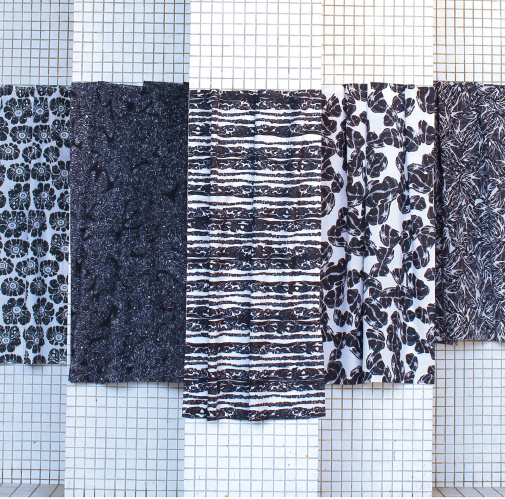
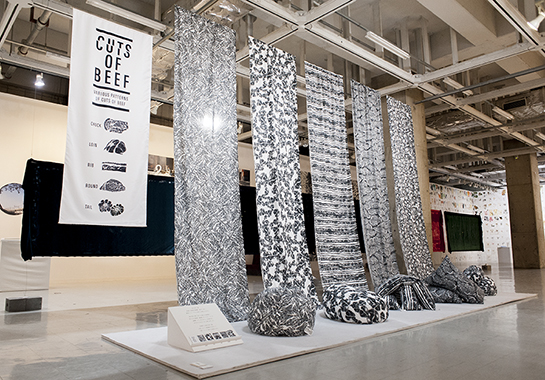
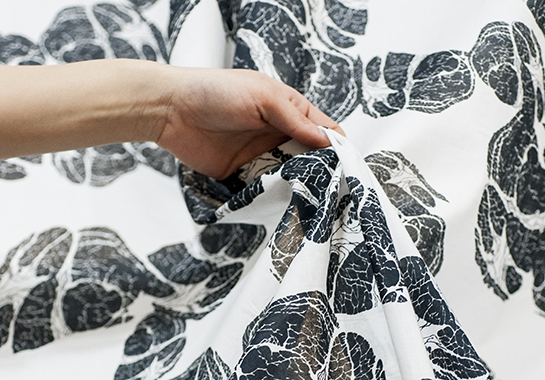
Art Student Tomomi Tokuyasu approaches beef the same way she approaches her art material – with a keen eye for patterns and design. “The red meat and fat are spread out differently, depending on where you cut,” says* Tokuyasu, referring to regular slices of beef she encounters at the supermarket. “If the complex expressions that reveal themselves can be perceived as shapes, rather than meat, we can begin to recognize them as prints and patterns.”

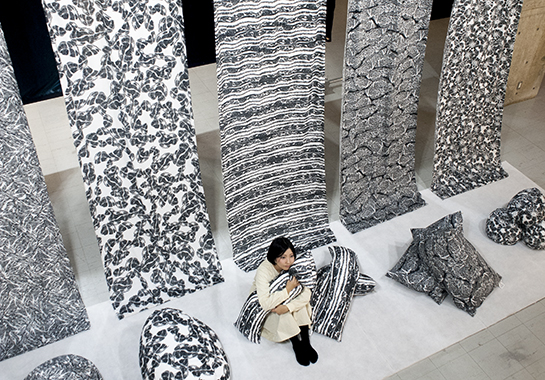
Selecting 5 different cuts of beef, Tokuyasu has transformed the resulting pattern into original textile designs. She presented her project “Cuts of Beef” last month as her graduating senior thesis project from Musashino Art University.

*All quotes translated from Japanese to English by the author

cuts of beef by tomomi tokuyasu 2

cuts of beef by tomomi tokuyasu 3

cuts of beef by tomomi tokuyasu 4

(this post is part of our review of student artwork from 2014 senior thesis exhibitions. You can see all our coverage of student artwork here)

Speed Sketched People of Tokyo by Hama-House

hamahouse instagram quick sketch (8)

all images courtesy hama-house

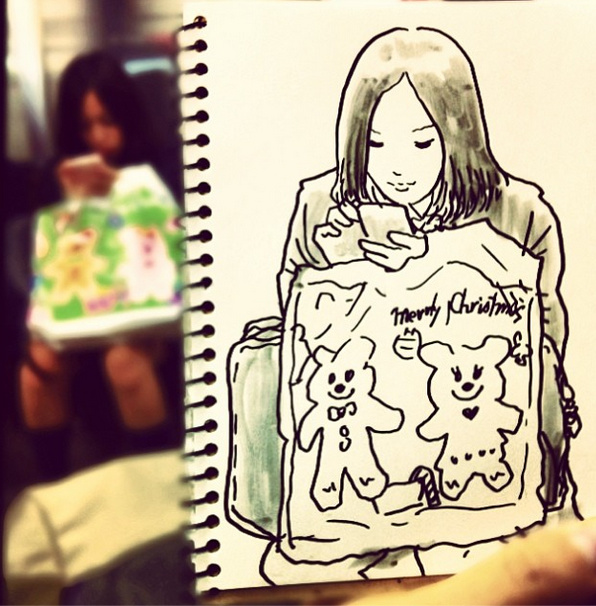
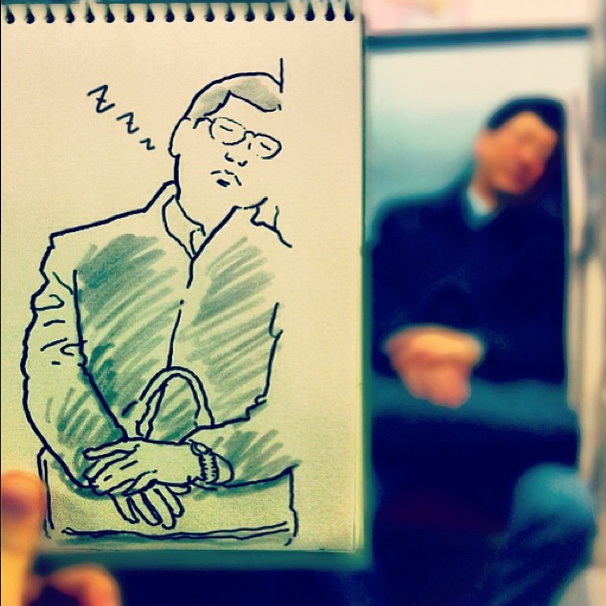
Rarely do I write two posts in a row about the same person, but as I was digging through the work of Tokyo-based illustrator Hama-House for my previous post I discovered the artist’s Instagram account.

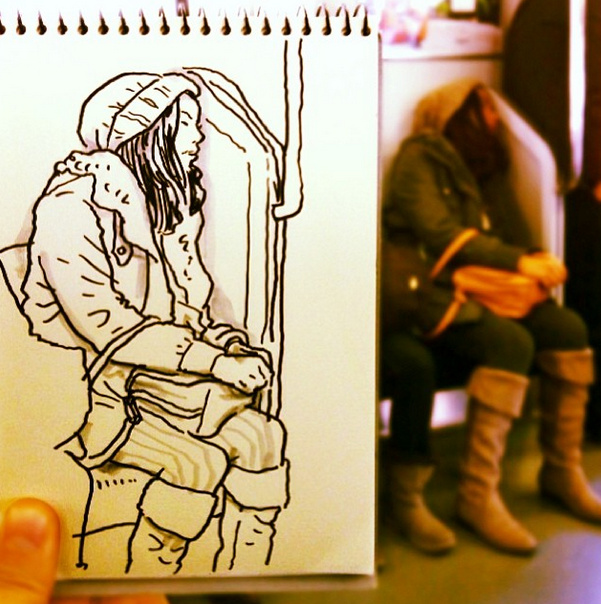
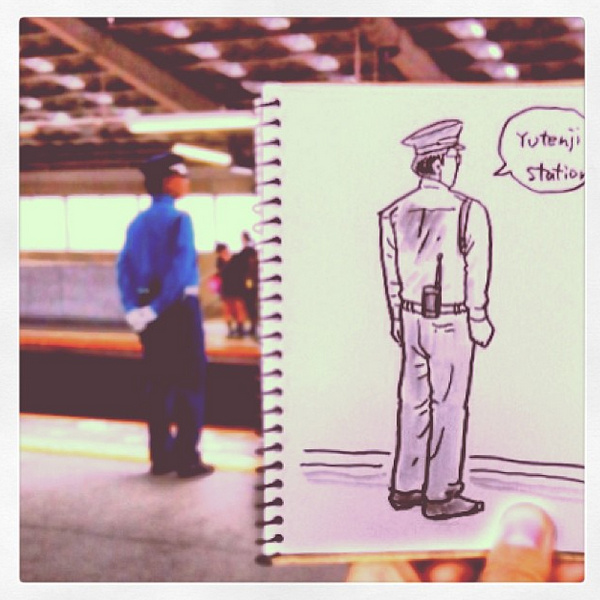
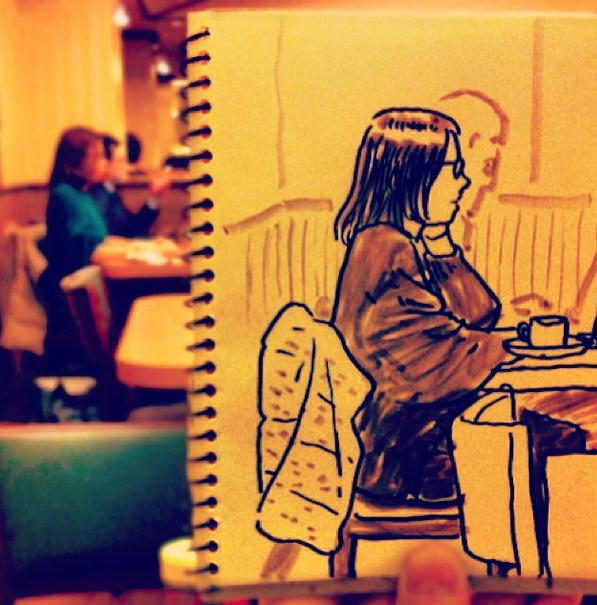
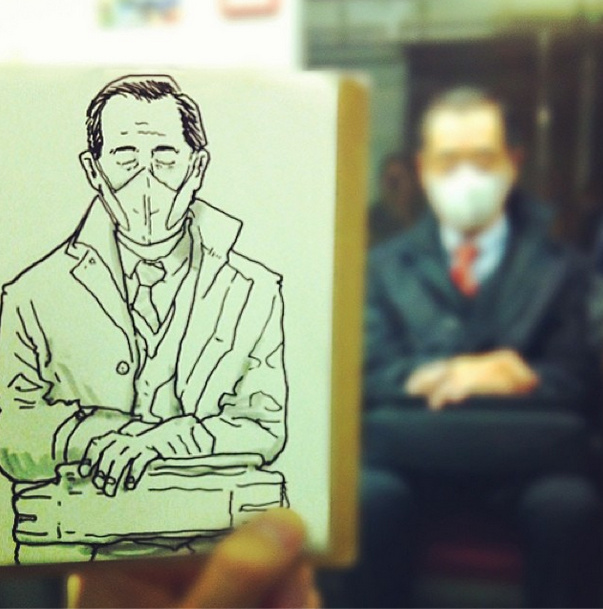
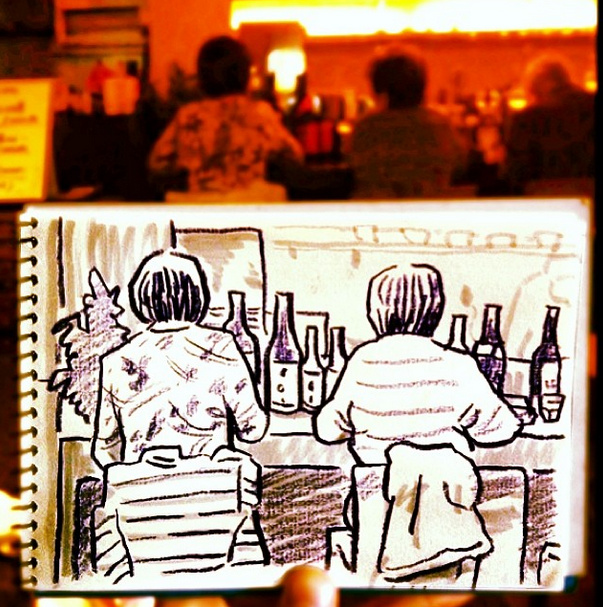
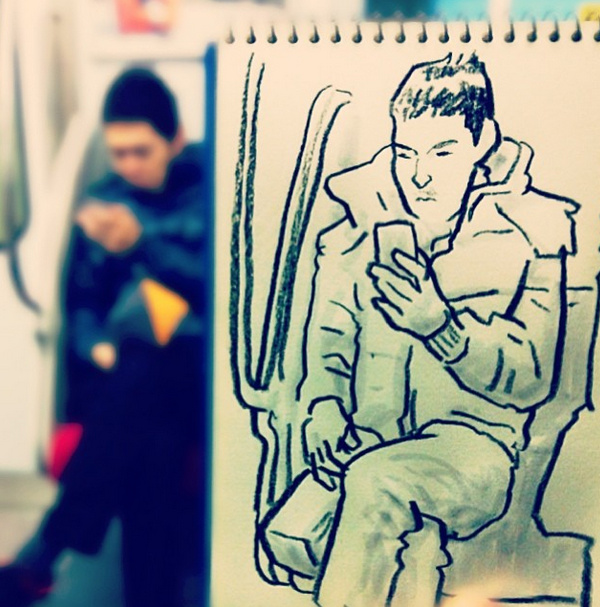
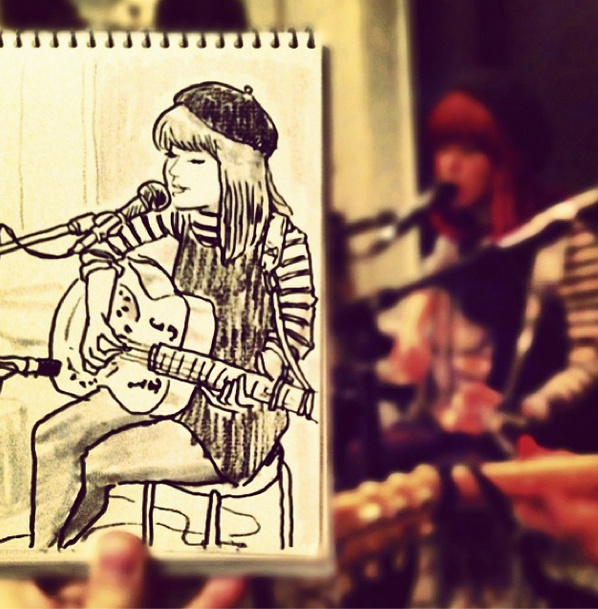
As I quickly learned, Hama-House, when not doing commercial work for TV ads and magazines, enjoys doing speed sketches of people in Tokyo like commuters, musicians and café dwellers. Hama-House quickly sketches a contour, fills in a few details and then adds a final touch – an Instagram photo of the subject in the background of the drawing.

hamahouse instagram quick sketch (11)hamahouse instagram quick sketch (9)

hamahouse instagram quick sketch (10)

hamahouse instagram quick sketch (7)

hamahouse instagram quick sketch (6)

hamahouse instagram quick sketch (5)

hamahouse instagram quick sketch (4)

hamahouse instagram quick sketch (3)

hamahouse instagram quick sketch (2)

« Older posts Newer posts »

© 2026 Spoon & Tamago

Up ↑

Design by Bento Graphics