Page 208 of 406

Prototype 1000 | prototypes of products we all wish existed

prototype 1000 (1)

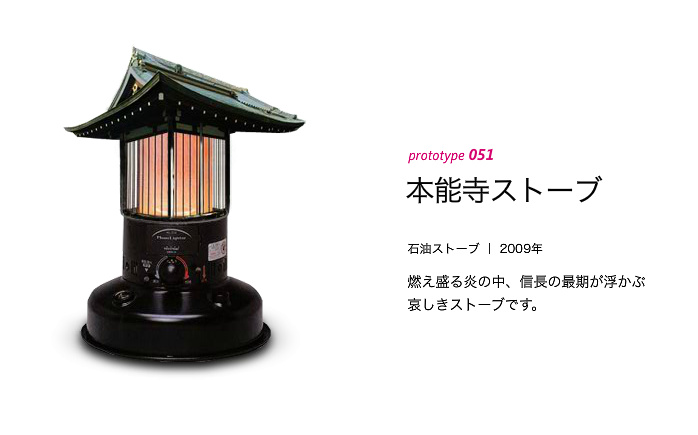
A Honnoji Temple stove

Prototype 1000 is a site created by web designer Nezi Sato that functions as a database for all his crazy dream-like prototypes of products he wished existed. Some products seem like generally good ideas, while others are just outrageous or silly. But that’s perhaps what makes the site so interesting. Here a few of my favorites, which I genuinely wish existed.
prototype 1000 (3)

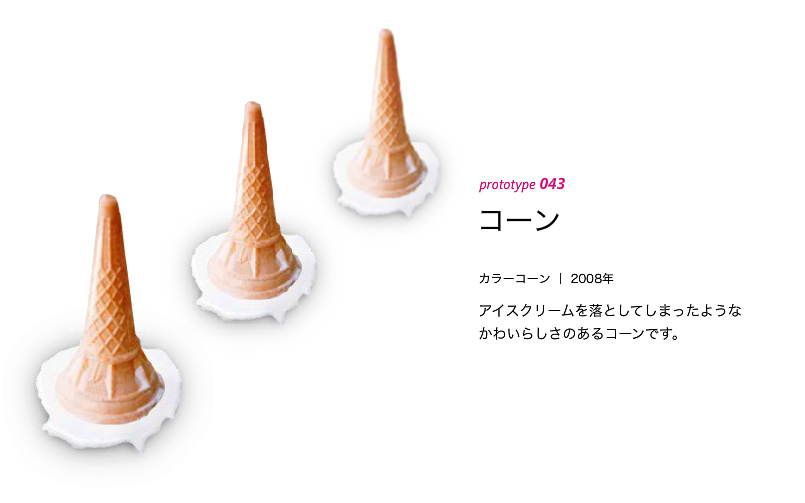
traffic cones shaped like spilled ice cream cones

Sato certainly has a vivid, playful imagination. His past projects include an app the gets kids interested in math by substituting boring exercises like counting crayons, with counting poop. He also created an Avian Flu twitter bot that randomly infects follows users and then unfollows them in about 5 days.
prototype 1000 (2)

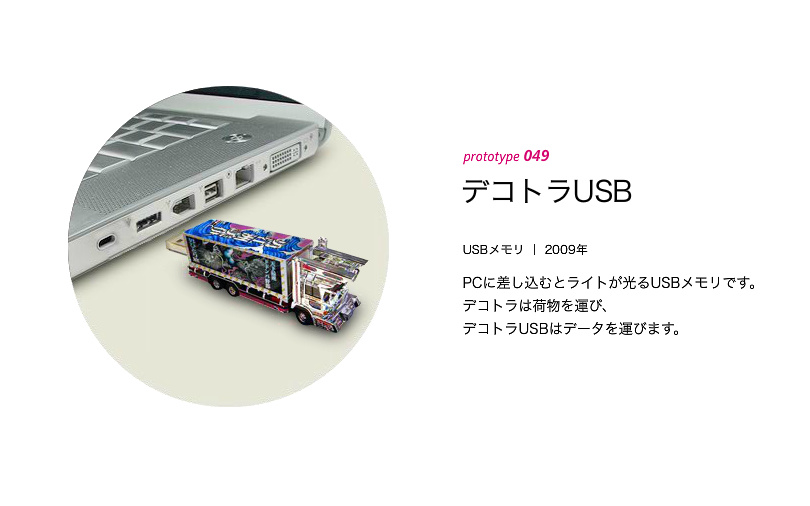
a decotora USB drive

prototype 1000 (4)

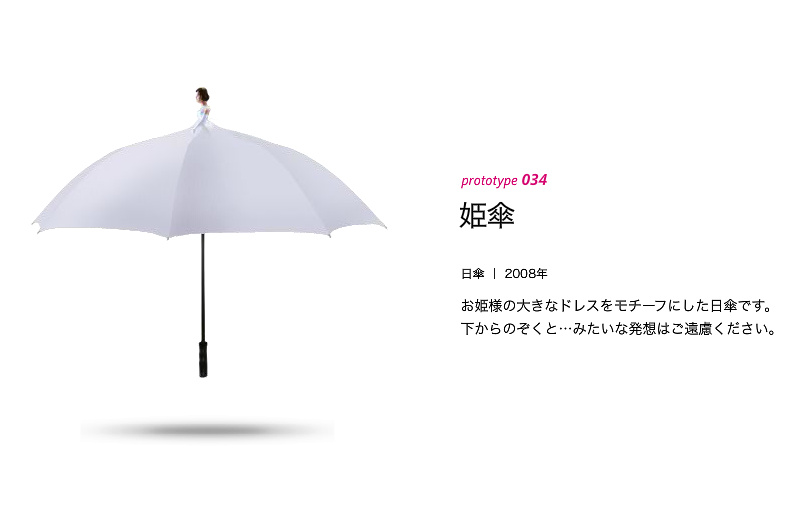
a princess umbrella (my daughter would die if she saw this)
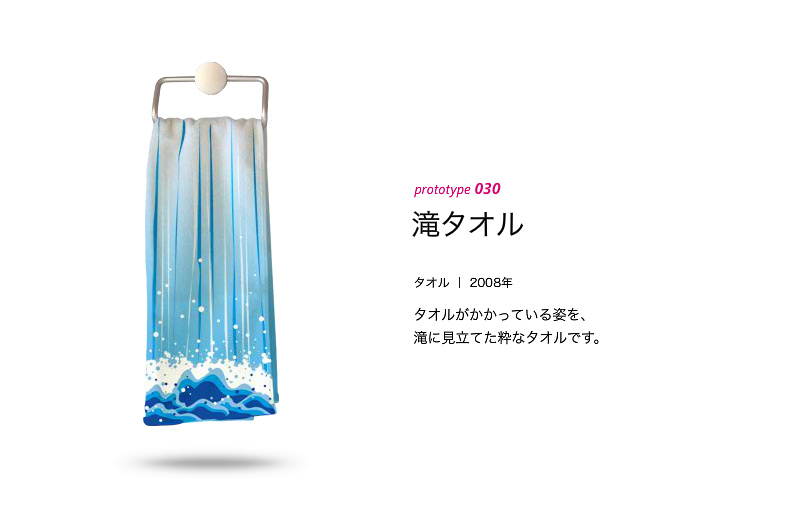
prototype 1000 (5)

a waterfall print towel

source: twitter
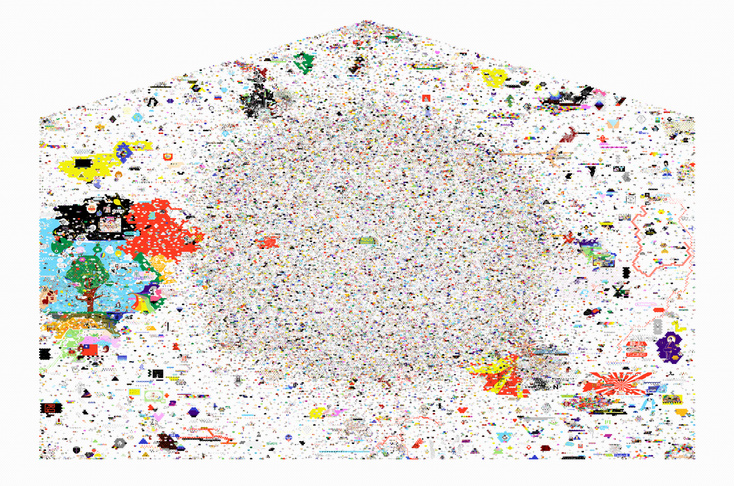
Japanese online community of artists create a single artwork out of 50,000 illustrations

pixiv (1)

Even if you live in Japan, unless you’re into manga-style illustrations you’ve probably never heard of Pixiv. The Japanese website was founded in 2007 as an online community of artists. Their user base grew briskly and just last month they surpasses 10 million users. To celebrate the milestone, the team initiated a community project, calling on their users to submit artwork to create a single mega-scale illustration.

pixiv (2)

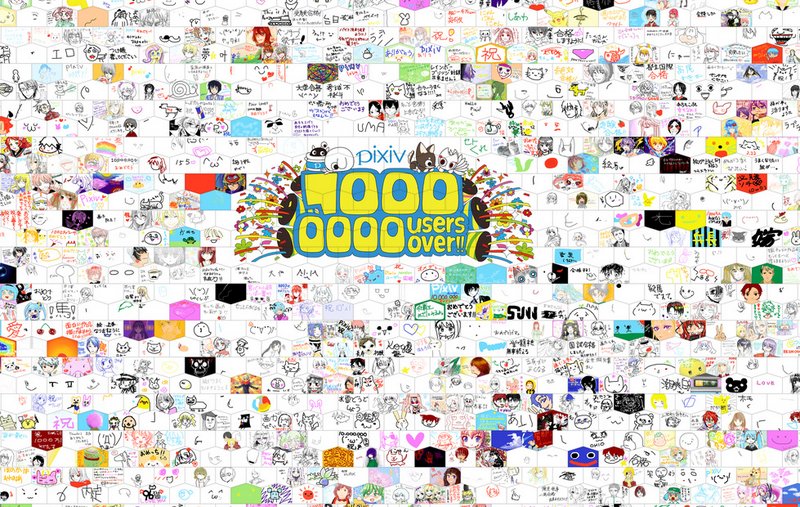
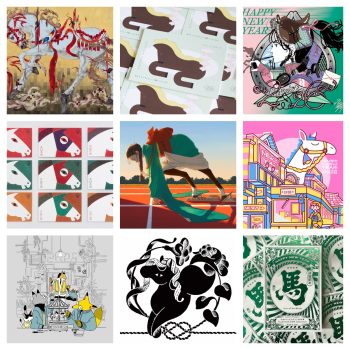
Users could submit 1 piece per day over a 9-day period. The only stipulation was that the illustrations were to be in the shape of ema (絵馬): wooden plaques with pictures and wishes on them that are customarily hung at Shinto shrines. The final artwork would combine all the ema into a single massive ema.

pixiv (3)

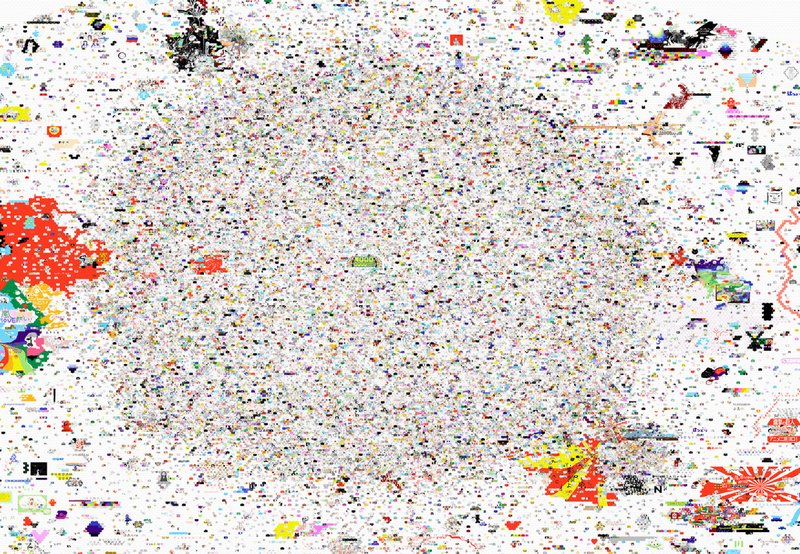
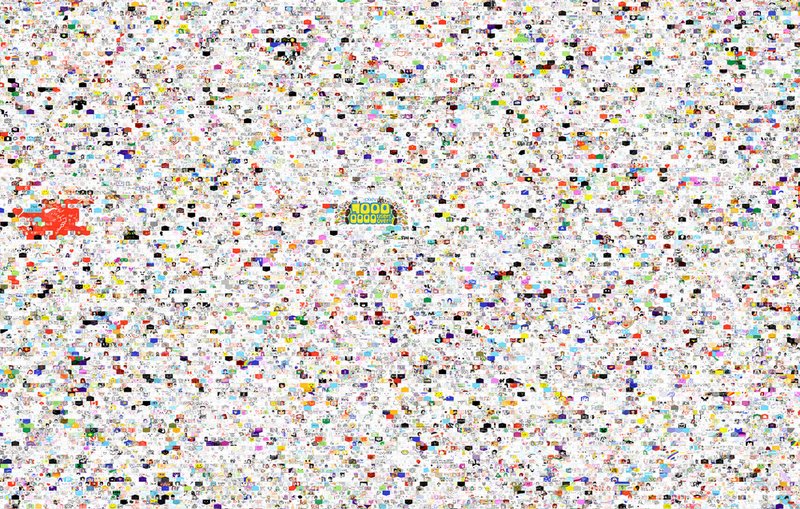
On February 22, the illustrations began rolling in and by the end of the period the project had received an astounding 52,014 illustrations. The final work, a microcosmic portrayal of the community of artists, looks like a massive universe.

“pixiv currently gets on average 26K submissions per day,” writes* a staff member in a blog post explaining the project. “It’s difficult to actually get a sense for what 26K illustrations look like.” And so the team came up with a way to visualize their entire community of artists.

pixiv (4)

source: KAI-YOU

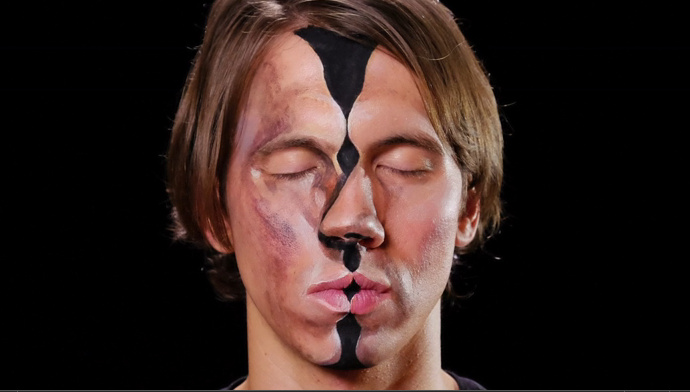
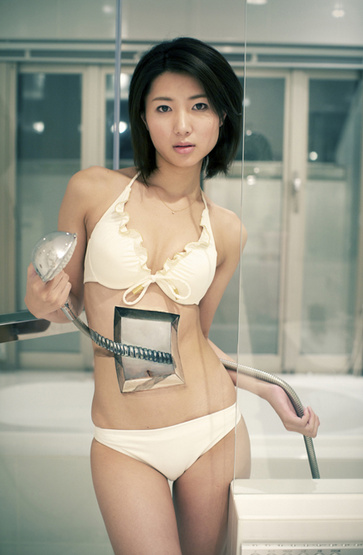
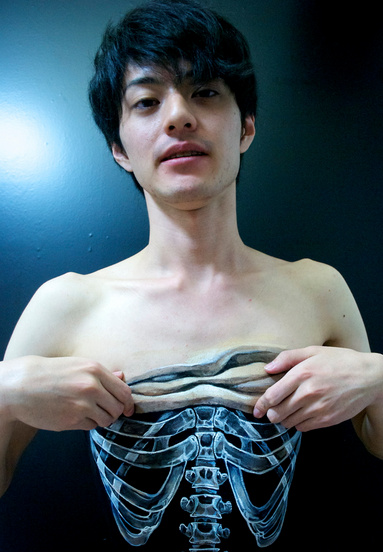
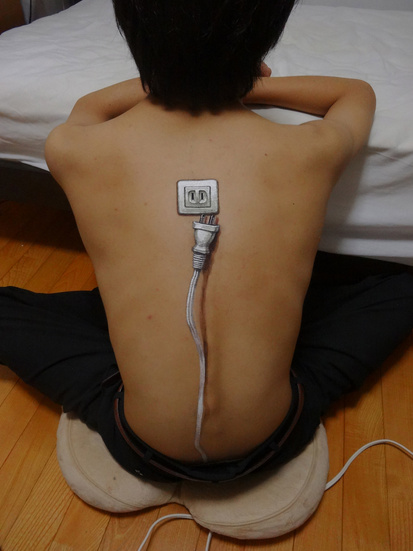
My Body My Rights | Evocative body painting by Hikaru Cho

HIKARU CHO BODY PAINT (2)

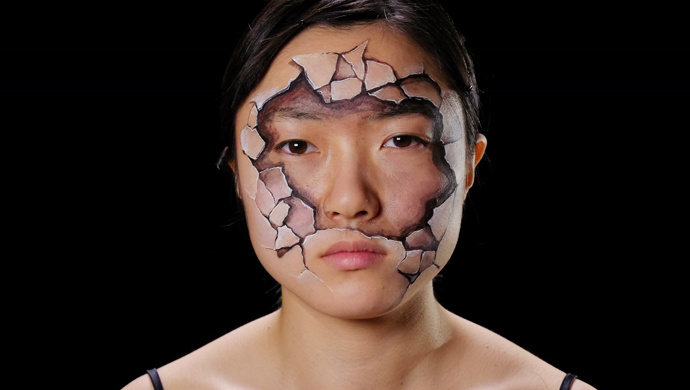
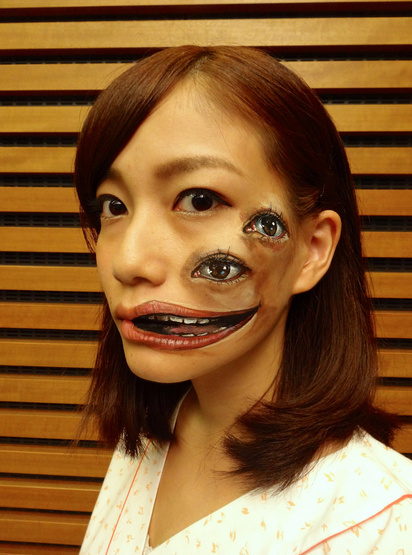
“Cracked Face” | You have the right to live free from rape and sexual violence

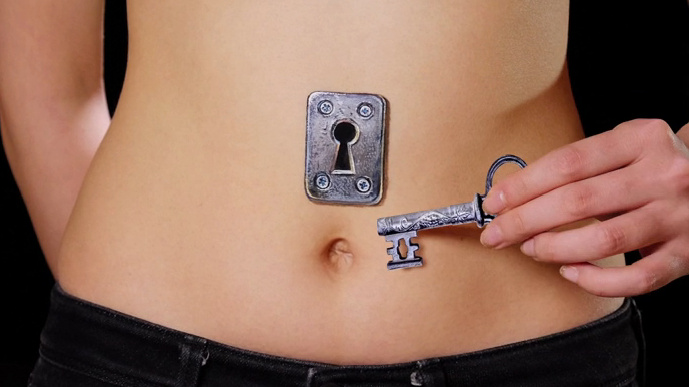
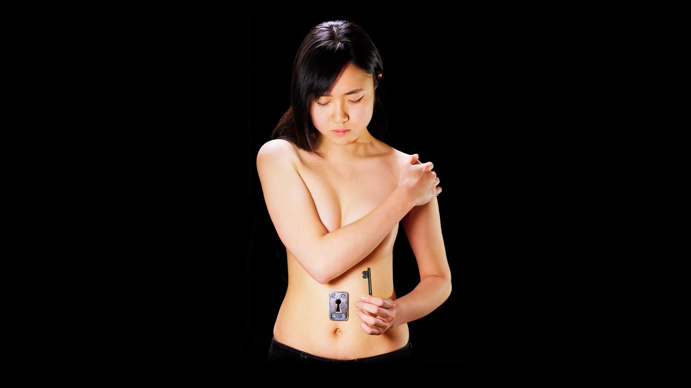
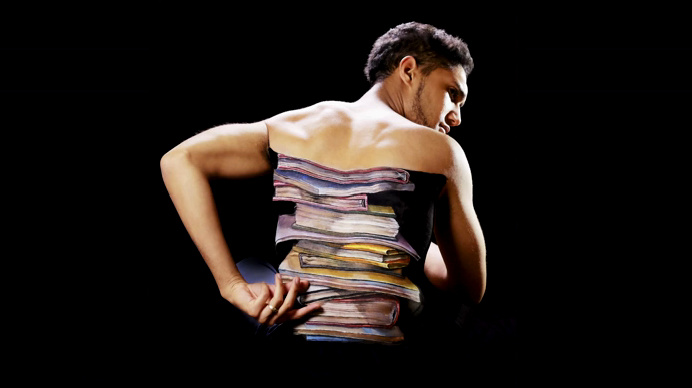
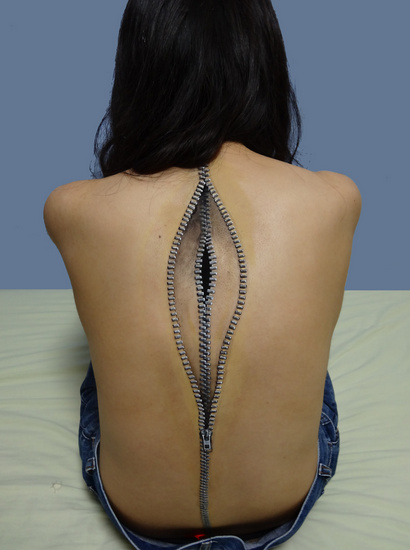
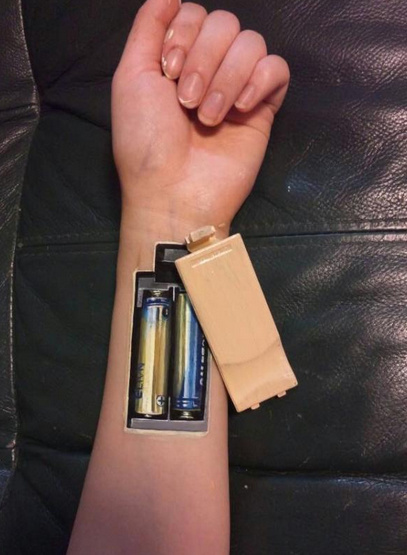
The Tokyo-based hyper-realist painter Hikaru Cho has created a striking series of body paintings for Amnesty International. Launched today, ahead of International Woman’s Day, the “My Body My Rights” campaign raises awareness for issues like sexual exploitation and harassment through eerily realistic body paintings.

HIKARU CHO BODY PAINT (3)

“The Key” | You have the right to choose if or when, you have children

HIKARU CHO BODY PAINT (4)

“The Key” | You have the right to choose if or when, you have children

HIKARU CHO BODY PAINT (1)

“Books” | You have the right to know and learn about your body, sexual health and relationships

HIKARU CHO BODY PAINT (5)

“The Kiss” | You have the rights to choose your partner

You can watch a time-lapse of all the works being created right here.

Astonishingly, the Tokyo-based artist, who goes by the nickname Choo-san, is just 21 years old. She enrolled in Musashino Art University in 2012 but actively pursued a professional career alongside her studies, creating a popular series of tights, as well as doing commercial work like posters, smartphone apps and character design.

Here is some of her previous work. TO keep up to date with her work you can follow her on twitter or Instagram.
HIKARU CHO BODY PAINT (6)HIKARU CHO BODY PAINT (7)

HIKARU CHO BODY PAINT (8)HIKARU CHO BODY PAINT (9)

HIKARU CHO BODY PAINT (10)HIKARU CHO BODY PAINT (11)

source: @yurikageyama

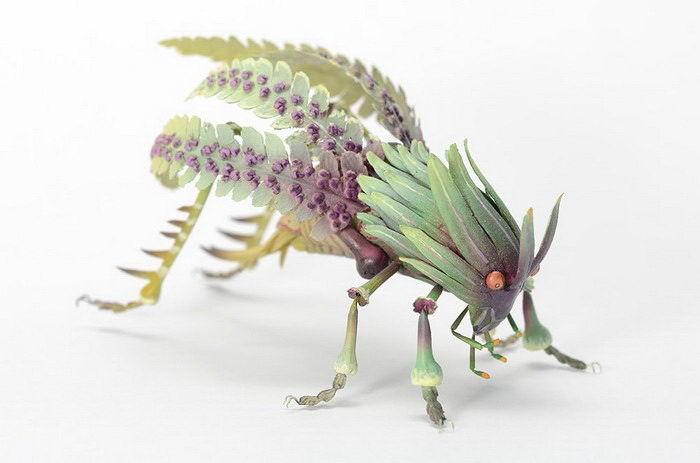
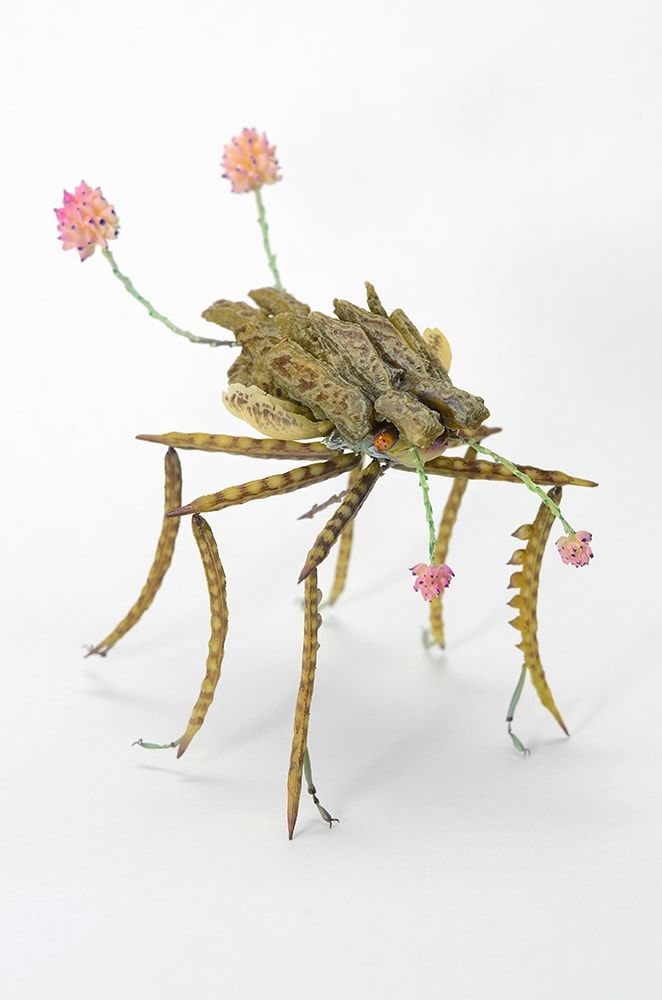
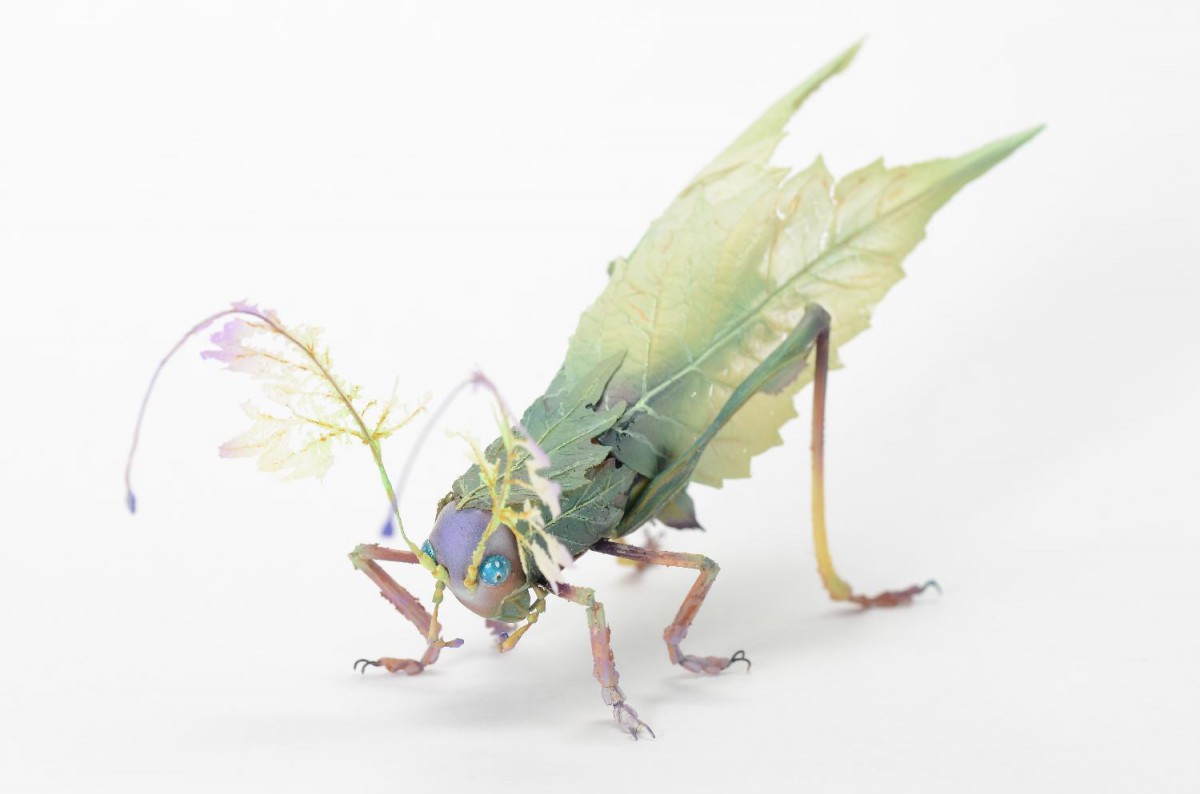
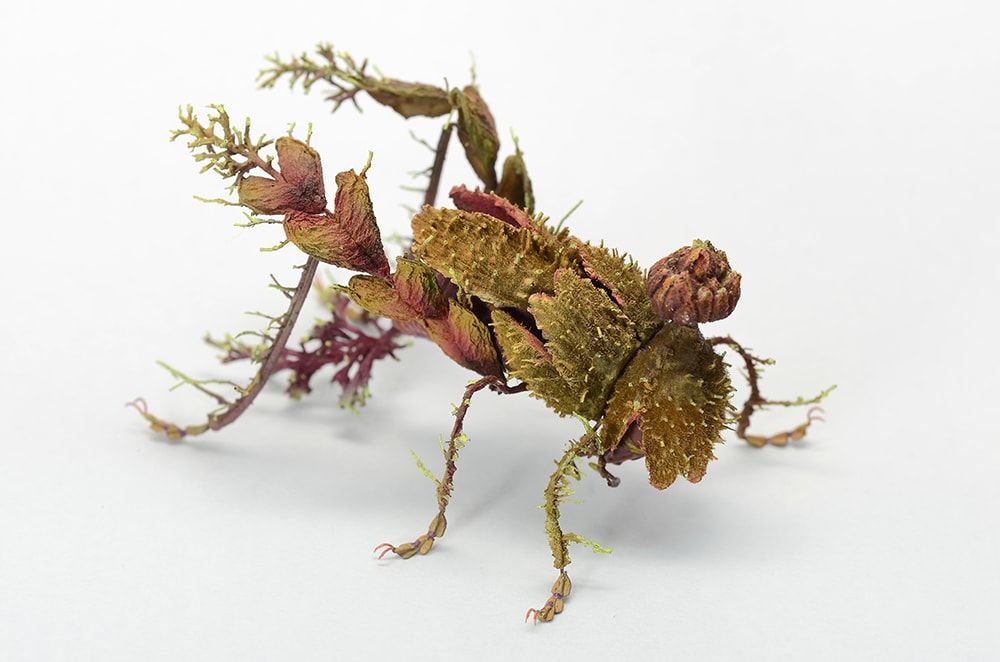
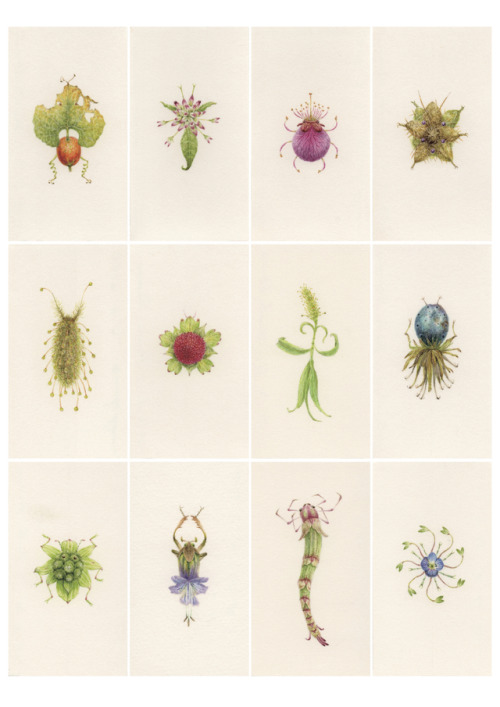
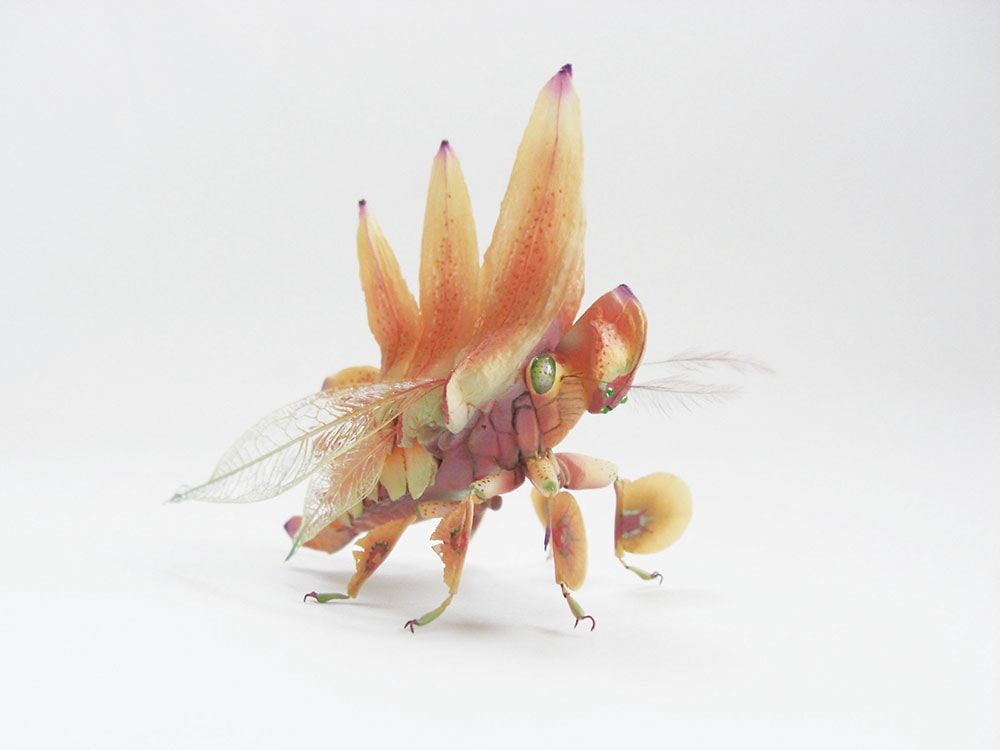
Intricate, Imaginary Resin Insects by Hiroshi Shiino

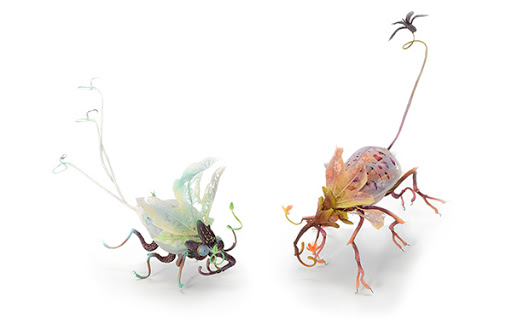
Kyoto-based artist Hiroshi Shinno’s dreamy insect sculptures are amazing. The fantastical works come directly from the artist’s imagination, which he records in his “insect diary” and are influenced by organic materials like leaves. They’re crafted from materials like synthetic resin, acrylic and brass. You can see much more on his website.

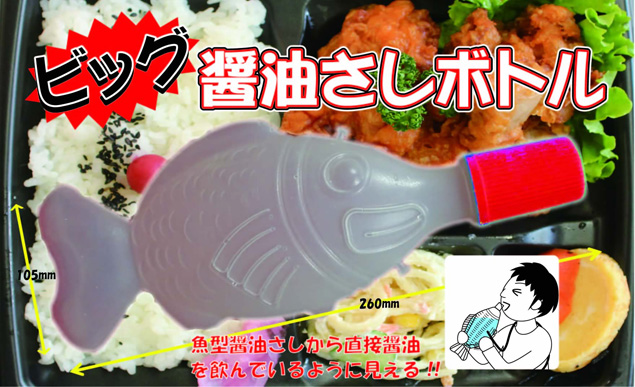
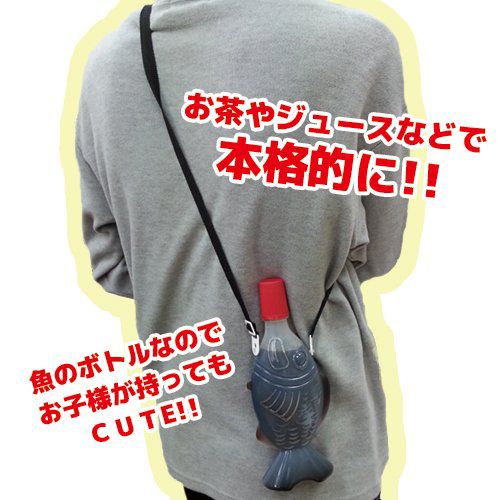
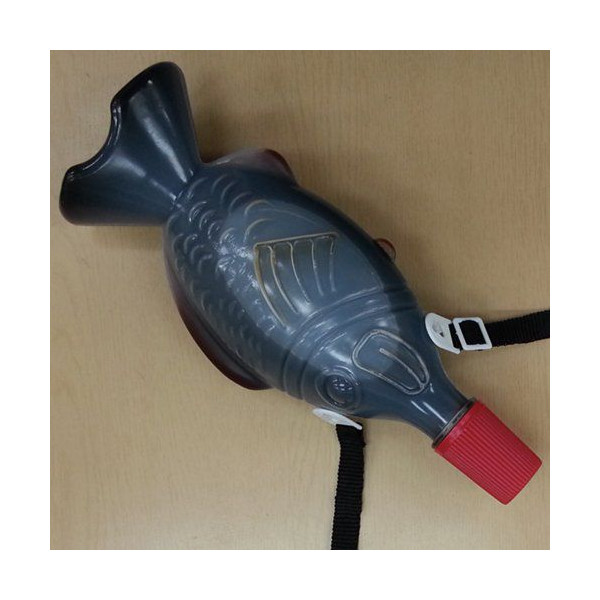
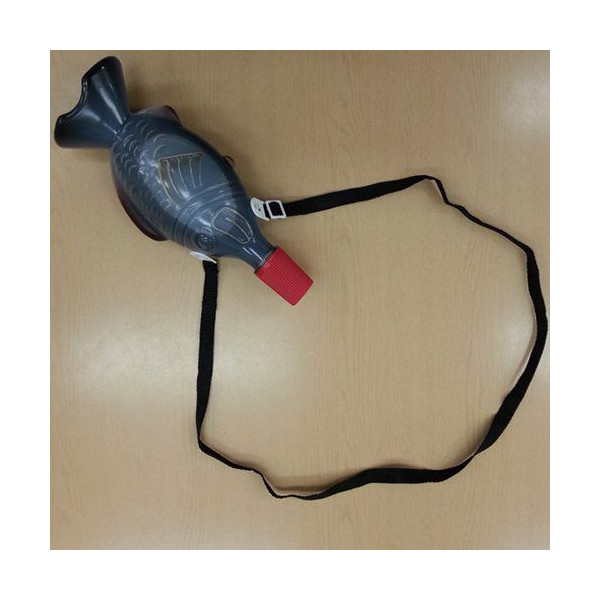
A water bottle made to look like a soy sauce container
soysauce thermos

Okay, this is one of the most-fun designs for a water bottle I’ve seen in quite a while. You know those miniature fish-shaped soy sauce containers? The ones that usually come in bento boxes and are occasionally used in art installations.
Well someone at Ehara, a maker of small toys and chotchkies came up with a thermos in the likeness of those soy sauce containers so it looks like you’re chugging the salty condiment. But don’t really put soy sauce in the 17 oz bottle because it could kill you. There’s even a case of soy sauce overdose-induced suicide. Instead, use tea or juice.

The thermos retails for around 800 yen but unfortunately seems to be out of stock.


soysauce thermos 2

soysauce thermos 3

soysauce thermos 4

source: @crystaline

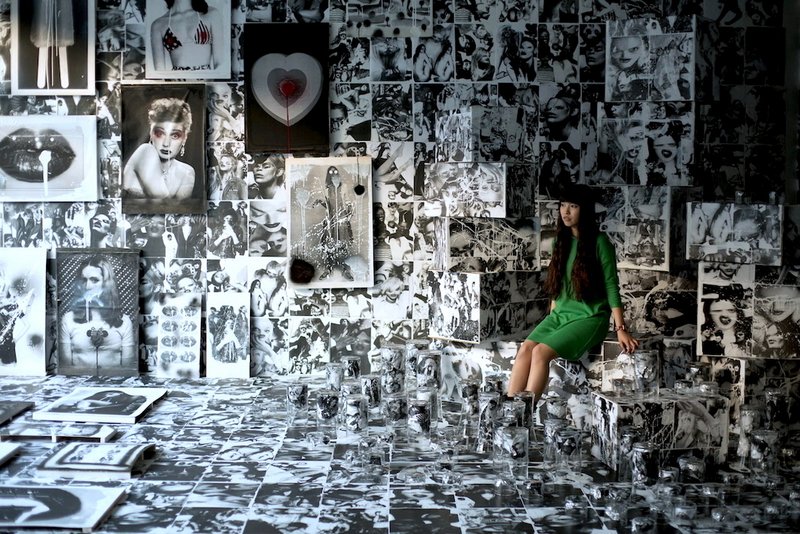
An immersive installation inspired by the streets of Tokyo

yano01

all images courtesy the artist | click to enlarge

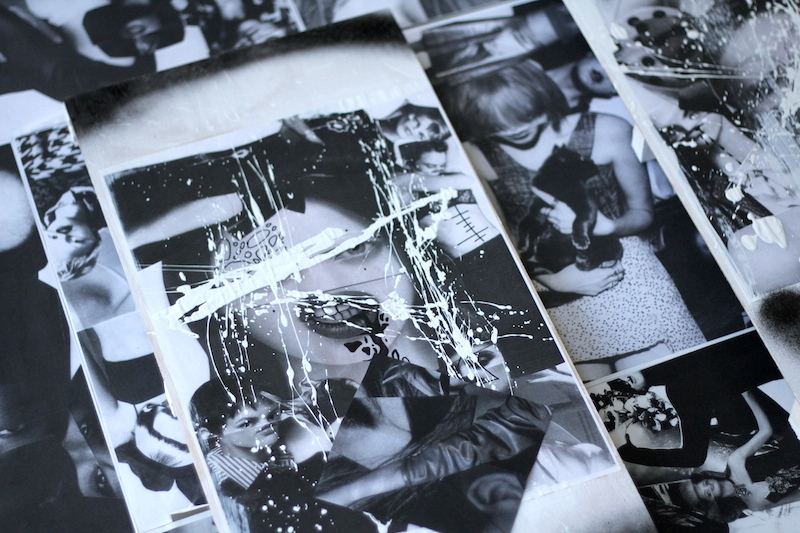
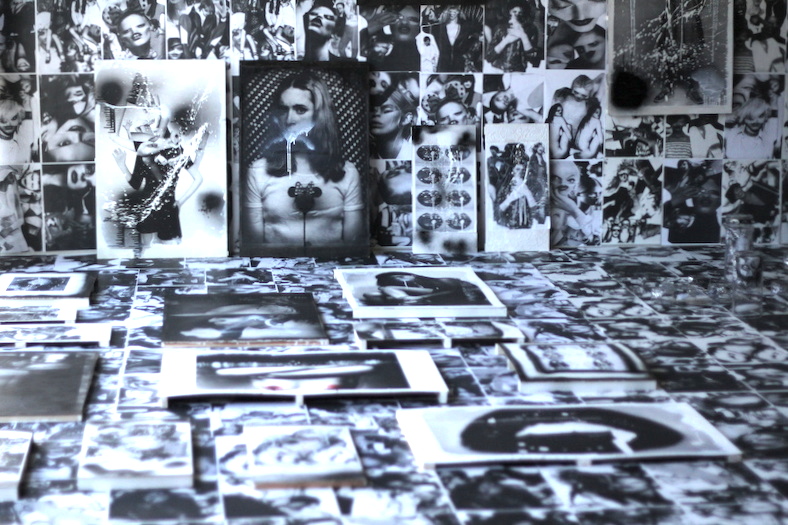
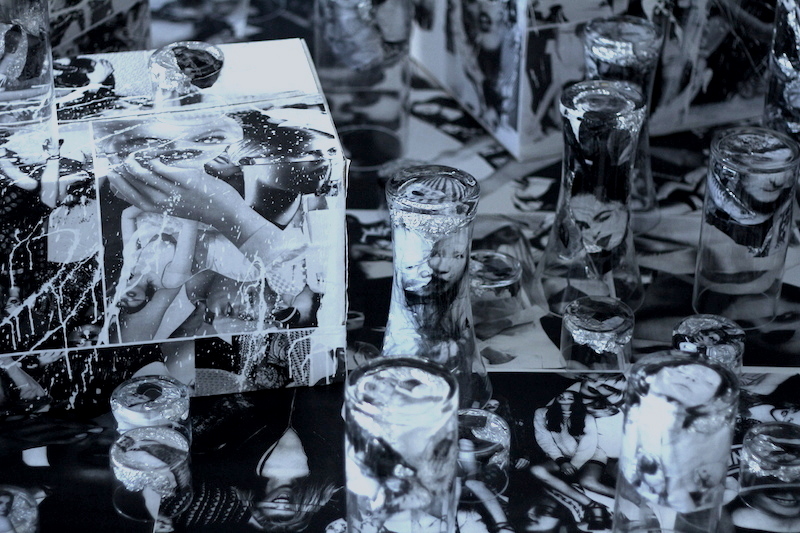
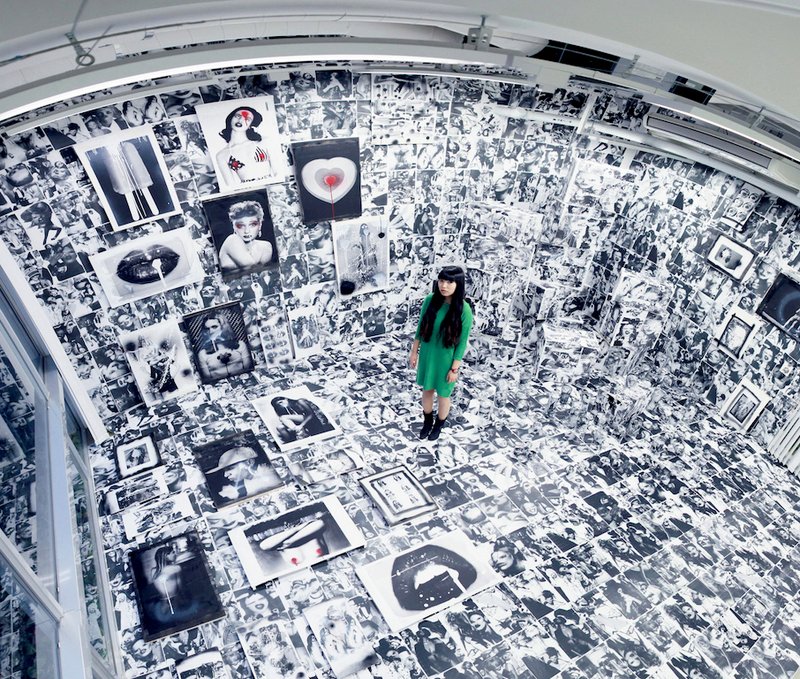
Some of the most exciting art happens on the street, outside the enclosed white walls of a gallery. Shiori Yano, a graduating art student from the prestigious Tama Art University, was inspired by the artists and musicians creating art on her city streets. “Tokyo changes at a dizzying speed but seeing communities being formed and the interactions between people became the inspiration for this project,” writes Yano, referring to her thesis exhibition “Mothers Mountain. Briefly stepping outside and peering into her own ecosystem, Yano picks and chooses from her vast visual memory to create an immersive installation that crystalizes her experience of growing up in Tokyo.

The installation will be on view next week (3.14 – 3.16) in Yokohama.

yano02

yano03

yano04

yano00

(this post is part of our review of student artwork from 2014 senior thesis exhibitions. You can see all our coverage of student artwork here)

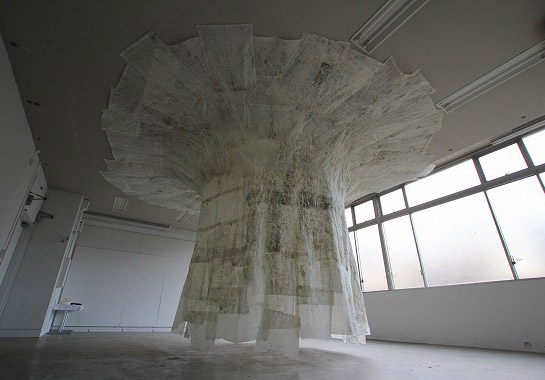
A Paper Tree Made From the Imprints of Tree Bark

takumi sato - uso 1

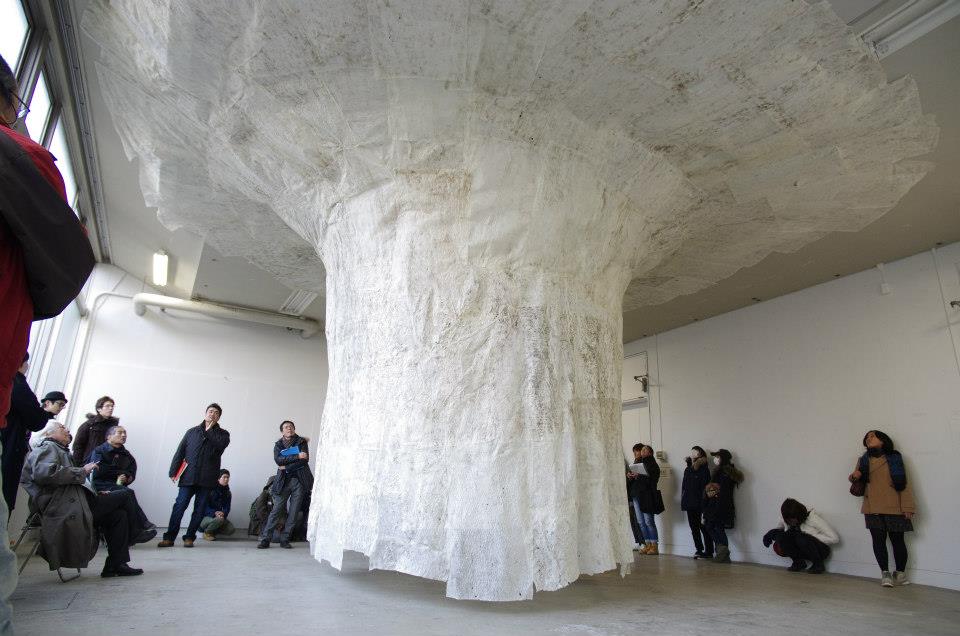
“kyo” by Takumi Sato | images courtesy musashino art university and JDN

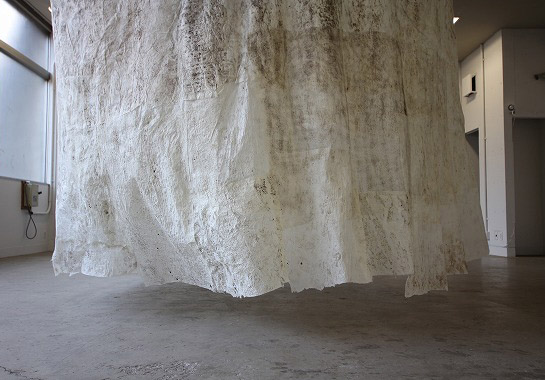
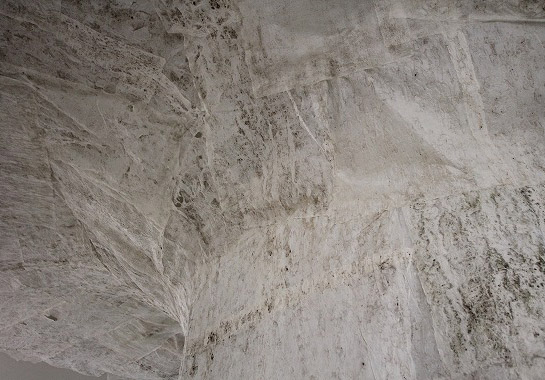
Picking up where we left off in our review of this year’s BFA art shows from Japan, we present to you a tree made from washi paper. In an act of reverse engineering, printmaking student Takumi Sato took over 100 imprints of tree bark – which is used to make washi paper – and then imprinted them back into washi paper itself. He then tiled the paper together and hung it from the ceiling, creating a hollow yet larger-than-life tree.

Sato’s massive tree titled kyo (虚), meaning not real or empty, was part of Musashino Art University’s senior thesis show. It was on display earlier this year.

takumi sato - uso 4

takumi sato - uso 2

takumi sato - uso 3

(this post is part of our review of student artwork from 2014 senior thesis exhibitions. You can see all our coverage of student artwork here)

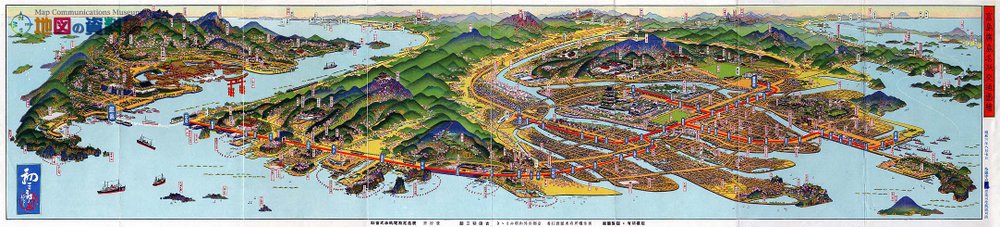
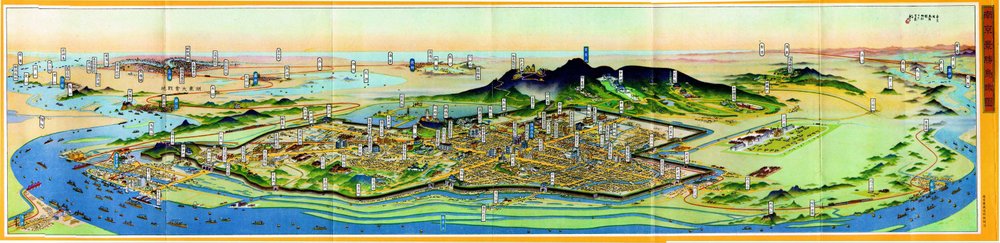
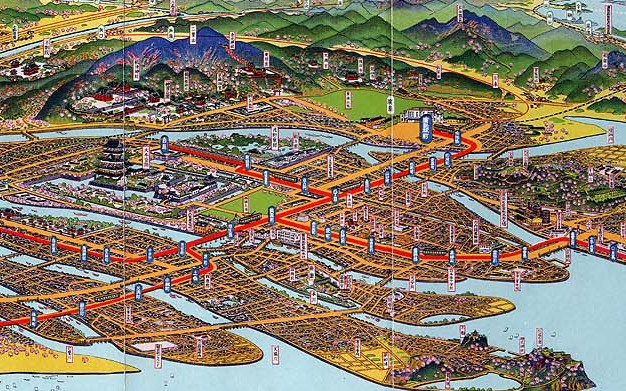
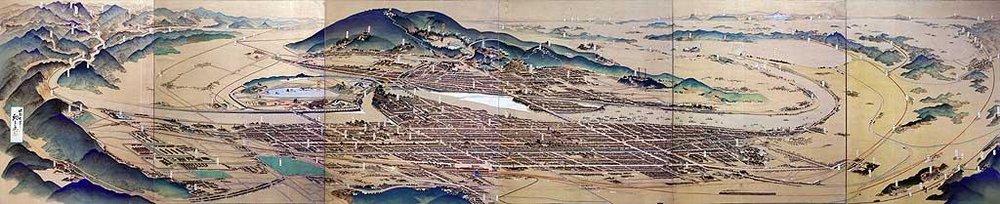
Bird’s Eye View Maps by Cartographer Hatsusaburo Yoshida

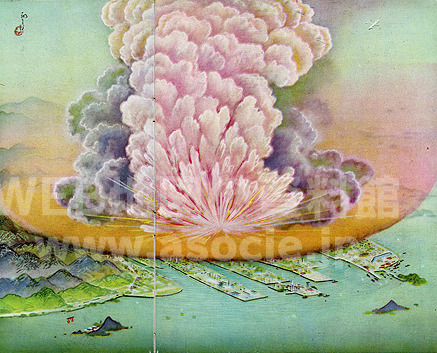
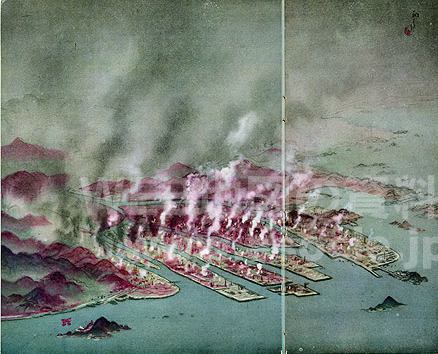
hatsusaburo-hiroshima

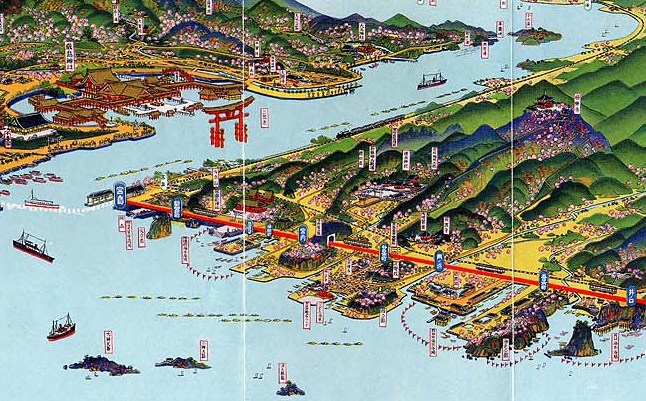
Hiroshima – click for full size

hatsusaburo-hiroshima - (detail 1)

Hiroshima (detail)

hatsusaburo-hiroshima - (detail 2)

Hiroshima (detail)

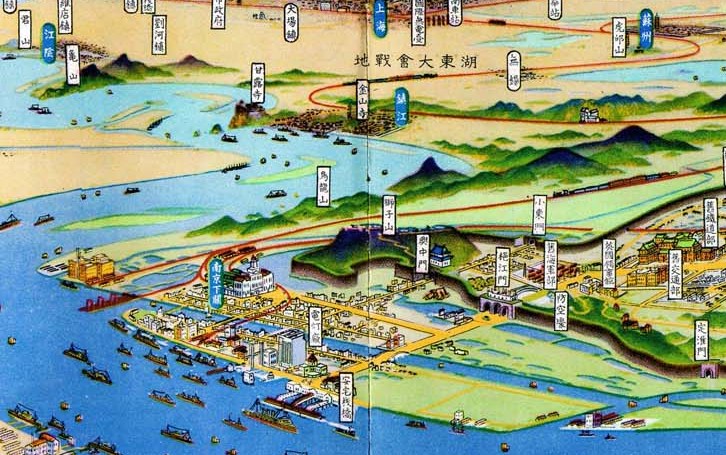
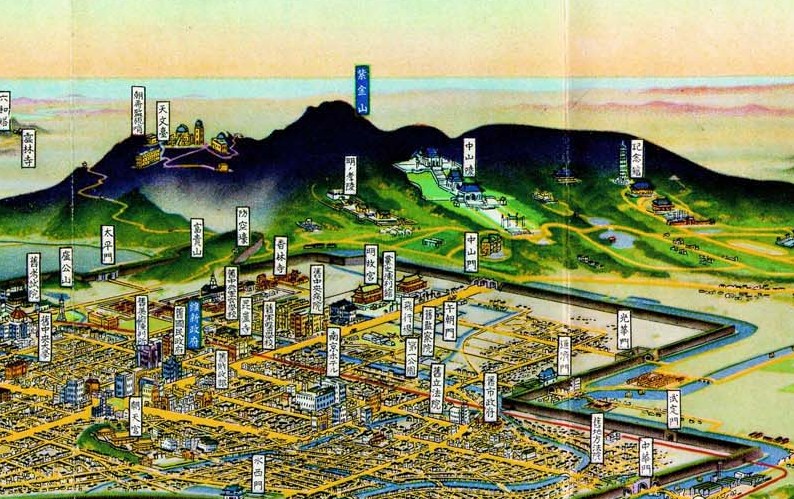
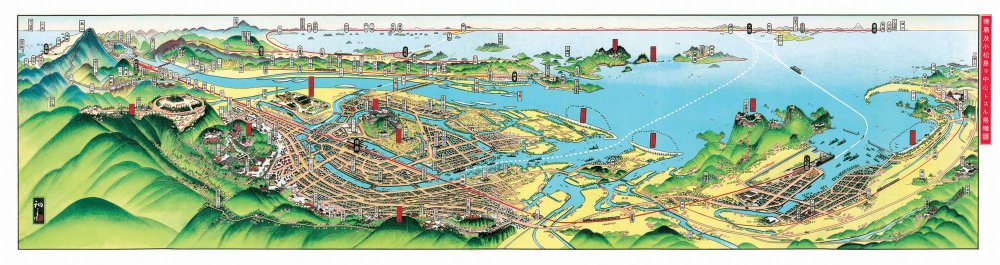
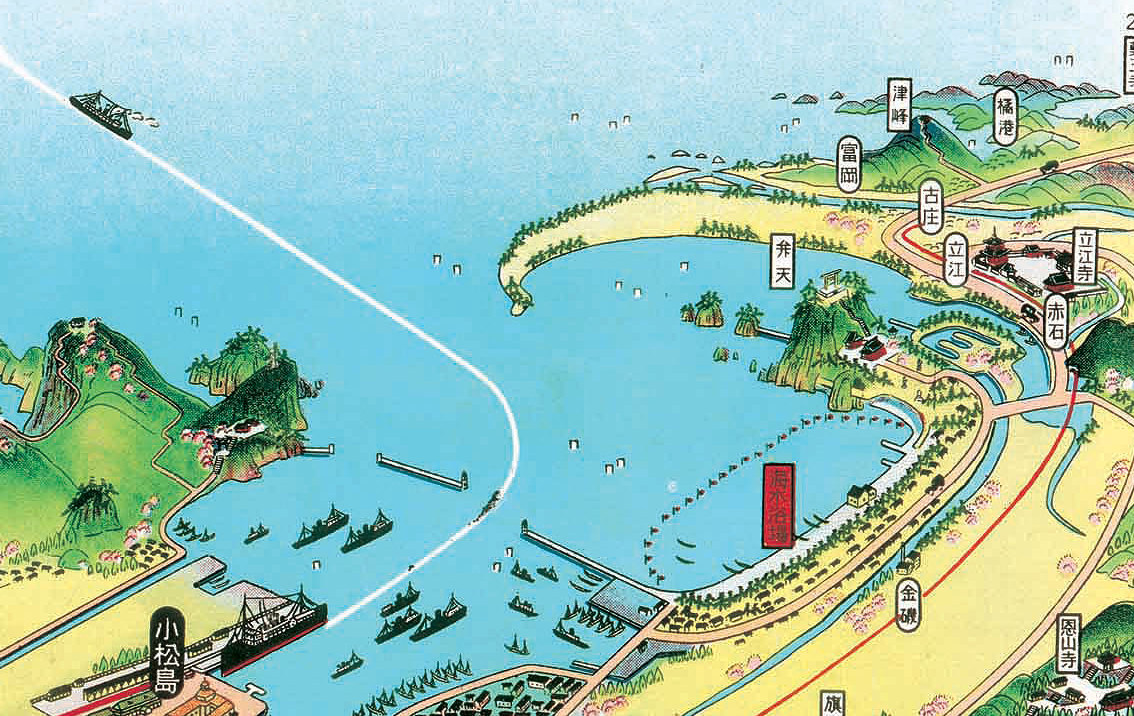
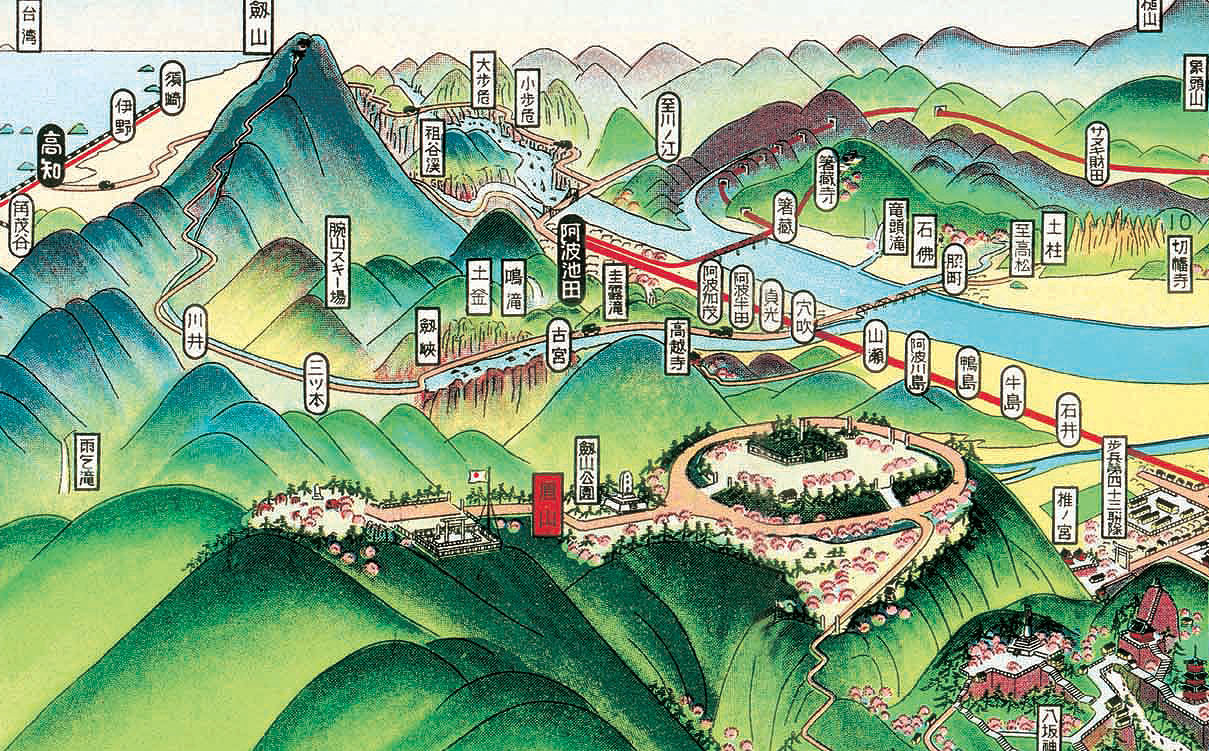
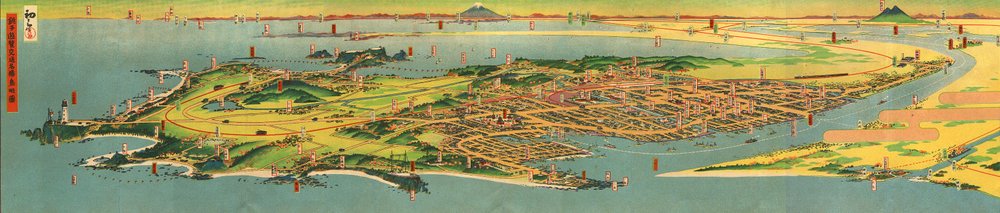
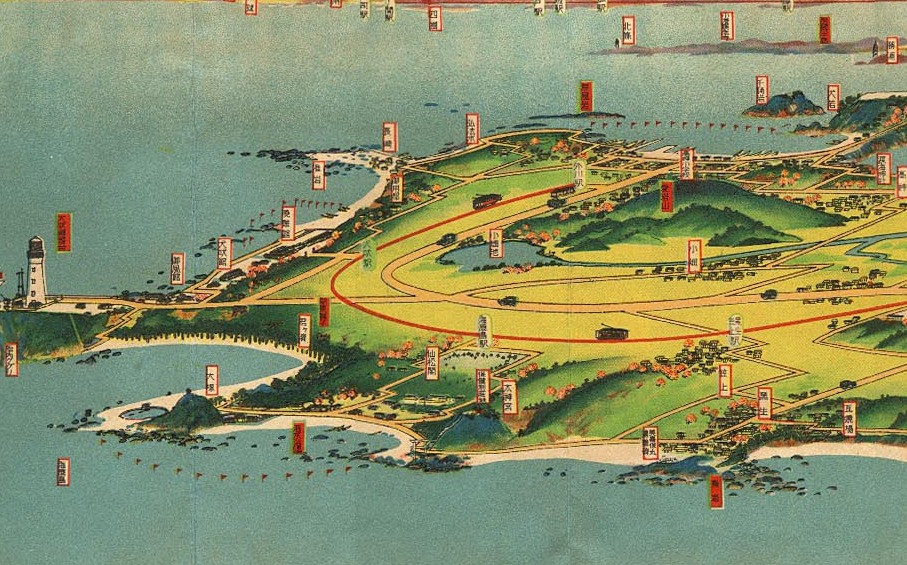
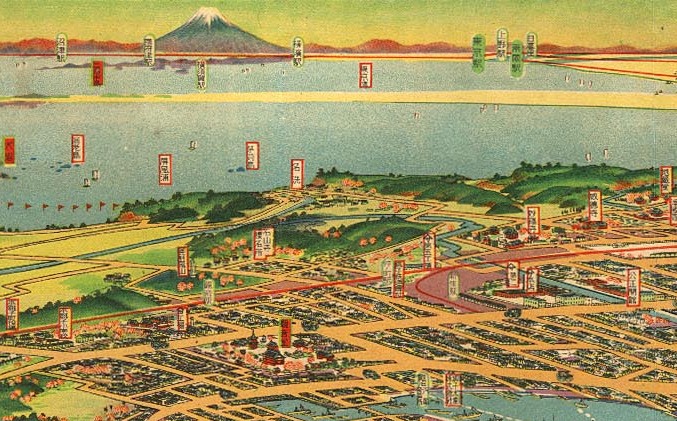
Nowadays we have satellites and computers that greatly aid the daunting task of map-making. But that wasn’t the case just 100 years ago. Cartographers had to actually go out and explore their subjects, taking precise measurements and making difficult calculations. One of these artists was Hatsusaburo Yoshida (1884-1955). Born in Kyoto and raised by a single mother, Yoshida originally was trained as a textile designer.

Yoshida was one of the most popular cartographers of his time, not because his maps were accurate – they were actually deformed and, at times, illogical – but because he spent an enormous amount of time surveying the land. Before even beginning his work he would spend months walking around the site, interviewing people and discovering local favorites.

hatsusaburo-nanjing

Nanjing – click for full size

hatsusaburo-nanjing - (detail 1)

Nanjing (detail)

hatsusaburo-nanjing (detail 2)

Nanjing (detail)

The spots he chose to emphasize in his maps actually created landmarks that are now famous today. Orders were coming in from all over the country and Yoshida had to expand his practice, hiring several assistants to help him create over 3000 maps.

hatsusaburo-tokushima

Tokushima – click for full size

hatsusaburo-tokushima(detail 2)

Tokushima (detail)

hatsusaburo-tokushima(detail)

Tokushima (detail)

But Yoshida’s success was not permanent. When WWII began, the military deemed Yoshida’s maps to be a threat to homeland security, essentially crushing his practice.

hatsusaburo-zushi - (detail 1)

Zushi (detail)

hatsusaburo-zushi - (detail 2)

Zushi (detail)

hatsusaburo-gifu

Gifu

After the war ended, Yoshida left behind one final map of Hiroshima, depicting the land just moments after the detonation of the atomic bomb.

Hiroshima04Hiroshima05

Today (March 4) is actually his birthday and Google Japan has created an homage to his work.

hatsusaburo-yoshidas-130th-birthday-born-1884-5350748304965632-hp

source: wikipedia

Macro Photographs of Soy Sauce by Taisuke Koyama

CirculationCM_06

CirculationCM_07

CirculationCM_01

CirculationCM_03

CirculationCM_05

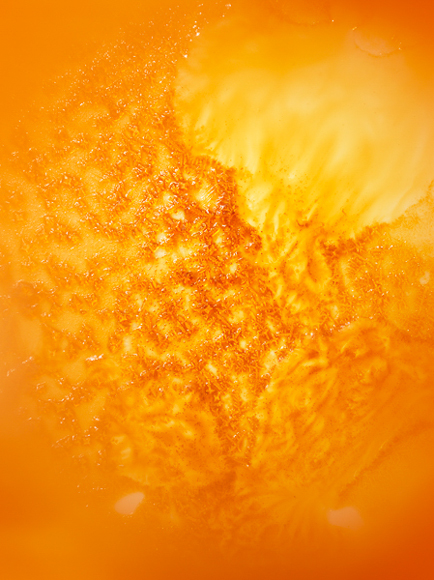
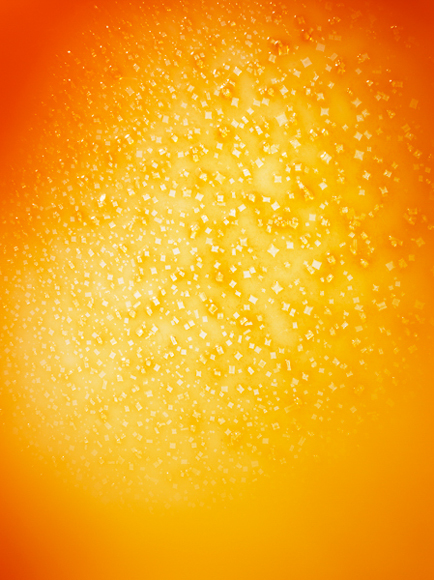
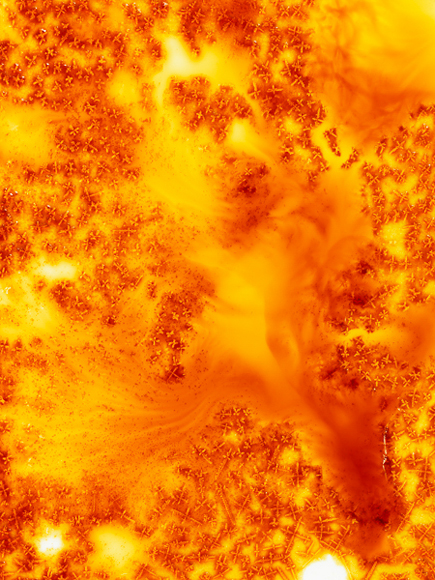
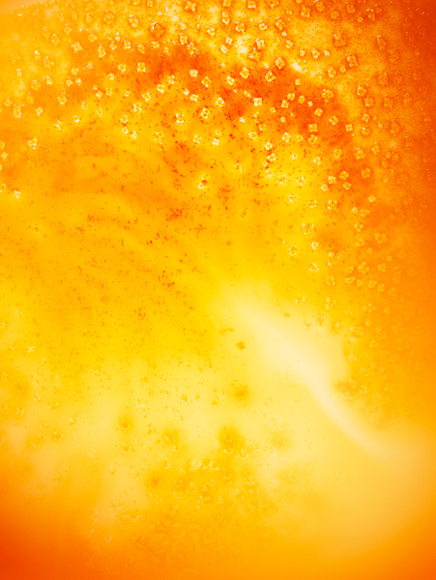
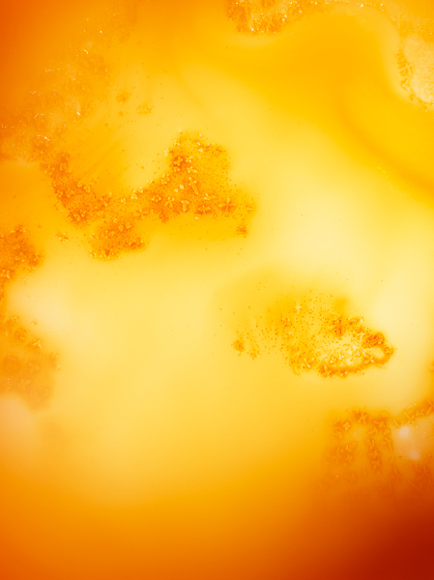
Photographer Taisuke Koyama is fascinated with the miniature world. And I’m not talking about figurines. I mean the world at a microscopic level. Armed with a macro lens and an eye for design, Koyama photographs the smaller things in life and then focuses even closer, creating abstract, organic photographs. He’s most well-known for his “Rainbow Form” series in which he captured outdoor advertisements that contained rainbow colors.

One of his latest series is “Circulation (Crystallized – Melted).” Based on the photographs alone they look like close-ups of the burning surface of the sun. The title doesn’t help much either but these are actually photographs of crystallized and melted soy sauce, Japan’s favorite condiment. Koyama will be showing his photographs on March 20 at Solae Art Gallery Project.

Source: hitspaper

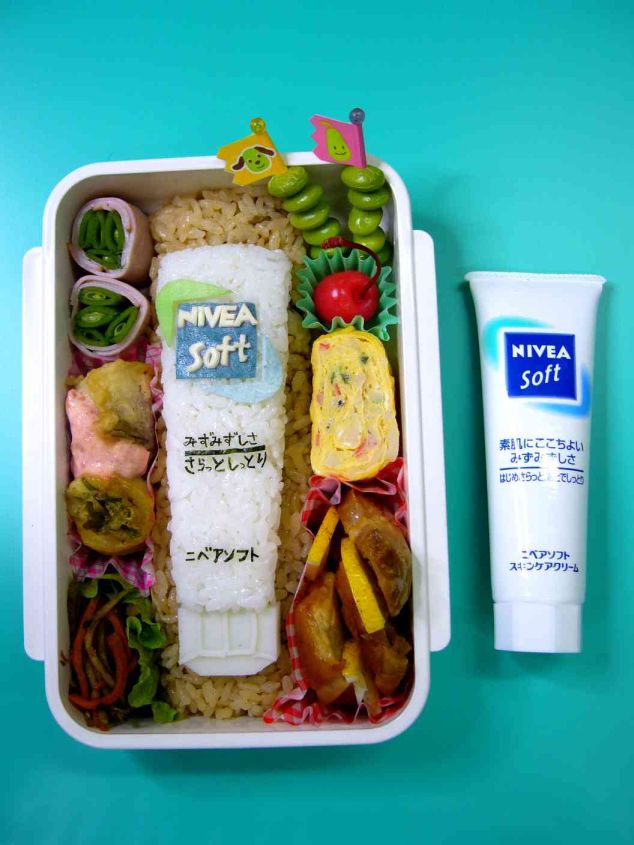
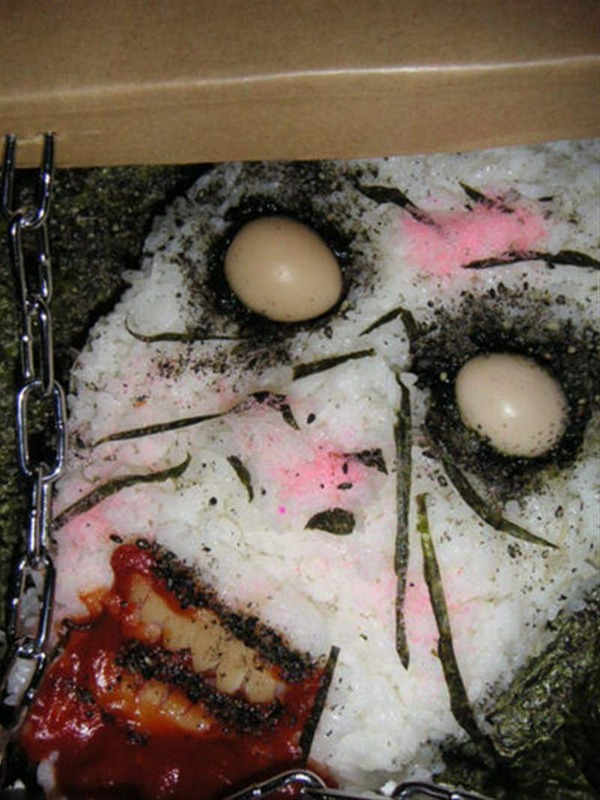
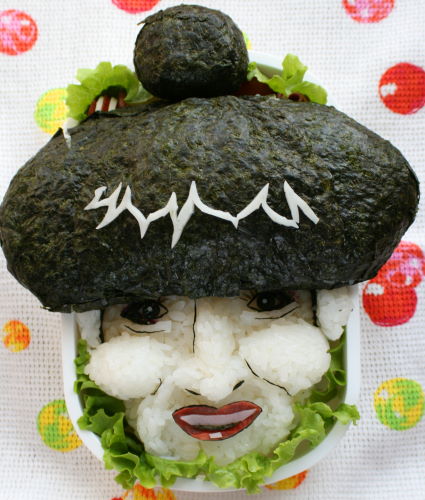
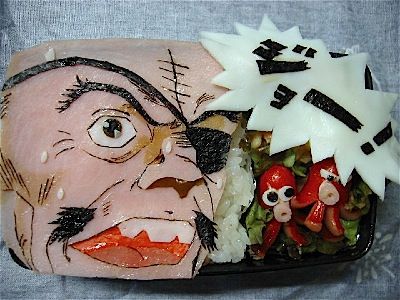
Japanese Bento Boxes That Prioritize Artistic Value Over Taste

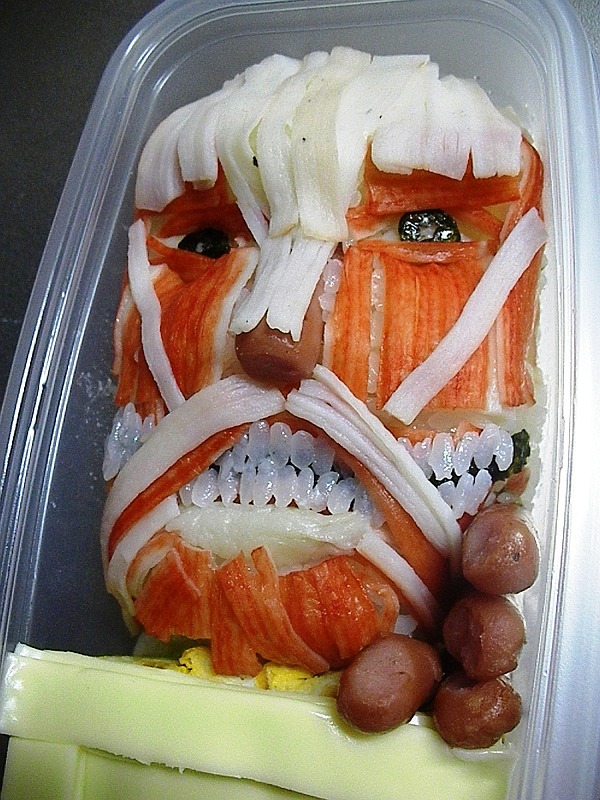
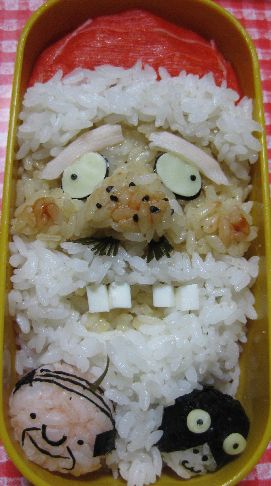
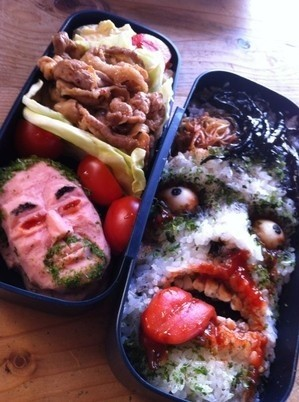
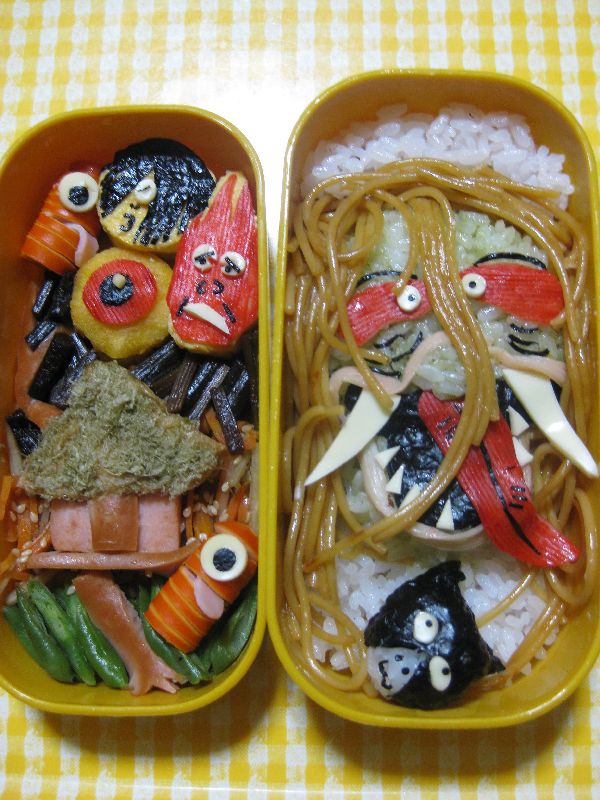
By now we all know that the Japanese take their bento boxes very seriously, creating portable eye-popping creations out of food that each seem to rival the next. Of course the argument can be made that we eat with our eyes first and hence there should be an emphasis on food presented attractively. In fact, many moms claim that styling their children’s lunches in a cute or humorous way encourages them to eat their vegetables.

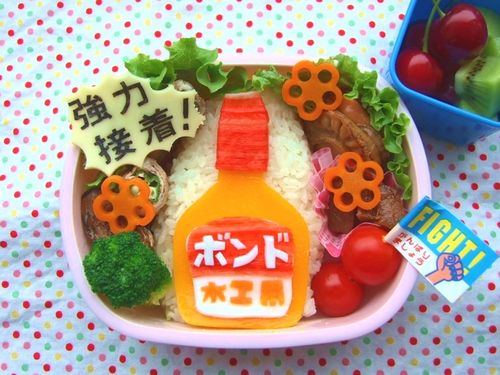
But where should the line be drawn between edible and artistic? I present to you the line. These bento boxes, right here – these are the lines. My kids would have nightmares if they opened these bento boxes.

The wood glue bento box

overly artistic japanese bento boxes (3)

The “Attack on Titan” bento box

overly artistic japanese bento boxes (1)

The scary santa and scary monster bento box

overly artistic japanese bento boxes (7)overly artistic japanese bento boxes (1)

The yokai bento box

overly artistic japanese bento boxes (6)

The facial scrub bento box

overly artistic japanese bento boxes (5)

The “hmm this looks… OH MY GOD WHAT THE HELL IS THAT” bento box

overly artistic japanese bento boxes (9)

The Barbara Walters of Japan bento box

overly artistic japanese bento boxes (8)

The “Ashita no Joe” bento box

overly artistic japanese bento boxes (4)

You can check out our other food-related posts right here.

source: curazy

« Older posts Newer posts »

© 2026 Spoon & Tamago

Up ↑

Design by Bento Graphics